



Ben Masinde, a registered nurse worked as a civil servant in government hospitals in Kenya’s western region for 34 years before retiring at the age of 60. Following his retirement in 2020, Masinde established the Benglad Health Center in Chwele, a busy commercial hub in Bungoma county, western Kenya. The center provides a wide array of services including reproductive, maternal, newborn and child health services to those in and around Chwele. The facility has a maternity wing that operates on a 24-hour basis.
In this article, Masinde speaks about one of the services offered at his clinic –abortion care, his affiliation with IPPF’s Associate Member in the country -Reproductive Health Network Kenya (RHNK), and how his outlook on abortion care has changed since he established the facility five years ago. He narrated his abortion provider care journey to Maryanne W. WAWERU.
“When I started the Benglad Health Center, I was only competent in providing post-abortion care (PAC) services, having been trained by the government back in 2004. At the government hospitals, we would receive a handful of PAC cases in a month, which my colleagues and I would handle capably.
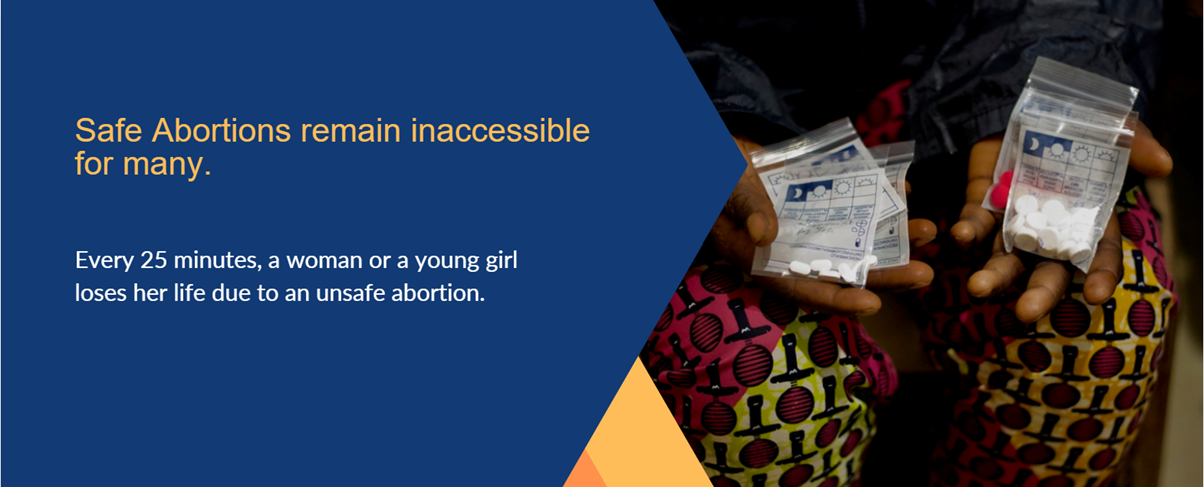
Things were no different at the Benglad Health Center, for I would receive several PAC clients in a month. Many times, the clients would present with extreme abdominal pain, while others would be brought in dizzy and weak, having lost a significant amount of blood from a botched abortion. Some would arrive with chills and high fevers, an indication of infection. Others would be brought in unconscious and in a half-dead state.
The worrisome number of women and girls presenting with complications from unsafe abortions at my facility greatly worried me. The extent of the matter further dawned on me after realizing that I was the one to handle them – compared to when I worked in government hospitals with a team of well-trained colleagues. Now, I was their sole hope for survival.
Religious convictions against abortion
As I attended to the PAC cases at the facility, I noticed something else; an increase in the number of girls and women seeking comprehensive abortion care (CAC) services. They would tell me that they were pregnant and that they wanted to terminate their pregnancies safely, hence why they had come to a decent-looking health facility in the town center. They said they did not want to risk a botched abortion from quacks in the village as they had heard of cases of girls in their neighbourhood who had died from unsafe procedures.
However, the requests for CAC agonized me because I neither had the competence nor the experience required to provide this service. I had a lot of uncertainty about it. In any case, my religious convictions prevented me from offering CAC services.
Needless to say, it did not take long for me to begin analysing the matter from a practical point of view. The number of PAC clients were concerningly worrisome, with their dire situations being preventable in the first place. Seeing women at the near point of death led me to start reconsidering my rigid stance on CAC services.
Clarifying my views on abortion
Meanwhile, I continued to expand my networks as a private health care provider in Bungoma and the larger western Kenya region. During this time, a fellow clinician who understood my dilemma about abortion services introduced me to Reproductive Health Network Kenya (RHNK). The clinician told me that RHNK would help me tackle some of the challenges I was facing as a clinician who offers sexual reproductive health (SRH) services, including those around abortion care. I welcomed the idea and joined RHNK in 2022 – two years after establishing the center.
Upon becoming a member, I was first taken through a Values Clarification and Attitude Transformation (VCAT) training, which helped to demystify some of my views on abortion. The training broadened my understanding on why girls and women procure abortions, and the need for them to have access to affordable, high-quality safe procedures.
As I absorbed the VCAT teachings, I knew that I had to reconcile my strong religious convictions about abortion with the need to help save the lives of women and young girls in Bungoma county and beyond.
RHNK followed up the VCAT training with others on CAC and PAC. The PAC training refreshed and updated my already-existing knowledge on the practice, while the CAC training gave me the confidence to start the journey of saving the lives of young women and girls through the provision of quality abortion care strictly within the confines of Kenya’s laws and policies.
Reduced PAC cases
After the trainings, RHNK provided me with a CAC starter kit which enabled me to begin providing surgical and medical abortion services. Other clinicians who found themselves unable to provide abortion services at their facilities due to various reasons started referring clients to Benglad Health Center, as they knew I would capably attend to them. This, courtesy of the trainings I had received from RHNK.
Gradually, girls and women started coming to my facility directly without going to quacks in the village or other unlicenced practitioners first. This is a practice that had previously contributed to the high PAC cases. I was now able to attend to all those seeking safe abortion services without turning them away because of my religious convictions or my lack of competence in the area.
With time, I noticed a decrease in cases of those presenting with unsafe abortion complications and today, I hardly receive any PAC cases, something I can attribute to the increased awareness in the community about safe abortion services at the facility.
Our charges are affordable and reflect the economic situation of my clientele. We charge between 2,000 – 4,000 Kenyan shillings ($15 - $31) for abortion services, though this can be reduced or waived depending on the clients’ circumstances. We do not turn away any client just because they cannot afford the charges.
Connecting with other abortion care providers
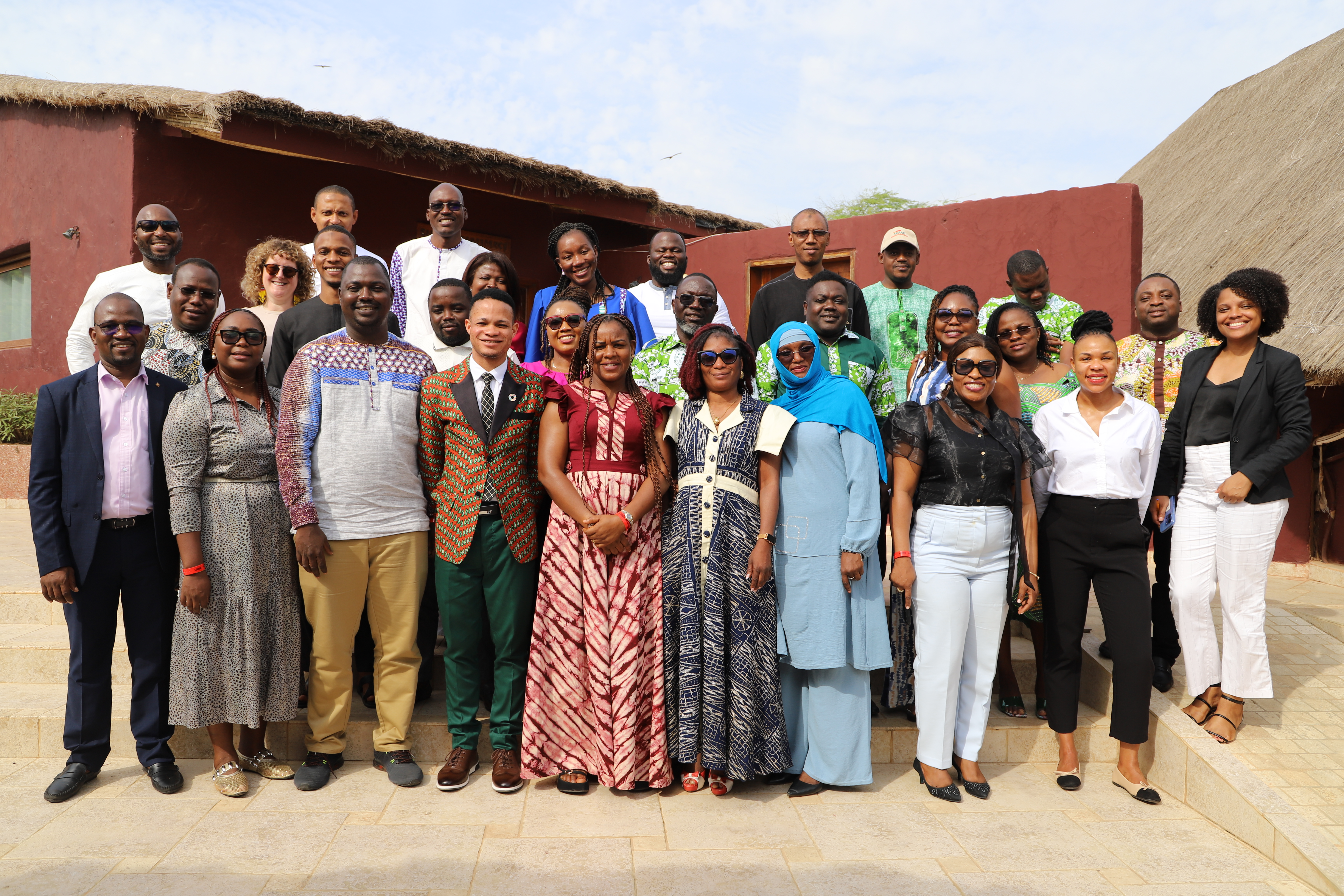
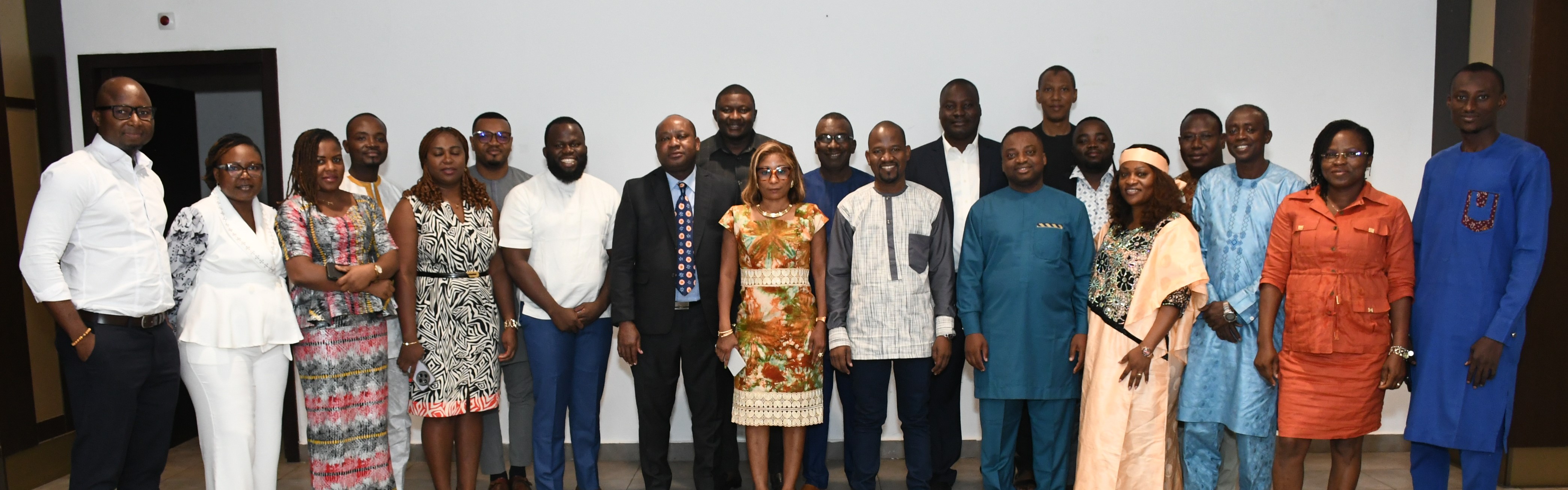
In February 2025, RHNK invited me to a provider share workshop (PSW). The workshop brought together several abortion care providers under the organization’s network. There, I met other service providers within the RHNK network.
Drawn from different geographical locations across the country, I established that some of the practitioners had been providing CAC services for a short period of time such as myself, while others carried decades of experience. Collectively, we shared our experiences in abortion provision, and it was great to learn of our unique, yet similar experiences. There were lots of lessons to learn from each other.
Additionally, at the provider share workshop, we formed a WhatsApp group which has been instrumental in continued peer-peer support amongst ourselves. Whenever we are faced with a dilemma or a challenging situation, we quickly reach out to colleagues in the forum and receive prompt assistance. Recently, I encountered a difficult abortion case, and I reached out to a service provider who I met during the provider share workshop who has been providing CAC services for decades, and he successfully guided me through the situation.
No longer ‘alone’
The support from RHNK has been very helpful as I no longer feel ‘alone’ as an abortion care provider. Being a member of the network and the experiences we continue to share as abortion care providers have been very encouraging. I am proud to be associated with an entity that is committed to saving the lives of girls and women across the country through the provision of high-quality client-centered abortion services.
Today, I can with confidence say that through the safe abortion services provided at Benglad Health Center, the lives of several girls and young women in Bungoma county have been saved. I remain committed to this cause, thanks to partners such as RHNK and IPPF.
when
country
Kenya
region
Africa
Subject
Abortion Care
Related Member Association
Reproductive Health Network Kenya