



Articles about Benin
25 February 2026
Strengthening Health Systems for Integrated and Transformative SRHR (SHIFTS)
𝗔𝗯𝗼𝘂𝘁 𝗦𝗛𝗜𝗙𝗧𝗦 Strengthening Health Systems for Integrated and Transformative SRHR (SHIFTS) is a 7-year initiative that aims to enhance the realization of sexual and reproductive health and rights (SRHR) for women, adolescents and marginalized groups by ensuring they can exercise their rights and access essential sexual and reproductive health (SRH) care, free from stigma, discrimination and systemic barriers. Donor: Global Affairs Canada Implementing MAs: Association Béninoise pour la Promotion de la Famille (ABPF), Associação Moçambicana para o Desenvolvimento da Família (AMODEFA) and Planned Parenthood Federation of Nigeria (PPFN). When: 21 March 2025 -31 March 2032 (7 years) Where: Benin – Bohicon and Parakou Mozambique – Zambezia and Gaza Nigeria – Adamawa, Edo, Enugu, Kaduna, Niger, and Oyo The SHIFTS Approach Women, girls and marginalized communities in Mozambique, Benin and Nigeria face persistent gender and health inequities such as high maternal mortality, unmet need for contraception, and higher-than-global-average adolescent birth rates. These issues are compounded by harmful social and gender norms, restricted decision-making power of women and girls over their bodies, and limited integration of SRH care and services into primary healthcare. Additionally, unsafe abortion remains a major contributor to maternal mortality, with stigma, misinformation, and lack of access to safe abortion care, making it more difficult for women and adolescents to access the health services they need. The SHIFTS project responds to these challenges through a three-pillared approach. 1. Tackling gaps in health systems by scaling up and/or implementing cluster models of care to deliver integrated SRH care. 2. Addressing social and gendered barriers to accessing SRHR care through comprehensive sexuality education and community sensitization. 3. Fostering enabling policy and legal environments that emphasize supporting duty bearers in meeting their obligations and accompanying rights holders in claiming their rights. SHIFTS is being implemented in partnership with Action Canada for Sexual Health and Rights, the International Planned Parenthood Federation Africa Region (IPPFAR) and experienced Member Associations (MAs) in Benin, Mozambique, and Nigeria. Grounded in and guided by human-rights based approaches and feminist principles, the project’s partners are committed to strengthening the resilience of health systems in the three focus countries to ensure continuity and long-term accessibility of SRH care in times of disruption.
27 May 2025
Strengthening the Collective Impact of IPPF Member Associations for Abortion Care Access
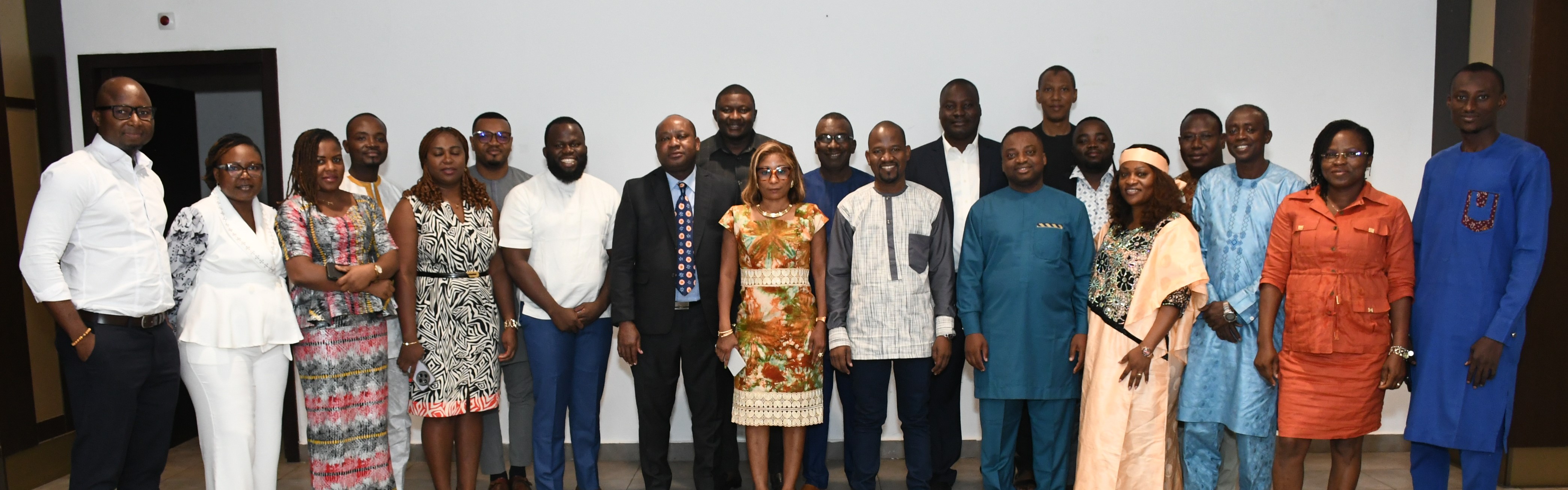
From 24–27 March 2025, the city of Douala, Cameroon, hosted the regional strategic planning workshop marking the launch of Phase 2 of the SCAAO programme (Comprehensive Abortion Care in West Africa). Organized in a spirit of co-creation, the event brought together 20 representatives from IPPF Africa Region Member Associations (MAs) — including Executive Directors, Programme Managers, Finance Officers, Monitoring & Evaluation Officers, and healthcare providers involved in the provision of abortion care. Participants were drawn from the countries of Benin, Burkina Faso, Cameroon, Niger, and Togo. The workshop aimed to strengthen the capacities of MAs to enhance their knowledge, skills, and monitoring and evaluation tools for effective project management of the SCAAO project. It also aimed to foster a peer-learning environment conducive to cross-country strategy refinement. The workshop purposed to promote strategic partnerships and increase stronger collaboration among MAs to enhance an enabling environment for successful programme implementation. A Collaborative and Strategic Space The workshop was driven by dynamic exchanges, hands-on experience sharing, and action-oriented technical sessions. Key sessions and themes included values clarification and attitude transformation (VCAT), advocacy, youth empowerment, documentation of good practices, and institutional leadership. Key achievements from SCAAO’s year 1 implementation were also shared and analyzed. The achievements include 16,683 women and girls benefitting from safe abortion care information and services. 91% of the beneficiaries received post-abortion contraception. 6,039 women and girls accessed related services via WhatsApp, SMS, the InfoAdoJeunes app, and other digital platforms. Another notable achievement was the engagement of MAs in national and regional abortion ecosystems strengthening, movement building, as well as local and national level advocacy initiatives. Ms. Marie-Ange Bouwem, the SCAAO Project Coordinator in IPPF’s MA in Togo -Assocation Togolaise pour le Bien-Etre Familial (ATBEF), played a key role in facilitating the sessions. Dr. Mady Dera, SCAAO Project Coordinator in IPPF’s MA in Burkina Faso -Association Burkinabe pour le Bien-Etre Familial (ABBEF) led the technical session on values clarification, highlighting that “Sustainable performance stems from teams that are valued, heard, and engaged.” Mr. Gérard Da Silva, the Executive Director from IPPF’s MA in Niger, Association Nigérienne pour le Bien-Etre Familial (ANBEF) praised the project’s collaborative approach, stating, "Working in a consortium helps avoid fragmented progress. Together, we have a strong potential to mobilize more organizations for our cause." Key Learnings and Cross-Cutting Lessons Sessions on abortion-related communication deeply resonated with participants, who stressed how language can either facilitate or hinder access to care. There were insightful discussions with practical examples from MAs about how conversations about abortion shape its social acceptance. Mr. Ahmed Pana, ATBEF’s Finance Director emphasized the need to tailor language to specific audiences, while Mr. Lotti Edjenguele Executive Director, of the Cameroon National Association for Family Welfare (CAMNAFAW) highlighted the importance of sensitive communication to fight abortion stigma. Fostering ongoing strategic dialogue between project teams and MA leadership was promoted during the sessions. “The group work sessions on leadership helped me better understand the levers of strategic project management,” said Mr. Rachid Awal (SCAAO project manager in ANBEF). A Pivotal Moment for the Programme The workshop served as a catalyst for more structured cross-country collaboration, encouraged local innovation, and fostered collective ownership of the project. “The workshop was a relevant space for giving and receiving, where each MA learns from others to improve their own strategies,” said Mr. Gérard Da-Silva (ANBEF Executive Director). Mrs. Armande Bossou, Program Director at Association Beninoise pour la Promotion de la Famille (ABPF), said the workshop was an insightful learning forum. “The workshop allowed me to learn from other Member Associations. It also helped me understand that even when the environment is favorable for the provision of abortion services, it is crucial to remain vigilant to maintain that enabling environment, and to ensure effective dissemination of the existing legal provisions so that everyone is equally informed. A More Ambitious and Integrated Phase 2 Phase 2 of the SCAAO programme is built on a foundation of continuous improvement, with a strong focus on self-managed abortion, meaningful youth engagement, data-driven advocacy, and more inclusive and efficient governance within the MAs. The regional strategic planning workshop in Douala marked a pivotal step in launching Phase 2 of the SCAAO program with renewed ambition and cohesion. By bringing together key actors from across West Africa, the event reinforced the importance of collective intelligence, peer learning, co-creation, and strategic alignment to advance access to safe abortion. Through vibrant discussions, shared insights, and a spirit of collaboration, participants not only strengthened their technical capacities but also laid the groundwork for a more integrated, inclusive, and impactful implementation of the program. By Kader Avonnon The Project Manager, SCAAO.

21 November 2024
EmpowHER
About EmpowHER: EmpowHER (Ensuring Inclusive SRHR Delivery for Women, Girls and Marginalised Communities) is a six-year initiative with three key priority areas: Increasing access to quality, person-centred abortion care. Empowering young people to act on their sexual and reproductive rights by expanding access to Comprehensive Sexuality Education (CSE). This is delivered through our CSE Centres of Excellence in Ghana, Togo and Colombia. Pushing back against the anti-rights agenda through coalition and movement-building, as well as advocacy work with our Member Associations. This restricted-funded project will support IPPF’s Strategy 2028 and donor commitments to advance the health and rights of women and girls in all their diversity around the world, ensuring that they can decide what to do with their bodies, their lives, and their futures. Donor: Global Affairs Canada Implementing MAs: Bénin (Association Béninoise pour la Promotion de la Famille) Burkina Faso (ABBEF), Colombia (Profamilia), Ecuador (CEMOPLAF), Ghana (PPAG), Guinea-Bissau (AGUIBEF), Kenya (RHN), Mauritania, (AMPF) Pakistan (FPAP), Sudan (SFPA), Togo (ATBEF), Uganda (RHU), and Zambia (PPAZ). Duration: 1st April 2024 – 31st March 2030 (6 years) Total Budget: CAD $48,000,000

08 February 2024
Spotlight on Benin: IPPF Director General's Trip Reinvigorates SRHR Progress
By Moctar MENTA The International Planned Parenthood Federation (IPPF) Director General Dr. Alvaro Bermejo visited Benin from February 3rd to 7th, 2024. This milestone visit, the first ever to Benin, aimed to strengthen ongoing collaboration between IPPF and its member association “Association Béninoise pour la Promotion de la Famille – ABPF”. It builds on the remarkable advances Benin has made in sexual and reproductive health and rights - most notably the recent passing and enactment of a historic sexual and reproductive health and rights (SRHR) legal framework liberalizing abortion, representing a first for the West African sub-region. Warm Welcome by ABPF Leadership, Staff and Youth Upon arrival in Cotonou, IPPF Director General Dr. Alvaro Bermejo was greeted by the leadership of the ABPF, including Executive Director, Mr. Comlan Christian Agbozo, Board Chair Ms. Olive Fleur Oussougoe, past-Chair Ms. Judith Maffon Gbehinto, and Youth Chair Ms. Joliane Attolou. They held a briefing session focused on ABPF’s expanding sexual and reproductive health programs across communities, through static clinics, mobile outreach, extensive partnerships, and over 1,000 dedicated youth volunteers. Discussions centered on challenges around financing and conservative opposition, alongside opportunities leveraging Benin’s new landmark SRHR legal framework ushering healthcare access and equity. Engagements with Key Government Partners During his stay, Dr. Alvaro Bermejo met with high-level stakeholders to discuss strengthening collaboration and commitment to advance SRHR in Benin. Honorable Louis Vlavonou, President of the National Assembly, expressed gratitude for IPPF and member association ABPF Benin's vital support in the successful passage of landmark laws in 2021 focused on protecting reproductive rights, combatting gender-based violence and upholding healthcare access. "IPPF and ABPF Benin have been indispensable partners in driving the legal reforms expanding healthcare access and equity in Benin. We reinforce our joint efforts to ensure comprehensive oversight and implementation of these hard-won policies," said President Vlavonou. His Excellency Abdoulaye Bio Tchane, Minister of State for Planning and Development, invited IPPF and ABPF Benin to contribute technical expertise in upcoming national advocacy focused on balanced family planning and ensuring parents are empowered to sustainably provide for children. "Benin has been a leader regionally on population policies balancing reproductive rights with sustainable development. We welcome IPPF and ABPF's ongoing contributions across awareness, service delivery and impactful cooperation with government," Minister Bio Tchane remarked. Ms. Huguette Bokpe Gnacadja, President of the National Women’s Institute, applauded ABPF Benin’s longstanding community programs advancing gender equality and women’s social, economic and political representation across Benin. She reinforced steadfast collaboration translating policy commitments into impactful change. Underscoring Regional Leadership on SRHR Additionally, Dr. Bermejo met with the Minister of Health, His Excellency Benjamin Hounkpatin, to discuss Benin's potential to serve as a model on SRHR progress regionally. "Benin's advances on healthcare access and equity can set an example and learnings for other African countries to replicate," noted Dr. Bermejo. He reiterated IPPF’s firm support through ABPF Benin to ensure comprehensive rollout and oversight of Benin’s new SRHR legal framework. Minister Hounkpatin acknowledged ABPF Benin’s 50+ years of outstanding SRHR programs and reinforced commitment to maintain momentum ushering in a new era of healthcare in Benin. High-Level Panel to Advance Joint Civil Society Roadmap On his last day visiting Benin, Dr. Bermejo participated in a high-level panel discussion focused on “Civil Society Organizations at the Heart of Promoting Sustainable Development and Social Responsibility for Sexual and Reproductive Health.” The event brought together diverse local CSOs to explore persistent SRHR challenges, identify collaborative solutions, and reinforce coordination toward universal healthcare access grounded in rights, inclusion, and partnerships across all of Benin’s communities. Reinvigorated Momentum to Uphold SRHR in Benin IPPF Director General Dr. Alvaro Bermejo’s visit galvanized actors across Benin's government and civil society, forging purposeful collaboration to build on remarkable progress. By spotlighting ABPF's impact and securing high-level commitments, the trip paved the way for intensified cooperation upholding access and equity to transform sexual and reproductive health outcomes.

26 May 2023
Volunteer becomes “lifelong activist in the name of sexual education” for Togo’s youth
From the Government of Canada’s website Growing up in Sokodé, a city in central Togo, Hayathe Ayeva dreamed of a career as a health-care professional. She studied hard in school and saw similar drive and lots of potential in the girls around her. But by the age of 12, some of her friends were becoming sexually active. With no access to sexuality education teaching them about consent and bodily autonomy or birth control in the conservative community, the doors to whatever future they had hoped for quickly closed. “I really couldn’t stand to see my friends, who were brilliant at school and surely promised a bright future, suddenly drop out because of early marriage, pregnancy or gender-based violence,” Ayeva recalls. “This is something that saddened and revolted me because I believed that, together, we should go on to higher education and become financially independent. I decided to fully commit myself to the defence of human rights, especially reproductive-health rights.” Hayathe Ayeva, a volunteer at ATBEF, says sexuality education reduces taboos and encourages people to be “more willing to talk about sexuality.” Credit: ATBEF Ayeva was motivated to join the Association Togolaise Pour le Bien-Être Familial [Togolese association for family welfare] (ATBEF), a non-governmental organization in the field of sexual and reproductive health and rights that is a member association of the International Planned Parenthood Federation (IPPF). She began volunteering as a peer educator, helping young people learn about everything from how to protect themselves from sexually transmitted infections to the proper use of contraceptives. Today, Ayeva, 23, is the national president of ATBEF’s Youth Action Movement. Through a project supported by Global Affairs Canada, the organization has established kiosks that offer contraceptive services and other initiatives adapted to the needs of young people at 2 public universities in Togo. There are also mobile clinics, a smart phone app called InfoAdoJeune [InfoTeenYouth] that provides teleconsultation services and an e-learning platform with free online comprehensive sexuality education courses for youth. The project supports a youth centre that includes meeting and training spaces and a health clinic, as well as games in the front garden that help to draw in young people. Credit: ATBEF Such interventions are critical given Togo’s young population, she says. In the West African country of more than 7.2 million people, some 60% are under 25 years old, while 42% are under 15. And 1 in 6 girls give birth before the age of 18. Ayeva says there are many obstacles to improving sexual understanding among the country’s young people. These include sexual taboos, the long distances required to get to youth-friendly health services, and young peoples’ limited access to public health centres and to sexuality information and contraceptive care. The efforts supported by Canada are making a difference by building the capacity of youth advisers who deliver clinical services, the young volunteer says. ATBEF hosts and runs various activities, ensuring that young people get access to “the right information” confidentially, she says. The numbers are significant. In 2021, despite the COVID-19 crisis, the 2 university kiosks provided 28,154 educational and health services to Togolese youths. In 2022, ATBEF provided 172,538 services through the Global Affairs Canada-supported program. In the ATBEF kiosk at the University of Lomé, trained staff members and volunteers provide contraceptives and referrals as needed. Credit: ATBEF Ayeva, who lives in Togo’s capital of Lomé and became a member of the global board of trustees of the IPPF last November, is ever mindful of her young friends who had to stop their studies because of early marriages and pregnancies. “I’m constantly challenged by my conscience,” she says. “I really want to make a change among the young population.” She’s proud to be a young leader and role model in her community, calling herself a “lifelong activist in the name of sexual education.” She feels that through the activities of ATBEF, with the assistance of partners such as Canada, “taboos are a little bit reduced today and people are more willing to talk about sexuality.” She is pursuing her goal of becoming a doctor of public health responsible for a large social organization. Last year, Ayeva graduated with a degree in pharmaceutical science, and she plans to pursue a master’s in public health next. She would ultimately like to work in a field such as reproductive science and get a position as a specialist with the United Nations. A nurse at a mobile clinic provides family-planning counselling and contraceptive pills to a woman. Credit: ATBEF Ayeva writes poetry and recently composed a poem for an IPPF event in Abidjan, Côte d'Ivoire. Titled “J’ai peur” [“I am afraid”], it expresses her concerns about rising rates of teenage pregnancy, gender-based violence and discrimination. While her poem paints a bleak picture of society, it notes that [translation] “destiny lies in the hands of its youth” and emphasizes the importance of activism. “Beyond my fear, I remain confident,/…I see a glimmer of hope on the horizon,” Ayeva writes. “Together we can change the world.”

The New York Times article: A Year After Widening Abortion Access, Benin Sees Fewer Botched Ones

25 October 2022
IPPFAR Statement: Expanding Access to Abortion Care: Regional Safe Abortion Dialogue in Francophone Africa
24 October 2022. According to the World Health Organization (WHO), 45% of all abortions are unsafe and almost all of these occur in developing countries[1]. An unsafe abortion is a procedure for terminating an unwanted pregnancy either by persons lacking the necessary skills or in an environment lacking minimal medical standards or both. Unsafe abortions result in the deaths of 47,000 women every year and leaves millions temporarily or permanently disabled[2]. An estimated 93% of women of reproductive age in Africa live in countries with restrictive abortion laws[3]. This means that the countries’ laws only permit abortion in certain cases, often only if there is risk to the woman’s life, her health, the pregnancy is the result of rape, or there is evidence of foetal impairment. On this first-day of the Regional Safe Abortion Dialogue, organized by the Organisation pour le Dialogue sur l'Avortement Sécurisé (ODAS), IPPF Africa Region reaffirms its commitment to championing and providing abortion care and reducing the number of deaths of women and girls who are forced to turn to unsafe abortion methods for fear of arrests and harassment. IPPF Africa Region would also like to amplify the statement made by the Honourable Commissioner Janet R Sallah-Njie, the Special Rapporteur on the Rights of Women in Africa at the African Commission on Human and People’s Rights, African Commission on Human and Peoples' Rights Pressrelease (achpr.org) urging State Parties to the African Charter on Human and Peoples’ Rights (the African Charter) to honour their commitments under the African Charter; and the Protocol to the African Charter on Human and Peoples’ Rights on the Rights of Women in Africa (the Maputo Protocol or Protocol), by decriminalising abortion in their respective countries. “We applaud ODAS and all the other partnerships and actors who are working tirelessly to expand access to abortion care. Almost 90% of abortions in countries with liberal abortion laws are considered safe, compared to only 25% in countries where abortion is banned. This is a gross violation of human rights. Medical abortion has revolutionised access to care and safe abortion, both inside and outside the health system; and safe and effective abortion self-care means that people can now safely terminate their pregnancies in the privacy of their own homes. These advances must be protected,” said Marie-Evelyne Petrus-Barry, Regional Director of the International Planned Parenthood Federation, Africa Region. “Ensuring accessing to abortion care is critical for the complete fulfilment of sexual and reproductive health and rights”, added Comlan Christian Agbozo, the Executive Director of the Association Béninoise pour la Promotion de la Famille (ABPF). “As one of the leading providers of sexual and reproductive health services in Benin, we are very fortunate that the new law passed in Benin in November 2021, is providing women with expanded options to access abortion care in instances that they may not want, or be able, to continue with a pregnancy.” The International Planned Parenthood Federation Africa Region (IPPFAR) is one of the leading providers of quality sexual and reproductive health (SRH) services in Africa and a prominent sexual and reproductive health and rights (SRHR) advocacy voice in the region. For more updates on our work, follow IPPF Africa Region on Facebook, Twitter, Instagram and You Tube. [1] Abortion (who.int) [2] WHO | Preventing unsafe abortion [3] Abortion in Africa | Guttmacher Institute

25 October 2021
Historic Moment for Benin as New Law Legalizing Abortion Adopted
The International Planned Parenthood Federation (IPPF) welcomes the news of abortion law reform in Benin. On 20 October 2021, the Benin National Assembly voted to significantly widen the conditions under which women and gender non-confirming people can legally access abortion care. The new law will now allow women and gender non-conforming people to end their pregnancy within the first three months if it is likely to "aggravate or cause material, educational, professional or moral distress, incompatible with the woman or the unborn child's interest.” Under Benin’s previous abortion law, it was only permissible to seek abortion care if the pregnancy ‘threatened the life of the mother’, was ‘the result of a rape or incest’ or when ‘the unborn child has a particularly severe affection’. In a country where an estimated that 200 women die annually from unsafe abortion, the new law will undoubtedly save lives. IPPF is proud that its Member Association in the country, Association Beninoise pour la Promotion de la Famille (ABPF), was directly involved in advocating for change in the abortion law. The organization’s involvement began years ago, when it intensified its advocacy activities with key stakeholders, most notably the Network of Parliamentarians for Population and Development, made up of several Members of Parliament (MPs) committed to championing sexual reproductive health and rights (SRHR) for all. Among its activities, ABPF organized capacity building and advocacy sessions with parliamentarians. It also proposed an extension of the law on abortion in a code on sexual and reproductive health, which was developed and presented to the MPs. Mr. Christian Agbozo, Executive Director of ABPF says that it was this close collaboration with lawmakers and other key stakeholders, both in the private and public sector that led to this success. "The new law is a step forward for the rights of Beninese women. ABPF’s involvement in advocating for abortion liberalization was necessary not only to ensure women's right to decide, but to also allow ABPF service providers to provide comprehensive abortion care services without being subjected to prosecution in the future. The new law will help more women receive safe abortion care and exercise their reproductive rights and freedoms. It is a proud moment for us all,” he says. IPPF Africa Regional Director Mrs. Marie-Evelyne Petrus-Barry acknowledged Benin’s progressive step in voting for the legalization of abortion. “As an institution that believes in the unreserved upholding of the human rights of all people, we affirm that this is indeed a great win not only for the women and girls of Benin, but for women and girls across the region. Following in the footsteps of two other countries in the continent, South Africa and Cape Verde, Benin has demonstrated its commitment to women’s reproductive freedom, and we hope that other African countries will follow” she said. Mrs. Petrus-Barry further reiterated IPPF’s commitment to advocating for the repeal of retrogressive laws and policies that infringe on their reproductive autonomy, and development of those that allow them to exercise their sexual reproductive health and rights. Her sentiments were echoed by IPPF’s Director General, Dr. Alvaro Bermejo. “We are extremely pleased to see the long-awaited expansion of abortion provision in Benin and applaud the National Assembly for recognising the dignity, humanity and sexual and reproductive rights of Beninese people seeking abortion care. We are also proud of our Member Association, ABPF, for its continued hope and advocacy in Benin.” Dr. Bermejo acknowledged the dedicated efforts by African countries to push back against colonial and archaic abortion laws that hold their communities back. “IPPF is honored to be a part of that movement and will never stop fighting for safe and legal abortion care for all those who need it.” For more updates on our work, follow IPPF Africa Region on Facebook, Twitter, Instagram and You Tube.

24 June 2021
Adapting Family Planning Services in Times of Crisis: Bringing Comprehensive Sexuality Education Online in Benin
The COVID-19 outbreak created the largest disruption of education systems in history. Closures of schools and other learning spaces have impacted 94% of the world’s student population, of which 99% are in low and lower-middle-income countries1. UNESCO estimated in July 2020 that about 24 million learners, from pre-primary to university level, were at risk of not returning to school because of COVID-19 disruptions. The restrictive measures to contain the spread of the deadly COVID-19 virus have made it even more difficult for young people to access essential life-saving sexual reproductive health and rights (SRHR) services, including comprehensive sexuality education (CSE) and contraception. This has put them at greater risk of teenage pregnancies, unsafe abortion, gender-based violence (GBV), sexually transmitted infections (STIs), and HIV; making access to out-of-school sexuality education and services even more urgent. 64.4% of Benin’s population is under the age of 25 years. Even though CSE has been included in the secondary school curriculum since 2018, following advocacy efforts by our Member Association in the country, the Association Beninoise pour la Promotion de la Famille (ABPF) and other organizations, CSE education is only delivered in few pilot schools and does not include issues of diversity and sexual fulfilment. In response to the difficult situation presented by COVID-19, ABPF developed online CSE sessions during the pandemic, in a bid to ensure adolescents and young people could continue to access CSE. Download the complete case study here: Bringing Comprehensive Sexuality Education Online in Benin

04 December 2019
"Why I Advocate for Men's Involvement in Female Condom Use" -Avonnon Kader
By Maryanne W. Waweru 28-year-old Kader Avonnon is the Program Assistant -Youth, Gender and Advocacy in IPPF’s MA in Benin - Association Béninoise pour la Promotion de la Famille (ABPF). “In my country, cases of unwanted pregnancies and Sexually Transmitted Infections (STIs) including HIV among young people are quite alarming, more so in women. As a youth SRHR advocate, I believe in the importance of women holding contraceptive power in their hands -literally, and the female condom does exactly that. It is therefore prudent that we remain steadfast in our efforts to empower more young women in learning about how they can take control of their reproductive health,” he says. Just like the male condom, the FC2 female condom blocks sperm and the bacteria or viruses that cause STIs. The outer ring provides added protection against STIs by covering the woman’s external sex organs and the base of the penis. When used correctly and consistently, it is as effective as other barrier methods. Kader, who started out as a volunteer peer educator with ABPF’s Youth Action Movement (YAM) at the age of 20, adds that education about female condoms should not be a preserve of women. “During our outreaches, we also give information about the female condom to men. Without their involvement and cooperation, women will not be successful in using the female condom. Men need to clearly understand the benefits of the female condom, its correct use, where it can be accessed or purchased and at what cost. They must support their girlfriends in decision making when it comes to issues of sex. That’s why we don’t leave men out in our education activities,” says Kader. It also goes that sometimes, a couple might be unsatisfied with male condoms, hence why it is important for them to know that there is the option of the female condom. During ABPF’s community outreaches, youth peer educators do demonstrations about the correct use of both female and male condoms. They then distribute them to the young people who need them. The female condoms are also available at all ABPF’s clinics. They are given free-of-charge. “In all the forums I find myself in where there are men, I always take a moment to encourage them to be involved in contraceptive decisions with their girlfriends. It’s one of the best ways to show their love and support,” concludes Kader. Maryanne W. Waweru is the Governance and Compliance Officer, IPPF Africa Region. If you are young person and would like to join the Youth Action Movement, see where we work and get in touch. You can also reach us through @YAM Africa For more updates on our work, follow us on Facebook and Twitter Images are of Kader at an exhibition stand at the International Conference on AIDS and STIs in Africa (ICASA) in Kigali, Rwanda (2 - 7 December 2019).
25 February 2026
Strengthening Health Systems for Integrated and Transformative SRHR (SHIFTS)
𝗔𝗯𝗼𝘂𝘁 𝗦𝗛𝗜𝗙𝗧𝗦 Strengthening Health Systems for Integrated and Transformative SRHR (SHIFTS) is a 7-year initiative that aims to enhance the realization of sexual and reproductive health and rights (SRHR) for women, adolescents and marginalized groups by ensuring they can exercise their rights and access essential sexual and reproductive health (SRH) care, free from stigma, discrimination and systemic barriers. Donor: Global Affairs Canada Implementing MAs: Association Béninoise pour la Promotion de la Famille (ABPF), Associação Moçambicana para o Desenvolvimento da Família (AMODEFA) and Planned Parenthood Federation of Nigeria (PPFN). When: 21 March 2025 -31 March 2032 (7 years) Where: Benin – Bohicon and Parakou Mozambique – Zambezia and Gaza Nigeria – Adamawa, Edo, Enugu, Kaduna, Niger, and Oyo The SHIFTS Approach Women, girls and marginalized communities in Mozambique, Benin and Nigeria face persistent gender and health inequities such as high maternal mortality, unmet need for contraception, and higher-than-global-average adolescent birth rates. These issues are compounded by harmful social and gender norms, restricted decision-making power of women and girls over their bodies, and limited integration of SRH care and services into primary healthcare. Additionally, unsafe abortion remains a major contributor to maternal mortality, with stigma, misinformation, and lack of access to safe abortion care, making it more difficult for women and adolescents to access the health services they need. The SHIFTS project responds to these challenges through a three-pillared approach. 1. Tackling gaps in health systems by scaling up and/or implementing cluster models of care to deliver integrated SRH care. 2. Addressing social and gendered barriers to accessing SRHR care through comprehensive sexuality education and community sensitization. 3. Fostering enabling policy and legal environments that emphasize supporting duty bearers in meeting their obligations and accompanying rights holders in claiming their rights. SHIFTS is being implemented in partnership with Action Canada for Sexual Health and Rights, the International Planned Parenthood Federation Africa Region (IPPFAR) and experienced Member Associations (MAs) in Benin, Mozambique, and Nigeria. Grounded in and guided by human-rights based approaches and feminist principles, the project’s partners are committed to strengthening the resilience of health systems in the three focus countries to ensure continuity and long-term accessibility of SRH care in times of disruption.
27 May 2025
Strengthening the Collective Impact of IPPF Member Associations for Abortion Care Access
From 24–27 March 2025, the city of Douala, Cameroon, hosted the regional strategic planning workshop marking the launch of Phase 2 of the SCAAO programme (Comprehensive Abortion Care in West Africa). Organized in a spirit of co-creation, the event brought together 20 representatives from IPPF Africa Region Member Associations (MAs) — including Executive Directors, Programme Managers, Finance Officers, Monitoring & Evaluation Officers, and healthcare providers involved in the provision of abortion care. Participants were drawn from the countries of Benin, Burkina Faso, Cameroon, Niger, and Togo. The workshop aimed to strengthen the capacities of MAs to enhance their knowledge, skills, and monitoring and evaluation tools for effective project management of the SCAAO project. It also aimed to foster a peer-learning environment conducive to cross-country strategy refinement. The workshop purposed to promote strategic partnerships and increase stronger collaboration among MAs to enhance an enabling environment for successful programme implementation. A Collaborative and Strategic Space The workshop was driven by dynamic exchanges, hands-on experience sharing, and action-oriented technical sessions. Key sessions and themes included values clarification and attitude transformation (VCAT), advocacy, youth empowerment, documentation of good practices, and institutional leadership. Key achievements from SCAAO’s year 1 implementation were also shared and analyzed. The achievements include 16,683 women and girls benefitting from safe abortion care information and services. 91% of the beneficiaries received post-abortion contraception. 6,039 women and girls accessed related services via WhatsApp, SMS, the InfoAdoJeunes app, and other digital platforms. Another notable achievement was the engagement of MAs in national and regional abortion ecosystems strengthening, movement building, as well as local and national level advocacy initiatives. Ms. Marie-Ange Bouwem, the SCAAO Project Coordinator in IPPF’s MA in Togo -Assocation Togolaise pour le Bien-Etre Familial (ATBEF), played a key role in facilitating the sessions. Dr. Mady Dera, SCAAO Project Coordinator in IPPF’s MA in Burkina Faso -Association Burkinabe pour le Bien-Etre Familial (ABBEF) led the technical session on values clarification, highlighting that “Sustainable performance stems from teams that are valued, heard, and engaged.” Mr. Gérard Da Silva, the Executive Director from IPPF’s MA in Niger, Association Nigérienne pour le Bien-Etre Familial (ANBEF) praised the project’s collaborative approach, stating, "Working in a consortium helps avoid fragmented progress. Together, we have a strong potential to mobilize more organizations for our cause." Key Learnings and Cross-Cutting Lessons Sessions on abortion-related communication deeply resonated with participants, who stressed how language can either facilitate or hinder access to care. There were insightful discussions with practical examples from MAs about how conversations about abortion shape its social acceptance. Mr. Ahmed Pana, ATBEF’s Finance Director emphasized the need to tailor language to specific audiences, while Mr. Lotti Edjenguele Executive Director, of the Cameroon National Association for Family Welfare (CAMNAFAW) highlighted the importance of sensitive communication to fight abortion stigma. Fostering ongoing strategic dialogue between project teams and MA leadership was promoted during the sessions. “The group work sessions on leadership helped me better understand the levers of strategic project management,” said Mr. Rachid Awal (SCAAO project manager in ANBEF). A Pivotal Moment for the Programme The workshop served as a catalyst for more structured cross-country collaboration, encouraged local innovation, and fostered collective ownership of the project. “The workshop was a relevant space for giving and receiving, where each MA learns from others to improve their own strategies,” said Mr. Gérard Da-Silva (ANBEF Executive Director). Mrs. Armande Bossou, Program Director at Association Beninoise pour la Promotion de la Famille (ABPF), said the workshop was an insightful learning forum. “The workshop allowed me to learn from other Member Associations. It also helped me understand that even when the environment is favorable for the provision of abortion services, it is crucial to remain vigilant to maintain that enabling environment, and to ensure effective dissemination of the existing legal provisions so that everyone is equally informed. A More Ambitious and Integrated Phase 2 Phase 2 of the SCAAO programme is built on a foundation of continuous improvement, with a strong focus on self-managed abortion, meaningful youth engagement, data-driven advocacy, and more inclusive and efficient governance within the MAs. The regional strategic planning workshop in Douala marked a pivotal step in launching Phase 2 of the SCAAO program with renewed ambition and cohesion. By bringing together key actors from across West Africa, the event reinforced the importance of collective intelligence, peer learning, co-creation, and strategic alignment to advance access to safe abortion. Through vibrant discussions, shared insights, and a spirit of collaboration, participants not only strengthened their technical capacities but also laid the groundwork for a more integrated, inclusive, and impactful implementation of the program. By Kader Avonnon The Project Manager, SCAAO.
21 November 2024
EmpowHER
About EmpowHER: EmpowHER (Ensuring Inclusive SRHR Delivery for Women, Girls and Marginalised Communities) is a six-year initiative with three key priority areas: Increasing access to quality, person-centred abortion care. Empowering young people to act on their sexual and reproductive rights by expanding access to Comprehensive Sexuality Education (CSE). This is delivered through our CSE Centres of Excellence in Ghana, Togo and Colombia. Pushing back against the anti-rights agenda through coalition and movement-building, as well as advocacy work with our Member Associations. This restricted-funded project will support IPPF’s Strategy 2028 and donor commitments to advance the health and rights of women and girls in all their diversity around the world, ensuring that they can decide what to do with their bodies, their lives, and their futures. Donor: Global Affairs Canada Implementing MAs: Bénin (Association Béninoise pour la Promotion de la Famille) Burkina Faso (ABBEF), Colombia (Profamilia), Ecuador (CEMOPLAF), Ghana (PPAG), Guinea-Bissau (AGUIBEF), Kenya (RHN), Mauritania, (AMPF) Pakistan (FPAP), Sudan (SFPA), Togo (ATBEF), Uganda (RHU), and Zambia (PPAZ). Duration: 1st April 2024 – 31st March 2030 (6 years) Total Budget: CAD $48,000,000
08 February 2024
Spotlight on Benin: IPPF Director General's Trip Reinvigorates SRHR Progress
By Moctar MENTA The International Planned Parenthood Federation (IPPF) Director General Dr. Alvaro Bermejo visited Benin from February 3rd to 7th, 2024. This milestone visit, the first ever to Benin, aimed to strengthen ongoing collaboration between IPPF and its member association “Association Béninoise pour la Promotion de la Famille – ABPF”. It builds on the remarkable advances Benin has made in sexual and reproductive health and rights - most notably the recent passing and enactment of a historic sexual and reproductive health and rights (SRHR) legal framework liberalizing abortion, representing a first for the West African sub-region. Warm Welcome by ABPF Leadership, Staff and Youth Upon arrival in Cotonou, IPPF Director General Dr. Alvaro Bermejo was greeted by the leadership of the ABPF, including Executive Director, Mr. Comlan Christian Agbozo, Board Chair Ms. Olive Fleur Oussougoe, past-Chair Ms. Judith Maffon Gbehinto, and Youth Chair Ms. Joliane Attolou. They held a briefing session focused on ABPF’s expanding sexual and reproductive health programs across communities, through static clinics, mobile outreach, extensive partnerships, and over 1,000 dedicated youth volunteers. Discussions centered on challenges around financing and conservative opposition, alongside opportunities leveraging Benin’s new landmark SRHR legal framework ushering healthcare access and equity. Engagements with Key Government Partners During his stay, Dr. Alvaro Bermejo met with high-level stakeholders to discuss strengthening collaboration and commitment to advance SRHR in Benin. Honorable Louis Vlavonou, President of the National Assembly, expressed gratitude for IPPF and member association ABPF Benin's vital support in the successful passage of landmark laws in 2021 focused on protecting reproductive rights, combatting gender-based violence and upholding healthcare access. "IPPF and ABPF Benin have been indispensable partners in driving the legal reforms expanding healthcare access and equity in Benin. We reinforce our joint efforts to ensure comprehensive oversight and implementation of these hard-won policies," said President Vlavonou. His Excellency Abdoulaye Bio Tchane, Minister of State for Planning and Development, invited IPPF and ABPF Benin to contribute technical expertise in upcoming national advocacy focused on balanced family planning and ensuring parents are empowered to sustainably provide for children. "Benin has been a leader regionally on population policies balancing reproductive rights with sustainable development. We welcome IPPF and ABPF's ongoing contributions across awareness, service delivery and impactful cooperation with government," Minister Bio Tchane remarked. Ms. Huguette Bokpe Gnacadja, President of the National Women’s Institute, applauded ABPF Benin’s longstanding community programs advancing gender equality and women’s social, economic and political representation across Benin. She reinforced steadfast collaboration translating policy commitments into impactful change. Underscoring Regional Leadership on SRHR Additionally, Dr. Bermejo met with the Minister of Health, His Excellency Benjamin Hounkpatin, to discuss Benin's potential to serve as a model on SRHR progress regionally. "Benin's advances on healthcare access and equity can set an example and learnings for other African countries to replicate," noted Dr. Bermejo. He reiterated IPPF’s firm support through ABPF Benin to ensure comprehensive rollout and oversight of Benin’s new SRHR legal framework. Minister Hounkpatin acknowledged ABPF Benin’s 50+ years of outstanding SRHR programs and reinforced commitment to maintain momentum ushering in a new era of healthcare in Benin. High-Level Panel to Advance Joint Civil Society Roadmap On his last day visiting Benin, Dr. Bermejo participated in a high-level panel discussion focused on “Civil Society Organizations at the Heart of Promoting Sustainable Development and Social Responsibility for Sexual and Reproductive Health.” The event brought together diverse local CSOs to explore persistent SRHR challenges, identify collaborative solutions, and reinforce coordination toward universal healthcare access grounded in rights, inclusion, and partnerships across all of Benin’s communities. Reinvigorated Momentum to Uphold SRHR in Benin IPPF Director General Dr. Alvaro Bermejo’s visit galvanized actors across Benin's government and civil society, forging purposeful collaboration to build on remarkable progress. By spotlighting ABPF's impact and securing high-level commitments, the trip paved the way for intensified cooperation upholding access and equity to transform sexual and reproductive health outcomes.
26 May 2023
Volunteer becomes “lifelong activist in the name of sexual education” for Togo’s youth
From the Government of Canada’s website Growing up in Sokodé, a city in central Togo, Hayathe Ayeva dreamed of a career as a health-care professional. She studied hard in school and saw similar drive and lots of potential in the girls around her. But by the age of 12, some of her friends were becoming sexually active. With no access to sexuality education teaching them about consent and bodily autonomy or birth control in the conservative community, the doors to whatever future they had hoped for quickly closed. “I really couldn’t stand to see my friends, who were brilliant at school and surely promised a bright future, suddenly drop out because of early marriage, pregnancy or gender-based violence,” Ayeva recalls. “This is something that saddened and revolted me because I believed that, together, we should go on to higher education and become financially independent. I decided to fully commit myself to the defence of human rights, especially reproductive-health rights.” Hayathe Ayeva, a volunteer at ATBEF, says sexuality education reduces taboos and encourages people to be “more willing to talk about sexuality.” Credit: ATBEF Ayeva was motivated to join the Association Togolaise Pour le Bien-Être Familial [Togolese association for family welfare] (ATBEF), a non-governmental organization in the field of sexual and reproductive health and rights that is a member association of the International Planned Parenthood Federation (IPPF). She began volunteering as a peer educator, helping young people learn about everything from how to protect themselves from sexually transmitted infections to the proper use of contraceptives. Today, Ayeva, 23, is the national president of ATBEF’s Youth Action Movement. Through a project supported by Global Affairs Canada, the organization has established kiosks that offer contraceptive services and other initiatives adapted to the needs of young people at 2 public universities in Togo. There are also mobile clinics, a smart phone app called InfoAdoJeune [InfoTeenYouth] that provides teleconsultation services and an e-learning platform with free online comprehensive sexuality education courses for youth. The project supports a youth centre that includes meeting and training spaces and a health clinic, as well as games in the front garden that help to draw in young people. Credit: ATBEF Such interventions are critical given Togo’s young population, she says. In the West African country of more than 7.2 million people, some 60% are under 25 years old, while 42% are under 15. And 1 in 6 girls give birth before the age of 18. Ayeva says there are many obstacles to improving sexual understanding among the country’s young people. These include sexual taboos, the long distances required to get to youth-friendly health services, and young peoples’ limited access to public health centres and to sexuality information and contraceptive care. The efforts supported by Canada are making a difference by building the capacity of youth advisers who deliver clinical services, the young volunteer says. ATBEF hosts and runs various activities, ensuring that young people get access to “the right information” confidentially, she says. The numbers are significant. In 2021, despite the COVID-19 crisis, the 2 university kiosks provided 28,154 educational and health services to Togolese youths. In 2022, ATBEF provided 172,538 services through the Global Affairs Canada-supported program. In the ATBEF kiosk at the University of Lomé, trained staff members and volunteers provide contraceptives and referrals as needed. Credit: ATBEF Ayeva, who lives in Togo’s capital of Lomé and became a member of the global board of trustees of the IPPF last November, is ever mindful of her young friends who had to stop their studies because of early marriages and pregnancies. “I’m constantly challenged by my conscience,” she says. “I really want to make a change among the young population.” She’s proud to be a young leader and role model in her community, calling herself a “lifelong activist in the name of sexual education.” She feels that through the activities of ATBEF, with the assistance of partners such as Canada, “taboos are a little bit reduced today and people are more willing to talk about sexuality.” She is pursuing her goal of becoming a doctor of public health responsible for a large social organization. Last year, Ayeva graduated with a degree in pharmaceutical science, and she plans to pursue a master’s in public health next. She would ultimately like to work in a field such as reproductive science and get a position as a specialist with the United Nations. A nurse at a mobile clinic provides family-planning counselling and contraceptive pills to a woman. Credit: ATBEF Ayeva writes poetry and recently composed a poem for an IPPF event in Abidjan, Côte d'Ivoire. Titled “J’ai peur” [“I am afraid”], it expresses her concerns about rising rates of teenage pregnancy, gender-based violence and discrimination. While her poem paints a bleak picture of society, it notes that [translation] “destiny lies in the hands of its youth” and emphasizes the importance of activism. “Beyond my fear, I remain confident,/…I see a glimmer of hope on the horizon,” Ayeva writes. “Together we can change the world.”
The New York Times article: A Year After Widening Abortion Access, Benin Sees Fewer Botched Ones
25 October 2022
IPPFAR Statement: Expanding Access to Abortion Care: Regional Safe Abortion Dialogue in Francophone Africa
24 October 2022. According to the World Health Organization (WHO), 45% of all abortions are unsafe and almost all of these occur in developing countries[1]. An unsafe abortion is a procedure for terminating an unwanted pregnancy either by persons lacking the necessary skills or in an environment lacking minimal medical standards or both. Unsafe abortions result in the deaths of 47,000 women every year and leaves millions temporarily or permanently disabled[2]. An estimated 93% of women of reproductive age in Africa live in countries with restrictive abortion laws[3]. This means that the countries’ laws only permit abortion in certain cases, often only if there is risk to the woman’s life, her health, the pregnancy is the result of rape, or there is evidence of foetal impairment. On this first-day of the Regional Safe Abortion Dialogue, organized by the Organisation pour le Dialogue sur l'Avortement Sécurisé (ODAS), IPPF Africa Region reaffirms its commitment to championing and providing abortion care and reducing the number of deaths of women and girls who are forced to turn to unsafe abortion methods for fear of arrests and harassment. IPPF Africa Region would also like to amplify the statement made by the Honourable Commissioner Janet R Sallah-Njie, the Special Rapporteur on the Rights of Women in Africa at the African Commission on Human and People’s Rights, African Commission on Human and Peoples' Rights Pressrelease (achpr.org) urging State Parties to the African Charter on Human and Peoples’ Rights (the African Charter) to honour their commitments under the African Charter; and the Protocol to the African Charter on Human and Peoples’ Rights on the Rights of Women in Africa (the Maputo Protocol or Protocol), by decriminalising abortion in their respective countries. “We applaud ODAS and all the other partnerships and actors who are working tirelessly to expand access to abortion care. Almost 90% of abortions in countries with liberal abortion laws are considered safe, compared to only 25% in countries where abortion is banned. This is a gross violation of human rights. Medical abortion has revolutionised access to care and safe abortion, both inside and outside the health system; and safe and effective abortion self-care means that people can now safely terminate their pregnancies in the privacy of their own homes. These advances must be protected,” said Marie-Evelyne Petrus-Barry, Regional Director of the International Planned Parenthood Federation, Africa Region. “Ensuring accessing to abortion care is critical for the complete fulfilment of sexual and reproductive health and rights”, added Comlan Christian Agbozo, the Executive Director of the Association Béninoise pour la Promotion de la Famille (ABPF). “As one of the leading providers of sexual and reproductive health services in Benin, we are very fortunate that the new law passed in Benin in November 2021, is providing women with expanded options to access abortion care in instances that they may not want, or be able, to continue with a pregnancy.” The International Planned Parenthood Federation Africa Region (IPPFAR) is one of the leading providers of quality sexual and reproductive health (SRH) services in Africa and a prominent sexual and reproductive health and rights (SRHR) advocacy voice in the region. For more updates on our work, follow IPPF Africa Region on Facebook, Twitter, Instagram and You Tube. [1] Abortion (who.int) [2] WHO | Preventing unsafe abortion [3] Abortion in Africa | Guttmacher Institute
25 October 2021
Historic Moment for Benin as New Law Legalizing Abortion Adopted
The International Planned Parenthood Federation (IPPF) welcomes the news of abortion law reform in Benin. On 20 October 2021, the Benin National Assembly voted to significantly widen the conditions under which women and gender non-confirming people can legally access abortion care. The new law will now allow women and gender non-conforming people to end their pregnancy within the first three months if it is likely to "aggravate or cause material, educational, professional or moral distress, incompatible with the woman or the unborn child's interest.” Under Benin’s previous abortion law, it was only permissible to seek abortion care if the pregnancy ‘threatened the life of the mother’, was ‘the result of a rape or incest’ or when ‘the unborn child has a particularly severe affection’. In a country where an estimated that 200 women die annually from unsafe abortion, the new law will undoubtedly save lives. IPPF is proud that its Member Association in the country, Association Beninoise pour la Promotion de la Famille (ABPF), was directly involved in advocating for change in the abortion law. The organization’s involvement began years ago, when it intensified its advocacy activities with key stakeholders, most notably the Network of Parliamentarians for Population and Development, made up of several Members of Parliament (MPs) committed to championing sexual reproductive health and rights (SRHR) for all. Among its activities, ABPF organized capacity building and advocacy sessions with parliamentarians. It also proposed an extension of the law on abortion in a code on sexual and reproductive health, which was developed and presented to the MPs. Mr. Christian Agbozo, Executive Director of ABPF says that it was this close collaboration with lawmakers and other key stakeholders, both in the private and public sector that led to this success. "The new law is a step forward for the rights of Beninese women. ABPF’s involvement in advocating for abortion liberalization was necessary not only to ensure women's right to decide, but to also allow ABPF service providers to provide comprehensive abortion care services without being subjected to prosecution in the future. The new law will help more women receive safe abortion care and exercise their reproductive rights and freedoms. It is a proud moment for us all,” he says. IPPF Africa Regional Director Mrs. Marie-Evelyne Petrus-Barry acknowledged Benin’s progressive step in voting for the legalization of abortion. “As an institution that believes in the unreserved upholding of the human rights of all people, we affirm that this is indeed a great win not only for the women and girls of Benin, but for women and girls across the region. Following in the footsteps of two other countries in the continent, South Africa and Cape Verde, Benin has demonstrated its commitment to women’s reproductive freedom, and we hope that other African countries will follow” she said. Mrs. Petrus-Barry further reiterated IPPF’s commitment to advocating for the repeal of retrogressive laws and policies that infringe on their reproductive autonomy, and development of those that allow them to exercise their sexual reproductive health and rights. Her sentiments were echoed by IPPF’s Director General, Dr. Alvaro Bermejo. “We are extremely pleased to see the long-awaited expansion of abortion provision in Benin and applaud the National Assembly for recognising the dignity, humanity and sexual and reproductive rights of Beninese people seeking abortion care. We are also proud of our Member Association, ABPF, for its continued hope and advocacy in Benin.” Dr. Bermejo acknowledged the dedicated efforts by African countries to push back against colonial and archaic abortion laws that hold their communities back. “IPPF is honored to be a part of that movement and will never stop fighting for safe and legal abortion care for all those who need it.” For more updates on our work, follow IPPF Africa Region on Facebook, Twitter, Instagram and You Tube.
24 June 2021
Adapting Family Planning Services in Times of Crisis: Bringing Comprehensive Sexuality Education Online in Benin
The COVID-19 outbreak created the largest disruption of education systems in history. Closures of schools and other learning spaces have impacted 94% of the world’s student population, of which 99% are in low and lower-middle-income countries1. UNESCO estimated in July 2020 that about 24 million learners, from pre-primary to university level, were at risk of not returning to school because of COVID-19 disruptions. The restrictive measures to contain the spread of the deadly COVID-19 virus have made it even more difficult for young people to access essential life-saving sexual reproductive health and rights (SRHR) services, including comprehensive sexuality education (CSE) and contraception. This has put them at greater risk of teenage pregnancies, unsafe abortion, gender-based violence (GBV), sexually transmitted infections (STIs), and HIV; making access to out-of-school sexuality education and services even more urgent. 64.4% of Benin’s population is under the age of 25 years. Even though CSE has been included in the secondary school curriculum since 2018, following advocacy efforts by our Member Association in the country, the Association Beninoise pour la Promotion de la Famille (ABPF) and other organizations, CSE education is only delivered in few pilot schools and does not include issues of diversity and sexual fulfilment. In response to the difficult situation presented by COVID-19, ABPF developed online CSE sessions during the pandemic, in a bid to ensure adolescents and young people could continue to access CSE. Download the complete case study here: Bringing Comprehensive Sexuality Education Online in Benin
04 December 2019
"Why I Advocate for Men's Involvement in Female Condom Use" -Avonnon Kader
By Maryanne W. Waweru 28-year-old Kader Avonnon is the Program Assistant -Youth, Gender and Advocacy in IPPF’s MA in Benin - Association Béninoise pour la Promotion de la Famille (ABPF). “In my country, cases of unwanted pregnancies and Sexually Transmitted Infections (STIs) including HIV among young people are quite alarming, more so in women. As a youth SRHR advocate, I believe in the importance of women holding contraceptive power in their hands -literally, and the female condom does exactly that. It is therefore prudent that we remain steadfast in our efforts to empower more young women in learning about how they can take control of their reproductive health,” he says. Just like the male condom, the FC2 female condom blocks sperm and the bacteria or viruses that cause STIs. The outer ring provides added protection against STIs by covering the woman’s external sex organs and the base of the penis. When used correctly and consistently, it is as effective as other barrier methods. Kader, who started out as a volunteer peer educator with ABPF’s Youth Action Movement (YAM) at the age of 20, adds that education about female condoms should not be a preserve of women. “During our outreaches, we also give information about the female condom to men. Without their involvement and cooperation, women will not be successful in using the female condom. Men need to clearly understand the benefits of the female condom, its correct use, where it can be accessed or purchased and at what cost. They must support their girlfriends in decision making when it comes to issues of sex. That’s why we don’t leave men out in our education activities,” says Kader. It also goes that sometimes, a couple might be unsatisfied with male condoms, hence why it is important for them to know that there is the option of the female condom. During ABPF’s community outreaches, youth peer educators do demonstrations about the correct use of both female and male condoms. They then distribute them to the young people who need them. The female condoms are also available at all ABPF’s clinics. They are given free-of-charge. “In all the forums I find myself in where there are men, I always take a moment to encourage them to be involved in contraceptive decisions with their girlfriends. It’s one of the best ways to show their love and support,” concludes Kader. Maryanne W. Waweru is the Governance and Compliance Officer, IPPF Africa Region. If you are young person and would like to join the Youth Action Movement, see where we work and get in touch. You can also reach us through @YAM Africa For more updates on our work, follow us on Facebook and Twitter Images are of Kader at an exhibition stand at the International Conference on AIDS and STIs in Africa (ICASA) in Kigali, Rwanda (2 - 7 December 2019).