- - -

Articles about Central African Republic

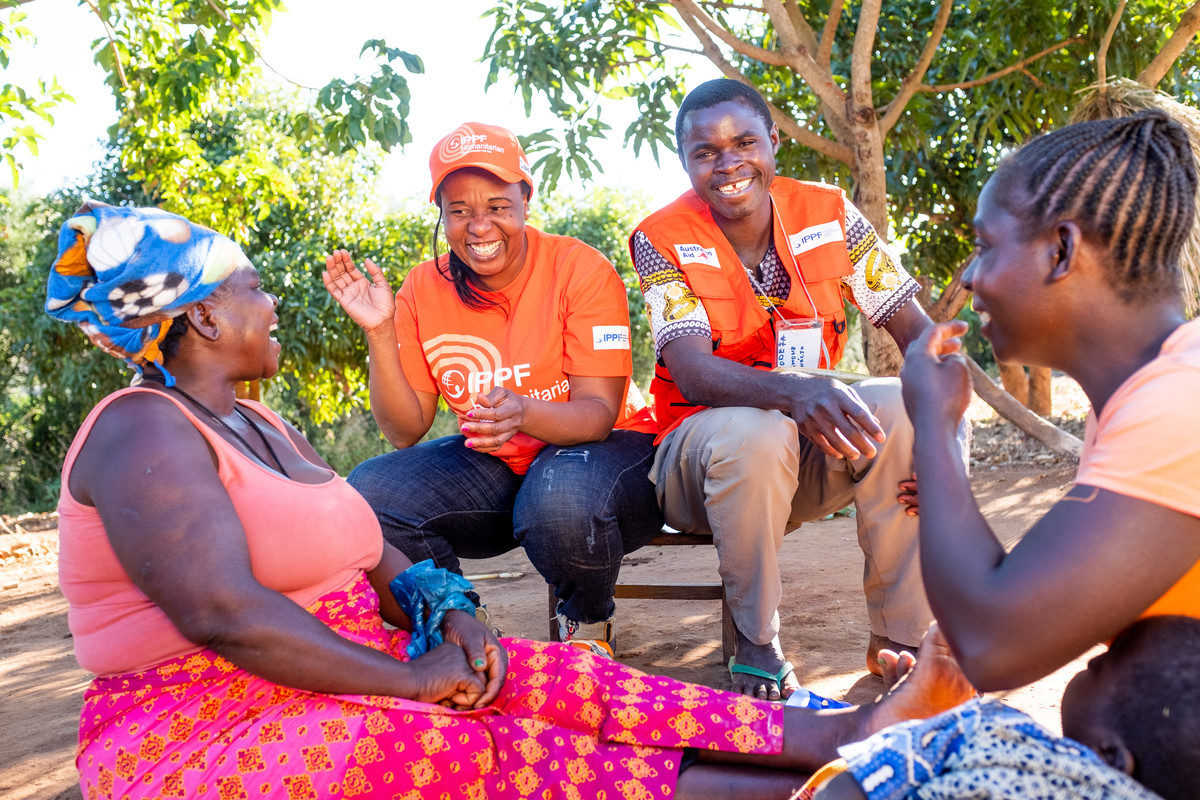
Joyce Chrispo, 34, consults Rose Nyoka Alphonso from RHASS South Sudan on how different type of family planning methods
14 August 2025

IPPF in Action: Delivering life-saving SRH services across Africa’s humanitarian crises

By Moctar Menta  When conflict, climate disasters or epidemics strike, essential health services are often the first to collapse. Yet, the need for sexual and reproductive health (SRH) does not disappear or diminish with humanitarian crises. Instead, in most instances, it becomes more urgent and critical. In these moments, the International Planned Parenthood Federation (IPPF) responds rapidly to ensure that women, adolescents, and other vulnerable populations have access to the care they need to stay healthy and safe.  Between 2024 - 2025, IPPF, through its humanitarian funding mechanisms –Stream 3 and SPRINT, delivered emergency SRH services in over 11 African countries. Stream 3 -which is IPPF’s internal rapid funding tool, and SPRINT –supported by the Australian Government, enabled local IPPF Member Associations (MAs) to act quickly in the face of crises. From conflict zones to flood-hit communities, these responses brought care directly to people, often where no other services were available.  In sub-Saharan Africa, IPPF facilitated more than 215,000 people’s access to SRH and related clinical services during this period. Over 70% of these beneficiaries were women and girls. The range of services included family planning, antenatal and maternal care, HIV and sexually transmitted infection (STI) prevention and management, as well as support for survivors of gender-based violence (GBV). Children under five were also treated for infections and dehydration, especially in areas facing food insecurity or disease outbreaks.    Nigeria  In Nigeria, where floods displaced thousands, IPPF’s MA in Nigeria -the Planned Parenthood Federation of Nigeria (PPFN) reached over 13,000 people in 20 outreach points in Jigawa State. Among them, 4,600 were tested for HIV and more than 1,300 received family planning services, 700 of them for the first time. An emergency care set-up was managed on-site by outreach staff, where emergency cases were handled, including women in labor.  “Reaching flood-affected communities within hours of the alert was key,” said Dr. Paul Odigbo, PPFN Programme Manager. “Women arrived in labor or without access to medication. We had to be there, no matter what.”    Ethiopia  In Ethiopia, where conflict in the Tigray region has disrupted services, more than 45,000 people were reached with SRHR services courtesy of the Family Guidance Association of Ethiopia (FGAE), which is IPPF’s MA in the country. FGAE’s interventions helped avert over 600 unintended pregnancies and more than 130 unsafe abortions. Unintended pregnancies and unsafe abortions are among the leading causes of maternal illness and death in humanitarian settings, where access to contraception and safe care is often severely limited.   Women like Selam, a 31-year-old displaced mother, described how antenatal care and cervical cancer screening brought hope after months without medical access.   “When we were forced to move, we lost everything. But the care from FGAE. The organization gave me hope again,” she said.    South Sudan  South Sudan presented even greater challenges. Resulting from ongoing conflict, economic collapse, and an influx of returnees fleeing violence in Sudan, the country continues to face widespread displacement and strained health systems.   Despite the insecurity and displacement, nearly 15,000 individuals (10,400 female and 4,400 male) were reached with services ranging from GBV care to antenatal support, courtesy of Reproductive Health Association of South Sudan (RHASS) -which is IPPF’s representative in the country. Over 1,800 clients received contraceptives, and 235 births were supported in a mix of services offered by RHASS in collaboration with partner government health facilities.   Mary, a survivor of sexual violence, described how access to counseling and care provided by RHASS health workers helped her begin to heal.   “I wanted to give up,” she said. “But the health workers gave me strength.”     Mozambique  In Mozambique’s Cabo Delgado Province, the district of Mecúfi faced the aftermath of Cyclone Chido, which destroyed homes and significant health infrastructures, among other destructions. In response, Associação Moçambicana para o Desenvolvimento da Família (AMODEFA) -IPPF’s local partner in the country, deployed mobile clinics, delivered dignity kits, and conducted community talks on family planning and gender-based violence prevention.   Over 15,000 people (9,500 female and 5,700 male) received services. Clinical interventions included family planning services, STI treatment, antenatal care, and psychosocial support for GBV survivors, with more than 40 mobile health brigades deployed across isolated communities.   In Chad, despite political tensions and the arrival of thousands of refugees fleeing conflict in Sudan, over 10,000 people received SRH services, including 4,300 who accessed different forms of contraception. IPPF’s local partners in Senegal (Action et Développement (ACDEV); in the Central African Republic (Association Centrafricaine pour le Bien-Être Familial (ACABEF), and in Liberia (Community Healthcare Initiative (CHI) each delivered services to thousands of displaced or flood-affected populations. In Kenya, the Reproductive Health Network Kenya (RHNK) reached over 12,000 people, including many first-time family planning users.    Adaptability measures to ensure service provision  This scale of impact would not have been possible without adaptability measures. In places like Liberia and the Central African Republic (CAR), Member Association staff navigated blocked roads by boats and motorbikes. In South Sudan, outreach teams coordinated with local authorities and security actors to access camps for internally displaced persons (IDPs). Where abortion care was legally restricted, teams focused on post-abortion care, contraception, and counseling.  Social media was also used to raise awareness and mobilize communities. Equally important was the effort to tell these stories. AMODEFA’s communication strategy included publishing over 60 social media posts that highlighted stories of courage and resilience. The visibility helped build trust, encourage health-seeking behavior, and show communities that they were not forgotten. The AMODEFA Facebook page saw engagement increase by more than 230% in just two months.  The results went beyond clinical numbers. In each country, exit strategies were developed to transition emergency services into comprehensive SRH services. In response to emergencies, service delivery points (SDPs) were established in each country to meet immediate sexual and reproductive health and rights (SRHR) needs. As the crises subsided, six SDPs were transitioned into permanent MA static clinics to ensure continued access to essential SRHR services in Nigeria and Kenya. In CAR, three SDPs were successfully transitioned.    Effective partnerships   In South Sudan, eight public health facilities, including Gumbo and Rokon primary healthcare facilities were equipped with supplies, staff training, and service delivery support by RHASS, and later transitioned to government partners for continued SRH care.   In Ethiopia, FGAE established public-private partnerships with government health offices to maintain care beyond the crisis window, including joint service delivery, referral networks, and capacity-building of public health staff.   In CAR, three mobile outreach clinics operated by Association Centrafricaine pour le bien-être familial (ACABEF) were successfully transformed into static service delivery points, ensuring communities continue to access SRH services after the emergency phase.  *For detailed results and country-specific case studies, visit IPPF humanitarian page.    Rights-based humanitarian response  IPPF’s humanitarian work in Africa shows what is possible when response is fast, local, and rights-based. The Stream 3 and SPRINT funding mechanisms proved vital during each crisis, where local IPPF partners delivered timely services in unstable environments. As new emergencies emerge, whether due to climate, conflict, displacement or other unprecedented factors, continued investment is critical.  Indeed, SRH is not a secondary concern during emergencies. It is essential. It prevents maternal deaths, supports survivors of violence, and protects the dignity of people in crisis. With sustained support, IPPF will continue to reach the most vulnerable, saving lives and restoring hope where it’s needed most.  Moctar Menta is the Humanitarian resource person at the IPPF Africa Regional Office 

IPPF_Isabel Corthier
31 January 2022

Humanitarian Capacity Development Center

The project aims to strengthen the capacity of 6 MAs in and SARO to deliver high-quality SRH services in crises. Budget:  770,000 USD Donor: IPPF Solutions 2 Timeline: 2 Years ( March 2020–Dec 2022 ) Project implementation areas: Burkina Faso, Burundi, CAR, Maldives, Sudan, and Yemen Partners: UNFPA and national humanitarian actors Other interesting information: The project is designed to be led by MAs, as part of the Member Association-centric approach, with support from the regional offices and the Global Humanitarian Team. Innovative approaches: Operational research will be useful for measuring interventions’ impact and will highlight key challenges, suggest areas of improvement and good practices. Inclusion of LGBTQUIA and organisation's of persons with Disabilities in preparedness and planning. Lessons learned: Language barrier is a serious risk to project implementation if not properly addressed at design stage. Translation and interpretation costs should be significantly budgeted for when engaging English and French-speaking MAs as key project implementers.

A woman receiving an antenatal check up in West Ambae, Vanuatu
31 March 2017

SPRINT: Sexual and reproductive health in crisis and post-crisis situations

The SPRINT Initiative provides one of the most important aspects of humanitarian assistance that is often forgotten when disaster and conflicts strike: access to essential life-saving sexual and reproductive health services. We build capacity of humanitarian workers to deliver essential life-saving sexual and reproductive health services in crisis and post-crisis situations through the delivery of the Minimum Initial Service Package (SRH) for reproductive health in emergencies.   Through funding from the Australian Government's Department of Foreign Affairs and Trade (DFAT) our SPRINT Initiative has brought sexual and reproductive health to the humanitarian agenda, increased capacity and responded to a number of humanitarian emergencies. Australia has funded the SPRINT initiative since 2007 and has supported reaching 1,138,175 people to date and continues to respond to ongoing emergencies.   In each priority country, we work with an IPPF Member Association to coordinate and implement SPRINT activities. Through these partnerships, SPRINT helps strengthen the enabling environment, improve national capacity and provide lifesaving services during times of crisis.   You can read more about the SPRINT Initiative and IPPF Humanitarian’s Programme here.   Australian Government's Department of Foreign Affairs and Trade (DFAT)      Australia's location in the Indo-Pacific provides us with a unique perspective on humanitarian action. Australia is committed to helping partner governments manage crisis response themselves. This is done through building the capacity of the national government and civil society to be able to respond to disaster. DFAT also works with experienced international partners to prepare for and respond to disasters, including other donors, United Nations agencies, the International Red Cross and Red Crescent Movement and non-government organisations.  

ACABEF
12 March 2019

Delivering SRH Services During a Humanitarian Crisis: The Central African Republic Experience

The Central African Republic (CAR) experienced a civil war that largely involved the government, rebel groups and armed militia. The peak of this violence -in December 2013, left thousands of people dead, with thousands of women, children and men being internally displaced, and many others fleeing to neighbouring countries. The instability caused by the conflict took a huge toll on the political, economic and social growth of the country, with critical sectors such as administration, security, education and public health being greatly affected. Thousands of internally displaced populations were unable to seek treatment for their injuries, diseases and other medical conditions. In addition, they were unable to access much-needed sexual and reproductive health (SRH) services. ACABEF’s Response IPPF’s Member Association in the Central African Republic; l’Association Centrafricaine pour le Bien-Etre Familial (ACABEF) is credited as one of the leading reproductive health service providers in the country. In its response to the humanitarian crisis resulting from the conflict, ACABEF intervened in many of the internally displaced and refugee camps by offering a wide range of sexual and reproductive health services to the displaced populations located in different sites. Some of the services that ACABEF provided included: Family planning services Free condoms Ante-natal services to pregnant women Treatment and management of Sexually Transmitted Infections (STIs) HIV information, testing, counselling and management services Why ACABEF’s Succeeded in its Provision of SRH Services in Conflict Areas ACABEF adequately prepared for the provision of these services, including ensuring that all actors were involved in the planning, delivery and management of the services offered. Before going into an internally displaced camp to provide sexual and reproductive health services, ACABEF first sent out a team that made exploratory investigations. This team engaged with traditional leaders and local authorities -in the presence of rebel group leaders (COMZONE) about their intentions to provide services to the populations in need. ACABEF, through its peer educators and volunteers, identified young people living in these camps, who then sensitized the displaced populations of the organization’s intended activities in the camps ACABEF sensitized different stakeholders; including representatives of the community as well as the armed groups on the modalities involved in ensuring that there would be smooth provision of reproductive health services in the camps and peripheral villages. Discussions about the safety of health workers and clients/beneficiaries during provision of services were prioritized On mutually agreed dates, the ACABEF team provided the much-needed sexual and reproductive health services without worry, owing to the prior negotiations which guaranteed their security ACABEF’s health providers referred clients with complicated cases to other health facilities capable of handling the respective needs. Owing to these stringent arrangements, ACABEF successfully provided sexual and reproductive health services to 36 Bangui sites and 15 outlying villages. Thousands of men, women and young people greatly benefited from ACABEF’s intervention. Challenges Experienced In some areas, there were armed groups that were hostile to interventions by Non-Governmental Organizations (NGOs) and international organisations. This affected ACABEF’s service delivery in such areas. Owing to the free services offered through the mobile clinics, ACABEF was unable to serve the large number of clients who turned up for services. They were subsequently referred to nearby health facilities. Lessons Learned The involvement of community actors and other stakeholders is key to the successful provision of reproductive health services to internally displaced populations Despite the high level of hostility between affected groups, ACABEF has always been called upon to intervene with regard to provision of reproductive health services because of the organization’s credibility. The collaboration of ACABEF with partners to provide quality SRHR services to the internally displaced was identified as one of the Member Association’s Good Practices during the 3rd Cycle of Accreditation. A Good Practice is an activity or practice that has been proven to work and yields positive results. The sharing of Good Practices by IPPF Member Associations offers learning experiences for their counterparts. See other Good Practices from our Member Associations: Leading Efforts to End Child Marriage: The Case of Senior Chief Theresa Kachindamoto of Malawi Mobile Clinics in Cape Verde: Taking Services Closer to the People Awarding the Best Performing Clinics: Lesotho Planned Parenthood Association (LPPA) What’s in a Game? ABUBEF’s use of Playing Cards for Youth SRHR Education For more information about the work of IPPF Africa Region, follow us on Facebook and Twitter. Featured photo: IPPF/Files/ToanTran Photos 3 & 4: IPPF/Files/TommyTrenchard

Association Centrafricaine pour le Bien-Etre Familial

Sexual and reproductive health (SHR) statistics for the Central African Republic are some of the poorest on the continent. The need for proper, informed, accessible, safe, stigma-free sexual and reproductive health (SRH) services is paramount.

The Association Centrafricaine pour le Bien-Etre Familial (ACABEF) came into being in 1987, expressly to address the urgent need for sexual and reproductive health (SRH) services. Working intensively within communities, the organization has grown rapidly over the years and now provides sexuality education and SRH services including family planning, gynaecological counselling and care, post-abortion care, antenatal care and voluntary counselling and testing (VCT) for HIV.

ACABEF operates permanent and  mobile clinics with community-based distribution sites (CBDs). In addition to full-time health personnel and administrative staff, the organization relies on the dedicated support of hundreds of volunteers, a Youth Action Movement and over a hundred trained peer educators. And ACABEF's outcomes are impressive.

The majority of all services were provided to poor, marginalized, socially excluded and/or under-served people. 

ACABEF works in partnership with the government ministries in charge of planning, health and family and social affairs. It benefits from the support of CISJEU and its donors include UNFPA and Population Services International. ACABEF has close working relationships include CIONGCA (which coordinates the response of all NGOs working at national level), the Central African Network of People living with HIV (RECAPEV), the Réseau des Organisations Nationales de Lutte contre le SIDA (RONALSI) and Amis d’Afrique.


Joyce Chrispo, 34, consults Rose Nyoka Alphonso from RHASS South Sudan on how different type of family planning methods
14 August 2025

IPPF in Action: Delivering life-saving SRH services across Africa’s humanitarian crises

By Moctar Menta  When conflict, climate disasters or epidemics strike, essential health services are often the first to collapse. Yet, the need for sexual and reproductive health (SRH) does not disappear or diminish with humanitarian crises. Instead, in most instances, it becomes more urgent and critical. In these moments, the International Planned Parenthood Federation (IPPF) responds rapidly to ensure that women, adolescents, and other vulnerable populations have access to the care they need to stay healthy and safe.  Between 2024 - 2025, IPPF, through its humanitarian funding mechanisms –Stream 3 and SPRINT, delivered emergency SRH services in over 11 African countries. Stream 3 -which is IPPF’s internal rapid funding tool, and SPRINT –supported by the Australian Government, enabled local IPPF Member Associations (MAs) to act quickly in the face of crises. From conflict zones to flood-hit communities, these responses brought care directly to people, often where no other services were available.  In sub-Saharan Africa, IPPF facilitated more than 215,000 people’s access to SRH and related clinical services during this period. Over 70% of these beneficiaries were women and girls. The range of services included family planning, antenatal and maternal care, HIV and sexually transmitted infection (STI) prevention and management, as well as support for survivors of gender-based violence (GBV). Children under five were also treated for infections and dehydration, especially in areas facing food insecurity or disease outbreaks.    Nigeria  In Nigeria, where floods displaced thousands, IPPF’s MA in Nigeria -the Planned Parenthood Federation of Nigeria (PPFN) reached over 13,000 people in 20 outreach points in Jigawa State. Among them, 4,600 were tested for HIV and more than 1,300 received family planning services, 700 of them for the first time. An emergency care set-up was managed on-site by outreach staff, where emergency cases were handled, including women in labor.  “Reaching flood-affected communities within hours of the alert was key,” said Dr. Paul Odigbo, PPFN Programme Manager. “Women arrived in labor or without access to medication. We had to be there, no matter what.”    Ethiopia  In Ethiopia, where conflict in the Tigray region has disrupted services, more than 45,000 people were reached with SRHR services courtesy of the Family Guidance Association of Ethiopia (FGAE), which is IPPF’s MA in the country. FGAE’s interventions helped avert over 600 unintended pregnancies and more than 130 unsafe abortions. Unintended pregnancies and unsafe abortions are among the leading causes of maternal illness and death in humanitarian settings, where access to contraception and safe care is often severely limited.   Women like Selam, a 31-year-old displaced mother, described how antenatal care and cervical cancer screening brought hope after months without medical access.   “When we were forced to move, we lost everything. But the care from FGAE. The organization gave me hope again,” she said.    South Sudan  South Sudan presented even greater challenges. Resulting from ongoing conflict, economic collapse, and an influx of returnees fleeing violence in Sudan, the country continues to face widespread displacement and strained health systems.   Despite the insecurity and displacement, nearly 15,000 individuals (10,400 female and 4,400 male) were reached with services ranging from GBV care to antenatal support, courtesy of Reproductive Health Association of South Sudan (RHASS) -which is IPPF’s representative in the country. Over 1,800 clients received contraceptives, and 235 births were supported in a mix of services offered by RHASS in collaboration with partner government health facilities.   Mary, a survivor of sexual violence, described how access to counseling and care provided by RHASS health workers helped her begin to heal.   “I wanted to give up,” she said. “But the health workers gave me strength.”     Mozambique  In Mozambique’s Cabo Delgado Province, the district of Mecúfi faced the aftermath of Cyclone Chido, which destroyed homes and significant health infrastructures, among other destructions. In response, Associação Moçambicana para o Desenvolvimento da Família (AMODEFA) -IPPF’s local partner in the country, deployed mobile clinics, delivered dignity kits, and conducted community talks on family planning and gender-based violence prevention.   Over 15,000 people (9,500 female and 5,700 male) received services. Clinical interventions included family planning services, STI treatment, antenatal care, and psychosocial support for GBV survivors, with more than 40 mobile health brigades deployed across isolated communities.   In Chad, despite political tensions and the arrival of thousands of refugees fleeing conflict in Sudan, over 10,000 people received SRH services, including 4,300 who accessed different forms of contraception. IPPF’s local partners in Senegal (Action et Développement (ACDEV); in the Central African Republic (Association Centrafricaine pour le Bien-Être Familial (ACABEF), and in Liberia (Community Healthcare Initiative (CHI) each delivered services to thousands of displaced or flood-affected populations. In Kenya, the Reproductive Health Network Kenya (RHNK) reached over 12,000 people, including many first-time family planning users.    Adaptability measures to ensure service provision  This scale of impact would not have been possible without adaptability measures. In places like Liberia and the Central African Republic (CAR), Member Association staff navigated blocked roads by boats and motorbikes. In South Sudan, outreach teams coordinated with local authorities and security actors to access camps for internally displaced persons (IDPs). Where abortion care was legally restricted, teams focused on post-abortion care, contraception, and counseling.  Social media was also used to raise awareness and mobilize communities. Equally important was the effort to tell these stories. AMODEFA’s communication strategy included publishing over 60 social media posts that highlighted stories of courage and resilience. The visibility helped build trust, encourage health-seeking behavior, and show communities that they were not forgotten. The AMODEFA Facebook page saw engagement increase by more than 230% in just two months.  The results went beyond clinical numbers. In each country, exit strategies were developed to transition emergency services into comprehensive SRH services. In response to emergencies, service delivery points (SDPs) were established in each country to meet immediate sexual and reproductive health and rights (SRHR) needs. As the crises subsided, six SDPs were transitioned into permanent MA static clinics to ensure continued access to essential SRHR services in Nigeria and Kenya. In CAR, three SDPs were successfully transitioned.    Effective partnerships   In South Sudan, eight public health facilities, including Gumbo and Rokon primary healthcare facilities were equipped with supplies, staff training, and service delivery support by RHASS, and later transitioned to government partners for continued SRH care.   In Ethiopia, FGAE established public-private partnerships with government health offices to maintain care beyond the crisis window, including joint service delivery, referral networks, and capacity-building of public health staff.   In CAR, three mobile outreach clinics operated by Association Centrafricaine pour le bien-être familial (ACABEF) were successfully transformed into static service delivery points, ensuring communities continue to access SRH services after the emergency phase.  *For detailed results and country-specific case studies, visit IPPF humanitarian page.    Rights-based humanitarian response  IPPF’s humanitarian work in Africa shows what is possible when response is fast, local, and rights-based. The Stream 3 and SPRINT funding mechanisms proved vital during each crisis, where local IPPF partners delivered timely services in unstable environments. As new emergencies emerge, whether due to climate, conflict, displacement or other unprecedented factors, continued investment is critical.  Indeed, SRH is not a secondary concern during emergencies. It is essential. It prevents maternal deaths, supports survivors of violence, and protects the dignity of people in crisis. With sustained support, IPPF will continue to reach the most vulnerable, saving lives and restoring hope where it’s needed most.  Moctar Menta is the Humanitarian resource person at the IPPF Africa Regional Office 

IPPF_Isabel Corthier
31 January 2022

Humanitarian Capacity Development Center

The project aims to strengthen the capacity of 6 MAs in and SARO to deliver high-quality SRH services in crises. Budget:  770,000 USD Donor: IPPF Solutions 2 Timeline: 2 Years ( March 2020–Dec 2022 ) Project implementation areas: Burkina Faso, Burundi, CAR, Maldives, Sudan, and Yemen Partners: UNFPA and national humanitarian actors Other interesting information: The project is designed to be led by MAs, as part of the Member Association-centric approach, with support from the regional offices and the Global Humanitarian Team. Innovative approaches: Operational research will be useful for measuring interventions’ impact and will highlight key challenges, suggest areas of improvement and good practices. Inclusion of LGBTQUIA and organisation's of persons with Disabilities in preparedness and planning. Lessons learned: Language barrier is a serious risk to project implementation if not properly addressed at design stage. Translation and interpretation costs should be significantly budgeted for when engaging English and French-speaking MAs as key project implementers.

A woman receiving an antenatal check up in West Ambae, Vanuatu
31 March 2017

SPRINT: Sexual and reproductive health in crisis and post-crisis situations

The SPRINT Initiative provides one of the most important aspects of humanitarian assistance that is often forgotten when disaster and conflicts strike: access to essential life-saving sexual and reproductive health services. We build capacity of humanitarian workers to deliver essential life-saving sexual and reproductive health services in crisis and post-crisis situations through the delivery of the Minimum Initial Service Package (SRH) for reproductive health in emergencies.   Through funding from the Australian Government's Department of Foreign Affairs and Trade (DFAT) our SPRINT Initiative has brought sexual and reproductive health to the humanitarian agenda, increased capacity and responded to a number of humanitarian emergencies. Australia has funded the SPRINT initiative since 2007 and has supported reaching 1,138,175 people to date and continues to respond to ongoing emergencies.   In each priority country, we work with an IPPF Member Association to coordinate and implement SPRINT activities. Through these partnerships, SPRINT helps strengthen the enabling environment, improve national capacity and provide lifesaving services during times of crisis.   You can read more about the SPRINT Initiative and IPPF Humanitarian’s Programme here.   Australian Government's Department of Foreign Affairs and Trade (DFAT)      Australia's location in the Indo-Pacific provides us with a unique perspective on humanitarian action. Australia is committed to helping partner governments manage crisis response themselves. This is done through building the capacity of the national government and civil society to be able to respond to disaster. DFAT also works with experienced international partners to prepare for and respond to disasters, including other donors, United Nations agencies, the International Red Cross and Red Crescent Movement and non-government organisations.  

ACABEF
12 March 2019

Delivering SRH Services During a Humanitarian Crisis: The Central African Republic Experience

The Central African Republic (CAR) experienced a civil war that largely involved the government, rebel groups and armed militia. The peak of this violence -in December 2013, left thousands of people dead, with thousands of women, children and men being internally displaced, and many others fleeing to neighbouring countries. The instability caused by the conflict took a huge toll on the political, economic and social growth of the country, with critical sectors such as administration, security, education and public health being greatly affected. Thousands of internally displaced populations were unable to seek treatment for their injuries, diseases and other medical conditions. In addition, they were unable to access much-needed sexual and reproductive health (SRH) services. ACABEF’s Response IPPF’s Member Association in the Central African Republic; l’Association Centrafricaine pour le Bien-Etre Familial (ACABEF) is credited as one of the leading reproductive health service providers in the country. In its response to the humanitarian crisis resulting from the conflict, ACABEF intervened in many of the internally displaced and refugee camps by offering a wide range of sexual and reproductive health services to the displaced populations located in different sites. Some of the services that ACABEF provided included: Family planning services Free condoms Ante-natal services to pregnant women Treatment and management of Sexually Transmitted Infections (STIs) HIV information, testing, counselling and management services Why ACABEF’s Succeeded in its Provision of SRH Services in Conflict Areas ACABEF adequately prepared for the provision of these services, including ensuring that all actors were involved in the planning, delivery and management of the services offered. Before going into an internally displaced camp to provide sexual and reproductive health services, ACABEF first sent out a team that made exploratory investigations. This team engaged with traditional leaders and local authorities -in the presence of rebel group leaders (COMZONE) about their intentions to provide services to the populations in need. ACABEF, through its peer educators and volunteers, identified young people living in these camps, who then sensitized the displaced populations of the organization’s intended activities in the camps ACABEF sensitized different stakeholders; including representatives of the community as well as the armed groups on the modalities involved in ensuring that there would be smooth provision of reproductive health services in the camps and peripheral villages. Discussions about the safety of health workers and clients/beneficiaries during provision of services were prioritized On mutually agreed dates, the ACABEF team provided the much-needed sexual and reproductive health services without worry, owing to the prior negotiations which guaranteed their security ACABEF’s health providers referred clients with complicated cases to other health facilities capable of handling the respective needs. Owing to these stringent arrangements, ACABEF successfully provided sexual and reproductive health services to 36 Bangui sites and 15 outlying villages. Thousands of men, women and young people greatly benefited from ACABEF’s intervention. Challenges Experienced In some areas, there were armed groups that were hostile to interventions by Non-Governmental Organizations (NGOs) and international organisations. This affected ACABEF’s service delivery in such areas. Owing to the free services offered through the mobile clinics, ACABEF was unable to serve the large number of clients who turned up for services. They were subsequently referred to nearby health facilities. Lessons Learned The involvement of community actors and other stakeholders is key to the successful provision of reproductive health services to internally displaced populations Despite the high level of hostility between affected groups, ACABEF has always been called upon to intervene with regard to provision of reproductive health services because of the organization’s credibility. The collaboration of ACABEF with partners to provide quality SRHR services to the internally displaced was identified as one of the Member Association’s Good Practices during the 3rd Cycle of Accreditation. A Good Practice is an activity or practice that has been proven to work and yields positive results. The sharing of Good Practices by IPPF Member Associations offers learning experiences for their counterparts. See other Good Practices from our Member Associations: Leading Efforts to End Child Marriage: The Case of Senior Chief Theresa Kachindamoto of Malawi Mobile Clinics in Cape Verde: Taking Services Closer to the People Awarding the Best Performing Clinics: Lesotho Planned Parenthood Association (LPPA) What’s in a Game? ABUBEF’s use of Playing Cards for Youth SRHR Education For more information about the work of IPPF Africa Region, follow us on Facebook and Twitter. Featured photo: IPPF/Files/ToanTran Photos 3 & 4: IPPF/Files/TommyTrenchard

Association Centrafricaine pour le Bien-Etre Familial

Sexual and reproductive health (SHR) statistics for the Central African Republic are some of the poorest on the continent. The need for proper, informed, accessible, safe, stigma-free sexual and reproductive health (SRH) services is paramount.

The Association Centrafricaine pour le Bien-Etre Familial (ACABEF) came into being in 1987, expressly to address the urgent need for sexual and reproductive health (SRH) services. Working intensively within communities, the organization has grown rapidly over the years and now provides sexuality education and SRH services including family planning, gynaecological counselling and care, post-abortion care, antenatal care and voluntary counselling and testing (VCT) for HIV.

ACABEF operates permanent and  mobile clinics with community-based distribution sites (CBDs). In addition to full-time health personnel and administrative staff, the organization relies on the dedicated support of hundreds of volunteers, a Youth Action Movement and over a hundred trained peer educators. And ACABEF's outcomes are impressive.

The majority of all services were provided to poor, marginalized, socially excluded and/or under-served people. 

ACABEF works in partnership with the government ministries in charge of planning, health and family and social affairs. It benefits from the support of CISJEU and its donors include UNFPA and Population Services International. ACABEF has close working relationships include CIONGCA (which coordinates the response of all NGOs working at national level), the Central African Network of People living with HIV (RECAPEV), the Réseau des Organisations Nationales de Lutte contre le SIDA (RONALSI) and Amis d’Afrique.