- - -

Articles about Eswatini

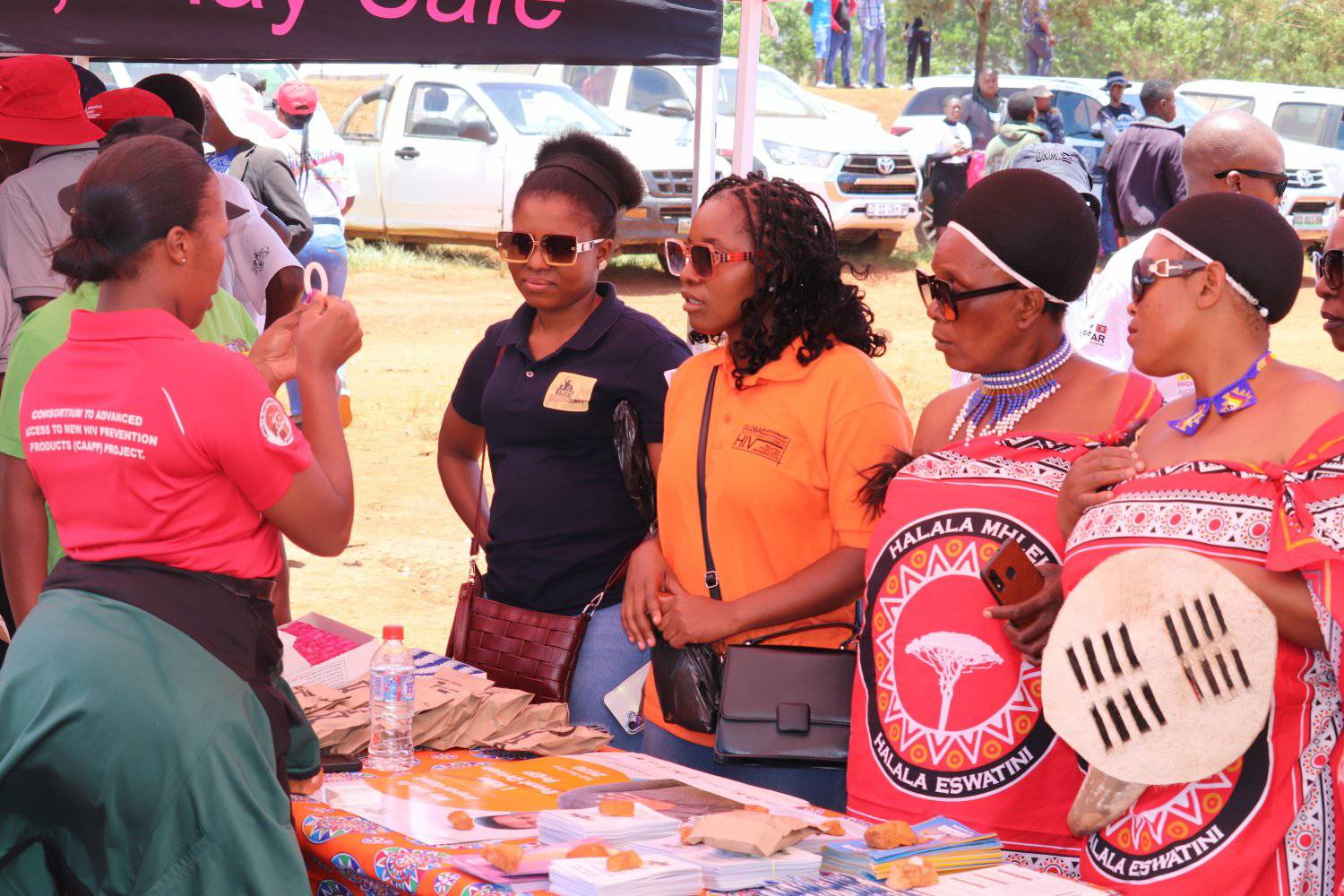
PrEP Ring Sensitization
05 August 2025

Beyond the Shortage: How FLAS Eswatini Safeguards Family Planning Access in a Challenged Landscape

By Mbagnick Sow The Southern African country of Eswatini faces profound sexual and reproductive health (SRH) challenges, including having the world’s highest national HIV prevalence (24.8%) and significant unmet family planning needs, particularly among adolescents (28.6%) and rural populations. Within this complex environment, IPPF’s Member Association in the country -the Family Life Association of Eswatini (FLAS) operates as a critical healthcare provider. FLAS stands out as one of Eswatini’s leaders in SRH service delivery and youth programming.   Commodity supply chain challenges Eswatini faces various systemic challenges in the SRH field. Despite pioneering various innovations such as the dapivirine vaginal ring (DVR) for HIV prevention and expanding contraceptive options, its healthcare system is chronically undermined by fragile commodity insecurities. Commodity supply chain challenges —rooted in logistical inefficiencies, funding volatility, and systemic vulnerabilities—directly compromise the ability of implementing agencies, such as FLAS, to deliver life-saving health services. Some of the ways in which commodity insecurity manifests as a crisis for FLAS, are through various ways, such as inconsistent stock levels. FLAS relies on government systems for inventory replenishment. However, the organization’s 15 service points (including mobile clinics) frequently experience stockouts of DVRs and contraceptives due to poor forecasting and coordination by the government. Another challenge is overdependence on donors, which affects smooth procurement flow. As is common with most donor-funded initiatives, budget cuts or shifting priorities create sudden commodity shortages. For example, while the DVR rollout is a good breakthrough, it however requires sustained funding for monthly replacements, which is not guaranteed. Additionally, weak data systems, including manual inventory tracking, often leads to overstocking of expired drugs or stockouts of critical items like viral load test kits. FLAS overcomes some of these challenges through various ways –including the geographical and logistical barriers, as detailed below.   Strategic Infrastructure: mobile and static integration for equity Through a hybrid service delivery model, FLAS operates three permanent urban clinics complemented by 12-15 mobile outreach units explicitly designed to travel to hard-to-reach areas targeting vulnerable and marginalized populations. This diverse network enables dynamic redistribution of contraceptive commodities based on real-time stock levels and community needs, preventing localized shortages from becoming absolute service denials. Mobile units function as logistical shock absorbers, redistributing supplies to areas experiencing temporary deficits and maintaining access for Eswatini’s most isolated communities.   Integrated care: a buffer against disruption Central to FLAS’s resilience is its Integrated Package of Essential Services (IPES), which seamlessly combines family planning with HIV prevention and treatment (including Voluntary Counselling and Testing -VCT and Prevention of Mother-to-Child Transmission -PMTCT), maternal health services, STI management, and comprehensive sexuality education (CSE). This integration creates a critical safety net: if a specific contraceptive (for example, injectables or oral pills) faces temporary unavailability, clients accessing other SRH services—such as HIV testing or antenatal care—can be immediately counselled on and provided with suitable alternative methods. The model transforms every client interaction into an opportunity for contraceptive continuation, leveraging FLAS’s non-stigmatizing service environment that encourages sustained engagement even when preferred methods require adjustment.   Proactive resilience: partnerships and data-driven forecasting FLAS embeds supply chain resilience through strategic institutional partnerships and data utilization. As an accredited IPPF member, FLAS leverages on the Federation’s global supply chain expertise, quality assurance systems, and pooled procurement mechanisms. This is amplified through collaborations with the Eswatini Ministry of Health, UNFPA (which works to ensure a steady and reliable supply of quality contraceptives), and other stakeholders like the Swaziland National AIDS Programme. FLAS’s 42 years of service delivery generates robust data on contraceptive demand patterns across regions and demographics, enabling precise forecasting and procurement planning to minimize both overstocking (risk of expiry) and understocking (risk of shortages).   Client-centered mitigation: choice and communication When specific commodity shortages occur, FLAS’s emphasis on a broad contraceptive method mix becomes its primary mitigation strategy. In June 2024, a nationwide stockout of commodities was experienced due to supply delays from the Central Medical Stores (CMS). This situation posed a significant challenge for health service providers across Eswatini, including FLAS. However, FLAS’s preparedness and partnerships enabled it to manage the situation effectively and continue meeting client needs. During the crisis, FLAS responded swiftly by engaging with partner health facilities across the country. Through this collaboration, FLAS accessed contraceptive and other commodity supplies that were available in other facilities to fill immediate gaps in its clinics. At the same time, FLAS facilitated client referrals to partner facilities that had the required contraceptive methods in stock. Similarly, partner facilities redirected their clients to FLAS when certain methods were not available on their end. This mutual support system ensured that clients had continuous access to their preferred methods without unnecessary delays or disruptions. To further ensure availability, FLAS undertook the procurement of essential contraceptive commodities using its internal resources. These commodities were then made available through FLAS pharmacies under a commercialization model. This approach allowed clients, especially those in urgent need, to access methods that were otherwise unavailable through public supply channels.   Utilization of the broad contraceptive method mix strategy The strength of FLAS’s delivery service lies in the diverse range of contraceptive options it offers. This became particularly critical between September 2024 - January 2025, when the country faced another round of commodity shortages, with the Intrauterine Device (IUD), commonly referred to as the LOOP, being significantly affected. During this period, FLAS intensified its use of the broad method mix strategy by offering clients other available contraceptive options, such as injectables, oral contraceptives, implants, and condoms. Clients were counselled on the effectiveness and suitability of alternative methods, ensuring informed choice and continued protection against unintended pregnancies.   Innovation for futureproofing: Reducing Supply Chain Pressure FLAS actively invests in technologies that inherently diminish supply chain vulnerability. The rollout of the monthly dapivirine vaginal ring (DVR)—and anticipation of a three-month version under development by the Population Council—signals a strategic shift toward longer-acting products requiring fewer clinic visits and less frequent resupply. While the DVR focuses on HIV prevention, its user-controlled, longer-duration model mirrors the benefits of contraceptive Long-Acting Reversible Contraception (LARCs) (implants/IUDs) already within FLAS’s method mix. These innovations reduce the frequency of resupply logistics and potential stockout exposure points per client over time, easing pressure on the supply chain.   Advocacy: addressing systemic drivers FLAS recognizes that sustainable solutions require systemic change, and that leadership is key. "Policy makers, donors, governments and implementers must ensure the mix of HIV prevention [and by extension, family planning] methods are available, accessible, and affordable," says FLAS Programs Manager, Thabo Lizwe Masuku. FLAS leverages its position on national committees to advocate for increased domestic investment in SRH commodities, diversified procurement channels, and policies supportive of integrated service delivery and method choice.   FLAS: a model of integrated resilience While global supply challenges persist, FLAS demonstrates that proactive integration, strategic infrastructure, partnership, method diversification, and innovation can create a robust system resilient to disruptions. Its mobile reach ensures geographical equity; integration enables seamless method substitution; partnerships strengthen forecasting and procurement; community engagement maintains trust; and longer-acting technologies reduce logistical friction. FLAS’s pioneering work—from the DVR (Dapivirine Vaginal Ring) rollout to its youth-focused radio programs—underscores a commitment to user autonomy and uninterrupted choice. Continued investment in this integrated model, particularly its mobile outreach and longer-acting method portfolio, remains essential for safeguarding the reproductive health and rights of all Emaswati, proving that even within profoundly challenged landscapes, family planning access can be systematically secured and sustained. Mbagnick Sow is the Procurement Advisor, IPPF Africa Regional Office.

Cover Photo
30 June 2025

Amid Devastating Budget Cuts, Groundbreaking HIV Prevention Injectable Launches in Eswatini, Lesotho & Malawi

30 June 2025 - The International Planned Parenthood Federation (IPPF) is proud to announce the roll out of CAB-LA (cabotegravir-long acting), a form of pre-exposure prophylaxis (PrEP) for HIV, in Eswatini, and Malawi, and a pilot project in Lesotho - a major milestone in the fight against HIV. IPPF Member Associations (MAs) in the three countries - Family Life Association of Eswatini (FLAS), Lesotho Planned Parenthood Association (LPPA), and Family Planning Association of Malawi ( FPAM) will soon begin to distribute CAB-LA for HIV prevention to individuals who would like to use this form of HIV prevention.   CAB-LA, a long-acting injectable PrEP, is a game changer for HIV prevention. PrEP is an HIV prevention method where HIV-negative individuals take medication to significantly reduce their risk of acquiring HIV. Administered every 8 weeks, CAB-LA greatly reduces infection risk and does not rely on remembering to take a daily pill, addressing adherence challenges faced by some people using oral PrEP.   This roll-out comes when US budget cuts have severely impacted governments and organizations providing sexual and reproductive health services, HIV prevention, and humanitarian aid. These financial restrictions have significantly impacted access to essential sexual and reproductive health medications globally, compromising HIV prevention and treatment for many, especially those most in need. The arrival of CAB-LA is a major step forward in the fight against HIV/AIDS, providing longer-term protection, a more convenient option, and a discreet alternative to daily pills.  Family Life Association of Eswatini, Lesotho Planned Parenthood Association, and the Family Planning Association of Malawi will be providing CAB-LA for PrEP through their static clinics and other public service delivery points. This effort underscores the vital role our MAs play in securing and delivering universal access to sexual and reproductive healthcare.  For more information, please contact [email protected] About the International Planned Parenthood Federation   IPPF is a global healthcare provider and a leading advocate of sexual and reproductive health and rights (SRHR) for all. Led by a courageous and determined group of women, IPPF was founded in 1952 at the Third International Planned Parenthood Conference. Today, we are a movement of 158 Member Associations and Collaborative Partners with a presence in over 153 countries.   Our work is wide-ranging, and includes services for sexual health and well-being, contraception, abortion care, sexually transmitted infections and reproductive tract infections, HIV, obstetrics and gynecology, fertility support, sexual and gender-based violence, comprehensive sex education, and responding to humanitarian crises. We pride ourselves on being local through our members and global through our network. At the heart of our mission is the provision of – and advocacy in support of – integrated healthcare to anyone who needs it regardless of race, gender, sex, income, and, crucially no matter how remote. 

Eswatini MA
27 August 2024

Eswatini to roll out first women-controlled HIV prevention product

Eswatini (27 August 2024) - IPPF’s Member Association in Eswatini, the Family Life Association of Eswatini (FLAS), is soon to roll out the first women-controlled HIV prevention product, the dapivirine vaginal ring (DVR). FLAS will be among the first organisations to offer the DVR outside implementation or pilot studies anywhere in the world. Made of flexible silicone, the ring is inserted into the vagina by a woman and slowly releases the antiretroviral drug dapivirine in the vagina over a one-month period, helping to reduce a woman’s risk of acquiring HIV. In 2023, in sub-Saharan Africa, women and girls accounted for 62% of all new HIV infections and every week, 3,100 adolescent girls and young women aged 15–24 years became infected with HIV. Therefore, there continues to be an urgent need for HIV prevention methods that females can use to protect themselves. The DVR is a product women can control themselves and use without the knowledge or consent of their partners, unlike condoms, which men often refuse to use. The DVR is inserted into the vagina and left for a one-month period, where it can then be replaced each month for continued protection. Unlike daily oral PrEP, the DVR does not rely on remembering to take a pill each day and is also discreet as it stays inside the vagina throughout the month. The DVR does not prevent pregnancy or other sexually transmitted infections (STIs), so women choosing to use the ring may want to consider combining it with condoms and methods of contraception. The availability of the DVR is an exciting step in supporting women’s autonomy and choice in HIV prevention. This need for women-controlled HIV prevention products has long been advocated for, with the African Women Prevention Community Accountability Board launching the HIV Prevention Choice Manifesto in early 2023. The Choice Manifesto prioritises the principle of choice to ensure that women and girls have the right to choose which HIV prevention methods work for them. Currently the ring is available at selected facilities through implementation studies across six countries in East and Southern Africa; South Africa, Kenya, Zimbabwe, Lesotho, Eswatini, and Uganda.  Diantha Pillay, Associate Director for Product Access for IPM South Africa NPC (an affiliate of the Population Council), said:  “It is encouraging to see the efforts made by FLAS and IPPF to support the choice agenda for HIV prevention for women and make effective HIV prevention methods, like the DVR, more widely accessible in a real-world setting. We hope this can pave the way for introduction of future pipeline products that speak to the needs of women.” The Population Council is currently developing a longer duration DVR that women would use for three months versus one month to significantly lower annual product costs and offer women a more convenient option to protect themselves. Thabo Lizwe Masuku, Programs Manager for FLAS, said: “Women have been telling us for a long time that  there is a need for a variety of methods for HIV prevention, since they are highly exposed. For women and girls to truly have choice about what works for them as they navigate different stages and circumstances of their lives, policy makers, donors, governments and implementers must ensure the mix of HIV prevention methods are available, accessible, and affordable. Access to the ring through our clinics in Eswatini now gives women choice and options to protect themselves against HIV.” IPPF is committed to ensuring that choice in HIV prevention is a reality for women and girls and aims to roll out the dapivirine vaginal rings at as many Member Associations as possible, as well as offer other HIV-prevention choices, as we work alongside our partners towards a future free of HIV in Africa and beyond.   For more information and to speak to staff in Eswatini, please email [email protected]   Notes: The dapivirine vaginal ring has been recommended by the WHO since January 2021. (25) In clinical trials, the  ring was shown to reduce HIV infection by 35% in The Ring Study (26,27) and 27% in the ASPIRE Study. (28,29) Recent open-label studies show greater adherence to the ring, and modelling data suggest that HIV risk could be reduced by about 50%. (30) The dapivirine ring has received regulatory approval from the European Medicines Agency (EMA), as well as from local medicines regulators in Namibia, South Africa, Kenya, Zimbabwe, Uganda, Zambia, Malawi, Rwanda, Eswatini, Lesotho, Botswana and is currently under regulatory review in a number of other countries Our Member Associations (MAs) that provide clinical services are required to provide comprehensive SRH services through our Integrated Package of Essential Services (IPES) which include services for sexual health and well-being, contraception, abortion care, sexually transmitted infections (STIs)/reproductive tract infections (RTIs), HIV, obstetrics and gynaecology, fertility support, and sexual and gender-based violence. IPPF’s new five-year strategy, Come Together, focuses on expanding choice. In support of this, we recently launched a special programme to expand our HIV prevention options, which aims to integrate the newest HIV prevention methods – the vaginal ring and injectable PrEP - into our comprehensive sexual and reproductive health services.  IPPF’s IMAP Statement on Biomedical HIV Prevention can be found here. About the Family Life Association of Eswatini (FLAS)  For over 30 years, the Family Life Association of Eswatini (FLAS) has provided sexual and reproductive health (SRH) services to the people of Eswatini (formally Swaziland). While family planning, antenatal, post-natal and post-abortion care form a key part of FLAS services, there’s a significant focus on HIV and AIDS programmes. Eswatini has some of the highest HIV and AIDS prevalence rates in the world. As a result, the prevention and management of HIV and AIDS, the provision of voluntary counselling and testing (VCT), and the prevention of mother to child transmission (PMTCT) are central to FLAS’s work. FLAS has 15 service points, including three permanent clinics and three mobile facilities, staffed by a permanent team of 40 staff backed by 230 volunteers, 180 Youth Action Movement members and 29 peer educators. About the International Planned Parenthood Federation (IPPF) IPPF is a global healthcare provider and a leading advocate of sexual and reproductive health and rights (SRHR) for all. Led by a courageous and determined group of women, IPPF was founded in 1952 at the Third International Planned Parenthood Conference. Today, we are a movement of 150 Member Associations and Collaborative Partners with a presence in over 146 countries. Our work is wide-ranging, including comprehensive sex education, provision of contraceptives, safe abortion, and maternal care and responding to humanitarian crises.  We pride ourselves on being local through our members and global through our network. At the heart of our mission is the provision of – and advocacy in support of – integrated healthcare to anyone who needs it regardless of race, gender, sex, income, and crucially no matter how remote. Our services are available to all, and reach the most marginalised groups in societies, including key and priority populations, youth, and people with disabilities. Most of our MAs have special programs to engage youth (10-24) inside and outside of school settings. Because our clinics offer comprehensive services, attending our clinics is non-stigmatizing and does not label people as having a particular disease or membership to a particular group. This model of services that are integrated and open to all, embedded in indigenous, locally owned organisations, is ideal for ensuring that the most vulnerable and marginalised groups can access the HIV prevention services they need. About the Population Council The Population Council is a leading research organization dedicated to building an equitable and sustainable world that enhances the health and well-being of current and future generations. The Council transforms global thinking on critical health and development issues through social science, public health, and biomedical research. We generate ideas, produce evidence, and design solutions to improve the lives of underserved populations around the world.  
Girls Decide landing image
30 June 2016

Girls Decide

This programme addresses critical challenges faced by young women around sexual health and sexuality. It has produced a range of advocacy, education and informational materials to support research, awareness-raising, advocacy and service delivery.    Girls Decide is about the sexual and reproductive health and rights of girls and young women. Around the world, girls aged 10 to 19 account for 23% of all disease associated with pregnancy and childbirth. An estimated 2.5 million have unsafe abortions every year. Worldwide, young women account for 60% of the 5.5 million young people living with HIV and/or AIDS. Girls Decide has produced a range of advocacy, education and informational materials to support work to improve sexual health and rights for girls and young women. These include a series of films on sexual and reproductive health decisions faced by 6 young women in 6 different countries. The films won the prestigious International Video and Communications Award (IVCA). When girls and young women have access to critical lifesaving services and information, and when they are able to make meaningful choices about their life path, they are empowered. Their quality of life improves, as does the well-being of their families and the communities in which they live. Their collective ability to achieve internationally agreed development goals is strengthened. Almost all IPPF Member Associations provide services to young people and 1 in every 3 clients is a young person below the age of 25. All young women and girls are rights-holders and are entitled to sexual and reproductive rights. As a matter of principle, the IPPF Secretariat and Member Associations stand by girls by respecting and fulfilling their right to high quality services; they stand up for girls by supporting them in making their own decisions related to sexuality and pregnancy; they stand for sexual and reproductive rights by addressing the challenges faced by young women and girls at local, national and international levels.

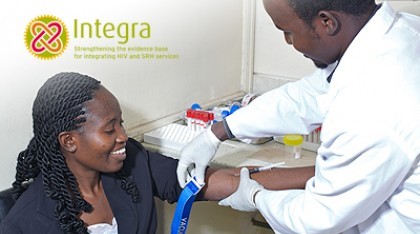
Integra is a 5-year research initiative in Kenya, Malawi and Swaziland.
30 May 2016

Integra Initiative

Integra is a 5-year research initiative in Kenya, Malawi and Swaziland. It aims to reduce HIV infection, HIV-related stigma and unintended pregnancy. IPPF implements the Integra Initiative with support from the Bill and Melinda Gates Foundation and in collaboration with the London School of Hygiene and Tropical Medicine and the Population Council.  

30 July 2021

Receiving HIV Care at the Family Life Association of Eswatini Changed my Life

Ntsetselelo Manzini's story. "Three years ago when I was down with HIV, I had lost all hope. My body was weakening and it seemed that it was not going to be easy for me to go on with life. A friend told me about the Family Life Association of Eswatini (FLAS) and their services. Now at 27 years old, the future looks very bright, and I see myself achieving my goals, thanks to the care, treatment, and support I have been receiving from the FLAS clinic. It all started a few years ago when a Medical Officer at the Association’s clinic noticed that my CD4 cells (immune cells that fight off infections) were low. He said I should start the antiretroviral therapy immediately to prevent me from slipping into the AIDS stage. The reception I received from the staff was very warm. I felt wanted, special and cared for. The counsellors and nurses were very friendly and very welcoming. They listened to my story, gave me rich and useful advice and encouragement, which made me feel better. One of the things I’ve noticed was that the care providers were very nice to everyone. Here I felt respected and valued. This led me to bring one of my children to FLAS for an HIV test. She was found to be HIV negative. The hope I had lost in living got a renewed strength. There is one thing that I like about FLAS clinics: you can discuss anything with the service providers with openness and trust. Unlike other clinics, confidentiality is always maintained. I just feel comfortable whenever I walk into a FLAS clinic. This is the best thing that happened to me in the past three years. Thanks to the high quality and comprehensive services I received there, I have referred a lot of people to the association’s antiretroviral therapy clinic. These people include my brothers and friends who are either infected or affected by HIV. The information I get from FLAS also enables me to help others. For example, I have an uncle who is taking his antiretroviral drugs and relies on me for up-to-date information on antiretroviral treatment, which helps him a lot in terms of proper management of the disease. My wife, who is also HIV positive, is soon going to start receiving her treatment from FLAS after she witnessed how the clinics treat its patients. I believe that the care received at the FLAS clinic was the intervention that helped me stay alive . I am who I am now thanks to the clinic. The renewed hope in me and the energy to be productive again is attributed to the services I receive from FLAS. This is the reason why I always pray that their services continue to be available to poor people like me to keep enjoying life."  -Ntsetselelo Manzini.  For more updates on our work, follow IPPF Africa Region on Facebook, Twitter, Instagram and You Tube.

The Mahe Declaration - Abortion Motion Adopted!
20 July 2017

Access to safe abortion care and services promoted by the newly inaugurated SADC Women’s Parliament

The Southern Africa Development Community (SADC) Inaugural Women’s Parliament has adopted The Access to Safe Abortion motion which was tabled by Honourable Thuli Dladla Member of Parliament of Swaziland. The adoption comes after a one-day meeting held on the 5th of July 2017 at the Eden Bleu Hotel, Mahe Island, Seychelles which was attended by Female Parliamentarians from the SADC States, Government Officials as well as representatives from IPPF Africa Region and other Civil Society Organisations. While moving the motion, Honourable Thuli Dladla told the House that the Commission had observed the general absence of Policy Standards and Guidelines on Safe Abortion in the SADC Region and further indicated that South Africa, Mozambique and Zambia had enacted progressive laws on access to safe abortion while Seychelles allows for abortion up to 12 weeks of pregnancy. However, there are still limited grounds for abortion in other Southern Africa States. The motion recommends that the Forum (SADC-PF) must, among others, spearhead: the development of a Model Law on Access to Safe Abortion in the SADC Region; Member Parliaments must convene in-country consultations with young women and girls on Access to Safe Abortion; The Forum should urge all SADC Member Parliaments to decriminalise laws on abortion; Members of Parliament must promote peer learning and exchange visits to promote sharing of knowledge on access to reproductive health; A SADC Regional Consultative meeting for young women on access to safe abortion must be convened; and Member Parliaments must ensure that laws governing the age of consent must not restrict access to sexual and reproductive health services. The motion was seconded by Hon. Patricia Kainga, Member of Parliament, Malawi. Seconding the motion, Hon Kainga noted that the right to health requires the removal of all barriers interfering with access to health services, education and information, including sexual and reproductive health. Hon Kainga further stated that: “We must urgently give effect to the Protocol of the African Charter on Human and Peoples’ Rights on the Rights of Women in Africa (Maputo Protocol) which explicitly recognizes that the right to health includes access to safe and legal abortion, at a minimum, in certain circumstances.’’

Family Life Association of Eswatini (formerly Swaziland)

The Family Life Association of Eswatini was incorporated as a Non-Governmental Organization in 1979. Since registration, FLAS has championed programs to promote access to quality, pro-poor, rights-based, gender equitable, youth-focused, and non-discriminatory SRH and rights information and services. Motivated by its vision, “to see a Swazi society with fully protected, supported and respected SRH and rights”, FLAS operates in the four regions of Eswatini.

FLAS operates 3 private clinics, and among its flagship programs empower young people to access their Sexual Reproductive Health rights through the delivery of Comprehensive Sexuality Education (CSE), Life Skills Education (LSE), quality integrated SRH and HIV services in communities, and through mobile facilities.

The Organisation is a member of numerous technical groups and networks in Eswatini, a member of the SRH Steering Committee, the Gender Consortium, and the Male Circumcision Task Force. We also support the Ministry of Health in rolling out clinical and community health services.

Key Activities:

Delivery of SRH information and CSE through Peer Education

Comprehensive Sexuality Education (CSE) which is also referred to as Life skills education in Eswatini, is a right-based and Gender Focused approach to sexuality education and SRH for both in and out of school young people. It remains key for vulnerable youth (in and out of school) to make choices including the ability to reflect and make informed decisions, communicate and negotiate effectively, and demonstrate assertiveness. All CSE/LSE sessions are delivered by trained peer educators who conduct reviews quarterly in the communities and schools. Mobilization of Adolescents and youth is conducted in groups of 25 – 40 young people, each group using the 12-session LSE manual.

Mobile outreach for very young adolescents

FLAS provides mobile clinical services which include delivery of integrated SRHR services as per the essential service package articulated in the Quality Improvement Package for AYSRHR. A team of service providers makes routine visits to targeted communities to provide clients with integrated SRHR services.

Demand Creation: Mobile outreach service delivery schedules are highly publicized in the communities. Scheduled visits are always advertised in advance at the outreach site. In addition, peer educators raise awareness of SRH-HIV and alert the community to the timing of mobile clinic visits.

Creating an Enabling Environment

Adapting service delivery models to reach young people effectively is critical. However, a supportive environment is an important precursor to service uptake among young vulnerable people. FLAS works to support a conducive environment through changing attitudes and developing awareness amongst community leaders, religious leaders, parents, guardians, and legislators.

Contacts

Contact: +268 2505 3082 (Company direct-line)

Twitter: https://twitter.com/FLAS79

Facebook: https://www.facebook.com/flas79/

Instagram:https://www.instagram.com/flas_eswatini/?fbclid=IwAR195kkMKqIIzKL-r_QWI8cYNdIDQQke_oc4Zb290cnRR2yjq5Lv4-GN6Mg


PrEP Ring Sensitization
05 August 2025

Beyond the Shortage: How FLAS Eswatini Safeguards Family Planning Access in a Challenged Landscape

By Mbagnick Sow The Southern African country of Eswatini faces profound sexual and reproductive health (SRH) challenges, including having the world’s highest national HIV prevalence (24.8%) and significant unmet family planning needs, particularly among adolescents (28.6%) and rural populations. Within this complex environment, IPPF’s Member Association in the country -the Family Life Association of Eswatini (FLAS) operates as a critical healthcare provider. FLAS stands out as one of Eswatini’s leaders in SRH service delivery and youth programming.   Commodity supply chain challenges Eswatini faces various systemic challenges in the SRH field. Despite pioneering various innovations such as the dapivirine vaginal ring (DVR) for HIV prevention and expanding contraceptive options, its healthcare system is chronically undermined by fragile commodity insecurities. Commodity supply chain challenges —rooted in logistical inefficiencies, funding volatility, and systemic vulnerabilities—directly compromise the ability of implementing agencies, such as FLAS, to deliver life-saving health services. Some of the ways in which commodity insecurity manifests as a crisis for FLAS, are through various ways, such as inconsistent stock levels. FLAS relies on government systems for inventory replenishment. However, the organization’s 15 service points (including mobile clinics) frequently experience stockouts of DVRs and contraceptives due to poor forecasting and coordination by the government. Another challenge is overdependence on donors, which affects smooth procurement flow. As is common with most donor-funded initiatives, budget cuts or shifting priorities create sudden commodity shortages. For example, while the DVR rollout is a good breakthrough, it however requires sustained funding for monthly replacements, which is not guaranteed. Additionally, weak data systems, including manual inventory tracking, often leads to overstocking of expired drugs or stockouts of critical items like viral load test kits. FLAS overcomes some of these challenges through various ways –including the geographical and logistical barriers, as detailed below.   Strategic Infrastructure: mobile and static integration for equity Through a hybrid service delivery model, FLAS operates three permanent urban clinics complemented by 12-15 mobile outreach units explicitly designed to travel to hard-to-reach areas targeting vulnerable and marginalized populations. This diverse network enables dynamic redistribution of contraceptive commodities based on real-time stock levels and community needs, preventing localized shortages from becoming absolute service denials. Mobile units function as logistical shock absorbers, redistributing supplies to areas experiencing temporary deficits and maintaining access for Eswatini’s most isolated communities.   Integrated care: a buffer against disruption Central to FLAS’s resilience is its Integrated Package of Essential Services (IPES), which seamlessly combines family planning with HIV prevention and treatment (including Voluntary Counselling and Testing -VCT and Prevention of Mother-to-Child Transmission -PMTCT), maternal health services, STI management, and comprehensive sexuality education (CSE). This integration creates a critical safety net: if a specific contraceptive (for example, injectables or oral pills) faces temporary unavailability, clients accessing other SRH services—such as HIV testing or antenatal care—can be immediately counselled on and provided with suitable alternative methods. The model transforms every client interaction into an opportunity for contraceptive continuation, leveraging FLAS’s non-stigmatizing service environment that encourages sustained engagement even when preferred methods require adjustment.   Proactive resilience: partnerships and data-driven forecasting FLAS embeds supply chain resilience through strategic institutional partnerships and data utilization. As an accredited IPPF member, FLAS leverages on the Federation’s global supply chain expertise, quality assurance systems, and pooled procurement mechanisms. This is amplified through collaborations with the Eswatini Ministry of Health, UNFPA (which works to ensure a steady and reliable supply of quality contraceptives), and other stakeholders like the Swaziland National AIDS Programme. FLAS’s 42 years of service delivery generates robust data on contraceptive demand patterns across regions and demographics, enabling precise forecasting and procurement planning to minimize both overstocking (risk of expiry) and understocking (risk of shortages).   Client-centered mitigation: choice and communication When specific commodity shortages occur, FLAS’s emphasis on a broad contraceptive method mix becomes its primary mitigation strategy. In June 2024, a nationwide stockout of commodities was experienced due to supply delays from the Central Medical Stores (CMS). This situation posed a significant challenge for health service providers across Eswatini, including FLAS. However, FLAS’s preparedness and partnerships enabled it to manage the situation effectively and continue meeting client needs. During the crisis, FLAS responded swiftly by engaging with partner health facilities across the country. Through this collaboration, FLAS accessed contraceptive and other commodity supplies that were available in other facilities to fill immediate gaps in its clinics. At the same time, FLAS facilitated client referrals to partner facilities that had the required contraceptive methods in stock. Similarly, partner facilities redirected their clients to FLAS when certain methods were not available on their end. This mutual support system ensured that clients had continuous access to their preferred methods without unnecessary delays or disruptions. To further ensure availability, FLAS undertook the procurement of essential contraceptive commodities using its internal resources. These commodities were then made available through FLAS pharmacies under a commercialization model. This approach allowed clients, especially those in urgent need, to access methods that were otherwise unavailable through public supply channels.   Utilization of the broad contraceptive method mix strategy The strength of FLAS’s delivery service lies in the diverse range of contraceptive options it offers. This became particularly critical between September 2024 - January 2025, when the country faced another round of commodity shortages, with the Intrauterine Device (IUD), commonly referred to as the LOOP, being significantly affected. During this period, FLAS intensified its use of the broad method mix strategy by offering clients other available contraceptive options, such as injectables, oral contraceptives, implants, and condoms. Clients were counselled on the effectiveness and suitability of alternative methods, ensuring informed choice and continued protection against unintended pregnancies.   Innovation for futureproofing: Reducing Supply Chain Pressure FLAS actively invests in technologies that inherently diminish supply chain vulnerability. The rollout of the monthly dapivirine vaginal ring (DVR)—and anticipation of a three-month version under development by the Population Council—signals a strategic shift toward longer-acting products requiring fewer clinic visits and less frequent resupply. While the DVR focuses on HIV prevention, its user-controlled, longer-duration model mirrors the benefits of contraceptive Long-Acting Reversible Contraception (LARCs) (implants/IUDs) already within FLAS’s method mix. These innovations reduce the frequency of resupply logistics and potential stockout exposure points per client over time, easing pressure on the supply chain.   Advocacy: addressing systemic drivers FLAS recognizes that sustainable solutions require systemic change, and that leadership is key. "Policy makers, donors, governments and implementers must ensure the mix of HIV prevention [and by extension, family planning] methods are available, accessible, and affordable," says FLAS Programs Manager, Thabo Lizwe Masuku. FLAS leverages its position on national committees to advocate for increased domestic investment in SRH commodities, diversified procurement channels, and policies supportive of integrated service delivery and method choice.   FLAS: a model of integrated resilience While global supply challenges persist, FLAS demonstrates that proactive integration, strategic infrastructure, partnership, method diversification, and innovation can create a robust system resilient to disruptions. Its mobile reach ensures geographical equity; integration enables seamless method substitution; partnerships strengthen forecasting and procurement; community engagement maintains trust; and longer-acting technologies reduce logistical friction. FLAS’s pioneering work—from the DVR (Dapivirine Vaginal Ring) rollout to its youth-focused radio programs—underscores a commitment to user autonomy and uninterrupted choice. Continued investment in this integrated model, particularly its mobile outreach and longer-acting method portfolio, remains essential for safeguarding the reproductive health and rights of all Emaswati, proving that even within profoundly challenged landscapes, family planning access can be systematically secured and sustained. Mbagnick Sow is the Procurement Advisor, IPPF Africa Regional Office.

Cover Photo
30 June 2025

Amid Devastating Budget Cuts, Groundbreaking HIV Prevention Injectable Launches in Eswatini, Lesotho & Malawi

30 June 2025 - The International Planned Parenthood Federation (IPPF) is proud to announce the roll out of CAB-LA (cabotegravir-long acting), a form of pre-exposure prophylaxis (PrEP) for HIV, in Eswatini, and Malawi, and a pilot project in Lesotho - a major milestone in the fight against HIV. IPPF Member Associations (MAs) in the three countries - Family Life Association of Eswatini (FLAS), Lesotho Planned Parenthood Association (LPPA), and Family Planning Association of Malawi ( FPAM) will soon begin to distribute CAB-LA for HIV prevention to individuals who would like to use this form of HIV prevention.   CAB-LA, a long-acting injectable PrEP, is a game changer for HIV prevention. PrEP is an HIV prevention method where HIV-negative individuals take medication to significantly reduce their risk of acquiring HIV. Administered every 8 weeks, CAB-LA greatly reduces infection risk and does not rely on remembering to take a daily pill, addressing adherence challenges faced by some people using oral PrEP.   This roll-out comes when US budget cuts have severely impacted governments and organizations providing sexual and reproductive health services, HIV prevention, and humanitarian aid. These financial restrictions have significantly impacted access to essential sexual and reproductive health medications globally, compromising HIV prevention and treatment for many, especially those most in need. The arrival of CAB-LA is a major step forward in the fight against HIV/AIDS, providing longer-term protection, a more convenient option, and a discreet alternative to daily pills.  Family Life Association of Eswatini, Lesotho Planned Parenthood Association, and the Family Planning Association of Malawi will be providing CAB-LA for PrEP through their static clinics and other public service delivery points. This effort underscores the vital role our MAs play in securing and delivering universal access to sexual and reproductive healthcare.  For more information, please contact [email protected] About the International Planned Parenthood Federation   IPPF is a global healthcare provider and a leading advocate of sexual and reproductive health and rights (SRHR) for all. Led by a courageous and determined group of women, IPPF was founded in 1952 at the Third International Planned Parenthood Conference. Today, we are a movement of 158 Member Associations and Collaborative Partners with a presence in over 153 countries.   Our work is wide-ranging, and includes services for sexual health and well-being, contraception, abortion care, sexually transmitted infections and reproductive tract infections, HIV, obstetrics and gynecology, fertility support, sexual and gender-based violence, comprehensive sex education, and responding to humanitarian crises. We pride ourselves on being local through our members and global through our network. At the heart of our mission is the provision of – and advocacy in support of – integrated healthcare to anyone who needs it regardless of race, gender, sex, income, and, crucially no matter how remote. 

Eswatini MA
27 August 2024

Eswatini to roll out first women-controlled HIV prevention product

Eswatini (27 August 2024) - IPPF’s Member Association in Eswatini, the Family Life Association of Eswatini (FLAS), is soon to roll out the first women-controlled HIV prevention product, the dapivirine vaginal ring (DVR). FLAS will be among the first organisations to offer the DVR outside implementation or pilot studies anywhere in the world. Made of flexible silicone, the ring is inserted into the vagina by a woman and slowly releases the antiretroviral drug dapivirine in the vagina over a one-month period, helping to reduce a woman’s risk of acquiring HIV. In 2023, in sub-Saharan Africa, women and girls accounted for 62% of all new HIV infections and every week, 3,100 adolescent girls and young women aged 15–24 years became infected with HIV. Therefore, there continues to be an urgent need for HIV prevention methods that females can use to protect themselves. The DVR is a product women can control themselves and use without the knowledge or consent of their partners, unlike condoms, which men often refuse to use. The DVR is inserted into the vagina and left for a one-month period, where it can then be replaced each month for continued protection. Unlike daily oral PrEP, the DVR does not rely on remembering to take a pill each day and is also discreet as it stays inside the vagina throughout the month. The DVR does not prevent pregnancy or other sexually transmitted infections (STIs), so women choosing to use the ring may want to consider combining it with condoms and methods of contraception. The availability of the DVR is an exciting step in supporting women’s autonomy and choice in HIV prevention. This need for women-controlled HIV prevention products has long been advocated for, with the African Women Prevention Community Accountability Board launching the HIV Prevention Choice Manifesto in early 2023. The Choice Manifesto prioritises the principle of choice to ensure that women and girls have the right to choose which HIV prevention methods work for them. Currently the ring is available at selected facilities through implementation studies across six countries in East and Southern Africa; South Africa, Kenya, Zimbabwe, Lesotho, Eswatini, and Uganda.  Diantha Pillay, Associate Director for Product Access for IPM South Africa NPC (an affiliate of the Population Council), said:  “It is encouraging to see the efforts made by FLAS and IPPF to support the choice agenda for HIV prevention for women and make effective HIV prevention methods, like the DVR, more widely accessible in a real-world setting. We hope this can pave the way for introduction of future pipeline products that speak to the needs of women.” The Population Council is currently developing a longer duration DVR that women would use for three months versus one month to significantly lower annual product costs and offer women a more convenient option to protect themselves. Thabo Lizwe Masuku, Programs Manager for FLAS, said: “Women have been telling us for a long time that  there is a need for a variety of methods for HIV prevention, since they are highly exposed. For women and girls to truly have choice about what works for them as they navigate different stages and circumstances of their lives, policy makers, donors, governments and implementers must ensure the mix of HIV prevention methods are available, accessible, and affordable. Access to the ring through our clinics in Eswatini now gives women choice and options to protect themselves against HIV.” IPPF is committed to ensuring that choice in HIV prevention is a reality for women and girls and aims to roll out the dapivirine vaginal rings at as many Member Associations as possible, as well as offer other HIV-prevention choices, as we work alongside our partners towards a future free of HIV in Africa and beyond.   For more information and to speak to staff in Eswatini, please email [email protected]   Notes: The dapivirine vaginal ring has been recommended by the WHO since January 2021. (25) In clinical trials, the  ring was shown to reduce HIV infection by 35% in The Ring Study (26,27) and 27% in the ASPIRE Study. (28,29) Recent open-label studies show greater adherence to the ring, and modelling data suggest that HIV risk could be reduced by about 50%. (30) The dapivirine ring has received regulatory approval from the European Medicines Agency (EMA), as well as from local medicines regulators in Namibia, South Africa, Kenya, Zimbabwe, Uganda, Zambia, Malawi, Rwanda, Eswatini, Lesotho, Botswana and is currently under regulatory review in a number of other countries Our Member Associations (MAs) that provide clinical services are required to provide comprehensive SRH services through our Integrated Package of Essential Services (IPES) which include services for sexual health and well-being, contraception, abortion care, sexually transmitted infections (STIs)/reproductive tract infections (RTIs), HIV, obstetrics and gynaecology, fertility support, and sexual and gender-based violence. IPPF’s new five-year strategy, Come Together, focuses on expanding choice. In support of this, we recently launched a special programme to expand our HIV prevention options, which aims to integrate the newest HIV prevention methods – the vaginal ring and injectable PrEP - into our comprehensive sexual and reproductive health services.  IPPF’s IMAP Statement on Biomedical HIV Prevention can be found here. About the Family Life Association of Eswatini (FLAS)  For over 30 years, the Family Life Association of Eswatini (FLAS) has provided sexual and reproductive health (SRH) services to the people of Eswatini (formally Swaziland). While family planning, antenatal, post-natal and post-abortion care form a key part of FLAS services, there’s a significant focus on HIV and AIDS programmes. Eswatini has some of the highest HIV and AIDS prevalence rates in the world. As a result, the prevention and management of HIV and AIDS, the provision of voluntary counselling and testing (VCT), and the prevention of mother to child transmission (PMTCT) are central to FLAS’s work. FLAS has 15 service points, including three permanent clinics and three mobile facilities, staffed by a permanent team of 40 staff backed by 230 volunteers, 180 Youth Action Movement members and 29 peer educators. About the International Planned Parenthood Federation (IPPF) IPPF is a global healthcare provider and a leading advocate of sexual and reproductive health and rights (SRHR) for all. Led by a courageous and determined group of women, IPPF was founded in 1952 at the Third International Planned Parenthood Conference. Today, we are a movement of 150 Member Associations and Collaborative Partners with a presence in over 146 countries. Our work is wide-ranging, including comprehensive sex education, provision of contraceptives, safe abortion, and maternal care and responding to humanitarian crises.  We pride ourselves on being local through our members and global through our network. At the heart of our mission is the provision of – and advocacy in support of – integrated healthcare to anyone who needs it regardless of race, gender, sex, income, and crucially no matter how remote. Our services are available to all, and reach the most marginalised groups in societies, including key and priority populations, youth, and people with disabilities. Most of our MAs have special programs to engage youth (10-24) inside and outside of school settings. Because our clinics offer comprehensive services, attending our clinics is non-stigmatizing and does not label people as having a particular disease or membership to a particular group. This model of services that are integrated and open to all, embedded in indigenous, locally owned organisations, is ideal for ensuring that the most vulnerable and marginalised groups can access the HIV prevention services they need. About the Population Council The Population Council is a leading research organization dedicated to building an equitable and sustainable world that enhances the health and well-being of current and future generations. The Council transforms global thinking on critical health and development issues through social science, public health, and biomedical research. We generate ideas, produce evidence, and design solutions to improve the lives of underserved populations around the world.  

Girls Decide landing image
30 June 2016

Girls Decide

This programme addresses critical challenges faced by young women around sexual health and sexuality. It has produced a range of advocacy, education and informational materials to support research, awareness-raising, advocacy and service delivery.    Girls Decide is about the sexual and reproductive health and rights of girls and young women. Around the world, girls aged 10 to 19 account for 23% of all disease associated with pregnancy and childbirth. An estimated 2.5 million have unsafe abortions every year. Worldwide, young women account for 60% of the 5.5 million young people living with HIV and/or AIDS. Girls Decide has produced a range of advocacy, education and informational materials to support work to improve sexual health and rights for girls and young women. These include a series of films on sexual and reproductive health decisions faced by 6 young women in 6 different countries. The films won the prestigious International Video and Communications Award (IVCA). When girls and young women have access to critical lifesaving services and information, and when they are able to make meaningful choices about their life path, they are empowered. Their quality of life improves, as does the well-being of their families and the communities in which they live. Their collective ability to achieve internationally agreed development goals is strengthened. Almost all IPPF Member Associations provide services to young people and 1 in every 3 clients is a young person below the age of 25. All young women and girls are rights-holders and are entitled to sexual and reproductive rights. As a matter of principle, the IPPF Secretariat and Member Associations stand by girls by respecting and fulfilling their right to high quality services; they stand up for girls by supporting them in making their own decisions related to sexuality and pregnancy; they stand for sexual and reproductive rights by addressing the challenges faced by young women and girls at local, national and international levels.

Integra is a 5-year research initiative in Kenya, Malawi and Swaziland.
30 May 2016

Integra Initiative

Integra is a 5-year research initiative in Kenya, Malawi and Swaziland. It aims to reduce HIV infection, HIV-related stigma and unintended pregnancy. IPPF implements the Integra Initiative with support from the Bill and Melinda Gates Foundation and in collaboration with the London School of Hygiene and Tropical Medicine and the Population Council.  

30 July 2021

Receiving HIV Care at the Family Life Association of Eswatini Changed my Life

Ntsetselelo Manzini's story. "Three years ago when I was down with HIV, I had lost all hope. My body was weakening and it seemed that it was not going to be easy for me to go on with life. A friend told me about the Family Life Association of Eswatini (FLAS) and their services. Now at 27 years old, the future looks very bright, and I see myself achieving my goals, thanks to the care, treatment, and support I have been receiving from the FLAS clinic. It all started a few years ago when a Medical Officer at the Association’s clinic noticed that my CD4 cells (immune cells that fight off infections) were low. He said I should start the antiretroviral therapy immediately to prevent me from slipping into the AIDS stage. The reception I received from the staff was very warm. I felt wanted, special and cared for. The counsellors and nurses were very friendly and very welcoming. They listened to my story, gave me rich and useful advice and encouragement, which made me feel better. One of the things I’ve noticed was that the care providers were very nice to everyone. Here I felt respected and valued. This led me to bring one of my children to FLAS for an HIV test. She was found to be HIV negative. The hope I had lost in living got a renewed strength. There is one thing that I like about FLAS clinics: you can discuss anything with the service providers with openness and trust. Unlike other clinics, confidentiality is always maintained. I just feel comfortable whenever I walk into a FLAS clinic. This is the best thing that happened to me in the past three years. Thanks to the high quality and comprehensive services I received there, I have referred a lot of people to the association’s antiretroviral therapy clinic. These people include my brothers and friends who are either infected or affected by HIV. The information I get from FLAS also enables me to help others. For example, I have an uncle who is taking his antiretroviral drugs and relies on me for up-to-date information on antiretroviral treatment, which helps him a lot in terms of proper management of the disease. My wife, who is also HIV positive, is soon going to start receiving her treatment from FLAS after she witnessed how the clinics treat its patients. I believe that the care received at the FLAS clinic was the intervention that helped me stay alive . I am who I am now thanks to the clinic. The renewed hope in me and the energy to be productive again is attributed to the services I receive from FLAS. This is the reason why I always pray that their services continue to be available to poor people like me to keep enjoying life."  -Ntsetselelo Manzini.  For more updates on our work, follow IPPF Africa Region on Facebook, Twitter, Instagram and You Tube.

The Mahe Declaration - Abortion Motion Adopted!
20 July 2017

Access to safe abortion care and services promoted by the newly inaugurated SADC Women’s Parliament

The Southern Africa Development Community (SADC) Inaugural Women’s Parliament has adopted The Access to Safe Abortion motion which was tabled by Honourable Thuli Dladla Member of Parliament of Swaziland. The adoption comes after a one-day meeting held on the 5th of July 2017 at the Eden Bleu Hotel, Mahe Island, Seychelles which was attended by Female Parliamentarians from the SADC States, Government Officials as well as representatives from IPPF Africa Region and other Civil Society Organisations. While moving the motion, Honourable Thuli Dladla told the House that the Commission had observed the general absence of Policy Standards and Guidelines on Safe Abortion in the SADC Region and further indicated that South Africa, Mozambique and Zambia had enacted progressive laws on access to safe abortion while Seychelles allows for abortion up to 12 weeks of pregnancy. However, there are still limited grounds for abortion in other Southern Africa States. The motion recommends that the Forum (SADC-PF) must, among others, spearhead: the development of a Model Law on Access to Safe Abortion in the SADC Region; Member Parliaments must convene in-country consultations with young women and girls on Access to Safe Abortion; The Forum should urge all SADC Member Parliaments to decriminalise laws on abortion; Members of Parliament must promote peer learning and exchange visits to promote sharing of knowledge on access to reproductive health; A SADC Regional Consultative meeting for young women on access to safe abortion must be convened; and Member Parliaments must ensure that laws governing the age of consent must not restrict access to sexual and reproductive health services. The motion was seconded by Hon. Patricia Kainga, Member of Parliament, Malawi. Seconding the motion, Hon Kainga noted that the right to health requires the removal of all barriers interfering with access to health services, education and information, including sexual and reproductive health. Hon Kainga further stated that: “We must urgently give effect to the Protocol of the African Charter on Human and Peoples’ Rights on the Rights of Women in Africa (Maputo Protocol) which explicitly recognizes that the right to health includes access to safe and legal abortion, at a minimum, in certain circumstances.’’

Family Life Association of Eswatini (formerly Swaziland)

The Family Life Association of Eswatini was incorporated as a Non-Governmental Organization in 1979. Since registration, FLAS has championed programs to promote access to quality, pro-poor, rights-based, gender equitable, youth-focused, and non-discriminatory SRH and rights information and services. Motivated by its vision, “to see a Swazi society with fully protected, supported and respected SRH and rights”, FLAS operates in the four regions of Eswatini.

FLAS operates 3 private clinics, and among its flagship programs empower young people to access their Sexual Reproductive Health rights through the delivery of Comprehensive Sexuality Education (CSE), Life Skills Education (LSE), quality integrated SRH and HIV services in communities, and through mobile facilities.

The Organisation is a member of numerous technical groups and networks in Eswatini, a member of the SRH Steering Committee, the Gender Consortium, and the Male Circumcision Task Force. We also support the Ministry of Health in rolling out clinical and community health services.

Key Activities:

Delivery of SRH information and CSE through Peer Education

Comprehensive Sexuality Education (CSE) which is also referred to as Life skills education in Eswatini, is a right-based and Gender Focused approach to sexuality education and SRH for both in and out of school young people. It remains key for vulnerable youth (in and out of school) to make choices including the ability to reflect and make informed decisions, communicate and negotiate effectively, and demonstrate assertiveness. All CSE/LSE sessions are delivered by trained peer educators who conduct reviews quarterly in the communities and schools. Mobilization of Adolescents and youth is conducted in groups of 25 – 40 young people, each group using the 12-session LSE manual.

Mobile outreach for very young adolescents

FLAS provides mobile clinical services which include delivery of integrated SRHR services as per the essential service package articulated in the Quality Improvement Package for AYSRHR. A team of service providers makes routine visits to targeted communities to provide clients with integrated SRHR services.

Demand Creation: Mobile outreach service delivery schedules are highly publicized in the communities. Scheduled visits are always advertised in advance at the outreach site. In addition, peer educators raise awareness of SRH-HIV and alert the community to the timing of mobile clinic visits.

Creating an Enabling Environment

Adapting service delivery models to reach young people effectively is critical. However, a supportive environment is an important precursor to service uptake among young vulnerable people. FLAS works to support a conducive environment through changing attitudes and developing awareness amongst community leaders, religious leaders, parents, guardians, and legislators.

Contacts

Contact: +268 2505 3082 (Company direct-line)

Twitter: https://twitter.com/FLAS79

Facebook: https://www.facebook.com/flas79/

Instagram:https://www.instagram.com/flas_eswatini/?fbclid=IwAR195kkMKqIIzKL-r_QWI8cYNdIDQQke_oc4Zb290cnRR2yjq5Lv4-GN6Mg