



Articles about Mozambique
25 February 2026
Strengthening Health Systems for Integrated and Transformative SRHR (SHIFTS)
𝗔𝗯𝗼𝘂𝘁 𝗦𝗛𝗜𝗙𝗧𝗦 Strengthening Health Systems for Integrated and Transformative SRHR (SHIFTS) is a 7-year initiative that aims to enhance the realization of sexual and reproductive health and rights (SRHR) for women, adolescents and marginalized groups by ensuring they can exercise their rights and access essential sexual and reproductive health (SRH) care, free from stigma, discrimination and systemic barriers. Donor: Global Affairs Canada Implementing MAs: Association Béninoise pour la Promotion de la Famille (ABPF), Associação Moçambicana para o Desenvolvimento da Família (AMODEFA) and Planned Parenthood Federation of Nigeria (PPFN). When: 21 March 2025 -31 March 2032 (7 years) Where: Benin – Bohicon and Parakou Mozambique – Zambezia and Gaza Nigeria – Adamawa, Edo, Enugu, Kaduna, Niger, and Oyo The SHIFTS Approach Women, girls and marginalized communities in Mozambique, Benin and Nigeria face persistent gender and health inequities such as high maternal mortality, unmet need for contraception, and higher-than-global-average adolescent birth rates. These issues are compounded by harmful social and gender norms, restricted decision-making power of women and girls over their bodies, and limited integration of SRH care and services into primary healthcare. Additionally, unsafe abortion remains a major contributor to maternal mortality, with stigma, misinformation, and lack of access to safe abortion care, making it more difficult for women and adolescents to access the health services they need. The SHIFTS project responds to these challenges through a three-pillared approach. 1. Tackling gaps in health systems by scaling up and/or implementing cluster models of care to deliver integrated SRH care. 2. Addressing social and gendered barriers to accessing SRHR care through comprehensive sexuality education and community sensitization. 3. Fostering enabling policy and legal environments that emphasize supporting duty bearers in meeting their obligations and accompanying rights holders in claiming their rights. SHIFTS is being implemented in partnership with Action Canada for Sexual Health and Rights, the International Planned Parenthood Federation Africa Region (IPPFAR) and experienced Member Associations (MAs) in Benin, Mozambique, and Nigeria. Grounded in and guided by human-rights based approaches and feminist principles, the project’s partners are committed to strengthening the resilience of health systems in the three focus countries to ensure continuity and long-term accessibility of SRH care in times of disruption.

05 November 2025
Sex Workers Leading the Fight Against HIV in Mozambique’s Manica Province
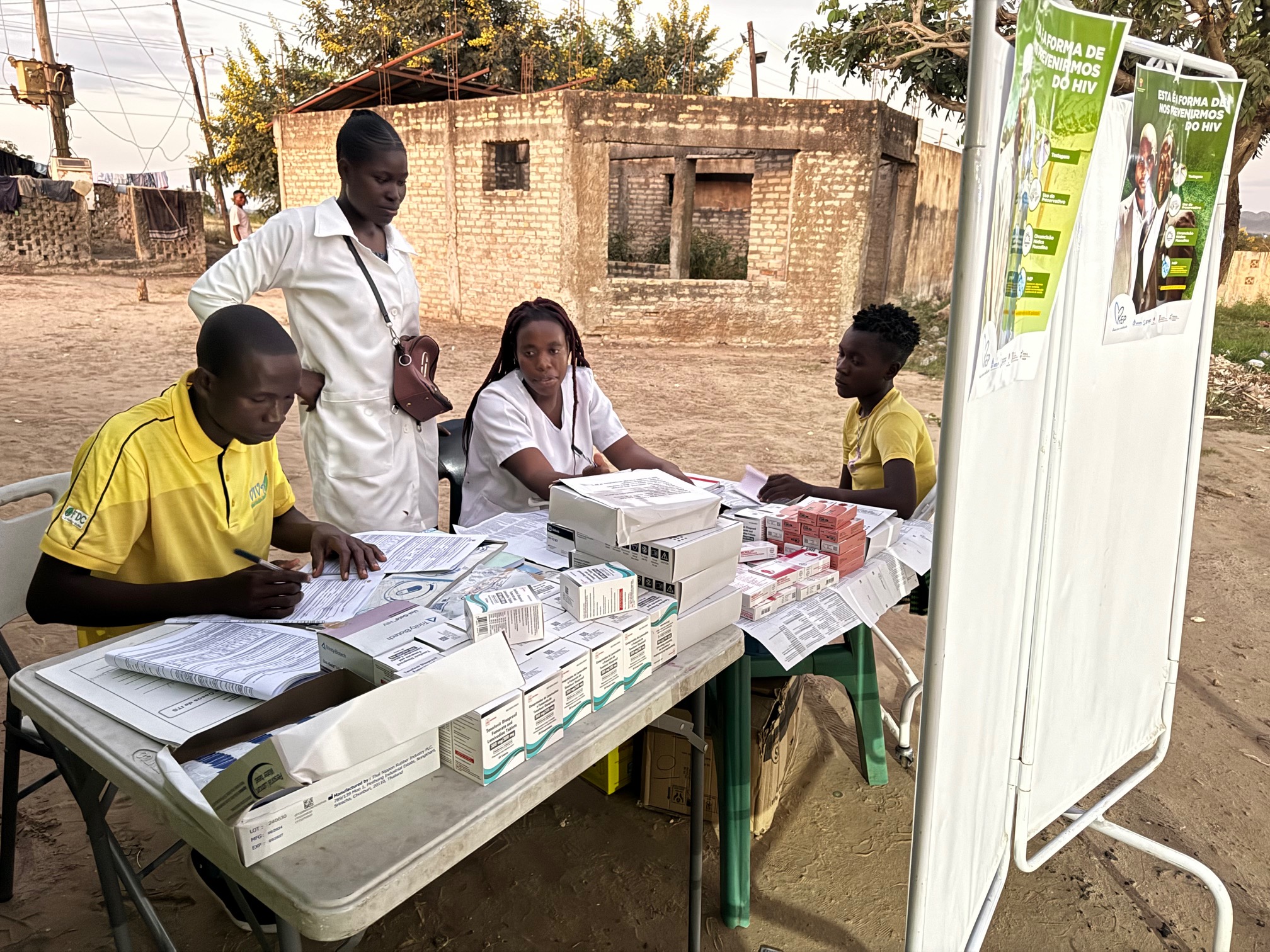
In Mozambique, in the continued fight against HIV, certain populations face a heightened risk of transmission, such as sex workers. With an HIV prevalence of 12.5% among adults, and a disproportionate burden on women, the need for targeted, effective interventions is critical. Among women, HIV prevalence can range from 4.5% in younger age groups to as high as 26.6% in those aged 35-39. This alarming reality underscores the urgency of comprehensive HIV prevention strategies tailored to vulnerable groups like sex workers. From April 2024, the Phamberi na Kudzirira (Forward with Prevention) project, which is funded by the Government of Japan, through the Japan Trust Fund (JTF) and implemented by IPPF’s Member Association in the country, Associação Moçambicana para o Desenvolvimento da Família (AMODEFA), has been addressing this challenge through innovative strategies that integrate Pre Exposure Prophylaxis (PrEP) and other biomedical HIV prevention methods such as the vaginal ring. Through mobile brigades, peer education, and targeted health services, the project has been making meaningful contributions in HIV transmission reduction efforts among sex workers in Mozambique’s Manica province. Manica province was strategically selected as the intervention site because one of its districts serves as a key transport corridor with interconnected roads leading to Maputo, other provinces in Mozambique, as well as the neighbouring country of Zimbabwe. This makes Manica a hotspot for heavy truck drivers and sex workers, thus an area of heightened HIV risk. The overarching goal of the Phamberi na Kudzirira project is to contribute to the reduction of HIV transmission by supporting the acceptance, distribution, and effective use of oral PrEP. The project seeks to ensure that sex workers have access to comprehensive sexual and reproductive health services, with PrEP as a cornerstone of HIV prevention. Peer Educators: Empowering Voices for Change The Phamberi na Kudzirira project works with a dedicated team of 10 health workers who are all trained to provide high quality, inclusive PrEP services tailored to the specific needs of sex workers. It also works with 20 peer educators across three districts in Manica province: Gondola, Chimoio, and Manica. The peer educators, who also double up as sex workers, are trained to share accurate information, offer support, and guide their peers to access vital HIV prevention services. Not only does the project leverage the trust and influence that peer educators hold within the sex worker community, but it also empowers sex workers to become active agents of change in the HIV response. The credibility and relatability of the peer educators are further reinforced by the fact that all 20 of them are personally using PrEP, demonstrating their confidence in the program and serving as powerful role models for their peers. The successes of the ongoing training program are measured through pre- and post-tests for the peer educators, to ensure that quality information is consistently shared during outreaches. Barriers to accessing sexual reproductive health services The Phamberi na Kudzirira project is however not without challenges. One of the significant challenges that sex workers face, and which the project continues to address, is the anxiety that comes with accessing SRHR services in health facilities. “The fear of being judged or mistreated often discourages sex workers from seeking medical help, even when necessary. To overcome this, I often accompany them to health facilities. AMODEFA works with partner health facilities who have been trained on non-discriminatory practices and are therefore able to satisfactorily attend to clients. Accompanying sex workers to these facilities helps to reassure them of the services and the service providers. Their interaction with the trained service providers encourages them to return for services when in need,” says Linda, a peer educator. Mobile brigades: enhancing access to SRHR services at hotspots To address the challenge of sex workers’ uptake of SRHR services in health facilities, the Phamberi na Kudzirira project has intensified efforts to create a more private and supportive environment through mobile brigades. Given the unique needs of sex workers, who often work at night in various hotspots, mobile brigades have played a crucial role in delivering services where they are needed most. These brigades bring HIV testing and PrEP services directly to the areas where sex workers operate, helping to reduce barriers such as stigma at health facilities. Since September 2024, AMODEFA has conducted 18 successful outreach missions, significantly increasing the accessibility of HIV prevention services. Sara*, a sex worker, is one of the beneficiaries of the mobile brigades. “The mobile brigades have enabled my friends and I to access testing and PrEP without the fear of the stigma that we often experience in health facilities. We feel more comfortable accessing services at the mobile brigades as they come right to where we are and the clinicians understand our needs very well,” she says. In areas where mobile brigades are not present, peer educators step in to guide sex workers to health units, ensuring they still receive testing and treatment despite concerns about stigma. Adherence to PrEP challenges Adherence to PrEP has also been identified as a challenge by the sex workers, as Rosa*, a sex worker explains. “Taking medication every day often feels tiring. However, the peer educators have emphasized the need for me to ensure that I take my medication as recommended. The peer educators encouraged me to prioritize my PrEP drugs in the same way I prioritize my meals. This helped me to understand the importance of the drugs,” she says. The engagement of sex workers as peer educators has been instrumental in promoting sustainability and ensuring that knowledge is passed on from one hotspot such as bars and roadside stops to the next. The mobile brigades have further strengthened this effort by making HIV testing and prevention services more accessible and less stigmatized, thus empowering sex workers to take charge of their health. Not only does the Phamberi na Kudzirira project leverage the trust and influence that peer educators hold within the sex worker community, but it also empowers sex workers to become active agents of change in the HIV response. The peer education model has proven to be one of the project’s greatest strengths. So far, 712 sex workers have been enrolled on oral PrEP courtesy of the Phamberi na Kudzirira project, demonstrating the reach and the impact of the program. Looking ahead, the project aims to continue expanding its reach and impact. The introduction of the vaginal ring as a new HIV prevention option in Mozambique holds significant promise, and AMODEFA hopes to integrate this method into its services as soon as it becomes widely available. “We are looking forward to this option, since adherence will be easier for us,” says Carla*, a sex worker and who is also a peer educator. Carla* notes that the vaginal ring will help in reducing reliance on a single method and improve overall adherence among sex workers. Sergio Mpilele, the Phamberi na Kudzirira Project Manager says that building on the current achievements, the project is paving the way for a more inclusive and effective HIV prevention response in Manica Province. “AMODEFA's innovative approach to HIV prevention in Manica province is setting a powerful example for how community led, inclusive health initiatives can make a real difference in the lives of those most at risk. Through the empowerment of peer educators, the accessibility of mobile brigades, and the continued education of sex workers about PrEP,” he says. *Names have been changed to protect the privacy of the individuals involved. Evelyn Nduati is the JTF Project Lead at the IPPF Africa Regional Office.
26 September 2025
World Contraception Day 2025 Message
From the WISH 2 Team Lead Today, on World Contraception Day, we reaffirm our collective commitment to ensuring that contraception is recognized and realized as a right, a responsibility, and a reality for all. Since its launch in 2007, World Contraception Day has been commemorated every year on 26 September, making 2025 the 19th annual global observance of this important campaign to raise awareness and advance SRHR. The day reminds us of the power of choice and the transformative impact of SRHR on individuals, families, and communities. Access to safe, voluntary, and high-quality contraception is not only a health imperative, but also a pathway to dignity, equity, and opportunity. Under the WISH 1 (WISH2Action) project, 3.6 million additional family planning users were reached, an estimated 22 million maternal deaths, 4.3 million unsafe abortions, 13.2 million unintended pregnancies, and 19.2 million disability-adjusted life years were averted, a powerful demonstration of the lifesaving impact of sustained investment in SRHR. Building on this momentum, WISH 2 East and Southern Africa, set targets to reach 4.2 million family planning users, with the intention of preventing 3.2 million unintended pregnancies, 1 million unsafe abortions, and 5,600 maternal deaths across seven countries in Eastern and Southern Africa. Since the start of the project, WISH 2 has reached 169,590 annualised clients as at the end of June 2025. Through this project, we remain committed to expanding access to sexual and reproductive health services across Eastern and Southern Africa, with a particular focus on fragile and humanitarian settings where women, adolescents, and marginalised groups face the greatest barriers. By strengthening service delivery, advancing social and behaviour change, advocating for enabling policies, and generating evidence for learning, WISH 2 is ensuring that no one is left behind in the pursuit of sexual and reproductive health and rights. Central to this effort is strong partnership with governments, whose leadership and stewardship are essential for sustaining progress. WISH 2 works hand in hand with national and local authorities to complement their strategies and contribute to country-led priorities for universal access to contraception and broader SRHR. Yet, these gains are under threat. Global funding for SRHR is declining, undermining women’s rights, equity, and agency, and putting millions at risk of preventable harm. As we mark this 19th World Contraception Day, we call on governments, donors, and partners to renew their commitment to SRHR. Together, we can ensure that contraception remains accessible, affordable, and inclusive, empowering every individual to make informed choices about their bodies and futures. On this day, we celebrate the dedication of our partners, country teams including Member Associations, stakeholders who support the cause and frontline providers who work tirelessly to make contraceptive services more inclusive, resilient, and rights based. Together, we are creating a future where every individual, regardless of circumstance, can make informed choices about their reproductive health. Let us continue to learn, innovate, and act so that contraception is recognized not only as a method of family planning, but as a fundamental right for all. Contraception is not just health care, it is a right, a responsibility, and a reality we must protect and advance. Happy World Contraception Day!

14 August 2025
IPPF in Action: Delivering life-saving SRH services across Africa’s humanitarian crises
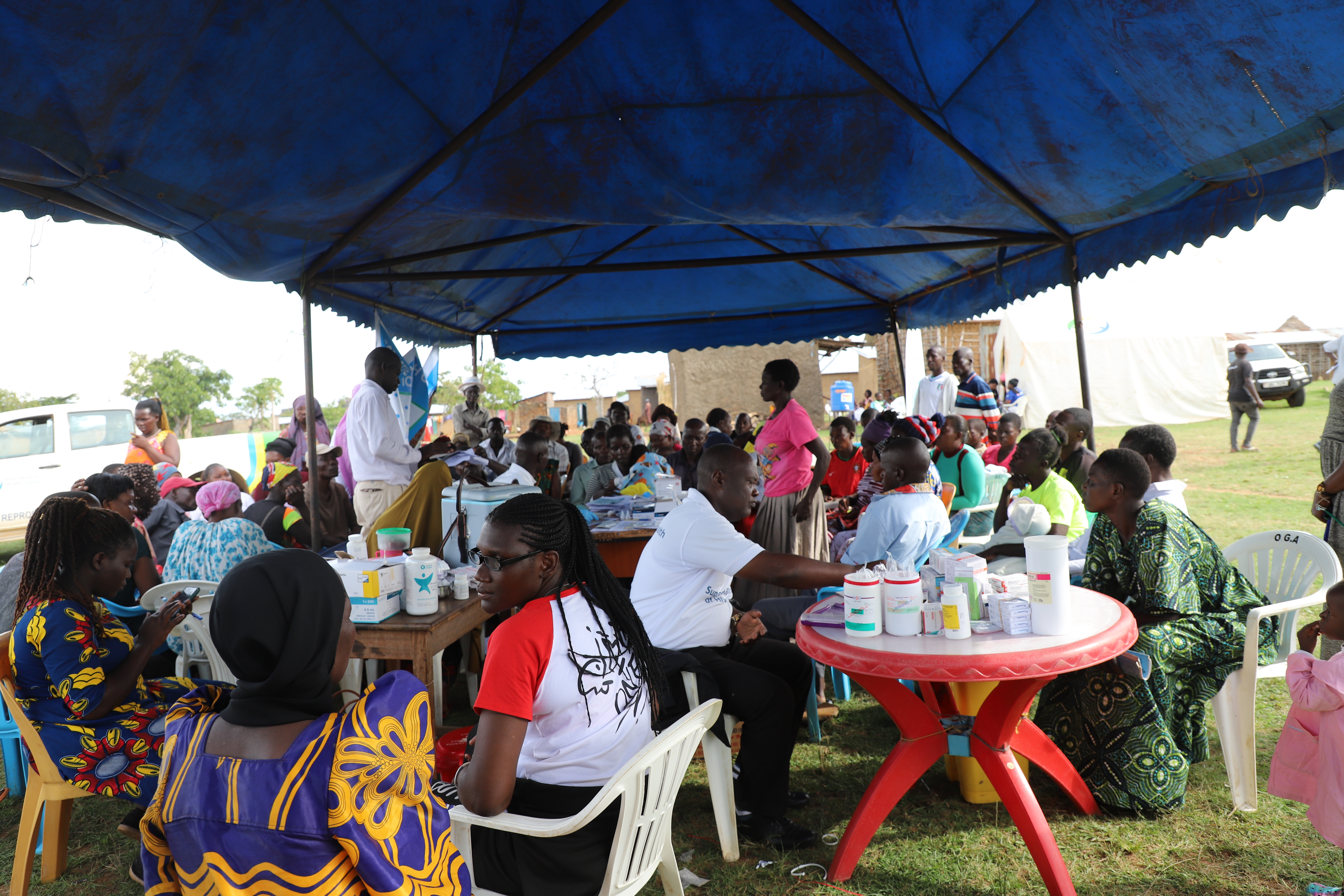
By Moctar Menta When conflict, climate disasters or epidemics strike, essential health services are often the first to collapse. Yet, the need for sexual and reproductive health (SRH) does not disappear or diminish with humanitarian crises. Instead, in most instances, it becomes more urgent and critical. In these moments, the International Planned Parenthood Federation (IPPF) responds rapidly to ensure that women, adolescents, and other vulnerable populations have access to the care they need to stay healthy and safe. Between 2024 - 2025, IPPF, through its humanitarian funding mechanisms –Stream 3 and SPRINT, delivered emergency SRH services in over 11 African countries. Stream 3 -which is IPPF’s internal rapid funding tool, and SPRINT –supported by the Australian Government, enabled local IPPF Member Associations (MAs) to act quickly in the face of crises. From conflict zones to flood-hit communities, these responses brought care directly to people, often where no other services were available. In sub-Saharan Africa, IPPF facilitated more than 215,000 people’s access to SRH and related clinical services during this period. Over 70% of these beneficiaries were women and girls. The range of services included family planning, antenatal and maternal care, HIV and sexually transmitted infection (STI) prevention and management, as well as support for survivors of gender-based violence (GBV). Children under five were also treated for infections and dehydration, especially in areas facing food insecurity or disease outbreaks. Nigeria In Nigeria, where floods displaced thousands, IPPF’s MA in Nigeria -the Planned Parenthood Federation of Nigeria (PPFN) reached over 13,000 people in 20 outreach points in Jigawa State. Among them, 4,600 were tested for HIV and more than 1,300 received family planning services, 700 of them for the first time. An emergency care set-up was managed on-site by outreach staff, where emergency cases were handled, including women in labor. “Reaching flood-affected communities within hours of the alert was key,” said Dr. Paul Odigbo, PPFN Programme Manager. “Women arrived in labor or without access to medication. We had to be there, no matter what.” Ethiopia In Ethiopia, where conflict in the Tigray region has disrupted services, more than 45,000 people were reached with SRHR services courtesy of the Family Guidance Association of Ethiopia (FGAE), which is IPPF’s MA in the country. FGAE’s interventions helped avert over 600 unintended pregnancies and more than 130 unsafe abortions. Unintended pregnancies and unsafe abortions are among the leading causes of maternal illness and death in humanitarian settings, where access to contraception and safe care is often severely limited. Women like Selam, a 31-year-old displaced mother, described how antenatal care and cervical cancer screening brought hope after months without medical access. “When we were forced to move, we lost everything. But the care from FGAE. The organization gave me hope again,” she said. South Sudan South Sudan presented even greater challenges. Resulting from ongoing conflict, economic collapse, and an influx of returnees fleeing violence in Sudan, the country continues to face widespread displacement and strained health systems. Despite the insecurity and displacement, nearly 15,000 individuals (10,400 female and 4,400 male) were reached with services ranging from GBV care to antenatal support, courtesy of Reproductive Health Association of South Sudan (RHASS) -which is IPPF’s representative in the country. Over 1,800 clients received contraceptives, and 235 births were supported in a mix of services offered by RHASS in collaboration with partner government health facilities. Mary, a survivor of sexual violence, described how access to counseling and care provided by RHASS health workers helped her begin to heal. “I wanted to give up,” she said. “But the health workers gave me strength.” Mozambique In Mozambique’s Cabo Delgado Province, the district of Mecúfi faced the aftermath of Cyclone Chido, which destroyed homes and significant health infrastructures, among other destructions. In response, Associação Moçambicana para o Desenvolvimento da Família (AMODEFA) -IPPF’s local partner in the country, deployed mobile clinics, delivered dignity kits, and conducted community talks on family planning and gender-based violence prevention. Over 15,000 people (9,500 female and 5,700 male) received services. Clinical interventions included family planning services, STI treatment, antenatal care, and psychosocial support for GBV survivors, with more than 40 mobile health brigades deployed across isolated communities. In Chad, despite political tensions and the arrival of thousands of refugees fleeing conflict in Sudan, over 10,000 people received SRH services, including 4,300 who accessed different forms of contraception. IPPF’s local partners in Senegal (Action et Développement (ACDEV); in the Central African Republic (Association Centrafricaine pour le Bien-Être Familial (ACABEF), and in Liberia (Community Healthcare Initiative (CHI) each delivered services to thousands of displaced or flood-affected populations. In Kenya, the Reproductive Health Network Kenya (RHNK) reached over 12,000 people, including many first-time family planning users. Adaptability measures to ensure service provision This scale of impact would not have been possible without adaptability measures. In places like Liberia and the Central African Republic (CAR), Member Association staff navigated blocked roads by boats and motorbikes. In South Sudan, outreach teams coordinated with local authorities and security actors to access camps for internally displaced persons (IDPs). Where abortion care was legally restricted, teams focused on post-abortion care, contraception, and counseling. Social media was also used to raise awareness and mobilize communities. Equally important was the effort to tell these stories. AMODEFA’s communication strategy included publishing over 60 social media posts that highlighted stories of courage and resilience. The visibility helped build trust, encourage health-seeking behavior, and show communities that they were not forgotten. The AMODEFA Facebook page saw engagement increase by more than 230% in just two months. The results went beyond clinical numbers. In each country, exit strategies were developed to transition emergency services into comprehensive SRH services. In response to emergencies, service delivery points (SDPs) were established in each country to meet immediate sexual and reproductive health and rights (SRHR) needs. As the crises subsided, six SDPs were transitioned into permanent MA static clinics to ensure continued access to essential SRHR services in Nigeria and Kenya. In CAR, three SDPs were successfully transitioned. Effective partnerships In South Sudan, eight public health facilities, including Gumbo and Rokon primary healthcare facilities were equipped with supplies, staff training, and service delivery support by RHASS, and later transitioned to government partners for continued SRH care. In Ethiopia, FGAE established public-private partnerships with government health offices to maintain care beyond the crisis window, including joint service delivery, referral networks, and capacity-building of public health staff. In CAR, three mobile outreach clinics operated by Association Centrafricaine pour le bien-être familial (ACABEF) were successfully transformed into static service delivery points, ensuring communities continue to access SRH services after the emergency phase. *For detailed results and country-specific case studies, visit IPPF humanitarian page. Rights-based humanitarian response IPPF’s humanitarian work in Africa shows what is possible when response is fast, local, and rights-based. The Stream 3 and SPRINT funding mechanisms proved vital during each crisis, where local IPPF partners delivered timely services in unstable environments. As new emergencies emerge, whether due to climate, conflict, displacement or other unprecedented factors, continued investment is critical. Indeed, SRH is not a secondary concern during emergencies. It is essential. It prevents maternal deaths, supports survivors of violence, and protects the dignity of people in crisis. With sustained support, IPPF will continue to reach the most vulnerable, saving lives and restoring hope where it’s needed most. Moctar Menta is the Humanitarian resource person at the IPPF Africa Regional Office
07 July 2025
Inclusive Health Systems as a Human Rights Imperative: Reflections from the Stand Up Project in Uganda and Mozambique
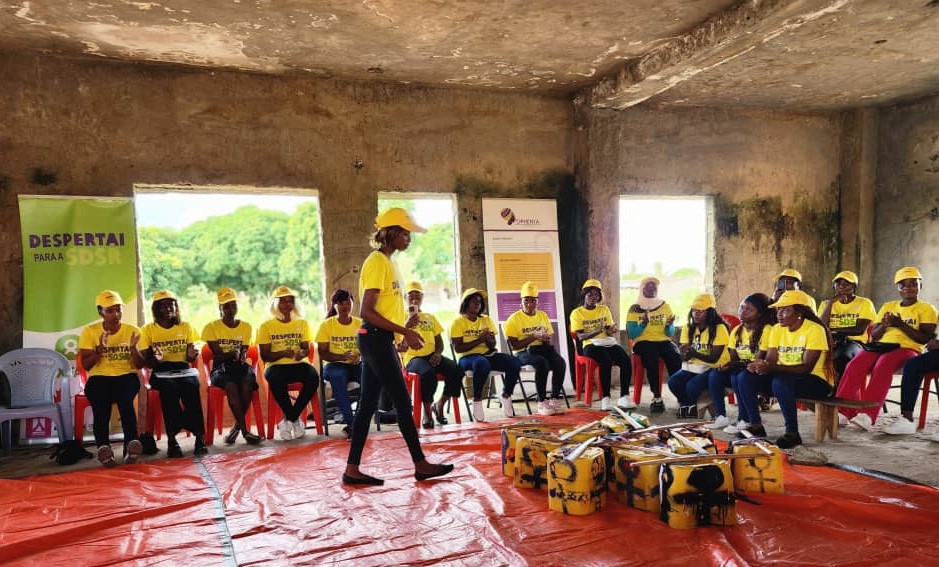
By Sylvia Ekponimo IPPF’s commitment to delivering inclusive, rights-based, and youth-centred sexual and reproductive health care is reflected in the work of its Member Associations. In Uganda and Mozambique, Reproductive Health Uganda (RHU) and Associação Moçambicana para o Desenvolvimento da Família (AMODEFA) are leveraging the power of partnerships in expanding access, strengthening health systems, and upholding the rights and agency of young people through implementation of the Stand Up for SRHR project. Funded by Global Affairs Canada (GAC), the project aims to expand access to essential sexual reproductive health (SRH) services and strengthen community-led responses. From late March to early April 2025, the project teams from IPPF and Oxfam Canada (OCA) – the consortium lead, conducted a joint visit to project sites in both countries. The visit brought together the local consortium partners in Uganda (Oxfam in Uganda, Femme Forte, Center for Health, Human Rights and Development-CEHURD) and Mozambique (Oxfam in Mozambique, Lambda, and Associação Moçambicana da Mulher e Apoio a Rapariga-OPHENTA) and offered a great opportunity to reconnect, reflect, and learn from one another. The reflections below draw from field insights highlighting evidence of progress, challenges that need to be addressed, and opportunities for deeper impact. Impact is built through collaboration and commitment In Uganda’s Mayuge and Namayingo districts, engagements with local government officials highlighted the importance of trust-based partnerships. The Mayuge district health team shared data indicating a recent decline in teenage pregnancy from 32 percent prior to the implementation of the project to approximately 23 percent. The officials attributed this decline, in part, to the youth-focused health outreaches and community dialogues supported by this initiative and was viewed as a significant and promising indicator of impact. However, with the adolescent pregnancy rate at 23 percent, it remains too early to celebrate, pointing to the need for sustained attention and resources. In Namayingo, the officials not only recognized the collaborative spirit and resilience especially in reaching remote areas like Dolwe Island – a remote area that is extremely difficult to access –but also requested to extend the intervention to even more hard-to-reach communities. This request to expand services to more underserved areas indicated not only the community’s unmet needs, but also a high level of confidence in the quality and value of the collaborative efforts. Government officials also acknowledged the project’s contribution to addressing the drivers of poor sexual reproductive health (SRH) outcomes within the district. These include traditional practices such as “disco matanga” –a cultural practice in which community members organize a fundraising event as part of funeral rites. These gatherings often involve overnight dancing for several days before the burial, with widespread access to free alcohol and tobacco. They are associated with increased unprotected sexual activity and have been linked to rising cases of teenage pregnancy, unsafe abortions, and the spread of STIs, including HIV. In Mozambique’s Nampula province, local officials at the Provincial Directorate for Youth Employment and Sports, as well as the District Health and Social Action Service spoke openly about persistent structural barriers that hinder access to care. These include low school retention among girls occasioned by among others, early marriage as an economic coping mechanism, as well as an overstretched healthcare system. These issues, compounded by the impact of natural disasters and the recent USAID funding loss have intensified the strain on an already fragile health system. Despite this, the committed frontline health workers in these locations continue to deliver services in extremely challenging conditions. In districts such as Mecuburi, the use of motorcycles to transport medical supplies to Issipe community, a locale that stands isolated from the main town following destruction of its major bridge by Cyclone Jude in March 2025, demonstrates remarkable resilience. Reaching the last mile requires innovation and integration Dolwe Island, located in Namayingo District, Uganda, offers a compelling example of delivering healthcare at the most remote levels. Home to approximately 23,000 residents and accessible via a three-hour boat ride, the island has just four health facilities, no secondary school, and high attrition among health personnel. In the absence of secondary education and employment alternatives, adolescent girls are often married off after completing primary school, while boys are absorbed into the fishing economy from a young age. Amidst these constraints, RHU has established a strong presence. Through mobile outreach activities, the team continues to deliver integrated services tailored to community needs. These events do more than provide SRH services as they bring together immunization, laboratory testing, peer education, and community engagement in formats that are culturally resonant and youth-friendly. Similarly, in Mecuburi, Mozambique, AMODEFA has overcome challenging terrains to spearhead and deliver effective health outreach services. To foster greater community engagement, particularly among men, the team uses local strategies, including football tournaments and participatory learning sessions, which have successfully encouraged male involvement and increased the uptake of SRH services. These efforts stand out for their strong coordination, careful planning, and effective integration of health and social services. Reflecting on these regular yet challenging journeys –whether by boat to Dolwe Island or across the challenging terrain of Mecuburi, one cannot overlook the immense logistical demands involved in mobilizing communities, deploying skilled health personnel, and maintaining a reliable supply of essential medicines and commodities. These efforts speak volumes about the unwavering commitment and resilience of the implementing teams, who continue to serve in some of the most remote and resource-constrained settings. Youth leadership is a key driver for positive peer-led change Across both countries, peer educators stood out as key drivers of change. In Uganda, the visiting team observed in-school peer educators in Bukatube County confidently lead SRHR discussions. The peer educators also innovative solutions, such as reusable sanitary pad production to address barriers to school retention among girls. In Dolwe Island, the peer educators, though younger and still in primary school, demonstrated a deep understanding of their rights and responsibilities. The interactions with these set of peer educators brought to the fore the importance of integrating sexual reproductive health and rights (SRHR) efforts with broader investments in education, nutrition, and safety. In Mozambique, the visiting team had the opportunity to attend an outreach activity targeting out-of-school youth. During this activity, young female peer educators at Namicopo used storytelling, music, and dance to convey SRHR messages in ways that were both engaging and empowering to their peers and the community. While at a community centre run by Lambda, one of the local partners representing the rights of gender and sexual minorities in Mozambique, the conversation turned to the lived realities of LGBTQI+ individuals. Though distressing, their accounts of exclusion, stigma, and fear revealed a slow but meaningful shift. Access to inclusive and affirming SRH care is steadily improving, driven by Values Clarification for Action and Transformation (VCAT) training sessions facilitated by AMODEFA in partnership with Lambda, and has so far reached over 90 healthcare providers. For many, a sense of safety and dignity exists only where the trained and trusted healthcare providers are present, emphasizing the urgent need for broader system change. What Next? The Stand Up field mission exercise was a powerful reminder that SRHR programming is much about delivering inclusive care, as it is about building systems rooted in trust, equity, and community engagement. Just as health workers and implementing partners do more than just executing a project, so do young people. The stories of resilience, leadership, and perseverance in the face of challenges are a testament to their deep commitment to their communities. Beyond mere beneficiaries, they are leaders in their own right who are driving and shaping the work we do to redefine what health systems can look like when equity, accountability, and community voice are centered. For OCA, the opportunity to witness the tangible progress achieved through the project reinforced the team's commitment and enduring resilience. The visit offered a valuable opportunity to move beyond virtual exchanges, revealing critical elements that are often difficult to fully capture from a distance especially the nuanced realities of implementation and the profound human impact of these efforts. As IPPF continues to advance its work, the purpose of the Stand Up project is clear - to remain resolute in our commitment to reaching those furthest behind, to honour the bravery and determination of those advocating for change, and to advance the development of resilient and equitable systems that truly leave no one behind. Sylvia Ekponimo is the Stand-Up Project Advisor.
04 July 2025
Legal but Unprotected: The Paradox of Sex Work in Mozambique
By Benedicta Oyedayo Oyewole In Mozambique, sex work exists in a legal grey zone, decriminalised, yet persistently policed under vague notions of public decency. While the law does not explicitly criminalise sex work, provisions like Article 225 of the Penal Code are often used to target sex workers, especially those whose gender expression or sexual orientation fall outside societal norms. This legal ambiguity, combined with pervasive stigma, restricts sex workers’ access to basic rights, healthcare, and safety. HIV prevalence remains alarmingly high among sex workers, yet the gap between risk and access to prevention tools, particularly Pre-Exposure Prophylaxis (PrEP), is still wide. Many sex workers are either unaware of PrEP or face systemic and social barriers to accessing it. For a population so central to the HIV response, sex workers are often excluded from tailored, rights-based services designed with their specific realities in mind. Studies show a poor translation of HIV awareness into practice, with highly irregular condom use, limited HIV testing, and low treatment uptake. In cities like Maputo and Manica, only half of HIV-positive sex workers are on antiretroviral treatment (ART), while in regions like Nampula, nearly 73% have never accessed ART. The 2017 IBBS also revealed that two-thirds of sex workers had not consulted a healthcare professional in the past six months, and among those who did, one in ten faced difficulties receiving care. These gaps highlight a clear need for comprehensive capacity strengthening by and for sex workers on HIV prevention tools like PrEP, supported by community-driven approaches that build trust, knowledge, and agency. In 2024, Associação Moçambicana para o Desenvolvimento da Família (AMODEFA), IPPF’s Member Association in Mozambique, launched a project titled Phamberi na Kudzirira (Advance Prevention), supported by the Japan Trust Fund. This targeted initiative aims to strengthen the capacity of health workers to deliver inclusive, high-quality PrEP services. The project contributes to reducing HIV transmission by improving the uptake and effective use of oral PrEP (and other emerging prevention methods, where available), intending to enroll 800 sex workers on PrEP. In a year's reflection in Mozambique on the project, now certified peer educators and empowered sex workers in their diverse communities shared how the project had transformed their lives. Linda*, a peer educator from northern Mozambique, recounted how the project built her confidence to speak openly about sexual health. “Before this, I felt ashamed about my work and afraid of how people saw me,” she said. “But now, I can educate others about PrEP and HIV prevention without fear. I even help others get referred to health centers.” She beamed with pride as she described how she now understood the difference between PrEP and ARVs and was empowered to protect her health. “I know I can have sex without fear. I know my rights and my options,” she added. Another beneficiary, Marta*, echoed Linda’s sentiments. “This project taught me to believe that being a sex worker does not mean I should hide. I now speak about who I am without shame. It gave me words, tools, and pride.” Their stories reflect individual transformations and a broader shift in community dynamics, where shame is slowly replaced with solidarity, fear with knowledge, and invisibility with voice. Yet, gaps remain, despite the steady efforts of peer educators and community outreach; critical gaps remain in the protection, well-being, and inclusion of sex workers in Mozambique. During the engagement, the sex workers from different communities in Mozambique gave voice to the harsh realities they navigate daily, which remain largely unaddressed by mainstream health, legal, and social systems. One of the most alarming issues raised was violence, particularly the normalized violence perpetrated by law enforcement. Sex workers shared painful testimonies of being beaten, extorted, and sexually assaulted by police officers, who are supposed to protect them. “When they see us, they don't see a human being,” Grace* said. “They beat us and then ask for money to let us go.” The impunity with which this violence occurs reveals a broken justice system. Many beneficiaries shared stories of abuse and violence, particularly from police officers and clients, that go unreported, not due to apathy, but because justice feels out of reach. “It takes too long to come,” explained Maria*, a peer educator who also does sex work. “Sometimes it never comes at all. We report and they mock us. Or worse, they ask for money.” Despite sex work being legal in Mozambique, sex workers are acutely aware that the legal system remains ineffective, which perpetuates exploitation and abuse. Joana shared, “We make an agreement with the client, but after the service is done, they refuse to pay the agreed amount. They say, ‘What can you do? The police won’t help you.’ And sadly, they are right.” Elsa*, another sex worker, emphasized the power imbalance that allows clients to take advantage of their vulnerability. “We know sex work is legal, but the system is corrupt. There’s no real justice when things go wrong. The police, the courts, they just don’t care, and that makes it easy for clients to exploit us.” The sense of powerlessness felt by these workers is compounded by the realization that their efforts to seek justice often lead nowhere. Maria* added, “It doesn’t matter that sex work is legal. We can’t trust the system to protect us. The clients know this, and they use it to their advantage. They know we can’t do anything when they take advantage of us.” These vulnerabilities are compounded by the attitudes of healthcare workers. Even though awareness of prevention tools like PrEP and PEP has grown largely due to peer-led education, participants spoke of routine discrimination at public health centers. “When I go to the hospital, they shout at me and tell everyone I sell my body,” one sex worker shared. As a result, many avoid clinics altogether, seeking care only when severely ill or through trusted mobile outreach. Social stigma further reinforces isolation. Several participants recounted being disowned by family members or forced out of their homes. The rejection is often rooted in cultural and religious beliefs that vilify sex work. “My mother cried when she found out. She said I had brought shame to the family,” one woman said quietly. Others spoke of being denied housing or excluded from community events. This lack of communal acceptance leaves many without social support and vulnerable to depression, exploitation, and homelessness. The challenges sex workers face in Mozambique are deeply rooted in a flawed justice system, where even though sex work is legal, exploitation, stigma, and abuse persist unchecked. Many sex workers feel powerless in the face of corruption and institutional neglect, as they are unable to seek justice for exploitation or violence. However, the project led by AMODEFA marks a significant step toward change. It provides an opportunity for sex workers to begin reclaiming their rights, gaining access to resources, and finding solidarity among themselves. This initiative is not just about offering services; it’s about empowering sex workers to speak up, challenge stigma, and demand accountability. While community-led programs have made significant strides, particularly in building trust and disseminating health information, they cannot substitute for structural change. There is an urgent need for the country government, NGOs, and sex worker-led and allied organizations to continue to push for comprehensive legal protection, ensuring that sex workers are shielded from violence and exploitation. Promoting their rights, enhancing societal understanding, and creating supportive structures, this project signals the beginning of a new dawn for sex workers in Mozambique, one that champions justice, dignity, and equality. As Faith* put it: “We are people, women, daughters, mothers, friends, sisters. We are not the enemy. We just want to be safe, work, live, and be respected.” NB: All names marked with an asterisk (*) are pseudonyms used to protect the identity and safety of the sex workers who participated in this article.
17 June 2025
Inclusive Health Systems as a Human Rights Imperative: Reflections from the Stand Up Project in Uganda and Mozambique
By Sylvia Ekponimo IPPF’s commitment to delivering inclusive, rights-based, and youth-centred sexual and reproductive health care is reflected in the work of its Member Associations. In Uganda and Mozambique, Reproductive Health Uganda (RHU) and Associação Moçambicana para o Desenvolvimento da Família (AMODEFA) are leveraging the power of partnerships in expanding access, strengthening health systems, and upholding the rights and agency of young people through implementation of the Stand Up for SRHR project. Funded by Global Affairs Canada (GAC), the project aims to expand access to essential sexual reproductive health (SRH) services and strengthen community-led responses. From late March to early April 2025, the project teams from IPPF and Oxfam Canada (OCA) – the consortium lead, conducted a joint visit to project sites in both countries. The visit brought together the local consortium partners in Uganda (Oxfam in Uganda, Femme Forte, Center for Health, Human Rights and Development-CEHURD) and Mozambique (Oxfam in Mozambique, Lambda, and Associação Moçambicana da Mulher e Apoio a Rapariga-OPHENTA) and offered a great opportunity to reconnect, reflect, and learn from one another. The reflections below draw from field insights highlighting evidence of progress, challenges that need to be addressed, and opportunities for deeper impact. Impact is built through collaboration and commitment In Uganda’s Mayuge and Namayingo districts, engagements with local government officials highlighted the importance of trust-based partnerships. The Mayuge district health team shared data indicating a recent decline in teenage pregnancy from 32 percent prior to the implementation of the project to approximately 23 percent. The officials attributed this decline, in part, to the youth-focused health outreaches and community dialogues supported by this initiative and was viewed as a significant and promising indicator of impact. However, with the adolescent pregnancy rate at 23 percent, it remains too early to celebrate, pointing to the need for sustained attention and resources. In Namayingo, the officials not only recognized the collaborative spirit and resilience especially in reaching remote areas like Dolwe Island – a remote area that is extremely difficult to access –but also requested to extend the intervention to even more hard-to-reach communities. This request to expand services to more underserved areas indicated not only the community’s unmet needs, but also a high level of confidence in the quality and value of the collaborative efforts. Government officials also acknowledged the project’s contribution to addressing the drivers of poor sexual reproductive health (SRH) outcomes within the district. These include traditional practices such as “disco matanga” –a cultural practice in which community members organize a fundraising event as part of funeral rites. These gatherings often involve overnight dancing for several days before the burial, with widespread access to free alcohol and tobacco. They are associated with increased unprotected sexual activity and have been linked to rising cases of teenage pregnancy, unsafe abortions, and the spread of STIs, including HIV. In Mozambique’s Nampula province, local officials at the Provincial Directorate for Youth Employment and Sports, as well as the District Health and Social Action Service spoke openly about persistent structural barriers that hinder access to care. These include low school retention among girls occasioned by among others, early marriage as an economic coping mechanism, as well as an overstretched healthcare system. These issues, compounded by the impact of natural disasters and the recent USAID funding loss have intensified the strain on an already fragile health system. Despite this, the committed frontline health workers in these locations continue to deliver services in extremely challenging conditions. In districts such as Mecuburi, the use of motorcycles to transport medical supplies to Issipe community, a locale that stands isolated from the main town following destruction of its major bridge by Cyclone Jude in March 2025, demonstrates remarkable resilience. Reaching the last mile requires innovation and integration Dolwe Island, located in Namayingo District, Uganda, offers a compelling example of delivering healthcare at the most remote levels. Home to approximately 23,000 residents and accessible via a three-hour boat ride, the island has just four health facilities, no secondary school, and high attrition among health personnel. In the absence of secondary education and employment alternatives, adolescent girls are often married off after completing primary school, while boys are absorbed into the fishing economy from a young age. Amidst these constraints, RHU has established a strong presence. Through mobile outreach activities, the team continues to deliver integrated services tailored to community needs. These events do more than provide SRH services as they bring together immunization, laboratory testing, peer education, and community engagement in formats that are culturally resonant and youth-friendly. Similarly, in Mecuburi, Mozambique, AMODEFA has overcome challenging terrains to spearhead and deliver effective health outreach services. To foster greater community engagement, particularly among men, the team uses local strategies, including football tournaments and participatory learning sessions, which have successfully encouraged male involvement and increased the uptake of SRH services. These efforts stand out for their strong coordination, careful planning, and effective integration of health and social services. Reflecting on these regular yet challenging journeys –whether by boat to Dolwe Island or across the challenging terrain of Mecuburi, one cannot overlook the immense logistical demands involved in mobilizing communities, deploying skilled health personnel, and maintaining a reliable supply of essential medicines and commodities. These efforts speak volumes about the unwavering commitment and resilience of the implementing teams, who continue to serve in some of the most remote and resource-constrained settings. Youth leadership is a key driver for positive peer-led change Across both countries, peer educators stood out as key drivers of change. In Uganda, the visiting team observed in-school peer educators in Bukatube County confidently lead SRHR discussions. The peer educators also innovative solutions, such as reusable sanitary pad production to address barriers to school retention among girls. In Dolwe Island, the peer educators, though younger and still in primary school, demonstrated a deep understanding of their rights and responsibilities. The interactions with these set of peer educators brought to the fore the importance of integrating sexual reproductive health and rights (SRHR) efforts with broader investments in education, nutrition, and safety. In Mozambique, the visiting team had the opportunity to attend an outreach activity targeting out-of-school youth. During this activity, young female peer educators at Namicopo used storytelling, music, and dance to convey SRHR messages in ways that were both engaging and empowering to their peers and the community. While at a community centre run by Lambda, one of the local partners representing the rights of gender and sexual minorities in Mozambique, the conversation turned to the lived realities of LGBTQI+ individuals. Though distressing, their accounts of exclusion, stigma, and fear revealed a slow but meaningful shift. Access to inclusive and affirming SRH care is steadily improving, driven by Values Clarification for Action and Transformation (VCAT) training sessions facilitated by AMODEFA in partnership with Lambda, and has so far reached over 90 healthcare providers. For many, a sense of safety and dignity exists only where the trained and trusted healthcare providers are present, emphasizing the urgent need for broader system change. What Next? The Stand Up field mission exercise was a powerful reminder that SRHR programming is much about delivering inclusive care, as it is about building systems rooted in trust, equity, and community engagement. Just as health workers and implementing partners do more than just executing a project, so do young people. The stories of resilience, leadership, and perseverance in the face of challenges are a testament to their deep commitment to their communities. Beyond mere beneficiaries, they are leaders in their own right who are driving and shaping the work we do to redefine what health systems can look like when equity, accountability, and community voice are centered. For OCA, the opportunity to witness the tangible progress achieved through the project reinforced the team's commitment and enduring resilience. The visit offered a valuable opportunity to move beyond virtual exchanges, revealing critical elements that are often difficult to fully capture from a distance especially the nuanced realities of implementation and the profound human impact of these efforts. As IPPF continues to advance its work, the purpose of the Stand Up project is clear - to remain resolute in our commitment to reaching those furthest behind, to honour the bravery and determination of those advocating for change, and to advance the development of resilient and equitable systems that truly leave no one behind. Sylvia Ekponimo is the Stand-Up Project Advisor.
18 March 2025
Stand Up Factsheet 2025
Healthcare, Rights & Choice: The Stand Up Initiative in Action Imagine a world where every young woman and girl has the power to make informed choices about their sexual and reproductive health. That’s the vision of Stand Up for Sexual and Reproductive Health and Rights (Stand Up)—a groundbreaking 6.5-year initiative driving change in Uganda and Mozambique. Our Impact So Far: 6 service provision clusters established 321+ health professionals trained to respond to SGBV 563 providers trained in youth-friendly contraceptive services 638,115+ visits for SRH services, 75% of whom were adolescent girls & young women Through strategic partnerships with Reproductive Health Uganda (RHU) and AMODEFA Mozambique, we’re strengthening healthcare systems, advocating for inclusive policies, and ensuring no one is left behind.

27 January 2025
Stand-Up project holds its annual planning meeting in Nairobi
By Maryanne W. WAWERU From 13 – 17 January, IPPF Africa Region Member Associations (MAs) implementing the Stand-Up to Sexual and Reproductive Health and Rights (SRHR) project gathered in Nairobi, Kenya, for the project’s annual planning meeting. The meeting was aimed at enabling the project teams from the implementing countries –Uganda and Mozambique, to jointly review implementation status, as well as develop a plan for the project’s 5th year. Funded by Global Affairs Canada (GAC) through Oxfam Canada (OCA), Stand-Up is a 6.5 year multi-stakeholder, multi-country initiative that contributes to the increased enjoyment of SRHR services by adolescent girls and young women (10-29 years), other women of reproductive age (30+ years), and men and boys, in strategically selected Mozambican and Ugandan districts. IPPF MAs –Reproductive Health Uganda (RHU) and Associação Moçambicana para Desenvolvimento da Família (AMODEFA) are responsible for the component of the project that aims to strengthen knowledge and capacity of service providers and healthcare facilities to improve the provision of comprehensive sexual reproductive health (SRH) information and services. Ms. Sylvia Ekponimo, the Stand-Up Project Advisor said the forum was a great opportunity for the project teams to critically evaluate the status of the project. “The meeting enabled us to take stock of our progress thus far. It provided a good setting for the exchange of best practices among project teams, identify implementation gaps, areas of improvement, address challenges, and offer recommendations. The teams collectively brainstormed on new approaches they will apply to ensure they achieve greater success for the project,” she said. Stand-Up’s notable achievements Between April - September 2024, the total number of SRH services provided through the Stand-Up project were 581,615. Notably, 59% of these services were provided to adolescents and youth aged between 10 – 24 years. These services provided included: sexual health counselling, maternal care services (including skilled antenatal, childbirth, and post-natal care), safe abortion and post-abortion care services, prevention, detection, and treatment of HIV/AIDS and sexually transmitted infections (STIs), and sexual and gender-based violence (SGBV) prevention and management services. Family planning services provided included 46,361 injectables, 22,677 pills, 10,655 implants and 1,461 intrauterine devices (IUDs). Additionally, 434,574 condoms were distributed during this time frame. In her opening remarks, Ms. Gallianne Palayret, IPPF Africa Region’s Deputy Director lauded the project’s role in reaching marginalized populations in Uganda and Mozambique. “Adolescents girls and young women (AGYW) are a vulnerable population when it comes to their sexual reproductive health. This situation is particularly dire for those in hard-to-reach areas, where access to quality SRHR information and services is often difficult. For the last four years, the Stand-Up project has been addressing this challenge by implementing strategic interventions that are tailored to meet the unique SRHR needs of adolescents, youth, and other underserved populations such as people with disability (PWD) and members of the LGBTQIA+ community,” she said. While noting the achievements of the project, Ms. Palayret emphasized IPPF’s commitment to championing adolescent and youth SRHR in sub-Saharan Africa. “Young people are at the centre of IPPF’s programmes. This is underscored in IPPF’s ‘Come Together’ Strategy, which is a comprehensive plan that outlines the organization’s commitment to supporting young people in realizing their SRHR. IPPF is dedicated to championing programs and initiatives in sub-Saharan Africa that are aimed at empowering adolescents and youth. This we achieve through our strong network of Member Associations and Collaborative Partners. We remain grateful to all our partners, including donors, governments and other stakeholders who work with us to achieve this goal,” she said. The Cluster Model approach The planning meeting served as a good cross-learning opportunity for participants, as expressed by Mr. Stelio Faiela, Stand-Up’s Project Coordinator at AMODEFA. “It was a very insightful meeting, where we learnt a lot from our Ugandan counterparts. We were particularly impressed by their application of the Cluster Model* methodology compared to ours, which has significantly helped them to deliver results. The main learning for AMODEFA was RHU’s Cluster Model that strategically includes membership from the regional level, the district level, all the way to the grassroots level. Additionally, RHU carefully selects members of each cluster, where key stakeholders such as Ministry of Health officials, politicians, community leaders, PWDs, youth representatives and other notable influencers are incorporated. This strategy that has guaranteed broad acceptance of the project at all levels. The RHU Cluster Model approach offered good learning lessons for us, and we will be sure to emulate some elements of that good practice in our context,” he said. AMODEFA’s remarkable mobile brigades Similarly, the mobile brigade** strategy employed by AMODEFA made for a key learning lesson for the RHU team. AMODEFA conducts a monthly average of 40 mobile brigades in its intervention sites –commendable efforts that were lauded by RHU’s Stand-Up Coordinator, Dr. Simon Peter Lugoloobi. “How our Mozambican colleagues conduct their mobile brigades is remarkable. What stands out for me is the way AMODEFA works with a strong network of local partners to achieve impressive results through their mobile brigades. Awareness creation, service provision, and referrals to health facilities are all undertaken in close collaboration with local partners. Every activity is carried out in seamless coordination with each partner, ensuring that thousands of adolescent girls and young women are reached with SRH information and services, including those in the most far-flung rural areas where access to health services is extremely challenging. AMODEFA’s mobile brigades have significantly addressed many of the barriers that AGYW face in accessing services, such as long distances to health facilities and lack of transport money,” Dr. Lugoloobi said. Focus on ‘results-oriented’ implementation The close of the workshop saw the team make various commitments geared towards heightened success of the project in the next implementation year. “In Year 5, our mantra will be 'efficient and results-oriented implementation'. We plan to intensify our efforts to strengthen the cluster management teams and promote a more coordinated health system in the implementing districts. In particular, we will support the team in ensuring that the use of data for decision making is consistent and embedded. We believe that this will contribute to the project's objective of "increasing the capacity of health systems and institutions to provide quality, rights-based, gender-responsive, youth-friendly and comprehensive SRH information and services for adolescent girls and young women” said Ms. Ekponimo. *Participatory and inclusive in nature, the Cluster Model is an integrated, comprehensive approach to fulfilling individuals’ SRHR and exponentially increasing access to family planning services, particularly for vulnerable populations. **The provision of health services by trained service providers outside health facilities in order to reach people who may not normally have easy access to or are less likely to attend facility services. Follow IPPF Africa Region on Facebook, Twitter, Instagram and You Tube.

17 May 2024
Meeting the Needs of Pregnant Adolescents in Mozambique: Stories from Stand Up Project
By Maryanne W. WAWERU In Mozambique, Associação Moçambicana para Desenvolvimento da Família (AMODEFA) is known for its expertise in the provision of quality sexual reproductive health and rights (SRHR) services to all people, including adolescents and young people. Through the Stand Up project, AMODEFA is deploying its expertise to address the needs of adolescents and young people including pregnant teenagers. AMODEFA has trained over 40 healthcare workers in selected health facilities across three districts of Nampula Province to provide youth friendly SRHR services. In this article, we look at a story demonstrating how the project’s intervention contributes to improved access to care by a pregnant adolescent. Nacala-Porto, Nampula province, Mozambique. Sandwiched between two young women, 18-year-old Carlita sits at the waiting bay of the Centro de Saúde Urbano (district health hospital) clinic, waiting for her turn to be attended to. Carlita is seven months pregnant and is at the clinic for her routine antenatal care (ANC) visit. On Carlita’s left is 20-year-old Sofia, and on her right is 21-year-old Isabel. The three young women engage in animated conversation, characterized by the occasional soft laughter. The waiting bay has other young women all awaiting their turn. Some are busy scrolling on their phones, while others are watching a video on a tablet. Some stare blankly into space, seemingly in deep thought. Two other young women are preoccupied with bright pamphlets containing pictures and messages about HIV & AIDS. The walls at the waiting bay are colourful, plastered with posters of young people promoting messages about sexual reproductive health and rights (SRHR). Warm reception Shortly, Isabel’s turn arrives. She rises and walks into the consultation room. Several minutes later, she walks out, a smile on her face. She then signals to Carlita, telling her that it’s her turn. A nurse with a hearty smile ushers Carlita into the room as she invites her to take a seat. The nurse, Emilia, begins by asking Carlita about her day. After recording a few details in the big book on her desk, she begins the physical examination on the pregnant adolescent. She then instructs Carlita to step on the weighing scale, after which she records her weight. Peer influence on healthcare-seeking behaviour Carlita is a Grade 11 student, which is the first year of high school in Mozambique. This is Carlita’s first pregnancy. A few weeks after discovering she was pregnant; she visited Centro de Saúde Urbano to register for ante-natal care (ANC). Carlita was encouraged to start her ANC visits by her friends who were already mothers. They told her that it was important that she does so, for a positive pregnancy outcome for both her and her baby. The choice of the health facility to attend her ANC visits was easy for Carlita. “All my friends attended their ANC visits here at Centro de Saúde Urbano. They said they liked it because the nurses were kind and had a good attitude, so I didn’t need much convincing. Besides, this hospital is the nearest one to my home, and I don’t have to pay for transport. I have been honouring every clinic appointment as scheduled by the nurses. I want to have a healthy baby, and that’s why I’m committed to coming to the clinic,” she says. Complications of teenage pregnancy As a pregnant teen, it is imperative that Carlita visits the clinic. In addition to various social, psychological, and economic risks associated with early pregnancy and childbirth, pregnant teens and their babies face additional medical risks that heighten their vulnerability to poor maternal and neonatal outcomes. These include obstructed labour, eclampsia, postpartum haemorrhage, anaemia, preterm delivery, babies with low birth weight and maternal and infant morbidity or mortality. In Africa, girls aged 15-19 years are twice as likely to die during childbirth as women aged 20 years and above. It is because of these reasons that nurse Emilia is always keen to emphasize the need for strict ANC adherence to all adolescent mothers who visit the clinic. “We educate them about pregnancy, their nutritional needs, what to expect along the journey, and how to come up with a birth plan that includes delivery in a health facility with the assistance of skilled attendants. We also talk to them about the need for post-natal contraception to prevent another unplanned pregnancy. We counsel them, encourage them, and answer all their questions. We try and make their visits as comfortable as possible, as this goes a long way in ensuring they return for their next appointment,” she says. Youth-friendly health providers This kind of care extended by nurse Emilia and her colleagues towards pregnant teens is aimed at eliminating some of the barriers that young people face in their quest to access quality sexual reproductive health (SRH) services. These barriers include judgemental attitudes by service providers and denial of services, stigmatization, and fear of being seen by their parents, older neighbours and school authorities while seeking SRH services. The healthcare workers at Centro de Saúde Urbano who provide youth-friendly services to young women like Carlita are beneficiaries of a series of trainings conducted by IPPF’s Member Association in the country, Associação Moçambicana para Desenvolvimento da Família (AMODEFA). Cognizant of the fact that healthcare providers play a key role in determining young people’s experiences in accessing SRH services, AMODEFA trains service providers on best practices that help to improve their service delivery to this unique demographic. “Among others, the trainings sensitize them on the unique needs of adolescents and youth, and this helps in ensuring that every young person seeking SRH services at the health facility leaves with a positive experience” says Mr. Santos Simione, AMODEFA’s Executive Director. Enhancing privacy for young people seeking SRH services In addition to training service providers and offering continuous supportive supervision, AMODEFA, through the Stand Up project, offers technical guidance to select public health facilities in Nampula province on the establishment of youth-friendly corners. Youth-friendly corners, which are integrated into existing health facilities, are safe spaces where adolescent and young women like Carlita, Sofia and Isabel can feel comfortable accessing SRH services. Youth-friendly corners help to improve young people’s uptake of SRH services. Nurse Emilia talks about the youth-friendly corner at Centro de Saúde Urbano. “Adolescents and youth need to feel at ease while accessing services, and with AMODEFA’s guidance, we set up a youth-friendly corner in a secluded space that is away from the glare of the public. The designated area accords them privacy, which helps them feel relaxed while waiting for their turn to be served. We also issue them with a tablet that is connected to the internet and which they use to watch videos as they wait” she says. Additionally, the nurse says that the door of the consultation room can be shut, enhancing discretion for the client while being attended to. “This is very important for young people. When in the consultation room, they don’t want someone eavesdropping on what they are saying or seeing the services they have come for. Their need for privacy is paramount” she says. A pregnant teenager’s satisfaction accessing maternal health services It is the simple things like this that attracts young people like Carlita to the facility. “I feel comfortable here. I usually find many other young women like me in the waiting room, and that makes me feel contented. The nurses are nice, and they treat me well. I plan to deliver my baby in this hospital, and I will also return for my post-natal visits here. I’ll also come back for a family planning method after that since I don’t want to become pregnant again so soon” she says. Mr. Simione, AMODEFA’s Executive Director says that the organization’s clinics have youth-friendly corners, which have helped serve thousands of young people. This is a model that has increased young people’s uptake of services. “At AMODEFA’s youth-friendly corners, adolescents and youth receive educative health talks offered by their peers and mentors, counselling, and referrals to other health services within the facility such as family planning, HIV testing and STI management. We ensure they receive services in a timely manner, which are provided by qualified health workers who are well-trained on their unique needs”. At AMODEFA facilities, Mr. Santos adds that both male and female condoms are available to young people, at no cost. “Our youth-friendly corners are a hang-out space where they can watch educative video shows, play board games, and engage in other fun activities as they empower each other on positive health-seeking SRH behaviour. Through the Stand Up project, AMODEFA has been able to extend this support to facilities such as Centro de Saúde Urbano”. Teenage pregnancy in Mozambique In Mozambique, the rate of unintended pregnancies among women aged 15 to 49 is high, at 88 per 1,000 women (2015-2019). The adolescent birth rate is even higher, at 169 per 1,000 girls aged 15-19 (2017). Nampula province has a worrying trend of nearly half of all girls aged 15-19 being teenage mothers. According to Ms. Sylvia Ekponimo, the Stand Up Project Advisor, “Stand Up through partnership with government-owned health facilities in Nampula province such as Centro de Saúde Urbano, is helping to improve adolescent and young women’s access to quality SRHR services to address a wide range of issues such as adolescent pregnancy. We strive to serve as many beneficiaries as possible with services that are tailored to their unique needs”. The initiative is yielding positive results as corroborated by service statistics from health facilities supported by Stand Up. For example, the number of girls aged 15-19 years who accessed a modern method of contraception increased from 267 in the January-March 2023 period to 4,451 by October-December 2023. The Stand Up project Funded by Global Affairs Canada (GAC) through Oxfam Canada, Stand Up is a 6.5 year multi-stakeholder, multi-country initiative that contributes to the increased enjoyment of SRHR services by adolescent girls and young women (10-29 years), other women of reproductive age (30+ years), and men and boys, in strategically selected Mozambican and Ugandan districts. IPPF Africa Region and its Member Associations in both countries are responsible for the component of the project that aims to strengthen knowledge and capacity of service providers and healthcare facilities to improve the provision of comprehensive SRH information and services. The Stand Up project is currently in its fourth year of implementation and since inception, over 40 health workers have been trained by AMODEFA. These service providers have in turn served hundreds of adolescents and youth, ensuring they receive quality SRHR services that are tailored to their exceptional needs. In the third year of implementation, the project provided comprehensive SRH information and services to over 200,000 adolescents and young people with 90% being female. Follow IPPF Africa Region on Facebook, Twitter, Instagram and You Tube.
25 February 2026
Strengthening Health Systems for Integrated and Transformative SRHR (SHIFTS)
𝗔𝗯𝗼𝘂𝘁 𝗦𝗛𝗜𝗙𝗧𝗦 Strengthening Health Systems for Integrated and Transformative SRHR (SHIFTS) is a 7-year initiative that aims to enhance the realization of sexual and reproductive health and rights (SRHR) for women, adolescents and marginalized groups by ensuring they can exercise their rights and access essential sexual and reproductive health (SRH) care, free from stigma, discrimination and systemic barriers. Donor: Global Affairs Canada Implementing MAs: Association Béninoise pour la Promotion de la Famille (ABPF), Associação Moçambicana para o Desenvolvimento da Família (AMODEFA) and Planned Parenthood Federation of Nigeria (PPFN). When: 21 March 2025 -31 March 2032 (7 years) Where: Benin – Bohicon and Parakou Mozambique – Zambezia and Gaza Nigeria – Adamawa, Edo, Enugu, Kaduna, Niger, and Oyo The SHIFTS Approach Women, girls and marginalized communities in Mozambique, Benin and Nigeria face persistent gender and health inequities such as high maternal mortality, unmet need for contraception, and higher-than-global-average adolescent birth rates. These issues are compounded by harmful social and gender norms, restricted decision-making power of women and girls over their bodies, and limited integration of SRH care and services into primary healthcare. Additionally, unsafe abortion remains a major contributor to maternal mortality, with stigma, misinformation, and lack of access to safe abortion care, making it more difficult for women and adolescents to access the health services they need. The SHIFTS project responds to these challenges through a three-pillared approach. 1. Tackling gaps in health systems by scaling up and/or implementing cluster models of care to deliver integrated SRH care. 2. Addressing social and gendered barriers to accessing SRHR care through comprehensive sexuality education and community sensitization. 3. Fostering enabling policy and legal environments that emphasize supporting duty bearers in meeting their obligations and accompanying rights holders in claiming their rights. SHIFTS is being implemented in partnership with Action Canada for Sexual Health and Rights, the International Planned Parenthood Federation Africa Region (IPPFAR) and experienced Member Associations (MAs) in Benin, Mozambique, and Nigeria. Grounded in and guided by human-rights based approaches and feminist principles, the project’s partners are committed to strengthening the resilience of health systems in the three focus countries to ensure continuity and long-term accessibility of SRH care in times of disruption.
05 November 2025
Sex Workers Leading the Fight Against HIV in Mozambique’s Manica Province
In Mozambique, in the continued fight against HIV, certain populations face a heightened risk of transmission, such as sex workers. With an HIV prevalence of 12.5% among adults, and a disproportionate burden on women, the need for targeted, effective interventions is critical. Among women, HIV prevalence can range from 4.5% in younger age groups to as high as 26.6% in those aged 35-39. This alarming reality underscores the urgency of comprehensive HIV prevention strategies tailored to vulnerable groups like sex workers. From April 2024, the Phamberi na Kudzirira (Forward with Prevention) project, which is funded by the Government of Japan, through the Japan Trust Fund (JTF) and implemented by IPPF’s Member Association in the country, Associação Moçambicana para o Desenvolvimento da Família (AMODEFA), has been addressing this challenge through innovative strategies that integrate Pre Exposure Prophylaxis (PrEP) and other biomedical HIV prevention methods such as the vaginal ring. Through mobile brigades, peer education, and targeted health services, the project has been making meaningful contributions in HIV transmission reduction efforts among sex workers in Mozambique’s Manica province. Manica province was strategically selected as the intervention site because one of its districts serves as a key transport corridor with interconnected roads leading to Maputo, other provinces in Mozambique, as well as the neighbouring country of Zimbabwe. This makes Manica a hotspot for heavy truck drivers and sex workers, thus an area of heightened HIV risk. The overarching goal of the Phamberi na Kudzirira project is to contribute to the reduction of HIV transmission by supporting the acceptance, distribution, and effective use of oral PrEP. The project seeks to ensure that sex workers have access to comprehensive sexual and reproductive health services, with PrEP as a cornerstone of HIV prevention. Peer Educators: Empowering Voices for Change The Phamberi na Kudzirira project works with a dedicated team of 10 health workers who are all trained to provide high quality, inclusive PrEP services tailored to the specific needs of sex workers. It also works with 20 peer educators across three districts in Manica province: Gondola, Chimoio, and Manica. The peer educators, who also double up as sex workers, are trained to share accurate information, offer support, and guide their peers to access vital HIV prevention services. Not only does the project leverage the trust and influence that peer educators hold within the sex worker community, but it also empowers sex workers to become active agents of change in the HIV response. The credibility and relatability of the peer educators are further reinforced by the fact that all 20 of them are personally using PrEP, demonstrating their confidence in the program and serving as powerful role models for their peers. The successes of the ongoing training program are measured through pre- and post-tests for the peer educators, to ensure that quality information is consistently shared during outreaches. Barriers to accessing sexual reproductive health services The Phamberi na Kudzirira project is however not without challenges. One of the significant challenges that sex workers face, and which the project continues to address, is the anxiety that comes with accessing SRHR services in health facilities. “The fear of being judged or mistreated often discourages sex workers from seeking medical help, even when necessary. To overcome this, I often accompany them to health facilities. AMODEFA works with partner health facilities who have been trained on non-discriminatory practices and are therefore able to satisfactorily attend to clients. Accompanying sex workers to these facilities helps to reassure them of the services and the service providers. Their interaction with the trained service providers encourages them to return for services when in need,” says Linda, a peer educator. Mobile brigades: enhancing access to SRHR services at hotspots To address the challenge of sex workers’ uptake of SRHR services in health facilities, the Phamberi na Kudzirira project has intensified efforts to create a more private and supportive environment through mobile brigades. Given the unique needs of sex workers, who often work at night in various hotspots, mobile brigades have played a crucial role in delivering services where they are needed most. These brigades bring HIV testing and PrEP services directly to the areas where sex workers operate, helping to reduce barriers such as stigma at health facilities. Since September 2024, AMODEFA has conducted 18 successful outreach missions, significantly increasing the accessibility of HIV prevention services. Sara*, a sex worker, is one of the beneficiaries of the mobile brigades. “The mobile brigades have enabled my friends and I to access testing and PrEP without the fear of the stigma that we often experience in health facilities. We feel more comfortable accessing services at the mobile brigades as they come right to where we are and the clinicians understand our needs very well,” she says. In areas where mobile brigades are not present, peer educators step in to guide sex workers to health units, ensuring they still receive testing and treatment despite concerns about stigma. Adherence to PrEP challenges Adherence to PrEP has also been identified as a challenge by the sex workers, as Rosa*, a sex worker explains. “Taking medication every day often feels tiring. However, the peer educators have emphasized the need for me to ensure that I take my medication as recommended. The peer educators encouraged me to prioritize my PrEP drugs in the same way I prioritize my meals. This helped me to understand the importance of the drugs,” she says. The engagement of sex workers as peer educators has been instrumental in promoting sustainability and ensuring that knowledge is passed on from one hotspot such as bars and roadside stops to the next. The mobile brigades have further strengthened this effort by making HIV testing and prevention services more accessible and less stigmatized, thus empowering sex workers to take charge of their health. Not only does the Phamberi na Kudzirira project leverage the trust and influence that peer educators hold within the sex worker community, but it also empowers sex workers to become active agents of change in the HIV response. The peer education model has proven to be one of the project’s greatest strengths. So far, 712 sex workers have been enrolled on oral PrEP courtesy of the Phamberi na Kudzirira project, demonstrating the reach and the impact of the program. Looking ahead, the project aims to continue expanding its reach and impact. The introduction of the vaginal ring as a new HIV prevention option in Mozambique holds significant promise, and AMODEFA hopes to integrate this method into its services as soon as it becomes widely available. “We are looking forward to this option, since adherence will be easier for us,” says Carla*, a sex worker and who is also a peer educator. Carla* notes that the vaginal ring will help in reducing reliance on a single method and improve overall adherence among sex workers. Sergio Mpilele, the Phamberi na Kudzirira Project Manager says that building on the current achievements, the project is paving the way for a more inclusive and effective HIV prevention response in Manica Province. “AMODEFA's innovative approach to HIV prevention in Manica province is setting a powerful example for how community led, inclusive health initiatives can make a real difference in the lives of those most at risk. Through the empowerment of peer educators, the accessibility of mobile brigades, and the continued education of sex workers about PrEP,” he says. *Names have been changed to protect the privacy of the individuals involved. Evelyn Nduati is the JTF Project Lead at the IPPF Africa Regional Office.
26 September 2025
World Contraception Day 2025 Message
From the WISH 2 Team Lead Today, on World Contraception Day, we reaffirm our collective commitment to ensuring that contraception is recognized and realized as a right, a responsibility, and a reality for all. Since its launch in 2007, World Contraception Day has been commemorated every year on 26 September, making 2025 the 19th annual global observance of this important campaign to raise awareness and advance SRHR. The day reminds us of the power of choice and the transformative impact of SRHR on individuals, families, and communities. Access to safe, voluntary, and high-quality contraception is not only a health imperative, but also a pathway to dignity, equity, and opportunity. Under the WISH 1 (WISH2Action) project, 3.6 million additional family planning users were reached, an estimated 22 million maternal deaths, 4.3 million unsafe abortions, 13.2 million unintended pregnancies, and 19.2 million disability-adjusted life years were averted, a powerful demonstration of the lifesaving impact of sustained investment in SRHR. Building on this momentum, WISH 2 East and Southern Africa, set targets to reach 4.2 million family planning users, with the intention of preventing 3.2 million unintended pregnancies, 1 million unsafe abortions, and 5,600 maternal deaths across seven countries in Eastern and Southern Africa. Since the start of the project, WISH 2 has reached 169,590 annualised clients as at the end of June 2025. Through this project, we remain committed to expanding access to sexual and reproductive health services across Eastern and Southern Africa, with a particular focus on fragile and humanitarian settings where women, adolescents, and marginalised groups face the greatest barriers. By strengthening service delivery, advancing social and behaviour change, advocating for enabling policies, and generating evidence for learning, WISH 2 is ensuring that no one is left behind in the pursuit of sexual and reproductive health and rights. Central to this effort is strong partnership with governments, whose leadership and stewardship are essential for sustaining progress. WISH 2 works hand in hand with national and local authorities to complement their strategies and contribute to country-led priorities for universal access to contraception and broader SRHR. Yet, these gains are under threat. Global funding for SRHR is declining, undermining women’s rights, equity, and agency, and putting millions at risk of preventable harm. As we mark this 19th World Contraception Day, we call on governments, donors, and partners to renew their commitment to SRHR. Together, we can ensure that contraception remains accessible, affordable, and inclusive, empowering every individual to make informed choices about their bodies and futures. On this day, we celebrate the dedication of our partners, country teams including Member Associations, stakeholders who support the cause and frontline providers who work tirelessly to make contraceptive services more inclusive, resilient, and rights based. Together, we are creating a future where every individual, regardless of circumstance, can make informed choices about their reproductive health. Let us continue to learn, innovate, and act so that contraception is recognized not only as a method of family planning, but as a fundamental right for all. Contraception is not just health care, it is a right, a responsibility, and a reality we must protect and advance. Happy World Contraception Day!
14 August 2025
IPPF in Action: Delivering life-saving SRH services across Africa’s humanitarian crises
By Moctar Menta When conflict, climate disasters or epidemics strike, essential health services are often the first to collapse. Yet, the need for sexual and reproductive health (SRH) does not disappear or diminish with humanitarian crises. Instead, in most instances, it becomes more urgent and critical. In these moments, the International Planned Parenthood Federation (IPPF) responds rapidly to ensure that women, adolescents, and other vulnerable populations have access to the care they need to stay healthy and safe. Between 2024 - 2025, IPPF, through its humanitarian funding mechanisms –Stream 3 and SPRINT, delivered emergency SRH services in over 11 African countries. Stream 3 -which is IPPF’s internal rapid funding tool, and SPRINT –supported by the Australian Government, enabled local IPPF Member Associations (MAs) to act quickly in the face of crises. From conflict zones to flood-hit communities, these responses brought care directly to people, often where no other services were available. In sub-Saharan Africa, IPPF facilitated more than 215,000 people’s access to SRH and related clinical services during this period. Over 70% of these beneficiaries were women and girls. The range of services included family planning, antenatal and maternal care, HIV and sexually transmitted infection (STI) prevention and management, as well as support for survivors of gender-based violence (GBV). Children under five were also treated for infections and dehydration, especially in areas facing food insecurity or disease outbreaks. Nigeria In Nigeria, where floods displaced thousands, IPPF’s MA in Nigeria -the Planned Parenthood Federation of Nigeria (PPFN) reached over 13,000 people in 20 outreach points in Jigawa State. Among them, 4,600 were tested for HIV and more than 1,300 received family planning services, 700 of them for the first time. An emergency care set-up was managed on-site by outreach staff, where emergency cases were handled, including women in labor. “Reaching flood-affected communities within hours of the alert was key,” said Dr. Paul Odigbo, PPFN Programme Manager. “Women arrived in labor or without access to medication. We had to be there, no matter what.” Ethiopia In Ethiopia, where conflict in the Tigray region has disrupted services, more than 45,000 people were reached with SRHR services courtesy of the Family Guidance Association of Ethiopia (FGAE), which is IPPF’s MA in the country. FGAE’s interventions helped avert over 600 unintended pregnancies and more than 130 unsafe abortions. Unintended pregnancies and unsafe abortions are among the leading causes of maternal illness and death in humanitarian settings, where access to contraception and safe care is often severely limited. Women like Selam, a 31-year-old displaced mother, described how antenatal care and cervical cancer screening brought hope after months without medical access. “When we were forced to move, we lost everything. But the care from FGAE. The organization gave me hope again,” she said. South Sudan South Sudan presented even greater challenges. Resulting from ongoing conflict, economic collapse, and an influx of returnees fleeing violence in Sudan, the country continues to face widespread displacement and strained health systems. Despite the insecurity and displacement, nearly 15,000 individuals (10,400 female and 4,400 male) were reached with services ranging from GBV care to antenatal support, courtesy of Reproductive Health Association of South Sudan (RHASS) -which is IPPF’s representative in the country. Over 1,800 clients received contraceptives, and 235 births were supported in a mix of services offered by RHASS in collaboration with partner government health facilities. Mary, a survivor of sexual violence, described how access to counseling and care provided by RHASS health workers helped her begin to heal. “I wanted to give up,” she said. “But the health workers gave me strength.” Mozambique In Mozambique’s Cabo Delgado Province, the district of Mecúfi faced the aftermath of Cyclone Chido, which destroyed homes and significant health infrastructures, among other destructions. In response, Associação Moçambicana para o Desenvolvimento da Família (AMODEFA) -IPPF’s local partner in the country, deployed mobile clinics, delivered dignity kits, and conducted community talks on family planning and gender-based violence prevention. Over 15,000 people (9,500 female and 5,700 male) received services. Clinical interventions included family planning services, STI treatment, antenatal care, and psychosocial support for GBV survivors, with more than 40 mobile health brigades deployed across isolated communities. In Chad, despite political tensions and the arrival of thousands of refugees fleeing conflict in Sudan, over 10,000 people received SRH services, including 4,300 who accessed different forms of contraception. IPPF’s local partners in Senegal (Action et Développement (ACDEV); in the Central African Republic (Association Centrafricaine pour le Bien-Être Familial (ACABEF), and in Liberia (Community Healthcare Initiative (CHI) each delivered services to thousands of displaced or flood-affected populations. In Kenya, the Reproductive Health Network Kenya (RHNK) reached over 12,000 people, including many first-time family planning users. Adaptability measures to ensure service provision This scale of impact would not have been possible without adaptability measures. In places like Liberia and the Central African Republic (CAR), Member Association staff navigated blocked roads by boats and motorbikes. In South Sudan, outreach teams coordinated with local authorities and security actors to access camps for internally displaced persons (IDPs). Where abortion care was legally restricted, teams focused on post-abortion care, contraception, and counseling. Social media was also used to raise awareness and mobilize communities. Equally important was the effort to tell these stories. AMODEFA’s communication strategy included publishing over 60 social media posts that highlighted stories of courage and resilience. The visibility helped build trust, encourage health-seeking behavior, and show communities that they were not forgotten. The AMODEFA Facebook page saw engagement increase by more than 230% in just two months. The results went beyond clinical numbers. In each country, exit strategies were developed to transition emergency services into comprehensive SRH services. In response to emergencies, service delivery points (SDPs) were established in each country to meet immediate sexual and reproductive health and rights (SRHR) needs. As the crises subsided, six SDPs were transitioned into permanent MA static clinics to ensure continued access to essential SRHR services in Nigeria and Kenya. In CAR, three SDPs were successfully transitioned. Effective partnerships In South Sudan, eight public health facilities, including Gumbo and Rokon primary healthcare facilities were equipped with supplies, staff training, and service delivery support by RHASS, and later transitioned to government partners for continued SRH care. In Ethiopia, FGAE established public-private partnerships with government health offices to maintain care beyond the crisis window, including joint service delivery, referral networks, and capacity-building of public health staff. In CAR, three mobile outreach clinics operated by Association Centrafricaine pour le bien-être familial (ACABEF) were successfully transformed into static service delivery points, ensuring communities continue to access SRH services after the emergency phase. *For detailed results and country-specific case studies, visit IPPF humanitarian page. Rights-based humanitarian response IPPF’s humanitarian work in Africa shows what is possible when response is fast, local, and rights-based. The Stream 3 and SPRINT funding mechanisms proved vital during each crisis, where local IPPF partners delivered timely services in unstable environments. As new emergencies emerge, whether due to climate, conflict, displacement or other unprecedented factors, continued investment is critical. Indeed, SRH is not a secondary concern during emergencies. It is essential. It prevents maternal deaths, supports survivors of violence, and protects the dignity of people in crisis. With sustained support, IPPF will continue to reach the most vulnerable, saving lives and restoring hope where it’s needed most. Moctar Menta is the Humanitarian resource person at the IPPF Africa Regional Office
07 July 2025
Inclusive Health Systems as a Human Rights Imperative: Reflections from the Stand Up Project in Uganda and Mozambique
By Sylvia Ekponimo IPPF’s commitment to delivering inclusive, rights-based, and youth-centred sexual and reproductive health care is reflected in the work of its Member Associations. In Uganda and Mozambique, Reproductive Health Uganda (RHU) and Associação Moçambicana para o Desenvolvimento da Família (AMODEFA) are leveraging the power of partnerships in expanding access, strengthening health systems, and upholding the rights and agency of young people through implementation of the Stand Up for SRHR project. Funded by Global Affairs Canada (GAC), the project aims to expand access to essential sexual reproductive health (SRH) services and strengthen community-led responses. From late March to early April 2025, the project teams from IPPF and Oxfam Canada (OCA) – the consortium lead, conducted a joint visit to project sites in both countries. The visit brought together the local consortium partners in Uganda (Oxfam in Uganda, Femme Forte, Center for Health, Human Rights and Development-CEHURD) and Mozambique (Oxfam in Mozambique, Lambda, and Associação Moçambicana da Mulher e Apoio a Rapariga-OPHENTA) and offered a great opportunity to reconnect, reflect, and learn from one another. The reflections below draw from field insights highlighting evidence of progress, challenges that need to be addressed, and opportunities for deeper impact. Impact is built through collaboration and commitment In Uganda’s Mayuge and Namayingo districts, engagements with local government officials highlighted the importance of trust-based partnerships. The Mayuge district health team shared data indicating a recent decline in teenage pregnancy from 32 percent prior to the implementation of the project to approximately 23 percent. The officials attributed this decline, in part, to the youth-focused health outreaches and community dialogues supported by this initiative and was viewed as a significant and promising indicator of impact. However, with the adolescent pregnancy rate at 23 percent, it remains too early to celebrate, pointing to the need for sustained attention and resources. In Namayingo, the officials not only recognized the collaborative spirit and resilience especially in reaching remote areas like Dolwe Island – a remote area that is extremely difficult to access –but also requested to extend the intervention to even more hard-to-reach communities. This request to expand services to more underserved areas indicated not only the community’s unmet needs, but also a high level of confidence in the quality and value of the collaborative efforts. Government officials also acknowledged the project’s contribution to addressing the drivers of poor sexual reproductive health (SRH) outcomes within the district. These include traditional practices such as “disco matanga” –a cultural practice in which community members organize a fundraising event as part of funeral rites. These gatherings often involve overnight dancing for several days before the burial, with widespread access to free alcohol and tobacco. They are associated with increased unprotected sexual activity and have been linked to rising cases of teenage pregnancy, unsafe abortions, and the spread of STIs, including HIV. In Mozambique’s Nampula province, local officials at the Provincial Directorate for Youth Employment and Sports, as well as the District Health and Social Action Service spoke openly about persistent structural barriers that hinder access to care. These include low school retention among girls occasioned by among others, early marriage as an economic coping mechanism, as well as an overstretched healthcare system. These issues, compounded by the impact of natural disasters and the recent USAID funding loss have intensified the strain on an already fragile health system. Despite this, the committed frontline health workers in these locations continue to deliver services in extremely challenging conditions. In districts such as Mecuburi, the use of motorcycles to transport medical supplies to Issipe community, a locale that stands isolated from the main town following destruction of its major bridge by Cyclone Jude in March 2025, demonstrates remarkable resilience. Reaching the last mile requires innovation and integration Dolwe Island, located in Namayingo District, Uganda, offers a compelling example of delivering healthcare at the most remote levels. Home to approximately 23,000 residents and accessible via a three-hour boat ride, the island has just four health facilities, no secondary school, and high attrition among health personnel. In the absence of secondary education and employment alternatives, adolescent girls are often married off after completing primary school, while boys are absorbed into the fishing economy from a young age. Amidst these constraints, RHU has established a strong presence. Through mobile outreach activities, the team continues to deliver integrated services tailored to community needs. These events do more than provide SRH services as they bring together immunization, laboratory testing, peer education, and community engagement in formats that are culturally resonant and youth-friendly. Similarly, in Mecuburi, Mozambique, AMODEFA has overcome challenging terrains to spearhead and deliver effective health outreach services. To foster greater community engagement, particularly among men, the team uses local strategies, including football tournaments and participatory learning sessions, which have successfully encouraged male involvement and increased the uptake of SRH services. These efforts stand out for their strong coordination, careful planning, and effective integration of health and social services. Reflecting on these regular yet challenging journeys –whether by boat to Dolwe Island or across the challenging terrain of Mecuburi, one cannot overlook the immense logistical demands involved in mobilizing communities, deploying skilled health personnel, and maintaining a reliable supply of essential medicines and commodities. These efforts speak volumes about the unwavering commitment and resilience of the implementing teams, who continue to serve in some of the most remote and resource-constrained settings. Youth leadership is a key driver for positive peer-led change Across both countries, peer educators stood out as key drivers of change. In Uganda, the visiting team observed in-school peer educators in Bukatube County confidently lead SRHR discussions. The peer educators also innovative solutions, such as reusable sanitary pad production to address barriers to school retention among girls. In Dolwe Island, the peer educators, though younger and still in primary school, demonstrated a deep understanding of their rights and responsibilities. The interactions with these set of peer educators brought to the fore the importance of integrating sexual reproductive health and rights (SRHR) efforts with broader investments in education, nutrition, and safety. In Mozambique, the visiting team had the opportunity to attend an outreach activity targeting out-of-school youth. During this activity, young female peer educators at Namicopo used storytelling, music, and dance to convey SRHR messages in ways that were both engaging and empowering to their peers and the community. While at a community centre run by Lambda, one of the local partners representing the rights of gender and sexual minorities in Mozambique, the conversation turned to the lived realities of LGBTQI+ individuals. Though distressing, their accounts of exclusion, stigma, and fear revealed a slow but meaningful shift. Access to inclusive and affirming SRH care is steadily improving, driven by Values Clarification for Action and Transformation (VCAT) training sessions facilitated by AMODEFA in partnership with Lambda, and has so far reached over 90 healthcare providers. For many, a sense of safety and dignity exists only where the trained and trusted healthcare providers are present, emphasizing the urgent need for broader system change. What Next? The Stand Up field mission exercise was a powerful reminder that SRHR programming is much about delivering inclusive care, as it is about building systems rooted in trust, equity, and community engagement. Just as health workers and implementing partners do more than just executing a project, so do young people. The stories of resilience, leadership, and perseverance in the face of challenges are a testament to their deep commitment to their communities. Beyond mere beneficiaries, they are leaders in their own right who are driving and shaping the work we do to redefine what health systems can look like when equity, accountability, and community voice are centered. For OCA, the opportunity to witness the tangible progress achieved through the project reinforced the team's commitment and enduring resilience. The visit offered a valuable opportunity to move beyond virtual exchanges, revealing critical elements that are often difficult to fully capture from a distance especially the nuanced realities of implementation and the profound human impact of these efforts. As IPPF continues to advance its work, the purpose of the Stand Up project is clear - to remain resolute in our commitment to reaching those furthest behind, to honour the bravery and determination of those advocating for change, and to advance the development of resilient and equitable systems that truly leave no one behind. Sylvia Ekponimo is the Stand-Up Project Advisor.
04 July 2025
Legal but Unprotected: The Paradox of Sex Work in Mozambique
By Benedicta Oyedayo Oyewole In Mozambique, sex work exists in a legal grey zone, decriminalised, yet persistently policed under vague notions of public decency. While the law does not explicitly criminalise sex work, provisions like Article 225 of the Penal Code are often used to target sex workers, especially those whose gender expression or sexual orientation fall outside societal norms. This legal ambiguity, combined with pervasive stigma, restricts sex workers’ access to basic rights, healthcare, and safety. HIV prevalence remains alarmingly high among sex workers, yet the gap between risk and access to prevention tools, particularly Pre-Exposure Prophylaxis (PrEP), is still wide. Many sex workers are either unaware of PrEP or face systemic and social barriers to accessing it. For a population so central to the HIV response, sex workers are often excluded from tailored, rights-based services designed with their specific realities in mind. Studies show a poor translation of HIV awareness into practice, with highly irregular condom use, limited HIV testing, and low treatment uptake. In cities like Maputo and Manica, only half of HIV-positive sex workers are on antiretroviral treatment (ART), while in regions like Nampula, nearly 73% have never accessed ART. The 2017 IBBS also revealed that two-thirds of sex workers had not consulted a healthcare professional in the past six months, and among those who did, one in ten faced difficulties receiving care. These gaps highlight a clear need for comprehensive capacity strengthening by and for sex workers on HIV prevention tools like PrEP, supported by community-driven approaches that build trust, knowledge, and agency. In 2024, Associação Moçambicana para o Desenvolvimento da Família (AMODEFA), IPPF’s Member Association in Mozambique, launched a project titled Phamberi na Kudzirira (Advance Prevention), supported by the Japan Trust Fund. This targeted initiative aims to strengthen the capacity of health workers to deliver inclusive, high-quality PrEP services. The project contributes to reducing HIV transmission by improving the uptake and effective use of oral PrEP (and other emerging prevention methods, where available), intending to enroll 800 sex workers on PrEP. In a year's reflection in Mozambique on the project, now certified peer educators and empowered sex workers in their diverse communities shared how the project had transformed their lives. Linda*, a peer educator from northern Mozambique, recounted how the project built her confidence to speak openly about sexual health. “Before this, I felt ashamed about my work and afraid of how people saw me,” she said. “But now, I can educate others about PrEP and HIV prevention without fear. I even help others get referred to health centers.” She beamed with pride as she described how she now understood the difference between PrEP and ARVs and was empowered to protect her health. “I know I can have sex without fear. I know my rights and my options,” she added. Another beneficiary, Marta*, echoed Linda’s sentiments. “This project taught me to believe that being a sex worker does not mean I should hide. I now speak about who I am without shame. It gave me words, tools, and pride.” Their stories reflect individual transformations and a broader shift in community dynamics, where shame is slowly replaced with solidarity, fear with knowledge, and invisibility with voice. Yet, gaps remain, despite the steady efforts of peer educators and community outreach; critical gaps remain in the protection, well-being, and inclusion of sex workers in Mozambique. During the engagement, the sex workers from different communities in Mozambique gave voice to the harsh realities they navigate daily, which remain largely unaddressed by mainstream health, legal, and social systems. One of the most alarming issues raised was violence, particularly the normalized violence perpetrated by law enforcement. Sex workers shared painful testimonies of being beaten, extorted, and sexually assaulted by police officers, who are supposed to protect them. “When they see us, they don't see a human being,” Grace* said. “They beat us and then ask for money to let us go.” The impunity with which this violence occurs reveals a broken justice system. Many beneficiaries shared stories of abuse and violence, particularly from police officers and clients, that go unreported, not due to apathy, but because justice feels out of reach. “It takes too long to come,” explained Maria*, a peer educator who also does sex work. “Sometimes it never comes at all. We report and they mock us. Or worse, they ask for money.” Despite sex work being legal in Mozambique, sex workers are acutely aware that the legal system remains ineffective, which perpetuates exploitation and abuse. Joana shared, “We make an agreement with the client, but after the service is done, they refuse to pay the agreed amount. They say, ‘What can you do? The police won’t help you.’ And sadly, they are right.” Elsa*, another sex worker, emphasized the power imbalance that allows clients to take advantage of their vulnerability. “We know sex work is legal, but the system is corrupt. There’s no real justice when things go wrong. The police, the courts, they just don’t care, and that makes it easy for clients to exploit us.” The sense of powerlessness felt by these workers is compounded by the realization that their efforts to seek justice often lead nowhere. Maria* added, “It doesn’t matter that sex work is legal. We can’t trust the system to protect us. The clients know this, and they use it to their advantage. They know we can’t do anything when they take advantage of us.” These vulnerabilities are compounded by the attitudes of healthcare workers. Even though awareness of prevention tools like PrEP and PEP has grown largely due to peer-led education, participants spoke of routine discrimination at public health centers. “When I go to the hospital, they shout at me and tell everyone I sell my body,” one sex worker shared. As a result, many avoid clinics altogether, seeking care only when severely ill or through trusted mobile outreach. Social stigma further reinforces isolation. Several participants recounted being disowned by family members or forced out of their homes. The rejection is often rooted in cultural and religious beliefs that vilify sex work. “My mother cried when she found out. She said I had brought shame to the family,” one woman said quietly. Others spoke of being denied housing or excluded from community events. This lack of communal acceptance leaves many without social support and vulnerable to depression, exploitation, and homelessness. The challenges sex workers face in Mozambique are deeply rooted in a flawed justice system, where even though sex work is legal, exploitation, stigma, and abuse persist unchecked. Many sex workers feel powerless in the face of corruption and institutional neglect, as they are unable to seek justice for exploitation or violence. However, the project led by AMODEFA marks a significant step toward change. It provides an opportunity for sex workers to begin reclaiming their rights, gaining access to resources, and finding solidarity among themselves. This initiative is not just about offering services; it’s about empowering sex workers to speak up, challenge stigma, and demand accountability. While community-led programs have made significant strides, particularly in building trust and disseminating health information, they cannot substitute for structural change. There is an urgent need for the country government, NGOs, and sex worker-led and allied organizations to continue to push for comprehensive legal protection, ensuring that sex workers are shielded from violence and exploitation. Promoting their rights, enhancing societal understanding, and creating supportive structures, this project signals the beginning of a new dawn for sex workers in Mozambique, one that champions justice, dignity, and equality. As Faith* put it: “We are people, women, daughters, mothers, friends, sisters. We are not the enemy. We just want to be safe, work, live, and be respected.” NB: All names marked with an asterisk (*) are pseudonyms used to protect the identity and safety of the sex workers who participated in this article.
17 June 2025
Inclusive Health Systems as a Human Rights Imperative: Reflections from the Stand Up Project in Uganda and Mozambique
By Sylvia Ekponimo IPPF’s commitment to delivering inclusive, rights-based, and youth-centred sexual and reproductive health care is reflected in the work of its Member Associations. In Uganda and Mozambique, Reproductive Health Uganda (RHU) and Associação Moçambicana para o Desenvolvimento da Família (AMODEFA) are leveraging the power of partnerships in expanding access, strengthening health systems, and upholding the rights and agency of young people through implementation of the Stand Up for SRHR project. Funded by Global Affairs Canada (GAC), the project aims to expand access to essential sexual reproductive health (SRH) services and strengthen community-led responses. From late March to early April 2025, the project teams from IPPF and Oxfam Canada (OCA) – the consortium lead, conducted a joint visit to project sites in both countries. The visit brought together the local consortium partners in Uganda (Oxfam in Uganda, Femme Forte, Center for Health, Human Rights and Development-CEHURD) and Mozambique (Oxfam in Mozambique, Lambda, and Associação Moçambicana da Mulher e Apoio a Rapariga-OPHENTA) and offered a great opportunity to reconnect, reflect, and learn from one another. The reflections below draw from field insights highlighting evidence of progress, challenges that need to be addressed, and opportunities for deeper impact. Impact is built through collaboration and commitment In Uganda’s Mayuge and Namayingo districts, engagements with local government officials highlighted the importance of trust-based partnerships. The Mayuge district health team shared data indicating a recent decline in teenage pregnancy from 32 percent prior to the implementation of the project to approximately 23 percent. The officials attributed this decline, in part, to the youth-focused health outreaches and community dialogues supported by this initiative and was viewed as a significant and promising indicator of impact. However, with the adolescent pregnancy rate at 23 percent, it remains too early to celebrate, pointing to the need for sustained attention and resources. In Namayingo, the officials not only recognized the collaborative spirit and resilience especially in reaching remote areas like Dolwe Island – a remote area that is extremely difficult to access –but also requested to extend the intervention to even more hard-to-reach communities. This request to expand services to more underserved areas indicated not only the community’s unmet needs, but also a high level of confidence in the quality and value of the collaborative efforts. Government officials also acknowledged the project’s contribution to addressing the drivers of poor sexual reproductive health (SRH) outcomes within the district. These include traditional practices such as “disco matanga” –a cultural practice in which community members organize a fundraising event as part of funeral rites. These gatherings often involve overnight dancing for several days before the burial, with widespread access to free alcohol and tobacco. They are associated with increased unprotected sexual activity and have been linked to rising cases of teenage pregnancy, unsafe abortions, and the spread of STIs, including HIV. In Mozambique’s Nampula province, local officials at the Provincial Directorate for Youth Employment and Sports, as well as the District Health and Social Action Service spoke openly about persistent structural barriers that hinder access to care. These include low school retention among girls occasioned by among others, early marriage as an economic coping mechanism, as well as an overstretched healthcare system. These issues, compounded by the impact of natural disasters and the recent USAID funding loss have intensified the strain on an already fragile health system. Despite this, the committed frontline health workers in these locations continue to deliver services in extremely challenging conditions. In districts such as Mecuburi, the use of motorcycles to transport medical supplies to Issipe community, a locale that stands isolated from the main town following destruction of its major bridge by Cyclone Jude in March 2025, demonstrates remarkable resilience. Reaching the last mile requires innovation and integration Dolwe Island, located in Namayingo District, Uganda, offers a compelling example of delivering healthcare at the most remote levels. Home to approximately 23,000 residents and accessible via a three-hour boat ride, the island has just four health facilities, no secondary school, and high attrition among health personnel. In the absence of secondary education and employment alternatives, adolescent girls are often married off after completing primary school, while boys are absorbed into the fishing economy from a young age. Amidst these constraints, RHU has established a strong presence. Through mobile outreach activities, the team continues to deliver integrated services tailored to community needs. These events do more than provide SRH services as they bring together immunization, laboratory testing, peer education, and community engagement in formats that are culturally resonant and youth-friendly. Similarly, in Mecuburi, Mozambique, AMODEFA has overcome challenging terrains to spearhead and deliver effective health outreach services. To foster greater community engagement, particularly among men, the team uses local strategies, including football tournaments and participatory learning sessions, which have successfully encouraged male involvement and increased the uptake of SRH services. These efforts stand out for their strong coordination, careful planning, and effective integration of health and social services. Reflecting on these regular yet challenging journeys –whether by boat to Dolwe Island or across the challenging terrain of Mecuburi, one cannot overlook the immense logistical demands involved in mobilizing communities, deploying skilled health personnel, and maintaining a reliable supply of essential medicines and commodities. These efforts speak volumes about the unwavering commitment and resilience of the implementing teams, who continue to serve in some of the most remote and resource-constrained settings. Youth leadership is a key driver for positive peer-led change Across both countries, peer educators stood out as key drivers of change. In Uganda, the visiting team observed in-school peer educators in Bukatube County confidently lead SRHR discussions. The peer educators also innovative solutions, such as reusable sanitary pad production to address barriers to school retention among girls. In Dolwe Island, the peer educators, though younger and still in primary school, demonstrated a deep understanding of their rights and responsibilities. The interactions with these set of peer educators brought to the fore the importance of integrating sexual reproductive health and rights (SRHR) efforts with broader investments in education, nutrition, and safety. In Mozambique, the visiting team had the opportunity to attend an outreach activity targeting out-of-school youth. During this activity, young female peer educators at Namicopo used storytelling, music, and dance to convey SRHR messages in ways that were both engaging and empowering to their peers and the community. While at a community centre run by Lambda, one of the local partners representing the rights of gender and sexual minorities in Mozambique, the conversation turned to the lived realities of LGBTQI+ individuals. Though distressing, their accounts of exclusion, stigma, and fear revealed a slow but meaningful shift. Access to inclusive and affirming SRH care is steadily improving, driven by Values Clarification for Action and Transformation (VCAT) training sessions facilitated by AMODEFA in partnership with Lambda, and has so far reached over 90 healthcare providers. For many, a sense of safety and dignity exists only where the trained and trusted healthcare providers are present, emphasizing the urgent need for broader system change. What Next? The Stand Up field mission exercise was a powerful reminder that SRHR programming is much about delivering inclusive care, as it is about building systems rooted in trust, equity, and community engagement. Just as health workers and implementing partners do more than just executing a project, so do young people. The stories of resilience, leadership, and perseverance in the face of challenges are a testament to their deep commitment to their communities. Beyond mere beneficiaries, they are leaders in their own right who are driving and shaping the work we do to redefine what health systems can look like when equity, accountability, and community voice are centered. For OCA, the opportunity to witness the tangible progress achieved through the project reinforced the team's commitment and enduring resilience. The visit offered a valuable opportunity to move beyond virtual exchanges, revealing critical elements that are often difficult to fully capture from a distance especially the nuanced realities of implementation and the profound human impact of these efforts. As IPPF continues to advance its work, the purpose of the Stand Up project is clear - to remain resolute in our commitment to reaching those furthest behind, to honour the bravery and determination of those advocating for change, and to advance the development of resilient and equitable systems that truly leave no one behind. Sylvia Ekponimo is the Stand-Up Project Advisor.
18 March 2025
Stand Up Factsheet 2025
Healthcare, Rights & Choice: The Stand Up Initiative in Action Imagine a world where every young woman and girl has the power to make informed choices about their sexual and reproductive health. That’s the vision of Stand Up for Sexual and Reproductive Health and Rights (Stand Up)—a groundbreaking 6.5-year initiative driving change in Uganda and Mozambique. Our Impact So Far: 6 service provision clusters established 321+ health professionals trained to respond to SGBV 563 providers trained in youth-friendly contraceptive services 638,115+ visits for SRH services, 75% of whom were adolescent girls & young women Through strategic partnerships with Reproductive Health Uganda (RHU) and AMODEFA Mozambique, we’re strengthening healthcare systems, advocating for inclusive policies, and ensuring no one is left behind.
27 January 2025
Stand-Up project holds its annual planning meeting in Nairobi
By Maryanne W. WAWERU From 13 – 17 January, IPPF Africa Region Member Associations (MAs) implementing the Stand-Up to Sexual and Reproductive Health and Rights (SRHR) project gathered in Nairobi, Kenya, for the project’s annual planning meeting. The meeting was aimed at enabling the project teams from the implementing countries –Uganda and Mozambique, to jointly review implementation status, as well as develop a plan for the project’s 5th year. Funded by Global Affairs Canada (GAC) through Oxfam Canada (OCA), Stand-Up is a 6.5 year multi-stakeholder, multi-country initiative that contributes to the increased enjoyment of SRHR services by adolescent girls and young women (10-29 years), other women of reproductive age (30+ years), and men and boys, in strategically selected Mozambican and Ugandan districts. IPPF MAs –Reproductive Health Uganda (RHU) and Associação Moçambicana para Desenvolvimento da Família (AMODEFA) are responsible for the component of the project that aims to strengthen knowledge and capacity of service providers and healthcare facilities to improve the provision of comprehensive sexual reproductive health (SRH) information and services. Ms. Sylvia Ekponimo, the Stand-Up Project Advisor said the forum was a great opportunity for the project teams to critically evaluate the status of the project. “The meeting enabled us to take stock of our progress thus far. It provided a good setting for the exchange of best practices among project teams, identify implementation gaps, areas of improvement, address challenges, and offer recommendations. The teams collectively brainstormed on new approaches they will apply to ensure they achieve greater success for the project,” she said. Stand-Up’s notable achievements Between April - September 2024, the total number of SRH services provided through the Stand-Up project were 581,615. Notably, 59% of these services were provided to adolescents and youth aged between 10 – 24 years. These services provided included: sexual health counselling, maternal care services (including skilled antenatal, childbirth, and post-natal care), safe abortion and post-abortion care services, prevention, detection, and treatment of HIV/AIDS and sexually transmitted infections (STIs), and sexual and gender-based violence (SGBV) prevention and management services. Family planning services provided included 46,361 injectables, 22,677 pills, 10,655 implants and 1,461 intrauterine devices (IUDs). Additionally, 434,574 condoms were distributed during this time frame. In her opening remarks, Ms. Gallianne Palayret, IPPF Africa Region’s Deputy Director lauded the project’s role in reaching marginalized populations in Uganda and Mozambique. “Adolescents girls and young women (AGYW) are a vulnerable population when it comes to their sexual reproductive health. This situation is particularly dire for those in hard-to-reach areas, where access to quality SRHR information and services is often difficult. For the last four years, the Stand-Up project has been addressing this challenge by implementing strategic interventions that are tailored to meet the unique SRHR needs of adolescents, youth, and other underserved populations such as people with disability (PWD) and members of the LGBTQIA+ community,” she said. While noting the achievements of the project, Ms. Palayret emphasized IPPF’s commitment to championing adolescent and youth SRHR in sub-Saharan Africa. “Young people are at the centre of IPPF’s programmes. This is underscored in IPPF’s ‘Come Together’ Strategy, which is a comprehensive plan that outlines the organization’s commitment to supporting young people in realizing their SRHR. IPPF is dedicated to championing programs and initiatives in sub-Saharan Africa that are aimed at empowering adolescents and youth. This we achieve through our strong network of Member Associations and Collaborative Partners. We remain grateful to all our partners, including donors, governments and other stakeholders who work with us to achieve this goal,” she said. The Cluster Model approach The planning meeting served as a good cross-learning opportunity for participants, as expressed by Mr. Stelio Faiela, Stand-Up’s Project Coordinator at AMODEFA. “It was a very insightful meeting, where we learnt a lot from our Ugandan counterparts. We were particularly impressed by their application of the Cluster Model* methodology compared to ours, which has significantly helped them to deliver results. The main learning for AMODEFA was RHU’s Cluster Model that strategically includes membership from the regional level, the district level, all the way to the grassroots level. Additionally, RHU carefully selects members of each cluster, where key stakeholders such as Ministry of Health officials, politicians, community leaders, PWDs, youth representatives and other notable influencers are incorporated. This strategy that has guaranteed broad acceptance of the project at all levels. The RHU Cluster Model approach offered good learning lessons for us, and we will be sure to emulate some elements of that good practice in our context,” he said. AMODEFA’s remarkable mobile brigades Similarly, the mobile brigade** strategy employed by AMODEFA made for a key learning lesson for the RHU team. AMODEFA conducts a monthly average of 40 mobile brigades in its intervention sites –commendable efforts that were lauded by RHU’s Stand-Up Coordinator, Dr. Simon Peter Lugoloobi. “How our Mozambican colleagues conduct their mobile brigades is remarkable. What stands out for me is the way AMODEFA works with a strong network of local partners to achieve impressive results through their mobile brigades. Awareness creation, service provision, and referrals to health facilities are all undertaken in close collaboration with local partners. Every activity is carried out in seamless coordination with each partner, ensuring that thousands of adolescent girls and young women are reached with SRH information and services, including those in the most far-flung rural areas where access to health services is extremely challenging. AMODEFA’s mobile brigades have significantly addressed many of the barriers that AGYW face in accessing services, such as long distances to health facilities and lack of transport money,” Dr. Lugoloobi said. Focus on ‘results-oriented’ implementation The close of the workshop saw the team make various commitments geared towards heightened success of the project in the next implementation year. “In Year 5, our mantra will be 'efficient and results-oriented implementation'. We plan to intensify our efforts to strengthen the cluster management teams and promote a more coordinated health system in the implementing districts. In particular, we will support the team in ensuring that the use of data for decision making is consistent and embedded. We believe that this will contribute to the project's objective of "increasing the capacity of health systems and institutions to provide quality, rights-based, gender-responsive, youth-friendly and comprehensive SRH information and services for adolescent girls and young women” said Ms. Ekponimo. *Participatory and inclusive in nature, the Cluster Model is an integrated, comprehensive approach to fulfilling individuals’ SRHR and exponentially increasing access to family planning services, particularly for vulnerable populations. **The provision of health services by trained service providers outside health facilities in order to reach people who may not normally have easy access to or are less likely to attend facility services. Follow IPPF Africa Region on Facebook, Twitter, Instagram and You Tube.
17 May 2024
Meeting the Needs of Pregnant Adolescents in Mozambique: Stories from Stand Up Project
By Maryanne W. WAWERU In Mozambique, Associação Moçambicana para Desenvolvimento da Família (AMODEFA) is known for its expertise in the provision of quality sexual reproductive health and rights (SRHR) services to all people, including adolescents and young people. Through the Stand Up project, AMODEFA is deploying its expertise to address the needs of adolescents and young people including pregnant teenagers. AMODEFA has trained over 40 healthcare workers in selected health facilities across three districts of Nampula Province to provide youth friendly SRHR services. In this article, we look at a story demonstrating how the project’s intervention contributes to improved access to care by a pregnant adolescent. Nacala-Porto, Nampula province, Mozambique. Sandwiched between two young women, 18-year-old Carlita sits at the waiting bay of the Centro de Saúde Urbano (district health hospital) clinic, waiting for her turn to be attended to. Carlita is seven months pregnant and is at the clinic for her routine antenatal care (ANC) visit. On Carlita’s left is 20-year-old Sofia, and on her right is 21-year-old Isabel. The three young women engage in animated conversation, characterized by the occasional soft laughter. The waiting bay has other young women all awaiting their turn. Some are busy scrolling on their phones, while others are watching a video on a tablet. Some stare blankly into space, seemingly in deep thought. Two other young women are preoccupied with bright pamphlets containing pictures and messages about HIV & AIDS. The walls at the waiting bay are colourful, plastered with posters of young people promoting messages about sexual reproductive health and rights (SRHR). Warm reception Shortly, Isabel’s turn arrives. She rises and walks into the consultation room. Several minutes later, she walks out, a smile on her face. She then signals to Carlita, telling her that it’s her turn. A nurse with a hearty smile ushers Carlita into the room as she invites her to take a seat. The nurse, Emilia, begins by asking Carlita about her day. After recording a few details in the big book on her desk, she begins the physical examination on the pregnant adolescent. She then instructs Carlita to step on the weighing scale, after which she records her weight. Peer influence on healthcare-seeking behaviour Carlita is a Grade 11 student, which is the first year of high school in Mozambique. This is Carlita’s first pregnancy. A few weeks after discovering she was pregnant; she visited Centro de Saúde Urbano to register for ante-natal care (ANC). Carlita was encouraged to start her ANC visits by her friends who were already mothers. They told her that it was important that she does so, for a positive pregnancy outcome for both her and her baby. The choice of the health facility to attend her ANC visits was easy for Carlita. “All my friends attended their ANC visits here at Centro de Saúde Urbano. They said they liked it because the nurses were kind and had a good attitude, so I didn’t need much convincing. Besides, this hospital is the nearest one to my home, and I don’t have to pay for transport. I have been honouring every clinic appointment as scheduled by the nurses. I want to have a healthy baby, and that’s why I’m committed to coming to the clinic,” she says. Complications of teenage pregnancy As a pregnant teen, it is imperative that Carlita visits the clinic. In addition to various social, psychological, and economic risks associated with early pregnancy and childbirth, pregnant teens and their babies face additional medical risks that heighten their vulnerability to poor maternal and neonatal outcomes. These include obstructed labour, eclampsia, postpartum haemorrhage, anaemia, preterm delivery, babies with low birth weight and maternal and infant morbidity or mortality. In Africa, girls aged 15-19 years are twice as likely to die during childbirth as women aged 20 years and above. It is because of these reasons that nurse Emilia is always keen to emphasize the need for strict ANC adherence to all adolescent mothers who visit the clinic. “We educate them about pregnancy, their nutritional needs, what to expect along the journey, and how to come up with a birth plan that includes delivery in a health facility with the assistance of skilled attendants. We also talk to them about the need for post-natal contraception to prevent another unplanned pregnancy. We counsel them, encourage them, and answer all their questions. We try and make their visits as comfortable as possible, as this goes a long way in ensuring they return for their next appointment,” she says. Youth-friendly health providers This kind of care extended by nurse Emilia and her colleagues towards pregnant teens is aimed at eliminating some of the barriers that young people face in their quest to access quality sexual reproductive health (SRH) services. These barriers include judgemental attitudes by service providers and denial of services, stigmatization, and fear of being seen by their parents, older neighbours and school authorities while seeking SRH services. The healthcare workers at Centro de Saúde Urbano who provide youth-friendly services to young women like Carlita are beneficiaries of a series of trainings conducted by IPPF’s Member Association in the country, Associação Moçambicana para Desenvolvimento da Família (AMODEFA). Cognizant of the fact that healthcare providers play a key role in determining young people’s experiences in accessing SRH services, AMODEFA trains service providers on best practices that help to improve their service delivery to this unique demographic. “Among others, the trainings sensitize them on the unique needs of adolescents and youth, and this helps in ensuring that every young person seeking SRH services at the health facility leaves with a positive experience” says Mr. Santos Simione, AMODEFA’s Executive Director. Enhancing privacy for young people seeking SRH services In addition to training service providers and offering continuous supportive supervision, AMODEFA, through the Stand Up project, offers technical guidance to select public health facilities in Nampula province on the establishment of youth-friendly corners. Youth-friendly corners, which are integrated into existing health facilities, are safe spaces where adolescent and young women like Carlita, Sofia and Isabel can feel comfortable accessing SRH services. Youth-friendly corners help to improve young people’s uptake of SRH services. Nurse Emilia talks about the youth-friendly corner at Centro de Saúde Urbano. “Adolescents and youth need to feel at ease while accessing services, and with AMODEFA’s guidance, we set up a youth-friendly corner in a secluded space that is away from the glare of the public. The designated area accords them privacy, which helps them feel relaxed while waiting for their turn to be served. We also issue them with a tablet that is connected to the internet and which they use to watch videos as they wait” she says. Additionally, the nurse says that the door of the consultation room can be shut, enhancing discretion for the client while being attended to. “This is very important for young people. When in the consultation room, they don’t want someone eavesdropping on what they are saying or seeing the services they have come for. Their need for privacy is paramount” she says. A pregnant teenager’s satisfaction accessing maternal health services It is the simple things like this that attracts young people like Carlita to the facility. “I feel comfortable here. I usually find many other young women like me in the waiting room, and that makes me feel contented. The nurses are nice, and they treat me well. I plan to deliver my baby in this hospital, and I will also return for my post-natal visits here. I’ll also come back for a family planning method after that since I don’t want to become pregnant again so soon” she says. Mr. Simione, AMODEFA’s Executive Director says that the organization’s clinics have youth-friendly corners, which have helped serve thousands of young people. This is a model that has increased young people’s uptake of services. “At AMODEFA’s youth-friendly corners, adolescents and youth receive educative health talks offered by their peers and mentors, counselling, and referrals to other health services within the facility such as family planning, HIV testing and STI management. We ensure they receive services in a timely manner, which are provided by qualified health workers who are well-trained on their unique needs”. At AMODEFA facilities, Mr. Santos adds that both male and female condoms are available to young people, at no cost. “Our youth-friendly corners are a hang-out space where they can watch educative video shows, play board games, and engage in other fun activities as they empower each other on positive health-seeking SRH behaviour. Through the Stand Up project, AMODEFA has been able to extend this support to facilities such as Centro de Saúde Urbano”. Teenage pregnancy in Mozambique In Mozambique, the rate of unintended pregnancies among women aged 15 to 49 is high, at 88 per 1,000 women (2015-2019). The adolescent birth rate is even higher, at 169 per 1,000 girls aged 15-19 (2017). Nampula province has a worrying trend of nearly half of all girls aged 15-19 being teenage mothers. According to Ms. Sylvia Ekponimo, the Stand Up Project Advisor, “Stand Up through partnership with government-owned health facilities in Nampula province such as Centro de Saúde Urbano, is helping to improve adolescent and young women’s access to quality SRHR services to address a wide range of issues such as adolescent pregnancy. We strive to serve as many beneficiaries as possible with services that are tailored to their unique needs”. The initiative is yielding positive results as corroborated by service statistics from health facilities supported by Stand Up. For example, the number of girls aged 15-19 years who accessed a modern method of contraception increased from 267 in the January-March 2023 period to 4,451 by October-December 2023. The Stand Up project Funded by Global Affairs Canada (GAC) through Oxfam Canada, Stand Up is a 6.5 year multi-stakeholder, multi-country initiative that contributes to the increased enjoyment of SRHR services by adolescent girls and young women (10-29 years), other women of reproductive age (30+ years), and men and boys, in strategically selected Mozambican and Ugandan districts. IPPF Africa Region and its Member Associations in both countries are responsible for the component of the project that aims to strengthen knowledge and capacity of service providers and healthcare facilities to improve the provision of comprehensive SRH information and services. The Stand Up project is currently in its fourth year of implementation and since inception, over 40 health workers have been trained by AMODEFA. These service providers have in turn served hundreds of adolescents and youth, ensuring they receive quality SRHR services that are tailored to their exceptional needs. In the third year of implementation, the project provided comprehensive SRH information and services to over 200,000 adolescents and young people with 90% being female. Follow IPPF Africa Region on Facebook, Twitter, Instagram and You Tube.