- - -

Articles about Senegal

q
05 December 2025

Strengthening abortion care in West Africa: highlights from the 2025 SCAAO workshop

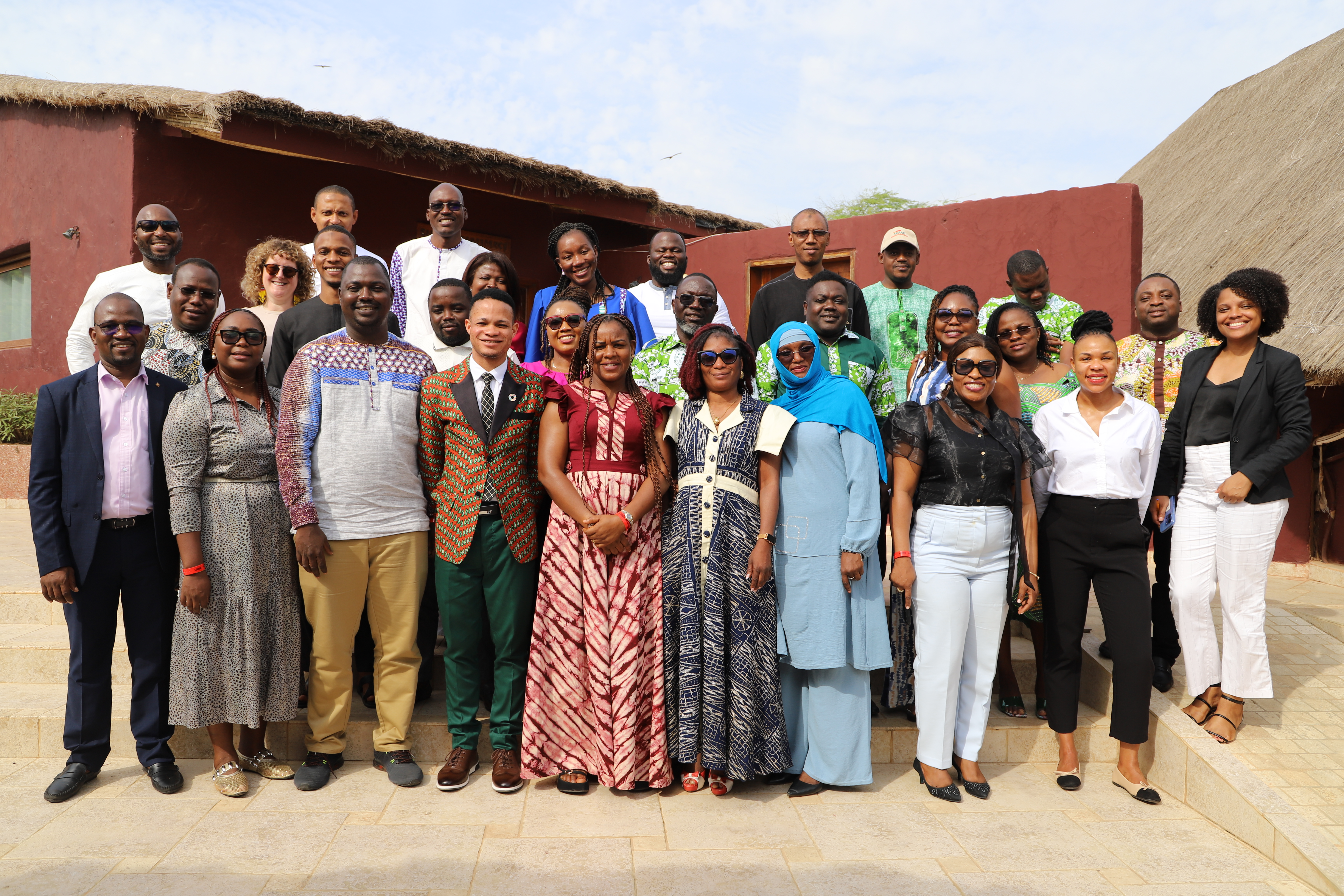
The Comprehensive Abortion Care in West Africa (SCAAO) programme recently held its annual workshop in the west African country of Senegal. The forum was an important moment for IPPF's Member Associations (MAs) implementing the programme to review progress, exchange best practices and shape priorities for the next phase. This year’s workshop, which marked the close of Phase 1 and set the stage for Phase 2, helped in deepening learning and strengthening MA activities for greater impact. By Maryanne W. WAWERU From 19 – 20 November 2025, Senegal played host to the annual ‘Strategic Planning and Best Practices Workshop’ by the Comprehensive Abortion Care in West Africa (SCAAO) programme. Jointly funded by The Hewlett Foundation and the Foundation for a Just Society International, the SCAAO aims to expand access to person-centered abortion care for women and girls in Francophone West and Central Africa. Compared to the rest of sub-Saharan Africa, Francophone West Africa scores very low against some of the most critical sexual reproductive health and rights (SRHR) indicators. According to the World Health Organization (WHO), approximately 22 million unsafe abortions are performed each year, resulting in the deaths of 47,000 women and causing long-term health consequences in another 5 million women worldwide. Unsafe abortion is a major public health issue in West and Central Africa, and constitutes a major cause of maternal death. Western Africa has one of the highest rates of unsafe abortion in the world, with 28 abortions per 1,000 women aged 15–44 years. The sub-region has also struggled in a global context of limited funding resources and insufficient or unsustainable donor investments for SRHR. Where this investment has occurred, it has been plagued by siloed programming, limited sustainability mechanisms, and fallen short of ensuring a truly locally owned and gender transformative impact on women and girls. This challenge underscores the need for well-designed interventions like SCAAO that address these structural challenges through interventions. The SCAAO programme is being implemented by IPPF’s MAs in Niger, Togo, Cameroon and Burkina Faso. Learning and exchange platforms The annual SCAAO best practices workshops serve as important learning platforms where MAs exchange experiences, share innovations and reflect on challenges, successes and lessons learned. The sessions also provide opportunities for MAs to develop strategies aimed at strengthening implementation and improving overall programme outcomes. This year’s annual workshop was timely, coming at the end of phase 1 of the programme. It presented an ideal opportunity to reflect on progress, launch Phase 2 (2025 – 2028), and engage in cross-learning with other regional initiatives. The second phase of the programme will build on the gains made in Phase 1 by strengthening the expertise and activities of MAs around person-centered care, advocacy and capacity sharing. This will contribute to the broader goal of harnessing the unique strengths and opportunities of each actor in the SRHR ecosystem from government agencies to CSOs, healthcare providers, activists, lawmakers, and funders towards expanding access to abortion care for more women and girls in the sub-region. Cross-learning engagements To enhance cross-programme learning and assure sustainability within IPPF MAs, the 2025 SCAAO annual workshop included select projects from other MAs, specifically EmpowHER, Stand-Up, and the Advocacy for SRHR Project in West Africa. The EmpowHER project, being implemented in 13 countries (eight of them in the Africa region), endeavours to guarantee women and young girls’ access to quality reproductive healthcare. The Stand-UP project, being implemented by IPPF MAs in Uganda and Mozambique, contributes to the increased enjoyment of SRHR by adolescent girls and young women. The Advocacy for SRHR Project in West Africa focuses on advocacy and is aimed at strengthening access to SRHR services for adolescents and young people in Senegal and Cape Verde. Participants at the 2025 SCAAO annual workshop were drawn from the SCAAO implementing countries, as well as those from EmpowHER, Stand-UP and the Advocacy for SRHR Project in West Africa. Showcasing best practices   Several notable best practices were highlighted during the sessions. In Togo, Association Togolaise pour le Bien-Etre Familial (ATBEF) has scaled up the use of telemedicine for abortion care while improving the abortion ecosystem by engaging in more open discussions with parliamentarians. This, with the support of the Ministry of Health (MoH). Similarly, the Cameroon National Planning Association for Family Welfare (CAMNAFAW) has made notable progress in increasing access to self-managed abortion and collaborating with a civil society organization (CSO) network to align the country’s abortion law to the Maputo Protocol dispositions. Both country interventions, which have been advanced through SCAAO, have led to more women and girls accessing abortion care services, thus fostering progress within an increasingly supportive environment. In Niger, L'Association Nigérienne pour le Bien-être Familial (ANBEF) has strengthened advocacy for post-abortion care (PAC) through Values Clarification and Attitudes Transformation (VCAT) trainings targeting key stakeholders such as MoH officials, religious leaders, civil society organizations, lawyers and other influential figures. Abortion remains a highly sensitive and taboo topic in Niger, and the country’s complex socio-cultural and political context only makes it harder to address. VCAT sessions encourage honest dialogues and reflections on sensitive reproductive health matters such as abortion, with the aim of deepening understanding and fostering support for the same. Dr. Maimuna Saley, the SCAAO Coordinator at ANBEF, says the VCAT trainings have significantly increased stakeholders’ understanding of women’s reproductive health. “We have noted a positive shift in attitudes among key stakeholders, many of whom are now collaborating with us to expand access to post-abortion care information and services for women and girls in Niger,” she said. IPPF’s MA in Burkina Faso, L'Association Burkinabè pour le Bien-Être Familial (ABBEF), which is an established leader in abortion care, has played a central role in building ANBEF’s capacity to strengthen its advocacy and service delivery. “Our team trained colleagues in Niger on VCAT. Afterward, with our guidance and support, the ANBEF trainers began delivering VCAT sessions to key stakeholders. The ANBEF team can now independently conduct these sessions, in activities that have helped to create a more supportive environment for abortion care and support in Niger,” said Dr. Mady Dera, the SCAAO Coordinator at ABBEF. ABBEF’s role has also covered the coordination of regional advocacy campaigns with regional stakeholders and institutions such as the Organisation for Safe Abortion Dialogue (ODAS). Additionally, ABBEF has established a pool of experts across the region to address key priorities related to abortion. Progress and impact Mr. Kader Avonnon, IPPF Africa Region’s SCAAO Programme Coordinator says the programme has so far achieved significant success. “Over 33,000 clients have received high-quality abortion care, including Post Abortion Care, with over 21,000 receiving support services for abortion self-care. Notably, 80% of the clients who received abortion care have been from poor and vulnerable backgrounds, which aligns with the programme’s commitment to equity.” he said. According to Mr. Avonnon, SCAAO has also increased the pool of service providers, who include staff from partner organisations. “We now have more healthcare workers who can offer abortion care. As a result, more girls and young women, including those in remote and marginalized areas where access was previously limited, are now receiving services from skilled providers. This has helped reduce unsafe abortion complications,” he explained. SCAAO’s role in IPPF’s mission During the workshop, Ms. Mallah Tabot, the IPPF Africa Region SRHR Lead emphasized the importance of the programme to IPPF’s broader mission. “The SCAAO programme is helping us rebuild the foundations of abortion care in a region that has been overlooked for far too long. It allows us to strategically close the gap between our mandate and our delivery in one of the toughest regions for abortion care, and to support our MAs to grow their readiness, transform culture and champion reproductive justice for the continent,” she said during the workshop. Ms. Tabot added that while many MAs were already providing abortion care, the SCAAO initiative has pushed their work to beyond service delivery. “It has helped us confront values, strengthen governance, build systems that make services safer, and positioned MAs as consistent and resilient leaders over time.” Participant perspectives At the close of the forum, participants shared their reflections. “The idea of person-centered abortion services stood out. This means considering the unique needs of each person seeking care and tailoring services to them. When it comes to abortion care, individual needs vary from person to person and therefore each case needs to be treated uniquely. The presentations from the different countries brought out this important aspect of abortion care very clearly,” said Ms. Yasmilatou Aboudoulaye from IPPF’s MA in Benin, Association Béninoise pour la Promotion de la Famille (ABPF). Mr. Mohammed Ka from IPPF’s MA in Senegal, Action and Development (AcDev) similarly shared his reflections. “The best practices showcased by the MAs gave me great insights into how the same programme can be adapted to different contexts and still deliver results. The experience of Niger was very interesting as it showed how ANBEF has made great strides in abortion advocacy, meaning that even in difficult contexts, success is still possible. I learnt so much and I’m keen to share these ideas with my colleagues at AcDev as there is a lot we can replicate to enhance our work,” he said. At the end of the workshop, participants left very inspired and motivated to strengthen abortion care in their countries –a great momentum to the start of Phase 2 of the noteworthy SCAAO programme.

Joyce Chrispo, 34, consults Rose Nyoka Alphonso from RHASS South Sudan on how different type of family planning methods
14 August 2025

IPPF in Action: Delivering life-saving SRH services across Africa’s humanitarian crises

By Moctar Menta  When conflict, climate disasters or epidemics strike, essential health services are often the first to collapse. Yet, the need for sexual and reproductive health (SRH) does not disappear or diminish with humanitarian crises. Instead, in most instances, it becomes more urgent and critical. In these moments, the International Planned Parenthood Federation (IPPF) responds rapidly to ensure that women, adolescents, and other vulnerable populations have access to the care they need to stay healthy and safe.  Between 2024 - 2025, IPPF, through its humanitarian funding mechanisms –Stream 3 and SPRINT, delivered emergency SRH services in over 11 African countries. Stream 3 -which is IPPF’s internal rapid funding tool, and SPRINT –supported by the Australian Government, enabled local IPPF Member Associations (MAs) to act quickly in the face of crises. From conflict zones to flood-hit communities, these responses brought care directly to people, often where no other services were available.  In sub-Saharan Africa, IPPF facilitated more than 215,000 people’s access to SRH and related clinical services during this period. Over 70% of these beneficiaries were women and girls. The range of services included family planning, antenatal and maternal care, HIV and sexually transmitted infection (STI) prevention and management, as well as support for survivors of gender-based violence (GBV). Children under five were also treated for infections and dehydration, especially in areas facing food insecurity or disease outbreaks.    Nigeria  In Nigeria, where floods displaced thousands, IPPF’s MA in Nigeria -the Planned Parenthood Federation of Nigeria (PPFN) reached over 13,000 people in 20 outreach points in Jigawa State. Among them, 4,600 were tested for HIV and more than 1,300 received family planning services, 700 of them for the first time. An emergency care set-up was managed on-site by outreach staff, where emergency cases were handled, including women in labor.  “Reaching flood-affected communities within hours of the alert was key,” said Dr. Paul Odigbo, PPFN Programme Manager. “Women arrived in labor or without access to medication. We had to be there, no matter what.”    Ethiopia  In Ethiopia, where conflict in the Tigray region has disrupted services, more than 45,000 people were reached with SRHR services courtesy of the Family Guidance Association of Ethiopia (FGAE), which is IPPF’s MA in the country. FGAE’s interventions helped avert over 600 unintended pregnancies and more than 130 unsafe abortions. Unintended pregnancies and unsafe abortions are among the leading causes of maternal illness and death in humanitarian settings, where access to contraception and safe care is often severely limited.   Women like Selam, a 31-year-old displaced mother, described how antenatal care and cervical cancer screening brought hope after months without medical access.   “When we were forced to move, we lost everything. But the care from FGAE. The organization gave me hope again,” she said.    South Sudan  South Sudan presented even greater challenges. Resulting from ongoing conflict, economic collapse, and an influx of returnees fleeing violence in Sudan, the country continues to face widespread displacement and strained health systems.   Despite the insecurity and displacement, nearly 15,000 individuals (10,400 female and 4,400 male) were reached with services ranging from GBV care to antenatal support, courtesy of Reproductive Health Association of South Sudan (RHASS) -which is IPPF’s representative in the country. Over 1,800 clients received contraceptives, and 235 births were supported in a mix of services offered by RHASS in collaboration with partner government health facilities.   Mary, a survivor of sexual violence, described how access to counseling and care provided by RHASS health workers helped her begin to heal.   “I wanted to give up,” she said. “But the health workers gave me strength.”     Mozambique  In Mozambique’s Cabo Delgado Province, the district of Mecúfi faced the aftermath of Cyclone Chido, which destroyed homes and significant health infrastructures, among other destructions. In response, Associação Moçambicana para o Desenvolvimento da Família (AMODEFA) -IPPF’s local partner in the country, deployed mobile clinics, delivered dignity kits, and conducted community talks on family planning and gender-based violence prevention.   Over 15,000 people (9,500 female and 5,700 male) received services. Clinical interventions included family planning services, STI treatment, antenatal care, and psychosocial support for GBV survivors, with more than 40 mobile health brigades deployed across isolated communities.   In Chad, despite political tensions and the arrival of thousands of refugees fleeing conflict in Sudan, over 10,000 people received SRH services, including 4,300 who accessed different forms of contraception. IPPF’s local partners in Senegal (Action et Développement (ACDEV); in the Central African Republic (Association Centrafricaine pour le Bien-Être Familial (ACABEF), and in Liberia (Community Healthcare Initiative (CHI) each delivered services to thousands of displaced or flood-affected populations. In Kenya, the Reproductive Health Network Kenya (RHNK) reached over 12,000 people, including many first-time family planning users.    Adaptability measures to ensure service provision  This scale of impact would not have been possible without adaptability measures. In places like Liberia and the Central African Republic (CAR), Member Association staff navigated blocked roads by boats and motorbikes. In South Sudan, outreach teams coordinated with local authorities and security actors to access camps for internally displaced persons (IDPs). Where abortion care was legally restricted, teams focused on post-abortion care, contraception, and counseling.  Social media was also used to raise awareness and mobilize communities. Equally important was the effort to tell these stories. AMODEFA’s communication strategy included publishing over 60 social media posts that highlighted stories of courage and resilience. The visibility helped build trust, encourage health-seeking behavior, and show communities that they were not forgotten. The AMODEFA Facebook page saw engagement increase by more than 230% in just two months.  The results went beyond clinical numbers. In each country, exit strategies were developed to transition emergency services into comprehensive SRH services. In response to emergencies, service delivery points (SDPs) were established in each country to meet immediate sexual and reproductive health and rights (SRHR) needs. As the crises subsided, six SDPs were transitioned into permanent MA static clinics to ensure continued access to essential SRHR services in Nigeria and Kenya. In CAR, three SDPs were successfully transitioned.    Effective partnerships   In South Sudan, eight public health facilities, including Gumbo and Rokon primary healthcare facilities were equipped with supplies, staff training, and service delivery support by RHASS, and later transitioned to government partners for continued SRH care.   In Ethiopia, FGAE established public-private partnerships with government health offices to maintain care beyond the crisis window, including joint service delivery, referral networks, and capacity-building of public health staff.   In CAR, three mobile outreach clinics operated by Association Centrafricaine pour le bien-être familial (ACABEF) were successfully transformed into static service delivery points, ensuring communities continue to access SRH services after the emergency phase.  *For detailed results and country-specific case studies, visit IPPF humanitarian page.    Rights-based humanitarian response  IPPF’s humanitarian work in Africa shows what is possible when response is fast, local, and rights-based. The Stream 3 and SPRINT funding mechanisms proved vital during each crisis, where local IPPF partners delivered timely services in unstable environments. As new emergencies emerge, whether due to climate, conflict, displacement or other unprecedented factors, continued investment is critical.  Indeed, SRH is not a secondary concern during emergencies. It is essential. It prevents maternal deaths, supports survivors of violence, and protects the dignity of people in crisis. With sustained support, IPPF will continue to reach the most vulnerable, saving lives and restoring hope where it’s needed most.  Moctar Menta is the Humanitarian resource person at the IPPF Africa Regional Office 
Statement visual
04 July 2024

Senegal: IPPFAR Calls on Government to honour Maputo Protocol Obligations in Wake of Press Release

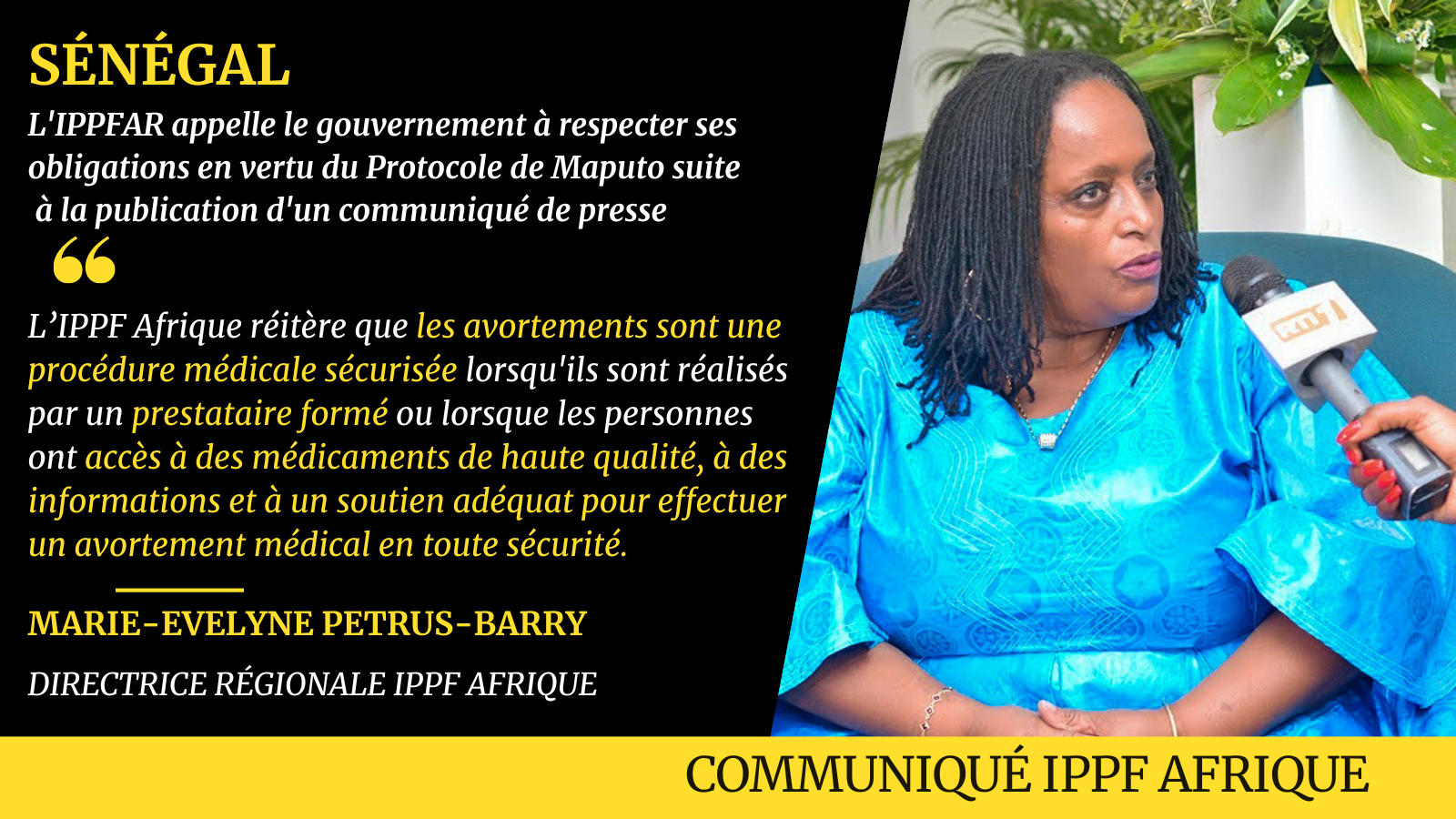
Senegal: IPPFAR Calls on Government to honour Maputo Protocol Obligations in Wake of Press Release  4 July 2024, Nairobi, Kenya: On 8 June 2024, the Ministry of Health and Social Action, Senegal, issued a statement titled ‘On the dangers of induced abortions’ (‘Sur les dangers des avortements provoqués’).   While the Senegalese Ministry of Health is correct in warning its citizens of the dangers of unsafe abortions, we are concerned about the interchangeable use of the terminologies “induced abortions”, “clandestine abortions”, and “unsafe abortions” in the statement. Senegal’s penal code completely prohibits the termination of pregnancy, while the medical code of ethics allows an abortion if three doctors agree that it is necessary to save a woman’s life. Such restrictive laws lead to clandestine abortions, while unsafe abortions refer to procedures done by an unskilled provider in a manner that does not adhere to WHO guidelines.  “IPPF Africa reiterates that abortions are a safe medical procedure when provided by a trained provider or when a person has access to high quality medication, information and support to safely undergo a medical abortion”, said Marie-Evelyne Petrus-Barry, IPPF Africa Regional Director.  The statement makes clear the Government’s concern for the health and wellbeing of women and girls, therefore IPPFAR urges the Ministry of Health and Social Action of Senegal to recognise that without access to safe abortion care, women will continue to suffer and seek life-threatening alternatives.  Legally restricting abortion does not reduce rates of abortion, instead, they increase the rates of unsafe abortion and the associated risks including high rates of maternal mortality, which runs counter to the aims of the Senegalese Government as outlined in its press release.   Access to safe abortion services is grounded in international legal frameworks and standards, supported by fundamental human rights principles.  “We encourage  the Senegalese Government to recommit to its obligations under the Maputo Protocol which it ratified in 2005, particularly Article 14(2)(c), which says that States must protect the reproductive rights of women including legally permitting abortion care in cases of sexual assault, rape, incest and where the continued pregnancy endangers the mental and physical health of the mother or the life of the mother or foetus”, added Marie-Evelyne Petrus-Barry.  Access to legal and safe abortion reduces preventable maternal mortality. IPPF Africa supports the call by local civil society organisations to break the stereotypes around abortion while also providing accurate health-based information.     END For further information or to request an interview, please contact: -Mahmoud GARGA, Lead Strategic Communication, Voice and Media, IPPF Africa Regional Office (IPPFAR) – email: [email protected] / Tel: +254 704 626 920 ABOUT IPPF AFRICA REGION (IPPFAR) The International Planned Parenthood Federation Africa Region (IPPFAR) is one of the leading sexual and reproductive health (SRH) service delivery organization in Africa, and a leading sexual and reproductive health and rights (SRHR) advocacy voice in the region. Headquartered in Nairobi, Kenya, the overarching goal of IPPFAR is to increase access to SRHR services to the most vulnerable youth, men and women in sub-Saharan Africa. Supported by thousands of volunteers, IPPFAR tackles the continent’s growing SRHR challenges through a network of Member Associations (MAs) in 40 countries. We do this by developing our MAs into efficient entities with the capacity to deliver and sustain high quality, youth focused and gender sensitive services. We work with Governments, the African Union, Regional Economic Commissions, the Pan-African Parliament, United Nations bodies among others to expand political and financial commitments to sexual and reproductive health and rights in Africa. Learn more about us on our website. Follow us on Facebook, Twitter, Instagram and YouTube.    

Action Et Développement (AcDEV -Senegal)

Action Et Développement (AcDev) is a Non Governmental Organisation for Development Support which has been in existence for 31 years. Today, it is recognised as one of the most important Senegalese NGOs with proven expertise and considerable experience in the provision of community health and the creation of demand at the community level.

AcDEV is mainly involved in reproductive health in general, the sexual and reproductive health of young people and adolescents, and the fight against gender-based violence in particular. AcDEV operates in nine regions of Senegal with a national headquarters in Dakar, two permanent regional headquarters in Fatick and Louga and focal points in the remaining regions.

AcDEV has more than 104 staff spread across its intervention zones. Since its creation, the NGO has built five health centres, two reproductive health centres for young people and adolescents, a vocational training centre for young girls, 55 rural huts and maternity units, and a mobile RH/FP team.

The areas of intervention are: strengthening the skills of organisations and actors, advocacy for RH/FP and the SRHR of young people, IEC/BCC, the sustainability of its interventions through the implementation of income-generating activities and the strengthening of women's economic power.

AcDEV goals:

  • Improve the living conditions of the target populations through development support activities
  • Assist children and poor populations in general in the areas of nutrition, health care, the fight against STIs/AIDS
  • Implement the means of sensitization, training and action on the mechanisms of “poor development”
  • Promote a partnership with NGOs and national and international institutions while respecting their identity

Learn more about AcDEV here.

Address
204, Cité Fadia-Guentaba
BP: K5049 Pikine
Dakar/Senegal

+221 33-855 88 55 / 77 569 56 26
[email protected]
www.acdev-inter.org 

Guinean Association for Family Welfare (AGBEF
23 February 2021

Anchoring the International Planned Parenthood Federation (IPPF) in West and Central Africa: visit of a high-level mission to Senegal and Guinea

From January 24 to February 15, 2021, an high-level mission of the International Planned Parenthood Federation (IPPF) conducted by the Regional Director for Africa, Marie-Evelyne Petrus-Barry, went respectively to Senegal and Guinea to explore opportunities to better anchor the IPPF action in West and Central Africa through the establishment of a new sub-office  and the strengthening and diversifying of its partnerships in the region. In Senegal, the mission met with relevant authorities, including the Ministry of Youth, the General Secretary of the Ministry of Women, Family and Gender, the Director of Cabinet of the Ministry of Foreign Affairs and the Director of the Cooperation to lay the foundations for the opening of a new IPPFARO sub-office for West and Central Africa in the country.  This new sub-office will enable IPPF to better support its West and Central Africa member associations and increase its local relevance and partnership with human rights and development organizations, sub-regional economic commissions and the donor community in this part of Africa. The authorities met by the delegation encouraged this initiative. According to Jean Antoine Diouf, Chief of Cabinet of the Ministry of Foreign Affairs, "IPPF's support to access to sexual and reproductive health and rights (SRHR) services is much appreciated and reinforces the actions of African governments ".The Ministry of Youth, Néné Fatoumata Tall, also expressed her enthusiasm regarding the future establishment of a sub-office of IPPF in Senegal, wishing for frank collaboration between her department and IPPF on youth issues. “The changing environment and the high-demand for SRHR services would be better served by an IPPF presence in the sub-region,” she said. The mission also held discussions with international organizations working in the same fields as IPPF such as Amnesty regional office for West and Central Africa, the United Nations Population Fund (UNFPA) and OXFAM with a view to creating joint programs and projects or strengthening existing partnerships with a special focus on the support, protection and defense of Human Rights Defenders working in the field of reproductive health and rights. In Guinea, the delegation met with the IPPF Member Association “Guinean Association for Family Welfare (AGBEF)” to finalize the Association's accreditation process, and visit some of its SRHR delivery facilities.  An affiliate member of IPPF since 1989, AGBEF is a Guinean non-profit NGO, founded in 1984  with the aim of reducing infant and maternal mortality in Guinea. Today it provides a wide range of SRHR services including family planning, child delivery, screening and care for People Living With HIV/AIDS (PLWHA), comprehensive sexuality education and SRHR training courses. The delegation also held meetings with Guinean authorities, including the First Lady, the Ministry of Health and the Ministry of education, to discuss the strengthening of the collaboration framework between the country and IPPF in the field of SRHR in Guinea, and more particularly on CSE. During her meeting, the First Lady, Conde Djene Kaba expressed her gratitude to IPPF and its partner AGBEF for the efforts made since 1984 to provide quality sexual and reproductive health services in Guinea. She welcomed the visit of IPPF's Regional Director to the country and expressed her unwavering support for AGBEF's initiatives for young people, women and underserved populations in Guinea. The high-level mission was concluded with a visit to the NGO Solidarité Suisse-Guinée in Labe, south of Guinea, to assess the possibility of a collaborative partnership in the fields of SRHR, including the fight against female genital mutilation. During this visit, the delegation had opportunity to visit the NGO's grassroots achievements among which three community health centres providing sexual and reproductive health services with financial support from the NGO Solidarité. The managers of the various centres warmly welcomed the mission, testified to the importance of the current and future support provided by the NGO to their structures to meet the growing needs of the local populations in terms of health in general and SSHR in particular. The discussions held with the Governments of Senegal and Guinea, as well as the different international organizations working in the same field as IPPF laid the groundwork for future collaboration on SRHR issues in general and protection and defense of Human rights defenders working in the field of reproductive health and rights in particular. The visits to IPPFARO member association and collaborative partners in these two countries also reinforced the federation’s cohesion with a view to better address challenges and better serve populations.

ACHPR Side Event
19 April 2018

62nd Ordinary Session of the African Commission on Human and Peoples’ Rights (ACHPR62)

IPPFAR and RHRN Africa team from 4 countries (Kenya, Uganda, Zimbabwe and Senegal) will be attending the 62nd Ordinary Session of the African Commission on Human and Peoples’ Rights (ACHPR62) in Noaukchott, Mauritania 22nd April to 9th May 2018. The NGO Forum by the African Centre on Human Rights and Democracy Studies (ACHRDS) will kick off the ACHPR62 and will provide the opportunity to the team to link with other advocates and Human Rights Defenders in Africa to share experiences on various issues including advocacy for SRHR of young people through panel discussions including one on Youth SRHR. IPPFAR and platforms will also hold a side event on the theme “Getting it ‘Right’: Debating the linchpin to fulfilling SRHR of Young People in Africa” to take place on Tuesday, 24th April at Hotel Khaima from 11:30 am to 1:30 pm. The team will share, explore and deliberate with participants on among others, embracing the Rights Approach in Youth SRHR Advocacy and the role of CSOs in pushing for accountability by decision-makers as well as highlight the status of the implementation of the Maputo Protocol in Africa.   

q
05 December 2025

Strengthening abortion care in West Africa: highlights from the 2025 SCAAO workshop

The Comprehensive Abortion Care in West Africa (SCAAO) programme recently held its annual workshop in the west African country of Senegal. The forum was an important moment for IPPF's Member Associations (MAs) implementing the programme to review progress, exchange best practices and shape priorities for the next phase. This year’s workshop, which marked the close of Phase 1 and set the stage for Phase 2, helped in deepening learning and strengthening MA activities for greater impact. By Maryanne W. WAWERU From 19 – 20 November 2025, Senegal played host to the annual ‘Strategic Planning and Best Practices Workshop’ by the Comprehensive Abortion Care in West Africa (SCAAO) programme. Jointly funded by The Hewlett Foundation and the Foundation for a Just Society International, the SCAAO aims to expand access to person-centered abortion care for women and girls in Francophone West and Central Africa. Compared to the rest of sub-Saharan Africa, Francophone West Africa scores very low against some of the most critical sexual reproductive health and rights (SRHR) indicators. According to the World Health Organization (WHO), approximately 22 million unsafe abortions are performed each year, resulting in the deaths of 47,000 women and causing long-term health consequences in another 5 million women worldwide. Unsafe abortion is a major public health issue in West and Central Africa, and constitutes a major cause of maternal death. Western Africa has one of the highest rates of unsafe abortion in the world, with 28 abortions per 1,000 women aged 15–44 years. The sub-region has also struggled in a global context of limited funding resources and insufficient or unsustainable donor investments for SRHR. Where this investment has occurred, it has been plagued by siloed programming, limited sustainability mechanisms, and fallen short of ensuring a truly locally owned and gender transformative impact on women and girls. This challenge underscores the need for well-designed interventions like SCAAO that address these structural challenges through interventions. The SCAAO programme is being implemented by IPPF’s MAs in Niger, Togo, Cameroon and Burkina Faso. Learning and exchange platforms The annual SCAAO best practices workshops serve as important learning platforms where MAs exchange experiences, share innovations and reflect on challenges, successes and lessons learned. The sessions also provide opportunities for MAs to develop strategies aimed at strengthening implementation and improving overall programme outcomes. This year’s annual workshop was timely, coming at the end of phase 1 of the programme. It presented an ideal opportunity to reflect on progress, launch Phase 2 (2025 – 2028), and engage in cross-learning with other regional initiatives. The second phase of the programme will build on the gains made in Phase 1 by strengthening the expertise and activities of MAs around person-centered care, advocacy and capacity sharing. This will contribute to the broader goal of harnessing the unique strengths and opportunities of each actor in the SRHR ecosystem from government agencies to CSOs, healthcare providers, activists, lawmakers, and funders towards expanding access to abortion care for more women and girls in the sub-region. Cross-learning engagements To enhance cross-programme learning and assure sustainability within IPPF MAs, the 2025 SCAAO annual workshop included select projects from other MAs, specifically EmpowHER, Stand-Up, and the Advocacy for SRHR Project in West Africa. The EmpowHER project, being implemented in 13 countries (eight of them in the Africa region), endeavours to guarantee women and young girls’ access to quality reproductive healthcare. The Stand-UP project, being implemented by IPPF MAs in Uganda and Mozambique, contributes to the increased enjoyment of SRHR by adolescent girls and young women. The Advocacy for SRHR Project in West Africa focuses on advocacy and is aimed at strengthening access to SRHR services for adolescents and young people in Senegal and Cape Verde. Participants at the 2025 SCAAO annual workshop were drawn from the SCAAO implementing countries, as well as those from EmpowHER, Stand-UP and the Advocacy for SRHR Project in West Africa. Showcasing best practices   Several notable best practices were highlighted during the sessions. In Togo, Association Togolaise pour le Bien-Etre Familial (ATBEF) has scaled up the use of telemedicine for abortion care while improving the abortion ecosystem by engaging in more open discussions with parliamentarians. This, with the support of the Ministry of Health (MoH). Similarly, the Cameroon National Planning Association for Family Welfare (CAMNAFAW) has made notable progress in increasing access to self-managed abortion and collaborating with a civil society organization (CSO) network to align the country’s abortion law to the Maputo Protocol dispositions. Both country interventions, which have been advanced through SCAAO, have led to more women and girls accessing abortion care services, thus fostering progress within an increasingly supportive environment. In Niger, L'Association Nigérienne pour le Bien-être Familial (ANBEF) has strengthened advocacy for post-abortion care (PAC) through Values Clarification and Attitudes Transformation (VCAT) trainings targeting key stakeholders such as MoH officials, religious leaders, civil society organizations, lawyers and other influential figures. Abortion remains a highly sensitive and taboo topic in Niger, and the country’s complex socio-cultural and political context only makes it harder to address. VCAT sessions encourage honest dialogues and reflections on sensitive reproductive health matters such as abortion, with the aim of deepening understanding and fostering support for the same. Dr. Maimuna Saley, the SCAAO Coordinator at ANBEF, says the VCAT trainings have significantly increased stakeholders’ understanding of women’s reproductive health. “We have noted a positive shift in attitudes among key stakeholders, many of whom are now collaborating with us to expand access to post-abortion care information and services for women and girls in Niger,” she said. IPPF’s MA in Burkina Faso, L'Association Burkinabè pour le Bien-Être Familial (ABBEF), which is an established leader in abortion care, has played a central role in building ANBEF’s capacity to strengthen its advocacy and service delivery. “Our team trained colleagues in Niger on VCAT. Afterward, with our guidance and support, the ANBEF trainers began delivering VCAT sessions to key stakeholders. The ANBEF team can now independently conduct these sessions, in activities that have helped to create a more supportive environment for abortion care and support in Niger,” said Dr. Mady Dera, the SCAAO Coordinator at ABBEF. ABBEF’s role has also covered the coordination of regional advocacy campaigns with regional stakeholders and institutions such as the Organisation for Safe Abortion Dialogue (ODAS). Additionally, ABBEF has established a pool of experts across the region to address key priorities related to abortion. Progress and impact Mr. Kader Avonnon, IPPF Africa Region’s SCAAO Programme Coordinator says the programme has so far achieved significant success. “Over 33,000 clients have received high-quality abortion care, including Post Abortion Care, with over 21,000 receiving support services for abortion self-care. Notably, 80% of the clients who received abortion care have been from poor and vulnerable backgrounds, which aligns with the programme’s commitment to equity.” he said. According to Mr. Avonnon, SCAAO has also increased the pool of service providers, who include staff from partner organisations. “We now have more healthcare workers who can offer abortion care. As a result, more girls and young women, including those in remote and marginalized areas where access was previously limited, are now receiving services from skilled providers. This has helped reduce unsafe abortion complications,” he explained. SCAAO’s role in IPPF’s mission During the workshop, Ms. Mallah Tabot, the IPPF Africa Region SRHR Lead emphasized the importance of the programme to IPPF’s broader mission. “The SCAAO programme is helping us rebuild the foundations of abortion care in a region that has been overlooked for far too long. It allows us to strategically close the gap between our mandate and our delivery in one of the toughest regions for abortion care, and to support our MAs to grow their readiness, transform culture and champion reproductive justice for the continent,” she said during the workshop. Ms. Tabot added that while many MAs were already providing abortion care, the SCAAO initiative has pushed their work to beyond service delivery. “It has helped us confront values, strengthen governance, build systems that make services safer, and positioned MAs as consistent and resilient leaders over time.” Participant perspectives At the close of the forum, participants shared their reflections. “The idea of person-centered abortion services stood out. This means considering the unique needs of each person seeking care and tailoring services to them. When it comes to abortion care, individual needs vary from person to person and therefore each case needs to be treated uniquely. The presentations from the different countries brought out this important aspect of abortion care very clearly,” said Ms. Yasmilatou Aboudoulaye from IPPF’s MA in Benin, Association Béninoise pour la Promotion de la Famille (ABPF). Mr. Mohammed Ka from IPPF’s MA in Senegal, Action and Development (AcDev) similarly shared his reflections. “The best practices showcased by the MAs gave me great insights into how the same programme can be adapted to different contexts and still deliver results. The experience of Niger was very interesting as it showed how ANBEF has made great strides in abortion advocacy, meaning that even in difficult contexts, success is still possible. I learnt so much and I’m keen to share these ideas with my colleagues at AcDev as there is a lot we can replicate to enhance our work,” he said. At the end of the workshop, participants left very inspired and motivated to strengthen abortion care in their countries –a great momentum to the start of Phase 2 of the noteworthy SCAAO programme.

Joyce Chrispo, 34, consults Rose Nyoka Alphonso from RHASS South Sudan on how different type of family planning methods
14 August 2025

IPPF in Action: Delivering life-saving SRH services across Africa’s humanitarian crises

By Moctar Menta  When conflict, climate disasters or epidemics strike, essential health services are often the first to collapse. Yet, the need for sexual and reproductive health (SRH) does not disappear or diminish with humanitarian crises. Instead, in most instances, it becomes more urgent and critical. In these moments, the International Planned Parenthood Federation (IPPF) responds rapidly to ensure that women, adolescents, and other vulnerable populations have access to the care they need to stay healthy and safe.  Between 2024 - 2025, IPPF, through its humanitarian funding mechanisms –Stream 3 and SPRINT, delivered emergency SRH services in over 11 African countries. Stream 3 -which is IPPF’s internal rapid funding tool, and SPRINT –supported by the Australian Government, enabled local IPPF Member Associations (MAs) to act quickly in the face of crises. From conflict zones to flood-hit communities, these responses brought care directly to people, often where no other services were available.  In sub-Saharan Africa, IPPF facilitated more than 215,000 people’s access to SRH and related clinical services during this period. Over 70% of these beneficiaries were women and girls. The range of services included family planning, antenatal and maternal care, HIV and sexually transmitted infection (STI) prevention and management, as well as support for survivors of gender-based violence (GBV). Children under five were also treated for infections and dehydration, especially in areas facing food insecurity or disease outbreaks.    Nigeria  In Nigeria, where floods displaced thousands, IPPF’s MA in Nigeria -the Planned Parenthood Federation of Nigeria (PPFN) reached over 13,000 people in 20 outreach points in Jigawa State. Among them, 4,600 were tested for HIV and more than 1,300 received family planning services, 700 of them for the first time. An emergency care set-up was managed on-site by outreach staff, where emergency cases were handled, including women in labor.  “Reaching flood-affected communities within hours of the alert was key,” said Dr. Paul Odigbo, PPFN Programme Manager. “Women arrived in labor or without access to medication. We had to be there, no matter what.”    Ethiopia  In Ethiopia, where conflict in the Tigray region has disrupted services, more than 45,000 people were reached with SRHR services courtesy of the Family Guidance Association of Ethiopia (FGAE), which is IPPF’s MA in the country. FGAE’s interventions helped avert over 600 unintended pregnancies and more than 130 unsafe abortions. Unintended pregnancies and unsafe abortions are among the leading causes of maternal illness and death in humanitarian settings, where access to contraception and safe care is often severely limited.   Women like Selam, a 31-year-old displaced mother, described how antenatal care and cervical cancer screening brought hope after months without medical access.   “When we were forced to move, we lost everything. But the care from FGAE. The organization gave me hope again,” she said.    South Sudan  South Sudan presented even greater challenges. Resulting from ongoing conflict, economic collapse, and an influx of returnees fleeing violence in Sudan, the country continues to face widespread displacement and strained health systems.   Despite the insecurity and displacement, nearly 15,000 individuals (10,400 female and 4,400 male) were reached with services ranging from GBV care to antenatal support, courtesy of Reproductive Health Association of South Sudan (RHASS) -which is IPPF’s representative in the country. Over 1,800 clients received contraceptives, and 235 births were supported in a mix of services offered by RHASS in collaboration with partner government health facilities.   Mary, a survivor of sexual violence, described how access to counseling and care provided by RHASS health workers helped her begin to heal.   “I wanted to give up,” she said. “But the health workers gave me strength.”     Mozambique  In Mozambique’s Cabo Delgado Province, the district of Mecúfi faced the aftermath of Cyclone Chido, which destroyed homes and significant health infrastructures, among other destructions. In response, Associação Moçambicana para o Desenvolvimento da Família (AMODEFA) -IPPF’s local partner in the country, deployed mobile clinics, delivered dignity kits, and conducted community talks on family planning and gender-based violence prevention.   Over 15,000 people (9,500 female and 5,700 male) received services. Clinical interventions included family planning services, STI treatment, antenatal care, and psychosocial support for GBV survivors, with more than 40 mobile health brigades deployed across isolated communities.   In Chad, despite political tensions and the arrival of thousands of refugees fleeing conflict in Sudan, over 10,000 people received SRH services, including 4,300 who accessed different forms of contraception. IPPF’s local partners in Senegal (Action et Développement (ACDEV); in the Central African Republic (Association Centrafricaine pour le Bien-Être Familial (ACABEF), and in Liberia (Community Healthcare Initiative (CHI) each delivered services to thousands of displaced or flood-affected populations. In Kenya, the Reproductive Health Network Kenya (RHNK) reached over 12,000 people, including many first-time family planning users.    Adaptability measures to ensure service provision  This scale of impact would not have been possible without adaptability measures. In places like Liberia and the Central African Republic (CAR), Member Association staff navigated blocked roads by boats and motorbikes. In South Sudan, outreach teams coordinated with local authorities and security actors to access camps for internally displaced persons (IDPs). Where abortion care was legally restricted, teams focused on post-abortion care, contraception, and counseling.  Social media was also used to raise awareness and mobilize communities. Equally important was the effort to tell these stories. AMODEFA’s communication strategy included publishing over 60 social media posts that highlighted stories of courage and resilience. The visibility helped build trust, encourage health-seeking behavior, and show communities that they were not forgotten. The AMODEFA Facebook page saw engagement increase by more than 230% in just two months.  The results went beyond clinical numbers. In each country, exit strategies were developed to transition emergency services into comprehensive SRH services. In response to emergencies, service delivery points (SDPs) were established in each country to meet immediate sexual and reproductive health and rights (SRHR) needs. As the crises subsided, six SDPs were transitioned into permanent MA static clinics to ensure continued access to essential SRHR services in Nigeria and Kenya. In CAR, three SDPs were successfully transitioned.    Effective partnerships   In South Sudan, eight public health facilities, including Gumbo and Rokon primary healthcare facilities were equipped with supplies, staff training, and service delivery support by RHASS, and later transitioned to government partners for continued SRH care.   In Ethiopia, FGAE established public-private partnerships with government health offices to maintain care beyond the crisis window, including joint service delivery, referral networks, and capacity-building of public health staff.   In CAR, three mobile outreach clinics operated by Association Centrafricaine pour le bien-être familial (ACABEF) were successfully transformed into static service delivery points, ensuring communities continue to access SRH services after the emergency phase.  *For detailed results and country-specific case studies, visit IPPF humanitarian page.    Rights-based humanitarian response  IPPF’s humanitarian work in Africa shows what is possible when response is fast, local, and rights-based. The Stream 3 and SPRINT funding mechanisms proved vital during each crisis, where local IPPF partners delivered timely services in unstable environments. As new emergencies emerge, whether due to climate, conflict, displacement or other unprecedented factors, continued investment is critical.  Indeed, SRH is not a secondary concern during emergencies. It is essential. It prevents maternal deaths, supports survivors of violence, and protects the dignity of people in crisis. With sustained support, IPPF will continue to reach the most vulnerable, saving lives and restoring hope where it’s needed most.  Moctar Menta is the Humanitarian resource person at the IPPF Africa Regional Office 

Statement visual
04 July 2024

Senegal: IPPFAR Calls on Government to honour Maputo Protocol Obligations in Wake of Press Release

Senegal: IPPFAR Calls on Government to honour Maputo Protocol Obligations in Wake of Press Release  4 July 2024, Nairobi, Kenya: On 8 June 2024, the Ministry of Health and Social Action, Senegal, issued a statement titled ‘On the dangers of induced abortions’ (‘Sur les dangers des avortements provoqués’).   While the Senegalese Ministry of Health is correct in warning its citizens of the dangers of unsafe abortions, we are concerned about the interchangeable use of the terminologies “induced abortions”, “clandestine abortions”, and “unsafe abortions” in the statement. Senegal’s penal code completely prohibits the termination of pregnancy, while the medical code of ethics allows an abortion if three doctors agree that it is necessary to save a woman’s life. Such restrictive laws lead to clandestine abortions, while unsafe abortions refer to procedures done by an unskilled provider in a manner that does not adhere to WHO guidelines.  “IPPF Africa reiterates that abortions are a safe medical procedure when provided by a trained provider or when a person has access to high quality medication, information and support to safely undergo a medical abortion”, said Marie-Evelyne Petrus-Barry, IPPF Africa Regional Director.  The statement makes clear the Government’s concern for the health and wellbeing of women and girls, therefore IPPFAR urges the Ministry of Health and Social Action of Senegal to recognise that without access to safe abortion care, women will continue to suffer and seek life-threatening alternatives.  Legally restricting abortion does not reduce rates of abortion, instead, they increase the rates of unsafe abortion and the associated risks including high rates of maternal mortality, which runs counter to the aims of the Senegalese Government as outlined in its press release.   Access to safe abortion services is grounded in international legal frameworks and standards, supported by fundamental human rights principles.  “We encourage  the Senegalese Government to recommit to its obligations under the Maputo Protocol which it ratified in 2005, particularly Article 14(2)(c), which says that States must protect the reproductive rights of women including legally permitting abortion care in cases of sexual assault, rape, incest and where the continued pregnancy endangers the mental and physical health of the mother or the life of the mother or foetus”, added Marie-Evelyne Petrus-Barry.  Access to legal and safe abortion reduces preventable maternal mortality. IPPF Africa supports the call by local civil society organisations to break the stereotypes around abortion while also providing accurate health-based information.     END For further information or to request an interview, please contact: -Mahmoud GARGA, Lead Strategic Communication, Voice and Media, IPPF Africa Regional Office (IPPFAR) – email: [email protected] / Tel: +254 704 626 920 ABOUT IPPF AFRICA REGION (IPPFAR) The International Planned Parenthood Federation Africa Region (IPPFAR) is one of the leading sexual and reproductive health (SRH) service delivery organization in Africa, and a leading sexual and reproductive health and rights (SRHR) advocacy voice in the region. Headquartered in Nairobi, Kenya, the overarching goal of IPPFAR is to increase access to SRHR services to the most vulnerable youth, men and women in sub-Saharan Africa. Supported by thousands of volunteers, IPPFAR tackles the continent’s growing SRHR challenges through a network of Member Associations (MAs) in 40 countries. We do this by developing our MAs into efficient entities with the capacity to deliver and sustain high quality, youth focused and gender sensitive services. We work with Governments, the African Union, Regional Economic Commissions, the Pan-African Parliament, United Nations bodies among others to expand political and financial commitments to sexual and reproductive health and rights in Africa. Learn more about us on our website. Follow us on Facebook, Twitter, Instagram and YouTube.    
Action Et Développement (AcDEV -Senegal)

Action Et Développement (AcDev) is a Non Governmental Organisation for Development Support which has been in existence for 31 years. Today, it is recognised as one of the most important Senegalese NGOs with proven expertise and considerable experience in the provision of community health and the creation of demand at the community level.

AcDEV is mainly involved in reproductive health in general, the sexual and reproductive health of young people and adolescents, and the fight against gender-based violence in particular. AcDEV operates in nine regions of Senegal with a national headquarters in Dakar, two permanent regional headquarters in Fatick and Louga and focal points in the remaining regions.

AcDEV has more than 104 staff spread across its intervention zones. Since its creation, the NGO has built five health centres, two reproductive health centres for young people and adolescents, a vocational training centre for young girls, 55 rural huts and maternity units, and a mobile RH/FP team.

The areas of intervention are: strengthening the skills of organisations and actors, advocacy for RH/FP and the SRHR of young people, IEC/BCC, the sustainability of its interventions through the implementation of income-generating activities and the strengthening of women's economic power.

AcDEV goals:

  • Improve the living conditions of the target populations through development support activities
  • Assist children and poor populations in general in the areas of nutrition, health care, the fight against STIs/AIDS
  • Implement the means of sensitization, training and action on the mechanisms of “poor development”
  • Promote a partnership with NGOs and national and international institutions while respecting their identity

Learn more about AcDEV here.

Address
204, Cité Fadia-Guentaba
BP: K5049 Pikine
Dakar/Senegal

+221 33-855 88 55 / 77 569 56 26
[email protected]
www.acdev-inter.org 

Guinean Association for Family Welfare (AGBEF
23 February 2021

Anchoring the International Planned Parenthood Federation (IPPF) in West and Central Africa: visit of a high-level mission to Senegal and Guinea

From January 24 to February 15, 2021, an high-level mission of the International Planned Parenthood Federation (IPPF) conducted by the Regional Director for Africa, Marie-Evelyne Petrus-Barry, went respectively to Senegal and Guinea to explore opportunities to better anchor the IPPF action in West and Central Africa through the establishment of a new sub-office  and the strengthening and diversifying of its partnerships in the region. In Senegal, the mission met with relevant authorities, including the Ministry of Youth, the General Secretary of the Ministry of Women, Family and Gender, the Director of Cabinet of the Ministry of Foreign Affairs and the Director of the Cooperation to lay the foundations for the opening of a new IPPFARO sub-office for West and Central Africa in the country.  This new sub-office will enable IPPF to better support its West and Central Africa member associations and increase its local relevance and partnership with human rights and development organizations, sub-regional economic commissions and the donor community in this part of Africa. The authorities met by the delegation encouraged this initiative. According to Jean Antoine Diouf, Chief of Cabinet of the Ministry of Foreign Affairs, "IPPF's support to access to sexual and reproductive health and rights (SRHR) services is much appreciated and reinforces the actions of African governments ".The Ministry of Youth, Néné Fatoumata Tall, also expressed her enthusiasm regarding the future establishment of a sub-office of IPPF in Senegal, wishing for frank collaboration between her department and IPPF on youth issues. “The changing environment and the high-demand for SRHR services would be better served by an IPPF presence in the sub-region,” she said. The mission also held discussions with international organizations working in the same fields as IPPF such as Amnesty regional office for West and Central Africa, the United Nations Population Fund (UNFPA) and OXFAM with a view to creating joint programs and projects or strengthening existing partnerships with a special focus on the support, protection and defense of Human Rights Defenders working in the field of reproductive health and rights. In Guinea, the delegation met with the IPPF Member Association “Guinean Association for Family Welfare (AGBEF)” to finalize the Association's accreditation process, and visit some of its SRHR delivery facilities.  An affiliate member of IPPF since 1989, AGBEF is a Guinean non-profit NGO, founded in 1984  with the aim of reducing infant and maternal mortality in Guinea. Today it provides a wide range of SRHR services including family planning, child delivery, screening and care for People Living With HIV/AIDS (PLWHA), comprehensive sexuality education and SRHR training courses. The delegation also held meetings with Guinean authorities, including the First Lady, the Ministry of Health and the Ministry of education, to discuss the strengthening of the collaboration framework between the country and IPPF in the field of SRHR in Guinea, and more particularly on CSE. During her meeting, the First Lady, Conde Djene Kaba expressed her gratitude to IPPF and its partner AGBEF for the efforts made since 1984 to provide quality sexual and reproductive health services in Guinea. She welcomed the visit of IPPF's Regional Director to the country and expressed her unwavering support for AGBEF's initiatives for young people, women and underserved populations in Guinea. The high-level mission was concluded with a visit to the NGO Solidarité Suisse-Guinée in Labe, south of Guinea, to assess the possibility of a collaborative partnership in the fields of SRHR, including the fight against female genital mutilation. During this visit, the delegation had opportunity to visit the NGO's grassroots achievements among which three community health centres providing sexual and reproductive health services with financial support from the NGO Solidarité. The managers of the various centres warmly welcomed the mission, testified to the importance of the current and future support provided by the NGO to their structures to meet the growing needs of the local populations in terms of health in general and SSHR in particular. The discussions held with the Governments of Senegal and Guinea, as well as the different international organizations working in the same field as IPPF laid the groundwork for future collaboration on SRHR issues in general and protection and defense of Human rights defenders working in the field of reproductive health and rights in particular. The visits to IPPFARO member association and collaborative partners in these two countries also reinforced the federation’s cohesion with a view to better address challenges and better serve populations.

ACHPR Side Event
19 April 2018

62nd Ordinary Session of the African Commission on Human and Peoples’ Rights (ACHPR62)

IPPFAR and RHRN Africa team from 4 countries (Kenya, Uganda, Zimbabwe and Senegal) will be attending the 62nd Ordinary Session of the African Commission on Human and Peoples’ Rights (ACHPR62) in Noaukchott, Mauritania 22nd April to 9th May 2018. The NGO Forum by the African Centre on Human Rights and Democracy Studies (ACHRDS) will kick off the ACHPR62 and will provide the opportunity to the team to link with other advocates and Human Rights Defenders in Africa to share experiences on various issues including advocacy for SRHR of young people through panel discussions including one on Youth SRHR. IPPFAR and platforms will also hold a side event on the theme “Getting it ‘Right’: Debating the linchpin to fulfilling SRHR of Young People in Africa” to take place on Tuesday, 24th April at Hotel Khaima from 11:30 am to 1:30 pm. The team will share, explore and deliberate with participants on among others, embracing the Rights Approach in Youth SRHR Advocacy and the role of CSOs in pushing for accountability by decision-makers as well as highlight the status of the implementation of the Maputo Protocol in Africa.