



Articles about Sudan
24 February 2026
Restoring dignity and continuity of SRH care in emergencies: A Story from Al-Dabbah, Sudan
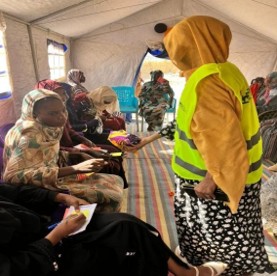
When the conflict reached El Fasher in late 2025, families fled with little more than what they could carry. Within weeks, an estimated 37,000 people arrived in Al-Dabbah, Northern State, transforming an open area into a newly established internally displaced person (IDP) camp almost overnight. Shelters went up quickly, but essential health services did not. For displaced women and adolescent girls, the consequences were immediate. Access to family planning, antenatal and postnatal care, and support for survivors of gender-based violence (GBV) disappeared at the very moment when these services were most needed. Adolescents, women with disabilities, and survivors of violence faced heightened risks in a fragile setting marked by limited infrastructure, overcrowding, and fear. One woman recalled the early days of displacement: “We escaped the fighting, but when we arrived here, there was nowhere to go for care. We did not know who to trust.” Recognizing the urgency, the Sudan Family Planning Association (SFPA), with support from WISH 2, moved quickly. Within a short period, an integrated reproductive health clinic was established inside the Al-Dabbah IDP camp. Using temporary tents, mobile equipment, and essential reproductive health commodities, the clinic began providing family planning, maternal health services, and GBV- related support, restoring care where none had existed. In the first 3 months, the clinic served a very few women and girls, many of whom had gone weeks or months without access to care. Yet the success of the clinic was not only about infrastructure. It was about trust. A pivotal moment came with the assignment of Mr. Mubarak, a laboratory technician who himself had been displaced by the conflict. He spoke the local language, understood cultural norms, and shared the community’s lived experience of loss and uncertainty. “People were hesitant at first,” Mr. Mubarak explained. “But when they saw familiar faces, people who had lived what they lived, they began to believe the clinic was truly for them.” His presence helped overcome cultural barriers that often prevent women from seeking sexual and reproductive health (SRH) services. Alongside him, clinic staff received on-the-job mentoring in client-centred and culturally sensitive care, ensuring that every interaction prioritised dignity, confidentiality, and respect, particularly for GBV survivors. Gradually, trust grew. Women began returning, not just once, but repeatedly. Adolescents sought counselling. Pregnant women resumed antenatal visits. Survivors of violence found a safe place to be heard. One beneficiary described the change simply: “Now I can get family planning and maternal health services without worrying. The staff understand us. They treat us with respect.” Through the strategic engagement of local displaced professionals, the reuse of mobile and laboratory equipment, and the rapid mobilisation of limited resources, the intervention delivered timely and cost-effective results. Despite modest funding, the clinic restored essential services and strengthened the health system’s capacity to respond to emergencies, demonstrating strong value for money for the donor. The intervention showed that even in fragile and humanitarian settings, quality SRH services can be restored rapidly when responses are grounded in local leadership and adaptive learning. Challenges remained. Infrastructure was basic. Resources were stretched. Cultural hesitancy did not disappear overnight. But through adaptive strategies, engaging trusted community members, mentoring staff, and prioritising culturally appropriate care, the team transformed obstacles into learning. The experience in Al-Dabbah offers powerful lessons for other fragile contexts. Displaced professionals are not only beneficiaries; they are also essential responders. Trust and cultural understanding are as critical as medical supplies, and integrated, mobile SRH services can restore care, dignity, and hope even in times of crisis. Today, the clinic in Al- Dabbah stands as more than a health facility. It is a symbol of resilience, proof that with rapid action, local expertise, and dignity-centred care, displacement does not have to mean the end of access to essential health services. It is a reminder that even in the most uncertain moments, hope can be rebuilt, one service, one conversation, and one trusted face at a time.
17 November 2025
The Women’s Integrated Sexual Health (WISH) 2
Strengthening the enabling environment for SRHR and reinforcing health systems to deliver sustainable, inclusive access to integrated SRHR services with a special focus on humanitarian and fragile settings. The Women’s Integrated Sexual Health (WISH) project, championed by a ‘Leave No One Behind’ approach, advances quality, integrated, and inclusive family planning and sexual and reproductive health (SRHR) services tailored to the needs of marginalized and hard-to-reach populations. In Eastern Africa, WISH2 builds on proven strategies and successes to extend access for populations often overlooked, young people, persons with disabilities, those living in poverty, and communities affected by conflict or displacement. Donor: Foreign, Commonwealth and Development Office (FCDO) Budget: Total budget of £ 75 million for East and Southern Africa Duration: 2024 to 2029 Funded by the UK Foreign, Commonwealth & Development Office (FCDO) and representing a significant commitment within the UK Government’s family planning framework, the WISH2 Eastern Africa initiative is led by the International Planned Parenthood Federation (IPPF) and executed by a dedicated consortium with partners including the International Rescue Committee (IRC), IPAS, Options Consultancy Services, and the Johns Hopkins Center for Communication Programs (JHU-CCP). Background on WISH 1 to WISH 2 Evolutions The Women's Integrated Sexual Health project was launched in 2018 as FCDO’s flagship initiative to expand access to voluntary family planning and sexual and reproductive health and rights services across 27 countries in Africa and Asia. The project was delivered in two parts, with Lot 2 (WISH2ACTION) implemented by a consortium led by IPPF, alongside MSI, Options, Humanity & Inclusion (HI), and IRC. WISH2ACTION aimed to deliver 16.921 million couple years of protection (CYPs) and reach 2.2 million additional users through a comprehensive approach to ensure equitable access to family planning and SRHR, prioritising youth under 20, the very poor, and marginalised populations including persons with disabilities and those in humanitarian or hard-to-reach settings. Its design integrated four core outputs: community and individual choice (Output 1), sustainability through national ownership (Output 2), access to quality services (Output 3), and global goods and evidence (Output 4). The success and learning from WISH2ACTION laid the foundation for WISH 2, which deepens focus on national systems strengthening, disability inclusion, safeguarding, and resilience in fragile contexts, ensuring SRHR remains a global priority while reaching those most at risk of being left behind. WISH 2 builds on successes and learning from WISH 1, while shifting toward greater national ownership, systems resilience, and sustainability. With a sharper focus on fragile and conflict-affected contexts, WISH 2 moves beyond service delivery to embedding SRHR within national policy frameworks, strengthening accountability, and enhancing inclusion through the systematic integration of disability rights, safeguarding, and climate-sensitive approaches. It places greater emphasis on evidence generation, adaptive learning, and localised solutions, ensuring that services are not only available but also accessible, equitable, and responsive to community needs. WISH 2 represents a strategic evolution, aligning with global priorities to “leave no one behind” while reinforcing SRHR as a critical component of universal health coverage and sustainable development. 2. Where We Work Geographic Footprint WISH 2 Eastern and Southern Africa works across seven countries including, Burundi Ethiopia Madagascar Somalia South Sudan Sudan Zambia Each country’s approach is adapted to local priorities and contexts, ensuring that interventions are both efficient and community responsive. 3. Leaving No One Behind WISH 2 Eastern and Southern Africa is committed to ensuring that every individual, especially those frequently marginalized, is empowered to access life-changing SRHR services. Our integrated approach prioritizes: Women Women, particularly those from economically disadvantaged backgrounds or living in patriarchal community, continue to face systemic barriers to SRHR services. WISH2 prioritizes their needs through respectful, client-centred care that is non-judgmental, confidential, and accessible. Services are tailored to uphold women's autonomy, support informed decision-making, and respond to gender-based disparities, including the risk of sexual and gender-based violence (SGBV). Meeting the Needs of Youth Under 20 In Eastern and Southern Africa, millions of youths, especially adolescents, encounter significant challenges in accessing accurate information and quality SRHR care. WISH2 provides youth-friendly, confidential, and age-appropriate services and education, ensuring young people are empowered to make informed decisions about their bodies, relationships, and futures. The project works closely with schools, youth-led organizations, and communities to create safe spaces for dialogue and service delivery. Reaching People Living with Disabilities People with disabilities face intersecting layers of exclusion in accessing health care, including physical, attitudinal, and informational barriers. WISH2 collaborates with Organizations of Persons with Disabilities (OPDs) to co-design inclusive interventions. This includes training service providers on disability rights and stigma reduction, adapting communication materials, and ensuring health facilities are physically and socially accessible. Serving to Reach the Last Mile In rural, remote, and impoverished communities, access to SRHR services remains limited. WISH2 uses poverty mapping, mobile outreach, and community-based service models to reach populations often overlooked by mainstream health systems. By partnering with local actors, such as community health workers, faith leaders, and women's groups, the project ensures culturally sensitive and sustainable service delivery in the hardest-to-reach areas. Health System Resilience During Crises Fragile and conflict-affected settings such as Ethiopia, Somalia, Sudan and South Sudan require adaptable and responsive health strategies. WISH2 brings services closer to displaced and crisis-affected populations through mobile clinics, referral linkages, and community-based distribution models. These approaches ensure continuity of care, particularly for women and girls who are most at risk during humanitarian emergencies. This focus on equity ensures that even the most vulnerable groups benefit from and contribute to their communities’ overall health and well-being. 4. Our Approach The WISH 2 project adopts Cluster Model 2.0 as a strategic approach to enhance coordination, collaboration, and efficiency among implementing partners across project countries. This updated model builds lessons from earlier phases by fostering cross-country learning and technical exchange within defined clusters, each comprising countries with similar contextual realities, such as humanitarian settings, fragile contexts, or policy environments. Cluster Model 2.0 places greater emphasis on peer-to-peer support, decentralised learning, and adaptive programming, ensuring that innovations and evidence-based practices are shared and applied in real time. It also strengthens joint planning, monitoring, and reporting mechanisms, promoting a unified and responsive delivery of SRHR services tailored to each context while maintaining alignment with the overall project strategy. Strategic Focus through Four Interlinked Outputs WISH 2 Eastern and Southern Africa is anchored on a multi-pronged approach, organized around four strategic outputs: Output 1: Social Behaviour Change (SBC) and Social Norms Led by JHU-CCP Focuses on increasing awareness, demand, and acceptance of modern contraceptive use through evidence-based communication and community engagement. Promotes positive SRHR attitudes and behaviours. Addresses gender and social barriers, myths, and misconceptions. Engages men, youth, religious, and community leaders to drive social norm change. Address harmful gender norms and stigma while promoting shared decision-making in family planning. Output 2: Access to Inclusive and Integrated SRHR Services Led by IPPF, with contributions from IRC Ensures that women, girls, and marginalized populations can access quality, affordable SRHR services. Strengthens service delivery, especially in fragile and humanitarian contexts. Maintain robust monitoring systems to track service delivery quality and client outcomes. Promotes disability inclusion and youth-friendly services. Integrates FP/SRHR with other health services (SGBV response). Enhance service delivery through capacity building, client-centred practices, and mobile outreach tailored to youth, people with disabilities, and conflict-affected communities. Output 3: Policy and Systems Environment Strengthening Policy, Advocacy, and Systems Led by IPAS & Options Consultancy Services Strengthens national and subnational policies, systems, and partnerships that support SRHR. Advocates for inclusive, rights-based SRHR policies. Builds government and civil society capacity. Fosters sustainability through domestic financing and coordination. Offer technical support for policy development, budget advocacy, and strategic planning. Build capacities of national health systems and local governments to ensure long-term sustainability. Output 4: Evidence and Learning Focuses Evidence-Driven Learning and Knowledge Sharing Led by Oxford Policy Management (OPM) Enhances the evidence generation, use, and dissemination to inform programme adaptation and SRHR advocacy. Utilise data to inform continuous project improvement and monitor key performance indicators. Use operational research to influence policy and programme design. Promote adaptive learning, knowledge management and facilitate cross-learning exchanges. Generate knowledge products and global goods 5. Partners The success of WISH 2 Eastern and Southern Africa rests on a robust partnership model that combines technical expertise in clinical service delivery, health systems strengthening, policy advocacy, and strategic communications. Consortium Members: IPPF (Lead): Oversees project strategy, quality assurance, and inclusive service delivery. International Rescue Committee (IRC): Implements conflict-responsive programming and community-based outreach. IPAS: Provides comprehensive safe abortion care and post-abortion services where legally permissible. Options Consultancy Services: Drives policy reform, systems strengthening, and governance enhancement to support sustainable SRHR outcomes. Johns Hopkins Center for Communication Programs (JHU-CCP): Leads on social and behaviour change initiatives that reshape social norms and empower communities. Together, these partners harness their individual and collective strengths to ensure the project’s impact is broad, sustainable, and transformative. 6. WISH 2 Targets and Results The project’s impact is measured using key performance indicators (KPIs), including: Couple Years of Protection (CYPs): Estimates the duration of protection provided by various contraceptive methods. Youth Reach: Tracks the number of young people accessing SRHR information and services. Sustainability: Assesses the extent to which interventions, systems, and partnerships are maintained beyond project implementation. Regular updates and dynamic dashboards capture these metrics, ensuring transparency and accountability to stakeholders and clients alike.
07 November 2025
From Awareness to Action: Women Leaders Transforming Family Planning Access in Conflict-Affected Rubkona
In the heart of Rubkona County, South Sudan, a place often defined by conflict, displacement, and fragility, Nyamuch stands tall. A community leader, women’s representative, and mother, she knows too well what silence costs. In Rubkona County, South Sudan, a region marked by years of armed conflict and displacement, accessing basic health services remains a daily struggle, especially for women and girls. Amid limited infrastructure, sporadic facility closures, and persistent insecurity, reproductive health care often falls through the cracks. In Protection of Civilians (PoC) sites and temporary shelters, family planning was not just unavailable, it was unheard of. “Before, we lived in fear, unwanted pregnancies, no information, no voice,” says Nyamuch, a local women’s representative and community mobilizer. “Now we speak for ourselves, and our daughters will too.” The turning point came when Nyamuch and other women leaders received targeted training from the IRC under the WISH 2 project as part of a locally led initiative in early 2025. The workshop focused on accurate family planning information, counselling techniques, and communication tools tailored to the cultural and humanitarian context. These trained community leaders began organizing outreach through school visits, peer dialogues, and household outreach, they have demystified family planning, challenged myths, restored trust in health services and bridged the gap between health providers and women in displacement. Between January and May 2025, Rubkona reported a 43% increase in family planning uptake, with a 28% rise in long-acting reversible contraceptive use compared to the same period in 2022. These are not just numbers, they reflect safer choices, reduced unintended pregnancies, and rising confidence in local health systems. Yet it hasn't been easy. Deep-rooted norms around spousal consent often posed barriers and led to instances of GBV. In response, IRC integrated male engagement sessions, promoting dialogue and shared decision-making, which helped reduce resistance and build community support. “This is not just about contraception,” says Atem Deng, Health Coordinator at Rubkona PHCC. “It’s about rebuilding trust in health services, in women’s rights, and in our ability to support our own communities, even in crisis.” Rubkona’s story is a testament to grassroots leadership in fragile settings. It proves that when women lead, systems shift, even in the most fragile contexts. Scaling this model across similar settings offers a roadmap for building SRH resilience and advancing reproductive rights in the face of crisis. When women lead change, even under the shadow of conflict, systems begin to heal, and progress takes root.
07 November 2025
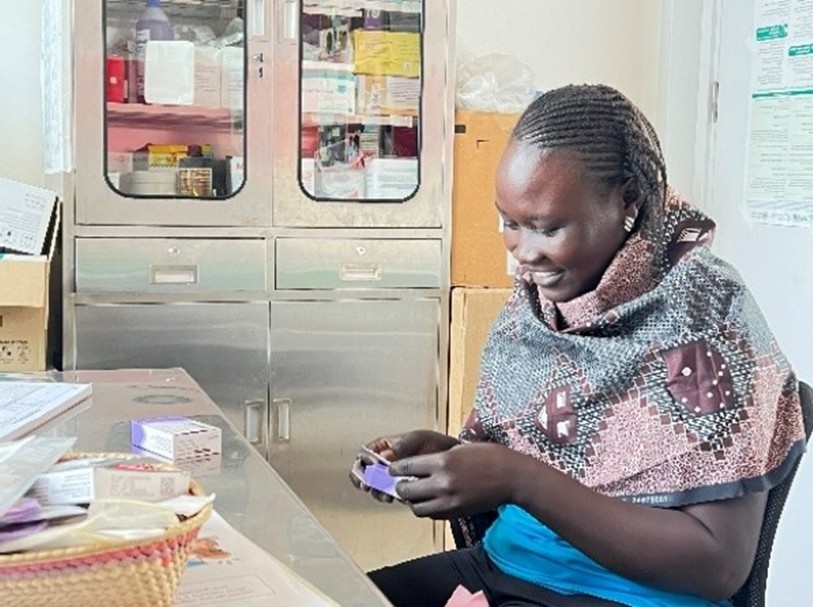
WISH 2 Client Stories from South Sudan: One Project, Many Journeys
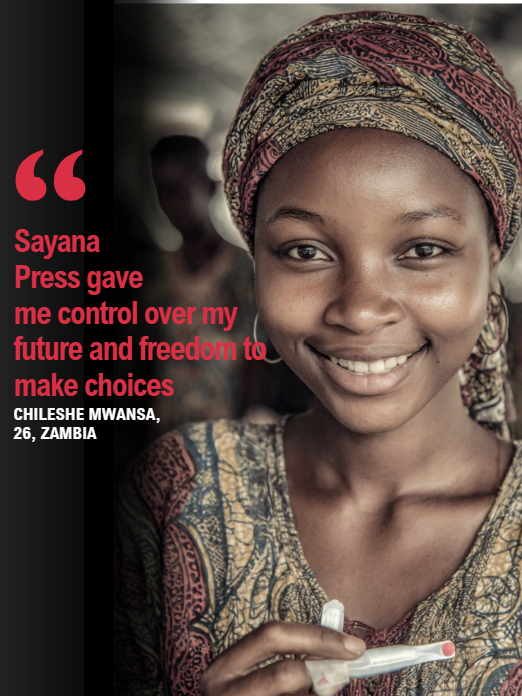
Across communities, women face different realities when it comes to reproductive health. Some carry the burden of misinformation, others struggle to make decisions in silence, and many grow into champions who inspire change. Through the WISH2 project, women are finding safe spaces, accurate information, and supportive care that allow them to take charge of their futures. Here are the stories of three women whose journeys reflect the diverse ways WISH 2 is changing lives. Choosing Her Future in Silence At just 24, she stepped into the clinic quietly, her face marked with determination. A university student and mother of two, her academic journey had been interrupted by closely spaced pregnancies. She longed to resume her studies and secure a brighter future. Much of what she knew about contraception came from peers and media sources, but she had no clear idea how to begin or where to find trustworthy guidance. What she was certain of, however, was her desire to return to university and pursue her degree. She had heard from friends that Implanon could be a suitable method, but when it was unavailable, she opted for Sayana Press, a decision that was both practical and deeply personal. What made her story even more striking was her insistence on confidentiality. She wanted her decision hidden from her husband, knowing the risks, yet unwilling to let go of her autonomy. The service provider, trained under the WISH 2 project, encouraged her to discuss the decision with her husband and suggested she take time to reflect. But ultimately, she was assured of her right to choose for herself, and her request for privacy was respected. Through the WISH 2 project, she found a youth-friendly, confidential service that honored her voice and supported her choice. In that safe space, she regained control of her life and her future. From Myths to Informed Choice For another 24-year-old student, the barriers looked very different. She was not hiding her decision but was instead overwhelmed by fear and misinformation. From her peers and community, she had heard repeatedly that contraception could cause infertility, infections, and long-term health problems. These myths clouded her judgment, creating doubt even as she recognized the importance of protecting her health and education. Education, for her, was the foundation of a better future, and she did not want anything to stand in the way. When she visited a WISH 2-supported clinic at Juba International Hospital in South Sudan, she encountered something new: patient, respectful counselling from a trained provider. Each of her fears was carefully addressed with facts, and every question she asked was met with compassion. Gradually, her doubts gave way to trust. By the end of the session, she chose the Combined Oral Contraceptive pill, her first step into family planning. Through WISH 2, she did not just receive a method; she gained the confidence to make informed decisions based on knowledge rather than fear. Her story is a powerful reminder of the importance of accurate information and respectful care. From Client to Community Champion At 28, she entered the clinic with a smile confident, informed, and supported. This was her third visit, and she already knew the method that best suited her needs. Unlike others who struggled with secrecy or misinformation, her journey had been steady and affirming. Her strength was rooted in the support system around her: her husband, her mother, and even her husband’s family encouraged her to use family planning. With their backing, she could continue her work and education without compromise, a change that her loved ones could see clearly in her progress. Inspired by her own journey, she has now stepped into a new role as a community champion for WISH 2 project. With knowledge and encouragement gained through the WISH 2 project, she speaks openly about her experience, dismantling stigma and motivating other women to learn, choose, and lead. For her, empowerment is not just personal, it is something to be shared. Each of these women represents a unique journey: one of secrecy, one of overcoming fear, and one of leadership. Together, they illustrate the transformative power of WISH 2: creating safe spaces, dispelling myths, and nurturing champions. By supporting women at every stage of their reproductive health journeys, the WISH 2 project ensures that no matter where they begin, they can move toward a future defined by knowledge, choice, and dignity.
26 September 2025
World Contraception Day 2025 Message
From the WISH 2 Team Lead Today, on World Contraception Day, we reaffirm our collective commitment to ensuring that contraception is recognized and realized as a right, a responsibility, and a reality for all. Since its launch in 2007, World Contraception Day has been commemorated every year on 26 September, making 2025 the 19th annual global observance of this important campaign to raise awareness and advance SRHR. The day reminds us of the power of choice and the transformative impact of SRHR on individuals, families, and communities. Access to safe, voluntary, and high-quality contraception is not only a health imperative, but also a pathway to dignity, equity, and opportunity. Under the WISH 1 (WISH2Action) project, 3.6 million additional family planning users were reached, an estimated 22 million maternal deaths, 4.3 million unsafe abortions, 13.2 million unintended pregnancies, and 19.2 million disability-adjusted life years were averted, a powerful demonstration of the lifesaving impact of sustained investment in SRHR. Building on this momentum, WISH 2 East and Southern Africa, set targets to reach 4.2 million family planning users, with the intention of preventing 3.2 million unintended pregnancies, 1 million unsafe abortions, and 5,600 maternal deaths across seven countries in Eastern and Southern Africa. Since the start of the project, WISH 2 has reached 169,590 annualised clients as at the end of June 2025. Through this project, we remain committed to expanding access to sexual and reproductive health services across Eastern and Southern Africa, with a particular focus on fragile and humanitarian settings where women, adolescents, and marginalised groups face the greatest barriers. By strengthening service delivery, advancing social and behaviour change, advocating for enabling policies, and generating evidence for learning, WISH 2 is ensuring that no one is left behind in the pursuit of sexual and reproductive health and rights. Central to this effort is strong partnership with governments, whose leadership and stewardship are essential for sustaining progress. WISH 2 works hand in hand with national and local authorities to complement their strategies and contribute to country-led priorities for universal access to contraception and broader SRHR. Yet, these gains are under threat. Global funding for SRHR is declining, undermining women’s rights, equity, and agency, and putting millions at risk of preventable harm. As we mark this 19th World Contraception Day, we call on governments, donors, and partners to renew their commitment to SRHR. Together, we can ensure that contraception remains accessible, affordable, and inclusive, empowering every individual to make informed choices about their bodies and futures. On this day, we celebrate the dedication of our partners, country teams including Member Associations, stakeholders who support the cause and frontline providers who work tirelessly to make contraceptive services more inclusive, resilient, and rights based. Together, we are creating a future where every individual, regardless of circumstance, can make informed choices about their reproductive health. Let us continue to learn, innovate, and act so that contraception is recognized not only as a method of family planning, but as a fundamental right for all. Contraception is not just health care, it is a right, a responsibility, and a reality we must protect and advance. Happy World Contraception Day!

14 August 2025
IPPF in Action: Delivering life-saving SRH services across Africa’s humanitarian crises
By Moctar Menta When conflict, climate disasters or epidemics strike, essential health services are often the first to collapse. Yet, the need for sexual and reproductive health (SRH) does not disappear or diminish with humanitarian crises. Instead, in most instances, it becomes more urgent and critical. In these moments, the International Planned Parenthood Federation (IPPF) responds rapidly to ensure that women, adolescents, and other vulnerable populations have access to the care they need to stay healthy and safe. Between 2024 - 2025, IPPF, through its humanitarian funding mechanisms –Stream 3 and SPRINT, delivered emergency SRH services in over 11 African countries. Stream 3 -which is IPPF’s internal rapid funding tool, and SPRINT –supported by the Australian Government, enabled local IPPF Member Associations (MAs) to act quickly in the face of crises. From conflict zones to flood-hit communities, these responses brought care directly to people, often where no other services were available. In sub-Saharan Africa, IPPF facilitated more than 215,000 people’s access to SRH and related clinical services during this period. Over 70% of these beneficiaries were women and girls. The range of services included family planning, antenatal and maternal care, HIV and sexually transmitted infection (STI) prevention and management, as well as support for survivors of gender-based violence (GBV). Children under five were also treated for infections and dehydration, especially in areas facing food insecurity or disease outbreaks. Nigeria In Nigeria, where floods displaced thousands, IPPF’s MA in Nigeria -the Planned Parenthood Federation of Nigeria (PPFN) reached over 13,000 people in 20 outreach points in Jigawa State. Among them, 4,600 were tested for HIV and more than 1,300 received family planning services, 700 of them for the first time. An emergency care set-up was managed on-site by outreach staff, where emergency cases were handled, including women in labor. “Reaching flood-affected communities within hours of the alert was key,” said Dr. Paul Odigbo, PPFN Programme Manager. “Women arrived in labor or without access to medication. We had to be there, no matter what.” Ethiopia In Ethiopia, where conflict in the Tigray region has disrupted services, more than 45,000 people were reached with SRHR services courtesy of the Family Guidance Association of Ethiopia (FGAE), which is IPPF’s MA in the country. FGAE’s interventions helped avert over 600 unintended pregnancies and more than 130 unsafe abortions. Unintended pregnancies and unsafe abortions are among the leading causes of maternal illness and death in humanitarian settings, where access to contraception and safe care is often severely limited. Women like Selam, a 31-year-old displaced mother, described how antenatal care and cervical cancer screening brought hope after months without medical access. “When we were forced to move, we lost everything. But the care from FGAE. The organization gave me hope again,” she said. South Sudan South Sudan presented even greater challenges. Resulting from ongoing conflict, economic collapse, and an influx of returnees fleeing violence in Sudan, the country continues to face widespread displacement and strained health systems. Despite the insecurity and displacement, nearly 15,000 individuals (10,400 female and 4,400 male) were reached with services ranging from GBV care to antenatal support, courtesy of Reproductive Health Association of South Sudan (RHASS) -which is IPPF’s representative in the country. Over 1,800 clients received contraceptives, and 235 births were supported in a mix of services offered by RHASS in collaboration with partner government health facilities. Mary, a survivor of sexual violence, described how access to counseling and care provided by RHASS health workers helped her begin to heal. “I wanted to give up,” she said. “But the health workers gave me strength.” Mozambique In Mozambique’s Cabo Delgado Province, the district of Mecúfi faced the aftermath of Cyclone Chido, which destroyed homes and significant health infrastructures, among other destructions. In response, Associação Moçambicana para o Desenvolvimento da Família (AMODEFA) -IPPF’s local partner in the country, deployed mobile clinics, delivered dignity kits, and conducted community talks on family planning and gender-based violence prevention. Over 15,000 people (9,500 female and 5,700 male) received services. Clinical interventions included family planning services, STI treatment, antenatal care, and psychosocial support for GBV survivors, with more than 40 mobile health brigades deployed across isolated communities. In Chad, despite political tensions and the arrival of thousands of refugees fleeing conflict in Sudan, over 10,000 people received SRH services, including 4,300 who accessed different forms of contraception. IPPF’s local partners in Senegal (Action et Développement (ACDEV); in the Central African Republic (Association Centrafricaine pour le Bien-Être Familial (ACABEF), and in Liberia (Community Healthcare Initiative (CHI) each delivered services to thousands of displaced or flood-affected populations. In Kenya, the Reproductive Health Network Kenya (RHNK) reached over 12,000 people, including many first-time family planning users. Adaptability measures to ensure service provision This scale of impact would not have been possible without adaptability measures. In places like Liberia and the Central African Republic (CAR), Member Association staff navigated blocked roads by boats and motorbikes. In South Sudan, outreach teams coordinated with local authorities and security actors to access camps for internally displaced persons (IDPs). Where abortion care was legally restricted, teams focused on post-abortion care, contraception, and counseling. Social media was also used to raise awareness and mobilize communities. Equally important was the effort to tell these stories. AMODEFA’s communication strategy included publishing over 60 social media posts that highlighted stories of courage and resilience. The visibility helped build trust, encourage health-seeking behavior, and show communities that they were not forgotten. The AMODEFA Facebook page saw engagement increase by more than 230% in just two months. The results went beyond clinical numbers. In each country, exit strategies were developed to transition emergency services into comprehensive SRH services. In response to emergencies, service delivery points (SDPs) were established in each country to meet immediate sexual and reproductive health and rights (SRHR) needs. As the crises subsided, six SDPs were transitioned into permanent MA static clinics to ensure continued access to essential SRHR services in Nigeria and Kenya. In CAR, three SDPs were successfully transitioned. Effective partnerships In South Sudan, eight public health facilities, including Gumbo and Rokon primary healthcare facilities were equipped with supplies, staff training, and service delivery support by RHASS, and later transitioned to government partners for continued SRH care. In Ethiopia, FGAE established public-private partnerships with government health offices to maintain care beyond the crisis window, including joint service delivery, referral networks, and capacity-building of public health staff. In CAR, three mobile outreach clinics operated by Association Centrafricaine pour le bien-être familial (ACABEF) were successfully transformed into static service delivery points, ensuring communities continue to access SRH services after the emergency phase. *For detailed results and country-specific case studies, visit IPPF humanitarian page. Rights-based humanitarian response IPPF’s humanitarian work in Africa shows what is possible when response is fast, local, and rights-based. The Stream 3 and SPRINT funding mechanisms proved vital during each crisis, where local IPPF partners delivered timely services in unstable environments. As new emergencies emerge, whether due to climate, conflict, displacement or other unprecedented factors, continued investment is critical. Indeed, SRH is not a secondary concern during emergencies. It is essential. It prevents maternal deaths, supports survivors of violence, and protects the dignity of people in crisis. With sustained support, IPPF will continue to reach the most vulnerable, saving lives and restoring hope where it’s needed most. Moctar Menta is the Humanitarian resource person at the IPPF Africa Regional Office

21 November 2024
EmpowHER
About EmpowHER: EmpowHER (Ensuring Inclusive SRHR Delivery for Women, Girls and Marginalised Communities) is a six-year initiative with three key priority areas: Increasing access to quality, person-centred abortion care. Empowering young people to act on their sexual and reproductive rights by expanding access to Comprehensive Sexuality Education (CSE). This is delivered through our CSE Centres of Excellence in Ghana, Togo and Colombia. Pushing back against the anti-rights agenda through coalition and movement-building, as well as advocacy work with our Member Associations. This restricted-funded project will support IPPF’s Strategy 2028 and donor commitments to advance the health and rights of women and girls in all their diversity around the world, ensuring that they can decide what to do with their bodies, their lives, and their futures. Donor: Global Affairs Canada Implementing MAs: Bénin (Association Béninoise pour la Promotion de la Famille) Burkina Faso (ABBEF), Colombia (Profamilia), Ecuador (CEMOPLAF), Ghana (PPAG), Guinea-Bissau (AGUIBEF), Kenya (RHN), Mauritania, (AMPF) Pakistan (FPAP), Sudan (SFPA), Togo (ATBEF), Uganda (RHU), and Zambia (PPAZ). Duration: 1st April 2024 – 31st March 2030 (6 years) Total Budget: CAD $48,000,000
31 January 2022
Humanitarian Capacity Development Center
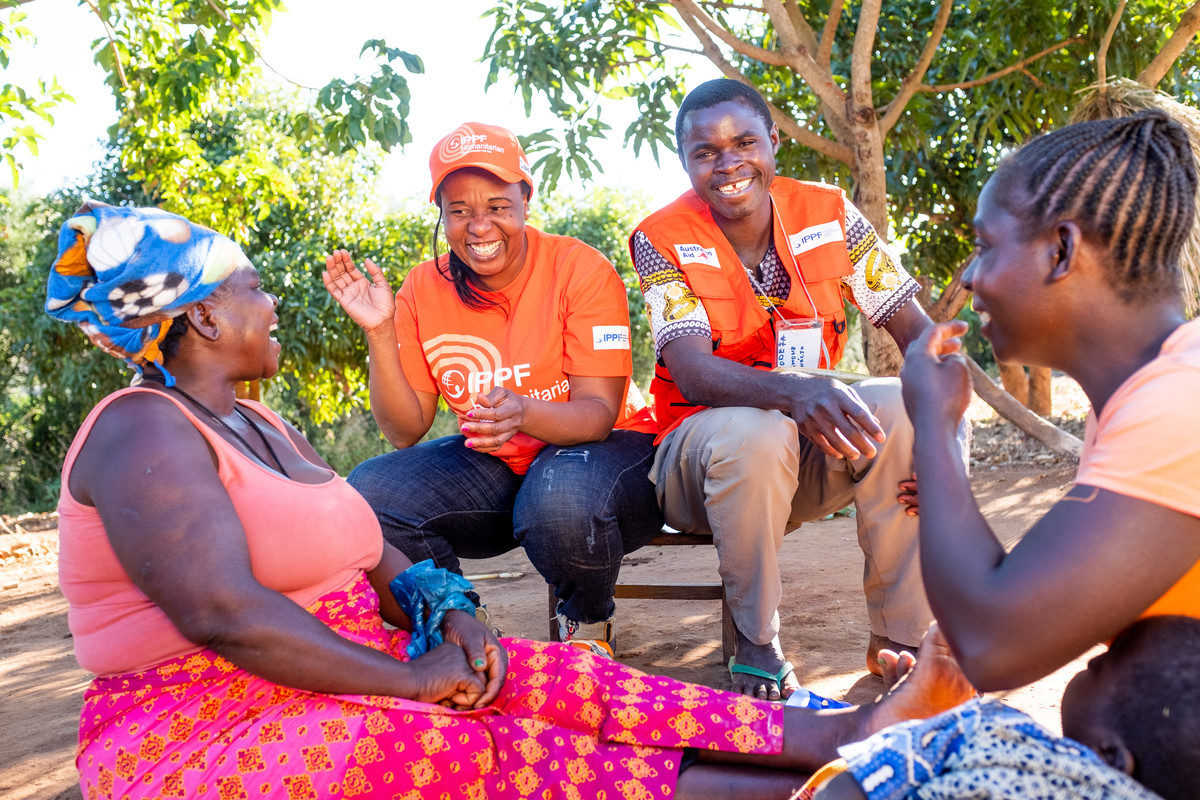
The project aims to strengthen the capacity of 6 MAs in and SARO to deliver high-quality SRH services in crises. Budget: 770,000 USD Donor: IPPF Solutions 2 Timeline: 2 Years ( March 2020–Dec 2022 ) Project implementation areas: Burkina Faso, Burundi, CAR, Maldives, Sudan, and Yemen Partners: UNFPA and national humanitarian actors Other interesting information: The project is designed to be led by MAs, as part of the Member Association-centric approach, with support from the regional offices and the Global Humanitarian Team. Innovative approaches: Operational research will be useful for measuring interventions’ impact and will highlight key challenges, suggest areas of improvement and good practices. Inclusion of LGBTQUIA and organisation's of persons with Disabilities in preparedness and planning. Lessons learned: Language barrier is a serious risk to project implementation if not properly addressed at design stage. Translation and interpretation costs should be significantly budgeted for when engaging English and French-speaking MAs as key project implementers.

07 April 2020
Scoring Goals for Healthy Life Choices: Bo’s Cinema Hall in Sierra Leone
By Maryanne W. Waweru Bo, Sierra Leone --Liverpool FC, Arsenal FC, Chelsea FC, Manchester United FC, FC Barcelona, Real Madrid… these are the logos of some the world’s popular football clubs that adorn the outer walls of the youth-friendly cinema hall of the Planned Parenthood Association of Sierra Leone (PPASL) health center in Bo. Bo is Sierra Leone’s second largest city, located in the Eastern region. Undoubtedly, soccer is one of the most loved sport in the country. In almost every open space –from the sandy beaches of Freetown in the capital city to the countryside and all across the country, you will not miss to see groups of young people playing the sport. Little boys, adolescents, teenagers, youth and adults alike look for every opportunity they can to kick ball. As they do so, tens, hundreds and even thousands of fans line the makeshift pitches, cheering their stars on. Football is a game that brings Sierra Leonians together and is the perfect conversation starter for many, especially boys and men. They have many role models to look up to in the country, such as Mohamed Kallon and Kei Kamara -Sierra Leone’s most-loved football stars who are also revered at the international level due to their prowess in the sport. To enhance male involvement in sexual and reproductive health issues, PPASL has successfully tapped into this opportunity by using football to reach adolescent boys and young men with life-saving reproductive health information and services. At the PPASL youth-friendly cinema hall in Bo is a television set that broadcasts different premier league soccer matches –both local and international, featuring popular football clubs. Boys and young men stream in and out of the cinema hall at different times of the day and week, depending on the matches being broadcast. “The cinema hall is a hot spot for the young male folk in Bo, and is particularly busy on Saturdays and Sundays when they are not in school, college or at work. Unlike other cinema halls in Bo that charge a fee, access to the PPASL youth-friendly cinema hall is free of charge. This helps in attracting more of them to the hall,” says Richard Lamin, the Youth Action Movement Chairperson of PPASL’s Bo region. Richard Lamin, YAM Chair, Bo Regular screening of football matches at the cinema hall means regular engagement of these young people. It is a great opportunity to offer education on sexual reproductive health. During half-time, PPASL peer educators carry out informative talks with the audience. They share information on different topics such as the importance of knowing one’s HIV status, the practice of safe sex, drugs and substance abuse, peer pressure, and information on Sexually Transmitted Diseases (STDs). The peer educators also conduct condom demonstrations. Documentaries on HIV and AIDS, safe sex behaviour, teen pregnancies, STIs and related topics are also broadcast during breaks between the football games. These are usually interactive sessions, where the audience asks various questions in a bid to broaden their understanding on sexual health. “Throughout the football screenings, there is a ‘help desk’ at a corner in the cinema hall, where the youth can access a wide range of information material on sexual and reproductive health. The material includes leaflets, booklets, pamphlets and brochures. Both male and female condoms are given to the youth for free. A volunteer peer educator with PPASL’s Youth Action Movement (YAM) is always present to provide additional information and counseling,” says Lamin. For those who need to know their HIV status, Voluntary Counseling and Testing (VCT) services are available at the PPASL youth-friendly clinic, located within the same compound. Those who need family planning services, STI treatment or other services can also access them at the youth-friendly clinic. Lamin says that each month, the cinema hall directly reaches about 120 youth with information and services about their sexual reproductive health. “The cinema hall acts as a safe space for adolescents and youth to learn more about their sexual and reproductive health, while engaging in something they love; soccer. It is indeed an effective way that enables them to make better and informed choices about their health and well-being, hence scoring goals for sexual and reproductive health!”. Maryanne W. Waweru is the Governance and Compliance Officer, IPPF Africa Region. For more information about the work of IPPF Africa Region, connect with us on Facebook and Twitter.

06 April 2020
Elder Women Must Help to Stop Teenage Pregnancies: A Sierra Leonean Experience
By Maryanne W. Waweru Freetown, Sierra Leone -- On a hot Tuesday afternoon at the Dwazark Community Hall, Marian Pleasant Kargbo, a volunteer youth educator with Planned Parenthood Association of Sierra Leone (PPASL) addresses a group of women. With her refined, articulate speech, Marian’s voice effortlessly grips the attention of her audience. Her audience is women of varied ages – from teenage girls to women in their fifties. Eagerly attentive, some of them are housewives, casual laborers and small-scale traders, while others are on their lunch break from their places of work within the neighborhood. Marian is sharing information with them on issues surrounding sexual and reproductive health. It is a community health outreach event organized by PPASL in Dwazark. Dwazark is one of the low-income neighborhoods located in Sierra Leone’s capital city, Freetown. In this community, various health challenges plague the women folk. The rate of teen pregnancies is high, and so is the rate of maternal and infant mortality. It is for this reason that PPASL conducts regular community health outreach programmes in Dwazark. Marian Pleasant often participates in these programmes. “I find great fulfillment in helping girls and young women learn more about their sexual and reproductive health. Dwazark is a community with low literacy levels, and it is especially worse for the women. During these outreach sessions, I help increase women’s awareness about their reproductive health, which then enables them to make better and informed choices about their sexual health and well-being,” she says. Adequate Birth Spacing During today’s outreach session, one of the issues that Marian is talking about is birth spacing. She asks them this question: “How far apart do you think a mother should wait before getting pregnant with her next child?” Responses are diverse. Some are of the opinion that two years are ideal, others five, others three years, while others opine that as soon as the child starts walking at nine months to one year, then that child is ready for another sibling. “We let them discuss amongst themselves first, before the team from PPASL comes in to give more information and provide clarity on the matter. Births that are closely spaced significantly contribute to poor birth outcomes. It is for this reason that educating the women on the need for adequate birth spacing helps increase their understanding of the issue,” says Marian. During such sessions, the women are informed about the importance of planned pregnancies, and the use of family planning to achieve this. Counseling on family planning is given to the women and for those who need them, they are given contraceptives. Before that, their weight, blood pressure and other important health checks are undertaken before they are advised on the best contraceptive method. All these services are given to the Dwazark women at no cost. The women are also referred to the PPASL clinics for follow-up and to receive more information. Young girls and mothers are particularly encouraged to visit the nearby PPASL youth-friendly center in Kissy, where they can find more information and services. They can also hang out with their peers there. ‘Incomplete Mothers’ because of Caesarean Births “For many women who deliver their first child via a necessary caesarian section in hospital, they are ridiculed and told that they are not ‘complete mothers’. They are mocked and told that they are weakly. In fact, their husbands and mothers-in-law are the ones who scorn them the most. This makes the women feel reluctant about giving birth in hospital again because they may undergo a caesarean section again, which will be followed by more ridicule. This has resulted in them shying away from giving birth at a hospital, where such attempts have led to the unfortunate deaths of many babies and in some instances, the mothers themselves,” says Marian. Marian adds that during such community outreach programs , women are urged to deliver in hospitals, by making them aware of the dangers of delivering at home without skilled assistance. “Since older women form part of our audience, we implore them not to discourage their daughters-in-law or younger female relatives from delivering through caesarean section. Mothers-in-law have great influence over their sons. We encourage them to share this information with their friends back at home,” says Marian. Sex Education with Daughters Since teenage pregnancies are also high in Dwazark, Marian uses these community outreaches to emphasize the need for parents to talk to their adolescents and teens about sex. “After speaking with many teen moms, many say they became pregnant after their first sexual encounter. They had never really had the ‘sex talk’ with their parents. During the outreach sessions, we encourage parents to have age-appropriate discussions with their children about how they can prevent teenage pregnancies. We tell them that there is no shame in empowering their daughters with information about sex, as this will help their daughters be more knowledgeable and make wiser decisions when faced with the prevailing situation. We also encourage them to have related conversations with their sons,” concludes Marian. Maryanne W. Waweru is the Governance and Compliance Officer, IPPF Africa Region. For more information about the work of IPPF Africa Region, connect with us on Facebook and Twitter.
24 February 2026
Restoring dignity and continuity of SRH care in emergencies: A Story from Al-Dabbah, Sudan
When the conflict reached El Fasher in late 2025, families fled with little more than what they could carry. Within weeks, an estimated 37,000 people arrived in Al-Dabbah, Northern State, transforming an open area into a newly established internally displaced person (IDP) camp almost overnight. Shelters went up quickly, but essential health services did not. For displaced women and adolescent girls, the consequences were immediate. Access to family planning, antenatal and postnatal care, and support for survivors of gender-based violence (GBV) disappeared at the very moment when these services were most needed. Adolescents, women with disabilities, and survivors of violence faced heightened risks in a fragile setting marked by limited infrastructure, overcrowding, and fear. One woman recalled the early days of displacement: “We escaped the fighting, but when we arrived here, there was nowhere to go for care. We did not know who to trust.” Recognizing the urgency, the Sudan Family Planning Association (SFPA), with support from WISH 2, moved quickly. Within a short period, an integrated reproductive health clinic was established inside the Al-Dabbah IDP camp. Using temporary tents, mobile equipment, and essential reproductive health commodities, the clinic began providing family planning, maternal health services, and GBV- related support, restoring care where none had existed. In the first 3 months, the clinic served a very few women and girls, many of whom had gone weeks or months without access to care. Yet the success of the clinic was not only about infrastructure. It was about trust. A pivotal moment came with the assignment of Mr. Mubarak, a laboratory technician who himself had been displaced by the conflict. He spoke the local language, understood cultural norms, and shared the community’s lived experience of loss and uncertainty. “People were hesitant at first,” Mr. Mubarak explained. “But when they saw familiar faces, people who had lived what they lived, they began to believe the clinic was truly for them.” His presence helped overcome cultural barriers that often prevent women from seeking sexual and reproductive health (SRH) services. Alongside him, clinic staff received on-the-job mentoring in client-centred and culturally sensitive care, ensuring that every interaction prioritised dignity, confidentiality, and respect, particularly for GBV survivors. Gradually, trust grew. Women began returning, not just once, but repeatedly. Adolescents sought counselling. Pregnant women resumed antenatal visits. Survivors of violence found a safe place to be heard. One beneficiary described the change simply: “Now I can get family planning and maternal health services without worrying. The staff understand us. They treat us with respect.” Through the strategic engagement of local displaced professionals, the reuse of mobile and laboratory equipment, and the rapid mobilisation of limited resources, the intervention delivered timely and cost-effective results. Despite modest funding, the clinic restored essential services and strengthened the health system’s capacity to respond to emergencies, demonstrating strong value for money for the donor. The intervention showed that even in fragile and humanitarian settings, quality SRH services can be restored rapidly when responses are grounded in local leadership and adaptive learning. Challenges remained. Infrastructure was basic. Resources were stretched. Cultural hesitancy did not disappear overnight. But through adaptive strategies, engaging trusted community members, mentoring staff, and prioritising culturally appropriate care, the team transformed obstacles into learning. The experience in Al-Dabbah offers powerful lessons for other fragile contexts. Displaced professionals are not only beneficiaries; they are also essential responders. Trust and cultural understanding are as critical as medical supplies, and integrated, mobile SRH services can restore care, dignity, and hope even in times of crisis. Today, the clinic in Al- Dabbah stands as more than a health facility. It is a symbol of resilience, proof that with rapid action, local expertise, and dignity-centred care, displacement does not have to mean the end of access to essential health services. It is a reminder that even in the most uncertain moments, hope can be rebuilt, one service, one conversation, and one trusted face at a time.
17 November 2025
The Women’s Integrated Sexual Health (WISH) 2
Strengthening the enabling environment for SRHR and reinforcing health systems to deliver sustainable, inclusive access to integrated SRHR services with a special focus on humanitarian and fragile settings. The Women’s Integrated Sexual Health (WISH) project, championed by a ‘Leave No One Behind’ approach, advances quality, integrated, and inclusive family planning and sexual and reproductive health (SRHR) services tailored to the needs of marginalized and hard-to-reach populations. In Eastern Africa, WISH2 builds on proven strategies and successes to extend access for populations often overlooked, young people, persons with disabilities, those living in poverty, and communities affected by conflict or displacement. Donor: Foreign, Commonwealth and Development Office (FCDO) Budget: Total budget of £ 75 million for East and Southern Africa Duration: 2024 to 2029 Funded by the UK Foreign, Commonwealth & Development Office (FCDO) and representing a significant commitment within the UK Government’s family planning framework, the WISH2 Eastern Africa initiative is led by the International Planned Parenthood Federation (IPPF) and executed by a dedicated consortium with partners including the International Rescue Committee (IRC), IPAS, Options Consultancy Services, and the Johns Hopkins Center for Communication Programs (JHU-CCP). Background on WISH 1 to WISH 2 Evolutions The Women's Integrated Sexual Health project was launched in 2018 as FCDO’s flagship initiative to expand access to voluntary family planning and sexual and reproductive health and rights services across 27 countries in Africa and Asia. The project was delivered in two parts, with Lot 2 (WISH2ACTION) implemented by a consortium led by IPPF, alongside MSI, Options, Humanity & Inclusion (HI), and IRC. WISH2ACTION aimed to deliver 16.921 million couple years of protection (CYPs) and reach 2.2 million additional users through a comprehensive approach to ensure equitable access to family planning and SRHR, prioritising youth under 20, the very poor, and marginalised populations including persons with disabilities and those in humanitarian or hard-to-reach settings. Its design integrated four core outputs: community and individual choice (Output 1), sustainability through national ownership (Output 2), access to quality services (Output 3), and global goods and evidence (Output 4). The success and learning from WISH2ACTION laid the foundation for WISH 2, which deepens focus on national systems strengthening, disability inclusion, safeguarding, and resilience in fragile contexts, ensuring SRHR remains a global priority while reaching those most at risk of being left behind. WISH 2 builds on successes and learning from WISH 1, while shifting toward greater national ownership, systems resilience, and sustainability. With a sharper focus on fragile and conflict-affected contexts, WISH 2 moves beyond service delivery to embedding SRHR within national policy frameworks, strengthening accountability, and enhancing inclusion through the systematic integration of disability rights, safeguarding, and climate-sensitive approaches. It places greater emphasis on evidence generation, adaptive learning, and localised solutions, ensuring that services are not only available but also accessible, equitable, and responsive to community needs. WISH 2 represents a strategic evolution, aligning with global priorities to “leave no one behind” while reinforcing SRHR as a critical component of universal health coverage and sustainable development. 2. Where We Work Geographic Footprint WISH 2 Eastern and Southern Africa works across seven countries including, Burundi Ethiopia Madagascar Somalia South Sudan Sudan Zambia Each country’s approach is adapted to local priorities and contexts, ensuring that interventions are both efficient and community responsive. 3. Leaving No One Behind WISH 2 Eastern and Southern Africa is committed to ensuring that every individual, especially those frequently marginalized, is empowered to access life-changing SRHR services. Our integrated approach prioritizes: Women Women, particularly those from economically disadvantaged backgrounds or living in patriarchal community, continue to face systemic barriers to SRHR services. WISH2 prioritizes their needs through respectful, client-centred care that is non-judgmental, confidential, and accessible. Services are tailored to uphold women's autonomy, support informed decision-making, and respond to gender-based disparities, including the risk of sexual and gender-based violence (SGBV). Meeting the Needs of Youth Under 20 In Eastern and Southern Africa, millions of youths, especially adolescents, encounter significant challenges in accessing accurate information and quality SRHR care. WISH2 provides youth-friendly, confidential, and age-appropriate services and education, ensuring young people are empowered to make informed decisions about their bodies, relationships, and futures. The project works closely with schools, youth-led organizations, and communities to create safe spaces for dialogue and service delivery. Reaching People Living with Disabilities People with disabilities face intersecting layers of exclusion in accessing health care, including physical, attitudinal, and informational barriers. WISH2 collaborates with Organizations of Persons with Disabilities (OPDs) to co-design inclusive interventions. This includes training service providers on disability rights and stigma reduction, adapting communication materials, and ensuring health facilities are physically and socially accessible. Serving to Reach the Last Mile In rural, remote, and impoverished communities, access to SRHR services remains limited. WISH2 uses poverty mapping, mobile outreach, and community-based service models to reach populations often overlooked by mainstream health systems. By partnering with local actors, such as community health workers, faith leaders, and women's groups, the project ensures culturally sensitive and sustainable service delivery in the hardest-to-reach areas. Health System Resilience During Crises Fragile and conflict-affected settings such as Ethiopia, Somalia, Sudan and South Sudan require adaptable and responsive health strategies. WISH2 brings services closer to displaced and crisis-affected populations through mobile clinics, referral linkages, and community-based distribution models. These approaches ensure continuity of care, particularly for women and girls who are most at risk during humanitarian emergencies. This focus on equity ensures that even the most vulnerable groups benefit from and contribute to their communities’ overall health and well-being. 4. Our Approach The WISH 2 project adopts Cluster Model 2.0 as a strategic approach to enhance coordination, collaboration, and efficiency among implementing partners across project countries. This updated model builds lessons from earlier phases by fostering cross-country learning and technical exchange within defined clusters, each comprising countries with similar contextual realities, such as humanitarian settings, fragile contexts, or policy environments. Cluster Model 2.0 places greater emphasis on peer-to-peer support, decentralised learning, and adaptive programming, ensuring that innovations and evidence-based practices are shared and applied in real time. It also strengthens joint planning, monitoring, and reporting mechanisms, promoting a unified and responsive delivery of SRHR services tailored to each context while maintaining alignment with the overall project strategy. Strategic Focus through Four Interlinked Outputs WISH 2 Eastern and Southern Africa is anchored on a multi-pronged approach, organized around four strategic outputs: Output 1: Social Behaviour Change (SBC) and Social Norms Led by JHU-CCP Focuses on increasing awareness, demand, and acceptance of modern contraceptive use through evidence-based communication and community engagement. Promotes positive SRHR attitudes and behaviours. Addresses gender and social barriers, myths, and misconceptions. Engages men, youth, religious, and community leaders to drive social norm change. Address harmful gender norms and stigma while promoting shared decision-making in family planning. Output 2: Access to Inclusive and Integrated SRHR Services Led by IPPF, with contributions from IRC Ensures that women, girls, and marginalized populations can access quality, affordable SRHR services. Strengthens service delivery, especially in fragile and humanitarian contexts. Maintain robust monitoring systems to track service delivery quality and client outcomes. Promotes disability inclusion and youth-friendly services. Integrates FP/SRHR with other health services (SGBV response). Enhance service delivery through capacity building, client-centred practices, and mobile outreach tailored to youth, people with disabilities, and conflict-affected communities. Output 3: Policy and Systems Environment Strengthening Policy, Advocacy, and Systems Led by IPAS & Options Consultancy Services Strengthens national and subnational policies, systems, and partnerships that support SRHR. Advocates for inclusive, rights-based SRHR policies. Builds government and civil society capacity. Fosters sustainability through domestic financing and coordination. Offer technical support for policy development, budget advocacy, and strategic planning. Build capacities of national health systems and local governments to ensure long-term sustainability. Output 4: Evidence and Learning Focuses Evidence-Driven Learning and Knowledge Sharing Led by Oxford Policy Management (OPM) Enhances the evidence generation, use, and dissemination to inform programme adaptation and SRHR advocacy. Utilise data to inform continuous project improvement and monitor key performance indicators. Use operational research to influence policy and programme design. Promote adaptive learning, knowledge management and facilitate cross-learning exchanges. Generate knowledge products and global goods 5. Partners The success of WISH 2 Eastern and Southern Africa rests on a robust partnership model that combines technical expertise in clinical service delivery, health systems strengthening, policy advocacy, and strategic communications. Consortium Members: IPPF (Lead): Oversees project strategy, quality assurance, and inclusive service delivery. International Rescue Committee (IRC): Implements conflict-responsive programming and community-based outreach. IPAS: Provides comprehensive safe abortion care and post-abortion services where legally permissible. Options Consultancy Services: Drives policy reform, systems strengthening, and governance enhancement to support sustainable SRHR outcomes. Johns Hopkins Center for Communication Programs (JHU-CCP): Leads on social and behaviour change initiatives that reshape social norms and empower communities. Together, these partners harness their individual and collective strengths to ensure the project’s impact is broad, sustainable, and transformative. 6. WISH 2 Targets and Results The project’s impact is measured using key performance indicators (KPIs), including: Couple Years of Protection (CYPs): Estimates the duration of protection provided by various contraceptive methods. Youth Reach: Tracks the number of young people accessing SRHR information and services. Sustainability: Assesses the extent to which interventions, systems, and partnerships are maintained beyond project implementation. Regular updates and dynamic dashboards capture these metrics, ensuring transparency and accountability to stakeholders and clients alike.
07 November 2025
From Awareness to Action: Women Leaders Transforming Family Planning Access in Conflict-Affected Rubkona
In the heart of Rubkona County, South Sudan, a place often defined by conflict, displacement, and fragility, Nyamuch stands tall. A community leader, women’s representative, and mother, she knows too well what silence costs. In Rubkona County, South Sudan, a region marked by years of armed conflict and displacement, accessing basic health services remains a daily struggle, especially for women and girls. Amid limited infrastructure, sporadic facility closures, and persistent insecurity, reproductive health care often falls through the cracks. In Protection of Civilians (PoC) sites and temporary shelters, family planning was not just unavailable, it was unheard of. “Before, we lived in fear, unwanted pregnancies, no information, no voice,” says Nyamuch, a local women’s representative and community mobilizer. “Now we speak for ourselves, and our daughters will too.” The turning point came when Nyamuch and other women leaders received targeted training from the IRC under the WISH 2 project as part of a locally led initiative in early 2025. The workshop focused on accurate family planning information, counselling techniques, and communication tools tailored to the cultural and humanitarian context. These trained community leaders began organizing outreach through school visits, peer dialogues, and household outreach, they have demystified family planning, challenged myths, restored trust in health services and bridged the gap between health providers and women in displacement. Between January and May 2025, Rubkona reported a 43% increase in family planning uptake, with a 28% rise in long-acting reversible contraceptive use compared to the same period in 2022. These are not just numbers, they reflect safer choices, reduced unintended pregnancies, and rising confidence in local health systems. Yet it hasn't been easy. Deep-rooted norms around spousal consent often posed barriers and led to instances of GBV. In response, IRC integrated male engagement sessions, promoting dialogue and shared decision-making, which helped reduce resistance and build community support. “This is not just about contraception,” says Atem Deng, Health Coordinator at Rubkona PHCC. “It’s about rebuilding trust in health services, in women’s rights, and in our ability to support our own communities, even in crisis.” Rubkona’s story is a testament to grassroots leadership in fragile settings. It proves that when women lead, systems shift, even in the most fragile contexts. Scaling this model across similar settings offers a roadmap for building SRH resilience and advancing reproductive rights in the face of crisis. When women lead change, even under the shadow of conflict, systems begin to heal, and progress takes root.
07 November 2025
WISH 2 Client Stories from South Sudan: One Project, Many Journeys
Across communities, women face different realities when it comes to reproductive health. Some carry the burden of misinformation, others struggle to make decisions in silence, and many grow into champions who inspire change. Through the WISH2 project, women are finding safe spaces, accurate information, and supportive care that allow them to take charge of their futures. Here are the stories of three women whose journeys reflect the diverse ways WISH 2 is changing lives. Choosing Her Future in Silence At just 24, she stepped into the clinic quietly, her face marked with determination. A university student and mother of two, her academic journey had been interrupted by closely spaced pregnancies. She longed to resume her studies and secure a brighter future. Much of what she knew about contraception came from peers and media sources, but she had no clear idea how to begin or where to find trustworthy guidance. What she was certain of, however, was her desire to return to university and pursue her degree. She had heard from friends that Implanon could be a suitable method, but when it was unavailable, she opted for Sayana Press, a decision that was both practical and deeply personal. What made her story even more striking was her insistence on confidentiality. She wanted her decision hidden from her husband, knowing the risks, yet unwilling to let go of her autonomy. The service provider, trained under the WISH 2 project, encouraged her to discuss the decision with her husband and suggested she take time to reflect. But ultimately, she was assured of her right to choose for herself, and her request for privacy was respected. Through the WISH 2 project, she found a youth-friendly, confidential service that honored her voice and supported her choice. In that safe space, she regained control of her life and her future. From Myths to Informed Choice For another 24-year-old student, the barriers looked very different. She was not hiding her decision but was instead overwhelmed by fear and misinformation. From her peers and community, she had heard repeatedly that contraception could cause infertility, infections, and long-term health problems. These myths clouded her judgment, creating doubt even as she recognized the importance of protecting her health and education. Education, for her, was the foundation of a better future, and she did not want anything to stand in the way. When she visited a WISH 2-supported clinic at Juba International Hospital in South Sudan, she encountered something new: patient, respectful counselling from a trained provider. Each of her fears was carefully addressed with facts, and every question she asked was met with compassion. Gradually, her doubts gave way to trust. By the end of the session, she chose the Combined Oral Contraceptive pill, her first step into family planning. Through WISH 2, she did not just receive a method; she gained the confidence to make informed decisions based on knowledge rather than fear. Her story is a powerful reminder of the importance of accurate information and respectful care. From Client to Community Champion At 28, she entered the clinic with a smile confident, informed, and supported. This was her third visit, and she already knew the method that best suited her needs. Unlike others who struggled with secrecy or misinformation, her journey had been steady and affirming. Her strength was rooted in the support system around her: her husband, her mother, and even her husband’s family encouraged her to use family planning. With their backing, she could continue her work and education without compromise, a change that her loved ones could see clearly in her progress. Inspired by her own journey, she has now stepped into a new role as a community champion for WISH 2 project. With knowledge and encouragement gained through the WISH 2 project, she speaks openly about her experience, dismantling stigma and motivating other women to learn, choose, and lead. For her, empowerment is not just personal, it is something to be shared. Each of these women represents a unique journey: one of secrecy, one of overcoming fear, and one of leadership. Together, they illustrate the transformative power of WISH 2: creating safe spaces, dispelling myths, and nurturing champions. By supporting women at every stage of their reproductive health journeys, the WISH 2 project ensures that no matter where they begin, they can move toward a future defined by knowledge, choice, and dignity.
26 September 2025
World Contraception Day 2025 Message
From the WISH 2 Team Lead Today, on World Contraception Day, we reaffirm our collective commitment to ensuring that contraception is recognized and realized as a right, a responsibility, and a reality for all. Since its launch in 2007, World Contraception Day has been commemorated every year on 26 September, making 2025 the 19th annual global observance of this important campaign to raise awareness and advance SRHR. The day reminds us of the power of choice and the transformative impact of SRHR on individuals, families, and communities. Access to safe, voluntary, and high-quality contraception is not only a health imperative, but also a pathway to dignity, equity, and opportunity. Under the WISH 1 (WISH2Action) project, 3.6 million additional family planning users were reached, an estimated 22 million maternal deaths, 4.3 million unsafe abortions, 13.2 million unintended pregnancies, and 19.2 million disability-adjusted life years were averted, a powerful demonstration of the lifesaving impact of sustained investment in SRHR. Building on this momentum, WISH 2 East and Southern Africa, set targets to reach 4.2 million family planning users, with the intention of preventing 3.2 million unintended pregnancies, 1 million unsafe abortions, and 5,600 maternal deaths across seven countries in Eastern and Southern Africa. Since the start of the project, WISH 2 has reached 169,590 annualised clients as at the end of June 2025. Through this project, we remain committed to expanding access to sexual and reproductive health services across Eastern and Southern Africa, with a particular focus on fragile and humanitarian settings where women, adolescents, and marginalised groups face the greatest barriers. By strengthening service delivery, advancing social and behaviour change, advocating for enabling policies, and generating evidence for learning, WISH 2 is ensuring that no one is left behind in the pursuit of sexual and reproductive health and rights. Central to this effort is strong partnership with governments, whose leadership and stewardship are essential for sustaining progress. WISH 2 works hand in hand with national and local authorities to complement their strategies and contribute to country-led priorities for universal access to contraception and broader SRHR. Yet, these gains are under threat. Global funding for SRHR is declining, undermining women’s rights, equity, and agency, and putting millions at risk of preventable harm. As we mark this 19th World Contraception Day, we call on governments, donors, and partners to renew their commitment to SRHR. Together, we can ensure that contraception remains accessible, affordable, and inclusive, empowering every individual to make informed choices about their bodies and futures. On this day, we celebrate the dedication of our partners, country teams including Member Associations, stakeholders who support the cause and frontline providers who work tirelessly to make contraceptive services more inclusive, resilient, and rights based. Together, we are creating a future where every individual, regardless of circumstance, can make informed choices about their reproductive health. Let us continue to learn, innovate, and act so that contraception is recognized not only as a method of family planning, but as a fundamental right for all. Contraception is not just health care, it is a right, a responsibility, and a reality we must protect and advance. Happy World Contraception Day!
14 August 2025
IPPF in Action: Delivering life-saving SRH services across Africa’s humanitarian crises
By Moctar Menta When conflict, climate disasters or epidemics strike, essential health services are often the first to collapse. Yet, the need for sexual and reproductive health (SRH) does not disappear or diminish with humanitarian crises. Instead, in most instances, it becomes more urgent and critical. In these moments, the International Planned Parenthood Federation (IPPF) responds rapidly to ensure that women, adolescents, and other vulnerable populations have access to the care they need to stay healthy and safe. Between 2024 - 2025, IPPF, through its humanitarian funding mechanisms –Stream 3 and SPRINT, delivered emergency SRH services in over 11 African countries. Stream 3 -which is IPPF’s internal rapid funding tool, and SPRINT –supported by the Australian Government, enabled local IPPF Member Associations (MAs) to act quickly in the face of crises. From conflict zones to flood-hit communities, these responses brought care directly to people, often where no other services were available. In sub-Saharan Africa, IPPF facilitated more than 215,000 people’s access to SRH and related clinical services during this period. Over 70% of these beneficiaries were women and girls. The range of services included family planning, antenatal and maternal care, HIV and sexually transmitted infection (STI) prevention and management, as well as support for survivors of gender-based violence (GBV). Children under five were also treated for infections and dehydration, especially in areas facing food insecurity or disease outbreaks. Nigeria In Nigeria, where floods displaced thousands, IPPF’s MA in Nigeria -the Planned Parenthood Federation of Nigeria (PPFN) reached over 13,000 people in 20 outreach points in Jigawa State. Among them, 4,600 were tested for HIV and more than 1,300 received family planning services, 700 of them for the first time. An emergency care set-up was managed on-site by outreach staff, where emergency cases were handled, including women in labor. “Reaching flood-affected communities within hours of the alert was key,” said Dr. Paul Odigbo, PPFN Programme Manager. “Women arrived in labor or without access to medication. We had to be there, no matter what.” Ethiopia In Ethiopia, where conflict in the Tigray region has disrupted services, more than 45,000 people were reached with SRHR services courtesy of the Family Guidance Association of Ethiopia (FGAE), which is IPPF’s MA in the country. FGAE’s interventions helped avert over 600 unintended pregnancies and more than 130 unsafe abortions. Unintended pregnancies and unsafe abortions are among the leading causes of maternal illness and death in humanitarian settings, where access to contraception and safe care is often severely limited. Women like Selam, a 31-year-old displaced mother, described how antenatal care and cervical cancer screening brought hope after months without medical access. “When we were forced to move, we lost everything. But the care from FGAE. The organization gave me hope again,” she said. South Sudan South Sudan presented even greater challenges. Resulting from ongoing conflict, economic collapse, and an influx of returnees fleeing violence in Sudan, the country continues to face widespread displacement and strained health systems. Despite the insecurity and displacement, nearly 15,000 individuals (10,400 female and 4,400 male) were reached with services ranging from GBV care to antenatal support, courtesy of Reproductive Health Association of South Sudan (RHASS) -which is IPPF’s representative in the country. Over 1,800 clients received contraceptives, and 235 births were supported in a mix of services offered by RHASS in collaboration with partner government health facilities. Mary, a survivor of sexual violence, described how access to counseling and care provided by RHASS health workers helped her begin to heal. “I wanted to give up,” she said. “But the health workers gave me strength.” Mozambique In Mozambique’s Cabo Delgado Province, the district of Mecúfi faced the aftermath of Cyclone Chido, which destroyed homes and significant health infrastructures, among other destructions. In response, Associação Moçambicana para o Desenvolvimento da Família (AMODEFA) -IPPF’s local partner in the country, deployed mobile clinics, delivered dignity kits, and conducted community talks on family planning and gender-based violence prevention. Over 15,000 people (9,500 female and 5,700 male) received services. Clinical interventions included family planning services, STI treatment, antenatal care, and psychosocial support for GBV survivors, with more than 40 mobile health brigades deployed across isolated communities. In Chad, despite political tensions and the arrival of thousands of refugees fleeing conflict in Sudan, over 10,000 people received SRH services, including 4,300 who accessed different forms of contraception. IPPF’s local partners in Senegal (Action et Développement (ACDEV); in the Central African Republic (Association Centrafricaine pour le Bien-Être Familial (ACABEF), and in Liberia (Community Healthcare Initiative (CHI) each delivered services to thousands of displaced or flood-affected populations. In Kenya, the Reproductive Health Network Kenya (RHNK) reached over 12,000 people, including many first-time family planning users. Adaptability measures to ensure service provision This scale of impact would not have been possible without adaptability measures. In places like Liberia and the Central African Republic (CAR), Member Association staff navigated blocked roads by boats and motorbikes. In South Sudan, outreach teams coordinated with local authorities and security actors to access camps for internally displaced persons (IDPs). Where abortion care was legally restricted, teams focused on post-abortion care, contraception, and counseling. Social media was also used to raise awareness and mobilize communities. Equally important was the effort to tell these stories. AMODEFA’s communication strategy included publishing over 60 social media posts that highlighted stories of courage and resilience. The visibility helped build trust, encourage health-seeking behavior, and show communities that they were not forgotten. The AMODEFA Facebook page saw engagement increase by more than 230% in just two months. The results went beyond clinical numbers. In each country, exit strategies were developed to transition emergency services into comprehensive SRH services. In response to emergencies, service delivery points (SDPs) were established in each country to meet immediate sexual and reproductive health and rights (SRHR) needs. As the crises subsided, six SDPs were transitioned into permanent MA static clinics to ensure continued access to essential SRHR services in Nigeria and Kenya. In CAR, three SDPs were successfully transitioned. Effective partnerships In South Sudan, eight public health facilities, including Gumbo and Rokon primary healthcare facilities were equipped with supplies, staff training, and service delivery support by RHASS, and later transitioned to government partners for continued SRH care. In Ethiopia, FGAE established public-private partnerships with government health offices to maintain care beyond the crisis window, including joint service delivery, referral networks, and capacity-building of public health staff. In CAR, three mobile outreach clinics operated by Association Centrafricaine pour le bien-être familial (ACABEF) were successfully transformed into static service delivery points, ensuring communities continue to access SRH services after the emergency phase. *For detailed results and country-specific case studies, visit IPPF humanitarian page. Rights-based humanitarian response IPPF’s humanitarian work in Africa shows what is possible when response is fast, local, and rights-based. The Stream 3 and SPRINT funding mechanisms proved vital during each crisis, where local IPPF partners delivered timely services in unstable environments. As new emergencies emerge, whether due to climate, conflict, displacement or other unprecedented factors, continued investment is critical. Indeed, SRH is not a secondary concern during emergencies. It is essential. It prevents maternal deaths, supports survivors of violence, and protects the dignity of people in crisis. With sustained support, IPPF will continue to reach the most vulnerable, saving lives and restoring hope where it’s needed most. Moctar Menta is the Humanitarian resource person at the IPPF Africa Regional Office
21 November 2024
EmpowHER
About EmpowHER: EmpowHER (Ensuring Inclusive SRHR Delivery for Women, Girls and Marginalised Communities) is a six-year initiative with three key priority areas: Increasing access to quality, person-centred abortion care. Empowering young people to act on their sexual and reproductive rights by expanding access to Comprehensive Sexuality Education (CSE). This is delivered through our CSE Centres of Excellence in Ghana, Togo and Colombia. Pushing back against the anti-rights agenda through coalition and movement-building, as well as advocacy work with our Member Associations. This restricted-funded project will support IPPF’s Strategy 2028 and donor commitments to advance the health and rights of women and girls in all their diversity around the world, ensuring that they can decide what to do with their bodies, their lives, and their futures. Donor: Global Affairs Canada Implementing MAs: Bénin (Association Béninoise pour la Promotion de la Famille) Burkina Faso (ABBEF), Colombia (Profamilia), Ecuador (CEMOPLAF), Ghana (PPAG), Guinea-Bissau (AGUIBEF), Kenya (RHN), Mauritania, (AMPF) Pakistan (FPAP), Sudan (SFPA), Togo (ATBEF), Uganda (RHU), and Zambia (PPAZ). Duration: 1st April 2024 – 31st March 2030 (6 years) Total Budget: CAD $48,000,000
31 January 2022
Humanitarian Capacity Development Center
The project aims to strengthen the capacity of 6 MAs in and SARO to deliver high-quality SRH services in crises. Budget: 770,000 USD Donor: IPPF Solutions 2 Timeline: 2 Years ( March 2020–Dec 2022 ) Project implementation areas: Burkina Faso, Burundi, CAR, Maldives, Sudan, and Yemen Partners: UNFPA and national humanitarian actors Other interesting information: The project is designed to be led by MAs, as part of the Member Association-centric approach, with support from the regional offices and the Global Humanitarian Team. Innovative approaches: Operational research will be useful for measuring interventions’ impact and will highlight key challenges, suggest areas of improvement and good practices. Inclusion of LGBTQUIA and organisation's of persons with Disabilities in preparedness and planning. Lessons learned: Language barrier is a serious risk to project implementation if not properly addressed at design stage. Translation and interpretation costs should be significantly budgeted for when engaging English and French-speaking MAs as key project implementers.
07 April 2020
Scoring Goals for Healthy Life Choices: Bo’s Cinema Hall in Sierra Leone
By Maryanne W. Waweru Bo, Sierra Leone --Liverpool FC, Arsenal FC, Chelsea FC, Manchester United FC, FC Barcelona, Real Madrid… these are the logos of some the world’s popular football clubs that adorn the outer walls of the youth-friendly cinema hall of the Planned Parenthood Association of Sierra Leone (PPASL) health center in Bo. Bo is Sierra Leone’s second largest city, located in the Eastern region. Undoubtedly, soccer is one of the most loved sport in the country. In almost every open space –from the sandy beaches of Freetown in the capital city to the countryside and all across the country, you will not miss to see groups of young people playing the sport. Little boys, adolescents, teenagers, youth and adults alike look for every opportunity they can to kick ball. As they do so, tens, hundreds and even thousands of fans line the makeshift pitches, cheering their stars on. Football is a game that brings Sierra Leonians together and is the perfect conversation starter for many, especially boys and men. They have many role models to look up to in the country, such as Mohamed Kallon and Kei Kamara -Sierra Leone’s most-loved football stars who are also revered at the international level due to their prowess in the sport. To enhance male involvement in sexual and reproductive health issues, PPASL has successfully tapped into this opportunity by using football to reach adolescent boys and young men with life-saving reproductive health information and services. At the PPASL youth-friendly cinema hall in Bo is a television set that broadcasts different premier league soccer matches –both local and international, featuring popular football clubs. Boys and young men stream in and out of the cinema hall at different times of the day and week, depending on the matches being broadcast. “The cinema hall is a hot spot for the young male folk in Bo, and is particularly busy on Saturdays and Sundays when they are not in school, college or at work. Unlike other cinema halls in Bo that charge a fee, access to the PPASL youth-friendly cinema hall is free of charge. This helps in attracting more of them to the hall,” says Richard Lamin, the Youth Action Movement Chairperson of PPASL’s Bo region. Richard Lamin, YAM Chair, Bo Regular screening of football matches at the cinema hall means regular engagement of these young people. It is a great opportunity to offer education on sexual reproductive health. During half-time, PPASL peer educators carry out informative talks with the audience. They share information on different topics such as the importance of knowing one’s HIV status, the practice of safe sex, drugs and substance abuse, peer pressure, and information on Sexually Transmitted Diseases (STDs). The peer educators also conduct condom demonstrations. Documentaries on HIV and AIDS, safe sex behaviour, teen pregnancies, STIs and related topics are also broadcast during breaks between the football games. These are usually interactive sessions, where the audience asks various questions in a bid to broaden their understanding on sexual health. “Throughout the football screenings, there is a ‘help desk’ at a corner in the cinema hall, where the youth can access a wide range of information material on sexual and reproductive health. The material includes leaflets, booklets, pamphlets and brochures. Both male and female condoms are given to the youth for free. A volunteer peer educator with PPASL’s Youth Action Movement (YAM) is always present to provide additional information and counseling,” says Lamin. For those who need to know their HIV status, Voluntary Counseling and Testing (VCT) services are available at the PPASL youth-friendly clinic, located within the same compound. Those who need family planning services, STI treatment or other services can also access them at the youth-friendly clinic. Lamin says that each month, the cinema hall directly reaches about 120 youth with information and services about their sexual reproductive health. “The cinema hall acts as a safe space for adolescents and youth to learn more about their sexual and reproductive health, while engaging in something they love; soccer. It is indeed an effective way that enables them to make better and informed choices about their health and well-being, hence scoring goals for sexual and reproductive health!”. Maryanne W. Waweru is the Governance and Compliance Officer, IPPF Africa Region. For more information about the work of IPPF Africa Region, connect with us on Facebook and Twitter.
06 April 2020
Elder Women Must Help to Stop Teenage Pregnancies: A Sierra Leonean Experience
By Maryanne W. Waweru Freetown, Sierra Leone -- On a hot Tuesday afternoon at the Dwazark Community Hall, Marian Pleasant Kargbo, a volunteer youth educator with Planned Parenthood Association of Sierra Leone (PPASL) addresses a group of women. With her refined, articulate speech, Marian’s voice effortlessly grips the attention of her audience. Her audience is women of varied ages – from teenage girls to women in their fifties. Eagerly attentive, some of them are housewives, casual laborers and small-scale traders, while others are on their lunch break from their places of work within the neighborhood. Marian is sharing information with them on issues surrounding sexual and reproductive health. It is a community health outreach event organized by PPASL in Dwazark. Dwazark is one of the low-income neighborhoods located in Sierra Leone’s capital city, Freetown. In this community, various health challenges plague the women folk. The rate of teen pregnancies is high, and so is the rate of maternal and infant mortality. It is for this reason that PPASL conducts regular community health outreach programmes in Dwazark. Marian Pleasant often participates in these programmes. “I find great fulfillment in helping girls and young women learn more about their sexual and reproductive health. Dwazark is a community with low literacy levels, and it is especially worse for the women. During these outreach sessions, I help increase women’s awareness about their reproductive health, which then enables them to make better and informed choices about their sexual health and well-being,” she says. Adequate Birth Spacing During today’s outreach session, one of the issues that Marian is talking about is birth spacing. She asks them this question: “How far apart do you think a mother should wait before getting pregnant with her next child?” Responses are diverse. Some are of the opinion that two years are ideal, others five, others three years, while others opine that as soon as the child starts walking at nine months to one year, then that child is ready for another sibling. “We let them discuss amongst themselves first, before the team from PPASL comes in to give more information and provide clarity on the matter. Births that are closely spaced significantly contribute to poor birth outcomes. It is for this reason that educating the women on the need for adequate birth spacing helps increase their understanding of the issue,” says Marian. During such sessions, the women are informed about the importance of planned pregnancies, and the use of family planning to achieve this. Counseling on family planning is given to the women and for those who need them, they are given contraceptives. Before that, their weight, blood pressure and other important health checks are undertaken before they are advised on the best contraceptive method. All these services are given to the Dwazark women at no cost. The women are also referred to the PPASL clinics for follow-up and to receive more information. Young girls and mothers are particularly encouraged to visit the nearby PPASL youth-friendly center in Kissy, where they can find more information and services. They can also hang out with their peers there. ‘Incomplete Mothers’ because of Caesarean Births “For many women who deliver their first child via a necessary caesarian section in hospital, they are ridiculed and told that they are not ‘complete mothers’. They are mocked and told that they are weakly. In fact, their husbands and mothers-in-law are the ones who scorn them the most. This makes the women feel reluctant about giving birth in hospital again because they may undergo a caesarean section again, which will be followed by more ridicule. This has resulted in them shying away from giving birth at a hospital, where such attempts have led to the unfortunate deaths of many babies and in some instances, the mothers themselves,” says Marian. Marian adds that during such community outreach programs , women are urged to deliver in hospitals, by making them aware of the dangers of delivering at home without skilled assistance. “Since older women form part of our audience, we implore them not to discourage their daughters-in-law or younger female relatives from delivering through caesarean section. Mothers-in-law have great influence over their sons. We encourage them to share this information with their friends back at home,” says Marian. Sex Education with Daughters Since teenage pregnancies are also high in Dwazark, Marian uses these community outreaches to emphasize the need for parents to talk to their adolescents and teens about sex. “After speaking with many teen moms, many say they became pregnant after their first sexual encounter. They had never really had the ‘sex talk’ with their parents. During the outreach sessions, we encourage parents to have age-appropriate discussions with their children about how they can prevent teenage pregnancies. We tell them that there is no shame in empowering their daughters with information about sex, as this will help their daughters be more knowledgeable and make wiser decisions when faced with the prevailing situation. We also encourage them to have related conversations with their sons,” concludes Marian. Maryanne W. Waweru is the Governance and Compliance Officer, IPPF Africa Region. For more information about the work of IPPF Africa Region, connect with us on Facebook and Twitter.