



Articles about Togo
09 February 2026
The small insert that changed my life: the empowering reproductive health journey of a young woman in Togo
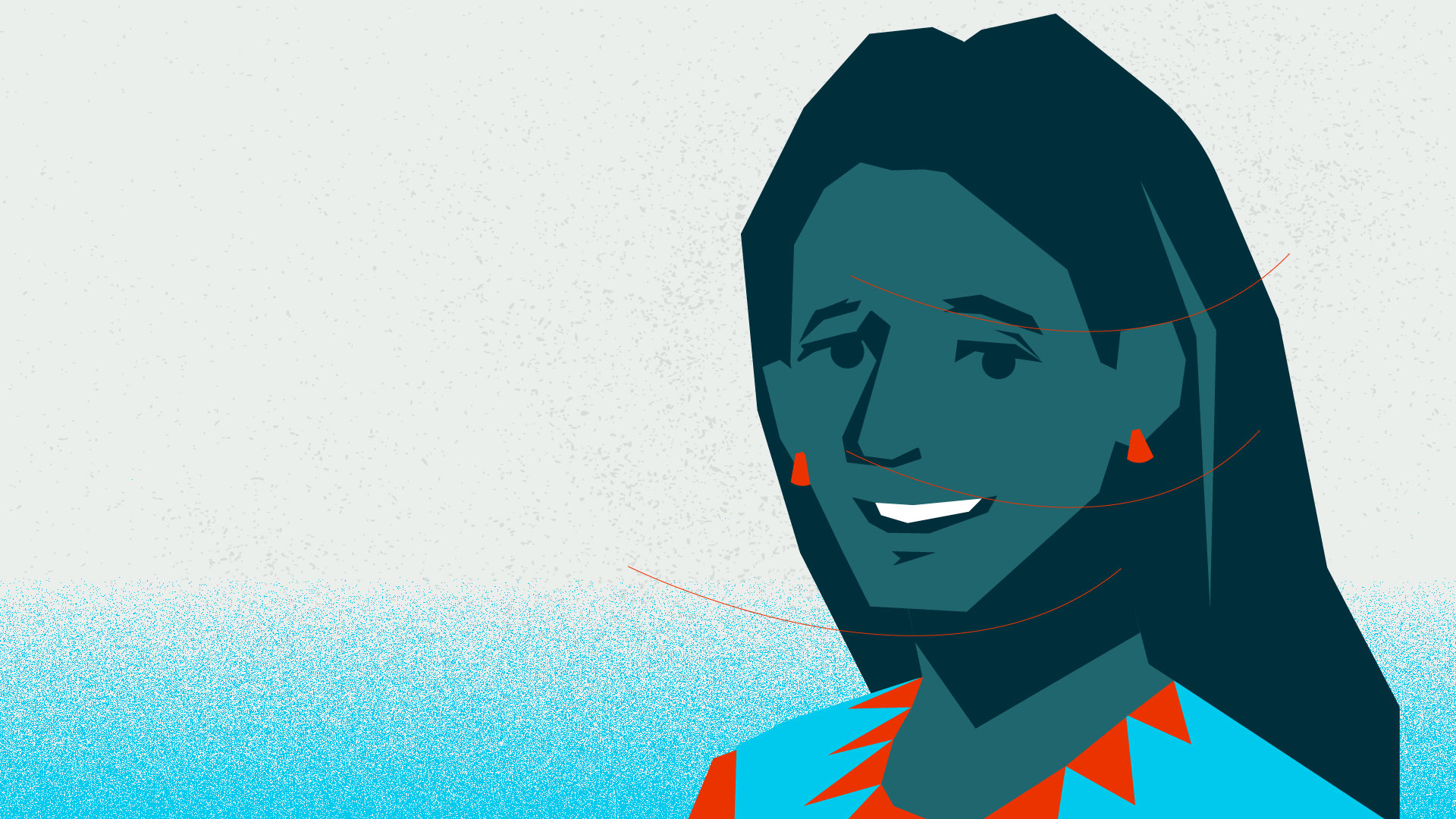
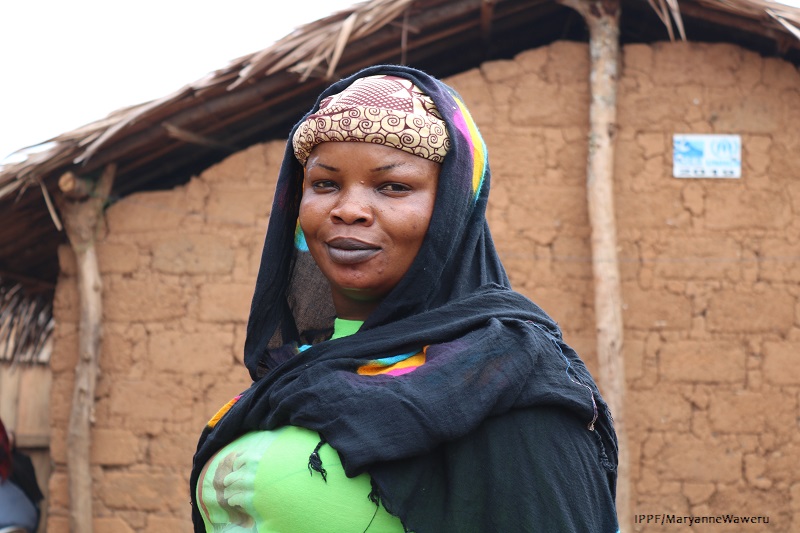
For Ziarata*, a young single mother in Togo, the contraceptive implant in her arm means more than just preventing an unplanned pregnancy. It means being able to better plan for her future and that of her son. A training she recently received from IPPF’s Member Association in the country, Association Togolaise pour le Bien-Etre Familial (ATBEF), in collaboration with *Halsa International Togo, helped her make an informed decision about her sexual and reproductive health (SRH). Now rebuilding her life, 22 year-old Ziarata is looking forward to a brighter future. By Maryanne W. WAWERU My name is Ziarata. Every time I stretch out my left hand to feel the small insert beneath the skin in my upper arm, I become emotional. As I lightly press on the area, just to confirm that the insert is still there, I feel so relieved, knowing what this means for my son and I. My son is 14 months old and for several months, I had been agonizing about how to avoid another unplanned pregnancy. As a young single mother who is still trying to find direction in life, I did not want to get pregnant again anytime soon. However, I did not know how to prevent that from happening. How I got into sex work I studied up to level three in primary school, after which I dropped out. With nothing to do in the village, I travelled to the capital city of Lome in search of a job. Unfortunately, I was unsuccessful in securing employment because I was underage and with little formal education. That is how, at a young age, I found myself destitute in the bustling city of Lome. As years went by, desperate and with no prospects of a decent job, I joined other girls who eked a living in Lome’s public beaches through sex work. While there, I became acquainted with an organization known as Halsa International -Togo, which supports vulnerable children, girls, and young women like me though different programmes. Among other initiatives, Halsa International trains us on economic empowerment, livelihood skills, and healthy living. Learning about how to prevent another pregnancy About seven months ago, Halsa International organized a training for a group of young single mothers on how to run a vegetable garden as a viable economic opportunity that we could pursue. During this training, Halsa also facilitated learning sessions on sexual reproductive health and rights (SRHR), which were conducted by ATBEF. Once a week, we would go to the location of the vegetable garden where we would tend to our vegetables in the early morning hours. Thereafter, the ATBEF team would educate us on different SRH topics, such as how to prevent pregnancy, how to avoid contracting sexually transmitted infections (STIs) including HIV, how to negotiate for safe sex, safe abortion care, and sexual abuse among other topics. After ATBEF’s informative training sessions, we would then resume our gardening project in the afternoon. The training lasted one month. Taking measures to prevent an unplanned pregnancy It is during ATBEF’s trainings that I learnt about how I could prevent another pregnancy -something that had been worrying me for months. Thankfully, they complemented their teachings with related services and after learning about different contraceptive options, I settled on the five-year implant. I chose this method because it assured me of a pregnancy-free life for five years. As the nurse inserted the insert beneath the skin of my left upper arm, I felt relieved as I knew that I would now be able to better plan my life and that of my son, devoid of any pregnancy scares. I was even more excited to learn that I did not have to pay for the training or for the contraceptive implant, services that I would never have afforded. ATBEF catered for all the costs. Becoming an SRHR ambassador to my peers The reproductive health training provided by ATBEF in collaboration with Halsa International has been life changing. Today, I feel more empowered to make healthy decisions about my sex life. I now feel confident about negotiating for safe sex because I’m more aware of my rights. I believe I can now better protect myself from STIs and HIV. I now educate my peers on SRH because I feel knowledgeable about the topic. I have even convinced a few of them to access SRH services such as HIV testing and contraceptives from ATBEF, especially during the mobile clinics the organization conducts regularly around the public beaches where many sex workers can be found. Saving for a brighter future The training and the contraceptive I received also ignited a desire in me to change my life. Nowadays, I rise up early in the morning and head to the local market to help women traders sell their fruits and vegetables. From this, I’m able to earn about 1,500 CFA ($2.65) daily, which is about twice more than what I was making from sex work. I have even been able to set aside some savings, something that I was taught to do by Halsa International. These savings are giving me hope that someday, I will leave the public beaches and rent a small house for my son and I. That is why as I feel the small insert beneath the skin in my upper arm, I do so with relief, knowing that in five years’ time, my son will be in school, which is what I desire most for him. I intend for my son to pursue the highest level of education. With the contraceptive implant, I will have sufficient time to better plan my life. I believe there is so much I will have accomplished in those five years, thanks to the small insert beneath the skin in my upper arm, and thanks to ATBEF for making it possible. *Ziariata’s name changed to preserve anonymity *ATBEF collaborates with several partner organizations to empower young people across Togo. One such partner is Halsa International, which works to improve the lives of vulnerable populations especially children, adolescent girls, and women. Through this partnership, ATBEF provides SRHR information and services to Halsa International’s beneficiaries, such as young women like Ziarata.
05 December 2025
Strengthening abortion care in West Africa: highlights from the 2025 SCAAO workshop
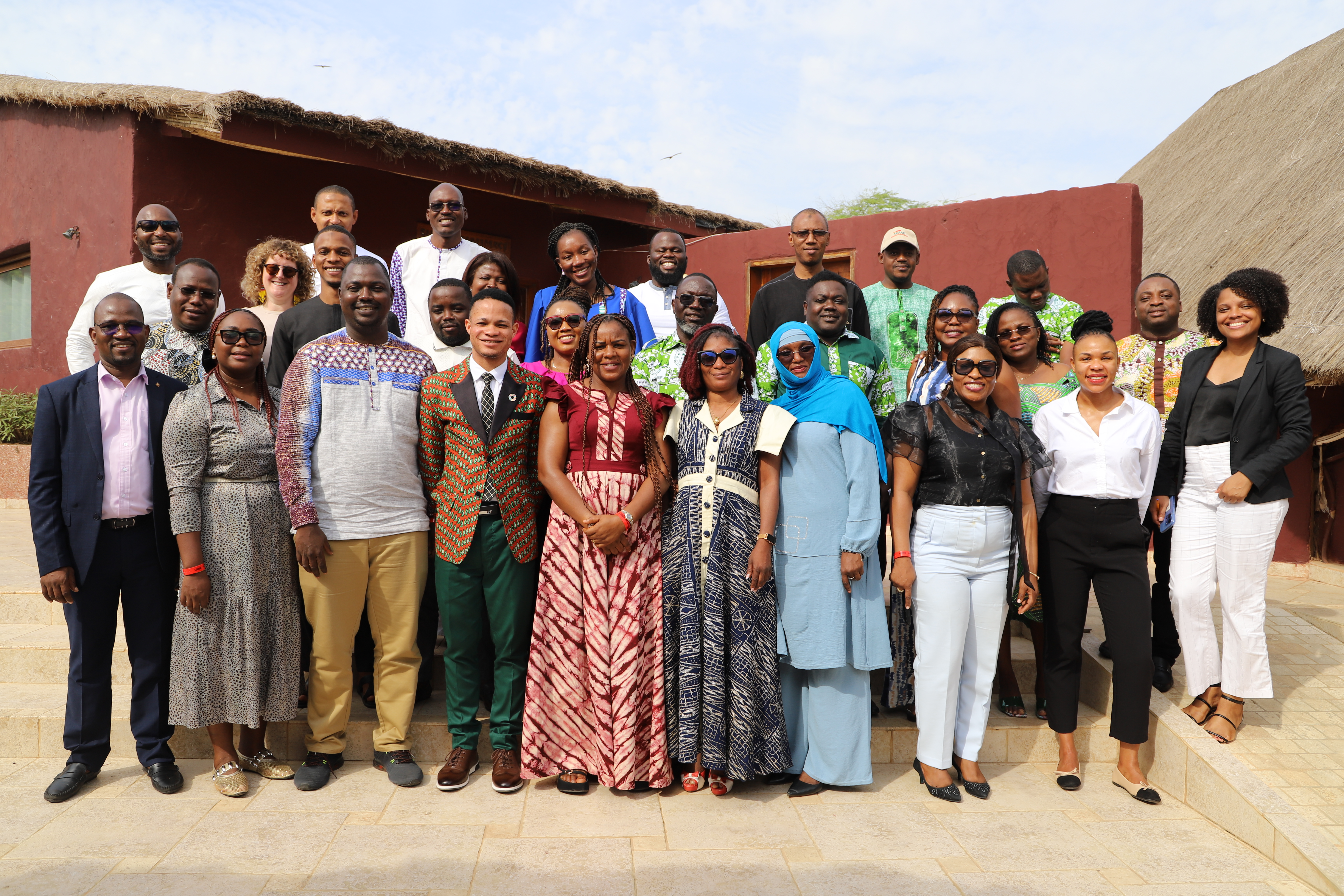
The Comprehensive Abortion Care in West Africa (SCAAO) programme recently held its annual workshop in the west African country of Senegal. The forum was an important moment for IPPF's Member Associations (MAs) implementing the programme to review progress, exchange best practices and shape priorities for the next phase. This year’s workshop, which marked the close of Phase 1 and set the stage for Phase 2, helped in deepening learning and strengthening MA activities for greater impact. By Maryanne W. WAWERU From 19 – 20 November 2025, Senegal played host to the annual ‘Strategic Planning and Best Practices Workshop’ by the Comprehensive Abortion Care in West Africa (SCAAO) programme. Jointly funded by The Hewlett Foundation and the Foundation for a Just Society International, the SCAAO aims to expand access to person-centered abortion care for women and girls in Francophone West and Central Africa. Compared to the rest of sub-Saharan Africa, Francophone West Africa scores very low against some of the most critical sexual reproductive health and rights (SRHR) indicators. According to the World Health Organization (WHO), approximately 22 million unsafe abortions are performed each year, resulting in the deaths of 47,000 women and causing long-term health consequences in another 5 million women worldwide. Unsafe abortion is a major public health issue in West and Central Africa, and constitutes a major cause of maternal death. Western Africa has one of the highest rates of unsafe abortion in the world, with 28 abortions per 1,000 women aged 15–44 years. The sub-region has also struggled in a global context of limited funding resources and insufficient or unsustainable donor investments for SRHR. Where this investment has occurred, it has been plagued by siloed programming, limited sustainability mechanisms, and fallen short of ensuring a truly locally owned and gender transformative impact on women and girls. This challenge underscores the need for well-designed interventions like SCAAO that address these structural challenges through interventions. The SCAAO programme is being implemented by IPPF’s MAs in Niger, Togo, Cameroon and Burkina Faso. Learning and exchange platforms The annual SCAAO best practices workshops serve as important learning platforms where MAs exchange experiences, share innovations and reflect on challenges, successes and lessons learned. The sessions also provide opportunities for MAs to develop strategies aimed at strengthening implementation and improving overall programme outcomes. This year’s annual workshop was timely, coming at the end of phase 1 of the programme. It presented an ideal opportunity to reflect on progress, launch Phase 2 (2025 – 2028), and engage in cross-learning with other regional initiatives. The second phase of the programme will build on the gains made in Phase 1 by strengthening the expertise and activities of MAs around person-centered care, advocacy and capacity sharing. This will contribute to the broader goal of harnessing the unique strengths and opportunities of each actor in the SRHR ecosystem from government agencies to CSOs, healthcare providers, activists, lawmakers, and funders towards expanding access to abortion care for more women and girls in the sub-region. Cross-learning engagements To enhance cross-programme learning and assure sustainability within IPPF MAs, the 2025 SCAAO annual workshop included select projects from other MAs, specifically EmpowHER, Stand-Up, and the Advocacy for SRHR Project in West Africa. The EmpowHER project, being implemented in 13 countries (eight of them in the Africa region), endeavours to guarantee women and young girls’ access to quality reproductive healthcare. The Stand-UP project, being implemented by IPPF MAs in Uganda and Mozambique, contributes to the increased enjoyment of SRHR by adolescent girls and young women. The Advocacy for SRHR Project in West Africa focuses on advocacy and is aimed at strengthening access to SRHR services for adolescents and young people in Senegal and Cape Verde. Participants at the 2025 SCAAO annual workshop were drawn from the SCAAO implementing countries, as well as those from EmpowHER, Stand-UP and the Advocacy for SRHR Project in West Africa. Showcasing best practices Several notable best practices were highlighted during the sessions. In Togo, Association Togolaise pour le Bien-Etre Familial (ATBEF) has scaled up the use of telemedicine for abortion care while improving the abortion ecosystem by engaging in more open discussions with parliamentarians. This, with the support of the Ministry of Health (MoH). Similarly, the Cameroon National Planning Association for Family Welfare (CAMNAFAW) has made notable progress in increasing access to self-managed abortion and collaborating with a civil society organization (CSO) network to align the country’s abortion law to the Maputo Protocol dispositions. Both country interventions, which have been advanced through SCAAO, have led to more women and girls accessing abortion care services, thus fostering progress within an increasingly supportive environment. In Niger, L'Association Nigérienne pour le Bien-être Familial (ANBEF) has strengthened advocacy for post-abortion care (PAC) through Values Clarification and Attitudes Transformation (VCAT) trainings targeting key stakeholders such as MoH officials, religious leaders, civil society organizations, lawyers and other influential figures. Abortion remains a highly sensitive and taboo topic in Niger, and the country’s complex socio-cultural and political context only makes it harder to address. VCAT sessions encourage honest dialogues and reflections on sensitive reproductive health matters such as abortion, with the aim of deepening understanding and fostering support for the same. Dr. Maimuna Saley, the SCAAO Coordinator at ANBEF, says the VCAT trainings have significantly increased stakeholders’ understanding of women’s reproductive health. “We have noted a positive shift in attitudes among key stakeholders, many of whom are now collaborating with us to expand access to post-abortion care information and services for women and girls in Niger,” she said. IPPF’s MA in Burkina Faso, L'Association Burkinabè pour le Bien-Être Familial (ABBEF), which is an established leader in abortion care, has played a central role in building ANBEF’s capacity to strengthen its advocacy and service delivery. “Our team trained colleagues in Niger on VCAT. Afterward, with our guidance and support, the ANBEF trainers began delivering VCAT sessions to key stakeholders. The ANBEF team can now independently conduct these sessions, in activities that have helped to create a more supportive environment for abortion care and support in Niger,” said Dr. Mady Dera, the SCAAO Coordinator at ABBEF. ABBEF’s role has also covered the coordination of regional advocacy campaigns with regional stakeholders and institutions such as the Organisation for Safe Abortion Dialogue (ODAS). Additionally, ABBEF has established a pool of experts across the region to address key priorities related to abortion. Progress and impact Mr. Kader Avonnon, IPPF Africa Region’s SCAAO Programme Coordinator says the programme has so far achieved significant success. “Over 33,000 clients have received high-quality abortion care, including Post Abortion Care, with over 21,000 receiving support services for abortion self-care. Notably, 80% of the clients who received abortion care have been from poor and vulnerable backgrounds, which aligns with the programme’s commitment to equity.” he said. According to Mr. Avonnon, SCAAO has also increased the pool of service providers, who include staff from partner organisations. “We now have more healthcare workers who can offer abortion care. As a result, more girls and young women, including those in remote and marginalized areas where access was previously limited, are now receiving services from skilled providers. This has helped reduce unsafe abortion complications,” he explained. SCAAO’s role in IPPF’s mission During the workshop, Ms. Mallah Tabot, the IPPF Africa Region SRHR Lead emphasized the importance of the programme to IPPF’s broader mission. “The SCAAO programme is helping us rebuild the foundations of abortion care in a region that has been overlooked for far too long. It allows us to strategically close the gap between our mandate and our delivery in one of the toughest regions for abortion care, and to support our MAs to grow their readiness, transform culture and champion reproductive justice for the continent,” she said during the workshop. Ms. Tabot added that while many MAs were already providing abortion care, the SCAAO initiative has pushed their work to beyond service delivery. “It has helped us confront values, strengthen governance, build systems that make services safer, and positioned MAs as consistent and resilient leaders over time.” Participant perspectives At the close of the forum, participants shared their reflections. “The idea of person-centered abortion services stood out. This means considering the unique needs of each person seeking care and tailoring services to them. When it comes to abortion care, individual needs vary from person to person and therefore each case needs to be treated uniquely. The presentations from the different countries brought out this important aspect of abortion care very clearly,” said Ms. Yasmilatou Aboudoulaye from IPPF’s MA in Benin, Association Béninoise pour la Promotion de la Famille (ABPF). Mr. Mohammed Ka from IPPF’s MA in Senegal, Action and Development (AcDev) similarly shared his reflections. “The best practices showcased by the MAs gave me great insights into how the same programme can be adapted to different contexts and still deliver results. The experience of Niger was very interesting as it showed how ANBEF has made great strides in abortion advocacy, meaning that even in difficult contexts, success is still possible. I learnt so much and I’m keen to share these ideas with my colleagues at AcDev as there is a lot we can replicate to enhance our work,” he said. At the end of the workshop, participants left very inspired and motivated to strengthen abortion care in their countries –a great momentum to the start of Phase 2 of the noteworthy SCAAO programme.
27 May 2025
Strengthening the Collective Impact of IPPF Member Associations for Abortion Care Access
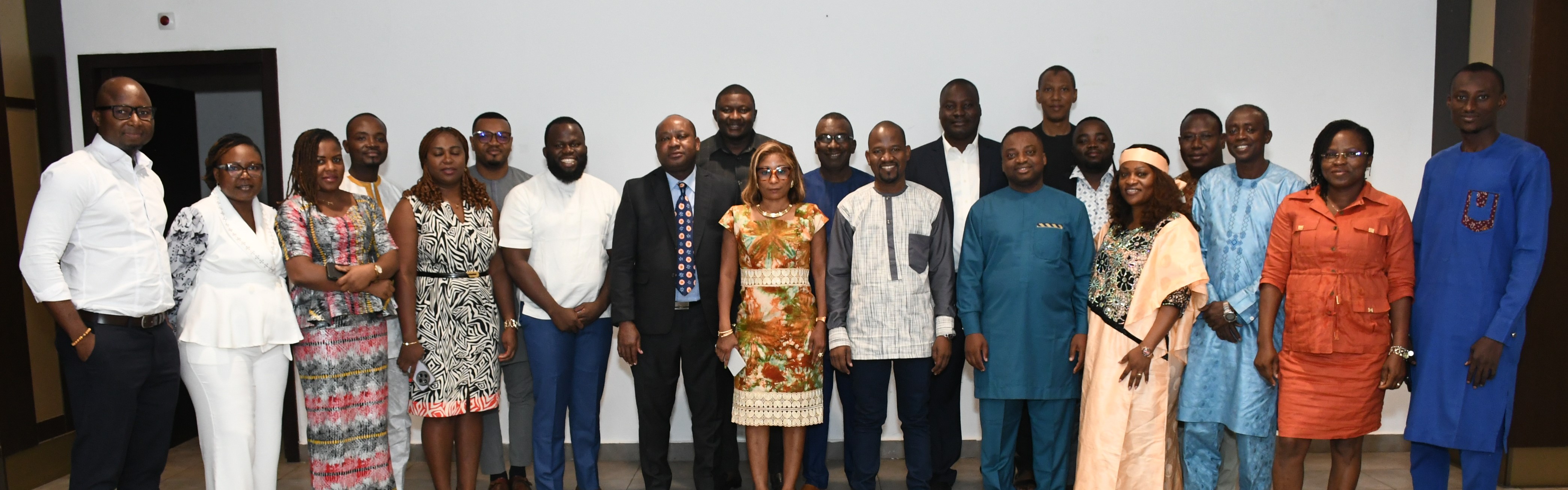
From 24–27 March 2025, the city of Douala, Cameroon, hosted the regional strategic planning workshop marking the launch of Phase 2 of the SCAAO programme (Comprehensive Abortion Care in West Africa). Organized in a spirit of co-creation, the event brought together 20 representatives from IPPF Africa Region Member Associations (MAs) — including Executive Directors, Programme Managers, Finance Officers, Monitoring & Evaluation Officers, and healthcare providers involved in the provision of abortion care. Participants were drawn from the countries of Benin, Burkina Faso, Cameroon, Niger, and Togo. The workshop aimed to strengthen the capacities of MAs to enhance their knowledge, skills, and monitoring and evaluation tools for effective project management of the SCAAO project. It also aimed to foster a peer-learning environment conducive to cross-country strategy refinement. The workshop purposed to promote strategic partnerships and increase stronger collaboration among MAs to enhance an enabling environment for successful programme implementation. A Collaborative and Strategic Space The workshop was driven by dynamic exchanges, hands-on experience sharing, and action-oriented technical sessions. Key sessions and themes included values clarification and attitude transformation (VCAT), advocacy, youth empowerment, documentation of good practices, and institutional leadership. Key achievements from SCAAO’s year 1 implementation were also shared and analyzed. The achievements include 16,683 women and girls benefitting from safe abortion care information and services. 91% of the beneficiaries received post-abortion contraception. 6,039 women and girls accessed related services via WhatsApp, SMS, the InfoAdoJeunes app, and other digital platforms. Another notable achievement was the engagement of MAs in national and regional abortion ecosystems strengthening, movement building, as well as local and national level advocacy initiatives. Ms. Marie-Ange Bouwem, the SCAAO Project Coordinator in IPPF’s MA in Togo -Assocation Togolaise pour le Bien-Etre Familial (ATBEF), played a key role in facilitating the sessions. Dr. Mady Dera, SCAAO Project Coordinator in IPPF’s MA in Burkina Faso -Association Burkinabe pour le Bien-Etre Familial (ABBEF) led the technical session on values clarification, highlighting that “Sustainable performance stems from teams that are valued, heard, and engaged.” Mr. Gérard Da Silva, the Executive Director from IPPF’s MA in Niger, Association Nigérienne pour le Bien-Etre Familial (ANBEF) praised the project’s collaborative approach, stating, "Working in a consortium helps avoid fragmented progress. Together, we have a strong potential to mobilize more organizations for our cause." Key Learnings and Cross-Cutting Lessons Sessions on abortion-related communication deeply resonated with participants, who stressed how language can either facilitate or hinder access to care. There were insightful discussions with practical examples from MAs about how conversations about abortion shape its social acceptance. Mr. Ahmed Pana, ATBEF’s Finance Director emphasized the need to tailor language to specific audiences, while Mr. Lotti Edjenguele Executive Director, of the Cameroon National Association for Family Welfare (CAMNAFAW) highlighted the importance of sensitive communication to fight abortion stigma. Fostering ongoing strategic dialogue between project teams and MA leadership was promoted during the sessions. “The group work sessions on leadership helped me better understand the levers of strategic project management,” said Mr. Rachid Awal (SCAAO project manager in ANBEF). A Pivotal Moment for the Programme The workshop served as a catalyst for more structured cross-country collaboration, encouraged local innovation, and fostered collective ownership of the project. “The workshop was a relevant space for giving and receiving, where each MA learns from others to improve their own strategies,” said Mr. Gérard Da-Silva (ANBEF Executive Director). Mrs. Armande Bossou, Program Director at Association Beninoise pour la Promotion de la Famille (ABPF), said the workshop was an insightful learning forum. “The workshop allowed me to learn from other Member Associations. It also helped me understand that even when the environment is favorable for the provision of abortion services, it is crucial to remain vigilant to maintain that enabling environment, and to ensure effective dissemination of the existing legal provisions so that everyone is equally informed. A More Ambitious and Integrated Phase 2 Phase 2 of the SCAAO programme is built on a foundation of continuous improvement, with a strong focus on self-managed abortion, meaningful youth engagement, data-driven advocacy, and more inclusive and efficient governance within the MAs. The regional strategic planning workshop in Douala marked a pivotal step in launching Phase 2 of the SCAAO program with renewed ambition and cohesion. By bringing together key actors from across West Africa, the event reinforced the importance of collective intelligence, peer learning, co-creation, and strategic alignment to advance access to safe abortion. Through vibrant discussions, shared insights, and a spirit of collaboration, participants not only strengthened their technical capacities but also laid the groundwork for a more integrated, inclusive, and impactful implementation of the program. By Kader Avonnon The Project Manager, SCAAO.

21 November 2024
EmpowHER
About EmpowHER: EmpowHER (Ensuring Inclusive SRHR Delivery for Women, Girls and Marginalised Communities) is a six-year initiative with three key priority areas: Increasing access to quality, person-centred abortion care. Empowering young people to act on their sexual and reproductive rights by expanding access to Comprehensive Sexuality Education (CSE). This is delivered through our CSE Centres of Excellence in Ghana, Togo and Colombia. Pushing back against the anti-rights agenda through coalition and movement-building, as well as advocacy work with our Member Associations. This restricted-funded project will support IPPF’s Strategy 2028 and donor commitments to advance the health and rights of women and girls in all their diversity around the world, ensuring that they can decide what to do with their bodies, their lives, and their futures. Donor: Global Affairs Canada Implementing MAs: Bénin (Association Béninoise pour la Promotion de la Famille) Burkina Faso (ABBEF), Colombia (Profamilia), Ecuador (CEMOPLAF), Ghana (PPAG), Guinea-Bissau (AGUIBEF), Kenya (RHN), Mauritania, (AMPF) Pakistan (FPAP), Sudan (SFPA), Togo (ATBEF), Uganda (RHU), and Zambia (PPAZ). Duration: 1st April 2024 – 31st March 2030 (6 years) Total Budget: CAD $48,000,000

01 December 2016
The She Decides Project
From 2018 to 2020, funding from Global Affairs Canada (GAC), through the She Decides project, supported IPPF and its local partners in five priority countries – Colombia, the Dominican Republic, Guatemala, Malawi, and Mali – to expand their reach and impact in advancing sexual and reproductive health and rights (SRHR), particularly for those who are most marginalized. During the project period, partners provided close to 17 million SRH services at their service delivery points, such as STI screenings, HIV testing, safe abortion, and counselling and access to modern contraceptives such as long-term injectables, surpassing the initial target by 770,000. The vast majority of clients receiving these services (76.5%) are those living below the poverty line, frequently at great distances from existing health services/facilities, who may be internally displaced as a result of humanitarian crises, and are often further marginalized on the basis of their sexual orientation and/or gender identity. Funding through She Decides enabled partners to develop and implement innovative strategies for reaching these populations and the most hard-to-reach regions that had some of the worst SRHR indicators. For example, In Malawi, our Member Association - Family Planning Association of Malawi (FPAM) - expanded its service delivery to rural, under-served communities in four districts (Dedza, Dowa, Mzuzu and Lilongwe) through outreach services, and strengthened provision of a comprehensive package of integrated SRH services through static clinics in 12 districts. Over the course of implementation, FPAM reached approximately 555,186 (over 25 years) women and 659,382 (<25 years) girls with integrated SHR services. A particular focus of the project has been to increase the access of hard-to-reach youth to SRHR information and services, through Youth Life Centers, youth outreach clinics, and intensive involvement of youth in outreach activities and awareness-raising campaigns. In Mali, IPPF Member Association - Association Malienne pour la Promotion et la Protection de la Famille (AMPPF) - used multiple service delivery strategies to expand access to SRH services in some of the most under-served regions of the country, some of them affected by ongoing security risks. It includes the regions of Kayes, Koulikoro, Sikasso, Ségou, Mopti, Gao, and Bamako District. Over the course of the project, AMPPF provided 1,524,825 integrated SRH services to over 556,228 women and girls. AMPPF organized 857 community engagement activities, including outreach at highly attended community festivals, reaching an estimated 41,423 people with positive messages about SRHR. In addition to directly supporting services and community mobilization to reach specific vulnerable populations in each country, She Decides has helped boost partners’ advocacy efforts to champion sexual and reproductive health and rights (SRHR), in particular for a more enabling environment in which governments and other key decision-makers are committed to upholding and fulfilling SRHR. Through this project, partners completed 2,005 specific advocacy engagements. Partners contributed to 31 advocacy wins that engender greater respect and protection of SRHR and have long-term implications for the health and wellbeing of women and girls in project countries. Key high-level advocacy initiatives included: incorporation of SRHR in municipal development plans in project regions (Colombia); approval of the National Plan to Reduce Teen Pregnancy (Dominican Republic); increasing contraceptive security and transparency around SRH financing (Guatemala); advancing abortion law reform (Malawi); and advocating for the integration of SRH into the COVID-19 response (Mali). Underpinning these interventions was a deliberate effort to build partners’ overall sustainability through data and financial systems strengthening and sustainability efforts to improve their resilience to future shocks, whether from a sudden loss of donor funding or a crisis. The COVID-19 pandemic, which erupted in the last quarter of the project, tested this capacity as partners pivoted quickly to provide continuity of services and to advocate for the inclusion of SRHR as part of the emergency response. For more information, visit the project report: GAC/She Decides Report

31 January 2022
GAC Youth Centres of Excellence
The project seeks to empower young people through rights-based sexual and reproductive health service delivery and comprehensive sexuality education. Budget: 6,392,160 USD Donor: Global Affairs Canada Timeline: 3 Years ( 2019 – 2022 ) Project implementation areas: Colombia, Ghana and Togo Partners: Pro-familia, PPAG, ATBEF Key achievements to date: 12 Member Associations (MA) supported through peer-to-peer support by 2 CoE Hosts Over 400,000 SRH services provided to young people Two Anglophone and One Francophone events held in 2021 Involvement of the Youth Action Movement Innovative approaches: Use of Digital Knowledge products(infoado jeunes App and e-learning platform) to expand access to CSE Lessons learned: Need to document best and promising practices Learning Sessions between CoE hosts needs to be strengthened
14 January 2022
The BMZ Project: Supporting People Affected by Humanitarian Crises in sub-Saharan Africa
The BMZ project supported refugees, internally displaced people, and host communities in Burkina Faso, Cameroon and Togo, in accessing quality sexual reproductive health care and in setting up income generating activities. Watch our video to find out how. Also watch the stories of beneficiaries reached through the BMZ project: BMZ Beneficiary story: Cameroon BMZ Beneficiary story: Burkina Faso BMZ Beneficiary story: Togo

26 August 2021
Togo: Supporting Refugees and Displaced People -the BMZ Project
The BMZ project supported refugees, internally displaced people, and host communities in Burkina Faso, Cameroon and Togo, in accessing quality sexual reproductive health care and in setting up income generating activities. Learn more about the work of our Member Association in Togo - The Association Togolaise pour le Bien-Etre Familial (ATBEF) with regard to the humanitarian response and support to refugees, displaced populations and the host communities, courtesy of the BMZ project.

23 July 2021
I had a Vasectomy, and my Wife and I Couldn’t be Happier
One day, while 55-year-old Kangni Kpessou was listening to Nana FM*, an interesting programme on vasectomy came on air. He had never heard about vasectomy, hence his interest to learn more about it. The programme was co-produced by Association Togolaise pour le Bien-Etre Familial (ATBEF), which is IPPF’s Member Association in Togo. “I knew about ATBEF because I had been going there for almost 10 years whenever I took my wife for gynaecological consultations. It is also where my children went when they fell ill. But I did not know they offered vasectomy services, so I was really interested in learning more”, he remembers. Kangni had discussed family planning with his wife a few weeks prior, but nothing conclusive had been decided. The couple revisited the discussion a few days after the radio show aired and secured an appointment for Kangni at the ATBEF. On the day he went to the clinic, Kangni says he was warmly received by the guards, nurses and doctors. “The doctor patiently took his time to explain the vasectomy procedure to me in a detailed manner while answering all my questions and calming my worries. Satisfied, I made my final decision. Having 11 children was sufficient reason for me to choose to do a vasectomy”, he recalls. The vasectomy was done at ATBEF’s clinic in April 2012. Noting the professionalism of the ATBEF team, Kangni says he was impressed by the after-care and follow-up services he received after the surgery. The vasectomy was of great benefit to Kangni and his family. “Since we were not on any family planning method, I’m sure we would have gotten more children, yet we were already struggling to provide for the 11 we had. Since the vasectomy, our minds have been at ease as we haven’t had to worry anymore about another baby coming.” Kangni’s wife has been a great source of encouragement. She even participated in forums where she talks about the benefits of vasectomy and the role of men in family planning. “My experience has taught me that men too can take up family planning instead of fully placing this responsibility on women. Interestingly, my friends who hear my story find my decision very strange. This is because in Togo, men rarely involve themselves in matters of family planning as they are considered to be women’s affairs,” he says. Since his vasectomy, Kangni has been educating fellow men about their involvement in family planning. He has also been trained by ATBEF as a family planning champion. “I am happy that men who hear my story go to ATBEF to seek more information about vasectomy, and some have even taken up the service!” Kangni says. ATBEF vasectomy procedures (2017 – 2020) 2017 :20 vasectomy procedures 2018 : 16 vasectomy procedures 2019 : 19 vasectomy procedures 2020 : 25 vasectomy procedures *ATBEF works in partnership with Nana FM to promote sexual reproductive health and rights (SRHR) in Togo. For more updates on our work, follow IPPF Africa Region on Facebook, Twitter, Instagram and You Tube.

11 March 2021
Hayathe Ayeva, a Leader at Heart, a Fighter for Young People's Sexual Reproductive Health Rights
20-year-old Hayathe Ayeva is the President of the Youth Action Movement (YAM) of the Togolese Association for Family Welfare (ATBEF) -the Member Association of the International Planned Parenthood Federation (IPPF) in the country. A college student who is passionate about communication and writing, Hayathe has won several public speaking competitions. She identifies herself as ‘a proud social activist, woman defender of Human Rights, committed to the Sexual and Reproductive Health of adolescents and young people’. Hayathe is passionate about leadership, and has held various leadership roles in her community since the age of 10. Before joining the YAM at the age of 12 years, she was a member of several associations including the Light Club of Plan International Togo, the German Club, the theatre group and the UNESCO Club at her school, where she was also the founding president of the Anti-AIDS Club. As part of YAM’s activities, Hayathe works with her peers to support ATBEF's advocacy work on Sexual and Reproductive Health and Rights (SRHR) issues, especially among the youth. According to Hayathe, the main health SRHR challenges facing young people in Togo include prohibitive traditions that consider sexuality issues as taboo, the lack of spaces dedicated to youth activities, long distances to youth-friendly service centers, and difficult access to SRHR information including family planning. To address some of these challenges, ATBEF supports young people by availing their premises for YAM activities. In these youth-friendly centers, they can access various documents and services. Hayathe is very active in ATBEF's activities. "I have participated in several ATBEF campaigns and projects where I have raised SRHR awareness targeting young people on social media platforms through my pages. I was also involved in the development of the novel mobile application ‘InfoAdoJeune’, a platform that helps young people access credible information on Sexual and Reproductive Health during the COVID-19 period. Hayathe is also part of the implementation team for the project on "Effective youth involvement in the mid-term review, implementation, monitoring and evaluation of TOGO's 2017-2022 National Budgeted Action Plan for Reproductive Health/Family Planning (PANB)”. As a young female leader and SRHR champion, Hayathe faces various challenges, more so those related to social and financial support. "To address these challenges, I try to increase everyone's understanding of the value of my involvement. For activities that require costs, I try to manage with my own money and those of my relatives because I am committed to serving my community without expecting anything in return.” Despite women's involvement in all sectors around the world, Hayathe notes several obstacles to women's access to leadership positions. “They include society’s view that tends to place men above women -and the resultant women's lack of self-confidence, forced marriages and early pregnancies, family and marital responsibilities that impede them from fully pursuing their ambitions.“ To overcome these obstacles, Hayathe believes that "governments must promote gender equality and appoint more women to positions of responsibility. This will ensure they are represented at all levels and in organizational structures. More honor should be accorded to women in order to encourage others to cultivate the culture of excellence.” Hayathe's primary motivation for women's leadership is to uplift the voice of voiceless youth, to reach out to vulnerable and marginalized populations, and to share quality sexual and reproductive health information. "I am proud of the positive impact of my actions on young people in my community, which I note through their encouragement and suggestions,” she concludes. Read this article in French here. Hayathe on social networks: Facebook: Hayathe AYEVA Facebook page (personal blog): Hayathe AYEVA Twitter: @AHayathe
09 February 2026
The small insert that changed my life: the empowering reproductive health journey of a young woman in Togo
For Ziarata*, a young single mother in Togo, the contraceptive implant in her arm means more than just preventing an unplanned pregnancy. It means being able to better plan for her future and that of her son. A training she recently received from IPPF’s Member Association in the country, Association Togolaise pour le Bien-Etre Familial (ATBEF), in collaboration with *Halsa International Togo, helped her make an informed decision about her sexual and reproductive health (SRH). Now rebuilding her life, 22 year-old Ziarata is looking forward to a brighter future. By Maryanne W. WAWERU My name is Ziarata. Every time I stretch out my left hand to feel the small insert beneath the skin in my upper arm, I become emotional. As I lightly press on the area, just to confirm that the insert is still there, I feel so relieved, knowing what this means for my son and I. My son is 14 months old and for several months, I had been agonizing about how to avoid another unplanned pregnancy. As a young single mother who is still trying to find direction in life, I did not want to get pregnant again anytime soon. However, I did not know how to prevent that from happening. How I got into sex work I studied up to level three in primary school, after which I dropped out. With nothing to do in the village, I travelled to the capital city of Lome in search of a job. Unfortunately, I was unsuccessful in securing employment because I was underage and with little formal education. That is how, at a young age, I found myself destitute in the bustling city of Lome. As years went by, desperate and with no prospects of a decent job, I joined other girls who eked a living in Lome’s public beaches through sex work. While there, I became acquainted with an organization known as Halsa International -Togo, which supports vulnerable children, girls, and young women like me though different programmes. Among other initiatives, Halsa International trains us on economic empowerment, livelihood skills, and healthy living. Learning about how to prevent another pregnancy About seven months ago, Halsa International organized a training for a group of young single mothers on how to run a vegetable garden as a viable economic opportunity that we could pursue. During this training, Halsa also facilitated learning sessions on sexual reproductive health and rights (SRHR), which were conducted by ATBEF. Once a week, we would go to the location of the vegetable garden where we would tend to our vegetables in the early morning hours. Thereafter, the ATBEF team would educate us on different SRH topics, such as how to prevent pregnancy, how to avoid contracting sexually transmitted infections (STIs) including HIV, how to negotiate for safe sex, safe abortion care, and sexual abuse among other topics. After ATBEF’s informative training sessions, we would then resume our gardening project in the afternoon. The training lasted one month. Taking measures to prevent an unplanned pregnancy It is during ATBEF’s trainings that I learnt about how I could prevent another pregnancy -something that had been worrying me for months. Thankfully, they complemented their teachings with related services and after learning about different contraceptive options, I settled on the five-year implant. I chose this method because it assured me of a pregnancy-free life for five years. As the nurse inserted the insert beneath the skin of my left upper arm, I felt relieved as I knew that I would now be able to better plan my life and that of my son, devoid of any pregnancy scares. I was even more excited to learn that I did not have to pay for the training or for the contraceptive implant, services that I would never have afforded. ATBEF catered for all the costs. Becoming an SRHR ambassador to my peers The reproductive health training provided by ATBEF in collaboration with Halsa International has been life changing. Today, I feel more empowered to make healthy decisions about my sex life. I now feel confident about negotiating for safe sex because I’m more aware of my rights. I believe I can now better protect myself from STIs and HIV. I now educate my peers on SRH because I feel knowledgeable about the topic. I have even convinced a few of them to access SRH services such as HIV testing and contraceptives from ATBEF, especially during the mobile clinics the organization conducts regularly around the public beaches where many sex workers can be found. Saving for a brighter future The training and the contraceptive I received also ignited a desire in me to change my life. Nowadays, I rise up early in the morning and head to the local market to help women traders sell their fruits and vegetables. From this, I’m able to earn about 1,500 CFA ($2.65) daily, which is about twice more than what I was making from sex work. I have even been able to set aside some savings, something that I was taught to do by Halsa International. These savings are giving me hope that someday, I will leave the public beaches and rent a small house for my son and I. That is why as I feel the small insert beneath the skin in my upper arm, I do so with relief, knowing that in five years’ time, my son will be in school, which is what I desire most for him. I intend for my son to pursue the highest level of education. With the contraceptive implant, I will have sufficient time to better plan my life. I believe there is so much I will have accomplished in those five years, thanks to the small insert beneath the skin in my upper arm, and thanks to ATBEF for making it possible. *Ziariata’s name changed to preserve anonymity *ATBEF collaborates with several partner organizations to empower young people across Togo. One such partner is Halsa International, which works to improve the lives of vulnerable populations especially children, adolescent girls, and women. Through this partnership, ATBEF provides SRHR information and services to Halsa International’s beneficiaries, such as young women like Ziarata.
05 December 2025
Strengthening abortion care in West Africa: highlights from the 2025 SCAAO workshop
The Comprehensive Abortion Care in West Africa (SCAAO) programme recently held its annual workshop in the west African country of Senegal. The forum was an important moment for IPPF's Member Associations (MAs) implementing the programme to review progress, exchange best practices and shape priorities for the next phase. This year’s workshop, which marked the close of Phase 1 and set the stage for Phase 2, helped in deepening learning and strengthening MA activities for greater impact. By Maryanne W. WAWERU From 19 – 20 November 2025, Senegal played host to the annual ‘Strategic Planning and Best Practices Workshop’ by the Comprehensive Abortion Care in West Africa (SCAAO) programme. Jointly funded by The Hewlett Foundation and the Foundation for a Just Society International, the SCAAO aims to expand access to person-centered abortion care for women and girls in Francophone West and Central Africa. Compared to the rest of sub-Saharan Africa, Francophone West Africa scores very low against some of the most critical sexual reproductive health and rights (SRHR) indicators. According to the World Health Organization (WHO), approximately 22 million unsafe abortions are performed each year, resulting in the deaths of 47,000 women and causing long-term health consequences in another 5 million women worldwide. Unsafe abortion is a major public health issue in West and Central Africa, and constitutes a major cause of maternal death. Western Africa has one of the highest rates of unsafe abortion in the world, with 28 abortions per 1,000 women aged 15–44 years. The sub-region has also struggled in a global context of limited funding resources and insufficient or unsustainable donor investments for SRHR. Where this investment has occurred, it has been plagued by siloed programming, limited sustainability mechanisms, and fallen short of ensuring a truly locally owned and gender transformative impact on women and girls. This challenge underscores the need for well-designed interventions like SCAAO that address these structural challenges through interventions. The SCAAO programme is being implemented by IPPF’s MAs in Niger, Togo, Cameroon and Burkina Faso. Learning and exchange platforms The annual SCAAO best practices workshops serve as important learning platforms where MAs exchange experiences, share innovations and reflect on challenges, successes and lessons learned. The sessions also provide opportunities for MAs to develop strategies aimed at strengthening implementation and improving overall programme outcomes. This year’s annual workshop was timely, coming at the end of phase 1 of the programme. It presented an ideal opportunity to reflect on progress, launch Phase 2 (2025 – 2028), and engage in cross-learning with other regional initiatives. The second phase of the programme will build on the gains made in Phase 1 by strengthening the expertise and activities of MAs around person-centered care, advocacy and capacity sharing. This will contribute to the broader goal of harnessing the unique strengths and opportunities of each actor in the SRHR ecosystem from government agencies to CSOs, healthcare providers, activists, lawmakers, and funders towards expanding access to abortion care for more women and girls in the sub-region. Cross-learning engagements To enhance cross-programme learning and assure sustainability within IPPF MAs, the 2025 SCAAO annual workshop included select projects from other MAs, specifically EmpowHER, Stand-Up, and the Advocacy for SRHR Project in West Africa. The EmpowHER project, being implemented in 13 countries (eight of them in the Africa region), endeavours to guarantee women and young girls’ access to quality reproductive healthcare. The Stand-UP project, being implemented by IPPF MAs in Uganda and Mozambique, contributes to the increased enjoyment of SRHR by adolescent girls and young women. The Advocacy for SRHR Project in West Africa focuses on advocacy and is aimed at strengthening access to SRHR services for adolescents and young people in Senegal and Cape Verde. Participants at the 2025 SCAAO annual workshop were drawn from the SCAAO implementing countries, as well as those from EmpowHER, Stand-UP and the Advocacy for SRHR Project in West Africa. Showcasing best practices Several notable best practices were highlighted during the sessions. In Togo, Association Togolaise pour le Bien-Etre Familial (ATBEF) has scaled up the use of telemedicine for abortion care while improving the abortion ecosystem by engaging in more open discussions with parliamentarians. This, with the support of the Ministry of Health (MoH). Similarly, the Cameroon National Planning Association for Family Welfare (CAMNAFAW) has made notable progress in increasing access to self-managed abortion and collaborating with a civil society organization (CSO) network to align the country’s abortion law to the Maputo Protocol dispositions. Both country interventions, which have been advanced through SCAAO, have led to more women and girls accessing abortion care services, thus fostering progress within an increasingly supportive environment. In Niger, L'Association Nigérienne pour le Bien-être Familial (ANBEF) has strengthened advocacy for post-abortion care (PAC) through Values Clarification and Attitudes Transformation (VCAT) trainings targeting key stakeholders such as MoH officials, religious leaders, civil society organizations, lawyers and other influential figures. Abortion remains a highly sensitive and taboo topic in Niger, and the country’s complex socio-cultural and political context only makes it harder to address. VCAT sessions encourage honest dialogues and reflections on sensitive reproductive health matters such as abortion, with the aim of deepening understanding and fostering support for the same. Dr. Maimuna Saley, the SCAAO Coordinator at ANBEF, says the VCAT trainings have significantly increased stakeholders’ understanding of women’s reproductive health. “We have noted a positive shift in attitudes among key stakeholders, many of whom are now collaborating with us to expand access to post-abortion care information and services for women and girls in Niger,” she said. IPPF’s MA in Burkina Faso, L'Association Burkinabè pour le Bien-Être Familial (ABBEF), which is an established leader in abortion care, has played a central role in building ANBEF’s capacity to strengthen its advocacy and service delivery. “Our team trained colleagues in Niger on VCAT. Afterward, with our guidance and support, the ANBEF trainers began delivering VCAT sessions to key stakeholders. The ANBEF team can now independently conduct these sessions, in activities that have helped to create a more supportive environment for abortion care and support in Niger,” said Dr. Mady Dera, the SCAAO Coordinator at ABBEF. ABBEF’s role has also covered the coordination of regional advocacy campaigns with regional stakeholders and institutions such as the Organisation for Safe Abortion Dialogue (ODAS). Additionally, ABBEF has established a pool of experts across the region to address key priorities related to abortion. Progress and impact Mr. Kader Avonnon, IPPF Africa Region’s SCAAO Programme Coordinator says the programme has so far achieved significant success. “Over 33,000 clients have received high-quality abortion care, including Post Abortion Care, with over 21,000 receiving support services for abortion self-care. Notably, 80% of the clients who received abortion care have been from poor and vulnerable backgrounds, which aligns with the programme’s commitment to equity.” he said. According to Mr. Avonnon, SCAAO has also increased the pool of service providers, who include staff from partner organisations. “We now have more healthcare workers who can offer abortion care. As a result, more girls and young women, including those in remote and marginalized areas where access was previously limited, are now receiving services from skilled providers. This has helped reduce unsafe abortion complications,” he explained. SCAAO’s role in IPPF’s mission During the workshop, Ms. Mallah Tabot, the IPPF Africa Region SRHR Lead emphasized the importance of the programme to IPPF’s broader mission. “The SCAAO programme is helping us rebuild the foundations of abortion care in a region that has been overlooked for far too long. It allows us to strategically close the gap between our mandate and our delivery in one of the toughest regions for abortion care, and to support our MAs to grow their readiness, transform culture and champion reproductive justice for the continent,” she said during the workshop. Ms. Tabot added that while many MAs were already providing abortion care, the SCAAO initiative has pushed their work to beyond service delivery. “It has helped us confront values, strengthen governance, build systems that make services safer, and positioned MAs as consistent and resilient leaders over time.” Participant perspectives At the close of the forum, participants shared their reflections. “The idea of person-centered abortion services stood out. This means considering the unique needs of each person seeking care and tailoring services to them. When it comes to abortion care, individual needs vary from person to person and therefore each case needs to be treated uniquely. The presentations from the different countries brought out this important aspect of abortion care very clearly,” said Ms. Yasmilatou Aboudoulaye from IPPF’s MA in Benin, Association Béninoise pour la Promotion de la Famille (ABPF). Mr. Mohammed Ka from IPPF’s MA in Senegal, Action and Development (AcDev) similarly shared his reflections. “The best practices showcased by the MAs gave me great insights into how the same programme can be adapted to different contexts and still deliver results. The experience of Niger was very interesting as it showed how ANBEF has made great strides in abortion advocacy, meaning that even in difficult contexts, success is still possible. I learnt so much and I’m keen to share these ideas with my colleagues at AcDev as there is a lot we can replicate to enhance our work,” he said. At the end of the workshop, participants left very inspired and motivated to strengthen abortion care in their countries –a great momentum to the start of Phase 2 of the noteworthy SCAAO programme.
27 May 2025
Strengthening the Collective Impact of IPPF Member Associations for Abortion Care Access
From 24–27 March 2025, the city of Douala, Cameroon, hosted the regional strategic planning workshop marking the launch of Phase 2 of the SCAAO programme (Comprehensive Abortion Care in West Africa). Organized in a spirit of co-creation, the event brought together 20 representatives from IPPF Africa Region Member Associations (MAs) — including Executive Directors, Programme Managers, Finance Officers, Monitoring & Evaluation Officers, and healthcare providers involved in the provision of abortion care. Participants were drawn from the countries of Benin, Burkina Faso, Cameroon, Niger, and Togo. The workshop aimed to strengthen the capacities of MAs to enhance their knowledge, skills, and monitoring and evaluation tools for effective project management of the SCAAO project. It also aimed to foster a peer-learning environment conducive to cross-country strategy refinement. The workshop purposed to promote strategic partnerships and increase stronger collaboration among MAs to enhance an enabling environment for successful programme implementation. A Collaborative and Strategic Space The workshop was driven by dynamic exchanges, hands-on experience sharing, and action-oriented technical sessions. Key sessions and themes included values clarification and attitude transformation (VCAT), advocacy, youth empowerment, documentation of good practices, and institutional leadership. Key achievements from SCAAO’s year 1 implementation were also shared and analyzed. The achievements include 16,683 women and girls benefitting from safe abortion care information and services. 91% of the beneficiaries received post-abortion contraception. 6,039 women and girls accessed related services via WhatsApp, SMS, the InfoAdoJeunes app, and other digital platforms. Another notable achievement was the engagement of MAs in national and regional abortion ecosystems strengthening, movement building, as well as local and national level advocacy initiatives. Ms. Marie-Ange Bouwem, the SCAAO Project Coordinator in IPPF’s MA in Togo -Assocation Togolaise pour le Bien-Etre Familial (ATBEF), played a key role in facilitating the sessions. Dr. Mady Dera, SCAAO Project Coordinator in IPPF’s MA in Burkina Faso -Association Burkinabe pour le Bien-Etre Familial (ABBEF) led the technical session on values clarification, highlighting that “Sustainable performance stems from teams that are valued, heard, and engaged.” Mr. Gérard Da Silva, the Executive Director from IPPF’s MA in Niger, Association Nigérienne pour le Bien-Etre Familial (ANBEF) praised the project’s collaborative approach, stating, "Working in a consortium helps avoid fragmented progress. Together, we have a strong potential to mobilize more organizations for our cause." Key Learnings and Cross-Cutting Lessons Sessions on abortion-related communication deeply resonated with participants, who stressed how language can either facilitate or hinder access to care. There were insightful discussions with practical examples from MAs about how conversations about abortion shape its social acceptance. Mr. Ahmed Pana, ATBEF’s Finance Director emphasized the need to tailor language to specific audiences, while Mr. Lotti Edjenguele Executive Director, of the Cameroon National Association for Family Welfare (CAMNAFAW) highlighted the importance of sensitive communication to fight abortion stigma. Fostering ongoing strategic dialogue between project teams and MA leadership was promoted during the sessions. “The group work sessions on leadership helped me better understand the levers of strategic project management,” said Mr. Rachid Awal (SCAAO project manager in ANBEF). A Pivotal Moment for the Programme The workshop served as a catalyst for more structured cross-country collaboration, encouraged local innovation, and fostered collective ownership of the project. “The workshop was a relevant space for giving and receiving, where each MA learns from others to improve their own strategies,” said Mr. Gérard Da-Silva (ANBEF Executive Director). Mrs. Armande Bossou, Program Director at Association Beninoise pour la Promotion de la Famille (ABPF), said the workshop was an insightful learning forum. “The workshop allowed me to learn from other Member Associations. It also helped me understand that even when the environment is favorable for the provision of abortion services, it is crucial to remain vigilant to maintain that enabling environment, and to ensure effective dissemination of the existing legal provisions so that everyone is equally informed. A More Ambitious and Integrated Phase 2 Phase 2 of the SCAAO programme is built on a foundation of continuous improvement, with a strong focus on self-managed abortion, meaningful youth engagement, data-driven advocacy, and more inclusive and efficient governance within the MAs. The regional strategic planning workshop in Douala marked a pivotal step in launching Phase 2 of the SCAAO program with renewed ambition and cohesion. By bringing together key actors from across West Africa, the event reinforced the importance of collective intelligence, peer learning, co-creation, and strategic alignment to advance access to safe abortion. Through vibrant discussions, shared insights, and a spirit of collaboration, participants not only strengthened their technical capacities but also laid the groundwork for a more integrated, inclusive, and impactful implementation of the program. By Kader Avonnon The Project Manager, SCAAO.
21 November 2024
EmpowHER
About EmpowHER: EmpowHER (Ensuring Inclusive SRHR Delivery for Women, Girls and Marginalised Communities) is a six-year initiative with three key priority areas: Increasing access to quality, person-centred abortion care. Empowering young people to act on their sexual and reproductive rights by expanding access to Comprehensive Sexuality Education (CSE). This is delivered through our CSE Centres of Excellence in Ghana, Togo and Colombia. Pushing back against the anti-rights agenda through coalition and movement-building, as well as advocacy work with our Member Associations. This restricted-funded project will support IPPF’s Strategy 2028 and donor commitments to advance the health and rights of women and girls in all their diversity around the world, ensuring that they can decide what to do with their bodies, their lives, and their futures. Donor: Global Affairs Canada Implementing MAs: Bénin (Association Béninoise pour la Promotion de la Famille) Burkina Faso (ABBEF), Colombia (Profamilia), Ecuador (CEMOPLAF), Ghana (PPAG), Guinea-Bissau (AGUIBEF), Kenya (RHN), Mauritania, (AMPF) Pakistan (FPAP), Sudan (SFPA), Togo (ATBEF), Uganda (RHU), and Zambia (PPAZ). Duration: 1st April 2024 – 31st March 2030 (6 years) Total Budget: CAD $48,000,000
01 December 2016
The She Decides Project
From 2018 to 2020, funding from Global Affairs Canada (GAC), through the She Decides project, supported IPPF and its local partners in five priority countries – Colombia, the Dominican Republic, Guatemala, Malawi, and Mali – to expand their reach and impact in advancing sexual and reproductive health and rights (SRHR), particularly for those who are most marginalized. During the project period, partners provided close to 17 million SRH services at their service delivery points, such as STI screenings, HIV testing, safe abortion, and counselling and access to modern contraceptives such as long-term injectables, surpassing the initial target by 770,000. The vast majority of clients receiving these services (76.5%) are those living below the poverty line, frequently at great distances from existing health services/facilities, who may be internally displaced as a result of humanitarian crises, and are often further marginalized on the basis of their sexual orientation and/or gender identity. Funding through She Decides enabled partners to develop and implement innovative strategies for reaching these populations and the most hard-to-reach regions that had some of the worst SRHR indicators. For example, In Malawi, our Member Association - Family Planning Association of Malawi (FPAM) - expanded its service delivery to rural, under-served communities in four districts (Dedza, Dowa, Mzuzu and Lilongwe) through outreach services, and strengthened provision of a comprehensive package of integrated SRH services through static clinics in 12 districts. Over the course of implementation, FPAM reached approximately 555,186 (over 25 years) women and 659,382 (<25 years) girls with integrated SHR services. A particular focus of the project has been to increase the access of hard-to-reach youth to SRHR information and services, through Youth Life Centers, youth outreach clinics, and intensive involvement of youth in outreach activities and awareness-raising campaigns. In Mali, IPPF Member Association - Association Malienne pour la Promotion et la Protection de la Famille (AMPPF) - used multiple service delivery strategies to expand access to SRH services in some of the most under-served regions of the country, some of them affected by ongoing security risks. It includes the regions of Kayes, Koulikoro, Sikasso, Ségou, Mopti, Gao, and Bamako District. Over the course of the project, AMPPF provided 1,524,825 integrated SRH services to over 556,228 women and girls. AMPPF organized 857 community engagement activities, including outreach at highly attended community festivals, reaching an estimated 41,423 people with positive messages about SRHR. In addition to directly supporting services and community mobilization to reach specific vulnerable populations in each country, She Decides has helped boost partners’ advocacy efforts to champion sexual and reproductive health and rights (SRHR), in particular for a more enabling environment in which governments and other key decision-makers are committed to upholding and fulfilling SRHR. Through this project, partners completed 2,005 specific advocacy engagements. Partners contributed to 31 advocacy wins that engender greater respect and protection of SRHR and have long-term implications for the health and wellbeing of women and girls in project countries. Key high-level advocacy initiatives included: incorporation of SRHR in municipal development plans in project regions (Colombia); approval of the National Plan to Reduce Teen Pregnancy (Dominican Republic); increasing contraceptive security and transparency around SRH financing (Guatemala); advancing abortion law reform (Malawi); and advocating for the integration of SRH into the COVID-19 response (Mali). Underpinning these interventions was a deliberate effort to build partners’ overall sustainability through data and financial systems strengthening and sustainability efforts to improve their resilience to future shocks, whether from a sudden loss of donor funding or a crisis. The COVID-19 pandemic, which erupted in the last quarter of the project, tested this capacity as partners pivoted quickly to provide continuity of services and to advocate for the inclusion of SRHR as part of the emergency response. For more information, visit the project report: GAC/She Decides Report
31 January 2022
GAC Youth Centres of Excellence
The project seeks to empower young people through rights-based sexual and reproductive health service delivery and comprehensive sexuality education. Budget: 6,392,160 USD Donor: Global Affairs Canada Timeline: 3 Years ( 2019 – 2022 ) Project implementation areas: Colombia, Ghana and Togo Partners: Pro-familia, PPAG, ATBEF Key achievements to date: 12 Member Associations (MA) supported through peer-to-peer support by 2 CoE Hosts Over 400,000 SRH services provided to young people Two Anglophone and One Francophone events held in 2021 Involvement of the Youth Action Movement Innovative approaches: Use of Digital Knowledge products(infoado jeunes App and e-learning platform) to expand access to CSE Lessons learned: Need to document best and promising practices Learning Sessions between CoE hosts needs to be strengthened
14 January 2022
The BMZ Project: Supporting People Affected by Humanitarian Crises in sub-Saharan Africa
The BMZ project supported refugees, internally displaced people, and host communities in Burkina Faso, Cameroon and Togo, in accessing quality sexual reproductive health care and in setting up income generating activities. Watch our video to find out how. Also watch the stories of beneficiaries reached through the BMZ project: BMZ Beneficiary story: Cameroon BMZ Beneficiary story: Burkina Faso BMZ Beneficiary story: Togo
26 August 2021
Togo: Supporting Refugees and Displaced People -the BMZ Project
The BMZ project supported refugees, internally displaced people, and host communities in Burkina Faso, Cameroon and Togo, in accessing quality sexual reproductive health care and in setting up income generating activities. Learn more about the work of our Member Association in Togo - The Association Togolaise pour le Bien-Etre Familial (ATBEF) with regard to the humanitarian response and support to refugees, displaced populations and the host communities, courtesy of the BMZ project.
23 July 2021
I had a Vasectomy, and my Wife and I Couldn’t be Happier
One day, while 55-year-old Kangni Kpessou was listening to Nana FM*, an interesting programme on vasectomy came on air. He had never heard about vasectomy, hence his interest to learn more about it. The programme was co-produced by Association Togolaise pour le Bien-Etre Familial (ATBEF), which is IPPF’s Member Association in Togo. “I knew about ATBEF because I had been going there for almost 10 years whenever I took my wife for gynaecological consultations. It is also where my children went when they fell ill. But I did not know they offered vasectomy services, so I was really interested in learning more”, he remembers. Kangni had discussed family planning with his wife a few weeks prior, but nothing conclusive had been decided. The couple revisited the discussion a few days after the radio show aired and secured an appointment for Kangni at the ATBEF. On the day he went to the clinic, Kangni says he was warmly received by the guards, nurses and doctors. “The doctor patiently took his time to explain the vasectomy procedure to me in a detailed manner while answering all my questions and calming my worries. Satisfied, I made my final decision. Having 11 children was sufficient reason for me to choose to do a vasectomy”, he recalls. The vasectomy was done at ATBEF’s clinic in April 2012. Noting the professionalism of the ATBEF team, Kangni says he was impressed by the after-care and follow-up services he received after the surgery. The vasectomy was of great benefit to Kangni and his family. “Since we were not on any family planning method, I’m sure we would have gotten more children, yet we were already struggling to provide for the 11 we had. Since the vasectomy, our minds have been at ease as we haven’t had to worry anymore about another baby coming.” Kangni’s wife has been a great source of encouragement. She even participated in forums where she talks about the benefits of vasectomy and the role of men in family planning. “My experience has taught me that men too can take up family planning instead of fully placing this responsibility on women. Interestingly, my friends who hear my story find my decision very strange. This is because in Togo, men rarely involve themselves in matters of family planning as they are considered to be women’s affairs,” he says. Since his vasectomy, Kangni has been educating fellow men about their involvement in family planning. He has also been trained by ATBEF as a family planning champion. “I am happy that men who hear my story go to ATBEF to seek more information about vasectomy, and some have even taken up the service!” Kangni says. ATBEF vasectomy procedures (2017 – 2020) 2017 :20 vasectomy procedures 2018 : 16 vasectomy procedures 2019 : 19 vasectomy procedures 2020 : 25 vasectomy procedures *ATBEF works in partnership with Nana FM to promote sexual reproductive health and rights (SRHR) in Togo. For more updates on our work, follow IPPF Africa Region on Facebook, Twitter, Instagram and You Tube.
11 March 2021
Hayathe Ayeva, a Leader at Heart, a Fighter for Young People's Sexual Reproductive Health Rights
20-year-old Hayathe Ayeva is the President of the Youth Action Movement (YAM) of the Togolese Association for Family Welfare (ATBEF) -the Member Association of the International Planned Parenthood Federation (IPPF) in the country. A college student who is passionate about communication and writing, Hayathe has won several public speaking competitions. She identifies herself as ‘a proud social activist, woman defender of Human Rights, committed to the Sexual and Reproductive Health of adolescents and young people’. Hayathe is passionate about leadership, and has held various leadership roles in her community since the age of 10. Before joining the YAM at the age of 12 years, she was a member of several associations including the Light Club of Plan International Togo, the German Club, the theatre group and the UNESCO Club at her school, where she was also the founding president of the Anti-AIDS Club. As part of YAM’s activities, Hayathe works with her peers to support ATBEF's advocacy work on Sexual and Reproductive Health and Rights (SRHR) issues, especially among the youth. According to Hayathe, the main health SRHR challenges facing young people in Togo include prohibitive traditions that consider sexuality issues as taboo, the lack of spaces dedicated to youth activities, long distances to youth-friendly service centers, and difficult access to SRHR information including family planning. To address some of these challenges, ATBEF supports young people by availing their premises for YAM activities. In these youth-friendly centers, they can access various documents and services. Hayathe is very active in ATBEF's activities. "I have participated in several ATBEF campaigns and projects where I have raised SRHR awareness targeting young people on social media platforms through my pages. I was also involved in the development of the novel mobile application ‘InfoAdoJeune’, a platform that helps young people access credible information on Sexual and Reproductive Health during the COVID-19 period. Hayathe is also part of the implementation team for the project on "Effective youth involvement in the mid-term review, implementation, monitoring and evaluation of TOGO's 2017-2022 National Budgeted Action Plan for Reproductive Health/Family Planning (PANB)”. As a young female leader and SRHR champion, Hayathe faces various challenges, more so those related to social and financial support. "To address these challenges, I try to increase everyone's understanding of the value of my involvement. For activities that require costs, I try to manage with my own money and those of my relatives because I am committed to serving my community without expecting anything in return.” Despite women's involvement in all sectors around the world, Hayathe notes several obstacles to women's access to leadership positions. “They include society’s view that tends to place men above women -and the resultant women's lack of self-confidence, forced marriages and early pregnancies, family and marital responsibilities that impede them from fully pursuing their ambitions.“ To overcome these obstacles, Hayathe believes that "governments must promote gender equality and appoint more women to positions of responsibility. This will ensure they are represented at all levels and in organizational structures. More honor should be accorded to women in order to encourage others to cultivate the culture of excellence.” Hayathe's primary motivation for women's leadership is to uplift the voice of voiceless youth, to reach out to vulnerable and marginalized populations, and to share quality sexual and reproductive health information. "I am proud of the positive impact of my actions on young people in my community, which I note through their encouragement and suggestions,” she concludes. Read this article in French here. Hayathe on social networks: Facebook: Hayathe AYEVA Facebook page (personal blog): Hayathe AYEVA Twitter: @AHayathe