



Articles about Uganda
12 May 2026
My medical abortion experience as a university student in Uganda
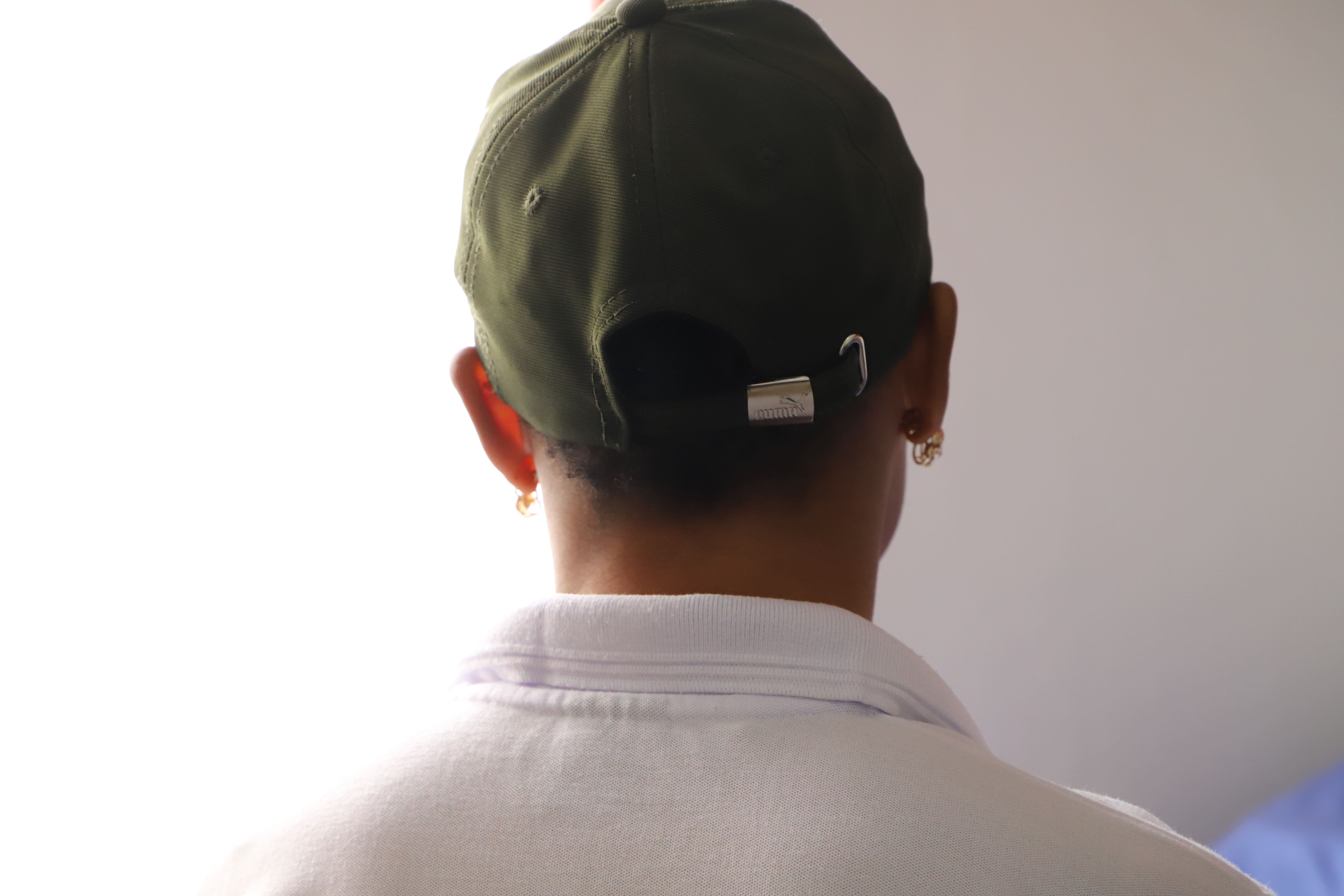
Nyakato* is a 20-year-old university student in Bushenyi district, western Uganda. 13 months ago, she found herself in a predicament: she was unexpectedly pregnant. In this article, Nyakato narrates the events that followed this discovery. Her experience highlights the important role that trained peer educators by Reproductive Health Uganda (RHU)- an IPPF Member Association, play in offering young people life-saving sexual reproductive health (SRH) information and services. Nyakato narrated her experience to Maryanne W. WAWERU. “When I joined university as a bubbly, ambitious 18-year-old, I was excited about what lay ahead. Enrolling in a Nursing degree course was a significant step towards achieving my career goals in the medical field. In the first week, the university organized a detailed orientation programme for all new students which included learning sessions on sexuality education. The university had invited a team of peer educators from Reproductive Health Uganda (RHU) to take us through the educative sessions. The peer educators shared comprehensive information on different sexual reproductive health and rights (SRHR) topics including contraceptives, pregnancy, sexually transmitted infections (STIs), gender-based violence, unsafe abortion and HIV/AIDS. I found the sessions to be engaging and insightful. Notably, at the end of each session, the peer educators would share their mobile phone numbers with us, together with official contact details of the RHU Bushenyi clinic. They encouraged us to save the numbers in case we needed to ask additional questions or seek clarification on the information they had shared. The peer educators also told us to reach out to them if we ever found ourselves in a situation of need. I saved the numbers on my phone. Discovering I’m pregnant A few months later –in the second semester, I unexpectedly discovered I was pregnant. I had been using the ‘safe days’ method where I would avoid sexual intercourse on the days that I suspected I was ovulating and could easily conceive. But this had not worked because there I was, pregnant, shocked, and confused. As I digested the reality of my unplanned pregnancy, I became very anxious. Being pregnant meant deferring my studies as I knew I wouldn’t be able to juggle both successfully. I was also not ready to lose a full academic year. I was still young and with goals to achieve and having a baby at that time would only stall my career ambitions. Besides, I did not feel emotionally and mentally ready for the responsibilities of motherhood. Additionally, I feared being reprimanded by my parents. While preparing to join the university, they had taken time to counsel me about the need to focus on my studies and avoid distractions that would derail my academic goals. The news of an unplanned pregnancy would have been a huge disappointment. Informing my boyfriend The turmoil in my mind about the pregnancy caused me great anguish. Several days later, I decided to inform my boyfriend. When I did, he said he was not ready for fatherhood. At 26, he was working but said he did not feel stable enough to start a family. Since neither of us felt prepared for that responsibility, we agreed to end the pregnancy. He then asked if I knew of a place where I could have the pregnancy terminated safely. That is when I remembered the numbers of the RHU peer educators I had saved on my phone during orientation week. I immediately reached out to one of them. The peer educator listened to me keenly, counselled me and thereafter referred me to the RHU Bushenyi clinic where he said I would receive further assistance. I felt a huge wave of relief after opening up to him, knowing that he genuinely understood my predicament. He assured me that the RHU team were SRH experts and I would be in safe hands. Comforted by his words, I made my way to the RHU Bushenyi clinic. Undergoing a safe abortion procedure There, I met a clinician who attended to me. He did not rush me as I spoke and was very calm and understanding. I did not feel judged. His professionalism made me know that I was in the right place. I was about eight weeks pregnant at the time, and the clinician explained to me the process of a medical abortion, which involved taking medication at specific timings. I chose to start the process right there at the clinic under his guidance, then continue with the rest of the medication at my hostel. He gave me very clear instructions on how and when to take the medication, which I jotted down so that I would not forget. Additionally, he gave me his number and told me to contact him in case I needed to. All went as expected and the following day, when it was time to take the second dose, I called him on phone just for his reassurance that I was following the right steps, which he confirmed that I was. I was grateful that I could reach out to him easily during that delicate time without having to physically present myself at the clinic. He would also periodically call me to follow-up on my progress. Indeed, I was in good hands, just as the peer educator had assured me. Post-abortion contraceptive care After a few days, the clinician requested me to present myself back at the clinic for a scan. I did so, and the scan confirmed that the procedure had been successful and that I was in good health. The clinician then took time to explain to me the importance of taking up a contraception to avoid another unplanned pregnancy. After taking me through several contraceptive options, I settled on the three-month injection. Where I live is about 25 kilometres from the RHU Bushenyi clinic, and when it’s time to renew the injection, I inform the RHU peer educator in my area, who then gets the injection from RHU. This helps solve the transport challenge for me. The peer educator then administers it, as he has been well trained to do so. This arrangement has worked perfectly for me as I have not had any pregnancy scare since then. Because of my access to safe abortion care at RHU, my life got back on track, and I was able to continue with my studies without interruption. I hope to have three or four children in the future, but I will only have them when I am ready mentally and emotionally, and when I have completed my degree and earning an income that will enable me to provide for them. Empowering freshmen with SRHR information I’m grateful to the RHU team and its peer educators who share information with fresh university graduates. I am glad to have participated in RHU’s educative SRHR sessions during the orientation week, as the information I received came in handy just when I needed it. The RHU clinical team is also excellent in their work, helping young women like me access safe and affordable abortion care. I paid 70,000 Ugandan shillings ($19) for the medical abortion and the scan. This was an affordable cost, which I covered using savings from the allowance my parents give me. Based on my experience, I have since been talking to new university female students, encouraging them to attend the sexuality education sessions during the orientation week by RHU. I also encourage them to save the numbers of the peer educators which are shared during the sessions as they never know when they may need them." *Nyakato’s name changed to protect identity.
26 September 2025
World Contraception Day 2025 Message
From the WISH 2 Team Lead Today, on World Contraception Day, we reaffirm our collective commitment to ensuring that contraception is recognized and realized as a right, a responsibility, and a reality for all. Since its launch in 2007, World Contraception Day has been commemorated every year on 26 September, making 2025 the 19th annual global observance of this important campaign to raise awareness and advance SRHR. The day reminds us of the power of choice and the transformative impact of SRHR on individuals, families, and communities. Access to safe, voluntary, and high-quality contraception is not only a health imperative, but also a pathway to dignity, equity, and opportunity. Under the WISH 1 (WISH2Action) project, 3.6 million additional family planning users were reached, an estimated 22 million maternal deaths, 4.3 million unsafe abortions, 13.2 million unintended pregnancies, and 19.2 million disability-adjusted life years were averted, a powerful demonstration of the lifesaving impact of sustained investment in SRHR. Building on this momentum, WISH 2 East and Southern Africa, set targets to reach 4.2 million family planning users, with the intention of preventing 3.2 million unintended pregnancies, 1 million unsafe abortions, and 5,600 maternal deaths across seven countries in Eastern and Southern Africa. Since the start of the project, WISH 2 has reached 169,590 annualised clients as at the end of June 2025. Through this project, we remain committed to expanding access to sexual and reproductive health services across Eastern and Southern Africa, with a particular focus on fragile and humanitarian settings where women, adolescents, and marginalised groups face the greatest barriers. By strengthening service delivery, advancing social and behaviour change, advocating for enabling policies, and generating evidence for learning, WISH 2 is ensuring that no one is left behind in the pursuit of sexual and reproductive health and rights. Central to this effort is strong partnership with governments, whose leadership and stewardship are essential for sustaining progress. WISH 2 works hand in hand with national and local authorities to complement their strategies and contribute to country-led priorities for universal access to contraception and broader SRHR. Yet, these gains are under threat. Global funding for SRHR is declining, undermining women’s rights, equity, and agency, and putting millions at risk of preventable harm. As we mark this 19th World Contraception Day, we call on governments, donors, and partners to renew their commitment to SRHR. Together, we can ensure that contraception remains accessible, affordable, and inclusive, empowering every individual to make informed choices about their bodies and futures. On this day, we celebrate the dedication of our partners, country teams including Member Associations, stakeholders who support the cause and frontline providers who work tirelessly to make contraceptive services more inclusive, resilient, and rights based. Together, we are creating a future where every individual, regardless of circumstance, can make informed choices about their reproductive health. Let us continue to learn, innovate, and act so that contraception is recognized not only as a method of family planning, but as a fundamental right for all. Contraception is not just health care, it is a right, a responsibility, and a reality we must protect and advance. Happy World Contraception Day!
07 July 2025
Inclusive Health Systems as a Human Rights Imperative: Reflections from the Stand Up Project in Uganda and Mozambique
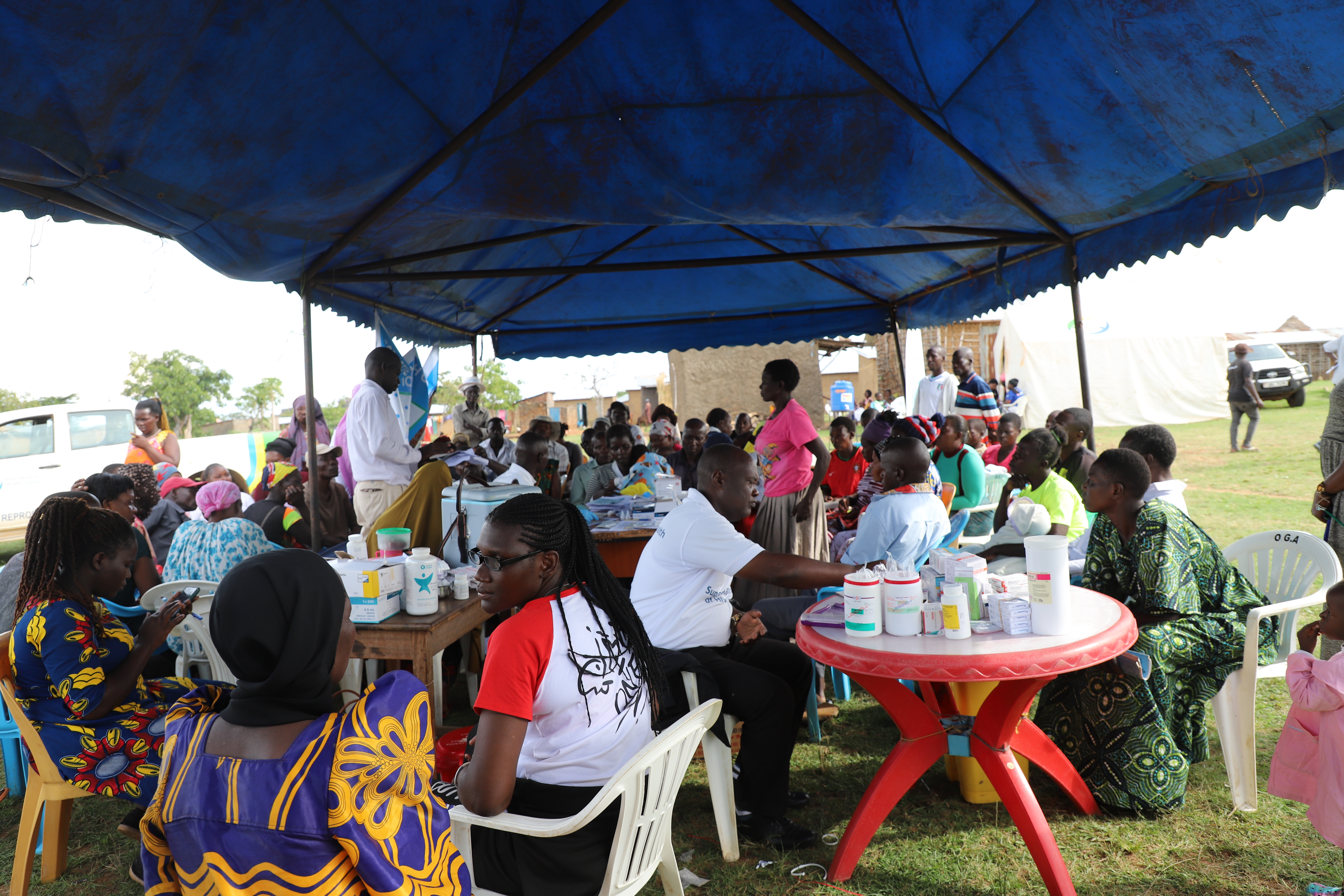
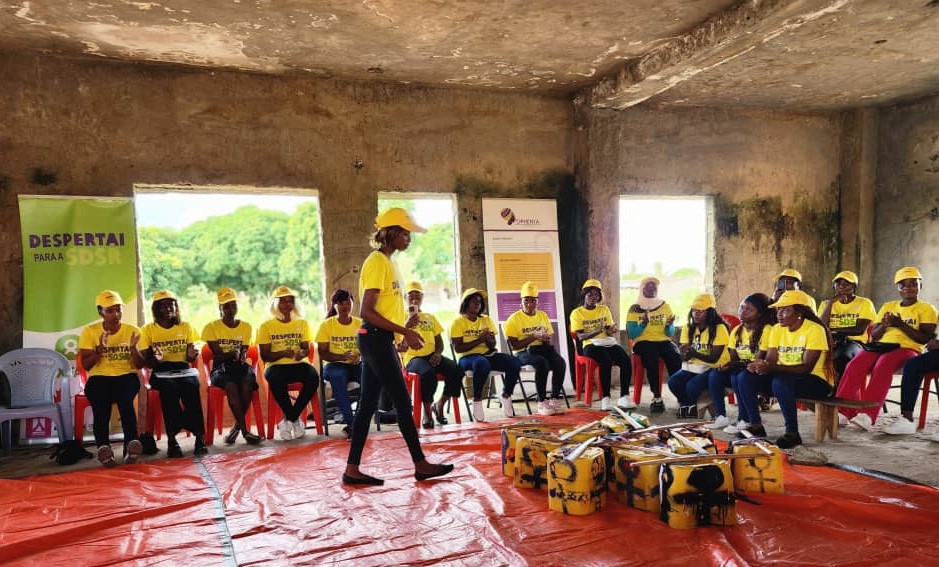
By Sylvia Ekponimo IPPF’s commitment to delivering inclusive, rights-based, and youth-centred sexual and reproductive health care is reflected in the work of its Member Associations. In Uganda and Mozambique, Reproductive Health Uganda (RHU) and Associação Moçambicana para o Desenvolvimento da Família (AMODEFA) are leveraging the power of partnerships in expanding access, strengthening health systems, and upholding the rights and agency of young people through implementation of the Stand Up for SRHR project. Funded by Global Affairs Canada (GAC), the project aims to expand access to essential sexual reproductive health (SRH) services and strengthen community-led responses. From late March to early April 2025, the project teams from IPPF and Oxfam Canada (OCA) – the consortium lead, conducted a joint visit to project sites in both countries. The visit brought together the local consortium partners in Uganda (Oxfam in Uganda, Femme Forte, Center for Health, Human Rights and Development-CEHURD) and Mozambique (Oxfam in Mozambique, Lambda, and Associação Moçambicana da Mulher e Apoio a Rapariga-OPHENTA) and offered a great opportunity to reconnect, reflect, and learn from one another. The reflections below draw from field insights highlighting evidence of progress, challenges that need to be addressed, and opportunities for deeper impact. Impact is built through collaboration and commitment In Uganda’s Mayuge and Namayingo districts, engagements with local government officials highlighted the importance of trust-based partnerships. The Mayuge district health team shared data indicating a recent decline in teenage pregnancy from 32 percent prior to the implementation of the project to approximately 23 percent. The officials attributed this decline, in part, to the youth-focused health outreaches and community dialogues supported by this initiative and was viewed as a significant and promising indicator of impact. However, with the adolescent pregnancy rate at 23 percent, it remains too early to celebrate, pointing to the need for sustained attention and resources. In Namayingo, the officials not only recognized the collaborative spirit and resilience especially in reaching remote areas like Dolwe Island – a remote area that is extremely difficult to access –but also requested to extend the intervention to even more hard-to-reach communities. This request to expand services to more underserved areas indicated not only the community’s unmet needs, but also a high level of confidence in the quality and value of the collaborative efforts. Government officials also acknowledged the project’s contribution to addressing the drivers of poor sexual reproductive health (SRH) outcomes within the district. These include traditional practices such as “disco matanga” –a cultural practice in which community members organize a fundraising event as part of funeral rites. These gatherings often involve overnight dancing for several days before the burial, with widespread access to free alcohol and tobacco. They are associated with increased unprotected sexual activity and have been linked to rising cases of teenage pregnancy, unsafe abortions, and the spread of STIs, including HIV. In Mozambique’s Nampula province, local officials at the Provincial Directorate for Youth Employment and Sports, as well as the District Health and Social Action Service spoke openly about persistent structural barriers that hinder access to care. These include low school retention among girls occasioned by among others, early marriage as an economic coping mechanism, as well as an overstretched healthcare system. These issues, compounded by the impact of natural disasters and the recent USAID funding loss have intensified the strain on an already fragile health system. Despite this, the committed frontline health workers in these locations continue to deliver services in extremely challenging conditions. In districts such as Mecuburi, the use of motorcycles to transport medical supplies to Issipe community, a locale that stands isolated from the main town following destruction of its major bridge by Cyclone Jude in March 2025, demonstrates remarkable resilience. Reaching the last mile requires innovation and integration Dolwe Island, located in Namayingo District, Uganda, offers a compelling example of delivering healthcare at the most remote levels. Home to approximately 23,000 residents and accessible via a three-hour boat ride, the island has just four health facilities, no secondary school, and high attrition among health personnel. In the absence of secondary education and employment alternatives, adolescent girls are often married off after completing primary school, while boys are absorbed into the fishing economy from a young age. Amidst these constraints, RHU has established a strong presence. Through mobile outreach activities, the team continues to deliver integrated services tailored to community needs. These events do more than provide SRH services as they bring together immunization, laboratory testing, peer education, and community engagement in formats that are culturally resonant and youth-friendly. Similarly, in Mecuburi, Mozambique, AMODEFA has overcome challenging terrains to spearhead and deliver effective health outreach services. To foster greater community engagement, particularly among men, the team uses local strategies, including football tournaments and participatory learning sessions, which have successfully encouraged male involvement and increased the uptake of SRH services. These efforts stand out for their strong coordination, careful planning, and effective integration of health and social services. Reflecting on these regular yet challenging journeys –whether by boat to Dolwe Island or across the challenging terrain of Mecuburi, one cannot overlook the immense logistical demands involved in mobilizing communities, deploying skilled health personnel, and maintaining a reliable supply of essential medicines and commodities. These efforts speak volumes about the unwavering commitment and resilience of the implementing teams, who continue to serve in some of the most remote and resource-constrained settings. Youth leadership is a key driver for positive peer-led change Across both countries, peer educators stood out as key drivers of change. In Uganda, the visiting team observed in-school peer educators in Bukatube County confidently lead SRHR discussions. The peer educators also innovative solutions, such as reusable sanitary pad production to address barriers to school retention among girls. In Dolwe Island, the peer educators, though younger and still in primary school, demonstrated a deep understanding of their rights and responsibilities. The interactions with these set of peer educators brought to the fore the importance of integrating sexual reproductive health and rights (SRHR) efforts with broader investments in education, nutrition, and safety. In Mozambique, the visiting team had the opportunity to attend an outreach activity targeting out-of-school youth. During this activity, young female peer educators at Namicopo used storytelling, music, and dance to convey SRHR messages in ways that were both engaging and empowering to their peers and the community. While at a community centre run by Lambda, one of the local partners representing the rights of gender and sexual minorities in Mozambique, the conversation turned to the lived realities of LGBTQI+ individuals. Though distressing, their accounts of exclusion, stigma, and fear revealed a slow but meaningful shift. Access to inclusive and affirming SRH care is steadily improving, driven by Values Clarification for Action and Transformation (VCAT) training sessions facilitated by AMODEFA in partnership with Lambda, and has so far reached over 90 healthcare providers. For many, a sense of safety and dignity exists only where the trained and trusted healthcare providers are present, emphasizing the urgent need for broader system change. What Next? The Stand Up field mission exercise was a powerful reminder that SRHR programming is much about delivering inclusive care, as it is about building systems rooted in trust, equity, and community engagement. Just as health workers and implementing partners do more than just executing a project, so do young people. The stories of resilience, leadership, and perseverance in the face of challenges are a testament to their deep commitment to their communities. Beyond mere beneficiaries, they are leaders in their own right who are driving and shaping the work we do to redefine what health systems can look like when equity, accountability, and community voice are centered. For OCA, the opportunity to witness the tangible progress achieved through the project reinforced the team's commitment and enduring resilience. The visit offered a valuable opportunity to move beyond virtual exchanges, revealing critical elements that are often difficult to fully capture from a distance especially the nuanced realities of implementation and the profound human impact of these efforts. As IPPF continues to advance its work, the purpose of the Stand Up project is clear - to remain resolute in our commitment to reaching those furthest behind, to honour the bravery and determination of those advocating for change, and to advance the development of resilient and equitable systems that truly leave no one behind. Sylvia Ekponimo is the Stand-Up Project Advisor.
19 June 2025
Reclaiming African Pride: We Refuse to Be Legislated Out of Existence
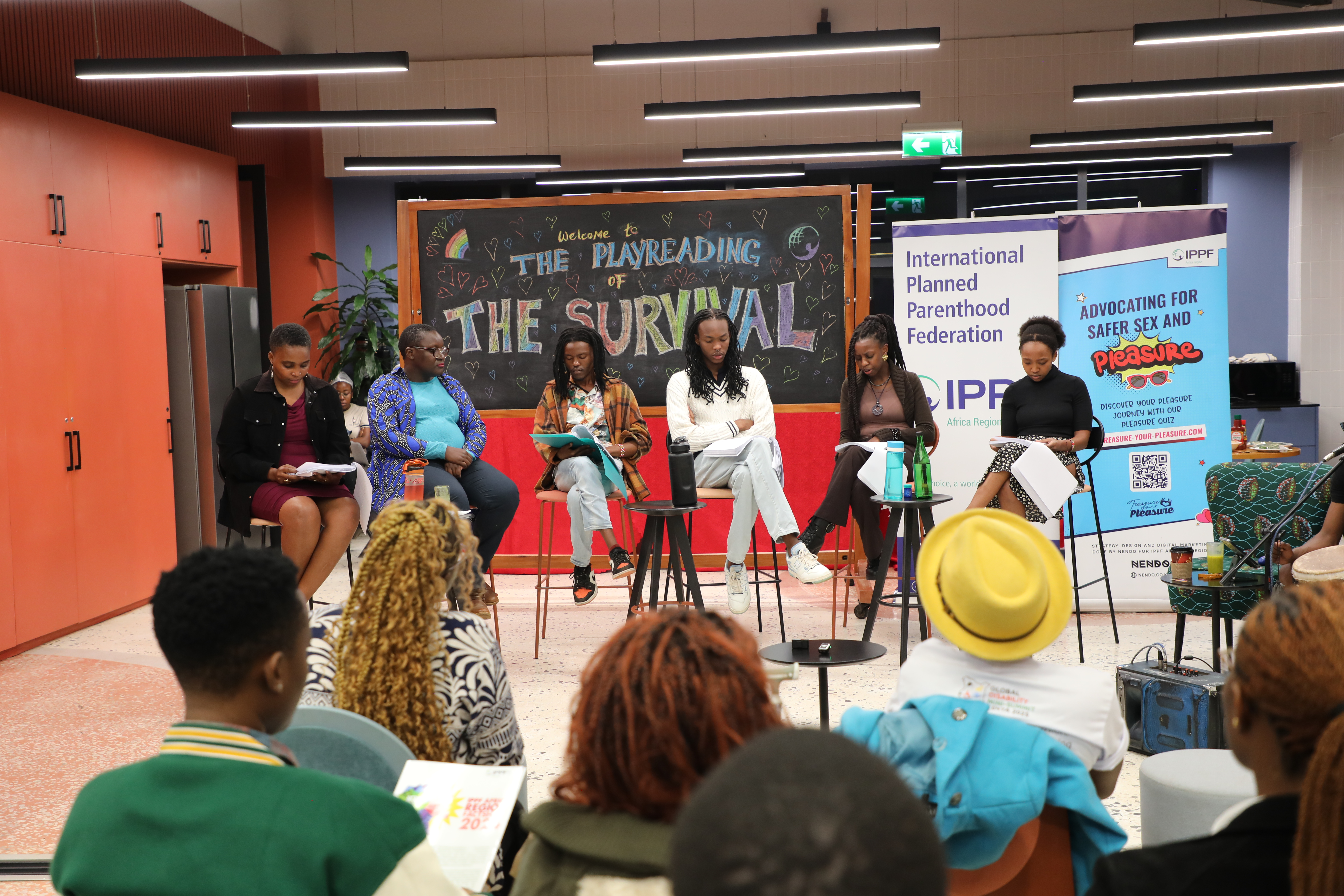
By Benedicta Oyedayo Oyewole, When we speak of celebration in the spirit of Ubuntu, we are not merely referring to events or visibility moments. We are evoking a deeper, collective joy rooted in resistance, relationality, and the politics of being. Ubuntu says, ‘I am because we are,’ and in that spirit, celebration becomes a political act. It takes the form of music, laughter, dance, vibrant colours, and in some African cultures, masquerades that shake the ground beneath our feet. These are not aesthetics for performance. They are expressions of collective memory, resistance, and survival. In those moments, people feel seen. Not tolerated, seen. Not permitted, respected. People move with agency. With defiance. With joy that is not passive, but revolutionary. That is Ubuntu. That is Pride. But that spirit has been systematically stripped away. The rupture between what Pride once meant within our cultural contexts and what was violently imposed through coloniality and heteropatriarchy has bred something else: fear. Fear of being visible. Fear of claiming space. Fear of simply existing outside sanctioned norms. Across the world, recent years have seen the rapid digitalization of social movements, a fourth wave of feminist organizing, and hard-won victories by women, girls, sex workers, LGBTQI+ persons, young people, and historically marginalized communities. From viral digital campaigns to mass protests, we’ve witnessed new forms of movement-building and global solidarity. But with these gains has also come an emboldened rise in fascism and rollback of some of these victories. As liberationist and leftist politics gain renewed momentum, especially across the Global South, we are simultaneously witnessing a concerted effort to attack human rights. In the African region, we have witnessed not only growing visibility of the anti-rights movements but also a sharp rollback in human rights. The rise of regressive laws and policies often framed as a return to so-called “African values” is a deliberate effort to police who we are, who we have been, and who we are allowed to become. It is a chilling testament to the persistence of neo-colonialism in the 21st century, one no longer cloaked solely in economic domination, but also in the export of ideologies that endanger lives. This anti-rights agenda is being aggressively driven by well-funded, right-wing groups from the Global North, who actively fuel regressive laws and narratives across Africa. Their interference not only undermines local human rights efforts but also deepens the structural violence experienced by already marginalised communities. From the signing of Uganda’s Anti-Homosexuality Act, one of the harshest anti-LGBTQ+ laws in the world to the introduction of Kenya’s Family Protection Bill, we are witnessing a region-wide effort to legislate queer existence out of public life. In Ghana, the Human Sexual Rights and Family Values Bill was passed by parliament but withheld from assent by former President Nana Akufo-Addo. It is now set to be reintroduced and is reportedly ready for its first reading. In Mali, same-sex consensual relationships have been criminalized; Burkina Faso’s military junta has proposed a similar bill declaring that "henceforth homosexuality and associated practices will be punished by the law." A member of parliament in the Democratic Republic of Congo has similarly proposed anti-LGBTQ+ legislation. In Liberia, a legislator introduced the Anti-Homosexuality Law of Liberia 2024, which mimics many aspects of the anti-homosexuality laws of Nigeria and Uganda and the anti-LGBTQ bill that Ghana’s parliament approved. Meanwhile, in Namibia, President Nangolo Mbumba declined to sign two anti-LGBTQ+ private members’ bills. Zimbabwe has, in the same light, passed the Private Voluntary Organisations (PVO) Amendment Bill into law, a move that severely constrains community organizing. Across the region, we are seeing not isolated incidents, but a coordinated attack on rights, a systematic effort that places LGBTQI+ Africans under surveillance, under arrest, under threat in their homes, communities, and in their bodies. In these heavy and coordinated attacks across the region, joy has become difficult to hold. The scramble for safety persists, and joy feels distant when the warplanes are still flying overhead. We are living through a terrifying global moment marked by State-sponsored repression, global broadcast of ethnic cleansing, and the shrinking of civic space. For LGBTQI+ Africans, this moment brings disproportionate subjugation. The question remains painfully urgent: Where do we go to be free? So, we hold space to ask: What does freedom truly mean? What counts as liberation when laws may change, but our lives remain policed? Beyond legislation, how do we centre our existence, our joy, our right to be? One way is through the creation of safer spaces that honour the intimacy of community and the power of being in relation with one another. We carry each other. We sustain each other. This was powerfully evident in the celebration that ushered in Pride Month, a queer play reading held in collaboration with IPPF Africa Region. We came together not just to read words on a page, but to affirm our survival, our resistance, and our collective becoming. IPPF Africa Region created a supportive space for this conversation for LGBTQI+ persons to feel safe within themselves and with community. The play reading was described as “we are all a river, growing together,” a metaphor that speaks to our collective flow, strength, and interconnectedness. In this moment, simply being together is an act of resistance. It is revolutionary. Given the current landscape of LGBTQI+ organizing across the continent, where visibility can come at great cost, gathering in joy, in solidarity, and in story is itself a radical form of movement-building. Rooted in collective resistance and relationality, this moment reminds us that movements are not only sharpened in protest but also in presence, in sitting beside one another and bearing witness to each other’s truth. The piece, "The Survival" by Achiro P. Olwoch, follows a young woman in homophobic Uganda who becomes pregnant by a homosexual man, a scandal deemed unthinkable in a society that condemns both. It is a tense, emotional journey to keep the truth hidden in a world that offers little to no mercy. After the reading, guests shared varied reflections, emphasizing both the need for more focused and inclusive spaces and a heightened awareness of the precarious state of human rights, not only regionally but globally. Amid these challenges, our stories of unity and purpose continue to shine. Our voices remain testaments to our resilience, and art stands as part of that resilience. As one participant said, “Let’s continue using art for the value it can bring to our society.” This is what African Pride looks like: fierce, rooted, defiant, collective. It is not a borrowed concept. It is ours, born of the drum, the dance, the survival, the storytelling. African Pride is not a moment. It is a movement. It is a memory. It is the future. And we will not be legislated out of it. Benedicta Oyedayo Oyewole, IPPF Africa Region Community Engagement and Partnership Lead
17 June 2025
Inclusive Health Systems as a Human Rights Imperative: Reflections from the Stand Up Project in Uganda and Mozambique
By Sylvia Ekponimo IPPF’s commitment to delivering inclusive, rights-based, and youth-centred sexual and reproductive health care is reflected in the work of its Member Associations. In Uganda and Mozambique, Reproductive Health Uganda (RHU) and Associação Moçambicana para o Desenvolvimento da Família (AMODEFA) are leveraging the power of partnerships in expanding access, strengthening health systems, and upholding the rights and agency of young people through implementation of the Stand Up for SRHR project. Funded by Global Affairs Canada (GAC), the project aims to expand access to essential sexual reproductive health (SRH) services and strengthen community-led responses. From late March to early April 2025, the project teams from IPPF and Oxfam Canada (OCA) – the consortium lead, conducted a joint visit to project sites in both countries. The visit brought together the local consortium partners in Uganda (Oxfam in Uganda, Femme Forte, Center for Health, Human Rights and Development-CEHURD) and Mozambique (Oxfam in Mozambique, Lambda, and Associação Moçambicana da Mulher e Apoio a Rapariga-OPHENTA) and offered a great opportunity to reconnect, reflect, and learn from one another. The reflections below draw from field insights highlighting evidence of progress, challenges that need to be addressed, and opportunities for deeper impact. Impact is built through collaboration and commitment In Uganda’s Mayuge and Namayingo districts, engagements with local government officials highlighted the importance of trust-based partnerships. The Mayuge district health team shared data indicating a recent decline in teenage pregnancy from 32 percent prior to the implementation of the project to approximately 23 percent. The officials attributed this decline, in part, to the youth-focused health outreaches and community dialogues supported by this initiative and was viewed as a significant and promising indicator of impact. However, with the adolescent pregnancy rate at 23 percent, it remains too early to celebrate, pointing to the need for sustained attention and resources. In Namayingo, the officials not only recognized the collaborative spirit and resilience especially in reaching remote areas like Dolwe Island – a remote area that is extremely difficult to access –but also requested to extend the intervention to even more hard-to-reach communities. This request to expand services to more underserved areas indicated not only the community’s unmet needs, but also a high level of confidence in the quality and value of the collaborative efforts. Government officials also acknowledged the project’s contribution to addressing the drivers of poor sexual reproductive health (SRH) outcomes within the district. These include traditional practices such as “disco matanga” –a cultural practice in which community members organize a fundraising event as part of funeral rites. These gatherings often involve overnight dancing for several days before the burial, with widespread access to free alcohol and tobacco. They are associated with increased unprotected sexual activity and have been linked to rising cases of teenage pregnancy, unsafe abortions, and the spread of STIs, including HIV. In Mozambique’s Nampula province, local officials at the Provincial Directorate for Youth Employment and Sports, as well as the District Health and Social Action Service spoke openly about persistent structural barriers that hinder access to care. These include low school retention among girls occasioned by among others, early marriage as an economic coping mechanism, as well as an overstretched healthcare system. These issues, compounded by the impact of natural disasters and the recent USAID funding loss have intensified the strain on an already fragile health system. Despite this, the committed frontline health workers in these locations continue to deliver services in extremely challenging conditions. In districts such as Mecuburi, the use of motorcycles to transport medical supplies to Issipe community, a locale that stands isolated from the main town following destruction of its major bridge by Cyclone Jude in March 2025, demonstrates remarkable resilience. Reaching the last mile requires innovation and integration Dolwe Island, located in Namayingo District, Uganda, offers a compelling example of delivering healthcare at the most remote levels. Home to approximately 23,000 residents and accessible via a three-hour boat ride, the island has just four health facilities, no secondary school, and high attrition among health personnel. In the absence of secondary education and employment alternatives, adolescent girls are often married off after completing primary school, while boys are absorbed into the fishing economy from a young age. Amidst these constraints, RHU has established a strong presence. Through mobile outreach activities, the team continues to deliver integrated services tailored to community needs. These events do more than provide SRH services as they bring together immunization, laboratory testing, peer education, and community engagement in formats that are culturally resonant and youth-friendly. Similarly, in Mecuburi, Mozambique, AMODEFA has overcome challenging terrains to spearhead and deliver effective health outreach services. To foster greater community engagement, particularly among men, the team uses local strategies, including football tournaments and participatory learning sessions, which have successfully encouraged male involvement and increased the uptake of SRH services. These efforts stand out for their strong coordination, careful planning, and effective integration of health and social services. Reflecting on these regular yet challenging journeys –whether by boat to Dolwe Island or across the challenging terrain of Mecuburi, one cannot overlook the immense logistical demands involved in mobilizing communities, deploying skilled health personnel, and maintaining a reliable supply of essential medicines and commodities. These efforts speak volumes about the unwavering commitment and resilience of the implementing teams, who continue to serve in some of the most remote and resource-constrained settings. Youth leadership is a key driver for positive peer-led change Across both countries, peer educators stood out as key drivers of change. In Uganda, the visiting team observed in-school peer educators in Bukatube County confidently lead SRHR discussions. The peer educators also innovative solutions, such as reusable sanitary pad production to address barriers to school retention among girls. In Dolwe Island, the peer educators, though younger and still in primary school, demonstrated a deep understanding of their rights and responsibilities. The interactions with these set of peer educators brought to the fore the importance of integrating sexual reproductive health and rights (SRHR) efforts with broader investments in education, nutrition, and safety. In Mozambique, the visiting team had the opportunity to attend an outreach activity targeting out-of-school youth. During this activity, young female peer educators at Namicopo used storytelling, music, and dance to convey SRHR messages in ways that were both engaging and empowering to their peers and the community. While at a community centre run by Lambda, one of the local partners representing the rights of gender and sexual minorities in Mozambique, the conversation turned to the lived realities of LGBTQI+ individuals. Though distressing, their accounts of exclusion, stigma, and fear revealed a slow but meaningful shift. Access to inclusive and affirming SRH care is steadily improving, driven by Values Clarification for Action and Transformation (VCAT) training sessions facilitated by AMODEFA in partnership with Lambda, and has so far reached over 90 healthcare providers. For many, a sense of safety and dignity exists only where the trained and trusted healthcare providers are present, emphasizing the urgent need for broader system change. What Next? The Stand Up field mission exercise was a powerful reminder that SRHR programming is much about delivering inclusive care, as it is about building systems rooted in trust, equity, and community engagement. Just as health workers and implementing partners do more than just executing a project, so do young people. The stories of resilience, leadership, and perseverance in the face of challenges are a testament to their deep commitment to their communities. Beyond mere beneficiaries, they are leaders in their own right who are driving and shaping the work we do to redefine what health systems can look like when equity, accountability, and community voice are centered. For OCA, the opportunity to witness the tangible progress achieved through the project reinforced the team's commitment and enduring resilience. The visit offered a valuable opportunity to move beyond virtual exchanges, revealing critical elements that are often difficult to fully capture from a distance especially the nuanced realities of implementation and the profound human impact of these efforts. As IPPF continues to advance its work, the purpose of the Stand Up project is clear - to remain resolute in our commitment to reaching those furthest behind, to honour the bravery and determination of those advocating for change, and to advance the development of resilient and equitable systems that truly leave no one behind. Sylvia Ekponimo is the Stand-Up Project Advisor.

12 June 2025
Statement on the Resumption of World Bank Lending to Uganda Amid Anti-LGBTQ+ Legislation
Nairobi, Kenya: 12 June 2025 – At the International Planned Parenthood Federation Africa Region (IPPFAR), we recognise the critical role of development financing in tackling poverty, strengthening infrastructure, and improving access to essential services across Africa. However, such financing must be inseparable from a strong commitment to human rights and international human rights standards. The World Bank’s decision to lift its suspension on funding to Uganda, despite the country’s enforcement of one of the world’s most extreme anti-LGBTQI+ laws, is alarming and unacceptable. Since the passing of Uganda’s 2023 Anti-Homosexuality Act (AHA), LGBTQI+ Ugandans have faced alarming levels of violence, eviction, and state-sanctioned persecution. While the World Bank has stated that it will implement 'mitigation measures' to protect against harm and discrimination, we remain deeply skeptical that such mechanisms can meaningfully protect Ugandan LGBTIQ+ communities when national laws actively criminalise their very existence. “As the World Bank reinstates lending to Uganda, LGBTQI+ communities remain criminalised, targeted, endangered, and erased. Financial inclusion cannot come at the cost of human rights and dignity. There is no development without rights, and no progress worth celebrating while people live in fear simply of being who they are,” said Marie-Evelyne Petrus-Barry, IPPF Africa Regional Director. True development requires centering rights, dignity, and justice as fundamental principles. This means recognizing the historic and ongoing inequalities marginalized groups face and actively dismantling barriers hindering their access to human rights, freedom, and equality. We stand in solidarity with LGBTQI+ Ugandans and others across the continent whose rights and freedoms are being erased and disregarded. We cannot allow development institutions to quietly retreat from their responsibilities while communities suffer. This is not impartiality; it is complicity. “This decision sends a dangerous signal: that persecution can coexist with international economic agreements, and that the rights of the most marginalised can be deprioritised in the name of development. At a time when anti-rights groups are actively working to roll back hard-won protections, we urge global institutions to act morally, ethically, and with principled consistency. Development is not development if it emboldens discrimination, normalises violence, or ignores the lived realities of LGBTQI+ people”, said Marie-Evelyne Petrus-Barry, IPPF Africa Regional Director. We call on: The World Bank to publish its mitigation measures, ensure they are community-informed, and report transparently on how they will protect human rights in practice; The Government of Uganda to repeal the Anti-Homosexuality Act and uphold its constitutional and international human rights obligations; All development partners centre rights, dignity, and equality as non-negotiable conditions for engagement. At IPPF Africa Region, our commitment is clear: meaningful health and development cannot exist without justice and inclusion. We stand with LGBTQI+ communities in their pursuit of a future where all people can live openly, safely, and with full dignity. END For further information or to request an interview, please contact: Mahmoud GARGA, Lead Strategic Communication, Voice and Media, IPPF Africa Regional Office (IPPFAR) – email: [email protected] / Tel: +254 704 626 920 ABOUT IPPF AFRICA REGION (IPPFAR) The International Planned Parenthood Federation Africa Region (IPPFAR) is one of the leading sexual and reproductive health (SRH) service delivery organizations in Africa, and a leading sexual and reproductive health and rights (SRHR) advocacy voice in the region. Headquartered in Nairobi, Kenya, the overarching goal of IPPFAR is to increase access to SRHR services to the most vulnerable youth, men, and women in sub-Saharan Africa. Supported by thousands of volunteers, IPPFAR tackles the continent’s growing SRHR challenges through a network of Member Associations (MAs) in 40 countries. We do this by developing our MAs into efficient entities with the capacity to deliver and sustain high-quality, youth-focused, and gender sensitive services. We work with Governments, the African Union, Regional Economic Commissions, the Pan-African Parliament, United Nations bodies, among others, to expand political and financial commitments to sexual and reproductive health and rights in Africa. Learn more about us on our website. Follow us on Facebook, Instagram, and YouTube.
18 March 2025
Stand Up Factsheet 2025
Healthcare, Rights & Choice: The Stand Up Initiative in Action Imagine a world where every young woman and girl has the power to make informed choices about their sexual and reproductive health. That’s the vision of Stand Up for Sexual and Reproductive Health and Rights (Stand Up)—a groundbreaking 6.5-year initiative driving change in Uganda and Mozambique. Our Impact So Far: 6 service provision clusters established 321+ health professionals trained to respond to SGBV 563 providers trained in youth-friendly contraceptive services 638,115+ visits for SRH services, 75% of whom were adolescent girls & young women Through strategic partnerships with Reproductive Health Uganda (RHU) and AMODEFA Mozambique, we’re strengthening healthcare systems, advocating for inclusive policies, and ensuring no one is left behind.

27 January 2025
Stand-Up project holds its annual planning meeting in Nairobi
By Maryanne W. WAWERU From 13 – 17 January, IPPF Africa Region Member Associations (MAs) implementing the Stand-Up to Sexual and Reproductive Health and Rights (SRHR) project gathered in Nairobi, Kenya, for the project’s annual planning meeting. The meeting was aimed at enabling the project teams from the implementing countries –Uganda and Mozambique, to jointly review implementation status, as well as develop a plan for the project’s 5th year. Funded by Global Affairs Canada (GAC) through Oxfam Canada (OCA), Stand-Up is a 6.5 year multi-stakeholder, multi-country initiative that contributes to the increased enjoyment of SRHR services by adolescent girls and young women (10-29 years), other women of reproductive age (30+ years), and men and boys, in strategically selected Mozambican and Ugandan districts. IPPF MAs –Reproductive Health Uganda (RHU) and Associação Moçambicana para Desenvolvimento da Família (AMODEFA) are responsible for the component of the project that aims to strengthen knowledge and capacity of service providers and healthcare facilities to improve the provision of comprehensive sexual reproductive health (SRH) information and services. Ms. Sylvia Ekponimo, the Stand-Up Project Advisor said the forum was a great opportunity for the project teams to critically evaluate the status of the project. “The meeting enabled us to take stock of our progress thus far. It provided a good setting for the exchange of best practices among project teams, identify implementation gaps, areas of improvement, address challenges, and offer recommendations. The teams collectively brainstormed on new approaches they will apply to ensure they achieve greater success for the project,” she said. Stand-Up’s notable achievements Between April - September 2024, the total number of SRH services provided through the Stand-Up project were 581,615. Notably, 59% of these services were provided to adolescents and youth aged between 10 – 24 years. These services provided included: sexual health counselling, maternal care services (including skilled antenatal, childbirth, and post-natal care), safe abortion and post-abortion care services, prevention, detection, and treatment of HIV/AIDS and sexually transmitted infections (STIs), and sexual and gender-based violence (SGBV) prevention and management services. Family planning services provided included 46,361 injectables, 22,677 pills, 10,655 implants and 1,461 intrauterine devices (IUDs). Additionally, 434,574 condoms were distributed during this time frame. In her opening remarks, Ms. Gallianne Palayret, IPPF Africa Region’s Deputy Director lauded the project’s role in reaching marginalized populations in Uganda and Mozambique. “Adolescents girls and young women (AGYW) are a vulnerable population when it comes to their sexual reproductive health. This situation is particularly dire for those in hard-to-reach areas, where access to quality SRHR information and services is often difficult. For the last four years, the Stand-Up project has been addressing this challenge by implementing strategic interventions that are tailored to meet the unique SRHR needs of adolescents, youth, and other underserved populations such as people with disability (PWD) and members of the LGBTQIA+ community,” she said. While noting the achievements of the project, Ms. Palayret emphasized IPPF’s commitment to championing adolescent and youth SRHR in sub-Saharan Africa. “Young people are at the centre of IPPF’s programmes. This is underscored in IPPF’s ‘Come Together’ Strategy, which is a comprehensive plan that outlines the organization’s commitment to supporting young people in realizing their SRHR. IPPF is dedicated to championing programs and initiatives in sub-Saharan Africa that are aimed at empowering adolescents and youth. This we achieve through our strong network of Member Associations and Collaborative Partners. We remain grateful to all our partners, including donors, governments and other stakeholders who work with us to achieve this goal,” she said. The Cluster Model approach The planning meeting served as a good cross-learning opportunity for participants, as expressed by Mr. Stelio Faiela, Stand-Up’s Project Coordinator at AMODEFA. “It was a very insightful meeting, where we learnt a lot from our Ugandan counterparts. We were particularly impressed by their application of the Cluster Model* methodology compared to ours, which has significantly helped them to deliver results. The main learning for AMODEFA was RHU’s Cluster Model that strategically includes membership from the regional level, the district level, all the way to the grassroots level. Additionally, RHU carefully selects members of each cluster, where key stakeholders such as Ministry of Health officials, politicians, community leaders, PWDs, youth representatives and other notable influencers are incorporated. This strategy that has guaranteed broad acceptance of the project at all levels. The RHU Cluster Model approach offered good learning lessons for us, and we will be sure to emulate some elements of that good practice in our context,” he said. AMODEFA’s remarkable mobile brigades Similarly, the mobile brigade** strategy employed by AMODEFA made for a key learning lesson for the RHU team. AMODEFA conducts a monthly average of 40 mobile brigades in its intervention sites –commendable efforts that were lauded by RHU’s Stand-Up Coordinator, Dr. Simon Peter Lugoloobi. “How our Mozambican colleagues conduct their mobile brigades is remarkable. What stands out for me is the way AMODEFA works with a strong network of local partners to achieve impressive results through their mobile brigades. Awareness creation, service provision, and referrals to health facilities are all undertaken in close collaboration with local partners. Every activity is carried out in seamless coordination with each partner, ensuring that thousands of adolescent girls and young women are reached with SRH information and services, including those in the most far-flung rural areas where access to health services is extremely challenging. AMODEFA’s mobile brigades have significantly addressed many of the barriers that AGYW face in accessing services, such as long distances to health facilities and lack of transport money,” Dr. Lugoloobi said. Focus on ‘results-oriented’ implementation The close of the workshop saw the team make various commitments geared towards heightened success of the project in the next implementation year. “In Year 5, our mantra will be 'efficient and results-oriented implementation'. We plan to intensify our efforts to strengthen the cluster management teams and promote a more coordinated health system in the implementing districts. In particular, we will support the team in ensuring that the use of data for decision making is consistent and embedded. We believe that this will contribute to the project's objective of "increasing the capacity of health systems and institutions to provide quality, rights-based, gender-responsive, youth-friendly and comprehensive SRH information and services for adolescent girls and young women” said Ms. Ekponimo. *Participatory and inclusive in nature, the Cluster Model is an integrated, comprehensive approach to fulfilling individuals’ SRHR and exponentially increasing access to family planning services, particularly for vulnerable populations. **The provision of health services by trained service providers outside health facilities in order to reach people who may not normally have easy access to or are less likely to attend facility services. Follow IPPF Africa Region on Facebook, Twitter, Instagram and You Tube.

03 December 2024
Increasing access to family planning among young women in rural Uganda: lessons from the Stand-Up project
By Maryanne W. WAWERU In parts of rural Uganda, many adolescent girls and young women face challenges in accessing Sexual and Reproductive Health and Rights (SRHR) information and services. IPPF’s Member Association in the country, Reproductive Health Uganda (RHU) continues to address this challenge through various initiatives, such as the Stand-Up project. In this article, we learn more about how the organization is achieving this, specifically in the Busoga region of the country, through the experience of one young woman. On a bright Thursday mid-morning in a village in Mayuge district, in the Busoga region of eastern Uganda, 23-year-old Nalubega Aisha sits inside a makeshift tent where, together with other women and men, listens keenly to a lady dressed in a green apron over a yellow shirt. The lady in the green apron is educating them on the importance of family planning, whilst elaborating on different types of modern contraceptives. The lady is a local health promoter attached to IPPF’s Member Association, Reproductive Health Uganda (RHU), one of Uganda’s foremost organizations renowned for its championing and provision of quality SRHR information and services. A short while later, Nalubega makes her way to another makeshift tent in the open field. There, she finds an empty white plastic chair and takes a seat, awaiting her turn to be served by the attending nurse. Following the detailed information given by the lady in the green apron, she has decided to take up a family planning method. On Nalubega’s back is one of her four-month old twins. The other twin is a short distance away, being cared for by a volunteer from RHU. Chance encounter with a local health volunteer When she woke up that morning, attending a mobile medical camp was not in Nalubega’s plans for the day. So how did she end up there? “After hurriedly completing my routine morning chores, I set out for the local health center to take my twins for their scheduled immunization. While standing by the roadside, waiting for a motorbike taxi, a health volunteer from RHU approached me and told me about a medical camp happening in the local market center. The volunteer said that in addition to my babies’ immunizations, there would also be a range of other services I could access for free –such as contraceptives, HIV testing and cervical cancer screening,” she explained. Even more exciting was the fact that the medical camp was happening just a distance away from her home, so Nalubega would not need to incur any transport costs. Going to the local health center would have cost her UGS 4,000 ($1.1) for return fare on a motorbike taxi. “I was grateful to the volunteer for not only informing me about this golden opportunity, but for also accompanying me to the camp and assisting me with my twins,” she says. Stalling on taking up a family planning method Ever since the birth of her twins, Nalubega has been seriously contemplating taking up a family planning method. “My first child is three years old. I now have four-month old twins. I don’t want to have another child soon, so I must take the necessary precautions. However, in as much as I know that I could fall pregnant anytime because I am regularly intimate with my husband, I have been procrastinating on the decision to take up family planning, for no good reason at all,” she explains. Nalubega’s husband is a casual labourer who, on many occasions, goes for several days without finding work. With an expanding family and subsequent growing financial needs in the home, his lack of a reliable income has left Nalubega, a housewife, deeply frustrated. “The money is too little. I fear that my children will not go to school if we continue like this. I dropped out of school at primary level because my parents were unable to pay my school fees. I desire better for my children. What if I get pregnant again? Won’t things only get worse?” Supplementing the family’s income Nalubega, who has been married for five years, has recently found herself thinking of ways to supplement her husband’s income. “I don’t want to have another child until the twins are at least six years old. For now, I want to look for a job and save enough money to start a business. With my own source of income, I can have another child because I will be able to manage my own time and resources. That way, whether my husband finds work or not, I’ll be comfortable knowing that I can provide for the children. Until then, I must avoid another pregnancy.” That is why it was a huge relief for Nalubega to learn about the medical camp. The camp was organized courtesy of the Stand-Up project, being implemented by RHU. Stand Up is a multi-stakeholder, multi-country initiative that contributes to the increased enjoyment of SRHR by adolescent girls and young women (10-29 years), other women of reproductive age (30+ years), and men and boys, in strategically selected Ugandan and Mozambican districts. The project is funded by Global Affairs Canada (GAC) through Oxfam Canada. No fears about an unplanned pregnancy anymore After being attended to by the nurse in the makeshift tent at the medical camp, Nalubega was all smiles. “I received counselling on the different types of family planning methods and with guidance from the nurse, I settled on a five-year contraceptive. I also received HIV counselling and testing services. Additionally, my twins received immunization services in a different tent within the precincts of the medical camp, and their general health and well-being was assessed. The nurses told me that the babies are growing healthy and strong, which made me very happy!” Nalubega was all praise for the services she received at the camp. “I can’t believe that I have received all these services at no cost, and all in one day, at the same venue. Everything was so seamless. I’m happy the RHU community volunteer who met me at the roadside told me about it. I feel so relieved knowing that I won’t have to worry about an unplanned pregnancy anymore. I really want to improve the economic situation of my family, and I believe this is the first step to achieving this.” Effective collaborations for success Nalubega is one of the 16,533 adolescent girls and young women who have been reached with community-based family planning/sexual and reproductive health services. Dr. Simon Peter Lugoloobi, the RHU Stand-Up Project Manager in Uganda credits the project for the significant uptake of contraceptive services among adolescents and young people in the implementation sites, which has been achieved through robust community engagement strategies. In Uganda, the Stand-Up project is being implemented in the West Nile region (Arua district, Terego district, Madi Okolo district and Nebbi district), as well as in the Busoga region (Mayuge district and Namayingo district). “The project employs a multisectoral and participatory approach through the cluster model which enhances reach to the last mile. A typical cluster model contains about five to six public and private health facilities within a 20km radius, with one of the facilities serving as a comprehensive site (for coordination, referral, mentoring, supportive supervision). The facilities offer standardized, integrated SRH services to communities in their area through facility-based (static), outreach (in-reach) and community-based channels,” he says. Dr. Lugoloobi adds that the capacity building and clinical mentorship aspects of the Stand-Up project have enhanced quality service provision and availability through a proficient health workforce. “Data utilization further informs planning and ensures resources are focused in areas with highest need for contraception and other SRHR services. The participatory and multisectoral approaches have greatly resulted into ownership and leveraging existing resources to further ensure value for money and sustainability,” he says. The Stand-Up project is currently in its 4th year of implementation, and will continue to serve thousands of girls, women, and men with much needed SRHR services, including vulnerable and marginalized populations. Follow IPPF Africa Region on Facebook, Twitter, Instagram and You Tube.

21 November 2024
EmpowHER
About EmpowHER: EmpowHER (Ensuring Inclusive SRHR Delivery for Women, Girls and Marginalised Communities) is a six-year initiative with three key priority areas: Increasing access to quality, person-centred abortion care. Empowering young people to act on their sexual and reproductive rights by expanding access to Comprehensive Sexuality Education (CSE). This is delivered through our CSE Centres of Excellence in Ghana, Togo and Colombia. Pushing back against the anti-rights agenda through coalition and movement-building, as well as advocacy work with our Member Associations. This restricted-funded project will support IPPF’s Strategy 2028 and donor commitments to advance the health and rights of women and girls in all their diversity around the world, ensuring that they can decide what to do with their bodies, their lives, and their futures. Donor: Global Affairs Canada Implementing MAs: Bénin (Association Béninoise pour la Promotion de la Famille) Burkina Faso (ABBEF), Colombia (Profamilia), Ecuador (CEMOPLAF), Ghana (PPAG), Guinea-Bissau (AGUIBEF), Kenya (RHN), Mauritania, (AMPF) Pakistan (FPAP), Sudan (SFPA), Togo (ATBEF), Uganda (RHU), and Zambia (PPAZ). Duration: 1st April 2024 – 31st March 2030 (6 years) Total Budget: CAD $48,000,000
12 May 2026
My medical abortion experience as a university student in Uganda
Nyakato* is a 20-year-old university student in Bushenyi district, western Uganda. 13 months ago, she found herself in a predicament: she was unexpectedly pregnant. In this article, Nyakato narrates the events that followed this discovery. Her experience highlights the important role that trained peer educators by Reproductive Health Uganda (RHU)- an IPPF Member Association, play in offering young people life-saving sexual reproductive health (SRH) information and services. Nyakato narrated her experience to Maryanne W. WAWERU. “When I joined university as a bubbly, ambitious 18-year-old, I was excited about what lay ahead. Enrolling in a Nursing degree course was a significant step towards achieving my career goals in the medical field. In the first week, the university organized a detailed orientation programme for all new students which included learning sessions on sexuality education. The university had invited a team of peer educators from Reproductive Health Uganda (RHU) to take us through the educative sessions. The peer educators shared comprehensive information on different sexual reproductive health and rights (SRHR) topics including contraceptives, pregnancy, sexually transmitted infections (STIs), gender-based violence, unsafe abortion and HIV/AIDS. I found the sessions to be engaging and insightful. Notably, at the end of each session, the peer educators would share their mobile phone numbers with us, together with official contact details of the RHU Bushenyi clinic. They encouraged us to save the numbers in case we needed to ask additional questions or seek clarification on the information they had shared. The peer educators also told us to reach out to them if we ever found ourselves in a situation of need. I saved the numbers on my phone. Discovering I’m pregnant A few months later –in the second semester, I unexpectedly discovered I was pregnant. I had been using the ‘safe days’ method where I would avoid sexual intercourse on the days that I suspected I was ovulating and could easily conceive. But this had not worked because there I was, pregnant, shocked, and confused. As I digested the reality of my unplanned pregnancy, I became very anxious. Being pregnant meant deferring my studies as I knew I wouldn’t be able to juggle both successfully. I was also not ready to lose a full academic year. I was still young and with goals to achieve and having a baby at that time would only stall my career ambitions. Besides, I did not feel emotionally and mentally ready for the responsibilities of motherhood. Additionally, I feared being reprimanded by my parents. While preparing to join the university, they had taken time to counsel me about the need to focus on my studies and avoid distractions that would derail my academic goals. The news of an unplanned pregnancy would have been a huge disappointment. Informing my boyfriend The turmoil in my mind about the pregnancy caused me great anguish. Several days later, I decided to inform my boyfriend. When I did, he said he was not ready for fatherhood. At 26, he was working but said he did not feel stable enough to start a family. Since neither of us felt prepared for that responsibility, we agreed to end the pregnancy. He then asked if I knew of a place where I could have the pregnancy terminated safely. That is when I remembered the numbers of the RHU peer educators I had saved on my phone during orientation week. I immediately reached out to one of them. The peer educator listened to me keenly, counselled me and thereafter referred me to the RHU Bushenyi clinic where he said I would receive further assistance. I felt a huge wave of relief after opening up to him, knowing that he genuinely understood my predicament. He assured me that the RHU team were SRH experts and I would be in safe hands. Comforted by his words, I made my way to the RHU Bushenyi clinic. Undergoing a safe abortion procedure There, I met a clinician who attended to me. He did not rush me as I spoke and was very calm and understanding. I did not feel judged. His professionalism made me know that I was in the right place. I was about eight weeks pregnant at the time, and the clinician explained to me the process of a medical abortion, which involved taking medication at specific timings. I chose to start the process right there at the clinic under his guidance, then continue with the rest of the medication at my hostel. He gave me very clear instructions on how and when to take the medication, which I jotted down so that I would not forget. Additionally, he gave me his number and told me to contact him in case I needed to. All went as expected and the following day, when it was time to take the second dose, I called him on phone just for his reassurance that I was following the right steps, which he confirmed that I was. I was grateful that I could reach out to him easily during that delicate time without having to physically present myself at the clinic. He would also periodically call me to follow-up on my progress. Indeed, I was in good hands, just as the peer educator had assured me. Post-abortion contraceptive care After a few days, the clinician requested me to present myself back at the clinic for a scan. I did so, and the scan confirmed that the procedure had been successful and that I was in good health. The clinician then took time to explain to me the importance of taking up a contraception to avoid another unplanned pregnancy. After taking me through several contraceptive options, I settled on the three-month injection. Where I live is about 25 kilometres from the RHU Bushenyi clinic, and when it’s time to renew the injection, I inform the RHU peer educator in my area, who then gets the injection from RHU. This helps solve the transport challenge for me. The peer educator then administers it, as he has been well trained to do so. This arrangement has worked perfectly for me as I have not had any pregnancy scare since then. Because of my access to safe abortion care at RHU, my life got back on track, and I was able to continue with my studies without interruption. I hope to have three or four children in the future, but I will only have them when I am ready mentally and emotionally, and when I have completed my degree and earning an income that will enable me to provide for them. Empowering freshmen with SRHR information I’m grateful to the RHU team and its peer educators who share information with fresh university graduates. I am glad to have participated in RHU’s educative SRHR sessions during the orientation week, as the information I received came in handy just when I needed it. The RHU clinical team is also excellent in their work, helping young women like me access safe and affordable abortion care. I paid 70,000 Ugandan shillings ($19) for the medical abortion and the scan. This was an affordable cost, which I covered using savings from the allowance my parents give me. Based on my experience, I have since been talking to new university female students, encouraging them to attend the sexuality education sessions during the orientation week by RHU. I also encourage them to save the numbers of the peer educators which are shared during the sessions as they never know when they may need them." *Nyakato’s name changed to protect identity.
26 September 2025
World Contraception Day 2025 Message
From the WISH 2 Team Lead Today, on World Contraception Day, we reaffirm our collective commitment to ensuring that contraception is recognized and realized as a right, a responsibility, and a reality for all. Since its launch in 2007, World Contraception Day has been commemorated every year on 26 September, making 2025 the 19th annual global observance of this important campaign to raise awareness and advance SRHR. The day reminds us of the power of choice and the transformative impact of SRHR on individuals, families, and communities. Access to safe, voluntary, and high-quality contraception is not only a health imperative, but also a pathway to dignity, equity, and opportunity. Under the WISH 1 (WISH2Action) project, 3.6 million additional family planning users were reached, an estimated 22 million maternal deaths, 4.3 million unsafe abortions, 13.2 million unintended pregnancies, and 19.2 million disability-adjusted life years were averted, a powerful demonstration of the lifesaving impact of sustained investment in SRHR. Building on this momentum, WISH 2 East and Southern Africa, set targets to reach 4.2 million family planning users, with the intention of preventing 3.2 million unintended pregnancies, 1 million unsafe abortions, and 5,600 maternal deaths across seven countries in Eastern and Southern Africa. Since the start of the project, WISH 2 has reached 169,590 annualised clients as at the end of June 2025. Through this project, we remain committed to expanding access to sexual and reproductive health services across Eastern and Southern Africa, with a particular focus on fragile and humanitarian settings where women, adolescents, and marginalised groups face the greatest barriers. By strengthening service delivery, advancing social and behaviour change, advocating for enabling policies, and generating evidence for learning, WISH 2 is ensuring that no one is left behind in the pursuit of sexual and reproductive health and rights. Central to this effort is strong partnership with governments, whose leadership and stewardship are essential for sustaining progress. WISH 2 works hand in hand with national and local authorities to complement their strategies and contribute to country-led priorities for universal access to contraception and broader SRHR. Yet, these gains are under threat. Global funding for SRHR is declining, undermining women’s rights, equity, and agency, and putting millions at risk of preventable harm. As we mark this 19th World Contraception Day, we call on governments, donors, and partners to renew their commitment to SRHR. Together, we can ensure that contraception remains accessible, affordable, and inclusive, empowering every individual to make informed choices about their bodies and futures. On this day, we celebrate the dedication of our partners, country teams including Member Associations, stakeholders who support the cause and frontline providers who work tirelessly to make contraceptive services more inclusive, resilient, and rights based. Together, we are creating a future where every individual, regardless of circumstance, can make informed choices about their reproductive health. Let us continue to learn, innovate, and act so that contraception is recognized not only as a method of family planning, but as a fundamental right for all. Contraception is not just health care, it is a right, a responsibility, and a reality we must protect and advance. Happy World Contraception Day!
07 July 2025
Inclusive Health Systems as a Human Rights Imperative: Reflections from the Stand Up Project in Uganda and Mozambique
By Sylvia Ekponimo IPPF’s commitment to delivering inclusive, rights-based, and youth-centred sexual and reproductive health care is reflected in the work of its Member Associations. In Uganda and Mozambique, Reproductive Health Uganda (RHU) and Associação Moçambicana para o Desenvolvimento da Família (AMODEFA) are leveraging the power of partnerships in expanding access, strengthening health systems, and upholding the rights and agency of young people through implementation of the Stand Up for SRHR project. Funded by Global Affairs Canada (GAC), the project aims to expand access to essential sexual reproductive health (SRH) services and strengthen community-led responses. From late March to early April 2025, the project teams from IPPF and Oxfam Canada (OCA) – the consortium lead, conducted a joint visit to project sites in both countries. The visit brought together the local consortium partners in Uganda (Oxfam in Uganda, Femme Forte, Center for Health, Human Rights and Development-CEHURD) and Mozambique (Oxfam in Mozambique, Lambda, and Associação Moçambicana da Mulher e Apoio a Rapariga-OPHENTA) and offered a great opportunity to reconnect, reflect, and learn from one another. The reflections below draw from field insights highlighting evidence of progress, challenges that need to be addressed, and opportunities for deeper impact. Impact is built through collaboration and commitment In Uganda’s Mayuge and Namayingo districts, engagements with local government officials highlighted the importance of trust-based partnerships. The Mayuge district health team shared data indicating a recent decline in teenage pregnancy from 32 percent prior to the implementation of the project to approximately 23 percent. The officials attributed this decline, in part, to the youth-focused health outreaches and community dialogues supported by this initiative and was viewed as a significant and promising indicator of impact. However, with the adolescent pregnancy rate at 23 percent, it remains too early to celebrate, pointing to the need for sustained attention and resources. In Namayingo, the officials not only recognized the collaborative spirit and resilience especially in reaching remote areas like Dolwe Island – a remote area that is extremely difficult to access –but also requested to extend the intervention to even more hard-to-reach communities. This request to expand services to more underserved areas indicated not only the community’s unmet needs, but also a high level of confidence in the quality and value of the collaborative efforts. Government officials also acknowledged the project’s contribution to addressing the drivers of poor sexual reproductive health (SRH) outcomes within the district. These include traditional practices such as “disco matanga” –a cultural practice in which community members organize a fundraising event as part of funeral rites. These gatherings often involve overnight dancing for several days before the burial, with widespread access to free alcohol and tobacco. They are associated with increased unprotected sexual activity and have been linked to rising cases of teenage pregnancy, unsafe abortions, and the spread of STIs, including HIV. In Mozambique’s Nampula province, local officials at the Provincial Directorate for Youth Employment and Sports, as well as the District Health and Social Action Service spoke openly about persistent structural barriers that hinder access to care. These include low school retention among girls occasioned by among others, early marriage as an economic coping mechanism, as well as an overstretched healthcare system. These issues, compounded by the impact of natural disasters and the recent USAID funding loss have intensified the strain on an already fragile health system. Despite this, the committed frontline health workers in these locations continue to deliver services in extremely challenging conditions. In districts such as Mecuburi, the use of motorcycles to transport medical supplies to Issipe community, a locale that stands isolated from the main town following destruction of its major bridge by Cyclone Jude in March 2025, demonstrates remarkable resilience. Reaching the last mile requires innovation and integration Dolwe Island, located in Namayingo District, Uganda, offers a compelling example of delivering healthcare at the most remote levels. Home to approximately 23,000 residents and accessible via a three-hour boat ride, the island has just four health facilities, no secondary school, and high attrition among health personnel. In the absence of secondary education and employment alternatives, adolescent girls are often married off after completing primary school, while boys are absorbed into the fishing economy from a young age. Amidst these constraints, RHU has established a strong presence. Through mobile outreach activities, the team continues to deliver integrated services tailored to community needs. These events do more than provide SRH services as they bring together immunization, laboratory testing, peer education, and community engagement in formats that are culturally resonant and youth-friendly. Similarly, in Mecuburi, Mozambique, AMODEFA has overcome challenging terrains to spearhead and deliver effective health outreach services. To foster greater community engagement, particularly among men, the team uses local strategies, including football tournaments and participatory learning sessions, which have successfully encouraged male involvement and increased the uptake of SRH services. These efforts stand out for their strong coordination, careful planning, and effective integration of health and social services. Reflecting on these regular yet challenging journeys –whether by boat to Dolwe Island or across the challenging terrain of Mecuburi, one cannot overlook the immense logistical demands involved in mobilizing communities, deploying skilled health personnel, and maintaining a reliable supply of essential medicines and commodities. These efforts speak volumes about the unwavering commitment and resilience of the implementing teams, who continue to serve in some of the most remote and resource-constrained settings. Youth leadership is a key driver for positive peer-led change Across both countries, peer educators stood out as key drivers of change. In Uganda, the visiting team observed in-school peer educators in Bukatube County confidently lead SRHR discussions. The peer educators also innovative solutions, such as reusable sanitary pad production to address barriers to school retention among girls. In Dolwe Island, the peer educators, though younger and still in primary school, demonstrated a deep understanding of their rights and responsibilities. The interactions with these set of peer educators brought to the fore the importance of integrating sexual reproductive health and rights (SRHR) efforts with broader investments in education, nutrition, and safety. In Mozambique, the visiting team had the opportunity to attend an outreach activity targeting out-of-school youth. During this activity, young female peer educators at Namicopo used storytelling, music, and dance to convey SRHR messages in ways that were both engaging and empowering to their peers and the community. While at a community centre run by Lambda, one of the local partners representing the rights of gender and sexual minorities in Mozambique, the conversation turned to the lived realities of LGBTQI+ individuals. Though distressing, their accounts of exclusion, stigma, and fear revealed a slow but meaningful shift. Access to inclusive and affirming SRH care is steadily improving, driven by Values Clarification for Action and Transformation (VCAT) training sessions facilitated by AMODEFA in partnership with Lambda, and has so far reached over 90 healthcare providers. For many, a sense of safety and dignity exists only where the trained and trusted healthcare providers are present, emphasizing the urgent need for broader system change. What Next? The Stand Up field mission exercise was a powerful reminder that SRHR programming is much about delivering inclusive care, as it is about building systems rooted in trust, equity, and community engagement. Just as health workers and implementing partners do more than just executing a project, so do young people. The stories of resilience, leadership, and perseverance in the face of challenges are a testament to their deep commitment to their communities. Beyond mere beneficiaries, they are leaders in their own right who are driving and shaping the work we do to redefine what health systems can look like when equity, accountability, and community voice are centered. For OCA, the opportunity to witness the tangible progress achieved through the project reinforced the team's commitment and enduring resilience. The visit offered a valuable opportunity to move beyond virtual exchanges, revealing critical elements that are often difficult to fully capture from a distance especially the nuanced realities of implementation and the profound human impact of these efforts. As IPPF continues to advance its work, the purpose of the Stand Up project is clear - to remain resolute in our commitment to reaching those furthest behind, to honour the bravery and determination of those advocating for change, and to advance the development of resilient and equitable systems that truly leave no one behind. Sylvia Ekponimo is the Stand-Up Project Advisor.
19 June 2025
Reclaiming African Pride: We Refuse to Be Legislated Out of Existence
By Benedicta Oyedayo Oyewole, When we speak of celebration in the spirit of Ubuntu, we are not merely referring to events or visibility moments. We are evoking a deeper, collective joy rooted in resistance, relationality, and the politics of being. Ubuntu says, ‘I am because we are,’ and in that spirit, celebration becomes a political act. It takes the form of music, laughter, dance, vibrant colours, and in some African cultures, masquerades that shake the ground beneath our feet. These are not aesthetics for performance. They are expressions of collective memory, resistance, and survival. In those moments, people feel seen. Not tolerated, seen. Not permitted, respected. People move with agency. With defiance. With joy that is not passive, but revolutionary. That is Ubuntu. That is Pride. But that spirit has been systematically stripped away. The rupture between what Pride once meant within our cultural contexts and what was violently imposed through coloniality and heteropatriarchy has bred something else: fear. Fear of being visible. Fear of claiming space. Fear of simply existing outside sanctioned norms. Across the world, recent years have seen the rapid digitalization of social movements, a fourth wave of feminist organizing, and hard-won victories by women, girls, sex workers, LGBTQI+ persons, young people, and historically marginalized communities. From viral digital campaigns to mass protests, we’ve witnessed new forms of movement-building and global solidarity. But with these gains has also come an emboldened rise in fascism and rollback of some of these victories. As liberationist and leftist politics gain renewed momentum, especially across the Global South, we are simultaneously witnessing a concerted effort to attack human rights. In the African region, we have witnessed not only growing visibility of the anti-rights movements but also a sharp rollback in human rights. The rise of regressive laws and policies often framed as a return to so-called “African values” is a deliberate effort to police who we are, who we have been, and who we are allowed to become. It is a chilling testament to the persistence of neo-colonialism in the 21st century, one no longer cloaked solely in economic domination, but also in the export of ideologies that endanger lives. This anti-rights agenda is being aggressively driven by well-funded, right-wing groups from the Global North, who actively fuel regressive laws and narratives across Africa. Their interference not only undermines local human rights efforts but also deepens the structural violence experienced by already marginalised communities. From the signing of Uganda’s Anti-Homosexuality Act, one of the harshest anti-LGBTQ+ laws in the world to the introduction of Kenya’s Family Protection Bill, we are witnessing a region-wide effort to legislate queer existence out of public life. In Ghana, the Human Sexual Rights and Family Values Bill was passed by parliament but withheld from assent by former President Nana Akufo-Addo. It is now set to be reintroduced and is reportedly ready for its first reading. In Mali, same-sex consensual relationships have been criminalized; Burkina Faso’s military junta has proposed a similar bill declaring that "henceforth homosexuality and associated practices will be punished by the law." A member of parliament in the Democratic Republic of Congo has similarly proposed anti-LGBTQ+ legislation. In Liberia, a legislator introduced the Anti-Homosexuality Law of Liberia 2024, which mimics many aspects of the anti-homosexuality laws of Nigeria and Uganda and the anti-LGBTQ bill that Ghana’s parliament approved. Meanwhile, in Namibia, President Nangolo Mbumba declined to sign two anti-LGBTQ+ private members’ bills. Zimbabwe has, in the same light, passed the Private Voluntary Organisations (PVO) Amendment Bill into law, a move that severely constrains community organizing. Across the region, we are seeing not isolated incidents, but a coordinated attack on rights, a systematic effort that places LGBTQI+ Africans under surveillance, under arrest, under threat in their homes, communities, and in their bodies. In these heavy and coordinated attacks across the region, joy has become difficult to hold. The scramble for safety persists, and joy feels distant when the warplanes are still flying overhead. We are living through a terrifying global moment marked by State-sponsored repression, global broadcast of ethnic cleansing, and the shrinking of civic space. For LGBTQI+ Africans, this moment brings disproportionate subjugation. The question remains painfully urgent: Where do we go to be free? So, we hold space to ask: What does freedom truly mean? What counts as liberation when laws may change, but our lives remain policed? Beyond legislation, how do we centre our existence, our joy, our right to be? One way is through the creation of safer spaces that honour the intimacy of community and the power of being in relation with one another. We carry each other. We sustain each other. This was powerfully evident in the celebration that ushered in Pride Month, a queer play reading held in collaboration with IPPF Africa Region. We came together not just to read words on a page, but to affirm our survival, our resistance, and our collective becoming. IPPF Africa Region created a supportive space for this conversation for LGBTQI+ persons to feel safe within themselves and with community. The play reading was described as “we are all a river, growing together,” a metaphor that speaks to our collective flow, strength, and interconnectedness. In this moment, simply being together is an act of resistance. It is revolutionary. Given the current landscape of LGBTQI+ organizing across the continent, where visibility can come at great cost, gathering in joy, in solidarity, and in story is itself a radical form of movement-building. Rooted in collective resistance and relationality, this moment reminds us that movements are not only sharpened in protest but also in presence, in sitting beside one another and bearing witness to each other’s truth. The piece, "The Survival" by Achiro P. Olwoch, follows a young woman in homophobic Uganda who becomes pregnant by a homosexual man, a scandal deemed unthinkable in a society that condemns both. It is a tense, emotional journey to keep the truth hidden in a world that offers little to no mercy. After the reading, guests shared varied reflections, emphasizing both the need for more focused and inclusive spaces and a heightened awareness of the precarious state of human rights, not only regionally but globally. Amid these challenges, our stories of unity and purpose continue to shine. Our voices remain testaments to our resilience, and art stands as part of that resilience. As one participant said, “Let’s continue using art for the value it can bring to our society.” This is what African Pride looks like: fierce, rooted, defiant, collective. It is not a borrowed concept. It is ours, born of the drum, the dance, the survival, the storytelling. African Pride is not a moment. It is a movement. It is a memory. It is the future. And we will not be legislated out of it. Benedicta Oyedayo Oyewole, IPPF Africa Region Community Engagement and Partnership Lead
17 June 2025
Inclusive Health Systems as a Human Rights Imperative: Reflections from the Stand Up Project in Uganda and Mozambique
By Sylvia Ekponimo IPPF’s commitment to delivering inclusive, rights-based, and youth-centred sexual and reproductive health care is reflected in the work of its Member Associations. In Uganda and Mozambique, Reproductive Health Uganda (RHU) and Associação Moçambicana para o Desenvolvimento da Família (AMODEFA) are leveraging the power of partnerships in expanding access, strengthening health systems, and upholding the rights and agency of young people through implementation of the Stand Up for SRHR project. Funded by Global Affairs Canada (GAC), the project aims to expand access to essential sexual reproductive health (SRH) services and strengthen community-led responses. From late March to early April 2025, the project teams from IPPF and Oxfam Canada (OCA) – the consortium lead, conducted a joint visit to project sites in both countries. The visit brought together the local consortium partners in Uganda (Oxfam in Uganda, Femme Forte, Center for Health, Human Rights and Development-CEHURD) and Mozambique (Oxfam in Mozambique, Lambda, and Associação Moçambicana da Mulher e Apoio a Rapariga-OPHENTA) and offered a great opportunity to reconnect, reflect, and learn from one another. The reflections below draw from field insights highlighting evidence of progress, challenges that need to be addressed, and opportunities for deeper impact. Impact is built through collaboration and commitment In Uganda’s Mayuge and Namayingo districts, engagements with local government officials highlighted the importance of trust-based partnerships. The Mayuge district health team shared data indicating a recent decline in teenage pregnancy from 32 percent prior to the implementation of the project to approximately 23 percent. The officials attributed this decline, in part, to the youth-focused health outreaches and community dialogues supported by this initiative and was viewed as a significant and promising indicator of impact. However, with the adolescent pregnancy rate at 23 percent, it remains too early to celebrate, pointing to the need for sustained attention and resources. In Namayingo, the officials not only recognized the collaborative spirit and resilience especially in reaching remote areas like Dolwe Island – a remote area that is extremely difficult to access –but also requested to extend the intervention to even more hard-to-reach communities. This request to expand services to more underserved areas indicated not only the community’s unmet needs, but also a high level of confidence in the quality and value of the collaborative efforts. Government officials also acknowledged the project’s contribution to addressing the drivers of poor sexual reproductive health (SRH) outcomes within the district. These include traditional practices such as “disco matanga” –a cultural practice in which community members organize a fundraising event as part of funeral rites. These gatherings often involve overnight dancing for several days before the burial, with widespread access to free alcohol and tobacco. They are associated with increased unprotected sexual activity and have been linked to rising cases of teenage pregnancy, unsafe abortions, and the spread of STIs, including HIV. In Mozambique’s Nampula province, local officials at the Provincial Directorate for Youth Employment and Sports, as well as the District Health and Social Action Service spoke openly about persistent structural barriers that hinder access to care. These include low school retention among girls occasioned by among others, early marriage as an economic coping mechanism, as well as an overstretched healthcare system. These issues, compounded by the impact of natural disasters and the recent USAID funding loss have intensified the strain on an already fragile health system. Despite this, the committed frontline health workers in these locations continue to deliver services in extremely challenging conditions. In districts such as Mecuburi, the use of motorcycles to transport medical supplies to Issipe community, a locale that stands isolated from the main town following destruction of its major bridge by Cyclone Jude in March 2025, demonstrates remarkable resilience. Reaching the last mile requires innovation and integration Dolwe Island, located in Namayingo District, Uganda, offers a compelling example of delivering healthcare at the most remote levels. Home to approximately 23,000 residents and accessible via a three-hour boat ride, the island has just four health facilities, no secondary school, and high attrition among health personnel. In the absence of secondary education and employment alternatives, adolescent girls are often married off after completing primary school, while boys are absorbed into the fishing economy from a young age. Amidst these constraints, RHU has established a strong presence. Through mobile outreach activities, the team continues to deliver integrated services tailored to community needs. These events do more than provide SRH services as they bring together immunization, laboratory testing, peer education, and community engagement in formats that are culturally resonant and youth-friendly. Similarly, in Mecuburi, Mozambique, AMODEFA has overcome challenging terrains to spearhead and deliver effective health outreach services. To foster greater community engagement, particularly among men, the team uses local strategies, including football tournaments and participatory learning sessions, which have successfully encouraged male involvement and increased the uptake of SRH services. These efforts stand out for their strong coordination, careful planning, and effective integration of health and social services. Reflecting on these regular yet challenging journeys –whether by boat to Dolwe Island or across the challenging terrain of Mecuburi, one cannot overlook the immense logistical demands involved in mobilizing communities, deploying skilled health personnel, and maintaining a reliable supply of essential medicines and commodities. These efforts speak volumes about the unwavering commitment and resilience of the implementing teams, who continue to serve in some of the most remote and resource-constrained settings. Youth leadership is a key driver for positive peer-led change Across both countries, peer educators stood out as key drivers of change. In Uganda, the visiting team observed in-school peer educators in Bukatube County confidently lead SRHR discussions. The peer educators also innovative solutions, such as reusable sanitary pad production to address barriers to school retention among girls. In Dolwe Island, the peer educators, though younger and still in primary school, demonstrated a deep understanding of their rights and responsibilities. The interactions with these set of peer educators brought to the fore the importance of integrating sexual reproductive health and rights (SRHR) efforts with broader investments in education, nutrition, and safety. In Mozambique, the visiting team had the opportunity to attend an outreach activity targeting out-of-school youth. During this activity, young female peer educators at Namicopo used storytelling, music, and dance to convey SRHR messages in ways that were both engaging and empowering to their peers and the community. While at a community centre run by Lambda, one of the local partners representing the rights of gender and sexual minorities in Mozambique, the conversation turned to the lived realities of LGBTQI+ individuals. Though distressing, their accounts of exclusion, stigma, and fear revealed a slow but meaningful shift. Access to inclusive and affirming SRH care is steadily improving, driven by Values Clarification for Action and Transformation (VCAT) training sessions facilitated by AMODEFA in partnership with Lambda, and has so far reached over 90 healthcare providers. For many, a sense of safety and dignity exists only where the trained and trusted healthcare providers are present, emphasizing the urgent need for broader system change. What Next? The Stand Up field mission exercise was a powerful reminder that SRHR programming is much about delivering inclusive care, as it is about building systems rooted in trust, equity, and community engagement. Just as health workers and implementing partners do more than just executing a project, so do young people. The stories of resilience, leadership, and perseverance in the face of challenges are a testament to their deep commitment to their communities. Beyond mere beneficiaries, they are leaders in their own right who are driving and shaping the work we do to redefine what health systems can look like when equity, accountability, and community voice are centered. For OCA, the opportunity to witness the tangible progress achieved through the project reinforced the team's commitment and enduring resilience. The visit offered a valuable opportunity to move beyond virtual exchanges, revealing critical elements that are often difficult to fully capture from a distance especially the nuanced realities of implementation and the profound human impact of these efforts. As IPPF continues to advance its work, the purpose of the Stand Up project is clear - to remain resolute in our commitment to reaching those furthest behind, to honour the bravery and determination of those advocating for change, and to advance the development of resilient and equitable systems that truly leave no one behind. Sylvia Ekponimo is the Stand-Up Project Advisor.
12 June 2025
Statement on the Resumption of World Bank Lending to Uganda Amid Anti-LGBTQ+ Legislation
Nairobi, Kenya: 12 June 2025 – At the International Planned Parenthood Federation Africa Region (IPPFAR), we recognise the critical role of development financing in tackling poverty, strengthening infrastructure, and improving access to essential services across Africa. However, such financing must be inseparable from a strong commitment to human rights and international human rights standards. The World Bank’s decision to lift its suspension on funding to Uganda, despite the country’s enforcement of one of the world’s most extreme anti-LGBTQI+ laws, is alarming and unacceptable. Since the passing of Uganda’s 2023 Anti-Homosexuality Act (AHA), LGBTQI+ Ugandans have faced alarming levels of violence, eviction, and state-sanctioned persecution. While the World Bank has stated that it will implement 'mitigation measures' to protect against harm and discrimination, we remain deeply skeptical that such mechanisms can meaningfully protect Ugandan LGBTIQ+ communities when national laws actively criminalise their very existence. “As the World Bank reinstates lending to Uganda, LGBTQI+ communities remain criminalised, targeted, endangered, and erased. Financial inclusion cannot come at the cost of human rights and dignity. There is no development without rights, and no progress worth celebrating while people live in fear simply of being who they are,” said Marie-Evelyne Petrus-Barry, IPPF Africa Regional Director. True development requires centering rights, dignity, and justice as fundamental principles. This means recognizing the historic and ongoing inequalities marginalized groups face and actively dismantling barriers hindering their access to human rights, freedom, and equality. We stand in solidarity with LGBTQI+ Ugandans and others across the continent whose rights and freedoms are being erased and disregarded. We cannot allow development institutions to quietly retreat from their responsibilities while communities suffer. This is not impartiality; it is complicity. “This decision sends a dangerous signal: that persecution can coexist with international economic agreements, and that the rights of the most marginalised can be deprioritised in the name of development. At a time when anti-rights groups are actively working to roll back hard-won protections, we urge global institutions to act morally, ethically, and with principled consistency. Development is not development if it emboldens discrimination, normalises violence, or ignores the lived realities of LGBTQI+ people”, said Marie-Evelyne Petrus-Barry, IPPF Africa Regional Director. We call on: The World Bank to publish its mitigation measures, ensure they are community-informed, and report transparently on how they will protect human rights in practice; The Government of Uganda to repeal the Anti-Homosexuality Act and uphold its constitutional and international human rights obligations; All development partners centre rights, dignity, and equality as non-negotiable conditions for engagement. At IPPF Africa Region, our commitment is clear: meaningful health and development cannot exist without justice and inclusion. We stand with LGBTQI+ communities in their pursuit of a future where all people can live openly, safely, and with full dignity. END For further information or to request an interview, please contact: Mahmoud GARGA, Lead Strategic Communication, Voice and Media, IPPF Africa Regional Office (IPPFAR) – email: [email protected] / Tel: +254 704 626 920 ABOUT IPPF AFRICA REGION (IPPFAR) The International Planned Parenthood Federation Africa Region (IPPFAR) is one of the leading sexual and reproductive health (SRH) service delivery organizations in Africa, and a leading sexual and reproductive health and rights (SRHR) advocacy voice in the region. Headquartered in Nairobi, Kenya, the overarching goal of IPPFAR is to increase access to SRHR services to the most vulnerable youth, men, and women in sub-Saharan Africa. Supported by thousands of volunteers, IPPFAR tackles the continent’s growing SRHR challenges through a network of Member Associations (MAs) in 40 countries. We do this by developing our MAs into efficient entities with the capacity to deliver and sustain high-quality, youth-focused, and gender sensitive services. We work with Governments, the African Union, Regional Economic Commissions, the Pan-African Parliament, United Nations bodies, among others, to expand political and financial commitments to sexual and reproductive health and rights in Africa. Learn more about us on our website. Follow us on Facebook, Instagram, and YouTube.
18 March 2025
Stand Up Factsheet 2025
Healthcare, Rights & Choice: The Stand Up Initiative in Action Imagine a world where every young woman and girl has the power to make informed choices about their sexual and reproductive health. That’s the vision of Stand Up for Sexual and Reproductive Health and Rights (Stand Up)—a groundbreaking 6.5-year initiative driving change in Uganda and Mozambique. Our Impact So Far: 6 service provision clusters established 321+ health professionals trained to respond to SGBV 563 providers trained in youth-friendly contraceptive services 638,115+ visits for SRH services, 75% of whom were adolescent girls & young women Through strategic partnerships with Reproductive Health Uganda (RHU) and AMODEFA Mozambique, we’re strengthening healthcare systems, advocating for inclusive policies, and ensuring no one is left behind.
27 January 2025
Stand-Up project holds its annual planning meeting in Nairobi
By Maryanne W. WAWERU From 13 – 17 January, IPPF Africa Region Member Associations (MAs) implementing the Stand-Up to Sexual and Reproductive Health and Rights (SRHR) project gathered in Nairobi, Kenya, for the project’s annual planning meeting. The meeting was aimed at enabling the project teams from the implementing countries –Uganda and Mozambique, to jointly review implementation status, as well as develop a plan for the project’s 5th year. Funded by Global Affairs Canada (GAC) through Oxfam Canada (OCA), Stand-Up is a 6.5 year multi-stakeholder, multi-country initiative that contributes to the increased enjoyment of SRHR services by adolescent girls and young women (10-29 years), other women of reproductive age (30+ years), and men and boys, in strategically selected Mozambican and Ugandan districts. IPPF MAs –Reproductive Health Uganda (RHU) and Associação Moçambicana para Desenvolvimento da Família (AMODEFA) are responsible for the component of the project that aims to strengthen knowledge and capacity of service providers and healthcare facilities to improve the provision of comprehensive sexual reproductive health (SRH) information and services. Ms. Sylvia Ekponimo, the Stand-Up Project Advisor said the forum was a great opportunity for the project teams to critically evaluate the status of the project. “The meeting enabled us to take stock of our progress thus far. It provided a good setting for the exchange of best practices among project teams, identify implementation gaps, areas of improvement, address challenges, and offer recommendations. The teams collectively brainstormed on new approaches they will apply to ensure they achieve greater success for the project,” she said. Stand-Up’s notable achievements Between April - September 2024, the total number of SRH services provided through the Stand-Up project were 581,615. Notably, 59% of these services were provided to adolescents and youth aged between 10 – 24 years. These services provided included: sexual health counselling, maternal care services (including skilled antenatal, childbirth, and post-natal care), safe abortion and post-abortion care services, prevention, detection, and treatment of HIV/AIDS and sexually transmitted infections (STIs), and sexual and gender-based violence (SGBV) prevention and management services. Family planning services provided included 46,361 injectables, 22,677 pills, 10,655 implants and 1,461 intrauterine devices (IUDs). Additionally, 434,574 condoms were distributed during this time frame. In her opening remarks, Ms. Gallianne Palayret, IPPF Africa Region’s Deputy Director lauded the project’s role in reaching marginalized populations in Uganda and Mozambique. “Adolescents girls and young women (AGYW) are a vulnerable population when it comes to their sexual reproductive health. This situation is particularly dire for those in hard-to-reach areas, where access to quality SRHR information and services is often difficult. For the last four years, the Stand-Up project has been addressing this challenge by implementing strategic interventions that are tailored to meet the unique SRHR needs of adolescents, youth, and other underserved populations such as people with disability (PWD) and members of the LGBTQIA+ community,” she said. While noting the achievements of the project, Ms. Palayret emphasized IPPF’s commitment to championing adolescent and youth SRHR in sub-Saharan Africa. “Young people are at the centre of IPPF’s programmes. This is underscored in IPPF’s ‘Come Together’ Strategy, which is a comprehensive plan that outlines the organization’s commitment to supporting young people in realizing their SRHR. IPPF is dedicated to championing programs and initiatives in sub-Saharan Africa that are aimed at empowering adolescents and youth. This we achieve through our strong network of Member Associations and Collaborative Partners. We remain grateful to all our partners, including donors, governments and other stakeholders who work with us to achieve this goal,” she said. The Cluster Model approach The planning meeting served as a good cross-learning opportunity for participants, as expressed by Mr. Stelio Faiela, Stand-Up’s Project Coordinator at AMODEFA. “It was a very insightful meeting, where we learnt a lot from our Ugandan counterparts. We were particularly impressed by their application of the Cluster Model* methodology compared to ours, which has significantly helped them to deliver results. The main learning for AMODEFA was RHU’s Cluster Model that strategically includes membership from the regional level, the district level, all the way to the grassroots level. Additionally, RHU carefully selects members of each cluster, where key stakeholders such as Ministry of Health officials, politicians, community leaders, PWDs, youth representatives and other notable influencers are incorporated. This strategy that has guaranteed broad acceptance of the project at all levels. The RHU Cluster Model approach offered good learning lessons for us, and we will be sure to emulate some elements of that good practice in our context,” he said. AMODEFA’s remarkable mobile brigades Similarly, the mobile brigade** strategy employed by AMODEFA made for a key learning lesson for the RHU team. AMODEFA conducts a monthly average of 40 mobile brigades in its intervention sites –commendable efforts that were lauded by RHU’s Stand-Up Coordinator, Dr. Simon Peter Lugoloobi. “How our Mozambican colleagues conduct their mobile brigades is remarkable. What stands out for me is the way AMODEFA works with a strong network of local partners to achieve impressive results through their mobile brigades. Awareness creation, service provision, and referrals to health facilities are all undertaken in close collaboration with local partners. Every activity is carried out in seamless coordination with each partner, ensuring that thousands of adolescent girls and young women are reached with SRH information and services, including those in the most far-flung rural areas where access to health services is extremely challenging. AMODEFA’s mobile brigades have significantly addressed many of the barriers that AGYW face in accessing services, such as long distances to health facilities and lack of transport money,” Dr. Lugoloobi said. Focus on ‘results-oriented’ implementation The close of the workshop saw the team make various commitments geared towards heightened success of the project in the next implementation year. “In Year 5, our mantra will be 'efficient and results-oriented implementation'. We plan to intensify our efforts to strengthen the cluster management teams and promote a more coordinated health system in the implementing districts. In particular, we will support the team in ensuring that the use of data for decision making is consistent and embedded. We believe that this will contribute to the project's objective of "increasing the capacity of health systems and institutions to provide quality, rights-based, gender-responsive, youth-friendly and comprehensive SRH information and services for adolescent girls and young women” said Ms. Ekponimo. *Participatory and inclusive in nature, the Cluster Model is an integrated, comprehensive approach to fulfilling individuals’ SRHR and exponentially increasing access to family planning services, particularly for vulnerable populations. **The provision of health services by trained service providers outside health facilities in order to reach people who may not normally have easy access to or are less likely to attend facility services. Follow IPPF Africa Region on Facebook, Twitter, Instagram and You Tube.
03 December 2024
Increasing access to family planning among young women in rural Uganda: lessons from the Stand-Up project
By Maryanne W. WAWERU In parts of rural Uganda, many adolescent girls and young women face challenges in accessing Sexual and Reproductive Health and Rights (SRHR) information and services. IPPF’s Member Association in the country, Reproductive Health Uganda (RHU) continues to address this challenge through various initiatives, such as the Stand-Up project. In this article, we learn more about how the organization is achieving this, specifically in the Busoga region of the country, through the experience of one young woman. On a bright Thursday mid-morning in a village in Mayuge district, in the Busoga region of eastern Uganda, 23-year-old Nalubega Aisha sits inside a makeshift tent where, together with other women and men, listens keenly to a lady dressed in a green apron over a yellow shirt. The lady in the green apron is educating them on the importance of family planning, whilst elaborating on different types of modern contraceptives. The lady is a local health promoter attached to IPPF’s Member Association, Reproductive Health Uganda (RHU), one of Uganda’s foremost organizations renowned for its championing and provision of quality SRHR information and services. A short while later, Nalubega makes her way to another makeshift tent in the open field. There, she finds an empty white plastic chair and takes a seat, awaiting her turn to be served by the attending nurse. Following the detailed information given by the lady in the green apron, she has decided to take up a family planning method. On Nalubega’s back is one of her four-month old twins. The other twin is a short distance away, being cared for by a volunteer from RHU. Chance encounter with a local health volunteer When she woke up that morning, attending a mobile medical camp was not in Nalubega’s plans for the day. So how did she end up there? “After hurriedly completing my routine morning chores, I set out for the local health center to take my twins for their scheduled immunization. While standing by the roadside, waiting for a motorbike taxi, a health volunteer from RHU approached me and told me about a medical camp happening in the local market center. The volunteer said that in addition to my babies’ immunizations, there would also be a range of other services I could access for free –such as contraceptives, HIV testing and cervical cancer screening,” she explained. Even more exciting was the fact that the medical camp was happening just a distance away from her home, so Nalubega would not need to incur any transport costs. Going to the local health center would have cost her UGS 4,000 ($1.1) for return fare on a motorbike taxi. “I was grateful to the volunteer for not only informing me about this golden opportunity, but for also accompanying me to the camp and assisting me with my twins,” she says. Stalling on taking up a family planning method Ever since the birth of her twins, Nalubega has been seriously contemplating taking up a family planning method. “My first child is three years old. I now have four-month old twins. I don’t want to have another child soon, so I must take the necessary precautions. However, in as much as I know that I could fall pregnant anytime because I am regularly intimate with my husband, I have been procrastinating on the decision to take up family planning, for no good reason at all,” she explains. Nalubega’s husband is a casual labourer who, on many occasions, goes for several days without finding work. With an expanding family and subsequent growing financial needs in the home, his lack of a reliable income has left Nalubega, a housewife, deeply frustrated. “The money is too little. I fear that my children will not go to school if we continue like this. I dropped out of school at primary level because my parents were unable to pay my school fees. I desire better for my children. What if I get pregnant again? Won’t things only get worse?” Supplementing the family’s income Nalubega, who has been married for five years, has recently found herself thinking of ways to supplement her husband’s income. “I don’t want to have another child until the twins are at least six years old. For now, I want to look for a job and save enough money to start a business. With my own source of income, I can have another child because I will be able to manage my own time and resources. That way, whether my husband finds work or not, I’ll be comfortable knowing that I can provide for the children. Until then, I must avoid another pregnancy.” That is why it was a huge relief for Nalubega to learn about the medical camp. The camp was organized courtesy of the Stand-Up project, being implemented by RHU. Stand Up is a multi-stakeholder, multi-country initiative that contributes to the increased enjoyment of SRHR by adolescent girls and young women (10-29 years), other women of reproductive age (30+ years), and men and boys, in strategically selected Ugandan and Mozambican districts. The project is funded by Global Affairs Canada (GAC) through Oxfam Canada. No fears about an unplanned pregnancy anymore After being attended to by the nurse in the makeshift tent at the medical camp, Nalubega was all smiles. “I received counselling on the different types of family planning methods and with guidance from the nurse, I settled on a five-year contraceptive. I also received HIV counselling and testing services. Additionally, my twins received immunization services in a different tent within the precincts of the medical camp, and their general health and well-being was assessed. The nurses told me that the babies are growing healthy and strong, which made me very happy!” Nalubega was all praise for the services she received at the camp. “I can’t believe that I have received all these services at no cost, and all in one day, at the same venue. Everything was so seamless. I’m happy the RHU community volunteer who met me at the roadside told me about it. I feel so relieved knowing that I won’t have to worry about an unplanned pregnancy anymore. I really want to improve the economic situation of my family, and I believe this is the first step to achieving this.” Effective collaborations for success Nalubega is one of the 16,533 adolescent girls and young women who have been reached with community-based family planning/sexual and reproductive health services. Dr. Simon Peter Lugoloobi, the RHU Stand-Up Project Manager in Uganda credits the project for the significant uptake of contraceptive services among adolescents and young people in the implementation sites, which has been achieved through robust community engagement strategies. In Uganda, the Stand-Up project is being implemented in the West Nile region (Arua district, Terego district, Madi Okolo district and Nebbi district), as well as in the Busoga region (Mayuge district and Namayingo district). “The project employs a multisectoral and participatory approach through the cluster model which enhances reach to the last mile. A typical cluster model contains about five to six public and private health facilities within a 20km radius, with one of the facilities serving as a comprehensive site (for coordination, referral, mentoring, supportive supervision). The facilities offer standardized, integrated SRH services to communities in their area through facility-based (static), outreach (in-reach) and community-based channels,” he says. Dr. Lugoloobi adds that the capacity building and clinical mentorship aspects of the Stand-Up project have enhanced quality service provision and availability through a proficient health workforce. “Data utilization further informs planning and ensures resources are focused in areas with highest need for contraception and other SRHR services. The participatory and multisectoral approaches have greatly resulted into ownership and leveraging existing resources to further ensure value for money and sustainability,” he says. The Stand-Up project is currently in its 4th year of implementation, and will continue to serve thousands of girls, women, and men with much needed SRHR services, including vulnerable and marginalized populations. Follow IPPF Africa Region on Facebook, Twitter, Instagram and You Tube.
21 November 2024
EmpowHER
About EmpowHER: EmpowHER (Ensuring Inclusive SRHR Delivery for Women, Girls and Marginalised Communities) is a six-year initiative with three key priority areas: Increasing access to quality, person-centred abortion care. Empowering young people to act on their sexual and reproductive rights by expanding access to Comprehensive Sexuality Education (CSE). This is delivered through our CSE Centres of Excellence in Ghana, Togo and Colombia. Pushing back against the anti-rights agenda through coalition and movement-building, as well as advocacy work with our Member Associations. This restricted-funded project will support IPPF’s Strategy 2028 and donor commitments to advance the health and rights of women and girls in all their diversity around the world, ensuring that they can decide what to do with their bodies, their lives, and their futures. Donor: Global Affairs Canada Implementing MAs: Bénin (Association Béninoise pour la Promotion de la Famille) Burkina Faso (ABBEF), Colombia (Profamilia), Ecuador (CEMOPLAF), Ghana (PPAG), Guinea-Bissau (AGUIBEF), Kenya (RHN), Mauritania, (AMPF) Pakistan (FPAP), Sudan (SFPA), Togo (ATBEF), Uganda (RHU), and Zambia (PPAZ). Duration: 1st April 2024 – 31st March 2030 (6 years) Total Budget: CAD $48,000,000