



Articles about Advocacy

22 June 2026
IPPF ARO Advocacy Engagements Highlights at the African Union (January–May 2026)
Discover how IPPF Africa Region is helping shape policies and advance sexual and reproductive health and rights across the African continent. The IPPF ARO Advocacy Engagements Highlights at the African Union (January–May 2026), provides an overview of our key advocacy initiatives, milestones and achievements across African Union platforms during the first five months of 2026. The publication highlights how IPPF ARO and our Member Associations are working alongside governments, regional institutions, civil society and young people to advance sexual and reproductive health and rights (SRHR), promote gender equality and strengthen meaningful youth participation in continental decision-making processes. Whether you are an advocate, policymaker, partner, researcher, journalist or simply interested in the future of SRHR in Africa, this publication offers valuable insights into the partnerships, policy processes and collective action driving change across the region.
14 May 2026
Standing Firm for SRHR and Women’s Rights Amid Growing Backlash at the 87th ACHPR
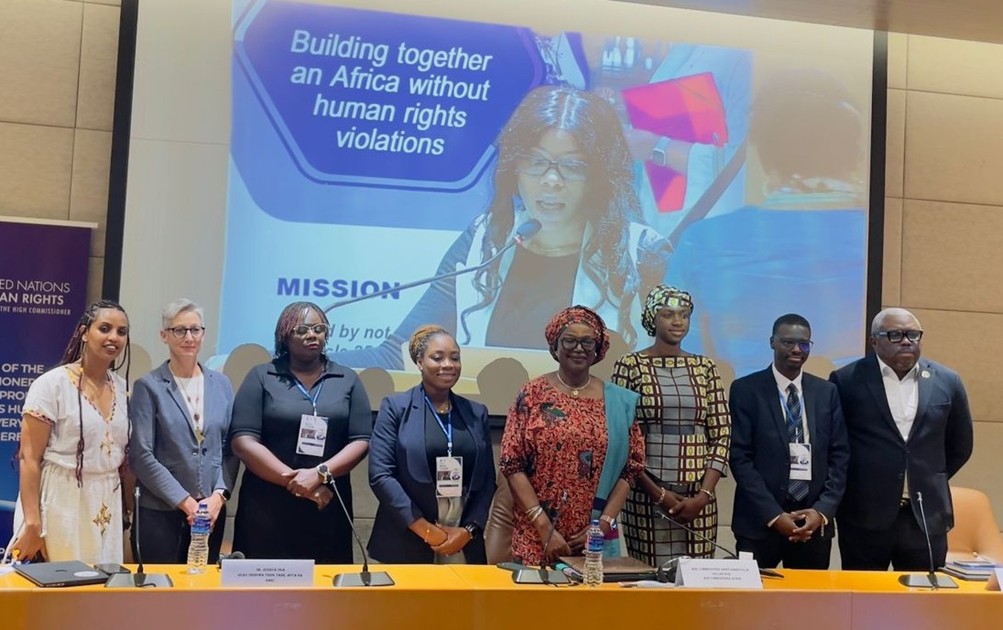
Banjul, The Gambia, May 2026 On the margins of the 87th Ordinary Session of the African Commission on Human and Peoples’ Rights (ACHPR) during the NGO Forum, advocates, policymakers, and human rights leaders came together to confront a shared reality: while Africa has made significant gains in advancing sexual and reproductive health and rights (SRHR) and women’s rights, these gains are increasingly under threat. By Cheikh Tidjane N’DONGO, IPPF Africa Regional Senior Advocacy Advisor A panel organized by the Office of the United Nations High Commissioner for Human Rights (UN OHCHR) and IPPF Africa (IPPF ARO), through the financial support of the Packard Foundation and the Government of Luxembourg, on “Defending Rights in Hostile Contexts: Attacks on Human Rights actors advancing Sexual and Reproductive Health and Rights in the Context of Shrinking Civic Space and Gender Backlash”, panelists examined both the nature of the current backlash and the strategies proving effective in defending hard‑won rights. The panel has been moderated by Hon. Janet Ramatoulie Sallah‑Njie, Commissioner and AU Special Rapporteur on the Rights of Women in Africa, shifting the focus from challenges to solutions. Hon. Sallah‑Njie noted: “Across the continent, we see African actors leading with courage and creativity. These good practices remind us that women’s rights are firmly rooted in African values of dignity, equality, and justice.” A shrinking civic space and coordinated backlash Across the continent, SRHR defenders, health providers, and women’s rights organizations are facing escalating attacks, restrictions, and delegitimization. These challenges were a central focus of the panel 'Defending Rights in Hostile Contexts', which highlighted how opposition to SRHR is increasingly organized, well‑resourced, and often framed through narratives of “culture,” “morality,” or “African values.” Dr. Jessica Oga, Head of Ubingwa Think Tank, Afya Na Haki, highlighted that “The cultural framing is the most sophisticated tool in the anti-rights toolkit. When a woman defends reproductive rights in Africa today, she is not presented as defending human rights. She is presented as betraying her culture, her community, her identity. The counter to it is not to abandon cultural conversation. The counter is to reclaim it, using Africa's own jurisprudence, Africa's own treaty architecture, Africa's own definition of Ubuntu, one that protects the most vulnerable.” Panelists underscored that this backlash does not occur in isolation. It is embedded within a broader shrinking of civic space, marked by restrictive laws, regulatory pressures on civil society, and heightened risks for human rights defenders, particularly women and those working on gender equality and bodily autonomy. Gendered disinformation, intimidation, and legal harassment continue to undermine both advocacy and service delivery, with direct consequences for access to sexual and reproductive health care. Lived realities of defenders and providers The panel brought forward concrete examples of how backlash affects day‑to‑day work. SRHR providers and advocates described professional intimidation, regulatory harassment, and personal attacks that disrupt services and create fear. Drawing on frontline experience, Nelly Munyasia, Executive Director of the Reproductive Health Network Kenya (RHNK), underscored the pressure on service delivery: “Shrinking and reframed funding landscape that shifts away directly from rights-based funding leads to fragmentation of the health system through dismantling of [the] integration of SRHR service delivery.” Institutional resistance and the role of National Human Rights Institutions (NHRIs) Panelists also examined how laws and regulatory frameworks are increasingly used to constrain SRHR advocacy, often indirectly, through licensing rules, funding restrictions, or vague public order provisions. A key moment of the panel focused on the preventive role national human rights institutions (NHRIs) can play when rights come under threat. Commissioner Halima Dibba, National Human Rights Commission of The Gambia, reflected on recent efforts in The Gambia to resist attempts to roll back protections against female genital mutilation (FGM). Commissioner Dibba stressed: “Regression is not inevitable. When institutions act early, ground their positions in the law, and work closely with civil society, it is possible to stop harmful reversals before they take hold.” The discussion highlighted this case as an example of how coordinated institutional action can defend established protections and reinforce public trust in human rights frameworks. Building protection, resilience, and solidarity Throughout the discussions, participants identified protection and solidarity as essential to sustaining SRHR and women’s rights work. Effective strategies include legal support for defenders, digital and psychosocial protection measures, and stronger alliances between civil society, health providers, faith leaders, and institutions. Crucially, there was broad agreement that no single actor can confront the backlash alone. Regional bodies, states, and non‑state actors must work together to strengthen accountability, safeguard civic space, and ensure that defenders can operate without fear. Speakers reaffirmed the Maputo Protocol as a cornerstone of these efforts, emphasizing its relevance as a living instrument for protecting bodily autonomy and gender equality. Looking ahead As the 87th ACHPR session continues, the conversations in Banjul signal both concern and resolve. While the backlash against SRHR and women’s rights is real and intensifying, so too is the determination of African actors to defend progress, protect defenders, and advance rights grounded in equality and justice. For IPPF ARO and its partners, these exchanges reaffirm the importance of sustained advocacy, regional engagement, and solidarity with those on the frontlines, ensuring that sexual and reproductive health and rights, and the rights of women and girls in all their diversity, are not only defended but continue to advance.
03 November 2025
Shifting Perspectives: Building Bold Leadership for Reproductive Rights in Burundi
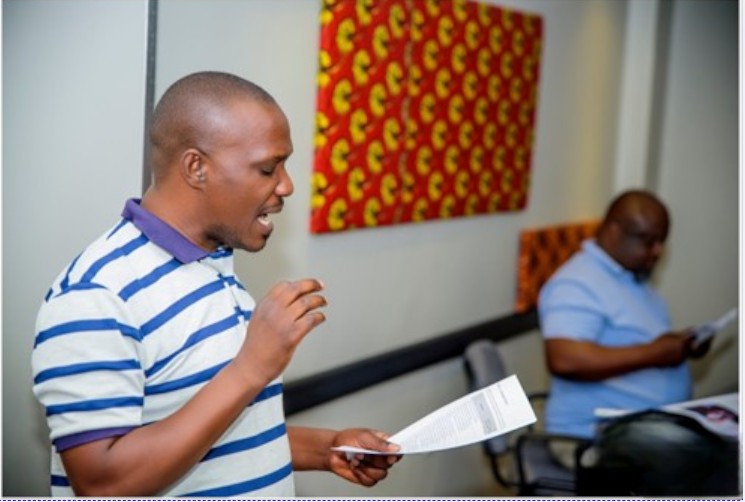
In Burundi, sexual and reproductive health remains a sensitive issue, shaped by deep-rooted social and institutional resistance, particularly around the concept of abortion. Civil society organizations (CSOs), though key players in advocacy, have long faced bias, stigma, and legal constraints that limit their ability to act effectively. Through its collaboration in the WISH 2 project, funded by the UK Foreign, Commonwealth & Development Office (FCDO), Ipas Burundi has built a powerful foundation for bold leadership and transformative change in the country’s reproductive health landscape. This strategic partnership has enabled Ipas to champion rights-based approaches, strengthen civil society engagement, and challenge harmful norms that hinder access to care. Since the beginning of this year, Ipas has strengthened the capacities of 27 key actors, primarily civil society leaders, through VCAT workshops, multi-stakeholder dialogues, and a legal review on sexual and reproductive health. These interventions have helped dismantle misconceptions and prejudices, foster a clearer understanding of Burundi’s legal framework on abortion, and promote more open and progressive attitudes. The outcomes of Ipas Burundi’s recent interventions have been both transformative and deeply encouraging in advancing reproductive rights and expanding access to high-quality, non-discriminatory post-abortion care (PAC). As a result of targeted training: 15 participants now possess a clear and accurate understanding of Burundi’s legal framework for abortion, particularly the provision for therapeutic abortion.12 participants have publicly adopted less stigmatizing attitudes and 8 participants have pledged active support for political or community-led initiatives aimed at improving reproductive health access. These shifts, captured through pre- and post-training assessments, individual evaluations, and qualitative observations, underscore the tangible impact of Ipas’s work. They illustrate how informed dialogue, and critical reflection can reshape perspectives and spark bold, values-driven leadership. At a pivotal moment for reproductive rights advocacy in Burundi, these results represent a meaningful stride toward building a more supportive and rights-affirming ecosystem. “Before participating in the workshops, I carried my own doubts and prejudices about abortion; it was a subject shrouded in silence and stigma. But the VCAT sessions facilitated by Ipas opened my eyes to a new perspective. I was able to unpack my biases, connect with the real-life experiences of women, and re-center my thinking around their rights and dignity. Today, my peers and I feel empowered to advocate with confidence, grounded in human rights, even when facing resistance. We now have the tools and convictions to challenge stigma and push for a more just society, where access to post-abortion care is recognized not as a privilege, but as a fundamental right.” These transformations highlight a key lesson: training and dialogue are powerful tools for inspiring engaged leadership capable of shifting mindsets and building a more just environment for reproductive rights. Despite enduring challenges, including social stigma, ideological resistance, and pressure from anti-rights movements, Ipas Burundi and its partners remain steadfast in their mission to advance reproductive justice. Through a strategic blend of capacity strengthening, targeted advocacy, and grassroots mobilization, they are actively shaping a more enabling environment for equitable, stigma-free access to high-quality post-abortion care. These efforts are not only helping to confront entrenched resistance but also laying the groundwork for sustained progress toward a more supportive legal, political, and social framework for sexual and reproductive health and rights in Burundi.

21 May 2025
How can we lead when the rules are unpredictable, the playing field is uneven, and the very legitimacy of SRHR is under siege?
In the global fight for sexual and reproductive health and rights (SRHR) within the current political climate - which includes massive funding cuts from the US Administration, it is increasingly becoming apparent that power rarely lies where we assume it does. Ideological currents, donor politics, judicial decisions, and cultural backlash (all powerful forces shaping this ecosystem) are often beyond the control of service providers, civil society actors, non-profit organizations and even governments (those who do the work). And yet, the expectation remains: deliver, scale, survive, thrive. How? For those of us working at the heart of the SRHR movement, this paradox is familiar. The terrain is political, volatile, and deeply unequal. When major funding decisions can be reversed by a single election, when misinformation campaigns can undo years of work, or when legal restrictions can criminalize healthcare provision suddenly, then the illusion of certainty and control becomes dangerous. Not only are we not governed by conventional market logic, but the unpredictable influence of non-market actors including religious groups, social movements, philanthropies, and international institutions whose priorities can shift overnight, ultimately shape our work. The recent dismantling of USAID is a sobering reminder of just how vulnerable we are as a sector. Unlike the Global Gag Rule, which followed an ideological cycle we had learned to anticipate, this decision came without warning, without precedent, and without the usual window for contingency planning. It exposed the fragility of our sector, not just to political tides, but to a global funding architecture that remains deeply skewed and susceptible to ideological interference. It is in this context that leadership must be reimagined. This moment demands a deeper reckoning: how can we lead when the rules are unpredictable, the playing field is uneven, and the very legitimacy of SRHR is under siege? The SRHR ecosystem sits at a high-stakes intersection of health, human rights, gender politics, and development. It is as much about clinics and commodities as it is about movements and messaging. Success is not only measured in service delivery numbers or program outcomes, but also by how well we navigate ideologically charged environments, how effectively we influence policy debates, and how resilient we are in the face of organized opposition. SRHR work is inherently political - no matter where we position ourselves on the spectrum. And political work demands political strategy, even when we’d rather stay neutral. This time, neutrality didn’t protect us. As we saw with USAID, they came for us all. Are we truly acknowledging that survival can no longer depend on the ‘chop wipe mouth’ mentality, as we say in Pidgin – the notion of silently complying from the sidelines, discreetly signing documents and collecting cheques while the ‘abortion providers’ stand by, waiting for the next four-year cycle? The time for passive acceptance has passed; we must now recognise that survival requires active participation and meaningful change, not just quiet endurance. Are we developing the capacity to collectively anticipate, influence, and position ourselves proactively by strategically engaging with both market and non-market forces? Do we better understand the interplay of these forces and refuse to be caught off guard by predictable surprises? Are we done playing catch up or playing the neutral gatekeeper of the status quo? Too often, our sector becomes fixated solely on programmatic delivery, adopting a market-driven management approach: setting targets, optimizing processes, tracking performance, and demonstrating impact. However, this framework risks overlooking the deeper realities of our ecosystem. What we truly need is a more worldly approach—one that centres context, embraces systems thinking, and recognises the complex interplay of power, policy, and people. This mindset is part of a new wave of thinking I have been exploring thanks to the International Masters Programme for Managers, IMPM, and one which I hope can be integrated more consciously into how we work as organizations in a volatile sector. At the International Planned Parenthood Federation (IPPF), this shift is already underway. In the wake of recent shocks, we are rethinking what it means to be resilient - not just operationally, but politically. We’re asking the tough questions: How can we anticipate change sooner? How do we build influence with non-traditional allies? How can we reimagine our systems to respond more quickly and intelligently to emerging threats, and how do we safeguard against funding losses? Following a Federation-wide survey of our Member Associations and Collaborative Partners, IPPF has set up a Harm Mitigation Taskforce to assess the evolving crisis and fast-track emergency funding to the most severely impacted affiliates. The first round of grants was disbursed in May 2025 to ensure the continued delivery of essential healthcare services and uninterrupted access to life-saving health commodities. While we cannot fully replace the funding losses, we can strategically inject resources to sustain life-saving services during such challenging times. Our partners on the ground are already doing this, delivering services in some of the world’s most challenging contexts. They are adapting their care pathways, diversifying partnerships, and pivoting their advocacy - all because they are deeply committed to their communities and trusted by them. This moment also calls for a new orientation to leadership that moves beyond control and toward systems stewardship, because the leaders who will matter most in the coming decade are not those who can manage efficiently in stable times, but those who can read the landscape, anticipate shifts, build coalitions, and challenge the status quo. They are comfortable working in ambiguity, they ask better questions, and crucially, they understand that reclaiming agency does not mean eliminating uncertainty but rather learning how to lead within it. While the sector often feels like it is in constant crisis mode, there is a deeper truth here: moments of disruption, however painful, also open space for reinvention. Crises expose weak points, surface unspoken dependencies and challenge outdated mental models. But they also present a window, however small, to lead differently. Are we listening? At IPPF, we are using this window to ask ourselves what kind of institution we want to become. Not just one that adapts, but one that influences. Not just one that delivers services, but one that shapes systems. And not just one that survives shocks, but one that helps build a future where such shocks are less likely, less devastating, or more equitably absorbed. This is not easy work. It requires confronting deeply embedded assumptions about what leadership is, how change happens, and who gets to drive it. It demands that we embrace both the visible and invisible forces shaping our context. And above all, it requires that we lead not from a place of fear or reaction, but from a deep, unwavering commitment to the world we are trying to build. We can do more than respond – we can lead. By Mallah Tabot, the Lead, SRHR Architect of Cooperation at IPPF Africa Regional Office. Here, she supports the growth and development of Member Associations and Collaborative Partners while leading strategic direction and leadership on SRHR, and driving sustainable, innovative and cost-effective strategies to deliver quality, rights based and comprehensive SRHR information, services and programmes.

21 May 2024
UNITED NATIONS CIVIL SOCIETY CONFERENCE 2024: YOUNG PEOPLE ARE ADVOCATING FOR GREATER SEXUAL AND REPRODUCTIVE HEALTH AND RIGHTS PRIORITIZATION IN GLOBAL ISSUES
by Jemaimah Ansumene Akiteyi As we reflect on the passage of 29 years since the inception of the Beijing Declaration and platform for action, coupled with 79 years since the establishment of the UN charter, the gradual achievement of Agenda 2030 within the next six years highlights the contributions made by both Civil Society Organizations (CSOs) and young people in shaping a future that increasingly demands coordinated international endeavors. As we gear towards the Summit of the Future, we still ask, “How far have we come?”, “What progress has been made?”, “How can we bridge the gaps left?” Come along with me as I share my experience at the just-ended 2024 United Nations Civil Society Conference (UNCSC) in Nairobi, Kenya, from 9 to 10 May 2024. The conference being the first of its kind in Africa, offered CSOs an opportunity to put a global perspective on specific issues while bringing together senior UN officials, prominent international civil society organizations, youth changemakers, academia, public opinion makers, and international media to identify gaps, give recommendations and make commitments, and discuss issues of global concern. The conference featured various perspectives, calls to action, and insights. Ms. Karimot Odebode asked a powerful question during her poem reading at the opening ceremony - “My generation is tired. We want real change. Are you ready to commit to peace? Are you ready? Because I commit. Do you?” Reflecting on the discussions and break-out sessions, several gaps exist and there’s a need for swift action. Highlights of global issues from the need to integrate sexual and reproductive health and rights (SRHR) for adolescent girls/boys to the need for addressing issues such as female genital mutilation/cutting (FGM/C), children’s rights, and the definition of meaningful youth engagement in the pact of the future. Despite the progress made in advancing SRHR globally, there remain significant challenges, including the prevalence of gender-based violence, limited access to SRHR care for marginalized groups, inadequate funding for SRHR initiatives, and discrimination towards the LGBTIQ+ communities in certain parts of the world. According to a recent press release published by UNICEF in March 2024, over 230 million girls and women alive today have been subjected to female genital mutilation, yet this issue is not adequately addressed within the SDG framework. Additionally, there is a lack of integration between the challenges faced by adolescents and youth and the strategies for their resolution. Speakers like Amina J. Mohammed (Deputy UN Secretary-General), Julia Fan (Senior Manager-Youth Engagement at Women Deliver), and others emphasized how important it is to shape the future through diversity, green projects, justice, and equality. Their statements underlined the need for institutional transformation, the need to give voice to underrepresented groups, and the importance of young people in decision-making. As we march forward to the Summit of the Future, it is imperative to prioritize funding for adolescent- led initiatives, enhance grassroots engagement, and strengthen collaboration between governments, civil society, the UN, and other stakeholders. Additionally, there is a need for greater visibility and recognition of the SRHR needs of persons with disabilities and other marginalized groups. Jemaimah Ansumene Akiteyi, 24 Youth Action Movement, Planned Parenthood Association of Ghana
28 June 2022
IPPF 2021 Annual Performance Report
IPPF has always done the utmost to advance sexual and reproductive health and rights for all. In 2021, IPPF Member Associations (MAs) continued to demonstrate their resilience and adaptability to carry on serving people in spite of the severe disruption caused by the COVID-19 pandemic. A total of 231.4 million services were delivered, a six per cent increase on 2020. Despite comprising fewer MAs, IPPF recovered more than half the decrease caused the previous year by clinic closures and other restrictions. Couple years of protection (CYP) increased by eight percent to reach 29 million – higher than in any year prior to the pandemic.

31 January 2022
Building evidence, addressing the needs of SGBV survivors in Conakry Guinea
The project aims to conduct research on sexual and GBV in Guinea to inform advocacy and communication campaign/ Respond to the needs of survivors through economic empowerment, psychological and clinical support. Budget: 100,000 USD Donor: Packard Foundation Timeline: 1 Year ( April 2021 - July 2022 ) Project implementation areas: Guinea Conakry Partners: Solidarite Suisse Guinee, Amnesty International Innovative approaches: Working with multisectoral partners to amplify our voice. Sexual violence is a major concern in Guinea

08 February 2022
Young champions in the fight against HIV/AIDS
This is the story of Nnambi, a young 14-year-old girl from Uganda who shares her experiences living with HIV. Watch more educative videos by AMAZE here.
22 June 2026
IPPF ARO Advocacy Engagements Highlights at the African Union (January–May 2026)
Discover how IPPF Africa Region is helping shape policies and advance sexual and reproductive health and rights across the African continent. The IPPF ARO Advocacy Engagements Highlights at the African Union (January–May 2026), provides an overview of our key advocacy initiatives, milestones and achievements across African Union platforms during the first five months of 2026. The publication highlights how IPPF ARO and our Member Associations are working alongside governments, regional institutions, civil society and young people to advance sexual and reproductive health and rights (SRHR), promote gender equality and strengthen meaningful youth participation in continental decision-making processes. Whether you are an advocate, policymaker, partner, researcher, journalist or simply interested in the future of SRHR in Africa, this publication offers valuable insights into the partnerships, policy processes and collective action driving change across the region.
14 May 2026
Standing Firm for SRHR and Women’s Rights Amid Growing Backlash at the 87th ACHPR
Banjul, The Gambia, May 2026 On the margins of the 87th Ordinary Session of the African Commission on Human and Peoples’ Rights (ACHPR) during the NGO Forum, advocates, policymakers, and human rights leaders came together to confront a shared reality: while Africa has made significant gains in advancing sexual and reproductive health and rights (SRHR) and women’s rights, these gains are increasingly under threat. By Cheikh Tidjane N’DONGO, IPPF Africa Regional Senior Advocacy Advisor A panel organized by the Office of the United Nations High Commissioner for Human Rights (UN OHCHR) and IPPF Africa (IPPF ARO), through the financial support of the Packard Foundation and the Government of Luxembourg, on “Defending Rights in Hostile Contexts: Attacks on Human Rights actors advancing Sexual and Reproductive Health and Rights in the Context of Shrinking Civic Space and Gender Backlash”, panelists examined both the nature of the current backlash and the strategies proving effective in defending hard‑won rights. The panel has been moderated by Hon. Janet Ramatoulie Sallah‑Njie, Commissioner and AU Special Rapporteur on the Rights of Women in Africa, shifting the focus from challenges to solutions. Hon. Sallah‑Njie noted: “Across the continent, we see African actors leading with courage and creativity. These good practices remind us that women’s rights are firmly rooted in African values of dignity, equality, and justice.” A shrinking civic space and coordinated backlash Across the continent, SRHR defenders, health providers, and women’s rights organizations are facing escalating attacks, restrictions, and delegitimization. These challenges were a central focus of the panel 'Defending Rights in Hostile Contexts', which highlighted how opposition to SRHR is increasingly organized, well‑resourced, and often framed through narratives of “culture,” “morality,” or “African values.” Dr. Jessica Oga, Head of Ubingwa Think Tank, Afya Na Haki, highlighted that “The cultural framing is the most sophisticated tool in the anti-rights toolkit. When a woman defends reproductive rights in Africa today, she is not presented as defending human rights. She is presented as betraying her culture, her community, her identity. The counter to it is not to abandon cultural conversation. The counter is to reclaim it, using Africa's own jurisprudence, Africa's own treaty architecture, Africa's own definition of Ubuntu, one that protects the most vulnerable.” Panelists underscored that this backlash does not occur in isolation. It is embedded within a broader shrinking of civic space, marked by restrictive laws, regulatory pressures on civil society, and heightened risks for human rights defenders, particularly women and those working on gender equality and bodily autonomy. Gendered disinformation, intimidation, and legal harassment continue to undermine both advocacy and service delivery, with direct consequences for access to sexual and reproductive health care. Lived realities of defenders and providers The panel brought forward concrete examples of how backlash affects day‑to‑day work. SRHR providers and advocates described professional intimidation, regulatory harassment, and personal attacks that disrupt services and create fear. Drawing on frontline experience, Nelly Munyasia, Executive Director of the Reproductive Health Network Kenya (RHNK), underscored the pressure on service delivery: “Shrinking and reframed funding landscape that shifts away directly from rights-based funding leads to fragmentation of the health system through dismantling of [the] integration of SRHR service delivery.” Institutional resistance and the role of National Human Rights Institutions (NHRIs) Panelists also examined how laws and regulatory frameworks are increasingly used to constrain SRHR advocacy, often indirectly, through licensing rules, funding restrictions, or vague public order provisions. A key moment of the panel focused on the preventive role national human rights institutions (NHRIs) can play when rights come under threat. Commissioner Halima Dibba, National Human Rights Commission of The Gambia, reflected on recent efforts in The Gambia to resist attempts to roll back protections against female genital mutilation (FGM). Commissioner Dibba stressed: “Regression is not inevitable. When institutions act early, ground their positions in the law, and work closely with civil society, it is possible to stop harmful reversals before they take hold.” The discussion highlighted this case as an example of how coordinated institutional action can defend established protections and reinforce public trust in human rights frameworks. Building protection, resilience, and solidarity Throughout the discussions, participants identified protection and solidarity as essential to sustaining SRHR and women’s rights work. Effective strategies include legal support for defenders, digital and psychosocial protection measures, and stronger alliances between civil society, health providers, faith leaders, and institutions. Crucially, there was broad agreement that no single actor can confront the backlash alone. Regional bodies, states, and non‑state actors must work together to strengthen accountability, safeguard civic space, and ensure that defenders can operate without fear. Speakers reaffirmed the Maputo Protocol as a cornerstone of these efforts, emphasizing its relevance as a living instrument for protecting bodily autonomy and gender equality. Looking ahead As the 87th ACHPR session continues, the conversations in Banjul signal both concern and resolve. While the backlash against SRHR and women’s rights is real and intensifying, so too is the determination of African actors to defend progress, protect defenders, and advance rights grounded in equality and justice. For IPPF ARO and its partners, these exchanges reaffirm the importance of sustained advocacy, regional engagement, and solidarity with those on the frontlines, ensuring that sexual and reproductive health and rights, and the rights of women and girls in all their diversity, are not only defended but continue to advance.
03 November 2025
Shifting Perspectives: Building Bold Leadership for Reproductive Rights in Burundi
In Burundi, sexual and reproductive health remains a sensitive issue, shaped by deep-rooted social and institutional resistance, particularly around the concept of abortion. Civil society organizations (CSOs), though key players in advocacy, have long faced bias, stigma, and legal constraints that limit their ability to act effectively. Through its collaboration in the WISH 2 project, funded by the UK Foreign, Commonwealth & Development Office (FCDO), Ipas Burundi has built a powerful foundation for bold leadership and transformative change in the country’s reproductive health landscape. This strategic partnership has enabled Ipas to champion rights-based approaches, strengthen civil society engagement, and challenge harmful norms that hinder access to care. Since the beginning of this year, Ipas has strengthened the capacities of 27 key actors, primarily civil society leaders, through VCAT workshops, multi-stakeholder dialogues, and a legal review on sexual and reproductive health. These interventions have helped dismantle misconceptions and prejudices, foster a clearer understanding of Burundi’s legal framework on abortion, and promote more open and progressive attitudes. The outcomes of Ipas Burundi’s recent interventions have been both transformative and deeply encouraging in advancing reproductive rights and expanding access to high-quality, non-discriminatory post-abortion care (PAC). As a result of targeted training: 15 participants now possess a clear and accurate understanding of Burundi’s legal framework for abortion, particularly the provision for therapeutic abortion.12 participants have publicly adopted less stigmatizing attitudes and 8 participants have pledged active support for political or community-led initiatives aimed at improving reproductive health access. These shifts, captured through pre- and post-training assessments, individual evaluations, and qualitative observations, underscore the tangible impact of Ipas’s work. They illustrate how informed dialogue, and critical reflection can reshape perspectives and spark bold, values-driven leadership. At a pivotal moment for reproductive rights advocacy in Burundi, these results represent a meaningful stride toward building a more supportive and rights-affirming ecosystem. “Before participating in the workshops, I carried my own doubts and prejudices about abortion; it was a subject shrouded in silence and stigma. But the VCAT sessions facilitated by Ipas opened my eyes to a new perspective. I was able to unpack my biases, connect with the real-life experiences of women, and re-center my thinking around their rights and dignity. Today, my peers and I feel empowered to advocate with confidence, grounded in human rights, even when facing resistance. We now have the tools and convictions to challenge stigma and push for a more just society, where access to post-abortion care is recognized not as a privilege, but as a fundamental right.” These transformations highlight a key lesson: training and dialogue are powerful tools for inspiring engaged leadership capable of shifting mindsets and building a more just environment for reproductive rights. Despite enduring challenges, including social stigma, ideological resistance, and pressure from anti-rights movements, Ipas Burundi and its partners remain steadfast in their mission to advance reproductive justice. Through a strategic blend of capacity strengthening, targeted advocacy, and grassroots mobilization, they are actively shaping a more enabling environment for equitable, stigma-free access to high-quality post-abortion care. These efforts are not only helping to confront entrenched resistance but also laying the groundwork for sustained progress toward a more supportive legal, political, and social framework for sexual and reproductive health and rights in Burundi.
21 May 2025
How can we lead when the rules are unpredictable, the playing field is uneven, and the very legitimacy of SRHR is under siege?
In the global fight for sexual and reproductive health and rights (SRHR) within the current political climate - which includes massive funding cuts from the US Administration, it is increasingly becoming apparent that power rarely lies where we assume it does. Ideological currents, donor politics, judicial decisions, and cultural backlash (all powerful forces shaping this ecosystem) are often beyond the control of service providers, civil society actors, non-profit organizations and even governments (those who do the work). And yet, the expectation remains: deliver, scale, survive, thrive. How? For those of us working at the heart of the SRHR movement, this paradox is familiar. The terrain is political, volatile, and deeply unequal. When major funding decisions can be reversed by a single election, when misinformation campaigns can undo years of work, or when legal restrictions can criminalize healthcare provision suddenly, then the illusion of certainty and control becomes dangerous. Not only are we not governed by conventional market logic, but the unpredictable influence of non-market actors including religious groups, social movements, philanthropies, and international institutions whose priorities can shift overnight, ultimately shape our work. The recent dismantling of USAID is a sobering reminder of just how vulnerable we are as a sector. Unlike the Global Gag Rule, which followed an ideological cycle we had learned to anticipate, this decision came without warning, without precedent, and without the usual window for contingency planning. It exposed the fragility of our sector, not just to political tides, but to a global funding architecture that remains deeply skewed and susceptible to ideological interference. It is in this context that leadership must be reimagined. This moment demands a deeper reckoning: how can we lead when the rules are unpredictable, the playing field is uneven, and the very legitimacy of SRHR is under siege? The SRHR ecosystem sits at a high-stakes intersection of health, human rights, gender politics, and development. It is as much about clinics and commodities as it is about movements and messaging. Success is not only measured in service delivery numbers or program outcomes, but also by how well we navigate ideologically charged environments, how effectively we influence policy debates, and how resilient we are in the face of organized opposition. SRHR work is inherently political - no matter where we position ourselves on the spectrum. And political work demands political strategy, even when we’d rather stay neutral. This time, neutrality didn’t protect us. As we saw with USAID, they came for us all. Are we truly acknowledging that survival can no longer depend on the ‘chop wipe mouth’ mentality, as we say in Pidgin – the notion of silently complying from the sidelines, discreetly signing documents and collecting cheques while the ‘abortion providers’ stand by, waiting for the next four-year cycle? The time for passive acceptance has passed; we must now recognise that survival requires active participation and meaningful change, not just quiet endurance. Are we developing the capacity to collectively anticipate, influence, and position ourselves proactively by strategically engaging with both market and non-market forces? Do we better understand the interplay of these forces and refuse to be caught off guard by predictable surprises? Are we done playing catch up or playing the neutral gatekeeper of the status quo? Too often, our sector becomes fixated solely on programmatic delivery, adopting a market-driven management approach: setting targets, optimizing processes, tracking performance, and demonstrating impact. However, this framework risks overlooking the deeper realities of our ecosystem. What we truly need is a more worldly approach—one that centres context, embraces systems thinking, and recognises the complex interplay of power, policy, and people. This mindset is part of a new wave of thinking I have been exploring thanks to the International Masters Programme for Managers, IMPM, and one which I hope can be integrated more consciously into how we work as organizations in a volatile sector. At the International Planned Parenthood Federation (IPPF), this shift is already underway. In the wake of recent shocks, we are rethinking what it means to be resilient - not just operationally, but politically. We’re asking the tough questions: How can we anticipate change sooner? How do we build influence with non-traditional allies? How can we reimagine our systems to respond more quickly and intelligently to emerging threats, and how do we safeguard against funding losses? Following a Federation-wide survey of our Member Associations and Collaborative Partners, IPPF has set up a Harm Mitigation Taskforce to assess the evolving crisis and fast-track emergency funding to the most severely impacted affiliates. The first round of grants was disbursed in May 2025 to ensure the continued delivery of essential healthcare services and uninterrupted access to life-saving health commodities. While we cannot fully replace the funding losses, we can strategically inject resources to sustain life-saving services during such challenging times. Our partners on the ground are already doing this, delivering services in some of the world’s most challenging contexts. They are adapting their care pathways, diversifying partnerships, and pivoting their advocacy - all because they are deeply committed to their communities and trusted by them. This moment also calls for a new orientation to leadership that moves beyond control and toward systems stewardship, because the leaders who will matter most in the coming decade are not those who can manage efficiently in stable times, but those who can read the landscape, anticipate shifts, build coalitions, and challenge the status quo. They are comfortable working in ambiguity, they ask better questions, and crucially, they understand that reclaiming agency does not mean eliminating uncertainty but rather learning how to lead within it. While the sector often feels like it is in constant crisis mode, there is a deeper truth here: moments of disruption, however painful, also open space for reinvention. Crises expose weak points, surface unspoken dependencies and challenge outdated mental models. But they also present a window, however small, to lead differently. Are we listening? At IPPF, we are using this window to ask ourselves what kind of institution we want to become. Not just one that adapts, but one that influences. Not just one that delivers services, but one that shapes systems. And not just one that survives shocks, but one that helps build a future where such shocks are less likely, less devastating, or more equitably absorbed. This is not easy work. It requires confronting deeply embedded assumptions about what leadership is, how change happens, and who gets to drive it. It demands that we embrace both the visible and invisible forces shaping our context. And above all, it requires that we lead not from a place of fear or reaction, but from a deep, unwavering commitment to the world we are trying to build. We can do more than respond – we can lead. By Mallah Tabot, the Lead, SRHR Architect of Cooperation at IPPF Africa Regional Office. Here, she supports the growth and development of Member Associations and Collaborative Partners while leading strategic direction and leadership on SRHR, and driving sustainable, innovative and cost-effective strategies to deliver quality, rights based and comprehensive SRHR information, services and programmes.
21 May 2024
UNITED NATIONS CIVIL SOCIETY CONFERENCE 2024: YOUNG PEOPLE ARE ADVOCATING FOR GREATER SEXUAL AND REPRODUCTIVE HEALTH AND RIGHTS PRIORITIZATION IN GLOBAL ISSUES
by Jemaimah Ansumene Akiteyi As we reflect on the passage of 29 years since the inception of the Beijing Declaration and platform for action, coupled with 79 years since the establishment of the UN charter, the gradual achievement of Agenda 2030 within the next six years highlights the contributions made by both Civil Society Organizations (CSOs) and young people in shaping a future that increasingly demands coordinated international endeavors. As we gear towards the Summit of the Future, we still ask, “How far have we come?”, “What progress has been made?”, “How can we bridge the gaps left?” Come along with me as I share my experience at the just-ended 2024 United Nations Civil Society Conference (UNCSC) in Nairobi, Kenya, from 9 to 10 May 2024. The conference being the first of its kind in Africa, offered CSOs an opportunity to put a global perspective on specific issues while bringing together senior UN officials, prominent international civil society organizations, youth changemakers, academia, public opinion makers, and international media to identify gaps, give recommendations and make commitments, and discuss issues of global concern. The conference featured various perspectives, calls to action, and insights. Ms. Karimot Odebode asked a powerful question during her poem reading at the opening ceremony - “My generation is tired. We want real change. Are you ready to commit to peace? Are you ready? Because I commit. Do you?” Reflecting on the discussions and break-out sessions, several gaps exist and there’s a need for swift action. Highlights of global issues from the need to integrate sexual and reproductive health and rights (SRHR) for adolescent girls/boys to the need for addressing issues such as female genital mutilation/cutting (FGM/C), children’s rights, and the definition of meaningful youth engagement in the pact of the future. Despite the progress made in advancing SRHR globally, there remain significant challenges, including the prevalence of gender-based violence, limited access to SRHR care for marginalized groups, inadequate funding for SRHR initiatives, and discrimination towards the LGBTIQ+ communities in certain parts of the world. According to a recent press release published by UNICEF in March 2024, over 230 million girls and women alive today have been subjected to female genital mutilation, yet this issue is not adequately addressed within the SDG framework. Additionally, there is a lack of integration between the challenges faced by adolescents and youth and the strategies for their resolution. Speakers like Amina J. Mohammed (Deputy UN Secretary-General), Julia Fan (Senior Manager-Youth Engagement at Women Deliver), and others emphasized how important it is to shape the future through diversity, green projects, justice, and equality. Their statements underlined the need for institutional transformation, the need to give voice to underrepresented groups, and the importance of young people in decision-making. As we march forward to the Summit of the Future, it is imperative to prioritize funding for adolescent- led initiatives, enhance grassroots engagement, and strengthen collaboration between governments, civil society, the UN, and other stakeholders. Additionally, there is a need for greater visibility and recognition of the SRHR needs of persons with disabilities and other marginalized groups. Jemaimah Ansumene Akiteyi, 24 Youth Action Movement, Planned Parenthood Association of Ghana
28 June 2022
IPPF 2021 Annual Performance Report
IPPF has always done the utmost to advance sexual and reproductive health and rights for all. In 2021, IPPF Member Associations (MAs) continued to demonstrate their resilience and adaptability to carry on serving people in spite of the severe disruption caused by the COVID-19 pandemic. A total of 231.4 million services were delivered, a six per cent increase on 2020. Despite comprising fewer MAs, IPPF recovered more than half the decrease caused the previous year by clinic closures and other restrictions. Couple years of protection (CYP) increased by eight percent to reach 29 million – higher than in any year prior to the pandemic.
31 January 2022
Building evidence, addressing the needs of SGBV survivors in Conakry Guinea
The project aims to conduct research on sexual and GBV in Guinea to inform advocacy and communication campaign/ Respond to the needs of survivors through economic empowerment, psychological and clinical support. Budget: 100,000 USD Donor: Packard Foundation Timeline: 1 Year ( April 2021 - July 2022 ) Project implementation areas: Guinea Conakry Partners: Solidarite Suisse Guinee, Amnesty International Innovative approaches: Working with multisectoral partners to amplify our voice. Sexual violence is a major concern in Guinea
08 February 2022
Young champions in the fight against HIV/AIDS
This is the story of Nnambi, a young 14-year-old girl from Uganda who shares her experiences living with HIV. Watch more educative videos by AMAZE here.