



Gender equality is a human right. It is also essential for eradicating poverty and improving the lives of future generations. Gender equality is at the heart of all our programming and advocacy work. IPPF pushes for legal and policy reforms which combat female genital mutilation (FGM), early forced marriage and other forms of gender discrimination.
Articles about Gender equality
19 June 2025
Reclaiming African Pride: We Refuse to Be Legislated Out of Existence
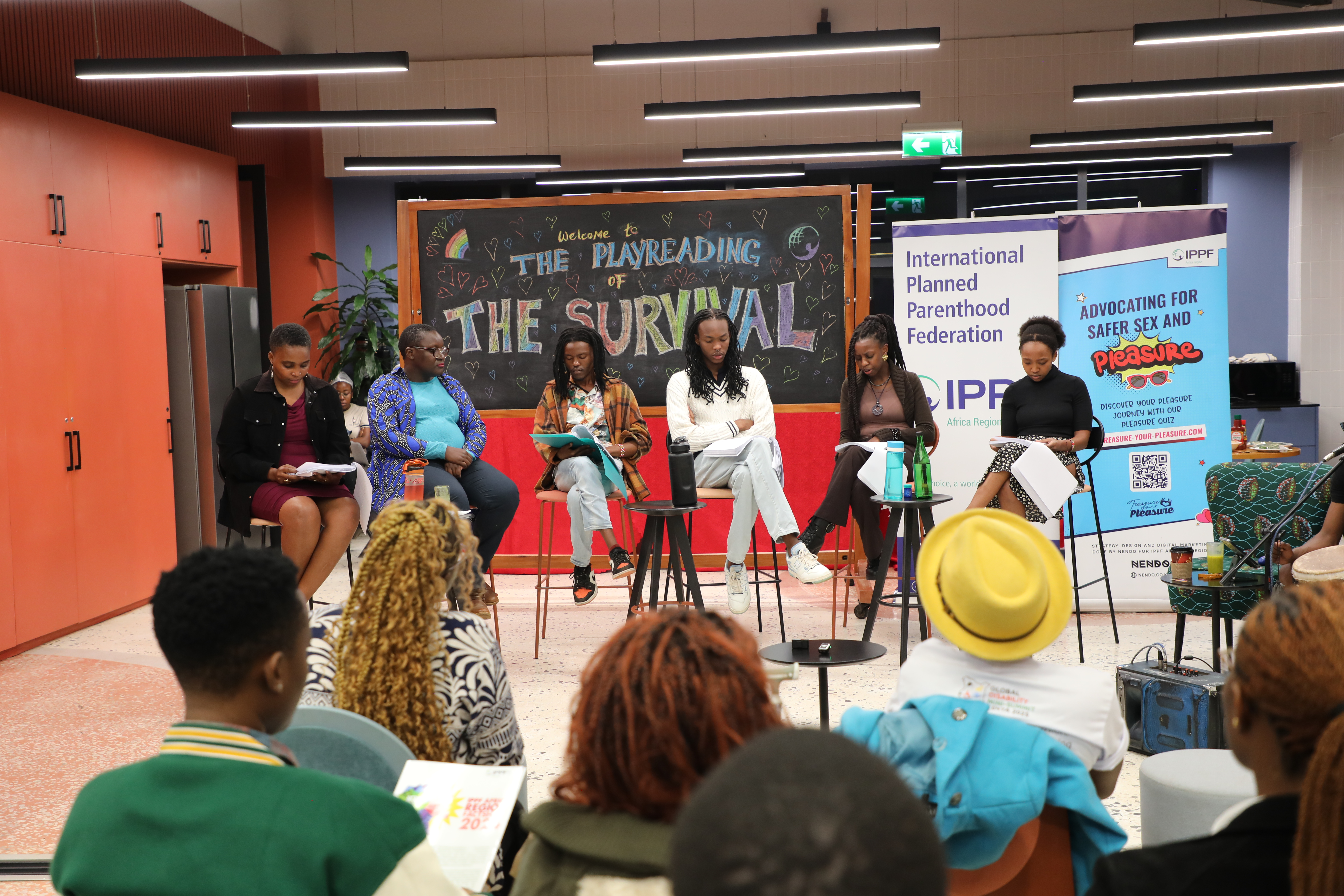
By Benedicta Oyedayo Oyewole, When we speak of celebration in the spirit of Ubuntu, we are not merely referring to events or visibility moments. We are evoking a deeper, collective joy rooted in resistance, relationality, and the politics of being. Ubuntu says, ‘I am because we are,’ and in that spirit, celebration becomes a political act. It takes the form of music, laughter, dance, vibrant colours, and in some African cultures, masquerades that shake the ground beneath our feet. These are not aesthetics for performance. They are expressions of collective memory, resistance, and survival. In those moments, people feel seen. Not tolerated, seen. Not permitted, respected. People move with agency. With defiance. With joy that is not passive, but revolutionary. That is Ubuntu. That is Pride. But that spirit has been systematically stripped away. The rupture between what Pride once meant within our cultural contexts and what was violently imposed through coloniality and heteropatriarchy has bred something else: fear. Fear of being visible. Fear of claiming space. Fear of simply existing outside sanctioned norms. Across the world, recent years have seen the rapid digitalization of social movements, a fourth wave of feminist organizing, and hard-won victories by women, girls, sex workers, LGBTQI+ persons, young people, and historically marginalized communities. From viral digital campaigns to mass protests, we’ve witnessed new forms of movement-building and global solidarity. But with these gains has also come an emboldened rise in fascism and rollback of some of these victories. As liberationist and leftist politics gain renewed momentum, especially across the Global South, we are simultaneously witnessing a concerted effort to attack human rights. In the African region, we have witnessed not only growing visibility of the anti-rights movements but also a sharp rollback in human rights. The rise of regressive laws and policies often framed as a return to so-called “African values” is a deliberate effort to police who we are, who we have been, and who we are allowed to become. It is a chilling testament to the persistence of neo-colonialism in the 21st century, one no longer cloaked solely in economic domination, but also in the export of ideologies that endanger lives. This anti-rights agenda is being aggressively driven by well-funded, right-wing groups from the Global North, who actively fuel regressive laws and narratives across Africa. Their interference not only undermines local human rights efforts but also deepens the structural violence experienced by already marginalised communities. From the signing of Uganda’s Anti-Homosexuality Act, one of the harshest anti-LGBTQ+ laws in the world to the introduction of Kenya’s Family Protection Bill, we are witnessing a region-wide effort to legislate queer existence out of public life. In Ghana, the Human Sexual Rights and Family Values Bill was passed by parliament but withheld from assent by former President Nana Akufo-Addo. It is now set to be reintroduced and is reportedly ready for its first reading. In Mali, same-sex consensual relationships have been criminalized; Burkina Faso’s military junta has proposed a similar bill declaring that "henceforth homosexuality and associated practices will be punished by the law." A member of parliament in the Democratic Republic of Congo has similarly proposed anti-LGBTQ+ legislation. In Liberia, a legislator introduced the Anti-Homosexuality Law of Liberia 2024, which mimics many aspects of the anti-homosexuality laws of Nigeria and Uganda and the anti-LGBTQ bill that Ghana’s parliament approved. Meanwhile, in Namibia, President Nangolo Mbumba declined to sign two anti-LGBTQ+ private members’ bills. Zimbabwe has, in the same light, passed the Private Voluntary Organisations (PVO) Amendment Bill into law, a move that severely constrains community organizing. Across the region, we are seeing not isolated incidents, but a coordinated attack on rights, a systematic effort that places LGBTQI+ Africans under surveillance, under arrest, under threat in their homes, communities, and in their bodies. In these heavy and coordinated attacks across the region, joy has become difficult to hold. The scramble for safety persists, and joy feels distant when the warplanes are still flying overhead. We are living through a terrifying global moment marked by State-sponsored repression, global broadcast of ethnic cleansing, and the shrinking of civic space. For LGBTQI+ Africans, this moment brings disproportionate subjugation. The question remains painfully urgent: Where do we go to be free? So, we hold space to ask: What does freedom truly mean? What counts as liberation when laws may change, but our lives remain policed? Beyond legislation, how do we centre our existence, our joy, our right to be? One way is through the creation of safer spaces that honour the intimacy of community and the power of being in relation with one another. We carry each other. We sustain each other. This was powerfully evident in the celebration that ushered in Pride Month, a queer play reading held in collaboration with IPPF Africa Region. We came together not just to read words on a page, but to affirm our survival, our resistance, and our collective becoming. IPPF Africa Region created a supportive space for this conversation for LGBTQI+ persons to feel safe within themselves and with community. The play reading was described as “we are all a river, growing together,” a metaphor that speaks to our collective flow, strength, and interconnectedness. In this moment, simply being together is an act of resistance. It is revolutionary. Given the current landscape of LGBTQI+ organizing across the continent, where visibility can come at great cost, gathering in joy, in solidarity, and in story is itself a radical form of movement-building. Rooted in collective resistance and relationality, this moment reminds us that movements are not only sharpened in protest but also in presence, in sitting beside one another and bearing witness to each other’s truth. The piece, "The Survival" by Achiro P. Olwoch, follows a young woman in homophobic Uganda who becomes pregnant by a homosexual man, a scandal deemed unthinkable in a society that condemns both. It is a tense, emotional journey to keep the truth hidden in a world that offers little to no mercy. After the reading, guests shared varied reflections, emphasizing both the need for more focused and inclusive spaces and a heightened awareness of the precarious state of human rights, not only regionally but globally. Amid these challenges, our stories of unity and purpose continue to shine. Our voices remain testaments to our resilience, and art stands as part of that resilience. As one participant said, “Let’s continue using art for the value it can bring to our society.” This is what African Pride looks like: fierce, rooted, defiant, collective. It is not a borrowed concept. It is ours, born of the drum, the dance, the survival, the storytelling. African Pride is not a moment. It is a movement. It is a memory. It is the future. And we will not be legislated out of it. Benedicta Oyedayo Oyewole, IPPF Africa Region Community Engagement and Partnership Lead
17 June 2025
Inclusive Health Systems as a Human Rights Imperative: Reflections from the Stand Up Project in Uganda and Mozambique
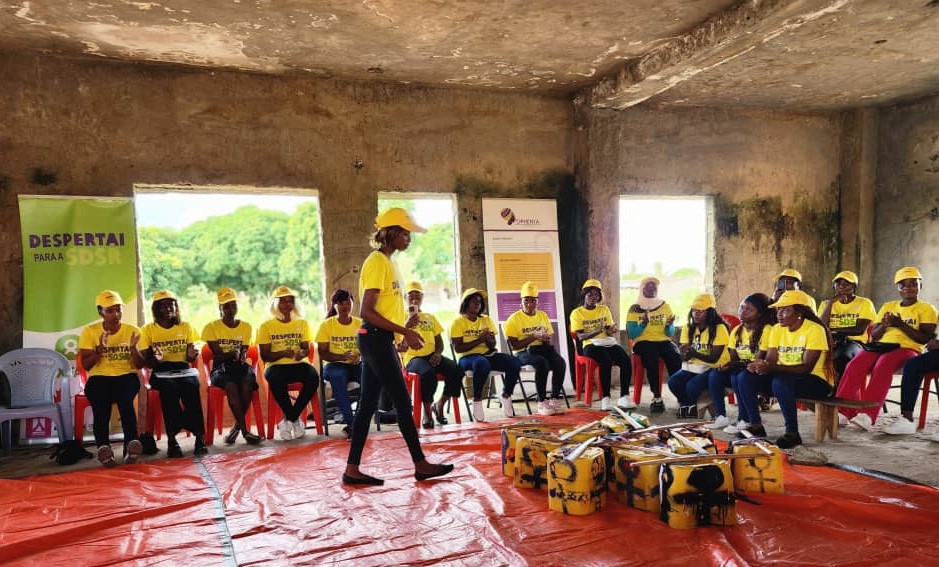
By Sylvia Ekponimo IPPF’s commitment to delivering inclusive, rights-based, and youth-centred sexual and reproductive health care is reflected in the work of its Member Associations. In Uganda and Mozambique, Reproductive Health Uganda (RHU) and Associação Moçambicana para o Desenvolvimento da Família (AMODEFA) are leveraging the power of partnerships in expanding access, strengthening health systems, and upholding the rights and agency of young people through implementation of the Stand Up for SRHR project. Funded by Global Affairs Canada (GAC), the project aims to expand access to essential sexual reproductive health (SRH) services and strengthen community-led responses. From late March to early April 2025, the project teams from IPPF and Oxfam Canada (OCA) – the consortium lead, conducted a joint visit to project sites in both countries. The visit brought together the local consortium partners in Uganda (Oxfam in Uganda, Femme Forte, Center for Health, Human Rights and Development-CEHURD) and Mozambique (Oxfam in Mozambique, Lambda, and Associação Moçambicana da Mulher e Apoio a Rapariga-OPHENTA) and offered a great opportunity to reconnect, reflect, and learn from one another. The reflections below draw from field insights highlighting evidence of progress, challenges that need to be addressed, and opportunities for deeper impact. Impact is built through collaboration and commitment In Uganda’s Mayuge and Namayingo districts, engagements with local government officials highlighted the importance of trust-based partnerships. The Mayuge district health team shared data indicating a recent decline in teenage pregnancy from 32 percent prior to the implementation of the project to approximately 23 percent. The officials attributed this decline, in part, to the youth-focused health outreaches and community dialogues supported by this initiative and was viewed as a significant and promising indicator of impact. However, with the adolescent pregnancy rate at 23 percent, it remains too early to celebrate, pointing to the need for sustained attention and resources. In Namayingo, the officials not only recognized the collaborative spirit and resilience especially in reaching remote areas like Dolwe Island – a remote area that is extremely difficult to access –but also requested to extend the intervention to even more hard-to-reach communities. This request to expand services to more underserved areas indicated not only the community’s unmet needs, but also a high level of confidence in the quality and value of the collaborative efforts. Government officials also acknowledged the project’s contribution to addressing the drivers of poor sexual reproductive health (SRH) outcomes within the district. These include traditional practices such as “disco matanga” –a cultural practice in which community members organize a fundraising event as part of funeral rites. These gatherings often involve overnight dancing for several days before the burial, with widespread access to free alcohol and tobacco. They are associated with increased unprotected sexual activity and have been linked to rising cases of teenage pregnancy, unsafe abortions, and the spread of STIs, including HIV. In Mozambique’s Nampula province, local officials at the Provincial Directorate for Youth Employment and Sports, as well as the District Health and Social Action Service spoke openly about persistent structural barriers that hinder access to care. These include low school retention among girls occasioned by among others, early marriage as an economic coping mechanism, as well as an overstretched healthcare system. These issues, compounded by the impact of natural disasters and the recent USAID funding loss have intensified the strain on an already fragile health system. Despite this, the committed frontline health workers in these locations continue to deliver services in extremely challenging conditions. In districts such as Mecuburi, the use of motorcycles to transport medical supplies to Issipe community, a locale that stands isolated from the main town following destruction of its major bridge by Cyclone Jude in March 2025, demonstrates remarkable resilience. Reaching the last mile requires innovation and integration Dolwe Island, located in Namayingo District, Uganda, offers a compelling example of delivering healthcare at the most remote levels. Home to approximately 23,000 residents and accessible via a three-hour boat ride, the island has just four health facilities, no secondary school, and high attrition among health personnel. In the absence of secondary education and employment alternatives, adolescent girls are often married off after completing primary school, while boys are absorbed into the fishing economy from a young age. Amidst these constraints, RHU has established a strong presence. Through mobile outreach activities, the team continues to deliver integrated services tailored to community needs. These events do more than provide SRH services as they bring together immunization, laboratory testing, peer education, and community engagement in formats that are culturally resonant and youth-friendly. Similarly, in Mecuburi, Mozambique, AMODEFA has overcome challenging terrains to spearhead and deliver effective health outreach services. To foster greater community engagement, particularly among men, the team uses local strategies, including football tournaments and participatory learning sessions, which have successfully encouraged male involvement and increased the uptake of SRH services. These efforts stand out for their strong coordination, careful planning, and effective integration of health and social services. Reflecting on these regular yet challenging journeys –whether by boat to Dolwe Island or across the challenging terrain of Mecuburi, one cannot overlook the immense logistical demands involved in mobilizing communities, deploying skilled health personnel, and maintaining a reliable supply of essential medicines and commodities. These efforts speak volumes about the unwavering commitment and resilience of the implementing teams, who continue to serve in some of the most remote and resource-constrained settings. Youth leadership is a key driver for positive peer-led change Across both countries, peer educators stood out as key drivers of change. In Uganda, the visiting team observed in-school peer educators in Bukatube County confidently lead SRHR discussions. The peer educators also innovative solutions, such as reusable sanitary pad production to address barriers to school retention among girls. In Dolwe Island, the peer educators, though younger and still in primary school, demonstrated a deep understanding of their rights and responsibilities. The interactions with these set of peer educators brought to the fore the importance of integrating sexual reproductive health and rights (SRHR) efforts with broader investments in education, nutrition, and safety. In Mozambique, the visiting team had the opportunity to attend an outreach activity targeting out-of-school youth. During this activity, young female peer educators at Namicopo used storytelling, music, and dance to convey SRHR messages in ways that were both engaging and empowering to their peers and the community. While at a community centre run by Lambda, one of the local partners representing the rights of gender and sexual minorities in Mozambique, the conversation turned to the lived realities of LGBTQI+ individuals. Though distressing, their accounts of exclusion, stigma, and fear revealed a slow but meaningful shift. Access to inclusive and affirming SRH care is steadily improving, driven by Values Clarification for Action and Transformation (VCAT) training sessions facilitated by AMODEFA in partnership with Lambda, and has so far reached over 90 healthcare providers. For many, a sense of safety and dignity exists only where the trained and trusted healthcare providers are present, emphasizing the urgent need for broader system change. What Next? The Stand Up field mission exercise was a powerful reminder that SRHR programming is much about delivering inclusive care, as it is about building systems rooted in trust, equity, and community engagement. Just as health workers and implementing partners do more than just executing a project, so do young people. The stories of resilience, leadership, and perseverance in the face of challenges are a testament to their deep commitment to their communities. Beyond mere beneficiaries, they are leaders in their own right who are driving and shaping the work we do to redefine what health systems can look like when equity, accountability, and community voice are centered. For OCA, the opportunity to witness the tangible progress achieved through the project reinforced the team's commitment and enduring resilience. The visit offered a valuable opportunity to move beyond virtual exchanges, revealing critical elements that are often difficult to fully capture from a distance especially the nuanced realities of implementation and the profound human impact of these efforts. As IPPF continues to advance its work, the purpose of the Stand Up project is clear - to remain resolute in our commitment to reaching those furthest behind, to honour the bravery and determination of those advocating for change, and to advance the development of resilient and equitable systems that truly leave no one behind. Sylvia Ekponimo is the Stand-Up Project Advisor.

30 March 2017
Japan Trust Fund
The Japan Trust Fund (JTF) represents a visionary partnership that began in 2000 between the Government of Japan and IPPF. Together, we invest in programmes that prioritize health equity, gender equality, and human security for all. Traditionally a driving force behind IPPF's efforts to support the integrated HIV prevention programmes of our Member Associations in Africa and Asia, JTF has adjusted to reflect changing global health priorities. We attach importance to universal access to sexual and reproductive health and rights - an essential contributor to universal health coverage and the global development goals. These projects have transformed the lives of people most vulnerable to HIV and high risk of maternal and child mortality. Equally, it ensures that as a donor, the GOJ’s response to HIV remains people-centred and contributes to human security.

16 February 2016
Evidence Project
Under the Evidence project, IPPF is undertaking innovative research on respecting, protecting and promoting human rights in family planning/reproductive health services and ensuring community voices are part of efforts to improve and strengthen family planning programming. The Evidence Project uses implementation science to improve family planning policies, programs, and practices. Led by the Population Council in partnership with INDEPTH Network, International Planned Parenthood Federation, PATH, Population Reference Bureau, and the project’s University Resource Network, the five-year project (2013–2018) is investigating which strategies work best in improving, expanding, and sustaining family planning services. IPPF is leading on two cross-cutting areas of research. Firstly under the Evidence project, we are undertaking research on how the respect and protection of human rights of women and girls can be instituted and operationalised, and how programs can be held accountable for providing high-quality services. http://evidenceproject.popcouncil.org/technical-areas-and-activities/equity-rights-and-accountability. In order to address the need for indicators and tools for rights based family planning, the Evidence Project has partnered with global experts on human rights and family planning, the International Planned Parenthood Federation’s Sustainable Network Project (SIFPO/IPPF) and with colleagues at Reproductive Health Uganda (RHU) to develop and validate the Rights-Based Family Planning (RBFP) Service Delivery Index in Uganda. This is work is being undertaken in close collaboration with the Economic Policy Research Centre Uganda and University College London. In addition, we are undertaking a variety of activities that aim to contribute to a deeper knowledge of whether and how the implementation of accountability mechanisms in family planning and reproductive health programs improves clients’ access to and quality of services. For example, a multi-site case study in Uganda uses process evaluation methodology to explore the implementation of two social accountability programs, aiming to determine what hinders and facilitates engagement at the community level and its translation into improved social accountability processes and reproductive health outcomes. http://evidenceproject.popcouncil.org/accountability-mechanisms-to-improve-family-planning-and-reproductive-health-programs/

30 June 2016
Girls Decide
This programme addresses critical challenges faced by young women around sexual health and sexuality. It has produced a range of advocacy, education and informational materials to support research, awareness-raising, advocacy and service delivery. Girls Decide is about the sexual and reproductive health and rights of girls and young women. Around the world, girls aged 10 to 19 account for 23% of all disease associated with pregnancy and childbirth. An estimated 2.5 million have unsafe abortions every year. Worldwide, young women account for 60% of the 5.5 million young people living with HIV and/or AIDS. Girls Decide has produced a range of advocacy, education and informational materials to support work to improve sexual health and rights for girls and young women. These include a series of films on sexual and reproductive health decisions faced by 6 young women in 6 different countries. The films won the prestigious International Video and Communications Award (IVCA). When girls and young women have access to critical lifesaving services and information, and when they are able to make meaningful choices about their life path, they are empowered. Their quality of life improves, as does the well-being of their families and the communities in which they live. Their collective ability to achieve internationally agreed development goals is strengthened. Almost all IPPF Member Associations provide services to young people and 1 in every 3 clients is a young person below the age of 25. All young women and girls are rights-holders and are entitled to sexual and reproductive rights. As a matter of principle, the IPPF Secretariat and Member Associations stand by girls by respecting and fulfilling their right to high quality services; they stand up for girls by supporting them in making their own decisions related to sexuality and pregnancy; they stand for sexual and reproductive rights by addressing the challenges faced by young women and girls at local, national and international levels.

07 February 2017
ACT!2030
IPPF collaborates with UNAIDS and The PACT to implement ACT!2030 (formerly ACT!2015), a youth-led social action initiative which engages young people in 12 countries with advocacy and accountability around the Sustainable Development Goals (SDGs) and other SRHR agreements/frameworks. ACT!2030 was initiated in 2013 as a way to increase youth participation in the negotiations leading up to the adoption of the post-2015 development agenda, and for two years focused on establishing alliances of youth-led and youth-serving organisations in 12 countries across the world. The project is currently in Phase 4, which runs until the end of 2017, and aims to establish youth-led, data-driven accountability mechanisms to ensure youth engagement with the implementation of the SDGs and build an evidence base for advocacy. Ultimately, Phase 4 of ACT!2030 seeks to identify, assess and address key policy barriers to young people’s sexual and reproductive data by using existing data, supplemented by youth-collected data, to advocate and lobby for policy change. This phase involves four main activities: indicator advocacy (persuading decision makers to adopt youth-friendly SRHR and HIV indicators, including on things like comprehensive sexuality education (CSE) and access to youth-friendly services, into national/global reporting mechanisms); evidence gathering (creating national databases on quality of and access to youth-friendly services and CSE); communications (transforming this data and evidence into communications pieces that can be used to advocacy and lobby at national and international level); and global exchange (facilitating global visibility to share advocacy and engagement learnings and increase youth-led accountability in global and regional processes). ACT!2030 is implemented by national alliances of youth organisations in 12 countries: Algeria, Bulgaria, India, Jamaica, Kenya, Mexico, Nigeria, Philippines, South Africa, Uganda, Zambia and Zimbabwe.

06 February 2022
What price for a world free from Female Genital Mutilation?
By Marie-Evelyne Patrus-Barry and Anush Aghabalyan COVID-19 continues to disrupt the delivery of essential health services in 90% of countries globally. The Orchid Project, a UK charity working globally to end to female genital mutilation/cutting (FGM/C), further substantiated that soon after the implementation of lockdown measures, reports emerged confirming that the rates of FGM/C were on the rise. While prevention efforts were on track to avert 46.5 million cases of FGM, experts are now predicting that the delays being caused by the COVID-19 pandemic will reduce anticipated progress toward ending FGM by 33%. According to a joint report by UNICEF and UNFPA, an estimated 2 million additional girls are at risk of being cut over the next decade, bringing the total number of girls at risk to 70 million by 2030. These horrific figures are simply unacceptable. Before COVID-19 slowed down progress in eliminating FGM/C, the Sustainable Development Goals target 5.3.2 to end female genital cutting by 2030 was already an ambitious commitment. Rhetoric was simply not matched with financial commitments, and this was only exacerbated by the COVID-19 pandemic. Only $95 is required to avert one single case of FGM/C and to protect a girls' right to health, to bodily integrity, to freedom from violence and to enjoy her sexuality. A relatively small price to pay which pales in comparison with global spending on increasing militarisation (almost $2 trillion per year) and growth based on exploitation of natural resources. By investing $2.4 billion by 2030 we could end FGM/C all together in 31 priority countries. Yet only $275 million is available - or just $4 per girl at risk - leaving a funding gap of >$2.1 billion. Girls and women who have undergone FGM/C live predominately in sub-Saharan Africa and the Arab States, but FGM is also practiced in select countries in Asia, Eastern Europe and Latin America. Only two countries in Asia currently report national data on FGM/C prevalence. This includes Indonesia, where 15 million girls alone will undergo the practice by 2030. The true scale of women and girls affected by FGM/C in the remaining 11 countries across the region where the practice takes place remains unknown. In Africa, more girls are cut between 0 and 14 years of age than any other age bracket. Prevalence rates range from 15% to over 95% of girls and women aged 15 to 49 years, with select countries in the Central and Western Africa regions accounting for a large part of the figures. Investing in girls and women is a central part of the recently adopted African Union Strategy for Gender Equality & Women’s Empowerment as well as Africa’s Transformative Agenda 2063, which, under Aspiration 6, calls for ending all forms of gender based violence, including FGM/C. IPPFAR, through its Sub Office at the African Union, advocates and galvanises political action to accelerate the elimination of FGM/C on the continent. Furthermore, through awareness and communications campaigns, advocacy, and sensitisation, IPPFAR Member Associations are working to prevent the cutting of more than 50 million girls in Africa under the age of 15 years at risk of being subjected to FGM/C by 2030 if concerted action is not taken now. For example, from 2009 to 2020, IPPF Member Associations in Sudan, Mauritania, Somaliland and Djibouti have sensitized and trained over 500 service providers about FGM/C to support clients affected by FGM/C, over 25,000 school and university students and over 200 decision makers. Similarly, between 2015 and 2019, Orchid Project brought together local grassroots organisations through Knowledge Sharing Workshops; 12 workshops across Kenya, Tanzania, Nigeria, Somaliland and Sierra Leone were held. In Kenya, through engagement in a consortium programme with the Coalition on Violence Against Women (COVAW), S.A.F.E. Kenya and their SAFE Maa and SAFE Samburu teams, Orchid also aims to accelerate an end to the practice within the Maasai and Samburu communities in Kenya. On this Zero Tolerance Day, Orchid Project, supported by the International Planned Parenthood Federation Africa Region (IPPFAR) and other partners, have launched a global call for increased funding to step-up efforts to eliminate this extremely harmful practice by 2030. Through the “What’s the Gap” campaign, grassroots organisations are raising their collective voice to urge governments, foundations, private sector, and other potential donors to urgently increase funding to the FGM/C sector. It is essential for investment to come from different sources - from multilateral donors, philanthropy, and the private sector, in addition to domestic resources committed by national Governments. The campaign also highlights that local community organisations and civil-society groups know best where and what to do, to put an end to FGM/C in communities where incidents are more prevalent. Thus, the increased funding would help inform and train key stakeholders, commission research, facilitate more workshops to raise awareness of men and boys, create safe spaces for young survivors and provide alternative occupations and training for cutters. As the COVID-19 pandemic continues, restricting girls’ access to school and limiting access to sexual and reproductive health services, there is great urgency for global investment in ending the harmful practice of FGM/C if we are to reach zero incidences by 2030. Let’s all fight together and commit to closing the funding gap! Marie-Evelyne Petrus-Barry is the Regional Director of the International Planned Parenthood Federation Africa Region (IPPFAR); Anush Aghabalyan is the Head of Policy and Advocacy at the Orchid Project. —-------------------------------------------------------------------------------------------- Commemorated every year on 6 February, the International Day of Zero Tolerance for Female Genital Mutilation aims to amplify and direct efforts on the elimination of the harmful practice. This year’s theme is: Accelerating Investment to End Female Genital Mutilation — investing in programmes to provide services and response for those affected and those at risk and in developing and enforcing laws and fortifying institutional capacity to address eradicating female genital mutilation.
31 January 2022
Mes Droits, Ma Sante, Mon Avenir -3M
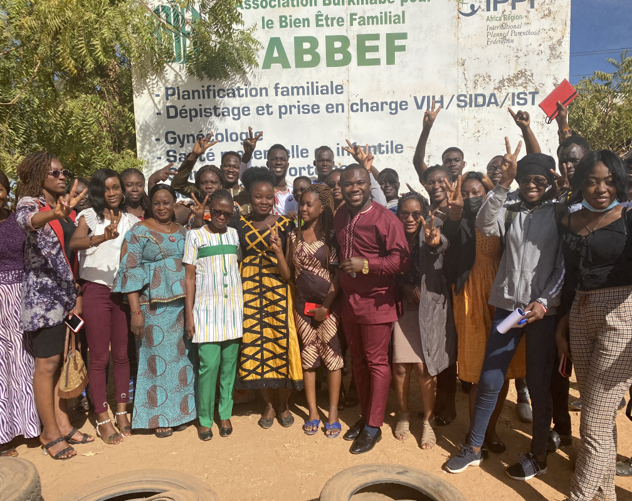
The project seeks to contribute to the reduction of gender inequalities through the empowerment of youth and the technical strengthening of local feminist CSOs towards the transformation of gender norms in favour of the sexual rights of adolescents and youth. Budget: 899,996 EUR Donor: Fonds de Solidarité pour les Projets Innovants (FSPi) Timeline: 2 Years (April 2021 – March 2023) Project implementation areas: Niger, Chad and Burkina Faso Partners: Association Nigérienne pour le Bien Êtr e Familial (ANBEF), Association Burkinabè pour le Bien Être Familial (ABBEF), Association Tchadienne pour le Bien Être Familial (ASTBEF) and Association Togolaise pour le Bien Être Familial (ATBEF) Key achievements to date: 3 Member Association (MA) supported through MA-to-MA support from ATBEF, More than 600 trainers of trainees trained in Gender and SRH, 100 Youth and feminist associations strengthened in local communities, The organisation of more than 200 community talks on SRHR and gender equality, supported by approaches and channels adapted to the beneficiaries, made it possible to reach 2,299 people, including 1,374 girls and 925 adolescent boys and young people, on unwanted pregnancies, family planning, STIs, HIV/AIDS and contraception. Innovative approaches: This project uses the MA-to-MA Approach, south-south collaboration & Peer to Peer support where ATBEF is supporting the 3 implementing MAs. Active collaboration with Youth and feminist associations at grassroot level. Lessons learned: Public and private collaboration is critical as well as the need to document best practices. The involvement of the central level (Ministries) in the implementation of the project positively influences the operational levels and strengthens their commitment to the project activities and makes them feel more accountable. Also, collaboration with the health, education and gender departments has enabled the project teams to benefit from technical support for access to pupils, teachers, and parents, to have an orientation on current policies in relation to the projects, and to be accompanied in the training.

13 January 2022
“Let’s talk about sex baby”: Responding to the Needs of Adolescent Girls and Young Women in Africa in the Digital Age
In todays’ digital world, everything is available online. Information, products, and services. 22% of the African population, can access the world at the click of a button and mobile penetration rate in Sub-Saharan Africa is at 44%. The African Union and the World Bank Group have committed to connecting every African individual, business, and government by 2030. 60% of Africa’s population is <25 years. The young Africans can be seen on the streets of Nairobi, Accra, and Johannesburg, swiping left and right, using this readily available digital technology for entertainment, education, and learning. Often, and unsurprisingly, this pursuit for knowledge is centered around sex. This phenomenon has though had a less impressive impact on African girls and young women, who continue to be trapped by taboos and restrictive gender and social norms, unable to access accurate sexual and reproductive health and rights information online. The Mobile Gender Gap means only two out of three women in Africa own a mobile phone, and only a third use mobile data regularly. Retrogressive cultural practices and patriarchal norms though are endemic including early marriage, female genital cutting, sexual cleansing, and wife inheritance, exposing them to innumerable risks. STIs, HIV, gender-based sexual violence and teenage pregnancies are commonplace; and complications from pregnancy and childbirth complications remain the leading cause of death among girls aged 15–19 years globally. Today, as we commemorate the International Day of the Girl Child centered on the ‘Digital Generation’ we want to call attention to the rights’ of the girl child and the unique challenges they face globally. IPPFs Youth Action Movement, a peer-led advocacy platform for young people aged 10-24 years, is showing us how the growing technological space is slowly permitting adolescent girls and young women to access digital devices and seek information about their bodies, menstruation, pregnancy prevention, peer pressure, love, pleasure, relationships, contraception and safe abortion. This became more pronounced during the COVID-19 pandemic, which exacerbated the vulnerabilities of girls and women. In Nigeria, the Planned Parenthood of Nigeria – began delivering sexual reproductive health services using several digital and online platforms including: Short Message Service (SMS), Facebook, WhatsApp, Instagram, Twitter, Zoom and direct telephone calls. These platforms offered accurate, live interactive information and educational sessions, one-to-one consultations and respective referrals. Young people are additionally reached through the Youth Connect website (https://youthconnect.ppfn.org) and ‘The PPFN e-Health App’ which were both co-designed by young people. In Benin, the Association Béninoise pour la Promotion de la Famille introduced online comprehensive sexuality educations sessions, in response to school closures, based on the IPPF’s Framework for CSE: gender, sexual and reproductive health and HIV, sexual rights and sexual citizenship, pleasure, violence, diversity and relationships. In Togo, the Association Togolaise pour le Bien-Etre Familial launched ‘InfoAdoJeunes’, a multi-functional app that was developed for and by young people, providing critical information about sexual and reproductive health in a fun and engaging manner. The 8 navigation tabs: sexuality education, the menstrual cycle, teleconsultation, web TV, games and quizzes, a chat forum, contraception, and a tab where users can ask an experts questions in real-time. These initiatives are proving to be very successful, and feedback, in particular from the young women and girls, has been very positive! Quick, timely, private, online access to information and consultations around sexual health is fun, convenient, non-judgemental and protects their privacy. A win-win all around! We echo UNFPA: To secure an equal future, girls need equal access to digital tools and information. This is why, on this international day of the Girl Child, IPPF’s renews its commitment and call on governments and support to invest in digital technology to ensure adolescents and young girls in Africa can easily access high-quality, accurate information around their sexual and reproductive health and are empowered to make informed decisions about their bodies and their futures. Marie-Evelyne Petrus-Barry is the Regional Director of the International Planned Parenthood Federation, Africa Region (IPPFAR) and Monica Mwai is a Youth Intern within the Communications Team. By Marie-Evelyne Petrus-Barry and Monica Mwai The International Planned Parenthood Federation Africa Region (IPPFAR) is one of the leading providers of quality sexual and reproductive health (SRH) services in Africa and a sexual and reproductive health and rights (SRHR) advocacy voice in the region. For more updates on our work, follow IPPF Africa Region on Facebook, Twitter, Instagram and You Tube.

13 January 2022
"Let’s talk about sex baby!": Répondre aux besoins des adolescentes et des jeunes femmes en Afrique à l'ère du numérique
Dans le monde numérique d'aujourd'hui, tout est disponible en ligne: les informations, les produits et les services. Avec un taux de pénétration de la téléphonie mobile en Afrique sub-saharienne de 44%, 22% de la population africaine accède dorénavant au monde entier en cliquant simplement sur un bouton. De plus, l'Union africaine et le Groupe de la Banque mondiale se sont engagés à connecter chaque individu, entreprise et gouvernement africain d'ici 2030. Et alors que 60% de la population africaine est âgée de moins de 25 ans, on peut voir cette jeunesse africaine dans les rues de Nairobi, Accra ou Johannesburg, tapoter frénétiquement sur leurs smartphones, utilisant cette technologie numérique, facilement accessible, pour se divertir et s'instruire. Souvent, et sans surprise, cette quête de connaissances est centrée sur le sexe. Ce phénomène a cependant eu un impact moins important sur les filles et les jeunes femmes africaines, qui restent prisonnières de tabous et de normes sociales, incapables d'accéder en ligne à des informations précises sur la santé et les droits sexuels et reproductifs. L'écart entre les sexes en matière de téléphonie mobile signifie que seules deux femmes sur trois en Afrique possèdent un téléphone portable et qu'un tiers seulement utilise régulièrement des données mobiles. Les pratiques culturelles rétrogrades et les normes patriarcales endémiques, notamment le mariage précoce, l'excision, la purification sexuelle et l'héritage des femmes, continent de les exposer à d'innombrables risques. Les IST, le VIH, les violences sexuelles liées au genre et les grossesses chez les adolescentes sont monnaie courante; et les complications liées à la grossesse et à l'accouchement restent la principale cause de décès chez les filles âgées de 15 à 19 ans dans le monde. Cette situation s'est accentuée pendant la pandémie de COVID-19, qui a exacerbé les vulnérabilités des filles et des femmes. Aujourd'hui, alors que nous commémorons la Journée internationale de la fille, centrée sur la "génération numérique", nous souhaitons attirer l'attention sur les "droits" des filles et les défis uniques auxquels elles sont confrontées dans le monde. Le Mouvement d’Action des Jeunes de la Fédération internationale pour la planification familiale (IPPF) - une plateforme de plaidoyer dirigée par des pairs pour les jeunes âgés de 10 à 24 ans - nous montre chaque jour comment l'espace technologique croissant permet lentement aux adolescentes et aux jeunes femmes d'accéder aux appareils numériques et de rechercher des informations sur leur corps, la menstruation, la prévention de la grossesse, le consentement, l'amour, le plaisir, les relations, la contraception et l'avortement sans risque. C’est pourquoi au Nigeria, la Fédération Nigériane du Planning Familial (PPFN) – l’une des 33 Associations Membres de la Fédération internationale pour la planification familiale, région Afrique (IPPFAR) - a commencé à fournir des services de santé sexuelle et reproductive aux jeunes en utilisant plusieurs plateformes numériques, notamment les SMS, Facebook, WhatsApp, Instagram, Twitter, Zoom et des appels téléphoniques directs. Ces plateformes offrent des informations précises, interactives, en direct, des sessions éducatives, des consultations individuelles et des orientations personnalisées. Les jeunes peuvent également consulter le site web Youth Connect (https://youthconnect.ppfn.org ) et l'application e-Health du PPFN, tous deux conçus par des jeunes. Au Bénin, l'Association Béninoise pour la Promotion de la Famille a introduit des sessions d'éducation sexuelle complète (ESC) en ligne, en réponse à la fermeture des écoles, basées sur le cadre de l'IPPF pour l'ESC avec des modules sur le genre, la santé sexuelle et reproductive, le VIH, les droits et la citoyenneté sexuels, le plaisir, la violence, la diversité et les relations. Au Togo, l'Association Togolaise pour le Bien-Etre Familial a lancé "InfoAdoJeunes", une application multifonctionnelle développée pour et par les jeunes, qui fournit des informations essentielles sur la santé sexuelle et reproductive de manière amusante et attrayante. L’application comporte 8 onglets de navigation sur l'éducation sexuelle, le cycle menstruel, la contraception, la téléconsultation, la web TV, les jeux et quiz, un forum de discussion et un onglet où les utilisateurs peuvent poser des questions à un expert en temps réel. Ces initiatives se révèlent très efficaces et les réactions, en particulier celles des jeunes femmes et des jeunes filles, sont très positives! L'accès en ligne rapide, opportun et privé aux informations et aux consultations sur la santé sexuelle y est amusant, pratique, sans jugement et confidentiel. Tout le monde y gagne! Nous faisons écho à l'UNFPA: Pour s'assurer un avenir égalitaire, les filles doivent avoir un accès égal aux outils et informations numériques. C'est pourquoi, en cette journée internationale de la fille, l'IPPFAR renouvelle son engagement et appelle les gouvernements à investir dans la technologie numérique afin que les adolescentes et les jeunes filles d'Afrique puissent facilement accéder à des informations précises et de qualité sur leur santé sexuelle et reproductive et qu'elles soient en mesure de prendre des décisions éclairées sur leur corps et leur avenir. Par Marie-Evelyne Petrus-Barry et Monica Mwai Marie-Evelyne Petrus-Barry est la Directrice régionale de la Fédération internationale pour la planification familiale, région Afrique (IPPFAR) et Monica Mwai est une jeune stagiaire au sein de l'équipe de communication d’IPPFAR. La Fédération internationale pour la planification familiale, région Afrique (IPPFAR) est l'un des principaux fournisseurs de services de santé sexuelle et reproductive de qualité en Afrique et une voix de défense de la santé et des droits sexuels et reproductifs dans la région. Pour plus d'informations sur le travail de l'IPPF Région Afrique, suivez-nous sur Facebook, Instagram, You Tube et Twitter.
19 June 2025
Reclaiming African Pride: We Refuse to Be Legislated Out of Existence
By Benedicta Oyedayo Oyewole, When we speak of celebration in the spirit of Ubuntu, we are not merely referring to events or visibility moments. We are evoking a deeper, collective joy rooted in resistance, relationality, and the politics of being. Ubuntu says, ‘I am because we are,’ and in that spirit, celebration becomes a political act. It takes the form of music, laughter, dance, vibrant colours, and in some African cultures, masquerades that shake the ground beneath our feet. These are not aesthetics for performance. They are expressions of collective memory, resistance, and survival. In those moments, people feel seen. Not tolerated, seen. Not permitted, respected. People move with agency. With defiance. With joy that is not passive, but revolutionary. That is Ubuntu. That is Pride. But that spirit has been systematically stripped away. The rupture between what Pride once meant within our cultural contexts and what was violently imposed through coloniality and heteropatriarchy has bred something else: fear. Fear of being visible. Fear of claiming space. Fear of simply existing outside sanctioned norms. Across the world, recent years have seen the rapid digitalization of social movements, a fourth wave of feminist organizing, and hard-won victories by women, girls, sex workers, LGBTQI+ persons, young people, and historically marginalized communities. From viral digital campaigns to mass protests, we’ve witnessed new forms of movement-building and global solidarity. But with these gains has also come an emboldened rise in fascism and rollback of some of these victories. As liberationist and leftist politics gain renewed momentum, especially across the Global South, we are simultaneously witnessing a concerted effort to attack human rights. In the African region, we have witnessed not only growing visibility of the anti-rights movements but also a sharp rollback in human rights. The rise of regressive laws and policies often framed as a return to so-called “African values” is a deliberate effort to police who we are, who we have been, and who we are allowed to become. It is a chilling testament to the persistence of neo-colonialism in the 21st century, one no longer cloaked solely in economic domination, but also in the export of ideologies that endanger lives. This anti-rights agenda is being aggressively driven by well-funded, right-wing groups from the Global North, who actively fuel regressive laws and narratives across Africa. Their interference not only undermines local human rights efforts but also deepens the structural violence experienced by already marginalised communities. From the signing of Uganda’s Anti-Homosexuality Act, one of the harshest anti-LGBTQ+ laws in the world to the introduction of Kenya’s Family Protection Bill, we are witnessing a region-wide effort to legislate queer existence out of public life. In Ghana, the Human Sexual Rights and Family Values Bill was passed by parliament but withheld from assent by former President Nana Akufo-Addo. It is now set to be reintroduced and is reportedly ready for its first reading. In Mali, same-sex consensual relationships have been criminalized; Burkina Faso’s military junta has proposed a similar bill declaring that "henceforth homosexuality and associated practices will be punished by the law." A member of parliament in the Democratic Republic of Congo has similarly proposed anti-LGBTQ+ legislation. In Liberia, a legislator introduced the Anti-Homosexuality Law of Liberia 2024, which mimics many aspects of the anti-homosexuality laws of Nigeria and Uganda and the anti-LGBTQ bill that Ghana’s parliament approved. Meanwhile, in Namibia, President Nangolo Mbumba declined to sign two anti-LGBTQ+ private members’ bills. Zimbabwe has, in the same light, passed the Private Voluntary Organisations (PVO) Amendment Bill into law, a move that severely constrains community organizing. Across the region, we are seeing not isolated incidents, but a coordinated attack on rights, a systematic effort that places LGBTQI+ Africans under surveillance, under arrest, under threat in their homes, communities, and in their bodies. In these heavy and coordinated attacks across the region, joy has become difficult to hold. The scramble for safety persists, and joy feels distant when the warplanes are still flying overhead. We are living through a terrifying global moment marked by State-sponsored repression, global broadcast of ethnic cleansing, and the shrinking of civic space. For LGBTQI+ Africans, this moment brings disproportionate subjugation. The question remains painfully urgent: Where do we go to be free? So, we hold space to ask: What does freedom truly mean? What counts as liberation when laws may change, but our lives remain policed? Beyond legislation, how do we centre our existence, our joy, our right to be? One way is through the creation of safer spaces that honour the intimacy of community and the power of being in relation with one another. We carry each other. We sustain each other. This was powerfully evident in the celebration that ushered in Pride Month, a queer play reading held in collaboration with IPPF Africa Region. We came together not just to read words on a page, but to affirm our survival, our resistance, and our collective becoming. IPPF Africa Region created a supportive space for this conversation for LGBTQI+ persons to feel safe within themselves and with community. The play reading was described as “we are all a river, growing together,” a metaphor that speaks to our collective flow, strength, and interconnectedness. In this moment, simply being together is an act of resistance. It is revolutionary. Given the current landscape of LGBTQI+ organizing across the continent, where visibility can come at great cost, gathering in joy, in solidarity, and in story is itself a radical form of movement-building. Rooted in collective resistance and relationality, this moment reminds us that movements are not only sharpened in protest but also in presence, in sitting beside one another and bearing witness to each other’s truth. The piece, "The Survival" by Achiro P. Olwoch, follows a young woman in homophobic Uganda who becomes pregnant by a homosexual man, a scandal deemed unthinkable in a society that condemns both. It is a tense, emotional journey to keep the truth hidden in a world that offers little to no mercy. After the reading, guests shared varied reflections, emphasizing both the need for more focused and inclusive spaces and a heightened awareness of the precarious state of human rights, not only regionally but globally. Amid these challenges, our stories of unity and purpose continue to shine. Our voices remain testaments to our resilience, and art stands as part of that resilience. As one participant said, “Let’s continue using art for the value it can bring to our society.” This is what African Pride looks like: fierce, rooted, defiant, collective. It is not a borrowed concept. It is ours, born of the drum, the dance, the survival, the storytelling. African Pride is not a moment. It is a movement. It is a memory. It is the future. And we will not be legislated out of it. Benedicta Oyedayo Oyewole, IPPF Africa Region Community Engagement and Partnership Lead
17 June 2025
Inclusive Health Systems as a Human Rights Imperative: Reflections from the Stand Up Project in Uganda and Mozambique
By Sylvia Ekponimo IPPF’s commitment to delivering inclusive, rights-based, and youth-centred sexual and reproductive health care is reflected in the work of its Member Associations. In Uganda and Mozambique, Reproductive Health Uganda (RHU) and Associação Moçambicana para o Desenvolvimento da Família (AMODEFA) are leveraging the power of partnerships in expanding access, strengthening health systems, and upholding the rights and agency of young people through implementation of the Stand Up for SRHR project. Funded by Global Affairs Canada (GAC), the project aims to expand access to essential sexual reproductive health (SRH) services and strengthen community-led responses. From late March to early April 2025, the project teams from IPPF and Oxfam Canada (OCA) – the consortium lead, conducted a joint visit to project sites in both countries. The visit brought together the local consortium partners in Uganda (Oxfam in Uganda, Femme Forte, Center for Health, Human Rights and Development-CEHURD) and Mozambique (Oxfam in Mozambique, Lambda, and Associação Moçambicana da Mulher e Apoio a Rapariga-OPHENTA) and offered a great opportunity to reconnect, reflect, and learn from one another. The reflections below draw from field insights highlighting evidence of progress, challenges that need to be addressed, and opportunities for deeper impact. Impact is built through collaboration and commitment In Uganda’s Mayuge and Namayingo districts, engagements with local government officials highlighted the importance of trust-based partnerships. The Mayuge district health team shared data indicating a recent decline in teenage pregnancy from 32 percent prior to the implementation of the project to approximately 23 percent. The officials attributed this decline, in part, to the youth-focused health outreaches and community dialogues supported by this initiative and was viewed as a significant and promising indicator of impact. However, with the adolescent pregnancy rate at 23 percent, it remains too early to celebrate, pointing to the need for sustained attention and resources. In Namayingo, the officials not only recognized the collaborative spirit and resilience especially in reaching remote areas like Dolwe Island – a remote area that is extremely difficult to access –but also requested to extend the intervention to even more hard-to-reach communities. This request to expand services to more underserved areas indicated not only the community’s unmet needs, but also a high level of confidence in the quality and value of the collaborative efforts. Government officials also acknowledged the project’s contribution to addressing the drivers of poor sexual reproductive health (SRH) outcomes within the district. These include traditional practices such as “disco matanga” –a cultural practice in which community members organize a fundraising event as part of funeral rites. These gatherings often involve overnight dancing for several days before the burial, with widespread access to free alcohol and tobacco. They are associated with increased unprotected sexual activity and have been linked to rising cases of teenage pregnancy, unsafe abortions, and the spread of STIs, including HIV. In Mozambique’s Nampula province, local officials at the Provincial Directorate for Youth Employment and Sports, as well as the District Health and Social Action Service spoke openly about persistent structural barriers that hinder access to care. These include low school retention among girls occasioned by among others, early marriage as an economic coping mechanism, as well as an overstretched healthcare system. These issues, compounded by the impact of natural disasters and the recent USAID funding loss have intensified the strain on an already fragile health system. Despite this, the committed frontline health workers in these locations continue to deliver services in extremely challenging conditions. In districts such as Mecuburi, the use of motorcycles to transport medical supplies to Issipe community, a locale that stands isolated from the main town following destruction of its major bridge by Cyclone Jude in March 2025, demonstrates remarkable resilience. Reaching the last mile requires innovation and integration Dolwe Island, located in Namayingo District, Uganda, offers a compelling example of delivering healthcare at the most remote levels. Home to approximately 23,000 residents and accessible via a three-hour boat ride, the island has just four health facilities, no secondary school, and high attrition among health personnel. In the absence of secondary education and employment alternatives, adolescent girls are often married off after completing primary school, while boys are absorbed into the fishing economy from a young age. Amidst these constraints, RHU has established a strong presence. Through mobile outreach activities, the team continues to deliver integrated services tailored to community needs. These events do more than provide SRH services as they bring together immunization, laboratory testing, peer education, and community engagement in formats that are culturally resonant and youth-friendly. Similarly, in Mecuburi, Mozambique, AMODEFA has overcome challenging terrains to spearhead and deliver effective health outreach services. To foster greater community engagement, particularly among men, the team uses local strategies, including football tournaments and participatory learning sessions, which have successfully encouraged male involvement and increased the uptake of SRH services. These efforts stand out for their strong coordination, careful planning, and effective integration of health and social services. Reflecting on these regular yet challenging journeys –whether by boat to Dolwe Island or across the challenging terrain of Mecuburi, one cannot overlook the immense logistical demands involved in mobilizing communities, deploying skilled health personnel, and maintaining a reliable supply of essential medicines and commodities. These efforts speak volumes about the unwavering commitment and resilience of the implementing teams, who continue to serve in some of the most remote and resource-constrained settings. Youth leadership is a key driver for positive peer-led change Across both countries, peer educators stood out as key drivers of change. In Uganda, the visiting team observed in-school peer educators in Bukatube County confidently lead SRHR discussions. The peer educators also innovative solutions, such as reusable sanitary pad production to address barriers to school retention among girls. In Dolwe Island, the peer educators, though younger and still in primary school, demonstrated a deep understanding of their rights and responsibilities. The interactions with these set of peer educators brought to the fore the importance of integrating sexual reproductive health and rights (SRHR) efforts with broader investments in education, nutrition, and safety. In Mozambique, the visiting team had the opportunity to attend an outreach activity targeting out-of-school youth. During this activity, young female peer educators at Namicopo used storytelling, music, and dance to convey SRHR messages in ways that were both engaging and empowering to their peers and the community. While at a community centre run by Lambda, one of the local partners representing the rights of gender and sexual minorities in Mozambique, the conversation turned to the lived realities of LGBTQI+ individuals. Though distressing, their accounts of exclusion, stigma, and fear revealed a slow but meaningful shift. Access to inclusive and affirming SRH care is steadily improving, driven by Values Clarification for Action and Transformation (VCAT) training sessions facilitated by AMODEFA in partnership with Lambda, and has so far reached over 90 healthcare providers. For many, a sense of safety and dignity exists only where the trained and trusted healthcare providers are present, emphasizing the urgent need for broader system change. What Next? The Stand Up field mission exercise was a powerful reminder that SRHR programming is much about delivering inclusive care, as it is about building systems rooted in trust, equity, and community engagement. Just as health workers and implementing partners do more than just executing a project, so do young people. The stories of resilience, leadership, and perseverance in the face of challenges are a testament to their deep commitment to their communities. Beyond mere beneficiaries, they are leaders in their own right who are driving and shaping the work we do to redefine what health systems can look like when equity, accountability, and community voice are centered. For OCA, the opportunity to witness the tangible progress achieved through the project reinforced the team's commitment and enduring resilience. The visit offered a valuable opportunity to move beyond virtual exchanges, revealing critical elements that are often difficult to fully capture from a distance especially the nuanced realities of implementation and the profound human impact of these efforts. As IPPF continues to advance its work, the purpose of the Stand Up project is clear - to remain resolute in our commitment to reaching those furthest behind, to honour the bravery and determination of those advocating for change, and to advance the development of resilient and equitable systems that truly leave no one behind. Sylvia Ekponimo is the Stand-Up Project Advisor.
30 March 2017
Japan Trust Fund
The Japan Trust Fund (JTF) represents a visionary partnership that began in 2000 between the Government of Japan and IPPF. Together, we invest in programmes that prioritize health equity, gender equality, and human security for all. Traditionally a driving force behind IPPF's efforts to support the integrated HIV prevention programmes of our Member Associations in Africa and Asia, JTF has adjusted to reflect changing global health priorities. We attach importance to universal access to sexual and reproductive health and rights - an essential contributor to universal health coverage and the global development goals. These projects have transformed the lives of people most vulnerable to HIV and high risk of maternal and child mortality. Equally, it ensures that as a donor, the GOJ’s response to HIV remains people-centred and contributes to human security.
16 February 2016
Evidence Project
Under the Evidence project, IPPF is undertaking innovative research on respecting, protecting and promoting human rights in family planning/reproductive health services and ensuring community voices are part of efforts to improve and strengthen family planning programming. The Evidence Project uses implementation science to improve family planning policies, programs, and practices. Led by the Population Council in partnership with INDEPTH Network, International Planned Parenthood Federation, PATH, Population Reference Bureau, and the project’s University Resource Network, the five-year project (2013–2018) is investigating which strategies work best in improving, expanding, and sustaining family planning services. IPPF is leading on two cross-cutting areas of research. Firstly under the Evidence project, we are undertaking research on how the respect and protection of human rights of women and girls can be instituted and operationalised, and how programs can be held accountable for providing high-quality services. http://evidenceproject.popcouncil.org/technical-areas-and-activities/equity-rights-and-accountability. In order to address the need for indicators and tools for rights based family planning, the Evidence Project has partnered with global experts on human rights and family planning, the International Planned Parenthood Federation’s Sustainable Network Project (SIFPO/IPPF) and with colleagues at Reproductive Health Uganda (RHU) to develop and validate the Rights-Based Family Planning (RBFP) Service Delivery Index in Uganda. This is work is being undertaken in close collaboration with the Economic Policy Research Centre Uganda and University College London. In addition, we are undertaking a variety of activities that aim to contribute to a deeper knowledge of whether and how the implementation of accountability mechanisms in family planning and reproductive health programs improves clients’ access to and quality of services. For example, a multi-site case study in Uganda uses process evaluation methodology to explore the implementation of two social accountability programs, aiming to determine what hinders and facilitates engagement at the community level and its translation into improved social accountability processes and reproductive health outcomes. http://evidenceproject.popcouncil.org/accountability-mechanisms-to-improve-family-planning-and-reproductive-health-programs/
30 June 2016
Girls Decide
This programme addresses critical challenges faced by young women around sexual health and sexuality. It has produced a range of advocacy, education and informational materials to support research, awareness-raising, advocacy and service delivery. Girls Decide is about the sexual and reproductive health and rights of girls and young women. Around the world, girls aged 10 to 19 account for 23% of all disease associated with pregnancy and childbirth. An estimated 2.5 million have unsafe abortions every year. Worldwide, young women account for 60% of the 5.5 million young people living with HIV and/or AIDS. Girls Decide has produced a range of advocacy, education and informational materials to support work to improve sexual health and rights for girls and young women. These include a series of films on sexual and reproductive health decisions faced by 6 young women in 6 different countries. The films won the prestigious International Video and Communications Award (IVCA). When girls and young women have access to critical lifesaving services and information, and when they are able to make meaningful choices about their life path, they are empowered. Their quality of life improves, as does the well-being of their families and the communities in which they live. Their collective ability to achieve internationally agreed development goals is strengthened. Almost all IPPF Member Associations provide services to young people and 1 in every 3 clients is a young person below the age of 25. All young women and girls are rights-holders and are entitled to sexual and reproductive rights. As a matter of principle, the IPPF Secretariat and Member Associations stand by girls by respecting and fulfilling their right to high quality services; they stand up for girls by supporting them in making their own decisions related to sexuality and pregnancy; they stand for sexual and reproductive rights by addressing the challenges faced by young women and girls at local, national and international levels.
07 February 2017
ACT!2030
IPPF collaborates with UNAIDS and The PACT to implement ACT!2030 (formerly ACT!2015), a youth-led social action initiative which engages young people in 12 countries with advocacy and accountability around the Sustainable Development Goals (SDGs) and other SRHR agreements/frameworks. ACT!2030 was initiated in 2013 as a way to increase youth participation in the negotiations leading up to the adoption of the post-2015 development agenda, and for two years focused on establishing alliances of youth-led and youth-serving organisations in 12 countries across the world. The project is currently in Phase 4, which runs until the end of 2017, and aims to establish youth-led, data-driven accountability mechanisms to ensure youth engagement with the implementation of the SDGs and build an evidence base for advocacy. Ultimately, Phase 4 of ACT!2030 seeks to identify, assess and address key policy barriers to young people’s sexual and reproductive data by using existing data, supplemented by youth-collected data, to advocate and lobby for policy change. This phase involves four main activities: indicator advocacy (persuading decision makers to adopt youth-friendly SRHR and HIV indicators, including on things like comprehensive sexuality education (CSE) and access to youth-friendly services, into national/global reporting mechanisms); evidence gathering (creating national databases on quality of and access to youth-friendly services and CSE); communications (transforming this data and evidence into communications pieces that can be used to advocacy and lobby at national and international level); and global exchange (facilitating global visibility to share advocacy and engagement learnings and increase youth-led accountability in global and regional processes). ACT!2030 is implemented by national alliances of youth organisations in 12 countries: Algeria, Bulgaria, India, Jamaica, Kenya, Mexico, Nigeria, Philippines, South Africa, Uganda, Zambia and Zimbabwe.
06 February 2022
What price for a world free from Female Genital Mutilation?
By Marie-Evelyne Patrus-Barry and Anush Aghabalyan COVID-19 continues to disrupt the delivery of essential health services in 90% of countries globally. The Orchid Project, a UK charity working globally to end to female genital mutilation/cutting (FGM/C), further substantiated that soon after the implementation of lockdown measures, reports emerged confirming that the rates of FGM/C were on the rise. While prevention efforts were on track to avert 46.5 million cases of FGM, experts are now predicting that the delays being caused by the COVID-19 pandemic will reduce anticipated progress toward ending FGM by 33%. According to a joint report by UNICEF and UNFPA, an estimated 2 million additional girls are at risk of being cut over the next decade, bringing the total number of girls at risk to 70 million by 2030. These horrific figures are simply unacceptable. Before COVID-19 slowed down progress in eliminating FGM/C, the Sustainable Development Goals target 5.3.2 to end female genital cutting by 2030 was already an ambitious commitment. Rhetoric was simply not matched with financial commitments, and this was only exacerbated by the COVID-19 pandemic. Only $95 is required to avert one single case of FGM/C and to protect a girls' right to health, to bodily integrity, to freedom from violence and to enjoy her sexuality. A relatively small price to pay which pales in comparison with global spending on increasing militarisation (almost $2 trillion per year) and growth based on exploitation of natural resources. By investing $2.4 billion by 2030 we could end FGM/C all together in 31 priority countries. Yet only $275 million is available - or just $4 per girl at risk - leaving a funding gap of >$2.1 billion. Girls and women who have undergone FGM/C live predominately in sub-Saharan Africa and the Arab States, but FGM is also practiced in select countries in Asia, Eastern Europe and Latin America. Only two countries in Asia currently report national data on FGM/C prevalence. This includes Indonesia, where 15 million girls alone will undergo the practice by 2030. The true scale of women and girls affected by FGM/C in the remaining 11 countries across the region where the practice takes place remains unknown. In Africa, more girls are cut between 0 and 14 years of age than any other age bracket. Prevalence rates range from 15% to over 95% of girls and women aged 15 to 49 years, with select countries in the Central and Western Africa regions accounting for a large part of the figures. Investing in girls and women is a central part of the recently adopted African Union Strategy for Gender Equality & Women’s Empowerment as well as Africa’s Transformative Agenda 2063, which, under Aspiration 6, calls for ending all forms of gender based violence, including FGM/C. IPPFAR, through its Sub Office at the African Union, advocates and galvanises political action to accelerate the elimination of FGM/C on the continent. Furthermore, through awareness and communications campaigns, advocacy, and sensitisation, IPPFAR Member Associations are working to prevent the cutting of more than 50 million girls in Africa under the age of 15 years at risk of being subjected to FGM/C by 2030 if concerted action is not taken now. For example, from 2009 to 2020, IPPF Member Associations in Sudan, Mauritania, Somaliland and Djibouti have sensitized and trained over 500 service providers about FGM/C to support clients affected by FGM/C, over 25,000 school and university students and over 200 decision makers. Similarly, between 2015 and 2019, Orchid Project brought together local grassroots organisations through Knowledge Sharing Workshops; 12 workshops across Kenya, Tanzania, Nigeria, Somaliland and Sierra Leone were held. In Kenya, through engagement in a consortium programme with the Coalition on Violence Against Women (COVAW), S.A.F.E. Kenya and their SAFE Maa and SAFE Samburu teams, Orchid also aims to accelerate an end to the practice within the Maasai and Samburu communities in Kenya. On this Zero Tolerance Day, Orchid Project, supported by the International Planned Parenthood Federation Africa Region (IPPFAR) and other partners, have launched a global call for increased funding to step-up efforts to eliminate this extremely harmful practice by 2030. Through the “What’s the Gap” campaign, grassroots organisations are raising their collective voice to urge governments, foundations, private sector, and other potential donors to urgently increase funding to the FGM/C sector. It is essential for investment to come from different sources - from multilateral donors, philanthropy, and the private sector, in addition to domestic resources committed by national Governments. The campaign also highlights that local community organisations and civil-society groups know best where and what to do, to put an end to FGM/C in communities where incidents are more prevalent. Thus, the increased funding would help inform and train key stakeholders, commission research, facilitate more workshops to raise awareness of men and boys, create safe spaces for young survivors and provide alternative occupations and training for cutters. As the COVID-19 pandemic continues, restricting girls’ access to school and limiting access to sexual and reproductive health services, there is great urgency for global investment in ending the harmful practice of FGM/C if we are to reach zero incidences by 2030. Let’s all fight together and commit to closing the funding gap! Marie-Evelyne Petrus-Barry is the Regional Director of the International Planned Parenthood Federation Africa Region (IPPFAR); Anush Aghabalyan is the Head of Policy and Advocacy at the Orchid Project. —-------------------------------------------------------------------------------------------- Commemorated every year on 6 February, the International Day of Zero Tolerance for Female Genital Mutilation aims to amplify and direct efforts on the elimination of the harmful practice. This year’s theme is: Accelerating Investment to End Female Genital Mutilation — investing in programmes to provide services and response for those affected and those at risk and in developing and enforcing laws and fortifying institutional capacity to address eradicating female genital mutilation.
31 January 2022
Mes Droits, Ma Sante, Mon Avenir -3M
The project seeks to contribute to the reduction of gender inequalities through the empowerment of youth and the technical strengthening of local feminist CSOs towards the transformation of gender norms in favour of the sexual rights of adolescents and youth. Budget: 899,996 EUR Donor: Fonds de Solidarité pour les Projets Innovants (FSPi) Timeline: 2 Years (April 2021 – March 2023) Project implementation areas: Niger, Chad and Burkina Faso Partners: Association Nigérienne pour le Bien Êtr e Familial (ANBEF), Association Burkinabè pour le Bien Être Familial (ABBEF), Association Tchadienne pour le Bien Être Familial (ASTBEF) and Association Togolaise pour le Bien Être Familial (ATBEF) Key achievements to date: 3 Member Association (MA) supported through MA-to-MA support from ATBEF, More than 600 trainers of trainees trained in Gender and SRH, 100 Youth and feminist associations strengthened in local communities, The organisation of more than 200 community talks on SRHR and gender equality, supported by approaches and channels adapted to the beneficiaries, made it possible to reach 2,299 people, including 1,374 girls and 925 adolescent boys and young people, on unwanted pregnancies, family planning, STIs, HIV/AIDS and contraception. Innovative approaches: This project uses the MA-to-MA Approach, south-south collaboration & Peer to Peer support where ATBEF is supporting the 3 implementing MAs. Active collaboration with Youth and feminist associations at grassroot level. Lessons learned: Public and private collaboration is critical as well as the need to document best practices. The involvement of the central level (Ministries) in the implementation of the project positively influences the operational levels and strengthens their commitment to the project activities and makes them feel more accountable. Also, collaboration with the health, education and gender departments has enabled the project teams to benefit from technical support for access to pupils, teachers, and parents, to have an orientation on current policies in relation to the projects, and to be accompanied in the training.
13 January 2022
“Let’s talk about sex baby”: Responding to the Needs of Adolescent Girls and Young Women in Africa in the Digital Age
In todays’ digital world, everything is available online. Information, products, and services. 22% of the African population, can access the world at the click of a button and mobile penetration rate in Sub-Saharan Africa is at 44%. The African Union and the World Bank Group have committed to connecting every African individual, business, and government by 2030. 60% of Africa’s population is <25 years. The young Africans can be seen on the streets of Nairobi, Accra, and Johannesburg, swiping left and right, using this readily available digital technology for entertainment, education, and learning. Often, and unsurprisingly, this pursuit for knowledge is centered around sex. This phenomenon has though had a less impressive impact on African girls and young women, who continue to be trapped by taboos and restrictive gender and social norms, unable to access accurate sexual and reproductive health and rights information online. The Mobile Gender Gap means only two out of three women in Africa own a mobile phone, and only a third use mobile data regularly. Retrogressive cultural practices and patriarchal norms though are endemic including early marriage, female genital cutting, sexual cleansing, and wife inheritance, exposing them to innumerable risks. STIs, HIV, gender-based sexual violence and teenage pregnancies are commonplace; and complications from pregnancy and childbirth complications remain the leading cause of death among girls aged 15–19 years globally. Today, as we commemorate the International Day of the Girl Child centered on the ‘Digital Generation’ we want to call attention to the rights’ of the girl child and the unique challenges they face globally. IPPFs Youth Action Movement, a peer-led advocacy platform for young people aged 10-24 years, is showing us how the growing technological space is slowly permitting adolescent girls and young women to access digital devices and seek information about their bodies, menstruation, pregnancy prevention, peer pressure, love, pleasure, relationships, contraception and safe abortion. This became more pronounced during the COVID-19 pandemic, which exacerbated the vulnerabilities of girls and women. In Nigeria, the Planned Parenthood of Nigeria – began delivering sexual reproductive health services using several digital and online platforms including: Short Message Service (SMS), Facebook, WhatsApp, Instagram, Twitter, Zoom and direct telephone calls. These platforms offered accurate, live interactive information and educational sessions, one-to-one consultations and respective referrals. Young people are additionally reached through the Youth Connect website (https://youthconnect.ppfn.org) and ‘The PPFN e-Health App’ which were both co-designed by young people. In Benin, the Association Béninoise pour la Promotion de la Famille introduced online comprehensive sexuality educations sessions, in response to school closures, based on the IPPF’s Framework for CSE: gender, sexual and reproductive health and HIV, sexual rights and sexual citizenship, pleasure, violence, diversity and relationships. In Togo, the Association Togolaise pour le Bien-Etre Familial launched ‘InfoAdoJeunes’, a multi-functional app that was developed for and by young people, providing critical information about sexual and reproductive health in a fun and engaging manner. The 8 navigation tabs: sexuality education, the menstrual cycle, teleconsultation, web TV, games and quizzes, a chat forum, contraception, and a tab where users can ask an experts questions in real-time. These initiatives are proving to be very successful, and feedback, in particular from the young women and girls, has been very positive! Quick, timely, private, online access to information and consultations around sexual health is fun, convenient, non-judgemental and protects their privacy. A win-win all around! We echo UNFPA: To secure an equal future, girls need equal access to digital tools and information. This is why, on this international day of the Girl Child, IPPF’s renews its commitment and call on governments and support to invest in digital technology to ensure adolescents and young girls in Africa can easily access high-quality, accurate information around their sexual and reproductive health and are empowered to make informed decisions about their bodies and their futures. Marie-Evelyne Petrus-Barry is the Regional Director of the International Planned Parenthood Federation, Africa Region (IPPFAR) and Monica Mwai is a Youth Intern within the Communications Team. By Marie-Evelyne Petrus-Barry and Monica Mwai The International Planned Parenthood Federation Africa Region (IPPFAR) is one of the leading providers of quality sexual and reproductive health (SRH) services in Africa and a sexual and reproductive health and rights (SRHR) advocacy voice in the region. For more updates on our work, follow IPPF Africa Region on Facebook, Twitter, Instagram and You Tube.
13 January 2022
"Let’s talk about sex baby!": Répondre aux besoins des adolescentes et des jeunes femmes en Afrique à l'ère du numérique
Dans le monde numérique d'aujourd'hui, tout est disponible en ligne: les informations, les produits et les services. Avec un taux de pénétration de la téléphonie mobile en Afrique sub-saharienne de 44%, 22% de la population africaine accède dorénavant au monde entier en cliquant simplement sur un bouton. De plus, l'Union africaine et le Groupe de la Banque mondiale se sont engagés à connecter chaque individu, entreprise et gouvernement africain d'ici 2030. Et alors que 60% de la population africaine est âgée de moins de 25 ans, on peut voir cette jeunesse africaine dans les rues de Nairobi, Accra ou Johannesburg, tapoter frénétiquement sur leurs smartphones, utilisant cette technologie numérique, facilement accessible, pour se divertir et s'instruire. Souvent, et sans surprise, cette quête de connaissances est centrée sur le sexe. Ce phénomène a cependant eu un impact moins important sur les filles et les jeunes femmes africaines, qui restent prisonnières de tabous et de normes sociales, incapables d'accéder en ligne à des informations précises sur la santé et les droits sexuels et reproductifs. L'écart entre les sexes en matière de téléphonie mobile signifie que seules deux femmes sur trois en Afrique possèdent un téléphone portable et qu'un tiers seulement utilise régulièrement des données mobiles. Les pratiques culturelles rétrogrades et les normes patriarcales endémiques, notamment le mariage précoce, l'excision, la purification sexuelle et l'héritage des femmes, continent de les exposer à d'innombrables risques. Les IST, le VIH, les violences sexuelles liées au genre et les grossesses chez les adolescentes sont monnaie courante; et les complications liées à la grossesse et à l'accouchement restent la principale cause de décès chez les filles âgées de 15 à 19 ans dans le monde. Cette situation s'est accentuée pendant la pandémie de COVID-19, qui a exacerbé les vulnérabilités des filles et des femmes. Aujourd'hui, alors que nous commémorons la Journée internationale de la fille, centrée sur la "génération numérique", nous souhaitons attirer l'attention sur les "droits" des filles et les défis uniques auxquels elles sont confrontées dans le monde. Le Mouvement d’Action des Jeunes de la Fédération internationale pour la planification familiale (IPPF) - une plateforme de plaidoyer dirigée par des pairs pour les jeunes âgés de 10 à 24 ans - nous montre chaque jour comment l'espace technologique croissant permet lentement aux adolescentes et aux jeunes femmes d'accéder aux appareils numériques et de rechercher des informations sur leur corps, la menstruation, la prévention de la grossesse, le consentement, l'amour, le plaisir, les relations, la contraception et l'avortement sans risque. C’est pourquoi au Nigeria, la Fédération Nigériane du Planning Familial (PPFN) – l’une des 33 Associations Membres de la Fédération internationale pour la planification familiale, région Afrique (IPPFAR) - a commencé à fournir des services de santé sexuelle et reproductive aux jeunes en utilisant plusieurs plateformes numériques, notamment les SMS, Facebook, WhatsApp, Instagram, Twitter, Zoom et des appels téléphoniques directs. Ces plateformes offrent des informations précises, interactives, en direct, des sessions éducatives, des consultations individuelles et des orientations personnalisées. Les jeunes peuvent également consulter le site web Youth Connect (https://youthconnect.ppfn.org ) et l'application e-Health du PPFN, tous deux conçus par des jeunes. Au Bénin, l'Association Béninoise pour la Promotion de la Famille a introduit des sessions d'éducation sexuelle complète (ESC) en ligne, en réponse à la fermeture des écoles, basées sur le cadre de l'IPPF pour l'ESC avec des modules sur le genre, la santé sexuelle et reproductive, le VIH, les droits et la citoyenneté sexuels, le plaisir, la violence, la diversité et les relations. Au Togo, l'Association Togolaise pour le Bien-Etre Familial a lancé "InfoAdoJeunes", une application multifonctionnelle développée pour et par les jeunes, qui fournit des informations essentielles sur la santé sexuelle et reproductive de manière amusante et attrayante. L’application comporte 8 onglets de navigation sur l'éducation sexuelle, le cycle menstruel, la contraception, la téléconsultation, la web TV, les jeux et quiz, un forum de discussion et un onglet où les utilisateurs peuvent poser des questions à un expert en temps réel. Ces initiatives se révèlent très efficaces et les réactions, en particulier celles des jeunes femmes et des jeunes filles, sont très positives! L'accès en ligne rapide, opportun et privé aux informations et aux consultations sur la santé sexuelle y est amusant, pratique, sans jugement et confidentiel. Tout le monde y gagne! Nous faisons écho à l'UNFPA: Pour s'assurer un avenir égalitaire, les filles doivent avoir un accès égal aux outils et informations numériques. C'est pourquoi, en cette journée internationale de la fille, l'IPPFAR renouvelle son engagement et appelle les gouvernements à investir dans la technologie numérique afin que les adolescentes et les jeunes filles d'Afrique puissent facilement accéder à des informations précises et de qualité sur leur santé sexuelle et reproductive et qu'elles soient en mesure de prendre des décisions éclairées sur leur corps et leur avenir. Par Marie-Evelyne Petrus-Barry et Monica Mwai Marie-Evelyne Petrus-Barry est la Directrice régionale de la Fédération internationale pour la planification familiale, région Afrique (IPPFAR) et Monica Mwai est une jeune stagiaire au sein de l'équipe de communication d’IPPFAR. La Fédération internationale pour la planification familiale, région Afrique (IPPFAR) est l'un des principaux fournisseurs de services de santé sexuelle et reproductive de qualité en Afrique et une voix de défense de la santé et des droits sexuels et reproductifs dans la région. Pour plus d'informations sur le travail de l'IPPF Région Afrique, suivez-nous sur Facebook, Instagram, You Tube et Twitter.