



Articles about LGBTI+
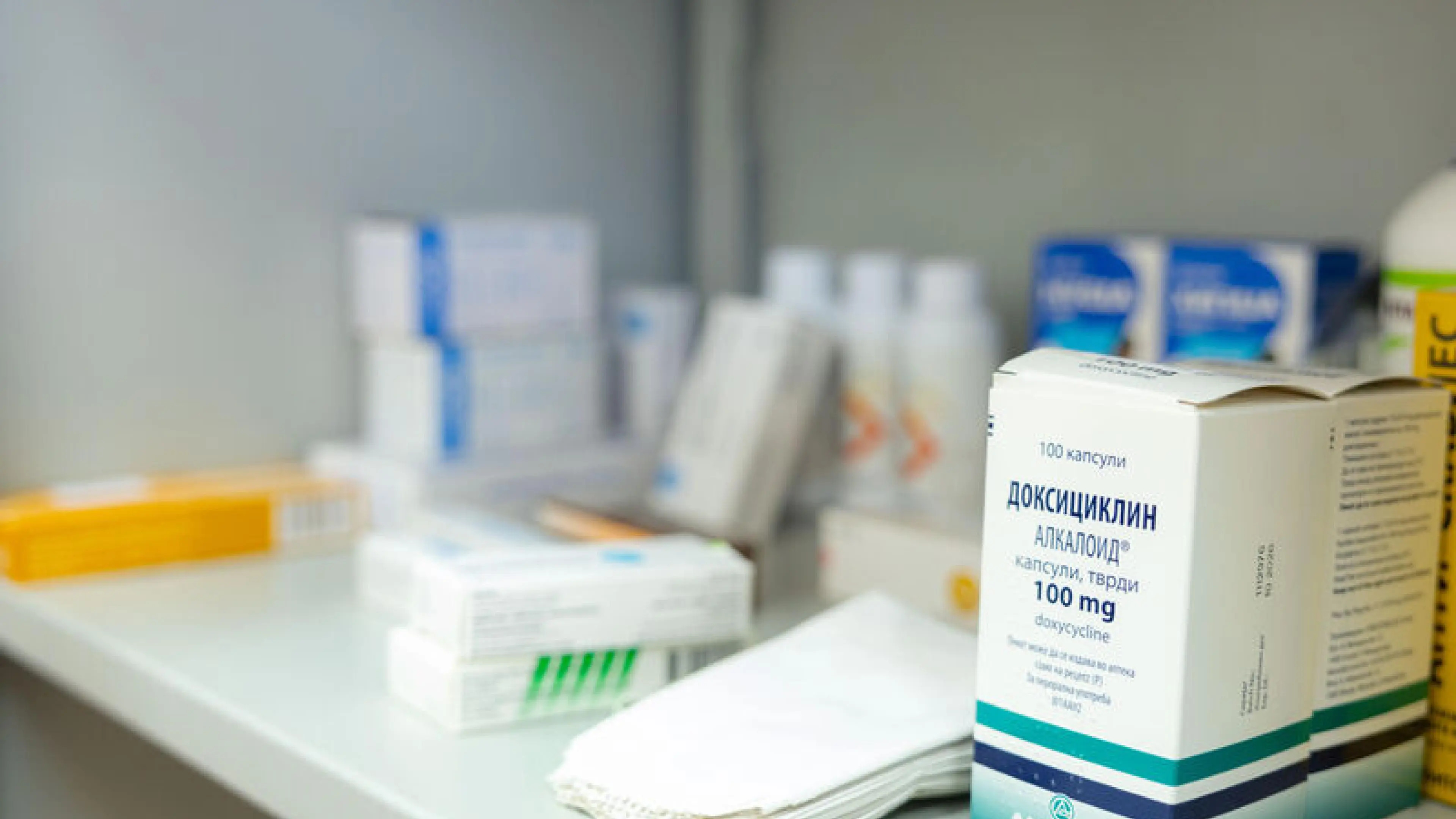
IMAP Frequently Asked Questions: Using pre-exposure prophylaxis (PrEP) and gender affirming hormone therapy (GAHT) for transgender and gender-diverse clients
PrEP is one of the most effective tools we have to prevent HIV, yet many people still have questions about what it is, who it is for, and how it fits into their lives. Can you take PrEP if you are on gender-affirming hormone therapy? Does it have side effects? And why do so many transgender and gender-diverse people still face barriers to accessing it? We consulted the IPPF International Medical Advisory Panel to answer some of the most common questions we have received from the community about PrEP, from how it works and who can benefit from it, to the realities of navigating HIV prevention, healthcare systems, and gender-affirming care. Whether you're considering PrEP yourself, supporting someone who is, or simply curious, here's what you need to know. What is PrEP? PrEP refers to the use of antiretroviral medication by people not infected with HIV to reduce their risk of acquiring HIV (1). PrEP is used during periods when individuals believe they are particularly vulnerable to HIV infection. There are different delivery methods and regimens, with new methods also in development. Currently available options include an oral pill, a vaginal ring, and long-acting injectables. Who should use PrEP? PrEP is appropriate for anyone who perceives themselves to be vulnerable to HIV and wishes to reduce their risk of HIV infection through use of medications (1). Are there side effects to PrEP? Like all medications, PrEP may be associated with side effects in some people. The most common side effects are temporary, and can include nausea, bloating, diarrhoea, headache, feeling dizzy or weak, and trouble sleeping. Side effects from injections can include bruising, pain or small nodules at the injection site. Serious side effects are rare. Does PrEP interfere with gender-affirming hormone therapy? No. PrEP does not lower hormone levels in transgender, nonbinary, and gender diverse people (TGD) on gender-affirming hormone therapy (GAHT) (2). PrEP has been shown to be effective and safe in TGD people and should be provided to high-risk individuals regardless of gender affirming hormone use. There are no measurable differences in hormone levels in blood between PrEP users and non-users who are on GAHT (3). However, blood concentrations of PrEP drugs in transgender women were lower than expected, although at levels unlikely to interfere with their antiviral effect to prevent HIV acquisition (4). Are there sexual side effects to PrEP or gender-affirming hormone therapy for transgender women? PrEP is a medication that reduces the ability of the HIV virus to infect human immune cells; it does not impact the sexual functioning of human sex organs. GAHT for transgender women, however, decreases penile erection function, libido and ejaculatory volume. Discussion of these effects should be an integral part of the informed consent process and shared decision-making at the time of initiating GAHT. If these particular effects are unwanted, there are various strategies that can be used for those who wish to fully maintain penile sexual function, including the use of PDE5 (phosphodiesterase type 5) inhibitors (e.g., sildenafil, tadalafil, vardenafil) to facilitate erections, masturbation/sexual activity to maintain tissue perfusion, lowering antiandrogen doses when feminising goals are met and targeting testosterone levels slightly higher than cisfemale range (either through lower GAHT doses or addition of low-dose add-back testosterone therapy) (5). What are the barriers to using PrEP? Access to healthcare is critical for successful PrEP implementation. Although higher-income regions have had more successful implementation and awareness raising campaigns to date, many low-middle income countries are accelerating access. While PrEP is an important part of HIV preventive care services, studies show transgender women use less preventive care due to multiple factors, including limited access to healthcare, lack of insurance coverage for PrEP and gender-affirming care and medications, and fear of discrimination and stigma by healthcare providers (6). References IMAP statement on biomedical HIV prevention. IPPF, 2023 IMAP Statement on Biomedical HIV Prevention | IPPF, accessed March 2026. Senneker T. Drug-Drug Interactions Between Gender-Affirming Hormone Therapy and Antiretrovirals for Treatment/ Prevention of HIV. Br J Clin Pharmacol. 2024;90:2366–2382. Grant RM, Pellegrini M, Defechereux PA, Anderson PL, Yu M, Glidden DV, O’Neal J, Yager J, Bhasin S, Sevelius J, Deutsch MB. Sex Hormone Therapy and Tenofovir Diphosphate Concentration in Dried Blood Spots: Primary Results of the Interactions Between Antiretrovirals And Transgender Hormones Study. Clin Infect Dis. 2021 Oct 5;73(7):e2117-e2123. doi: 10.1093/cid/ciaa1160. PMID: 32766890; PMCID: PMC8492111. Hiransuthikul A, Janamnuaysook R, Himmad K, et al. Drug drug interactions between feminizing hormone therapy and preexposure prophylaxis among transgender women: the iFACT study. J Int AIDS Soc 2019; 22(7): e25338. DOI: 10. 1002/jia2.25338. Sehgal I. Review of adult gender transition medications: mechanisms, efficacy measures, and pharmacogenomic considerations. Front Endocrinol (Lausanne). 2023 Jul 4;14:1184024. doi: 10.3389/fendo.2023.1184024. Teng F, Sha Y, Fletcher LM, Welsch M, Burns P, Tang W. Barriers to uptake of PrEP across the continuum among transgender women: A global scoping review. Int J STD AIDS. 2023 Apr;34(5):299-314. doi: 10.1177/09564624231152781. Epub 2023 Feb 15. PMID: 36793197.

22 July 2025
Queer Joy as Resistance: A Radical Act of Living
Benedicta Oyedayo Oyewole What does it mean to keep joy alive? What signals its presence? And how do we sustain it in a world that often seeks to diminish us? These were the questions framing an evening of connection, reflection, and radical expression at an open mic event in Nairobi last Friday: Queer Joy as Resistance. Hosted by the International Planned Parenthood Federation Africa Region (IPPF ARO) in collaboration with Pan Africa ILGA, ILGA World, Galck+, RHNK, and Feminist Opportunities Now, the event was more than a gathering; it was a deliberate act of defiance, choosing joy where fear seeks to root. Why Joy Matters in Hostile Times Across Africa, LGBTQI+ communities are navigating an era of intensifying hostility, fueled by a resurgent and well-funded and coordinated global anti-rights movement. These forces are relentless, seeking not only to criminalize and silence us but to erase the fullness of our identities, lives, and legacies. In such times, joy is not frivolous. It is political. It is survival. It is defiance. Pride looks different this year. With rollbacks of rights and the resurgence of anti-gender rhetoric deciding who is “worthy” of life and love, Pride 2025 carries both a heavy sigh and a fear of the unknown. Queer Joy as Resistance was created with intent: to remind us that African queers deserve joy too and joy we carry with us every step of the way. IPPF ARO co-created this space to center the lived realities of those most impacted by shrinking civic spaces and anti-rights narratives. For LGBTQI+ communities across Africa, joy and belonginess are not luxuries; they are survival strategies. African queer joy exists 365/6 days a year, every day we love, create, and live fully, we declare: this is our Pride. As Njeri*, a participant, said during the open mic: “They want us to live in fear, but every time we dance, sing, and speak our truth, we remind them we are still here.” Where Joy Took the Mic The evening unfolded in a room alive with energy and color, where over 100 LGBTQI+ persons gathered to hold space for one another. The open mic became a stage for courage where voices, both soft and loud, trembling and steady, took the microphone and claimed visibility. We heard slam poetry that shook the walls, songs that carried both grief and hope, and stories that affirmed the complexity of our identities. Each performance was a manifesto: a declaration that our existence is non-negotiable, that joy belongs to us even when systems insist otherwise. As the space holder, Linda Pepper reminded us of a quote by writer and activist Alok Vaid-Menon: “We deserve more than survival. We deserve to live, to love, to be soft, to be tender, to be joyous, to be complex, to be fully seen in our humanness.” And in that room, these words felt tangible, woven into the laughter, the tears, the harmonies, and the affirmations shouted back from the crowd. Joy and Care: Intertwined Acts of Resistance Joy is not the absence of struggle; it is the insistence on life within it. But joy cannot be sustained in isolation; it thrives in the soil of care. The interdependence of care is also the interdependence of learning. Caring for ourselves and our communities is not a destination but a continuous, evolving practice. We do not seek perfection, only the spaciousness to understand what we need, what we dream, and how we can hold one another as we move beyond survival. Self-care and collective care are deeply linked. Self-care cannot thrive without collective care, and collective care becomes almost impossible when self-care is absent or deprioritized. Our movements have always been resilient in the face of adversity, creating unique ways to survive violence, oppression, and exclusion. Yet, there is an urgent need to acknowledge, amplify, and radicalize traditional care practices, ensuring they are integrated into mainstream discourses on care. Spaces like this open mic embody care in action. Every poem, every song, every story shared was a gesture of care, holding us together even as the world seeks to tear us apart. Carrying Joy Forward This gathering was not just an event; it was a living example of what becomes possible when we come together: community as refuge, as resistance, as possibility. Every song sung, every word spoken, every dance step marked an audacious claim: We are here. We are alive. We choose joy. If Queer Joy is Resistance, then creating and holding spaces like this is not optional; it is necessary. In times of heightened hostility, joy and care must remain at the center of our strategies for resilience and liberation. So, we carry this forward not as a one-time event but as a movement. Because Joy is not what we find at the end of the road; it is what we bring with us every step of the way. *Njeri — name has been changed to protect her privacy. Benedicta Oyedayo Oyewole is the Community Engagement and Partnerships Lead at IPPF Africa
19 June 2025
Reclaiming African Pride: We Refuse to Be Legislated Out of Existence
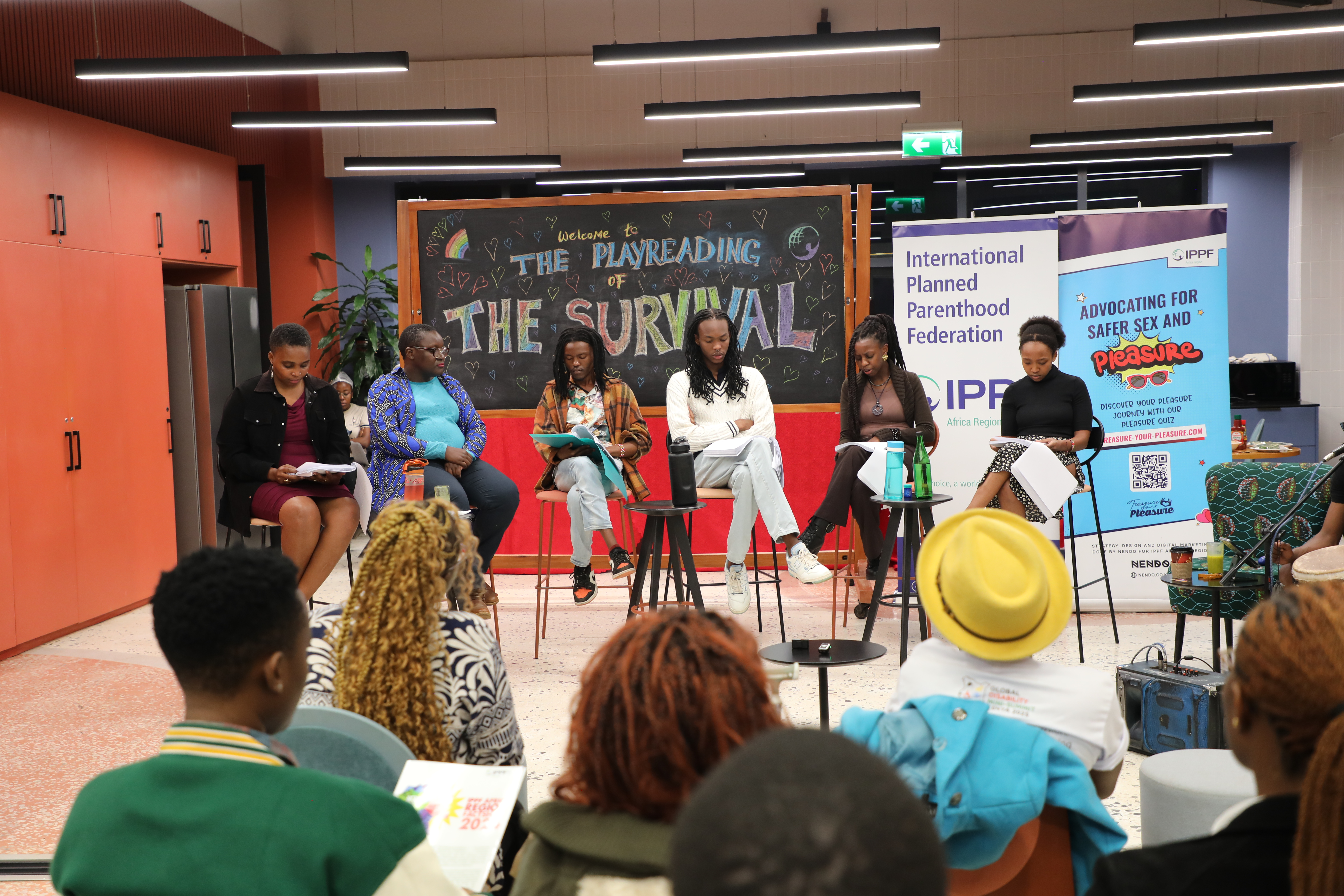
By Benedicta Oyedayo Oyewole, When we speak of celebration in the spirit of Ubuntu, we are not merely referring to events or visibility moments. We are evoking a deeper, collective joy rooted in resistance, relationality, and the politics of being. Ubuntu says, ‘I am because we are,’ and in that spirit, celebration becomes a political act. It takes the form of music, laughter, dance, vibrant colours, and in some African cultures, masquerades that shake the ground beneath our feet. These are not aesthetics for performance. They are expressions of collective memory, resistance, and survival. In those moments, people feel seen. Not tolerated, seen. Not permitted, respected. People move with agency. With defiance. With joy that is not passive, but revolutionary. That is Ubuntu. That is Pride. But that spirit has been systematically stripped away. The rupture between what Pride once meant within our cultural contexts and what was violently imposed through coloniality and heteropatriarchy has bred something else: fear. Fear of being visible. Fear of claiming space. Fear of simply existing outside sanctioned norms. Across the world, recent years have seen the rapid digitalization of social movements, a fourth wave of feminist organizing, and hard-won victories by women, girls, sex workers, LGBTQI+ persons, young people, and historically marginalized communities. From viral digital campaigns to mass protests, we’ve witnessed new forms of movement-building and global solidarity. But with these gains has also come an emboldened rise in fascism and rollback of some of these victories. As liberationist and leftist politics gain renewed momentum, especially across the Global South, we are simultaneously witnessing a concerted effort to attack human rights. In the African region, we have witnessed not only growing visibility of the anti-rights movements but also a sharp rollback in human rights. The rise of regressive laws and policies often framed as a return to so-called “African values” is a deliberate effort to police who we are, who we have been, and who we are allowed to become. It is a chilling testament to the persistence of neo-colonialism in the 21st century, one no longer cloaked solely in economic domination, but also in the export of ideologies that endanger lives. This anti-rights agenda is being aggressively driven by well-funded, right-wing groups from the Global North, who actively fuel regressive laws and narratives across Africa. Their interference not only undermines local human rights efforts but also deepens the structural violence experienced by already marginalised communities. From the signing of Uganda’s Anti-Homosexuality Act, one of the harshest anti-LGBTQ+ laws in the world to the introduction of Kenya’s Family Protection Bill, we are witnessing a region-wide effort to legislate queer existence out of public life. In Ghana, the Human Sexual Rights and Family Values Bill was passed by parliament but withheld from assent by former President Nana Akufo-Addo. It is now set to be reintroduced and is reportedly ready for its first reading. In Mali, same-sex consensual relationships have been criminalized; Burkina Faso’s military junta has proposed a similar bill declaring that "henceforth homosexuality and associated practices will be punished by the law." A member of parliament in the Democratic Republic of Congo has similarly proposed anti-LGBTQ+ legislation. In Liberia, a legislator introduced the Anti-Homosexuality Law of Liberia 2024, which mimics many aspects of the anti-homosexuality laws of Nigeria and Uganda and the anti-LGBTQ bill that Ghana’s parliament approved. Meanwhile, in Namibia, President Nangolo Mbumba declined to sign two anti-LGBTQ+ private members’ bills. Zimbabwe has, in the same light, passed the Private Voluntary Organisations (PVO) Amendment Bill into law, a move that severely constrains community organizing. Across the region, we are seeing not isolated incidents, but a coordinated attack on rights, a systematic effort that places LGBTQI+ Africans under surveillance, under arrest, under threat in their homes, communities, and in their bodies. In these heavy and coordinated attacks across the region, joy has become difficult to hold. The scramble for safety persists, and joy feels distant when the warplanes are still flying overhead. We are living through a terrifying global moment marked by State-sponsored repression, global broadcast of ethnic cleansing, and the shrinking of civic space. For LGBTQI+ Africans, this moment brings disproportionate subjugation. The question remains painfully urgent: Where do we go to be free? So, we hold space to ask: What does freedom truly mean? What counts as liberation when laws may change, but our lives remain policed? Beyond legislation, how do we centre our existence, our joy, our right to be? One way is through the creation of safer spaces that honour the intimacy of community and the power of being in relation with one another. We carry each other. We sustain each other. This was powerfully evident in the celebration that ushered in Pride Month, a queer play reading held in collaboration with IPPF Africa Region. We came together not just to read words on a page, but to affirm our survival, our resistance, and our collective becoming. IPPF Africa Region created a supportive space for this conversation for LGBTQI+ persons to feel safe within themselves and with community. The play reading was described as “we are all a river, growing together,” a metaphor that speaks to our collective flow, strength, and interconnectedness. In this moment, simply being together is an act of resistance. It is revolutionary. Given the current landscape of LGBTQI+ organizing across the continent, where visibility can come at great cost, gathering in joy, in solidarity, and in story is itself a radical form of movement-building. Rooted in collective resistance and relationality, this moment reminds us that movements are not only sharpened in protest but also in presence, in sitting beside one another and bearing witness to each other’s truth. The piece, "The Survival" by Achiro P. Olwoch, follows a young woman in homophobic Uganda who becomes pregnant by a homosexual man, a scandal deemed unthinkable in a society that condemns both. It is a tense, emotional journey to keep the truth hidden in a world that offers little to no mercy. After the reading, guests shared varied reflections, emphasizing both the need for more focused and inclusive spaces and a heightened awareness of the precarious state of human rights, not only regionally but globally. Amid these challenges, our stories of unity and purpose continue to shine. Our voices remain testaments to our resilience, and art stands as part of that resilience. As one participant said, “Let’s continue using art for the value it can bring to our society.” This is what African Pride looks like: fierce, rooted, defiant, collective. It is not a borrowed concept. It is ours, born of the drum, the dance, the survival, the storytelling. African Pride is not a moment. It is a movement. It is a memory. It is the future. And we will not be legislated out of it. Benedicta Oyedayo Oyewole, IPPF Africa Region Community Engagement and Partnership Lead

14 October 2024
A Very African Story
This is the story of a young teenage boy who would walk the streets of Nairobi on a Sunday afternoon, hoping to find someone with whom he could connect. Someone who would understand the kind of touch he needed and who would allow him to be seen as a lover and not as an abomination, curse, or illness. It's also a story of discovering a home, a home that embodies wholeness, love, compassion, dreams, authenticity, vulnerability, fun, creativity, and bravery. My name is Kevin Mwachiro. I am a Kenyan writer, podcaster, journalist and LGBTQI activist. I am that teenage boy, and I'm a proudly African. My Africa is a place of immense beauty, but it can also be dangerous for those who dare to be themselves. I chose to live my truth after being almost forced out of the closet in 2001 after I got caught kissing a guy. I had always known that I was attracted to other guys and acted on that feeling the first time when I was 16. That moment of freedom and pleasure was immediately followed by shame and guilt and hiding for over a decade. It was a struggle with self-hate, masturbation and low self-esteem. Post 2001, I was forced to look at myself in the mirror and finally admit that I was gay and for the next few years, I straddled the fence torn between desire and dogma. That period was confusing, exciting, lonely, and precarious. I say precarious because it involved having sex in risky places and with total strangers and, at times, the oddest time of the day. However, it has been here within the bosom of Mama Africa that I have fully come out into my queerness. It has been a journey with numerous therapy sessions, self-acceptance and forgiveness, and finally, finding a community of Kenya and African LGBTQI folk that I started fully embracing myself. My journey has been enriched by a unique African queer sexuality discovered during my travels on the continent. From Accra to Kampala, Gaborone to my home city of Nairobi, I've learned that one can be queer and thrive in Africa, and this is thanks to chosen family, allies, and the safe spaces they've created. I can't overstate the role of allies in my journey. They've spoken for me in spaces where I was silenced, unwelcome, or deemed too dangerous. They've seen me and my community for who we are, fellow humans. It has taken many years to arrive at this part of my life. There has been lots of unlearning, learning and relearning about sex, sexuality and sexual health. Plus, I took ownership of my narrative, founded safe spaces, and used utu, aka ubuntu, to recognize my humanness and that of others. This self-acceptance and loving my queerness and the ongoing decolonizing of my mind, faith, education and surroundings has led me to a place of newness and authenticity. In looking back at my own life, I'm grateful that even when I was in the closet, I was not homophobic. Even though there was self-loathing, I'm glad I never directed this towards the community. From my Christian corner, I envied the gays and lesbians, for in my eyes, they had the gumption to be themselves in an Africa that was shunning them. The concept of othering and harbouring phobic attitudes has no place in the home of utu-ubuntu, and I strongly believe that is not who we are as Africans. Moralizing sexuality or sensuality or the shaming of bodies was imported onto our shores by colonizers. Eventually, it slithered into our education system, places of worship, governance, society and independent Africa. The unlearning I've had to do and still do has led me to where I am and the work I do. I am healing. Over the last 17 years, I have used the tools of my trade to ensure that LGBTQI stories are told with dignity, honesty and hope. It is my curious mind delving into our African history to challenge notions that I am un-African and being elated by the discovery of same-sex relations being depicted by cave paintings of the San peoples or knowing that sex wasn’t a taboo or a hot topic like it is being made to be these days. In Burkina Faso, Côte d'Ivoire, Mali, Northern Nigeria, and Senegal, we know from the existence of Indigenous (and sometimes uncomplimentary) terms for people who did not fall into the gender binary system (goorjigéén, tchié tè mousso tè, ‘yan daudu) that such people were visible and tolerated in their communities. We had our ways. It is now all the more important to have conversations about our past, present, and future in the language of the home, and that is how bridges and safe spaces are built. We are reclaiming and retelling narratives which call for bravery, boldness, and humility—humility to listen, learn, and respect. Kevin Mwachiro is a Kenya-based writer, podcaster, journalist, and queer activist. His professional media and communications career spans over 22 years. Kevin describes himself as a custodian of people's stories, which is evident in his array of work. Kevin's first book, Invisible – Stories from Kenya’s Queer Community, was the first book of its kind in Kenya. He was the editorial lead for the recently launched We’ve Been Here, which documents the stories of LGBTQI Kenyans who are 50 years and older. Kevin was also part of the editorial team for Boldly Queer - African Perspectives on Same-sex Sexuality and Gender Diversity and the anthology Rainbow Childhoods. Kevin’s short story Number Sita was published in the anthology Nairobi Noir, and his play, Thrashed, is part of the Goethe Institut’s Kenya’s “Six and the City” collection. Kevin also writes articles and opinion pieces for several media platforms and is published in various cultural journals. In 2017, he launched a story-telling podcast called Nipe Story, which produces audio versions of short-story fictional stories from the African continent. Nipe Story has received recognition as one of Kenya’s notable podcasts. Kevin co-founded the Out Film Festival, the first LGBTQI film festival in East Africa. Social media handles - X and Instagram @kevmwachiro Blog: https://kevinmwachiro.medium.com/

11 September 2024
Take a Stand against Hate to Protect the Rights of LGBTQI+ in Côte d'Ivoire
Since 21 August, influencers through online campaigns have amplified dangerous narratives, justifying physical and psychological violence on the LGBTQI+ community in Cote d’Ivoire. This is not just an attack on LGBTIQ people, but on the human rights of all Ivorian citizens. Feminist Opportunities Now, together with its partner organisations and activists in Côte d'Ivoire, expresses its outrage at the rise in violence, hate speech and discrimination against lesbian, gay, bisexual, transgender, intersex and queer (LGBTIQ) communities. We are deeply concerned by the increase in calls for violence and crimes targeting individuals because of their sexual orientation and gender identity. Today, we call for urgent action to stop this wave of hatred that threatens the dignity and rights of so many people. Sign the petition This is a call for action and solidarity, aimed at mobilising the authorities, the media and civil society to combat hatred and violence against LGBTIQ people. The Need for Urgent Action We call on everyone to take immediate action to stop this dangerous trend. Hate speech, threats and violence have no place in a democratic society. Public figures and institutions must act decisively to protect all citizens, regardless of sexual orientation or gender identity. We stress that the Constitution of Côte d'Ivoire guarantees equality and human dignity for all, as stipulated in Article 2. There are no laws criminalising LGBTIQ individuals in the country, and any attack on their rights is a violation of the fundamental principles of freedom and equality, as Marie-Jo, programme and project officer for an organisation that campaigns for the human rights of lesbian, bisexual and queer women in Côte d'Ivoire, points out: "Calling for the eradication of the LGBTI community brings us back to Nazi rhetoric. Today we are in Côte d'Ivoire where, in the name of personal convictions, some citizens are calling for the disappearance of other citizens and believe that they should not exist. There is no justification for killing and using violence because we are against someone's sexual orientation, the way they walk or even the way they dress. The state is guilty of what is happening, of all these excesses, by its silence and inertia. Sign the petition The companies behind platforms such as Facebook, TikTok and YouTube must assume their responsibilities by moderating content and deleting hate messages. We demand strict sanctions against accounts that spread hate. The Role of Government and the Legal System The Ivorian government must take immediate action to enforce its laws against hate speech and violence. Article 226 of the Penal Code clearly prohibits discrimination, and the increase in attacks must be addressed through firm legal action. We cannot allow those who incite violence to go unpunished. The lack of sanctions creates a climate of insecurity for LGBTIQ people, undermining confidence in the institutions charged with protecting them. What to do? Sign the petitions: Join our partners in the fight against hate and violence by signing the petitions demanding stronger legal protection for the LGBTIQ community. Read the statement: Read the full statement from our partners in Côte d'Ivoire and their partners, which sets out the legal and moral obligations to protect the rights of all citizens, including LGBTIQ people. We reaffirm our commitment to building a future where everyone can live without fear, where LGBTIQ people in Côte d'Ivoire and around the world can live with dignity, respect and freedom. Together, let us reject hatred, protect human rights and build a society that values every individual. Read the statement drawn up by three of our civil society organisations and their partners on this homophobic propaganda. FON is a project that funds CSOs around the world to combat all forms of gender-based violence. Read the article on the FON Website: Feminist Opportunities Now (FON) - Call to amplify Civil Society Organisations fight against GBV (feministnow.org)

06 August 2020
IPPF Africa Region Congratulates Gabon on Depenalisation of Same-Sex Sexual Relations
The International Planned Parenthood Federation Africa Region (IPPFAR) congratulates the Gabonese Republic on its recent removal of article 402 (5) in the penal code, which criminalized homosexuality. On 29 June 2020, Gabon’s Senate voted to repeal the country's sodomy law. The vote stood at 59 in favour of repeal, and 17 against. This followed the National Assembly’s vote of 23 June 2020 which saw 48 MPs vote in favour, 24 against, and 25 abstentions. It is now up to the Head of State to promulgate the text. IPPFAR celebrates this significant win with the Gabonese lesbian, gay, bisexual, transgender and intersex (LGBTI) community and activists, including human rights organisations -all of whom have worked tirelessly towards this achievement. IPPFAR is one of the leading organisations at the forefront of advocating for the respect of sexual and reproductive health and rights for all. We strongly believe that no law should criminalize a person’s sexuality, and that no one should be discriminated against because of their sexual orientation. IPPFAR hopes that this recent development in Gabon will inspire other African countries to take a similar approach -that of protecting and upholding the rights of every individual. IPPFAR reiterates its commitment to supporting and working with governments, organizations and individuals in the advancement of sexual reproductive health and rights for all. For more information about the work of IPPF Africa Region, follow us on Facebook and Twitter.

30 November 2021
A Huge Victory for LGBTIQ+ Equality in Botswana: Court Upholds Ruling Decriminalizing Same-Sex Relationships
Nairobi, 30 November 2021 - The International Planned Parenthood Federation (IPPF) and the Botswana Family Welfare Association (BOFWA) celebrate and welcome Botswana’s Court of Appeal’s decision to uphold a 2019 ruling that decriminalized same-sex relationships. On Monday 29 November 2021, five judges from the Court of Appeal unanimously ruled that criminalising same-sex relationships was a violation of the constitutional rights of Lesbian, Gay, Bisexual, Transgender, Intersex and Queer (LGBTIQ+) individuals to dignity, liberty, privacy and equality. The offending sections of the Penal Code have been removed accordingly, as they were found to violate liberty, privacy and dignity and cause undue discrimination to the LGBTIQ+ community. This decision has affirmed Botswana’s commitment to uphold the democratic rights of all its citizens, including their full and complete sexual and reproductive health and rights (SRHR). This appeal was the third to be heard by the full bench of the court of Appeal concerning constitutionality of the state actors, or sections of statutes challenged as breaching the fundamental rights of members of the LGBTIQ+ community. BOFWA, a member association of IPPF, plays a leading role in providing and championing access to high-quality and integrated SRHR for all those who are marginalised, underserved and in particular those groups who are often left behind. These communities include vulnerable and key populations such as the LGBTIQ+ communities and sex workers. In Partnership with SRHR and LGBTIQ+ activists, BOFWA advocates for the SRHR of all people of Botswana, regardless of their sexual orientation, gender identity or status in society. Over the years, BOFWA has argued that criminalization of same-sex relations and associated stigma and discrimination gravely reduces access to SRHR services, including HIV interventions and other sexually transmitted infections. A distinguished leader in the SRHR sector, BOFWA was the first non-governmental organization in the country to provide antiretroviral treatment to key populations. Ms. Una Ngwenya, BOFWA’s Executive Director, expressed jubilation at the Court of Appeal’s decision. “The ruling will go a long way in addressing issues of stigma and discrimination against members of the same-sex community in Botswana. We believe that this decision will inspire members of this community to freely seek SRHR services and go on with their lives like everyone else; they don’t need labels but rather targeted and differentiated services! Still, we will not sit on our laurels, it is not over yet, members of the same-sex community face various challenges beyond the law; attitudes of service providers, moralizing sex and sexuality and complexities surrounding sexual and gender-based violence among communities remain critical. While we welcome the Court of Appeal’s judgement, we urge the Government to put in place stringent measures across the country’s health care system that will address the barriers and disparities preventing the LGBTIQ+ community’s access to sexual and reproductive health services. Equally, we call for the guaranteed safety and protection of our fellow civil society movements that continue to fight barriers and disparities that hinder this community’s access to sexual reproductive health services,” she says. Ms. Ngwenya adds that BOFWA and IPPF will not relent in their quest to advocate for SRHR-related issues, including laws that provide access to safe abortion and decriminalize sex work. “IPPF welcomes Botswana’s ruling in favour of LGBTIQ+ equality and encourages other African countries to follow it. We reiterate our commitment to building the capacities of all our Member Associations, their partners and stakeholders, in ensuring that the sexual reproductive health and rights of all citizens across the world are upheld, unreservedly,” said Marie-Evelyne-Petrus-Barry, IPPF Africa Regional Director. END Media Contacts: -Mahmoud Garga, Lead Specialist - Strategic Communication, Media Relations and Digital Campaigning, IPPF Africa Regional Office (IPPFARO) – email: [email protected] -Phone +254 704 626 920 Maryanne Wanyama, Communications Office, IPPFARO, Nairobi (Kenya) - Email: [email protected] – Phone: +254 707 952 990 ABOUT IPPF AFRICA REGION (IPPFAR) The International Planned Parenthood Federation Africa Region (IPPFAR) is one of the leading providers of quality sexual and reproductive health (SRH) services in Africa, and a strong and resolute sexual and reproductive health and rights (SRHR) advocacy voice in the region, committed to gender equality and to ensuring that women, girls and young people realize their rights and have control over their own bodies, their lives and their futures. Headquartered in Nairobi, Kenya, the overarching goal of IPPFAR is to increase access to integrated SRHR services to the most vulnerable youth, men, and women in sub-Saharan Africa. Supported by thousands of volunteers, IPPFAR tackles the continent’s growing SRHR challenges through a committed network of Member Associations (MAs) in 40 countries. We do this by supporting and empowering the MAs into efficient entities with the capacity to deliver and sustain high-quality, youth-focused and gender-transformative services. We work with governments, the African Union, Regional Economic Commissions, the Pan-African Parliament, United Nations bodies among others to expand political and financial commitments to sexual and reproductive health and rights in Africa. Learn more about us on our website. Follow us on Facebook, Twitter, Instagram and You Tube.
IMAP Frequently Asked Questions: Using pre-exposure prophylaxis (PrEP) and gender affirming hormone therapy (GAHT) for transgender and gender-diverse clients
PrEP is one of the most effective tools we have to prevent HIV, yet many people still have questions about what it is, who it is for, and how it fits into their lives. Can you take PrEP if you are on gender-affirming hormone therapy? Does it have side effects? And why do so many transgender and gender-diverse people still face barriers to accessing it? We consulted the IPPF International Medical Advisory Panel to answer some of the most common questions we have received from the community about PrEP, from how it works and who can benefit from it, to the realities of navigating HIV prevention, healthcare systems, and gender-affirming care. Whether you're considering PrEP yourself, supporting someone who is, or simply curious, here's what you need to know. What is PrEP? PrEP refers to the use of antiretroviral medication by people not infected with HIV to reduce their risk of acquiring HIV (1). PrEP is used during periods when individuals believe they are particularly vulnerable to HIV infection. There are different delivery methods and regimens, with new methods also in development. Currently available options include an oral pill, a vaginal ring, and long-acting injectables. Who should use PrEP? PrEP is appropriate for anyone who perceives themselves to be vulnerable to HIV and wishes to reduce their risk of HIV infection through use of medications (1). Are there side effects to PrEP? Like all medications, PrEP may be associated with side effects in some people. The most common side effects are temporary, and can include nausea, bloating, diarrhoea, headache, feeling dizzy or weak, and trouble sleeping. Side effects from injections can include bruising, pain or small nodules at the injection site. Serious side effects are rare. Does PrEP interfere with gender-affirming hormone therapy? No. PrEP does not lower hormone levels in transgender, nonbinary, and gender diverse people (TGD) on gender-affirming hormone therapy (GAHT) (2). PrEP has been shown to be effective and safe in TGD people and should be provided to high-risk individuals regardless of gender affirming hormone use. There are no measurable differences in hormone levels in blood between PrEP users and non-users who are on GAHT (3). However, blood concentrations of PrEP drugs in transgender women were lower than expected, although at levels unlikely to interfere with their antiviral effect to prevent HIV acquisition (4). Are there sexual side effects to PrEP or gender-affirming hormone therapy for transgender women? PrEP is a medication that reduces the ability of the HIV virus to infect human immune cells; it does not impact the sexual functioning of human sex organs. GAHT for transgender women, however, decreases penile erection function, libido and ejaculatory volume. Discussion of these effects should be an integral part of the informed consent process and shared decision-making at the time of initiating GAHT. If these particular effects are unwanted, there are various strategies that can be used for those who wish to fully maintain penile sexual function, including the use of PDE5 (phosphodiesterase type 5) inhibitors (e.g., sildenafil, tadalafil, vardenafil) to facilitate erections, masturbation/sexual activity to maintain tissue perfusion, lowering antiandrogen doses when feminising goals are met and targeting testosterone levels slightly higher than cisfemale range (either through lower GAHT doses or addition of low-dose add-back testosterone therapy) (5). What are the barriers to using PrEP? Access to healthcare is critical for successful PrEP implementation. Although higher-income regions have had more successful implementation and awareness raising campaigns to date, many low-middle income countries are accelerating access. While PrEP is an important part of HIV preventive care services, studies show transgender women use less preventive care due to multiple factors, including limited access to healthcare, lack of insurance coverage for PrEP and gender-affirming care and medications, and fear of discrimination and stigma by healthcare providers (6). References IMAP statement on biomedical HIV prevention. IPPF, 2023 IMAP Statement on Biomedical HIV Prevention | IPPF, accessed March 2026. Senneker T. Drug-Drug Interactions Between Gender-Affirming Hormone Therapy and Antiretrovirals for Treatment/ Prevention of HIV. Br J Clin Pharmacol. 2024;90:2366–2382. Grant RM, Pellegrini M, Defechereux PA, Anderson PL, Yu M, Glidden DV, O’Neal J, Yager J, Bhasin S, Sevelius J, Deutsch MB. Sex Hormone Therapy and Tenofovir Diphosphate Concentration in Dried Blood Spots: Primary Results of the Interactions Between Antiretrovirals And Transgender Hormones Study. Clin Infect Dis. 2021 Oct 5;73(7):e2117-e2123. doi: 10.1093/cid/ciaa1160. PMID: 32766890; PMCID: PMC8492111. Hiransuthikul A, Janamnuaysook R, Himmad K, et al. Drug drug interactions between feminizing hormone therapy and preexposure prophylaxis among transgender women: the iFACT study. J Int AIDS Soc 2019; 22(7): e25338. DOI: 10. 1002/jia2.25338. Sehgal I. Review of adult gender transition medications: mechanisms, efficacy measures, and pharmacogenomic considerations. Front Endocrinol (Lausanne). 2023 Jul 4;14:1184024. doi: 10.3389/fendo.2023.1184024. Teng F, Sha Y, Fletcher LM, Welsch M, Burns P, Tang W. Barriers to uptake of PrEP across the continuum among transgender women: A global scoping review. Int J STD AIDS. 2023 Apr;34(5):299-314. doi: 10.1177/09564624231152781. Epub 2023 Feb 15. PMID: 36793197.
22 July 2025
Queer Joy as Resistance: A Radical Act of Living
Benedicta Oyedayo Oyewole What does it mean to keep joy alive? What signals its presence? And how do we sustain it in a world that often seeks to diminish us? These were the questions framing an evening of connection, reflection, and radical expression at an open mic event in Nairobi last Friday: Queer Joy as Resistance. Hosted by the International Planned Parenthood Federation Africa Region (IPPF ARO) in collaboration with Pan Africa ILGA, ILGA World, Galck+, RHNK, and Feminist Opportunities Now, the event was more than a gathering; it was a deliberate act of defiance, choosing joy where fear seeks to root. Why Joy Matters in Hostile Times Across Africa, LGBTQI+ communities are navigating an era of intensifying hostility, fueled by a resurgent and well-funded and coordinated global anti-rights movement. These forces are relentless, seeking not only to criminalize and silence us but to erase the fullness of our identities, lives, and legacies. In such times, joy is not frivolous. It is political. It is survival. It is defiance. Pride looks different this year. With rollbacks of rights and the resurgence of anti-gender rhetoric deciding who is “worthy” of life and love, Pride 2025 carries both a heavy sigh and a fear of the unknown. Queer Joy as Resistance was created with intent: to remind us that African queers deserve joy too and joy we carry with us every step of the way. IPPF ARO co-created this space to center the lived realities of those most impacted by shrinking civic spaces and anti-rights narratives. For LGBTQI+ communities across Africa, joy and belonginess are not luxuries; they are survival strategies. African queer joy exists 365/6 days a year, every day we love, create, and live fully, we declare: this is our Pride. As Njeri*, a participant, said during the open mic: “They want us to live in fear, but every time we dance, sing, and speak our truth, we remind them we are still here.” Where Joy Took the Mic The evening unfolded in a room alive with energy and color, where over 100 LGBTQI+ persons gathered to hold space for one another. The open mic became a stage for courage where voices, both soft and loud, trembling and steady, took the microphone and claimed visibility. We heard slam poetry that shook the walls, songs that carried both grief and hope, and stories that affirmed the complexity of our identities. Each performance was a manifesto: a declaration that our existence is non-negotiable, that joy belongs to us even when systems insist otherwise. As the space holder, Linda Pepper reminded us of a quote by writer and activist Alok Vaid-Menon: “We deserve more than survival. We deserve to live, to love, to be soft, to be tender, to be joyous, to be complex, to be fully seen in our humanness.” And in that room, these words felt tangible, woven into the laughter, the tears, the harmonies, and the affirmations shouted back from the crowd. Joy and Care: Intertwined Acts of Resistance Joy is not the absence of struggle; it is the insistence on life within it. But joy cannot be sustained in isolation; it thrives in the soil of care. The interdependence of care is also the interdependence of learning. Caring for ourselves and our communities is not a destination but a continuous, evolving practice. We do not seek perfection, only the spaciousness to understand what we need, what we dream, and how we can hold one another as we move beyond survival. Self-care and collective care are deeply linked. Self-care cannot thrive without collective care, and collective care becomes almost impossible when self-care is absent or deprioritized. Our movements have always been resilient in the face of adversity, creating unique ways to survive violence, oppression, and exclusion. Yet, there is an urgent need to acknowledge, amplify, and radicalize traditional care practices, ensuring they are integrated into mainstream discourses on care. Spaces like this open mic embody care in action. Every poem, every song, every story shared was a gesture of care, holding us together even as the world seeks to tear us apart. Carrying Joy Forward This gathering was not just an event; it was a living example of what becomes possible when we come together: community as refuge, as resistance, as possibility. Every song sung, every word spoken, every dance step marked an audacious claim: We are here. We are alive. We choose joy. If Queer Joy is Resistance, then creating and holding spaces like this is not optional; it is necessary. In times of heightened hostility, joy and care must remain at the center of our strategies for resilience and liberation. So, we carry this forward not as a one-time event but as a movement. Because Joy is not what we find at the end of the road; it is what we bring with us every step of the way. *Njeri — name has been changed to protect her privacy. Benedicta Oyedayo Oyewole is the Community Engagement and Partnerships Lead at IPPF Africa
19 June 2025
Reclaiming African Pride: We Refuse to Be Legislated Out of Existence
By Benedicta Oyedayo Oyewole, When we speak of celebration in the spirit of Ubuntu, we are not merely referring to events or visibility moments. We are evoking a deeper, collective joy rooted in resistance, relationality, and the politics of being. Ubuntu says, ‘I am because we are,’ and in that spirit, celebration becomes a political act. It takes the form of music, laughter, dance, vibrant colours, and in some African cultures, masquerades that shake the ground beneath our feet. These are not aesthetics for performance. They are expressions of collective memory, resistance, and survival. In those moments, people feel seen. Not tolerated, seen. Not permitted, respected. People move with agency. With defiance. With joy that is not passive, but revolutionary. That is Ubuntu. That is Pride. But that spirit has been systematically stripped away. The rupture between what Pride once meant within our cultural contexts and what was violently imposed through coloniality and heteropatriarchy has bred something else: fear. Fear of being visible. Fear of claiming space. Fear of simply existing outside sanctioned norms. Across the world, recent years have seen the rapid digitalization of social movements, a fourth wave of feminist organizing, and hard-won victories by women, girls, sex workers, LGBTQI+ persons, young people, and historically marginalized communities. From viral digital campaigns to mass protests, we’ve witnessed new forms of movement-building and global solidarity. But with these gains has also come an emboldened rise in fascism and rollback of some of these victories. As liberationist and leftist politics gain renewed momentum, especially across the Global South, we are simultaneously witnessing a concerted effort to attack human rights. In the African region, we have witnessed not only growing visibility of the anti-rights movements but also a sharp rollback in human rights. The rise of regressive laws and policies often framed as a return to so-called “African values” is a deliberate effort to police who we are, who we have been, and who we are allowed to become. It is a chilling testament to the persistence of neo-colonialism in the 21st century, one no longer cloaked solely in economic domination, but also in the export of ideologies that endanger lives. This anti-rights agenda is being aggressively driven by well-funded, right-wing groups from the Global North, who actively fuel regressive laws and narratives across Africa. Their interference not only undermines local human rights efforts but also deepens the structural violence experienced by already marginalised communities. From the signing of Uganda’s Anti-Homosexuality Act, one of the harshest anti-LGBTQ+ laws in the world to the introduction of Kenya’s Family Protection Bill, we are witnessing a region-wide effort to legislate queer existence out of public life. In Ghana, the Human Sexual Rights and Family Values Bill was passed by parliament but withheld from assent by former President Nana Akufo-Addo. It is now set to be reintroduced and is reportedly ready for its first reading. In Mali, same-sex consensual relationships have been criminalized; Burkina Faso’s military junta has proposed a similar bill declaring that "henceforth homosexuality and associated practices will be punished by the law." A member of parliament in the Democratic Republic of Congo has similarly proposed anti-LGBTQ+ legislation. In Liberia, a legislator introduced the Anti-Homosexuality Law of Liberia 2024, which mimics many aspects of the anti-homosexuality laws of Nigeria and Uganda and the anti-LGBTQ bill that Ghana’s parliament approved. Meanwhile, in Namibia, President Nangolo Mbumba declined to sign two anti-LGBTQ+ private members’ bills. Zimbabwe has, in the same light, passed the Private Voluntary Organisations (PVO) Amendment Bill into law, a move that severely constrains community organizing. Across the region, we are seeing not isolated incidents, but a coordinated attack on rights, a systematic effort that places LGBTQI+ Africans under surveillance, under arrest, under threat in their homes, communities, and in their bodies. In these heavy and coordinated attacks across the region, joy has become difficult to hold. The scramble for safety persists, and joy feels distant when the warplanes are still flying overhead. We are living through a terrifying global moment marked by State-sponsored repression, global broadcast of ethnic cleansing, and the shrinking of civic space. For LGBTQI+ Africans, this moment brings disproportionate subjugation. The question remains painfully urgent: Where do we go to be free? So, we hold space to ask: What does freedom truly mean? What counts as liberation when laws may change, but our lives remain policed? Beyond legislation, how do we centre our existence, our joy, our right to be? One way is through the creation of safer spaces that honour the intimacy of community and the power of being in relation with one another. We carry each other. We sustain each other. This was powerfully evident in the celebration that ushered in Pride Month, a queer play reading held in collaboration with IPPF Africa Region. We came together not just to read words on a page, but to affirm our survival, our resistance, and our collective becoming. IPPF Africa Region created a supportive space for this conversation for LGBTQI+ persons to feel safe within themselves and with community. The play reading was described as “we are all a river, growing together,” a metaphor that speaks to our collective flow, strength, and interconnectedness. In this moment, simply being together is an act of resistance. It is revolutionary. Given the current landscape of LGBTQI+ organizing across the continent, where visibility can come at great cost, gathering in joy, in solidarity, and in story is itself a radical form of movement-building. Rooted in collective resistance and relationality, this moment reminds us that movements are not only sharpened in protest but also in presence, in sitting beside one another and bearing witness to each other’s truth. The piece, "The Survival" by Achiro P. Olwoch, follows a young woman in homophobic Uganda who becomes pregnant by a homosexual man, a scandal deemed unthinkable in a society that condemns both. It is a tense, emotional journey to keep the truth hidden in a world that offers little to no mercy. After the reading, guests shared varied reflections, emphasizing both the need for more focused and inclusive spaces and a heightened awareness of the precarious state of human rights, not only regionally but globally. Amid these challenges, our stories of unity and purpose continue to shine. Our voices remain testaments to our resilience, and art stands as part of that resilience. As one participant said, “Let’s continue using art for the value it can bring to our society.” This is what African Pride looks like: fierce, rooted, defiant, collective. It is not a borrowed concept. It is ours, born of the drum, the dance, the survival, the storytelling. African Pride is not a moment. It is a movement. It is a memory. It is the future. And we will not be legislated out of it. Benedicta Oyedayo Oyewole, IPPF Africa Region Community Engagement and Partnership Lead
14 October 2024
A Very African Story
This is the story of a young teenage boy who would walk the streets of Nairobi on a Sunday afternoon, hoping to find someone with whom he could connect. Someone who would understand the kind of touch he needed and who would allow him to be seen as a lover and not as an abomination, curse, or illness. It's also a story of discovering a home, a home that embodies wholeness, love, compassion, dreams, authenticity, vulnerability, fun, creativity, and bravery. My name is Kevin Mwachiro. I am a Kenyan writer, podcaster, journalist and LGBTQI activist. I am that teenage boy, and I'm a proudly African. My Africa is a place of immense beauty, but it can also be dangerous for those who dare to be themselves. I chose to live my truth after being almost forced out of the closet in 2001 after I got caught kissing a guy. I had always known that I was attracted to other guys and acted on that feeling the first time when I was 16. That moment of freedom and pleasure was immediately followed by shame and guilt and hiding for over a decade. It was a struggle with self-hate, masturbation and low self-esteem. Post 2001, I was forced to look at myself in the mirror and finally admit that I was gay and for the next few years, I straddled the fence torn between desire and dogma. That period was confusing, exciting, lonely, and precarious. I say precarious because it involved having sex in risky places and with total strangers and, at times, the oddest time of the day. However, it has been here within the bosom of Mama Africa that I have fully come out into my queerness. It has been a journey with numerous therapy sessions, self-acceptance and forgiveness, and finally, finding a community of Kenya and African LGBTQI folk that I started fully embracing myself. My journey has been enriched by a unique African queer sexuality discovered during my travels on the continent. From Accra to Kampala, Gaborone to my home city of Nairobi, I've learned that one can be queer and thrive in Africa, and this is thanks to chosen family, allies, and the safe spaces they've created. I can't overstate the role of allies in my journey. They've spoken for me in spaces where I was silenced, unwelcome, or deemed too dangerous. They've seen me and my community for who we are, fellow humans. It has taken many years to arrive at this part of my life. There has been lots of unlearning, learning and relearning about sex, sexuality and sexual health. Plus, I took ownership of my narrative, founded safe spaces, and used utu, aka ubuntu, to recognize my humanness and that of others. This self-acceptance and loving my queerness and the ongoing decolonizing of my mind, faith, education and surroundings has led me to a place of newness and authenticity. In looking back at my own life, I'm grateful that even when I was in the closet, I was not homophobic. Even though there was self-loathing, I'm glad I never directed this towards the community. From my Christian corner, I envied the gays and lesbians, for in my eyes, they had the gumption to be themselves in an Africa that was shunning them. The concept of othering and harbouring phobic attitudes has no place in the home of utu-ubuntu, and I strongly believe that is not who we are as Africans. Moralizing sexuality or sensuality or the shaming of bodies was imported onto our shores by colonizers. Eventually, it slithered into our education system, places of worship, governance, society and independent Africa. The unlearning I've had to do and still do has led me to where I am and the work I do. I am healing. Over the last 17 years, I have used the tools of my trade to ensure that LGBTQI stories are told with dignity, honesty and hope. It is my curious mind delving into our African history to challenge notions that I am un-African and being elated by the discovery of same-sex relations being depicted by cave paintings of the San peoples or knowing that sex wasn’t a taboo or a hot topic like it is being made to be these days. In Burkina Faso, Côte d'Ivoire, Mali, Northern Nigeria, and Senegal, we know from the existence of Indigenous (and sometimes uncomplimentary) terms for people who did not fall into the gender binary system (goorjigéén, tchié tè mousso tè, ‘yan daudu) that such people were visible and tolerated in their communities. We had our ways. It is now all the more important to have conversations about our past, present, and future in the language of the home, and that is how bridges and safe spaces are built. We are reclaiming and retelling narratives which call for bravery, boldness, and humility—humility to listen, learn, and respect. Kevin Mwachiro is a Kenya-based writer, podcaster, journalist, and queer activist. His professional media and communications career spans over 22 years. Kevin describes himself as a custodian of people's stories, which is evident in his array of work. Kevin's first book, Invisible – Stories from Kenya’s Queer Community, was the first book of its kind in Kenya. He was the editorial lead for the recently launched We’ve Been Here, which documents the stories of LGBTQI Kenyans who are 50 years and older. Kevin was also part of the editorial team for Boldly Queer - African Perspectives on Same-sex Sexuality and Gender Diversity and the anthology Rainbow Childhoods. Kevin’s short story Number Sita was published in the anthology Nairobi Noir, and his play, Thrashed, is part of the Goethe Institut’s Kenya’s “Six and the City” collection. Kevin also writes articles and opinion pieces for several media platforms and is published in various cultural journals. In 2017, he launched a story-telling podcast called Nipe Story, which produces audio versions of short-story fictional stories from the African continent. Nipe Story has received recognition as one of Kenya’s notable podcasts. Kevin co-founded the Out Film Festival, the first LGBTQI film festival in East Africa. Social media handles - X and Instagram @kevmwachiro Blog: https://kevinmwachiro.medium.com/
11 September 2024
Take a Stand against Hate to Protect the Rights of LGBTQI+ in Côte d'Ivoire
Since 21 August, influencers through online campaigns have amplified dangerous narratives, justifying physical and psychological violence on the LGBTQI+ community in Cote d’Ivoire. This is not just an attack on LGBTIQ people, but on the human rights of all Ivorian citizens. Feminist Opportunities Now, together with its partner organisations and activists in Côte d'Ivoire, expresses its outrage at the rise in violence, hate speech and discrimination against lesbian, gay, bisexual, transgender, intersex and queer (LGBTIQ) communities. We are deeply concerned by the increase in calls for violence and crimes targeting individuals because of their sexual orientation and gender identity. Today, we call for urgent action to stop this wave of hatred that threatens the dignity and rights of so many people. Sign the petition This is a call for action and solidarity, aimed at mobilising the authorities, the media and civil society to combat hatred and violence against LGBTIQ people. The Need for Urgent Action We call on everyone to take immediate action to stop this dangerous trend. Hate speech, threats and violence have no place in a democratic society. Public figures and institutions must act decisively to protect all citizens, regardless of sexual orientation or gender identity. We stress that the Constitution of Côte d'Ivoire guarantees equality and human dignity for all, as stipulated in Article 2. There are no laws criminalising LGBTIQ individuals in the country, and any attack on their rights is a violation of the fundamental principles of freedom and equality, as Marie-Jo, programme and project officer for an organisation that campaigns for the human rights of lesbian, bisexual and queer women in Côte d'Ivoire, points out: "Calling for the eradication of the LGBTI community brings us back to Nazi rhetoric. Today we are in Côte d'Ivoire where, in the name of personal convictions, some citizens are calling for the disappearance of other citizens and believe that they should not exist. There is no justification for killing and using violence because we are against someone's sexual orientation, the way they walk or even the way they dress. The state is guilty of what is happening, of all these excesses, by its silence and inertia. Sign the petition The companies behind platforms such as Facebook, TikTok and YouTube must assume their responsibilities by moderating content and deleting hate messages. We demand strict sanctions against accounts that spread hate. The Role of Government and the Legal System The Ivorian government must take immediate action to enforce its laws against hate speech and violence. Article 226 of the Penal Code clearly prohibits discrimination, and the increase in attacks must be addressed through firm legal action. We cannot allow those who incite violence to go unpunished. The lack of sanctions creates a climate of insecurity for LGBTIQ people, undermining confidence in the institutions charged with protecting them. What to do? Sign the petitions: Join our partners in the fight against hate and violence by signing the petitions demanding stronger legal protection for the LGBTIQ community. Read the statement: Read the full statement from our partners in Côte d'Ivoire and their partners, which sets out the legal and moral obligations to protect the rights of all citizens, including LGBTIQ people. We reaffirm our commitment to building a future where everyone can live without fear, where LGBTIQ people in Côte d'Ivoire and around the world can live with dignity, respect and freedom. Together, let us reject hatred, protect human rights and build a society that values every individual. Read the statement drawn up by three of our civil society organisations and their partners on this homophobic propaganda. FON is a project that funds CSOs around the world to combat all forms of gender-based violence. Read the article on the FON Website: Feminist Opportunities Now (FON) - Call to amplify Civil Society Organisations fight against GBV (feministnow.org)
06 August 2020
IPPF Africa Region Congratulates Gabon on Depenalisation of Same-Sex Sexual Relations
The International Planned Parenthood Federation Africa Region (IPPFAR) congratulates the Gabonese Republic on its recent removal of article 402 (5) in the penal code, which criminalized homosexuality. On 29 June 2020, Gabon’s Senate voted to repeal the country's sodomy law. The vote stood at 59 in favour of repeal, and 17 against. This followed the National Assembly’s vote of 23 June 2020 which saw 48 MPs vote in favour, 24 against, and 25 abstentions. It is now up to the Head of State to promulgate the text. IPPFAR celebrates this significant win with the Gabonese lesbian, gay, bisexual, transgender and intersex (LGBTI) community and activists, including human rights organisations -all of whom have worked tirelessly towards this achievement. IPPFAR is one of the leading organisations at the forefront of advocating for the respect of sexual and reproductive health and rights for all. We strongly believe that no law should criminalize a person’s sexuality, and that no one should be discriminated against because of their sexual orientation. IPPFAR hopes that this recent development in Gabon will inspire other African countries to take a similar approach -that of protecting and upholding the rights of every individual. IPPFAR reiterates its commitment to supporting and working with governments, organizations and individuals in the advancement of sexual reproductive health and rights for all. For more information about the work of IPPF Africa Region, follow us on Facebook and Twitter.
30 November 2021
A Huge Victory for LGBTIQ+ Equality in Botswana: Court Upholds Ruling Decriminalizing Same-Sex Relationships
Nairobi, 30 November 2021 - The International Planned Parenthood Federation (IPPF) and the Botswana Family Welfare Association (BOFWA) celebrate and welcome Botswana’s Court of Appeal’s decision to uphold a 2019 ruling that decriminalized same-sex relationships. On Monday 29 November 2021, five judges from the Court of Appeal unanimously ruled that criminalising same-sex relationships was a violation of the constitutional rights of Lesbian, Gay, Bisexual, Transgender, Intersex and Queer (LGBTIQ+) individuals to dignity, liberty, privacy and equality. The offending sections of the Penal Code have been removed accordingly, as they were found to violate liberty, privacy and dignity and cause undue discrimination to the LGBTIQ+ community. This decision has affirmed Botswana’s commitment to uphold the democratic rights of all its citizens, including their full and complete sexual and reproductive health and rights (SRHR). This appeal was the third to be heard by the full bench of the court of Appeal concerning constitutionality of the state actors, or sections of statutes challenged as breaching the fundamental rights of members of the LGBTIQ+ community. BOFWA, a member association of IPPF, plays a leading role in providing and championing access to high-quality and integrated SRHR for all those who are marginalised, underserved and in particular those groups who are often left behind. These communities include vulnerable and key populations such as the LGBTIQ+ communities and sex workers. In Partnership with SRHR and LGBTIQ+ activists, BOFWA advocates for the SRHR of all people of Botswana, regardless of their sexual orientation, gender identity or status in society. Over the years, BOFWA has argued that criminalization of same-sex relations and associated stigma and discrimination gravely reduces access to SRHR services, including HIV interventions and other sexually transmitted infections. A distinguished leader in the SRHR sector, BOFWA was the first non-governmental organization in the country to provide antiretroviral treatment to key populations. Ms. Una Ngwenya, BOFWA’s Executive Director, expressed jubilation at the Court of Appeal’s decision. “The ruling will go a long way in addressing issues of stigma and discrimination against members of the same-sex community in Botswana. We believe that this decision will inspire members of this community to freely seek SRHR services and go on with their lives like everyone else; they don’t need labels but rather targeted and differentiated services! Still, we will not sit on our laurels, it is not over yet, members of the same-sex community face various challenges beyond the law; attitudes of service providers, moralizing sex and sexuality and complexities surrounding sexual and gender-based violence among communities remain critical. While we welcome the Court of Appeal’s judgement, we urge the Government to put in place stringent measures across the country’s health care system that will address the barriers and disparities preventing the LGBTIQ+ community’s access to sexual and reproductive health services. Equally, we call for the guaranteed safety and protection of our fellow civil society movements that continue to fight barriers and disparities that hinder this community’s access to sexual reproductive health services,” she says. Ms. Ngwenya adds that BOFWA and IPPF will not relent in their quest to advocate for SRHR-related issues, including laws that provide access to safe abortion and decriminalize sex work. “IPPF welcomes Botswana’s ruling in favour of LGBTIQ+ equality and encourages other African countries to follow it. We reiterate our commitment to building the capacities of all our Member Associations, their partners and stakeholders, in ensuring that the sexual reproductive health and rights of all citizens across the world are upheld, unreservedly,” said Marie-Evelyne-Petrus-Barry, IPPF Africa Regional Director. END Media Contacts: -Mahmoud Garga, Lead Specialist - Strategic Communication, Media Relations and Digital Campaigning, IPPF Africa Regional Office (IPPFARO) – email: [email protected] -Phone +254 704 626 920 Maryanne Wanyama, Communications Office, IPPFARO, Nairobi (Kenya) - Email: [email protected] – Phone: +254 707 952 990 ABOUT IPPF AFRICA REGION (IPPFAR) The International Planned Parenthood Federation Africa Region (IPPFAR) is one of the leading providers of quality sexual and reproductive health (SRH) services in Africa, and a strong and resolute sexual and reproductive health and rights (SRHR) advocacy voice in the region, committed to gender equality and to ensuring that women, girls and young people realize their rights and have control over their own bodies, their lives and their futures. Headquartered in Nairobi, Kenya, the overarching goal of IPPFAR is to increase access to integrated SRHR services to the most vulnerable youth, men, and women in sub-Saharan Africa. Supported by thousands of volunteers, IPPFAR tackles the continent’s growing SRHR challenges through a committed network of Member Associations (MAs) in 40 countries. We do this by supporting and empowering the MAs into efficient entities with the capacity to deliver and sustain high-quality, youth-focused and gender-transformative services. We work with governments, the African Union, Regional Economic Commissions, the Pan-African Parliament, United Nations bodies among others to expand political and financial commitments to sexual and reproductive health and rights in Africa. Learn more about us on our website. Follow us on Facebook, Twitter, Instagram and You Tube.