



Articles about Young People
26 November 2025
Men who step up for family planning: One Ethiopian man’s journey to vasectomy
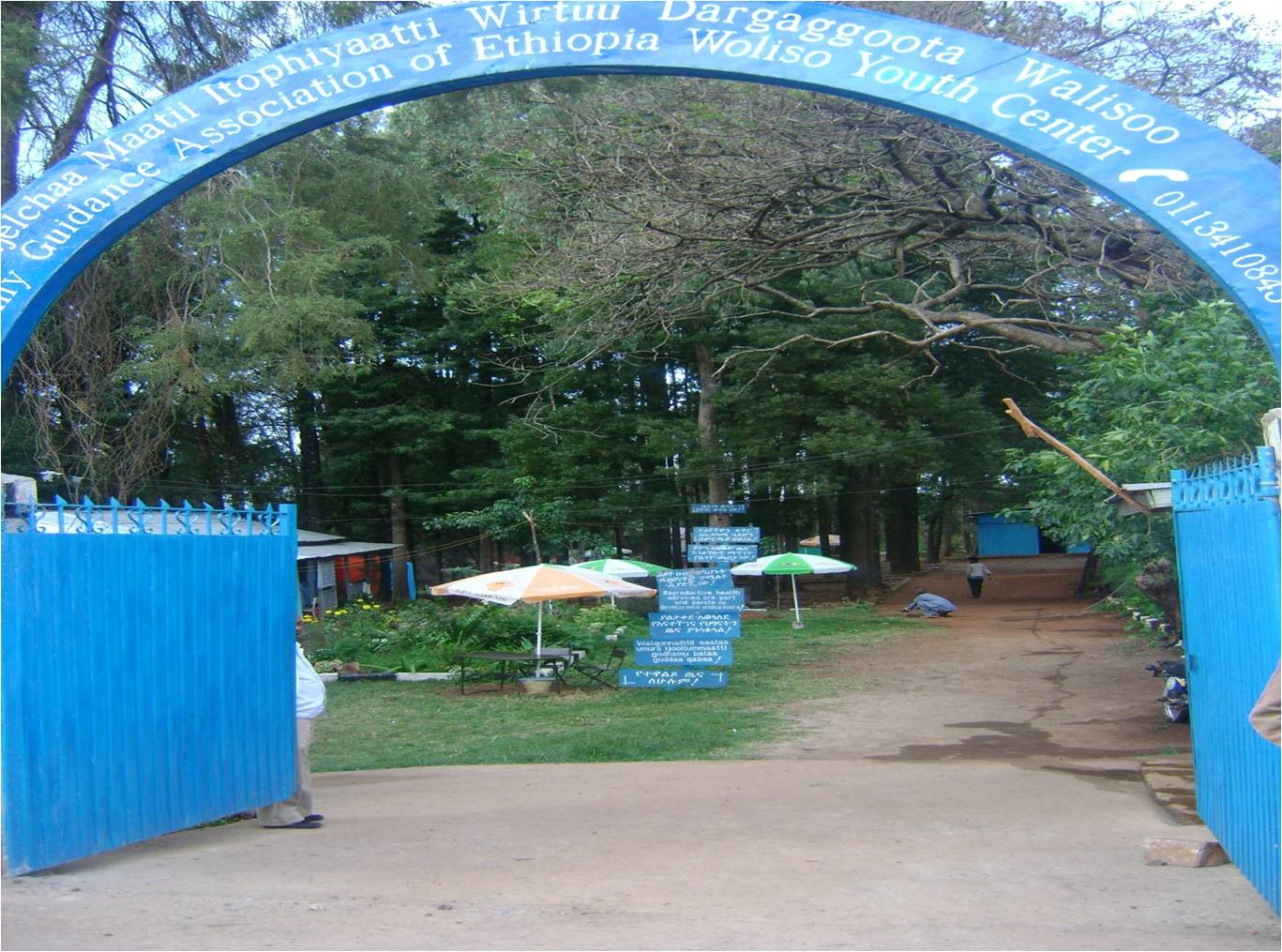
In Ethiopia, just like in many other countries in sub-Saharan Africa, family planning has long been viewed as a woman’s responsibility, where she is expected to shoulder the burden of preventing unplanned pregnancies. However, a gradual shift is emerging where men are now engaging in conversations around family planning and even taking up personal measures to prevent unplanned pregnancies by choosing vasectomy. IPPF’s Member Association in the country – Family Guidance Association of Ethiopia (FGAE) is championing male involvement in family planning, and with notable results as highlighted in this article by Yvonne Tatah. In the small town of Waliso, located in Ethiopia’s Oromia Region, 57-year-old Kareb walked into the FGAE Waliso Medium SRH clinic alongside his wife, Assefash, 45. The clinic is operated by FGAE, which is one of the leading organizations providing rights-based sexual and reproductive health services in the country. The couple had been married for more than two decades and were raising eight children -already more than they had planned for. Assefash had recently made a decision to end a pregnancy and was determined to take measures that would ensure she did not get pregnant again, hence the visit to the clinic. She already knew she wanted the implant as her contraceptive method, but she had heard worrying misinformation from women in her village. Some had told her that the implant could move inside the body and cause harm, a rumour that frightened her. Concerned, she sought expert guidance on contraceptives and chose the FGAE Waliso clinic, whose services she had heard about from residents of neighbouring Wolkite. Her husband accompanied her for support. At the clinic, nurse Tersit listened carefully to the couple and provided detailed guidance on a range of modern family planning methods, from temporary to long-acting and permanent. Among the options was the vasectomy, a simple procedure that blocks the small tubes carrying sperm to prevent pregnancy. It is quick, requires no stitches, does not impact hormones or sexual drive, and allows men to resume their normal activities soon after. Nurse Tersit emphasized that the decision rested entirely with the couple. During joint counselling, they discussed the options together and agreed that vasectomy was the method that best suited their needs. “We already have eight children who are enough for us. Once I understood that vasectomy was a quick and safe procedure that would not affect my strength or sexual function, I decided I would undergo the procedure. It is better to make a firm decision that will ensure my wife does not fall pregnant again,” he said. Kareb’s procedure was performed at the FGAE Waliso Medium SRH Clinic by trained providers and was completed with no complications. “Nowadays, I feel relieved of anxiety from an unintended pregnancy,” he later said. Kareb has since become a voice for change. He speaks with other men during community gatherings, coffee ceremonies, and informal conversations about the importance of shared responsibility in family planning. A Conversation long Overdue Vasectomy is a safe and effective form of permanent contraception for men. Yet in Ethiopia, it remains one of the least-used methods. A 2020 study found that 24% of married men in Addis Ababa intended to use vasectomy in the future. However, according to the 2016 Ethiopia Demographic and Health Survey, fewer than 1% had actually done so. Many of the barriers men face are cultural rather than medical. Many men equate vasectomy with castration, drawing from livestock practices where an ox is rendered infertile and believed to lose strength. Others fear stigma or believe the procedure as religiously unacceptable. According to internal Ministry of Health data reported in its 2023/24 Annual Report, permanent methods, including vasectomy, accounted for only 1.3% of new contraceptive acceptors. Injectables, implants, and pills remain the most commonly chosen methods. FGAE’s internal data reflects the same pattern. Of more than two million clients served in 2023/24, only eight men chose vasectomy. Each of these decisions, although small in number, represents a powerful story of informed choice and shared responsibility. In a bid to increase the uptake of vasectomy, FGAE service providers, including Nurse Tersit, apply couple counselling as a practical approach to strengthening male involvement. When a woman arrives with health concerns or cannot safely use a female centered method, both partners are invited into counselling sessions to explore permanent options together. This gives them an opportunity to consider all available options together and choose what supports the wellbeing of both. In Waliso, the approach of listening first, counseling both partners, and building trust demonstrates how FGAE providers involve men as equals in reproductive decision-making instead of as bystanders. As the FGAE Director of Programs, Gashaw Kebede explains, “The lesson from Waliso is clear. When partners receive counselling together, men are more likely to consider vasectomy and to participate in shared decision making in family planning. This approach helps distribute responsibility more evenly and reduces the burden that often falls on women.” He adds that this approach requires sustained investment. “This work needs more than technical training. It requires safe spaces for men, community dialogues that challenge gender norms, and continuous support for inclusive family planning services. Kareb did not intend to become an advocate, but by choosing what was best for his family and listening to his wife, he became part of a quiet and growing movement for change. His story shows what is possible when men are welcomed as partners in care.”
08 August 2025
Young People at the Centre of Planned Parenthood Association of Ghana (PPAG)
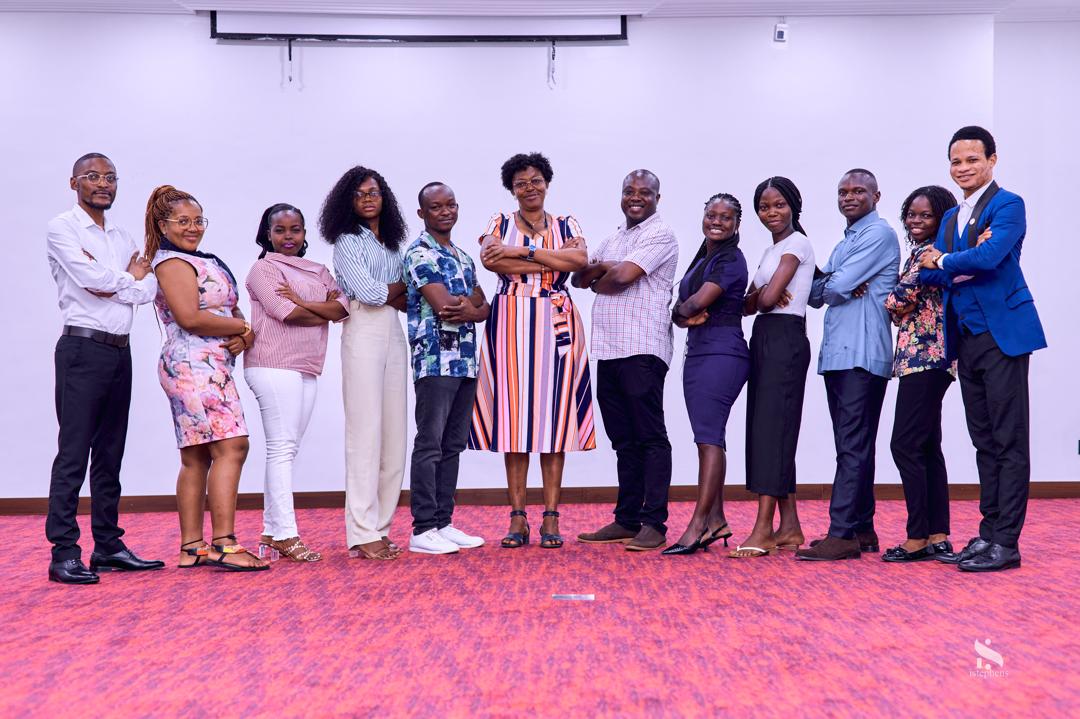
By Dracuse Joseph Since its establishment in 2003, IPPF’s Member Association in Ghana -the Planned Parenthood Association of Ghana (PPAG) has always prioritized the participation, involvement and contribution of young people towards the achievement of its mission and objectives. This has been evidenced in the organization’s different advocacy and service delivery programmes which are youth-centered, and aim to reach as many young people as possible across the country with sexual reproductive health and rights (SRHR) information and services. Additionally, PPAG supports the activities of its youth-led body, the Youth Action Movement (YAM), which encourages and empowers young people to actively participate in the governance of the organization. At PPAG, the YAM is a powerful channel for building youth leadership, confidence, and agency. The movement has affirmed PPAG’s position as a youth-centred organization that prioritizes meaningful youth participation at all levels. “When we talk about youth representation, we are not just referring to their presence; It’s about enabling them to see themselves as part of the process, own it and contribute meaningfully to it. We deliberately invest in building their capacity to develop and implement their ideas, and we provide them with the platform and support to do so,” says Mr. Emil Adzasu, PPAG’s Acting Executive Director. Former YAM members now PPAG staff PPAG has consistently integrated young people into the fabric of the organization. Former YAM members are often prioritized in staff recruitment processes. Today, seven PPAG staff members (about 8% of total staff strength) are YAM alumni, along with 22 peer facilitators who contribute to project implementation activities as educators and champions in specialized programs. Gloria, 28, a former YAM member now serves as a Project Officer and Contact Centre Agent at PPAG. “My experience as a YAM member was life-changing—it helped shape my career. Back then, I was an introverted adolescent, but through attending various training programmes facilitated by PPAG which exposed me to different SRHR issues, I grew into a confident and assertive young woman,” she says. Gloria, who recently completed her Master’s degree in Public Health, formally joined PPAG as a Contact Centre Agent through the Yenkasa Contact Centre, which offers counselling and support to young people on SRHR issues. “Every day, I receive calls from girls seeking help on different issues such as abortion care, menstrual health, or those in abusive relationships seeking help. My experiences as a YAM member, coupled with the learning opportunities I have accessed through PPAG have been instrumental in helping me deliver on my current role,” she says. Prioritizing youth leadership According to Mr. Adzasu, PPAG’s youth-focused approach in SRHR programming not only strengthens its sustainability but also enhances its reputation among donors and partners as a youth-driven organization. “Young people bring innovation and fresh perspectives to PPAG. For instance, the Yenkasa Contact Centre was entirely conceptualized by the youth department, which is made up mostly of young people. The Contact Centre stands as a testament to youth leadership. It serves as a dedicated call centre where young people can access confidential counselling and support on SRHR issues—by youth, for youth,” he says. To ensure effective youth participation in project development, PPAG employs a dedicated YAM Coordinator who is responsible for involving youth in the design, implementation, and evaluation of initiatives. Patience, 26, a former YAM Coordinator and now the PPAG Advocacy Officer, joined YAM at age 18 as a volunteer in the capital city of Accra. “After graduating with a degree in Communication Studies, I applied for the newly created YAM Coordinator role and was successful.” In her role, Patience’s responsibilities included coordinating YAM applications for IPPF’s youth funding through the investment voucher -IPPF’s annual funding scheme that promotes peer-to-peer learning among Member Associations, including the YAM component. She worked closely with the YAM President to ensure that ideas from PPAG’s 12 regional branches were reflected in the organization’s workplan and project proposals. “Under my leadership as YAM coordinator, the YAM won the grant that hosted the YAM-Africa Investment Voucher in 2023. The Investment Voucher grant in 2023 focused on improving programmatic coordination of the YAM. It also aimed at effectively restructuring YAM in accordance with the IPPF Reforms. The expected outcome was a new structure that aligned with the IPPF reforms.” According to Patience, YAM Ghana successfully reviewed the YAM Operational Framework and developed a new YAM Operational Framework aligning with the IPPF Reform. The Restructuring Transitional Committee was also established after this workshop. YAM: influencing career paths Michael, 43, currently serving as PPAG’s Advocacy Coordinator in Tamale (Northern Ghana), also shares: “Back in 1998, as a senior high school student, I joined PPAG’s Family Life Education Club—a program introduced in schools. In 2000, I joined the initial Youth Advocacy Movement (then called Youth Advocacy Movement, later rebranded as Youth Action Movement in 2004). As a YAM member, I took part in SRHR-themed community-based drama activities, often performed in churches. Over time, I rose to become the chairperson of the YAM and was actively involved in its rebranding. My experience with YAM greatly influenced my career path. I went on to study communication and, for my final project, created a film on the challenges young people face in accessing contraception and SRHR information. Through YAM, I developed valuable communication, leadership, and project management skills. After completing my studies, I did my national service with PPAG in Accra. That internship led to a full-time role as a Field Officer in PPAG’s Eastern Region.” Michael says that joining PPAG’s YAM led to his career growth. “Over the past 17 years, I’ve grown within the organization—from Field Officer to Project Officer, then Project Coordinator, and now Advocacy Coordinator.” Emmanuel Akoto, the PPAG Program Director affirms the organization’s commitment to young people. “PPAG’s YAM continues to thrive as a vibrant hub for youth leadership, innovation, and impact. At PPAG, we recognize that empowering young people with the tools, knowledge, and opportunities to lead in SRHR is not only an investment in the future but a necessity for sustainable development. We will continue to collaborate with stakeholders, champion youth-led initiatives, and ensure that platforms like YAM are adequately resourced and strategically positioned to influence policy, challenge harmful norms, and drive community transformation,” he says.
19 June 2025
Reclaiming African Pride: We Refuse to Be Legislated Out of Existence
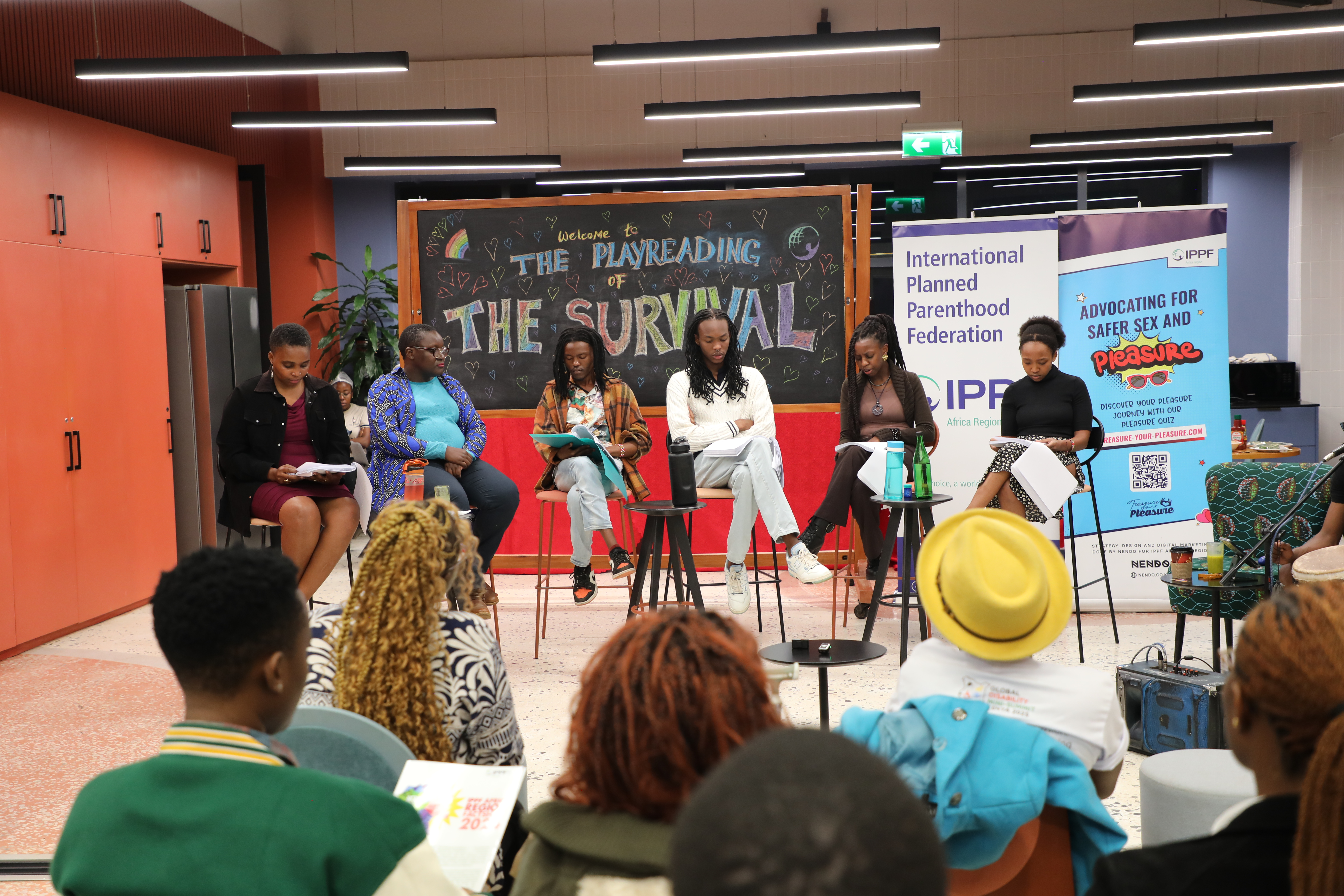
By Benedicta Oyedayo Oyewole, When we speak of celebration in the spirit of Ubuntu, we are not merely referring to events or visibility moments. We are evoking a deeper, collective joy rooted in resistance, relationality, and the politics of being. Ubuntu says, ‘I am because we are,’ and in that spirit, celebration becomes a political act. It takes the form of music, laughter, dance, vibrant colours, and in some African cultures, masquerades that shake the ground beneath our feet. These are not aesthetics for performance. They are expressions of collective memory, resistance, and survival. In those moments, people feel seen. Not tolerated, seen. Not permitted, respected. People move with agency. With defiance. With joy that is not passive, but revolutionary. That is Ubuntu. That is Pride. But that spirit has been systematically stripped away. The rupture between what Pride once meant within our cultural contexts and what was violently imposed through coloniality and heteropatriarchy has bred something else: fear. Fear of being visible. Fear of claiming space. Fear of simply existing outside sanctioned norms. Across the world, recent years have seen the rapid digitalization of social movements, a fourth wave of feminist organizing, and hard-won victories by women, girls, sex workers, LGBTQI+ persons, young people, and historically marginalized communities. From viral digital campaigns to mass protests, we’ve witnessed new forms of movement-building and global solidarity. But with these gains has also come an emboldened rise in fascism and rollback of some of these victories. As liberationist and leftist politics gain renewed momentum, especially across the Global South, we are simultaneously witnessing a concerted effort to attack human rights. In the African region, we have witnessed not only growing visibility of the anti-rights movements but also a sharp rollback in human rights. The rise of regressive laws and policies often framed as a return to so-called “African values” is a deliberate effort to police who we are, who we have been, and who we are allowed to become. It is a chilling testament to the persistence of neo-colonialism in the 21st century, one no longer cloaked solely in economic domination, but also in the export of ideologies that endanger lives. This anti-rights agenda is being aggressively driven by well-funded, right-wing groups from the Global North, who actively fuel regressive laws and narratives across Africa. Their interference not only undermines local human rights efforts but also deepens the structural violence experienced by already marginalised communities. From the signing of Uganda’s Anti-Homosexuality Act, one of the harshest anti-LGBTQ+ laws in the world to the introduction of Kenya’s Family Protection Bill, we are witnessing a region-wide effort to legislate queer existence out of public life. In Ghana, the Human Sexual Rights and Family Values Bill was passed by parliament but withheld from assent by former President Nana Akufo-Addo. It is now set to be reintroduced and is reportedly ready for its first reading. In Mali, same-sex consensual relationships have been criminalized; Burkina Faso’s military junta has proposed a similar bill declaring that "henceforth homosexuality and associated practices will be punished by the law." A member of parliament in the Democratic Republic of Congo has similarly proposed anti-LGBTQ+ legislation. In Liberia, a legislator introduced the Anti-Homosexuality Law of Liberia 2024, which mimics many aspects of the anti-homosexuality laws of Nigeria and Uganda and the anti-LGBTQ bill that Ghana’s parliament approved. Meanwhile, in Namibia, President Nangolo Mbumba declined to sign two anti-LGBTQ+ private members’ bills. Zimbabwe has, in the same light, passed the Private Voluntary Organisations (PVO) Amendment Bill into law, a move that severely constrains community organizing. Across the region, we are seeing not isolated incidents, but a coordinated attack on rights, a systematic effort that places LGBTQI+ Africans under surveillance, under arrest, under threat in their homes, communities, and in their bodies. In these heavy and coordinated attacks across the region, joy has become difficult to hold. The scramble for safety persists, and joy feels distant when the warplanes are still flying overhead. We are living through a terrifying global moment marked by State-sponsored repression, global broadcast of ethnic cleansing, and the shrinking of civic space. For LGBTQI+ Africans, this moment brings disproportionate subjugation. The question remains painfully urgent: Where do we go to be free? So, we hold space to ask: What does freedom truly mean? What counts as liberation when laws may change, but our lives remain policed? Beyond legislation, how do we centre our existence, our joy, our right to be? One way is through the creation of safer spaces that honour the intimacy of community and the power of being in relation with one another. We carry each other. We sustain each other. This was powerfully evident in the celebration that ushered in Pride Month, a queer play reading held in collaboration with IPPF Africa Region. We came together not just to read words on a page, but to affirm our survival, our resistance, and our collective becoming. IPPF Africa Region created a supportive space for this conversation for LGBTQI+ persons to feel safe within themselves and with community. The play reading was described as “we are all a river, growing together,” a metaphor that speaks to our collective flow, strength, and interconnectedness. In this moment, simply being together is an act of resistance. It is revolutionary. Given the current landscape of LGBTQI+ organizing across the continent, where visibility can come at great cost, gathering in joy, in solidarity, and in story is itself a radical form of movement-building. Rooted in collective resistance and relationality, this moment reminds us that movements are not only sharpened in protest but also in presence, in sitting beside one another and bearing witness to each other’s truth. The piece, "The Survival" by Achiro P. Olwoch, follows a young woman in homophobic Uganda who becomes pregnant by a homosexual man, a scandal deemed unthinkable in a society that condemns both. It is a tense, emotional journey to keep the truth hidden in a world that offers little to no mercy. After the reading, guests shared varied reflections, emphasizing both the need for more focused and inclusive spaces and a heightened awareness of the precarious state of human rights, not only regionally but globally. Amid these challenges, our stories of unity and purpose continue to shine. Our voices remain testaments to our resilience, and art stands as part of that resilience. As one participant said, “Let’s continue using art for the value it can bring to our society.” This is what African Pride looks like: fierce, rooted, defiant, collective. It is not a borrowed concept. It is ours, born of the drum, the dance, the survival, the storytelling. African Pride is not a moment. It is a movement. It is a memory. It is the future. And we will not be legislated out of it. Benedicta Oyedayo Oyewole, IPPF Africa Region Community Engagement and Partnership Lead

21 May 2024
UNITED NATIONS CIVIL SOCIETY CONFERENCE 2024: YOUNG PEOPLE ARE ADVOCATING FOR GREATER SEXUAL AND REPRODUCTIVE HEALTH AND RIGHTS PRIORITIZATION IN GLOBAL ISSUES
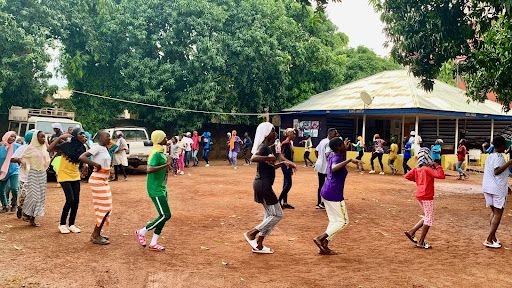
by Jemaimah Ansumene Akiteyi As we reflect on the passage of 29 years since the inception of the Beijing Declaration and platform for action, coupled with 79 years since the establishment of the UN charter, the gradual achievement of Agenda 2030 within the next six years highlights the contributions made by both Civil Society Organizations (CSOs) and young people in shaping a future that increasingly demands coordinated international endeavors. As we gear towards the Summit of the Future, we still ask, “How far have we come?”, “What progress has been made?”, “How can we bridge the gaps left?” Come along with me as I share my experience at the just-ended 2024 United Nations Civil Society Conference (UNCSC) in Nairobi, Kenya, from 9 to 10 May 2024. The conference being the first of its kind in Africa, offered CSOs an opportunity to put a global perspective on specific issues while bringing together senior UN officials, prominent international civil society organizations, youth changemakers, academia, public opinion makers, and international media to identify gaps, give recommendations and make commitments, and discuss issues of global concern. The conference featured various perspectives, calls to action, and insights. Ms. Karimot Odebode asked a powerful question during her poem reading at the opening ceremony - “My generation is tired. We want real change. Are you ready to commit to peace? Are you ready? Because I commit. Do you?” Reflecting on the discussions and break-out sessions, several gaps exist and there’s a need for swift action. Highlights of global issues from the need to integrate sexual and reproductive health and rights (SRHR) for adolescent girls/boys to the need for addressing issues such as female genital mutilation/cutting (FGM/C), children’s rights, and the definition of meaningful youth engagement in the pact of the future. Despite the progress made in advancing SRHR globally, there remain significant challenges, including the prevalence of gender-based violence, limited access to SRHR care for marginalized groups, inadequate funding for SRHR initiatives, and discrimination towards the LGBTIQ+ communities in certain parts of the world. According to a recent press release published by UNICEF in March 2024, over 230 million girls and women alive today have been subjected to female genital mutilation, yet this issue is not adequately addressed within the SDG framework. Additionally, there is a lack of integration between the challenges faced by adolescents and youth and the strategies for their resolution. Speakers like Amina J. Mohammed (Deputy UN Secretary-General), Julia Fan (Senior Manager-Youth Engagement at Women Deliver), and others emphasized how important it is to shape the future through diversity, green projects, justice, and equality. Their statements underlined the need for institutional transformation, the need to give voice to underrepresented groups, and the importance of young people in decision-making. As we march forward to the Summit of the Future, it is imperative to prioritize funding for adolescent- led initiatives, enhance grassroots engagement, and strengthen collaboration between governments, civil society, the UN, and other stakeholders. Additionally, there is a need for greater visibility and recognition of the SRHR needs of persons with disabilities and other marginalized groups. Jemaimah Ansumene Akiteyi, 24 Youth Action Movement, Planned Parenthood Association of Ghana
14 March 2024
Youth-centered approach is essential to our work
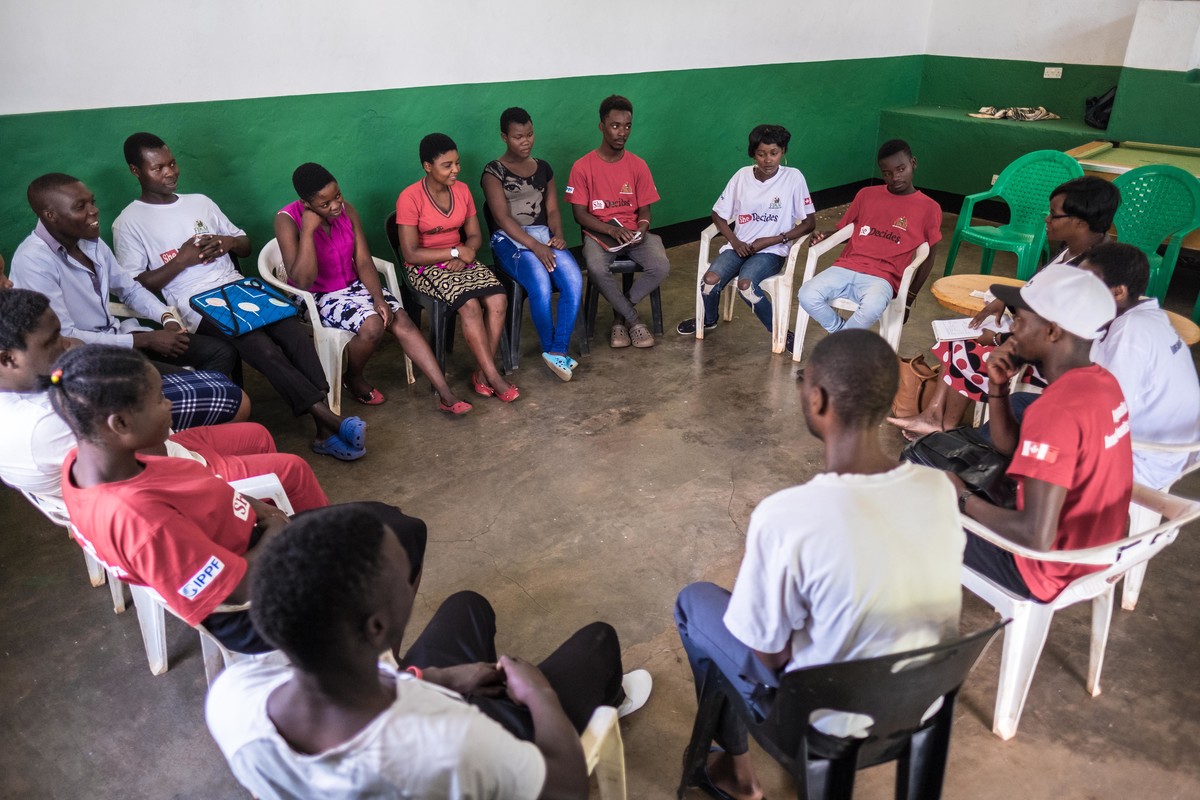
In Ghana, we live in communities where some sexual and reproductive health issues are not openly discussed. These issues are stigmatized. I grew up in a neighborhood where teenage pregnancy is prevalent. I did not know much about sexual and reproductive health and rights. However, when I went to the university, I was introduced to the Youth Action Movement (YAM). By joining this movement, I learnt more about myself and everything a young person should know about their sexual and reproductive health. A few years later, the Planned Parenthood Association of Ghana advertised for a Youth Action Movement coordinator. I applied and got hired. To be eligible, I must have been volunteering with YAM for at least 2 years and be under the age of 25. Once an individual is beyond the age limit of the movement, another young person needs to come on board. One main essence of this position is to build the capacity of young people and absorb them into the workforce. This rule is key to understanding the role of the YAM Coordinator in our organization. In fact, to coordinate a youth group, you should be a young person. Who knows better what young people need than young people themselves? As a Youth Coordinator, I work to build youth capacity, strengthen meaningful youth participation and provide a platform for young people to enhance their skill set. I am very proud to work for Planned Parenthood Association of Ghana. We are a big organization advancing the SRHR rights of young, marginalized and vulnerable people. . Currently, YAM has over 15 branches and over 700 volunteers. Our Member Association was set up in 1967 to initially provide family planning services to the people of Ghana however, with time, the association provides more SRHR services than just Family Planning (FP) services to all . Our mission is to provide comprehensive sexual and reproductive health and rights (SRHR) information and services to all people in Ghana, especially the young and vulnerable, in order to improve their quality of life. Meaningful Youth Participation is one of PPAG's thematic areas Young people are at the heart of our work. We implement a youth-centered approach in all our programmes and activities. This is important for three main reasons. First, in Ghana today, we have many young people across the country. We cannot address issues that affect young people without them. The same goes for the work of IPPF worldwide. We need the input of the people we serve and work with - to voice their opinions and share their thoughts. At IPPF, young people are involved in all decision-making processes. This is what we define as meaningful youth participation. Second, we need creativity. The world is changing. There is a lot of progress. There are many new technologies. Young people are in touch with these changes. They are living it. Therefore, we need them to bring on board new ideas that are in line with these changes and use the new technologies. In this way, IPPF Member Associations will continue to innovate and stay connected to this changing and evolving reality in which young people live. MAs continue to modernize and be attractive for young people to join. Finally, we need young people in IPPF because of the peer-to-peer approach. Young people feel more comfortable with their peers. In our centers, we see that young people find it easier to talk about sexual health issues with their peers. It is easier for them to open up and have meaningful conversations. Especially because of the stigma that we have in this particular sector - sexual and reproductive health and rights services. And we actually see that by bringing young people on board and training them to be peer educators, the stigma is reduced in the communities because of the youth leadership. Implementing activities by and for young people At Planned Parenthood Association of Ghana, we have developed programmes by and for young people. I am particularly proud of the “Youth fight against SGBV Project' ': it is an advocacy project towards government resourcing the domestic Violence survivors’ support fund. It can be difficult to get funding for advocacy projects like this because we don't see the results immediately. But advocacy, by definition, takes time. The Youth Action Movement (YAM), uses innovative methods to reach out to young people. In Tamale, we use entertainment to educate young people. Every Saturday we organize sports activities in the communities. At the end of the activity, we always have an educational talk on reproductive health and rights. This is done in short sessions to encourage people to stay and participate. It is a winning package: sport and education. In and out of school sessions on SRHR are also held often. We are currently working with the Amaze team on adapting videos to use in the Ghanaian context. Videos are a great tool: students are more willing to have conversations after watching videos. They want to see something more creative and relatable. Meanwhile, we invested in online platforms to provide SRHR education for all. We set up a model using whatsapp and it's called RHESY - Reproductive Health Education and Services for Young people. Through this group, young people can participate in sessions led by peer educators who are trained in SRHR. We organize small sessions of about 15 people per language. This has been very successful. I would like to emphasize an important point: empowering young people also means giving them professional opportunities. At PPAG, we give young volunteers the opportunity to work as interns in our organization during their holidays. We also have the Youth Support Programme for YAM members to support project officers. It is a platform to build capacity in project design and implementation. Most of our young volunteers are still in school and want to grow as future young professionals. `Anticipating and overcoming barriers When we develop programmes for young people, we take time to identify and overcome potential barriers. Language was one of them: Ghana is a multilingual country. So we make sure that we employ polyglot social workers. Our digital contact center has more than five languages representatives. This allows us to reach more young people, and our colleagues are able to interact more when young people call. Another barrier that we have identified is the timetable of our centers. In some areas, it was observed that young people didn't want to go to our centers during the week because they could meet adults in the centers. So we have opened some of our clinics on Saturdays so that they can come to us in a more discreet way. This is a good example of why it is important to get young people on board: they will help to identify the barriers to access for their peers and will come up with ideas on how to overcome them. My message is clear: the youth-centered approach is essential to the success of our work. By Patience Ampomah, Youth SRHR advocate and Youth Action Movement Coordinator of Planned Parenthood Federation Ghana (PPAG) `
31 January 2022
Strengthening coordination to increase Access for Adolescents and Youth to SRHR
The project aims to strengthen the coordination of interventions on adolescents and young people’s access to Sexual and Reproductive Health and Rights (AY SRHR) information and services. Budget: 250,000 USD Donor: nThe David and Lucile Packard Foundation Timeline: 2 Years (January 2020 – April 2022) Project implementation areas: Africa Partners: AUC/ UNFPA/UNESCO/GIMAC Other interesting information: Through the project, youth and adolescents SHRH are mainstreamed in the key policy instrument of and processes of the African Union./ The Project coordinated the establishment of the cluster on life skills education and career guidance to respond to the changes in the provision of sexuality education on the continent. (Linking Education and SRHR). Key achievements to date: Sexual Health Campaign / Mental Health Campaign - Co-lead the conversation on the reporting of the State of the World’s children 2021. Advocacy2Action Capacity Building Training/ GIMAC Youth Advocacy Training Africa Girls Summit / Conducting conversations in key international moments - Egumeni sessions series with the AUC on different topics. Life Skills and Career Guidance Cluster: New members joined the Cluster / Development of the Continental Strategy for Education for Health and Well-being in Africa Innovative approaches: Profiling young people, advocates to lead on the key events within the AUC (Dubai Expo/ AU Summit) /Inclusive approaches of youth-led initiatives in advancing the Advocacy work on SRHR and Mental Health across the continent. Lessons learned: Enhancement of reciprocal communication among partners and cluster members/ Strategize the way forward, follow-up and evaluation of the project activities.
31 January 2022
Frontiers in SRHR Access for Women and Youth

The project objective is to improve access to Abortion Self Care (ASC), youth empowerment, and strengthening the use of digital interventions. Budget: 1,500,000 USD Donor: The David & Lucile Packard Foundation Timeline: 2 Years ( January 2021 - December 2022 ) Project implementation areas: Cameroon, Ghana, Cambodia, and India Partners: CAMNAFAW, PPAG,RHAC, FPAI, Ipas, Y-Labs, and IBIS Key achievements to date: Youth engagement in SRHR advocacy ASC as an option for all clients Digital/m health to increase access to SRHR and CSE Influence national guidelines and policies Review of IPPF IMAP- integrating ASC Generating leanings & sharing Building capacities of start-ups ( YSVF) Virtual immersion program Innovative approaches: Access to SRHR and CSE through digital/m health YSVF - working with young entrepreneurs to accelerate & enhance existing SRHR solutions Lessons learned: Aggregating client data in DHI, DHIs works best in hybrid models compared to stand-alone models, multi-language engagement

31 January 2022
Youth Internship
The Youth Internship Program provides a framework for youth to benefit hands-on experience, mentoring and coaching to strengthen and develop technical, professional and advocacy skills. Budget: 300,000 USD Donor: Packard Timeline: 2 Years ( August 2020 – July 2022 ) Project location: Africa Regional Office Key achievements to date: 5 young people were recruited (2 Females & 2 Males) Participation in training & intern. events Participation in projects and initiatives Skills developed Mentoring and coaching from staff & Supervisors Innovative approaches: 2 totally youth-led projects

31 January 2022
Global Youth Connect Project
Global Youth Connect Project's objective is to strengthen global coordination around youth participation and leadership and improve the communication of IPPF Youth Networks Budget: 282,000 USD Donor: Unrestricted project Timeline: 2 Years ( August 2021 – August 2023 ) Project implementation areas; Global Partners: RHU Other interesting information: Youth-led policy dialogues Online magazine Visual content development and dissemination Short grants Linking and learning Key achievements to date: Call for young people to join the youth Think Tank Call for young people to join the funds management committee Call for youth participation to determine project logo Innovative approaches: Totally youth led project Short grants to innovative youth projects Lessons learned: Young people leading and defining change

31 January 2022
GAC Youth Centres of Excellence
The project seeks to empower young people through rights-based sexual and reproductive health service delivery and comprehensive sexuality education. Budget: 6,392,160 USD Donor: Global Affairs Canada Timeline: 3 Years ( 2019 – 2022 ) Project implementation areas: Colombia, Ghana and Togo Partners: Pro-familia, PPAG, ATBEF Key achievements to date: 12 Member Associations (MA) supported through peer-to-peer support by 2 CoE Hosts Over 400,000 SRH services provided to young people Two Anglophone and One Francophone events held in 2021 Involvement of the Youth Action Movement Innovative approaches: Use of Digital Knowledge products(infoado jeunes App and e-learning platform) to expand access to CSE Lessons learned: Need to document best and promising practices Learning Sessions between CoE hosts needs to be strengthened
26 November 2025
Men who step up for family planning: One Ethiopian man’s journey to vasectomy
In Ethiopia, just like in many other countries in sub-Saharan Africa, family planning has long been viewed as a woman’s responsibility, where she is expected to shoulder the burden of preventing unplanned pregnancies. However, a gradual shift is emerging where men are now engaging in conversations around family planning and even taking up personal measures to prevent unplanned pregnancies by choosing vasectomy. IPPF’s Member Association in the country – Family Guidance Association of Ethiopia (FGAE) is championing male involvement in family planning, and with notable results as highlighted in this article by Yvonne Tatah. In the small town of Waliso, located in Ethiopia’s Oromia Region, 57-year-old Kareb walked into the FGAE Waliso Medium SRH clinic alongside his wife, Assefash, 45. The clinic is operated by FGAE, which is one of the leading organizations providing rights-based sexual and reproductive health services in the country. The couple had been married for more than two decades and were raising eight children -already more than they had planned for. Assefash had recently made a decision to end a pregnancy and was determined to take measures that would ensure she did not get pregnant again, hence the visit to the clinic. She already knew she wanted the implant as her contraceptive method, but she had heard worrying misinformation from women in her village. Some had told her that the implant could move inside the body and cause harm, a rumour that frightened her. Concerned, she sought expert guidance on contraceptives and chose the FGAE Waliso clinic, whose services she had heard about from residents of neighbouring Wolkite. Her husband accompanied her for support. At the clinic, nurse Tersit listened carefully to the couple and provided detailed guidance on a range of modern family planning methods, from temporary to long-acting and permanent. Among the options was the vasectomy, a simple procedure that blocks the small tubes carrying sperm to prevent pregnancy. It is quick, requires no stitches, does not impact hormones or sexual drive, and allows men to resume their normal activities soon after. Nurse Tersit emphasized that the decision rested entirely with the couple. During joint counselling, they discussed the options together and agreed that vasectomy was the method that best suited their needs. “We already have eight children who are enough for us. Once I understood that vasectomy was a quick and safe procedure that would not affect my strength or sexual function, I decided I would undergo the procedure. It is better to make a firm decision that will ensure my wife does not fall pregnant again,” he said. Kareb’s procedure was performed at the FGAE Waliso Medium SRH Clinic by trained providers and was completed with no complications. “Nowadays, I feel relieved of anxiety from an unintended pregnancy,” he later said. Kareb has since become a voice for change. He speaks with other men during community gatherings, coffee ceremonies, and informal conversations about the importance of shared responsibility in family planning. A Conversation long Overdue Vasectomy is a safe and effective form of permanent contraception for men. Yet in Ethiopia, it remains one of the least-used methods. A 2020 study found that 24% of married men in Addis Ababa intended to use vasectomy in the future. However, according to the 2016 Ethiopia Demographic and Health Survey, fewer than 1% had actually done so. Many of the barriers men face are cultural rather than medical. Many men equate vasectomy with castration, drawing from livestock practices where an ox is rendered infertile and believed to lose strength. Others fear stigma or believe the procedure as religiously unacceptable. According to internal Ministry of Health data reported in its 2023/24 Annual Report, permanent methods, including vasectomy, accounted for only 1.3% of new contraceptive acceptors. Injectables, implants, and pills remain the most commonly chosen methods. FGAE’s internal data reflects the same pattern. Of more than two million clients served in 2023/24, only eight men chose vasectomy. Each of these decisions, although small in number, represents a powerful story of informed choice and shared responsibility. In a bid to increase the uptake of vasectomy, FGAE service providers, including Nurse Tersit, apply couple counselling as a practical approach to strengthening male involvement. When a woman arrives with health concerns or cannot safely use a female centered method, both partners are invited into counselling sessions to explore permanent options together. This gives them an opportunity to consider all available options together and choose what supports the wellbeing of both. In Waliso, the approach of listening first, counseling both partners, and building trust demonstrates how FGAE providers involve men as equals in reproductive decision-making instead of as bystanders. As the FGAE Director of Programs, Gashaw Kebede explains, “The lesson from Waliso is clear. When partners receive counselling together, men are more likely to consider vasectomy and to participate in shared decision making in family planning. This approach helps distribute responsibility more evenly and reduces the burden that often falls on women.” He adds that this approach requires sustained investment. “This work needs more than technical training. It requires safe spaces for men, community dialogues that challenge gender norms, and continuous support for inclusive family planning services. Kareb did not intend to become an advocate, but by choosing what was best for his family and listening to his wife, he became part of a quiet and growing movement for change. His story shows what is possible when men are welcomed as partners in care.”
08 August 2025
Young People at the Centre of Planned Parenthood Association of Ghana (PPAG)
By Dracuse Joseph Since its establishment in 2003, IPPF’s Member Association in Ghana -the Planned Parenthood Association of Ghana (PPAG) has always prioritized the participation, involvement and contribution of young people towards the achievement of its mission and objectives. This has been evidenced in the organization’s different advocacy and service delivery programmes which are youth-centered, and aim to reach as many young people as possible across the country with sexual reproductive health and rights (SRHR) information and services. Additionally, PPAG supports the activities of its youth-led body, the Youth Action Movement (YAM), which encourages and empowers young people to actively participate in the governance of the organization. At PPAG, the YAM is a powerful channel for building youth leadership, confidence, and agency. The movement has affirmed PPAG’s position as a youth-centred organization that prioritizes meaningful youth participation at all levels. “When we talk about youth representation, we are not just referring to their presence; It’s about enabling them to see themselves as part of the process, own it and contribute meaningfully to it. We deliberately invest in building their capacity to develop and implement their ideas, and we provide them with the platform and support to do so,” says Mr. Emil Adzasu, PPAG’s Acting Executive Director. Former YAM members now PPAG staff PPAG has consistently integrated young people into the fabric of the organization. Former YAM members are often prioritized in staff recruitment processes. Today, seven PPAG staff members (about 8% of total staff strength) are YAM alumni, along with 22 peer facilitators who contribute to project implementation activities as educators and champions in specialized programs. Gloria, 28, a former YAM member now serves as a Project Officer and Contact Centre Agent at PPAG. “My experience as a YAM member was life-changing—it helped shape my career. Back then, I was an introverted adolescent, but through attending various training programmes facilitated by PPAG which exposed me to different SRHR issues, I grew into a confident and assertive young woman,” she says. Gloria, who recently completed her Master’s degree in Public Health, formally joined PPAG as a Contact Centre Agent through the Yenkasa Contact Centre, which offers counselling and support to young people on SRHR issues. “Every day, I receive calls from girls seeking help on different issues such as abortion care, menstrual health, or those in abusive relationships seeking help. My experiences as a YAM member, coupled with the learning opportunities I have accessed through PPAG have been instrumental in helping me deliver on my current role,” she says. Prioritizing youth leadership According to Mr. Adzasu, PPAG’s youth-focused approach in SRHR programming not only strengthens its sustainability but also enhances its reputation among donors and partners as a youth-driven organization. “Young people bring innovation and fresh perspectives to PPAG. For instance, the Yenkasa Contact Centre was entirely conceptualized by the youth department, which is made up mostly of young people. The Contact Centre stands as a testament to youth leadership. It serves as a dedicated call centre where young people can access confidential counselling and support on SRHR issues—by youth, for youth,” he says. To ensure effective youth participation in project development, PPAG employs a dedicated YAM Coordinator who is responsible for involving youth in the design, implementation, and evaluation of initiatives. Patience, 26, a former YAM Coordinator and now the PPAG Advocacy Officer, joined YAM at age 18 as a volunteer in the capital city of Accra. “After graduating with a degree in Communication Studies, I applied for the newly created YAM Coordinator role and was successful.” In her role, Patience’s responsibilities included coordinating YAM applications for IPPF’s youth funding through the investment voucher -IPPF’s annual funding scheme that promotes peer-to-peer learning among Member Associations, including the YAM component. She worked closely with the YAM President to ensure that ideas from PPAG’s 12 regional branches were reflected in the organization’s workplan and project proposals. “Under my leadership as YAM coordinator, the YAM won the grant that hosted the YAM-Africa Investment Voucher in 2023. The Investment Voucher grant in 2023 focused on improving programmatic coordination of the YAM. It also aimed at effectively restructuring YAM in accordance with the IPPF Reforms. The expected outcome was a new structure that aligned with the IPPF reforms.” According to Patience, YAM Ghana successfully reviewed the YAM Operational Framework and developed a new YAM Operational Framework aligning with the IPPF Reform. The Restructuring Transitional Committee was also established after this workshop. YAM: influencing career paths Michael, 43, currently serving as PPAG’s Advocacy Coordinator in Tamale (Northern Ghana), also shares: “Back in 1998, as a senior high school student, I joined PPAG’s Family Life Education Club—a program introduced in schools. In 2000, I joined the initial Youth Advocacy Movement (then called Youth Advocacy Movement, later rebranded as Youth Action Movement in 2004). As a YAM member, I took part in SRHR-themed community-based drama activities, often performed in churches. Over time, I rose to become the chairperson of the YAM and was actively involved in its rebranding. My experience with YAM greatly influenced my career path. I went on to study communication and, for my final project, created a film on the challenges young people face in accessing contraception and SRHR information. Through YAM, I developed valuable communication, leadership, and project management skills. After completing my studies, I did my national service with PPAG in Accra. That internship led to a full-time role as a Field Officer in PPAG’s Eastern Region.” Michael says that joining PPAG’s YAM led to his career growth. “Over the past 17 years, I’ve grown within the organization—from Field Officer to Project Officer, then Project Coordinator, and now Advocacy Coordinator.” Emmanuel Akoto, the PPAG Program Director affirms the organization’s commitment to young people. “PPAG’s YAM continues to thrive as a vibrant hub for youth leadership, innovation, and impact. At PPAG, we recognize that empowering young people with the tools, knowledge, and opportunities to lead in SRHR is not only an investment in the future but a necessity for sustainable development. We will continue to collaborate with stakeholders, champion youth-led initiatives, and ensure that platforms like YAM are adequately resourced and strategically positioned to influence policy, challenge harmful norms, and drive community transformation,” he says.
19 June 2025
Reclaiming African Pride: We Refuse to Be Legislated Out of Existence
By Benedicta Oyedayo Oyewole, When we speak of celebration in the spirit of Ubuntu, we are not merely referring to events or visibility moments. We are evoking a deeper, collective joy rooted in resistance, relationality, and the politics of being. Ubuntu says, ‘I am because we are,’ and in that spirit, celebration becomes a political act. It takes the form of music, laughter, dance, vibrant colours, and in some African cultures, masquerades that shake the ground beneath our feet. These are not aesthetics for performance. They are expressions of collective memory, resistance, and survival. In those moments, people feel seen. Not tolerated, seen. Not permitted, respected. People move with agency. With defiance. With joy that is not passive, but revolutionary. That is Ubuntu. That is Pride. But that spirit has been systematically stripped away. The rupture between what Pride once meant within our cultural contexts and what was violently imposed through coloniality and heteropatriarchy has bred something else: fear. Fear of being visible. Fear of claiming space. Fear of simply existing outside sanctioned norms. Across the world, recent years have seen the rapid digitalization of social movements, a fourth wave of feminist organizing, and hard-won victories by women, girls, sex workers, LGBTQI+ persons, young people, and historically marginalized communities. From viral digital campaigns to mass protests, we’ve witnessed new forms of movement-building and global solidarity. But with these gains has also come an emboldened rise in fascism and rollback of some of these victories. As liberationist and leftist politics gain renewed momentum, especially across the Global South, we are simultaneously witnessing a concerted effort to attack human rights. In the African region, we have witnessed not only growing visibility of the anti-rights movements but also a sharp rollback in human rights. The rise of regressive laws and policies often framed as a return to so-called “African values” is a deliberate effort to police who we are, who we have been, and who we are allowed to become. It is a chilling testament to the persistence of neo-colonialism in the 21st century, one no longer cloaked solely in economic domination, but also in the export of ideologies that endanger lives. This anti-rights agenda is being aggressively driven by well-funded, right-wing groups from the Global North, who actively fuel regressive laws and narratives across Africa. Their interference not only undermines local human rights efforts but also deepens the structural violence experienced by already marginalised communities. From the signing of Uganda’s Anti-Homosexuality Act, one of the harshest anti-LGBTQ+ laws in the world to the introduction of Kenya’s Family Protection Bill, we are witnessing a region-wide effort to legislate queer existence out of public life. In Ghana, the Human Sexual Rights and Family Values Bill was passed by parliament but withheld from assent by former President Nana Akufo-Addo. It is now set to be reintroduced and is reportedly ready for its first reading. In Mali, same-sex consensual relationships have been criminalized; Burkina Faso’s military junta has proposed a similar bill declaring that "henceforth homosexuality and associated practices will be punished by the law." A member of parliament in the Democratic Republic of Congo has similarly proposed anti-LGBTQ+ legislation. In Liberia, a legislator introduced the Anti-Homosexuality Law of Liberia 2024, which mimics many aspects of the anti-homosexuality laws of Nigeria and Uganda and the anti-LGBTQ bill that Ghana’s parliament approved. Meanwhile, in Namibia, President Nangolo Mbumba declined to sign two anti-LGBTQ+ private members’ bills. Zimbabwe has, in the same light, passed the Private Voluntary Organisations (PVO) Amendment Bill into law, a move that severely constrains community organizing. Across the region, we are seeing not isolated incidents, but a coordinated attack on rights, a systematic effort that places LGBTQI+ Africans under surveillance, under arrest, under threat in their homes, communities, and in their bodies. In these heavy and coordinated attacks across the region, joy has become difficult to hold. The scramble for safety persists, and joy feels distant when the warplanes are still flying overhead. We are living through a terrifying global moment marked by State-sponsored repression, global broadcast of ethnic cleansing, and the shrinking of civic space. For LGBTQI+ Africans, this moment brings disproportionate subjugation. The question remains painfully urgent: Where do we go to be free? So, we hold space to ask: What does freedom truly mean? What counts as liberation when laws may change, but our lives remain policed? Beyond legislation, how do we centre our existence, our joy, our right to be? One way is through the creation of safer spaces that honour the intimacy of community and the power of being in relation with one another. We carry each other. We sustain each other. This was powerfully evident in the celebration that ushered in Pride Month, a queer play reading held in collaboration with IPPF Africa Region. We came together not just to read words on a page, but to affirm our survival, our resistance, and our collective becoming. IPPF Africa Region created a supportive space for this conversation for LGBTQI+ persons to feel safe within themselves and with community. The play reading was described as “we are all a river, growing together,” a metaphor that speaks to our collective flow, strength, and interconnectedness. In this moment, simply being together is an act of resistance. It is revolutionary. Given the current landscape of LGBTQI+ organizing across the continent, where visibility can come at great cost, gathering in joy, in solidarity, and in story is itself a radical form of movement-building. Rooted in collective resistance and relationality, this moment reminds us that movements are not only sharpened in protest but also in presence, in sitting beside one another and bearing witness to each other’s truth. The piece, "The Survival" by Achiro P. Olwoch, follows a young woman in homophobic Uganda who becomes pregnant by a homosexual man, a scandal deemed unthinkable in a society that condemns both. It is a tense, emotional journey to keep the truth hidden in a world that offers little to no mercy. After the reading, guests shared varied reflections, emphasizing both the need for more focused and inclusive spaces and a heightened awareness of the precarious state of human rights, not only regionally but globally. Amid these challenges, our stories of unity and purpose continue to shine. Our voices remain testaments to our resilience, and art stands as part of that resilience. As one participant said, “Let’s continue using art for the value it can bring to our society.” This is what African Pride looks like: fierce, rooted, defiant, collective. It is not a borrowed concept. It is ours, born of the drum, the dance, the survival, the storytelling. African Pride is not a moment. It is a movement. It is a memory. It is the future. And we will not be legislated out of it. Benedicta Oyedayo Oyewole, IPPF Africa Region Community Engagement and Partnership Lead
21 May 2024
UNITED NATIONS CIVIL SOCIETY CONFERENCE 2024: YOUNG PEOPLE ARE ADVOCATING FOR GREATER SEXUAL AND REPRODUCTIVE HEALTH AND RIGHTS PRIORITIZATION IN GLOBAL ISSUES
by Jemaimah Ansumene Akiteyi As we reflect on the passage of 29 years since the inception of the Beijing Declaration and platform for action, coupled with 79 years since the establishment of the UN charter, the gradual achievement of Agenda 2030 within the next six years highlights the contributions made by both Civil Society Organizations (CSOs) and young people in shaping a future that increasingly demands coordinated international endeavors. As we gear towards the Summit of the Future, we still ask, “How far have we come?”, “What progress has been made?”, “How can we bridge the gaps left?” Come along with me as I share my experience at the just-ended 2024 United Nations Civil Society Conference (UNCSC) in Nairobi, Kenya, from 9 to 10 May 2024. The conference being the first of its kind in Africa, offered CSOs an opportunity to put a global perspective on specific issues while bringing together senior UN officials, prominent international civil society organizations, youth changemakers, academia, public opinion makers, and international media to identify gaps, give recommendations and make commitments, and discuss issues of global concern. The conference featured various perspectives, calls to action, and insights. Ms. Karimot Odebode asked a powerful question during her poem reading at the opening ceremony - “My generation is tired. We want real change. Are you ready to commit to peace? Are you ready? Because I commit. Do you?” Reflecting on the discussions and break-out sessions, several gaps exist and there’s a need for swift action. Highlights of global issues from the need to integrate sexual and reproductive health and rights (SRHR) for adolescent girls/boys to the need for addressing issues such as female genital mutilation/cutting (FGM/C), children’s rights, and the definition of meaningful youth engagement in the pact of the future. Despite the progress made in advancing SRHR globally, there remain significant challenges, including the prevalence of gender-based violence, limited access to SRHR care for marginalized groups, inadequate funding for SRHR initiatives, and discrimination towards the LGBTIQ+ communities in certain parts of the world. According to a recent press release published by UNICEF in March 2024, over 230 million girls and women alive today have been subjected to female genital mutilation, yet this issue is not adequately addressed within the SDG framework. Additionally, there is a lack of integration between the challenges faced by adolescents and youth and the strategies for their resolution. Speakers like Amina J. Mohammed (Deputy UN Secretary-General), Julia Fan (Senior Manager-Youth Engagement at Women Deliver), and others emphasized how important it is to shape the future through diversity, green projects, justice, and equality. Their statements underlined the need for institutional transformation, the need to give voice to underrepresented groups, and the importance of young people in decision-making. As we march forward to the Summit of the Future, it is imperative to prioritize funding for adolescent- led initiatives, enhance grassroots engagement, and strengthen collaboration between governments, civil society, the UN, and other stakeholders. Additionally, there is a need for greater visibility and recognition of the SRHR needs of persons with disabilities and other marginalized groups. Jemaimah Ansumene Akiteyi, 24 Youth Action Movement, Planned Parenthood Association of Ghana
14 March 2024
Youth-centered approach is essential to our work
In Ghana, we live in communities where some sexual and reproductive health issues are not openly discussed. These issues are stigmatized. I grew up in a neighborhood where teenage pregnancy is prevalent. I did not know much about sexual and reproductive health and rights. However, when I went to the university, I was introduced to the Youth Action Movement (YAM). By joining this movement, I learnt more about myself and everything a young person should know about their sexual and reproductive health. A few years later, the Planned Parenthood Association of Ghana advertised for a Youth Action Movement coordinator. I applied and got hired. To be eligible, I must have been volunteering with YAM for at least 2 years and be under the age of 25. Once an individual is beyond the age limit of the movement, another young person needs to come on board. One main essence of this position is to build the capacity of young people and absorb them into the workforce. This rule is key to understanding the role of the YAM Coordinator in our organization. In fact, to coordinate a youth group, you should be a young person. Who knows better what young people need than young people themselves? As a Youth Coordinator, I work to build youth capacity, strengthen meaningful youth participation and provide a platform for young people to enhance their skill set. I am very proud to work for Planned Parenthood Association of Ghana. We are a big organization advancing the SRHR rights of young, marginalized and vulnerable people. . Currently, YAM has over 15 branches and over 700 volunteers. Our Member Association was set up in 1967 to initially provide family planning services to the people of Ghana however, with time, the association provides more SRHR services than just Family Planning (FP) services to all . Our mission is to provide comprehensive sexual and reproductive health and rights (SRHR) information and services to all people in Ghana, especially the young and vulnerable, in order to improve their quality of life. Meaningful Youth Participation is one of PPAG's thematic areas Young people are at the heart of our work. We implement a youth-centered approach in all our programmes and activities. This is important for three main reasons. First, in Ghana today, we have many young people across the country. We cannot address issues that affect young people without them. The same goes for the work of IPPF worldwide. We need the input of the people we serve and work with - to voice their opinions and share their thoughts. At IPPF, young people are involved in all decision-making processes. This is what we define as meaningful youth participation. Second, we need creativity. The world is changing. There is a lot of progress. There are many new technologies. Young people are in touch with these changes. They are living it. Therefore, we need them to bring on board new ideas that are in line with these changes and use the new technologies. In this way, IPPF Member Associations will continue to innovate and stay connected to this changing and evolving reality in which young people live. MAs continue to modernize and be attractive for young people to join. Finally, we need young people in IPPF because of the peer-to-peer approach. Young people feel more comfortable with their peers. In our centers, we see that young people find it easier to talk about sexual health issues with their peers. It is easier for them to open up and have meaningful conversations. Especially because of the stigma that we have in this particular sector - sexual and reproductive health and rights services. And we actually see that by bringing young people on board and training them to be peer educators, the stigma is reduced in the communities because of the youth leadership. Implementing activities by and for young people At Planned Parenthood Association of Ghana, we have developed programmes by and for young people. I am particularly proud of the “Youth fight against SGBV Project' ': it is an advocacy project towards government resourcing the domestic Violence survivors’ support fund. It can be difficult to get funding for advocacy projects like this because we don't see the results immediately. But advocacy, by definition, takes time. The Youth Action Movement (YAM), uses innovative methods to reach out to young people. In Tamale, we use entertainment to educate young people. Every Saturday we organize sports activities in the communities. At the end of the activity, we always have an educational talk on reproductive health and rights. This is done in short sessions to encourage people to stay and participate. It is a winning package: sport and education. In and out of school sessions on SRHR are also held often. We are currently working with the Amaze team on adapting videos to use in the Ghanaian context. Videos are a great tool: students are more willing to have conversations after watching videos. They want to see something more creative and relatable. Meanwhile, we invested in online platforms to provide SRHR education for all. We set up a model using whatsapp and it's called RHESY - Reproductive Health Education and Services for Young people. Through this group, young people can participate in sessions led by peer educators who are trained in SRHR. We organize small sessions of about 15 people per language. This has been very successful. I would like to emphasize an important point: empowering young people also means giving them professional opportunities. At PPAG, we give young volunteers the opportunity to work as interns in our organization during their holidays. We also have the Youth Support Programme for YAM members to support project officers. It is a platform to build capacity in project design and implementation. Most of our young volunteers are still in school and want to grow as future young professionals. `Anticipating and overcoming barriers When we develop programmes for young people, we take time to identify and overcome potential barriers. Language was one of them: Ghana is a multilingual country. So we make sure that we employ polyglot social workers. Our digital contact center has more than five languages representatives. This allows us to reach more young people, and our colleagues are able to interact more when young people call. Another barrier that we have identified is the timetable of our centers. In some areas, it was observed that young people didn't want to go to our centers during the week because they could meet adults in the centers. So we have opened some of our clinics on Saturdays so that they can come to us in a more discreet way. This is a good example of why it is important to get young people on board: they will help to identify the barriers to access for their peers and will come up with ideas on how to overcome them. My message is clear: the youth-centered approach is essential to the success of our work. By Patience Ampomah, Youth SRHR advocate and Youth Action Movement Coordinator of Planned Parenthood Federation Ghana (PPAG) `
31 January 2022
Strengthening coordination to increase Access for Adolescents and Youth to SRHR
The project aims to strengthen the coordination of interventions on adolescents and young people’s access to Sexual and Reproductive Health and Rights (AY SRHR) information and services. Budget: 250,000 USD Donor: nThe David and Lucile Packard Foundation Timeline: 2 Years (January 2020 – April 2022) Project implementation areas: Africa Partners: AUC/ UNFPA/UNESCO/GIMAC Other interesting information: Through the project, youth and adolescents SHRH are mainstreamed in the key policy instrument of and processes of the African Union./ The Project coordinated the establishment of the cluster on life skills education and career guidance to respond to the changes in the provision of sexuality education on the continent. (Linking Education and SRHR). Key achievements to date: Sexual Health Campaign / Mental Health Campaign - Co-lead the conversation on the reporting of the State of the World’s children 2021. Advocacy2Action Capacity Building Training/ GIMAC Youth Advocacy Training Africa Girls Summit / Conducting conversations in key international moments - Egumeni sessions series with the AUC on different topics. Life Skills and Career Guidance Cluster: New members joined the Cluster / Development of the Continental Strategy for Education for Health and Well-being in Africa Innovative approaches: Profiling young people, advocates to lead on the key events within the AUC (Dubai Expo/ AU Summit) /Inclusive approaches of youth-led initiatives in advancing the Advocacy work on SRHR and Mental Health across the continent. Lessons learned: Enhancement of reciprocal communication among partners and cluster members/ Strategize the way forward, follow-up and evaluation of the project activities.
31 January 2022
Frontiers in SRHR Access for Women and Youth
The project objective is to improve access to Abortion Self Care (ASC), youth empowerment, and strengthening the use of digital interventions. Budget: 1,500,000 USD Donor: The David & Lucile Packard Foundation Timeline: 2 Years ( January 2021 - December 2022 ) Project implementation areas: Cameroon, Ghana, Cambodia, and India Partners: CAMNAFAW, PPAG,RHAC, FPAI, Ipas, Y-Labs, and IBIS Key achievements to date: Youth engagement in SRHR advocacy ASC as an option for all clients Digital/m health to increase access to SRHR and CSE Influence national guidelines and policies Review of IPPF IMAP- integrating ASC Generating leanings & sharing Building capacities of start-ups ( YSVF) Virtual immersion program Innovative approaches: Access to SRHR and CSE through digital/m health YSVF - working with young entrepreneurs to accelerate & enhance existing SRHR solutions Lessons learned: Aggregating client data in DHI, DHIs works best in hybrid models compared to stand-alone models, multi-language engagement
31 January 2022
Youth Internship
The Youth Internship Program provides a framework for youth to benefit hands-on experience, mentoring and coaching to strengthen and develop technical, professional and advocacy skills. Budget: 300,000 USD Donor: Packard Timeline: 2 Years ( August 2020 – July 2022 ) Project location: Africa Regional Office Key achievements to date: 5 young people were recruited (2 Females & 2 Males) Participation in training & intern. events Participation in projects and initiatives Skills developed Mentoring and coaching from staff & Supervisors Innovative approaches: 2 totally youth-led projects
31 January 2022
Global Youth Connect Project
Global Youth Connect Project's objective is to strengthen global coordination around youth participation and leadership and improve the communication of IPPF Youth Networks Budget: 282,000 USD Donor: Unrestricted project Timeline: 2 Years ( August 2021 – August 2023 ) Project implementation areas; Global Partners: RHU Other interesting information: Youth-led policy dialogues Online magazine Visual content development and dissemination Short grants Linking and learning Key achievements to date: Call for young people to join the youth Think Tank Call for young people to join the funds management committee Call for youth participation to determine project logo Innovative approaches: Totally youth led project Short grants to innovative youth projects Lessons learned: Young people leading and defining change
31 January 2022
GAC Youth Centres of Excellence
The project seeks to empower young people through rights-based sexual and reproductive health service delivery and comprehensive sexuality education. Budget: 6,392,160 USD Donor: Global Affairs Canada Timeline: 3 Years ( 2019 – 2022 ) Project implementation areas: Colombia, Ghana and Togo Partners: Pro-familia, PPAG, ATBEF Key achievements to date: 12 Member Associations (MA) supported through peer-to-peer support by 2 CoE Hosts Over 400,000 SRH services provided to young people Two Anglophone and One Francophone events held in 2021 Involvement of the Youth Action Movement Innovative approaches: Use of Digital Knowledge products(infoado jeunes App and e-learning platform) to expand access to CSE Lessons learned: Need to document best and promising practices Learning Sessions between CoE hosts needs to be strengthened
