



In Daajir, an internally displaced settlement near Baidoa in Somalia, daily life is shaped by drought, food insecurity, and limited access to health services. For many women, reproductive health is not a matter of choice but circumstance. Misinformation, restrictive gender norms, and distance from services often mean that family planning is either misunderstood or simply out of reach.
Leyla, a 26-year-old mother of seven, knew this reality well. Years of repeated, unplanned pregnancies had left her physically exhausted and struggling to care for her children. Like many women in her community, she had little access to accurate information or services that could help her make informed decisions about her reproductive health.

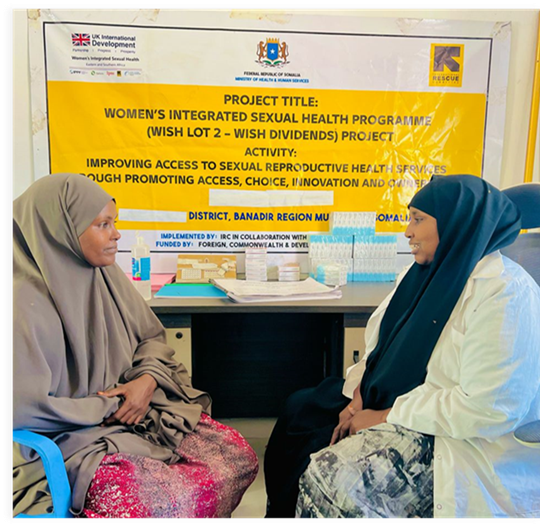
Through its partner, the International Rescue Committee, WISH 2 introduced an integrated approach that combined community outreach, male engagement, and strengthened facility-based family planning services. Community Health Workers (CHWs), working closely with local leaders, began reaching women directly in their homes, addressing myths, encouraging open conversations, and linking them to services.
Leyla was identified during one of these visits. She was referred to a nearby WISH 2-supported facility, where she received counselling and chose to start using oral contraceptive pills. But the story did not end there. Managing daily responsibilities with seven children made it difficult for her to take the pills consistently.
Instead of losing contact with the system, as often happens, Leyla continued to receive follow-up support. Through ongoing counselling, engagement with her partner, and regular visits from CHWs, she was able to reassess her needs and make a more suitable choice. She decided to switch to a long-acting contraceptive implant.
This shift marked more than a change in method; it marked a change in control.
I finally felt calm when I understood my options and had my family’s support,” Leyla shared. It helped me take care of my health and focus on my family again without stress.
With the implant, Leyla experienced improved physical recovery, reduced stress, and greater stability in her daily life. She was no longer navigating uncertainty with each pregnancy but making informed decisions about her future.

A Social and Behaviour Change officer working in the area reflected on the broader impact:
Community outreach is critical because many women cannot easily reach facilities or may not have the right information. When we bring services and information closer, women begin to understand their options and make decisions that work for their lives. — Mohamed Gelle, Social and Behavior Change Officer
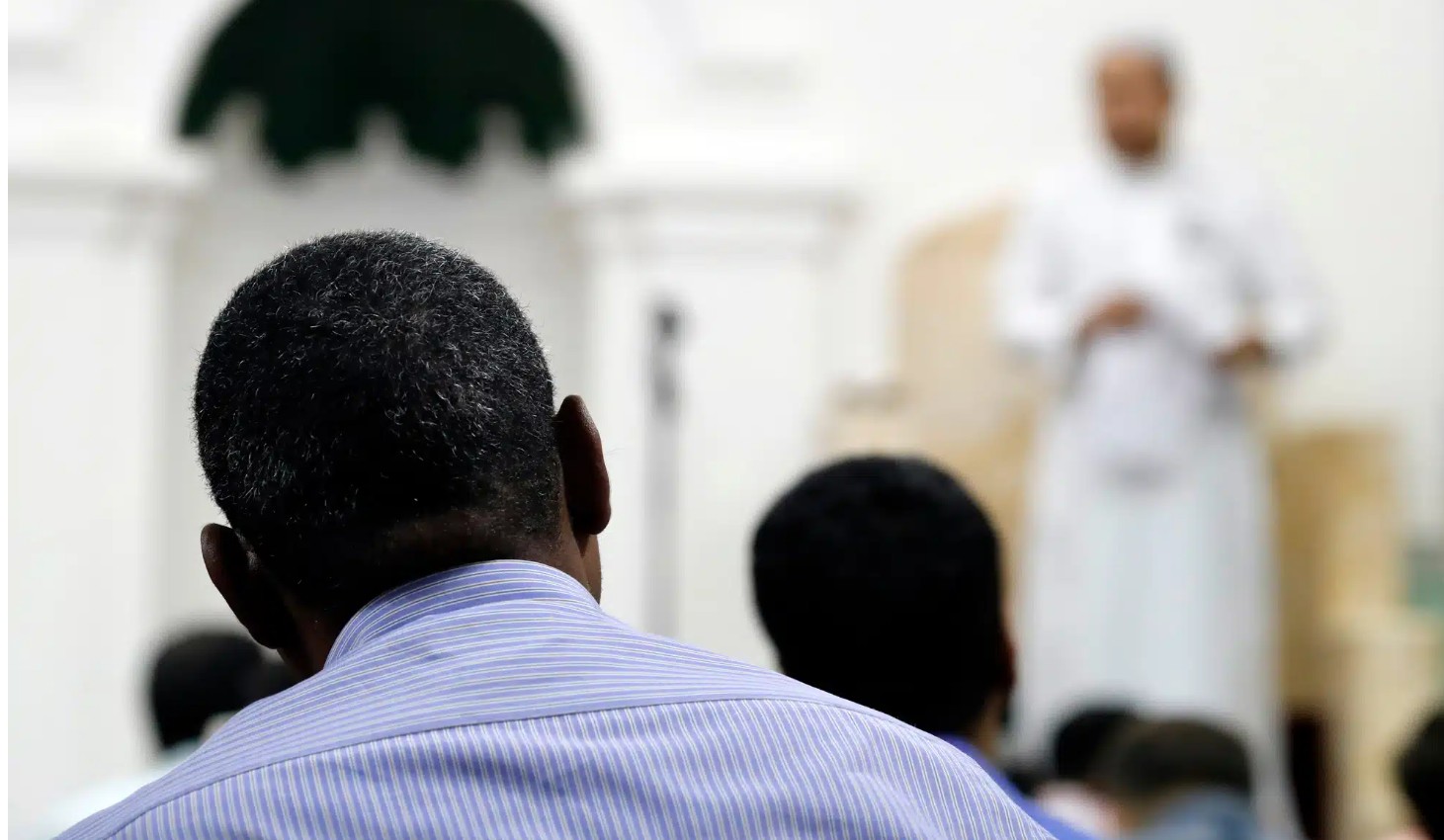
Barriers included misinformation, husband and community resistance, and limited access to static health facilities. These were addressed through CHW-led sensitization, male engagement, and empathetic facility-based counselling. Leyla’s story reflects a wider shift under WISH 2. By combining demand generation with service delivery and continuous follow-up, the programme is ensuring that women are not only reached, but supported to make informed, sustained choices. Male engagement has helped address resistance at household level, while trusted community health workers have strengthened links between communities and facilities.
Challenges such as misinformation, distance to services, and social barriers remain. But WISH 2 is addressing these through a model that prioritizes trust, continuity of care, and informed choice.
when
country
Somaliland
region
Africa
Subject
Comprehensive Sex Education