



In Somalia, high fertility rates and low awareness of birth spacing continue to pose serious risks to maternal and child health. Cultural and religious norms often shape perceptions around family planning, and misconceptions remain widespread, particularly the belief that modern contraception contradicts Islamic teachings. Despite growing demand for maternal health services, SRHR remains a sensitive topic, especially among young married couples and rural communities.
Recognising the influence of religious leaders in shaping community attitudes, a strategic intervention was launched to equip them with accurate, culturally appropriate information on birth spacing and its alignment with Islamic values.
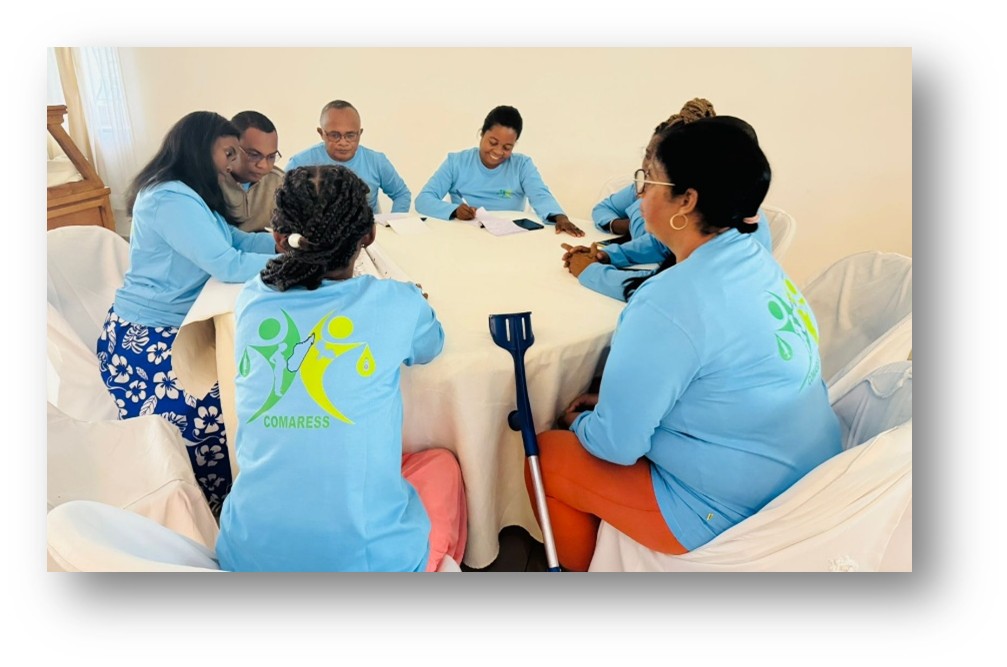
From May 18 to 25, 2025, a Social and Behaviour Change capacity-building workshop was held in Mogadishu. The workshop brought together 20 participants, including Muslim scholars, Ministry of Health officials, representatives from Benadir University, women, youth, and persons with disabilities.
Facilitated by Johns Hopkins Center for Communication Programs in collaboration with IRC and Ipas, the training focused on unpacking social norms around childbearing and promoting the Islamic concept of tanzīm al-nasl (birth spacing). Through guided sessions, participants explored health benefits, faith-based justifications, and barriers to uptake. The workshop culminated in the co-creation of tailored SBC messages targeting young married couples and their key influencers.
To ensure cultural relevance, these messages were pretested with diverse community groups, including men, religious leaders, mothers-in-law, and youth.

Since the workshop, 12 religious leaders have integrated birth spacing messages into their Friday sermons, reaching congregants across three districts. Several participants also committed to incorporating the messages into mosque-based and community discussions.
One Imam, initially hesitant, reflected:
“I had always believed that having many children was a sign of strength. But I’ve come to see that Islam encourages care, compassion, and responsibility in parenting. I will now discuss spacing with my wife so we can raise a healthy family.”

Abdulkhadir Wehliye, Senior Advisor at the Ministry of Health, noted that the participatory approach was a game-changer: “The messages are context-specific and resonate with local realities, unlike the generic materials we used in the past. I am confident that messages developed will be well received by the community and will contribute to the social norm change envisioned by the program and the government.
“Our communities need both healthy mothers and healthy children,” said Sheikh Hassan. “Birth spacing supports that goal and reflects Islamic values of compassion and care. But family planning is still misunderstood by many, so we, as religious leaders, must help reconcile faith with health.”
The initiative demonstrated the value of engaging faith leaders in addressing sensitive SRHR topics. Co-developing content with trusted influencers ensures cultural legitimacy and greater community acceptance. Culture and religion are deeply intertwined in Somalia, and decisions made by government bodies, including the Ministry of Health (MOH), take these factors into account. There is a growing interest among young Muslim leaders and scholars in the topic of child spacing. This presents a unique opportunity to address related social norms from an Islamic perspective. Co-creating communication materials with Islamic leaders can integrate key messages into their daily community engagements. Tailored content can target youth and young married couples through platforms such as universities, colleges, mosques, and religious gatherings.

when
country
Somaliland
region
Africa
Subject
Contraception