



Articles about Zambia
24 February 2026
From Notebooks to National Systems: How WISH 2 Is Transforming SRHR Data Quality Across Contexts
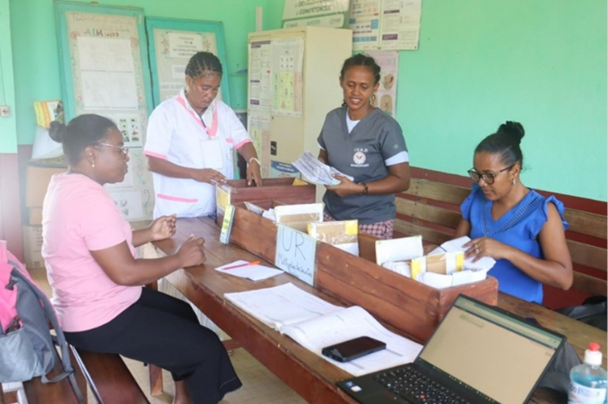
Nurse Mary used to spend four hours every weekend hunched over stacks of paper, manually correcting data errors before her Monday morning reports were due. As a senior SRHR provider at Chainda Urban Clinic in Lusaka, the high volume of clients meant that even small daily documentation errors could accumulate into major discrepancies by month’s end. “I felt like I was working for the data, instead of the data working for me,” Mary recalls. “We were so busy serving women that the paperwork became a crisis we dealt with only when it was time to report.” — Nurse Mary, Chainda MCH Across WISH 2 countries, one lesson has become increasingly clear: quality SRHR services depend on quality data. However, the pathways to improving data accuracy differ significantly depending on context. In Zambia, Ethiopia, and Madagascar, WISH 2 supported three distinct yet complementary approaches, each tailored to local realities, demonstrating how data systems can be strengthened from the clinic level to national structures. Zambia: Provider-Led Micro-Innovation at Facility Level At Chainda Urban Clinic, the challenge was not a lack of commitment, but the pressure of service volume. Documentation was often postponed until month-end, errors accumulated, and data became a source of stress rather than a tool for care. With WISH 2 acting as an enabler rather than an enforcer, Nurse Mary introduced a simple innovation: a Daily Summary Ledger, a hard-cover notebook used to reconcile service data at the end of each shift. This shifted data verification from a 30-day crisis into a 15-minute daily routine. Errors were identified and corrected immediately, creating a real-time feedback loop between service delivery and reporting. The results were immediate and measurable. The clinic achieved a 100% match between facility registers and DHIS2, reducing data error rates from 15% in Q2 to 0% in Q3. Improved data accuracy strengthened supply chain forecasting, preventing contraceptive stock-outs and ensuring women received their preferred method. With no additional cost, the clinic freed 48 hours of health-worker time per month, which was reinvested directly into patient care. Ethiopia: Rebuilding Systems in Fragile and Post-Conflict Settings In contrast, the Afar Region of Ethiopia presented a fragile, post-conflict context where data challenges were systemic rather than procedural. Weak institutional foundations, inconsistent use of tally sheets, limited application of data quality assurance tools, skills gaps, and minimal data use for decision-making undermined service planning, particularly in pastoralist and conflict-affected communities. Under WISH 2, FGAE and government partners implemented a comprehensive system-strengthening approach anchored in national and sub-national structures. This included training 29 data management providers across 14 facilities, institutionalising monthly Lot Quality Assurance Sampling (LQAS), establishing performance monitoring teams, and providing standardised HMIS and DHIS2 tools. Crucially, responsibility for data management was formally transferred to woreda and city Health Information Technicians, reinforcing government ownership and sustainability. Technical oversight and verification were jointly conducted by sub-national health offices, FGAE Area Offices, FGAE Headquarters, IPPF, and third-party evaluators, OPM, supported by quarterly data verification, monthly reviews, and structured feedback loops. As a result, data completeness, accuracy, and timeliness improved significantly, and facilities increasingly used data to inform service planning and resource allocation. As noted by regional stakeholders: “Supported health facilities have shown marked improvements in their data management systems, evidenced by more complete, accurate, and timely reporting, as observed during joint supportive supervision and routine data verification sessions with regional and sub-national health authorities.” — Afar Regional Health Bureau HMIS Focal Person and SRHR Expert Madagascar: Sustaining Change Through Government-Led Supervision Unlike Zambia’s provider-led micro-innovation or Ethiopia’s post-conflict system rebuilding, Madagascar’s challenge lay in routine supervision and consistent government follow-through. Early assessments revealed that over 40% of facilities had discrepancies between registers and Monthly Activity Reports. Rather than relying on one-off training, WISH 2 embedded data quality improvement within routine supportive supervision, led by Ministry of Health District and Regional teams. Supervision visits systematically compared reports against source documents, combined with on-the-job coaching and planned data cleaning. This hands-on, government-led approach reduced discrepancies, improved reporting timeliness, and strengthened provider confidence. As observed by the Ministry of Health: “During the Routine Data Quality Assessment supervision conducted with the WISH 2 team, we observed significant improvement in data use among health workers who received training on data analysis and utilisation. They adopted new ways of working, which contributed to better performance. Extending this capacity building to all health personnel would further strengthen the system.” — Mr. Mamy Randrianasolo, Directorate of Family Health Data Manager, Ministry of Health Service providers reported higher motivation, driven by constructive feedback and a clearer understanding of how accurate data supports programme performance and service improvement. Data quality shifted from a compliance requirement to a shared responsibility, reinforced by visible use of data for decision-making. Together, these experiences demonstrate that there is no single solution to improving SRHR data quality. Zambia highlights the power of simple, provider-driven innovation; Ethiopia underscores the importance of institutional rebuilding in fragile environments; and Madagascar shows how routine, government-led supervision sustains improvement over time. What unites these approaches is WISH 2’s commitment to adaptive, context-responsive system strengthening, ensuring that accurate data ultimately serves its most important purpose: better SRHR care for women and girls. Key Learning: Data quality improves when solutions are context-specific, embedded in routine systems, and owned by those closest to service delivery. Provider-led micro-innovations can rapidly improve accuracy at facility level; system rebuilding is essential in fragile settings; and government-led supervision sustains improvements at scale. Across all contexts, WISH 2’s adaptive approach—meeting systems where they are, strengthening ownership, and integrating data use into daily practice—proved critical to lasting change.
17 November 2025
The Women’s Integrated Sexual Health (WISH) 2
Strengthening the enabling environment for SRHR and reinforcing health systems to deliver sustainable, inclusive access to integrated SRHR services with a special focus on humanitarian and fragile settings. The Women’s Integrated Sexual Health (WISH) project, championed by a ‘Leave No One Behind’ approach, advances quality, integrated, and inclusive family planning and sexual and reproductive health (SRHR) services tailored to the needs of marginalized and hard-to-reach populations. In Eastern Africa, WISH2 builds on proven strategies and successes to extend access for populations often overlooked, young people, persons with disabilities, those living in poverty, and communities affected by conflict or displacement. Donor: Foreign, Commonwealth and Development Office (FCDO) Budget: Total budget of £ 75 million for East and Southern Africa Duration: 2024 to 2029 Funded by the UK Foreign, Commonwealth & Development Office (FCDO) and representing a significant commitment within the UK Government’s family planning framework, the WISH2 Eastern Africa initiative is led by the International Planned Parenthood Federation (IPPF) and executed by a dedicated consortium with partners including the International Rescue Committee (IRC), IPAS, Options Consultancy Services, and the Johns Hopkins Center for Communication Programs (JHU-CCP). Background on WISH 1 to WISH 2 Evolutions The Women's Integrated Sexual Health project was launched in 2018 as FCDO’s flagship initiative to expand access to voluntary family planning and sexual and reproductive health and rights services across 27 countries in Africa and Asia. The project was delivered in two parts, with Lot 2 (WISH2ACTION) implemented by a consortium led by IPPF, alongside MSI, Options, Humanity & Inclusion (HI), and IRC. WISH2ACTION aimed to deliver 16.921 million couple years of protection (CYPs) and reach 2.2 million additional users through a comprehensive approach to ensure equitable access to family planning and SRHR, prioritising youth under 20, the very poor, and marginalised populations including persons with disabilities and those in humanitarian or hard-to-reach settings. Its design integrated four core outputs: community and individual choice (Output 1), sustainability through national ownership (Output 2), access to quality services (Output 3), and global goods and evidence (Output 4). The success and learning from WISH2ACTION laid the foundation for WISH 2, which deepens focus on national systems strengthening, disability inclusion, safeguarding, and resilience in fragile contexts, ensuring SRHR remains a global priority while reaching those most at risk of being left behind. WISH 2 builds on successes and learning from WISH 1, while shifting toward greater national ownership, systems resilience, and sustainability. With a sharper focus on fragile and conflict-affected contexts, WISH 2 moves beyond service delivery to embedding SRHR within national policy frameworks, strengthening accountability, and enhancing inclusion through the systematic integration of disability rights, safeguarding, and climate-sensitive approaches. It places greater emphasis on evidence generation, adaptive learning, and localised solutions, ensuring that services are not only available but also accessible, equitable, and responsive to community needs. WISH 2 represents a strategic evolution, aligning with global priorities to “leave no one behind” while reinforcing SRHR as a critical component of universal health coverage and sustainable development. 2. Where We Work Geographic Footprint WISH 2 Eastern and Southern Africa works across seven countries including, Burundi Ethiopia Madagascar Somalia South Sudan Sudan Zambia Each country’s approach is adapted to local priorities and contexts, ensuring that interventions are both efficient and community responsive. 3. Leaving No One Behind WISH 2 Eastern and Southern Africa is committed to ensuring that every individual, especially those frequently marginalized, is empowered to access life-changing SRHR services. Our integrated approach prioritizes: Women Women, particularly those from economically disadvantaged backgrounds or living in patriarchal community, continue to face systemic barriers to SRHR services. WISH2 prioritizes their needs through respectful, client-centred care that is non-judgmental, confidential, and accessible. Services are tailored to uphold women's autonomy, support informed decision-making, and respond to gender-based disparities, including the risk of sexual and gender-based violence (SGBV). Meeting the Needs of Youth Under 20 In Eastern and Southern Africa, millions of youths, especially adolescents, encounter significant challenges in accessing accurate information and quality SRHR care. WISH2 provides youth-friendly, confidential, and age-appropriate services and education, ensuring young people are empowered to make informed decisions about their bodies, relationships, and futures. The project works closely with schools, youth-led organizations, and communities to create safe spaces for dialogue and service delivery. Reaching People Living with Disabilities People with disabilities face intersecting layers of exclusion in accessing health care, including physical, attitudinal, and informational barriers. WISH2 collaborates with Organizations of Persons with Disabilities (OPDs) to co-design inclusive interventions. This includes training service providers on disability rights and stigma reduction, adapting communication materials, and ensuring health facilities are physically and socially accessible. Serving to Reach the Last Mile In rural, remote, and impoverished communities, access to SRHR services remains limited. WISH2 uses poverty mapping, mobile outreach, and community-based service models to reach populations often overlooked by mainstream health systems. By partnering with local actors, such as community health workers, faith leaders, and women's groups, the project ensures culturally sensitive and sustainable service delivery in the hardest-to-reach areas. Health System Resilience During Crises Fragile and conflict-affected settings such as Ethiopia, Somalia, Sudan and South Sudan require adaptable and responsive health strategies. WISH2 brings services closer to displaced and crisis-affected populations through mobile clinics, referral linkages, and community-based distribution models. These approaches ensure continuity of care, particularly for women and girls who are most at risk during humanitarian emergencies. This focus on equity ensures that even the most vulnerable groups benefit from and contribute to their communities’ overall health and well-being. 4. Our Approach The WISH 2 project adopts Cluster Model 2.0 as a strategic approach to enhance coordination, collaboration, and efficiency among implementing partners across project countries. This updated model builds lessons from earlier phases by fostering cross-country learning and technical exchange within defined clusters, each comprising countries with similar contextual realities, such as humanitarian settings, fragile contexts, or policy environments. Cluster Model 2.0 places greater emphasis on peer-to-peer support, decentralised learning, and adaptive programming, ensuring that innovations and evidence-based practices are shared and applied in real time. It also strengthens joint planning, monitoring, and reporting mechanisms, promoting a unified and responsive delivery of SRHR services tailored to each context while maintaining alignment with the overall project strategy. Strategic Focus through Four Interlinked Outputs WISH 2 Eastern and Southern Africa is anchored on a multi-pronged approach, organized around four strategic outputs: Output 1: Social Behaviour Change (SBC) and Social Norms Led by JHU-CCP Focuses on increasing awareness, demand, and acceptance of modern contraceptive use through evidence-based communication and community engagement. Promotes positive SRHR attitudes and behaviours. Addresses gender and social barriers, myths, and misconceptions. Engages men, youth, religious, and community leaders to drive social norm change. Address harmful gender norms and stigma while promoting shared decision-making in family planning. Output 2: Access to Inclusive and Integrated SRHR Services Led by IPPF, with contributions from IRC Ensures that women, girls, and marginalized populations can access quality, affordable SRHR services. Strengthens service delivery, especially in fragile and humanitarian contexts. Maintain robust monitoring systems to track service delivery quality and client outcomes. Promotes disability inclusion and youth-friendly services. Integrates FP/SRHR with other health services (SGBV response). Enhance service delivery through capacity building, client-centred practices, and mobile outreach tailored to youth, people with disabilities, and conflict-affected communities. Output 3: Policy and Systems Environment Strengthening Policy, Advocacy, and Systems Led by IPAS & Options Consultancy Services Strengthens national and subnational policies, systems, and partnerships that support SRHR. Advocates for inclusive, rights-based SRHR policies. Builds government and civil society capacity. Fosters sustainability through domestic financing and coordination. Offer technical support for policy development, budget advocacy, and strategic planning. Build capacities of national health systems and local governments to ensure long-term sustainability. Output 4: Evidence and Learning Focuses Evidence-Driven Learning and Knowledge Sharing Led by Oxford Policy Management (OPM) Enhances the evidence generation, use, and dissemination to inform programme adaptation and SRHR advocacy. Utilise data to inform continuous project improvement and monitor key performance indicators. Use operational research to influence policy and programme design. Promote adaptive learning, knowledge management and facilitate cross-learning exchanges. Generate knowledge products and global goods 5. Partners The success of WISH 2 Eastern and Southern Africa rests on a robust partnership model that combines technical expertise in clinical service delivery, health systems strengthening, policy advocacy, and strategic communications. Consortium Members: IPPF (Lead): Oversees project strategy, quality assurance, and inclusive service delivery. International Rescue Committee (IRC): Implements conflict-responsive programming and community-based outreach. IPAS: Provides comprehensive safe abortion care and post-abortion services where legally permissible. Options Consultancy Services: Drives policy reform, systems strengthening, and governance enhancement to support sustainable SRHR outcomes. Johns Hopkins Center for Communication Programs (JHU-CCP): Leads on social and behaviour change initiatives that reshape social norms and empower communities. Together, these partners harness their individual and collective strengths to ensure the project’s impact is broad, sustainable, and transformative. 6. WISH 2 Targets and Results The project’s impact is measured using key performance indicators (KPIs), including: Couple Years of Protection (CYPs): Estimates the duration of protection provided by various contraceptive methods. Youth Reach: Tracks the number of young people accessing SRHR information and services. Sustainability: Assesses the extent to which interventions, systems, and partnerships are maintained beyond project implementation. Regular updates and dynamic dashboards capture these metrics, ensuring transparency and accountability to stakeholders and clients alike.
07 November 2025
Boosting FP Uptake through Door-to-Door Campaigns in Zambia
In the heart of Zambia’s rural and underserved urban communities, women and girls often face invisible barriers to accessing family planning. Health facilities are far, stigma is real, and myths about contraceptives persist. For adolescents, persons with disabilities, and women living in poverty, these challenges are even greater leaving many without the information or services they need to make informed reproductive health choices. To address these gaps, the WISH 2 project rolled out an innovative solution: taking FPservices directly to households. Through a door-to-door campaign implemented across eight provinces, the programme brought trusted health workers and peer educators into communities, sparking conversations that had long been silenced. “By bringing services closer to communities through approaches like door-to-door campaigns, WISH 2 aims to break down barriers, demystify family planning, and create a more supportive environment for informed SRH decision-making,” says a community leader. The campaign relied heavily on Community Health Workers (CHWs) and Peer Educators, who went from house to house providing accurate information, dispelling myths, and linking women directly to FPservices offered through outreach. Working hand in hand with the Ministry of Health, community leaders, and partners such as JHU, the approach not only increased knowledge but also built trust. The results were striking. Within just three months, the number of couple years of protection (CYP) rose sharply from 29,329 in April to 46,830 in May, with continued strong uptake in June. More women, especially in remote areas, began choosing long-acting methods, a sign of growing confidence and autonomy in decision-making. “The door-to-door strategy proved to be a powerful and effective approach for increasing access to FPservices at the community level,” reflects one health worker involved in the campaign. “It gave women the privacy and space to ask questions they would never raise in public.” Despite being time- and resource-intensive, the campaign’s success lies in its sustainability. By leveraging CHWs and Peer Educators who already live and work within these communities, the programme reduced operational pressures while ensuring that the approach can be scaled and maintained. One of the most important lessons, according to the team, is the role of local leadership. Engaging community leaders and influencers to actively promote FPservices strengthens trust and ensures buy-in. It’s what makes this approach work. Building on this momentum, the Planned Parenthood Association of Zambia (PPAZ) plans to expand the door-to-door strategy to more communities. The vision is clear: a Zambia where every woman and girl, no matter where she lives, has the power to make informed choices about her reproductive health.
04 November 2025
Bringing choice closer through Sayana Press
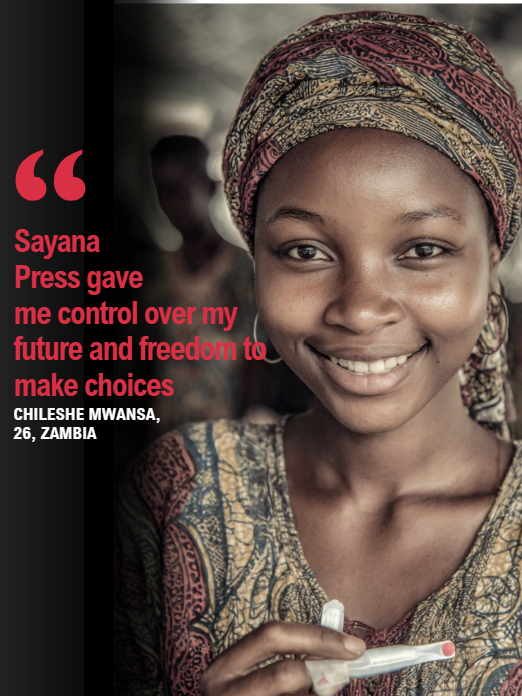
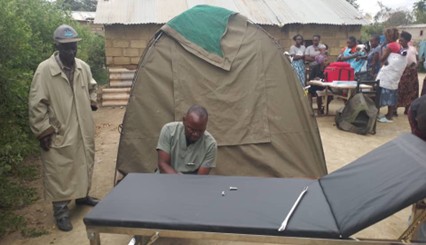
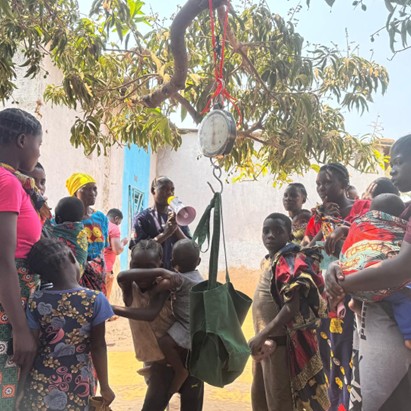
Nestled along the southern shores of Lake Kariba, Sinazongwe District is one of Zambia’s most remote areas. Many of its communities are scattered across hilly terrain and along the lakeside, where accessing health services can mean walking several kilometres under the scorching sun. For young women and adolescents, especially those who are unmarried, the journey to seek family planning services can be even more daunting due to stigma and lack of privacy. In Zambia, only 48% of married women aged 15–49 use modern contraceptive methods, and 20% of married women still have an unmet need for family planning. The situation is often worse in rural and hard-to-reach districts like Sinazongwe, where health facilities are far apart and social norms limit young women’s access to contraception. It is within this challenging context that the WISH 2 project, in partnership with local health authorities and WISH 2 implementing partners, has been working to expand access to modern contraception through community outreach. One of the most transformative interventions has been the introduction of Sayana Press, a self-injectable contraceptive that women can administer privately and conveniently. While Zambia may not yet have a fully formalised, standalone National Self-Care Framework for SRHR, there are emerging toolkits and policies supporting self-care in SRHR. “Young people can easily access Sayana Press during outreach and unmarried girls prefer it because it’s discreet, no one needs to know they are using contraception,” explained Elector Siyapwaya, a Community Health Worker in Sinazongwe health facility. “When I teach a young woman to use Sayana on her own, I feel proud. It means she can plan her life without fear,” added Siyapwaya. In Sinazongwe District, family planning services were integrated within the Well-Baby Clinic, where mothers bring their infants for routine weighing and growth monitoring. Through this platform, healthcare workers also provide SRHR awareness and FP counseling on modern family planning methods. Women can receive methods covering three to one year, reducing the need for frequent clinic visits. This approach reduces the burden of long travel to health centers and makes reproductive health services more accessible to all. “As a young married woman, I used to forget to take my pills. Now, with Sayana Press, I just take one injection every three months. It’s easy, and I can do it myself or if I need assistance, CHVs are there,” shared Mwila, a 24-year-old mother of two. Despite these successes, challenges remain. Privacy during outreach is still an issue, as most sessions take place in open spaces without tents or designated service corners. “It’s difficult to ensure privacy when providing services in public spaces. Sometimes young women hesitate to approach us because others might see them,” said Siyapwaya. To address this, WISH 2 partners have invested in training Community Health Workers and Volunteers on both the administration of Sayana Press and client confidentiality to teach women how to safely self-inject, empowering them to manage their own reproductive health and promoting self-care. This community-based model is showing promising results, and the impact is visible. More young women are now choosing self-injectables, appreciating their convenience and discretion. For those living in remote or conservative areas, Sayana Press represents more than a contraceptive, it embodies control, choice, and dignity. Convenient, private, and requiring no frequent clinic visits, it offers women greater autonomy over their reproductive health. As outreach services continue to extend to the most isolated parts of Sinazongwe, Sayana Press is proving to be more than a method, it is a symbol of empowerment, helping young women take charge of their health and futures, even in Zambia’s most hard-to-reach communities.
26 September 2025
World Contraception Day 2025 Message
From the WISH 2 Team Lead Today, on World Contraception Day, we reaffirm our collective commitment to ensuring that contraception is recognized and realized as a right, a responsibility, and a reality for all. Since its launch in 2007, World Contraception Day has been commemorated every year on 26 September, making 2025 the 19th annual global observance of this important campaign to raise awareness and advance SRHR. The day reminds us of the power of choice and the transformative impact of SRHR on individuals, families, and communities. Access to safe, voluntary, and high-quality contraception is not only a health imperative, but also a pathway to dignity, equity, and opportunity. Under the WISH 1 (WISH2Action) project, 3.6 million additional family planning users were reached, an estimated 22 million maternal deaths, 4.3 million unsafe abortions, 13.2 million unintended pregnancies, and 19.2 million disability-adjusted life years were averted, a powerful demonstration of the lifesaving impact of sustained investment in SRHR. Building on this momentum, WISH 2 East and Southern Africa, set targets to reach 4.2 million family planning users, with the intention of preventing 3.2 million unintended pregnancies, 1 million unsafe abortions, and 5,600 maternal deaths across seven countries in Eastern and Southern Africa. Since the start of the project, WISH 2 has reached 169,590 annualised clients as at the end of June 2025. Through this project, we remain committed to expanding access to sexual and reproductive health services across Eastern and Southern Africa, with a particular focus on fragile and humanitarian settings where women, adolescents, and marginalised groups face the greatest barriers. By strengthening service delivery, advancing social and behaviour change, advocating for enabling policies, and generating evidence for learning, WISH 2 is ensuring that no one is left behind in the pursuit of sexual and reproductive health and rights. Central to this effort is strong partnership with governments, whose leadership and stewardship are essential for sustaining progress. WISH 2 works hand in hand with national and local authorities to complement their strategies and contribute to country-led priorities for universal access to contraception and broader SRHR. Yet, these gains are under threat. Global funding for SRHR is declining, undermining women’s rights, equity, and agency, and putting millions at risk of preventable harm. As we mark this 19th World Contraception Day, we call on governments, donors, and partners to renew their commitment to SRHR. Together, we can ensure that contraception remains accessible, affordable, and inclusive, empowering every individual to make informed choices about their bodies and futures. On this day, we celebrate the dedication of our partners, country teams including Member Associations, stakeholders who support the cause and frontline providers who work tirelessly to make contraceptive services more inclusive, resilient, and rights based. Together, we are creating a future where every individual, regardless of circumstance, can make informed choices about their reproductive health. Let us continue to learn, innovate, and act so that contraception is recognized not only as a method of family planning, but as a fundamental right for all. Contraception is not just health care, it is a right, a responsibility, and a reality we must protect and advance. Happy World Contraception Day!

21 November 2024
EmpowHER
About EmpowHER: EmpowHER (Ensuring Inclusive SRHR Delivery for Women, Girls and Marginalised Communities) is a six-year initiative with three key priority areas: Increasing access to quality, person-centred abortion care. Empowering young people to act on their sexual and reproductive rights by expanding access to Comprehensive Sexuality Education (CSE). This is delivered through our CSE Centres of Excellence in Ghana, Togo and Colombia. Pushing back against the anti-rights agenda through coalition and movement-building, as well as advocacy work with our Member Associations. This restricted-funded project will support IPPF’s Strategy 2028 and donor commitments to advance the health and rights of women and girls in all their diversity around the world, ensuring that they can decide what to do with their bodies, their lives, and their futures. Donor: Global Affairs Canada Implementing MAs: Bénin (Association Béninoise pour la Promotion de la Famille) Burkina Faso (ABBEF), Colombia (Profamilia), Ecuador (CEMOPLAF), Ghana (PPAG), Guinea-Bissau (AGUIBEF), Kenya (RHN), Mauritania, (AMPF) Pakistan (FPAP), Sudan (SFPA), Togo (ATBEF), Uganda (RHU), and Zambia (PPAZ). Duration: 1st April 2024 – 31st March 2030 (6 years) Total Budget: CAD $48,000,000

24 September 2024
Major New Health Programme to Expand Sexual and Reproductive Health Services in East and Southern Africa
Nairobi, 23 September 2024 – A groundbreaking £75.125 million project has been announced by the International Planned Parenthood Federation (IPPF) and its partners, the International Rescue Committee (IRC), Options, Ipas, and Johns Hopkins University Centre for Communication Programmes, to transform sexual and reproductive health services across East and Southern Africa. This large-scale initiative will benefit seven countries, supporting millions of women, girls, and vulnerable communities in Burundi, Ethiopia, Madagascar, Somalia, South Sudan, Sudan, and Zambia. This programme, known as Women’s Integrated Sexual Health 2 (WISH 2) Lot 2, is funded by the UK Foreign, Commonwealth and Development Office (FCDO). As part of FCDO WISH Dividend, it builds on the successes of FCDO’s £272 million Women’s Integrated Sexual Health (2018-2024) programme, which spanned 27 countries across Africa and Asia. Over its lifespan, the first WISH programme supported over an estimated 16.9 million women and girls, helping them gain access to critical SRHR services. FCDO’s continued partnership with IPPF for this next phase of WISH was unveiled by FCDO's Chris Carter, on behalf of the UK Minister for Africa, Lord Collins, during the United Nations General Assembly (UNGA) side event, “SRHR: Securing reproductive choice for the next generation.” Announcing FCDO’s partnerships with IPPF, MSI Reproductive Choices and the Children's Investment Fund Foundation, Chris Carter noted the new programme will play a critical role in increasing women's voice, choice and control across 13 countries in Africa.” With the goal of delivering over seven million ‘couple years protection,’ the programme will address critical healthcare gaps, promote reproductive choice, and tackle harmful social norms. It will also provide urgent support to improve policies, strengthen health systems, and safeguard the reproductive rights of women and girls, especially in areas affected by conflict and displacement. At the heart of this initiative is a focus on reaching the most marginalised groups, including young women and girls under 20, those living in poverty, people with disabilities, and communities in conflict zones. Importantly, WISH2 will also work to improve access to safe abortion care and counteract the growing threats to women’s and girls' sexual and reproductive health rights. IPPF Director General Dr Alvaro Bermejo emphasised the critical need to protect and expand access to SRHR. “WISH2 will continue our mission of empowering women and girls across Africa to unlock their full potential. We will not only tackle the rollback of SRHR rights but also strengthen disability inclusion while delivering sustainable healthcare solutions,” said Dr Bermejo. “We’re grateful to the UK Government for their unwavering support in this important work.” Elshafie Mohamed Ali, Executive Director of Sudan Family Planning Association (SFPA) said “WISH2 is essential given Sudan’s current circumstances, particularly the ongoing conflict since April 15, 2023. The programme addresses the growing need for sexual and reproductive health services, offering crucial support to vulnerable communities amidst increasing instability and humanitarian challenges.” Chris Carter, Deputy Director, Head of Human Development Department, highlighted the impact of this new initiative: “Access to sexual and reproductive health services saves lives, empowers women and girls, and supports education, transforming lives and entire livelihoods. This project will amplify women’s voice, choice, and control across Africa, and we are proud to partner with IPPF and African organizations in this critical mission.” For media enquiries, please contact [email protected]

IPPF Africa Expresses Concern Following instructions from Zambia’s Ministry of Health to Avoid Use of The Term “Sexual and Reproductive Health and Rights”.
Nairobi, Kenya: 12 October 2023 – The International Planned Parenthood Federation Africa Region (IPPFAR) notes with concern an internal memo sent by the Zambian Ministry of Health to all provincial health directors and cooperating partners dated 21 September 2023, which advises against the use of the term “sexual and reproductive health and rights” and to instead refer to “reproductive health and rights” only. The Zambian Ministry of Health’s rationale for the removal of the terms “sexual health and rights” is that “the inclusion of the words “sexual” and “rights” in the same phrase is the inclusion of Lesbian, Gay, Bisexual, Transgender, and Qveer (sic) rights” (MoH Zambia, 2023). This is correct, as “sexual rights are constituted by a set of entitlements related to the sexuality of all persons regardless of their gender, gender identity and/or expression, that emanate from the rights to freedom, equality, privacy, autonomy, integrity and dignity of all people” (IPPF, 2016) – and like all rights, sexual rights are interconnected, indivisible, and applicable to all. “Removing reference to sexual health and rights has real-world implications for people, especially women, and girls, including an entrenchment of patriarchal norms and a framing of people's bodies as useful for reproductive purposes only. This has far-reaching negative implications that are demonstrated by an increase in female genital mutilation and child marriage, and forced treatments, including sterilisation, virginity examinations, and abortions. Removal of sexual rights could also lead to the subjecting of women’s access to sexual health services to external approval, for example from a husband or male relative.”, said Marie-Evelyne Petrus-Barry, IPPF Africa Regional Director. The inclusion of the term “sexual health and rights” protects the rights of women and girls to consent to sexual activity and treatments, and to access information that allows them to make informed decisions about their sexual health. In addition to offering equality for women in freely deciding the spacing of their children, sexual rights also protect the right to bodily autonomy and to make informed decisions about one’s body. Furthermore, sexual health and rights are closely associated with the prevention and treatment of HIV/AIDS. Removal of these terms could negatively affect the provision of services to, and rights of people living positively and needing access to treatment and other forms of support services. Marie-Evelyne Petrus-Barry added that: “IPPF Africa echoes the Guttmacher-Lancet Commission report (2018), sexual health and rights are not just words, behind them are real people; especially women and girls who need to access services that aim to provide a state of complete physical, emotional, mental, and social well-being in relation to sexuality. These services are protected by sexual rights that protect all people’s rights to fulfill and express their sexuality and enjoy sexual health free from coercion.” IPPFAR reiterates that the Government of Zambia is party to several commitments in which sexual and reproductive health and rights are central – including the Protocol to the African Charter on Human and People’s Rights on the Rights of Women in Africa, the African Charter on People’s and Human Rights, and the International Covenant on Economic, Social, and Cultural Rights. Furthermore, as Lusaka will host the AU/UNECA ICPD+30 Africa Region Consultation in November 2023, it is critical to recall that the 1994 International Conference on Population and Development (ICPD) affirmed that Sexual and Reproductive Health and Rights are Human Rights. If we are to achieve these commitments 30 years later, it is critical that Zambia recommits to the attainment of sexual and reproductive health and rights for all. END For further information or to request an interview, please contact: -Mahmoud GARGA, Lead Specialist - Strategic Communication, Media Relations and Digital Campaigning, IPPF Africa Regional Office (IPPFARO) – email: [email protected] / Tel: +254 704 626 920 ABOUT IPPF AFRICA REGION (IPPFAR) The International Planned Parenthood Federation Africa Region (IPPFAR) is one of the leading sexual and reproductive health (SRH) service delivery organization in Africa, and a leading sexual and reproductive health and rights (SRHR) advocacy voice in the region. Headquartered in Nairobi, Kenya, the overarching goal of IPPFAR is to increase access to SRHR services to the most vulnerable youth, men and women in sub-Saharan Africa. Supported by thousands of volunteers, IPPFAR tackles the continent’s growing SRHR challenges through a network of Member Associations (MAs) in 40 countries. We do this by developing our MAs into efficient entities with the capacity to deliver and sustain high quality, youth focused and gender sensitive services. We work with Governments, the African Union, Regional Economic Commissions, the Pan-African Parliament, United Nations bodies among others to expand political and financial commitments to sexual and reproductive health and rights in Africa. Learn more about us on our website. Follow us on Facebook, Twitter, Instagram and You Tube.

29 September 2022
Copper Rose Zambia: Increasing awareness on safe abortion in Zambia
By Buumba Siamalube, Advocacy and Youth Engagement Manager, Copper Rose Zambia Although abortion is technically legal in Zambia, the reality of getting an abortion is far more complicated. The abortion law has many barriers in practice, policy and implementation levels. This has contributed to unsafe abortions which remain a significant problem causing deaths and disability across the country. Although evidence on the incidence and consequences of unsafe abortion in recent years is scarce, studies from the early 2000’s identify the common methods used across the country, such as ingesting toxins like detergent and inserting cassava sticks in the cervix. While information and utilization of legal abortion is becoming more common, high levels of unsafe abortions continue to persist. Despite the many barriers to access safe abortions, Zambia has among the most liberal abortion policies in Sub-Saharan African. The Termination of Pregnancy (TOP) Act of 1972 permits abortion in Zambia under the following circumstances: the pregnancy causes risk to the life of the pregnant woman; risk of injury to the physical or mental health of the pregnant woman; risk of injury to the physical or mental health of any existing children of the woman, greater than if the pregnancy were terminated; or if there is substantial risk of fetal malformation. Further, the law states that if the continuance of a pregnancy would involve great risk, account may be taken of the pregnant woman's environment or of her age. Further amendments to the Penal Code have allowed for abortion in cases of rape and incest. In an effort to raise awareness on safe abortion, Copper Rose Zambia (CRZ) has worked in Petauke and Nyimba districts of Eastern province on the Safe Reproductive Health Awareness Project. The project involved engaging stakeholders to raise awareness on safe abortion services being offered at various rural health facilities in the districts. The goal of the project was to reduce unsafe abortions among adolescents and young girls in the Eastern Province of Zambia. In 2020, the province recorded over 12,000 teenage pregnancies and over 1,000 complications resulting from unsafe abortions majority being from Nyimba and Petauke. Copper Rose Zambia led safe abortion awareness community outreaches at one of the colleges providing health sciences in the district. We sensitized the students on the laws available in Zambia with regards to Termination of Pregnancy (TOP) and the services offered at health facilities. The response from the students was positive as most of them did not know that safe abortion is legal in Zambia and that health facilities offers such services – they shared that this information is not readily available to most Zambians because of cultural stigma and religious beliefs. Through this work we met a 21-year-old girl called Chisomo. She told us that she had unprotected sex and became pregnant. She thought it was best to terminate the pregnancy because she was still in school. During one of our community awareness sessions, Chisomo reached out to the CRZ peer educators for guidance as she was planning to visit a witch doctor for an unsafe abortion. CRZ shared more information with her and referred her to the hospital for a safe abortion. Following up with her, CRZ found that when she reached the hospital, she was sent to a safe abortion screening room, the service provider who was in charge of conducting the service asked her a number of uncomfortable questions and later told her she couldn’t perform the abortion on her because she was young and it’s a sin to terminate a pregnancy for “no reason”. The health care provider imposed her beliefs about abortion and hence this made the girl very uncomfortable. She left the facility and the service was not performed. Days later, her parents were informed that their daughter visited the health facility for an abortion. Chisomo was forced to go through the pregnancy causing her to drop out of school and raise the child on her own. This shows the many layers of barriers a young woman can face trying to access healthcare. To this end, we continue to deliberately share information on safe abortion in many areas of our work. For example, on the Safe Abortion Project, CRZ focused on training health care providers in Values Clarification and Attitude Transformation so that their beliefs are not imposed on their clients. As the project was being implemented, it was found that there is a need to shift mindsets of health care providers in order to allow more young women access to safe abortion services at health facilities. CRZ firmly believes in access to information so that women can make the right decisions for themselves. Copper Rose Zambia (CRZ) is a grantee partner of the Safe Abortion Action Fund (SAAF) a global abortion fund hosted by IPPF. For more updates on our work, follow IPPF Africa Region on Facebook, Twitter, Instagram and You Tube.

07 February 2017
ACT!2030
IPPF collaborates with UNAIDS and The PACT to implement ACT!2030 (formerly ACT!2015), a youth-led social action initiative which engages young people in 12 countries with advocacy and accountability around the Sustainable Development Goals (SDGs) and other SRHR agreements/frameworks. ACT!2030 was initiated in 2013 as a way to increase youth participation in the negotiations leading up to the adoption of the post-2015 development agenda, and for two years focused on establishing alliances of youth-led and youth-serving organisations in 12 countries across the world. The project is currently in Phase 4, which runs until the end of 2017, and aims to establish youth-led, data-driven accountability mechanisms to ensure youth engagement with the implementation of the SDGs and build an evidence base for advocacy. Ultimately, Phase 4 of ACT!2030 seeks to identify, assess and address key policy barriers to young people’s sexual and reproductive data by using existing data, supplemented by youth-collected data, to advocate and lobby for policy change. This phase involves four main activities: indicator advocacy (persuading decision makers to adopt youth-friendly SRHR and HIV indicators, including on things like comprehensive sexuality education (CSE) and access to youth-friendly services, into national/global reporting mechanisms); evidence gathering (creating national databases on quality of and access to youth-friendly services and CSE); communications (transforming this data and evidence into communications pieces that can be used to advocacy and lobby at national and international level); and global exchange (facilitating global visibility to share advocacy and engagement learnings and increase youth-led accountability in global and regional processes). ACT!2030 is implemented by national alliances of youth organisations in 12 countries: Algeria, Bulgaria, India, Jamaica, Kenya, Mexico, Nigeria, Philippines, South Africa, Uganda, Zambia and Zimbabwe.
24 February 2026
From Notebooks to National Systems: How WISH 2 Is Transforming SRHR Data Quality Across Contexts
Nurse Mary used to spend four hours every weekend hunched over stacks of paper, manually correcting data errors before her Monday morning reports were due. As a senior SRHR provider at Chainda Urban Clinic in Lusaka, the high volume of clients meant that even small daily documentation errors could accumulate into major discrepancies by month’s end. “I felt like I was working for the data, instead of the data working for me,” Mary recalls. “We were so busy serving women that the paperwork became a crisis we dealt with only when it was time to report.” — Nurse Mary, Chainda MCH Across WISH 2 countries, one lesson has become increasingly clear: quality SRHR services depend on quality data. However, the pathways to improving data accuracy differ significantly depending on context. In Zambia, Ethiopia, and Madagascar, WISH 2 supported three distinct yet complementary approaches, each tailored to local realities, demonstrating how data systems can be strengthened from the clinic level to national structures. Zambia: Provider-Led Micro-Innovation at Facility Level At Chainda Urban Clinic, the challenge was not a lack of commitment, but the pressure of service volume. Documentation was often postponed until month-end, errors accumulated, and data became a source of stress rather than a tool for care. With WISH 2 acting as an enabler rather than an enforcer, Nurse Mary introduced a simple innovation: a Daily Summary Ledger, a hard-cover notebook used to reconcile service data at the end of each shift. This shifted data verification from a 30-day crisis into a 15-minute daily routine. Errors were identified and corrected immediately, creating a real-time feedback loop between service delivery and reporting. The results were immediate and measurable. The clinic achieved a 100% match between facility registers and DHIS2, reducing data error rates from 15% in Q2 to 0% in Q3. Improved data accuracy strengthened supply chain forecasting, preventing contraceptive stock-outs and ensuring women received their preferred method. With no additional cost, the clinic freed 48 hours of health-worker time per month, which was reinvested directly into patient care. Ethiopia: Rebuilding Systems in Fragile and Post-Conflict Settings In contrast, the Afar Region of Ethiopia presented a fragile, post-conflict context where data challenges were systemic rather than procedural. Weak institutional foundations, inconsistent use of tally sheets, limited application of data quality assurance tools, skills gaps, and minimal data use for decision-making undermined service planning, particularly in pastoralist and conflict-affected communities. Under WISH 2, FGAE and government partners implemented a comprehensive system-strengthening approach anchored in national and sub-national structures. This included training 29 data management providers across 14 facilities, institutionalising monthly Lot Quality Assurance Sampling (LQAS), establishing performance monitoring teams, and providing standardised HMIS and DHIS2 tools. Crucially, responsibility for data management was formally transferred to woreda and city Health Information Technicians, reinforcing government ownership and sustainability. Technical oversight and verification were jointly conducted by sub-national health offices, FGAE Area Offices, FGAE Headquarters, IPPF, and third-party evaluators, OPM, supported by quarterly data verification, monthly reviews, and structured feedback loops. As a result, data completeness, accuracy, and timeliness improved significantly, and facilities increasingly used data to inform service planning and resource allocation. As noted by regional stakeholders: “Supported health facilities have shown marked improvements in their data management systems, evidenced by more complete, accurate, and timely reporting, as observed during joint supportive supervision and routine data verification sessions with regional and sub-national health authorities.” — Afar Regional Health Bureau HMIS Focal Person and SRHR Expert Madagascar: Sustaining Change Through Government-Led Supervision Unlike Zambia’s provider-led micro-innovation or Ethiopia’s post-conflict system rebuilding, Madagascar’s challenge lay in routine supervision and consistent government follow-through. Early assessments revealed that over 40% of facilities had discrepancies between registers and Monthly Activity Reports. Rather than relying on one-off training, WISH 2 embedded data quality improvement within routine supportive supervision, led by Ministry of Health District and Regional teams. Supervision visits systematically compared reports against source documents, combined with on-the-job coaching and planned data cleaning. This hands-on, government-led approach reduced discrepancies, improved reporting timeliness, and strengthened provider confidence. As observed by the Ministry of Health: “During the Routine Data Quality Assessment supervision conducted with the WISH 2 team, we observed significant improvement in data use among health workers who received training on data analysis and utilisation. They adopted new ways of working, which contributed to better performance. Extending this capacity building to all health personnel would further strengthen the system.” — Mr. Mamy Randrianasolo, Directorate of Family Health Data Manager, Ministry of Health Service providers reported higher motivation, driven by constructive feedback and a clearer understanding of how accurate data supports programme performance and service improvement. Data quality shifted from a compliance requirement to a shared responsibility, reinforced by visible use of data for decision-making. Together, these experiences demonstrate that there is no single solution to improving SRHR data quality. Zambia highlights the power of simple, provider-driven innovation; Ethiopia underscores the importance of institutional rebuilding in fragile environments; and Madagascar shows how routine, government-led supervision sustains improvement over time. What unites these approaches is WISH 2’s commitment to adaptive, context-responsive system strengthening, ensuring that accurate data ultimately serves its most important purpose: better SRHR care for women and girls. Key Learning: Data quality improves when solutions are context-specific, embedded in routine systems, and owned by those closest to service delivery. Provider-led micro-innovations can rapidly improve accuracy at facility level; system rebuilding is essential in fragile settings; and government-led supervision sustains improvements at scale. Across all contexts, WISH 2’s adaptive approach—meeting systems where they are, strengthening ownership, and integrating data use into daily practice—proved critical to lasting change.
17 November 2025
The Women’s Integrated Sexual Health (WISH) 2
Strengthening the enabling environment for SRHR and reinforcing health systems to deliver sustainable, inclusive access to integrated SRHR services with a special focus on humanitarian and fragile settings. The Women’s Integrated Sexual Health (WISH) project, championed by a ‘Leave No One Behind’ approach, advances quality, integrated, and inclusive family planning and sexual and reproductive health (SRHR) services tailored to the needs of marginalized and hard-to-reach populations. In Eastern Africa, WISH2 builds on proven strategies and successes to extend access for populations often overlooked, young people, persons with disabilities, those living in poverty, and communities affected by conflict or displacement. Donor: Foreign, Commonwealth and Development Office (FCDO) Budget: Total budget of £ 75 million for East and Southern Africa Duration: 2024 to 2029 Funded by the UK Foreign, Commonwealth & Development Office (FCDO) and representing a significant commitment within the UK Government’s family planning framework, the WISH2 Eastern Africa initiative is led by the International Planned Parenthood Federation (IPPF) and executed by a dedicated consortium with partners including the International Rescue Committee (IRC), IPAS, Options Consultancy Services, and the Johns Hopkins Center for Communication Programs (JHU-CCP). Background on WISH 1 to WISH 2 Evolutions The Women's Integrated Sexual Health project was launched in 2018 as FCDO’s flagship initiative to expand access to voluntary family planning and sexual and reproductive health and rights services across 27 countries in Africa and Asia. The project was delivered in two parts, with Lot 2 (WISH2ACTION) implemented by a consortium led by IPPF, alongside MSI, Options, Humanity & Inclusion (HI), and IRC. WISH2ACTION aimed to deliver 16.921 million couple years of protection (CYPs) and reach 2.2 million additional users through a comprehensive approach to ensure equitable access to family planning and SRHR, prioritising youth under 20, the very poor, and marginalised populations including persons with disabilities and those in humanitarian or hard-to-reach settings. Its design integrated four core outputs: community and individual choice (Output 1), sustainability through national ownership (Output 2), access to quality services (Output 3), and global goods and evidence (Output 4). The success and learning from WISH2ACTION laid the foundation for WISH 2, which deepens focus on national systems strengthening, disability inclusion, safeguarding, and resilience in fragile contexts, ensuring SRHR remains a global priority while reaching those most at risk of being left behind. WISH 2 builds on successes and learning from WISH 1, while shifting toward greater national ownership, systems resilience, and sustainability. With a sharper focus on fragile and conflict-affected contexts, WISH 2 moves beyond service delivery to embedding SRHR within national policy frameworks, strengthening accountability, and enhancing inclusion through the systematic integration of disability rights, safeguarding, and climate-sensitive approaches. It places greater emphasis on evidence generation, adaptive learning, and localised solutions, ensuring that services are not only available but also accessible, equitable, and responsive to community needs. WISH 2 represents a strategic evolution, aligning with global priorities to “leave no one behind” while reinforcing SRHR as a critical component of universal health coverage and sustainable development. 2. Where We Work Geographic Footprint WISH 2 Eastern and Southern Africa works across seven countries including, Burundi Ethiopia Madagascar Somalia South Sudan Sudan Zambia Each country’s approach is adapted to local priorities and contexts, ensuring that interventions are both efficient and community responsive. 3. Leaving No One Behind WISH 2 Eastern and Southern Africa is committed to ensuring that every individual, especially those frequently marginalized, is empowered to access life-changing SRHR services. Our integrated approach prioritizes: Women Women, particularly those from economically disadvantaged backgrounds or living in patriarchal community, continue to face systemic barriers to SRHR services. WISH2 prioritizes their needs through respectful, client-centred care that is non-judgmental, confidential, and accessible. Services are tailored to uphold women's autonomy, support informed decision-making, and respond to gender-based disparities, including the risk of sexual and gender-based violence (SGBV). Meeting the Needs of Youth Under 20 In Eastern and Southern Africa, millions of youths, especially adolescents, encounter significant challenges in accessing accurate information and quality SRHR care. WISH2 provides youth-friendly, confidential, and age-appropriate services and education, ensuring young people are empowered to make informed decisions about their bodies, relationships, and futures. The project works closely with schools, youth-led organizations, and communities to create safe spaces for dialogue and service delivery. Reaching People Living with Disabilities People with disabilities face intersecting layers of exclusion in accessing health care, including physical, attitudinal, and informational barriers. WISH2 collaborates with Organizations of Persons with Disabilities (OPDs) to co-design inclusive interventions. This includes training service providers on disability rights and stigma reduction, adapting communication materials, and ensuring health facilities are physically and socially accessible. Serving to Reach the Last Mile In rural, remote, and impoverished communities, access to SRHR services remains limited. WISH2 uses poverty mapping, mobile outreach, and community-based service models to reach populations often overlooked by mainstream health systems. By partnering with local actors, such as community health workers, faith leaders, and women's groups, the project ensures culturally sensitive and sustainable service delivery in the hardest-to-reach areas. Health System Resilience During Crises Fragile and conflict-affected settings such as Ethiopia, Somalia, Sudan and South Sudan require adaptable and responsive health strategies. WISH2 brings services closer to displaced and crisis-affected populations through mobile clinics, referral linkages, and community-based distribution models. These approaches ensure continuity of care, particularly for women and girls who are most at risk during humanitarian emergencies. This focus on equity ensures that even the most vulnerable groups benefit from and contribute to their communities’ overall health and well-being. 4. Our Approach The WISH 2 project adopts Cluster Model 2.0 as a strategic approach to enhance coordination, collaboration, and efficiency among implementing partners across project countries. This updated model builds lessons from earlier phases by fostering cross-country learning and technical exchange within defined clusters, each comprising countries with similar contextual realities, such as humanitarian settings, fragile contexts, or policy environments. Cluster Model 2.0 places greater emphasis on peer-to-peer support, decentralised learning, and adaptive programming, ensuring that innovations and evidence-based practices are shared and applied in real time. It also strengthens joint planning, monitoring, and reporting mechanisms, promoting a unified and responsive delivery of SRHR services tailored to each context while maintaining alignment with the overall project strategy. Strategic Focus through Four Interlinked Outputs WISH 2 Eastern and Southern Africa is anchored on a multi-pronged approach, organized around four strategic outputs: Output 1: Social Behaviour Change (SBC) and Social Norms Led by JHU-CCP Focuses on increasing awareness, demand, and acceptance of modern contraceptive use through evidence-based communication and community engagement. Promotes positive SRHR attitudes and behaviours. Addresses gender and social barriers, myths, and misconceptions. Engages men, youth, religious, and community leaders to drive social norm change. Address harmful gender norms and stigma while promoting shared decision-making in family planning. Output 2: Access to Inclusive and Integrated SRHR Services Led by IPPF, with contributions from IRC Ensures that women, girls, and marginalized populations can access quality, affordable SRHR services. Strengthens service delivery, especially in fragile and humanitarian contexts. Maintain robust monitoring systems to track service delivery quality and client outcomes. Promotes disability inclusion and youth-friendly services. Integrates FP/SRHR with other health services (SGBV response). Enhance service delivery through capacity building, client-centred practices, and mobile outreach tailored to youth, people with disabilities, and conflict-affected communities. Output 3: Policy and Systems Environment Strengthening Policy, Advocacy, and Systems Led by IPAS & Options Consultancy Services Strengthens national and subnational policies, systems, and partnerships that support SRHR. Advocates for inclusive, rights-based SRHR policies. Builds government and civil society capacity. Fosters sustainability through domestic financing and coordination. Offer technical support for policy development, budget advocacy, and strategic planning. Build capacities of national health systems and local governments to ensure long-term sustainability. Output 4: Evidence and Learning Focuses Evidence-Driven Learning and Knowledge Sharing Led by Oxford Policy Management (OPM) Enhances the evidence generation, use, and dissemination to inform programme adaptation and SRHR advocacy. Utilise data to inform continuous project improvement and monitor key performance indicators. Use operational research to influence policy and programme design. Promote adaptive learning, knowledge management and facilitate cross-learning exchanges. Generate knowledge products and global goods 5. Partners The success of WISH 2 Eastern and Southern Africa rests on a robust partnership model that combines technical expertise in clinical service delivery, health systems strengthening, policy advocacy, and strategic communications. Consortium Members: IPPF (Lead): Oversees project strategy, quality assurance, and inclusive service delivery. International Rescue Committee (IRC): Implements conflict-responsive programming and community-based outreach. IPAS: Provides comprehensive safe abortion care and post-abortion services where legally permissible. Options Consultancy Services: Drives policy reform, systems strengthening, and governance enhancement to support sustainable SRHR outcomes. Johns Hopkins Center for Communication Programs (JHU-CCP): Leads on social and behaviour change initiatives that reshape social norms and empower communities. Together, these partners harness their individual and collective strengths to ensure the project’s impact is broad, sustainable, and transformative. 6. WISH 2 Targets and Results The project’s impact is measured using key performance indicators (KPIs), including: Couple Years of Protection (CYPs): Estimates the duration of protection provided by various contraceptive methods. Youth Reach: Tracks the number of young people accessing SRHR information and services. Sustainability: Assesses the extent to which interventions, systems, and partnerships are maintained beyond project implementation. Regular updates and dynamic dashboards capture these metrics, ensuring transparency and accountability to stakeholders and clients alike.
07 November 2025
Boosting FP Uptake through Door-to-Door Campaigns in Zambia
In the heart of Zambia’s rural and underserved urban communities, women and girls often face invisible barriers to accessing family planning. Health facilities are far, stigma is real, and myths about contraceptives persist. For adolescents, persons with disabilities, and women living in poverty, these challenges are even greater leaving many without the information or services they need to make informed reproductive health choices. To address these gaps, the WISH 2 project rolled out an innovative solution: taking FPservices directly to households. Through a door-to-door campaign implemented across eight provinces, the programme brought trusted health workers and peer educators into communities, sparking conversations that had long been silenced. “By bringing services closer to communities through approaches like door-to-door campaigns, WISH 2 aims to break down barriers, demystify family planning, and create a more supportive environment for informed SRH decision-making,” says a community leader. The campaign relied heavily on Community Health Workers (CHWs) and Peer Educators, who went from house to house providing accurate information, dispelling myths, and linking women directly to FPservices offered through outreach. Working hand in hand with the Ministry of Health, community leaders, and partners such as JHU, the approach not only increased knowledge but also built trust. The results were striking. Within just three months, the number of couple years of protection (CYP) rose sharply from 29,329 in April to 46,830 in May, with continued strong uptake in June. More women, especially in remote areas, began choosing long-acting methods, a sign of growing confidence and autonomy in decision-making. “The door-to-door strategy proved to be a powerful and effective approach for increasing access to FPservices at the community level,” reflects one health worker involved in the campaign. “It gave women the privacy and space to ask questions they would never raise in public.” Despite being time- and resource-intensive, the campaign’s success lies in its sustainability. By leveraging CHWs and Peer Educators who already live and work within these communities, the programme reduced operational pressures while ensuring that the approach can be scaled and maintained. One of the most important lessons, according to the team, is the role of local leadership. Engaging community leaders and influencers to actively promote FPservices strengthens trust and ensures buy-in. It’s what makes this approach work. Building on this momentum, the Planned Parenthood Association of Zambia (PPAZ) plans to expand the door-to-door strategy to more communities. The vision is clear: a Zambia where every woman and girl, no matter where she lives, has the power to make informed choices about her reproductive health.
04 November 2025
Bringing choice closer through Sayana Press
Nestled along the southern shores of Lake Kariba, Sinazongwe District is one of Zambia’s most remote areas. Many of its communities are scattered across hilly terrain and along the lakeside, where accessing health services can mean walking several kilometres under the scorching sun. For young women and adolescents, especially those who are unmarried, the journey to seek family planning services can be even more daunting due to stigma and lack of privacy. In Zambia, only 48% of married women aged 15–49 use modern contraceptive methods, and 20% of married women still have an unmet need for family planning. The situation is often worse in rural and hard-to-reach districts like Sinazongwe, where health facilities are far apart and social norms limit young women’s access to contraception. It is within this challenging context that the WISH 2 project, in partnership with local health authorities and WISH 2 implementing partners, has been working to expand access to modern contraception through community outreach. One of the most transformative interventions has been the introduction of Sayana Press, a self-injectable contraceptive that women can administer privately and conveniently. While Zambia may not yet have a fully formalised, standalone National Self-Care Framework for SRHR, there are emerging toolkits and policies supporting self-care in SRHR. “Young people can easily access Sayana Press during outreach and unmarried girls prefer it because it’s discreet, no one needs to know they are using contraception,” explained Elector Siyapwaya, a Community Health Worker in Sinazongwe health facility. “When I teach a young woman to use Sayana on her own, I feel proud. It means she can plan her life without fear,” added Siyapwaya. In Sinazongwe District, family planning services were integrated within the Well-Baby Clinic, where mothers bring their infants for routine weighing and growth monitoring. Through this platform, healthcare workers also provide SRHR awareness and FP counseling on modern family planning methods. Women can receive methods covering three to one year, reducing the need for frequent clinic visits. This approach reduces the burden of long travel to health centers and makes reproductive health services more accessible to all. “As a young married woman, I used to forget to take my pills. Now, with Sayana Press, I just take one injection every three months. It’s easy, and I can do it myself or if I need assistance, CHVs are there,” shared Mwila, a 24-year-old mother of two. Despite these successes, challenges remain. Privacy during outreach is still an issue, as most sessions take place in open spaces without tents or designated service corners. “It’s difficult to ensure privacy when providing services in public spaces. Sometimes young women hesitate to approach us because others might see them,” said Siyapwaya. To address this, WISH 2 partners have invested in training Community Health Workers and Volunteers on both the administration of Sayana Press and client confidentiality to teach women how to safely self-inject, empowering them to manage their own reproductive health and promoting self-care. This community-based model is showing promising results, and the impact is visible. More young women are now choosing self-injectables, appreciating their convenience and discretion. For those living in remote or conservative areas, Sayana Press represents more than a contraceptive, it embodies control, choice, and dignity. Convenient, private, and requiring no frequent clinic visits, it offers women greater autonomy over their reproductive health. As outreach services continue to extend to the most isolated parts of Sinazongwe, Sayana Press is proving to be more than a method, it is a symbol of empowerment, helping young women take charge of their health and futures, even in Zambia’s most hard-to-reach communities.
26 September 2025
World Contraception Day 2025 Message
From the WISH 2 Team Lead Today, on World Contraception Day, we reaffirm our collective commitment to ensuring that contraception is recognized and realized as a right, a responsibility, and a reality for all. Since its launch in 2007, World Contraception Day has been commemorated every year on 26 September, making 2025 the 19th annual global observance of this important campaign to raise awareness and advance SRHR. The day reminds us of the power of choice and the transformative impact of SRHR on individuals, families, and communities. Access to safe, voluntary, and high-quality contraception is not only a health imperative, but also a pathway to dignity, equity, and opportunity. Under the WISH 1 (WISH2Action) project, 3.6 million additional family planning users were reached, an estimated 22 million maternal deaths, 4.3 million unsafe abortions, 13.2 million unintended pregnancies, and 19.2 million disability-adjusted life years were averted, a powerful demonstration of the lifesaving impact of sustained investment in SRHR. Building on this momentum, WISH 2 East and Southern Africa, set targets to reach 4.2 million family planning users, with the intention of preventing 3.2 million unintended pregnancies, 1 million unsafe abortions, and 5,600 maternal deaths across seven countries in Eastern and Southern Africa. Since the start of the project, WISH 2 has reached 169,590 annualised clients as at the end of June 2025. Through this project, we remain committed to expanding access to sexual and reproductive health services across Eastern and Southern Africa, with a particular focus on fragile and humanitarian settings where women, adolescents, and marginalised groups face the greatest barriers. By strengthening service delivery, advancing social and behaviour change, advocating for enabling policies, and generating evidence for learning, WISH 2 is ensuring that no one is left behind in the pursuit of sexual and reproductive health and rights. Central to this effort is strong partnership with governments, whose leadership and stewardship are essential for sustaining progress. WISH 2 works hand in hand with national and local authorities to complement their strategies and contribute to country-led priorities for universal access to contraception and broader SRHR. Yet, these gains are under threat. Global funding for SRHR is declining, undermining women’s rights, equity, and agency, and putting millions at risk of preventable harm. As we mark this 19th World Contraception Day, we call on governments, donors, and partners to renew their commitment to SRHR. Together, we can ensure that contraception remains accessible, affordable, and inclusive, empowering every individual to make informed choices about their bodies and futures. On this day, we celebrate the dedication of our partners, country teams including Member Associations, stakeholders who support the cause and frontline providers who work tirelessly to make contraceptive services more inclusive, resilient, and rights based. Together, we are creating a future where every individual, regardless of circumstance, can make informed choices about their reproductive health. Let us continue to learn, innovate, and act so that contraception is recognized not only as a method of family planning, but as a fundamental right for all. Contraception is not just health care, it is a right, a responsibility, and a reality we must protect and advance. Happy World Contraception Day!
21 November 2024
EmpowHER
About EmpowHER: EmpowHER (Ensuring Inclusive SRHR Delivery for Women, Girls and Marginalised Communities) is a six-year initiative with three key priority areas: Increasing access to quality, person-centred abortion care. Empowering young people to act on their sexual and reproductive rights by expanding access to Comprehensive Sexuality Education (CSE). This is delivered through our CSE Centres of Excellence in Ghana, Togo and Colombia. Pushing back against the anti-rights agenda through coalition and movement-building, as well as advocacy work with our Member Associations. This restricted-funded project will support IPPF’s Strategy 2028 and donor commitments to advance the health and rights of women and girls in all their diversity around the world, ensuring that they can decide what to do with their bodies, their lives, and their futures. Donor: Global Affairs Canada Implementing MAs: Bénin (Association Béninoise pour la Promotion de la Famille) Burkina Faso (ABBEF), Colombia (Profamilia), Ecuador (CEMOPLAF), Ghana (PPAG), Guinea-Bissau (AGUIBEF), Kenya (RHN), Mauritania, (AMPF) Pakistan (FPAP), Sudan (SFPA), Togo (ATBEF), Uganda (RHU), and Zambia (PPAZ). Duration: 1st April 2024 – 31st March 2030 (6 years) Total Budget: CAD $48,000,000
24 September 2024
Major New Health Programme to Expand Sexual and Reproductive Health Services in East and Southern Africa
Nairobi, 23 September 2024 – A groundbreaking £75.125 million project has been announced by the International Planned Parenthood Federation (IPPF) and its partners, the International Rescue Committee (IRC), Options, Ipas, and Johns Hopkins University Centre for Communication Programmes, to transform sexual and reproductive health services across East and Southern Africa. This large-scale initiative will benefit seven countries, supporting millions of women, girls, and vulnerable communities in Burundi, Ethiopia, Madagascar, Somalia, South Sudan, Sudan, and Zambia. This programme, known as Women’s Integrated Sexual Health 2 (WISH 2) Lot 2, is funded by the UK Foreign, Commonwealth and Development Office (FCDO). As part of FCDO WISH Dividend, it builds on the successes of FCDO’s £272 million Women’s Integrated Sexual Health (2018-2024) programme, which spanned 27 countries across Africa and Asia. Over its lifespan, the first WISH programme supported over an estimated 16.9 million women and girls, helping them gain access to critical SRHR services. FCDO’s continued partnership with IPPF for this next phase of WISH was unveiled by FCDO's Chris Carter, on behalf of the UK Minister for Africa, Lord Collins, during the United Nations General Assembly (UNGA) side event, “SRHR: Securing reproductive choice for the next generation.” Announcing FCDO’s partnerships with IPPF, MSI Reproductive Choices and the Children's Investment Fund Foundation, Chris Carter noted the new programme will play a critical role in increasing women's voice, choice and control across 13 countries in Africa.” With the goal of delivering over seven million ‘couple years protection,’ the programme will address critical healthcare gaps, promote reproductive choice, and tackle harmful social norms. It will also provide urgent support to improve policies, strengthen health systems, and safeguard the reproductive rights of women and girls, especially in areas affected by conflict and displacement. At the heart of this initiative is a focus on reaching the most marginalised groups, including young women and girls under 20, those living in poverty, people with disabilities, and communities in conflict zones. Importantly, WISH2 will also work to improve access to safe abortion care and counteract the growing threats to women’s and girls' sexual and reproductive health rights. IPPF Director General Dr Alvaro Bermejo emphasised the critical need to protect and expand access to SRHR. “WISH2 will continue our mission of empowering women and girls across Africa to unlock their full potential. We will not only tackle the rollback of SRHR rights but also strengthen disability inclusion while delivering sustainable healthcare solutions,” said Dr Bermejo. “We’re grateful to the UK Government for their unwavering support in this important work.” Elshafie Mohamed Ali, Executive Director of Sudan Family Planning Association (SFPA) said “WISH2 is essential given Sudan’s current circumstances, particularly the ongoing conflict since April 15, 2023. The programme addresses the growing need for sexual and reproductive health services, offering crucial support to vulnerable communities amidst increasing instability and humanitarian challenges.” Chris Carter, Deputy Director, Head of Human Development Department, highlighted the impact of this new initiative: “Access to sexual and reproductive health services saves lives, empowers women and girls, and supports education, transforming lives and entire livelihoods. This project will amplify women’s voice, choice, and control across Africa, and we are proud to partner with IPPF and African organizations in this critical mission.” For media enquiries, please contact [email protected]
IPPF Africa Expresses Concern Following instructions from Zambia’s Ministry of Health to Avoid Use of The Term “Sexual and Reproductive Health and Rights”.
Nairobi, Kenya: 12 October 2023 – The International Planned Parenthood Federation Africa Region (IPPFAR) notes with concern an internal memo sent by the Zambian Ministry of Health to all provincial health directors and cooperating partners dated 21 September 2023, which advises against the use of the term “sexual and reproductive health and rights” and to instead refer to “reproductive health and rights” only. The Zambian Ministry of Health’s rationale for the removal of the terms “sexual health and rights” is that “the inclusion of the words “sexual” and “rights” in the same phrase is the inclusion of Lesbian, Gay, Bisexual, Transgender, and Qveer (sic) rights” (MoH Zambia, 2023). This is correct, as “sexual rights are constituted by a set of entitlements related to the sexuality of all persons regardless of their gender, gender identity and/or expression, that emanate from the rights to freedom, equality, privacy, autonomy, integrity and dignity of all people” (IPPF, 2016) – and like all rights, sexual rights are interconnected, indivisible, and applicable to all. “Removing reference to sexual health and rights has real-world implications for people, especially women, and girls, including an entrenchment of patriarchal norms and a framing of people's bodies as useful for reproductive purposes only. This has far-reaching negative implications that are demonstrated by an increase in female genital mutilation and child marriage, and forced treatments, including sterilisation, virginity examinations, and abortions. Removal of sexual rights could also lead to the subjecting of women’s access to sexual health services to external approval, for example from a husband or male relative.”, said Marie-Evelyne Petrus-Barry, IPPF Africa Regional Director. The inclusion of the term “sexual health and rights” protects the rights of women and girls to consent to sexual activity and treatments, and to access information that allows them to make informed decisions about their sexual health. In addition to offering equality for women in freely deciding the spacing of their children, sexual rights also protect the right to bodily autonomy and to make informed decisions about one’s body. Furthermore, sexual health and rights are closely associated with the prevention and treatment of HIV/AIDS. Removal of these terms could negatively affect the provision of services to, and rights of people living positively and needing access to treatment and other forms of support services. Marie-Evelyne Petrus-Barry added that: “IPPF Africa echoes the Guttmacher-Lancet Commission report (2018), sexual health and rights are not just words, behind them are real people; especially women and girls who need to access services that aim to provide a state of complete physical, emotional, mental, and social well-being in relation to sexuality. These services are protected by sexual rights that protect all people’s rights to fulfill and express their sexuality and enjoy sexual health free from coercion.” IPPFAR reiterates that the Government of Zambia is party to several commitments in which sexual and reproductive health and rights are central – including the Protocol to the African Charter on Human and People’s Rights on the Rights of Women in Africa, the African Charter on People’s and Human Rights, and the International Covenant on Economic, Social, and Cultural Rights. Furthermore, as Lusaka will host the AU/UNECA ICPD+30 Africa Region Consultation in November 2023, it is critical to recall that the 1994 International Conference on Population and Development (ICPD) affirmed that Sexual and Reproductive Health and Rights are Human Rights. If we are to achieve these commitments 30 years later, it is critical that Zambia recommits to the attainment of sexual and reproductive health and rights for all. END For further information or to request an interview, please contact: -Mahmoud GARGA, Lead Specialist - Strategic Communication, Media Relations and Digital Campaigning, IPPF Africa Regional Office (IPPFARO) – email: [email protected] / Tel: +254 704 626 920 ABOUT IPPF AFRICA REGION (IPPFAR) The International Planned Parenthood Federation Africa Region (IPPFAR) is one of the leading sexual and reproductive health (SRH) service delivery organization in Africa, and a leading sexual and reproductive health and rights (SRHR) advocacy voice in the region. Headquartered in Nairobi, Kenya, the overarching goal of IPPFAR is to increase access to SRHR services to the most vulnerable youth, men and women in sub-Saharan Africa. Supported by thousands of volunteers, IPPFAR tackles the continent’s growing SRHR challenges through a network of Member Associations (MAs) in 40 countries. We do this by developing our MAs into efficient entities with the capacity to deliver and sustain high quality, youth focused and gender sensitive services. We work with Governments, the African Union, Regional Economic Commissions, the Pan-African Parliament, United Nations bodies among others to expand political and financial commitments to sexual and reproductive health and rights in Africa. Learn more about us on our website. Follow us on Facebook, Twitter, Instagram and You Tube.
29 September 2022
Copper Rose Zambia: Increasing awareness on safe abortion in Zambia
By Buumba Siamalube, Advocacy and Youth Engagement Manager, Copper Rose Zambia Although abortion is technically legal in Zambia, the reality of getting an abortion is far more complicated. The abortion law has many barriers in practice, policy and implementation levels. This has contributed to unsafe abortions which remain a significant problem causing deaths and disability across the country. Although evidence on the incidence and consequences of unsafe abortion in recent years is scarce, studies from the early 2000’s identify the common methods used across the country, such as ingesting toxins like detergent and inserting cassava sticks in the cervix. While information and utilization of legal abortion is becoming more common, high levels of unsafe abortions continue to persist. Despite the many barriers to access safe abortions, Zambia has among the most liberal abortion policies in Sub-Saharan African. The Termination of Pregnancy (TOP) Act of 1972 permits abortion in Zambia under the following circumstances: the pregnancy causes risk to the life of the pregnant woman; risk of injury to the physical or mental health of the pregnant woman; risk of injury to the physical or mental health of any existing children of the woman, greater than if the pregnancy were terminated; or if there is substantial risk of fetal malformation. Further, the law states that if the continuance of a pregnancy would involve great risk, account may be taken of the pregnant woman's environment or of her age. Further amendments to the Penal Code have allowed for abortion in cases of rape and incest. In an effort to raise awareness on safe abortion, Copper Rose Zambia (CRZ) has worked in Petauke and Nyimba districts of Eastern province on the Safe Reproductive Health Awareness Project. The project involved engaging stakeholders to raise awareness on safe abortion services being offered at various rural health facilities in the districts. The goal of the project was to reduce unsafe abortions among adolescents and young girls in the Eastern Province of Zambia. In 2020, the province recorded over 12,000 teenage pregnancies and over 1,000 complications resulting from unsafe abortions majority being from Nyimba and Petauke. Copper Rose Zambia led safe abortion awareness community outreaches at one of the colleges providing health sciences in the district. We sensitized the students on the laws available in Zambia with regards to Termination of Pregnancy (TOP) and the services offered at health facilities. The response from the students was positive as most of them did not know that safe abortion is legal in Zambia and that health facilities offers such services – they shared that this information is not readily available to most Zambians because of cultural stigma and religious beliefs. Through this work we met a 21-year-old girl called Chisomo. She told us that she had unprotected sex and became pregnant. She thought it was best to terminate the pregnancy because she was still in school. During one of our community awareness sessions, Chisomo reached out to the CRZ peer educators for guidance as she was planning to visit a witch doctor for an unsafe abortion. CRZ shared more information with her and referred her to the hospital for a safe abortion. Following up with her, CRZ found that when she reached the hospital, she was sent to a safe abortion screening room, the service provider who was in charge of conducting the service asked her a number of uncomfortable questions and later told her she couldn’t perform the abortion on her because she was young and it’s a sin to terminate a pregnancy for “no reason”. The health care provider imposed her beliefs about abortion and hence this made the girl very uncomfortable. She left the facility and the service was not performed. Days later, her parents were informed that their daughter visited the health facility for an abortion. Chisomo was forced to go through the pregnancy causing her to drop out of school and raise the child on her own. This shows the many layers of barriers a young woman can face trying to access healthcare. To this end, we continue to deliberately share information on safe abortion in many areas of our work. For example, on the Safe Abortion Project, CRZ focused on training health care providers in Values Clarification and Attitude Transformation so that their beliefs are not imposed on their clients. As the project was being implemented, it was found that there is a need to shift mindsets of health care providers in order to allow more young women access to safe abortion services at health facilities. CRZ firmly believes in access to information so that women can make the right decisions for themselves. Copper Rose Zambia (CRZ) is a grantee partner of the Safe Abortion Action Fund (SAAF) a global abortion fund hosted by IPPF. For more updates on our work, follow IPPF Africa Region on Facebook, Twitter, Instagram and You Tube.
07 February 2017
ACT!2030
IPPF collaborates with UNAIDS and The PACT to implement ACT!2030 (formerly ACT!2015), a youth-led social action initiative which engages young people in 12 countries with advocacy and accountability around the Sustainable Development Goals (SDGs) and other SRHR agreements/frameworks. ACT!2030 was initiated in 2013 as a way to increase youth participation in the negotiations leading up to the adoption of the post-2015 development agenda, and for two years focused on establishing alliances of youth-led and youth-serving organisations in 12 countries across the world. The project is currently in Phase 4, which runs until the end of 2017, and aims to establish youth-led, data-driven accountability mechanisms to ensure youth engagement with the implementation of the SDGs and build an evidence base for advocacy. Ultimately, Phase 4 of ACT!2030 seeks to identify, assess and address key policy barriers to young people’s sexual and reproductive data by using existing data, supplemented by youth-collected data, to advocate and lobby for policy change. This phase involves four main activities: indicator advocacy (persuading decision makers to adopt youth-friendly SRHR and HIV indicators, including on things like comprehensive sexuality education (CSE) and access to youth-friendly services, into national/global reporting mechanisms); evidence gathering (creating national databases on quality of and access to youth-friendly services and CSE); communications (transforming this data and evidence into communications pieces that can be used to advocacy and lobby at national and international level); and global exchange (facilitating global visibility to share advocacy and engagement learnings and increase youth-led accountability in global and regional processes). ACT!2030 is implemented by national alliances of youth organisations in 12 countries: Algeria, Bulgaria, India, Jamaica, Kenya, Mexico, Nigeria, Philippines, South Africa, Uganda, Zambia and Zimbabwe.