



In the heart of Zambia’s rural and underserved urban communities, women and girls often face invisible barriers to accessing family planning. Health facilities are far, stigma is real, and myths about contraceptives persist. For adolescents, persons with disabilities, and women living in poverty, these challenges are even greater leaving many without the information or services they need to make informed reproductive health choices.
To address these gaps, the WISH 2 project rolled out an innovative solution: taking FPservices directly to households. Through a door-to-door campaign implemented across eight provinces, the programme brought trusted health workers and peer educators into communities, sparking conversations that had long been silenced.
“By bringing services closer to communities through approaches like door-to-door campaigns, WISH 2 aims to break down barriers, demystify family planning, and create a more supportive environment for informed SRH decision-making,” says a community leader.
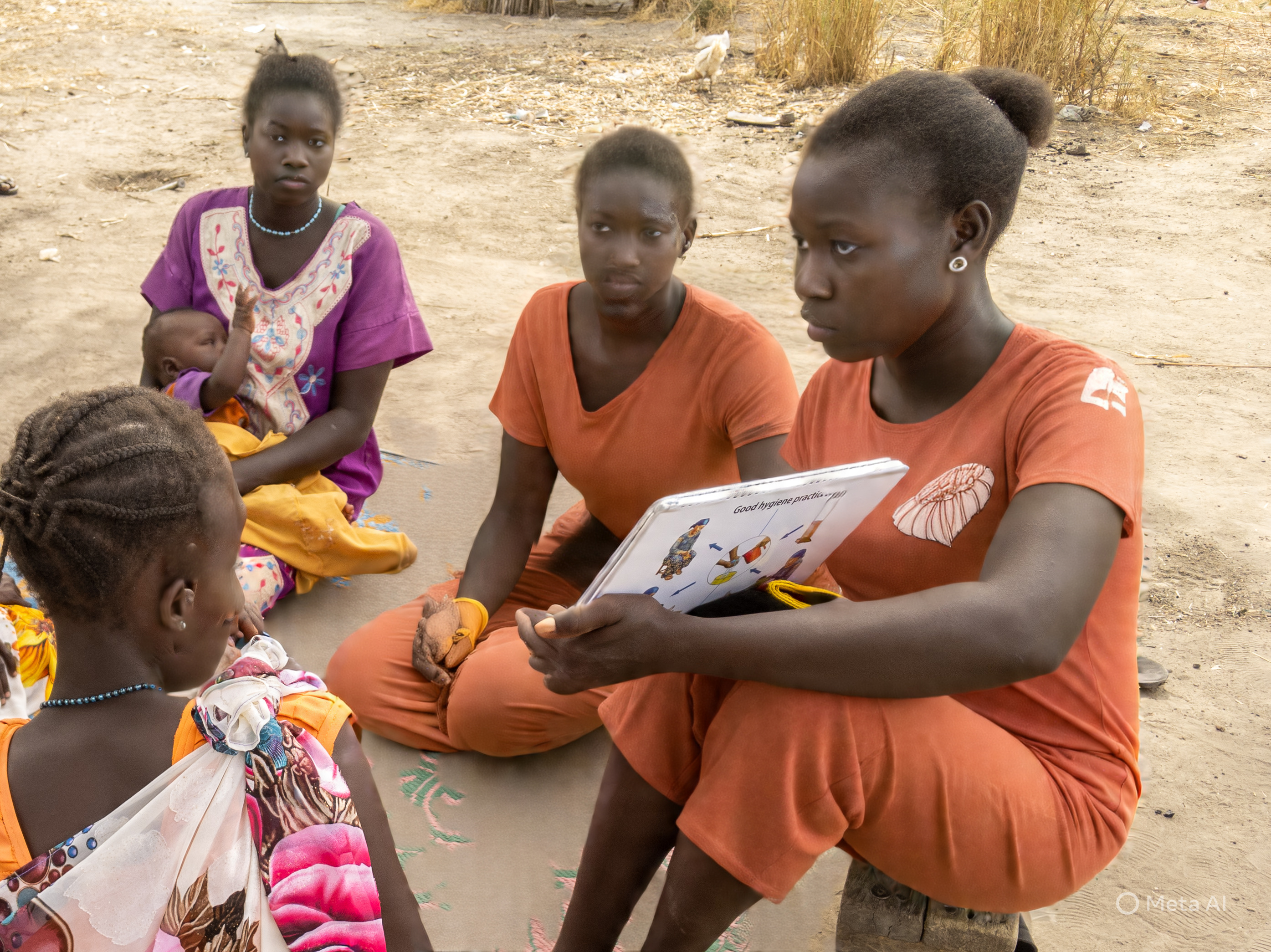
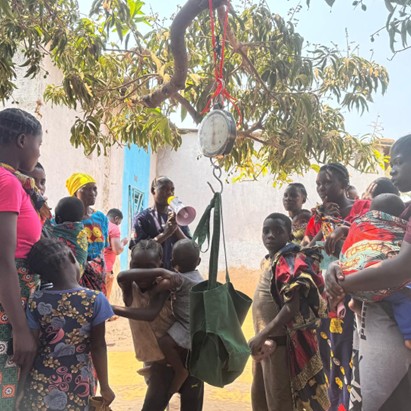
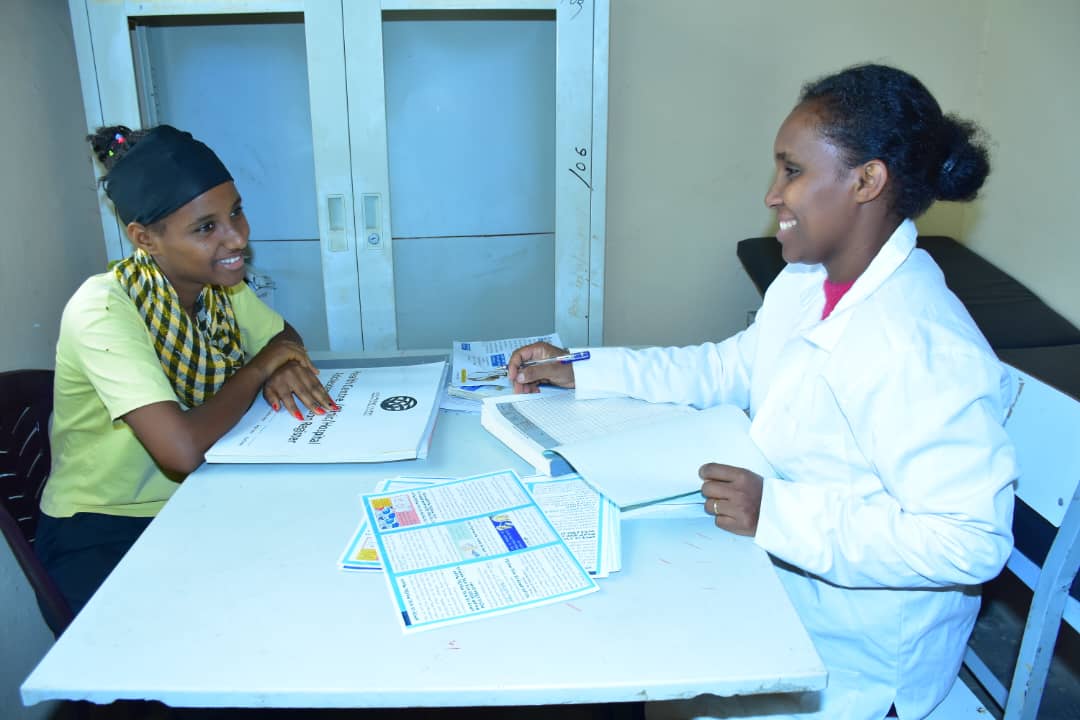
The campaign relied heavily on Community Health Workers (CHWs) and Peer Educators, who went from house to house providing accurate information, dispelling myths, and linking women directly to FPservices offered through outreach. Working hand in hand with the Ministry of Health, community leaders, and partners such as JHU, the approach not only increased knowledge but also built trust.

The results were striking. Within just three months, the number of couple years of protection (CYP) rose sharply from 29,329 in April to 46,830 in May, with continued strong uptake in June. More women, especially in remote areas, began choosing long-acting methods, a sign of growing confidence and autonomy in decision-making.
“The door-to-door strategy proved to be a powerful and effective approach for increasing access to FPservices at the community level,” reflects one health worker involved in the campaign. “It gave women the privacy and space to ask questions they would never raise in public.”
Despite being time- and resource-intensive, the campaign’s success lies in its sustainability. By leveraging CHWs and Peer Educators who already live and work within these communities, the programme reduced operational pressures while ensuring that the approach can be scaled and maintained.
One of the most important lessons, according to the team, is the role of local leadership. Engaging community leaders and influencers to actively promote FPservices strengthens trust and ensures buy-in. It’s what makes this approach work.
Building on this momentum, the Planned Parenthood Association of Zambia (PPAZ) plans to expand the door-to-door strategy to more communities. The vision is clear: a Zambia where every woman and girl, no matter where she lives, has the power to make informed choices about her reproductive health.

when
country
Zambia
region
Africa
Subject
Contraception, Comprehensive Sex Education, Sexual Health
Related Member Association
Planned Parenthood Association of Zambia