



Articles about Humanitarian
14 May 2026
Standing Firm for SRHR and Women’s Rights Amid Growing Backlash at the 87th ACHPR
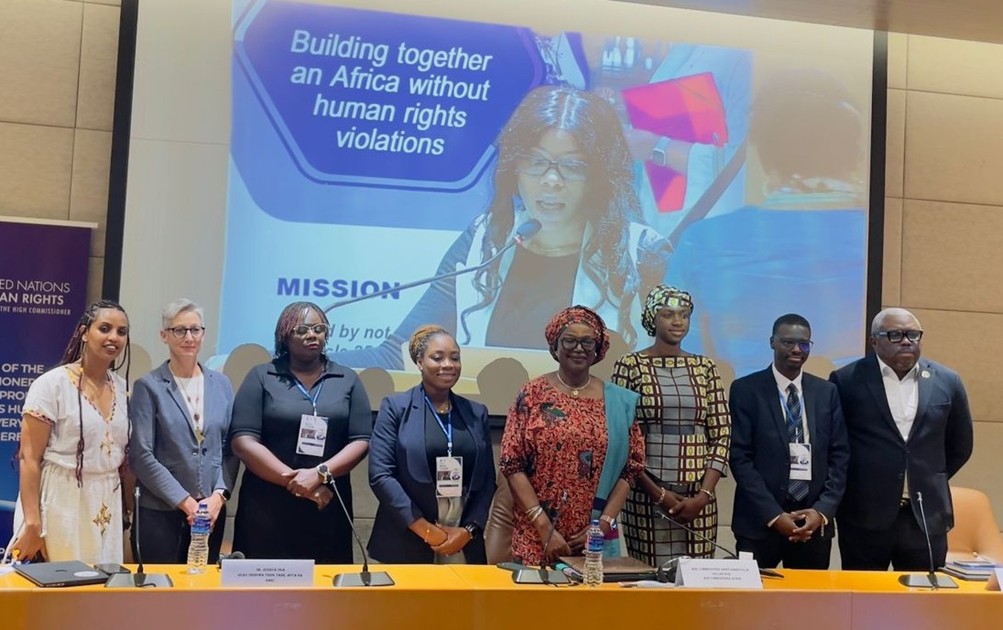
Banjul, The Gambia, May 2026 On the margins of the 87th Ordinary Session of the African Commission on Human and Peoples’ Rights (ACHPR) during the NGO Forum, advocates, policymakers, and human rights leaders came together to confront a shared reality: while Africa has made significant gains in advancing sexual and reproductive health and rights (SRHR) and women’s rights, these gains are increasingly under threat. By Cheikh Tidjane N’DONGO, IPPF Africa Regional Senior Advocacy Advisor A panel organized by the Office of the United Nations High Commissioner for Human Rights (UN OHCHR) and IPPF Africa (IPPF ARO), through the financial support of the Packard Foundation and the Government of Luxembourg, on “Defending Rights in Hostile Contexts: Attacks on Human Rights actors advancing Sexual and Reproductive Health and Rights in the Context of Shrinking Civic Space and Gender Backlash”, panelists examined both the nature of the current backlash and the strategies proving effective in defending hard‑won rights. The panel has been moderated by Hon. Janet Ramatoulie Sallah‑Njie, Commissioner and AU Special Rapporteur on the Rights of Women in Africa, shifting the focus from challenges to solutions. Hon. Sallah‑Njie noted: “Across the continent, we see African actors leading with courage and creativity. These good practices remind us that women’s rights are firmly rooted in African values of dignity, equality, and justice.” A shrinking civic space and coordinated backlash Across the continent, SRHR defenders, health providers, and women’s rights organizations are facing escalating attacks, restrictions, and delegitimization. These challenges were a central focus of the panel 'Defending Rights in Hostile Contexts', which highlighted how opposition to SRHR is increasingly organized, well‑resourced, and often framed through narratives of “culture,” “morality,” or “African values.” Dr. Jessica Oga, Head of Ubingwa Think Tank, Afya Na Haki, highlighted that “The cultural framing is the most sophisticated tool in the anti-rights toolkit. When a woman defends reproductive rights in Africa today, she is not presented as defending human rights. She is presented as betraying her culture, her community, her identity. The counter to it is not to abandon cultural conversation. The counter is to reclaim it, using Africa's own jurisprudence, Africa's own treaty architecture, Africa's own definition of Ubuntu, one that protects the most vulnerable.” Panelists underscored that this backlash does not occur in isolation. It is embedded within a broader shrinking of civic space, marked by restrictive laws, regulatory pressures on civil society, and heightened risks for human rights defenders, particularly women and those working on gender equality and bodily autonomy. Gendered disinformation, intimidation, and legal harassment continue to undermine both advocacy and service delivery, with direct consequences for access to sexual and reproductive health care. Lived realities of defenders and providers The panel brought forward concrete examples of how backlash affects day‑to‑day work. SRHR providers and advocates described professional intimidation, regulatory harassment, and personal attacks that disrupt services and create fear. Drawing on frontline experience, Nelly Munyasia, Executive Director of the Reproductive Health Network Kenya (RHNK), underscored the pressure on service delivery: “Shrinking and reframed funding landscape that shifts away directly from rights-based funding leads to fragmentation of the health system through dismantling of [the] integration of SRHR service delivery.” Institutional resistance and the role of National Human Rights Institutions (NHRIs) Panelists also examined how laws and regulatory frameworks are increasingly used to constrain SRHR advocacy, often indirectly, through licensing rules, funding restrictions, or vague public order provisions. A key moment of the panel focused on the preventive role national human rights institutions (NHRIs) can play when rights come under threat. Commissioner Halima Dibba, National Human Rights Commission of The Gambia, reflected on recent efforts in The Gambia to resist attempts to roll back protections against female genital mutilation (FGM). Commissioner Dibba stressed: “Regression is not inevitable. When institutions act early, ground their positions in the law, and work closely with civil society, it is possible to stop harmful reversals before they take hold.” The discussion highlighted this case as an example of how coordinated institutional action can defend established protections and reinforce public trust in human rights frameworks. Building protection, resilience, and solidarity Throughout the discussions, participants identified protection and solidarity as essential to sustaining SRHR and women’s rights work. Effective strategies include legal support for defenders, digital and psychosocial protection measures, and stronger alliances between civil society, health providers, faith leaders, and institutions. Crucially, there was broad agreement that no single actor can confront the backlash alone. Regional bodies, states, and non‑state actors must work together to strengthen accountability, safeguard civic space, and ensure that defenders can operate without fear. Speakers reaffirmed the Maputo Protocol as a cornerstone of these efforts, emphasizing its relevance as a living instrument for protecting bodily autonomy and gender equality. Looking ahead As the 87th ACHPR session continues, the conversations in Banjul signal both concern and resolve. While the backlash against SRHR and women’s rights is real and intensifying, so too is the determination of African actors to defend progress, protect defenders, and advance rights grounded in equality and justice. For IPPF ARO and its partners, these exchanges reaffirm the importance of sustained advocacy, regional engagement, and solidarity with those on the frontlines, ensuring that sexual and reproductive health and rights, and the rights of women and girls in all their diversity, are not only defended but continue to advance.
24 February 2026
Restoring dignity and continuity of SRH care in emergencies: A Story from Al-Dabbah, Sudan
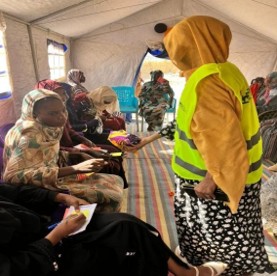
When the conflict reached El Fasher in late 2025, families fled with little more than what they could carry. Within weeks, an estimated 37,000 people arrived in Al-Dabbah, Northern State, transforming an open area into a newly established internally displaced person (IDP) camp almost overnight. Shelters went up quickly, but essential health services did not. For displaced women and adolescent girls, the consequences were immediate. Access to family planning, antenatal and postnatal care, and support for survivors of gender-based violence (GBV) disappeared at the very moment when these services were most needed. Adolescents, women with disabilities, and survivors of violence faced heightened risks in a fragile setting marked by limited infrastructure, overcrowding, and fear. One woman recalled the early days of displacement: “We escaped the fighting, but when we arrived here, there was nowhere to go for care. We did not know who to trust.” Recognizing the urgency, the Sudan Family Planning Association (SFPA), with support from WISH 2, moved quickly. Within a short period, an integrated reproductive health clinic was established inside the Al-Dabbah IDP camp. Using temporary tents, mobile equipment, and essential reproductive health commodities, the clinic began providing family planning, maternal health services, and GBV- related support, restoring care where none had existed. In the first 3 months, the clinic served a very few women and girls, many of whom had gone weeks or months without access to care. Yet the success of the clinic was not only about infrastructure. It was about trust. A pivotal moment came with the assignment of Mr. Mubarak, a laboratory technician who himself had been displaced by the conflict. He spoke the local language, understood cultural norms, and shared the community’s lived experience of loss and uncertainty. “People were hesitant at first,” Mr. Mubarak explained. “But when they saw familiar faces, people who had lived what they lived, they began to believe the clinic was truly for them.” His presence helped overcome cultural barriers that often prevent women from seeking sexual and reproductive health (SRH) services. Alongside him, clinic staff received on-the-job mentoring in client-centred and culturally sensitive care, ensuring that every interaction prioritised dignity, confidentiality, and respect, particularly for GBV survivors. Gradually, trust grew. Women began returning, not just once, but repeatedly. Adolescents sought counselling. Pregnant women resumed antenatal visits. Survivors of violence found a safe place to be heard. One beneficiary described the change simply: “Now I can get family planning and maternal health services without worrying. The staff understand us. They treat us with respect.” Through the strategic engagement of local displaced professionals, the reuse of mobile and laboratory equipment, and the rapid mobilisation of limited resources, the intervention delivered timely and cost-effective results. Despite modest funding, the clinic restored essential services and strengthened the health system’s capacity to respond to emergencies, demonstrating strong value for money for the donor. The intervention showed that even in fragile and humanitarian settings, quality SRH services can be restored rapidly when responses are grounded in local leadership and adaptive learning. Challenges remained. Infrastructure was basic. Resources were stretched. Cultural hesitancy did not disappear overnight. But through adaptive strategies, engaging trusted community members, mentoring staff, and prioritising culturally appropriate care, the team transformed obstacles into learning. The experience in Al-Dabbah offers powerful lessons for other fragile contexts. Displaced professionals are not only beneficiaries; they are also essential responders. Trust and cultural understanding are as critical as medical supplies, and integrated, mobile SRH services can restore care, dignity, and hope even in times of crisis. Today, the clinic in Al- Dabbah stands as more than a health facility. It is a symbol of resilience, proof that with rapid action, local expertise, and dignity-centred care, displacement does not have to mean the end of access to essential health services. It is a reminder that even in the most uncertain moments, hope can be rebuilt, one service, one conversation, and one trusted face at a time.
04 November 2025
Bringing Care to the Last Mile
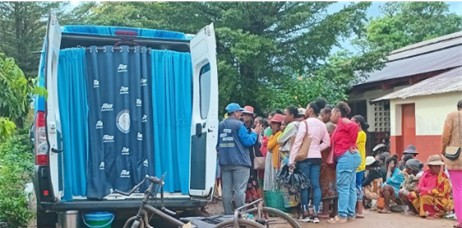
In the remote and underserved regions of Madagascar, access to family planning services remains a persistent challenge often viewed as an unattainable luxury for many rural families. Geographic isolation, fragile infrastructure, and limited health services create deep barriers, especially for women and adolescent girls from economically disadvantaged backgrounds. The average distance between villages and the nearest health facility is approximately 8 km, requiring up to two hours of walking. The contraceptive prevalence rate in rural areas stands at just 34.2%, underscoring the urgent need to improve service coverage. To address persistent inequalities in access to reproductive health, the Ministry of Public Health, with support from the WISH 2 project implemented by FISA Madagascar, launched mobile family planning services targeting fragile and cyclone-prone regions. Two mobile clinics were deployed in early 2025 to deliver outreach campaigns across remote northern, western, and Farafangana districts. Working closely with local authorities, community health workers, and Fokontany chiefs, the initiative mobilised communities through radio, megaphones, and door-to-door sensitisation. Once mobilised, the mobile clinics provided a comprehensive package of services, including contraceptives, ultrasounds, counselling, and reproductive health education. The campaign in Farafangana stood out for its high uptake of services, particularly obstetric ultrasound, accessed by 40% of clients. These outreach efforts brought essential reproductive health services directly to the doorsteps of communities previously unreached by formal healthcare systems. In Farafangana alone, 458 women and adolescent girls accessed FP services during the campaign, 18% of them under 20, and 50% under 24. Many were first-time users of contraception and expressed both satisfaction and a desire for continued support. As 17-year-old Soafara, a mother of one, shared: “I use family planning because I don't want to have an accident like I did the first time. I had no one to talk to back then, no one to guide me. Now I know what my choices are. I feel safer and more confident about my future.” The mobile clinics did more than deliver services they empowered women and girls with the knowledge and tools to make informed choices about their health and futures. Continuity of care remains a challenge, especially for adolescents and first-time users. To mitigate this, WISH2 reinforced collaboration with local CSBs and coordinated regular mobile clinic schedules with district health teams. The strong partnership with decentralized health structures, including community health workers, has been key to translating national priorities into local impact. With ongoing efforts to enhance coordination and partnerships, this model offers clear potential for scale-up, with expansion plans already underway through the Ministry of Health and the WISH2 national steering committee. By bridging distances and bringing services closer to those most in need, WISH 2 and its partners are not just delivering healthcare, they are building an inclusive, equitable, and resilient health system, one community at a time.
04 November 2025
Back in service rebuilding Youth-Friendly Health Services in war-affected Tigray
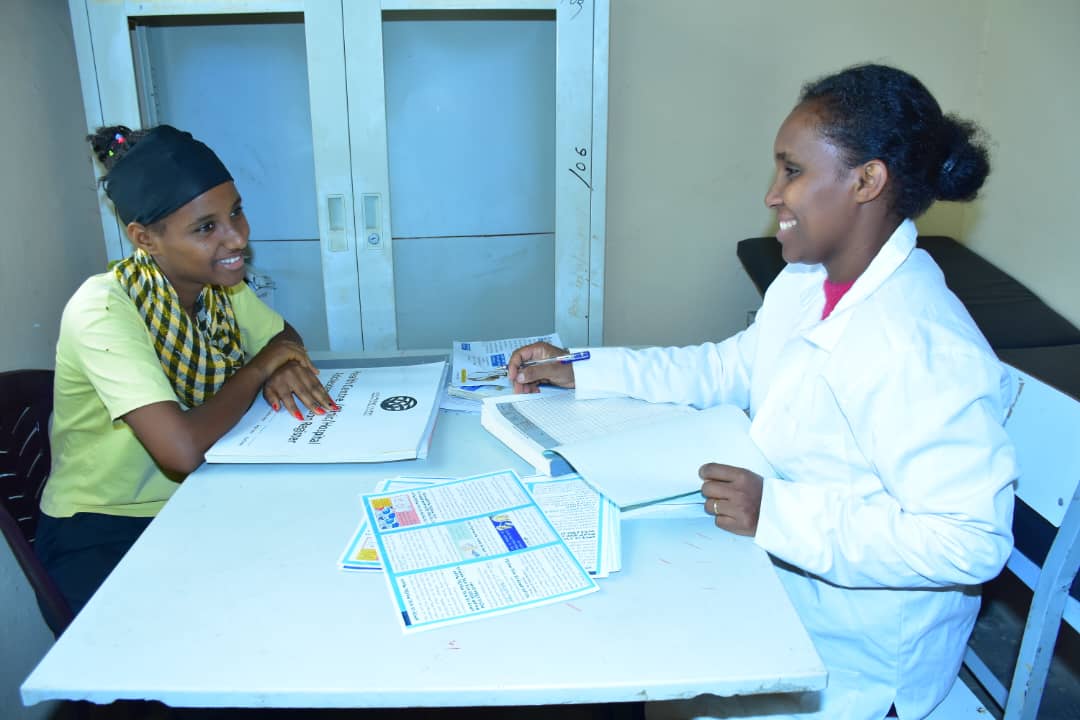
Alasa and Romanat, two small communities in the Southeastern Zone of Tigray, lie about 40 kilometers from Mekelle, the regional capital. The two-year conflict in Tigray, which officially ended in November 2022, left behind a trail of devastation, particularly the destruction of health facilities. For young people, the impact went far beyond the immediate violence. Health facilities collapsed, donor support vanished, and adolescent and youth specific services disappeared almost overnight. At Romanat and Alasa Health Centers, once lively spaces where young people sought information, counselling, and care, the dedicated Adolescent and Youth Health (AYH) rooms stood abandoned, repurposed to meet other urgent needs. “When the services closed, it felt like a door had been shut on us,” recalls Meron, a 17-year-old student from Mekelle. “We had nowhere to go to talk about our health, our questions, or even our fears. We felt forgotten.” Before the crisis, the two health centers had strong ties with nearby schools and communities. They organized dialogue sessions, peer education, and safe spaces where young people could openly discuss issues ranging from puberty and relationships to sexual and reproductive health. The war silenced these conversations, leaving adolescents and youth in the community isolated and unsupported. Health workers, too, felt powerless. “We had the skills and the passion to serve our youth,” explains Saba, a nurse at Romanat Health Center. “But without resources, without support, we couldn’t continue. It broke my heart to turn young people away.” The turning point came when the WISH2 Project, implemented by FGAE with support from the UK’s Foreign, Commonwealth & Development Office (FCDO), stepped in. During a facility visit, the team learned of the closure and immediately initiated a dialogue with health center directors and service providers. Through consultative meetings, technical assistance, and community mobilization, AYH services were not only restored but reimagined. Rooms were rededicated to youth services, staff retrained, and connections with schools re-established. Today, Romanat and Alasa Health Centers are once again buzzing with energy and youthful voices. “We knew restoring services was not just about opening a room—it was about rebuilding trust,” says Dr. Tesfaye, Director of Alasa Health Center. “The WISH2 Project gave us the confidence and support to bring these services back to life.” The revival has sparked a new wave of youth leadership. Students now volunteer as peer educators, helping connect their friends and classmates to the centers. Dialogue sessions in schools and communities are once again breaking the silence around sensitive topics, encouraging open conversations and informed choices. “Now, I feel we have a place where we are heard,” says Abel, an 18-year-old peer educator. “I tell my friends: this service is ours, let’s use it, let’s protect it.” The story of Romanat and Alasa demonstrates that rebuilding after conflict requires more than bricks and medicine. It demands tailored, community-driven solutions that place adolescents and youth at the center. Early stakeholder engagement, the presence of trained staff, and the active involvement of students have been crucial in ensuring that AYH services are not only restored but sustainable. The success in Tigray is now a model for other conflict-affected areas. Every crisis takes something from the youth, but by restoring these services, WISH 2 project is giving them back hope, dignity, and the power to make informed choices about their future.

14 August 2025
IPPF in Action: Delivering life-saving SRH services across Africa’s humanitarian crises
By Moctar Menta When conflict, climate disasters or epidemics strike, essential health services are often the first to collapse. Yet, the need for sexual and reproductive health (SRH) does not disappear or diminish with humanitarian crises. Instead, in most instances, it becomes more urgent and critical. In these moments, the International Planned Parenthood Federation (IPPF) responds rapidly to ensure that women, adolescents, and other vulnerable populations have access to the care they need to stay healthy and safe. Between 2024 - 2025, IPPF, through its humanitarian funding mechanisms –Stream 3 and SPRINT, delivered emergency SRH services in over 11 African countries. Stream 3 -which is IPPF’s internal rapid funding tool, and SPRINT –supported by the Australian Government, enabled local IPPF Member Associations (MAs) to act quickly in the face of crises. From conflict zones to flood-hit communities, these responses brought care directly to people, often where no other services were available. In sub-Saharan Africa, IPPF facilitated more than 215,000 people’s access to SRH and related clinical services during this period. Over 70% of these beneficiaries were women and girls. The range of services included family planning, antenatal and maternal care, HIV and sexually transmitted infection (STI) prevention and management, as well as support for survivors of gender-based violence (GBV). Children under five were also treated for infections and dehydration, especially in areas facing food insecurity or disease outbreaks. Nigeria In Nigeria, where floods displaced thousands, IPPF’s MA in Nigeria -the Planned Parenthood Federation of Nigeria (PPFN) reached over 13,000 people in 20 outreach points in Jigawa State. Among them, 4,600 were tested for HIV and more than 1,300 received family planning services, 700 of them for the first time. An emergency care set-up was managed on-site by outreach staff, where emergency cases were handled, including women in labor. “Reaching flood-affected communities within hours of the alert was key,” said Dr. Paul Odigbo, PPFN Programme Manager. “Women arrived in labor or without access to medication. We had to be there, no matter what.” Ethiopia In Ethiopia, where conflict in the Tigray region has disrupted services, more than 45,000 people were reached with SRHR services courtesy of the Family Guidance Association of Ethiopia (FGAE), which is IPPF’s MA in the country. FGAE’s interventions helped avert over 600 unintended pregnancies and more than 130 unsafe abortions. Unintended pregnancies and unsafe abortions are among the leading causes of maternal illness and death in humanitarian settings, where access to contraception and safe care is often severely limited. Women like Selam, a 31-year-old displaced mother, described how antenatal care and cervical cancer screening brought hope after months without medical access. “When we were forced to move, we lost everything. But the care from FGAE. The organization gave me hope again,” she said. South Sudan South Sudan presented even greater challenges. Resulting from ongoing conflict, economic collapse, and an influx of returnees fleeing violence in Sudan, the country continues to face widespread displacement and strained health systems. Despite the insecurity and displacement, nearly 15,000 individuals (10,400 female and 4,400 male) were reached with services ranging from GBV care to antenatal support, courtesy of Reproductive Health Association of South Sudan (RHASS) -which is IPPF’s representative in the country. Over 1,800 clients received contraceptives, and 235 births were supported in a mix of services offered by RHASS in collaboration with partner government health facilities. Mary, a survivor of sexual violence, described how access to counseling and care provided by RHASS health workers helped her begin to heal. “I wanted to give up,” she said. “But the health workers gave me strength.” Mozambique In Mozambique’s Cabo Delgado Province, the district of Mecúfi faced the aftermath of Cyclone Chido, which destroyed homes and significant health infrastructures, among other destructions. In response, Associação Moçambicana para o Desenvolvimento da Família (AMODEFA) -IPPF’s local partner in the country, deployed mobile clinics, delivered dignity kits, and conducted community talks on family planning and gender-based violence prevention. Over 15,000 people (9,500 female and 5,700 male) received services. Clinical interventions included family planning services, STI treatment, antenatal care, and psychosocial support for GBV survivors, with more than 40 mobile health brigades deployed across isolated communities. In Chad, despite political tensions and the arrival of thousands of refugees fleeing conflict in Sudan, over 10,000 people received SRH services, including 4,300 who accessed different forms of contraception. IPPF’s local partners in Senegal (Action et Développement (ACDEV); in the Central African Republic (Association Centrafricaine pour le Bien-Être Familial (ACABEF), and in Liberia (Community Healthcare Initiative (CHI) each delivered services to thousands of displaced or flood-affected populations. In Kenya, the Reproductive Health Network Kenya (RHNK) reached over 12,000 people, including many first-time family planning users. Adaptability measures to ensure service provision This scale of impact would not have been possible without adaptability measures. In places like Liberia and the Central African Republic (CAR), Member Association staff navigated blocked roads by boats and motorbikes. In South Sudan, outreach teams coordinated with local authorities and security actors to access camps for internally displaced persons (IDPs). Where abortion care was legally restricted, teams focused on post-abortion care, contraception, and counseling. Social media was also used to raise awareness and mobilize communities. Equally important was the effort to tell these stories. AMODEFA’s communication strategy included publishing over 60 social media posts that highlighted stories of courage and resilience. The visibility helped build trust, encourage health-seeking behavior, and show communities that they were not forgotten. The AMODEFA Facebook page saw engagement increase by more than 230% in just two months. The results went beyond clinical numbers. In each country, exit strategies were developed to transition emergency services into comprehensive SRH services. In response to emergencies, service delivery points (SDPs) were established in each country to meet immediate sexual and reproductive health and rights (SRHR) needs. As the crises subsided, six SDPs were transitioned into permanent MA static clinics to ensure continued access to essential SRHR services in Nigeria and Kenya. In CAR, three SDPs were successfully transitioned. Effective partnerships In South Sudan, eight public health facilities, including Gumbo and Rokon primary healthcare facilities were equipped with supplies, staff training, and service delivery support by RHASS, and later transitioned to government partners for continued SRH care. In Ethiopia, FGAE established public-private partnerships with government health offices to maintain care beyond the crisis window, including joint service delivery, referral networks, and capacity-building of public health staff. In CAR, three mobile outreach clinics operated by Association Centrafricaine pour le bien-être familial (ACABEF) were successfully transformed into static service delivery points, ensuring communities continue to access SRH services after the emergency phase. *For detailed results and country-specific case studies, visit IPPF humanitarian page. Rights-based humanitarian response IPPF’s humanitarian work in Africa shows what is possible when response is fast, local, and rights-based. The Stream 3 and SPRINT funding mechanisms proved vital during each crisis, where local IPPF partners delivered timely services in unstable environments. As new emergencies emerge, whether due to climate, conflict, displacement or other unprecedented factors, continued investment is critical. Indeed, SRH is not a secondary concern during emergencies. It is essential. It prevents maternal deaths, supports survivors of violence, and protects the dignity of people in crisis. With sustained support, IPPF will continue to reach the most vulnerable, saving lives and restoring hope where it’s needed most. Moctar Menta is the Humanitarian resource person at the IPPF Africa Regional Office

29 November 2022
Ebola outbreak in Uganda: how sexual and reproductive health workers are at increased risk
[Field Diary] by Alice Janvrin, Humanitarian Technical Lead, International Planned Parenthood Federation Each day, Ugandans are watching as the Ebola cases mount at an alarming rate. Thus far, 139 cases have been confirmed, though it is feared that there are likely many more. Ebola is a deadly virus which spreads through direct physical contact with the body fluids of an infected person with symptoms oftentimes similar to sexual and reproductive health (SRH) concerns and complications, such as a sudden fever, intense weakness, muscle pain, obstetric complications, miscarriages and most famously: bleeding. I was recently in Uganda, working alongside Reproductive Health Uganda (RHU), IPPF’s Member Association in the country that offers critical and life-saving Sexual and Reproductive Health (SRH) services, including access to modern contraceptives, STI diagnosis and treatment, maternal healthcare, including treatment for complications, and abortion care to thousands of women and girls across Uganda. In the RHU-managed facilities, the presence of blood is very common with hundreds of women seeking care every day for pregnancy complications, miscarriages, abortions, and other bleeding caused by side effects of contraception, sexual abuse, or heavy menstruation. As this latest Ebola outbreak evolves, we are likely to see this phenomenon become more common and stigmatized. When patients are suspected of having Ebola, they are sent to testing centers, and if their test comes back as positive, they are sent to Ebola Treatment Centers, where, sadly, many go to die. As a result, the population as a whole fear any contact with suspect Ebola cases. Health workers are particularly at risk. When a patient presents with signs of bleeding to an SRH clinic such as RHUs’, it is for the triage staff and healthcare workers to distinguish whether the bleeding is because of a (reproductive) health issue or Ebola. This type of medical triage presents an impossible conundrum: watch powerlessly the suffering of a patient who may or may not have Ebola while waiting for their referral to the Ebola testing site, or intervene and at times risk their own lives, that of their colleagues, other patients, families. Each medical provider is forced to carry the weight of this decision. I worked alongside over 20 RHU healthcare workers and staff to reinforce Ebola mitigation measures in three of their clinics, Katego and Bwaise Clinic in Kampala and Mityana Clinic in Mityana - to protect themselves and their clients. This included the reintroduction of triage, refreshers on Infection and Prevention of Infection protocols including the use of Personal Protection Equipment (PPE) (adapted for Ebola), and a briefing on risks facing frontline staff. Understanding and being able to manage the new risks that Ebola presents, I witnessed whole clinics bustling with energy as they reinstated their triage and dusted off their temperature guns. Following two years of working alongside COVID-19, RHU frontline workers have an advantage: they are no strangers to triage, PPE and epidemiology and have much of the equipment already positioned in the clinics. However, I witnessed the exhaustion at the prospect of having to face yet another epidemic. “But I am not scared, we know what to do and we survived Covid” said the nurse-in-charge of Mityana Clinic, located in the Central Region of the country. However, Ebola is no COVID-19. Unlike Covid-19, Ebola is not airborne, but rather transmitted through bodily fluids such as blood or saliva. Also, unlike COVID-19, the World Health Organization (WHO) estimates the fatality rate is between 41% and 100% (for comparison, the fatality rate of COVID-19 is thought to be between 0.7% and 2%). The complacency that has set in as we all become accustomed to life with COVID-19 creates a false sense of security, especially in the face of this latest epidemic, Ebola. As such, Ugandan healthcare providers must recondition themselves to become acutely conscious of their exposure to bodily fluids. Equally, after the initial panic of watching COVID-19 cases rise and lockdown measures set-in, we all soon realized that most survived; conversely, as the Ebola case count increases, Ugandans are quickly realizing that they may not be so lucky. “It is of vital importance that we support and protect SRH healthcare workers and ensure Ebola does not have an indirect impact on maternal health mortality and we do not lose the gains that we have made”, shared with me Jackson Chekweko, the Executive Director of Reproductive Health Uganda. A message which was echoed by Marie-Evelyne Petrus-Barry the Regional Director of IPPF Africa Region: “ensuring our frontline workers are trained with the skills and equipment to address this new threat and are safe, is integral to ensuring the continuity of essential and lifesaving SRH services to thousands of women throughout Uganda.” At IPPF, we stand in solidarity with the Government and population of Uganda, and pledge our support to ensure the sustained availability of sexual and reproductive services. Reproductive Health Uganda (RHU) is a Member Association of the International Planned Parenthood Federation For more updates on our work, follow IPPF Africa Region on Facebook, Twitter, Instagram and You Tube.

06 July 2022
IPPF humanitarian team kicks off preparedness workshop for the Africa Region
By Maryanne W. Waweru 6 July 2022, Nairobi, Kenya. The IPPF humanitarian team today kicked off a training for regional office staff and Member Associations (MAs) in the Africa region assessed to have a high risk for man-made or natural crises. Participating MAs include those from Cameroon, the Democratic Republic of Congo (DRC), Kenya, Mali, Mozambique, Niger and Nigeria. The three-day training is aimed at building the capacities of these MAs on their emergency preparedness, ability to respond to crises, their enhancement of in-country strategic partnerships, and their capacity to implement the Minimum Initial Service Package (MISP) for sexual and reproductive health (SRH) in crisis situations. Also see: The BMZ Project: Supporting People Affected by Humanitarian Crises in sub-Saharan Africa Ms. Julie Taft, the IPPF Humanitarian Director says MAs in the Africa region are already providing life-saving sexual reproductive health and rights (SRHR) services to vulnerable populations in crisis situations, and have shown enormous commitment to expanding their interventions and reaching more people with services. “Last year, over 25% of the clients reached in humanitarian settings by IPPF were from MAs in the Africa region. This is a timely and significant activity for MAs in the region, as they are expected to champion the inclusion of humanitarian preparedness activities into their 2023-2025 business plans,” she said. Also read: Northern Ethiopia Crisis: Sexual and reproductive healthcare Mr. Armel Nyadjo, the Head of Programmes at the Cameroon National Planning Association for Family Welfare (CAMNAFAW) says the training is important in helping MAs understand how they can better position themselves to expand their humanitarian interventions. “Cameroon is currently facing a lot of humanitarian crisis, particularly in the Northern, Eastern and South West regions. Through this training, we hope to increase our understanding of how we can better develop and implement our strategy to offer SRH services to internally displaced persons (IDPs) and refugees. Nyadjo says that while CAMNAFAW is already offering quality SRH services to refugees and IDPs in the Northern and Eastern regions of the country, the MA plans to expand its work to the South West region where there is intense social-political conflict. “Through this training, we will learn about how CAMNAFAW can build more strategic partnerships, explore avenues for funding opportunities, and offer insights about how we can seek more opportunities that will enable us to achieve our objectives aimed at providing quality SRH services to vulnerable populations in humanitarian crisis,” he said. Ms. Fridah Kaitany, the Programmes Manager at Reproductive Health Network Kenya (RHNK) says the training is important ahead of the Kenya’s August 9 general election. “We are uncertain about the outcome of the election, which is a hotly contested one. This training is timely as through it, we will enhance our preparedness for any eventuality before, during and after the election period. This means working with partners to put in place measures that will ensure that SRH commodities are available when needed, and that healthcare providers and other partners are alert, prepared and equipped to offer services during this period,” she says. Past elections in Kenya have experienced significant levels of violence, which have led to humanitarian crisis. The most notable one was the disputed 2007 presidential elections which, according to the Office of the UN High Commissioner for Human Rights (OHCHR) led to 1,200 deaths and the displacement of over 300,000 people. To achieve its objectives, Ms. Kaitany says that RHNK works with a network of service providers from 43 counties spread across the country who are trained to offer quality SRH services, including in crisis situations. “This training is an opportunity for us to share our experiences about our response to the SRH needs of vulnerable populations in crisis situations, as well as learn from other MAs on the same,” she says. Maryanne W. Waweru is the Communications Officer, IPPF Africa Regional Office. You may also like: Togo: Supporting Refugees and Displaced People -the BMZ Project Burkina Faso: Supporting Refugees and Displaced People -the BMZ Project Read more about IPPF’s humanitarian work: https://www.ippf.org/humanitarian-old For more updates on our work, follow IPPF Africa Region on Facebook, Twitter, Instagram and You Tube.
31 January 2022
Humanitarian Capacity Development Center
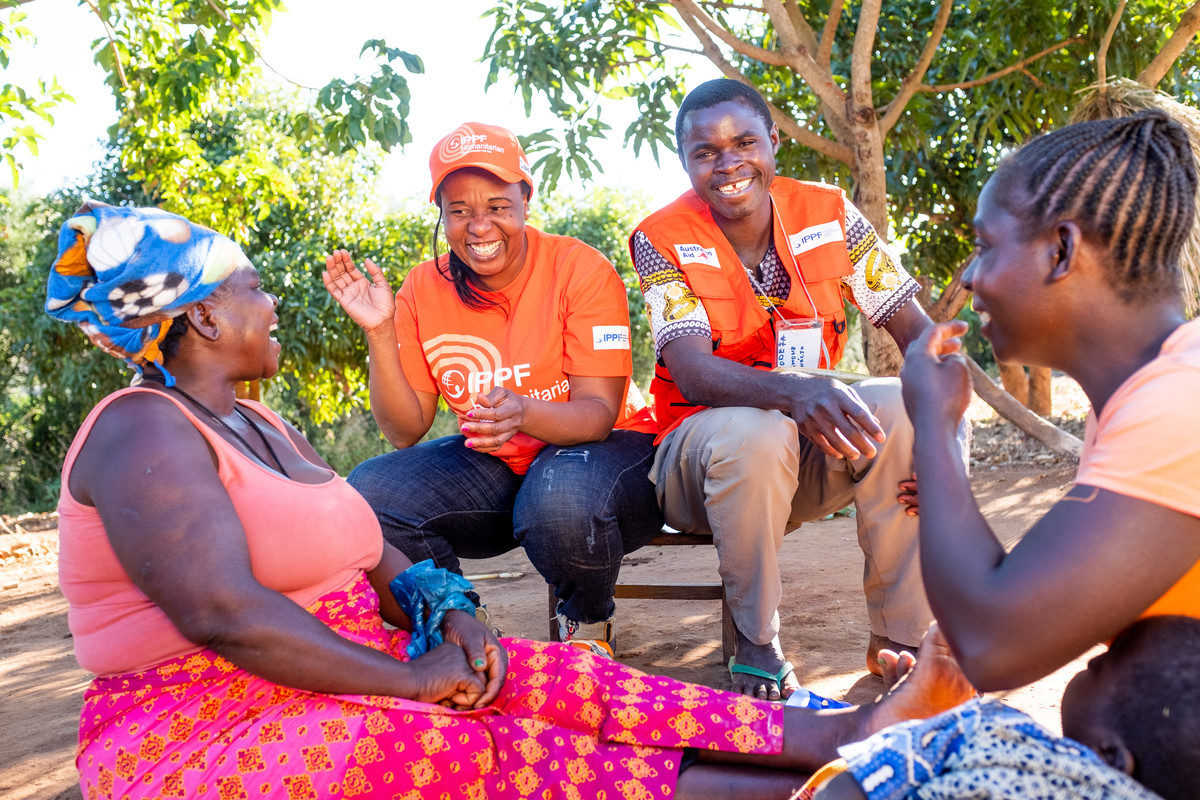
The project aims to strengthen the capacity of 6 MAs in and SARO to deliver high-quality SRH services in crises. Budget: 770,000 USD Donor: IPPF Solutions 2 Timeline: 2 Years ( March 2020–Dec 2022 ) Project implementation areas: Burkina Faso, Burundi, CAR, Maldives, Sudan, and Yemen Partners: UNFPA and national humanitarian actors Other interesting information: The project is designed to be led by MAs, as part of the Member Association-centric approach, with support from the regional offices and the Global Humanitarian Team. Innovative approaches: Operational research will be useful for measuring interventions’ impact and will highlight key challenges, suggest areas of improvement and good practices. Inclusion of LGBTQUIA and organisation's of persons with Disabilities in preparedness and planning. Lessons learned: Language barrier is a serious risk to project implementation if not properly addressed at design stage. Translation and interpretation costs should be significantly budgeted for when engaging English and French-speaking MAs as key project implementers.
14 January 2022
The BMZ Project: Supporting People Affected by Humanitarian Crises in sub-Saharan Africa
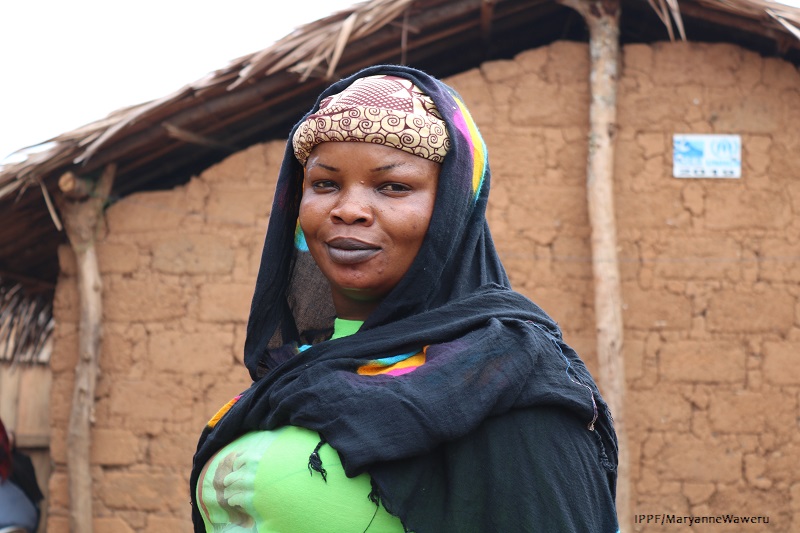
The BMZ project supported refugees, internally displaced people, and host communities in Burkina Faso, Cameroon and Togo, in accessing quality sexual reproductive health care and in setting up income generating activities. Watch our video to find out how. Also watch the stories of beneficiaries reached through the BMZ project: BMZ Beneficiary story: Cameroon BMZ Beneficiary story: Burkina Faso BMZ Beneficiary story: Togo

25 August 2021
Burkina Faso: Supporting Refugees and Displaced People -the BMZ Project
With millions of people affected by humanitarian crises in Sub-Saharan Africa, IPPF in partnership with the BMZ project and our Member Association in the West African country of Burkina Faso - l'Association Burkinabé pour le Bien-Etre Familial (ABBEF), provided sexual and reproductive health care to 90,000 people. The BMZ project supported refugees, internally displaced people, and host communities in Burkina Faso, Cameroon and Togo, in accessing quality sexual reproductive health care and in setting up income generating activities. Watch this video to find out more about the project's intervention in Burkina Faso.
14 May 2026
Standing Firm for SRHR and Women’s Rights Amid Growing Backlash at the 87th ACHPR
Banjul, The Gambia, May 2026 On the margins of the 87th Ordinary Session of the African Commission on Human and Peoples’ Rights (ACHPR) during the NGO Forum, advocates, policymakers, and human rights leaders came together to confront a shared reality: while Africa has made significant gains in advancing sexual and reproductive health and rights (SRHR) and women’s rights, these gains are increasingly under threat. By Cheikh Tidjane N’DONGO, IPPF Africa Regional Senior Advocacy Advisor A panel organized by the Office of the United Nations High Commissioner for Human Rights (UN OHCHR) and IPPF Africa (IPPF ARO), through the financial support of the Packard Foundation and the Government of Luxembourg, on “Defending Rights in Hostile Contexts: Attacks on Human Rights actors advancing Sexual and Reproductive Health and Rights in the Context of Shrinking Civic Space and Gender Backlash”, panelists examined both the nature of the current backlash and the strategies proving effective in defending hard‑won rights. The panel has been moderated by Hon. Janet Ramatoulie Sallah‑Njie, Commissioner and AU Special Rapporteur on the Rights of Women in Africa, shifting the focus from challenges to solutions. Hon. Sallah‑Njie noted: “Across the continent, we see African actors leading with courage and creativity. These good practices remind us that women’s rights are firmly rooted in African values of dignity, equality, and justice.” A shrinking civic space and coordinated backlash Across the continent, SRHR defenders, health providers, and women’s rights organizations are facing escalating attacks, restrictions, and delegitimization. These challenges were a central focus of the panel 'Defending Rights in Hostile Contexts', which highlighted how opposition to SRHR is increasingly organized, well‑resourced, and often framed through narratives of “culture,” “morality,” or “African values.” Dr. Jessica Oga, Head of Ubingwa Think Tank, Afya Na Haki, highlighted that “The cultural framing is the most sophisticated tool in the anti-rights toolkit. When a woman defends reproductive rights in Africa today, she is not presented as defending human rights. She is presented as betraying her culture, her community, her identity. The counter to it is not to abandon cultural conversation. The counter is to reclaim it, using Africa's own jurisprudence, Africa's own treaty architecture, Africa's own definition of Ubuntu, one that protects the most vulnerable.” Panelists underscored that this backlash does not occur in isolation. It is embedded within a broader shrinking of civic space, marked by restrictive laws, regulatory pressures on civil society, and heightened risks for human rights defenders, particularly women and those working on gender equality and bodily autonomy. Gendered disinformation, intimidation, and legal harassment continue to undermine both advocacy and service delivery, with direct consequences for access to sexual and reproductive health care. Lived realities of defenders and providers The panel brought forward concrete examples of how backlash affects day‑to‑day work. SRHR providers and advocates described professional intimidation, regulatory harassment, and personal attacks that disrupt services and create fear. Drawing on frontline experience, Nelly Munyasia, Executive Director of the Reproductive Health Network Kenya (RHNK), underscored the pressure on service delivery: “Shrinking and reframed funding landscape that shifts away directly from rights-based funding leads to fragmentation of the health system through dismantling of [the] integration of SRHR service delivery.” Institutional resistance and the role of National Human Rights Institutions (NHRIs) Panelists also examined how laws and regulatory frameworks are increasingly used to constrain SRHR advocacy, often indirectly, through licensing rules, funding restrictions, or vague public order provisions. A key moment of the panel focused on the preventive role national human rights institutions (NHRIs) can play when rights come under threat. Commissioner Halima Dibba, National Human Rights Commission of The Gambia, reflected on recent efforts in The Gambia to resist attempts to roll back protections against female genital mutilation (FGM). Commissioner Dibba stressed: “Regression is not inevitable. When institutions act early, ground their positions in the law, and work closely with civil society, it is possible to stop harmful reversals before they take hold.” The discussion highlighted this case as an example of how coordinated institutional action can defend established protections and reinforce public trust in human rights frameworks. Building protection, resilience, and solidarity Throughout the discussions, participants identified protection and solidarity as essential to sustaining SRHR and women’s rights work. Effective strategies include legal support for defenders, digital and psychosocial protection measures, and stronger alliances between civil society, health providers, faith leaders, and institutions. Crucially, there was broad agreement that no single actor can confront the backlash alone. Regional bodies, states, and non‑state actors must work together to strengthen accountability, safeguard civic space, and ensure that defenders can operate without fear. Speakers reaffirmed the Maputo Protocol as a cornerstone of these efforts, emphasizing its relevance as a living instrument for protecting bodily autonomy and gender equality. Looking ahead As the 87th ACHPR session continues, the conversations in Banjul signal both concern and resolve. While the backlash against SRHR and women’s rights is real and intensifying, so too is the determination of African actors to defend progress, protect defenders, and advance rights grounded in equality and justice. For IPPF ARO and its partners, these exchanges reaffirm the importance of sustained advocacy, regional engagement, and solidarity with those on the frontlines, ensuring that sexual and reproductive health and rights, and the rights of women and girls in all their diversity, are not only defended but continue to advance.
24 February 2026
Restoring dignity and continuity of SRH care in emergencies: A Story from Al-Dabbah, Sudan
When the conflict reached El Fasher in late 2025, families fled with little more than what they could carry. Within weeks, an estimated 37,000 people arrived in Al-Dabbah, Northern State, transforming an open area into a newly established internally displaced person (IDP) camp almost overnight. Shelters went up quickly, but essential health services did not. For displaced women and adolescent girls, the consequences were immediate. Access to family planning, antenatal and postnatal care, and support for survivors of gender-based violence (GBV) disappeared at the very moment when these services were most needed. Adolescents, women with disabilities, and survivors of violence faced heightened risks in a fragile setting marked by limited infrastructure, overcrowding, and fear. One woman recalled the early days of displacement: “We escaped the fighting, but when we arrived here, there was nowhere to go for care. We did not know who to trust.” Recognizing the urgency, the Sudan Family Planning Association (SFPA), with support from WISH 2, moved quickly. Within a short period, an integrated reproductive health clinic was established inside the Al-Dabbah IDP camp. Using temporary tents, mobile equipment, and essential reproductive health commodities, the clinic began providing family planning, maternal health services, and GBV- related support, restoring care where none had existed. In the first 3 months, the clinic served a very few women and girls, many of whom had gone weeks or months without access to care. Yet the success of the clinic was not only about infrastructure. It was about trust. A pivotal moment came with the assignment of Mr. Mubarak, a laboratory technician who himself had been displaced by the conflict. He spoke the local language, understood cultural norms, and shared the community’s lived experience of loss and uncertainty. “People were hesitant at first,” Mr. Mubarak explained. “But when they saw familiar faces, people who had lived what they lived, they began to believe the clinic was truly for them.” His presence helped overcome cultural barriers that often prevent women from seeking sexual and reproductive health (SRH) services. Alongside him, clinic staff received on-the-job mentoring in client-centred and culturally sensitive care, ensuring that every interaction prioritised dignity, confidentiality, and respect, particularly for GBV survivors. Gradually, trust grew. Women began returning, not just once, but repeatedly. Adolescents sought counselling. Pregnant women resumed antenatal visits. Survivors of violence found a safe place to be heard. One beneficiary described the change simply: “Now I can get family planning and maternal health services without worrying. The staff understand us. They treat us with respect.” Through the strategic engagement of local displaced professionals, the reuse of mobile and laboratory equipment, and the rapid mobilisation of limited resources, the intervention delivered timely and cost-effective results. Despite modest funding, the clinic restored essential services and strengthened the health system’s capacity to respond to emergencies, demonstrating strong value for money for the donor. The intervention showed that even in fragile and humanitarian settings, quality SRH services can be restored rapidly when responses are grounded in local leadership and adaptive learning. Challenges remained. Infrastructure was basic. Resources were stretched. Cultural hesitancy did not disappear overnight. But through adaptive strategies, engaging trusted community members, mentoring staff, and prioritising culturally appropriate care, the team transformed obstacles into learning. The experience in Al-Dabbah offers powerful lessons for other fragile contexts. Displaced professionals are not only beneficiaries; they are also essential responders. Trust and cultural understanding are as critical as medical supplies, and integrated, mobile SRH services can restore care, dignity, and hope even in times of crisis. Today, the clinic in Al- Dabbah stands as more than a health facility. It is a symbol of resilience, proof that with rapid action, local expertise, and dignity-centred care, displacement does not have to mean the end of access to essential health services. It is a reminder that even in the most uncertain moments, hope can be rebuilt, one service, one conversation, and one trusted face at a time.
04 November 2025
Bringing Care to the Last Mile
In the remote and underserved regions of Madagascar, access to family planning services remains a persistent challenge often viewed as an unattainable luxury for many rural families. Geographic isolation, fragile infrastructure, and limited health services create deep barriers, especially for women and adolescent girls from economically disadvantaged backgrounds. The average distance between villages and the nearest health facility is approximately 8 km, requiring up to two hours of walking. The contraceptive prevalence rate in rural areas stands at just 34.2%, underscoring the urgent need to improve service coverage. To address persistent inequalities in access to reproductive health, the Ministry of Public Health, with support from the WISH 2 project implemented by FISA Madagascar, launched mobile family planning services targeting fragile and cyclone-prone regions. Two mobile clinics were deployed in early 2025 to deliver outreach campaigns across remote northern, western, and Farafangana districts. Working closely with local authorities, community health workers, and Fokontany chiefs, the initiative mobilised communities through radio, megaphones, and door-to-door sensitisation. Once mobilised, the mobile clinics provided a comprehensive package of services, including contraceptives, ultrasounds, counselling, and reproductive health education. The campaign in Farafangana stood out for its high uptake of services, particularly obstetric ultrasound, accessed by 40% of clients. These outreach efforts brought essential reproductive health services directly to the doorsteps of communities previously unreached by formal healthcare systems. In Farafangana alone, 458 women and adolescent girls accessed FP services during the campaign, 18% of them under 20, and 50% under 24. Many were first-time users of contraception and expressed both satisfaction and a desire for continued support. As 17-year-old Soafara, a mother of one, shared: “I use family planning because I don't want to have an accident like I did the first time. I had no one to talk to back then, no one to guide me. Now I know what my choices are. I feel safer and more confident about my future.” The mobile clinics did more than deliver services they empowered women and girls with the knowledge and tools to make informed choices about their health and futures. Continuity of care remains a challenge, especially for adolescents and first-time users. To mitigate this, WISH2 reinforced collaboration with local CSBs and coordinated regular mobile clinic schedules with district health teams. The strong partnership with decentralized health structures, including community health workers, has been key to translating national priorities into local impact. With ongoing efforts to enhance coordination and partnerships, this model offers clear potential for scale-up, with expansion plans already underway through the Ministry of Health and the WISH2 national steering committee. By bridging distances and bringing services closer to those most in need, WISH 2 and its partners are not just delivering healthcare, they are building an inclusive, equitable, and resilient health system, one community at a time.
04 November 2025
Back in service rebuilding Youth-Friendly Health Services in war-affected Tigray
Alasa and Romanat, two small communities in the Southeastern Zone of Tigray, lie about 40 kilometers from Mekelle, the regional capital. The two-year conflict in Tigray, which officially ended in November 2022, left behind a trail of devastation, particularly the destruction of health facilities. For young people, the impact went far beyond the immediate violence. Health facilities collapsed, donor support vanished, and adolescent and youth specific services disappeared almost overnight. At Romanat and Alasa Health Centers, once lively spaces where young people sought information, counselling, and care, the dedicated Adolescent and Youth Health (AYH) rooms stood abandoned, repurposed to meet other urgent needs. “When the services closed, it felt like a door had been shut on us,” recalls Meron, a 17-year-old student from Mekelle. “We had nowhere to go to talk about our health, our questions, or even our fears. We felt forgotten.” Before the crisis, the two health centers had strong ties with nearby schools and communities. They organized dialogue sessions, peer education, and safe spaces where young people could openly discuss issues ranging from puberty and relationships to sexual and reproductive health. The war silenced these conversations, leaving adolescents and youth in the community isolated and unsupported. Health workers, too, felt powerless. “We had the skills and the passion to serve our youth,” explains Saba, a nurse at Romanat Health Center. “But without resources, without support, we couldn’t continue. It broke my heart to turn young people away.” The turning point came when the WISH2 Project, implemented by FGAE with support from the UK’s Foreign, Commonwealth & Development Office (FCDO), stepped in. During a facility visit, the team learned of the closure and immediately initiated a dialogue with health center directors and service providers. Through consultative meetings, technical assistance, and community mobilization, AYH services were not only restored but reimagined. Rooms were rededicated to youth services, staff retrained, and connections with schools re-established. Today, Romanat and Alasa Health Centers are once again buzzing with energy and youthful voices. “We knew restoring services was not just about opening a room—it was about rebuilding trust,” says Dr. Tesfaye, Director of Alasa Health Center. “The WISH2 Project gave us the confidence and support to bring these services back to life.” The revival has sparked a new wave of youth leadership. Students now volunteer as peer educators, helping connect their friends and classmates to the centers. Dialogue sessions in schools and communities are once again breaking the silence around sensitive topics, encouraging open conversations and informed choices. “Now, I feel we have a place where we are heard,” says Abel, an 18-year-old peer educator. “I tell my friends: this service is ours, let’s use it, let’s protect it.” The story of Romanat and Alasa demonstrates that rebuilding after conflict requires more than bricks and medicine. It demands tailored, community-driven solutions that place adolescents and youth at the center. Early stakeholder engagement, the presence of trained staff, and the active involvement of students have been crucial in ensuring that AYH services are not only restored but sustainable. The success in Tigray is now a model for other conflict-affected areas. Every crisis takes something from the youth, but by restoring these services, WISH 2 project is giving them back hope, dignity, and the power to make informed choices about their future.
14 August 2025
IPPF in Action: Delivering life-saving SRH services across Africa’s humanitarian crises
By Moctar Menta When conflict, climate disasters or epidemics strike, essential health services are often the first to collapse. Yet, the need for sexual and reproductive health (SRH) does not disappear or diminish with humanitarian crises. Instead, in most instances, it becomes more urgent and critical. In these moments, the International Planned Parenthood Federation (IPPF) responds rapidly to ensure that women, adolescents, and other vulnerable populations have access to the care they need to stay healthy and safe. Between 2024 - 2025, IPPF, through its humanitarian funding mechanisms –Stream 3 and SPRINT, delivered emergency SRH services in over 11 African countries. Stream 3 -which is IPPF’s internal rapid funding tool, and SPRINT –supported by the Australian Government, enabled local IPPF Member Associations (MAs) to act quickly in the face of crises. From conflict zones to flood-hit communities, these responses brought care directly to people, often where no other services were available. In sub-Saharan Africa, IPPF facilitated more than 215,000 people’s access to SRH and related clinical services during this period. Over 70% of these beneficiaries were women and girls. The range of services included family planning, antenatal and maternal care, HIV and sexually transmitted infection (STI) prevention and management, as well as support for survivors of gender-based violence (GBV). Children under five were also treated for infections and dehydration, especially in areas facing food insecurity or disease outbreaks. Nigeria In Nigeria, where floods displaced thousands, IPPF’s MA in Nigeria -the Planned Parenthood Federation of Nigeria (PPFN) reached over 13,000 people in 20 outreach points in Jigawa State. Among them, 4,600 were tested for HIV and more than 1,300 received family planning services, 700 of them for the first time. An emergency care set-up was managed on-site by outreach staff, where emergency cases were handled, including women in labor. “Reaching flood-affected communities within hours of the alert was key,” said Dr. Paul Odigbo, PPFN Programme Manager. “Women arrived in labor or without access to medication. We had to be there, no matter what.” Ethiopia In Ethiopia, where conflict in the Tigray region has disrupted services, more than 45,000 people were reached with SRHR services courtesy of the Family Guidance Association of Ethiopia (FGAE), which is IPPF’s MA in the country. FGAE’s interventions helped avert over 600 unintended pregnancies and more than 130 unsafe abortions. Unintended pregnancies and unsafe abortions are among the leading causes of maternal illness and death in humanitarian settings, where access to contraception and safe care is often severely limited. Women like Selam, a 31-year-old displaced mother, described how antenatal care and cervical cancer screening brought hope after months without medical access. “When we were forced to move, we lost everything. But the care from FGAE. The organization gave me hope again,” she said. South Sudan South Sudan presented even greater challenges. Resulting from ongoing conflict, economic collapse, and an influx of returnees fleeing violence in Sudan, the country continues to face widespread displacement and strained health systems. Despite the insecurity and displacement, nearly 15,000 individuals (10,400 female and 4,400 male) were reached with services ranging from GBV care to antenatal support, courtesy of Reproductive Health Association of South Sudan (RHASS) -which is IPPF’s representative in the country. Over 1,800 clients received contraceptives, and 235 births were supported in a mix of services offered by RHASS in collaboration with partner government health facilities. Mary, a survivor of sexual violence, described how access to counseling and care provided by RHASS health workers helped her begin to heal. “I wanted to give up,” she said. “But the health workers gave me strength.” Mozambique In Mozambique’s Cabo Delgado Province, the district of Mecúfi faced the aftermath of Cyclone Chido, which destroyed homes and significant health infrastructures, among other destructions. In response, Associação Moçambicana para o Desenvolvimento da Família (AMODEFA) -IPPF’s local partner in the country, deployed mobile clinics, delivered dignity kits, and conducted community talks on family planning and gender-based violence prevention. Over 15,000 people (9,500 female and 5,700 male) received services. Clinical interventions included family planning services, STI treatment, antenatal care, and psychosocial support for GBV survivors, with more than 40 mobile health brigades deployed across isolated communities. In Chad, despite political tensions and the arrival of thousands of refugees fleeing conflict in Sudan, over 10,000 people received SRH services, including 4,300 who accessed different forms of contraception. IPPF’s local partners in Senegal (Action et Développement (ACDEV); in the Central African Republic (Association Centrafricaine pour le Bien-Être Familial (ACABEF), and in Liberia (Community Healthcare Initiative (CHI) each delivered services to thousands of displaced or flood-affected populations. In Kenya, the Reproductive Health Network Kenya (RHNK) reached over 12,000 people, including many first-time family planning users. Adaptability measures to ensure service provision This scale of impact would not have been possible without adaptability measures. In places like Liberia and the Central African Republic (CAR), Member Association staff navigated blocked roads by boats and motorbikes. In South Sudan, outreach teams coordinated with local authorities and security actors to access camps for internally displaced persons (IDPs). Where abortion care was legally restricted, teams focused on post-abortion care, contraception, and counseling. Social media was also used to raise awareness and mobilize communities. Equally important was the effort to tell these stories. AMODEFA’s communication strategy included publishing over 60 social media posts that highlighted stories of courage and resilience. The visibility helped build trust, encourage health-seeking behavior, and show communities that they were not forgotten. The AMODEFA Facebook page saw engagement increase by more than 230% in just two months. The results went beyond clinical numbers. In each country, exit strategies were developed to transition emergency services into comprehensive SRH services. In response to emergencies, service delivery points (SDPs) were established in each country to meet immediate sexual and reproductive health and rights (SRHR) needs. As the crises subsided, six SDPs were transitioned into permanent MA static clinics to ensure continued access to essential SRHR services in Nigeria and Kenya. In CAR, three SDPs were successfully transitioned. Effective partnerships In South Sudan, eight public health facilities, including Gumbo and Rokon primary healthcare facilities were equipped with supplies, staff training, and service delivery support by RHASS, and later transitioned to government partners for continued SRH care. In Ethiopia, FGAE established public-private partnerships with government health offices to maintain care beyond the crisis window, including joint service delivery, referral networks, and capacity-building of public health staff. In CAR, three mobile outreach clinics operated by Association Centrafricaine pour le bien-être familial (ACABEF) were successfully transformed into static service delivery points, ensuring communities continue to access SRH services after the emergency phase. *For detailed results and country-specific case studies, visit IPPF humanitarian page. Rights-based humanitarian response IPPF’s humanitarian work in Africa shows what is possible when response is fast, local, and rights-based. The Stream 3 and SPRINT funding mechanisms proved vital during each crisis, where local IPPF partners delivered timely services in unstable environments. As new emergencies emerge, whether due to climate, conflict, displacement or other unprecedented factors, continued investment is critical. Indeed, SRH is not a secondary concern during emergencies. It is essential. It prevents maternal deaths, supports survivors of violence, and protects the dignity of people in crisis. With sustained support, IPPF will continue to reach the most vulnerable, saving lives and restoring hope where it’s needed most. Moctar Menta is the Humanitarian resource person at the IPPF Africa Regional Office
29 November 2022
Ebola outbreak in Uganda: how sexual and reproductive health workers are at increased risk
[Field Diary] by Alice Janvrin, Humanitarian Technical Lead, International Planned Parenthood Federation Each day, Ugandans are watching as the Ebola cases mount at an alarming rate. Thus far, 139 cases have been confirmed, though it is feared that there are likely many more. Ebola is a deadly virus which spreads through direct physical contact with the body fluids of an infected person with symptoms oftentimes similar to sexual and reproductive health (SRH) concerns and complications, such as a sudden fever, intense weakness, muscle pain, obstetric complications, miscarriages and most famously: bleeding. I was recently in Uganda, working alongside Reproductive Health Uganda (RHU), IPPF’s Member Association in the country that offers critical and life-saving Sexual and Reproductive Health (SRH) services, including access to modern contraceptives, STI diagnosis and treatment, maternal healthcare, including treatment for complications, and abortion care to thousands of women and girls across Uganda. In the RHU-managed facilities, the presence of blood is very common with hundreds of women seeking care every day for pregnancy complications, miscarriages, abortions, and other bleeding caused by side effects of contraception, sexual abuse, or heavy menstruation. As this latest Ebola outbreak evolves, we are likely to see this phenomenon become more common and stigmatized. When patients are suspected of having Ebola, they are sent to testing centers, and if their test comes back as positive, they are sent to Ebola Treatment Centers, where, sadly, many go to die. As a result, the population as a whole fear any contact with suspect Ebola cases. Health workers are particularly at risk. When a patient presents with signs of bleeding to an SRH clinic such as RHUs’, it is for the triage staff and healthcare workers to distinguish whether the bleeding is because of a (reproductive) health issue or Ebola. This type of medical triage presents an impossible conundrum: watch powerlessly the suffering of a patient who may or may not have Ebola while waiting for their referral to the Ebola testing site, or intervene and at times risk their own lives, that of their colleagues, other patients, families. Each medical provider is forced to carry the weight of this decision. I worked alongside over 20 RHU healthcare workers and staff to reinforce Ebola mitigation measures in three of their clinics, Katego and Bwaise Clinic in Kampala and Mityana Clinic in Mityana - to protect themselves and their clients. This included the reintroduction of triage, refreshers on Infection and Prevention of Infection protocols including the use of Personal Protection Equipment (PPE) (adapted for Ebola), and a briefing on risks facing frontline staff. Understanding and being able to manage the new risks that Ebola presents, I witnessed whole clinics bustling with energy as they reinstated their triage and dusted off their temperature guns. Following two years of working alongside COVID-19, RHU frontline workers have an advantage: they are no strangers to triage, PPE and epidemiology and have much of the equipment already positioned in the clinics. However, I witnessed the exhaustion at the prospect of having to face yet another epidemic. “But I am not scared, we know what to do and we survived Covid” said the nurse-in-charge of Mityana Clinic, located in the Central Region of the country. However, Ebola is no COVID-19. Unlike Covid-19, Ebola is not airborne, but rather transmitted through bodily fluids such as blood or saliva. Also, unlike COVID-19, the World Health Organization (WHO) estimates the fatality rate is between 41% and 100% (for comparison, the fatality rate of COVID-19 is thought to be between 0.7% and 2%). The complacency that has set in as we all become accustomed to life with COVID-19 creates a false sense of security, especially in the face of this latest epidemic, Ebola. As such, Ugandan healthcare providers must recondition themselves to become acutely conscious of their exposure to bodily fluids. Equally, after the initial panic of watching COVID-19 cases rise and lockdown measures set-in, we all soon realized that most survived; conversely, as the Ebola case count increases, Ugandans are quickly realizing that they may not be so lucky. “It is of vital importance that we support and protect SRH healthcare workers and ensure Ebola does not have an indirect impact on maternal health mortality and we do not lose the gains that we have made”, shared with me Jackson Chekweko, the Executive Director of Reproductive Health Uganda. A message which was echoed by Marie-Evelyne Petrus-Barry the Regional Director of IPPF Africa Region: “ensuring our frontline workers are trained with the skills and equipment to address this new threat and are safe, is integral to ensuring the continuity of essential and lifesaving SRH services to thousands of women throughout Uganda.” At IPPF, we stand in solidarity with the Government and population of Uganda, and pledge our support to ensure the sustained availability of sexual and reproductive services. Reproductive Health Uganda (RHU) is a Member Association of the International Planned Parenthood Federation For more updates on our work, follow IPPF Africa Region on Facebook, Twitter, Instagram and You Tube.
06 July 2022
IPPF humanitarian team kicks off preparedness workshop for the Africa Region
By Maryanne W. Waweru 6 July 2022, Nairobi, Kenya. The IPPF humanitarian team today kicked off a training for regional office staff and Member Associations (MAs) in the Africa region assessed to have a high risk for man-made or natural crises. Participating MAs include those from Cameroon, the Democratic Republic of Congo (DRC), Kenya, Mali, Mozambique, Niger and Nigeria. The three-day training is aimed at building the capacities of these MAs on their emergency preparedness, ability to respond to crises, their enhancement of in-country strategic partnerships, and their capacity to implement the Minimum Initial Service Package (MISP) for sexual and reproductive health (SRH) in crisis situations. Also see: The BMZ Project: Supporting People Affected by Humanitarian Crises in sub-Saharan Africa Ms. Julie Taft, the IPPF Humanitarian Director says MAs in the Africa region are already providing life-saving sexual reproductive health and rights (SRHR) services to vulnerable populations in crisis situations, and have shown enormous commitment to expanding their interventions and reaching more people with services. “Last year, over 25% of the clients reached in humanitarian settings by IPPF were from MAs in the Africa region. This is a timely and significant activity for MAs in the region, as they are expected to champion the inclusion of humanitarian preparedness activities into their 2023-2025 business plans,” she said. Also read: Northern Ethiopia Crisis: Sexual and reproductive healthcare Mr. Armel Nyadjo, the Head of Programmes at the Cameroon National Planning Association for Family Welfare (CAMNAFAW) says the training is important in helping MAs understand how they can better position themselves to expand their humanitarian interventions. “Cameroon is currently facing a lot of humanitarian crisis, particularly in the Northern, Eastern and South West regions. Through this training, we hope to increase our understanding of how we can better develop and implement our strategy to offer SRH services to internally displaced persons (IDPs) and refugees. Nyadjo says that while CAMNAFAW is already offering quality SRH services to refugees and IDPs in the Northern and Eastern regions of the country, the MA plans to expand its work to the South West region where there is intense social-political conflict. “Through this training, we will learn about how CAMNAFAW can build more strategic partnerships, explore avenues for funding opportunities, and offer insights about how we can seek more opportunities that will enable us to achieve our objectives aimed at providing quality SRH services to vulnerable populations in humanitarian crisis,” he said. Ms. Fridah Kaitany, the Programmes Manager at Reproductive Health Network Kenya (RHNK) says the training is important ahead of the Kenya’s August 9 general election. “We are uncertain about the outcome of the election, which is a hotly contested one. This training is timely as through it, we will enhance our preparedness for any eventuality before, during and after the election period. This means working with partners to put in place measures that will ensure that SRH commodities are available when needed, and that healthcare providers and other partners are alert, prepared and equipped to offer services during this period,” she says. Past elections in Kenya have experienced significant levels of violence, which have led to humanitarian crisis. The most notable one was the disputed 2007 presidential elections which, according to the Office of the UN High Commissioner for Human Rights (OHCHR) led to 1,200 deaths and the displacement of over 300,000 people. To achieve its objectives, Ms. Kaitany says that RHNK works with a network of service providers from 43 counties spread across the country who are trained to offer quality SRH services, including in crisis situations. “This training is an opportunity for us to share our experiences about our response to the SRH needs of vulnerable populations in crisis situations, as well as learn from other MAs on the same,” she says. Maryanne W. Waweru is the Communications Officer, IPPF Africa Regional Office. You may also like: Togo: Supporting Refugees and Displaced People -the BMZ Project Burkina Faso: Supporting Refugees and Displaced People -the BMZ Project Read more about IPPF’s humanitarian work: https://www.ippf.org/humanitarian-old For more updates on our work, follow IPPF Africa Region on Facebook, Twitter, Instagram and You Tube.
31 January 2022
Humanitarian Capacity Development Center
The project aims to strengthen the capacity of 6 MAs in and SARO to deliver high-quality SRH services in crises. Budget: 770,000 USD Donor: IPPF Solutions 2 Timeline: 2 Years ( March 2020–Dec 2022 ) Project implementation areas: Burkina Faso, Burundi, CAR, Maldives, Sudan, and Yemen Partners: UNFPA and national humanitarian actors Other interesting information: The project is designed to be led by MAs, as part of the Member Association-centric approach, with support from the regional offices and the Global Humanitarian Team. Innovative approaches: Operational research will be useful for measuring interventions’ impact and will highlight key challenges, suggest areas of improvement and good practices. Inclusion of LGBTQUIA and organisation's of persons with Disabilities in preparedness and planning. Lessons learned: Language barrier is a serious risk to project implementation if not properly addressed at design stage. Translation and interpretation costs should be significantly budgeted for when engaging English and French-speaking MAs as key project implementers.
14 January 2022
The BMZ Project: Supporting People Affected by Humanitarian Crises in sub-Saharan Africa
The BMZ project supported refugees, internally displaced people, and host communities in Burkina Faso, Cameroon and Togo, in accessing quality sexual reproductive health care and in setting up income generating activities. Watch our video to find out how. Also watch the stories of beneficiaries reached through the BMZ project: BMZ Beneficiary story: Cameroon BMZ Beneficiary story: Burkina Faso BMZ Beneficiary story: Togo
25 August 2021
Burkina Faso: Supporting Refugees and Displaced People -the BMZ Project
With millions of people affected by humanitarian crises in Sub-Saharan Africa, IPPF in partnership with the BMZ project and our Member Association in the West African country of Burkina Faso - l'Association Burkinabé pour le Bien-Etre Familial (ABBEF), provided sexual and reproductive health care to 90,000 people. The BMZ project supported refugees, internally displaced people, and host communities in Burkina Faso, Cameroon and Togo, in accessing quality sexual reproductive health care and in setting up income generating activities. Watch this video to find out more about the project's intervention in Burkina Faso.