



Alasa and Romanat, two small communities in the Southeastern Zone of Tigray, lie about 40 kilometers from Mekelle, the regional capital. The two-year conflict in Tigray, which officially ended in November 2022, left behind a trail of devastation, particularly the destruction of health facilities. For young people, the impact went far beyond the immediate violence. Health facilities collapsed, donor support vanished, and adolescent and youth specific services disappeared almost overnight.
At Romanat and Alasa Health Centers, once lively spaces where young people sought information, counselling, and care, the dedicated Adolescent and Youth Health (AYH) rooms stood abandoned, repurposed to meet other urgent needs.
“When the services closed, it felt like a door had been shut on us,” recalls Meron, a 17-year-old student from Mekelle. “We had nowhere to go to talk about our health, our questions, or even our fears. We felt forgotten.”
Before the crisis, the two health centers had strong ties with nearby schools and communities. They organized dialogue sessions, peer education, and safe spaces where young people could openly discuss issues ranging from puberty and relationships to sexual and reproductive health. The war silenced these conversations, leaving adolescents and youth in the community isolated and unsupported.
Health workers, too, felt powerless. “We had the skills and the passion to serve our youth,” explains Saba, a nurse at Romanat Health Center. “But without resources, without support, we couldn’t continue. It broke my heart to turn young people away.”

The turning point came when the WISH2 Project, implemented by FGAE with support from the UK’s Foreign, Commonwealth & Development Office (FCDO), stepped in. During a facility visit, the team learned of the closure and immediately initiated a dialogue with health center directors and service providers.
Through consultative meetings, technical assistance, and community mobilization, AYH services were not only restored but reimagined. Rooms were rededicated to youth services, staff retrained, and connections with schools re-established. Today, Romanat and Alasa Health Centers are once again buzzing with energy and youthful voices.
“We knew restoring services was not just about opening a room—it was about rebuilding trust,” says Dr. Tesfaye, Director of Alasa Health Center. “The WISH2 Project gave us the confidence and support to bring these services back to life.”
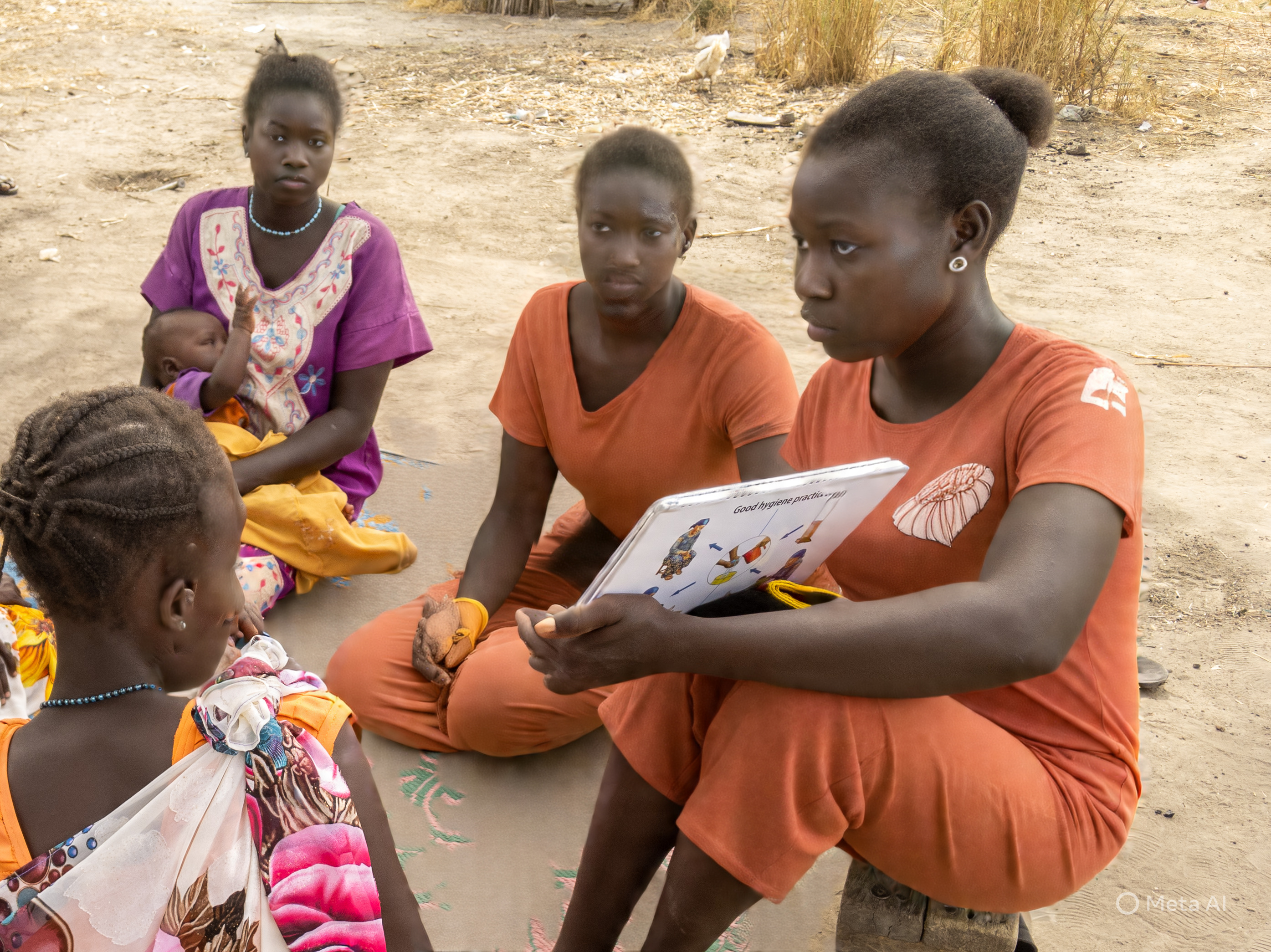
The revival has sparked a new wave of youth leadership. Students now volunteer as peer educators, helping connect their friends and classmates to the centers. Dialogue sessions in schools and communities are once again breaking the silence around sensitive topics, encouraging open conversations and informed choices.
“Now, I feel we have a place where we are heard,” says Abel, an 18-year-old peer educator. “I tell my friends: this service is ours, let’s use it, let’s protect it.”

The story of Romanat and Alasa demonstrates that rebuilding after conflict requires more than bricks and medicine. It demands tailored, community-driven solutions that place adolescents and youth at the center.
Early stakeholder engagement, the presence of trained staff, and the active involvement of students have been crucial in ensuring that AYH services are not only restored but sustainable. The success in Tigray is now a model for other conflict-affected areas.
Every crisis takes something from the youth, but by restoring these services, WISH 2 project is giving them back hope, dignity, and the power to make informed choices about their future.

when
country
Ethiopia
region
Africa
Subject
Humanitarian, Universal Health Coverage