



Articles about Somaliland
24 February 2026
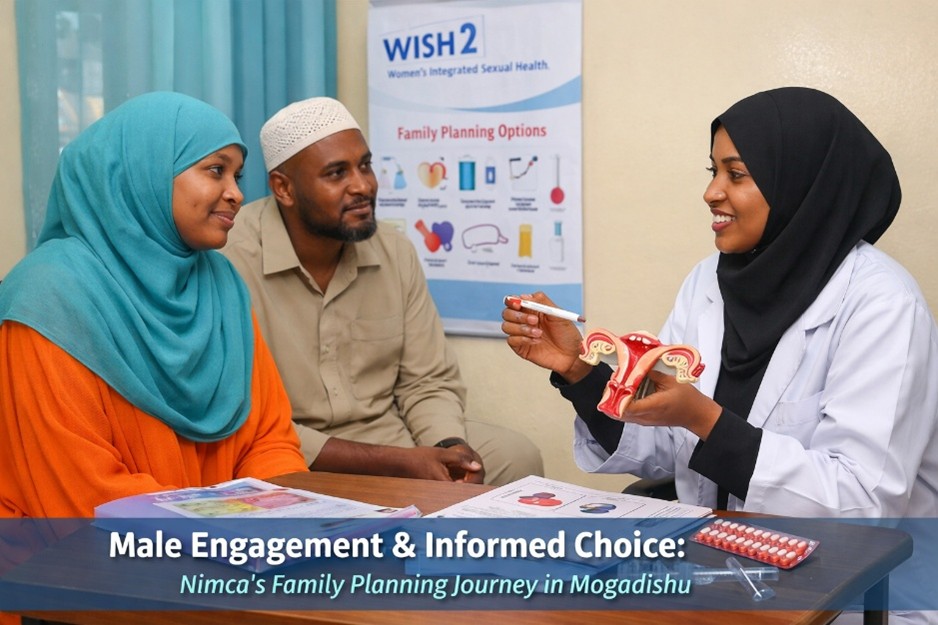
A Shared Decision: How Male Support Enabled Nimca’s Family Planning Choice
In Karan District, Mogadishu, access to family planning (FP) services remains limited due to persistent myths and misconceptions about modern contraceptives, fear of side effects, and deeply rooted social norms. These barriers disproportionately affect women in fragile and humanitarian settings, where repeated pregnancies pose significant health risks and access to accurate information is constrained. Nimca Ahmed Ali, a 27-year-old mother of six, had never used modern family planning methods. Despite her husband’s encouragement, she resisted FP due to fear of perceived side effects and limited understanding of available options. Her husband, increasingly concerned about her declining health as a result of closely spaced pregnancies, sought support from health providers and encouraged Nimca to seek counselling at De-Martini Hospital. Under the WISH 2 project, Nimca received focused, client-centred counselling at De-Martini Hospital from a trained health care provider, Sagal. The provider had previously been trained in Empathways skills, enabling her to engage Nimca with empathy, active listening, and trust-building techniques that supported informed and voluntary decision-making. The counselling process addressed myths and misconceptions around family planning, explained how different FP methods work, discussed their benefits and potential side effects, and created space for Nimca to ask questions openly. Importantly, the approach encouraged constructive male partner engagement, ensuring Nimca’s husband was supportive without undermining her autonomy. Following comprehensive counselling and reassurance of continued follow-up support, Nimca chose Implanon, a long-acting reversible contraceptive, with a clear understanding of the method and confidence that she could return to the facility if she experienced any concerns. As observed during routine supervision and mentorship, Nimca’s decision to adopt family planning enabled her to delay her next pregnancy and regain control over her reproductive health. She reported improved physical and emotional well-being, reduced anxiety related to frequent pregnancies, and more stable family relationships. With fewer health concerns and increased confidence, she now has more time to care for her children and nurture her marriage. Nimca has since become an informal advocate within her community, encouraging other women to seek accurate information and counselling at health facilities rather than relying on rumours or fear. “I was afraid because I did not understand family planning. After counselling, I felt confident in my decision. I feel healthier, and my family is more stable.” — Nimca Ahmed Ali, FP client, Mogadishu Her experience demonstrates how empathetic counselling combined with supportive male engagement can shift attitudes, improve informed choice, and increase uptake of modern FP methods in fragile settings. Initial resistance driven by myths and fear of side effects was the primary challenge. This was addressed through personalised counselling, clear explanations using visual demonstrations, and assurance of follow-up care. Continuous support from the health care provider and Nimca’s husband helped reinforce confidence and sustain her choice. In fragile and humanitarian contexts, combining empathetic, client-centred counselling with supportive male partner engagement can effectively address myths and fears around contraception. When women are provided with accurate information, trust-based counselling, and space for family dialogue, uptake of modern family planning methods increases while preserving informed choice and autonomy.
17 November 2025
The Women’s Integrated Sexual Health (WISH) 2
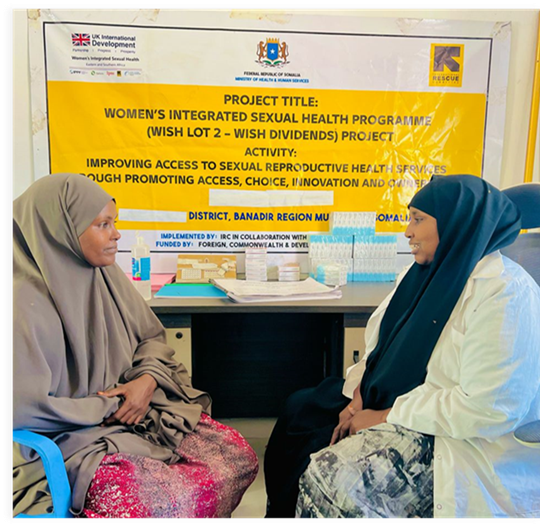
Strengthening the enabling environment for SRHR and reinforcing health systems to deliver sustainable, inclusive access to integrated SRHR services with a special focus on humanitarian and fragile settings. The Women’s Integrated Sexual Health (WISH) project, championed by a ‘Leave No One Behind’ approach, advances quality, integrated, and inclusive family planning and sexual and reproductive health (SRHR) services tailored to the needs of marginalized and hard-to-reach populations. In Eastern Africa, WISH2 builds on proven strategies and successes to extend access for populations often overlooked, young people, persons with disabilities, those living in poverty, and communities affected by conflict or displacement. Donor: Foreign, Commonwealth and Development Office (FCDO) Budget: Total budget of £ 75 million for East and Southern Africa Duration: 2024 to 2029 Funded by the UK Foreign, Commonwealth & Development Office (FCDO) and representing a significant commitment within the UK Government’s family planning framework, the WISH2 Eastern Africa initiative is led by the International Planned Parenthood Federation (IPPF) and executed by a dedicated consortium with partners including the International Rescue Committee (IRC), IPAS, Options Consultancy Services, and the Johns Hopkins Center for Communication Programs (JHU-CCP). Background on WISH 1 to WISH 2 Evolutions The Women's Integrated Sexual Health project was launched in 2018 as FCDO’s flagship initiative to expand access to voluntary family planning and sexual and reproductive health and rights services across 27 countries in Africa and Asia. The project was delivered in two parts, with Lot 2 (WISH2ACTION) implemented by a consortium led by IPPF, alongside MSI, Options, Humanity & Inclusion (HI), and IRC. WISH2ACTION aimed to deliver 16.921 million couple years of protection (CYPs) and reach 2.2 million additional users through a comprehensive approach to ensure equitable access to family planning and SRHR, prioritising youth under 20, the very poor, and marginalised populations including persons with disabilities and those in humanitarian or hard-to-reach settings. Its design integrated four core outputs: community and individual choice (Output 1), sustainability through national ownership (Output 2), access to quality services (Output 3), and global goods and evidence (Output 4). The success and learning from WISH2ACTION laid the foundation for WISH 2, which deepens focus on national systems strengthening, disability inclusion, safeguarding, and resilience in fragile contexts, ensuring SRHR remains a global priority while reaching those most at risk of being left behind. WISH 2 builds on successes and learning from WISH 1, while shifting toward greater national ownership, systems resilience, and sustainability. With a sharper focus on fragile and conflict-affected contexts, WISH 2 moves beyond service delivery to embedding SRHR within national policy frameworks, strengthening accountability, and enhancing inclusion through the systematic integration of disability rights, safeguarding, and climate-sensitive approaches. It places greater emphasis on evidence generation, adaptive learning, and localised solutions, ensuring that services are not only available but also accessible, equitable, and responsive to community needs. WISH 2 represents a strategic evolution, aligning with global priorities to “leave no one behind” while reinforcing SRHR as a critical component of universal health coverage and sustainable development. 2. Where We Work Geographic Footprint WISH 2 Eastern and Southern Africa works across seven countries including, Burundi Ethiopia Madagascar Somalia South Sudan Sudan Zambia Each country’s approach is adapted to local priorities and contexts, ensuring that interventions are both efficient and community responsive. 3. Leaving No One Behind WISH 2 Eastern and Southern Africa is committed to ensuring that every individual, especially those frequently marginalized, is empowered to access life-changing SRHR services. Our integrated approach prioritizes: Women Women, particularly those from economically disadvantaged backgrounds or living in patriarchal community, continue to face systemic barriers to SRHR services. WISH2 prioritizes their needs through respectful, client-centred care that is non-judgmental, confidential, and accessible. Services are tailored to uphold women's autonomy, support informed decision-making, and respond to gender-based disparities, including the risk of sexual and gender-based violence (SGBV). Meeting the Needs of Youth Under 20 In Eastern and Southern Africa, millions of youths, especially adolescents, encounter significant challenges in accessing accurate information and quality SRHR care. WISH2 provides youth-friendly, confidential, and age-appropriate services and education, ensuring young people are empowered to make informed decisions about their bodies, relationships, and futures. The project works closely with schools, youth-led organizations, and communities to create safe spaces for dialogue and service delivery. Reaching People Living with Disabilities People with disabilities face intersecting layers of exclusion in accessing health care, including physical, attitudinal, and informational barriers. WISH2 collaborates with Organizations of Persons with Disabilities (OPDs) to co-design inclusive interventions. This includes training service providers on disability rights and stigma reduction, adapting communication materials, and ensuring health facilities are physically and socially accessible. Serving to Reach the Last Mile In rural, remote, and impoverished communities, access to SRHR services remains limited. WISH2 uses poverty mapping, mobile outreach, and community-based service models to reach populations often overlooked by mainstream health systems. By partnering with local actors, such as community health workers, faith leaders, and women's groups, the project ensures culturally sensitive and sustainable service delivery in the hardest-to-reach areas. Health System Resilience During Crises Fragile and conflict-affected settings such as Ethiopia, Somalia, Sudan and South Sudan require adaptable and responsive health strategies. WISH2 brings services closer to displaced and crisis-affected populations through mobile clinics, referral linkages, and community-based distribution models. These approaches ensure continuity of care, particularly for women and girls who are most at risk during humanitarian emergencies. This focus on equity ensures that even the most vulnerable groups benefit from and contribute to their communities’ overall health and well-being. 4. Our Approach The WISH 2 project adopts Cluster Model 2.0 as a strategic approach to enhance coordination, collaboration, and efficiency among implementing partners across project countries. This updated model builds lessons from earlier phases by fostering cross-country learning and technical exchange within defined clusters, each comprising countries with similar contextual realities, such as humanitarian settings, fragile contexts, or policy environments. Cluster Model 2.0 places greater emphasis on peer-to-peer support, decentralised learning, and adaptive programming, ensuring that innovations and evidence-based practices are shared and applied in real time. It also strengthens joint planning, monitoring, and reporting mechanisms, promoting a unified and responsive delivery of SRHR services tailored to each context while maintaining alignment with the overall project strategy. Strategic Focus through Four Interlinked Outputs WISH 2 Eastern and Southern Africa is anchored on a multi-pronged approach, organized around four strategic outputs: Output 1: Social Behaviour Change (SBC) and Social Norms Led by JHU-CCP Focuses on increasing awareness, demand, and acceptance of modern contraceptive use through evidence-based communication and community engagement. Promotes positive SRHR attitudes and behaviours. Addresses gender and social barriers, myths, and misconceptions. Engages men, youth, religious, and community leaders to drive social norm change. Address harmful gender norms and stigma while promoting shared decision-making in family planning. Output 2: Access to Inclusive and Integrated SRHR Services Led by IPPF, with contributions from IRC Ensures that women, girls, and marginalized populations can access quality, affordable SRHR services. Strengthens service delivery, especially in fragile and humanitarian contexts. Maintain robust monitoring systems to track service delivery quality and client outcomes. Promotes disability inclusion and youth-friendly services. Integrates FP/SRHR with other health services (SGBV response). Enhance service delivery through capacity building, client-centred practices, and mobile outreach tailored to youth, people with disabilities, and conflict-affected communities. Output 3: Policy and Systems Environment Strengthening Policy, Advocacy, and Systems Led by IPAS & Options Consultancy Services Strengthens national and subnational policies, systems, and partnerships that support SRHR. Advocates for inclusive, rights-based SRHR policies. Builds government and civil society capacity. Fosters sustainability through domestic financing and coordination. Offer technical support for policy development, budget advocacy, and strategic planning. Build capacities of national health systems and local governments to ensure long-term sustainability. Output 4: Evidence and Learning Focuses Evidence-Driven Learning and Knowledge Sharing Led by Oxford Policy Management (OPM) Enhances the evidence generation, use, and dissemination to inform programme adaptation and SRHR advocacy. Utilise data to inform continuous project improvement and monitor key performance indicators. Use operational research to influence policy and programme design. Promote adaptive learning, knowledge management and facilitate cross-learning exchanges. Generate knowledge products and global goods 5. Partners The success of WISH 2 Eastern and Southern Africa rests on a robust partnership model that combines technical expertise in clinical service delivery, health systems strengthening, policy advocacy, and strategic communications. Consortium Members: IPPF (Lead): Oversees project strategy, quality assurance, and inclusive service delivery. International Rescue Committee (IRC): Implements conflict-responsive programming and community-based outreach. IPAS: Provides comprehensive safe abortion care and post-abortion services where legally permissible. Options Consultancy Services: Drives policy reform, systems strengthening, and governance enhancement to support sustainable SRHR outcomes. Johns Hopkins Center for Communication Programs (JHU-CCP): Leads on social and behaviour change initiatives that reshape social norms and empower communities. Together, these partners harness their individual and collective strengths to ensure the project’s impact is broad, sustainable, and transformative. 6. WISH 2 Targets and Results The project’s impact is measured using key performance indicators (KPIs), including: Couple Years of Protection (CYPs): Estimates the duration of protection provided by various contraceptive methods. Youth Reach: Tracks the number of young people accessing SRHR information and services. Sustainability: Assesses the extent to which interventions, systems, and partnerships are maintained beyond project implementation. Regular updates and dynamic dashboards capture these metrics, ensuring transparency and accountability to stakeholders and clients alike.
07 November 2025
Changing Minds, Saving Lives: How Family Planning is Transforming Communities in Somalia
In Howl-Wadag District of Benadir Region, Mogadishu, the story of family planning is one of quiet transformation. For decades, Somali women and girls have faced some of the world’s toughest reproductive health challenges. With a maternal mortality rate of 563 per 100,000 live births, a fertility rate as high as 6.9, and a modern contraceptive prevalence of just 1%, the need for accessible, safe, and trusted family planning services has never been greater. Conflict, displacement, and drought have weakened Somalia’s health system, leaving communities especially internally displaced persons with little access to quality reproductive health services. Deep-rooted social and religious norms, widespread myths about contraception, and male opposition further limit women’s reproductive choices. Yet, amidst these challenges, Arif Health Center stands as a symbol of change. Through the WISH 2 project, the Ministry of Health has received critical support to expand FP services, strengthen provider capacity, and engage communities in open dialogue about reproductive health. At Arif Health Center, over 85,000 people, including many displaced families, now benefit from comprehensive care encompassing maternal and child health, birth spacing, and nutrition services. FP counseling, ensuring that every woman who walks through the door is informed of her choices. The availability of a reliable contraceptive supply chain has eliminated frequent stockouts, and method options have diversified from injectables and implants to pills and condoms giving women the freedom to choose what suits them best. The impact has been profound. Between WISH Phases I and II, Arif Health Center recorded a remarkable 68% increase in the number of women accessing family planning services. Monthly uptake rose from an average of 210 clients in 2022 to 353 in 2025, marking the highest level since the start of WISH support. The method mix also diversified significantly. While short-term methods such as injectables previously accounted for 80% of total use, their proportion dropped to 55% in 2025 as more women opted for long-acting reversible contraceptives (LARCs) such as implants and intrauterine devices (IUDs), which together increased from 15% to 40% of the total method mix. This shift reflects not only greater awareness and trust in modern contraception but also the success of provider training, continuous community engagement, and religious leader advocacy in normalizing family planning. Women are now choosing methods based on informed preference rather than limited availability or fear of side effects. This change did not happen overnight. A critical breakthrough came through religious leaders, who were engaged to link family planning with Islamic teachings on maternal well-being and responsible parenthood. Their support has been transformative turning FP from a taboo into a topic of health and faith. Community health workers, once hesitant themselves, are now champions for birth spacing, sharing accurate information and countering myths in markets, mosques, and homes. The lessons from Arif Health Center reveal that progress in fragile settings depends on trust, partnership, and persistence. Strengthened provider capacity, consistent supplies, and community engagement together created a ripple effect boosting confidence, expanding choice, and saving lives. Despite ongoing challenges, such as limited funding, displacement, and the fragility of the health system, Somalia’s experience offers a clear message: with the right support, even the most fragile contexts can witness a positive shift in family planning uptake. The journey continues. The Ministry of Health and WISH 2 partners are now working to expand this model to other districts, ensuring that every Somali woman, regardless of circumstance, can access voluntary, rights-based family planning services and the dignity, safety, and hope that come with it.
04 November 2025
Faith in Action: Religious Leaders Champion Birth Spacing in Somalia
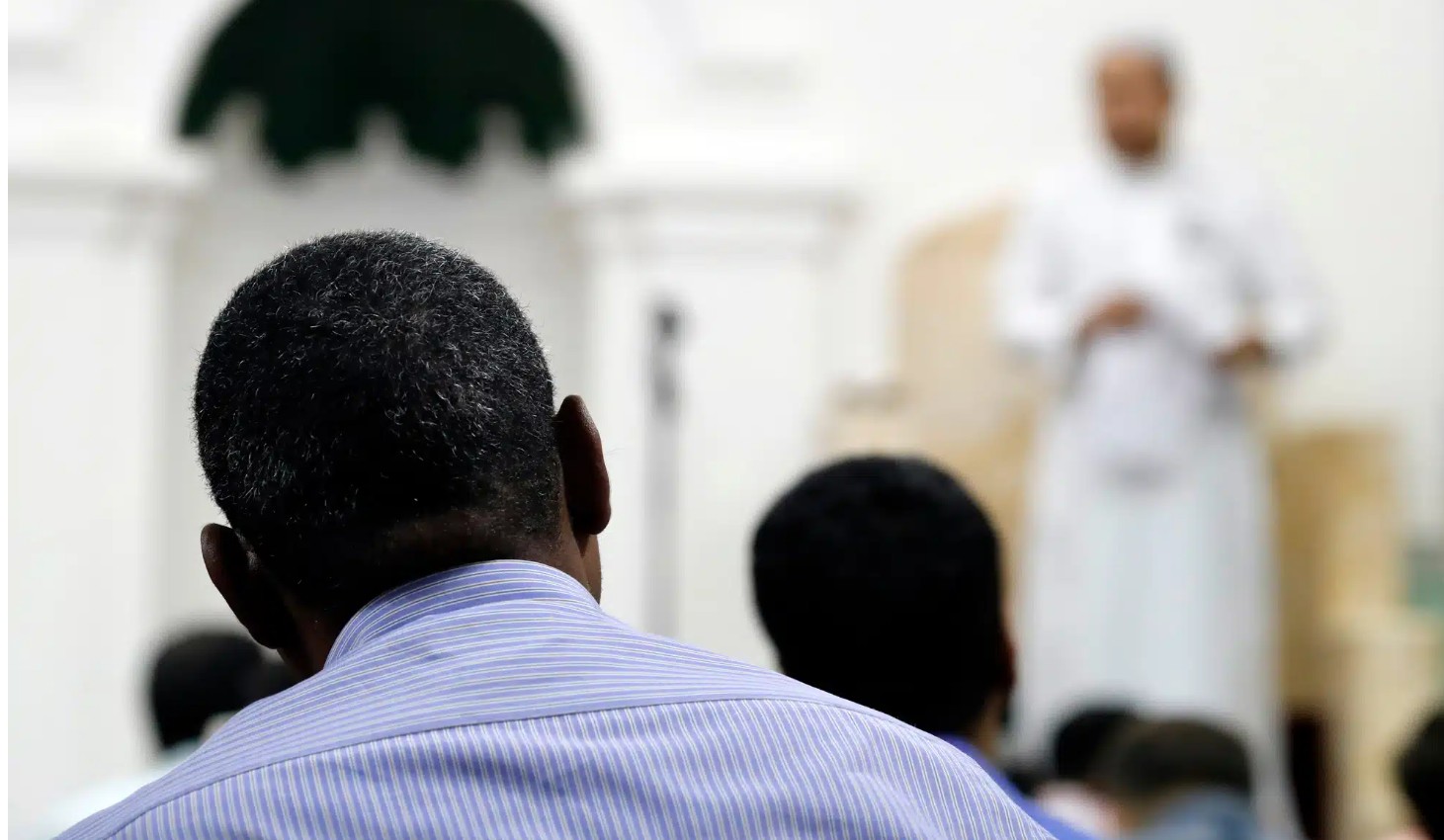
In Somalia, high fertility rates and low awareness of birth spacing continue to pose serious risks to maternal and child health. Cultural and religious norms often shape perceptions around family planning, and misconceptions remain widespread, particularly the belief that modern contraception contradicts Islamic teachings. Despite growing demand for maternal health services, SRHR remains a sensitive topic, especially among young married couples and rural communities. Recognising the influence of religious leaders in shaping community attitudes, a strategic intervention was launched to equip them with accurate, culturally appropriate information on birth spacing and its alignment with Islamic values. From May 18 to 25, 2025, a Social and Behaviour Change capacity-building workshop was held in Mogadishu. The workshop brought together 20 participants, including Muslim scholars, Ministry of Health officials, representatives from Benadir University, women, youth, and persons with disabilities. Facilitated by Johns Hopkins Center for Communication Programs in collaboration with IRC and Ipas, the training focused on unpacking social norms around childbearing and promoting the Islamic concept of tanzīm al-nasl (birth spacing). Through guided sessions, participants explored health benefits, faith-based justifications, and barriers to uptake. The workshop culminated in the co-creation of tailored SBC messages targeting young married couples and their key influencers. To ensure cultural relevance, these messages were pretested with diverse community groups, including men, religious leaders, mothers-in-law, and youth. Since the workshop, 12 religious leaders have integrated birth spacing messages into their Friday sermons, reaching congregants across three districts. Several participants also committed to incorporating the messages into mosque-based and community discussions. One Imam, initially hesitant, reflected: “I had always believed that having many children was a sign of strength. But I’ve come to see that Islam encourages care, compassion, and responsibility in parenting. I will now discuss spacing with my wife so we can raise a healthy family.” Abdulkhadir Wehliye, Senior Advisor at the Ministry of Health, noted that the participatory approach was a game-changer: “The messages are context-specific and resonate with local realities, unlike the generic materials we used in the past. I am confident that messages developed will be well received by the community and will contribute to the social norm change envisioned by the program and the government. “Our communities need both healthy mothers and healthy children,” said Sheikh Hassan. “Birth spacing supports that goal and reflects Islamic values of compassion and care. But family planning is still misunderstood by many, so we, as religious leaders, must help reconcile faith with health.” The initiative demonstrated the value of engaging faith leaders in addressing sensitive SRHR topics. Co-developing content with trusted influencers ensures cultural legitimacy and greater community acceptance. Culture and religion are deeply intertwined in Somalia, and decisions made by government bodies, including the Ministry of Health (MOH), take these factors into account. There is a growing interest among young Muslim leaders and scholars in the topic of child spacing. This presents a unique opportunity to address related social norms from an Islamic perspective. Co-creating communication materials with Islamic leaders can integrate key messages into their daily community engagements. Tailored content can target youth and young married couples through platforms such as universities, colleges, mosques, and religious gatherings.
01 December 2016
Learning Centre Initiative
The Learning Center Initiative recognizes the outstanding leadership capabilities of member associations in the different focus areas namely access to family planning and contraception, adolescent and youth programming, integration of sexual and reproductive health services and HIV/AIDS including gender rights and sexuality, provision of safe abortion services, logistics management of commodities and good practices in governance. To capitalize on different member associations strengths the Region embarked on this initiative in 2006 with the aim of providing south to south learning between member associations but this evolved and the focus has since changed. The initial selection included the member associations of: Cameroun for integration of gender, rights and sexuality into their programs; Uganda for increasing access to family planning and contraception; and good practices of governance; Ghana and Mozambique for adolescent and young people programming. The region quickly realized that using this initiative could transform the member associations from providers of services to enablers creating a pull effect in-country especially in the area of service delivery models. This then informed the next selection of countries - Ethiopia, Kenya, Swaziland, Togo and Cote d’Ivoire.

05 August 2020
Mohamed Bun Bida: Religious Leader and Sexual and Reproductive Health and Rights Champion in Ghana
The RightByHer Campaign brings together a team of committed champions including religious leaders who raise awareness in their circles of influence and push for increased funding for implementation of policies on gender equality and sexual and reproductive health and rights in Africa. Mohamed Bun Bida, a religious leader based in Ghana shares with us his experience. My name is Mohammed Bun Bida, a social development consultant and Muslim scholar with extensive experience in using a multi-faith approach to social, health (Sexual and Reproductive Health/Family Planning) and human rights. I am currently the Programmes Director of Muslim Family Counselling Services in Ghana. I am actively involved in the RightByHer campaign as a champion, and my engagement with this campaign has benefitted me in various ways, for example through various trainings and other capacity building activities, as well as participation in relevant international conferences that have enhanced my skills and knowledge in the field of sexual reproductive health and rights (SRHR). I was recently recognized and awarded as the best advocate in the area of Family Planning policy advocacy by the Faith to Action Network, which is under the RightByHer campaign. Religious Leaders as Advocates I believe that HIV and AIDS prevention is a collective responsibility for everyone. As faith leaders under the RightByHer Campaign, we advocate for policies which address HIV and AIDS across all sectors. We are also involved in awareness creation and sharing of prevention messages. In Ghana for example, there is the AIDS Commission which has become dormant due to lack of funding, which has affected the implementation of its activities. As faith leaders, we continue to push the government to increase funding to the commission to ensure they continue the fight against HIV. As faith leaders, we have taken it upon ourselves to educate the people in mosques and churches. We also encourage youth to practice abstinence or use condoms if they must engage in sexual activities to help them better protect themselves against HIV. We are not only engaged in the fight against HIV and AIDS, but we also help the affected individuals to cope and live positively. One may be surprised to find that we conduct condom demonstrations in mosques. This we do because we care for our people as we recognize that it is important to have a healthy congregation. Effects of COVID-19 COVID -19 has affected our work in rural areas especially in the Upper East, where the communities, especially women and children need interventions that address their SRHR needs. We been forced to change our ways of educating the public to include the use of mobile vans which have had implications on our budget and finances. The Muslim Family Counselling Services (MFCS) provides information and services on population, reproductive health, income generating activities and prevention of sexually transmitted infections within deprived communities in Ghana. MFCS also seeks to the realization of the full potential and total human development of young marginalized people in these communities through participatory community mobilization activities, capacity building in sexual health HIV/AIDS, and income generating activities. Story by Mark Okundi, IPPF Africa Region. For more information about the work of IPPF Africa Region, follow us on Facebook and Twitter.

05 October 2016
A Bright Future: Lanterns for Women's Empowerment
Women’s empowerment is key to ensuring their health and well-being. A partnership between public, private and civil society found a unique way to address health and gender inequalities in one of the most disadvantageous communities in the Northern regions of Ghana. This pilot project introduced solar lanterns, health and economic interventions to 20 villages. The project was effective because it brought together Japan’s ODA, private sector technology and IPPF’s community-based activities to challenge structural barriers and harmful gender norms. In doing so, we have done more than bring ‘light’ where there was once ‘darkness’. This intervention has transformed the lives of women, their families and their community.
24 February 2026
A Shared Decision: How Male Support Enabled Nimca’s Family Planning Choice
In Karan District, Mogadishu, access to family planning (FP) services remains limited due to persistent myths and misconceptions about modern contraceptives, fear of side effects, and deeply rooted social norms. These barriers disproportionately affect women in fragile and humanitarian settings, where repeated pregnancies pose significant health risks and access to accurate information is constrained. Nimca Ahmed Ali, a 27-year-old mother of six, had never used modern family planning methods. Despite her husband’s encouragement, she resisted FP due to fear of perceived side effects and limited understanding of available options. Her husband, increasingly concerned about her declining health as a result of closely spaced pregnancies, sought support from health providers and encouraged Nimca to seek counselling at De-Martini Hospital. Under the WISH 2 project, Nimca received focused, client-centred counselling at De-Martini Hospital from a trained health care provider, Sagal. The provider had previously been trained in Empathways skills, enabling her to engage Nimca with empathy, active listening, and trust-building techniques that supported informed and voluntary decision-making. The counselling process addressed myths and misconceptions around family planning, explained how different FP methods work, discussed their benefits and potential side effects, and created space for Nimca to ask questions openly. Importantly, the approach encouraged constructive male partner engagement, ensuring Nimca’s husband was supportive without undermining her autonomy. Following comprehensive counselling and reassurance of continued follow-up support, Nimca chose Implanon, a long-acting reversible contraceptive, with a clear understanding of the method and confidence that she could return to the facility if she experienced any concerns. As observed during routine supervision and mentorship, Nimca’s decision to adopt family planning enabled her to delay her next pregnancy and regain control over her reproductive health. She reported improved physical and emotional well-being, reduced anxiety related to frequent pregnancies, and more stable family relationships. With fewer health concerns and increased confidence, she now has more time to care for her children and nurture her marriage. Nimca has since become an informal advocate within her community, encouraging other women to seek accurate information and counselling at health facilities rather than relying on rumours or fear. “I was afraid because I did not understand family planning. After counselling, I felt confident in my decision. I feel healthier, and my family is more stable.” — Nimca Ahmed Ali, FP client, Mogadishu Her experience demonstrates how empathetic counselling combined with supportive male engagement can shift attitudes, improve informed choice, and increase uptake of modern FP methods in fragile settings. Initial resistance driven by myths and fear of side effects was the primary challenge. This was addressed through personalised counselling, clear explanations using visual demonstrations, and assurance of follow-up care. Continuous support from the health care provider and Nimca’s husband helped reinforce confidence and sustain her choice. In fragile and humanitarian contexts, combining empathetic, client-centred counselling with supportive male partner engagement can effectively address myths and fears around contraception. When women are provided with accurate information, trust-based counselling, and space for family dialogue, uptake of modern family planning methods increases while preserving informed choice and autonomy.
17 November 2025
The Women’s Integrated Sexual Health (WISH) 2
Strengthening the enabling environment for SRHR and reinforcing health systems to deliver sustainable, inclusive access to integrated SRHR services with a special focus on humanitarian and fragile settings. The Women’s Integrated Sexual Health (WISH) project, championed by a ‘Leave No One Behind’ approach, advances quality, integrated, and inclusive family planning and sexual and reproductive health (SRHR) services tailored to the needs of marginalized and hard-to-reach populations. In Eastern Africa, WISH2 builds on proven strategies and successes to extend access for populations often overlooked, young people, persons with disabilities, those living in poverty, and communities affected by conflict or displacement. Donor: Foreign, Commonwealth and Development Office (FCDO) Budget: Total budget of £ 75 million for East and Southern Africa Duration: 2024 to 2029 Funded by the UK Foreign, Commonwealth & Development Office (FCDO) and representing a significant commitment within the UK Government’s family planning framework, the WISH2 Eastern Africa initiative is led by the International Planned Parenthood Federation (IPPF) and executed by a dedicated consortium with partners including the International Rescue Committee (IRC), IPAS, Options Consultancy Services, and the Johns Hopkins Center for Communication Programs (JHU-CCP). Background on WISH 1 to WISH 2 Evolutions The Women's Integrated Sexual Health project was launched in 2018 as FCDO’s flagship initiative to expand access to voluntary family planning and sexual and reproductive health and rights services across 27 countries in Africa and Asia. The project was delivered in two parts, with Lot 2 (WISH2ACTION) implemented by a consortium led by IPPF, alongside MSI, Options, Humanity & Inclusion (HI), and IRC. WISH2ACTION aimed to deliver 16.921 million couple years of protection (CYPs) and reach 2.2 million additional users through a comprehensive approach to ensure equitable access to family planning and SRHR, prioritising youth under 20, the very poor, and marginalised populations including persons with disabilities and those in humanitarian or hard-to-reach settings. Its design integrated four core outputs: community and individual choice (Output 1), sustainability through national ownership (Output 2), access to quality services (Output 3), and global goods and evidence (Output 4). The success and learning from WISH2ACTION laid the foundation for WISH 2, which deepens focus on national systems strengthening, disability inclusion, safeguarding, and resilience in fragile contexts, ensuring SRHR remains a global priority while reaching those most at risk of being left behind. WISH 2 builds on successes and learning from WISH 1, while shifting toward greater national ownership, systems resilience, and sustainability. With a sharper focus on fragile and conflict-affected contexts, WISH 2 moves beyond service delivery to embedding SRHR within national policy frameworks, strengthening accountability, and enhancing inclusion through the systematic integration of disability rights, safeguarding, and climate-sensitive approaches. It places greater emphasis on evidence generation, adaptive learning, and localised solutions, ensuring that services are not only available but also accessible, equitable, and responsive to community needs. WISH 2 represents a strategic evolution, aligning with global priorities to “leave no one behind” while reinforcing SRHR as a critical component of universal health coverage and sustainable development. 2. Where We Work Geographic Footprint WISH 2 Eastern and Southern Africa works across seven countries including, Burundi Ethiopia Madagascar Somalia South Sudan Sudan Zambia Each country’s approach is adapted to local priorities and contexts, ensuring that interventions are both efficient and community responsive. 3. Leaving No One Behind WISH 2 Eastern and Southern Africa is committed to ensuring that every individual, especially those frequently marginalized, is empowered to access life-changing SRHR services. Our integrated approach prioritizes: Women Women, particularly those from economically disadvantaged backgrounds or living in patriarchal community, continue to face systemic barriers to SRHR services. WISH2 prioritizes their needs through respectful, client-centred care that is non-judgmental, confidential, and accessible. Services are tailored to uphold women's autonomy, support informed decision-making, and respond to gender-based disparities, including the risk of sexual and gender-based violence (SGBV). Meeting the Needs of Youth Under 20 In Eastern and Southern Africa, millions of youths, especially adolescents, encounter significant challenges in accessing accurate information and quality SRHR care. WISH2 provides youth-friendly, confidential, and age-appropriate services and education, ensuring young people are empowered to make informed decisions about their bodies, relationships, and futures. The project works closely with schools, youth-led organizations, and communities to create safe spaces for dialogue and service delivery. Reaching People Living with Disabilities People with disabilities face intersecting layers of exclusion in accessing health care, including physical, attitudinal, and informational barriers. WISH2 collaborates with Organizations of Persons with Disabilities (OPDs) to co-design inclusive interventions. This includes training service providers on disability rights and stigma reduction, adapting communication materials, and ensuring health facilities are physically and socially accessible. Serving to Reach the Last Mile In rural, remote, and impoverished communities, access to SRHR services remains limited. WISH2 uses poverty mapping, mobile outreach, and community-based service models to reach populations often overlooked by mainstream health systems. By partnering with local actors, such as community health workers, faith leaders, and women's groups, the project ensures culturally sensitive and sustainable service delivery in the hardest-to-reach areas. Health System Resilience During Crises Fragile and conflict-affected settings such as Ethiopia, Somalia, Sudan and South Sudan require adaptable and responsive health strategies. WISH2 brings services closer to displaced and crisis-affected populations through mobile clinics, referral linkages, and community-based distribution models. These approaches ensure continuity of care, particularly for women and girls who are most at risk during humanitarian emergencies. This focus on equity ensures that even the most vulnerable groups benefit from and contribute to their communities’ overall health and well-being. 4. Our Approach The WISH 2 project adopts Cluster Model 2.0 as a strategic approach to enhance coordination, collaboration, and efficiency among implementing partners across project countries. This updated model builds lessons from earlier phases by fostering cross-country learning and technical exchange within defined clusters, each comprising countries with similar contextual realities, such as humanitarian settings, fragile contexts, or policy environments. Cluster Model 2.0 places greater emphasis on peer-to-peer support, decentralised learning, and adaptive programming, ensuring that innovations and evidence-based practices are shared and applied in real time. It also strengthens joint planning, monitoring, and reporting mechanisms, promoting a unified and responsive delivery of SRHR services tailored to each context while maintaining alignment with the overall project strategy. Strategic Focus through Four Interlinked Outputs WISH 2 Eastern and Southern Africa is anchored on a multi-pronged approach, organized around four strategic outputs: Output 1: Social Behaviour Change (SBC) and Social Norms Led by JHU-CCP Focuses on increasing awareness, demand, and acceptance of modern contraceptive use through evidence-based communication and community engagement. Promotes positive SRHR attitudes and behaviours. Addresses gender and social barriers, myths, and misconceptions. Engages men, youth, religious, and community leaders to drive social norm change. Address harmful gender norms and stigma while promoting shared decision-making in family planning. Output 2: Access to Inclusive and Integrated SRHR Services Led by IPPF, with contributions from IRC Ensures that women, girls, and marginalized populations can access quality, affordable SRHR services. Strengthens service delivery, especially in fragile and humanitarian contexts. Maintain robust monitoring systems to track service delivery quality and client outcomes. Promotes disability inclusion and youth-friendly services. Integrates FP/SRHR with other health services (SGBV response). Enhance service delivery through capacity building, client-centred practices, and mobile outreach tailored to youth, people with disabilities, and conflict-affected communities. Output 3: Policy and Systems Environment Strengthening Policy, Advocacy, and Systems Led by IPAS & Options Consultancy Services Strengthens national and subnational policies, systems, and partnerships that support SRHR. Advocates for inclusive, rights-based SRHR policies. Builds government and civil society capacity. Fosters sustainability through domestic financing and coordination. Offer technical support for policy development, budget advocacy, and strategic planning. Build capacities of national health systems and local governments to ensure long-term sustainability. Output 4: Evidence and Learning Focuses Evidence-Driven Learning and Knowledge Sharing Led by Oxford Policy Management (OPM) Enhances the evidence generation, use, and dissemination to inform programme adaptation and SRHR advocacy. Utilise data to inform continuous project improvement and monitor key performance indicators. Use operational research to influence policy and programme design. Promote adaptive learning, knowledge management and facilitate cross-learning exchanges. Generate knowledge products and global goods 5. Partners The success of WISH 2 Eastern and Southern Africa rests on a robust partnership model that combines technical expertise in clinical service delivery, health systems strengthening, policy advocacy, and strategic communications. Consortium Members: IPPF (Lead): Oversees project strategy, quality assurance, and inclusive service delivery. International Rescue Committee (IRC): Implements conflict-responsive programming and community-based outreach. IPAS: Provides comprehensive safe abortion care and post-abortion services where legally permissible. Options Consultancy Services: Drives policy reform, systems strengthening, and governance enhancement to support sustainable SRHR outcomes. Johns Hopkins Center for Communication Programs (JHU-CCP): Leads on social and behaviour change initiatives that reshape social norms and empower communities. Together, these partners harness their individual and collective strengths to ensure the project’s impact is broad, sustainable, and transformative. 6. WISH 2 Targets and Results The project’s impact is measured using key performance indicators (KPIs), including: Couple Years of Protection (CYPs): Estimates the duration of protection provided by various contraceptive methods. Youth Reach: Tracks the number of young people accessing SRHR information and services. Sustainability: Assesses the extent to which interventions, systems, and partnerships are maintained beyond project implementation. Regular updates and dynamic dashboards capture these metrics, ensuring transparency and accountability to stakeholders and clients alike.
07 November 2025
Changing Minds, Saving Lives: How Family Planning is Transforming Communities in Somalia
In Howl-Wadag District of Benadir Region, Mogadishu, the story of family planning is one of quiet transformation. For decades, Somali women and girls have faced some of the world’s toughest reproductive health challenges. With a maternal mortality rate of 563 per 100,000 live births, a fertility rate as high as 6.9, and a modern contraceptive prevalence of just 1%, the need for accessible, safe, and trusted family planning services has never been greater. Conflict, displacement, and drought have weakened Somalia’s health system, leaving communities especially internally displaced persons with little access to quality reproductive health services. Deep-rooted social and religious norms, widespread myths about contraception, and male opposition further limit women’s reproductive choices. Yet, amidst these challenges, Arif Health Center stands as a symbol of change. Through the WISH 2 project, the Ministry of Health has received critical support to expand FP services, strengthen provider capacity, and engage communities in open dialogue about reproductive health. At Arif Health Center, over 85,000 people, including many displaced families, now benefit from comprehensive care encompassing maternal and child health, birth spacing, and nutrition services. FP counseling, ensuring that every woman who walks through the door is informed of her choices. The availability of a reliable contraceptive supply chain has eliminated frequent stockouts, and method options have diversified from injectables and implants to pills and condoms giving women the freedom to choose what suits them best. The impact has been profound. Between WISH Phases I and II, Arif Health Center recorded a remarkable 68% increase in the number of women accessing family planning services. Monthly uptake rose from an average of 210 clients in 2022 to 353 in 2025, marking the highest level since the start of WISH support. The method mix also diversified significantly. While short-term methods such as injectables previously accounted for 80% of total use, their proportion dropped to 55% in 2025 as more women opted for long-acting reversible contraceptives (LARCs) such as implants and intrauterine devices (IUDs), which together increased from 15% to 40% of the total method mix. This shift reflects not only greater awareness and trust in modern contraception but also the success of provider training, continuous community engagement, and religious leader advocacy in normalizing family planning. Women are now choosing methods based on informed preference rather than limited availability or fear of side effects. This change did not happen overnight. A critical breakthrough came through religious leaders, who were engaged to link family planning with Islamic teachings on maternal well-being and responsible parenthood. Their support has been transformative turning FP from a taboo into a topic of health and faith. Community health workers, once hesitant themselves, are now champions for birth spacing, sharing accurate information and countering myths in markets, mosques, and homes. The lessons from Arif Health Center reveal that progress in fragile settings depends on trust, partnership, and persistence. Strengthened provider capacity, consistent supplies, and community engagement together created a ripple effect boosting confidence, expanding choice, and saving lives. Despite ongoing challenges, such as limited funding, displacement, and the fragility of the health system, Somalia’s experience offers a clear message: with the right support, even the most fragile contexts can witness a positive shift in family planning uptake. The journey continues. The Ministry of Health and WISH 2 partners are now working to expand this model to other districts, ensuring that every Somali woman, regardless of circumstance, can access voluntary, rights-based family planning services and the dignity, safety, and hope that come with it.
04 November 2025
Faith in Action: Religious Leaders Champion Birth Spacing in Somalia
In Somalia, high fertility rates and low awareness of birth spacing continue to pose serious risks to maternal and child health. Cultural and religious norms often shape perceptions around family planning, and misconceptions remain widespread, particularly the belief that modern contraception contradicts Islamic teachings. Despite growing demand for maternal health services, SRHR remains a sensitive topic, especially among young married couples and rural communities. Recognising the influence of religious leaders in shaping community attitudes, a strategic intervention was launched to equip them with accurate, culturally appropriate information on birth spacing and its alignment with Islamic values. From May 18 to 25, 2025, a Social and Behaviour Change capacity-building workshop was held in Mogadishu. The workshop brought together 20 participants, including Muslim scholars, Ministry of Health officials, representatives from Benadir University, women, youth, and persons with disabilities. Facilitated by Johns Hopkins Center for Communication Programs in collaboration with IRC and Ipas, the training focused on unpacking social norms around childbearing and promoting the Islamic concept of tanzīm al-nasl (birth spacing). Through guided sessions, participants explored health benefits, faith-based justifications, and barriers to uptake. The workshop culminated in the co-creation of tailored SBC messages targeting young married couples and their key influencers. To ensure cultural relevance, these messages were pretested with diverse community groups, including men, religious leaders, mothers-in-law, and youth. Since the workshop, 12 religious leaders have integrated birth spacing messages into their Friday sermons, reaching congregants across three districts. Several participants also committed to incorporating the messages into mosque-based and community discussions. One Imam, initially hesitant, reflected: “I had always believed that having many children was a sign of strength. But I’ve come to see that Islam encourages care, compassion, and responsibility in parenting. I will now discuss spacing with my wife so we can raise a healthy family.” Abdulkhadir Wehliye, Senior Advisor at the Ministry of Health, noted that the participatory approach was a game-changer: “The messages are context-specific and resonate with local realities, unlike the generic materials we used in the past. I am confident that messages developed will be well received by the community and will contribute to the social norm change envisioned by the program and the government. “Our communities need both healthy mothers and healthy children,” said Sheikh Hassan. “Birth spacing supports that goal and reflects Islamic values of compassion and care. But family planning is still misunderstood by many, so we, as religious leaders, must help reconcile faith with health.” The initiative demonstrated the value of engaging faith leaders in addressing sensitive SRHR topics. Co-developing content with trusted influencers ensures cultural legitimacy and greater community acceptance. Culture and religion are deeply intertwined in Somalia, and decisions made by government bodies, including the Ministry of Health (MOH), take these factors into account. There is a growing interest among young Muslim leaders and scholars in the topic of child spacing. This presents a unique opportunity to address related social norms from an Islamic perspective. Co-creating communication materials with Islamic leaders can integrate key messages into their daily community engagements. Tailored content can target youth and young married couples through platforms such as universities, colleges, mosques, and religious gatherings.
01 December 2016
Learning Centre Initiative
The Learning Center Initiative recognizes the outstanding leadership capabilities of member associations in the different focus areas namely access to family planning and contraception, adolescent and youth programming, integration of sexual and reproductive health services and HIV/AIDS including gender rights and sexuality, provision of safe abortion services, logistics management of commodities and good practices in governance. To capitalize on different member associations strengths the Region embarked on this initiative in 2006 with the aim of providing south to south learning between member associations but this evolved and the focus has since changed. The initial selection included the member associations of: Cameroun for integration of gender, rights and sexuality into their programs; Uganda for increasing access to family planning and contraception; and good practices of governance; Ghana and Mozambique for adolescent and young people programming. The region quickly realized that using this initiative could transform the member associations from providers of services to enablers creating a pull effect in-country especially in the area of service delivery models. This then informed the next selection of countries - Ethiopia, Kenya, Swaziland, Togo and Cote d’Ivoire.
05 August 2020
Mohamed Bun Bida: Religious Leader and Sexual and Reproductive Health and Rights Champion in Ghana
The RightByHer Campaign brings together a team of committed champions including religious leaders who raise awareness in their circles of influence and push for increased funding for implementation of policies on gender equality and sexual and reproductive health and rights in Africa. Mohamed Bun Bida, a religious leader based in Ghana shares with us his experience. My name is Mohammed Bun Bida, a social development consultant and Muslim scholar with extensive experience in using a multi-faith approach to social, health (Sexual and Reproductive Health/Family Planning) and human rights. I am currently the Programmes Director of Muslim Family Counselling Services in Ghana. I am actively involved in the RightByHer campaign as a champion, and my engagement with this campaign has benefitted me in various ways, for example through various trainings and other capacity building activities, as well as participation in relevant international conferences that have enhanced my skills and knowledge in the field of sexual reproductive health and rights (SRHR). I was recently recognized and awarded as the best advocate in the area of Family Planning policy advocacy by the Faith to Action Network, which is under the RightByHer campaign. Religious Leaders as Advocates I believe that HIV and AIDS prevention is a collective responsibility for everyone. As faith leaders under the RightByHer Campaign, we advocate for policies which address HIV and AIDS across all sectors. We are also involved in awareness creation and sharing of prevention messages. In Ghana for example, there is the AIDS Commission which has become dormant due to lack of funding, which has affected the implementation of its activities. As faith leaders, we continue to push the government to increase funding to the commission to ensure they continue the fight against HIV. As faith leaders, we have taken it upon ourselves to educate the people in mosques and churches. We also encourage youth to practice abstinence or use condoms if they must engage in sexual activities to help them better protect themselves against HIV. We are not only engaged in the fight against HIV and AIDS, but we also help the affected individuals to cope and live positively. One may be surprised to find that we conduct condom demonstrations in mosques. This we do because we care for our people as we recognize that it is important to have a healthy congregation. Effects of COVID-19 COVID -19 has affected our work in rural areas especially in the Upper East, where the communities, especially women and children need interventions that address their SRHR needs. We been forced to change our ways of educating the public to include the use of mobile vans which have had implications on our budget and finances. The Muslim Family Counselling Services (MFCS) provides information and services on population, reproductive health, income generating activities and prevention of sexually transmitted infections within deprived communities in Ghana. MFCS also seeks to the realization of the full potential and total human development of young marginalized people in these communities through participatory community mobilization activities, capacity building in sexual health HIV/AIDS, and income generating activities. Story by Mark Okundi, IPPF Africa Region. For more information about the work of IPPF Africa Region, follow us on Facebook and Twitter.
05 October 2016
A Bright Future: Lanterns for Women's Empowerment
Women’s empowerment is key to ensuring their health and well-being. A partnership between public, private and civil society found a unique way to address health and gender inequalities in one of the most disadvantageous communities in the Northern regions of Ghana. This pilot project introduced solar lanterns, health and economic interventions to 20 villages. The project was effective because it brought together Japan’s ODA, private sector technology and IPPF’s community-based activities to challenge structural barriers and harmful gender norms. In doing so, we have done more than bring ‘light’ where there was once ‘darkness’. This intervention has transformed the lives of women, their families and their community.