



Articles about Kenya
16 June 2026
Lessons from the SCAAO programme on advancing abortion care in challenging contexts
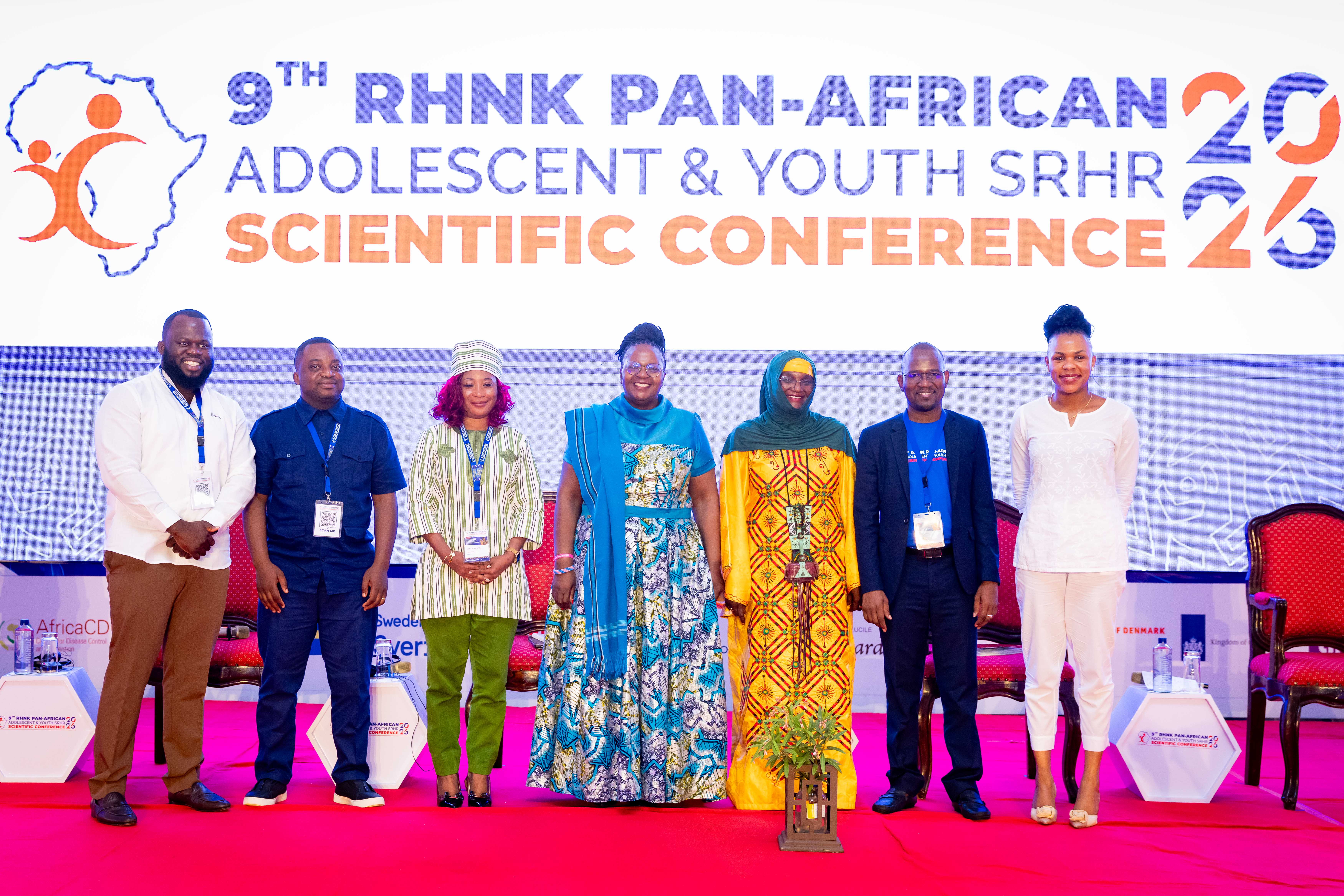
As delegates from 34 African countries gathered for the 9th RHNK Pan-African Adolescent and Youth Sexual Reproductive Health and Rights (AYSRHR) Scientific Conference in Mombasa, Kenya, which took place from 2-5 June 2026, one of the key conversations focused on expanding access to quality abortion care across Africa. The conference was organized by Reproductive Health Network Kenya (RHNK), which is IPPF’s affiliate in the country. Among the initiators of this conversation was Mr. Kader Avonnon, who leads the Comprehensive Abortion Care in West Africa (SCAAO) programme at IPPF Africa Regional Office. Jointly funded by The Hewlett Foundation and the Foundation for a Just Society International, SCAAO aims to expand access to person-centered abortion care for women and girls in Francophone west and central Africa. During the conference, Mr. Avonnon moderated a panel discussion featuring IPPF MAs implementing the programme, highlighting some of its successes so far. In this interview with Maryanne W. WAWERU, he reflects on some of the key messages from the session. The SCAAO programme is being implemented by IPPF MAs in Niger, Togo, Burkina Faso and Cameroon. In the panel discussion that you moderated, what learnings did you hope the participants would take away? While reaffirming the importance of recognizing abortion as essential healthcare, the session focused on the programme’s approaches that have proven effective in advancing laws, policies and access to abortion services in some of Africa’s most challenging contexts. Many participants from the different countries represented at the conference highlighted the challenges and barriers they face in their efforts to expand access to abortion care within complex and heavily restrictive legal and social environments. Therefore, drawing on the experiences of the SCAAO programme, we sought to demonstrate that success is indeed possible. This we did by showcasing the practical tools, innovative approaches and evidence-based strategies that continue to successfully deliver results in the countries we work in. What do you consider the SCAAO programme's most significant achievement so far, and why? The most significant achievement of the SCAAO program has been the creation of a growing space for honest, constructive dialogue on abortion care across Francophone west and central Africa. These dialogues with key stakeholders including governments, civil society actors, legislators, religious leaders, women’s rights defenders, and healthcare providers have translated into stronger political commitment in countries like Cameroon, Niger, and Togo. Even in challenging contexts such as Niger, legal reforms have expanded access to abortion care in cases of rape and incest. The results have been tangible, an example being on the service delivery level, where our MAs in Cameroon and Togo have reported more women accessing person-centered services in their facilities. These changes demonstrate that progress is indeed possible, even in restrictive environments. One of SCAAO’s core approaches has been fostering collaboration between stakeholders from different sectors. How has this multi-sectoral approach contributed to the programme’s success? One of the most meaningful strategies of SCAAO has been its ability to build bridges between governments, civil society, local political and religious leaders, healthcare providers and other key stakeholders. This collaborative approach has helped create an enabling environment for advocacy on quality, person-centered abortion care. We have seen this translate into practical results in Togo and Cameroon, where Ministries of Health, Justice, and Members of Parliament are working together on a roadmap to improve abortion laws. In Niger, the Ministry of Health has taken ownership of several SCAAO initiatives, including funding and implementing activities such as training healthcare providers, which is a powerful sign of commitment, and which also speaks to sustainability. At the national levels, SCAAO has supported the establishment of networks and task forces aimed at sustaining momentum, strengthening engagement with decision makers and promoting accountability. We have also witnessed inspiring collaboration around advocacy efforts, such as the International Safe Abortion Day. The RHNK Conference brought together over one thousand SRHR advocates, healthcare workers, researchers, policymakers, and youth leaders from across Africa. How important are forums like this in advancing access to abortion care and reproductive justice on the continent? Platforms like the RHNK conference remind us that none of us are working alone, and that we are part of a broader movement working towards a common goal. For many healthcare workers, the challenges can sometimes feel overwhelming, especially those working in restrictive environments. Conferences like this not only offer a good learning and exchange forum, but they also offer a sense of community and solidarity. The RHNK conference was not just about sharing strategies, but about listening to each other, learning from real experiences, and finding strength in shared commitment. Conferences like these provide us with the opportunity to refine our approaches, build genuine partnerships, and expand our networks. Looking ahead, what are the priorities for Phase 2 of SCAAO (2025-2028), and how will the programme build on the gains made so far? One of the key priorities in Phase 2 of SCAAO is to keep advocating for legal and policy reforms. We are also keen on solidifying our partnerships with governments, civil society organizations, legislators, religious leaders, healthcare providers and other key stakeholders, to ensure that the results are locally driven and sustainable. While building stronger networks, we also aim to ensure we safeguard the gains already achieved so far. Additionally, we will remain vigilant against efforts to roll back on abortion rights. We remain committed to ensuring that women and girls in Africa have expanded access to quality, person-centered abortion care. What gives me hope is the energy we witnessed at the conference, especially the strength and commitment of young people. Their voices, combined with the networks we are building, will help us face the challenges ahead and turn our goals into reality.

05 May 2026
Sida reaffirms commitment to strengthening SRHR through partnership with IPPF in Kenya
A high-level delegation from the Swedish International Development Cooperation Agency (Sida) recently visited IPPF’s Member Association in Kenya, reaffirming its commitment to sexual reproductive health and rights (SRHR) through locally-led, community-driven approaches. By Maryanne W. WAWERU The Swedish International Development Cooperation Agency (Sida), one of IPPF’s longest standing core funding donor partners, has reiterated its commitment to supporting IPPF and it’s *Member Associations (MAs) in advancing sexual reproductive health and rights (SRHR). Sweden, through Sida, provides substantial support to global health, SRHR, and humanitarian assistance, and is widely recognised for its high levels of flexible funding to multilateral partners. During a visit to IPPF’s affiliate in Kenya -Reproductive Health Network Kenya (RHNK) on Wednesday 22 April 2026, Ms. Sofia Östmark -the Sida Assistant Director General and Head of Global Operations, commended IPPF’s work in expanding access to essential SRHR services, more so to marginalized, vulnerable and underserved populations. Ms. Östmark, who was accompanied by Ms. Teresa Rovira, Programme Officer (Strategy Development), engaged with RHNK staff, gaining insights into the organization’s critical advocacy and service delivery efforts -which have yielded tangible results, especially for women and girls across Kenya. REHNET Medical Center -serving vulnerable populations The Sida delegation also visited REHNET Medical Center, a youth-friendly facility located in the peri-urban settlement of Kwa Ndege, Embakasi, in Nairobi. The center serves as a safe space for teen mothers, LGBTQIA+ persons and sex workers, offering a wide range of safe, confidential and non-judgemental SRHR services. The visit highlighted how marginalized populations are critical players in the SRHR ecosystem and how RHNK prioritizes inclusivity, thus ensuring that no one is left behind. At the facility, the team learned about Nena na Binti (Swahili for ‘talk to a girl’), an innovative digital health initiative that provides a toll-free hotline and WhatsApp chatbot services. Nena na Binti connects young people, women and girls to trusted counsellors and healthcare workers, ensuring they access SRHR information and services in a timely, confidential and trusted manner. Through an RHNK network of over 600 partners across the country, including in remote areas, Nena na Binti ensures that everyone in need can access services wherever they are. Reflecting on the visit, Ms. Östmark noted that organizations like RHNK demonstrate the essence of ‘locally-led organizations doing remarkable work for the communities they serve’. She noted that “RHNK’s ability to reach communities with tailored, rights-based information and services is critical to achieving sustainable progress in SRHR.” Dr. Edison Omollo, Head of Programmes at RHNK highlighted the value of Sida’s support in fostering sustained impact. “Sida’s multi-year investment through IPPF enables RHNK to deliver integrated, scalable, sustainable and high-impact SRHR outcomes for women and girls in Kenya. The flexible funding allows us to adapt to evolving and emerging system realities, in the face of declining aid flows and increasing fiscal constraints -while supporting service delivery, advancing rights, building movements and generating measurable impact at scale.” Common agenda between Sida and IPPF Sida’s partnership with IPPF is anchored on shared commitments to equity, human rights, SRHR justice, and gender equality. By investing in IPPF, and in turn its MAs, Sida supports the growth of local organizations that address SRHR challenges while at the same time driving lasting change. Ms. Mallah Tabot, the SRHR Lead at IPPF Africa Region, underscored the value of community-led change, but still within a global rights movement. “RHNK is a true representation of the spirit of the IPPF movement; locally grounded and globally connected. We are proud to serve and support the work of our MAs as they continue to broaden access to high quality, rights-based SRHR services to those in need of them. We are especially grateful for Sida’s partnership in making this work possible,” she said. As IPPF and its MAs continue responding to emerging and evolving SRHR needs, including challenges such as the rise of anti-rights actors and shifting donor landscapes, partnerships such as that with Sida remain critical in ensuring that community-driven solutions are prioritized and sustained, and that all people are reached and served. *IPPF delivers impact through partnerships with locally-led organizations, known as MAs and Collaborative Partners (CPs). In the Africa region, IPPF is present in 39 countries.
21 April 2026
SIX WEEKS IN — A LEADERSHIP REFLECTION
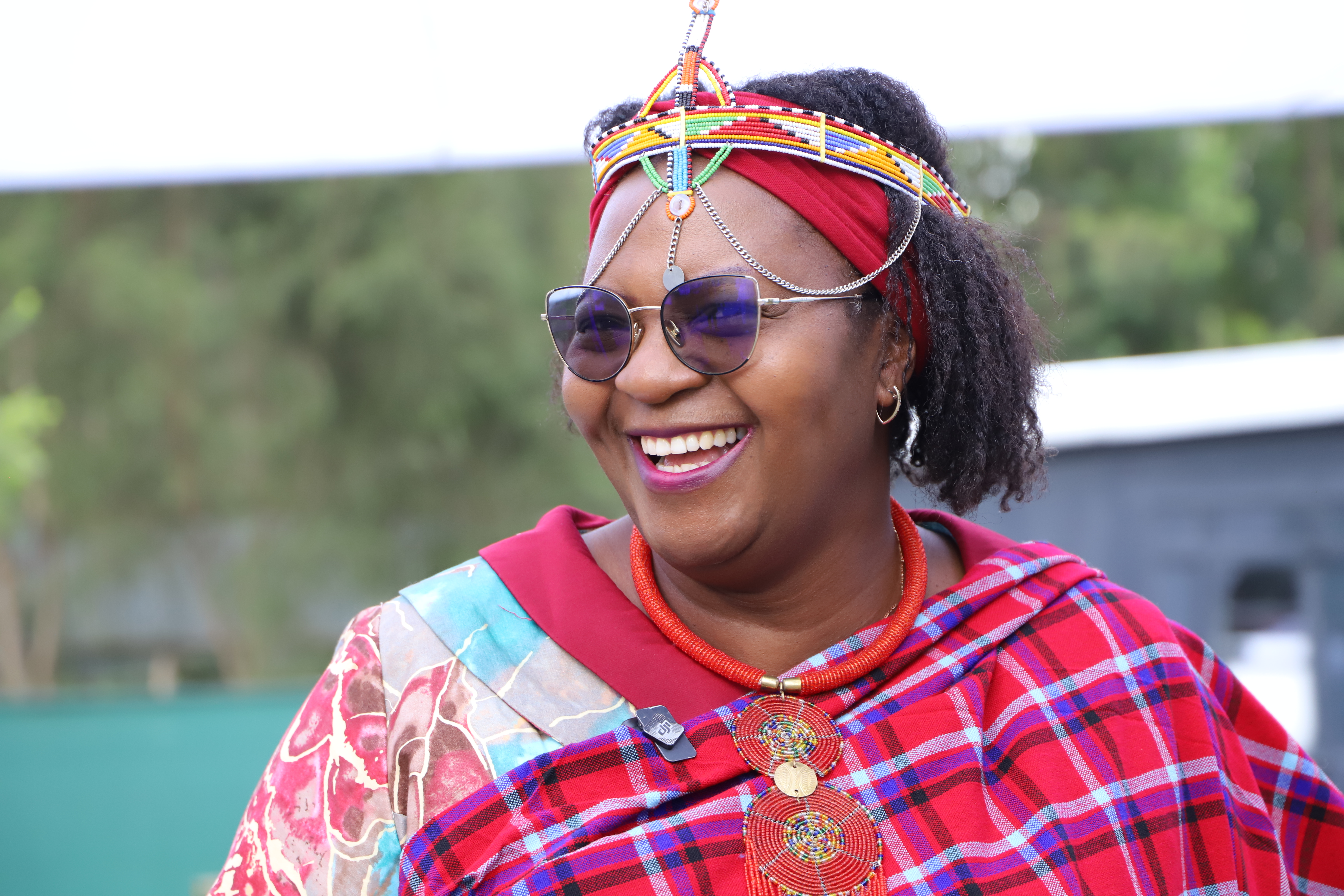
By Dr. Claudia Shilumani - Regional Director, IPPF Africa Regional Office There is a particular kind of humility that comes with stepping into a role you have prepared for and still discovering, in the very first weeks, how much you do not yet know. I arrived as Regional Director of IPPF Africa Regional Office with two decades of experience in health systems and advocacy behind me. I often carry with me frameworks, instincts and ideas. But this time, I arrived, quite deliberately, with my mouth more often closed than open. Six weeks of listening — in clinics, in community spaces, in crowded meeting rooms and on late-night video calls — have given me something more valuable than a hundred briefing notes ever could. They have given me a picture of a movement that is already in motion. Strong, battle-tested, and refusing to be diminished by the pressures closing in around it. This reflection is my honest account of what I found. What I saw in Embakasi changed the way I understand our work I went to a peri-urban settlement in Embakasi not expecting to be moved. I was moved. At the REHNET medical centre run by our Associate Member, the Reproductive Health Network Kenya (RHNK), I watched frontline clinical teams provide care to the people most routinely left out of health systems: young mothers navigating impossible choices, LGBTQI+ individuals seeking dignity alongside treatment, sex workers who deserve safety and respect and too rarely receive either. Through RHNK's digital platform, Nena na Binti, young people across Kenya are reaching out daily for trusted, confidential information on contraception, abortion care, HIV testing, gender-based violence, and mental health. Not occasionally. Daily. What I witnessed was not a gap-filling service. It was a functioning ecosystem built not on donor enthusiasm or policy windows, but on years of quiet, consistent commitment and the kind of community trust you cannot manufacture from the outside. This is what Dignity, Community, and Resilience look like in practice — not just as values on a charter, but as values in a waiting room. And it is being built against odds that are getting steeper. Funding is tightening. IPPF's own data shows the Federation has faced over $87.2 million in estimated funding losses, with over 1,300 service delivery points closed across the continent. Anti-rights groups are more organised, better financed, and increasingly fluent in the digital spaces where our communities live. The pressure is not abstract. It is showing up in empty stockrooms and overstretched staff and young people being turned away. What grounds me is the evidence that the people doing this work are not waiting to be rescued but are adapting, innovating, and holding the line. My job is to stand with them, not in front of them. Trust is the infrastructure nobody budgets for In Nairobi, I sat with a group of partners representing a cross-section of Kenya's SRHR ecosystem including researchers, advocates, service providers and youth leaders. It was not a polished stakeholder convening. It was honest. Sometimes uncomfortably so. What came through clearly was not frustration with the work itself but with how we work together. The fragmentation. The parallel strategies. The information shared selectively rather than generously. The competition for positioning in spaces where collaboration would serve our constituencies far better. One comment has stayed with me, and it is that trust between organisations, beyond being a soft value is operational infrastructure. Without it, we cannot share intelligence quickly when anti-rights actors move, we cannot coordinate advocacy when a policy window opens, and we cannot hold each other up in the moments of institutional pressure that are coming for all of us. IPPF's 2025 General Assembly in Bali set a clear direction under the theme Lead with Love, Care with Courage. Our newly adopted Charter of Values built from the voices of MAs across the Federation grounds us in seven commitments: Dignity, Equality, Justice, Pleasure, Community, Integrity, and Resilience. These values are a map for how we should be in relationship with each other and with the communities we serve. Building that kind of trust, consistently and unglamorously, is the work I am committing to in this region. African leadership must stop being described as 'emerging' There is a framing that has followed African SRHR advocates for as long as I can remember. It positions African knowledge, African experience, and African leadership as things in development, promising, perhaps, but not yet fully formed. It shows up in who is invited to speak at global forums, whose research shapes policy frameworks, and whose organisations receive the flexible, long-term funding that makes strategic thinking possible. I want to name it plainly because I find it exhausting and inaccurate in equal measure. The organisations I spent time with in these six weeks are not emerging anything. They are fully formed, strategically sophisticated, and sitting on a wealth of lived knowledge that no external consultant can replicate. The gap is not in their capacity but in how global systems value and resource what they have built. IPPF Africa Regional Office has a responsibility — one I take seriously — to ensure that African voices are not just present in regional and global spaces, but that they are shaping the agenda in those spaces. The Bali GA was explicit about this: we are a Federation rebuilding its strategic direction toward 2028, and that direction must be led from the ground up, not handed down. Africa’s SRHR movement does not need to be led from outside Africa. It needs to be resourced, amplified, and protected from within. On courage, coherence, and what comes next Six weeks is not long enough to have answers. It is long enough to have better questions. The question I keep returning to is this: in an environment defined by shrinking resources, coordinated opposition, and shifting political ground, what does it mean to lead with courage? Not the rhetorical kind but the operational kind. The kind that shows up in which partnerships we prioritise, which battles we take on publicly, and how honest we are willing to be with each other about what is working and what is not. At the GA in Bali, IPPF as a Federation committed to reconfiguring its strategic priorities and declaring its political intentions toward 2028. For the Africa Region, that declaration must be grounded in what I have seen and heard over these past weeks: communities that are not waiting, organisations that are not fragile, and a movement that needs coherence and resourcing more than it needs new frameworks. I am under no illusion that the road ahead is straightforward. The post-ODA landscape is reshaping the funding architecture our partners have built their models on. Anti-rights actors are learning from each other at a pace that demands we do the same. The gender justice and bodily autonomy agenda is contested in ways it has not been in recent decades. But I did not take this role to manage a steady state. I took it because I believe the foundation for SRHR in Africa is solid enough to build something more intentional, more interconnected, and more honest about the world we are actually in. Africa's women, girls, young people, and marginalised communities have never needed us to have all the answers. They need us to show up with integrity, to fight with clarity, and to build with them — not for them. Six weeks in, that is the leadership I am committing to. Not because it is comfortable, but because it is what this moment demands. Dr. Claudia Shilumani is the Regional Director of the International Planned Parenthood Federation Africa Regional Office (IPPF ARO), based in Nairobi, Kenya. She writes in her personal capacity as a leader and advocate within Africa's SRHR movement.
10 April 2026
New IPPF Africa Regional Director reaffirms commitment to stronger SRHR advocacy and partnerships in Kenya
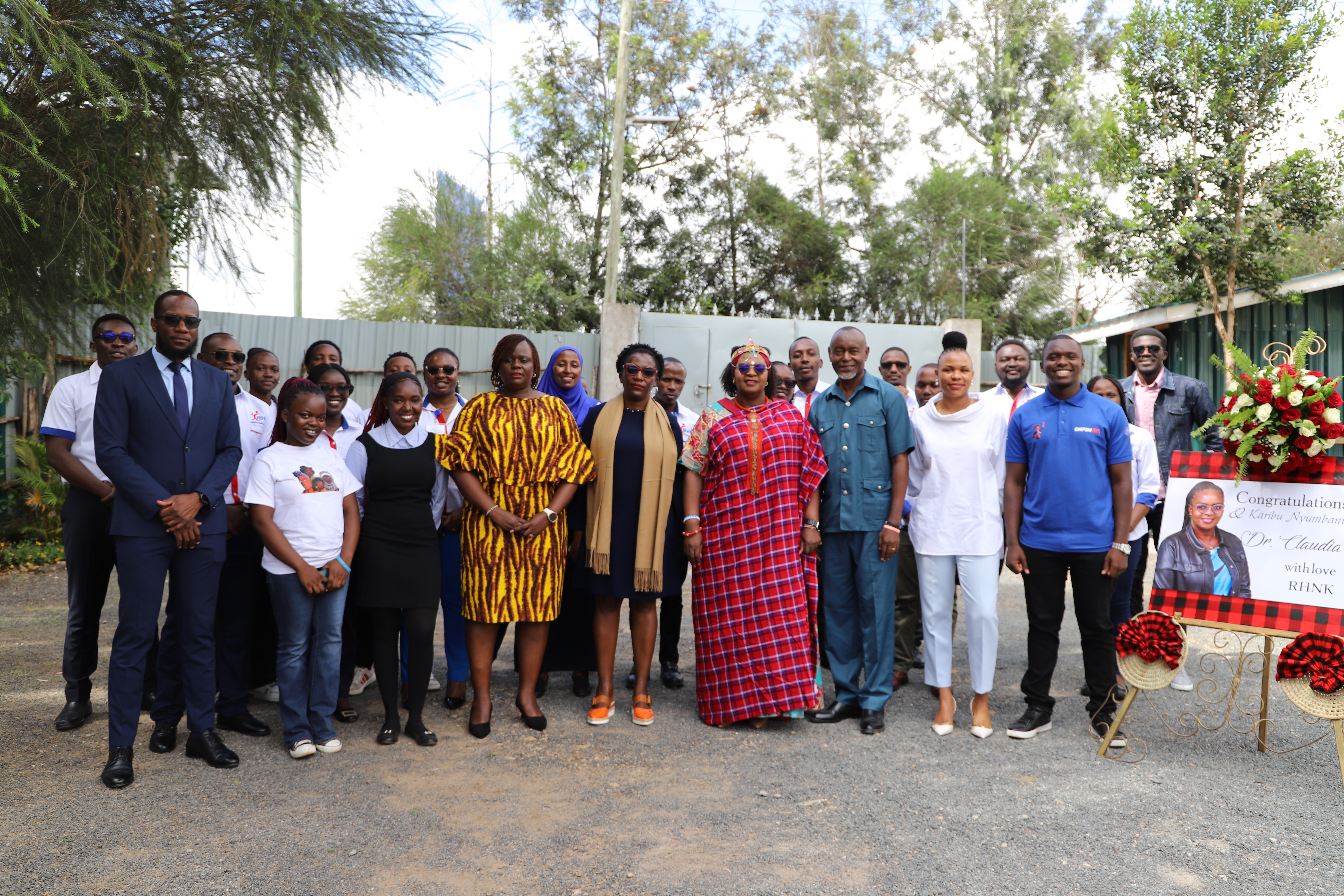
Nairobi, Kenya. Dr. Claudia Shilumani, the new IPPF Africa Regional Director has reaffirmed the commitment of the Federation in stewarding the sexual reproductive health and rights (SRHR) ecosystem in Kenya and the wider Africa Region. She made the remarks on Wednesday, 8 April 2026, during her visit to Reproductive Health Network Kenya (RHNK) -IPPF’s Member Association (MA) in Kenya. The visit marked her first in-person engagement with an IPPF MA since assuming office in March 2026. Dr. Shilumani used the opportunity to gain a broader practical understanding of how MAs operate on the ground, while engaging with the governance and leadership teams, staff, youth, and partners. The visit offered valuable insights into RHNK’s reputable work in advancing SRHR in Kenya, and the critical role that IPPF continues to play in supporting these efforts. At RHNK, she was received by the organization’s Executive Director Ms. Nelly Munyasia, Board Chair Mr. John Daluma, Board Member Ms. Evelyne Opondo, and Youth representative Mr. Simon Kiambati, among others. Ms. Mallah Tabot, the SRHR Lead at IPPF Africa Regional Office accompanied her for the visit. Describing the engagement as part of her desire to listen and learn from MAs, Dr. Shilumani commended RHNK’s leadership in addressing Kenya’s SRHR needs and their work with young people who are central to IPPF’s mission. “The future of our continent depends on youth. It is therefore important that we take deliberate action to ensure they thrive. Their sexual and reproductive health is fundamental to their well-being and productivity, and I am impressed by the work RHNK is doing to support Kenyan youth,” she said. Showcasing RHNK’s influence in SRHR Founded in 2010, RHNK has established itself as a leading SRHR champion in Kenya. With a network of over 500 service providers operating across the country, RHNK delivers comprehensive SRHR services including abortion care, and prioritizes advocacy for policy reforms, equitable access, and the realization of rights for all. During the visit, RHNK showcased its work with adolescent and youth programming, maternal health care, capacity building, research and innovation, as well as movement building. The Regional Director also learned about RHNK’s interventions that support teenage girls, young mothers, members of the LGBTQ community, rural populations and other vulnerable groups. Growth through IPPF’s partnership Since joining IPPF as an Associate Member in 2022, RHNK has witnessed significant growth. “We have benefitted immensely from IPPF’s support. This has been through commodity acquisition, capacity building, and expanded networks at local, regional and global levels. With IPPF’s financial and technical assistance, we have strengthened service delivery at our static health facilities, and scaled up outreach activities such as mobile clinics, peer education activities and humanitarian interventions during times of crisis. This has enabled us to reach more people, including those in hard-to-reach areas,” said Ms. Munyasia. The results have been remarkable. “In 2021, RHNK served about 215,000 people. By 2025, that number had grown to over 4.5million people, many of them youth. This growth is largely attributed to our partnership with IPPF, which remains our great pillar of support,” said Dr. Edison Omollo, RHNK’s Program Director. Site visit to REHNET medical center As part of the visit, the Regional Director toured RHNK’s youth-friendly facility -the REHNET medical center at Kwa Ndege, Embakasi, which is a peri-urban settlement area. There, she witnessed, first-hand, how clients, including young mothers, access reproductive health services in a safe and supportive environment. The REHNET medical center serves youth from the surrounding informal dwellings. It provides a safe and inclusive space for adolescent mothers, youth, LGBTQ individuals and sex workers, where they access quality SRHR delivered by trained health professionals. The center also supports them to have conversations that promote their mental well-being. At the facility, Dr. Shilumani was introduced to the pharmacy, a social enterprise run by RHNK that helps young people access SRHR commodities at an affordable, subsidized fee. ‘Nena na Binti’ for digital health The Regional Director also explored RHNK’s digital outreach efforts through the Nena na Binti call center, a toll-free hotline providing confidential, non-judgemental SRHR information, counselling and referrals to girls, women, and even young men from across the country. According to Ms. Nancy Lynne Okutoyi, the call center coordinator, the platform receives an average of 40 calls daily, with numbers rising during school holidays. “During school breaks, young people reconnect, and many seek information on condoms, contraceptives, HIV testing and sexually transmitted infections. We also receive gender-based violence related calls,” she said. Because of RHNK’s network of accredited service providers across Kenya, callers from any part of the country are seamlessly referred to nearby health facilities for further care and support. “Indeed, RHNK is a leading example of youth-friendly, inclusive and transformative SRHR service delivery,” noted the Regional Director. Strengthening partnerships for greater impact Dr. Shilumani’s visit concluded with a high-level engagement with RHNK’s key partners. Together, they discussed opportunities to strengthen collaboration and SRHR programming in Kenya and beyond. The partners included Ms. Lucy Kimondo, the Ag. Director General of the National Council for Population and Development (NCPD), Prof. Joachim Osur -Vice Chancellor of Amref International University, Ms. Elsy Sainna from Center for Reproductive Rights (CRR), Dr. Walter Obita -Country Director of MSI Reproductive Choices Kenya, and Dr. Musoba Kitui from Ipas Africa Alliance. Other partner organizations included Pathways Policy Institute, International Center for Research on Women (ICRW) led by Evelyne Opondo, the Center for the Study of Adolescence (CSA), and Youth Voices and Action Initiative (YVAI). During the discussions, Dr. Shilumani acknowledged the increasingly challenging environment that many NGOs are currently operating in. “Our work is under threat from growing anti-rights movements, which risk reversing the gains we have made over the years. Shrinking donor funds and biased funding conditions are also threatening our work,” she noted. “However, we are not discouraged as these challenges have only strengthened our resolve. We will not relent in fighting for the sexual reproductive rights and freedoms for all people.” RHNK’s partners emphasized the need for more strategic engagement with political actors for enhanced success. “We must intentionally include political leaders in our SRHR conversations. While cultural and legal advocacy remains important, political actors are also key decision-makers. Strengthening our engagement with them will help us advance in our cause,” said Ms. Sainna from CRR. Dr. Shilumani ended with IPPF’s firm commitment to supporting RHNK and its partners in amplifying African leadership and centering African voices in global spaces. “We must build a strong Africa-led SRHR movement. This is the time to organize, strategize and strengthen our coalitions. We must leverage our collective voices that will counter harmful SRHR narratives and enable us to continue serving those who matter most to us -Africa’s girls, women, youth, men and communities.”
11 March 2026
Eliminating barriers to safe abortion: the experience of one abortion care provider in Kenya
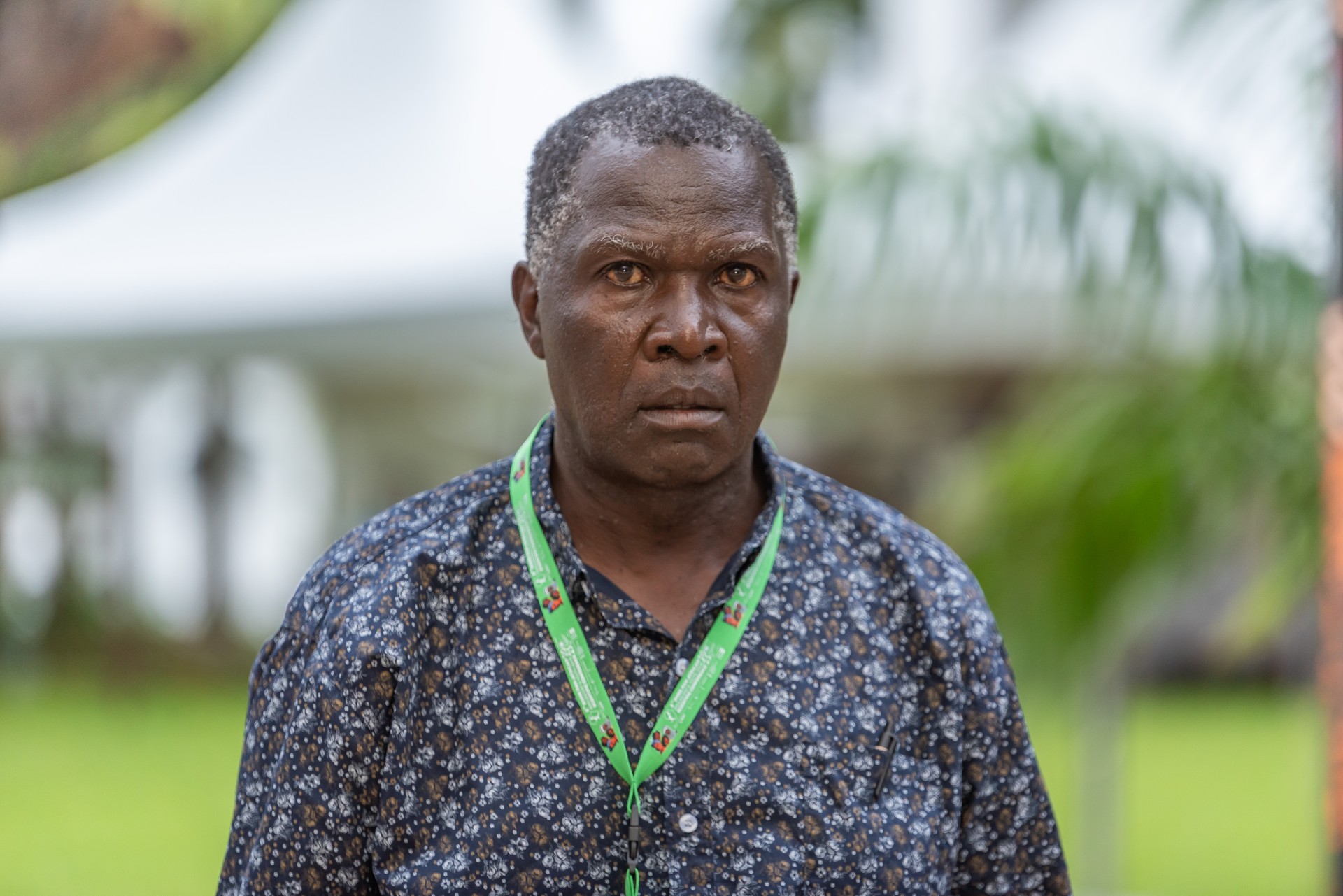
Ben Masinde, a registered nurse worked as a civil servant in government hospitals in Kenya’s western region for 34 years before retiring at the age of 60. Following his retirement in 2020, Masinde established the Benglad Health Center in Chwele, a busy commercial hub in Bungoma county, western Kenya. The center provides a wide array of services including reproductive, maternal, newborn and child health services to those in and around Chwele. The facility has a maternity wing that operates on a 24-hour basis. In this article, Masinde speaks about one of the services offered at his clinic –abortion care, his affiliation with IPPF’s Associate Member in the country -Reproductive Health Network Kenya (RHNK), and how his outlook on abortion care has changed since he established the facility five years ago. He narrated his abortion provider care journey to Maryanne W. WAWERU. “When I started the Benglad Health Center, I was only competent in providing post-abortion care (PAC) services, having been trained by the government back in 2004. At the government hospitals, we would receive a handful of PAC cases in a month, which my colleagues and I would handle capably. Things were no different at the Benglad Health Center, for I would receive several PAC clients in a month. Many times, the clients would present with extreme abdominal pain, while others would be brought in dizzy and weak, having lost a significant amount of blood from a botched abortion. Some would arrive with chills and high fevers, an indication of infection. Others would be brought in unconscious and in a half-dead state. The worrisome number of women and girls presenting with complications from unsafe abortions at my facility greatly worried me. The extent of the matter further dawned on me after realizing that I was the one to handle them – compared to when I worked in government hospitals with a team of well-trained colleagues. Now, I was their sole hope for survival. Religious convictions against abortion As I attended to the PAC cases at the facility, I noticed something else; an increase in the number of girls and women seeking comprehensive abortion care (CAC) services. They would tell me that they were pregnant and that they wanted to terminate their pregnancies safely, hence why they had come to a decent-looking health facility in the town center. They said they did not want to risk a botched abortion from quacks in the village as they had heard of cases of girls in their neighbourhood who had died from unsafe procedures. However, the requests for CAC agonized me because I neither had the competence nor the experience required to provide this service. I had a lot of uncertainty about it. In any case, my religious convictions prevented me from offering CAC services. Needless to say, it did not take long for me to begin analysing the matter from a practical point of view. The number of PAC clients were concerningly worrisome, with their dire situations being preventable in the first place. Seeing women at the near point of death led me to start reconsidering my rigid stance on CAC services. Clarifying my views on abortion Meanwhile, I continued to expand my networks as a private health care provider in Bungoma and the larger western Kenya region. During this time, a fellow clinician who understood my dilemma about abortion services introduced me to Reproductive Health Network Kenya (RHNK). The clinician told me that RHNK would help me tackle some of the challenges I was facing as a clinician who offers sexual reproductive health (SRH) services, including those around abortion care. I welcomed the idea and joined RHNK in 2022 – two years after establishing the center. Upon becoming a member, I was first taken through a Values Clarification and Attitude Transformation (VCAT) training, which helped to demystify some of my views on abortion. The training broadened my understanding on why girls and women procure abortions, and the need for them to have access to affordable, high-quality safe procedures. As I absorbed the VCAT teachings, I knew that I had to reconcile my strong religious convictions about abortion with the need to help save the lives of women and young girls in Bungoma county and beyond. RHNK followed up the VCAT training with others on CAC and PAC. The PAC training refreshed and updated my already-existing knowledge on the practice, while the CAC training gave me the confidence to start the journey of saving the lives of young women and girls through the provision of quality abortion care strictly within the confines of Kenya’s laws and policies. Reduced PAC cases After the trainings, RHNK provided me with a CAC starter kit which enabled me to begin providing surgical and medical abortion services. Other clinicians who found themselves unable to provide abortion services at their facilities due to various reasons started referring clients to Benglad Health Center, as they knew I would capably attend to them. This, courtesy of the trainings I had received from RHNK. Gradually, girls and women started coming to my facility directly without going to quacks in the village or other unlicenced practitioners first. This is a practice that had previously contributed to the high PAC cases. I was now able to attend to all those seeking safe abortion services without turning them away because of my religious convictions or my lack of competence in the area. With time, I noticed a decrease in cases of those presenting with unsafe abortion complications and today, I hardly receive any PAC cases, something I can attribute to the increased awareness in the community about safe abortion services at the facility. Our charges are affordable and reflect the economic situation of my clientele. We charge between 2,000 – 4,000 Kenyan shillings ($15 - $31) for abortion services, though this can be reduced or waived depending on the clients’ circumstances. We do not turn away any client just because they cannot afford the charges. Connecting with other abortion care providers In February 2025, RHNK invited me to a provider share workshop (PSW). The workshop brought together several abortion care providers under the organization’s network. There, I met other service providers within the RHNK network. Drawn from different geographical locations across the country, I established that some of the practitioners had been providing CAC services for a short period of time such as myself, while others carried decades of experience. Collectively, we shared our experiences in abortion provision, and it was great to learn of our unique, yet similar experiences. There were lots of lessons to learn from each other. Additionally, at the provider share workshop, we formed a WhatsApp group which has been instrumental in continued peer-peer support amongst ourselves. Whenever we are faced with a dilemma or a challenging situation, we quickly reach out to colleagues in the forum and receive prompt assistance. Recently, I encountered a difficult abortion case, and I reached out to a service provider who I met during the provider share workshop who has been providing CAC services for decades, and he successfully guided me through the situation. No longer ‘alone’ The support from RHNK has been very helpful as I no longer feel ‘alone’ as an abortion care provider. Being a member of the network and the experiences we continue to share as abortion care providers have been very encouraging. I am proud to be associated with an entity that is committed to saving the lives of girls and women across the country through the provision of high-quality client-centered abortion services. Today, I can with confidence say that through the safe abortion services provided at Benglad Health Center, the lives of several girls and young women in Bungoma county have been saved. I remain committed to this cause, thanks to partners such as RHNK and IPPF.

14 August 2025
IPPF in Action: Delivering life-saving SRH services across Africa’s humanitarian crises
By Moctar Menta When conflict, climate disasters or epidemics strike, essential health services are often the first to collapse. Yet, the need for sexual and reproductive health (SRH) does not disappear or diminish with humanitarian crises. Instead, in most instances, it becomes more urgent and critical. In these moments, the International Planned Parenthood Federation (IPPF) responds rapidly to ensure that women, adolescents, and other vulnerable populations have access to the care they need to stay healthy and safe. Between 2024 - 2025, IPPF, through its humanitarian funding mechanisms –Stream 3 and SPRINT, delivered emergency SRH services in over 11 African countries. Stream 3 -which is IPPF’s internal rapid funding tool, and SPRINT –supported by the Australian Government, enabled local IPPF Member Associations (MAs) to act quickly in the face of crises. From conflict zones to flood-hit communities, these responses brought care directly to people, often where no other services were available. In sub-Saharan Africa, IPPF facilitated more than 215,000 people’s access to SRH and related clinical services during this period. Over 70% of these beneficiaries were women and girls. The range of services included family planning, antenatal and maternal care, HIV and sexually transmitted infection (STI) prevention and management, as well as support for survivors of gender-based violence (GBV). Children under five were also treated for infections and dehydration, especially in areas facing food insecurity or disease outbreaks. Nigeria In Nigeria, where floods displaced thousands, IPPF’s MA in Nigeria -the Planned Parenthood Federation of Nigeria (PPFN) reached over 13,000 people in 20 outreach points in Jigawa State. Among them, 4,600 were tested for HIV and more than 1,300 received family planning services, 700 of them for the first time. An emergency care set-up was managed on-site by outreach staff, where emergency cases were handled, including women in labor. “Reaching flood-affected communities within hours of the alert was key,” said Dr. Paul Odigbo, PPFN Programme Manager. “Women arrived in labor or without access to medication. We had to be there, no matter what.” Ethiopia In Ethiopia, where conflict in the Tigray region has disrupted services, more than 45,000 people were reached with SRHR services courtesy of the Family Guidance Association of Ethiopia (FGAE), which is IPPF’s MA in the country. FGAE’s interventions helped avert over 600 unintended pregnancies and more than 130 unsafe abortions. Unintended pregnancies and unsafe abortions are among the leading causes of maternal illness and death in humanitarian settings, where access to contraception and safe care is often severely limited. Women like Selam, a 31-year-old displaced mother, described how antenatal care and cervical cancer screening brought hope after months without medical access. “When we were forced to move, we lost everything. But the care from FGAE. The organization gave me hope again,” she said. South Sudan South Sudan presented even greater challenges. Resulting from ongoing conflict, economic collapse, and an influx of returnees fleeing violence in Sudan, the country continues to face widespread displacement and strained health systems. Despite the insecurity and displacement, nearly 15,000 individuals (10,400 female and 4,400 male) were reached with services ranging from GBV care to antenatal support, courtesy of Reproductive Health Association of South Sudan (RHASS) -which is IPPF’s representative in the country. Over 1,800 clients received contraceptives, and 235 births were supported in a mix of services offered by RHASS in collaboration with partner government health facilities. Mary, a survivor of sexual violence, described how access to counseling and care provided by RHASS health workers helped her begin to heal. “I wanted to give up,” she said. “But the health workers gave me strength.” Mozambique In Mozambique’s Cabo Delgado Province, the district of Mecúfi faced the aftermath of Cyclone Chido, which destroyed homes and significant health infrastructures, among other destructions. In response, Associação Moçambicana para o Desenvolvimento da Família (AMODEFA) -IPPF’s local partner in the country, deployed mobile clinics, delivered dignity kits, and conducted community talks on family planning and gender-based violence prevention. Over 15,000 people (9,500 female and 5,700 male) received services. Clinical interventions included family planning services, STI treatment, antenatal care, and psychosocial support for GBV survivors, with more than 40 mobile health brigades deployed across isolated communities. In Chad, despite political tensions and the arrival of thousands of refugees fleeing conflict in Sudan, over 10,000 people received SRH services, including 4,300 who accessed different forms of contraception. IPPF’s local partners in Senegal (Action et Développement (ACDEV); in the Central African Republic (Association Centrafricaine pour le Bien-Être Familial (ACABEF), and in Liberia (Community Healthcare Initiative (CHI) each delivered services to thousands of displaced or flood-affected populations. In Kenya, the Reproductive Health Network Kenya (RHNK) reached over 12,000 people, including many first-time family planning users. Adaptability measures to ensure service provision This scale of impact would not have been possible without adaptability measures. In places like Liberia and the Central African Republic (CAR), Member Association staff navigated blocked roads by boats and motorbikes. In South Sudan, outreach teams coordinated with local authorities and security actors to access camps for internally displaced persons (IDPs). Where abortion care was legally restricted, teams focused on post-abortion care, contraception, and counseling. Social media was also used to raise awareness and mobilize communities. Equally important was the effort to tell these stories. AMODEFA’s communication strategy included publishing over 60 social media posts that highlighted stories of courage and resilience. The visibility helped build trust, encourage health-seeking behavior, and show communities that they were not forgotten. The AMODEFA Facebook page saw engagement increase by more than 230% in just two months. The results went beyond clinical numbers. In each country, exit strategies were developed to transition emergency services into comprehensive SRH services. In response to emergencies, service delivery points (SDPs) were established in each country to meet immediate sexual and reproductive health and rights (SRHR) needs. As the crises subsided, six SDPs were transitioned into permanent MA static clinics to ensure continued access to essential SRHR services in Nigeria and Kenya. In CAR, three SDPs were successfully transitioned. Effective partnerships In South Sudan, eight public health facilities, including Gumbo and Rokon primary healthcare facilities were equipped with supplies, staff training, and service delivery support by RHASS, and later transitioned to government partners for continued SRH care. In Ethiopia, FGAE established public-private partnerships with government health offices to maintain care beyond the crisis window, including joint service delivery, referral networks, and capacity-building of public health staff. In CAR, three mobile outreach clinics operated by Association Centrafricaine pour le bien-être familial (ACABEF) were successfully transformed into static service delivery points, ensuring communities continue to access SRH services after the emergency phase. *For detailed results and country-specific case studies, visit IPPF humanitarian page. Rights-based humanitarian response IPPF’s humanitarian work in Africa shows what is possible when response is fast, local, and rights-based. The Stream 3 and SPRINT funding mechanisms proved vital during each crisis, where local IPPF partners delivered timely services in unstable environments. As new emergencies emerge, whether due to climate, conflict, displacement or other unprecedented factors, continued investment is critical. Indeed, SRH is not a secondary concern during emergencies. It is essential. It prevents maternal deaths, supports survivors of violence, and protects the dignity of people in crisis. With sustained support, IPPF will continue to reach the most vulnerable, saving lives and restoring hope where it’s needed most. Moctar Menta is the Humanitarian resource person at the IPPF Africa Regional Office
19 June 2025
Reclaiming African Pride: We Refuse to Be Legislated Out of Existence
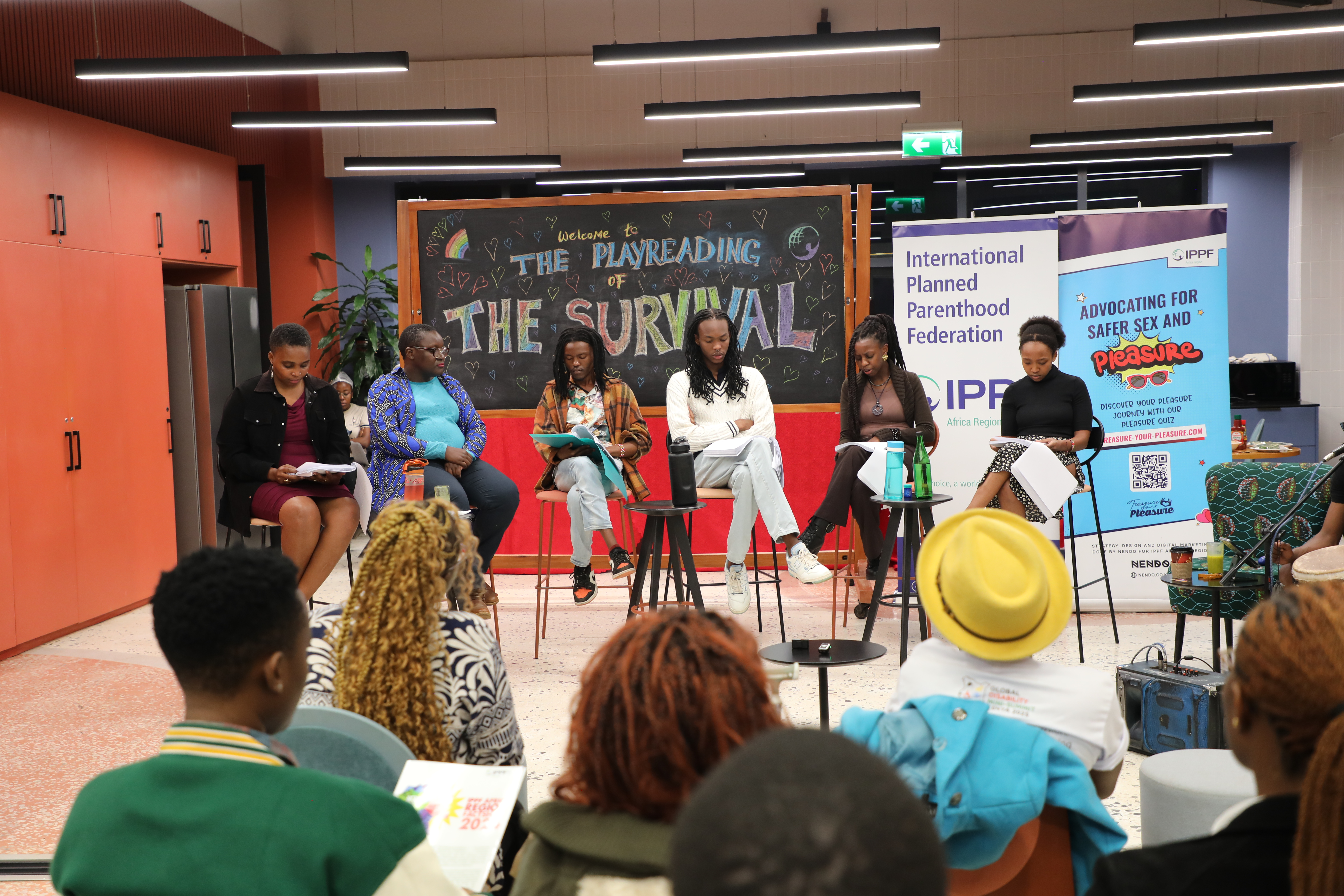
By Benedicta Oyedayo Oyewole, When we speak of celebration in the spirit of Ubuntu, we are not merely referring to events or visibility moments. We are evoking a deeper, collective joy rooted in resistance, relationality, and the politics of being. Ubuntu says, ‘I am because we are,’ and in that spirit, celebration becomes a political act. It takes the form of music, laughter, dance, vibrant colours, and in some African cultures, masquerades that shake the ground beneath our feet. These are not aesthetics for performance. They are expressions of collective memory, resistance, and survival. In those moments, people feel seen. Not tolerated, seen. Not permitted, respected. People move with agency. With defiance. With joy that is not passive, but revolutionary. That is Ubuntu. That is Pride. But that spirit has been systematically stripped away. The rupture between what Pride once meant within our cultural contexts and what was violently imposed through coloniality and heteropatriarchy has bred something else: fear. Fear of being visible. Fear of claiming space. Fear of simply existing outside sanctioned norms. Across the world, recent years have seen the rapid digitalization of social movements, a fourth wave of feminist organizing, and hard-won victories by women, girls, sex workers, LGBTQI+ persons, young people, and historically marginalized communities. From viral digital campaigns to mass protests, we’ve witnessed new forms of movement-building and global solidarity. But with these gains has also come an emboldened rise in fascism and rollback of some of these victories. As liberationist and leftist politics gain renewed momentum, especially across the Global South, we are simultaneously witnessing a concerted effort to attack human rights. In the African region, we have witnessed not only growing visibility of the anti-rights movements but also a sharp rollback in human rights. The rise of regressive laws and policies often framed as a return to so-called “African values” is a deliberate effort to police who we are, who we have been, and who we are allowed to become. It is a chilling testament to the persistence of neo-colonialism in the 21st century, one no longer cloaked solely in economic domination, but also in the export of ideologies that endanger lives. This anti-rights agenda is being aggressively driven by well-funded, right-wing groups from the Global North, who actively fuel regressive laws and narratives across Africa. Their interference not only undermines local human rights efforts but also deepens the structural violence experienced by already marginalised communities. From the signing of Uganda’s Anti-Homosexuality Act, one of the harshest anti-LGBTQ+ laws in the world to the introduction of Kenya’s Family Protection Bill, we are witnessing a region-wide effort to legislate queer existence out of public life. In Ghana, the Human Sexual Rights and Family Values Bill was passed by parliament but withheld from assent by former President Nana Akufo-Addo. It is now set to be reintroduced and is reportedly ready for its first reading. In Mali, same-sex consensual relationships have been criminalized; Burkina Faso’s military junta has proposed a similar bill declaring that "henceforth homosexuality and associated practices will be punished by the law." A member of parliament in the Democratic Republic of Congo has similarly proposed anti-LGBTQ+ legislation. In Liberia, a legislator introduced the Anti-Homosexuality Law of Liberia 2024, which mimics many aspects of the anti-homosexuality laws of Nigeria and Uganda and the anti-LGBTQ bill that Ghana’s parliament approved. Meanwhile, in Namibia, President Nangolo Mbumba declined to sign two anti-LGBTQ+ private members’ bills. Zimbabwe has, in the same light, passed the Private Voluntary Organisations (PVO) Amendment Bill into law, a move that severely constrains community organizing. Across the region, we are seeing not isolated incidents, but a coordinated attack on rights, a systematic effort that places LGBTQI+ Africans under surveillance, under arrest, under threat in their homes, communities, and in their bodies. In these heavy and coordinated attacks across the region, joy has become difficult to hold. The scramble for safety persists, and joy feels distant when the warplanes are still flying overhead. We are living through a terrifying global moment marked by State-sponsored repression, global broadcast of ethnic cleansing, and the shrinking of civic space. For LGBTQI+ Africans, this moment brings disproportionate subjugation. The question remains painfully urgent: Where do we go to be free? So, we hold space to ask: What does freedom truly mean? What counts as liberation when laws may change, but our lives remain policed? Beyond legislation, how do we centre our existence, our joy, our right to be? One way is through the creation of safer spaces that honour the intimacy of community and the power of being in relation with one another. We carry each other. We sustain each other. This was powerfully evident in the celebration that ushered in Pride Month, a queer play reading held in collaboration with IPPF Africa Region. We came together not just to read words on a page, but to affirm our survival, our resistance, and our collective becoming. IPPF Africa Region created a supportive space for this conversation for LGBTQI+ persons to feel safe within themselves and with community. The play reading was described as “we are all a river, growing together,” a metaphor that speaks to our collective flow, strength, and interconnectedness. In this moment, simply being together is an act of resistance. It is revolutionary. Given the current landscape of LGBTQI+ organizing across the continent, where visibility can come at great cost, gathering in joy, in solidarity, and in story is itself a radical form of movement-building. Rooted in collective resistance and relationality, this moment reminds us that movements are not only sharpened in protest but also in presence, in sitting beside one another and bearing witness to each other’s truth. The piece, "The Survival" by Achiro P. Olwoch, follows a young woman in homophobic Uganda who becomes pregnant by a homosexual man, a scandal deemed unthinkable in a society that condemns both. It is a tense, emotional journey to keep the truth hidden in a world that offers little to no mercy. After the reading, guests shared varied reflections, emphasizing both the need for more focused and inclusive spaces and a heightened awareness of the precarious state of human rights, not only regionally but globally. Amid these challenges, our stories of unity and purpose continue to shine. Our voices remain testaments to our resilience, and art stands as part of that resilience. As one participant said, “Let’s continue using art for the value it can bring to our society.” This is what African Pride looks like: fierce, rooted, defiant, collective. It is not a borrowed concept. It is ours, born of the drum, the dance, the survival, the storytelling. African Pride is not a moment. It is a movement. It is a memory. It is the future. And we will not be legislated out of it. Benedicta Oyedayo Oyewole, IPPF Africa Region Community Engagement and Partnership Lead

13 February 2025
IPPF Africa Region Welcomes Kenya’s Landmark Recognition of Intersex Persons
IPPF Africa Region Welcomes Kenya’s Landmark Recognition of Intersex Persons Nairobi, Kenya: 13 February 2025 – On 31 January 2025, Kenya has taken a groundbreaking step towards inclusivity and human rights by officially recognizing intersex as a sex marker alongside male and female in the Kenya Legal Notice 153 of 2025. This marks a significant policy shift that affirms the dignity and rights of intersex persons from birth. The International Planned Parenthood Federation Africa Region (IPPFAR) welcomes this milestone, which reflects the tireless efforts of intersex persons, activists, and allies who have long advocated for legal recognition. By including intersex in official documentation, Kenya is addressing years of systemic marginalization and laying the foundation for greater visibility and protection. This recognition is more than just an administrative change; it is a crucial affirmation of the existence, dignity, and rights of intersex persons who have long faced systemic marginalization. Societal stigma has forced many to conceal their identities, leading to a lack of public awareness, inadequate medical support, and legal invisibility. The extent of this invisibility is reflected in official data—while the 2019 census recorded only 1,524 individuals as intersex, the Kenya National Commission on Human Rights estimates the actual population could be as high as 1.4 million. The significance of this recognition is deeply felt within the Intersex community. Andy Maxwell, an intersex activist and Executive Director of Q We Rise Network expressed the overwhelming joy and validation this brings: “Finally, we can have our identity reflected on our identification documents. We are also incredibly excited about this victory, especially at a time when it felt like our efforts were being challenged.” Marie-Evelyne Petrus-Barry, IPPF Africa Regional Director, said: "This momentous recognition by the Kenyan government is a testament to the resilience and advocacy of the Intersex community and its allies. It is a vital step toward dismantling systemic barriers that have long denied intersex persons their rights and visibility. As we celebrate this progress, we urge continued efforts to ensure that legal recognition translates into real, lived equality, where intersex persons are free from stigma, discrimination, and medical violations". While legal recognition is a milestone, intersex individuals continue to face violations of bodily autonomy through forced medical interventions. Non-consensual procedures, often performed in infancy or childhood to fit binary norms, cause lasting physical and psychological harm. True inclusion requires not only recognition but also strong protections against these harmful practices, ensuring intersex persons have full control over their own bodies. “RHNK applauds the Kenyan government for this historic step in recognizing the rights and dignity of intersex persons. As an organization committed to advancing inclusive sexual and reproductive health rights and strengthening healthcare access, we emphasize the need to ensure that this recognition also leads to equitable, stigma-free and gender affirming healthcare services. Every intersex person deserves the right to bodily autonomy and access to non-discriminatory medical care”, said Nelly Munyasia, Executive Director, Reproductive Health Network Kenya, IPPFAR’s Associate Member in country. IPPFAR is committed to advancing intersex rights by working with communities, policymakers, and healthcare providers through Reproductive Health Network Kenya. While legal recognition is progress, ensuring meaningful protections and rights-based healthcare remains essential on the path to full equality. END For further information or to request an interview, please contact: -Mahmoud GARGA, Lead Strategic Communication, Voice and Media, IPPF Africa Regional Office (IPPFAR) – email: [email protected] / Tel: +254 704 626 920 ABOUT IPPF AFRICA REGION (IPPFAR) The International Planned Parenthood Federation Africa Region (IPPFAR) is one of the leading sexual and reproductive health (SRH) service delivery organization in Africa, and a leading sexual and reproductive health and rights (SRHR) advocacy voice in the region. Headquartered in Nairobi, Kenya, the overarching goal of IPPFAR is to increase access to SRHR services to the most vulnerable youth, men and women in sub-Saharan Africa. Supported by thousands of volunteers, IPPFAR tackles the continent’s growing SRHR challenges through a network of Member Associations (MAs) in 40 countries. We do this by developing our MAs into efficient entities with the capacity to deliver and sustain high quality, youth focused and gender sensitive services. We work with Governments, the African Union, Regional Economic Commissions, the Pan-African Parliament, United Nations bodies among others to expand political and financial commitments to sexual and reproductive health and rights in Africa. Learn more about us on our website. Follow us on Facebook, Instagram and YouTube.

14 December 2024
Men’s Role in Family Planning: Challenging Myths and Embracing Responsibility
Family planning is often seen as a woman’s responsibility, but men have an equally vital role to play in ensuring their families’ well-being. For men like Medgclay, embracing this shared responsibility has been transformative. His journey highlights the importance of informed choices, challenging misconceptions, and fostering open conversations about reproductive health, particularly when it comes to vasectomy—a safe and effective contraceptive method that remains misunderstood by many. A Childhood That Shaped My Perspective on Family Planning My name is Medgclay from Kenya, I have been married for 14 years, and I am a proud father of four children. Growing up in a family of 13 children, I know firsthand the struggles of providing for a large household. Resources were always stretched thin, and even basic needs like food and education were hard to come by. My wife came from a family of seven children, where her parents, as farmers, faced similar challenges. These experiences shaped how we approached family planning when we got married. When we started our lives together, we agreed to have only two children so we could offer them a stable, comfortable life. We hoped for a boy and a girl, and, to our amazement, that dream came true when our first pregnancy brought us twins. We were overjoyed and thought our family was complete. Back then, I viewed family planning as solely a woman’s responsibility, so I encouraged my wife to choose whatever contraceptive method worked best for her. Unfortunately, that wasn’t easy. Every method she tried brought severe side effects, hormonal disruptions, mood swings, weight gain, and allergic reactions. Eventually, she opted for a 5-year hormonal implant, which seemed to work initially. But three years later, while the implant was still active, she unexpectedly became pregnant. We welcomed another child, but it was clear that we needed a more reliable, permanent solution. Exploring Vasectomy: Overcoming Misconceptions and Fears After consulting numerous healthcare providers and exploring our options, a doctor suggested a vasectomy. I hesitated at the idea. Like many men in our society, I was burdened by misconceptions: Would it make me "less of a man"? Was it akin to castration? Would I be seen as weak or "useless"? Despite my education, these myths weighed heavily on me. But love for my wife and a commitment to shared responsibility made me open to exploring various options. After multiple consultations, I learned the truth: vasectomy is a simple, safe procedure with no negative impact on masculinity, sexual performance, or overall health outcome. With newfound understanding and my wife's support, I decided to undergo the procedure in July 2022, when our youngest daughter was six months old. The experience was straightforward, but we made a crucial mistake: we didn’t follow the post-operative guidelines properly. My wife stopped her contraceptives too soon, and by December, we were surprised to learn she was 12 weeks pregnant. This wasn’t a failure of the vasectomy itself; it was our misstep. The procedure was effective, and we learned an important lesson about following medical advice closely. This experience transformed me. I realised how deeply ingrained myths and misconceptions about vasectomy and family planning as a whole hold men back. I decided to take a stand. My wife and I began educating and engaging men in our community about the truth of vasectomy and the importance of shared responsibility in family planning. We’ve spoken to countless men, challenging harmful narratives, and offering accurate and science-based information. My story serves as a reminder that men have a vital role to play in family planning. World Vasectomy Day, observed on 15 November each year, is more than just a date on the calendar; it’s a global movement to empower men, dispel harmful myths, and promote open conversations about contraception. World Vasectomy Day celebrates men who take responsibility for their reproductive choices. I urge men everywhere to join the conversation. Ask questions, challenge harmful traditional values and beliefs, and consider the powerful impact of sharing responsibility in family planning. Together, we can create a world where family planning is recognized as a shared duty empowering couples, supporting communities, and securing a brighter future for all. Debunking Common Vasectomy Myths Here are some common misconceptions I’ve encountered and the truths that dispel them: Myth: Vasectomy reduces masculinity. Truth: It does not impact a man's masculinity or sexual performance. Myth: It diminishes sexual pleasure. Truth: Vasectomy does not affect sexual sensation or function. Myth: It’s permanent and irreversible. Truth: While intended to be permanent, vasectomies can sometimes be reversed through surgery. Myth: It weakens physical strength. Truth: Vasectomy has no impact on physical capabilities. Myth: It increases prostate cancer risk. Truth: There is no proven link between vasectomy and prostate cancer. Myth: It harms future relationships. Truth: Vasectomy does not impact fertility or relationships with new partners. Myth: It conflicts with religious beliefs. Truth: Views vary, and it’s important to consult religious leaders if needed. Men taking ownership their sexual and reproductive health is a chance to reshape how we think about family planning. Let’s engage men, confront myths, and spread knowledge. Together, we can ensure that every family planning journey is informed, inclusive, and empowering. I stand as a testament to the power of change, and I invite other men to step up and take this journey with me for the good of our families, our communities, and generations to come. By Medgclay

26 November 2024
Femicide in Africa: Confronting a Crisis of Gender-Based Violence
Femicide in Africa: Confronting a Crisis of Gender-Based Violence Femicide, the gender-based killing of women because they are women is one of the most extreme manifestations of gender inequality and patriarchal violence. Defined as the intentional murder of women rooted in misogyny, it is a chilling reminder of the systemic inequalities that persist across societies. This pervasive crisis is not just a collection of harrowing statistics; it is a global emergency that underscores the fragility of women’s safety in their homes, workplaces, and communities. As the world observes the 16 Days of Activism Against Gender-Based Violence, we are compelled to confront the rising epidemic of femicide, especially in Africa, and to demand collective action. Recent Tragedies: A Spotlight on Africa's Crisis The brutal murder of Olympic athlete Rebecca Cheptegei in September 2024 has highlighted the deadly crisis facing women across Africa. As Eunice Dollar, Executive Director of Smart Ladies Youth Initiative, one of Feminist Opportunities Now's grantee partner in Kenya expressed, "Rebecca Cheptegei's murder is yet another devastating blow. Another athlete was brutally killed on Kenyan soil. It is horrifying. And now, as we review the outcomes of the Agnes Tirop Conference - another marathoner who was brutally murdered by her partner, it is clear: we must do more than just ‘level the playing field’ for women in sports. We must take action to support female athletes and create an environment where they feel safe and empowered.” In Côte d'Ivoire, the murder on 11 September 2024 of a young woman aged 19 in the country’s capital, Abidjan, has rekindled concerns about femicide in the country. These latest tragedies follow a string of femicides that have sent shockwaves through the African continent. Among these are the heartbreaking death of Olympian Rebecca Cheptegei and the brutal murder of student Christana Idowu, who was abducted by a school mate and church member are painful reminders that femicide is a threat to all women. In 2022, UN Women reported, 89,000 women and girls were murdered worldwide the highest in two decades. Africa alone saw 20,000 women killed by their partners, marking one of the highest femicide rates globally. Côte d'Ivoire, like the rest of Africa, has seen an upsurge in femicide in recent years. The Ligue Ivoirienne des Droits des Femmes (Ivorian League for Women's Rights) recently issued a wake-up call, citing a report by the country's feminist association, which indicates that in 2020 alone, some 416 women were victims. Earlier this year, in response, women in Kenya rallied in the #EndFemicide march, demanding urgent action in the face of rising femicide cases. The Challenges: Stigma, Data Gaps, and Impunity It is important to note that these figures only represent reported cases, and do not fully reflect the acute reality of women and girls across Africa who have lost their lives to femicide. Cultural stigmas, underreporting of gender-related violence, and weak legal systems designed to protect women contribute to the crisis, obscuring the true scale. Additionally, one of the major challenges in addressing femicide is the lack of standardized methods for data collection or reporting across regions, making it extremely difficult to evaluate and compare global data. Despite these gaps, the numbers we do have are not just statistics; they represent the lives of women at stake, their safety compromised, and their futures stolen. This crisis goes beyond statistics; it speaks to the systemic impunity that allows violence against women to persist. Women and girls are unsafe even in their own homes, often at risk from the very people closest to them, those who are supposed to provide support and protection. More than half of these killings were carried out by individuals in positions of trust, by current or former husbands, intimate partners, or family members. Systemic Roots: Misogyny and Patriarchal Norms Femicide is deeply rooted in societal norms and inequalities that reinforce the subjugation of women. Despite its devastating impact, violence against women and girls remains one of the least prosecuted and punished crimes globally. It is "so deeply embedded around the world that it is almost invisible." in response, Ligue Ivoirienne des Droits Femmes (LIDF) has called for immediate action stating "Despite the laws and commitments made by the authorities to protect women's rights, too little effort is being made to ensure that these measures are strictly applied. The lack of diligence in investigations and the culture of impunity reinforce the cycle of violence." All forms of femicide, despite contextual variations, are rooted in misogyny and gender discrimination. Harmful gender norms, deeply ingrained patriarchal attitudes including beliefs in male dominance and the subordination of women, and weak or discriminatory legal systems that fail to protect women’s rights or hold perpetrators accountable are manifestations of the same gender inequality that drives violence against women. When societies tolerate or ignore gender-based violence against women, they ultimately normalize it, reinforcing gender inequalities and exacerbating the issue. Empowering Change: The Role of Feminist Organizations Governments must prioritize the fight against perpetrators' impunity to enable societies to challenge the normalization of gender-based violence. As Alejandra Garcia, the Feminist Opportunities Now (FON) Program Manager, emphasizes, "Only through this commitment can we begin dismantling the deeply ingrained acceptance of violence against women." The Feminist Opportunities Now (FON) project is a vital initiative in the fight against gender-based violence and the promotion of gender equality. Operating in 10 countries across Africa, Latin America, and Asia; including Kenya, Côte d'Ivoire, Ethiopia among others. FON provides technical and financial support to feminist civil society organizations, particularly smaller and often unregistered groups. Funded by the French Development Agency (FDA) and the French Ministry of Europe and Foreign Affairs, FON aligns with France’s feminist diplomacy through its Fund to Support Feminist Organizations (FSOF), created in 2019 to strengthen feminist movements globally. Intersectionality: Addressing Marginalization and Risk Factors Femicide does not occur in isolation, it intersects with systems of oppression like capitalism, racism, and white supremacy, to further marginalize women, girls, and other gender-diverse people. Dinah Musindarwezo, Director of Policy and Communications at WomenKind World Wide, explains, marginalized women including LBTQI+ persons, women with disabilities, female sex workers, and domestic workers are at higher risk of femicide. Despite different contexts, all forms of femicide share a common root: misogyny. Yet, there remains a persistent reluctance to confront the deeply ingrained misogynistic intent behind gender-based violence. IPPF's Commitment: Ending Femicide and Advancing Equality The femicide scourge is ravaging Africa, revealing the pervasive danger women face on the continent. At IPPF, we are committed to addressing this urgent crisis. Alongside our partners, we work to prevent femicide and all forms of gender-based violence. We support the essential work of women’s rights organizations, engage with men and boys to challenge patriarchal norms, and work with communities to dismantle discriminatory practices. Through projects like the Feminist Opportunities Now (FON), we are advancing gender equality and fostering safer, more equitable environments across regions. We call on governments to invest in women-led strategies that have been proven to prevent violence against women and girls and to firmly address the widespread impunity that perpetuates gender-based violence. The time for action is now before another life is lost.
16 June 2026
Lessons from the SCAAO programme on advancing abortion care in challenging contexts
As delegates from 34 African countries gathered for the 9th RHNK Pan-African Adolescent and Youth Sexual Reproductive Health and Rights (AYSRHR) Scientific Conference in Mombasa, Kenya, which took place from 2-5 June 2026, one of the key conversations focused on expanding access to quality abortion care across Africa. The conference was organized by Reproductive Health Network Kenya (RHNK), which is IPPF’s affiliate in the country. Among the initiators of this conversation was Mr. Kader Avonnon, who leads the Comprehensive Abortion Care in West Africa (SCAAO) programme at IPPF Africa Regional Office. Jointly funded by The Hewlett Foundation and the Foundation for a Just Society International, SCAAO aims to expand access to person-centered abortion care for women and girls in Francophone west and central Africa. During the conference, Mr. Avonnon moderated a panel discussion featuring IPPF MAs implementing the programme, highlighting some of its successes so far. In this interview with Maryanne W. WAWERU, he reflects on some of the key messages from the session. The SCAAO programme is being implemented by IPPF MAs in Niger, Togo, Burkina Faso and Cameroon. In the panel discussion that you moderated, what learnings did you hope the participants would take away? While reaffirming the importance of recognizing abortion as essential healthcare, the session focused on the programme’s approaches that have proven effective in advancing laws, policies and access to abortion services in some of Africa’s most challenging contexts. Many participants from the different countries represented at the conference highlighted the challenges and barriers they face in their efforts to expand access to abortion care within complex and heavily restrictive legal and social environments. Therefore, drawing on the experiences of the SCAAO programme, we sought to demonstrate that success is indeed possible. This we did by showcasing the practical tools, innovative approaches and evidence-based strategies that continue to successfully deliver results in the countries we work in. What do you consider the SCAAO programme's most significant achievement so far, and why? The most significant achievement of the SCAAO program has been the creation of a growing space for honest, constructive dialogue on abortion care across Francophone west and central Africa. These dialogues with key stakeholders including governments, civil society actors, legislators, religious leaders, women’s rights defenders, and healthcare providers have translated into stronger political commitment in countries like Cameroon, Niger, and Togo. Even in challenging contexts such as Niger, legal reforms have expanded access to abortion care in cases of rape and incest. The results have been tangible, an example being on the service delivery level, where our MAs in Cameroon and Togo have reported more women accessing person-centered services in their facilities. These changes demonstrate that progress is indeed possible, even in restrictive environments. One of SCAAO’s core approaches has been fostering collaboration between stakeholders from different sectors. How has this multi-sectoral approach contributed to the programme’s success? One of the most meaningful strategies of SCAAO has been its ability to build bridges between governments, civil society, local political and religious leaders, healthcare providers and other key stakeholders. This collaborative approach has helped create an enabling environment for advocacy on quality, person-centered abortion care. We have seen this translate into practical results in Togo and Cameroon, where Ministries of Health, Justice, and Members of Parliament are working together on a roadmap to improve abortion laws. In Niger, the Ministry of Health has taken ownership of several SCAAO initiatives, including funding and implementing activities such as training healthcare providers, which is a powerful sign of commitment, and which also speaks to sustainability. At the national levels, SCAAO has supported the establishment of networks and task forces aimed at sustaining momentum, strengthening engagement with decision makers and promoting accountability. We have also witnessed inspiring collaboration around advocacy efforts, such as the International Safe Abortion Day. The RHNK Conference brought together over one thousand SRHR advocates, healthcare workers, researchers, policymakers, and youth leaders from across Africa. How important are forums like this in advancing access to abortion care and reproductive justice on the continent? Platforms like the RHNK conference remind us that none of us are working alone, and that we are part of a broader movement working towards a common goal. For many healthcare workers, the challenges can sometimes feel overwhelming, especially those working in restrictive environments. Conferences like this not only offer a good learning and exchange forum, but they also offer a sense of community and solidarity. The RHNK conference was not just about sharing strategies, but about listening to each other, learning from real experiences, and finding strength in shared commitment. Conferences like these provide us with the opportunity to refine our approaches, build genuine partnerships, and expand our networks. Looking ahead, what are the priorities for Phase 2 of SCAAO (2025-2028), and how will the programme build on the gains made so far? One of the key priorities in Phase 2 of SCAAO is to keep advocating for legal and policy reforms. We are also keen on solidifying our partnerships with governments, civil society organizations, legislators, religious leaders, healthcare providers and other key stakeholders, to ensure that the results are locally driven and sustainable. While building stronger networks, we also aim to ensure we safeguard the gains already achieved so far. Additionally, we will remain vigilant against efforts to roll back on abortion rights. We remain committed to ensuring that women and girls in Africa have expanded access to quality, person-centered abortion care. What gives me hope is the energy we witnessed at the conference, especially the strength and commitment of young people. Their voices, combined with the networks we are building, will help us face the challenges ahead and turn our goals into reality.
05 May 2026
Sida reaffirms commitment to strengthening SRHR through partnership with IPPF in Kenya
A high-level delegation from the Swedish International Development Cooperation Agency (Sida) recently visited IPPF’s Member Association in Kenya, reaffirming its commitment to sexual reproductive health and rights (SRHR) through locally-led, community-driven approaches. By Maryanne W. WAWERU The Swedish International Development Cooperation Agency (Sida), one of IPPF’s longest standing core funding donor partners, has reiterated its commitment to supporting IPPF and it’s *Member Associations (MAs) in advancing sexual reproductive health and rights (SRHR). Sweden, through Sida, provides substantial support to global health, SRHR, and humanitarian assistance, and is widely recognised for its high levels of flexible funding to multilateral partners. During a visit to IPPF’s affiliate in Kenya -Reproductive Health Network Kenya (RHNK) on Wednesday 22 April 2026, Ms. Sofia Östmark -the Sida Assistant Director General and Head of Global Operations, commended IPPF’s work in expanding access to essential SRHR services, more so to marginalized, vulnerable and underserved populations. Ms. Östmark, who was accompanied by Ms. Teresa Rovira, Programme Officer (Strategy Development), engaged with RHNK staff, gaining insights into the organization’s critical advocacy and service delivery efforts -which have yielded tangible results, especially for women and girls across Kenya. REHNET Medical Center -serving vulnerable populations The Sida delegation also visited REHNET Medical Center, a youth-friendly facility located in the peri-urban settlement of Kwa Ndege, Embakasi, in Nairobi. The center serves as a safe space for teen mothers, LGBTQIA+ persons and sex workers, offering a wide range of safe, confidential and non-judgemental SRHR services. The visit highlighted how marginalized populations are critical players in the SRHR ecosystem and how RHNK prioritizes inclusivity, thus ensuring that no one is left behind. At the facility, the team learned about Nena na Binti (Swahili for ‘talk to a girl’), an innovative digital health initiative that provides a toll-free hotline and WhatsApp chatbot services. Nena na Binti connects young people, women and girls to trusted counsellors and healthcare workers, ensuring they access SRHR information and services in a timely, confidential and trusted manner. Through an RHNK network of over 600 partners across the country, including in remote areas, Nena na Binti ensures that everyone in need can access services wherever they are. Reflecting on the visit, Ms. Östmark noted that organizations like RHNK demonstrate the essence of ‘locally-led organizations doing remarkable work for the communities they serve’. She noted that “RHNK’s ability to reach communities with tailored, rights-based information and services is critical to achieving sustainable progress in SRHR.” Dr. Edison Omollo, Head of Programmes at RHNK highlighted the value of Sida’s support in fostering sustained impact. “Sida’s multi-year investment through IPPF enables RHNK to deliver integrated, scalable, sustainable and high-impact SRHR outcomes for women and girls in Kenya. The flexible funding allows us to adapt to evolving and emerging system realities, in the face of declining aid flows and increasing fiscal constraints -while supporting service delivery, advancing rights, building movements and generating measurable impact at scale.” Common agenda between Sida and IPPF Sida’s partnership with IPPF is anchored on shared commitments to equity, human rights, SRHR justice, and gender equality. By investing in IPPF, and in turn its MAs, Sida supports the growth of local organizations that address SRHR challenges while at the same time driving lasting change. Ms. Mallah Tabot, the SRHR Lead at IPPF Africa Region, underscored the value of community-led change, but still within a global rights movement. “RHNK is a true representation of the spirit of the IPPF movement; locally grounded and globally connected. We are proud to serve and support the work of our MAs as they continue to broaden access to high quality, rights-based SRHR services to those in need of them. We are especially grateful for Sida’s partnership in making this work possible,” she said. As IPPF and its MAs continue responding to emerging and evolving SRHR needs, including challenges such as the rise of anti-rights actors and shifting donor landscapes, partnerships such as that with Sida remain critical in ensuring that community-driven solutions are prioritized and sustained, and that all people are reached and served. *IPPF delivers impact through partnerships with locally-led organizations, known as MAs and Collaborative Partners (CPs). In the Africa region, IPPF is present in 39 countries.
21 April 2026
SIX WEEKS IN — A LEADERSHIP REFLECTION
By Dr. Claudia Shilumani - Regional Director, IPPF Africa Regional Office There is a particular kind of humility that comes with stepping into a role you have prepared for and still discovering, in the very first weeks, how much you do not yet know. I arrived as Regional Director of IPPF Africa Regional Office with two decades of experience in health systems and advocacy behind me. I often carry with me frameworks, instincts and ideas. But this time, I arrived, quite deliberately, with my mouth more often closed than open. Six weeks of listening — in clinics, in community spaces, in crowded meeting rooms and on late-night video calls — have given me something more valuable than a hundred briefing notes ever could. They have given me a picture of a movement that is already in motion. Strong, battle-tested, and refusing to be diminished by the pressures closing in around it. This reflection is my honest account of what I found. What I saw in Embakasi changed the way I understand our work I went to a peri-urban settlement in Embakasi not expecting to be moved. I was moved. At the REHNET medical centre run by our Associate Member, the Reproductive Health Network Kenya (RHNK), I watched frontline clinical teams provide care to the people most routinely left out of health systems: young mothers navigating impossible choices, LGBTQI+ individuals seeking dignity alongside treatment, sex workers who deserve safety and respect and too rarely receive either. Through RHNK's digital platform, Nena na Binti, young people across Kenya are reaching out daily for trusted, confidential information on contraception, abortion care, HIV testing, gender-based violence, and mental health. Not occasionally. Daily. What I witnessed was not a gap-filling service. It was a functioning ecosystem built not on donor enthusiasm or policy windows, but on years of quiet, consistent commitment and the kind of community trust you cannot manufacture from the outside. This is what Dignity, Community, and Resilience look like in practice — not just as values on a charter, but as values in a waiting room. And it is being built against odds that are getting steeper. Funding is tightening. IPPF's own data shows the Federation has faced over $87.2 million in estimated funding losses, with over 1,300 service delivery points closed across the continent. Anti-rights groups are more organised, better financed, and increasingly fluent in the digital spaces where our communities live. The pressure is not abstract. It is showing up in empty stockrooms and overstretched staff and young people being turned away. What grounds me is the evidence that the people doing this work are not waiting to be rescued but are adapting, innovating, and holding the line. My job is to stand with them, not in front of them. Trust is the infrastructure nobody budgets for In Nairobi, I sat with a group of partners representing a cross-section of Kenya's SRHR ecosystem including researchers, advocates, service providers and youth leaders. It was not a polished stakeholder convening. It was honest. Sometimes uncomfortably so. What came through clearly was not frustration with the work itself but with how we work together. The fragmentation. The parallel strategies. The information shared selectively rather than generously. The competition for positioning in spaces where collaboration would serve our constituencies far better. One comment has stayed with me, and it is that trust between organisations, beyond being a soft value is operational infrastructure. Without it, we cannot share intelligence quickly when anti-rights actors move, we cannot coordinate advocacy when a policy window opens, and we cannot hold each other up in the moments of institutional pressure that are coming for all of us. IPPF's 2025 General Assembly in Bali set a clear direction under the theme Lead with Love, Care with Courage. Our newly adopted Charter of Values built from the voices of MAs across the Federation grounds us in seven commitments: Dignity, Equality, Justice, Pleasure, Community, Integrity, and Resilience. These values are a map for how we should be in relationship with each other and with the communities we serve. Building that kind of trust, consistently and unglamorously, is the work I am committing to in this region. African leadership must stop being described as 'emerging' There is a framing that has followed African SRHR advocates for as long as I can remember. It positions African knowledge, African experience, and African leadership as things in development, promising, perhaps, but not yet fully formed. It shows up in who is invited to speak at global forums, whose research shapes policy frameworks, and whose organisations receive the flexible, long-term funding that makes strategic thinking possible. I want to name it plainly because I find it exhausting and inaccurate in equal measure. The organisations I spent time with in these six weeks are not emerging anything. They are fully formed, strategically sophisticated, and sitting on a wealth of lived knowledge that no external consultant can replicate. The gap is not in their capacity but in how global systems value and resource what they have built. IPPF Africa Regional Office has a responsibility — one I take seriously — to ensure that African voices are not just present in regional and global spaces, but that they are shaping the agenda in those spaces. The Bali GA was explicit about this: we are a Federation rebuilding its strategic direction toward 2028, and that direction must be led from the ground up, not handed down. Africa’s SRHR movement does not need to be led from outside Africa. It needs to be resourced, amplified, and protected from within. On courage, coherence, and what comes next Six weeks is not long enough to have answers. It is long enough to have better questions. The question I keep returning to is this: in an environment defined by shrinking resources, coordinated opposition, and shifting political ground, what does it mean to lead with courage? Not the rhetorical kind but the operational kind. The kind that shows up in which partnerships we prioritise, which battles we take on publicly, and how honest we are willing to be with each other about what is working and what is not. At the GA in Bali, IPPF as a Federation committed to reconfiguring its strategic priorities and declaring its political intentions toward 2028. For the Africa Region, that declaration must be grounded in what I have seen and heard over these past weeks: communities that are not waiting, organisations that are not fragile, and a movement that needs coherence and resourcing more than it needs new frameworks. I am under no illusion that the road ahead is straightforward. The post-ODA landscape is reshaping the funding architecture our partners have built their models on. Anti-rights actors are learning from each other at a pace that demands we do the same. The gender justice and bodily autonomy agenda is contested in ways it has not been in recent decades. But I did not take this role to manage a steady state. I took it because I believe the foundation for SRHR in Africa is solid enough to build something more intentional, more interconnected, and more honest about the world we are actually in. Africa's women, girls, young people, and marginalised communities have never needed us to have all the answers. They need us to show up with integrity, to fight with clarity, and to build with them — not for them. Six weeks in, that is the leadership I am committing to. Not because it is comfortable, but because it is what this moment demands. Dr. Claudia Shilumani is the Regional Director of the International Planned Parenthood Federation Africa Regional Office (IPPF ARO), based in Nairobi, Kenya. She writes in her personal capacity as a leader and advocate within Africa's SRHR movement.
10 April 2026
New IPPF Africa Regional Director reaffirms commitment to stronger SRHR advocacy and partnerships in Kenya
Nairobi, Kenya. Dr. Claudia Shilumani, the new IPPF Africa Regional Director has reaffirmed the commitment of the Federation in stewarding the sexual reproductive health and rights (SRHR) ecosystem in Kenya and the wider Africa Region. She made the remarks on Wednesday, 8 April 2026, during her visit to Reproductive Health Network Kenya (RHNK) -IPPF’s Member Association (MA) in Kenya. The visit marked her first in-person engagement with an IPPF MA since assuming office in March 2026. Dr. Shilumani used the opportunity to gain a broader practical understanding of how MAs operate on the ground, while engaging with the governance and leadership teams, staff, youth, and partners. The visit offered valuable insights into RHNK’s reputable work in advancing SRHR in Kenya, and the critical role that IPPF continues to play in supporting these efforts. At RHNK, she was received by the organization’s Executive Director Ms. Nelly Munyasia, Board Chair Mr. John Daluma, Board Member Ms. Evelyne Opondo, and Youth representative Mr. Simon Kiambati, among others. Ms. Mallah Tabot, the SRHR Lead at IPPF Africa Regional Office accompanied her for the visit. Describing the engagement as part of her desire to listen and learn from MAs, Dr. Shilumani commended RHNK’s leadership in addressing Kenya’s SRHR needs and their work with young people who are central to IPPF’s mission. “The future of our continent depends on youth. It is therefore important that we take deliberate action to ensure they thrive. Their sexual and reproductive health is fundamental to their well-being and productivity, and I am impressed by the work RHNK is doing to support Kenyan youth,” she said. Showcasing RHNK’s influence in SRHR Founded in 2010, RHNK has established itself as a leading SRHR champion in Kenya. With a network of over 500 service providers operating across the country, RHNK delivers comprehensive SRHR services including abortion care, and prioritizes advocacy for policy reforms, equitable access, and the realization of rights for all. During the visit, RHNK showcased its work with adolescent and youth programming, maternal health care, capacity building, research and innovation, as well as movement building. The Regional Director also learned about RHNK’s interventions that support teenage girls, young mothers, members of the LGBTQ community, rural populations and other vulnerable groups. Growth through IPPF’s partnership Since joining IPPF as an Associate Member in 2022, RHNK has witnessed significant growth. “We have benefitted immensely from IPPF’s support. This has been through commodity acquisition, capacity building, and expanded networks at local, regional and global levels. With IPPF’s financial and technical assistance, we have strengthened service delivery at our static health facilities, and scaled up outreach activities such as mobile clinics, peer education activities and humanitarian interventions during times of crisis. This has enabled us to reach more people, including those in hard-to-reach areas,” said Ms. Munyasia. The results have been remarkable. “In 2021, RHNK served about 215,000 people. By 2025, that number had grown to over 4.5million people, many of them youth. This growth is largely attributed to our partnership with IPPF, which remains our great pillar of support,” said Dr. Edison Omollo, RHNK’s Program Director. Site visit to REHNET medical center As part of the visit, the Regional Director toured RHNK’s youth-friendly facility -the REHNET medical center at Kwa Ndege, Embakasi, which is a peri-urban settlement area. There, she witnessed, first-hand, how clients, including young mothers, access reproductive health services in a safe and supportive environment. The REHNET medical center serves youth from the surrounding informal dwellings. It provides a safe and inclusive space for adolescent mothers, youth, LGBTQ individuals and sex workers, where they access quality SRHR delivered by trained health professionals. The center also supports them to have conversations that promote their mental well-being. At the facility, Dr. Shilumani was introduced to the pharmacy, a social enterprise run by RHNK that helps young people access SRHR commodities at an affordable, subsidized fee. ‘Nena na Binti’ for digital health The Regional Director also explored RHNK’s digital outreach efforts through the Nena na Binti call center, a toll-free hotline providing confidential, non-judgemental SRHR information, counselling and referrals to girls, women, and even young men from across the country. According to Ms. Nancy Lynne Okutoyi, the call center coordinator, the platform receives an average of 40 calls daily, with numbers rising during school holidays. “During school breaks, young people reconnect, and many seek information on condoms, contraceptives, HIV testing and sexually transmitted infections. We also receive gender-based violence related calls,” she said. Because of RHNK’s network of accredited service providers across Kenya, callers from any part of the country are seamlessly referred to nearby health facilities for further care and support. “Indeed, RHNK is a leading example of youth-friendly, inclusive and transformative SRHR service delivery,” noted the Regional Director. Strengthening partnerships for greater impact Dr. Shilumani’s visit concluded with a high-level engagement with RHNK’s key partners. Together, they discussed opportunities to strengthen collaboration and SRHR programming in Kenya and beyond. The partners included Ms. Lucy Kimondo, the Ag. Director General of the National Council for Population and Development (NCPD), Prof. Joachim Osur -Vice Chancellor of Amref International University, Ms. Elsy Sainna from Center for Reproductive Rights (CRR), Dr. Walter Obita -Country Director of MSI Reproductive Choices Kenya, and Dr. Musoba Kitui from Ipas Africa Alliance. Other partner organizations included Pathways Policy Institute, International Center for Research on Women (ICRW) led by Evelyne Opondo, the Center for the Study of Adolescence (CSA), and Youth Voices and Action Initiative (YVAI). During the discussions, Dr. Shilumani acknowledged the increasingly challenging environment that many NGOs are currently operating in. “Our work is under threat from growing anti-rights movements, which risk reversing the gains we have made over the years. Shrinking donor funds and biased funding conditions are also threatening our work,” she noted. “However, we are not discouraged as these challenges have only strengthened our resolve. We will not relent in fighting for the sexual reproductive rights and freedoms for all people.” RHNK’s partners emphasized the need for more strategic engagement with political actors for enhanced success. “We must intentionally include political leaders in our SRHR conversations. While cultural and legal advocacy remains important, political actors are also key decision-makers. Strengthening our engagement with them will help us advance in our cause,” said Ms. Sainna from CRR. Dr. Shilumani ended with IPPF’s firm commitment to supporting RHNK and its partners in amplifying African leadership and centering African voices in global spaces. “We must build a strong Africa-led SRHR movement. This is the time to organize, strategize and strengthen our coalitions. We must leverage our collective voices that will counter harmful SRHR narratives and enable us to continue serving those who matter most to us -Africa’s girls, women, youth, men and communities.”
11 March 2026
Eliminating barriers to safe abortion: the experience of one abortion care provider in Kenya
Ben Masinde, a registered nurse worked as a civil servant in government hospitals in Kenya’s western region for 34 years before retiring at the age of 60. Following his retirement in 2020, Masinde established the Benglad Health Center in Chwele, a busy commercial hub in Bungoma county, western Kenya. The center provides a wide array of services including reproductive, maternal, newborn and child health services to those in and around Chwele. The facility has a maternity wing that operates on a 24-hour basis. In this article, Masinde speaks about one of the services offered at his clinic –abortion care, his affiliation with IPPF’s Associate Member in the country -Reproductive Health Network Kenya (RHNK), and how his outlook on abortion care has changed since he established the facility five years ago. He narrated his abortion provider care journey to Maryanne W. WAWERU. “When I started the Benglad Health Center, I was only competent in providing post-abortion care (PAC) services, having been trained by the government back in 2004. At the government hospitals, we would receive a handful of PAC cases in a month, which my colleagues and I would handle capably. Things were no different at the Benglad Health Center, for I would receive several PAC clients in a month. Many times, the clients would present with extreme abdominal pain, while others would be brought in dizzy and weak, having lost a significant amount of blood from a botched abortion. Some would arrive with chills and high fevers, an indication of infection. Others would be brought in unconscious and in a half-dead state. The worrisome number of women and girls presenting with complications from unsafe abortions at my facility greatly worried me. The extent of the matter further dawned on me after realizing that I was the one to handle them – compared to when I worked in government hospitals with a team of well-trained colleagues. Now, I was their sole hope for survival. Religious convictions against abortion As I attended to the PAC cases at the facility, I noticed something else; an increase in the number of girls and women seeking comprehensive abortion care (CAC) services. They would tell me that they were pregnant and that they wanted to terminate their pregnancies safely, hence why they had come to a decent-looking health facility in the town center. They said they did not want to risk a botched abortion from quacks in the village as they had heard of cases of girls in their neighbourhood who had died from unsafe procedures. However, the requests for CAC agonized me because I neither had the competence nor the experience required to provide this service. I had a lot of uncertainty about it. In any case, my religious convictions prevented me from offering CAC services. Needless to say, it did not take long for me to begin analysing the matter from a practical point of view. The number of PAC clients were concerningly worrisome, with their dire situations being preventable in the first place. Seeing women at the near point of death led me to start reconsidering my rigid stance on CAC services. Clarifying my views on abortion Meanwhile, I continued to expand my networks as a private health care provider in Bungoma and the larger western Kenya region. During this time, a fellow clinician who understood my dilemma about abortion services introduced me to Reproductive Health Network Kenya (RHNK). The clinician told me that RHNK would help me tackle some of the challenges I was facing as a clinician who offers sexual reproductive health (SRH) services, including those around abortion care. I welcomed the idea and joined RHNK in 2022 – two years after establishing the center. Upon becoming a member, I was first taken through a Values Clarification and Attitude Transformation (VCAT) training, which helped to demystify some of my views on abortion. The training broadened my understanding on why girls and women procure abortions, and the need for them to have access to affordable, high-quality safe procedures. As I absorbed the VCAT teachings, I knew that I had to reconcile my strong religious convictions about abortion with the need to help save the lives of women and young girls in Bungoma county and beyond. RHNK followed up the VCAT training with others on CAC and PAC. The PAC training refreshed and updated my already-existing knowledge on the practice, while the CAC training gave me the confidence to start the journey of saving the lives of young women and girls through the provision of quality abortion care strictly within the confines of Kenya’s laws and policies. Reduced PAC cases After the trainings, RHNK provided me with a CAC starter kit which enabled me to begin providing surgical and medical abortion services. Other clinicians who found themselves unable to provide abortion services at their facilities due to various reasons started referring clients to Benglad Health Center, as they knew I would capably attend to them. This, courtesy of the trainings I had received from RHNK. Gradually, girls and women started coming to my facility directly without going to quacks in the village or other unlicenced practitioners first. This is a practice that had previously contributed to the high PAC cases. I was now able to attend to all those seeking safe abortion services without turning them away because of my religious convictions or my lack of competence in the area. With time, I noticed a decrease in cases of those presenting with unsafe abortion complications and today, I hardly receive any PAC cases, something I can attribute to the increased awareness in the community about safe abortion services at the facility. Our charges are affordable and reflect the economic situation of my clientele. We charge between 2,000 – 4,000 Kenyan shillings ($15 - $31) for abortion services, though this can be reduced or waived depending on the clients’ circumstances. We do not turn away any client just because they cannot afford the charges. Connecting with other abortion care providers In February 2025, RHNK invited me to a provider share workshop (PSW). The workshop brought together several abortion care providers under the organization’s network. There, I met other service providers within the RHNK network. Drawn from different geographical locations across the country, I established that some of the practitioners had been providing CAC services for a short period of time such as myself, while others carried decades of experience. Collectively, we shared our experiences in abortion provision, and it was great to learn of our unique, yet similar experiences. There were lots of lessons to learn from each other. Additionally, at the provider share workshop, we formed a WhatsApp group which has been instrumental in continued peer-peer support amongst ourselves. Whenever we are faced with a dilemma or a challenging situation, we quickly reach out to colleagues in the forum and receive prompt assistance. Recently, I encountered a difficult abortion case, and I reached out to a service provider who I met during the provider share workshop who has been providing CAC services for decades, and he successfully guided me through the situation. No longer ‘alone’ The support from RHNK has been very helpful as I no longer feel ‘alone’ as an abortion care provider. Being a member of the network and the experiences we continue to share as abortion care providers have been very encouraging. I am proud to be associated with an entity that is committed to saving the lives of girls and women across the country through the provision of high-quality client-centered abortion services. Today, I can with confidence say that through the safe abortion services provided at Benglad Health Center, the lives of several girls and young women in Bungoma county have been saved. I remain committed to this cause, thanks to partners such as RHNK and IPPF.
14 August 2025
IPPF in Action: Delivering life-saving SRH services across Africa’s humanitarian crises
By Moctar Menta When conflict, climate disasters or epidemics strike, essential health services are often the first to collapse. Yet, the need for sexual and reproductive health (SRH) does not disappear or diminish with humanitarian crises. Instead, in most instances, it becomes more urgent and critical. In these moments, the International Planned Parenthood Federation (IPPF) responds rapidly to ensure that women, adolescents, and other vulnerable populations have access to the care they need to stay healthy and safe. Between 2024 - 2025, IPPF, through its humanitarian funding mechanisms –Stream 3 and SPRINT, delivered emergency SRH services in over 11 African countries. Stream 3 -which is IPPF’s internal rapid funding tool, and SPRINT –supported by the Australian Government, enabled local IPPF Member Associations (MAs) to act quickly in the face of crises. From conflict zones to flood-hit communities, these responses brought care directly to people, often where no other services were available. In sub-Saharan Africa, IPPF facilitated more than 215,000 people’s access to SRH and related clinical services during this period. Over 70% of these beneficiaries were women and girls. The range of services included family planning, antenatal and maternal care, HIV and sexually transmitted infection (STI) prevention and management, as well as support for survivors of gender-based violence (GBV). Children under five were also treated for infections and dehydration, especially in areas facing food insecurity or disease outbreaks. Nigeria In Nigeria, where floods displaced thousands, IPPF’s MA in Nigeria -the Planned Parenthood Federation of Nigeria (PPFN) reached over 13,000 people in 20 outreach points in Jigawa State. Among them, 4,600 were tested for HIV and more than 1,300 received family planning services, 700 of them for the first time. An emergency care set-up was managed on-site by outreach staff, where emergency cases were handled, including women in labor. “Reaching flood-affected communities within hours of the alert was key,” said Dr. Paul Odigbo, PPFN Programme Manager. “Women arrived in labor or without access to medication. We had to be there, no matter what.” Ethiopia In Ethiopia, where conflict in the Tigray region has disrupted services, more than 45,000 people were reached with SRHR services courtesy of the Family Guidance Association of Ethiopia (FGAE), which is IPPF’s MA in the country. FGAE’s interventions helped avert over 600 unintended pregnancies and more than 130 unsafe abortions. Unintended pregnancies and unsafe abortions are among the leading causes of maternal illness and death in humanitarian settings, where access to contraception and safe care is often severely limited. Women like Selam, a 31-year-old displaced mother, described how antenatal care and cervical cancer screening brought hope after months without medical access. “When we were forced to move, we lost everything. But the care from FGAE. The organization gave me hope again,” she said. South Sudan South Sudan presented even greater challenges. Resulting from ongoing conflict, economic collapse, and an influx of returnees fleeing violence in Sudan, the country continues to face widespread displacement and strained health systems. Despite the insecurity and displacement, nearly 15,000 individuals (10,400 female and 4,400 male) were reached with services ranging from GBV care to antenatal support, courtesy of Reproductive Health Association of South Sudan (RHASS) -which is IPPF’s representative in the country. Over 1,800 clients received contraceptives, and 235 births were supported in a mix of services offered by RHASS in collaboration with partner government health facilities. Mary, a survivor of sexual violence, described how access to counseling and care provided by RHASS health workers helped her begin to heal. “I wanted to give up,” she said. “But the health workers gave me strength.” Mozambique In Mozambique’s Cabo Delgado Province, the district of Mecúfi faced the aftermath of Cyclone Chido, which destroyed homes and significant health infrastructures, among other destructions. In response, Associação Moçambicana para o Desenvolvimento da Família (AMODEFA) -IPPF’s local partner in the country, deployed mobile clinics, delivered dignity kits, and conducted community talks on family planning and gender-based violence prevention. Over 15,000 people (9,500 female and 5,700 male) received services. Clinical interventions included family planning services, STI treatment, antenatal care, and psychosocial support for GBV survivors, with more than 40 mobile health brigades deployed across isolated communities. In Chad, despite political tensions and the arrival of thousands of refugees fleeing conflict in Sudan, over 10,000 people received SRH services, including 4,300 who accessed different forms of contraception. IPPF’s local partners in Senegal (Action et Développement (ACDEV); in the Central African Republic (Association Centrafricaine pour le Bien-Être Familial (ACABEF), and in Liberia (Community Healthcare Initiative (CHI) each delivered services to thousands of displaced or flood-affected populations. In Kenya, the Reproductive Health Network Kenya (RHNK) reached over 12,000 people, including many first-time family planning users. Adaptability measures to ensure service provision This scale of impact would not have been possible without adaptability measures. In places like Liberia and the Central African Republic (CAR), Member Association staff navigated blocked roads by boats and motorbikes. In South Sudan, outreach teams coordinated with local authorities and security actors to access camps for internally displaced persons (IDPs). Where abortion care was legally restricted, teams focused on post-abortion care, contraception, and counseling. Social media was also used to raise awareness and mobilize communities. Equally important was the effort to tell these stories. AMODEFA’s communication strategy included publishing over 60 social media posts that highlighted stories of courage and resilience. The visibility helped build trust, encourage health-seeking behavior, and show communities that they were not forgotten. The AMODEFA Facebook page saw engagement increase by more than 230% in just two months. The results went beyond clinical numbers. In each country, exit strategies were developed to transition emergency services into comprehensive SRH services. In response to emergencies, service delivery points (SDPs) were established in each country to meet immediate sexual and reproductive health and rights (SRHR) needs. As the crises subsided, six SDPs were transitioned into permanent MA static clinics to ensure continued access to essential SRHR services in Nigeria and Kenya. In CAR, three SDPs were successfully transitioned. Effective partnerships In South Sudan, eight public health facilities, including Gumbo and Rokon primary healthcare facilities were equipped with supplies, staff training, and service delivery support by RHASS, and later transitioned to government partners for continued SRH care. In Ethiopia, FGAE established public-private partnerships with government health offices to maintain care beyond the crisis window, including joint service delivery, referral networks, and capacity-building of public health staff. In CAR, three mobile outreach clinics operated by Association Centrafricaine pour le bien-être familial (ACABEF) were successfully transformed into static service delivery points, ensuring communities continue to access SRH services after the emergency phase. *For detailed results and country-specific case studies, visit IPPF humanitarian page. Rights-based humanitarian response IPPF’s humanitarian work in Africa shows what is possible when response is fast, local, and rights-based. The Stream 3 and SPRINT funding mechanisms proved vital during each crisis, where local IPPF partners delivered timely services in unstable environments. As new emergencies emerge, whether due to climate, conflict, displacement or other unprecedented factors, continued investment is critical. Indeed, SRH is not a secondary concern during emergencies. It is essential. It prevents maternal deaths, supports survivors of violence, and protects the dignity of people in crisis. With sustained support, IPPF will continue to reach the most vulnerable, saving lives and restoring hope where it’s needed most. Moctar Menta is the Humanitarian resource person at the IPPF Africa Regional Office
19 June 2025
Reclaiming African Pride: We Refuse to Be Legislated Out of Existence
By Benedicta Oyedayo Oyewole, When we speak of celebration in the spirit of Ubuntu, we are not merely referring to events or visibility moments. We are evoking a deeper, collective joy rooted in resistance, relationality, and the politics of being. Ubuntu says, ‘I am because we are,’ and in that spirit, celebration becomes a political act. It takes the form of music, laughter, dance, vibrant colours, and in some African cultures, masquerades that shake the ground beneath our feet. These are not aesthetics for performance. They are expressions of collective memory, resistance, and survival. In those moments, people feel seen. Not tolerated, seen. Not permitted, respected. People move with agency. With defiance. With joy that is not passive, but revolutionary. That is Ubuntu. That is Pride. But that spirit has been systematically stripped away. The rupture between what Pride once meant within our cultural contexts and what was violently imposed through coloniality and heteropatriarchy has bred something else: fear. Fear of being visible. Fear of claiming space. Fear of simply existing outside sanctioned norms. Across the world, recent years have seen the rapid digitalization of social movements, a fourth wave of feminist organizing, and hard-won victories by women, girls, sex workers, LGBTQI+ persons, young people, and historically marginalized communities. From viral digital campaigns to mass protests, we’ve witnessed new forms of movement-building and global solidarity. But with these gains has also come an emboldened rise in fascism and rollback of some of these victories. As liberationist and leftist politics gain renewed momentum, especially across the Global South, we are simultaneously witnessing a concerted effort to attack human rights. In the African region, we have witnessed not only growing visibility of the anti-rights movements but also a sharp rollback in human rights. The rise of regressive laws and policies often framed as a return to so-called “African values” is a deliberate effort to police who we are, who we have been, and who we are allowed to become. It is a chilling testament to the persistence of neo-colonialism in the 21st century, one no longer cloaked solely in economic domination, but also in the export of ideologies that endanger lives. This anti-rights agenda is being aggressively driven by well-funded, right-wing groups from the Global North, who actively fuel regressive laws and narratives across Africa. Their interference not only undermines local human rights efforts but also deepens the structural violence experienced by already marginalised communities. From the signing of Uganda’s Anti-Homosexuality Act, one of the harshest anti-LGBTQ+ laws in the world to the introduction of Kenya’s Family Protection Bill, we are witnessing a region-wide effort to legislate queer existence out of public life. In Ghana, the Human Sexual Rights and Family Values Bill was passed by parliament but withheld from assent by former President Nana Akufo-Addo. It is now set to be reintroduced and is reportedly ready for its first reading. In Mali, same-sex consensual relationships have been criminalized; Burkina Faso’s military junta has proposed a similar bill declaring that "henceforth homosexuality and associated practices will be punished by the law." A member of parliament in the Democratic Republic of Congo has similarly proposed anti-LGBTQ+ legislation. In Liberia, a legislator introduced the Anti-Homosexuality Law of Liberia 2024, which mimics many aspects of the anti-homosexuality laws of Nigeria and Uganda and the anti-LGBTQ bill that Ghana’s parliament approved. Meanwhile, in Namibia, President Nangolo Mbumba declined to sign two anti-LGBTQ+ private members’ bills. Zimbabwe has, in the same light, passed the Private Voluntary Organisations (PVO) Amendment Bill into law, a move that severely constrains community organizing. Across the region, we are seeing not isolated incidents, but a coordinated attack on rights, a systematic effort that places LGBTQI+ Africans under surveillance, under arrest, under threat in their homes, communities, and in their bodies. In these heavy and coordinated attacks across the region, joy has become difficult to hold. The scramble for safety persists, and joy feels distant when the warplanes are still flying overhead. We are living through a terrifying global moment marked by State-sponsored repression, global broadcast of ethnic cleansing, and the shrinking of civic space. For LGBTQI+ Africans, this moment brings disproportionate subjugation. The question remains painfully urgent: Where do we go to be free? So, we hold space to ask: What does freedom truly mean? What counts as liberation when laws may change, but our lives remain policed? Beyond legislation, how do we centre our existence, our joy, our right to be? One way is through the creation of safer spaces that honour the intimacy of community and the power of being in relation with one another. We carry each other. We sustain each other. This was powerfully evident in the celebration that ushered in Pride Month, a queer play reading held in collaboration with IPPF Africa Region. We came together not just to read words on a page, but to affirm our survival, our resistance, and our collective becoming. IPPF Africa Region created a supportive space for this conversation for LGBTQI+ persons to feel safe within themselves and with community. The play reading was described as “we are all a river, growing together,” a metaphor that speaks to our collective flow, strength, and interconnectedness. In this moment, simply being together is an act of resistance. It is revolutionary. Given the current landscape of LGBTQI+ organizing across the continent, where visibility can come at great cost, gathering in joy, in solidarity, and in story is itself a radical form of movement-building. Rooted in collective resistance and relationality, this moment reminds us that movements are not only sharpened in protest but also in presence, in sitting beside one another and bearing witness to each other’s truth. The piece, "The Survival" by Achiro P. Olwoch, follows a young woman in homophobic Uganda who becomes pregnant by a homosexual man, a scandal deemed unthinkable in a society that condemns both. It is a tense, emotional journey to keep the truth hidden in a world that offers little to no mercy. After the reading, guests shared varied reflections, emphasizing both the need for more focused and inclusive spaces and a heightened awareness of the precarious state of human rights, not only regionally but globally. Amid these challenges, our stories of unity and purpose continue to shine. Our voices remain testaments to our resilience, and art stands as part of that resilience. As one participant said, “Let’s continue using art for the value it can bring to our society.” This is what African Pride looks like: fierce, rooted, defiant, collective. It is not a borrowed concept. It is ours, born of the drum, the dance, the survival, the storytelling. African Pride is not a moment. It is a movement. It is a memory. It is the future. And we will not be legislated out of it. Benedicta Oyedayo Oyewole, IPPF Africa Region Community Engagement and Partnership Lead
13 February 2025
IPPF Africa Region Welcomes Kenya’s Landmark Recognition of Intersex Persons
IPPF Africa Region Welcomes Kenya’s Landmark Recognition of Intersex Persons Nairobi, Kenya: 13 February 2025 – On 31 January 2025, Kenya has taken a groundbreaking step towards inclusivity and human rights by officially recognizing intersex as a sex marker alongside male and female in the Kenya Legal Notice 153 of 2025. This marks a significant policy shift that affirms the dignity and rights of intersex persons from birth. The International Planned Parenthood Federation Africa Region (IPPFAR) welcomes this milestone, which reflects the tireless efforts of intersex persons, activists, and allies who have long advocated for legal recognition. By including intersex in official documentation, Kenya is addressing years of systemic marginalization and laying the foundation for greater visibility and protection. This recognition is more than just an administrative change; it is a crucial affirmation of the existence, dignity, and rights of intersex persons who have long faced systemic marginalization. Societal stigma has forced many to conceal their identities, leading to a lack of public awareness, inadequate medical support, and legal invisibility. The extent of this invisibility is reflected in official data—while the 2019 census recorded only 1,524 individuals as intersex, the Kenya National Commission on Human Rights estimates the actual population could be as high as 1.4 million. The significance of this recognition is deeply felt within the Intersex community. Andy Maxwell, an intersex activist and Executive Director of Q We Rise Network expressed the overwhelming joy and validation this brings: “Finally, we can have our identity reflected on our identification documents. We are also incredibly excited about this victory, especially at a time when it felt like our efforts were being challenged.” Marie-Evelyne Petrus-Barry, IPPF Africa Regional Director, said: "This momentous recognition by the Kenyan government is a testament to the resilience and advocacy of the Intersex community and its allies. It is a vital step toward dismantling systemic barriers that have long denied intersex persons their rights and visibility. As we celebrate this progress, we urge continued efforts to ensure that legal recognition translates into real, lived equality, where intersex persons are free from stigma, discrimination, and medical violations". While legal recognition is a milestone, intersex individuals continue to face violations of bodily autonomy through forced medical interventions. Non-consensual procedures, often performed in infancy or childhood to fit binary norms, cause lasting physical and psychological harm. True inclusion requires not only recognition but also strong protections against these harmful practices, ensuring intersex persons have full control over their own bodies. “RHNK applauds the Kenyan government for this historic step in recognizing the rights and dignity of intersex persons. As an organization committed to advancing inclusive sexual and reproductive health rights and strengthening healthcare access, we emphasize the need to ensure that this recognition also leads to equitable, stigma-free and gender affirming healthcare services. Every intersex person deserves the right to bodily autonomy and access to non-discriminatory medical care”, said Nelly Munyasia, Executive Director, Reproductive Health Network Kenya, IPPFAR’s Associate Member in country. IPPFAR is committed to advancing intersex rights by working with communities, policymakers, and healthcare providers through Reproductive Health Network Kenya. While legal recognition is progress, ensuring meaningful protections and rights-based healthcare remains essential on the path to full equality. END For further information or to request an interview, please contact: -Mahmoud GARGA, Lead Strategic Communication, Voice and Media, IPPF Africa Regional Office (IPPFAR) – email: [email protected] / Tel: +254 704 626 920 ABOUT IPPF AFRICA REGION (IPPFAR) The International Planned Parenthood Federation Africa Region (IPPFAR) is one of the leading sexual and reproductive health (SRH) service delivery organization in Africa, and a leading sexual and reproductive health and rights (SRHR) advocacy voice in the region. Headquartered in Nairobi, Kenya, the overarching goal of IPPFAR is to increase access to SRHR services to the most vulnerable youth, men and women in sub-Saharan Africa. Supported by thousands of volunteers, IPPFAR tackles the continent’s growing SRHR challenges through a network of Member Associations (MAs) in 40 countries. We do this by developing our MAs into efficient entities with the capacity to deliver and sustain high quality, youth focused and gender sensitive services. We work with Governments, the African Union, Regional Economic Commissions, the Pan-African Parliament, United Nations bodies among others to expand political and financial commitments to sexual and reproductive health and rights in Africa. Learn more about us on our website. Follow us on Facebook, Instagram and YouTube.
14 December 2024
Men’s Role in Family Planning: Challenging Myths and Embracing Responsibility
Family planning is often seen as a woman’s responsibility, but men have an equally vital role to play in ensuring their families’ well-being. For men like Medgclay, embracing this shared responsibility has been transformative. His journey highlights the importance of informed choices, challenging misconceptions, and fostering open conversations about reproductive health, particularly when it comes to vasectomy—a safe and effective contraceptive method that remains misunderstood by many. A Childhood That Shaped My Perspective on Family Planning My name is Medgclay from Kenya, I have been married for 14 years, and I am a proud father of four children. Growing up in a family of 13 children, I know firsthand the struggles of providing for a large household. Resources were always stretched thin, and even basic needs like food and education were hard to come by. My wife came from a family of seven children, where her parents, as farmers, faced similar challenges. These experiences shaped how we approached family planning when we got married. When we started our lives together, we agreed to have only two children so we could offer them a stable, comfortable life. We hoped for a boy and a girl, and, to our amazement, that dream came true when our first pregnancy brought us twins. We were overjoyed and thought our family was complete. Back then, I viewed family planning as solely a woman’s responsibility, so I encouraged my wife to choose whatever contraceptive method worked best for her. Unfortunately, that wasn’t easy. Every method she tried brought severe side effects, hormonal disruptions, mood swings, weight gain, and allergic reactions. Eventually, she opted for a 5-year hormonal implant, which seemed to work initially. But three years later, while the implant was still active, she unexpectedly became pregnant. We welcomed another child, but it was clear that we needed a more reliable, permanent solution. Exploring Vasectomy: Overcoming Misconceptions and Fears After consulting numerous healthcare providers and exploring our options, a doctor suggested a vasectomy. I hesitated at the idea. Like many men in our society, I was burdened by misconceptions: Would it make me "less of a man"? Was it akin to castration? Would I be seen as weak or "useless"? Despite my education, these myths weighed heavily on me. But love for my wife and a commitment to shared responsibility made me open to exploring various options. After multiple consultations, I learned the truth: vasectomy is a simple, safe procedure with no negative impact on masculinity, sexual performance, or overall health outcome. With newfound understanding and my wife's support, I decided to undergo the procedure in July 2022, when our youngest daughter was six months old. The experience was straightforward, but we made a crucial mistake: we didn’t follow the post-operative guidelines properly. My wife stopped her contraceptives too soon, and by December, we were surprised to learn she was 12 weeks pregnant. This wasn’t a failure of the vasectomy itself; it was our misstep. The procedure was effective, and we learned an important lesson about following medical advice closely. This experience transformed me. I realised how deeply ingrained myths and misconceptions about vasectomy and family planning as a whole hold men back. I decided to take a stand. My wife and I began educating and engaging men in our community about the truth of vasectomy and the importance of shared responsibility in family planning. We’ve spoken to countless men, challenging harmful narratives, and offering accurate and science-based information. My story serves as a reminder that men have a vital role to play in family planning. World Vasectomy Day, observed on 15 November each year, is more than just a date on the calendar; it’s a global movement to empower men, dispel harmful myths, and promote open conversations about contraception. World Vasectomy Day celebrates men who take responsibility for their reproductive choices. I urge men everywhere to join the conversation. Ask questions, challenge harmful traditional values and beliefs, and consider the powerful impact of sharing responsibility in family planning. Together, we can create a world where family planning is recognized as a shared duty empowering couples, supporting communities, and securing a brighter future for all. Debunking Common Vasectomy Myths Here are some common misconceptions I’ve encountered and the truths that dispel them: Myth: Vasectomy reduces masculinity. Truth: It does not impact a man's masculinity or sexual performance. Myth: It diminishes sexual pleasure. Truth: Vasectomy does not affect sexual sensation or function. Myth: It’s permanent and irreversible. Truth: While intended to be permanent, vasectomies can sometimes be reversed through surgery. Myth: It weakens physical strength. Truth: Vasectomy has no impact on physical capabilities. Myth: It increases prostate cancer risk. Truth: There is no proven link between vasectomy and prostate cancer. Myth: It harms future relationships. Truth: Vasectomy does not impact fertility or relationships with new partners. Myth: It conflicts with religious beliefs. Truth: Views vary, and it’s important to consult religious leaders if needed. Men taking ownership their sexual and reproductive health is a chance to reshape how we think about family planning. Let’s engage men, confront myths, and spread knowledge. Together, we can ensure that every family planning journey is informed, inclusive, and empowering. I stand as a testament to the power of change, and I invite other men to step up and take this journey with me for the good of our families, our communities, and generations to come. By Medgclay
26 November 2024
Femicide in Africa: Confronting a Crisis of Gender-Based Violence
Femicide in Africa: Confronting a Crisis of Gender-Based Violence Femicide, the gender-based killing of women because they are women is one of the most extreme manifestations of gender inequality and patriarchal violence. Defined as the intentional murder of women rooted in misogyny, it is a chilling reminder of the systemic inequalities that persist across societies. This pervasive crisis is not just a collection of harrowing statistics; it is a global emergency that underscores the fragility of women’s safety in their homes, workplaces, and communities. As the world observes the 16 Days of Activism Against Gender-Based Violence, we are compelled to confront the rising epidemic of femicide, especially in Africa, and to demand collective action. Recent Tragedies: A Spotlight on Africa's Crisis The brutal murder of Olympic athlete Rebecca Cheptegei in September 2024 has highlighted the deadly crisis facing women across Africa. As Eunice Dollar, Executive Director of Smart Ladies Youth Initiative, one of Feminist Opportunities Now's grantee partner in Kenya expressed, "Rebecca Cheptegei's murder is yet another devastating blow. Another athlete was brutally killed on Kenyan soil. It is horrifying. And now, as we review the outcomes of the Agnes Tirop Conference - another marathoner who was brutally murdered by her partner, it is clear: we must do more than just ‘level the playing field’ for women in sports. We must take action to support female athletes and create an environment where they feel safe and empowered.” In Côte d'Ivoire, the murder on 11 September 2024 of a young woman aged 19 in the country’s capital, Abidjan, has rekindled concerns about femicide in the country. These latest tragedies follow a string of femicides that have sent shockwaves through the African continent. Among these are the heartbreaking death of Olympian Rebecca Cheptegei and the brutal murder of student Christana Idowu, who was abducted by a school mate and church member are painful reminders that femicide is a threat to all women. In 2022, UN Women reported, 89,000 women and girls were murdered worldwide the highest in two decades. Africa alone saw 20,000 women killed by their partners, marking one of the highest femicide rates globally. Côte d'Ivoire, like the rest of Africa, has seen an upsurge in femicide in recent years. The Ligue Ivoirienne des Droits des Femmes (Ivorian League for Women's Rights) recently issued a wake-up call, citing a report by the country's feminist association, which indicates that in 2020 alone, some 416 women were victims. Earlier this year, in response, women in Kenya rallied in the #EndFemicide march, demanding urgent action in the face of rising femicide cases. The Challenges: Stigma, Data Gaps, and Impunity It is important to note that these figures only represent reported cases, and do not fully reflect the acute reality of women and girls across Africa who have lost their lives to femicide. Cultural stigmas, underreporting of gender-related violence, and weak legal systems designed to protect women contribute to the crisis, obscuring the true scale. Additionally, one of the major challenges in addressing femicide is the lack of standardized methods for data collection or reporting across regions, making it extremely difficult to evaluate and compare global data. Despite these gaps, the numbers we do have are not just statistics; they represent the lives of women at stake, their safety compromised, and their futures stolen. This crisis goes beyond statistics; it speaks to the systemic impunity that allows violence against women to persist. Women and girls are unsafe even in their own homes, often at risk from the very people closest to them, those who are supposed to provide support and protection. More than half of these killings were carried out by individuals in positions of trust, by current or former husbands, intimate partners, or family members. Systemic Roots: Misogyny and Patriarchal Norms Femicide is deeply rooted in societal norms and inequalities that reinforce the subjugation of women. Despite its devastating impact, violence against women and girls remains one of the least prosecuted and punished crimes globally. It is "so deeply embedded around the world that it is almost invisible." in response, Ligue Ivoirienne des Droits Femmes (LIDF) has called for immediate action stating "Despite the laws and commitments made by the authorities to protect women's rights, too little effort is being made to ensure that these measures are strictly applied. The lack of diligence in investigations and the culture of impunity reinforce the cycle of violence." All forms of femicide, despite contextual variations, are rooted in misogyny and gender discrimination. Harmful gender norms, deeply ingrained patriarchal attitudes including beliefs in male dominance and the subordination of women, and weak or discriminatory legal systems that fail to protect women’s rights or hold perpetrators accountable are manifestations of the same gender inequality that drives violence against women. When societies tolerate or ignore gender-based violence against women, they ultimately normalize it, reinforcing gender inequalities and exacerbating the issue. Empowering Change: The Role of Feminist Organizations Governments must prioritize the fight against perpetrators' impunity to enable societies to challenge the normalization of gender-based violence. As Alejandra Garcia, the Feminist Opportunities Now (FON) Program Manager, emphasizes, "Only through this commitment can we begin dismantling the deeply ingrained acceptance of violence against women." The Feminist Opportunities Now (FON) project is a vital initiative in the fight against gender-based violence and the promotion of gender equality. Operating in 10 countries across Africa, Latin America, and Asia; including Kenya, Côte d'Ivoire, Ethiopia among others. FON provides technical and financial support to feminist civil society organizations, particularly smaller and often unregistered groups. Funded by the French Development Agency (FDA) and the French Ministry of Europe and Foreign Affairs, FON aligns with France’s feminist diplomacy through its Fund to Support Feminist Organizations (FSOF), created in 2019 to strengthen feminist movements globally. Intersectionality: Addressing Marginalization and Risk Factors Femicide does not occur in isolation, it intersects with systems of oppression like capitalism, racism, and white supremacy, to further marginalize women, girls, and other gender-diverse people. Dinah Musindarwezo, Director of Policy and Communications at WomenKind World Wide, explains, marginalized women including LBTQI+ persons, women with disabilities, female sex workers, and domestic workers are at higher risk of femicide. Despite different contexts, all forms of femicide share a common root: misogyny. Yet, there remains a persistent reluctance to confront the deeply ingrained misogynistic intent behind gender-based violence. IPPF's Commitment: Ending Femicide and Advancing Equality The femicide scourge is ravaging Africa, revealing the pervasive danger women face on the continent. At IPPF, we are committed to addressing this urgent crisis. Alongside our partners, we work to prevent femicide and all forms of gender-based violence. We support the essential work of women’s rights organizations, engage with men and boys to challenge patriarchal norms, and work with communities to dismantle discriminatory practices. Through projects like the Feminist Opportunities Now (FON), we are advancing gender equality and fostering safer, more equitable environments across regions. We call on governments to invest in women-led strategies that have been proven to prevent violence against women and girls and to firmly address the widespread impunity that perpetuates gender-based violence. The time for action is now before another life is lost.