



By Sylvia Ekponimo
IPPF’s commitment to delivering inclusive, rights-based, and youth-centred sexual and reproductive health care is reflected in the work of its Member Associations. In Uganda and Mozambique, Reproductive Health Uganda (RHU) and Associação Moçambicana para o Desenvolvimento da Família (AMODEFA) are leveraging the power of partnerships in expanding access, strengthening health systems, and upholding the rights and agency of young people through implementation of the Stand Up for SRHR project. Funded by Global Affairs Canada (GAC), the project aims to expand access to essential sexual reproductive health (SRH) services and strengthen community-led responses.
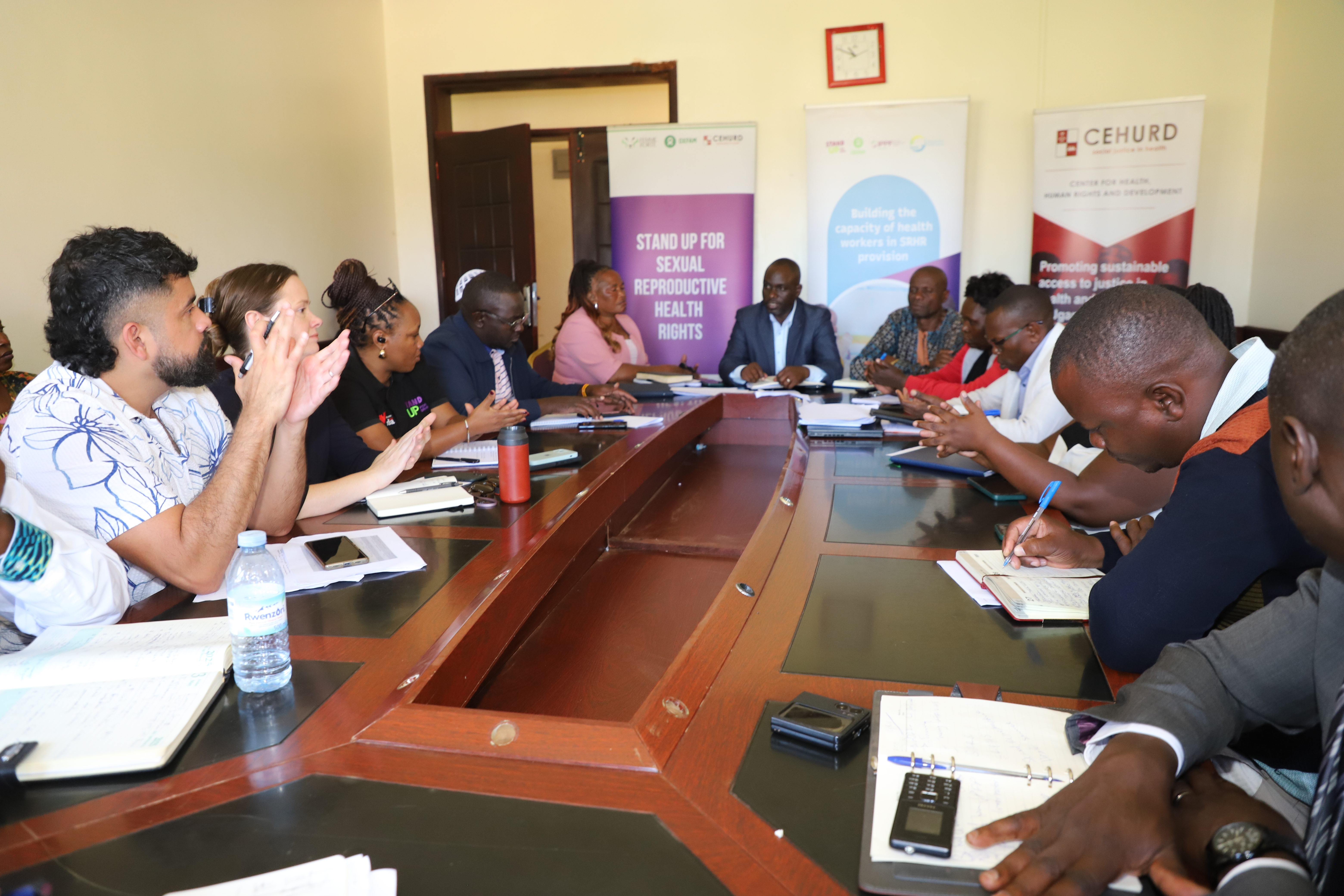
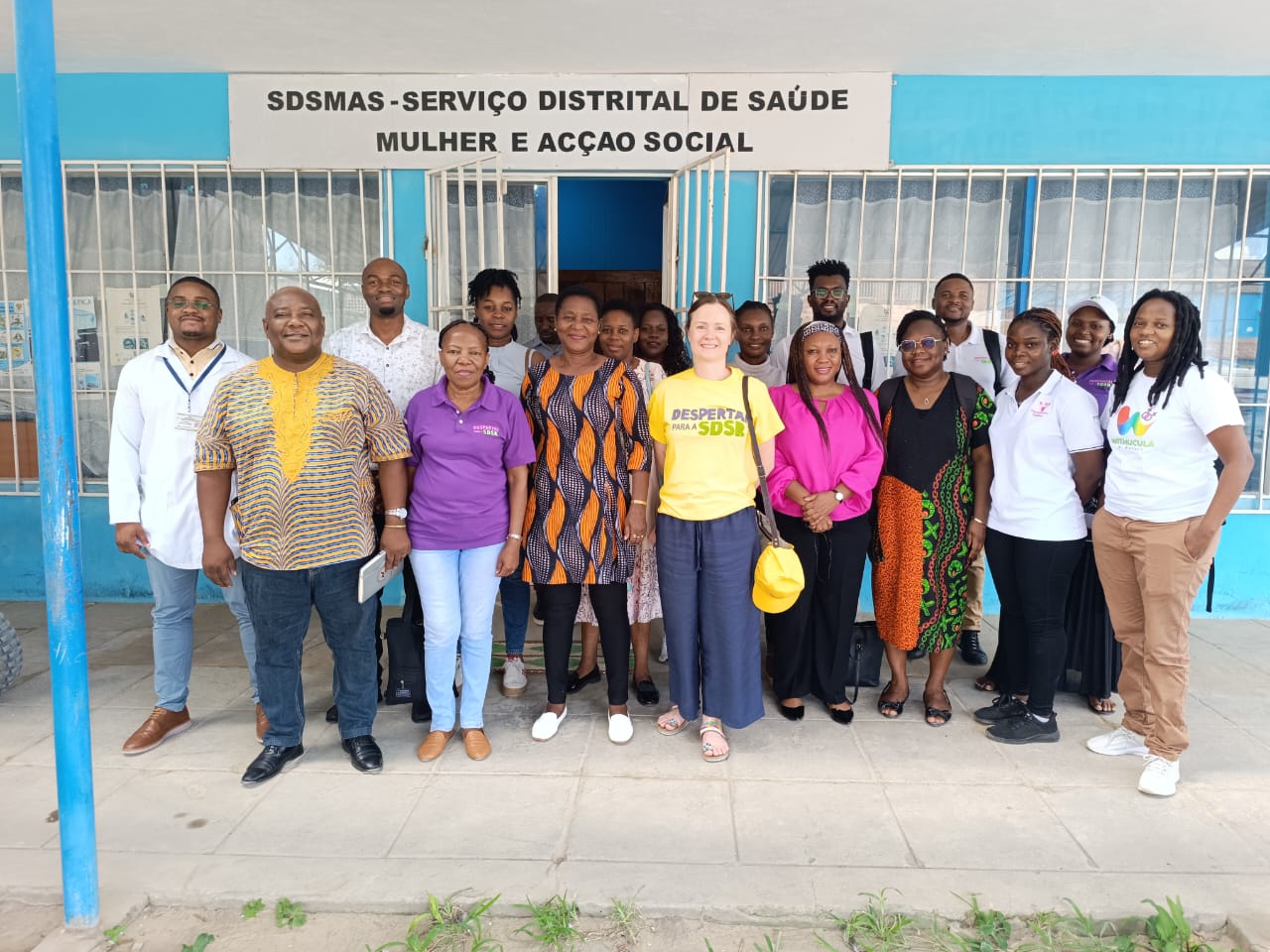
From late March to early April 2025, the project teams from IPPF and Oxfam Canada (OCA) – the consortium lead, conducted a joint visit to project sites in both countries. The visit brought together the local consortium partners in Uganda (Oxfam in Uganda, Femme Forte, Center for Health, Human Rights and Development-CEHURD) and Mozambique (Oxfam in Mozambique, Lambda, and Associação Moçambicana da Mulher e Apoio a Rapariga-OPHENTA) and offered a great opportunity to reconnect, reflect, and learn from one another.
The reflections below draw from field insights highlighting evidence of progress, challenges that need to be addressed, and opportunities for deeper impact.
Impact is built through collaboration and commitment
In Uganda’s Mayuge and Namayingo districts, engagements with local government officials highlighted the importance of trust-based partnerships. The Mayuge district health team shared data indicating a recent decline in teenage pregnancy from 32 percent prior to the implementation of the project to approximately 23 percent. The officials attributed this decline, in part, to the youth-focused health outreaches and community dialogues supported by this initiative and was viewed as a significant and promising indicator of impact. However, with the adolescent pregnancy rate at 23 percent, it remains too early to celebrate, pointing to the need for sustained attention and resources.
In Namayingo, the officials not only recognized the collaborative spirit and resilience especially in reaching remote areas like Dolwe Island – a remote area that is extremely difficult to access –but also requested to extend the intervention to even more hard-to-reach communities. This request to expand services to more underserved areas indicated not only the community’s unmet needs, but also a high level of confidence in the quality and value of the collaborative efforts.
Government officials also acknowledged the project’s contribution to addressing the drivers of poor sexual reproductive health (SRH) outcomes within the district. These include traditional practices such as “disco matanga” –a cultural practice in which community members organize a fundraising event as part of funeral rites. These gatherings often involve overnight dancing for several days before the burial, with widespread access to free alcohol and tobacco. They are associated with increased unprotected sexual activity and have been linked to rising cases of teenage pregnancy, unsafe abortions, and the spread of STIs, including HIV.
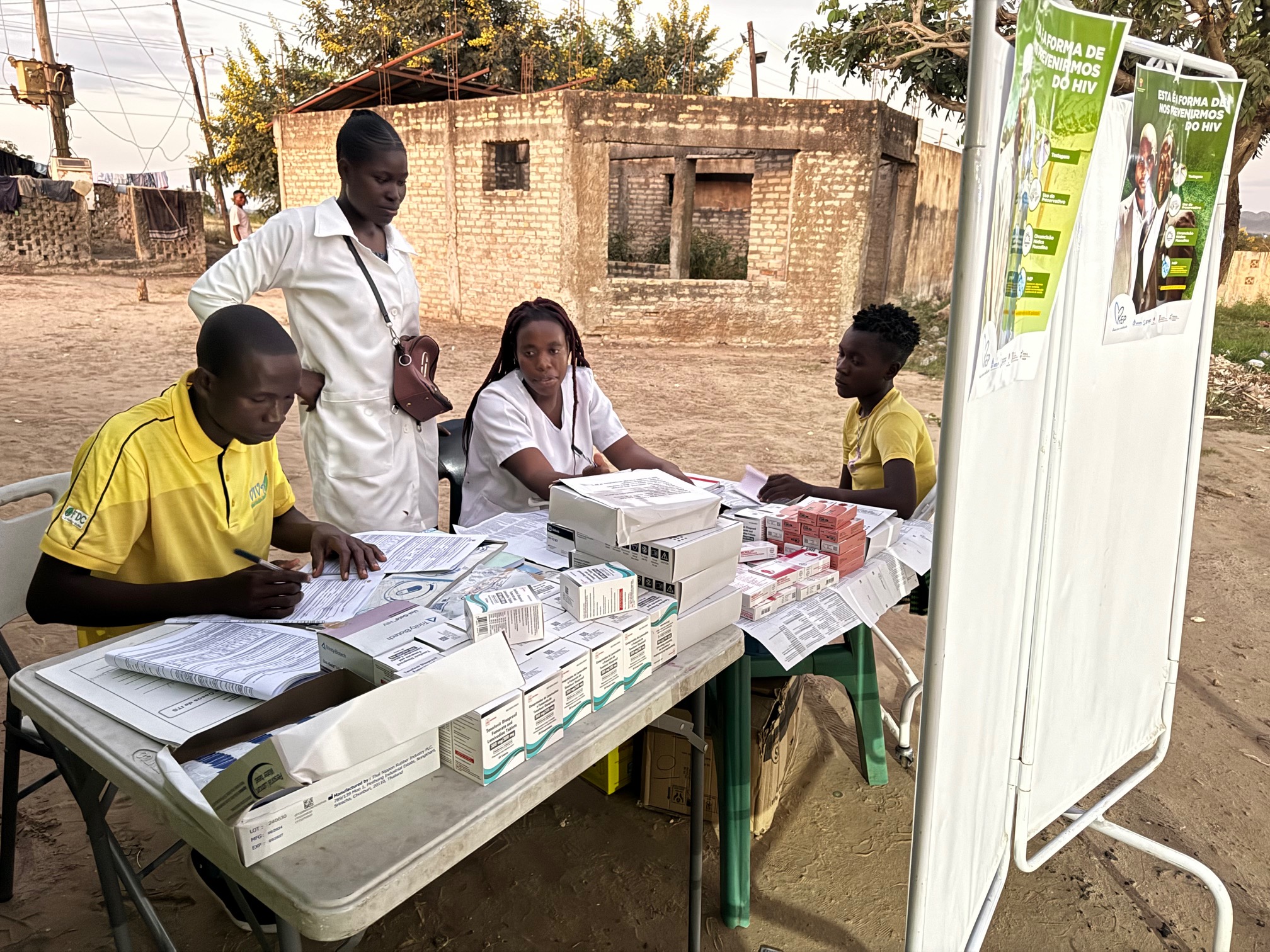
In Mozambique’s Nampula province, local officials at the Provincial Directorate for Youth Employment and Sports, as well as the District Health and Social Action Service spoke openly about persistent structural barriers that hinder access to care. These include low school retention among girls occasioned by among others, early marriage as an economic coping mechanism, as well as an overstretched healthcare system. These issues, compounded by the impact of natural disasters and the recent USAID funding loss have intensified the strain on an already fragile health system.
Despite this, the committed frontline health workers in these locations continue to deliver services in extremely challenging conditions. In districts such as Mecuburi, the use of motorcycles to transport medical supplies to Issipe community, a locale that stands isolated from the main town following destruction of its major bridge by Cyclone Jude in March 2025, demonstrates remarkable resilience.
Reaching the last mile requires innovation and integration
Dolwe Island, located in Namayingo District, Uganda, offers a compelling example of delivering healthcare at the most remote levels. Home to approximately 23,000 residents and accessible via a three-hour boat ride, the island has just four health facilities, no secondary school, and high attrition among health personnel. In the absence of secondary education and employment alternatives, adolescent girls are often married off after completing primary school, while boys are absorbed into the fishing economy from a young age.
Amidst these constraints, RHU has established a strong presence. Through mobile outreach activities, the team continues to deliver integrated services tailored to community needs. These events do more than provide SRH services as they bring together immunization, laboratory testing, peer education, and community engagement in formats that are culturally resonant and youth-friendly.
Similarly, in Mecuburi, Mozambique, AMODEFA has overcome challenging terrains to spearhead and deliver effective health outreach services. To foster greater community engagement, particularly among men, the team uses local strategies, including football tournaments and participatory learning sessions, which have successfully encouraged male involvement and increased the uptake of SRH services. These efforts stand out for their strong coordination, careful planning, and effective integration of health and social services.
Reflecting on these regular yet challenging journeys –whether by boat to Dolwe Island or across the challenging terrain of Mecuburi, one cannot overlook the immense logistical demands involved in mobilizing communities, deploying skilled health personnel, and maintaining a reliable supply of essential medicines and commodities. These efforts speak volumes about the unwavering commitment and resilience of the implementing teams, who continue to serve in some of the most remote and resource-constrained settings.

Youth leadership is a key driver for positive peer-led change
Across both countries, peer educators stood out as key drivers of change. In Uganda, the visiting team observed in-school peer educators in Bukatube County confidently lead SRHR discussions. The peer educators also innovative solutions, such as reusable sanitary pad production to address barriers to school retention among girls.
In Dolwe Island, the peer educators, though younger and still in primary school, demonstrated a deep understanding of their rights and responsibilities. The interactions with these set of peer educators brought to the fore the importance of integrating sexual reproductive health and rights (SRHR) efforts with broader investments in education, nutrition, and safety.
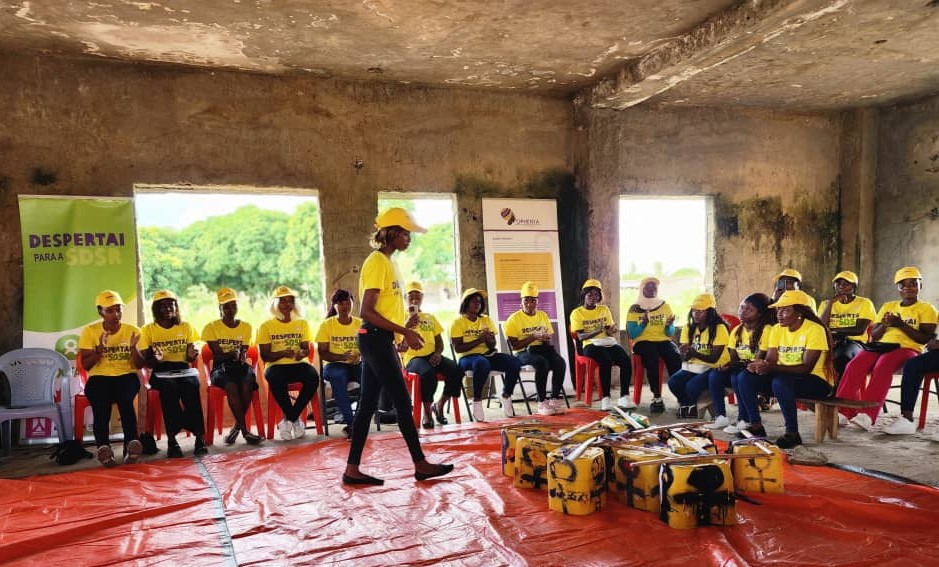
In Mozambique, the visiting team had the opportunity to attend an outreach activity targeting out-of-school youth. During this activity, young female peer educators at Namicopo used storytelling, music, and dance to convey SRHR messages in ways that were both engaging and empowering to their peers and the community.
While at a community centre run by Lambda, one of the local partners representing the rights of gender and sexual minorities in Mozambique, the conversation turned to the lived realities of LGBTQI+ individuals. Though distressing, their accounts of exclusion, stigma, and fear revealed a slow but meaningful shift. Access to inclusive and affirming SRH care is steadily improving, driven by Values Clarification for Action and Transformation (VCAT) training sessions facilitated by AMODEFA in partnership with Lambda, and has so far reached over 90 healthcare providers. For many, a sense of safety and dignity exists only where the trained and trusted healthcare providers are present, emphasizing the urgent need for broader system change.
What Next?
The Stand Up field mission exercise was a powerful reminder that SRHR programming is much about delivering inclusive care, as it is about building systems rooted in trust, equity, and community engagement. Just as health workers and implementing partners do more than just executing a project, so do young people. The stories of resilience, leadership, and perseverance in the face of challenges are a testament to their deep commitment to their communities. Beyond mere beneficiaries, they are leaders in their own right who are driving and shaping the work we do to redefine what health systems can look like when equity, accountability, and community voice are centered.
For OCA, the opportunity to witness the tangible progress achieved through the project reinforced the team's commitment and enduring resilience. The visit offered a valuable opportunity to move beyond virtual exchanges, revealing critical elements that are often difficult to fully capture from a distance especially the nuanced realities of implementation and the profound human impact of these efforts.
As IPPF continues to advance its work, the purpose of the Stand Up project is clear - to remain resolute in our commitment to reaching those furthest behind, to honour the bravery and determination of those advocating for change, and to advance the development of resilient and equitable systems that truly leave no one behind.
Sylvia Ekponimo is the Stand-Up Project Advisor.
when
country
Mozambique, Uganda
region
Africa
Subject
Sexual Health, Gender equality
Related Member Association
Reproductive Health Uganda, Associação Moçambicana para Desenvolvimento da Família