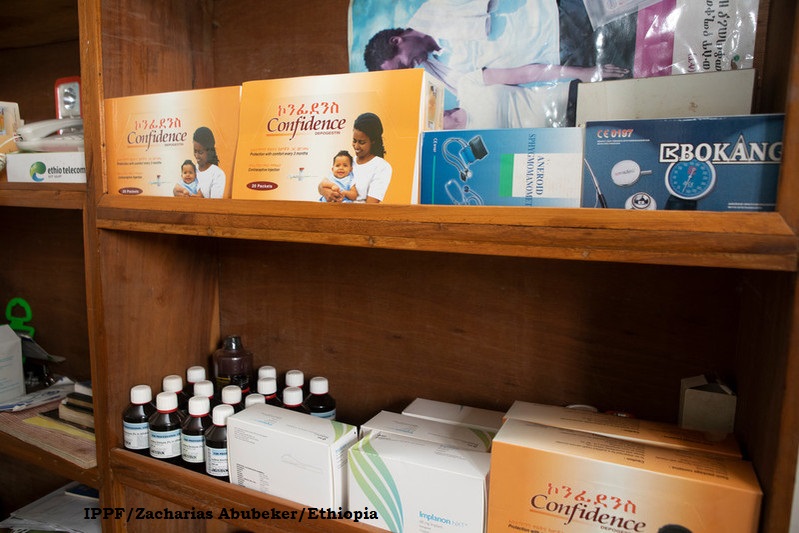




In Ethiopia, just like in many other countries in sub-Saharan Africa, family planning has long been viewed as a woman’s responsibility, where she is expected to shoulder the burden of preventing unplanned pregnancies. However, a gradual shift is emerging where men are now engaging in conversations around family planning and even taking up personal measures to prevent unplanned pregnancies by choosing vasectomy. IPPF’s Member Association in the country – Family Guidance Association of Ethiopia (FGAE) is championing male involvement in family planning, and with notable results as highlighted in this article by Yvonne Tatah.
In the small town of Waliso, located in Ethiopia’s Oromia Region, 57-year-old Kareb walked into the FGAE Waliso Medium SRH clinic alongside his wife, Assefash, 45. The clinic is operated by FGAE, which is one of the leading organizations providing rights-based sexual and reproductive health services in the country. The couple had been married for more than two decades and were raising eight children -already more than they had planned for.
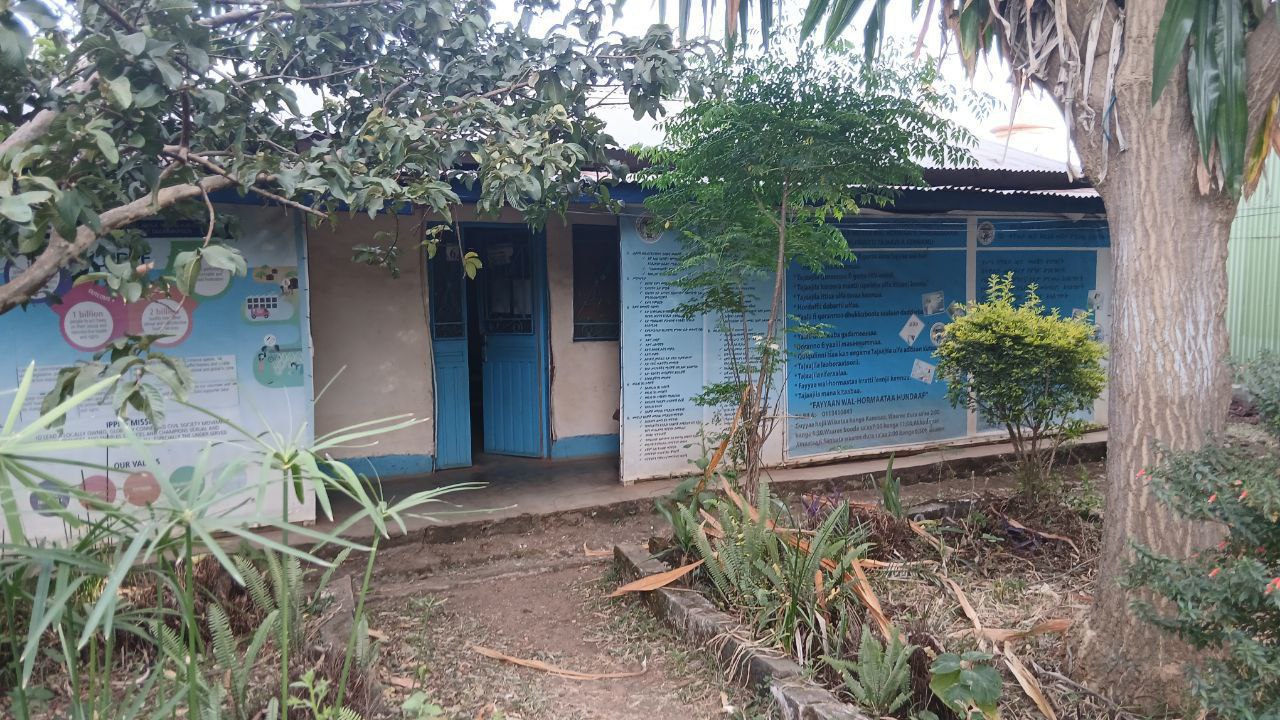
Assefash had recently made a decision to end a pregnancy and was determined to take measures that would ensure she did not get pregnant again, hence the visit to the clinic. She already knew she wanted the implant as her contraceptive method, but she had heard worrying misinformation from women in her village. Some had told her that the implant could move inside the body and cause harm, a rumour that frightened her.
Concerned, she sought expert guidance on contraceptives and chose the FGAE Waliso clinic, whose services she had heard about from residents of neighbouring Wolkite. Her husband accompanied her for support.
At the clinic, nurse Tersit listened carefully to the couple and provided detailed guidance on a range of modern family planning methods, from temporary to long-acting and permanent.
Among the options was the vasectomy, a simple procedure that blocks the small tubes carrying sperm to prevent pregnancy. It is quick, requires no stitches, does not impact hormones or sexual drive, and allows men to resume their normal activities soon after.
Nurse Tersit emphasized that the decision rested entirely with the couple. During joint counselling, they discussed the options together and agreed that vasectomy was the method that best suited their needs.
“We already have eight children who are enough for us. Once I understood that vasectomy was a quick and safe procedure that would not affect my strength or sexual function, I decided I would undergo the procedure. It is better to make a firm decision that will ensure my wife does not fall pregnant again,” he said.
Kareb’s procedure was performed at the FGAE Waliso Medium SRH Clinic by trained providers and was completed with no complications.
“Nowadays, I feel relieved of anxiety from an unintended pregnancy,” he later said.
Kareb has since become a voice for change. He speaks with other men during community gatherings, coffee ceremonies, and informal conversations about the importance of shared responsibility in family planning.
A Conversation long Overdue
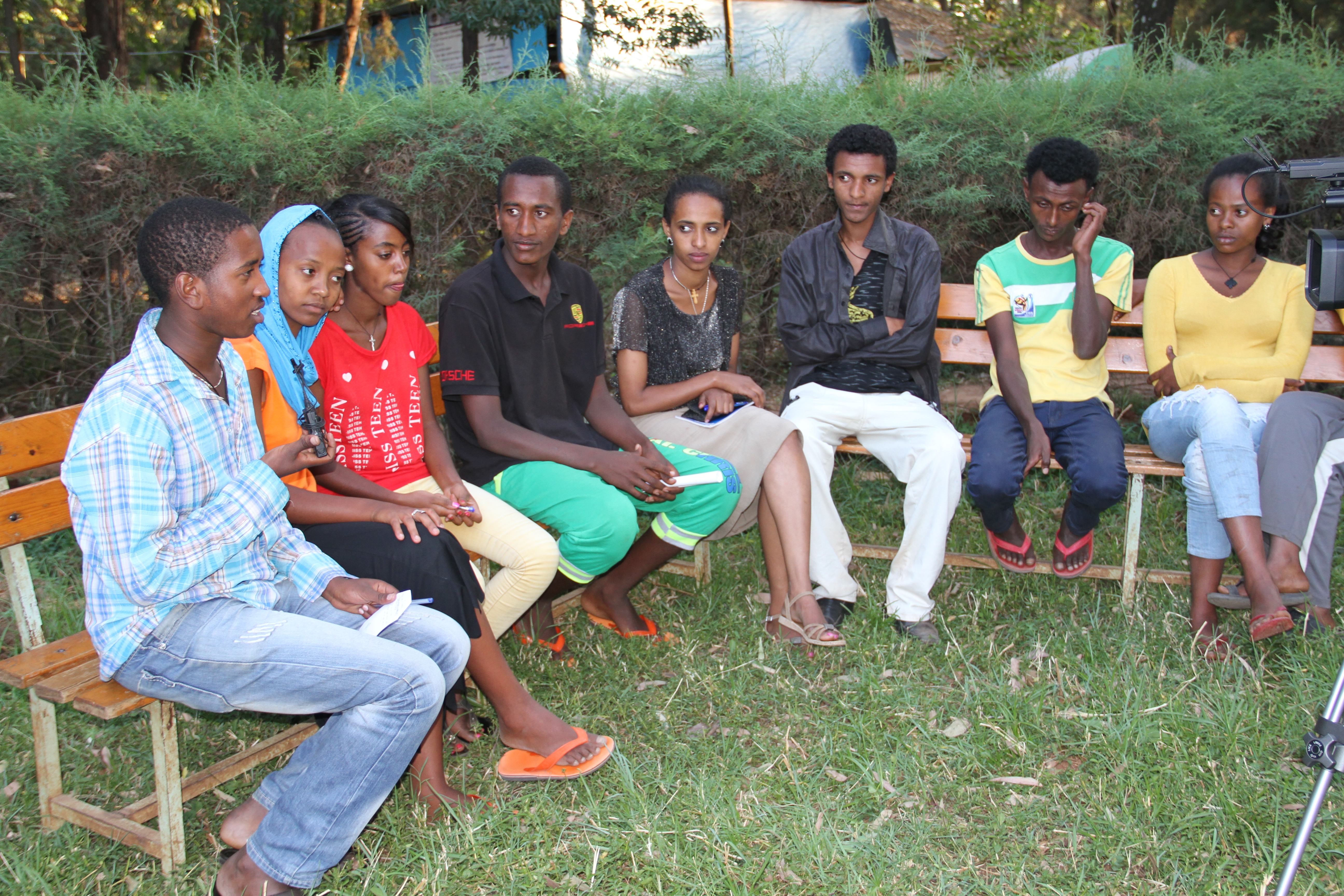
Vasectomy is a safe and effective form of permanent contraception for men. Yet in Ethiopia, it remains one of the least-used methods. A 2020 study found that 24% of married men in Addis Ababa intended to use vasectomy in the future. However, according to the 2016 Ethiopia Demographic and Health Survey, fewer than 1% had actually done so.
Many of the barriers men face are cultural rather than medical. Many men equate vasectomy with castration, drawing from livestock practices where an ox is rendered infertile and believed to lose strength. Others fear stigma or believe the procedure as religiously unacceptable.
According to internal Ministry of Health data reported in its 2023/24 Annual Report, permanent methods, including vasectomy, accounted for only 1.3% of new contraceptive acceptors. Injectables, implants, and pills remain the most commonly chosen methods.
FGAE’s internal data reflects the same pattern. Of more than two million clients served in 2023/24, only eight men chose vasectomy. Each of these decisions, although small in number, represents a powerful story of informed choice and shared responsibility.
In a bid to increase the uptake of vasectomy, FGAE service providers, including Nurse Tersit, apply couple counselling as a practical approach to strengthening male involvement. When a woman arrives with health concerns or cannot safely use a female centered method, both partners are invited into counselling sessions to explore permanent options together. This gives them an opportunity to consider all available options together and choose what supports the wellbeing of both.
In Waliso, the approach of listening first, counseling both partners, and building trust demonstrates how FGAE providers involve men as equals in reproductive decision-making instead of as bystanders.
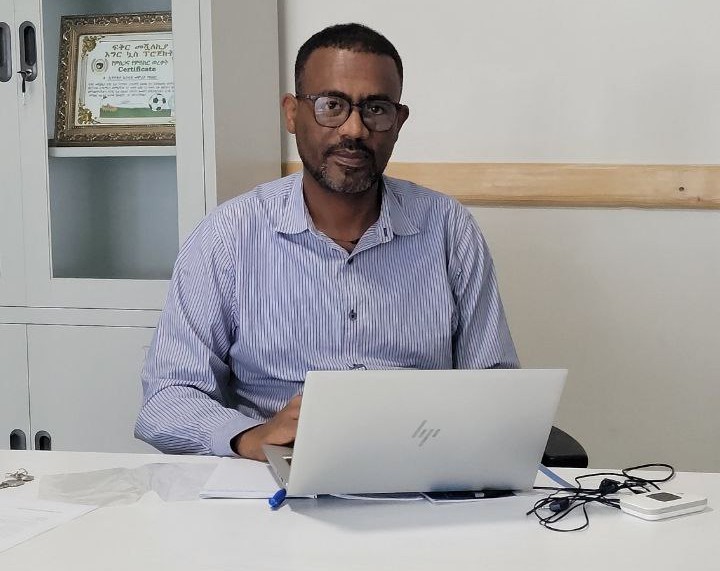
As the FGAE Director of Programs, Gashaw Kebede explains, “The lesson from Waliso is clear. When partners receive counselling together, men are more likely to consider vasectomy and to participate in shared decision making in family planning. This approach helps distribute responsibility more evenly and reduces the burden that often falls on women.”
He adds that this approach requires sustained investment.
“This work needs more than technical training. It requires safe spaces for men, community dialogues that challenge gender norms, and continuous support for inclusive family planning services. Kareb did not intend to become an advocate, but by choosing what was best for his family and listening to his wife, he became part of a quiet and growing movement for change. His story shows what is possible when men are welcomed as partners in care.”
when
country
Ethiopia
region
Africa
Subject
Comprehensive Sex Education, Young People
Related Member Association
Family Guidance Association of Ethiopia