



In Madagascar, where an estimated ten women die every day from pregnancy-related causes, access to accurate information can mean the difference between risk and safety. Although the country’s 2018 Family Planning Law provides a strong legal framework to support sexual and reproductive health and rights (SRHR), many communities remain unaware of the services and protections available to them. Recognizing the power of media to influence public understanding, the WISH 2 programme partnered with the Johns Hopkins University Center for Communication Programs (JHU-CCP) and NGO ILONTSERA to equip journalists with the knowledge and tools needed to shape informed conversations.
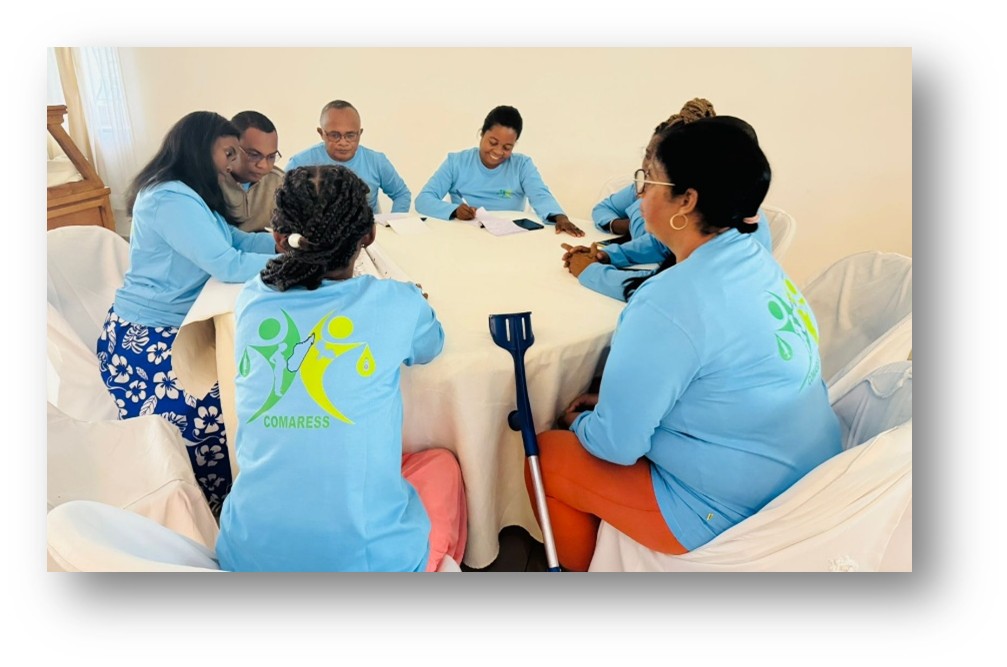
In October 2025, 17 journalists gathered in Antsirabe for a three-day capacity-building workshop. Coming from radio, television, print, and digital outlets, they explored SRHR fundamentals, social and behavioural change approaches, and practical reporting techniques grounded in ethics and rights-based communication. For many participants, it was the first time they had engaged deeply with the Family Planning Law.
“Before this training, I reported on health stories without fully understanding the policy behind them,” shared one participating radio journalist. “Now I feel responsible for helping my audience understand their rights.”
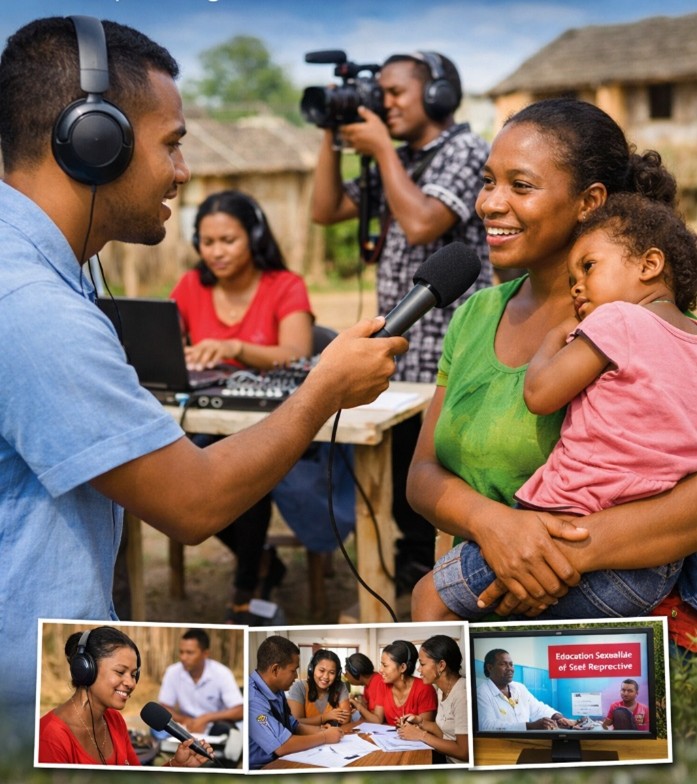
Learning did not stop when the workshop ended. Over the next two months, participants received individualized mentoring from four specialized coaches who supported them through story development, editorial refinement, and technical guidance. This continued support helped journalists translate theory into impactful storytelling.
The results were immediate. Between November 2025 and January 2026, journalists produced 113 media pieces, ranging from radio talk shows and investigative articles to television features and online campaigns. Coverage addressed family planning, sexuality education, HIV prevention, gender-based violence, and broader SRHR themes, reaching audiences in Antananarivo, Toliara, Toamasina, and beyond.
For one television reporter, the experience reshaped her perspective on journalism itself.
“I used to think advocacy belonged to NGOs,” she explained. “Now I see that responsible journalism can help change harmful norms and save lives.”
The initiative was not without challenges. Some participants initially struggled with technical terminology and complex legal language. Facilitators responded by simplifying concepts and encouraging peer learning. Maintaining quality across a high volume of media outputs also required close mentoring and regular feedback sessions. Through these adaptive approaches, journalists strengthened their confidence and began to see themselves as agents of change within their newsrooms.
Today, many of the trained journalists continue to champion gender-sensitive and rights-based reporting, helping bridge the gap between national policy and community understanding. Their stories are not only informing audiences but also creating space for dialogue around topics that were previously considered sensitive or misunderstood.
“When people hear SRHR discussed respectfully on the radio, they realize these issues are part of everyday life,” said another participant. “It gives them permission to ask questions.”
The Madagascar experience demonstrates how investing in local media can amplify advocacy efforts and foster lasting social change. By combining training with personalized mentoring, WISH 2 has created a model that can be replicated in other regions and fragile contexts. Future plans include expanding the approach to new areas, integrating themes such as mental health and positive masculinity, and building a media library to sustain learning.
The message is clear: when journalists are empowered with knowledge and support, their voices become lifelines, connecting policy, community, and possibility.
when
country
Madagascar
region
Africa
Subject
Comprehensive Sex Education
Related Member Association
Fianakaviana Sambatra - Madagascar Association