



When Cyclone Gezani struck the Atsinanana region in Madagascar, it left more than physical destruction in its wake. Homes were damaged, roads became impassable, and entire communities were displaced into temporary shelters. For many families, daily survival became the priority. But quietly, another crisis was unfolding.
Access to essential health services, especially SRHR, was suddenly cut off.
Women, young people, and persons with disabilities were among those most affected. With damaged infrastructure and limited mobility, many could no longer reach health facilities. Family planning services, maternal care, and support for survivors of gender-based violence became increasingly out of reach, placing already vulnerable groups at even greater risk. From a WISH 2 perspective, this moment called for more than a response. It required standing with communities, quickly, practically, and with dignity at the center.
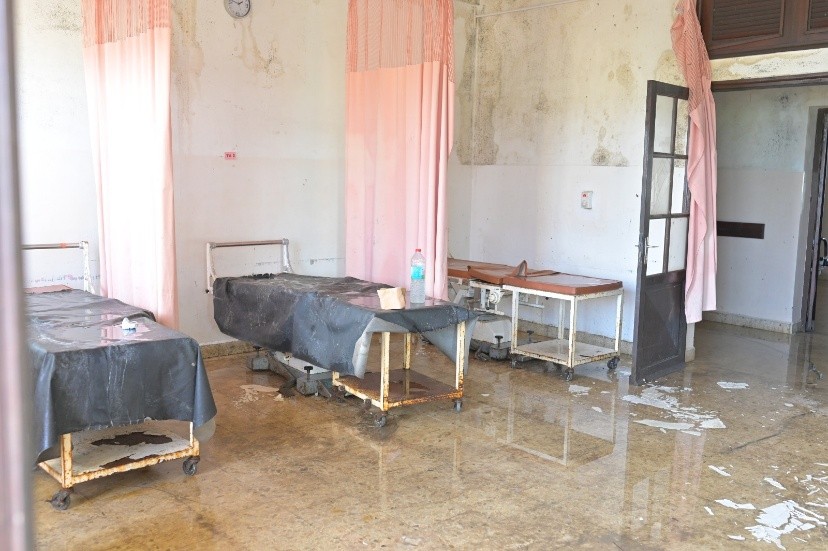
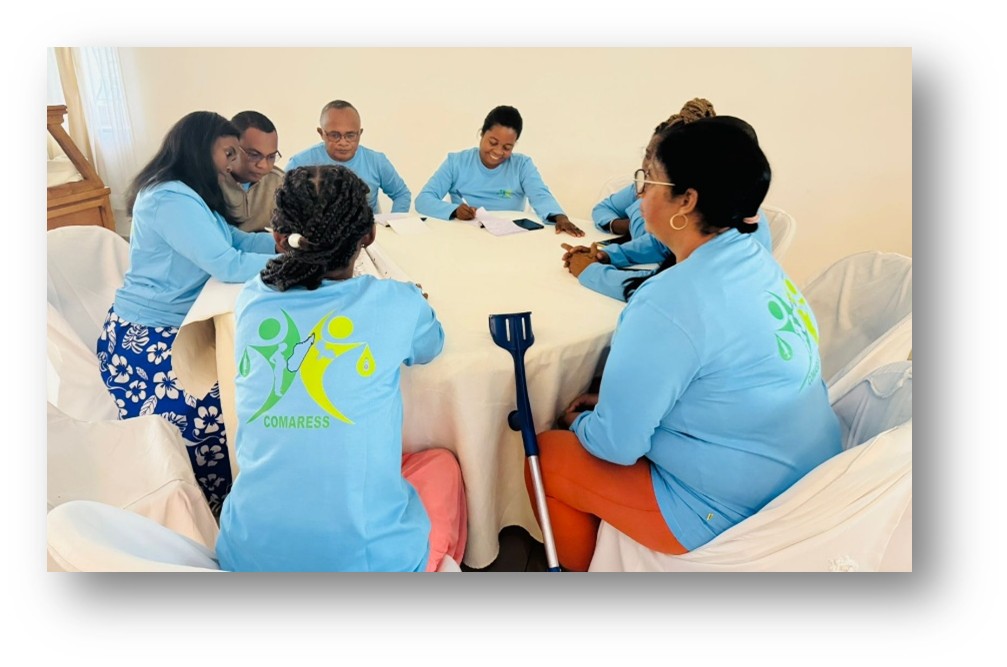
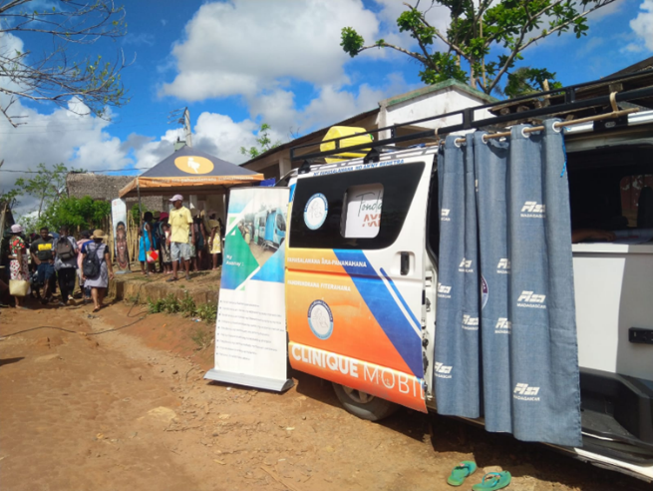
In coordination with the Ministry of Health and local partners, WISH 2 supported a rapid field assessment in Toamasina to understand the scale of disruption. What emerged was clear: health centers were damaged, supplies were lost, and service delivery had stalled. But the need had not. Working closely with regional health authorities and supported facilities, WISH 2 enabled the deployment of two mobile outreach teams. These teams became a lifeline, bringing integrated SRH and primary healthcare services directly to people across 13 sites, reaching over 16,500 internally displaced individuals.
Instead of waiting for communities to return to facilities, services went to them.
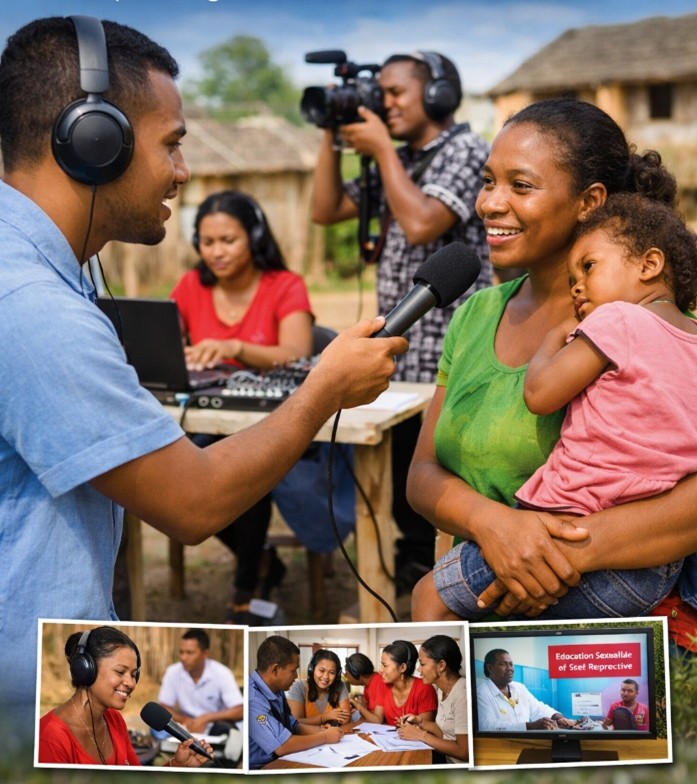
Mobile clinics delivered family planning, basic healthcare, and information on sexual and reproductive rights. They also ensured continuity of care for clients whose medical records had been lost in the cyclone. At the same time, community-based approaches were introduced to rebuild trust and reconnect people with services, even in hard-to-reach areas.
"When the roads were destroyed, we thought help would not reach us. But the health teams came to us. For many women here, that made all the difference.” A Community member, Toamasina
This response marked a significant shift. It was not only about restoring services, but about adapting how services are delivered in fragile, climate-affected settings.
The experience also surfaced important challenges. The absence of a pre-existing emergency response framework initially slowed coordination, and delays in accessing flexible funding limited how quickly activities could scale. In addition, multiple actors tended to concentrate efforts in more accessible locations, leaving harder-to-reach communities at risk of being overlooked.
Strong leadership from Regional Health Authorities played a critical role in addressing these gaps, ensuring better coordination and more equitable coverage across affected areas. What made this response effective was its adaptability. Mobile service delivery, strong government partnership, and community-centered approaches allowed WISH 2 to maintain continuity of care in a highly disrupted environment.
Looking ahead, this experience highlights the need for pre-positioned contingency plans, faster access to emergency funding, and strengthened coordination mechanisms. In regions like Atsinanana, where climate shocks are recurring, building resilient and flexible health systems is no longer optional. For WISH 2, the lesson is clear: when systems are disrupted, the response must move with the people.
when
country
Madagascar
region
Africa
Subject
Humanitarian