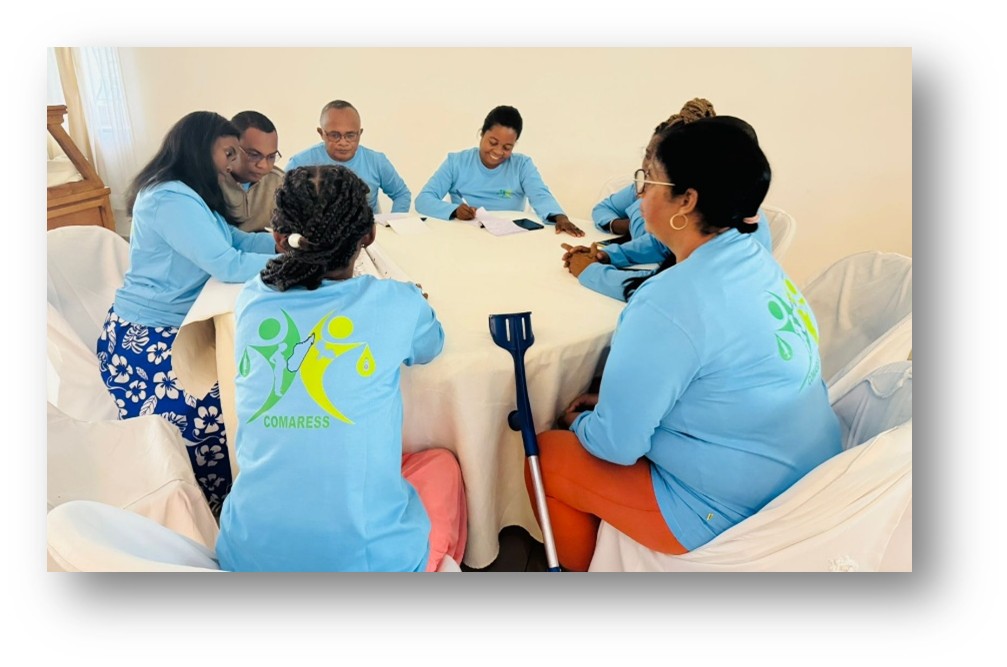




In March 2026, a high-level roundtable in Madagascar became more than a moment of discussion, it marked a turning point in how SRHR are being advanced at the national level. Supported by WISH 2 through Ipas and convened in partnership with the Ministry of Public Health, the dialogue brought together parliamentarians, government leaders, UN agencies, civil society, and development partners around a shared concern: persistent gaps in access to SRHR services and the need for stronger political commitment.
As one parliamentary leader noted, “Many laws need to be reviewed to align with the international agreements that Madagascar has already ratified.”
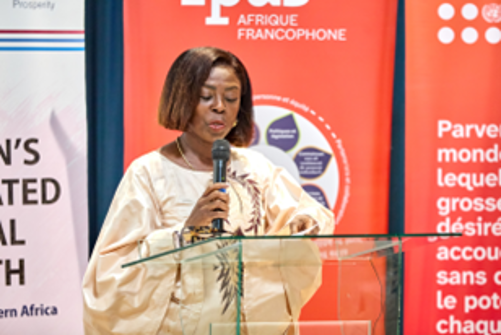
From the outset, the conversation was grounded in evidence and national priorities. Rather than skirting difficult issues, participants engaged directly with them, examining the links between restrictive legal frameworks, limited domestic financing, and unequal access to services. The discussion opened space to consider reforms, including access to comprehensive SRH services and abortion care for health reasons, framed carefully within public health and human rights.
What made this moment different was WISH 2’s role in shaping not just the convening, but its direction and purpose. By supporting a structured, evidence-based dialogue and bringing together actors who do not often sit at the same table, the programme helped shift the conversation from broad commitments to practical next steps. By the end of the roundtable, stakeholders had agreed on a validated national SRHR advocacy document and formally endorsed a multi-stakeholder commitment charter, two outputs that provided both direction and accountability.
The real test, however, came after the meeting.
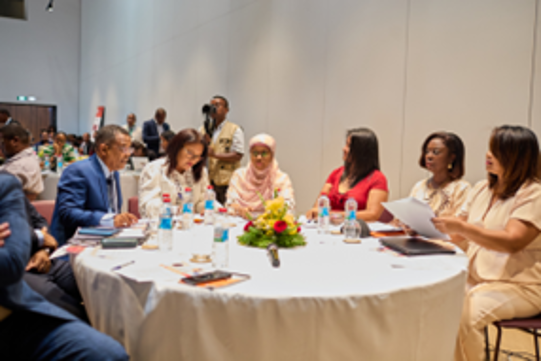
In the months that followed, the roundtable began to show its impact. The advocacy document became a shared reference point, used by civil society, parliamentarians, and technical partners to sustain engagement on SRHR reforms. Conversations that had started in the room continued in policy spaces, with growing attention to reviewing restrictive laws and aligning national frameworks with international commitments. At the same time, discussions around domestic financing gained new energy, with stakeholders exploring practical ways to increase national investment in family planning and broader SRHR services.
Within government, a noticeable shift took place. The Ministry of Public Health, through the Directorate of Family Health (DSFa), stepped more firmly into a leadership role. It strengthened its coordination of partners, guided follow-up actions, and reinforced its position as a central steward of SRHR reforms. This growing ownership is critical; it signals that the agenda is no longer externally driven but increasingly anchored within national systems.
These changes are still unfolding, but they matter. By strengthening political commitment, aligning stakeholders, and advancing both policy and financing discussions, WISH 2 has contributed to creating a more enabling environment for SRHR. This is a necessary step toward improving access to services, particularly for women, young people, and underserved populations who continue to face the greatest barriers.
The process was not without its challenges. Legal reform, especially around abortion, remains sensitive, and bringing together diverse perspectives required careful facilitation. Limited preparation time added pressure. Yet strong Ministry leadership, clear framing grounded in public health and rights, and the use of evidence helped keep the dialogue constructive and forward-looking.
This experience shows that progress on complex SRHR issues does not always begin with large-scale interventions. Sometimes, it starts with the right conversation, one that is inclusive, well-prepared, and anchored in national leadership. In this case, a single, strategic dialogue helped catalyze ongoing advocacy, strengthen institutional leadership, and open space for reforms that had long been difficult to address.
when
country
Madagascar
region
Africa