



Articles about Sri Lanka

15 March 2024
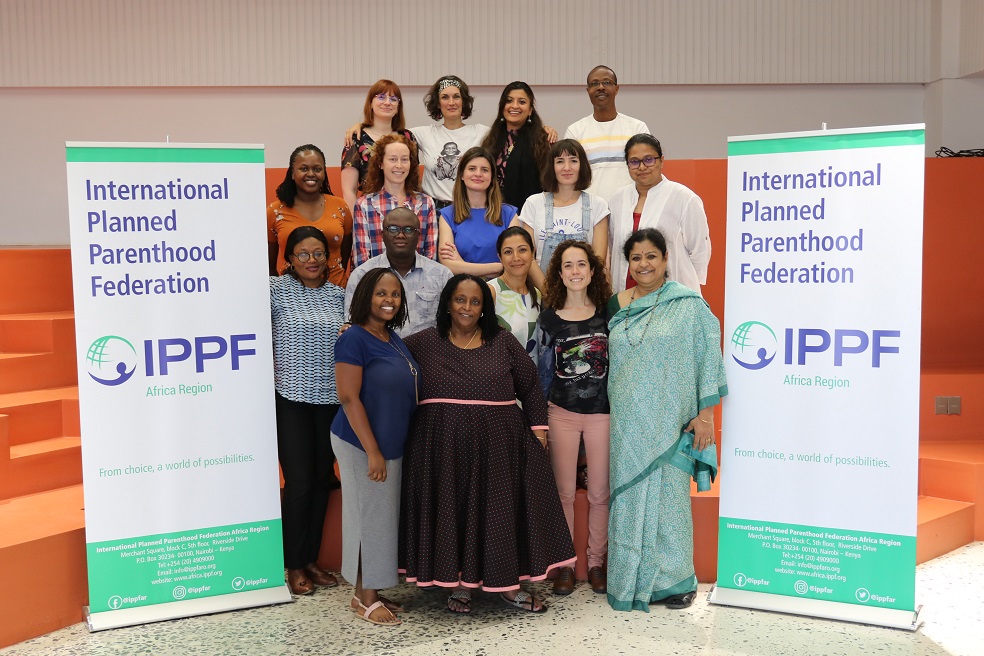
FON Parallel Event at CSW68: Advancing Gender Equality Through Feminist Financing
By Alejandra Garcia In the bustling halls of the CSW68, amidst discussions on global issues and women's rights, the FON Project carved out a space to spotlight an essential aspect of Advancing Equality: Financing with Feminist Approaches. This parallel event gathered a distinguished panel featuring voices from diverse backgrounds, each offering unique perspectives on the crucial role of feminist funding in promoting gender equality worldwide. Carolina Calle, a sex worker and human rights defender from Colombia, shared her experiences alongside Shelani Palihawadana, Program Director at Youth Advocacy Network Sri Lanka, Tori Chakma representing Supporting People and Rebuilding Communities in Bangladesh, Mar Merita Blat, Head of Mission Gender at the French Development Agency (AFD), and Marie Josiane Tra Lou, from Initiative Tile in Cote d’Ivoire. Guiding the conversation was Aminata Ba, FON Project Manager from IPPF. The panel's discussions delved into the heart of the matter, highlighting the indispensable role of civil society organizations (CSOs) in economically empowering survivors of gender-based violence, particularly in the Global South. At the core of the discourse was the transformative power of feminist funding and its impact on advancing gender equality on a global scale. Key insights emerged from the dynamic exchange, emphasizing the urgent need for direct support to feminist movements, especially in regions with fewer resources. The importance of funding dedicated explicitly to women's rights and feminist organizations was underscored, alongside the advocacy for flexible, multi-year grants that offer core support. Such funding mechanisms empower organizations to allocate resources based on their priorities, fostering sustainability and autonomy. Moreover, the panel shed light on the significance of recognizing and supporting small, informal community groups. Bridging the funding gap and enabling mid-sized women's groups to access more substantial resources emerged as critical strategies for amplifying the impact of feminist funding initiatives. Calls for the decolonization of funding practices, feminist accountability, and a transformation of power dynamics within funding structures resonated throughout the discussions. As the event concluded, participants reflected on actionable recommendations for governments to enhance fiscal regulations supporting medium and informal feminist organizations. The collective commitment to advancing gender equality through feminist financing approaches was palpable, igniting a sense of hope and determination among attendees. In closing, the FON Project's event at CSW68 serves as a beacon of inspiration for all stakeholders invested in gender equality. Through collaborative efforts and a steadfast dedication to feminist principles in financing, meaningful change can be realized, empowering the feminist movement worldwide. Together, let us continue to strive for a more equitable and just future for all.
16 March 2023
Feminist Opportunities Now: Eradicating GBV in the world, one flexible funding at a time
Feminist Opportunities Now (FON) is a programme that aims to build capacity of feminist organisations via subgrants to enhance more diverse and resilient Civil Society Organisations when addressing and responding to gender-based violence, inequalities, discrimination and other human rights violations related to gender. International Planned Parenthood Federation Africa Region (IPPFAR) is the FON consortium lead, with the other consortium partners being Médecins du Monde (MdM-FR), Creating Resources for Empowerment and Action Inc. (CREA), the International Federation on Human Rights (FIDH) and Empow’Her (EH). The programme is funded by the French Government via the French Development Agency (AFD). The actions of the consortium's member organizations are guided by feminist principles and a strong commitment to promoting human rights and combating inequalities and discrimination, particularly against women and girls. With extensive experience in the themes covered by the program's mandates and complementary expertise, they provide a solid foundation for the program's comprehensive and holistic approach. Where: Bangladesh, Burkina Faso, Colombia, Côte d'Ivoire, Ethiopia, Republic of Guinea, Kenya, Mexico, Niger, Sri Lanka. When: 2022-2026 The Challenge Gender inequalities continue to impact half of the world’s population on a global scale and remain one of the primary barriers to human development. The FON Programme aims to tackle these inequalities by addressing several key challenges: Insufficient or ineffective implementation of comprehensive laws, policies, and legal frameworks to combat gender inequalities globally, which has resulted in worsening disparities. Inadequate application of these frameworks has further widened inequalities and increased the vulnerability of women and girls, particularly those with disabilities, living with HIV, sex workers, and individuals of diverse sexual orientations and gender identities (SOGI). The COVID-19 pandemic has significantly exacerbated social and economic issues, leading to a rise in gender-based violence (GBV). Insufficient involvement of people with disabilities (who make up 15% of the global population), LGBTI+ individuals, sex workers, and people living with HIV/AIDS in initiatives to advocate for their rights, resulting in limited participation in preventing and responding to violence. A lack of support for emerging or relatively new Civil Society Organizations (CSOs), many of which are not formally recognized. Despite their enthusiasm and dynamic efforts, these organizations continue to face obstacles that limit their ability to combat GBV and promote women's rights. The absence of an innovative and flexible financing system to enhance the contributions of diverse CSOs in the Global South toward reducing GBV. Objectives of the Programme To Improve the sustainability of feminist CSOs at the organizational and technical levels by proposing an inclusive approach to capacity building. To support the resilience and diversity of feminist CSOs through access to flexible, sustainable financing mechanisms tailored to small and/or informal and/or marginalized CSOs. To strengthen a networked movement of feminist CSOs in the Global South, linking these CSOs and national, regional, and international networks, to make their voices heard on the public stage. To promote innovation at all levels of the programme by the CSOs themselves and the consortium member organisations. Targets of the Programme Feminist CSOs working with and/or for the various structurally excluded groups. Activist organizations working with or led by people who may face particularly high discrimination. Gender inequalities and GBV, such as members of the LGBTI+ community and in general people with diverse sexual orientation and gender identities and Gender Expressions (SOGIE). People living with disabilities. People with HIV/AIDS. Sex workers. Indirectly, targets of advocacy activities (regional bodies, national / local authorities, etc) Approaches of the Programme FON seeks to empower feminist organizations through subgrants to create more diverse and resilient CSOs in their efforts to address and respond to gender-based violence, inequalities, discrimination, and other human rights violations related to gender. To support this mission, FON will establish Regional Coordination and Advisory Committees in each region—Africa, Asia, and Latin America. These committees will play a crucial role in promoting inclusiveness and identifying opportunities for advocacy. The subgranting process will be structured into three funding windows, with the first call for proposals set to launch in April 2023: Window 1 : Boost The goal of this window is to enhance the capacity of feminist CSOs to navigate external challenges (such as political instability or insecurity) and internal obstacles (such as organizational difficulties, need for co-funding or additional program components). This window also provides flexibility, allowing CSOs to apply for grants to seize new opportunities in programming or advocacy. Window 2: Programmatic & Organizational Development This window is designed to support small and mid-sized CSOs aiming to grow their organizational, technical, and programmatic capacities. It aims to fund specific programs while simultaneously strengthening the overall capacity of the recipient organizations. Window 3: Synergies This window will provide funding for networks, movements, and alliances to carry out advocacy activities related to GBV and for organizations looking to join existing networks. It focuses on fostering network and alliance building and increasing visibility on national, regional, and international platforms. Location Justification Equity is a fundamental component of the FON implementation strategy. The programme will be carried out in 10 countries: six in Africa (Burkina Faso, Ethiopia, Côte d’Ivoire, Guinea, Kenya, and Niger), two in Latin America (Colombia and Mexico), and two in Asia (Bangladesh and Sri Lanka). The selection of these locations was carefully considered based on the following criteria: Countries where there is a strong need for CSO support and a high potential for exchanges and collaborations. Locations with existing normative and policy frameworks that are not fully implemented or respected in national laws. Countries with significant and varied needs among their populations, indicating a broad potential for learning and training. Contexts where gender-based violence is prevalent, increasing the necessity for support to feminist CSOs. Opportunities for collaboration with other existing and/or new initiatives. Find out more about FON in English, French or Spanish

31 March 2017
SPRINT: Sexual and reproductive health in crisis and post-crisis situations
The SPRINT Initiative provides one of the most important aspects of humanitarian assistance that is often forgotten when disaster and conflicts strike: access to essential life-saving sexual and reproductive health services. We build capacity of humanitarian workers to deliver essential life-saving sexual and reproductive health services in crisis and post-crisis situations through the delivery of the Minimum Initial Service Package (SRH) for reproductive health in emergencies. Through funding from the Australian Government's Department of Foreign Affairs and Trade (DFAT) our SPRINT Initiative has brought sexual and reproductive health to the humanitarian agenda, increased capacity and responded to a number of humanitarian emergencies. Australia has funded the SPRINT initiative since 2007 and has supported reaching 1,138,175 people to date and continues to respond to ongoing emergencies. In each priority country, we work with an IPPF Member Association to coordinate and implement SPRINT activities. Through these partnerships, SPRINT helps strengthen the enabling environment, improve national capacity and provide lifesaving services during times of crisis. You can read more about the SPRINT Initiative and IPPF Humanitarian’s Programme here. Australian Government's Department of Foreign Affairs and Trade (DFAT) Australia's location in the Indo-Pacific provides us with a unique perspective on humanitarian action. Australia is committed to helping partner governments manage crisis response themselves. This is done through building the capacity of the national government and civil society to be able to respond to disaster. DFAT also works with experienced international partners to prepare for and respond to disasters, including other donors, United Nations agencies, the International Red Cross and Red Crescent Movement and non-government organisations.

11 July 2018
Social Enterprise Acceleration Programme
IPPF is committed to supporting Member Associations to develop social enterprise activities for the purpose of generating income, diversifying funding sources and, ultimately, achieving organizational and financial sustainability. IPPF understands social enterprise as using entrepreneurial methods to generate a surplus income, which is used to finance activities that enable the organization to fulfil its social mission. Member Associations have been engaging in social enterprise for decades. Activities include sale of services, commodities, training and others. In 2017, a survey to map social enterprise among the Member Associations showed that, across IPPF, social enterprise activities contribute up to 24% of the total income in 54 Member Associations, between 25% - 49% in 11 Member Associations, 50% - 74% in 14 Member Associations, between 75% - 99% in 13 Member Associations and 100% in one Member Association. Eight Member Associations reported income of US$ 1 million and above from the sale of specialized health and clinical services whereas five Member Associations raised more than US$ 1 million from commodity sales. Read more in our report: in English; Spanish; Arabic or French. In 2015, IPPF established the Social Enterprise Acceleration Programme (SEAP) aimed at strengthening the capacity of Member Associations to apply entrepreneurial best practices in the health sector while delivering social value and improving lives. SEAP has supported the establishment and growth of social enterprises of Member Associations with the following objectives: Accelerate the development of Member Associations towards achieving financial sustainability and maximizing social impact. Provide Member Associations with high quality technical advice to support the effective development and delivery of sustainable sexual and reproductive health interventions through social enterprise. Share key insights and best practices within the Federation and provide access to external networks of support and market opportunities. The coordination of SEAP is currently carried out by the Social Enterprise Hub managed by the Family Planning Association of Sri Lanka. The Social Enterprise Hub is responsible for SEAP’s grant management, enhancing awareness on social enterprising, project monitoring, capacity building, documentation of learnings and provision of technical assistance and training. Watch our social enterprise video, get familiar with our social enterprise capability statement, read our 2018/2019 MA project stories and download our country-specific resources on providing effective technical guidance. You can also get in touch by email if you have any queries or would like to know more information: [email protected]
31 January 2022
Feminist Opportunities Now (FON)
The objective of the project is to build the capacity of women's movements, via sub-grants and organizational development support, especially for small organizations, often non-registered, to address and respond to gender-based violence. Budget: 14,000 000 EUR Donor: Agence Française de Développement (AFD) Timeline: 4 years (Start date – Q2 of 2022) Project implementation areas: Mexico and Columbia in Latin-America (led by MdM), Bangladesh and Sri Lanka in Asia (led by CREA) and Burkina Faso, Ethiopia, Guinea the Ivory Cost, Kenya and Mali (led by IPPFARO) Partners: IPPF ARO, Médecins du Monde (MdM), Creating Resources for Empowerment in Action (CREA), FIDH (International Federation on Human Rights) & Empow’Her. Other interesting information: It is the first time IPPF has received direct funding from AFD, the first time we are partnering with these new consortium partners and delivering on a large global project. The project is supporting CSOs in Bangladesh, Burkina Faso, Colombia, Cote d’Ivoire, Ethiopia, Guinea, Kenya, Mexico, Niger, Sri Lanka.
15 March 2024
FON Parallel Event at CSW68: Advancing Gender Equality Through Feminist Financing
By Alejandra Garcia In the bustling halls of the CSW68, amidst discussions on global issues and women's rights, the FON Project carved out a space to spotlight an essential aspect of Advancing Equality: Financing with Feminist Approaches. This parallel event gathered a distinguished panel featuring voices from diverse backgrounds, each offering unique perspectives on the crucial role of feminist funding in promoting gender equality worldwide. Carolina Calle, a sex worker and human rights defender from Colombia, shared her experiences alongside Shelani Palihawadana, Program Director at Youth Advocacy Network Sri Lanka, Tori Chakma representing Supporting People and Rebuilding Communities in Bangladesh, Mar Merita Blat, Head of Mission Gender at the French Development Agency (AFD), and Marie Josiane Tra Lou, from Initiative Tile in Cote d’Ivoire. Guiding the conversation was Aminata Ba, FON Project Manager from IPPF. The panel's discussions delved into the heart of the matter, highlighting the indispensable role of civil society organizations (CSOs) in economically empowering survivors of gender-based violence, particularly in the Global South. At the core of the discourse was the transformative power of feminist funding and its impact on advancing gender equality on a global scale. Key insights emerged from the dynamic exchange, emphasizing the urgent need for direct support to feminist movements, especially in regions with fewer resources. The importance of funding dedicated explicitly to women's rights and feminist organizations was underscored, alongside the advocacy for flexible, multi-year grants that offer core support. Such funding mechanisms empower organizations to allocate resources based on their priorities, fostering sustainability and autonomy. Moreover, the panel shed light on the significance of recognizing and supporting small, informal community groups. Bridging the funding gap and enabling mid-sized women's groups to access more substantial resources emerged as critical strategies for amplifying the impact of feminist funding initiatives. Calls for the decolonization of funding practices, feminist accountability, and a transformation of power dynamics within funding structures resonated throughout the discussions. As the event concluded, participants reflected on actionable recommendations for governments to enhance fiscal regulations supporting medium and informal feminist organizations. The collective commitment to advancing gender equality through feminist financing approaches was palpable, igniting a sense of hope and determination among attendees. In closing, the FON Project's event at CSW68 serves as a beacon of inspiration for all stakeholders invested in gender equality. Through collaborative efforts and a steadfast dedication to feminist principles in financing, meaningful change can be realized, empowering the feminist movement worldwide. Together, let us continue to strive for a more equitable and just future for all.
16 March 2023
Feminist Opportunities Now: Eradicating GBV in the world, one flexible funding at a time
Feminist Opportunities Now (FON) is a programme that aims to build capacity of feminist organisations via subgrants to enhance more diverse and resilient Civil Society Organisations when addressing and responding to gender-based violence, inequalities, discrimination and other human rights violations related to gender. International Planned Parenthood Federation Africa Region (IPPFAR) is the FON consortium lead, with the other consortium partners being Médecins du Monde (MdM-FR), Creating Resources for Empowerment and Action Inc. (CREA), the International Federation on Human Rights (FIDH) and Empow’Her (EH). The programme is funded by the French Government via the French Development Agency (AFD). The actions of the consortium's member organizations are guided by feminist principles and a strong commitment to promoting human rights and combating inequalities and discrimination, particularly against women and girls. With extensive experience in the themes covered by the program's mandates and complementary expertise, they provide a solid foundation for the program's comprehensive and holistic approach. Where: Bangladesh, Burkina Faso, Colombia, Côte d'Ivoire, Ethiopia, Republic of Guinea, Kenya, Mexico, Niger, Sri Lanka. When: 2022-2026 The Challenge Gender inequalities continue to impact half of the world’s population on a global scale and remain one of the primary barriers to human development. The FON Programme aims to tackle these inequalities by addressing several key challenges: Insufficient or ineffective implementation of comprehensive laws, policies, and legal frameworks to combat gender inequalities globally, which has resulted in worsening disparities. Inadequate application of these frameworks has further widened inequalities and increased the vulnerability of women and girls, particularly those with disabilities, living with HIV, sex workers, and individuals of diverse sexual orientations and gender identities (SOGI). The COVID-19 pandemic has significantly exacerbated social and economic issues, leading to a rise in gender-based violence (GBV). Insufficient involvement of people with disabilities (who make up 15% of the global population), LGBTI+ individuals, sex workers, and people living with HIV/AIDS in initiatives to advocate for their rights, resulting in limited participation in preventing and responding to violence. A lack of support for emerging or relatively new Civil Society Organizations (CSOs), many of which are not formally recognized. Despite their enthusiasm and dynamic efforts, these organizations continue to face obstacles that limit their ability to combat GBV and promote women's rights. The absence of an innovative and flexible financing system to enhance the contributions of diverse CSOs in the Global South toward reducing GBV. Objectives of the Programme To Improve the sustainability of feminist CSOs at the organizational and technical levels by proposing an inclusive approach to capacity building. To support the resilience and diversity of feminist CSOs through access to flexible, sustainable financing mechanisms tailored to small and/or informal and/or marginalized CSOs. To strengthen a networked movement of feminist CSOs in the Global South, linking these CSOs and national, regional, and international networks, to make their voices heard on the public stage. To promote innovation at all levels of the programme by the CSOs themselves and the consortium member organisations. Targets of the Programme Feminist CSOs working with and/or for the various structurally excluded groups. Activist organizations working with or led by people who may face particularly high discrimination. Gender inequalities and GBV, such as members of the LGBTI+ community and in general people with diverse sexual orientation and gender identities and Gender Expressions (SOGIE). People living with disabilities. People with HIV/AIDS. Sex workers. Indirectly, targets of advocacy activities (regional bodies, national / local authorities, etc) Approaches of the Programme FON seeks to empower feminist organizations through subgrants to create more diverse and resilient CSOs in their efforts to address and respond to gender-based violence, inequalities, discrimination, and other human rights violations related to gender. To support this mission, FON will establish Regional Coordination and Advisory Committees in each region—Africa, Asia, and Latin America. These committees will play a crucial role in promoting inclusiveness and identifying opportunities for advocacy. The subgranting process will be structured into three funding windows, with the first call for proposals set to launch in April 2023: Window 1 : Boost The goal of this window is to enhance the capacity of feminist CSOs to navigate external challenges (such as political instability or insecurity) and internal obstacles (such as organizational difficulties, need for co-funding or additional program components). This window also provides flexibility, allowing CSOs to apply for grants to seize new opportunities in programming or advocacy. Window 2: Programmatic & Organizational Development This window is designed to support small and mid-sized CSOs aiming to grow their organizational, technical, and programmatic capacities. It aims to fund specific programs while simultaneously strengthening the overall capacity of the recipient organizations. Window 3: Synergies This window will provide funding for networks, movements, and alliances to carry out advocacy activities related to GBV and for organizations looking to join existing networks. It focuses on fostering network and alliance building and increasing visibility on national, regional, and international platforms. Location Justification Equity is a fundamental component of the FON implementation strategy. The programme will be carried out in 10 countries: six in Africa (Burkina Faso, Ethiopia, Côte d’Ivoire, Guinea, Kenya, and Niger), two in Latin America (Colombia and Mexico), and two in Asia (Bangladesh and Sri Lanka). The selection of these locations was carefully considered based on the following criteria: Countries where there is a strong need for CSO support and a high potential for exchanges and collaborations. Locations with existing normative and policy frameworks that are not fully implemented or respected in national laws. Countries with significant and varied needs among their populations, indicating a broad potential for learning and training. Contexts where gender-based violence is prevalent, increasing the necessity for support to feminist CSOs. Opportunities for collaboration with other existing and/or new initiatives. Find out more about FON in English, French or Spanish
31 March 2017
SPRINT: Sexual and reproductive health in crisis and post-crisis situations
The SPRINT Initiative provides one of the most important aspects of humanitarian assistance that is often forgotten when disaster and conflicts strike: access to essential life-saving sexual and reproductive health services. We build capacity of humanitarian workers to deliver essential life-saving sexual and reproductive health services in crisis and post-crisis situations through the delivery of the Minimum Initial Service Package (SRH) for reproductive health in emergencies. Through funding from the Australian Government's Department of Foreign Affairs and Trade (DFAT) our SPRINT Initiative has brought sexual and reproductive health to the humanitarian agenda, increased capacity and responded to a number of humanitarian emergencies. Australia has funded the SPRINT initiative since 2007 and has supported reaching 1,138,175 people to date and continues to respond to ongoing emergencies. In each priority country, we work with an IPPF Member Association to coordinate and implement SPRINT activities. Through these partnerships, SPRINT helps strengthen the enabling environment, improve national capacity and provide lifesaving services during times of crisis. You can read more about the SPRINT Initiative and IPPF Humanitarian’s Programme here. Australian Government's Department of Foreign Affairs and Trade (DFAT) Australia's location in the Indo-Pacific provides us with a unique perspective on humanitarian action. Australia is committed to helping partner governments manage crisis response themselves. This is done through building the capacity of the national government and civil society to be able to respond to disaster. DFAT also works with experienced international partners to prepare for and respond to disasters, including other donors, United Nations agencies, the International Red Cross and Red Crescent Movement and non-government organisations.
11 July 2018
Social Enterprise Acceleration Programme
IPPF is committed to supporting Member Associations to develop social enterprise activities for the purpose of generating income, diversifying funding sources and, ultimately, achieving organizational and financial sustainability. IPPF understands social enterprise as using entrepreneurial methods to generate a surplus income, which is used to finance activities that enable the organization to fulfil its social mission. Member Associations have been engaging in social enterprise for decades. Activities include sale of services, commodities, training and others. In 2017, a survey to map social enterprise among the Member Associations showed that, across IPPF, social enterprise activities contribute up to 24% of the total income in 54 Member Associations, between 25% - 49% in 11 Member Associations, 50% - 74% in 14 Member Associations, between 75% - 99% in 13 Member Associations and 100% in one Member Association. Eight Member Associations reported income of US$ 1 million and above from the sale of specialized health and clinical services whereas five Member Associations raised more than US$ 1 million from commodity sales. Read more in our report: in English; Spanish; Arabic or French. In 2015, IPPF established the Social Enterprise Acceleration Programme (SEAP) aimed at strengthening the capacity of Member Associations to apply entrepreneurial best practices in the health sector while delivering social value and improving lives. SEAP has supported the establishment and growth of social enterprises of Member Associations with the following objectives: Accelerate the development of Member Associations towards achieving financial sustainability and maximizing social impact. Provide Member Associations with high quality technical advice to support the effective development and delivery of sustainable sexual and reproductive health interventions through social enterprise. Share key insights and best practices within the Federation and provide access to external networks of support and market opportunities. The coordination of SEAP is currently carried out by the Social Enterprise Hub managed by the Family Planning Association of Sri Lanka. The Social Enterprise Hub is responsible for SEAP’s grant management, enhancing awareness on social enterprising, project monitoring, capacity building, documentation of learnings and provision of technical assistance and training. Watch our social enterprise video, get familiar with our social enterprise capability statement, read our 2018/2019 MA project stories and download our country-specific resources on providing effective technical guidance. You can also get in touch by email if you have any queries or would like to know more information: [email protected]
31 January 2022
Feminist Opportunities Now (FON)
The objective of the project is to build the capacity of women's movements, via sub-grants and organizational development support, especially for small organizations, often non-registered, to address and respond to gender-based violence. Budget: 14,000 000 EUR Donor: Agence Française de Développement (AFD) Timeline: 4 years (Start date – Q2 of 2022) Project implementation areas: Mexico and Columbia in Latin-America (led by MdM), Bangladesh and Sri Lanka in Asia (led by CREA) and Burkina Faso, Ethiopia, Guinea the Ivory Cost, Kenya and Mali (led by IPPFARO) Partners: IPPF ARO, Médecins du Monde (MdM), Creating Resources for Empowerment in Action (CREA), FIDH (International Federation on Human Rights) & Empow’Her. Other interesting information: It is the first time IPPF has received direct funding from AFD, the first time we are partnering with these new consortium partners and delivering on a large global project. The project is supporting CSOs in Bangladesh, Burkina Faso, Colombia, Cote d’Ivoire, Ethiopia, Guinea, Kenya, Mexico, Niger, Sri Lanka.