



Articles about Sex Workers

05 November 2025
Sex Workers Leading the Fight Against HIV in Mozambique’s Manica Province
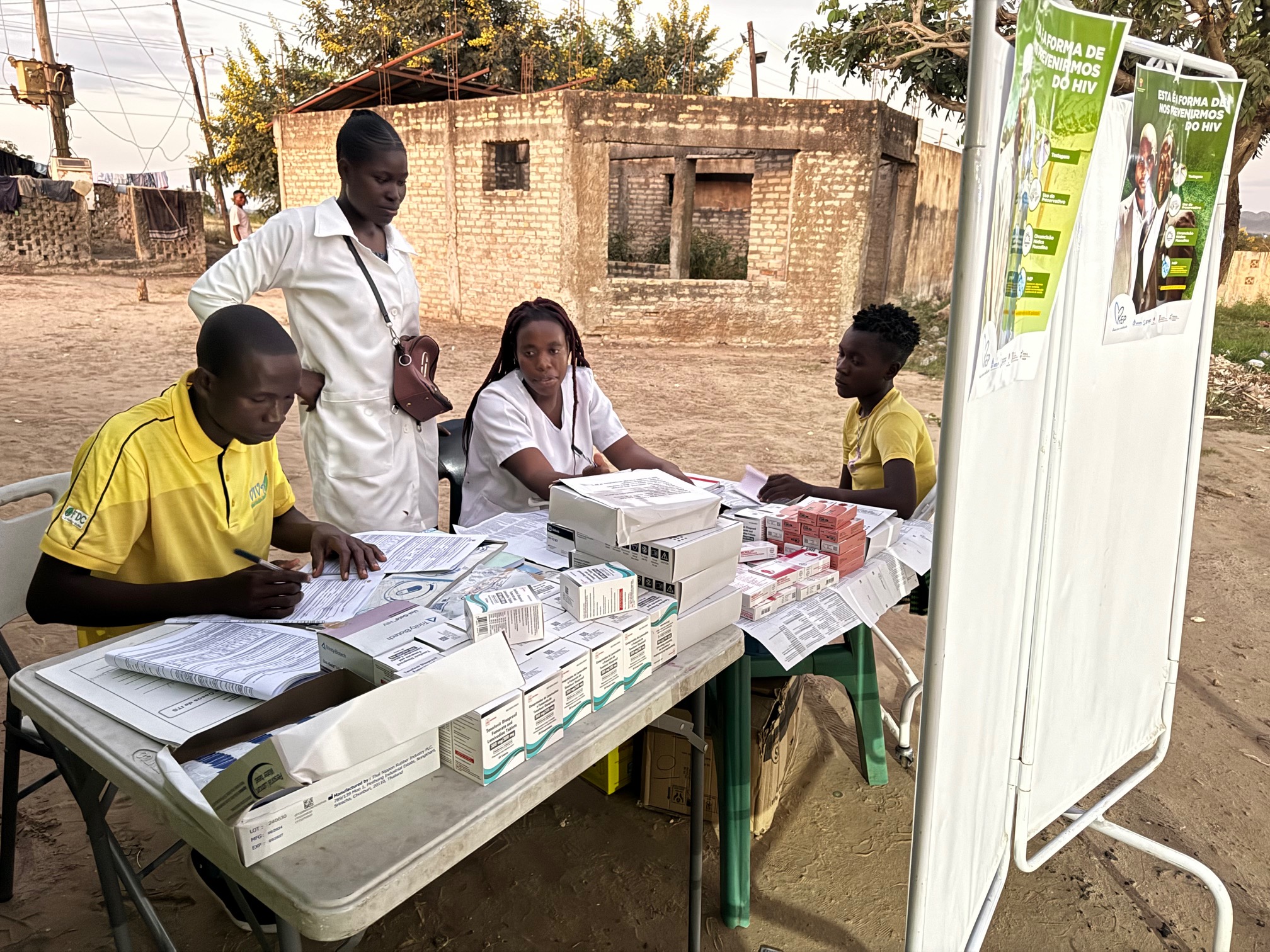
In Mozambique, in the continued fight against HIV, certain populations face a heightened risk of transmission, such as sex workers. With an HIV prevalence of 12.5% among adults, and a disproportionate burden on women, the need for targeted, effective interventions is critical. Among women, HIV prevalence can range from 4.5% in younger age groups to as high as 26.6% in those aged 35-39. This alarming reality underscores the urgency of comprehensive HIV prevention strategies tailored to vulnerable groups like sex workers. From April 2024, the Phamberi na Kudzirira (Forward with Prevention) project, which is funded by the Government of Japan, through the Japan Trust Fund (JTF) and implemented by IPPF’s Member Association in the country, Associação Moçambicana para o Desenvolvimento da Família (AMODEFA), has been addressing this challenge through innovative strategies that integrate Pre Exposure Prophylaxis (PrEP) and other biomedical HIV prevention methods such as the vaginal ring. Through mobile brigades, peer education, and targeted health services, the project has been making meaningful contributions in HIV transmission reduction efforts among sex workers in Mozambique’s Manica province. Manica province was strategically selected as the intervention site because one of its districts serves as a key transport corridor with interconnected roads leading to Maputo, other provinces in Mozambique, as well as the neighbouring country of Zimbabwe. This makes Manica a hotspot for heavy truck drivers and sex workers, thus an area of heightened HIV risk. The overarching goal of the Phamberi na Kudzirira project is to contribute to the reduction of HIV transmission by supporting the acceptance, distribution, and effective use of oral PrEP. The project seeks to ensure that sex workers have access to comprehensive sexual and reproductive health services, with PrEP as a cornerstone of HIV prevention. Peer Educators: Empowering Voices for Change The Phamberi na Kudzirira project works with a dedicated team of 10 health workers who are all trained to provide high quality, inclusive PrEP services tailored to the specific needs of sex workers. It also works with 20 peer educators across three districts in Manica province: Gondola, Chimoio, and Manica. The peer educators, who also double up as sex workers, are trained to share accurate information, offer support, and guide their peers to access vital HIV prevention services. Not only does the project leverage the trust and influence that peer educators hold within the sex worker community, but it also empowers sex workers to become active agents of change in the HIV response. The credibility and relatability of the peer educators are further reinforced by the fact that all 20 of them are personally using PrEP, demonstrating their confidence in the program and serving as powerful role models for their peers. The successes of the ongoing training program are measured through pre- and post-tests for the peer educators, to ensure that quality information is consistently shared during outreaches. Barriers to accessing sexual reproductive health services The Phamberi na Kudzirira project is however not without challenges. One of the significant challenges that sex workers face, and which the project continues to address, is the anxiety that comes with accessing SRHR services in health facilities. “The fear of being judged or mistreated often discourages sex workers from seeking medical help, even when necessary. To overcome this, I often accompany them to health facilities. AMODEFA works with partner health facilities who have been trained on non-discriminatory practices and are therefore able to satisfactorily attend to clients. Accompanying sex workers to these facilities helps to reassure them of the services and the service providers. Their interaction with the trained service providers encourages them to return for services when in need,” says Linda, a peer educator. Mobile brigades: enhancing access to SRHR services at hotspots To address the challenge of sex workers’ uptake of SRHR services in health facilities, the Phamberi na Kudzirira project has intensified efforts to create a more private and supportive environment through mobile brigades. Given the unique needs of sex workers, who often work at night in various hotspots, mobile brigades have played a crucial role in delivering services where they are needed most. These brigades bring HIV testing and PrEP services directly to the areas where sex workers operate, helping to reduce barriers such as stigma at health facilities. Since September 2024, AMODEFA has conducted 18 successful outreach missions, significantly increasing the accessibility of HIV prevention services. Sara*, a sex worker, is one of the beneficiaries of the mobile brigades. “The mobile brigades have enabled my friends and I to access testing and PrEP without the fear of the stigma that we often experience in health facilities. We feel more comfortable accessing services at the mobile brigades as they come right to where we are and the clinicians understand our needs very well,” she says. In areas where mobile brigades are not present, peer educators step in to guide sex workers to health units, ensuring they still receive testing and treatment despite concerns about stigma. Adherence to PrEP challenges Adherence to PrEP has also been identified as a challenge by the sex workers, as Rosa*, a sex worker explains. “Taking medication every day often feels tiring. However, the peer educators have emphasized the need for me to ensure that I take my medication as recommended. The peer educators encouraged me to prioritize my PrEP drugs in the same way I prioritize my meals. This helped me to understand the importance of the drugs,” she says. The engagement of sex workers as peer educators has been instrumental in promoting sustainability and ensuring that knowledge is passed on from one hotspot such as bars and roadside stops to the next. The mobile brigades have further strengthened this effort by making HIV testing and prevention services more accessible and less stigmatized, thus empowering sex workers to take charge of their health. Not only does the Phamberi na Kudzirira project leverage the trust and influence that peer educators hold within the sex worker community, but it also empowers sex workers to become active agents of change in the HIV response. The peer education model has proven to be one of the project’s greatest strengths. So far, 712 sex workers have been enrolled on oral PrEP courtesy of the Phamberi na Kudzirira project, demonstrating the reach and the impact of the program. Looking ahead, the project aims to continue expanding its reach and impact. The introduction of the vaginal ring as a new HIV prevention option in Mozambique holds significant promise, and AMODEFA hopes to integrate this method into its services as soon as it becomes widely available. “We are looking forward to this option, since adherence will be easier for us,” says Carla*, a sex worker and who is also a peer educator. Carla* notes that the vaginal ring will help in reducing reliance on a single method and improve overall adherence among sex workers. Sergio Mpilele, the Phamberi na Kudzirira Project Manager says that building on the current achievements, the project is paving the way for a more inclusive and effective HIV prevention response in Manica Province. “AMODEFA's innovative approach to HIV prevention in Manica province is setting a powerful example for how community led, inclusive health initiatives can make a real difference in the lives of those most at risk. Through the empowerment of peer educators, the accessibility of mobile brigades, and the continued education of sex workers about PrEP,” he says. *Names have been changed to protect the privacy of the individuals involved. Evelyn Nduati is the JTF Project Lead at the IPPF Africa Regional Office.
04 July 2025
Legal but Unprotected: The Paradox of Sex Work in Mozambique
By Benedicta Oyedayo Oyewole In Mozambique, sex work exists in a legal grey zone, decriminalised, yet persistently policed under vague notions of public decency. While the law does not explicitly criminalise sex work, provisions like Article 225 of the Penal Code are often used to target sex workers, especially those whose gender expression or sexual orientation fall outside societal norms. This legal ambiguity, combined with pervasive stigma, restricts sex workers’ access to basic rights, healthcare, and safety. HIV prevalence remains alarmingly high among sex workers, yet the gap between risk and access to prevention tools, particularly Pre-Exposure Prophylaxis (PrEP), is still wide. Many sex workers are either unaware of PrEP or face systemic and social barriers to accessing it. For a population so central to the HIV response, sex workers are often excluded from tailored, rights-based services designed with their specific realities in mind. Studies show a poor translation of HIV awareness into practice, with highly irregular condom use, limited HIV testing, and low treatment uptake. In cities like Maputo and Manica, only half of HIV-positive sex workers are on antiretroviral treatment (ART), while in regions like Nampula, nearly 73% have never accessed ART. The 2017 IBBS also revealed that two-thirds of sex workers had not consulted a healthcare professional in the past six months, and among those who did, one in ten faced difficulties receiving care. These gaps highlight a clear need for comprehensive capacity strengthening by and for sex workers on HIV prevention tools like PrEP, supported by community-driven approaches that build trust, knowledge, and agency. In 2024, Associação Moçambicana para o Desenvolvimento da Família (AMODEFA), IPPF’s Member Association in Mozambique, launched a project titled Phamberi na Kudzirira (Advance Prevention), supported by the Japan Trust Fund. This targeted initiative aims to strengthen the capacity of health workers to deliver inclusive, high-quality PrEP services. The project contributes to reducing HIV transmission by improving the uptake and effective use of oral PrEP (and other emerging prevention methods, where available), intending to enroll 800 sex workers on PrEP. In a year's reflection in Mozambique on the project, now certified peer educators and empowered sex workers in their diverse communities shared how the project had transformed their lives. Linda*, a peer educator from northern Mozambique, recounted how the project built her confidence to speak openly about sexual health. “Before this, I felt ashamed about my work and afraid of how people saw me,” she said. “But now, I can educate others about PrEP and HIV prevention without fear. I even help others get referred to health centers.” She beamed with pride as she described how she now understood the difference between PrEP and ARVs and was empowered to protect her health. “I know I can have sex without fear. I know my rights and my options,” she added. Another beneficiary, Marta*, echoed Linda’s sentiments. “This project taught me to believe that being a sex worker does not mean I should hide. I now speak about who I am without shame. It gave me words, tools, and pride.” Their stories reflect individual transformations and a broader shift in community dynamics, where shame is slowly replaced with solidarity, fear with knowledge, and invisibility with voice. Yet, gaps remain, despite the steady efforts of peer educators and community outreach; critical gaps remain in the protection, well-being, and inclusion of sex workers in Mozambique. During the engagement, the sex workers from different communities in Mozambique gave voice to the harsh realities they navigate daily, which remain largely unaddressed by mainstream health, legal, and social systems. One of the most alarming issues raised was violence, particularly the normalized violence perpetrated by law enforcement. Sex workers shared painful testimonies of being beaten, extorted, and sexually assaulted by police officers, who are supposed to protect them. “When they see us, they don't see a human being,” Grace* said. “They beat us and then ask for money to let us go.” The impunity with which this violence occurs reveals a broken justice system. Many beneficiaries shared stories of abuse and violence, particularly from police officers and clients, that go unreported, not due to apathy, but because justice feels out of reach. “It takes too long to come,” explained Maria*, a peer educator who also does sex work. “Sometimes it never comes at all. We report and they mock us. Or worse, they ask for money.” Despite sex work being legal in Mozambique, sex workers are acutely aware that the legal system remains ineffective, which perpetuates exploitation and abuse. Joana shared, “We make an agreement with the client, but after the service is done, they refuse to pay the agreed amount. They say, ‘What can you do? The police won’t help you.’ And sadly, they are right.” Elsa*, another sex worker, emphasized the power imbalance that allows clients to take advantage of their vulnerability. “We know sex work is legal, but the system is corrupt. There’s no real justice when things go wrong. The police, the courts, they just don’t care, and that makes it easy for clients to exploit us.” The sense of powerlessness felt by these workers is compounded by the realization that their efforts to seek justice often lead nowhere. Maria* added, “It doesn’t matter that sex work is legal. We can’t trust the system to protect us. The clients know this, and they use it to their advantage. They know we can’t do anything when they take advantage of us.” These vulnerabilities are compounded by the attitudes of healthcare workers. Even though awareness of prevention tools like PrEP and PEP has grown largely due to peer-led education, participants spoke of routine discrimination at public health centers. “When I go to the hospital, they shout at me and tell everyone I sell my body,” one sex worker shared. As a result, many avoid clinics altogether, seeking care only when severely ill or through trusted mobile outreach. Social stigma further reinforces isolation. Several participants recounted being disowned by family members or forced out of their homes. The rejection is often rooted in cultural and religious beliefs that vilify sex work. “My mother cried when she found out. She said I had brought shame to the family,” one woman said quietly. Others spoke of being denied housing or excluded from community events. This lack of communal acceptance leaves many without social support and vulnerable to depression, exploitation, and homelessness. The challenges sex workers face in Mozambique are deeply rooted in a flawed justice system, where even though sex work is legal, exploitation, stigma, and abuse persist unchecked. Many sex workers feel powerless in the face of corruption and institutional neglect, as they are unable to seek justice for exploitation or violence. However, the project led by AMODEFA marks a significant step toward change. It provides an opportunity for sex workers to begin reclaiming their rights, gaining access to resources, and finding solidarity among themselves. This initiative is not just about offering services; it’s about empowering sex workers to speak up, challenge stigma, and demand accountability. While community-led programs have made significant strides, particularly in building trust and disseminating health information, they cannot substitute for structural change. There is an urgent need for the country government, NGOs, and sex worker-led and allied organizations to continue to push for comprehensive legal protection, ensuring that sex workers are shielded from violence and exploitation. Promoting their rights, enhancing societal understanding, and creating supportive structures, this project signals the beginning of a new dawn for sex workers in Mozambique, one that champions justice, dignity, and equality. As Faith* put it: “We are people, women, daughters, mothers, friends, sisters. We are not the enemy. We just want to be safe, work, live, and be respected.” NB: All names marked with an asterisk (*) are pseudonyms used to protect the identity and safety of the sex workers who participated in this article.
05 November 2025
Sex Workers Leading the Fight Against HIV in Mozambique’s Manica Province
In Mozambique, in the continued fight against HIV, certain populations face a heightened risk of transmission, such as sex workers. With an HIV prevalence of 12.5% among adults, and a disproportionate burden on women, the need for targeted, effective interventions is critical. Among women, HIV prevalence can range from 4.5% in younger age groups to as high as 26.6% in those aged 35-39. This alarming reality underscores the urgency of comprehensive HIV prevention strategies tailored to vulnerable groups like sex workers. From April 2024, the Phamberi na Kudzirira (Forward with Prevention) project, which is funded by the Government of Japan, through the Japan Trust Fund (JTF) and implemented by IPPF’s Member Association in the country, Associação Moçambicana para o Desenvolvimento da Família (AMODEFA), has been addressing this challenge through innovative strategies that integrate Pre Exposure Prophylaxis (PrEP) and other biomedical HIV prevention methods such as the vaginal ring. Through mobile brigades, peer education, and targeted health services, the project has been making meaningful contributions in HIV transmission reduction efforts among sex workers in Mozambique’s Manica province. Manica province was strategically selected as the intervention site because one of its districts serves as a key transport corridor with interconnected roads leading to Maputo, other provinces in Mozambique, as well as the neighbouring country of Zimbabwe. This makes Manica a hotspot for heavy truck drivers and sex workers, thus an area of heightened HIV risk. The overarching goal of the Phamberi na Kudzirira project is to contribute to the reduction of HIV transmission by supporting the acceptance, distribution, and effective use of oral PrEP. The project seeks to ensure that sex workers have access to comprehensive sexual and reproductive health services, with PrEP as a cornerstone of HIV prevention. Peer Educators: Empowering Voices for Change The Phamberi na Kudzirira project works with a dedicated team of 10 health workers who are all trained to provide high quality, inclusive PrEP services tailored to the specific needs of sex workers. It also works with 20 peer educators across three districts in Manica province: Gondola, Chimoio, and Manica. The peer educators, who also double up as sex workers, are trained to share accurate information, offer support, and guide their peers to access vital HIV prevention services. Not only does the project leverage the trust and influence that peer educators hold within the sex worker community, but it also empowers sex workers to become active agents of change in the HIV response. The credibility and relatability of the peer educators are further reinforced by the fact that all 20 of them are personally using PrEP, demonstrating their confidence in the program and serving as powerful role models for their peers. The successes of the ongoing training program are measured through pre- and post-tests for the peer educators, to ensure that quality information is consistently shared during outreaches. Barriers to accessing sexual reproductive health services The Phamberi na Kudzirira project is however not without challenges. One of the significant challenges that sex workers face, and which the project continues to address, is the anxiety that comes with accessing SRHR services in health facilities. “The fear of being judged or mistreated often discourages sex workers from seeking medical help, even when necessary. To overcome this, I often accompany them to health facilities. AMODEFA works with partner health facilities who have been trained on non-discriminatory practices and are therefore able to satisfactorily attend to clients. Accompanying sex workers to these facilities helps to reassure them of the services and the service providers. Their interaction with the trained service providers encourages them to return for services when in need,” says Linda, a peer educator. Mobile brigades: enhancing access to SRHR services at hotspots To address the challenge of sex workers’ uptake of SRHR services in health facilities, the Phamberi na Kudzirira project has intensified efforts to create a more private and supportive environment through mobile brigades. Given the unique needs of sex workers, who often work at night in various hotspots, mobile brigades have played a crucial role in delivering services where they are needed most. These brigades bring HIV testing and PrEP services directly to the areas where sex workers operate, helping to reduce barriers such as stigma at health facilities. Since September 2024, AMODEFA has conducted 18 successful outreach missions, significantly increasing the accessibility of HIV prevention services. Sara*, a sex worker, is one of the beneficiaries of the mobile brigades. “The mobile brigades have enabled my friends and I to access testing and PrEP without the fear of the stigma that we often experience in health facilities. We feel more comfortable accessing services at the mobile brigades as they come right to where we are and the clinicians understand our needs very well,” she says. In areas where mobile brigades are not present, peer educators step in to guide sex workers to health units, ensuring they still receive testing and treatment despite concerns about stigma. Adherence to PrEP challenges Adherence to PrEP has also been identified as a challenge by the sex workers, as Rosa*, a sex worker explains. “Taking medication every day often feels tiring. However, the peer educators have emphasized the need for me to ensure that I take my medication as recommended. The peer educators encouraged me to prioritize my PrEP drugs in the same way I prioritize my meals. This helped me to understand the importance of the drugs,” she says. The engagement of sex workers as peer educators has been instrumental in promoting sustainability and ensuring that knowledge is passed on from one hotspot such as bars and roadside stops to the next. The mobile brigades have further strengthened this effort by making HIV testing and prevention services more accessible and less stigmatized, thus empowering sex workers to take charge of their health. Not only does the Phamberi na Kudzirira project leverage the trust and influence that peer educators hold within the sex worker community, but it also empowers sex workers to become active agents of change in the HIV response. The peer education model has proven to be one of the project’s greatest strengths. So far, 712 sex workers have been enrolled on oral PrEP courtesy of the Phamberi na Kudzirira project, demonstrating the reach and the impact of the program. Looking ahead, the project aims to continue expanding its reach and impact. The introduction of the vaginal ring as a new HIV prevention option in Mozambique holds significant promise, and AMODEFA hopes to integrate this method into its services as soon as it becomes widely available. “We are looking forward to this option, since adherence will be easier for us,” says Carla*, a sex worker and who is also a peer educator. Carla* notes that the vaginal ring will help in reducing reliance on a single method and improve overall adherence among sex workers. Sergio Mpilele, the Phamberi na Kudzirira Project Manager says that building on the current achievements, the project is paving the way for a more inclusive and effective HIV prevention response in Manica Province. “AMODEFA's innovative approach to HIV prevention in Manica province is setting a powerful example for how community led, inclusive health initiatives can make a real difference in the lives of those most at risk. Through the empowerment of peer educators, the accessibility of mobile brigades, and the continued education of sex workers about PrEP,” he says. *Names have been changed to protect the privacy of the individuals involved. Evelyn Nduati is the JTF Project Lead at the IPPF Africa Regional Office.
04 July 2025
Legal but Unprotected: The Paradox of Sex Work in Mozambique
By Benedicta Oyedayo Oyewole In Mozambique, sex work exists in a legal grey zone, decriminalised, yet persistently policed under vague notions of public decency. While the law does not explicitly criminalise sex work, provisions like Article 225 of the Penal Code are often used to target sex workers, especially those whose gender expression or sexual orientation fall outside societal norms. This legal ambiguity, combined with pervasive stigma, restricts sex workers’ access to basic rights, healthcare, and safety. HIV prevalence remains alarmingly high among sex workers, yet the gap between risk and access to prevention tools, particularly Pre-Exposure Prophylaxis (PrEP), is still wide. Many sex workers are either unaware of PrEP or face systemic and social barriers to accessing it. For a population so central to the HIV response, sex workers are often excluded from tailored, rights-based services designed with their specific realities in mind. Studies show a poor translation of HIV awareness into practice, with highly irregular condom use, limited HIV testing, and low treatment uptake. In cities like Maputo and Manica, only half of HIV-positive sex workers are on antiretroviral treatment (ART), while in regions like Nampula, nearly 73% have never accessed ART. The 2017 IBBS also revealed that two-thirds of sex workers had not consulted a healthcare professional in the past six months, and among those who did, one in ten faced difficulties receiving care. These gaps highlight a clear need for comprehensive capacity strengthening by and for sex workers on HIV prevention tools like PrEP, supported by community-driven approaches that build trust, knowledge, and agency. In 2024, Associação Moçambicana para o Desenvolvimento da Família (AMODEFA), IPPF’s Member Association in Mozambique, launched a project titled Phamberi na Kudzirira (Advance Prevention), supported by the Japan Trust Fund. This targeted initiative aims to strengthen the capacity of health workers to deliver inclusive, high-quality PrEP services. The project contributes to reducing HIV transmission by improving the uptake and effective use of oral PrEP (and other emerging prevention methods, where available), intending to enroll 800 sex workers on PrEP. In a year's reflection in Mozambique on the project, now certified peer educators and empowered sex workers in their diverse communities shared how the project had transformed their lives. Linda*, a peer educator from northern Mozambique, recounted how the project built her confidence to speak openly about sexual health. “Before this, I felt ashamed about my work and afraid of how people saw me,” she said. “But now, I can educate others about PrEP and HIV prevention without fear. I even help others get referred to health centers.” She beamed with pride as she described how she now understood the difference between PrEP and ARVs and was empowered to protect her health. “I know I can have sex without fear. I know my rights and my options,” she added. Another beneficiary, Marta*, echoed Linda’s sentiments. “This project taught me to believe that being a sex worker does not mean I should hide. I now speak about who I am without shame. It gave me words, tools, and pride.” Their stories reflect individual transformations and a broader shift in community dynamics, where shame is slowly replaced with solidarity, fear with knowledge, and invisibility with voice. Yet, gaps remain, despite the steady efforts of peer educators and community outreach; critical gaps remain in the protection, well-being, and inclusion of sex workers in Mozambique. During the engagement, the sex workers from different communities in Mozambique gave voice to the harsh realities they navigate daily, which remain largely unaddressed by mainstream health, legal, and social systems. One of the most alarming issues raised was violence, particularly the normalized violence perpetrated by law enforcement. Sex workers shared painful testimonies of being beaten, extorted, and sexually assaulted by police officers, who are supposed to protect them. “When they see us, they don't see a human being,” Grace* said. “They beat us and then ask for money to let us go.” The impunity with which this violence occurs reveals a broken justice system. Many beneficiaries shared stories of abuse and violence, particularly from police officers and clients, that go unreported, not due to apathy, but because justice feels out of reach. “It takes too long to come,” explained Maria*, a peer educator who also does sex work. “Sometimes it never comes at all. We report and they mock us. Or worse, they ask for money.” Despite sex work being legal in Mozambique, sex workers are acutely aware that the legal system remains ineffective, which perpetuates exploitation and abuse. Joana shared, “We make an agreement with the client, but after the service is done, they refuse to pay the agreed amount. They say, ‘What can you do? The police won’t help you.’ And sadly, they are right.” Elsa*, another sex worker, emphasized the power imbalance that allows clients to take advantage of their vulnerability. “We know sex work is legal, but the system is corrupt. There’s no real justice when things go wrong. The police, the courts, they just don’t care, and that makes it easy for clients to exploit us.” The sense of powerlessness felt by these workers is compounded by the realization that their efforts to seek justice often lead nowhere. Maria* added, “It doesn’t matter that sex work is legal. We can’t trust the system to protect us. The clients know this, and they use it to their advantage. They know we can’t do anything when they take advantage of us.” These vulnerabilities are compounded by the attitudes of healthcare workers. Even though awareness of prevention tools like PrEP and PEP has grown largely due to peer-led education, participants spoke of routine discrimination at public health centers. “When I go to the hospital, they shout at me and tell everyone I sell my body,” one sex worker shared. As a result, many avoid clinics altogether, seeking care only when severely ill or through trusted mobile outreach. Social stigma further reinforces isolation. Several participants recounted being disowned by family members or forced out of their homes. The rejection is often rooted in cultural and religious beliefs that vilify sex work. “My mother cried when she found out. She said I had brought shame to the family,” one woman said quietly. Others spoke of being denied housing or excluded from community events. This lack of communal acceptance leaves many without social support and vulnerable to depression, exploitation, and homelessness. The challenges sex workers face in Mozambique are deeply rooted in a flawed justice system, where even though sex work is legal, exploitation, stigma, and abuse persist unchecked. Many sex workers feel powerless in the face of corruption and institutional neglect, as they are unable to seek justice for exploitation or violence. However, the project led by AMODEFA marks a significant step toward change. It provides an opportunity for sex workers to begin reclaiming their rights, gaining access to resources, and finding solidarity among themselves. This initiative is not just about offering services; it’s about empowering sex workers to speak up, challenge stigma, and demand accountability. While community-led programs have made significant strides, particularly in building trust and disseminating health information, they cannot substitute for structural change. There is an urgent need for the country government, NGOs, and sex worker-led and allied organizations to continue to push for comprehensive legal protection, ensuring that sex workers are shielded from violence and exploitation. Promoting their rights, enhancing societal understanding, and creating supportive structures, this project signals the beginning of a new dawn for sex workers in Mozambique, one that champions justice, dignity, and equality. As Faith* put it: “We are people, women, daughters, mothers, friends, sisters. We are not the enemy. We just want to be safe, work, live, and be respected.” NB: All names marked with an asterisk (*) are pseudonyms used to protect the identity and safety of the sex workers who participated in this article.