



Articles about Sexual Health
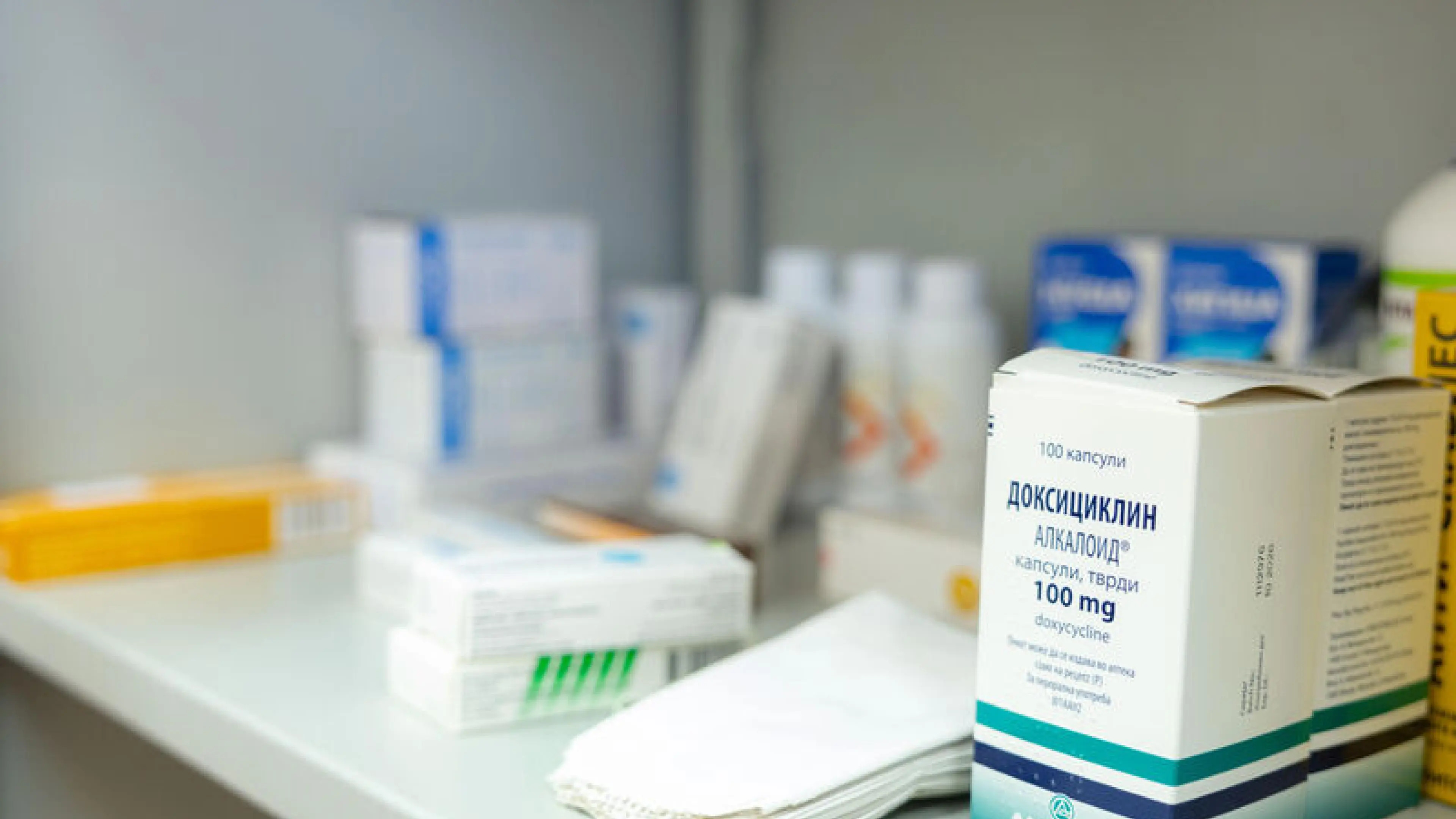
IMAP Frequently Asked Questions: Using pre-exposure prophylaxis (PrEP) and gender affirming hormone therapy (GAHT) for transgender and gender-diverse clients
PrEP is one of the most effective tools we have to prevent HIV, yet many people still have questions about what it is, who it is for, and how it fits into their lives. Can you take PrEP if you are on gender-affirming hormone therapy? Does it have side effects? And why do so many transgender and gender-diverse people still face barriers to accessing it? We consulted the IPPF International Medical Advisory Panel to answer some of the most common questions we have received from the community about PrEP, from how it works and who can benefit from it, to the realities of navigating HIV prevention, healthcare systems, and gender-affirming care. Whether you're considering PrEP yourself, supporting someone who is, or simply curious, here's what you need to know. What is PrEP? PrEP refers to the use of antiretroviral medication by people not infected with HIV to reduce their risk of acquiring HIV (1). PrEP is used during periods when individuals believe they are particularly vulnerable to HIV infection. There are different delivery methods and regimens, with new methods also in development. Currently available options include an oral pill, a vaginal ring, and long-acting injectables. Who should use PrEP? PrEP is appropriate for anyone who perceives themselves to be vulnerable to HIV and wishes to reduce their risk of HIV infection through use of medications (1). Are there side effects to PrEP? Like all medications, PrEP may be associated with side effects in some people. The most common side effects are temporary, and can include nausea, bloating, diarrhoea, headache, feeling dizzy or weak, and trouble sleeping. Side effects from injections can include bruising, pain or small nodules at the injection site. Serious side effects are rare. Does PrEP interfere with gender-affirming hormone therapy? No. PrEP does not lower hormone levels in transgender, nonbinary, and gender diverse people (TGD) on gender-affirming hormone therapy (GAHT) (2). PrEP has been shown to be effective and safe in TGD people and should be provided to high-risk individuals regardless of gender affirming hormone use. There are no measurable differences in hormone levels in blood between PrEP users and non-users who are on GAHT (3). However, blood concentrations of PrEP drugs in transgender women were lower than expected, although at levels unlikely to interfere with their antiviral effect to prevent HIV acquisition (4). Are there sexual side effects to PrEP or gender-affirming hormone therapy for transgender women? PrEP is a medication that reduces the ability of the HIV virus to infect human immune cells; it does not impact the sexual functioning of human sex organs. GAHT for transgender women, however, decreases penile erection function, libido and ejaculatory volume. Discussion of these effects should be an integral part of the informed consent process and shared decision-making at the time of initiating GAHT. If these particular effects are unwanted, there are various strategies that can be used for those who wish to fully maintain penile sexual function, including the use of PDE5 (phosphodiesterase type 5) inhibitors (e.g., sildenafil, tadalafil, vardenafil) to facilitate erections, masturbation/sexual activity to maintain tissue perfusion, lowering antiandrogen doses when feminising goals are met and targeting testosterone levels slightly higher than cisfemale range (either through lower GAHT doses or addition of low-dose add-back testosterone therapy) (5). What are the barriers to using PrEP? Access to healthcare is critical for successful PrEP implementation. Although higher-income regions have had more successful implementation and awareness raising campaigns to date, many low-middle income countries are accelerating access. While PrEP is an important part of HIV preventive care services, studies show transgender women use less preventive care due to multiple factors, including limited access to healthcare, lack of insurance coverage for PrEP and gender-affirming care and medications, and fear of discrimination and stigma by healthcare providers (6). References IMAP statement on biomedical HIV prevention. IPPF, 2023 IMAP Statement on Biomedical HIV Prevention | IPPF, accessed March 2026. Senneker T. Drug-Drug Interactions Between Gender-Affirming Hormone Therapy and Antiretrovirals for Treatment/ Prevention of HIV. Br J Clin Pharmacol. 2024;90:2366–2382. Grant RM, Pellegrini M, Defechereux PA, Anderson PL, Yu M, Glidden DV, O’Neal J, Yager J, Bhasin S, Sevelius J, Deutsch MB. Sex Hormone Therapy and Tenofovir Diphosphate Concentration in Dried Blood Spots: Primary Results of the Interactions Between Antiretrovirals And Transgender Hormones Study. Clin Infect Dis. 2021 Oct 5;73(7):e2117-e2123. doi: 10.1093/cid/ciaa1160. PMID: 32766890; PMCID: PMC8492111. Hiransuthikul A, Janamnuaysook R, Himmad K, et al. Drug drug interactions between feminizing hormone therapy and preexposure prophylaxis among transgender women: the iFACT study. J Int AIDS Soc 2019; 22(7): e25338. DOI: 10. 1002/jia2.25338. Sehgal I. Review of adult gender transition medications: mechanisms, efficacy measures, and pharmacogenomic considerations. Front Endocrinol (Lausanne). 2023 Jul 4;14:1184024. doi: 10.3389/fendo.2023.1184024. Teng F, Sha Y, Fletcher LM, Welsch M, Burns P, Tang W. Barriers to uptake of PrEP across the continuum among transgender women: A global scoping review. Int J STD AIDS. 2023 Apr;34(5):299-314. doi: 10.1177/09564624231152781. Epub 2023 Feb 15. PMID: 36793197.
14 May 2026
Standing Firm for SRHR and Women’s Rights Amid Growing Backlash at the 87th ACHPR
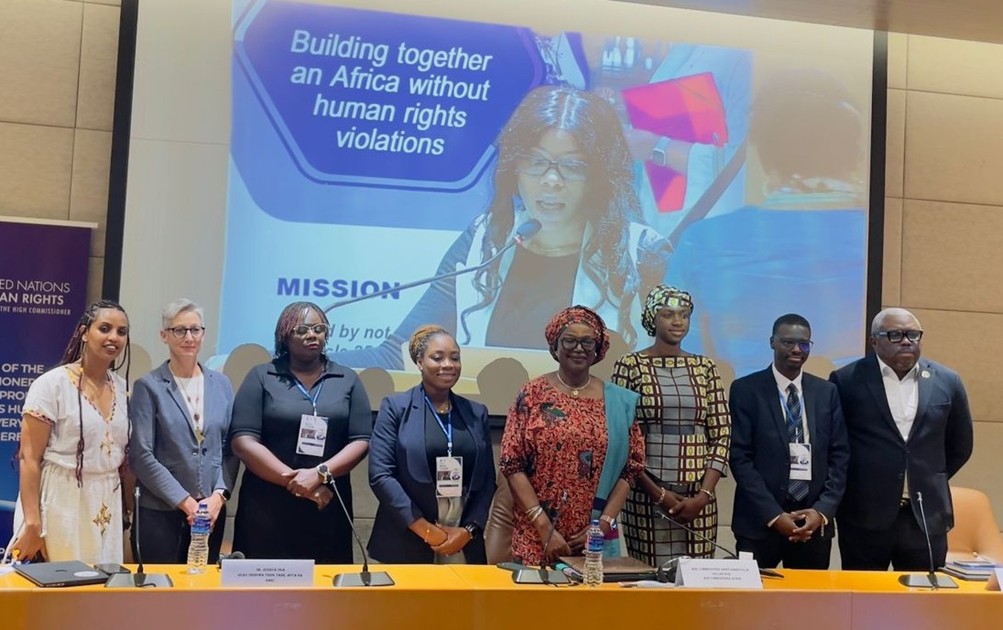
Banjul, The Gambia, May 2026 On the margins of the 87th Ordinary Session of the African Commission on Human and Peoples’ Rights (ACHPR) during the NGO Forum, advocates, policymakers, and human rights leaders came together to confront a shared reality: while Africa has made significant gains in advancing sexual and reproductive health and rights (SRHR) and women’s rights, these gains are increasingly under threat. By Cheikh Tidjane N’DONGO, IPPF Africa Regional Senior Advocacy Advisor A panel organized by the Office of the United Nations High Commissioner for Human Rights (UN OHCHR) and IPPF Africa (IPPF ARO), through the financial support of the Packard Foundation and the Government of Luxembourg, on “Defending Rights in Hostile Contexts: Attacks on Human Rights actors advancing Sexual and Reproductive Health and Rights in the Context of Shrinking Civic Space and Gender Backlash”, panelists examined both the nature of the current backlash and the strategies proving effective in defending hard‑won rights. The panel has been moderated by Hon. Janet Ramatoulie Sallah‑Njie, Commissioner and AU Special Rapporteur on the Rights of Women in Africa, shifting the focus from challenges to solutions. Hon. Sallah‑Njie noted: “Across the continent, we see African actors leading with courage and creativity. These good practices remind us that women’s rights are firmly rooted in African values of dignity, equality, and justice.” A shrinking civic space and coordinated backlash Across the continent, SRHR defenders, health providers, and women’s rights organizations are facing escalating attacks, restrictions, and delegitimization. These challenges were a central focus of the panel 'Defending Rights in Hostile Contexts', which highlighted how opposition to SRHR is increasingly organized, well‑resourced, and often framed through narratives of “culture,” “morality,” or “African values.” Dr. Jessica Oga, Head of Ubingwa Think Tank, Afya Na Haki, highlighted that “The cultural framing is the most sophisticated tool in the anti-rights toolkit. When a woman defends reproductive rights in Africa today, she is not presented as defending human rights. She is presented as betraying her culture, her community, her identity. The counter to it is not to abandon cultural conversation. The counter is to reclaim it, using Africa's own jurisprudence, Africa's own treaty architecture, Africa's own definition of Ubuntu, one that protects the most vulnerable.” Panelists underscored that this backlash does not occur in isolation. It is embedded within a broader shrinking of civic space, marked by restrictive laws, regulatory pressures on civil society, and heightened risks for human rights defenders, particularly women and those working on gender equality and bodily autonomy. Gendered disinformation, intimidation, and legal harassment continue to undermine both advocacy and service delivery, with direct consequences for access to sexual and reproductive health care. Lived realities of defenders and providers The panel brought forward concrete examples of how backlash affects day‑to‑day work. SRHR providers and advocates described professional intimidation, regulatory harassment, and personal attacks that disrupt services and create fear. Drawing on frontline experience, Nelly Munyasia, Executive Director of the Reproductive Health Network Kenya (RHNK), underscored the pressure on service delivery: “Shrinking and reframed funding landscape that shifts away directly from rights-based funding leads to fragmentation of the health system through dismantling of [the] integration of SRHR service delivery.” Institutional resistance and the role of National Human Rights Institutions (NHRIs) Panelists also examined how laws and regulatory frameworks are increasingly used to constrain SRHR advocacy, often indirectly, through licensing rules, funding restrictions, or vague public order provisions. A key moment of the panel focused on the preventive role national human rights institutions (NHRIs) can play when rights come under threat. Commissioner Halima Dibba, National Human Rights Commission of The Gambia, reflected on recent efforts in The Gambia to resist attempts to roll back protections against female genital mutilation (FGM). Commissioner Dibba stressed: “Regression is not inevitable. When institutions act early, ground their positions in the law, and work closely with civil society, it is possible to stop harmful reversals before they take hold.” The discussion highlighted this case as an example of how coordinated institutional action can defend established protections and reinforce public trust in human rights frameworks. Building protection, resilience, and solidarity Throughout the discussions, participants identified protection and solidarity as essential to sustaining SRHR and women’s rights work. Effective strategies include legal support for defenders, digital and psychosocial protection measures, and stronger alliances between civil society, health providers, faith leaders, and institutions. Crucially, there was broad agreement that no single actor can confront the backlash alone. Regional bodies, states, and non‑state actors must work together to strengthen accountability, safeguard civic space, and ensure that defenders can operate without fear. Speakers reaffirmed the Maputo Protocol as a cornerstone of these efforts, emphasizing its relevance as a living instrument for protecting bodily autonomy and gender equality. Looking ahead As the 87th ACHPR session continues, the conversations in Banjul signal both concern and resolve. While the backlash against SRHR and women’s rights is real and intensifying, so too is the determination of African actors to defend progress, protect defenders, and advance rights grounded in equality and justice. For IPPF ARO and its partners, these exchanges reaffirm the importance of sustained advocacy, regional engagement, and solidarity with those on the frontlines, ensuring that sexual and reproductive health and rights, and the rights of women and girls in all their diversity, are not only defended but continue to advance.

05 May 2026
Sida reaffirms commitment to strengthening SRHR through partnership with IPPF in Kenya
A high-level delegation from the Swedish International Development Cooperation Agency (Sida) recently visited IPPF’s Member Association in Kenya, reaffirming its commitment to sexual reproductive health and rights (SRHR) through locally-led, community-driven approaches. By Maryanne W. WAWERU The Swedish International Development Cooperation Agency (Sida), one of IPPF’s longest standing core funding donor partners, has reiterated its commitment to supporting IPPF and it’s *Member Associations (MAs) in advancing sexual reproductive health and rights (SRHR). Sweden, through Sida, provides substantial support to global health, SRHR, and humanitarian assistance, and is widely recognised for its high levels of flexible funding to multilateral partners. During a visit to IPPF’s affiliate in Kenya -Reproductive Health Network Kenya (RHNK) on Wednesday 22 April 2026, Ms. Sofia Östmark -the Sida Assistant Director General and Head of Global Operations, commended IPPF’s work in expanding access to essential SRHR services, more so to marginalized, vulnerable and underserved populations. Ms. Östmark, who was accompanied by Ms. Teresa Rovira, Programme Officer (Strategy Development), engaged with RHNK staff, gaining insights into the organization’s critical advocacy and service delivery efforts -which have yielded tangible results, especially for women and girls across Kenya. REHNET Medical Center -serving vulnerable populations The Sida delegation also visited REHNET Medical Center, a youth-friendly facility located in the peri-urban settlement of Kwa Ndege, Embakasi, in Nairobi. The center serves as a safe space for teen mothers, LGBTQIA+ persons and sex workers, offering a wide range of safe, confidential and non-judgemental SRHR services. The visit highlighted how marginalized populations are critical players in the SRHR ecosystem and how RHNK prioritizes inclusivity, thus ensuring that no one is left behind. At the facility, the team learned about Nena na Binti (Swahili for ‘talk to a girl’), an innovative digital health initiative that provides a toll-free hotline and WhatsApp chatbot services. Nena na Binti connects young people, women and girls to trusted counsellors and healthcare workers, ensuring they access SRHR information and services in a timely, confidential and trusted manner. Through an RHNK network of over 600 partners across the country, including in remote areas, Nena na Binti ensures that everyone in need can access services wherever they are. Reflecting on the visit, Ms. Östmark noted that organizations like RHNK demonstrate the essence of ‘locally-led organizations doing remarkable work for the communities they serve’. She noted that “RHNK’s ability to reach communities with tailored, rights-based information and services is critical to achieving sustainable progress in SRHR.” Dr. Edison Omollo, Head of Programmes at RHNK highlighted the value of Sida’s support in fostering sustained impact. “Sida’s multi-year investment through IPPF enables RHNK to deliver integrated, scalable, sustainable and high-impact SRHR outcomes for women and girls in Kenya. The flexible funding allows us to adapt to evolving and emerging system realities, in the face of declining aid flows and increasing fiscal constraints -while supporting service delivery, advancing rights, building movements and generating measurable impact at scale.” Common agenda between Sida and IPPF Sida’s partnership with IPPF is anchored on shared commitments to equity, human rights, SRHR justice, and gender equality. By investing in IPPF, and in turn its MAs, Sida supports the growth of local organizations that address SRHR challenges while at the same time driving lasting change. Ms. Mallah Tabot, the SRHR Lead at IPPF Africa Region, underscored the value of community-led change, but still within a global rights movement. “RHNK is a true representation of the spirit of the IPPF movement; locally grounded and globally connected. We are proud to serve and support the work of our MAs as they continue to broaden access to high quality, rights-based SRHR services to those in need of them. We are especially grateful for Sida’s partnership in making this work possible,” she said. As IPPF and its MAs continue responding to emerging and evolving SRHR needs, including challenges such as the rise of anti-rights actors and shifting donor landscapes, partnerships such as that with Sida remain critical in ensuring that community-driven solutions are prioritized and sustained, and that all people are reached and served. *IPPF delivers impact through partnerships with locally-led organizations, known as MAs and Collaborative Partners (CPs). In the Africa region, IPPF is present in 39 countries.
25 February 2026
Strengthening Health Systems for Integrated and Transformative SRHR (SHIFTS)
𝗔𝗯𝗼𝘂𝘁 𝗦𝗛𝗜𝗙𝗧𝗦 Strengthening Health Systems for Integrated and Transformative SRHR (SHIFTS) is a 7-year initiative that aims to enhance the realization of sexual and reproductive health and rights (SRHR) for women, adolescents and marginalized groups by ensuring they can exercise their rights and access essential sexual and reproductive health (SRH) care, free from stigma, discrimination and systemic barriers. Donor: Global Affairs Canada Implementing MAs: Association Béninoise pour la Promotion de la Famille (ABPF), Associação Moçambicana para o Desenvolvimento da Família (AMODEFA) and Planned Parenthood Federation of Nigeria (PPFN). When: 21 March 2025 -31 March 2032 (7 years) Where: Benin – Bohicon and Parakou Mozambique – Zambezia and Gaza Nigeria – Adamawa, Edo, Enugu, Kaduna, Niger, and Oyo The SHIFTS Approach Women, girls and marginalized communities in Mozambique, Benin and Nigeria face persistent gender and health inequities such as high maternal mortality, unmet need for contraception, and higher-than-global-average adolescent birth rates. These issues are compounded by harmful social and gender norms, restricted decision-making power of women and girls over their bodies, and limited integration of SRH care and services into primary healthcare. Additionally, unsafe abortion remains a major contributor to maternal mortality, with stigma, misinformation, and lack of access to safe abortion care, making it more difficult for women and adolescents to access the health services they need. The SHIFTS project responds to these challenges through a three-pillared approach. 1. Tackling gaps in health systems by scaling up and/or implementing cluster models of care to deliver integrated SRH care. 2. Addressing social and gendered barriers to accessing SRHR care through comprehensive sexuality education and community sensitization. 3. Fostering enabling policy and legal environments that emphasize supporting duty bearers in meeting their obligations and accompanying rights holders in claiming their rights. SHIFTS is being implemented in partnership with Action Canada for Sexual Health and Rights, the International Planned Parenthood Federation Africa Region (IPPFAR) and experienced Member Associations (MAs) in Benin, Mozambique, and Nigeria. Grounded in and guided by human-rights based approaches and feminist principles, the project’s partners are committed to strengthening the resilience of health systems in the three focus countries to ensure continuity and long-term accessibility of SRH care in times of disruption.
24 February 2026
Restoring dignity and continuity of SRH care in emergencies: A Story from Al-Dabbah, Sudan
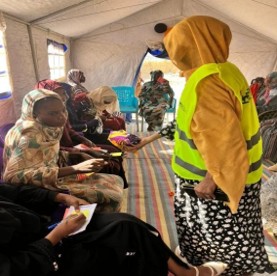
When the conflict reached El Fasher in late 2025, families fled with little more than what they could carry. Within weeks, an estimated 37,000 people arrived in Al-Dabbah, Northern State, transforming an open area into a newly established internally displaced person (IDP) camp almost overnight. Shelters went up quickly, but essential health services did not. For displaced women and adolescent girls, the consequences were immediate. Access to family planning, antenatal and postnatal care, and support for survivors of gender-based violence (GBV) disappeared at the very moment when these services were most needed. Adolescents, women with disabilities, and survivors of violence faced heightened risks in a fragile setting marked by limited infrastructure, overcrowding, and fear. One woman recalled the early days of displacement: “We escaped the fighting, but when we arrived here, there was nowhere to go for care. We did not know who to trust.” Recognizing the urgency, the Sudan Family Planning Association (SFPA), with support from WISH 2, moved quickly. Within a short period, an integrated reproductive health clinic was established inside the Al-Dabbah IDP camp. Using temporary tents, mobile equipment, and essential reproductive health commodities, the clinic began providing family planning, maternal health services, and GBV- related support, restoring care where none had existed. In the first 3 months, the clinic served a very few women and girls, many of whom had gone weeks or months without access to care. Yet the success of the clinic was not only about infrastructure. It was about trust. A pivotal moment came with the assignment of Mr. Mubarak, a laboratory technician who himself had been displaced by the conflict. He spoke the local language, understood cultural norms, and shared the community’s lived experience of loss and uncertainty. “People were hesitant at first,” Mr. Mubarak explained. “But when they saw familiar faces, people who had lived what they lived, they began to believe the clinic was truly for them.” His presence helped overcome cultural barriers that often prevent women from seeking sexual and reproductive health (SRH) services. Alongside him, clinic staff received on-the-job mentoring in client-centred and culturally sensitive care, ensuring that every interaction prioritised dignity, confidentiality, and respect, particularly for GBV survivors. Gradually, trust grew. Women began returning, not just once, but repeatedly. Adolescents sought counselling. Pregnant women resumed antenatal visits. Survivors of violence found a safe place to be heard. One beneficiary described the change simply: “Now I can get family planning and maternal health services without worrying. The staff understand us. They treat us with respect.” Through the strategic engagement of local displaced professionals, the reuse of mobile and laboratory equipment, and the rapid mobilisation of limited resources, the intervention delivered timely and cost-effective results. Despite modest funding, the clinic restored essential services and strengthened the health system’s capacity to respond to emergencies, demonstrating strong value for money for the donor. The intervention showed that even in fragile and humanitarian settings, quality SRH services can be restored rapidly when responses are grounded in local leadership and adaptive learning. Challenges remained. Infrastructure was basic. Resources were stretched. Cultural hesitancy did not disappear overnight. But through adaptive strategies, engaging trusted community members, mentoring staff, and prioritising culturally appropriate care, the team transformed obstacles into learning. The experience in Al-Dabbah offers powerful lessons for other fragile contexts. Displaced professionals are not only beneficiaries; they are also essential responders. Trust and cultural understanding are as critical as medical supplies, and integrated, mobile SRH services can restore care, dignity, and hope even in times of crisis. Today, the clinic in Al- Dabbah stands as more than a health facility. It is a symbol of resilience, proof that with rapid action, local expertise, and dignity-centred care, displacement does not have to mean the end of access to essential health services. It is a reminder that even in the most uncertain moments, hope can be rebuilt, one service, one conversation, and one trusted face at a time.
17 November 2025
“We no longer hear cases of abortion-related deaths in Cape Coast, Ghana” -- PPAG clinic nurse
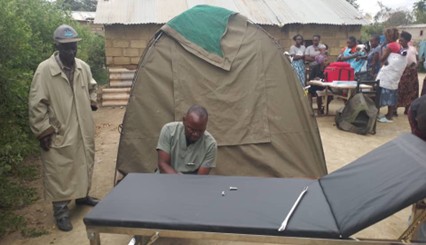
For more than two decades, Adwoa* has worked as a sexual and reproductive health (SRH) provider in Cape Coast, the capital of Ghana’s central region. In the early years of her career, Adwoa would be troubled by the numerous cases of unsafe abortions and related deaths in Cape Coast. In recent years, however, she has noted a remarkable shift with this regard, which she attributes to the efforts of IPPF's Member Association (MA) in the country –Planned Parenthood Association of Ghana (PPAG) where she works. Adwoa speaks more about her experiences in this article. By Maryanne W. WAWERU The Cape Coast region in Ghana is highly significant to the work of IPPF’s MA in the country - PPAG. It is home to several educational institutions including secondary schools, colleges, and universities with a notable student population comprising young people aged 10 – 24 years. Globally recognized as a leading provider of SRH services and a strong advocate for sexual and reproductive health and rights (SRHR), IPPF continually strives to address the challenges that young people face regarding their reproductive health. These challenges include early pregnancies, difficulties in accessing contraceptives, high rates of sexually transmitted infections (STIs) -including HIV, and unsafe abortions. Young people also struggle to find healthcare providers who can offer supportive, friendly, and non-judgemental SRH services. Ghanaian youth are not exempt from these challenges. Combined education, outreach and clinical care activities by PPAG PPAG’s Cape Coast clinic helps in addressing these challenges through its different programmes. By working with trained peer educators and service providers, the organization regularly conducts outreach activities in learning institutions and in community settings where young people gather. The informative sessions empower youth to make healthy and informed decisions about their sexual and reproductive health. PPAG also offers youth-friendly SRH services in its static clinics and through regular mobile clinics. The introduction of telemedicine has further complemented the organization’s service delivery efforts. The telemedicine approach entails provision of remote consultation, medication delivery, and follow-up support for medical, diagnostic and treatment services. This includes abortion services. Telemedicine for abortion Telemedicine for abortion in early pregnancy ensures that clients do not have to make in-person visits to clinics or hospitals, thus addressing several barriers attached to abortion-seeking services in health facilities, such as fear of judgement, stigma, and transport challenges. These barriers significantly contribute to women’s procurement of clandestine, unsafe abortions. Adwoa*, a nurse at PPAG’s Coast Clinic demonstrates the success of the telemedicine for abortion approach. “I have been in this clinic for slightly over 20 years. One of the major challenges that the Cape Coast community has always grappled with is unplanned pregnancies among adolescent girls and young women. This, considering the high youthful population that largely comprises of learners from schools, universities and colleges. In my earlier years working at the clinic, we would receive many cases of life-threatening complications from unsafe abortions procured by young women,” she says. The magnitude of the situation would be exemplified whenever she would participate in outreach activities in the community. “We would always learn about the unfortunate deaths of young women, including students, from botched abortions. They had procured the services from unskilled individuals -quacks. Their deaths greatly saddened me,” she says. For those who survived, Adwoa and her PPAG colleagues would offer post-abortion care services at the clinic. However, the worrying problem of unsafe abortions persisted. “We intensified our awareness campaigns in the community and in learning institutions about the need for contraception to prevent unplanned pregnancies. We needed more people to hear this message as we believed that this would reduce the cases of unsafe abortion morbidity and mortality. To widen access to safe abortion care, we introduced telemedicine for abortion services, which have subsequently benefitted hundreds of young women in Cape Coast,” she says. Expanding safe abortion care access To ensure quality of care in delivery of abortion care information and services, PPAG endeavours to continuously build the capacity of its service providers and peer educators. “Through different initiatives and programmes, the organization carries out regular trainings for its peer educators, thus increasing their capacity to conduct outreach activities in learning institutions and in the community. Additionally, PPAG has facilitated training opportunities for its clinicians and other service providers in and around Cape Coast on comprehensive abortion care (CAC), including telemedicine for abortion. This has not only strengthened the capacity of PPAG clinicians but has also increased the number of skilled abortion care service providers who can offer these services in Cape Coast. With this expanded network, it means that more women are now able to conveniently access life-saving abortion services without having to visit a health facility,” she says. The results have been evident, according to Adwoa. “Nowadays, when we go out for our regular outreaches in the community and in learning institutions, we no longer hear of girls and women who have died from unsafe abortions. On account of the heightened information awareness activities about safe abortion care, more women have been empowered to make safer choices when faced with the predicament of an unplanned pregnancy. We no longer receive cases of girls and young women presenting with complications from unsafe abortions. This is success to me,” a beaming Adwoa says. Adwoa attributes these achievements to increased awareness of telemedicine services especially among the student population, the community’s trust in PPAG’s services, as well as the increased network of trained service providers who can offer quality safe abortion care services in and around Cape Coast. *Name changed for privacy purposes
07 November 2025
Boosting FP Uptake through Door-to-Door Campaigns in Zambia
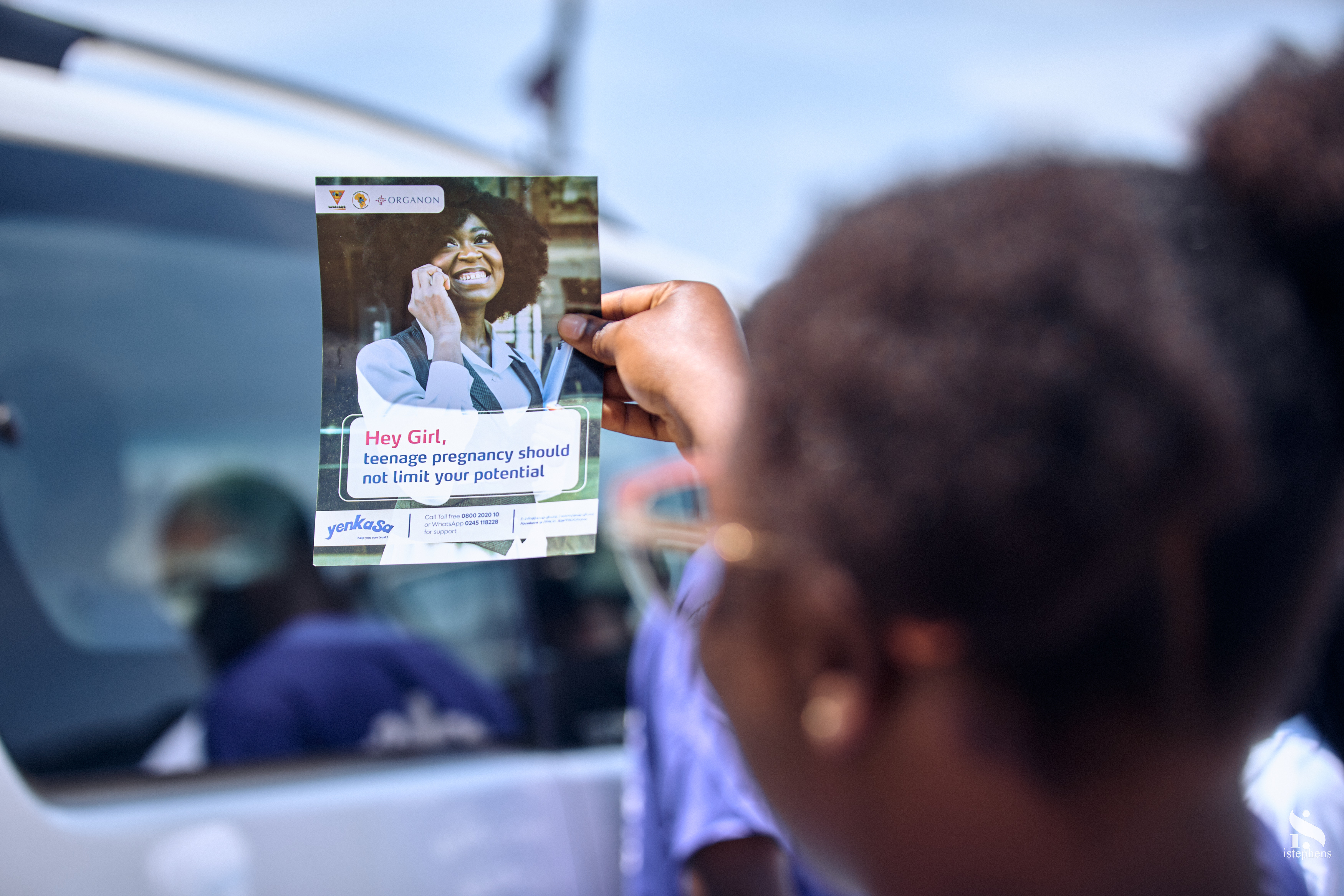
In the heart of Zambia’s rural and underserved urban communities, women and girls often face invisible barriers to accessing family planning. Health facilities are far, stigma is real, and myths about contraceptives persist. For adolescents, persons with disabilities, and women living in poverty, these challenges are even greater leaving many without the information or services they need to make informed reproductive health choices. To address these gaps, the WISH 2 project rolled out an innovative solution: taking FPservices directly to households. Through a door-to-door campaign implemented across eight provinces, the programme brought trusted health workers and peer educators into communities, sparking conversations that had long been silenced. “By bringing services closer to communities through approaches like door-to-door campaigns, WISH 2 aims to break down barriers, demystify family planning, and create a more supportive environment for informed SRH decision-making,” says a community leader. The campaign relied heavily on Community Health Workers (CHWs) and Peer Educators, who went from house to house providing accurate information, dispelling myths, and linking women directly to FPservices offered through outreach. Working hand in hand with the Ministry of Health, community leaders, and partners such as JHU, the approach not only increased knowledge but also built trust. The results were striking. Within just three months, the number of couple years of protection (CYP) rose sharply from 29,329 in April to 46,830 in May, with continued strong uptake in June. More women, especially in remote areas, began choosing long-acting methods, a sign of growing confidence and autonomy in decision-making. “The door-to-door strategy proved to be a powerful and effective approach for increasing access to FPservices at the community level,” reflects one health worker involved in the campaign. “It gave women the privacy and space to ask questions they would never raise in public.” Despite being time- and resource-intensive, the campaign’s success lies in its sustainability. By leveraging CHWs and Peer Educators who already live and work within these communities, the programme reduced operational pressures while ensuring that the approach can be scaled and maintained. One of the most important lessons, according to the team, is the role of local leadership. Engaging community leaders and influencers to actively promote FPservices strengthens trust and ensures buy-in. It’s what makes this approach work. Building on this momentum, the Planned Parenthood Association of Zambia (PPAZ) plans to expand the door-to-door strategy to more communities. The vision is clear: a Zambia where every woman and girl, no matter where she lives, has the power to make informed choices about her reproductive health.

05 November 2025
Sex Workers Leading the Fight Against HIV in Mozambique’s Manica Province
In Mozambique, in the continued fight against HIV, certain populations face a heightened risk of transmission, such as sex workers. With an HIV prevalence of 12.5% among adults, and a disproportionate burden on women, the need for targeted, effective interventions is critical. Among women, HIV prevalence can range from 4.5% in younger age groups to as high as 26.6% in those aged 35-39. This alarming reality underscores the urgency of comprehensive HIV prevention strategies tailored to vulnerable groups like sex workers. From April 2024, the Phamberi na Kudzirira (Forward with Prevention) project, which is funded by the Government of Japan, through the Japan Trust Fund (JTF) and implemented by IPPF’s Member Association in the country, Associação Moçambicana para o Desenvolvimento da Família (AMODEFA), has been addressing this challenge through innovative strategies that integrate Pre Exposure Prophylaxis (PrEP) and other biomedical HIV prevention methods such as the vaginal ring. Through mobile brigades, peer education, and targeted health services, the project has been making meaningful contributions in HIV transmission reduction efforts among sex workers in Mozambique’s Manica province. Manica province was strategically selected as the intervention site because one of its districts serves as a key transport corridor with interconnected roads leading to Maputo, other provinces in Mozambique, as well as the neighbouring country of Zimbabwe. This makes Manica a hotspot for heavy truck drivers and sex workers, thus an area of heightened HIV risk. The overarching goal of the Phamberi na Kudzirira project is to contribute to the reduction of HIV transmission by supporting the acceptance, distribution, and effective use of oral PrEP. The project seeks to ensure that sex workers have access to comprehensive sexual and reproductive health services, with PrEP as a cornerstone of HIV prevention. Peer Educators: Empowering Voices for Change The Phamberi na Kudzirira project works with a dedicated team of 10 health workers who are all trained to provide high quality, inclusive PrEP services tailored to the specific needs of sex workers. It also works with 20 peer educators across three districts in Manica province: Gondola, Chimoio, and Manica. The peer educators, who also double up as sex workers, are trained to share accurate information, offer support, and guide their peers to access vital HIV prevention services. Not only does the project leverage the trust and influence that peer educators hold within the sex worker community, but it also empowers sex workers to become active agents of change in the HIV response. The credibility and relatability of the peer educators are further reinforced by the fact that all 20 of them are personally using PrEP, demonstrating their confidence in the program and serving as powerful role models for their peers. The successes of the ongoing training program are measured through pre- and post-tests for the peer educators, to ensure that quality information is consistently shared during outreaches. Barriers to accessing sexual reproductive health services The Phamberi na Kudzirira project is however not without challenges. One of the significant challenges that sex workers face, and which the project continues to address, is the anxiety that comes with accessing SRHR services in health facilities. “The fear of being judged or mistreated often discourages sex workers from seeking medical help, even when necessary. To overcome this, I often accompany them to health facilities. AMODEFA works with partner health facilities who have been trained on non-discriminatory practices and are therefore able to satisfactorily attend to clients. Accompanying sex workers to these facilities helps to reassure them of the services and the service providers. Their interaction with the trained service providers encourages them to return for services when in need,” says Linda, a peer educator. Mobile brigades: enhancing access to SRHR services at hotspots To address the challenge of sex workers’ uptake of SRHR services in health facilities, the Phamberi na Kudzirira project has intensified efforts to create a more private and supportive environment through mobile brigades. Given the unique needs of sex workers, who often work at night in various hotspots, mobile brigades have played a crucial role in delivering services where they are needed most. These brigades bring HIV testing and PrEP services directly to the areas where sex workers operate, helping to reduce barriers such as stigma at health facilities. Since September 2024, AMODEFA has conducted 18 successful outreach missions, significantly increasing the accessibility of HIV prevention services. Sara*, a sex worker, is one of the beneficiaries of the mobile brigades. “The mobile brigades have enabled my friends and I to access testing and PrEP without the fear of the stigma that we often experience in health facilities. We feel more comfortable accessing services at the mobile brigades as they come right to where we are and the clinicians understand our needs very well,” she says. In areas where mobile brigades are not present, peer educators step in to guide sex workers to health units, ensuring they still receive testing and treatment despite concerns about stigma. Adherence to PrEP challenges Adherence to PrEP has also been identified as a challenge by the sex workers, as Rosa*, a sex worker explains. “Taking medication every day often feels tiring. However, the peer educators have emphasized the need for me to ensure that I take my medication as recommended. The peer educators encouraged me to prioritize my PrEP drugs in the same way I prioritize my meals. This helped me to understand the importance of the drugs,” she says. The engagement of sex workers as peer educators has been instrumental in promoting sustainability and ensuring that knowledge is passed on from one hotspot such as bars and roadside stops to the next. The mobile brigades have further strengthened this effort by making HIV testing and prevention services more accessible and less stigmatized, thus empowering sex workers to take charge of their health. Not only does the Phamberi na Kudzirira project leverage the trust and influence that peer educators hold within the sex worker community, but it also empowers sex workers to become active agents of change in the HIV response. The peer education model has proven to be one of the project’s greatest strengths. So far, 712 sex workers have been enrolled on oral PrEP courtesy of the Phamberi na Kudzirira project, demonstrating the reach and the impact of the program. Looking ahead, the project aims to continue expanding its reach and impact. The introduction of the vaginal ring as a new HIV prevention option in Mozambique holds significant promise, and AMODEFA hopes to integrate this method into its services as soon as it becomes widely available. “We are looking forward to this option, since adherence will be easier for us,” says Carla*, a sex worker and who is also a peer educator. Carla* notes that the vaginal ring will help in reducing reliance on a single method and improve overall adherence among sex workers. Sergio Mpilele, the Phamberi na Kudzirira Project Manager says that building on the current achievements, the project is paving the way for a more inclusive and effective HIV prevention response in Manica Province. “AMODEFA's innovative approach to HIV prevention in Manica province is setting a powerful example for how community led, inclusive health initiatives can make a real difference in the lives of those most at risk. Through the empowerment of peer educators, the accessibility of mobile brigades, and the continued education of sex workers about PrEP,” he says. *Names have been changed to protect the privacy of the individuals involved. Evelyn Nduati is the JTF Project Lead at the IPPF Africa Regional Office.
04 November 2025
From Coalition to Catalyst: COMARESS and the Rise of SRHR Accountability in Madagascar
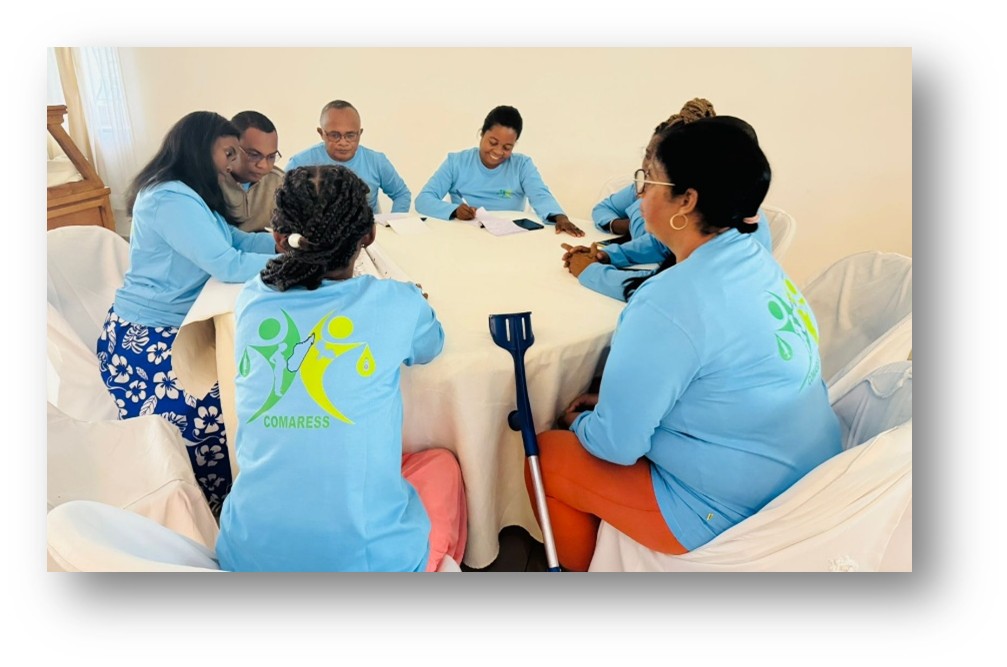
A Movement Rooted in Resilience Within the dynamic and layered social context of Madagascar, a quiet revolution was taking root. La Coalition des Mouvements et Associations des Réseaux des Secteurs Sociaux, COMARESS had existed since 2015, formed as a unifying platform for diverse civil society actors. By the time Options met the coalition in 2019, COMARESS already had deep roots at the grassroots level. What it lacked, however, was the structure, technical grounding, and strategic direction to fully channel its power into shaping national SRHR policies. Recognising its latent potential, Options began supporting COMARESS under the WISH project, not merely as a partner, but as a catalyst for transformation. What began as technical support soon evolved into a deep, strategic investment. The coalition was guided through capacity assessments and inclusion audits, carried out in close partnership with its elected Board of Directors, leaders who represented hundreds of civil society organisations across Madagascar, from national platforms to remote regional groups. The assessments revealed both promise and challenge. COMARESS had the commitment and the reach but needed sharper tools. Options responded by offering targeted training in evidence-based advocacy, national budget processes, and inclusive planning. In collaboration with organisations like Ipas and the JHU, the training also expanded to include modules on safe abortion advocacy and social behaviour change. For the coalition, it was a turning point. “We had the commitment, but not the tools,” reflected COMARESS President Liva Razafindrakoto. “Now, we know how to analyse a health budget, build our advocacy case, and push for real change.” Under WISH 2, COMARESS had matured into a high-performing coalition, well-organised and technically sound. It was now managing funding streams and influencing national policy dialogue, firmly embedded in the country’s SRHR ecosystem. When WISH2Action concluded, COMARESS did not falter. Instead, it continued its advocacy work independently in 2025, a testament to its institutional sustainability. Still, the coalition saw unfinished business. The national-level gains had yet to fully trickle down. Regional disparities persisted, and COMARESS recognised that true accountability required representation from all corners of Madagascar. In response, 2025 marked a year of expansion. In Toliara province, 14 local associations, including eight women-led and one led by persons with disabilities were mobilised and trained in SRHR advocacy. In Toamasina, a further 14 groups joined the movement, including seven led by women and three led by women with disabilities. These new partners were not just included, they were empowered. Post-training surveys showed a marked increase in participants’ ability to use data for advocacy, understand public budgets, and engage government structures. “This training gave us the power to not just raise our voices, but to do so with evidence,” said a participant from Toamasina. Yet, even as the movement grew stronger, external threats loomed. Madagascar’s SRHR funding landscape was becoming more fragile. Major donors were phasing out, and reductions in official development assistance left coalitions like COMARESS vulnerable. But the coalition refused to stand still. With Options’ continued technical guidance, COMARESS is now pursuing alternative pathways, mapping private foundations, seeking philanthropic partnerships, and exploring blended resource mobilisation to maintain its independence and momentum. What makes the COMARESS story extraordinary is not just what it achieved, but how. Its model, rooted in data, dialogue, and dignity, is now being recognised at the highest levels, including by the Minister of Health. The foundation is laid. What lies ahead is not only sustainability, but scale. COMARESS has grown from a coalition to a national force, ready not only to sustain SRHR accountability in Madagascar, but to lead it.
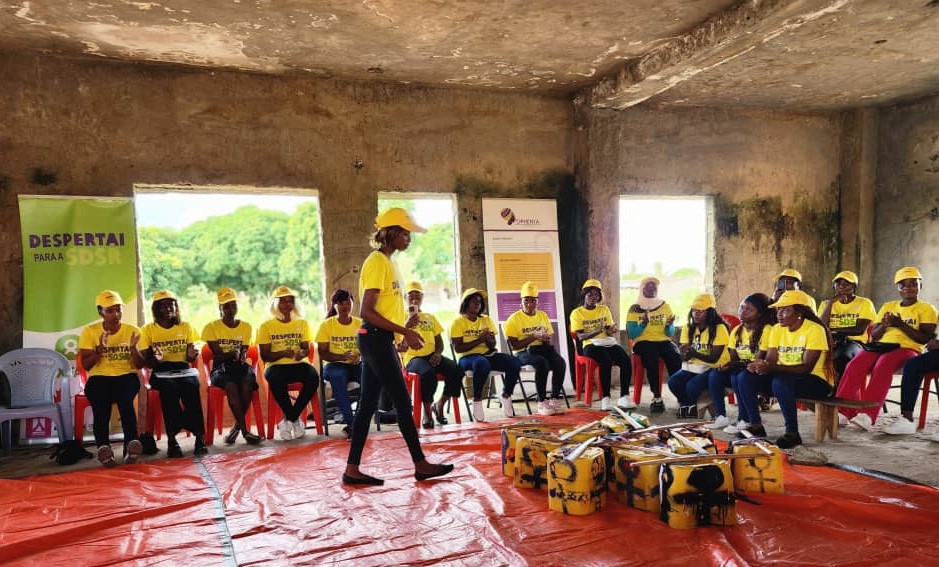
17 June 2025
Inclusive Health Systems as a Human Rights Imperative: Reflections from the Stand Up Project in Uganda and Mozambique
By Sylvia Ekponimo IPPF’s commitment to delivering inclusive, rights-based, and youth-centred sexual and reproductive health care is reflected in the work of its Member Associations. In Uganda and Mozambique, Reproductive Health Uganda (RHU) and Associação Moçambicana para o Desenvolvimento da Família (AMODEFA) are leveraging the power of partnerships in expanding access, strengthening health systems, and upholding the rights and agency of young people through implementation of the Stand Up for SRHR project. Funded by Global Affairs Canada (GAC), the project aims to expand access to essential sexual reproductive health (SRH) services and strengthen community-led responses. From late March to early April 2025, the project teams from IPPF and Oxfam Canada (OCA) – the consortium lead, conducted a joint visit to project sites in both countries. The visit brought together the local consortium partners in Uganda (Oxfam in Uganda, Femme Forte, Center for Health, Human Rights and Development-CEHURD) and Mozambique (Oxfam in Mozambique, Lambda, and Associação Moçambicana da Mulher e Apoio a Rapariga-OPHENTA) and offered a great opportunity to reconnect, reflect, and learn from one another. The reflections below draw from field insights highlighting evidence of progress, challenges that need to be addressed, and opportunities for deeper impact. Impact is built through collaboration and commitment In Uganda’s Mayuge and Namayingo districts, engagements with local government officials highlighted the importance of trust-based partnerships. The Mayuge district health team shared data indicating a recent decline in teenage pregnancy from 32 percent prior to the implementation of the project to approximately 23 percent. The officials attributed this decline, in part, to the youth-focused health outreaches and community dialogues supported by this initiative and was viewed as a significant and promising indicator of impact. However, with the adolescent pregnancy rate at 23 percent, it remains too early to celebrate, pointing to the need for sustained attention and resources. In Namayingo, the officials not only recognized the collaborative spirit and resilience especially in reaching remote areas like Dolwe Island – a remote area that is extremely difficult to access –but also requested to extend the intervention to even more hard-to-reach communities. This request to expand services to more underserved areas indicated not only the community’s unmet needs, but also a high level of confidence in the quality and value of the collaborative efforts. Government officials also acknowledged the project’s contribution to addressing the drivers of poor sexual reproductive health (SRH) outcomes within the district. These include traditional practices such as “disco matanga” –a cultural practice in which community members organize a fundraising event as part of funeral rites. These gatherings often involve overnight dancing for several days before the burial, with widespread access to free alcohol and tobacco. They are associated with increased unprotected sexual activity and have been linked to rising cases of teenage pregnancy, unsafe abortions, and the spread of STIs, including HIV. In Mozambique’s Nampula province, local officials at the Provincial Directorate for Youth Employment and Sports, as well as the District Health and Social Action Service spoke openly about persistent structural barriers that hinder access to care. These include low school retention among girls occasioned by among others, early marriage as an economic coping mechanism, as well as an overstretched healthcare system. These issues, compounded by the impact of natural disasters and the recent USAID funding loss have intensified the strain on an already fragile health system. Despite this, the committed frontline health workers in these locations continue to deliver services in extremely challenging conditions. In districts such as Mecuburi, the use of motorcycles to transport medical supplies to Issipe community, a locale that stands isolated from the main town following destruction of its major bridge by Cyclone Jude in March 2025, demonstrates remarkable resilience. Reaching the last mile requires innovation and integration Dolwe Island, located in Namayingo District, Uganda, offers a compelling example of delivering healthcare at the most remote levels. Home to approximately 23,000 residents and accessible via a three-hour boat ride, the island has just four health facilities, no secondary school, and high attrition among health personnel. In the absence of secondary education and employment alternatives, adolescent girls are often married off after completing primary school, while boys are absorbed into the fishing economy from a young age. Amidst these constraints, RHU has established a strong presence. Through mobile outreach activities, the team continues to deliver integrated services tailored to community needs. These events do more than provide SRH services as they bring together immunization, laboratory testing, peer education, and community engagement in formats that are culturally resonant and youth-friendly. Similarly, in Mecuburi, Mozambique, AMODEFA has overcome challenging terrains to spearhead and deliver effective health outreach services. To foster greater community engagement, particularly among men, the team uses local strategies, including football tournaments and participatory learning sessions, which have successfully encouraged male involvement and increased the uptake of SRH services. These efforts stand out for their strong coordination, careful planning, and effective integration of health and social services. Reflecting on these regular yet challenging journeys –whether by boat to Dolwe Island or across the challenging terrain of Mecuburi, one cannot overlook the immense logistical demands involved in mobilizing communities, deploying skilled health personnel, and maintaining a reliable supply of essential medicines and commodities. These efforts speak volumes about the unwavering commitment and resilience of the implementing teams, who continue to serve in some of the most remote and resource-constrained settings. Youth leadership is a key driver for positive peer-led change Across both countries, peer educators stood out as key drivers of change. In Uganda, the visiting team observed in-school peer educators in Bukatube County confidently lead SRHR discussions. The peer educators also innovative solutions, such as reusable sanitary pad production to address barriers to school retention among girls. In Dolwe Island, the peer educators, though younger and still in primary school, demonstrated a deep understanding of their rights and responsibilities. The interactions with these set of peer educators brought to the fore the importance of integrating sexual reproductive health and rights (SRHR) efforts with broader investments in education, nutrition, and safety. In Mozambique, the visiting team had the opportunity to attend an outreach activity targeting out-of-school youth. During this activity, young female peer educators at Namicopo used storytelling, music, and dance to convey SRHR messages in ways that were both engaging and empowering to their peers and the community. While at a community centre run by Lambda, one of the local partners representing the rights of gender and sexual minorities in Mozambique, the conversation turned to the lived realities of LGBTQI+ individuals. Though distressing, their accounts of exclusion, stigma, and fear revealed a slow but meaningful shift. Access to inclusive and affirming SRH care is steadily improving, driven by Values Clarification for Action and Transformation (VCAT) training sessions facilitated by AMODEFA in partnership with Lambda, and has so far reached over 90 healthcare providers. For many, a sense of safety and dignity exists only where the trained and trusted healthcare providers are present, emphasizing the urgent need for broader system change. What Next? The Stand Up field mission exercise was a powerful reminder that SRHR programming is much about delivering inclusive care, as it is about building systems rooted in trust, equity, and community engagement. Just as health workers and implementing partners do more than just executing a project, so do young people. The stories of resilience, leadership, and perseverance in the face of challenges are a testament to their deep commitment to their communities. Beyond mere beneficiaries, they are leaders in their own right who are driving and shaping the work we do to redefine what health systems can look like when equity, accountability, and community voice are centered. For OCA, the opportunity to witness the tangible progress achieved through the project reinforced the team's commitment and enduring resilience. The visit offered a valuable opportunity to move beyond virtual exchanges, revealing critical elements that are often difficult to fully capture from a distance especially the nuanced realities of implementation and the profound human impact of these efforts. As IPPF continues to advance its work, the purpose of the Stand Up project is clear - to remain resolute in our commitment to reaching those furthest behind, to honour the bravery and determination of those advocating for change, and to advance the development of resilient and equitable systems that truly leave no one behind. Sylvia Ekponimo is the Stand-Up Project Advisor.
IMAP Frequently Asked Questions: Using pre-exposure prophylaxis (PrEP) and gender affirming hormone therapy (GAHT) for transgender and gender-diverse clients
PrEP is one of the most effective tools we have to prevent HIV, yet many people still have questions about what it is, who it is for, and how it fits into their lives. Can you take PrEP if you are on gender-affirming hormone therapy? Does it have side effects? And why do so many transgender and gender-diverse people still face barriers to accessing it? We consulted the IPPF International Medical Advisory Panel to answer some of the most common questions we have received from the community about PrEP, from how it works and who can benefit from it, to the realities of navigating HIV prevention, healthcare systems, and gender-affirming care. Whether you're considering PrEP yourself, supporting someone who is, or simply curious, here's what you need to know. What is PrEP? PrEP refers to the use of antiretroviral medication by people not infected with HIV to reduce their risk of acquiring HIV (1). PrEP is used during periods when individuals believe they are particularly vulnerable to HIV infection. There are different delivery methods and regimens, with new methods also in development. Currently available options include an oral pill, a vaginal ring, and long-acting injectables. Who should use PrEP? PrEP is appropriate for anyone who perceives themselves to be vulnerable to HIV and wishes to reduce their risk of HIV infection through use of medications (1). Are there side effects to PrEP? Like all medications, PrEP may be associated with side effects in some people. The most common side effects are temporary, and can include nausea, bloating, diarrhoea, headache, feeling dizzy or weak, and trouble sleeping. Side effects from injections can include bruising, pain or small nodules at the injection site. Serious side effects are rare. Does PrEP interfere with gender-affirming hormone therapy? No. PrEP does not lower hormone levels in transgender, nonbinary, and gender diverse people (TGD) on gender-affirming hormone therapy (GAHT) (2). PrEP has been shown to be effective and safe in TGD people and should be provided to high-risk individuals regardless of gender affirming hormone use. There are no measurable differences in hormone levels in blood between PrEP users and non-users who are on GAHT (3). However, blood concentrations of PrEP drugs in transgender women were lower than expected, although at levels unlikely to interfere with their antiviral effect to prevent HIV acquisition (4). Are there sexual side effects to PrEP or gender-affirming hormone therapy for transgender women? PrEP is a medication that reduces the ability of the HIV virus to infect human immune cells; it does not impact the sexual functioning of human sex organs. GAHT for transgender women, however, decreases penile erection function, libido and ejaculatory volume. Discussion of these effects should be an integral part of the informed consent process and shared decision-making at the time of initiating GAHT. If these particular effects are unwanted, there are various strategies that can be used for those who wish to fully maintain penile sexual function, including the use of PDE5 (phosphodiesterase type 5) inhibitors (e.g., sildenafil, tadalafil, vardenafil) to facilitate erections, masturbation/sexual activity to maintain tissue perfusion, lowering antiandrogen doses when feminising goals are met and targeting testosterone levels slightly higher than cisfemale range (either through lower GAHT doses or addition of low-dose add-back testosterone therapy) (5). What are the barriers to using PrEP? Access to healthcare is critical for successful PrEP implementation. Although higher-income regions have had more successful implementation and awareness raising campaigns to date, many low-middle income countries are accelerating access. While PrEP is an important part of HIV preventive care services, studies show transgender women use less preventive care due to multiple factors, including limited access to healthcare, lack of insurance coverage for PrEP and gender-affirming care and medications, and fear of discrimination and stigma by healthcare providers (6). References IMAP statement on biomedical HIV prevention. IPPF, 2023 IMAP Statement on Biomedical HIV Prevention | IPPF, accessed March 2026. Senneker T. Drug-Drug Interactions Between Gender-Affirming Hormone Therapy and Antiretrovirals for Treatment/ Prevention of HIV. Br J Clin Pharmacol. 2024;90:2366–2382. Grant RM, Pellegrini M, Defechereux PA, Anderson PL, Yu M, Glidden DV, O’Neal J, Yager J, Bhasin S, Sevelius J, Deutsch MB. Sex Hormone Therapy and Tenofovir Diphosphate Concentration in Dried Blood Spots: Primary Results of the Interactions Between Antiretrovirals And Transgender Hormones Study. Clin Infect Dis. 2021 Oct 5;73(7):e2117-e2123. doi: 10.1093/cid/ciaa1160. PMID: 32766890; PMCID: PMC8492111. Hiransuthikul A, Janamnuaysook R, Himmad K, et al. Drug drug interactions between feminizing hormone therapy and preexposure prophylaxis among transgender women: the iFACT study. J Int AIDS Soc 2019; 22(7): e25338. DOI: 10. 1002/jia2.25338. Sehgal I. Review of adult gender transition medications: mechanisms, efficacy measures, and pharmacogenomic considerations. Front Endocrinol (Lausanne). 2023 Jul 4;14:1184024. doi: 10.3389/fendo.2023.1184024. Teng F, Sha Y, Fletcher LM, Welsch M, Burns P, Tang W. Barriers to uptake of PrEP across the continuum among transgender women: A global scoping review. Int J STD AIDS. 2023 Apr;34(5):299-314. doi: 10.1177/09564624231152781. Epub 2023 Feb 15. PMID: 36793197.
14 May 2026
Standing Firm for SRHR and Women’s Rights Amid Growing Backlash at the 87th ACHPR
Banjul, The Gambia, May 2026 On the margins of the 87th Ordinary Session of the African Commission on Human and Peoples’ Rights (ACHPR) during the NGO Forum, advocates, policymakers, and human rights leaders came together to confront a shared reality: while Africa has made significant gains in advancing sexual and reproductive health and rights (SRHR) and women’s rights, these gains are increasingly under threat. By Cheikh Tidjane N’DONGO, IPPF Africa Regional Senior Advocacy Advisor A panel organized by the Office of the United Nations High Commissioner for Human Rights (UN OHCHR) and IPPF Africa (IPPF ARO), through the financial support of the Packard Foundation and the Government of Luxembourg, on “Defending Rights in Hostile Contexts: Attacks on Human Rights actors advancing Sexual and Reproductive Health and Rights in the Context of Shrinking Civic Space and Gender Backlash”, panelists examined both the nature of the current backlash and the strategies proving effective in defending hard‑won rights. The panel has been moderated by Hon. Janet Ramatoulie Sallah‑Njie, Commissioner and AU Special Rapporteur on the Rights of Women in Africa, shifting the focus from challenges to solutions. Hon. Sallah‑Njie noted: “Across the continent, we see African actors leading with courage and creativity. These good practices remind us that women’s rights are firmly rooted in African values of dignity, equality, and justice.” A shrinking civic space and coordinated backlash Across the continent, SRHR defenders, health providers, and women’s rights organizations are facing escalating attacks, restrictions, and delegitimization. These challenges were a central focus of the panel 'Defending Rights in Hostile Contexts', which highlighted how opposition to SRHR is increasingly organized, well‑resourced, and often framed through narratives of “culture,” “morality,” or “African values.” Dr. Jessica Oga, Head of Ubingwa Think Tank, Afya Na Haki, highlighted that “The cultural framing is the most sophisticated tool in the anti-rights toolkit. When a woman defends reproductive rights in Africa today, she is not presented as defending human rights. She is presented as betraying her culture, her community, her identity. The counter to it is not to abandon cultural conversation. The counter is to reclaim it, using Africa's own jurisprudence, Africa's own treaty architecture, Africa's own definition of Ubuntu, one that protects the most vulnerable.” Panelists underscored that this backlash does not occur in isolation. It is embedded within a broader shrinking of civic space, marked by restrictive laws, regulatory pressures on civil society, and heightened risks for human rights defenders, particularly women and those working on gender equality and bodily autonomy. Gendered disinformation, intimidation, and legal harassment continue to undermine both advocacy and service delivery, with direct consequences for access to sexual and reproductive health care. Lived realities of defenders and providers The panel brought forward concrete examples of how backlash affects day‑to‑day work. SRHR providers and advocates described professional intimidation, regulatory harassment, and personal attacks that disrupt services and create fear. Drawing on frontline experience, Nelly Munyasia, Executive Director of the Reproductive Health Network Kenya (RHNK), underscored the pressure on service delivery: “Shrinking and reframed funding landscape that shifts away directly from rights-based funding leads to fragmentation of the health system through dismantling of [the] integration of SRHR service delivery.” Institutional resistance and the role of National Human Rights Institutions (NHRIs) Panelists also examined how laws and regulatory frameworks are increasingly used to constrain SRHR advocacy, often indirectly, through licensing rules, funding restrictions, or vague public order provisions. A key moment of the panel focused on the preventive role national human rights institutions (NHRIs) can play when rights come under threat. Commissioner Halima Dibba, National Human Rights Commission of The Gambia, reflected on recent efforts in The Gambia to resist attempts to roll back protections against female genital mutilation (FGM). Commissioner Dibba stressed: “Regression is not inevitable. When institutions act early, ground their positions in the law, and work closely with civil society, it is possible to stop harmful reversals before they take hold.” The discussion highlighted this case as an example of how coordinated institutional action can defend established protections and reinforce public trust in human rights frameworks. Building protection, resilience, and solidarity Throughout the discussions, participants identified protection and solidarity as essential to sustaining SRHR and women’s rights work. Effective strategies include legal support for defenders, digital and psychosocial protection measures, and stronger alliances between civil society, health providers, faith leaders, and institutions. Crucially, there was broad agreement that no single actor can confront the backlash alone. Regional bodies, states, and non‑state actors must work together to strengthen accountability, safeguard civic space, and ensure that defenders can operate without fear. Speakers reaffirmed the Maputo Protocol as a cornerstone of these efforts, emphasizing its relevance as a living instrument for protecting bodily autonomy and gender equality. Looking ahead As the 87th ACHPR session continues, the conversations in Banjul signal both concern and resolve. While the backlash against SRHR and women’s rights is real and intensifying, so too is the determination of African actors to defend progress, protect defenders, and advance rights grounded in equality and justice. For IPPF ARO and its partners, these exchanges reaffirm the importance of sustained advocacy, regional engagement, and solidarity with those on the frontlines, ensuring that sexual and reproductive health and rights, and the rights of women and girls in all their diversity, are not only defended but continue to advance.
05 May 2026
Sida reaffirms commitment to strengthening SRHR through partnership with IPPF in Kenya
A high-level delegation from the Swedish International Development Cooperation Agency (Sida) recently visited IPPF’s Member Association in Kenya, reaffirming its commitment to sexual reproductive health and rights (SRHR) through locally-led, community-driven approaches. By Maryanne W. WAWERU The Swedish International Development Cooperation Agency (Sida), one of IPPF’s longest standing core funding donor partners, has reiterated its commitment to supporting IPPF and it’s *Member Associations (MAs) in advancing sexual reproductive health and rights (SRHR). Sweden, through Sida, provides substantial support to global health, SRHR, and humanitarian assistance, and is widely recognised for its high levels of flexible funding to multilateral partners. During a visit to IPPF’s affiliate in Kenya -Reproductive Health Network Kenya (RHNK) on Wednesday 22 April 2026, Ms. Sofia Östmark -the Sida Assistant Director General and Head of Global Operations, commended IPPF’s work in expanding access to essential SRHR services, more so to marginalized, vulnerable and underserved populations. Ms. Östmark, who was accompanied by Ms. Teresa Rovira, Programme Officer (Strategy Development), engaged with RHNK staff, gaining insights into the organization’s critical advocacy and service delivery efforts -which have yielded tangible results, especially for women and girls across Kenya. REHNET Medical Center -serving vulnerable populations The Sida delegation also visited REHNET Medical Center, a youth-friendly facility located in the peri-urban settlement of Kwa Ndege, Embakasi, in Nairobi. The center serves as a safe space for teen mothers, LGBTQIA+ persons and sex workers, offering a wide range of safe, confidential and non-judgemental SRHR services. The visit highlighted how marginalized populations are critical players in the SRHR ecosystem and how RHNK prioritizes inclusivity, thus ensuring that no one is left behind. At the facility, the team learned about Nena na Binti (Swahili for ‘talk to a girl’), an innovative digital health initiative that provides a toll-free hotline and WhatsApp chatbot services. Nena na Binti connects young people, women and girls to trusted counsellors and healthcare workers, ensuring they access SRHR information and services in a timely, confidential and trusted manner. Through an RHNK network of over 600 partners across the country, including in remote areas, Nena na Binti ensures that everyone in need can access services wherever they are. Reflecting on the visit, Ms. Östmark noted that organizations like RHNK demonstrate the essence of ‘locally-led organizations doing remarkable work for the communities they serve’. She noted that “RHNK’s ability to reach communities with tailored, rights-based information and services is critical to achieving sustainable progress in SRHR.” Dr. Edison Omollo, Head of Programmes at RHNK highlighted the value of Sida’s support in fostering sustained impact. “Sida’s multi-year investment through IPPF enables RHNK to deliver integrated, scalable, sustainable and high-impact SRHR outcomes for women and girls in Kenya. The flexible funding allows us to adapt to evolving and emerging system realities, in the face of declining aid flows and increasing fiscal constraints -while supporting service delivery, advancing rights, building movements and generating measurable impact at scale.” Common agenda between Sida and IPPF Sida’s partnership with IPPF is anchored on shared commitments to equity, human rights, SRHR justice, and gender equality. By investing in IPPF, and in turn its MAs, Sida supports the growth of local organizations that address SRHR challenges while at the same time driving lasting change. Ms. Mallah Tabot, the SRHR Lead at IPPF Africa Region, underscored the value of community-led change, but still within a global rights movement. “RHNK is a true representation of the spirit of the IPPF movement; locally grounded and globally connected. We are proud to serve and support the work of our MAs as they continue to broaden access to high quality, rights-based SRHR services to those in need of them. We are especially grateful for Sida’s partnership in making this work possible,” she said. As IPPF and its MAs continue responding to emerging and evolving SRHR needs, including challenges such as the rise of anti-rights actors and shifting donor landscapes, partnerships such as that with Sida remain critical in ensuring that community-driven solutions are prioritized and sustained, and that all people are reached and served. *IPPF delivers impact through partnerships with locally-led organizations, known as MAs and Collaborative Partners (CPs). In the Africa region, IPPF is present in 39 countries.
25 February 2026
Strengthening Health Systems for Integrated and Transformative SRHR (SHIFTS)
𝗔𝗯𝗼𝘂𝘁 𝗦𝗛𝗜𝗙𝗧𝗦 Strengthening Health Systems for Integrated and Transformative SRHR (SHIFTS) is a 7-year initiative that aims to enhance the realization of sexual and reproductive health and rights (SRHR) for women, adolescents and marginalized groups by ensuring they can exercise their rights and access essential sexual and reproductive health (SRH) care, free from stigma, discrimination and systemic barriers. Donor: Global Affairs Canada Implementing MAs: Association Béninoise pour la Promotion de la Famille (ABPF), Associação Moçambicana para o Desenvolvimento da Família (AMODEFA) and Planned Parenthood Federation of Nigeria (PPFN). When: 21 March 2025 -31 March 2032 (7 years) Where: Benin – Bohicon and Parakou Mozambique – Zambezia and Gaza Nigeria – Adamawa, Edo, Enugu, Kaduna, Niger, and Oyo The SHIFTS Approach Women, girls and marginalized communities in Mozambique, Benin and Nigeria face persistent gender and health inequities such as high maternal mortality, unmet need for contraception, and higher-than-global-average adolescent birth rates. These issues are compounded by harmful social and gender norms, restricted decision-making power of women and girls over their bodies, and limited integration of SRH care and services into primary healthcare. Additionally, unsafe abortion remains a major contributor to maternal mortality, with stigma, misinformation, and lack of access to safe abortion care, making it more difficult for women and adolescents to access the health services they need. The SHIFTS project responds to these challenges through a three-pillared approach. 1. Tackling gaps in health systems by scaling up and/or implementing cluster models of care to deliver integrated SRH care. 2. Addressing social and gendered barriers to accessing SRHR care through comprehensive sexuality education and community sensitization. 3. Fostering enabling policy and legal environments that emphasize supporting duty bearers in meeting their obligations and accompanying rights holders in claiming their rights. SHIFTS is being implemented in partnership with Action Canada for Sexual Health and Rights, the International Planned Parenthood Federation Africa Region (IPPFAR) and experienced Member Associations (MAs) in Benin, Mozambique, and Nigeria. Grounded in and guided by human-rights based approaches and feminist principles, the project’s partners are committed to strengthening the resilience of health systems in the three focus countries to ensure continuity and long-term accessibility of SRH care in times of disruption.
24 February 2026
Restoring dignity and continuity of SRH care in emergencies: A Story from Al-Dabbah, Sudan
When the conflict reached El Fasher in late 2025, families fled with little more than what they could carry. Within weeks, an estimated 37,000 people arrived in Al-Dabbah, Northern State, transforming an open area into a newly established internally displaced person (IDP) camp almost overnight. Shelters went up quickly, but essential health services did not. For displaced women and adolescent girls, the consequences were immediate. Access to family planning, antenatal and postnatal care, and support for survivors of gender-based violence (GBV) disappeared at the very moment when these services were most needed. Adolescents, women with disabilities, and survivors of violence faced heightened risks in a fragile setting marked by limited infrastructure, overcrowding, and fear. One woman recalled the early days of displacement: “We escaped the fighting, but when we arrived here, there was nowhere to go for care. We did not know who to trust.” Recognizing the urgency, the Sudan Family Planning Association (SFPA), with support from WISH 2, moved quickly. Within a short period, an integrated reproductive health clinic was established inside the Al-Dabbah IDP camp. Using temporary tents, mobile equipment, and essential reproductive health commodities, the clinic began providing family planning, maternal health services, and GBV- related support, restoring care where none had existed. In the first 3 months, the clinic served a very few women and girls, many of whom had gone weeks or months without access to care. Yet the success of the clinic was not only about infrastructure. It was about trust. A pivotal moment came with the assignment of Mr. Mubarak, a laboratory technician who himself had been displaced by the conflict. He spoke the local language, understood cultural norms, and shared the community’s lived experience of loss and uncertainty. “People were hesitant at first,” Mr. Mubarak explained. “But when they saw familiar faces, people who had lived what they lived, they began to believe the clinic was truly for them.” His presence helped overcome cultural barriers that often prevent women from seeking sexual and reproductive health (SRH) services. Alongside him, clinic staff received on-the-job mentoring in client-centred and culturally sensitive care, ensuring that every interaction prioritised dignity, confidentiality, and respect, particularly for GBV survivors. Gradually, trust grew. Women began returning, not just once, but repeatedly. Adolescents sought counselling. Pregnant women resumed antenatal visits. Survivors of violence found a safe place to be heard. One beneficiary described the change simply: “Now I can get family planning and maternal health services without worrying. The staff understand us. They treat us with respect.” Through the strategic engagement of local displaced professionals, the reuse of mobile and laboratory equipment, and the rapid mobilisation of limited resources, the intervention delivered timely and cost-effective results. Despite modest funding, the clinic restored essential services and strengthened the health system’s capacity to respond to emergencies, demonstrating strong value for money for the donor. The intervention showed that even in fragile and humanitarian settings, quality SRH services can be restored rapidly when responses are grounded in local leadership and adaptive learning. Challenges remained. Infrastructure was basic. Resources were stretched. Cultural hesitancy did not disappear overnight. But through adaptive strategies, engaging trusted community members, mentoring staff, and prioritising culturally appropriate care, the team transformed obstacles into learning. The experience in Al-Dabbah offers powerful lessons for other fragile contexts. Displaced professionals are not only beneficiaries; they are also essential responders. Trust and cultural understanding are as critical as medical supplies, and integrated, mobile SRH services can restore care, dignity, and hope even in times of crisis. Today, the clinic in Al- Dabbah stands as more than a health facility. It is a symbol of resilience, proof that with rapid action, local expertise, and dignity-centred care, displacement does not have to mean the end of access to essential health services. It is a reminder that even in the most uncertain moments, hope can be rebuilt, one service, one conversation, and one trusted face at a time.
17 November 2025
“We no longer hear cases of abortion-related deaths in Cape Coast, Ghana” -- PPAG clinic nurse
For more than two decades, Adwoa* has worked as a sexual and reproductive health (SRH) provider in Cape Coast, the capital of Ghana’s central region. In the early years of her career, Adwoa would be troubled by the numerous cases of unsafe abortions and related deaths in Cape Coast. In recent years, however, she has noted a remarkable shift with this regard, which she attributes to the efforts of IPPF's Member Association (MA) in the country –Planned Parenthood Association of Ghana (PPAG) where she works. Adwoa speaks more about her experiences in this article. By Maryanne W. WAWERU The Cape Coast region in Ghana is highly significant to the work of IPPF’s MA in the country - PPAG. It is home to several educational institutions including secondary schools, colleges, and universities with a notable student population comprising young people aged 10 – 24 years. Globally recognized as a leading provider of SRH services and a strong advocate for sexual and reproductive health and rights (SRHR), IPPF continually strives to address the challenges that young people face regarding their reproductive health. These challenges include early pregnancies, difficulties in accessing contraceptives, high rates of sexually transmitted infections (STIs) -including HIV, and unsafe abortions. Young people also struggle to find healthcare providers who can offer supportive, friendly, and non-judgemental SRH services. Ghanaian youth are not exempt from these challenges. Combined education, outreach and clinical care activities by PPAG PPAG’s Cape Coast clinic helps in addressing these challenges through its different programmes. By working with trained peer educators and service providers, the organization regularly conducts outreach activities in learning institutions and in community settings where young people gather. The informative sessions empower youth to make healthy and informed decisions about their sexual and reproductive health. PPAG also offers youth-friendly SRH services in its static clinics and through regular mobile clinics. The introduction of telemedicine has further complemented the organization’s service delivery efforts. The telemedicine approach entails provision of remote consultation, medication delivery, and follow-up support for medical, diagnostic and treatment services. This includes abortion services. Telemedicine for abortion Telemedicine for abortion in early pregnancy ensures that clients do not have to make in-person visits to clinics or hospitals, thus addressing several barriers attached to abortion-seeking services in health facilities, such as fear of judgement, stigma, and transport challenges. These barriers significantly contribute to women’s procurement of clandestine, unsafe abortions. Adwoa*, a nurse at PPAG’s Coast Clinic demonstrates the success of the telemedicine for abortion approach. “I have been in this clinic for slightly over 20 years. One of the major challenges that the Cape Coast community has always grappled with is unplanned pregnancies among adolescent girls and young women. This, considering the high youthful population that largely comprises of learners from schools, universities and colleges. In my earlier years working at the clinic, we would receive many cases of life-threatening complications from unsafe abortions procured by young women,” she says. The magnitude of the situation would be exemplified whenever she would participate in outreach activities in the community. “We would always learn about the unfortunate deaths of young women, including students, from botched abortions. They had procured the services from unskilled individuals -quacks. Their deaths greatly saddened me,” she says. For those who survived, Adwoa and her PPAG colleagues would offer post-abortion care services at the clinic. However, the worrying problem of unsafe abortions persisted. “We intensified our awareness campaigns in the community and in learning institutions about the need for contraception to prevent unplanned pregnancies. We needed more people to hear this message as we believed that this would reduce the cases of unsafe abortion morbidity and mortality. To widen access to safe abortion care, we introduced telemedicine for abortion services, which have subsequently benefitted hundreds of young women in Cape Coast,” she says. Expanding safe abortion care access To ensure quality of care in delivery of abortion care information and services, PPAG endeavours to continuously build the capacity of its service providers and peer educators. “Through different initiatives and programmes, the organization carries out regular trainings for its peer educators, thus increasing their capacity to conduct outreach activities in learning institutions and in the community. Additionally, PPAG has facilitated training opportunities for its clinicians and other service providers in and around Cape Coast on comprehensive abortion care (CAC), including telemedicine for abortion. This has not only strengthened the capacity of PPAG clinicians but has also increased the number of skilled abortion care service providers who can offer these services in Cape Coast. With this expanded network, it means that more women are now able to conveniently access life-saving abortion services without having to visit a health facility,” she says. The results have been evident, according to Adwoa. “Nowadays, when we go out for our regular outreaches in the community and in learning institutions, we no longer hear of girls and women who have died from unsafe abortions. On account of the heightened information awareness activities about safe abortion care, more women have been empowered to make safer choices when faced with the predicament of an unplanned pregnancy. We no longer receive cases of girls and young women presenting with complications from unsafe abortions. This is success to me,” a beaming Adwoa says. Adwoa attributes these achievements to increased awareness of telemedicine services especially among the student population, the community’s trust in PPAG’s services, as well as the increased network of trained service providers who can offer quality safe abortion care services in and around Cape Coast. *Name changed for privacy purposes
07 November 2025
Boosting FP Uptake through Door-to-Door Campaigns in Zambia
In the heart of Zambia’s rural and underserved urban communities, women and girls often face invisible barriers to accessing family planning. Health facilities are far, stigma is real, and myths about contraceptives persist. For adolescents, persons with disabilities, and women living in poverty, these challenges are even greater leaving many without the information or services they need to make informed reproductive health choices. To address these gaps, the WISH 2 project rolled out an innovative solution: taking FPservices directly to households. Through a door-to-door campaign implemented across eight provinces, the programme brought trusted health workers and peer educators into communities, sparking conversations that had long been silenced. “By bringing services closer to communities through approaches like door-to-door campaigns, WISH 2 aims to break down barriers, demystify family planning, and create a more supportive environment for informed SRH decision-making,” says a community leader. The campaign relied heavily on Community Health Workers (CHWs) and Peer Educators, who went from house to house providing accurate information, dispelling myths, and linking women directly to FPservices offered through outreach. Working hand in hand with the Ministry of Health, community leaders, and partners such as JHU, the approach not only increased knowledge but also built trust. The results were striking. Within just three months, the number of couple years of protection (CYP) rose sharply from 29,329 in April to 46,830 in May, with continued strong uptake in June. More women, especially in remote areas, began choosing long-acting methods, a sign of growing confidence and autonomy in decision-making. “The door-to-door strategy proved to be a powerful and effective approach for increasing access to FPservices at the community level,” reflects one health worker involved in the campaign. “It gave women the privacy and space to ask questions they would never raise in public.” Despite being time- and resource-intensive, the campaign’s success lies in its sustainability. By leveraging CHWs and Peer Educators who already live and work within these communities, the programme reduced operational pressures while ensuring that the approach can be scaled and maintained. One of the most important lessons, according to the team, is the role of local leadership. Engaging community leaders and influencers to actively promote FPservices strengthens trust and ensures buy-in. It’s what makes this approach work. Building on this momentum, the Planned Parenthood Association of Zambia (PPAZ) plans to expand the door-to-door strategy to more communities. The vision is clear: a Zambia where every woman and girl, no matter where she lives, has the power to make informed choices about her reproductive health.
05 November 2025
Sex Workers Leading the Fight Against HIV in Mozambique’s Manica Province
In Mozambique, in the continued fight against HIV, certain populations face a heightened risk of transmission, such as sex workers. With an HIV prevalence of 12.5% among adults, and a disproportionate burden on women, the need for targeted, effective interventions is critical. Among women, HIV prevalence can range from 4.5% in younger age groups to as high as 26.6% in those aged 35-39. This alarming reality underscores the urgency of comprehensive HIV prevention strategies tailored to vulnerable groups like sex workers. From April 2024, the Phamberi na Kudzirira (Forward with Prevention) project, which is funded by the Government of Japan, through the Japan Trust Fund (JTF) and implemented by IPPF’s Member Association in the country, Associação Moçambicana para o Desenvolvimento da Família (AMODEFA), has been addressing this challenge through innovative strategies that integrate Pre Exposure Prophylaxis (PrEP) and other biomedical HIV prevention methods such as the vaginal ring. Through mobile brigades, peer education, and targeted health services, the project has been making meaningful contributions in HIV transmission reduction efforts among sex workers in Mozambique’s Manica province. Manica province was strategically selected as the intervention site because one of its districts serves as a key transport corridor with interconnected roads leading to Maputo, other provinces in Mozambique, as well as the neighbouring country of Zimbabwe. This makes Manica a hotspot for heavy truck drivers and sex workers, thus an area of heightened HIV risk. The overarching goal of the Phamberi na Kudzirira project is to contribute to the reduction of HIV transmission by supporting the acceptance, distribution, and effective use of oral PrEP. The project seeks to ensure that sex workers have access to comprehensive sexual and reproductive health services, with PrEP as a cornerstone of HIV prevention. Peer Educators: Empowering Voices for Change The Phamberi na Kudzirira project works with a dedicated team of 10 health workers who are all trained to provide high quality, inclusive PrEP services tailored to the specific needs of sex workers. It also works with 20 peer educators across three districts in Manica province: Gondola, Chimoio, and Manica. The peer educators, who also double up as sex workers, are trained to share accurate information, offer support, and guide their peers to access vital HIV prevention services. Not only does the project leverage the trust and influence that peer educators hold within the sex worker community, but it also empowers sex workers to become active agents of change in the HIV response. The credibility and relatability of the peer educators are further reinforced by the fact that all 20 of them are personally using PrEP, demonstrating their confidence in the program and serving as powerful role models for their peers. The successes of the ongoing training program are measured through pre- and post-tests for the peer educators, to ensure that quality information is consistently shared during outreaches. Barriers to accessing sexual reproductive health services The Phamberi na Kudzirira project is however not without challenges. One of the significant challenges that sex workers face, and which the project continues to address, is the anxiety that comes with accessing SRHR services in health facilities. “The fear of being judged or mistreated often discourages sex workers from seeking medical help, even when necessary. To overcome this, I often accompany them to health facilities. AMODEFA works with partner health facilities who have been trained on non-discriminatory practices and are therefore able to satisfactorily attend to clients. Accompanying sex workers to these facilities helps to reassure them of the services and the service providers. Their interaction with the trained service providers encourages them to return for services when in need,” says Linda, a peer educator. Mobile brigades: enhancing access to SRHR services at hotspots To address the challenge of sex workers’ uptake of SRHR services in health facilities, the Phamberi na Kudzirira project has intensified efforts to create a more private and supportive environment through mobile brigades. Given the unique needs of sex workers, who often work at night in various hotspots, mobile brigades have played a crucial role in delivering services where they are needed most. These brigades bring HIV testing and PrEP services directly to the areas where sex workers operate, helping to reduce barriers such as stigma at health facilities. Since September 2024, AMODEFA has conducted 18 successful outreach missions, significantly increasing the accessibility of HIV prevention services. Sara*, a sex worker, is one of the beneficiaries of the mobile brigades. “The mobile brigades have enabled my friends and I to access testing and PrEP without the fear of the stigma that we often experience in health facilities. We feel more comfortable accessing services at the mobile brigades as they come right to where we are and the clinicians understand our needs very well,” she says. In areas where mobile brigades are not present, peer educators step in to guide sex workers to health units, ensuring they still receive testing and treatment despite concerns about stigma. Adherence to PrEP challenges Adherence to PrEP has also been identified as a challenge by the sex workers, as Rosa*, a sex worker explains. “Taking medication every day often feels tiring. However, the peer educators have emphasized the need for me to ensure that I take my medication as recommended. The peer educators encouraged me to prioritize my PrEP drugs in the same way I prioritize my meals. This helped me to understand the importance of the drugs,” she says. The engagement of sex workers as peer educators has been instrumental in promoting sustainability and ensuring that knowledge is passed on from one hotspot such as bars and roadside stops to the next. The mobile brigades have further strengthened this effort by making HIV testing and prevention services more accessible and less stigmatized, thus empowering sex workers to take charge of their health. Not only does the Phamberi na Kudzirira project leverage the trust and influence that peer educators hold within the sex worker community, but it also empowers sex workers to become active agents of change in the HIV response. The peer education model has proven to be one of the project’s greatest strengths. So far, 712 sex workers have been enrolled on oral PrEP courtesy of the Phamberi na Kudzirira project, demonstrating the reach and the impact of the program. Looking ahead, the project aims to continue expanding its reach and impact. The introduction of the vaginal ring as a new HIV prevention option in Mozambique holds significant promise, and AMODEFA hopes to integrate this method into its services as soon as it becomes widely available. “We are looking forward to this option, since adherence will be easier for us,” says Carla*, a sex worker and who is also a peer educator. Carla* notes that the vaginal ring will help in reducing reliance on a single method and improve overall adherence among sex workers. Sergio Mpilele, the Phamberi na Kudzirira Project Manager says that building on the current achievements, the project is paving the way for a more inclusive and effective HIV prevention response in Manica Province. “AMODEFA's innovative approach to HIV prevention in Manica province is setting a powerful example for how community led, inclusive health initiatives can make a real difference in the lives of those most at risk. Through the empowerment of peer educators, the accessibility of mobile brigades, and the continued education of sex workers about PrEP,” he says. *Names have been changed to protect the privacy of the individuals involved. Evelyn Nduati is the JTF Project Lead at the IPPF Africa Regional Office.
04 November 2025
From Coalition to Catalyst: COMARESS and the Rise of SRHR Accountability in Madagascar
A Movement Rooted in Resilience Within the dynamic and layered social context of Madagascar, a quiet revolution was taking root. La Coalition des Mouvements et Associations des Réseaux des Secteurs Sociaux, COMARESS had existed since 2015, formed as a unifying platform for diverse civil society actors. By the time Options met the coalition in 2019, COMARESS already had deep roots at the grassroots level. What it lacked, however, was the structure, technical grounding, and strategic direction to fully channel its power into shaping national SRHR policies. Recognising its latent potential, Options began supporting COMARESS under the WISH project, not merely as a partner, but as a catalyst for transformation. What began as technical support soon evolved into a deep, strategic investment. The coalition was guided through capacity assessments and inclusion audits, carried out in close partnership with its elected Board of Directors, leaders who represented hundreds of civil society organisations across Madagascar, from national platforms to remote regional groups. The assessments revealed both promise and challenge. COMARESS had the commitment and the reach but needed sharper tools. Options responded by offering targeted training in evidence-based advocacy, national budget processes, and inclusive planning. In collaboration with organisations like Ipas and the JHU, the training also expanded to include modules on safe abortion advocacy and social behaviour change. For the coalition, it was a turning point. “We had the commitment, but not the tools,” reflected COMARESS President Liva Razafindrakoto. “Now, we know how to analyse a health budget, build our advocacy case, and push for real change.” Under WISH 2, COMARESS had matured into a high-performing coalition, well-organised and technically sound. It was now managing funding streams and influencing national policy dialogue, firmly embedded in the country’s SRHR ecosystem. When WISH2Action concluded, COMARESS did not falter. Instead, it continued its advocacy work independently in 2025, a testament to its institutional sustainability. Still, the coalition saw unfinished business. The national-level gains had yet to fully trickle down. Regional disparities persisted, and COMARESS recognised that true accountability required representation from all corners of Madagascar. In response, 2025 marked a year of expansion. In Toliara province, 14 local associations, including eight women-led and one led by persons with disabilities were mobilised and trained in SRHR advocacy. In Toamasina, a further 14 groups joined the movement, including seven led by women and three led by women with disabilities. These new partners were not just included, they were empowered. Post-training surveys showed a marked increase in participants’ ability to use data for advocacy, understand public budgets, and engage government structures. “This training gave us the power to not just raise our voices, but to do so with evidence,” said a participant from Toamasina. Yet, even as the movement grew stronger, external threats loomed. Madagascar’s SRHR funding landscape was becoming more fragile. Major donors were phasing out, and reductions in official development assistance left coalitions like COMARESS vulnerable. But the coalition refused to stand still. With Options’ continued technical guidance, COMARESS is now pursuing alternative pathways, mapping private foundations, seeking philanthropic partnerships, and exploring blended resource mobilisation to maintain its independence and momentum. What makes the COMARESS story extraordinary is not just what it achieved, but how. Its model, rooted in data, dialogue, and dignity, is now being recognised at the highest levels, including by the Minister of Health. The foundation is laid. What lies ahead is not only sustainability, but scale. COMARESS has grown from a coalition to a national force, ready not only to sustain SRHR accountability in Madagascar, but to lead it.
17 June 2025
Inclusive Health Systems as a Human Rights Imperative: Reflections from the Stand Up Project in Uganda and Mozambique
By Sylvia Ekponimo IPPF’s commitment to delivering inclusive, rights-based, and youth-centred sexual and reproductive health care is reflected in the work of its Member Associations. In Uganda and Mozambique, Reproductive Health Uganda (RHU) and Associação Moçambicana para o Desenvolvimento da Família (AMODEFA) are leveraging the power of partnerships in expanding access, strengthening health systems, and upholding the rights and agency of young people through implementation of the Stand Up for SRHR project. Funded by Global Affairs Canada (GAC), the project aims to expand access to essential sexual reproductive health (SRH) services and strengthen community-led responses. From late March to early April 2025, the project teams from IPPF and Oxfam Canada (OCA) – the consortium lead, conducted a joint visit to project sites in both countries. The visit brought together the local consortium partners in Uganda (Oxfam in Uganda, Femme Forte, Center for Health, Human Rights and Development-CEHURD) and Mozambique (Oxfam in Mozambique, Lambda, and Associação Moçambicana da Mulher e Apoio a Rapariga-OPHENTA) and offered a great opportunity to reconnect, reflect, and learn from one another. The reflections below draw from field insights highlighting evidence of progress, challenges that need to be addressed, and opportunities for deeper impact. Impact is built through collaboration and commitment In Uganda’s Mayuge and Namayingo districts, engagements with local government officials highlighted the importance of trust-based partnerships. The Mayuge district health team shared data indicating a recent decline in teenage pregnancy from 32 percent prior to the implementation of the project to approximately 23 percent. The officials attributed this decline, in part, to the youth-focused health outreaches and community dialogues supported by this initiative and was viewed as a significant and promising indicator of impact. However, with the adolescent pregnancy rate at 23 percent, it remains too early to celebrate, pointing to the need for sustained attention and resources. In Namayingo, the officials not only recognized the collaborative spirit and resilience especially in reaching remote areas like Dolwe Island – a remote area that is extremely difficult to access –but also requested to extend the intervention to even more hard-to-reach communities. This request to expand services to more underserved areas indicated not only the community’s unmet needs, but also a high level of confidence in the quality and value of the collaborative efforts. Government officials also acknowledged the project’s contribution to addressing the drivers of poor sexual reproductive health (SRH) outcomes within the district. These include traditional practices such as “disco matanga” –a cultural practice in which community members organize a fundraising event as part of funeral rites. These gatherings often involve overnight dancing for several days before the burial, with widespread access to free alcohol and tobacco. They are associated with increased unprotected sexual activity and have been linked to rising cases of teenage pregnancy, unsafe abortions, and the spread of STIs, including HIV. In Mozambique’s Nampula province, local officials at the Provincial Directorate for Youth Employment and Sports, as well as the District Health and Social Action Service spoke openly about persistent structural barriers that hinder access to care. These include low school retention among girls occasioned by among others, early marriage as an economic coping mechanism, as well as an overstretched healthcare system. These issues, compounded by the impact of natural disasters and the recent USAID funding loss have intensified the strain on an already fragile health system. Despite this, the committed frontline health workers in these locations continue to deliver services in extremely challenging conditions. In districts such as Mecuburi, the use of motorcycles to transport medical supplies to Issipe community, a locale that stands isolated from the main town following destruction of its major bridge by Cyclone Jude in March 2025, demonstrates remarkable resilience. Reaching the last mile requires innovation and integration Dolwe Island, located in Namayingo District, Uganda, offers a compelling example of delivering healthcare at the most remote levels. Home to approximately 23,000 residents and accessible via a three-hour boat ride, the island has just four health facilities, no secondary school, and high attrition among health personnel. In the absence of secondary education and employment alternatives, adolescent girls are often married off after completing primary school, while boys are absorbed into the fishing economy from a young age. Amidst these constraints, RHU has established a strong presence. Through mobile outreach activities, the team continues to deliver integrated services tailored to community needs. These events do more than provide SRH services as they bring together immunization, laboratory testing, peer education, and community engagement in formats that are culturally resonant and youth-friendly. Similarly, in Mecuburi, Mozambique, AMODEFA has overcome challenging terrains to spearhead and deliver effective health outreach services. To foster greater community engagement, particularly among men, the team uses local strategies, including football tournaments and participatory learning sessions, which have successfully encouraged male involvement and increased the uptake of SRH services. These efforts stand out for their strong coordination, careful planning, and effective integration of health and social services. Reflecting on these regular yet challenging journeys –whether by boat to Dolwe Island or across the challenging terrain of Mecuburi, one cannot overlook the immense logistical demands involved in mobilizing communities, deploying skilled health personnel, and maintaining a reliable supply of essential medicines and commodities. These efforts speak volumes about the unwavering commitment and resilience of the implementing teams, who continue to serve in some of the most remote and resource-constrained settings. Youth leadership is a key driver for positive peer-led change Across both countries, peer educators stood out as key drivers of change. In Uganda, the visiting team observed in-school peer educators in Bukatube County confidently lead SRHR discussions. The peer educators also innovative solutions, such as reusable sanitary pad production to address barriers to school retention among girls. In Dolwe Island, the peer educators, though younger and still in primary school, demonstrated a deep understanding of their rights and responsibilities. The interactions with these set of peer educators brought to the fore the importance of integrating sexual reproductive health and rights (SRHR) efforts with broader investments in education, nutrition, and safety. In Mozambique, the visiting team had the opportunity to attend an outreach activity targeting out-of-school youth. During this activity, young female peer educators at Namicopo used storytelling, music, and dance to convey SRHR messages in ways that were both engaging and empowering to their peers and the community. While at a community centre run by Lambda, one of the local partners representing the rights of gender and sexual minorities in Mozambique, the conversation turned to the lived realities of LGBTQI+ individuals. Though distressing, their accounts of exclusion, stigma, and fear revealed a slow but meaningful shift. Access to inclusive and affirming SRH care is steadily improving, driven by Values Clarification for Action and Transformation (VCAT) training sessions facilitated by AMODEFA in partnership with Lambda, and has so far reached over 90 healthcare providers. For many, a sense of safety and dignity exists only where the trained and trusted healthcare providers are present, emphasizing the urgent need for broader system change. What Next? The Stand Up field mission exercise was a powerful reminder that SRHR programming is much about delivering inclusive care, as it is about building systems rooted in trust, equity, and community engagement. Just as health workers and implementing partners do more than just executing a project, so do young people. The stories of resilience, leadership, and perseverance in the face of challenges are a testament to their deep commitment to their communities. Beyond mere beneficiaries, they are leaders in their own right who are driving and shaping the work we do to redefine what health systems can look like when equity, accountability, and community voice are centered. For OCA, the opportunity to witness the tangible progress achieved through the project reinforced the team's commitment and enduring resilience. The visit offered a valuable opportunity to move beyond virtual exchanges, revealing critical elements that are often difficult to fully capture from a distance especially the nuanced realities of implementation and the profound human impact of these efforts. As IPPF continues to advance its work, the purpose of the Stand Up project is clear - to remain resolute in our commitment to reaching those furthest behind, to honour the bravery and determination of those advocating for change, and to advance the development of resilient and equitable systems that truly leave no one behind. Sylvia Ekponimo is the Stand-Up Project Advisor.