



Articles about Ghana

22 June 2026
Parents have become ambassadors of sexuality education in the community
IPPF’s Member Association in Ghana -the Planned Parenthood Association of Ghana (PPAG) facilitates an initiative dubbed ‘sista’s clubs’, which are participatory forums for adolescent girls and young women undertaken at the community level, where they discuss sexual and reproductive health (SRH) matters. The clubs create enabling environments for sexuality education through community-level advocacy. PPAG recently conducted training that strengthened the capacity of facilitators to effectively run the ‘sista’s clubs’ sessions. One of the facilitators, Zubaida Salifu, shares her experiences, noting the impact that the clubs continue to have in her community. Zubaida spoke to Maryanne W. WAWERU. My name is Zubaida Salifu, 23, a final-year university student undertaking a bachelor’s degree in Education studies. I am passionate about imparting knowledge to young people, hence my aspiration to become a teacher. I am also a trained peer educator with IPPF’s Member Association -PPAG and based in their Tamale branch in Northern Ghana. PPAG gives me the opportunity to engage in my foremost passion, that of educating young people on their sexual and reproductive health and rights (SRHR), and I am particularly passionate about empowering girls and young women. Addressing teen pregnancies in the community In my Katariga community located in Sagnarigu District, Tamale, teenage pregnancies have for decades been a worrying concern. When I was growing up, many of my friends dropped out of school after becoming pregnant. I witnessed, first-hand, the negative consequences of early motherhood, such as stalled education pursuits and ambition regression by young mothers. This sparked my desire to be a young changemaker. Being a part of PPAG’s volunteer youth group has contributed to my realization of this goal. Today, I am one of the trusted female role models in Katariga, thanks to my education achievements and strong affiliation with PPAG. Some of my responsibilities as a PPAG volunteer include convening safe discussion spaces for young girls in Katariga, through a forum dubbed ‘sista’s club’. Every Saturday from 9 – 11 am, I host a group of about 20 girls aged between 13 – 19 years. With my parents’ blessings, we meet within our home compound. The ‘sista’s club’ sessions are held to educate adolescent girls and young women about SRHR. We discuss issues such as boy-girl relationships, menstrual hygiene, teenage pregnancy, HIV/AIDS and healthy relationships with parents. From the regular capacity building sessions and refresher trainings I receive from PPAG, I capably lead the sessions. When parents become part of the movement There have been noteworthy achievements from the ‘sista’s club’ forum I lead. In what initially began as an empowerment platform for teenage girls, it now extends to parents too. The genesis of this was a mother who, one day, out of curiosity, decided to follow her 17-year-old daughter to a ‘sista’s club’ meeting. She silently sat through the discussions and, happy with the proceedings, went round the neighbourhood encouraging her friends – fellow mothers, to send their daughters to ‘Zubaida’s meetings’ on Saturday mornings. Impressed, she told them that the discussions were very helpful to her daughter. This drew support from more parents, who then began encouraging their daughters to attend our meetings. Previously, parents would be apprehensive about their adolescent children receiving sexuality education, fearing that the discussions would induct them into early sexual activity. I’m happy to note that the ‘sista’s club’ sessions have allayed these fears by increasing their understanding of the importance of age-appropriate sexuality education. Open conversations between adolescent girls and parents The feedback I receive from the girls is very encouraging. They tell me that they now share the lessons they learn at the ‘sista’s club’ forum with their parents – something that did not happen before. Considering that many parents find it extremely difficult to discuss SRH matters with their children, the feedback I receive from both parents and their children is that our sessions are helping to open conversations between them. Today, when I walk around the village, parents stop me and invite me to their homes to counsel their daughters about their SRHR needs as well as prioritizing their education at this pivotal stage in their lives. Positive impact on girl’s education I feel happy because, through the educational activities we have been carrying out in the community over the last two years, together with the collective effort of parents, more girls have remained in school. Cases of girls dropping out because of teen pregnancies are not as common anymore, because they are now better empowered with information on how to avoid early pregnancies. I also know of several teen mothers who, with the encouragement of their parents through the discussions we have had, have returned to school. It’s good to see more parents supporting sexuality education activities in the community nowadays – something that was rare before. With reduced teen pregnancies and more young mothers returning to school, I believe significant change is taking place in Katariga. We are building a community of empowered, educated women and this will in turn result in positive outcomes for everyone, for as they say: ‘when you educate a woman, you educate an entire community’. From the positive impact I have so far observed of the ‘sista’s club’ sessions, I believe other IPPF MAs and other grassroots organizations can successfully replicate this model within their own communities. The forums have demonstrated that empowering girls with information about their sexual and reproductive health not only benefits the girls themselves, but also empowers parents and in turn, the wider community.

JOINT STATEMENT: At the Conclusion of the 4th African Inter-Parliamentary Conference on Family, Sovereignty and Values
JOINT STATEMENT: At the Conclusion of the 4th African Inter-Parliamentary Conference on Family, Sovereignty and Values As the 4th African Inter-Parliamentary Conference on Family, Sovereignty and Values concludes in Accra, Ghana, we join voices with activists, feminists, human rights defenders, community organisers, and ordinary people across the continent who are increasingly concerned about the growing weaponisation of ‘family values’, African culture’ and ‘sovereignty’ as political tools to justify exclusion, discrimination and the erosion of rights for Africans. Across the continent, we are witnessing increasingly coordinated efforts to roll back sexual and reproductive rights for women and girls in all their diversities, undercut civil and political rights for all, restrict civic spaces, weaken human rights protections, and to portray LGBTQI+ people as threats to society rather than as members of our communities, our families and our nations. These crossborder efforts are even embedded in parliamentary networks, and are being advanced through proposed legal and policy frameworks that seek to reshape African human rights law and institutions, and how rights, family, citizenship and belonging are understood on the continent, and the obligations African States have to respect, protect, and fulfill human rights. Many of the conversations taking place under the banner of protecting African families begin from a series of false premises: that there is only one kind of African family worth protecting, only one way of belonging within African society, and that there is only one kind of African society. This does not reflect the realities of our communities, as African families have always been diverse, dynamic and shaped by care, responsibility and interdependence, and as African countries are culturally and spiritually diverse. Our families have always included extended families, grandparent-led households, single-parent households, non-heterosexual family dynamics, kinship networks, adoptive families and many other systems of care and support that have sustained our communities for generations. This attempt to narrow legal and political definition and recognition to a single vision of family does not strengthen African families, but rather weakens them by creating a targeted tool to exclude many of the people who already form part of them. WHAT WE OBSERVED DURING THE CONFERENCE The most significant outcome of this conference is the adoption of the proposed African Charter on Family, Sovereignty and Values. Far from being a symbolic declaration, the Charter is being advanced as a continent-wide framework intended to influence national legislation, public policy, education, health governance and regional human rights institutions. The conference repeatedly presents the family as the primary unit of society and as the basis upon which rights should be understood. However, both African and international human rights frameworks recognise that while families deserve protection, rights belong to individuals. The purpose of human rights law is not simply to protect institutions, including families, but to ensure that every person within those institutions enjoys dignity, equality and freedom. When the rights of women, children, LGBTQI+ persons or other family members are subordinated to an abstract notion of family unity, the result is not stronger families but greater opportunities for exclusion, coercion and abuse. The discussions that took place during the conference also reinforce concerns already expressed by civil society organisations, feminist movements, media, public health advocates, economic justice advocates, human rights defenders and human rights institutions across Africa. While the conference organisers frame their efforts as a defence of African values and sovereignty, many of the proposals being advanced would have serious implications for human rights, public health, constitutional and democratic governance, academic freedom, civic participation, and the safety of already marginalised communities. We are particularly concerned by attempts to position sexual and reproductive health and rights, gender equality, comprehensive sexuality education and LGBTQI+ inclusion as foreign concepts imposed on Africa. Such claims ignore the long histories of African struggles for dignity, bodily autonomy, freedom, and justice. They also erase the work of countless African activists, human rights defenders, scholars, health professionals, community leaders and social movements that have advanced these conversations from within our own societies. We reject the suggestion that the rights and well-being of women, girls, LGBTQI+ people, and other marginalised communities are incompatible with African values. We equally reject the notion that the fundamental human rights of only majority groups should be protected by the State. Human rights claims that challenge dominant social norms or political interests are important and legitimate. The strength of any society should be measured by how well it protects those who are most vulnerable to marginalisation, scapegoating, exclusion, violence, and discrimination, not by how effectively it silences them. It is particularly important to interrogate claims that the conference’s agenda represents an authentic defence of African sovereignty. The networks that have organised, supported and promoted successive family values conferences across Africa are themselves deeply transnational. For years, well-resourced organisations, advocacy groups and political actors based outside the continent have invested in funding convenings and advancing coordinated campaigns aimed at influencing African laws and policies on gender, sexuality, education and reproductive rights. Any serious conversation about foreign influence must therefore account for all sources of influence, including those operating through the family values movement itself. A Critical Moment for Ghana This conference takes place at a critical juncture for Ghana, when the Human Sexual Rights and Family Values Bill has been passed by Parliament and now awaits presidential assent. This Bill raises serious constitutional, human rights, public health and democratic concerns. Its provisions extend beyond the criminalisation of same-sex relations and into areas of identity, expression, association, advocacy and support. If enacted, it would further legitimise discrimination, deepen fear and stigma, shrink civic space and place already vulnerable communities at increased risk of violence and exclusion. At a time when Ghanaians are confronting pressing economic and social challenges, this legislation offers neither meaningful solutions nor tangible benefits. It will not create jobs, improve healthcare, strengthen education systems, or reduce inequality. Instead, it risks diverting public attention away from urgent national priorities while creating new avenues for surveillance, harassment, and social division. This is why we strongly oppose the foundations of both the African Charter on Family, Sovereignty and Values, and the Human Sexual Rights and Family Values Bill. We call on: President John Dramani Mahama not to assent to the Human Sexual Rights and Family Values Bill, as the decision before him is not merely a political one but a constitutional, moral and historic responsibility whose consequences will extend far beyond the present moment and the communities directly targeted by the legislation. By rejecting the Bill, Ghana can reaffirm its longstanding commitment to democratic governance, constitutionalism and fundamental freedoms, and demonstrate principled leadership at a time when rights and democratic institutions are facing increasing pressure across the world. African States to reject all efforts to instrumentalise culture, religion, family, and sovereignty as justifications for discrimination and exclusion. The African Union and regional human rights institutions to protect the integrity of Africa's human rights framework and institutions and resist attempts to weaken longstanding protections for equality, dignity and freedom. Diplomatic missions, development partners and international organisations to remain engaged and principled in their support for human rights, civic freedoms and democratic governance across the continent. Civil society actors, media practitioners, academics, traditional leaders, and faith leaders, to continue creating space for open and honest conversations about family, belonging and social justice that reflect the realities of African communities rather than narrow political agendas. Finally, we call on all those committed to a more just and inclusive Africa to continue building the alliances, movements and solidarities necessary to resist attempts to divide our communities and diminish our shared humanity. The future of Africa cannot be built through exclusion. It must be built through dignity, justice, freedom, care and a recognition that our societies are strongest when every person is able to belong. Signatories CHEVS IPPF Africa Region Outright International galck+ African LBTIQ Caucus

Statement from the International Planned Parenthood Federation Africa Region on the Ghanaian Human Sexual Rights and Family Values Bill, 2025.
2 June 2026: The International Planned Parenthood Federation Africa Region (IPPF ARO) vehemently denounces the passage of the Ghanaian Human Sexual Rights and Family Values Bill 2025 (anti-LGBTQ Bill). The Bill threatens human rights, the provision of health services, and the very cohesion of society. The Bill proposes prison sentences of up to three years for identifying as LGBTQ, five to ten years for so-called “promotion”, bans LGBTQ organisations, and criminalizes the use of media and social media to express support of LGBTQ existence. This is not a moral safeguard; it is the criminalization of identity and solidarity. The Bill, if assented to by President Mahama, will imprison people for being visible, for organizing, or for expressing solidarity. It will fracture families and communities, forcing parents, siblings, health workers, teachers, and others into impossible positions between love and the law. More tangibly, the Bill represents a significant expansion of state control over access to healthcare, it will undermine public health responses, particularly HIV prevention and treatment services. It would also undermine the flagship Free Primary Health Care Programme launched by the President earlier this year. Civil society interventions would be restricted by criminalising lifesaving support, encourage surveillance, denunciation, and fear within communities, and deepen stigma and violence against sexual and gender minorities. Beyond the immediate harm, the Bill sets a precedent that Parliament can criminalize identity itself. Once that principle is established, rights become conditional. Across Africa, we are witnessing a rising pattern of authoritarianism and moral panic, where the bodies and lives of LGBTQ, women, and other vulnerable persons are weaponized as political currently. Following a narrative driven by anti-rights actors, criminalization is being framed as decolonization, and repression as cultural sovereignty. By allowing foreign actors to drive our human rights principles, African states are harming the most marginalized and vulnerable of their citizens. IPPF Africa region strongly urges President John Dramani Mahama to not assent to this Bill. We respectfully call on President Mahama to reject this flagrant abuse of human rights, and to protect the rights of all Ghanaians, while focusing on the structural and institutional issues that can actually improve quality of life for all. IPPF Africa Regional Office continues to stand in solidarity with the entire LGBTQ+ community, human rights defenders, healthcare providers, and civil society organisations who continue to courageously work under increasingly hostile and dangerous conditions in Ghana, the African continent, and beyond. END For further information or to request an interview, please contact: Mahmoud GARGA, Lead Strategic Communication, Voice and Media, IPPF Africa Regional Office – email: [email protected] / Tel: +254 704 626 920 About International Planned Parenthood Federation (IPPF) The International Planned Parenthood Federation is a global healthcare provider and advocacy organization working in over 140 countries to advance sexual and reproductive health and rights. It delivers essential services, including contraception and safe abortion care, and advocates for access to accurate information and bodily autonomy worldwide.

02 June 2026
Statement from the International Planned Parenthood Federation Africa Region on the Ghanaian Human Sexual Rights and Family Values Bill, 2025.
2 June 2026: The International Planned Parenthood Federation Africa Region (IPPF ARO) vehemently denounces the passage of the Ghanaian Human Sexual Rights and Family Values Bill 2025 (anti-LGBTQ Bill). The Bill threatens human rights, the provision of health services, and the very cohesion of society. The Bill proposes prison sentences of up to three years for identifying as LGBTQ, five to ten years for so-called “promotion”, bans LGBTQ organisations, and criminalizes the use of media and social media to express support of LGBTQ existence. This is not a moral safeguard; it is the criminalization of identity and solidarity. The Bill, if assented to by President Mahama, will imprison people for being visible, for organizing, or for expressing solidarity. It will fracture families and communities, forcing parents, siblings, health workers, teachers, and others into impossible positions between love and the law. More tangibly, the Bill represents a significant expansion of state control over access to healthcare, it will undermine public health responses, particularly HIV prevention and treatment services. It would also undermine the flagship Free Primary Health Care Programme launched by the President earlier this year. Civil society interventions would be restricted by criminalising lifesaving support, encourage surveillance, denunciation, and fear within communities, and deepen stigma and violence against sexual and gender minorities. Beyond the immediate harm, the Bill sets a precedent that Parliament can criminalize identity itself. Once that principle is established, rights become conditional. Across Africa, we are witnessing a rising pattern of authoritarianism and moral panic, where the bodies and lives of LGBTQ, women, and other vulnerable persons are weaponized as political currently. Following a narrative driven by anti-rights actors, criminalization is being framed as decolonization, and repression as cultural sovereignty. By allowing foreign actors to drive our human rights principles, African states are harming the most marginalized and vulnerable of their citizens. IPPF Africa region strongly urges President John Dramani Mahama to not assent to this Bill. We respectfully call on President Mahama to reject this flagrant abuse of human rights, and to protect the rights of all Ghanaians, while focusing on the structural and institutional issues that can actually improve quality of life for all. IPPF Africa Regional Office continues to stand in solidarity with the entire LGBTQ+ community, human rights defenders, healthcare providers, and civil society organisations who continue to courageously work under increasingly hostile and dangerous conditions in Ghana, the African continent, and beyond. END For further information or to request an interview, please contact: Mahmoud GARGA, Lead Strategic Communication, Voice and Media, IPPF Africa Regional Office – email: [email protected] / Tel: +254 704 626 920 About International Planned Parenthood Federation (IPPF) The International Planned Parenthood Federation is a global healthcare provider and advocacy organization working in over 140 countries to advance sexual and reproductive health and rights. It delivers essential services, including contraception and safe abortion care, and advocates for access to accurate information and bodily autonomy worldwide.
17 November 2025
“We no longer hear cases of abortion-related deaths in Cape Coast, Ghana” -- PPAG clinic nurse
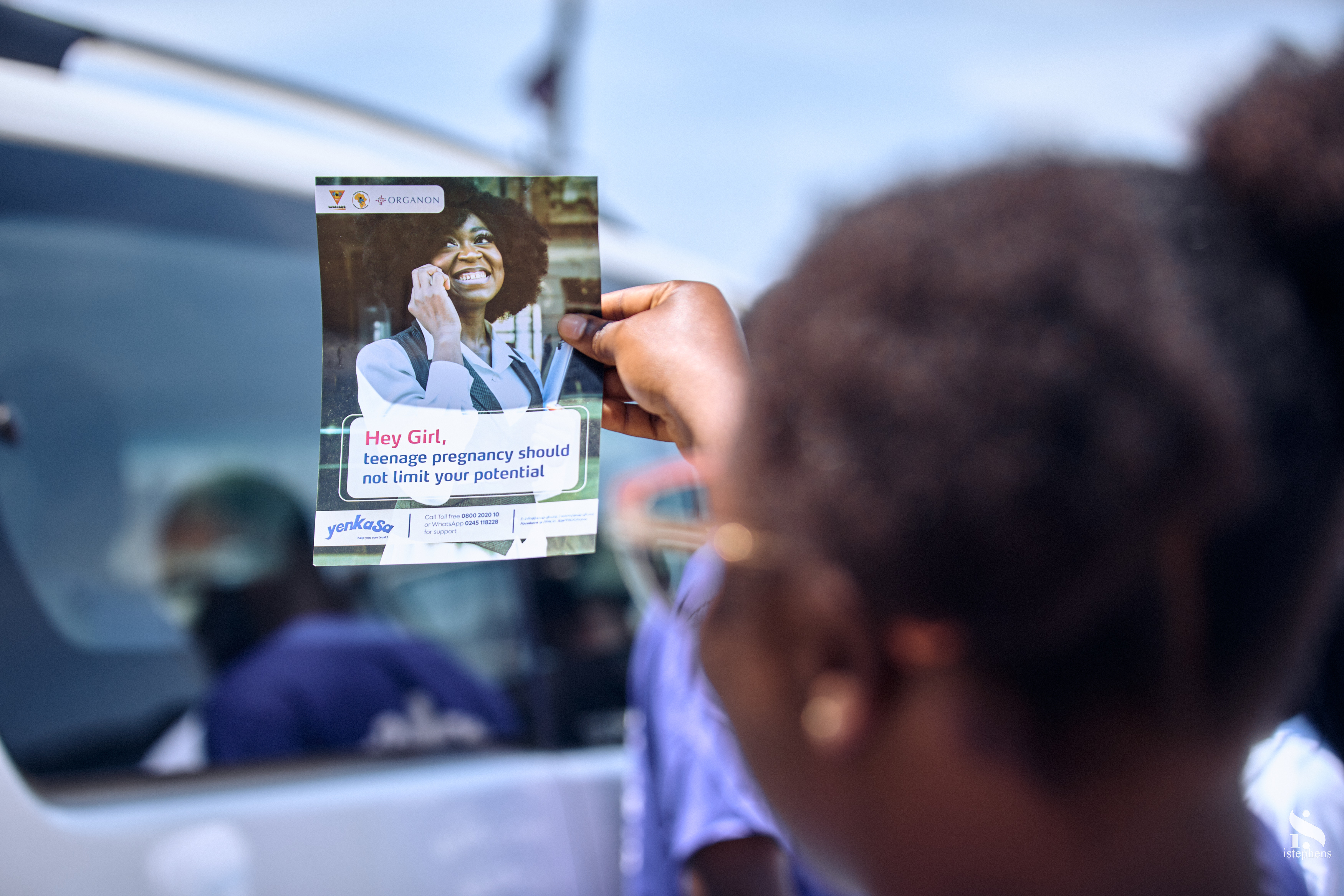
For more than two decades, Adwoa* has worked as a sexual and reproductive health (SRH) provider in Cape Coast, the capital of Ghana’s central region. In the early years of her career, Adwoa would be troubled by the numerous cases of unsafe abortions and related deaths in Cape Coast. In recent years, however, she has noted a remarkable shift with this regard, which she attributes to the efforts of IPPF's Member Association (MA) in the country –Planned Parenthood Association of Ghana (PPAG) where she works. Adwoa speaks more about her experiences in this article. By Maryanne W. WAWERU The Cape Coast region in Ghana is highly significant to the work of IPPF’s MA in the country - PPAG. It is home to several educational institutions including secondary schools, colleges, and universities with a notable student population comprising young people aged 10 – 24 years. Globally recognized as a leading provider of SRH services and a strong advocate for sexual and reproductive health and rights (SRHR), IPPF continually strives to address the challenges that young people face regarding their reproductive health. These challenges include early pregnancies, difficulties in accessing contraceptives, high rates of sexually transmitted infections (STIs) -including HIV, and unsafe abortions. Young people also struggle to find healthcare providers who can offer supportive, friendly, and non-judgemental SRH services. Ghanaian youth are not exempt from these challenges. Combined education, outreach and clinical care activities by PPAG PPAG’s Cape Coast clinic helps in addressing these challenges through its different programmes. By working with trained peer educators and service providers, the organization regularly conducts outreach activities in learning institutions and in community settings where young people gather. The informative sessions empower youth to make healthy and informed decisions about their sexual and reproductive health. PPAG also offers youth-friendly SRH services in its static clinics and through regular mobile clinics. The introduction of telemedicine has further complemented the organization’s service delivery efforts. The telemedicine approach entails provision of remote consultation, medication delivery, and follow-up support for medical, diagnostic and treatment services. This includes abortion services. Telemedicine for abortion Telemedicine for abortion in early pregnancy ensures that clients do not have to make in-person visits to clinics or hospitals, thus addressing several barriers attached to abortion-seeking services in health facilities, such as fear of judgement, stigma, and transport challenges. These barriers significantly contribute to women’s procurement of clandestine, unsafe abortions. Adwoa*, a nurse at PPAG’s Coast Clinic demonstrates the success of the telemedicine for abortion approach. “I have been in this clinic for slightly over 20 years. One of the major challenges that the Cape Coast community has always grappled with is unplanned pregnancies among adolescent girls and young women. This, considering the high youthful population that largely comprises of learners from schools, universities and colleges. In my earlier years working at the clinic, we would receive many cases of life-threatening complications from unsafe abortions procured by young women,” she says. The magnitude of the situation would be exemplified whenever she would participate in outreach activities in the community. “We would always learn about the unfortunate deaths of young women, including students, from botched abortions. They had procured the services from unskilled individuals -quacks. Their deaths greatly saddened me,” she says. For those who survived, Adwoa and her PPAG colleagues would offer post-abortion care services at the clinic. However, the worrying problem of unsafe abortions persisted. “We intensified our awareness campaigns in the community and in learning institutions about the need for contraception to prevent unplanned pregnancies. We needed more people to hear this message as we believed that this would reduce the cases of unsafe abortion morbidity and mortality. To widen access to safe abortion care, we introduced telemedicine for abortion services, which have subsequently benefitted hundreds of young women in Cape Coast,” she says. Expanding safe abortion care access To ensure quality of care in delivery of abortion care information and services, PPAG endeavours to continuously build the capacity of its service providers and peer educators. “Through different initiatives and programmes, the organization carries out regular trainings for its peer educators, thus increasing their capacity to conduct outreach activities in learning institutions and in the community. Additionally, PPAG has facilitated training opportunities for its clinicians and other service providers in and around Cape Coast on comprehensive abortion care (CAC), including telemedicine for abortion. This has not only strengthened the capacity of PPAG clinicians but has also increased the number of skilled abortion care service providers who can offer these services in Cape Coast. With this expanded network, it means that more women are now able to conveniently access life-saving abortion services without having to visit a health facility,” she says. The results have been evident, according to Adwoa. “Nowadays, when we go out for our regular outreaches in the community and in learning institutions, we no longer hear of girls and women who have died from unsafe abortions. On account of the heightened information awareness activities about safe abortion care, more women have been empowered to make safer choices when faced with the predicament of an unplanned pregnancy. We no longer receive cases of girls and young women presenting with complications from unsafe abortions. This is success to me,” a beaming Adwoa says. Adwoa attributes these achievements to increased awareness of telemedicine services especially among the student population, the community’s trust in PPAG’s services, as well as the increased network of trained service providers who can offer quality safe abortion care services in and around Cape Coast. *Name changed for privacy purposes
08 August 2025
Young People at the Centre of Planned Parenthood Association of Ghana (PPAG)
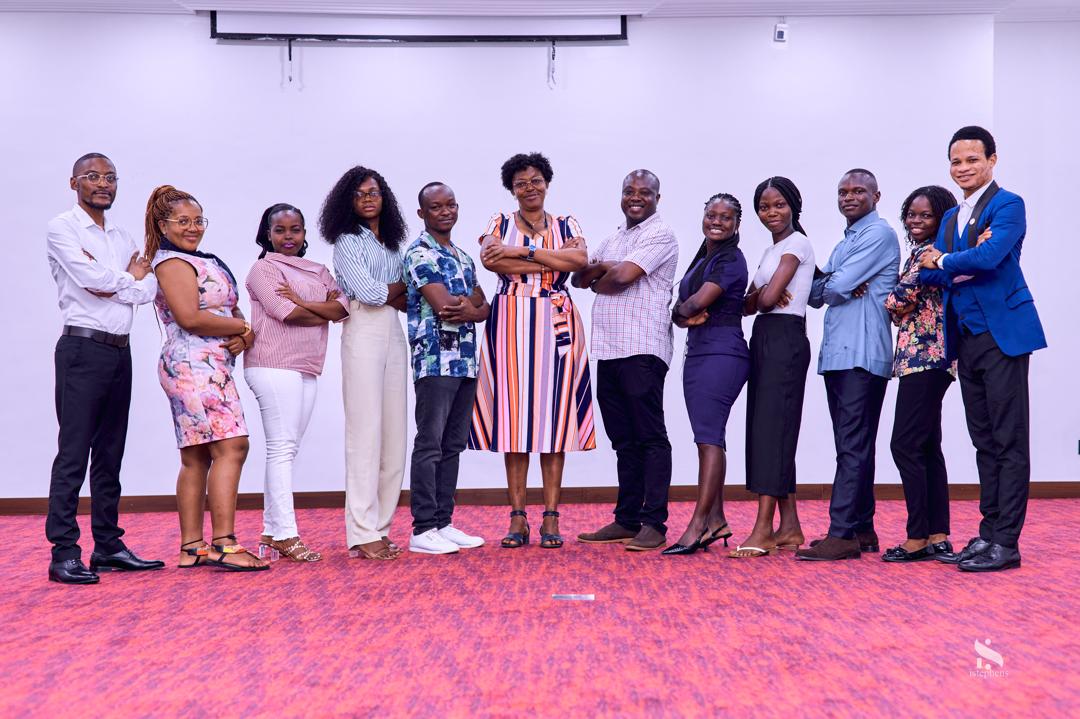
By Dracuse Joseph Since its establishment in 2003, IPPF’s Member Association in Ghana -the Planned Parenthood Association of Ghana (PPAG) has always prioritized the participation, involvement and contribution of young people towards the achievement of its mission and objectives. This has been evidenced in the organization’s different advocacy and service delivery programmes which are youth-centered, and aim to reach as many young people as possible across the country with sexual reproductive health and rights (SRHR) information and services. Additionally, PPAG supports the activities of its youth-led body, the Youth Action Movement (YAM), which encourages and empowers young people to actively participate in the governance of the organization. At PPAG, the YAM is a powerful channel for building youth leadership, confidence, and agency. The movement has affirmed PPAG’s position as a youth-centred organization that prioritizes meaningful youth participation at all levels. “When we talk about youth representation, we are not just referring to their presence; It’s about enabling them to see themselves as part of the process, own it and contribute meaningfully to it. We deliberately invest in building their capacity to develop and implement their ideas, and we provide them with the platform and support to do so,” says Mr. Emil Adzasu, PPAG’s Acting Executive Director. Former YAM members now PPAG staff PPAG has consistently integrated young people into the fabric of the organization. Former YAM members are often prioritized in staff recruitment processes. Today, seven PPAG staff members (about 8% of total staff strength) are YAM alumni, along with 22 peer facilitators who contribute to project implementation activities as educators and champions in specialized programs. Gloria, 28, a former YAM member now serves as a Project Officer and Contact Centre Agent at PPAG. “My experience as a YAM member was life-changing—it helped shape my career. Back then, I was an introverted adolescent, but through attending various training programmes facilitated by PPAG which exposed me to different SRHR issues, I grew into a confident and assertive young woman,” she says. Gloria, who recently completed her Master’s degree in Public Health, formally joined PPAG as a Contact Centre Agent through the Yenkasa Contact Centre, which offers counselling and support to young people on SRHR issues. “Every day, I receive calls from girls seeking help on different issues such as abortion care, menstrual health, or those in abusive relationships seeking help. My experiences as a YAM member, coupled with the learning opportunities I have accessed through PPAG have been instrumental in helping me deliver on my current role,” she says. Prioritizing youth leadership According to Mr. Adzasu, PPAG’s youth-focused approach in SRHR programming not only strengthens its sustainability but also enhances its reputation among donors and partners as a youth-driven organization. “Young people bring innovation and fresh perspectives to PPAG. For instance, the Yenkasa Contact Centre was entirely conceptualized by the youth department, which is made up mostly of young people. The Contact Centre stands as a testament to youth leadership. It serves as a dedicated call centre where young people can access confidential counselling and support on SRHR issues—by youth, for youth,” he says. To ensure effective youth participation in project development, PPAG employs a dedicated YAM Coordinator who is responsible for involving youth in the design, implementation, and evaluation of initiatives. Patience, 26, a former YAM Coordinator and now the PPAG Advocacy Officer, joined YAM at age 18 as a volunteer in the capital city of Accra. “After graduating with a degree in Communication Studies, I applied for the newly created YAM Coordinator role and was successful.” In her role, Patience’s responsibilities included coordinating YAM applications for IPPF’s youth funding through the investment voucher -IPPF’s annual funding scheme that promotes peer-to-peer learning among Member Associations, including the YAM component. She worked closely with the YAM President to ensure that ideas from PPAG’s 12 regional branches were reflected in the organization’s workplan and project proposals. “Under my leadership as YAM coordinator, the YAM won the grant that hosted the YAM-Africa Investment Voucher in 2023. The Investment Voucher grant in 2023 focused on improving programmatic coordination of the YAM. It also aimed at effectively restructuring YAM in accordance with the IPPF Reforms. The expected outcome was a new structure that aligned with the IPPF reforms.” According to Patience, YAM Ghana successfully reviewed the YAM Operational Framework and developed a new YAM Operational Framework aligning with the IPPF Reform. The Restructuring Transitional Committee was also established after this workshop. YAM: influencing career paths Michael, 43, currently serving as PPAG’s Advocacy Coordinator in Tamale (Northern Ghana), also shares: “Back in 1998, as a senior high school student, I joined PPAG’s Family Life Education Club—a program introduced in schools. In 2000, I joined the initial Youth Advocacy Movement (then called Youth Advocacy Movement, later rebranded as Youth Action Movement in 2004). As a YAM member, I took part in SRHR-themed community-based drama activities, often performed in churches. Over time, I rose to become the chairperson of the YAM and was actively involved in its rebranding. My experience with YAM greatly influenced my career path. I went on to study communication and, for my final project, created a film on the challenges young people face in accessing contraception and SRHR information. Through YAM, I developed valuable communication, leadership, and project management skills. After completing my studies, I did my national service with PPAG in Accra. That internship led to a full-time role as a Field Officer in PPAG’s Eastern Region.” Michael says that joining PPAG’s YAM led to his career growth. “Over the past 17 years, I’ve grown within the organization—from Field Officer to Project Officer, then Project Coordinator, and now Advocacy Coordinator.” Emmanuel Akoto, the PPAG Program Director affirms the organization’s commitment to young people. “PPAG’s YAM continues to thrive as a vibrant hub for youth leadership, innovation, and impact. At PPAG, we recognize that empowering young people with the tools, knowledge, and opportunities to lead in SRHR is not only an investment in the future but a necessity for sustainable development. We will continue to collaborate with stakeholders, champion youth-led initiatives, and ensure that platforms like YAM are adequately resourced and strategically positioned to influence policy, challenge harmful norms, and drive community transformation,” he says.

21 November 2024
EmpowHER
About EmpowHER: EmpowHER (Ensuring Inclusive SRHR Delivery for Women, Girls and Marginalised Communities) is a six-year initiative with three key priority areas: Increasing access to quality, person-centred abortion care. Empowering young people to act on their sexual and reproductive rights by expanding access to Comprehensive Sexuality Education (CSE). This is delivered through our CSE Centres of Excellence in Ghana, Togo and Colombia. Pushing back against the anti-rights agenda through coalition and movement-building, as well as advocacy work with our Member Associations. This restricted-funded project will support IPPF’s Strategy 2028 and donor commitments to advance the health and rights of women and girls in all their diversity around the world, ensuring that they can decide what to do with their bodies, their lives, and their futures. Donor: Global Affairs Canada Implementing MAs: Bénin (Association Béninoise pour la Promotion de la Famille) Burkina Faso (ABBEF), Colombia (Profamilia), Ecuador (CEMOPLAF), Ghana (PPAG), Guinea-Bissau (AGUIBEF), Kenya (RHN), Mauritania, (AMPF) Pakistan (FPAP), Sudan (SFPA), Togo (ATBEF), Uganda (RHU), and Zambia (PPAZ). Duration: 1st April 2024 – 31st March 2030 (6 years) Total Budget: CAD $48,000,000

21 May 2024
UNITED NATIONS CIVIL SOCIETY CONFERENCE 2024: YOUNG PEOPLE ARE ADVOCATING FOR GREATER SEXUAL AND REPRODUCTIVE HEALTH AND RIGHTS PRIORITIZATION IN GLOBAL ISSUES
by Jemaimah Ansumene Akiteyi As we reflect on the passage of 29 years since the inception of the Beijing Declaration and platform for action, coupled with 79 years since the establishment of the UN charter, the gradual achievement of Agenda 2030 within the next six years highlights the contributions made by both Civil Society Organizations (CSOs) and young people in shaping a future that increasingly demands coordinated international endeavors. As we gear towards the Summit of the Future, we still ask, “How far have we come?”, “What progress has been made?”, “How can we bridge the gaps left?” Come along with me as I share my experience at the just-ended 2024 United Nations Civil Society Conference (UNCSC) in Nairobi, Kenya, from 9 to 10 May 2024. The conference being the first of its kind in Africa, offered CSOs an opportunity to put a global perspective on specific issues while bringing together senior UN officials, prominent international civil society organizations, youth changemakers, academia, public opinion makers, and international media to identify gaps, give recommendations and make commitments, and discuss issues of global concern. The conference featured various perspectives, calls to action, and insights. Ms. Karimot Odebode asked a powerful question during her poem reading at the opening ceremony - “My generation is tired. We want real change. Are you ready to commit to peace? Are you ready? Because I commit. Do you?” Reflecting on the discussions and break-out sessions, several gaps exist and there’s a need for swift action. Highlights of global issues from the need to integrate sexual and reproductive health and rights (SRHR) for adolescent girls/boys to the need for addressing issues such as female genital mutilation/cutting (FGM/C), children’s rights, and the definition of meaningful youth engagement in the pact of the future. Despite the progress made in advancing SRHR globally, there remain significant challenges, including the prevalence of gender-based violence, limited access to SRHR care for marginalized groups, inadequate funding for SRHR initiatives, and discrimination towards the LGBTIQ+ communities in certain parts of the world. According to a recent press release published by UNICEF in March 2024, over 230 million girls and women alive today have been subjected to female genital mutilation, yet this issue is not adequately addressed within the SDG framework. Additionally, there is a lack of integration between the challenges faced by adolescents and youth and the strategies for their resolution. Speakers like Amina J. Mohammed (Deputy UN Secretary-General), Julia Fan (Senior Manager-Youth Engagement at Women Deliver), and others emphasized how important it is to shape the future through diversity, green projects, justice, and equality. Their statements underlined the need for institutional transformation, the need to give voice to underrepresented groups, and the importance of young people in decision-making. As we march forward to the Summit of the Future, it is imperative to prioritize funding for adolescent- led initiatives, enhance grassroots engagement, and strengthen collaboration between governments, civil society, the UN, and other stakeholders. Additionally, there is a need for greater visibility and recognition of the SRHR needs of persons with disabilities and other marginalized groups. Jemaimah Ansumene Akiteyi, 24 Youth Action Movement, Planned Parenthood Association of Ghana
14 March 2024
Youth-centered approach is essential to our work
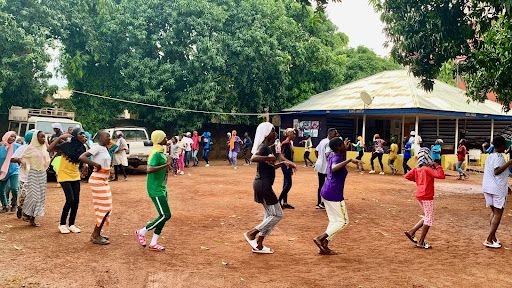
In Ghana, we live in communities where some sexual and reproductive health issues are not openly discussed. These issues are stigmatized. I grew up in a neighborhood where teenage pregnancy is prevalent. I did not know much about sexual and reproductive health and rights. However, when I went to the university, I was introduced to the Youth Action Movement (YAM). By joining this movement, I learnt more about myself and everything a young person should know about their sexual and reproductive health. A few years later, the Planned Parenthood Association of Ghana advertised for a Youth Action Movement coordinator. I applied and got hired. To be eligible, I must have been volunteering with YAM for at least 2 years and be under the age of 25. Once an individual is beyond the age limit of the movement, another young person needs to come on board. One main essence of this position is to build the capacity of young people and absorb them into the workforce. This rule is key to understanding the role of the YAM Coordinator in our organization. In fact, to coordinate a youth group, you should be a young person. Who knows better what young people need than young people themselves? As a Youth Coordinator, I work to build youth capacity, strengthen meaningful youth participation and provide a platform for young people to enhance their skill set. I am very proud to work for Planned Parenthood Association of Ghana. We are a big organization advancing the SRHR rights of young, marginalized and vulnerable people. . Currently, YAM has over 15 branches and over 700 volunteers. Our Member Association was set up in 1967 to initially provide family planning services to the people of Ghana however, with time, the association provides more SRHR services than just Family Planning (FP) services to all . Our mission is to provide comprehensive sexual and reproductive health and rights (SRHR) information and services to all people in Ghana, especially the young and vulnerable, in order to improve their quality of life. Meaningful Youth Participation is one of PPAG's thematic areas Young people are at the heart of our work. We implement a youth-centered approach in all our programmes and activities. This is important for three main reasons. First, in Ghana today, we have many young people across the country. We cannot address issues that affect young people without them. The same goes for the work of IPPF worldwide. We need the input of the people we serve and work with - to voice their opinions and share their thoughts. At IPPF, young people are involved in all decision-making processes. This is what we define as meaningful youth participation. Second, we need creativity. The world is changing. There is a lot of progress. There are many new technologies. Young people are in touch with these changes. They are living it. Therefore, we need them to bring on board new ideas that are in line with these changes and use the new technologies. In this way, IPPF Member Associations will continue to innovate and stay connected to this changing and evolving reality in which young people live. MAs continue to modernize and be attractive for young people to join. Finally, we need young people in IPPF because of the peer-to-peer approach. Young people feel more comfortable with their peers. In our centers, we see that young people find it easier to talk about sexual health issues with their peers. It is easier for them to open up and have meaningful conversations. Especially because of the stigma that we have in this particular sector - sexual and reproductive health and rights services. And we actually see that by bringing young people on board and training them to be peer educators, the stigma is reduced in the communities because of the youth leadership. Implementing activities by and for young people At Planned Parenthood Association of Ghana, we have developed programmes by and for young people. I am particularly proud of the “Youth fight against SGBV Project' ': it is an advocacy project towards government resourcing the domestic Violence survivors’ support fund. It can be difficult to get funding for advocacy projects like this because we don't see the results immediately. But advocacy, by definition, takes time. The Youth Action Movement (YAM), uses innovative methods to reach out to young people. In Tamale, we use entertainment to educate young people. Every Saturday we organize sports activities in the communities. At the end of the activity, we always have an educational talk on reproductive health and rights. This is done in short sessions to encourage people to stay and participate. It is a winning package: sport and education. In and out of school sessions on SRHR are also held often. We are currently working with the Amaze team on adapting videos to use in the Ghanaian context. Videos are a great tool: students are more willing to have conversations after watching videos. They want to see something more creative and relatable. Meanwhile, we invested in online platforms to provide SRHR education for all. We set up a model using whatsapp and it's called RHESY - Reproductive Health Education and Services for Young people. Through this group, young people can participate in sessions led by peer educators who are trained in SRHR. We organize small sessions of about 15 people per language. This has been very successful. I would like to emphasize an important point: empowering young people also means giving them professional opportunities. At PPAG, we give young volunteers the opportunity to work as interns in our organization during their holidays. We also have the Youth Support Programme for YAM members to support project officers. It is a platform to build capacity in project design and implementation. Most of our young volunteers are still in school and want to grow as future young professionals. `Anticipating and overcoming barriers When we develop programmes for young people, we take time to identify and overcome potential barriers. Language was one of them: Ghana is a multilingual country. So we make sure that we employ polyglot social workers. Our digital contact center has more than five languages representatives. This allows us to reach more young people, and our colleagues are able to interact more when young people call. Another barrier that we have identified is the timetable of our centers. In some areas, it was observed that young people didn't want to go to our centers during the week because they could meet adults in the centers. So we have opened some of our clinics on Saturdays so that they can come to us in a more discreet way. This is a good example of why it is important to get young people on board: they will help to identify the barriers to access for their peers and will come up with ideas on how to overcome them. My message is clear: the youth-centered approach is essential to the success of our work. By Patience Ampomah, Youth SRHR advocate and Youth Action Movement Coordinator of Planned Parenthood Federation Ghana (PPAG) `

Ghana: IPPFAR is dismayed by the passing of the new anti-LGBTIQ+ rights bill in parliament
Nairobi, Kenya: 2 March 2024 – The International Planned Parenthood Federation Africa Region (IPPFAR) is deeply shocked and disturbed following Ghana’s parliament legislation passed on Wednesday 28 February which severely infringes on LGBTIQ+ rights and urges President Nana Akufo-Addo to not assent it. This regressive bill blatantly violates human rights and sexual and reproductive health, rights and justice, impacting not only the LGBTIQ+ community but all Ghanaians. The introduction of the new anti-LGBTIQ+ bill will undoubtedly result in a surge of attacks on real and perceived members of the LGBTIQ+ community in Ghana, further undermining their fundamental human rights and access to healthcare. The passage of the bill follows closely after Uganda's enactment of the Anti-Homosexuality Act, 2023, and amid discussions on a pending anti-LGBTIQ+ bill in Kenya. While Ghana's bill doesn't impose death sentences, it broadens its scope by criminalizing individuals who merely express LGBTIQ+ identity or support, suggesting the exclusion of a significant portion of society. This unacceptable bill imposes a prison sentence of up to three years for anyone convicted of identifying as LGBTIQ+ and imposes a maximum five-year jail term for forming or funding LGBTIQ+ rights groups. Violations imposed by the new bill include infringements on the rights to equality, dignity, privacy, freedom of speech, association, health, freedom from discrimination, arbitrary arrest, and the right to a fair trial. "We wholeheartedly condemn the introduction of this new abhorrent bill and urge President Nana Akufo-Addo to not sign it into law. It has no place in our legal systems or in our societies, and we stand in solidarity with those who continue to stand up for the human rights of all Ghanaians", stated Marie-Evelyne Petrus-Barry, IPPF Africa Regional Director. Local civil society organizations fear a significant increase in arrests, physical assaults against the LGBTIQ+ community, threats to the safety of civil society organizations, and a distressing rise in hate speech targeting LGBTIQ+ individuals and their allies since the bill was passed in parliament. "As the foremost provider of sexual and reproductive health (SRH) services in Africa, we are deeply concerned that the new anti-LGBTIQ+ bill will have a detrimental impact on our delivery of vital SRH services in the country due to the fear of individuals seeking healthcare, including HIV treatment, being targeted, persecuted, or discriminated against", added Marie-Evelyne Petrus-Barry. This devastating parliament bill is a major setback and is a reminder to remain aware that human rights violations of the LGBTIQ+ community persist across the continent. IPPFAR continues to be concerned about similar attempts to pass anti-LGBTIQ+ legislation in other African countries, as part of a growing effort to curtail SRHR and human rights more broadly. “We must continue to resist efforts to roll back the human rights of Africans and uphold the full enjoyment and protection of sexual and reproductive health, rights, and justice for all, regardless of their background, circumstances, sexual orientation, or gender identity”, said Marie-Evelyne Petrus-Barry. The vote by the parliament on Wednesday, along with the strong backing of certain groups for the bill, highlights the parliament's disregard for the human rights and social acceptance of LGBTIQ+ individuals. The anti-LGBTIQ+ rhetoric reflects a regression in democratic values, and it is crucial for President Nana Addo Dankwa Akufo-Addo to reject the bill. We call on all stakeholders to support local activists as they are often at the forefront in the effort for the realization of human rights for all, including SRHR. IPPFAR stands in unwavering solidarity with the LGBTIQ+ community, wherever they may be. END For further information or to request an interview, please contact: -Mahmoud GARGA, Lead Strategic Communication, Voice and Media, IPPF Africa Regional Office (IPPFAR) – email: [email protected] / Tel: +254 704 626 920 ABOUT IPPF AFRICA REGION (IPPFAR) The International Planned Parenthood Federation Africa Region (IPPFAR) is one of the leading sexual and reproductive health (SRH) service delivery organization in Africa, and a leading sexual and reproductive health and rights (SRHR) advocacy voice in the region. Headquartered in Nairobi, Kenya, the overarching goal of IPPFAR is to increase access to SRHR services to the most vulnerable youth, men and women in sub-Saharan Africa. Supported by thousands of volunteers, IPPFAR tackles the continent’s growing SRHR challenges through a network of Member Associations (MAs) in 40 countries. We do this by developing our MAs into efficient entities with the capacity to deliver and sustain high quality, youth focused and gender sensitive services. We work with Governments, the African Union, Regional Economic Commissions, the Pan-African Parliament, United Nations bodies among others to expand political and financial commitments to sexual and reproductive health and rights in Africa. Learn more about us on our website. Follow us on Facebook, Twitter, Instagram and You Tube.
22 June 2026
Parents have become ambassadors of sexuality education in the community
IPPF’s Member Association in Ghana -the Planned Parenthood Association of Ghana (PPAG) facilitates an initiative dubbed ‘sista’s clubs’, which are participatory forums for adolescent girls and young women undertaken at the community level, where they discuss sexual and reproductive health (SRH) matters. The clubs create enabling environments for sexuality education through community-level advocacy. PPAG recently conducted training that strengthened the capacity of facilitators to effectively run the ‘sista’s clubs’ sessions. One of the facilitators, Zubaida Salifu, shares her experiences, noting the impact that the clubs continue to have in her community. Zubaida spoke to Maryanne W. WAWERU. My name is Zubaida Salifu, 23, a final-year university student undertaking a bachelor’s degree in Education studies. I am passionate about imparting knowledge to young people, hence my aspiration to become a teacher. I am also a trained peer educator with IPPF’s Member Association -PPAG and based in their Tamale branch in Northern Ghana. PPAG gives me the opportunity to engage in my foremost passion, that of educating young people on their sexual and reproductive health and rights (SRHR), and I am particularly passionate about empowering girls and young women. Addressing teen pregnancies in the community In my Katariga community located in Sagnarigu District, Tamale, teenage pregnancies have for decades been a worrying concern. When I was growing up, many of my friends dropped out of school after becoming pregnant. I witnessed, first-hand, the negative consequences of early motherhood, such as stalled education pursuits and ambition regression by young mothers. This sparked my desire to be a young changemaker. Being a part of PPAG’s volunteer youth group has contributed to my realization of this goal. Today, I am one of the trusted female role models in Katariga, thanks to my education achievements and strong affiliation with PPAG. Some of my responsibilities as a PPAG volunteer include convening safe discussion spaces for young girls in Katariga, through a forum dubbed ‘sista’s club’. Every Saturday from 9 – 11 am, I host a group of about 20 girls aged between 13 – 19 years. With my parents’ blessings, we meet within our home compound. The ‘sista’s club’ sessions are held to educate adolescent girls and young women about SRHR. We discuss issues such as boy-girl relationships, menstrual hygiene, teenage pregnancy, HIV/AIDS and healthy relationships with parents. From the regular capacity building sessions and refresher trainings I receive from PPAG, I capably lead the sessions. When parents become part of the movement There have been noteworthy achievements from the ‘sista’s club’ forum I lead. In what initially began as an empowerment platform for teenage girls, it now extends to parents too. The genesis of this was a mother who, one day, out of curiosity, decided to follow her 17-year-old daughter to a ‘sista’s club’ meeting. She silently sat through the discussions and, happy with the proceedings, went round the neighbourhood encouraging her friends – fellow mothers, to send their daughters to ‘Zubaida’s meetings’ on Saturday mornings. Impressed, she told them that the discussions were very helpful to her daughter. This drew support from more parents, who then began encouraging their daughters to attend our meetings. Previously, parents would be apprehensive about their adolescent children receiving sexuality education, fearing that the discussions would induct them into early sexual activity. I’m happy to note that the ‘sista’s club’ sessions have allayed these fears by increasing their understanding of the importance of age-appropriate sexuality education. Open conversations between adolescent girls and parents The feedback I receive from the girls is very encouraging. They tell me that they now share the lessons they learn at the ‘sista’s club’ forum with their parents – something that did not happen before. Considering that many parents find it extremely difficult to discuss SRH matters with their children, the feedback I receive from both parents and their children is that our sessions are helping to open conversations between them. Today, when I walk around the village, parents stop me and invite me to their homes to counsel their daughters about their SRHR needs as well as prioritizing their education at this pivotal stage in their lives. Positive impact on girl’s education I feel happy because, through the educational activities we have been carrying out in the community over the last two years, together with the collective effort of parents, more girls have remained in school. Cases of girls dropping out because of teen pregnancies are not as common anymore, because they are now better empowered with information on how to avoid early pregnancies. I also know of several teen mothers who, with the encouragement of their parents through the discussions we have had, have returned to school. It’s good to see more parents supporting sexuality education activities in the community nowadays – something that was rare before. With reduced teen pregnancies and more young mothers returning to school, I believe significant change is taking place in Katariga. We are building a community of empowered, educated women and this will in turn result in positive outcomes for everyone, for as they say: ‘when you educate a woman, you educate an entire community’. From the positive impact I have so far observed of the ‘sista’s club’ sessions, I believe other IPPF MAs and other grassroots organizations can successfully replicate this model within their own communities. The forums have demonstrated that empowering girls with information about their sexual and reproductive health not only benefits the girls themselves, but also empowers parents and in turn, the wider community.
JOINT STATEMENT: At the Conclusion of the 4th African Inter-Parliamentary Conference on Family, Sovereignty and Values
JOINT STATEMENT: At the Conclusion of the 4th African Inter-Parliamentary Conference on Family, Sovereignty and Values As the 4th African Inter-Parliamentary Conference on Family, Sovereignty and Values concludes in Accra, Ghana, we join voices with activists, feminists, human rights defenders, community organisers, and ordinary people across the continent who are increasingly concerned about the growing weaponisation of ‘family values’, African culture’ and ‘sovereignty’ as political tools to justify exclusion, discrimination and the erosion of rights for Africans. Across the continent, we are witnessing increasingly coordinated efforts to roll back sexual and reproductive rights for women and girls in all their diversities, undercut civil and political rights for all, restrict civic spaces, weaken human rights protections, and to portray LGBTQI+ people as threats to society rather than as members of our communities, our families and our nations. These crossborder efforts are even embedded in parliamentary networks, and are being advanced through proposed legal and policy frameworks that seek to reshape African human rights law and institutions, and how rights, family, citizenship and belonging are understood on the continent, and the obligations African States have to respect, protect, and fulfill human rights. Many of the conversations taking place under the banner of protecting African families begin from a series of false premises: that there is only one kind of African family worth protecting, only one way of belonging within African society, and that there is only one kind of African society. This does not reflect the realities of our communities, as African families have always been diverse, dynamic and shaped by care, responsibility and interdependence, and as African countries are culturally and spiritually diverse. Our families have always included extended families, grandparent-led households, single-parent households, non-heterosexual family dynamics, kinship networks, adoptive families and many other systems of care and support that have sustained our communities for generations. This attempt to narrow legal and political definition and recognition to a single vision of family does not strengthen African families, but rather weakens them by creating a targeted tool to exclude many of the people who already form part of them. WHAT WE OBSERVED DURING THE CONFERENCE The most significant outcome of this conference is the adoption of the proposed African Charter on Family, Sovereignty and Values. Far from being a symbolic declaration, the Charter is being advanced as a continent-wide framework intended to influence national legislation, public policy, education, health governance and regional human rights institutions. The conference repeatedly presents the family as the primary unit of society and as the basis upon which rights should be understood. However, both African and international human rights frameworks recognise that while families deserve protection, rights belong to individuals. The purpose of human rights law is not simply to protect institutions, including families, but to ensure that every person within those institutions enjoys dignity, equality and freedom. When the rights of women, children, LGBTQI+ persons or other family members are subordinated to an abstract notion of family unity, the result is not stronger families but greater opportunities for exclusion, coercion and abuse. The discussions that took place during the conference also reinforce concerns already expressed by civil society organisations, feminist movements, media, public health advocates, economic justice advocates, human rights defenders and human rights institutions across Africa. While the conference organisers frame their efforts as a defence of African values and sovereignty, many of the proposals being advanced would have serious implications for human rights, public health, constitutional and democratic governance, academic freedom, civic participation, and the safety of already marginalised communities. We are particularly concerned by attempts to position sexual and reproductive health and rights, gender equality, comprehensive sexuality education and LGBTQI+ inclusion as foreign concepts imposed on Africa. Such claims ignore the long histories of African struggles for dignity, bodily autonomy, freedom, and justice. They also erase the work of countless African activists, human rights defenders, scholars, health professionals, community leaders and social movements that have advanced these conversations from within our own societies. We reject the suggestion that the rights and well-being of women, girls, LGBTQI+ people, and other marginalised communities are incompatible with African values. We equally reject the notion that the fundamental human rights of only majority groups should be protected by the State. Human rights claims that challenge dominant social norms or political interests are important and legitimate. The strength of any society should be measured by how well it protects those who are most vulnerable to marginalisation, scapegoating, exclusion, violence, and discrimination, not by how effectively it silences them. It is particularly important to interrogate claims that the conference’s agenda represents an authentic defence of African sovereignty. The networks that have organised, supported and promoted successive family values conferences across Africa are themselves deeply transnational. For years, well-resourced organisations, advocacy groups and political actors based outside the continent have invested in funding convenings and advancing coordinated campaigns aimed at influencing African laws and policies on gender, sexuality, education and reproductive rights. Any serious conversation about foreign influence must therefore account for all sources of influence, including those operating through the family values movement itself. A Critical Moment for Ghana This conference takes place at a critical juncture for Ghana, when the Human Sexual Rights and Family Values Bill has been passed by Parliament and now awaits presidential assent. This Bill raises serious constitutional, human rights, public health and democratic concerns. Its provisions extend beyond the criminalisation of same-sex relations and into areas of identity, expression, association, advocacy and support. If enacted, it would further legitimise discrimination, deepen fear and stigma, shrink civic space and place already vulnerable communities at increased risk of violence and exclusion. At a time when Ghanaians are confronting pressing economic and social challenges, this legislation offers neither meaningful solutions nor tangible benefits. It will not create jobs, improve healthcare, strengthen education systems, or reduce inequality. Instead, it risks diverting public attention away from urgent national priorities while creating new avenues for surveillance, harassment, and social division. This is why we strongly oppose the foundations of both the African Charter on Family, Sovereignty and Values, and the Human Sexual Rights and Family Values Bill. We call on: President John Dramani Mahama not to assent to the Human Sexual Rights and Family Values Bill, as the decision before him is not merely a political one but a constitutional, moral and historic responsibility whose consequences will extend far beyond the present moment and the communities directly targeted by the legislation. By rejecting the Bill, Ghana can reaffirm its longstanding commitment to democratic governance, constitutionalism and fundamental freedoms, and demonstrate principled leadership at a time when rights and democratic institutions are facing increasing pressure across the world. African States to reject all efforts to instrumentalise culture, religion, family, and sovereignty as justifications for discrimination and exclusion. The African Union and regional human rights institutions to protect the integrity of Africa's human rights framework and institutions and resist attempts to weaken longstanding protections for equality, dignity and freedom. Diplomatic missions, development partners and international organisations to remain engaged and principled in their support for human rights, civic freedoms and democratic governance across the continent. Civil society actors, media practitioners, academics, traditional leaders, and faith leaders, to continue creating space for open and honest conversations about family, belonging and social justice that reflect the realities of African communities rather than narrow political agendas. Finally, we call on all those committed to a more just and inclusive Africa to continue building the alliances, movements and solidarities necessary to resist attempts to divide our communities and diminish our shared humanity. The future of Africa cannot be built through exclusion. It must be built through dignity, justice, freedom, care and a recognition that our societies are strongest when every person is able to belong. Signatories CHEVS IPPF Africa Region Outright International galck+ African LBTIQ Caucus
Statement from the International Planned Parenthood Federation Africa Region on the Ghanaian Human Sexual Rights and Family Values Bill, 2025.
2 June 2026: The International Planned Parenthood Federation Africa Region (IPPF ARO) vehemently denounces the passage of the Ghanaian Human Sexual Rights and Family Values Bill 2025 (anti-LGBTQ Bill). The Bill threatens human rights, the provision of health services, and the very cohesion of society. The Bill proposes prison sentences of up to three years for identifying as LGBTQ, five to ten years for so-called “promotion”, bans LGBTQ organisations, and criminalizes the use of media and social media to express support of LGBTQ existence. This is not a moral safeguard; it is the criminalization of identity and solidarity. The Bill, if assented to by President Mahama, will imprison people for being visible, for organizing, or for expressing solidarity. It will fracture families and communities, forcing parents, siblings, health workers, teachers, and others into impossible positions between love and the law. More tangibly, the Bill represents a significant expansion of state control over access to healthcare, it will undermine public health responses, particularly HIV prevention and treatment services. It would also undermine the flagship Free Primary Health Care Programme launched by the President earlier this year. Civil society interventions would be restricted by criminalising lifesaving support, encourage surveillance, denunciation, and fear within communities, and deepen stigma and violence against sexual and gender minorities. Beyond the immediate harm, the Bill sets a precedent that Parliament can criminalize identity itself. Once that principle is established, rights become conditional. Across Africa, we are witnessing a rising pattern of authoritarianism and moral panic, where the bodies and lives of LGBTQ, women, and other vulnerable persons are weaponized as political currently. Following a narrative driven by anti-rights actors, criminalization is being framed as decolonization, and repression as cultural sovereignty. By allowing foreign actors to drive our human rights principles, African states are harming the most marginalized and vulnerable of their citizens. IPPF Africa region strongly urges President John Dramani Mahama to not assent to this Bill. We respectfully call on President Mahama to reject this flagrant abuse of human rights, and to protect the rights of all Ghanaians, while focusing on the structural and institutional issues that can actually improve quality of life for all. IPPF Africa Regional Office continues to stand in solidarity with the entire LGBTQ+ community, human rights defenders, healthcare providers, and civil society organisations who continue to courageously work under increasingly hostile and dangerous conditions in Ghana, the African continent, and beyond. END For further information or to request an interview, please contact: Mahmoud GARGA, Lead Strategic Communication, Voice and Media, IPPF Africa Regional Office – email: [email protected] / Tel: +254 704 626 920 About International Planned Parenthood Federation (IPPF) The International Planned Parenthood Federation is a global healthcare provider and advocacy organization working in over 140 countries to advance sexual and reproductive health and rights. It delivers essential services, including contraception and safe abortion care, and advocates for access to accurate information and bodily autonomy worldwide.
02 June 2026
Statement from the International Planned Parenthood Federation Africa Region on the Ghanaian Human Sexual Rights and Family Values Bill, 2025.
2 June 2026: The International Planned Parenthood Federation Africa Region (IPPF ARO) vehemently denounces the passage of the Ghanaian Human Sexual Rights and Family Values Bill 2025 (anti-LGBTQ Bill). The Bill threatens human rights, the provision of health services, and the very cohesion of society. The Bill proposes prison sentences of up to three years for identifying as LGBTQ, five to ten years for so-called “promotion”, bans LGBTQ organisations, and criminalizes the use of media and social media to express support of LGBTQ existence. This is not a moral safeguard; it is the criminalization of identity and solidarity. The Bill, if assented to by President Mahama, will imprison people for being visible, for organizing, or for expressing solidarity. It will fracture families and communities, forcing parents, siblings, health workers, teachers, and others into impossible positions between love and the law. More tangibly, the Bill represents a significant expansion of state control over access to healthcare, it will undermine public health responses, particularly HIV prevention and treatment services. It would also undermine the flagship Free Primary Health Care Programme launched by the President earlier this year. Civil society interventions would be restricted by criminalising lifesaving support, encourage surveillance, denunciation, and fear within communities, and deepen stigma and violence against sexual and gender minorities. Beyond the immediate harm, the Bill sets a precedent that Parliament can criminalize identity itself. Once that principle is established, rights become conditional. Across Africa, we are witnessing a rising pattern of authoritarianism and moral panic, where the bodies and lives of LGBTQ, women, and other vulnerable persons are weaponized as political currently. Following a narrative driven by anti-rights actors, criminalization is being framed as decolonization, and repression as cultural sovereignty. By allowing foreign actors to drive our human rights principles, African states are harming the most marginalized and vulnerable of their citizens. IPPF Africa region strongly urges President John Dramani Mahama to not assent to this Bill. We respectfully call on President Mahama to reject this flagrant abuse of human rights, and to protect the rights of all Ghanaians, while focusing on the structural and institutional issues that can actually improve quality of life for all. IPPF Africa Regional Office continues to stand in solidarity with the entire LGBTQ+ community, human rights defenders, healthcare providers, and civil society organisations who continue to courageously work under increasingly hostile and dangerous conditions in Ghana, the African continent, and beyond. END For further information or to request an interview, please contact: Mahmoud GARGA, Lead Strategic Communication, Voice and Media, IPPF Africa Regional Office – email: [email protected] / Tel: +254 704 626 920 About International Planned Parenthood Federation (IPPF) The International Planned Parenthood Federation is a global healthcare provider and advocacy organization working in over 140 countries to advance sexual and reproductive health and rights. It delivers essential services, including contraception and safe abortion care, and advocates for access to accurate information and bodily autonomy worldwide.
17 November 2025
“We no longer hear cases of abortion-related deaths in Cape Coast, Ghana” -- PPAG clinic nurse
For more than two decades, Adwoa* has worked as a sexual and reproductive health (SRH) provider in Cape Coast, the capital of Ghana’s central region. In the early years of her career, Adwoa would be troubled by the numerous cases of unsafe abortions and related deaths in Cape Coast. In recent years, however, she has noted a remarkable shift with this regard, which she attributes to the efforts of IPPF's Member Association (MA) in the country –Planned Parenthood Association of Ghana (PPAG) where she works. Adwoa speaks more about her experiences in this article. By Maryanne W. WAWERU The Cape Coast region in Ghana is highly significant to the work of IPPF’s MA in the country - PPAG. It is home to several educational institutions including secondary schools, colleges, and universities with a notable student population comprising young people aged 10 – 24 years. Globally recognized as a leading provider of SRH services and a strong advocate for sexual and reproductive health and rights (SRHR), IPPF continually strives to address the challenges that young people face regarding their reproductive health. These challenges include early pregnancies, difficulties in accessing contraceptives, high rates of sexually transmitted infections (STIs) -including HIV, and unsafe abortions. Young people also struggle to find healthcare providers who can offer supportive, friendly, and non-judgemental SRH services. Ghanaian youth are not exempt from these challenges. Combined education, outreach and clinical care activities by PPAG PPAG’s Cape Coast clinic helps in addressing these challenges through its different programmes. By working with trained peer educators and service providers, the organization regularly conducts outreach activities in learning institutions and in community settings where young people gather. The informative sessions empower youth to make healthy and informed decisions about their sexual and reproductive health. PPAG also offers youth-friendly SRH services in its static clinics and through regular mobile clinics. The introduction of telemedicine has further complemented the organization’s service delivery efforts. The telemedicine approach entails provision of remote consultation, medication delivery, and follow-up support for medical, diagnostic and treatment services. This includes abortion services. Telemedicine for abortion Telemedicine for abortion in early pregnancy ensures that clients do not have to make in-person visits to clinics or hospitals, thus addressing several barriers attached to abortion-seeking services in health facilities, such as fear of judgement, stigma, and transport challenges. These barriers significantly contribute to women’s procurement of clandestine, unsafe abortions. Adwoa*, a nurse at PPAG’s Coast Clinic demonstrates the success of the telemedicine for abortion approach. “I have been in this clinic for slightly over 20 years. One of the major challenges that the Cape Coast community has always grappled with is unplanned pregnancies among adolescent girls and young women. This, considering the high youthful population that largely comprises of learners from schools, universities and colleges. In my earlier years working at the clinic, we would receive many cases of life-threatening complications from unsafe abortions procured by young women,” she says. The magnitude of the situation would be exemplified whenever she would participate in outreach activities in the community. “We would always learn about the unfortunate deaths of young women, including students, from botched abortions. They had procured the services from unskilled individuals -quacks. Their deaths greatly saddened me,” she says. For those who survived, Adwoa and her PPAG colleagues would offer post-abortion care services at the clinic. However, the worrying problem of unsafe abortions persisted. “We intensified our awareness campaigns in the community and in learning institutions about the need for contraception to prevent unplanned pregnancies. We needed more people to hear this message as we believed that this would reduce the cases of unsafe abortion morbidity and mortality. To widen access to safe abortion care, we introduced telemedicine for abortion services, which have subsequently benefitted hundreds of young women in Cape Coast,” she says. Expanding safe abortion care access To ensure quality of care in delivery of abortion care information and services, PPAG endeavours to continuously build the capacity of its service providers and peer educators. “Through different initiatives and programmes, the organization carries out regular trainings for its peer educators, thus increasing their capacity to conduct outreach activities in learning institutions and in the community. Additionally, PPAG has facilitated training opportunities for its clinicians and other service providers in and around Cape Coast on comprehensive abortion care (CAC), including telemedicine for abortion. This has not only strengthened the capacity of PPAG clinicians but has also increased the number of skilled abortion care service providers who can offer these services in Cape Coast. With this expanded network, it means that more women are now able to conveniently access life-saving abortion services without having to visit a health facility,” she says. The results have been evident, according to Adwoa. “Nowadays, when we go out for our regular outreaches in the community and in learning institutions, we no longer hear of girls and women who have died from unsafe abortions. On account of the heightened information awareness activities about safe abortion care, more women have been empowered to make safer choices when faced with the predicament of an unplanned pregnancy. We no longer receive cases of girls and young women presenting with complications from unsafe abortions. This is success to me,” a beaming Adwoa says. Adwoa attributes these achievements to increased awareness of telemedicine services especially among the student population, the community’s trust in PPAG’s services, as well as the increased network of trained service providers who can offer quality safe abortion care services in and around Cape Coast. *Name changed for privacy purposes
08 August 2025
Young People at the Centre of Planned Parenthood Association of Ghana (PPAG)
By Dracuse Joseph Since its establishment in 2003, IPPF’s Member Association in Ghana -the Planned Parenthood Association of Ghana (PPAG) has always prioritized the participation, involvement and contribution of young people towards the achievement of its mission and objectives. This has been evidenced in the organization’s different advocacy and service delivery programmes which are youth-centered, and aim to reach as many young people as possible across the country with sexual reproductive health and rights (SRHR) information and services. Additionally, PPAG supports the activities of its youth-led body, the Youth Action Movement (YAM), which encourages and empowers young people to actively participate in the governance of the organization. At PPAG, the YAM is a powerful channel for building youth leadership, confidence, and agency. The movement has affirmed PPAG’s position as a youth-centred organization that prioritizes meaningful youth participation at all levels. “When we talk about youth representation, we are not just referring to their presence; It’s about enabling them to see themselves as part of the process, own it and contribute meaningfully to it. We deliberately invest in building their capacity to develop and implement their ideas, and we provide them with the platform and support to do so,” says Mr. Emil Adzasu, PPAG’s Acting Executive Director. Former YAM members now PPAG staff PPAG has consistently integrated young people into the fabric of the organization. Former YAM members are often prioritized in staff recruitment processes. Today, seven PPAG staff members (about 8% of total staff strength) are YAM alumni, along with 22 peer facilitators who contribute to project implementation activities as educators and champions in specialized programs. Gloria, 28, a former YAM member now serves as a Project Officer and Contact Centre Agent at PPAG. “My experience as a YAM member was life-changing—it helped shape my career. Back then, I was an introverted adolescent, but through attending various training programmes facilitated by PPAG which exposed me to different SRHR issues, I grew into a confident and assertive young woman,” she says. Gloria, who recently completed her Master’s degree in Public Health, formally joined PPAG as a Contact Centre Agent through the Yenkasa Contact Centre, which offers counselling and support to young people on SRHR issues. “Every day, I receive calls from girls seeking help on different issues such as abortion care, menstrual health, or those in abusive relationships seeking help. My experiences as a YAM member, coupled with the learning opportunities I have accessed through PPAG have been instrumental in helping me deliver on my current role,” she says. Prioritizing youth leadership According to Mr. Adzasu, PPAG’s youth-focused approach in SRHR programming not only strengthens its sustainability but also enhances its reputation among donors and partners as a youth-driven organization. “Young people bring innovation and fresh perspectives to PPAG. For instance, the Yenkasa Contact Centre was entirely conceptualized by the youth department, which is made up mostly of young people. The Contact Centre stands as a testament to youth leadership. It serves as a dedicated call centre where young people can access confidential counselling and support on SRHR issues—by youth, for youth,” he says. To ensure effective youth participation in project development, PPAG employs a dedicated YAM Coordinator who is responsible for involving youth in the design, implementation, and evaluation of initiatives. Patience, 26, a former YAM Coordinator and now the PPAG Advocacy Officer, joined YAM at age 18 as a volunteer in the capital city of Accra. “After graduating with a degree in Communication Studies, I applied for the newly created YAM Coordinator role and was successful.” In her role, Patience’s responsibilities included coordinating YAM applications for IPPF’s youth funding through the investment voucher -IPPF’s annual funding scheme that promotes peer-to-peer learning among Member Associations, including the YAM component. She worked closely with the YAM President to ensure that ideas from PPAG’s 12 regional branches were reflected in the organization’s workplan and project proposals. “Under my leadership as YAM coordinator, the YAM won the grant that hosted the YAM-Africa Investment Voucher in 2023. The Investment Voucher grant in 2023 focused on improving programmatic coordination of the YAM. It also aimed at effectively restructuring YAM in accordance with the IPPF Reforms. The expected outcome was a new structure that aligned with the IPPF reforms.” According to Patience, YAM Ghana successfully reviewed the YAM Operational Framework and developed a new YAM Operational Framework aligning with the IPPF Reform. The Restructuring Transitional Committee was also established after this workshop. YAM: influencing career paths Michael, 43, currently serving as PPAG’s Advocacy Coordinator in Tamale (Northern Ghana), also shares: “Back in 1998, as a senior high school student, I joined PPAG’s Family Life Education Club—a program introduced in schools. In 2000, I joined the initial Youth Advocacy Movement (then called Youth Advocacy Movement, later rebranded as Youth Action Movement in 2004). As a YAM member, I took part in SRHR-themed community-based drama activities, often performed in churches. Over time, I rose to become the chairperson of the YAM and was actively involved in its rebranding. My experience with YAM greatly influenced my career path. I went on to study communication and, for my final project, created a film on the challenges young people face in accessing contraception and SRHR information. Through YAM, I developed valuable communication, leadership, and project management skills. After completing my studies, I did my national service with PPAG in Accra. That internship led to a full-time role as a Field Officer in PPAG’s Eastern Region.” Michael says that joining PPAG’s YAM led to his career growth. “Over the past 17 years, I’ve grown within the organization—from Field Officer to Project Officer, then Project Coordinator, and now Advocacy Coordinator.” Emmanuel Akoto, the PPAG Program Director affirms the organization’s commitment to young people. “PPAG’s YAM continues to thrive as a vibrant hub for youth leadership, innovation, and impact. At PPAG, we recognize that empowering young people with the tools, knowledge, and opportunities to lead in SRHR is not only an investment in the future but a necessity for sustainable development. We will continue to collaborate with stakeholders, champion youth-led initiatives, and ensure that platforms like YAM are adequately resourced and strategically positioned to influence policy, challenge harmful norms, and drive community transformation,” he says.
21 November 2024
EmpowHER
About EmpowHER: EmpowHER (Ensuring Inclusive SRHR Delivery for Women, Girls and Marginalised Communities) is a six-year initiative with three key priority areas: Increasing access to quality, person-centred abortion care. Empowering young people to act on their sexual and reproductive rights by expanding access to Comprehensive Sexuality Education (CSE). This is delivered through our CSE Centres of Excellence in Ghana, Togo and Colombia. Pushing back against the anti-rights agenda through coalition and movement-building, as well as advocacy work with our Member Associations. This restricted-funded project will support IPPF’s Strategy 2028 and donor commitments to advance the health and rights of women and girls in all their diversity around the world, ensuring that they can decide what to do with their bodies, their lives, and their futures. Donor: Global Affairs Canada Implementing MAs: Bénin (Association Béninoise pour la Promotion de la Famille) Burkina Faso (ABBEF), Colombia (Profamilia), Ecuador (CEMOPLAF), Ghana (PPAG), Guinea-Bissau (AGUIBEF), Kenya (RHN), Mauritania, (AMPF) Pakistan (FPAP), Sudan (SFPA), Togo (ATBEF), Uganda (RHU), and Zambia (PPAZ). Duration: 1st April 2024 – 31st March 2030 (6 years) Total Budget: CAD $48,000,000
21 May 2024
UNITED NATIONS CIVIL SOCIETY CONFERENCE 2024: YOUNG PEOPLE ARE ADVOCATING FOR GREATER SEXUAL AND REPRODUCTIVE HEALTH AND RIGHTS PRIORITIZATION IN GLOBAL ISSUES
by Jemaimah Ansumene Akiteyi As we reflect on the passage of 29 years since the inception of the Beijing Declaration and platform for action, coupled with 79 years since the establishment of the UN charter, the gradual achievement of Agenda 2030 within the next six years highlights the contributions made by both Civil Society Organizations (CSOs) and young people in shaping a future that increasingly demands coordinated international endeavors. As we gear towards the Summit of the Future, we still ask, “How far have we come?”, “What progress has been made?”, “How can we bridge the gaps left?” Come along with me as I share my experience at the just-ended 2024 United Nations Civil Society Conference (UNCSC) in Nairobi, Kenya, from 9 to 10 May 2024. The conference being the first of its kind in Africa, offered CSOs an opportunity to put a global perspective on specific issues while bringing together senior UN officials, prominent international civil society organizations, youth changemakers, academia, public opinion makers, and international media to identify gaps, give recommendations and make commitments, and discuss issues of global concern. The conference featured various perspectives, calls to action, and insights. Ms. Karimot Odebode asked a powerful question during her poem reading at the opening ceremony - “My generation is tired. We want real change. Are you ready to commit to peace? Are you ready? Because I commit. Do you?” Reflecting on the discussions and break-out sessions, several gaps exist and there’s a need for swift action. Highlights of global issues from the need to integrate sexual and reproductive health and rights (SRHR) for adolescent girls/boys to the need for addressing issues such as female genital mutilation/cutting (FGM/C), children’s rights, and the definition of meaningful youth engagement in the pact of the future. Despite the progress made in advancing SRHR globally, there remain significant challenges, including the prevalence of gender-based violence, limited access to SRHR care for marginalized groups, inadequate funding for SRHR initiatives, and discrimination towards the LGBTIQ+ communities in certain parts of the world. According to a recent press release published by UNICEF in March 2024, over 230 million girls and women alive today have been subjected to female genital mutilation, yet this issue is not adequately addressed within the SDG framework. Additionally, there is a lack of integration between the challenges faced by adolescents and youth and the strategies for their resolution. Speakers like Amina J. Mohammed (Deputy UN Secretary-General), Julia Fan (Senior Manager-Youth Engagement at Women Deliver), and others emphasized how important it is to shape the future through diversity, green projects, justice, and equality. Their statements underlined the need for institutional transformation, the need to give voice to underrepresented groups, and the importance of young people in decision-making. As we march forward to the Summit of the Future, it is imperative to prioritize funding for adolescent- led initiatives, enhance grassroots engagement, and strengthen collaboration between governments, civil society, the UN, and other stakeholders. Additionally, there is a need for greater visibility and recognition of the SRHR needs of persons with disabilities and other marginalized groups. Jemaimah Ansumene Akiteyi, 24 Youth Action Movement, Planned Parenthood Association of Ghana
14 March 2024
Youth-centered approach is essential to our work
In Ghana, we live in communities where some sexual and reproductive health issues are not openly discussed. These issues are stigmatized. I grew up in a neighborhood where teenage pregnancy is prevalent. I did not know much about sexual and reproductive health and rights. However, when I went to the university, I was introduced to the Youth Action Movement (YAM). By joining this movement, I learnt more about myself and everything a young person should know about their sexual and reproductive health. A few years later, the Planned Parenthood Association of Ghana advertised for a Youth Action Movement coordinator. I applied and got hired. To be eligible, I must have been volunteering with YAM for at least 2 years and be under the age of 25. Once an individual is beyond the age limit of the movement, another young person needs to come on board. One main essence of this position is to build the capacity of young people and absorb them into the workforce. This rule is key to understanding the role of the YAM Coordinator in our organization. In fact, to coordinate a youth group, you should be a young person. Who knows better what young people need than young people themselves? As a Youth Coordinator, I work to build youth capacity, strengthen meaningful youth participation and provide a platform for young people to enhance their skill set. I am very proud to work for Planned Parenthood Association of Ghana. We are a big organization advancing the SRHR rights of young, marginalized and vulnerable people. . Currently, YAM has over 15 branches and over 700 volunteers. Our Member Association was set up in 1967 to initially provide family planning services to the people of Ghana however, with time, the association provides more SRHR services than just Family Planning (FP) services to all . Our mission is to provide comprehensive sexual and reproductive health and rights (SRHR) information and services to all people in Ghana, especially the young and vulnerable, in order to improve their quality of life. Meaningful Youth Participation is one of PPAG's thematic areas Young people are at the heart of our work. We implement a youth-centered approach in all our programmes and activities. This is important for three main reasons. First, in Ghana today, we have many young people across the country. We cannot address issues that affect young people without them. The same goes for the work of IPPF worldwide. We need the input of the people we serve and work with - to voice their opinions and share their thoughts. At IPPF, young people are involved in all decision-making processes. This is what we define as meaningful youth participation. Second, we need creativity. The world is changing. There is a lot of progress. There are many new technologies. Young people are in touch with these changes. They are living it. Therefore, we need them to bring on board new ideas that are in line with these changes and use the new technologies. In this way, IPPF Member Associations will continue to innovate and stay connected to this changing and evolving reality in which young people live. MAs continue to modernize and be attractive for young people to join. Finally, we need young people in IPPF because of the peer-to-peer approach. Young people feel more comfortable with their peers. In our centers, we see that young people find it easier to talk about sexual health issues with their peers. It is easier for them to open up and have meaningful conversations. Especially because of the stigma that we have in this particular sector - sexual and reproductive health and rights services. And we actually see that by bringing young people on board and training them to be peer educators, the stigma is reduced in the communities because of the youth leadership. Implementing activities by and for young people At Planned Parenthood Association of Ghana, we have developed programmes by and for young people. I am particularly proud of the “Youth fight against SGBV Project' ': it is an advocacy project towards government resourcing the domestic Violence survivors’ support fund. It can be difficult to get funding for advocacy projects like this because we don't see the results immediately. But advocacy, by definition, takes time. The Youth Action Movement (YAM), uses innovative methods to reach out to young people. In Tamale, we use entertainment to educate young people. Every Saturday we organize sports activities in the communities. At the end of the activity, we always have an educational talk on reproductive health and rights. This is done in short sessions to encourage people to stay and participate. It is a winning package: sport and education. In and out of school sessions on SRHR are also held often. We are currently working with the Amaze team on adapting videos to use in the Ghanaian context. Videos are a great tool: students are more willing to have conversations after watching videos. They want to see something more creative and relatable. Meanwhile, we invested in online platforms to provide SRHR education for all. We set up a model using whatsapp and it's called RHESY - Reproductive Health Education and Services for Young people. Through this group, young people can participate in sessions led by peer educators who are trained in SRHR. We organize small sessions of about 15 people per language. This has been very successful. I would like to emphasize an important point: empowering young people also means giving them professional opportunities. At PPAG, we give young volunteers the opportunity to work as interns in our organization during their holidays. We also have the Youth Support Programme for YAM members to support project officers. It is a platform to build capacity in project design and implementation. Most of our young volunteers are still in school and want to grow as future young professionals. `Anticipating and overcoming barriers When we develop programmes for young people, we take time to identify and overcome potential barriers. Language was one of them: Ghana is a multilingual country. So we make sure that we employ polyglot social workers. Our digital contact center has more than five languages representatives. This allows us to reach more young people, and our colleagues are able to interact more when young people call. Another barrier that we have identified is the timetable of our centers. In some areas, it was observed that young people didn't want to go to our centers during the week because they could meet adults in the centers. So we have opened some of our clinics on Saturdays so that they can come to us in a more discreet way. This is a good example of why it is important to get young people on board: they will help to identify the barriers to access for their peers and will come up with ideas on how to overcome them. My message is clear: the youth-centered approach is essential to the success of our work. By Patience Ampomah, Youth SRHR advocate and Youth Action Movement Coordinator of Planned Parenthood Federation Ghana (PPAG) `
Ghana: IPPFAR is dismayed by the passing of the new anti-LGBTIQ+ rights bill in parliament
Nairobi, Kenya: 2 March 2024 – The International Planned Parenthood Federation Africa Region (IPPFAR) is deeply shocked and disturbed following Ghana’s parliament legislation passed on Wednesday 28 February which severely infringes on LGBTIQ+ rights and urges President Nana Akufo-Addo to not assent it. This regressive bill blatantly violates human rights and sexual and reproductive health, rights and justice, impacting not only the LGBTIQ+ community but all Ghanaians. The introduction of the new anti-LGBTIQ+ bill will undoubtedly result in a surge of attacks on real and perceived members of the LGBTIQ+ community in Ghana, further undermining their fundamental human rights and access to healthcare. The passage of the bill follows closely after Uganda's enactment of the Anti-Homosexuality Act, 2023, and amid discussions on a pending anti-LGBTIQ+ bill in Kenya. While Ghana's bill doesn't impose death sentences, it broadens its scope by criminalizing individuals who merely express LGBTIQ+ identity or support, suggesting the exclusion of a significant portion of society. This unacceptable bill imposes a prison sentence of up to three years for anyone convicted of identifying as LGBTIQ+ and imposes a maximum five-year jail term for forming or funding LGBTIQ+ rights groups. Violations imposed by the new bill include infringements on the rights to equality, dignity, privacy, freedom of speech, association, health, freedom from discrimination, arbitrary arrest, and the right to a fair trial. "We wholeheartedly condemn the introduction of this new abhorrent bill and urge President Nana Akufo-Addo to not sign it into law. It has no place in our legal systems or in our societies, and we stand in solidarity with those who continue to stand up for the human rights of all Ghanaians", stated Marie-Evelyne Petrus-Barry, IPPF Africa Regional Director. Local civil society organizations fear a significant increase in arrests, physical assaults against the LGBTIQ+ community, threats to the safety of civil society organizations, and a distressing rise in hate speech targeting LGBTIQ+ individuals and their allies since the bill was passed in parliament. "As the foremost provider of sexual and reproductive health (SRH) services in Africa, we are deeply concerned that the new anti-LGBTIQ+ bill will have a detrimental impact on our delivery of vital SRH services in the country due to the fear of individuals seeking healthcare, including HIV treatment, being targeted, persecuted, or discriminated against", added Marie-Evelyne Petrus-Barry. This devastating parliament bill is a major setback and is a reminder to remain aware that human rights violations of the LGBTIQ+ community persist across the continent. IPPFAR continues to be concerned about similar attempts to pass anti-LGBTIQ+ legislation in other African countries, as part of a growing effort to curtail SRHR and human rights more broadly. “We must continue to resist efforts to roll back the human rights of Africans and uphold the full enjoyment and protection of sexual and reproductive health, rights, and justice for all, regardless of their background, circumstances, sexual orientation, or gender identity”, said Marie-Evelyne Petrus-Barry. The vote by the parliament on Wednesday, along with the strong backing of certain groups for the bill, highlights the parliament's disregard for the human rights and social acceptance of LGBTIQ+ individuals. The anti-LGBTIQ+ rhetoric reflects a regression in democratic values, and it is crucial for President Nana Addo Dankwa Akufo-Addo to reject the bill. We call on all stakeholders to support local activists as they are often at the forefront in the effort for the realization of human rights for all, including SRHR. IPPFAR stands in unwavering solidarity with the LGBTIQ+ community, wherever they may be. END For further information or to request an interview, please contact: -Mahmoud GARGA, Lead Strategic Communication, Voice and Media, IPPF Africa Regional Office (IPPFAR) – email: [email protected] / Tel: +254 704 626 920 ABOUT IPPF AFRICA REGION (IPPFAR) The International Planned Parenthood Federation Africa Region (IPPFAR) is one of the leading sexual and reproductive health (SRH) service delivery organization in Africa, and a leading sexual and reproductive health and rights (SRHR) advocacy voice in the region. Headquartered in Nairobi, Kenya, the overarching goal of IPPFAR is to increase access to SRHR services to the most vulnerable youth, men and women in sub-Saharan Africa. Supported by thousands of volunteers, IPPFAR tackles the continent’s growing SRHR challenges through a network of Member Associations (MAs) in 40 countries. We do this by developing our MAs into efficient entities with the capacity to deliver and sustain high quality, youth focused and gender sensitive services. We work with Governments, the African Union, Regional Economic Commissions, the Pan-African Parliament, United Nations bodies among others to expand political and financial commitments to sexual and reproductive health and rights in Africa. Learn more about us on our website. Follow us on Facebook, Twitter, Instagram and You Tube.