



By Mbagnick Sow
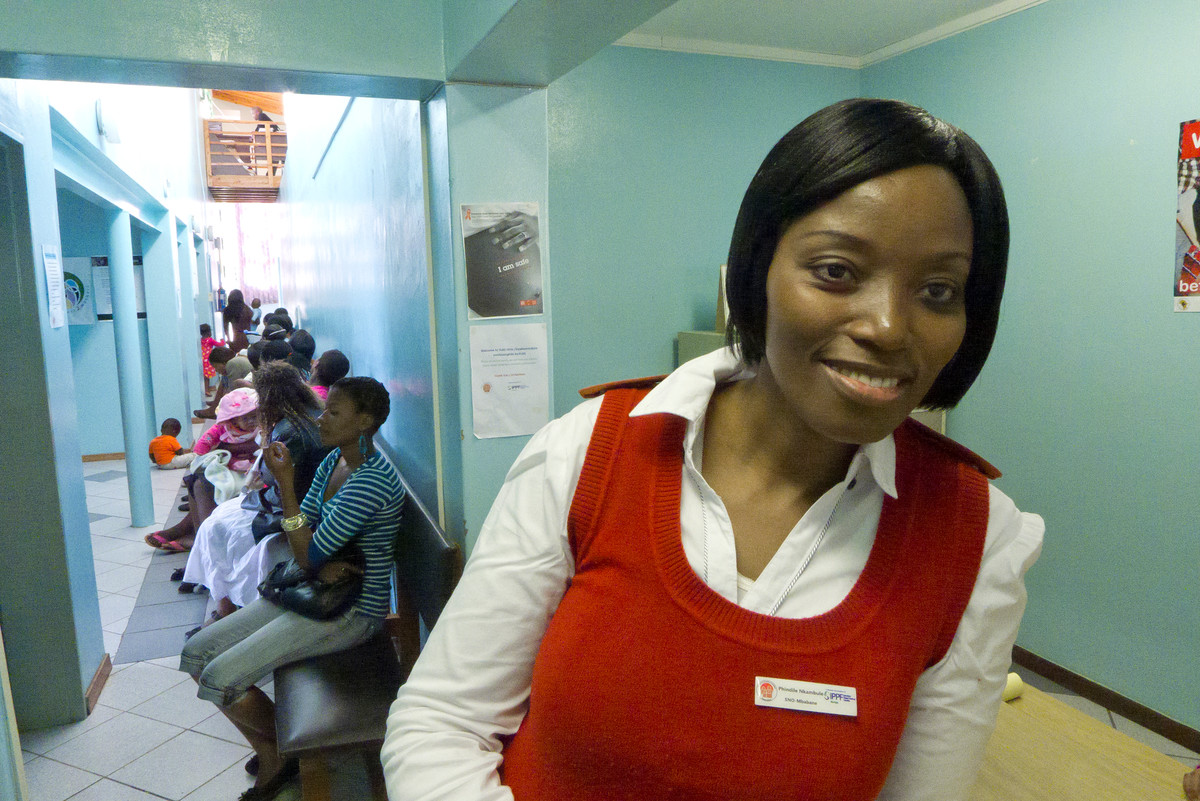
The Southern African country of Eswatini faces profound sexual and reproductive health (SRH) challenges, including having the world’s highest national HIV prevalence (24.8%) and significant unmet family planning needs, particularly among adolescents (28.6%) and rural populations. Within this complex environment, IPPF’s Member Association in the country -the Family Life Association of Eswatini (FLAS) operates as a critical healthcare provider. FLAS stands out as one of Eswatini’s leaders in SRH service delivery and youth programming.
Commodity supply chain challenges
Eswatini faces various systemic challenges in the SRH field. Despite pioneering various innovations such as the dapivirine vaginal ring (DVR) for HIV prevention and expanding contraceptive options, its healthcare system is chronically undermined by fragile commodity insecurities. Commodity supply chain challenges —rooted in logistical inefficiencies, funding volatility, and systemic vulnerabilities—directly compromise the ability of implementing agencies, such as FLAS, to deliver life-saving health services.
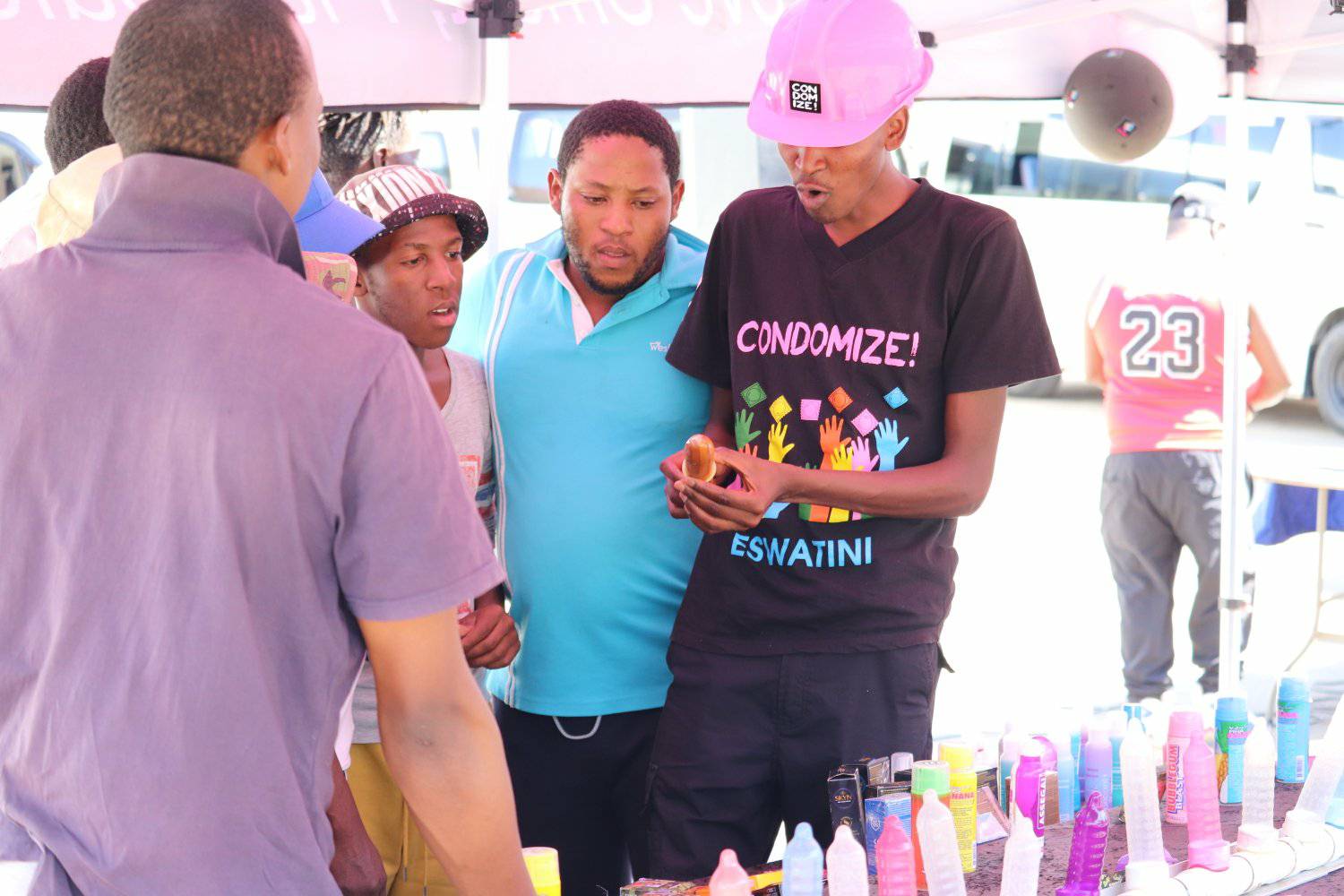
Some of the ways in which commodity insecurity manifests as a crisis for FLAS, are through various ways, such as inconsistent stock levels. FLAS relies on government systems for inventory replenishment. However, the organization’s 15 service points (including mobile clinics) frequently experience stockouts of DVRs and contraceptives due to poor forecasting and coordination by the government.
Another challenge is overdependence on donors, which affects smooth procurement flow. As is common with most donor-funded initiatives, budget cuts or shifting priorities create sudden commodity shortages. For example, while the DVR rollout is a good breakthrough, it however requires sustained funding for monthly replacements, which is not guaranteed.
Additionally, weak data systems, including manual inventory tracking, often leads to overstocking of expired drugs or stockouts of critical items like viral load test kits.
FLAS overcomes some of these challenges through various ways –including the geographical and logistical barriers, as detailed below.
Strategic Infrastructure: mobile and static integration for equity
Through a hybrid service delivery model, FLAS operates three permanent urban clinics complemented by 12-15 mobile outreach units explicitly designed to travel to hard-to-reach areas targeting vulnerable and marginalized populations.

This diverse network enables dynamic redistribution of contraceptive commodities based on real-time stock levels and community needs, preventing localized shortages from becoming absolute service denials. Mobile units function as logistical shock absorbers, redistributing supplies to areas experiencing temporary deficits and maintaining access for Eswatini’s most isolated communities.
Integrated care: a buffer against disruption
Central to FLAS’s resilience is its Integrated Package of Essential Services (IPES), which seamlessly combines family planning with HIV prevention and treatment (including Voluntary Counselling and Testing -VCT and Prevention of Mother-to-Child Transmission -PMTCT), maternal health services, STI management, and comprehensive sexuality education (CSE).
This integration creates a critical safety net: if a specific contraceptive (for example, injectables or oral pills) faces temporary unavailability, clients accessing other SRH services—such as HIV testing or antenatal care—can be immediately counselled on and provided with suitable alternative methods. The model transforms every client interaction into an opportunity for contraceptive continuation, leveraging FLAS’s non-stigmatizing service environment that encourages sustained engagement even when preferred methods require adjustment.
Proactive resilience: partnerships and data-driven forecasting
FLAS embeds supply chain resilience through strategic institutional partnerships and data utilization. As an accredited IPPF member, FLAS leverages on the Federation’s global supply chain expertise, quality assurance systems, and pooled procurement mechanisms. This is amplified through collaborations with the Eswatini Ministry of Health, UNFPA (which works to ensure a steady and reliable supply of quality contraceptives), and other stakeholders like the Swaziland National AIDS Programme. FLAS’s 42 years of service delivery generates robust data on contraceptive demand patterns across regions and demographics, enabling precise forecasting and procurement planning to minimize both overstocking (risk of expiry) and understocking (risk of shortages).
Client-centered mitigation: choice and communication
When specific commodity shortages occur, FLAS’s emphasis on a broad contraceptive method mix becomes its primary mitigation strategy.
In June 2024, a nationwide stockout of commodities was experienced due to supply delays from the Central Medical Stores (CMS). This situation posed a significant challenge for health service providers across Eswatini, including FLAS. However, FLAS’s preparedness and partnerships enabled it to manage the situation effectively and continue meeting client needs.
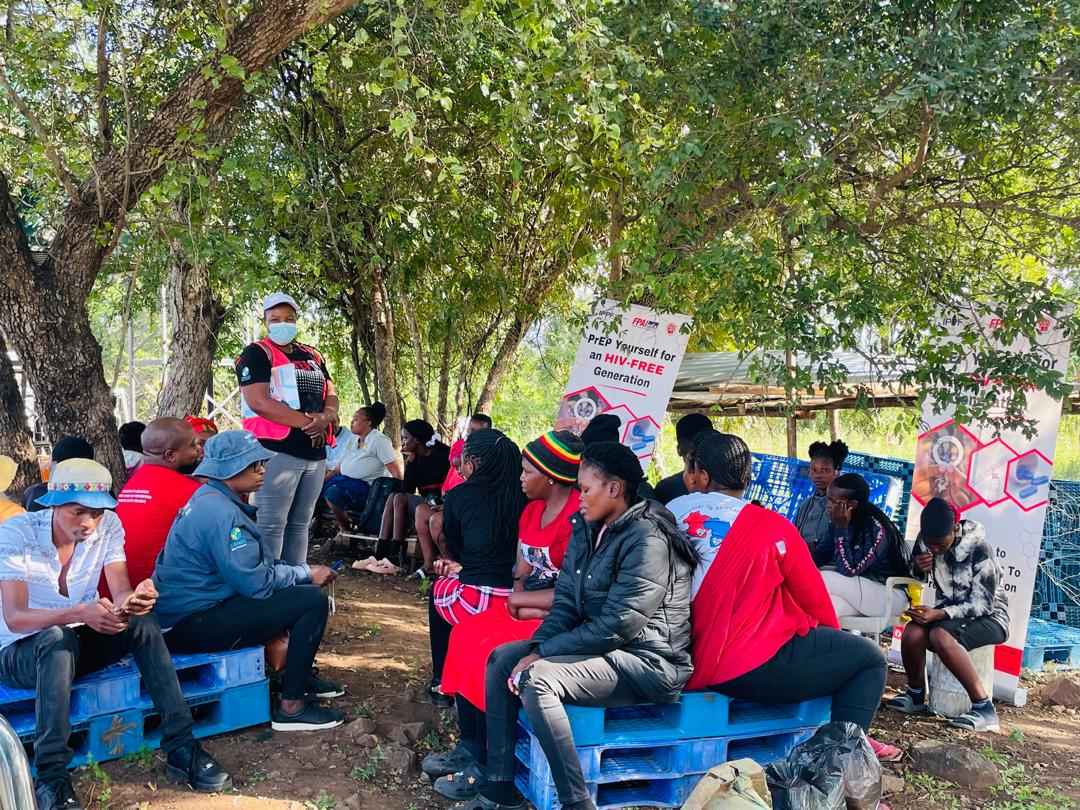
During the crisis, FLAS responded swiftly by engaging with partner health facilities across the country. Through this collaboration, FLAS accessed contraceptive and other commodity supplies that were available in other facilities to fill immediate gaps in its clinics. At the same time, FLAS facilitated client referrals to partner facilities that had the required contraceptive methods in stock. Similarly, partner facilities redirected their clients to FLAS when certain methods were not available on their end. This mutual support system ensured that clients had continuous access to their preferred methods without unnecessary delays or disruptions.
To further ensure availability, FLAS undertook the procurement of essential contraceptive commodities using its internal resources. These commodities were then made available through FLAS pharmacies under a commercialization model. This approach allowed clients, especially those in urgent need, to access methods that were otherwise unavailable through public supply channels.
Utilization of the broad contraceptive method mix strategy
The strength of FLAS’s delivery service lies in the diverse range of contraceptive options it offers. This became particularly critical between September 2024 - January 2025, when the country faced another round of commodity shortages, with the Intrauterine Device (IUD), commonly referred to as the LOOP, being significantly affected.
During this period, FLAS intensified its use of the broad method mix strategy by offering clients other available contraceptive options, such as injectables, oral contraceptives, implants, and condoms. Clients were counselled on the effectiveness and suitability of alternative methods, ensuring informed choice and continued protection against unintended pregnancies.
Innovation for futureproofing: Reducing Supply Chain Pressure
FLAS actively invests in technologies that inherently diminish supply chain vulnerability. The rollout of the monthly dapivirine vaginal ring (DVR)—and anticipation of a three-month version under development by the Population Council—signals a strategic shift toward longer-acting products requiring fewer clinic visits and less frequent resupply. While the DVR focuses on HIV prevention, its user-controlled, longer-duration model mirrors the benefits of contraceptive Long-Acting Reversible Contraception (LARCs) (implants/IUDs) already within FLAS’s method mix. These innovations reduce the frequency of resupply logistics and potential stockout exposure points per client over time, easing pressure on the supply chain.
Advocacy: addressing systemic drivers
FLAS recognizes that sustainable solutions require systemic change, and that leadership is key. "Policy makers, donors, governments and implementers must ensure the mix of HIV prevention [and by extension, family planning] methods are available, accessible, and affordable," says FLAS Programs Manager, Thabo Lizwe Masuku.
FLAS leverages its position on national committees to advocate for increased domestic investment in SRH commodities, diversified procurement channels, and policies supportive of integrated service delivery and method choice.
FLAS: a model of integrated resilience
While global supply challenges persist, FLAS demonstrates that proactive integration, strategic infrastructure, partnership, method diversification, and innovation can create a robust system resilient to disruptions.
Its mobile reach ensures geographical equity; integration enables seamless method substitution; partnerships strengthen forecasting and procurement; community engagement maintains trust; and longer-acting technologies reduce logistical friction. FLAS’s pioneering work—from the DVR (Dapivirine Vaginal Ring) rollout to its youth-focused radio programs—underscores a commitment to user autonomy and uninterrupted choice. Continued investment in this integrated model, particularly its mobile outreach and longer-acting method portfolio, remains essential for safeguarding the reproductive health and rights of all Emaswati, proving that even within profoundly challenged landscapes, family planning access can be systematically secured and sustained.
Mbagnick Sow is the Procurement Advisor, IPPF Africa Regional Office.
when
country
Eswatini
region
Africa
Subject
HIV and STIs, Contraception
Related Member Association
Family Life Association of Eswatini (formerly Swaziland)