



The majority of HIV infections are sexually transmitted or are associated with pregnancy, childbirth and breastfeeding.
Our work links prevention with treatment, care and support, reduces HIV-related stigma and discrimination, and responds to unique regional and national characteristics of the epidemic.
Articles about HIV and STIs
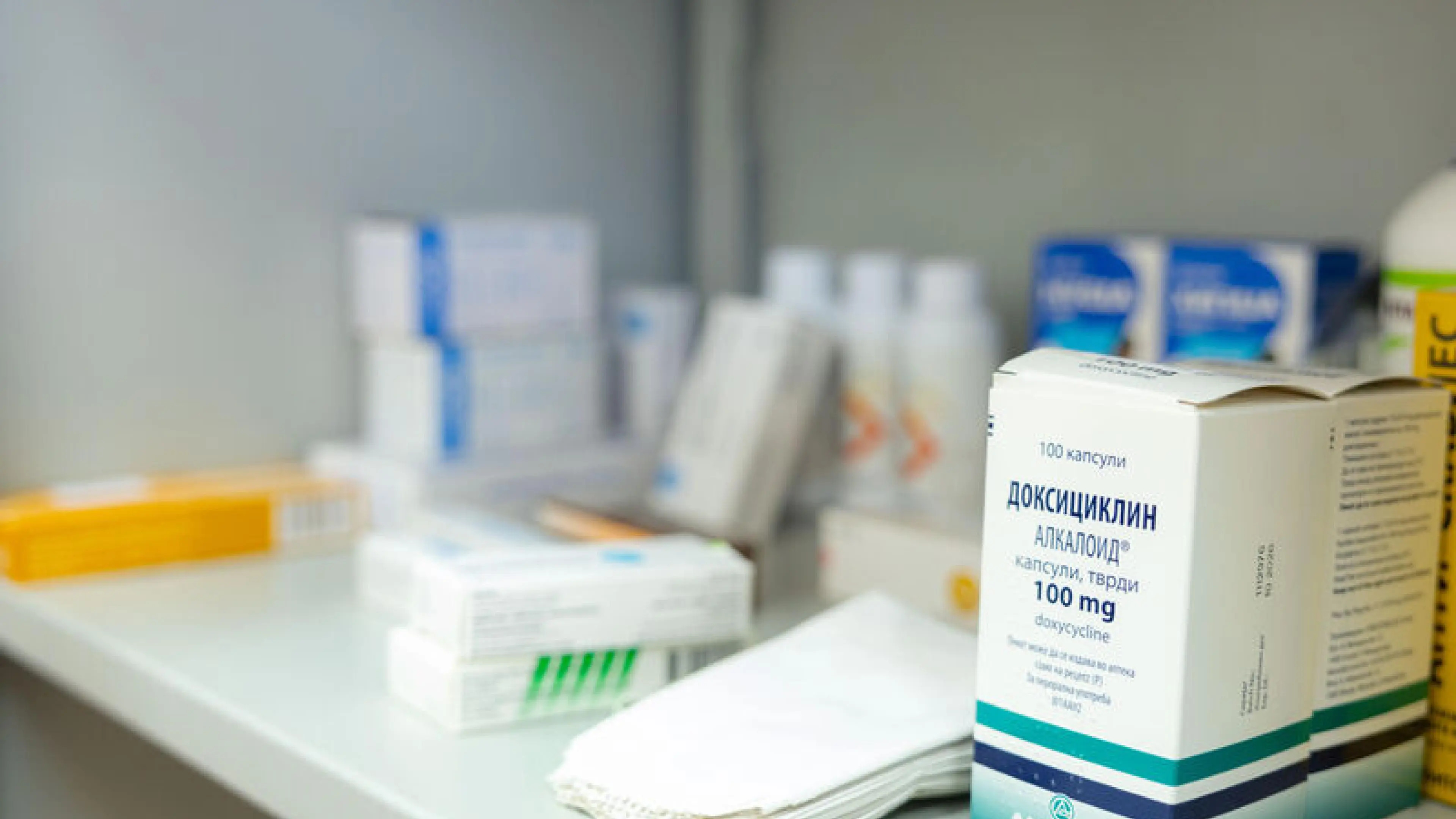
IMAP Frequently Asked Questions: Using pre-exposure prophylaxis (PrEP) and gender affirming hormone therapy (GAHT) for transgender and gender-diverse clients
PrEP is one of the most effective tools we have to prevent HIV, yet many people still have questions about what it is, who it is for, and how it fits into their lives. Can you take PrEP if you are on gender-affirming hormone therapy? Does it have side effects? And why do so many transgender and gender-diverse people still face barriers to accessing it? We consulted the IPPF International Medical Advisory Panel to answer some of the most common questions we have received from the community about PrEP, from how it works and who can benefit from it, to the realities of navigating HIV prevention, healthcare systems, and gender-affirming care. Whether you're considering PrEP yourself, supporting someone who is, or simply curious, here's what you need to know. What is PrEP? PrEP refers to the use of antiretroviral medication by people not infected with HIV to reduce their risk of acquiring HIV (1). PrEP is used during periods when individuals believe they are particularly vulnerable to HIV infection. There are different delivery methods and regimens, with new methods also in development. Currently available options include an oral pill, a vaginal ring, and long-acting injectables. Who should use PrEP? PrEP is appropriate for anyone who perceives themselves to be vulnerable to HIV and wishes to reduce their risk of HIV infection through use of medications (1). Are there side effects to PrEP? Like all medications, PrEP may be associated with side effects in some people. The most common side effects are temporary, and can include nausea, bloating, diarrhoea, headache, feeling dizzy or weak, and trouble sleeping. Side effects from injections can include bruising, pain or small nodules at the injection site. Serious side effects are rare. Does PrEP interfere with gender-affirming hormone therapy? No. PrEP does not lower hormone levels in transgender, nonbinary, and gender diverse people (TGD) on gender-affirming hormone therapy (GAHT) (2). PrEP has been shown to be effective and safe in TGD people and should be provided to high-risk individuals regardless of gender affirming hormone use. There are no measurable differences in hormone levels in blood between PrEP users and non-users who are on GAHT (3). However, blood concentrations of PrEP drugs in transgender women were lower than expected, although at levels unlikely to interfere with their antiviral effect to prevent HIV acquisition (4). Are there sexual side effects to PrEP or gender-affirming hormone therapy for transgender women? PrEP is a medication that reduces the ability of the HIV virus to infect human immune cells; it does not impact the sexual functioning of human sex organs. GAHT for transgender women, however, decreases penile erection function, libido and ejaculatory volume. Discussion of these effects should be an integral part of the informed consent process and shared decision-making at the time of initiating GAHT. If these particular effects are unwanted, there are various strategies that can be used for those who wish to fully maintain penile sexual function, including the use of PDE5 (phosphodiesterase type 5) inhibitors (e.g., sildenafil, tadalafil, vardenafil) to facilitate erections, masturbation/sexual activity to maintain tissue perfusion, lowering antiandrogen doses when feminising goals are met and targeting testosterone levels slightly higher than cisfemale range (either through lower GAHT doses or addition of low-dose add-back testosterone therapy) (5). What are the barriers to using PrEP? Access to healthcare is critical for successful PrEP implementation. Although higher-income regions have had more successful implementation and awareness raising campaigns to date, many low-middle income countries are accelerating access. While PrEP is an important part of HIV preventive care services, studies show transgender women use less preventive care due to multiple factors, including limited access to healthcare, lack of insurance coverage for PrEP and gender-affirming care and medications, and fear of discrimination and stigma by healthcare providers (6). References IMAP statement on biomedical HIV prevention. IPPF, 2023 IMAP Statement on Biomedical HIV Prevention | IPPF, accessed March 2026. Senneker T. Drug-Drug Interactions Between Gender-Affirming Hormone Therapy and Antiretrovirals for Treatment/ Prevention of HIV. Br J Clin Pharmacol. 2024;90:2366–2382. Grant RM, Pellegrini M, Defechereux PA, Anderson PL, Yu M, Glidden DV, O’Neal J, Yager J, Bhasin S, Sevelius J, Deutsch MB. Sex Hormone Therapy and Tenofovir Diphosphate Concentration in Dried Blood Spots: Primary Results of the Interactions Between Antiretrovirals And Transgender Hormones Study. Clin Infect Dis. 2021 Oct 5;73(7):e2117-e2123. doi: 10.1093/cid/ciaa1160. PMID: 32766890; PMCID: PMC8492111. Hiransuthikul A, Janamnuaysook R, Himmad K, et al. Drug drug interactions between feminizing hormone therapy and preexposure prophylaxis among transgender women: the iFACT study. J Int AIDS Soc 2019; 22(7): e25338. DOI: 10. 1002/jia2.25338. Sehgal I. Review of adult gender transition medications: mechanisms, efficacy measures, and pharmacogenomic considerations. Front Endocrinol (Lausanne). 2023 Jul 4;14:1184024. doi: 10.3389/fendo.2023.1184024. Teng F, Sha Y, Fletcher LM, Welsch M, Burns P, Tang W. Barriers to uptake of PrEP across the continuum among transgender women: A global scoping review. Int J STD AIDS. 2023 Apr;34(5):299-314. doi: 10.1177/09564624231152781. Epub 2023 Feb 15. PMID: 36793197.
05 August 2025
Beyond the Shortage: How FLAS Eswatini Safeguards Family Planning Access in a Challenged Landscape
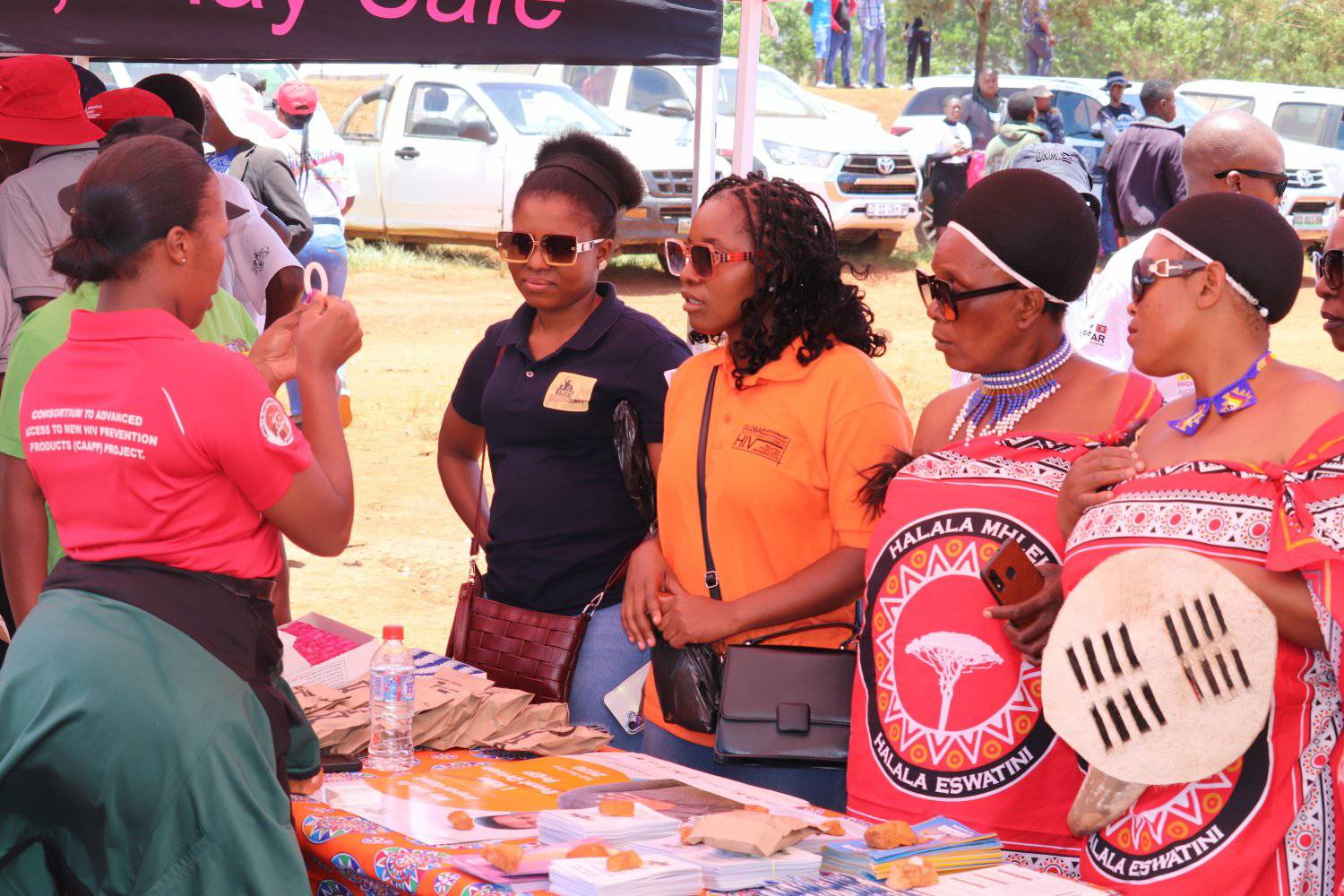
By Mbagnick Sow The Southern African country of Eswatini faces profound sexual and reproductive health (SRH) challenges, including having the world’s highest national HIV prevalence (24.8%) and significant unmet family planning needs, particularly among adolescents (28.6%) and rural populations. Within this complex environment, IPPF’s Member Association in the country -the Family Life Association of Eswatini (FLAS) operates as a critical healthcare provider. FLAS stands out as one of Eswatini’s leaders in SRH service delivery and youth programming. Commodity supply chain challenges Eswatini faces various systemic challenges in the SRH field. Despite pioneering various innovations such as the dapivirine vaginal ring (DVR) for HIV prevention and expanding contraceptive options, its healthcare system is chronically undermined by fragile commodity insecurities. Commodity supply chain challenges —rooted in logistical inefficiencies, funding volatility, and systemic vulnerabilities—directly compromise the ability of implementing agencies, such as FLAS, to deliver life-saving health services. Some of the ways in which commodity insecurity manifests as a crisis for FLAS, are through various ways, such as inconsistent stock levels. FLAS relies on government systems for inventory replenishment. However, the organization’s 15 service points (including mobile clinics) frequently experience stockouts of DVRs and contraceptives due to poor forecasting and coordination by the government. Another challenge is overdependence on donors, which affects smooth procurement flow. As is common with most donor-funded initiatives, budget cuts or shifting priorities create sudden commodity shortages. For example, while the DVR rollout is a good breakthrough, it however requires sustained funding for monthly replacements, which is not guaranteed. Additionally, weak data systems, including manual inventory tracking, often leads to overstocking of expired drugs or stockouts of critical items like viral load test kits. FLAS overcomes some of these challenges through various ways –including the geographical and logistical barriers, as detailed below. Strategic Infrastructure: mobile and static integration for equity Through a hybrid service delivery model, FLAS operates three permanent urban clinics complemented by 12-15 mobile outreach units explicitly designed to travel to hard-to-reach areas targeting vulnerable and marginalized populations. This diverse network enables dynamic redistribution of contraceptive commodities based on real-time stock levels and community needs, preventing localized shortages from becoming absolute service denials. Mobile units function as logistical shock absorbers, redistributing supplies to areas experiencing temporary deficits and maintaining access for Eswatini’s most isolated communities. Integrated care: a buffer against disruption Central to FLAS’s resilience is its Integrated Package of Essential Services (IPES), which seamlessly combines family planning with HIV prevention and treatment (including Voluntary Counselling and Testing -VCT and Prevention of Mother-to-Child Transmission -PMTCT), maternal health services, STI management, and comprehensive sexuality education (CSE). This integration creates a critical safety net: if a specific contraceptive (for example, injectables or oral pills) faces temporary unavailability, clients accessing other SRH services—such as HIV testing or antenatal care—can be immediately counselled on and provided with suitable alternative methods. The model transforms every client interaction into an opportunity for contraceptive continuation, leveraging FLAS’s non-stigmatizing service environment that encourages sustained engagement even when preferred methods require adjustment. Proactive resilience: partnerships and data-driven forecasting FLAS embeds supply chain resilience through strategic institutional partnerships and data utilization. As an accredited IPPF member, FLAS leverages on the Federation’s global supply chain expertise, quality assurance systems, and pooled procurement mechanisms. This is amplified through collaborations with the Eswatini Ministry of Health, UNFPA (which works to ensure a steady and reliable supply of quality contraceptives), and other stakeholders like the Swaziland National AIDS Programme. FLAS’s 42 years of service delivery generates robust data on contraceptive demand patterns across regions and demographics, enabling precise forecasting and procurement planning to minimize both overstocking (risk of expiry) and understocking (risk of shortages). Client-centered mitigation: choice and communication When specific commodity shortages occur, FLAS’s emphasis on a broad contraceptive method mix becomes its primary mitigation strategy. In June 2024, a nationwide stockout of commodities was experienced due to supply delays from the Central Medical Stores (CMS). This situation posed a significant challenge for health service providers across Eswatini, including FLAS. However, FLAS’s preparedness and partnerships enabled it to manage the situation effectively and continue meeting client needs. During the crisis, FLAS responded swiftly by engaging with partner health facilities across the country. Through this collaboration, FLAS accessed contraceptive and other commodity supplies that were available in other facilities to fill immediate gaps in its clinics. At the same time, FLAS facilitated client referrals to partner facilities that had the required contraceptive methods in stock. Similarly, partner facilities redirected their clients to FLAS when certain methods were not available on their end. This mutual support system ensured that clients had continuous access to their preferred methods without unnecessary delays or disruptions. To further ensure availability, FLAS undertook the procurement of essential contraceptive commodities using its internal resources. These commodities were then made available through FLAS pharmacies under a commercialization model. This approach allowed clients, especially those in urgent need, to access methods that were otherwise unavailable through public supply channels. Utilization of the broad contraceptive method mix strategy The strength of FLAS’s delivery service lies in the diverse range of contraceptive options it offers. This became particularly critical between September 2024 - January 2025, when the country faced another round of commodity shortages, with the Intrauterine Device (IUD), commonly referred to as the LOOP, being significantly affected. During this period, FLAS intensified its use of the broad method mix strategy by offering clients other available contraceptive options, such as injectables, oral contraceptives, implants, and condoms. Clients were counselled on the effectiveness and suitability of alternative methods, ensuring informed choice and continued protection against unintended pregnancies. Innovation for futureproofing: Reducing Supply Chain Pressure FLAS actively invests in technologies that inherently diminish supply chain vulnerability. The rollout of the monthly dapivirine vaginal ring (DVR)—and anticipation of a three-month version under development by the Population Council—signals a strategic shift toward longer-acting products requiring fewer clinic visits and less frequent resupply. While the DVR focuses on HIV prevention, its user-controlled, longer-duration model mirrors the benefits of contraceptive Long-Acting Reversible Contraception (LARCs) (implants/IUDs) already within FLAS’s method mix. These innovations reduce the frequency of resupply logistics and potential stockout exposure points per client over time, easing pressure on the supply chain. Advocacy: addressing systemic drivers FLAS recognizes that sustainable solutions require systemic change, and that leadership is key. "Policy makers, donors, governments and implementers must ensure the mix of HIV prevention [and by extension, family planning] methods are available, accessible, and affordable," says FLAS Programs Manager, Thabo Lizwe Masuku. FLAS leverages its position on national committees to advocate for increased domestic investment in SRH commodities, diversified procurement channels, and policies supportive of integrated service delivery and method choice. FLAS: a model of integrated resilience While global supply challenges persist, FLAS demonstrates that proactive integration, strategic infrastructure, partnership, method diversification, and innovation can create a robust system resilient to disruptions. Its mobile reach ensures geographical equity; integration enables seamless method substitution; partnerships strengthen forecasting and procurement; community engagement maintains trust; and longer-acting technologies reduce logistical friction. FLAS’s pioneering work—from the DVR (Dapivirine Vaginal Ring) rollout to its youth-focused radio programs—underscores a commitment to user autonomy and uninterrupted choice. Continued investment in this integrated model, particularly its mobile outreach and longer-acting method portfolio, remains essential for safeguarding the reproductive health and rights of all Emaswati, proving that even within profoundly challenged landscapes, family planning access can be systematically secured and sustained. Mbagnick Sow is the Procurement Advisor, IPPF Africa Regional Office.

30 June 2025
Amid Devastating Budget Cuts, Groundbreaking HIV Prevention Injectable Launches in Eswatini, Lesotho & Malawi
30 June 2025 - The International Planned Parenthood Federation (IPPF) is proud to announce the roll out of CAB-LA (cabotegravir-long acting), a form of pre-exposure prophylaxis (PrEP) for HIV, in Eswatini, and Malawi, and a pilot project in Lesotho - a major milestone in the fight against HIV. IPPF Member Associations (MAs) in the three countries - Family Life Association of Eswatini (FLAS), Lesotho Planned Parenthood Association (LPPA), and Family Planning Association of Malawi ( FPAM) will soon begin to distribute CAB-LA for HIV prevention to individuals who would like to use this form of HIV prevention. CAB-LA, a long-acting injectable PrEP, is a game changer for HIV prevention. PrEP is an HIV prevention method where HIV-negative individuals take medication to significantly reduce their risk of acquiring HIV. Administered every 8 weeks, CAB-LA greatly reduces infection risk and does not rely on remembering to take a daily pill, addressing adherence challenges faced by some people using oral PrEP. This roll-out comes when US budget cuts have severely impacted governments and organizations providing sexual and reproductive health services, HIV prevention, and humanitarian aid. These financial restrictions have significantly impacted access to essential sexual and reproductive health medications globally, compromising HIV prevention and treatment for many, especially those most in need. The arrival of CAB-LA is a major step forward in the fight against HIV/AIDS, providing longer-term protection, a more convenient option, and a discreet alternative to daily pills. Family Life Association of Eswatini, Lesotho Planned Parenthood Association, and the Family Planning Association of Malawi will be providing CAB-LA for PrEP through their static clinics and other public service delivery points. This effort underscores the vital role our MAs play in securing and delivering universal access to sexual and reproductive healthcare. For more information, please contact [email protected] About the International Planned Parenthood Federation IPPF is a global healthcare provider and a leading advocate of sexual and reproductive health and rights (SRHR) for all. Led by a courageous and determined group of women, IPPF was founded in 1952 at the Third International Planned Parenthood Conference. Today, we are a movement of 158 Member Associations and Collaborative Partners with a presence in over 153 countries. Our work is wide-ranging, and includes services for sexual health and well-being, contraception, abortion care, sexually transmitted infections and reproductive tract infections, HIV, obstetrics and gynecology, fertility support, sexual and gender-based violence, comprehensive sex education, and responding to humanitarian crises. We pride ourselves on being local through our members and global through our network. At the heart of our mission is the provision of – and advocacy in support of – integrated healthcare to anyone who needs it regardless of race, gender, sex, income, and, crucially no matter how remote.

27 August 2024
Eswatini to roll out first women-controlled HIV prevention product
Eswatini (27 August 2024) - IPPF’s Member Association in Eswatini, the Family Life Association of Eswatini (FLAS), is soon to roll out the first women-controlled HIV prevention product, the dapivirine vaginal ring (DVR). FLAS will be among the first organisations to offer the DVR outside implementation or pilot studies anywhere in the world. Made of flexible silicone, the ring is inserted into the vagina by a woman and slowly releases the antiretroviral drug dapivirine in the vagina over a one-month period, helping to reduce a woman’s risk of acquiring HIV. In 2023, in sub-Saharan Africa, women and girls accounted for 62% of all new HIV infections and every week, 3,100 adolescent girls and young women aged 15–24 years became infected with HIV. Therefore, there continues to be an urgent need for HIV prevention methods that females can use to protect themselves. The DVR is a product women can control themselves and use without the knowledge or consent of their partners, unlike condoms, which men often refuse to use. The DVR is inserted into the vagina and left for a one-month period, where it can then be replaced each month for continued protection. Unlike daily oral PrEP, the DVR does not rely on remembering to take a pill each day and is also discreet as it stays inside the vagina throughout the month. The DVR does not prevent pregnancy or other sexually transmitted infections (STIs), so women choosing to use the ring may want to consider combining it with condoms and methods of contraception. The availability of the DVR is an exciting step in supporting women’s autonomy and choice in HIV prevention. This need for women-controlled HIV prevention products has long been advocated for, with the African Women Prevention Community Accountability Board launching the HIV Prevention Choice Manifesto in early 2023. The Choice Manifesto prioritises the principle of choice to ensure that women and girls have the right to choose which HIV prevention methods work for them. Currently the ring is available at selected facilities through implementation studies across six countries in East and Southern Africa; South Africa, Kenya, Zimbabwe, Lesotho, Eswatini, and Uganda. Diantha Pillay, Associate Director for Product Access for IPM South Africa NPC (an affiliate of the Population Council), said: “It is encouraging to see the efforts made by FLAS and IPPF to support the choice agenda for HIV prevention for women and make effective HIV prevention methods, like the DVR, more widely accessible in a real-world setting. We hope this can pave the way for introduction of future pipeline products that speak to the needs of women.” The Population Council is currently developing a longer duration DVR that women would use for three months versus one month to significantly lower annual product costs and offer women a more convenient option to protect themselves. Thabo Lizwe Masuku, Programs Manager for FLAS, said: “Women have been telling us for a long time that there is a need for a variety of methods for HIV prevention, since they are highly exposed. For women and girls to truly have choice about what works for them as they navigate different stages and circumstances of their lives, policy makers, donors, governments and implementers must ensure the mix of HIV prevention methods are available, accessible, and affordable. Access to the ring through our clinics in Eswatini now gives women choice and options to protect themselves against HIV.” IPPF is committed to ensuring that choice in HIV prevention is a reality for women and girls and aims to roll out the dapivirine vaginal rings at as many Member Associations as possible, as well as offer other HIV-prevention choices, as we work alongside our partners towards a future free of HIV in Africa and beyond. For more information and to speak to staff in Eswatini, please email [email protected] Notes: The dapivirine vaginal ring has been recommended by the WHO since January 2021. (25) In clinical trials, the ring was shown to reduce HIV infection by 35% in The Ring Study (26,27) and 27% in the ASPIRE Study. (28,29) Recent open-label studies show greater adherence to the ring, and modelling data suggest that HIV risk could be reduced by about 50%. (30) The dapivirine ring has received regulatory approval from the European Medicines Agency (EMA), as well as from local medicines regulators in Namibia, South Africa, Kenya, Zimbabwe, Uganda, Zambia, Malawi, Rwanda, Eswatini, Lesotho, Botswana and is currently under regulatory review in a number of other countries Our Member Associations (MAs) that provide clinical services are required to provide comprehensive SRH services through our Integrated Package of Essential Services (IPES) which include services for sexual health and well-being, contraception, abortion care, sexually transmitted infections (STIs)/reproductive tract infections (RTIs), HIV, obstetrics and gynaecology, fertility support, and sexual and gender-based violence. IPPF’s new five-year strategy, Come Together, focuses on expanding choice. In support of this, we recently launched a special programme to expand our HIV prevention options, which aims to integrate the newest HIV prevention methods – the vaginal ring and injectable PrEP - into our comprehensive sexual and reproductive health services. IPPF’s IMAP Statement on Biomedical HIV Prevention can be found here. About the Family Life Association of Eswatini (FLAS) For over 30 years, the Family Life Association of Eswatini (FLAS) has provided sexual and reproductive health (SRH) services to the people of Eswatini (formally Swaziland). While family planning, antenatal, post-natal and post-abortion care form a key part of FLAS services, there’s a significant focus on HIV and AIDS programmes. Eswatini has some of the highest HIV and AIDS prevalence rates in the world. As a result, the prevention and management of HIV and AIDS, the provision of voluntary counselling and testing (VCT), and the prevention of mother to child transmission (PMTCT) are central to FLAS’s work. FLAS has 15 service points, including three permanent clinics and three mobile facilities, staffed by a permanent team of 40 staff backed by 230 volunteers, 180 Youth Action Movement members and 29 peer educators. About the International Planned Parenthood Federation (IPPF) IPPF is a global healthcare provider and a leading advocate of sexual and reproductive health and rights (SRHR) for all. Led by a courageous and determined group of women, IPPF was founded in 1952 at the Third International Planned Parenthood Conference. Today, we are a movement of 150 Member Associations and Collaborative Partners with a presence in over 146 countries. Our work is wide-ranging, including comprehensive sex education, provision of contraceptives, safe abortion, and maternal care and responding to humanitarian crises. We pride ourselves on being local through our members and global through our network. At the heart of our mission is the provision of – and advocacy in support of – integrated healthcare to anyone who needs it regardless of race, gender, sex, income, and crucially no matter how remote. Our services are available to all, and reach the most marginalised groups in societies, including key and priority populations, youth, and people with disabilities. Most of our MAs have special programs to engage youth (10-24) inside and outside of school settings. Because our clinics offer comprehensive services, attending our clinics is non-stigmatizing and does not label people as having a particular disease or membership to a particular group. This model of services that are integrated and open to all, embedded in indigenous, locally owned organisations, is ideal for ensuring that the most vulnerable and marginalised groups can access the HIV prevention services they need. About the Population Council The Population Council is a leading research organization dedicated to building an equitable and sustainable world that enhances the health and well-being of current and future generations. The Council transforms global thinking on critical health and development issues through social science, public health, and biomedical research. We generate ideas, produce evidence, and design solutions to improve the lives of underserved populations around the world.

18 June 2024
Reversing STI Trends: The Role of Integrated SRHR Service Delivery
By Mallah Tabot and Sylvia Ekponimo In May 2024, The International Planned Parenthood Federation’s International Medical Advisory Panel (IMAP) released a statement on person-centered care for STIs. The statement offers the most recent updates on sexually transmitted infections (STIs) and shares practical guidance for IPPF Member Associations (MAs) on “how to develop a comprehensive, person-centered approach for STI care” with emphasis on the importance of integrated services, adherence with guidelines, rights-based care, community involvement, advocacy, and a positive outlook on sexual health and well-being. As with other IMAP statements, this publication is very timely considering the global STI trends which are unfortunately on the rise, with more than 1 million curable STIs acquired every day and many countries continuing to report an increase number of cases. Despite the deployment of interventions for the prevention, treatment, and management of STIs including HIV at global and regional levels, as well as the introduction of biomedical prevention technologies such as vaccines and pre-exposure prophylaxis (PrEP) for HIV prevention, the situation remains bleak. In 2020, global data indicated an estimated 374 million new STI cases per year, with 26% of the new cases coming from Africa. For HIV prevention, PrEP services are expanding significantly in Africa, with 22 countries offering it to adolescent girls and young women, sex workers, gay and other men who have sex with men, transgender individuals, people who inject drugs, and/or prisoners. While its benefits have been widely documented, with the latest research revealing that PrEP reduces the risk of getting HIV from sex by 99%, it however does not prevent against other STIs or pregnancy. Strategies and planning frameworks for the integration of HIV and other STIs in the face of this global surge exist. However, the elements required for intentional implementation may be missing especially in low resource settings which in turn limits our collective ability to overturn this trend and improve efficiency within our health systems. Currently, most PrEP interventions are implemented within HIV programmes with significant focus on priority population groups. While this is plausible as these populations are at-risk and most-often underserved, pertinent questions however remain, which we must continually reflect upon and consider – Have we fully harnessed valuable opportunities to integrate and link STI service delivery to other services including HIV? How can we ensure that current STI interventions truly contribute to reverse the trends of STI prevalence in Africa? Is the expansion in access to PrEP services in Africa an opportunity to do so? With the rollout of multiple PrEP methods that protect against HIV without condom use, are we fully integrating services? A systematic review of some studies on STI prevalence amongst PrEP users highlights the need for active integration of HIV and STI services especially for key populations. Therefore, a critical interrogation into current implementation strategies for STI management vis-a-vis PrEP programming is essential. With this in mind, it is of the essence for MAs and other partners to take heed of the robust and actionable recommendations in this IMAP statement, and reevaluate their STI/HIV integration strategies. From standard operating procedures that ensure that clients are systematically offered testing for HIV and STIs, no matter the reason they are attending the clinic, to provider training on integrated services, or checklists to ensure these tests are offered and conducted, we must ensure that strategies are tailored to overturn the current STI prevalence while sustaining efforts in HIV prevention through PrEP.

30 March 2017
Japan Trust Fund
The Japan Trust Fund (JTF) represents a visionary partnership that began in 2000 between the Government of Japan and IPPF. Together, we invest in programmes that prioritize health equity, gender equality, and human security for all. Traditionally a driving force behind IPPF's efforts to support the integrated HIV prevention programmes of our Member Associations in Africa and Asia, JTF has adjusted to reflect changing global health priorities. We attach importance to universal access to sexual and reproductive health and rights - an essential contributor to universal health coverage and the global development goals. These projects have transformed the lives of people most vulnerable to HIV and high risk of maternal and child mortality. Equally, it ensures that as a donor, the GOJ’s response to HIV remains people-centred and contributes to human security.

30 June 2016
Girls Decide
This programme addresses critical challenges faced by young women around sexual health and sexuality. It has produced a range of advocacy, education and informational materials to support research, awareness-raising, advocacy and service delivery. Girls Decide is about the sexual and reproductive health and rights of girls and young women. Around the world, girls aged 10 to 19 account for 23% of all disease associated with pregnancy and childbirth. An estimated 2.5 million have unsafe abortions every year. Worldwide, young women account for 60% of the 5.5 million young people living with HIV and/or AIDS. Girls Decide has produced a range of advocacy, education and informational materials to support work to improve sexual health and rights for girls and young women. These include a series of films on sexual and reproductive health decisions faced by 6 young women in 6 different countries. The films won the prestigious International Video and Communications Award (IVCA). When girls and young women have access to critical lifesaving services and information, and when they are able to make meaningful choices about their life path, they are empowered. Their quality of life improves, as does the well-being of their families and the communities in which they live. Their collective ability to achieve internationally agreed development goals is strengthened. Almost all IPPF Member Associations provide services to young people and 1 in every 3 clients is a young person below the age of 25. All young women and girls are rights-holders and are entitled to sexual and reproductive rights. As a matter of principle, the IPPF Secretariat and Member Associations stand by girls by respecting and fulfilling their right to high quality services; they stand up for girls by supporting them in making their own decisions related to sexuality and pregnancy; they stand for sexual and reproductive rights by addressing the challenges faced by young women and girls at local, national and international levels.
01 June 2016
People Living with HIV Stigma Index
The People Living with PLHIV Stigma Index documents how people have experienced HIV-related stigma and how they have been able to challenge and overcome stigma and discrimination relating to HIV. People living with HIV receive training in quantitative data collection, and implement the survey using a standard questionnaire which covers the following 10 areas: Experiences of stigma and discrimination and their causes Access to work and services Internal stigma Rights, laws and policies Effecting change HIV testing Disclosure and confidentiality Treatment Having children Problems and challenges for people living with HIV The People Living with HIV Stigma Index puts the principle of the greater involvement of people living with HIV and AIDS (GIPA) into practice, the research is driven by people living with HIV and their networks and provides them with evidence and opportunity to address challenges in their communities and catalyze change. The findings are instrumental in increasing collective understandings of stigma and discrimination, and detecting changes and trends over time. The evidence has shaped future programmatic interventions by revealing areas of need and gaps in existing programming. The People Living with HIV Stigma Index is a powerful advocacy tool which will influence policy and support the collective goal of governments, NGOs and activists to reduce stigma and discrimination related to HIV. The People Living with HIV Stigma Index has been rolled out in more than 40 countries, where it has been a catalyst for fostering change. Each country is different, from the number of people interviewed to the composition of responses from different group (such as men who have sex with men, sex workers, injecting drug users and other key populations). The People Living with HIV Stigma Index was developed and pioneered by a partnership between the International Planned Parenthood Federation (IPPF) and the Global Network of People Living with HIV(GNP+), the International Community of Women Living with HIV (ICW) and the Joint United Nations Programme on HIV/AIDS (UNAIDS).
30 May 2016
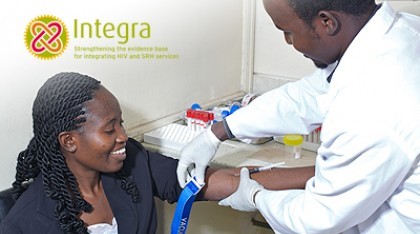
Integra Initiative
Integra is a 5-year research initiative in Kenya, Malawi and Swaziland. It aims to reduce HIV infection, HIV-related stigma and unintended pregnancy. IPPF implements the Integra Initiative with support from the Bill and Melinda Gates Foundation and in collaboration with the London School of Hygiene and Tropical Medicine and the Population Council.

07 February 2017
ACT!2030
IPPF collaborates with UNAIDS and The PACT to implement ACT!2030 (formerly ACT!2015), a youth-led social action initiative which engages young people in 12 countries with advocacy and accountability around the Sustainable Development Goals (SDGs) and other SRHR agreements/frameworks. ACT!2030 was initiated in 2013 as a way to increase youth participation in the negotiations leading up to the adoption of the post-2015 development agenda, and for two years focused on establishing alliances of youth-led and youth-serving organisations in 12 countries across the world. The project is currently in Phase 4, which runs until the end of 2017, and aims to establish youth-led, data-driven accountability mechanisms to ensure youth engagement with the implementation of the SDGs and build an evidence base for advocacy. Ultimately, Phase 4 of ACT!2030 seeks to identify, assess and address key policy barriers to young people’s sexual and reproductive data by using existing data, supplemented by youth-collected data, to advocate and lobby for policy change. This phase involves four main activities: indicator advocacy (persuading decision makers to adopt youth-friendly SRHR and HIV indicators, including on things like comprehensive sexuality education (CSE) and access to youth-friendly services, into national/global reporting mechanisms); evidence gathering (creating national databases on quality of and access to youth-friendly services and CSE); communications (transforming this data and evidence into communications pieces that can be used to advocacy and lobby at national and international level); and global exchange (facilitating global visibility to share advocacy and engagement learnings and increase youth-led accountability in global and regional processes). ACT!2030 is implemented by national alliances of youth organisations in 12 countries: Algeria, Bulgaria, India, Jamaica, Kenya, Mexico, Nigeria, Philippines, South Africa, Uganda, Zambia and Zimbabwe.
IMAP Frequently Asked Questions: Using pre-exposure prophylaxis (PrEP) and gender affirming hormone therapy (GAHT) for transgender and gender-diverse clients
PrEP is one of the most effective tools we have to prevent HIV, yet many people still have questions about what it is, who it is for, and how it fits into their lives. Can you take PrEP if you are on gender-affirming hormone therapy? Does it have side effects? And why do so many transgender and gender-diverse people still face barriers to accessing it? We consulted the IPPF International Medical Advisory Panel to answer some of the most common questions we have received from the community about PrEP, from how it works and who can benefit from it, to the realities of navigating HIV prevention, healthcare systems, and gender-affirming care. Whether you're considering PrEP yourself, supporting someone who is, or simply curious, here's what you need to know. What is PrEP? PrEP refers to the use of antiretroviral medication by people not infected with HIV to reduce their risk of acquiring HIV (1). PrEP is used during periods when individuals believe they are particularly vulnerable to HIV infection. There are different delivery methods and regimens, with new methods also in development. Currently available options include an oral pill, a vaginal ring, and long-acting injectables. Who should use PrEP? PrEP is appropriate for anyone who perceives themselves to be vulnerable to HIV and wishes to reduce their risk of HIV infection through use of medications (1). Are there side effects to PrEP? Like all medications, PrEP may be associated with side effects in some people. The most common side effects are temporary, and can include nausea, bloating, diarrhoea, headache, feeling dizzy or weak, and trouble sleeping. Side effects from injections can include bruising, pain or small nodules at the injection site. Serious side effects are rare. Does PrEP interfere with gender-affirming hormone therapy? No. PrEP does not lower hormone levels in transgender, nonbinary, and gender diverse people (TGD) on gender-affirming hormone therapy (GAHT) (2). PrEP has been shown to be effective and safe in TGD people and should be provided to high-risk individuals regardless of gender affirming hormone use. There are no measurable differences in hormone levels in blood between PrEP users and non-users who are on GAHT (3). However, blood concentrations of PrEP drugs in transgender women were lower than expected, although at levels unlikely to interfere with their antiviral effect to prevent HIV acquisition (4). Are there sexual side effects to PrEP or gender-affirming hormone therapy for transgender women? PrEP is a medication that reduces the ability of the HIV virus to infect human immune cells; it does not impact the sexual functioning of human sex organs. GAHT for transgender women, however, decreases penile erection function, libido and ejaculatory volume. Discussion of these effects should be an integral part of the informed consent process and shared decision-making at the time of initiating GAHT. If these particular effects are unwanted, there are various strategies that can be used for those who wish to fully maintain penile sexual function, including the use of PDE5 (phosphodiesterase type 5) inhibitors (e.g., sildenafil, tadalafil, vardenafil) to facilitate erections, masturbation/sexual activity to maintain tissue perfusion, lowering antiandrogen doses when feminising goals are met and targeting testosterone levels slightly higher than cisfemale range (either through lower GAHT doses or addition of low-dose add-back testosterone therapy) (5). What are the barriers to using PrEP? Access to healthcare is critical for successful PrEP implementation. Although higher-income regions have had more successful implementation and awareness raising campaigns to date, many low-middle income countries are accelerating access. While PrEP is an important part of HIV preventive care services, studies show transgender women use less preventive care due to multiple factors, including limited access to healthcare, lack of insurance coverage for PrEP and gender-affirming care and medications, and fear of discrimination and stigma by healthcare providers (6). References IMAP statement on biomedical HIV prevention. IPPF, 2023 IMAP Statement on Biomedical HIV Prevention | IPPF, accessed March 2026. Senneker T. Drug-Drug Interactions Between Gender-Affirming Hormone Therapy and Antiretrovirals for Treatment/ Prevention of HIV. Br J Clin Pharmacol. 2024;90:2366–2382. Grant RM, Pellegrini M, Defechereux PA, Anderson PL, Yu M, Glidden DV, O’Neal J, Yager J, Bhasin S, Sevelius J, Deutsch MB. Sex Hormone Therapy and Tenofovir Diphosphate Concentration in Dried Blood Spots: Primary Results of the Interactions Between Antiretrovirals And Transgender Hormones Study. Clin Infect Dis. 2021 Oct 5;73(7):e2117-e2123. doi: 10.1093/cid/ciaa1160. PMID: 32766890; PMCID: PMC8492111. Hiransuthikul A, Janamnuaysook R, Himmad K, et al. Drug drug interactions between feminizing hormone therapy and preexposure prophylaxis among transgender women: the iFACT study. J Int AIDS Soc 2019; 22(7): e25338. DOI: 10. 1002/jia2.25338. Sehgal I. Review of adult gender transition medications: mechanisms, efficacy measures, and pharmacogenomic considerations. Front Endocrinol (Lausanne). 2023 Jul 4;14:1184024. doi: 10.3389/fendo.2023.1184024. Teng F, Sha Y, Fletcher LM, Welsch M, Burns P, Tang W. Barriers to uptake of PrEP across the continuum among transgender women: A global scoping review. Int J STD AIDS. 2023 Apr;34(5):299-314. doi: 10.1177/09564624231152781. Epub 2023 Feb 15. PMID: 36793197.
05 August 2025
Beyond the Shortage: How FLAS Eswatini Safeguards Family Planning Access in a Challenged Landscape
By Mbagnick Sow The Southern African country of Eswatini faces profound sexual and reproductive health (SRH) challenges, including having the world’s highest national HIV prevalence (24.8%) and significant unmet family planning needs, particularly among adolescents (28.6%) and rural populations. Within this complex environment, IPPF’s Member Association in the country -the Family Life Association of Eswatini (FLAS) operates as a critical healthcare provider. FLAS stands out as one of Eswatini’s leaders in SRH service delivery and youth programming. Commodity supply chain challenges Eswatini faces various systemic challenges in the SRH field. Despite pioneering various innovations such as the dapivirine vaginal ring (DVR) for HIV prevention and expanding contraceptive options, its healthcare system is chronically undermined by fragile commodity insecurities. Commodity supply chain challenges —rooted in logistical inefficiencies, funding volatility, and systemic vulnerabilities—directly compromise the ability of implementing agencies, such as FLAS, to deliver life-saving health services. Some of the ways in which commodity insecurity manifests as a crisis for FLAS, are through various ways, such as inconsistent stock levels. FLAS relies on government systems for inventory replenishment. However, the organization’s 15 service points (including mobile clinics) frequently experience stockouts of DVRs and contraceptives due to poor forecasting and coordination by the government. Another challenge is overdependence on donors, which affects smooth procurement flow. As is common with most donor-funded initiatives, budget cuts or shifting priorities create sudden commodity shortages. For example, while the DVR rollout is a good breakthrough, it however requires sustained funding for monthly replacements, which is not guaranteed. Additionally, weak data systems, including manual inventory tracking, often leads to overstocking of expired drugs or stockouts of critical items like viral load test kits. FLAS overcomes some of these challenges through various ways –including the geographical and logistical barriers, as detailed below. Strategic Infrastructure: mobile and static integration for equity Through a hybrid service delivery model, FLAS operates three permanent urban clinics complemented by 12-15 mobile outreach units explicitly designed to travel to hard-to-reach areas targeting vulnerable and marginalized populations. This diverse network enables dynamic redistribution of contraceptive commodities based on real-time stock levels and community needs, preventing localized shortages from becoming absolute service denials. Mobile units function as logistical shock absorbers, redistributing supplies to areas experiencing temporary deficits and maintaining access for Eswatini’s most isolated communities. Integrated care: a buffer against disruption Central to FLAS’s resilience is its Integrated Package of Essential Services (IPES), which seamlessly combines family planning with HIV prevention and treatment (including Voluntary Counselling and Testing -VCT and Prevention of Mother-to-Child Transmission -PMTCT), maternal health services, STI management, and comprehensive sexuality education (CSE). This integration creates a critical safety net: if a specific contraceptive (for example, injectables or oral pills) faces temporary unavailability, clients accessing other SRH services—such as HIV testing or antenatal care—can be immediately counselled on and provided with suitable alternative methods. The model transforms every client interaction into an opportunity for contraceptive continuation, leveraging FLAS’s non-stigmatizing service environment that encourages sustained engagement even when preferred methods require adjustment. Proactive resilience: partnerships and data-driven forecasting FLAS embeds supply chain resilience through strategic institutional partnerships and data utilization. As an accredited IPPF member, FLAS leverages on the Federation’s global supply chain expertise, quality assurance systems, and pooled procurement mechanisms. This is amplified through collaborations with the Eswatini Ministry of Health, UNFPA (which works to ensure a steady and reliable supply of quality contraceptives), and other stakeholders like the Swaziland National AIDS Programme. FLAS’s 42 years of service delivery generates robust data on contraceptive demand patterns across regions and demographics, enabling precise forecasting and procurement planning to minimize both overstocking (risk of expiry) and understocking (risk of shortages). Client-centered mitigation: choice and communication When specific commodity shortages occur, FLAS’s emphasis on a broad contraceptive method mix becomes its primary mitigation strategy. In June 2024, a nationwide stockout of commodities was experienced due to supply delays from the Central Medical Stores (CMS). This situation posed a significant challenge for health service providers across Eswatini, including FLAS. However, FLAS’s preparedness and partnerships enabled it to manage the situation effectively and continue meeting client needs. During the crisis, FLAS responded swiftly by engaging with partner health facilities across the country. Through this collaboration, FLAS accessed contraceptive and other commodity supplies that were available in other facilities to fill immediate gaps in its clinics. At the same time, FLAS facilitated client referrals to partner facilities that had the required contraceptive methods in stock. Similarly, partner facilities redirected their clients to FLAS when certain methods were not available on their end. This mutual support system ensured that clients had continuous access to their preferred methods without unnecessary delays or disruptions. To further ensure availability, FLAS undertook the procurement of essential contraceptive commodities using its internal resources. These commodities were then made available through FLAS pharmacies under a commercialization model. This approach allowed clients, especially those in urgent need, to access methods that were otherwise unavailable through public supply channels. Utilization of the broad contraceptive method mix strategy The strength of FLAS’s delivery service lies in the diverse range of contraceptive options it offers. This became particularly critical between September 2024 - January 2025, when the country faced another round of commodity shortages, with the Intrauterine Device (IUD), commonly referred to as the LOOP, being significantly affected. During this period, FLAS intensified its use of the broad method mix strategy by offering clients other available contraceptive options, such as injectables, oral contraceptives, implants, and condoms. Clients were counselled on the effectiveness and suitability of alternative methods, ensuring informed choice and continued protection against unintended pregnancies. Innovation for futureproofing: Reducing Supply Chain Pressure FLAS actively invests in technologies that inherently diminish supply chain vulnerability. The rollout of the monthly dapivirine vaginal ring (DVR)—and anticipation of a three-month version under development by the Population Council—signals a strategic shift toward longer-acting products requiring fewer clinic visits and less frequent resupply. While the DVR focuses on HIV prevention, its user-controlled, longer-duration model mirrors the benefits of contraceptive Long-Acting Reversible Contraception (LARCs) (implants/IUDs) already within FLAS’s method mix. These innovations reduce the frequency of resupply logistics and potential stockout exposure points per client over time, easing pressure on the supply chain. Advocacy: addressing systemic drivers FLAS recognizes that sustainable solutions require systemic change, and that leadership is key. "Policy makers, donors, governments and implementers must ensure the mix of HIV prevention [and by extension, family planning] methods are available, accessible, and affordable," says FLAS Programs Manager, Thabo Lizwe Masuku. FLAS leverages its position on national committees to advocate for increased domestic investment in SRH commodities, diversified procurement channels, and policies supportive of integrated service delivery and method choice. FLAS: a model of integrated resilience While global supply challenges persist, FLAS demonstrates that proactive integration, strategic infrastructure, partnership, method diversification, and innovation can create a robust system resilient to disruptions. Its mobile reach ensures geographical equity; integration enables seamless method substitution; partnerships strengthen forecasting and procurement; community engagement maintains trust; and longer-acting technologies reduce logistical friction. FLAS’s pioneering work—from the DVR (Dapivirine Vaginal Ring) rollout to its youth-focused radio programs—underscores a commitment to user autonomy and uninterrupted choice. Continued investment in this integrated model, particularly its mobile outreach and longer-acting method portfolio, remains essential for safeguarding the reproductive health and rights of all Emaswati, proving that even within profoundly challenged landscapes, family planning access can be systematically secured and sustained. Mbagnick Sow is the Procurement Advisor, IPPF Africa Regional Office.
30 June 2025
Amid Devastating Budget Cuts, Groundbreaking HIV Prevention Injectable Launches in Eswatini, Lesotho & Malawi
30 June 2025 - The International Planned Parenthood Federation (IPPF) is proud to announce the roll out of CAB-LA (cabotegravir-long acting), a form of pre-exposure prophylaxis (PrEP) for HIV, in Eswatini, and Malawi, and a pilot project in Lesotho - a major milestone in the fight against HIV. IPPF Member Associations (MAs) in the three countries - Family Life Association of Eswatini (FLAS), Lesotho Planned Parenthood Association (LPPA), and Family Planning Association of Malawi ( FPAM) will soon begin to distribute CAB-LA for HIV prevention to individuals who would like to use this form of HIV prevention. CAB-LA, a long-acting injectable PrEP, is a game changer for HIV prevention. PrEP is an HIV prevention method where HIV-negative individuals take medication to significantly reduce their risk of acquiring HIV. Administered every 8 weeks, CAB-LA greatly reduces infection risk and does not rely on remembering to take a daily pill, addressing adherence challenges faced by some people using oral PrEP. This roll-out comes when US budget cuts have severely impacted governments and organizations providing sexual and reproductive health services, HIV prevention, and humanitarian aid. These financial restrictions have significantly impacted access to essential sexual and reproductive health medications globally, compromising HIV prevention and treatment for many, especially those most in need. The arrival of CAB-LA is a major step forward in the fight against HIV/AIDS, providing longer-term protection, a more convenient option, and a discreet alternative to daily pills. Family Life Association of Eswatini, Lesotho Planned Parenthood Association, and the Family Planning Association of Malawi will be providing CAB-LA for PrEP through their static clinics and other public service delivery points. This effort underscores the vital role our MAs play in securing and delivering universal access to sexual and reproductive healthcare. For more information, please contact [email protected] About the International Planned Parenthood Federation IPPF is a global healthcare provider and a leading advocate of sexual and reproductive health and rights (SRHR) for all. Led by a courageous and determined group of women, IPPF was founded in 1952 at the Third International Planned Parenthood Conference. Today, we are a movement of 158 Member Associations and Collaborative Partners with a presence in over 153 countries. Our work is wide-ranging, and includes services for sexual health and well-being, contraception, abortion care, sexually transmitted infections and reproductive tract infections, HIV, obstetrics and gynecology, fertility support, sexual and gender-based violence, comprehensive sex education, and responding to humanitarian crises. We pride ourselves on being local through our members and global through our network. At the heart of our mission is the provision of – and advocacy in support of – integrated healthcare to anyone who needs it regardless of race, gender, sex, income, and, crucially no matter how remote.
27 August 2024
Eswatini to roll out first women-controlled HIV prevention product
Eswatini (27 August 2024) - IPPF’s Member Association in Eswatini, the Family Life Association of Eswatini (FLAS), is soon to roll out the first women-controlled HIV prevention product, the dapivirine vaginal ring (DVR). FLAS will be among the first organisations to offer the DVR outside implementation or pilot studies anywhere in the world. Made of flexible silicone, the ring is inserted into the vagina by a woman and slowly releases the antiretroviral drug dapivirine in the vagina over a one-month period, helping to reduce a woman’s risk of acquiring HIV. In 2023, in sub-Saharan Africa, women and girls accounted for 62% of all new HIV infections and every week, 3,100 adolescent girls and young women aged 15–24 years became infected with HIV. Therefore, there continues to be an urgent need for HIV prevention methods that females can use to protect themselves. The DVR is a product women can control themselves and use without the knowledge or consent of their partners, unlike condoms, which men often refuse to use. The DVR is inserted into the vagina and left for a one-month period, where it can then be replaced each month for continued protection. Unlike daily oral PrEP, the DVR does not rely on remembering to take a pill each day and is also discreet as it stays inside the vagina throughout the month. The DVR does not prevent pregnancy or other sexually transmitted infections (STIs), so women choosing to use the ring may want to consider combining it with condoms and methods of contraception. The availability of the DVR is an exciting step in supporting women’s autonomy and choice in HIV prevention. This need for women-controlled HIV prevention products has long been advocated for, with the African Women Prevention Community Accountability Board launching the HIV Prevention Choice Manifesto in early 2023. The Choice Manifesto prioritises the principle of choice to ensure that women and girls have the right to choose which HIV prevention methods work for them. Currently the ring is available at selected facilities through implementation studies across six countries in East and Southern Africa; South Africa, Kenya, Zimbabwe, Lesotho, Eswatini, and Uganda. Diantha Pillay, Associate Director for Product Access for IPM South Africa NPC (an affiliate of the Population Council), said: “It is encouraging to see the efforts made by FLAS and IPPF to support the choice agenda for HIV prevention for women and make effective HIV prevention methods, like the DVR, more widely accessible in a real-world setting. We hope this can pave the way for introduction of future pipeline products that speak to the needs of women.” The Population Council is currently developing a longer duration DVR that women would use for three months versus one month to significantly lower annual product costs and offer women a more convenient option to protect themselves. Thabo Lizwe Masuku, Programs Manager for FLAS, said: “Women have been telling us for a long time that there is a need for a variety of methods for HIV prevention, since they are highly exposed. For women and girls to truly have choice about what works for them as they navigate different stages and circumstances of their lives, policy makers, donors, governments and implementers must ensure the mix of HIV prevention methods are available, accessible, and affordable. Access to the ring through our clinics in Eswatini now gives women choice and options to protect themselves against HIV.” IPPF is committed to ensuring that choice in HIV prevention is a reality for women and girls and aims to roll out the dapivirine vaginal rings at as many Member Associations as possible, as well as offer other HIV-prevention choices, as we work alongside our partners towards a future free of HIV in Africa and beyond. For more information and to speak to staff in Eswatini, please email [email protected] Notes: The dapivirine vaginal ring has been recommended by the WHO since January 2021. (25) In clinical trials, the ring was shown to reduce HIV infection by 35% in The Ring Study (26,27) and 27% in the ASPIRE Study. (28,29) Recent open-label studies show greater adherence to the ring, and modelling data suggest that HIV risk could be reduced by about 50%. (30) The dapivirine ring has received regulatory approval from the European Medicines Agency (EMA), as well as from local medicines regulators in Namibia, South Africa, Kenya, Zimbabwe, Uganda, Zambia, Malawi, Rwanda, Eswatini, Lesotho, Botswana and is currently under regulatory review in a number of other countries Our Member Associations (MAs) that provide clinical services are required to provide comprehensive SRH services through our Integrated Package of Essential Services (IPES) which include services for sexual health and well-being, contraception, abortion care, sexually transmitted infections (STIs)/reproductive tract infections (RTIs), HIV, obstetrics and gynaecology, fertility support, and sexual and gender-based violence. IPPF’s new five-year strategy, Come Together, focuses on expanding choice. In support of this, we recently launched a special programme to expand our HIV prevention options, which aims to integrate the newest HIV prevention methods – the vaginal ring and injectable PrEP - into our comprehensive sexual and reproductive health services. IPPF’s IMAP Statement on Biomedical HIV Prevention can be found here. About the Family Life Association of Eswatini (FLAS) For over 30 years, the Family Life Association of Eswatini (FLAS) has provided sexual and reproductive health (SRH) services to the people of Eswatini (formally Swaziland). While family planning, antenatal, post-natal and post-abortion care form a key part of FLAS services, there’s a significant focus on HIV and AIDS programmes. Eswatini has some of the highest HIV and AIDS prevalence rates in the world. As a result, the prevention and management of HIV and AIDS, the provision of voluntary counselling and testing (VCT), and the prevention of mother to child transmission (PMTCT) are central to FLAS’s work. FLAS has 15 service points, including three permanent clinics and three mobile facilities, staffed by a permanent team of 40 staff backed by 230 volunteers, 180 Youth Action Movement members and 29 peer educators. About the International Planned Parenthood Federation (IPPF) IPPF is a global healthcare provider and a leading advocate of sexual and reproductive health and rights (SRHR) for all. Led by a courageous and determined group of women, IPPF was founded in 1952 at the Third International Planned Parenthood Conference. Today, we are a movement of 150 Member Associations and Collaborative Partners with a presence in over 146 countries. Our work is wide-ranging, including comprehensive sex education, provision of contraceptives, safe abortion, and maternal care and responding to humanitarian crises. We pride ourselves on being local through our members and global through our network. At the heart of our mission is the provision of – and advocacy in support of – integrated healthcare to anyone who needs it regardless of race, gender, sex, income, and crucially no matter how remote. Our services are available to all, and reach the most marginalised groups in societies, including key and priority populations, youth, and people with disabilities. Most of our MAs have special programs to engage youth (10-24) inside and outside of school settings. Because our clinics offer comprehensive services, attending our clinics is non-stigmatizing and does not label people as having a particular disease or membership to a particular group. This model of services that are integrated and open to all, embedded in indigenous, locally owned organisations, is ideal for ensuring that the most vulnerable and marginalised groups can access the HIV prevention services they need. About the Population Council The Population Council is a leading research organization dedicated to building an equitable and sustainable world that enhances the health and well-being of current and future generations. The Council transforms global thinking on critical health and development issues through social science, public health, and biomedical research. We generate ideas, produce evidence, and design solutions to improve the lives of underserved populations around the world.
18 June 2024
Reversing STI Trends: The Role of Integrated SRHR Service Delivery
By Mallah Tabot and Sylvia Ekponimo In May 2024, The International Planned Parenthood Federation’s International Medical Advisory Panel (IMAP) released a statement on person-centered care for STIs. The statement offers the most recent updates on sexually transmitted infections (STIs) and shares practical guidance for IPPF Member Associations (MAs) on “how to develop a comprehensive, person-centered approach for STI care” with emphasis on the importance of integrated services, adherence with guidelines, rights-based care, community involvement, advocacy, and a positive outlook on sexual health and well-being. As with other IMAP statements, this publication is very timely considering the global STI trends which are unfortunately on the rise, with more than 1 million curable STIs acquired every day and many countries continuing to report an increase number of cases. Despite the deployment of interventions for the prevention, treatment, and management of STIs including HIV at global and regional levels, as well as the introduction of biomedical prevention technologies such as vaccines and pre-exposure prophylaxis (PrEP) for HIV prevention, the situation remains bleak. In 2020, global data indicated an estimated 374 million new STI cases per year, with 26% of the new cases coming from Africa. For HIV prevention, PrEP services are expanding significantly in Africa, with 22 countries offering it to adolescent girls and young women, sex workers, gay and other men who have sex with men, transgender individuals, people who inject drugs, and/or prisoners. While its benefits have been widely documented, with the latest research revealing that PrEP reduces the risk of getting HIV from sex by 99%, it however does not prevent against other STIs or pregnancy. Strategies and planning frameworks for the integration of HIV and other STIs in the face of this global surge exist. However, the elements required for intentional implementation may be missing especially in low resource settings which in turn limits our collective ability to overturn this trend and improve efficiency within our health systems. Currently, most PrEP interventions are implemented within HIV programmes with significant focus on priority population groups. While this is plausible as these populations are at-risk and most-often underserved, pertinent questions however remain, which we must continually reflect upon and consider – Have we fully harnessed valuable opportunities to integrate and link STI service delivery to other services including HIV? How can we ensure that current STI interventions truly contribute to reverse the trends of STI prevalence in Africa? Is the expansion in access to PrEP services in Africa an opportunity to do so? With the rollout of multiple PrEP methods that protect against HIV without condom use, are we fully integrating services? A systematic review of some studies on STI prevalence amongst PrEP users highlights the need for active integration of HIV and STI services especially for key populations. Therefore, a critical interrogation into current implementation strategies for STI management vis-a-vis PrEP programming is essential. With this in mind, it is of the essence for MAs and other partners to take heed of the robust and actionable recommendations in this IMAP statement, and reevaluate their STI/HIV integration strategies. From standard operating procedures that ensure that clients are systematically offered testing for HIV and STIs, no matter the reason they are attending the clinic, to provider training on integrated services, or checklists to ensure these tests are offered and conducted, we must ensure that strategies are tailored to overturn the current STI prevalence while sustaining efforts in HIV prevention through PrEP.
30 March 2017
Japan Trust Fund
The Japan Trust Fund (JTF) represents a visionary partnership that began in 2000 between the Government of Japan and IPPF. Together, we invest in programmes that prioritize health equity, gender equality, and human security for all. Traditionally a driving force behind IPPF's efforts to support the integrated HIV prevention programmes of our Member Associations in Africa and Asia, JTF has adjusted to reflect changing global health priorities. We attach importance to universal access to sexual and reproductive health and rights - an essential contributor to universal health coverage and the global development goals. These projects have transformed the lives of people most vulnerable to HIV and high risk of maternal and child mortality. Equally, it ensures that as a donor, the GOJ’s response to HIV remains people-centred and contributes to human security.
30 June 2016
Girls Decide
This programme addresses critical challenges faced by young women around sexual health and sexuality. It has produced a range of advocacy, education and informational materials to support research, awareness-raising, advocacy and service delivery. Girls Decide is about the sexual and reproductive health and rights of girls and young women. Around the world, girls aged 10 to 19 account for 23% of all disease associated with pregnancy and childbirth. An estimated 2.5 million have unsafe abortions every year. Worldwide, young women account for 60% of the 5.5 million young people living with HIV and/or AIDS. Girls Decide has produced a range of advocacy, education and informational materials to support work to improve sexual health and rights for girls and young women. These include a series of films on sexual and reproductive health decisions faced by 6 young women in 6 different countries. The films won the prestigious International Video and Communications Award (IVCA). When girls and young women have access to critical lifesaving services and information, and when they are able to make meaningful choices about their life path, they are empowered. Their quality of life improves, as does the well-being of their families and the communities in which they live. Their collective ability to achieve internationally agreed development goals is strengthened. Almost all IPPF Member Associations provide services to young people and 1 in every 3 clients is a young person below the age of 25. All young women and girls are rights-holders and are entitled to sexual and reproductive rights. As a matter of principle, the IPPF Secretariat and Member Associations stand by girls by respecting and fulfilling their right to high quality services; they stand up for girls by supporting them in making their own decisions related to sexuality and pregnancy; they stand for sexual and reproductive rights by addressing the challenges faced by young women and girls at local, national and international levels.
01 June 2016
People Living with HIV Stigma Index
The People Living with PLHIV Stigma Index documents how people have experienced HIV-related stigma and how they have been able to challenge and overcome stigma and discrimination relating to HIV. People living with HIV receive training in quantitative data collection, and implement the survey using a standard questionnaire which covers the following 10 areas: Experiences of stigma and discrimination and their causes Access to work and services Internal stigma Rights, laws and policies Effecting change HIV testing Disclosure and confidentiality Treatment Having children Problems and challenges for people living with HIV The People Living with HIV Stigma Index puts the principle of the greater involvement of people living with HIV and AIDS (GIPA) into practice, the research is driven by people living with HIV and their networks and provides them with evidence and opportunity to address challenges in their communities and catalyze change. The findings are instrumental in increasing collective understandings of stigma and discrimination, and detecting changes and trends over time. The evidence has shaped future programmatic interventions by revealing areas of need and gaps in existing programming. The People Living with HIV Stigma Index is a powerful advocacy tool which will influence policy and support the collective goal of governments, NGOs and activists to reduce stigma and discrimination related to HIV. The People Living with HIV Stigma Index has been rolled out in more than 40 countries, where it has been a catalyst for fostering change. Each country is different, from the number of people interviewed to the composition of responses from different group (such as men who have sex with men, sex workers, injecting drug users and other key populations). The People Living with HIV Stigma Index was developed and pioneered by a partnership between the International Planned Parenthood Federation (IPPF) and the Global Network of People Living with HIV(GNP+), the International Community of Women Living with HIV (ICW) and the Joint United Nations Programme on HIV/AIDS (UNAIDS).
30 May 2016
Integra Initiative
Integra is a 5-year research initiative in Kenya, Malawi and Swaziland. It aims to reduce HIV infection, HIV-related stigma and unintended pregnancy. IPPF implements the Integra Initiative with support from the Bill and Melinda Gates Foundation and in collaboration with the London School of Hygiene and Tropical Medicine and the Population Council.
07 February 2017
ACT!2030
IPPF collaborates with UNAIDS and The PACT to implement ACT!2030 (formerly ACT!2015), a youth-led social action initiative which engages young people in 12 countries with advocacy and accountability around the Sustainable Development Goals (SDGs) and other SRHR agreements/frameworks. ACT!2030 was initiated in 2013 as a way to increase youth participation in the negotiations leading up to the adoption of the post-2015 development agenda, and for two years focused on establishing alliances of youth-led and youth-serving organisations in 12 countries across the world. The project is currently in Phase 4, which runs until the end of 2017, and aims to establish youth-led, data-driven accountability mechanisms to ensure youth engagement with the implementation of the SDGs and build an evidence base for advocacy. Ultimately, Phase 4 of ACT!2030 seeks to identify, assess and address key policy barriers to young people’s sexual and reproductive data by using existing data, supplemented by youth-collected data, to advocate and lobby for policy change. This phase involves four main activities: indicator advocacy (persuading decision makers to adopt youth-friendly SRHR and HIV indicators, including on things like comprehensive sexuality education (CSE) and access to youth-friendly services, into national/global reporting mechanisms); evidence gathering (creating national databases on quality of and access to youth-friendly services and CSE); communications (transforming this data and evidence into communications pieces that can be used to advocacy and lobby at national and international level); and global exchange (facilitating global visibility to share advocacy and engagement learnings and increase youth-led accountability in global and regional processes). ACT!2030 is implemented by national alliances of youth organisations in 12 countries: Algeria, Bulgaria, India, Jamaica, Kenya, Mexico, Nigeria, Philippines, South Africa, Uganda, Zambia and Zimbabwe.