



Every young person has to make life-changing decisions about their sexual and reproductive health. However many of them cannot access clear, evidence-based information. IPPF's comprehensive sexuality education programmes enable young people to make informed decisions about their sexuality and health, while building life skills and promoting gender equality.
Articles about Comprehensive Sex Education

22 June 2026
Parents have become ambassadors of sexuality education in the community
IPPF’s Member Association in Ghana -the Planned Parenthood Association of Ghana (PPAG) facilitates an initiative dubbed ‘sista’s clubs’, which are participatory forums for adolescent girls and young women undertaken at the community level, where they discuss sexual and reproductive health (SRH) matters. The clubs create enabling environments for sexuality education through community-level advocacy. PPAG recently conducted training that strengthened the capacity of facilitators to effectively run the ‘sista’s clubs’ sessions. One of the facilitators, Zubaida Salifu, shares her experiences, noting the impact that the clubs continue to have in her community. Zubaida spoke to Maryanne W. WAWERU. My name is Zubaida Salifu, 23, a final-year university student undertaking a bachelor’s degree in Education studies. I am passionate about imparting knowledge to young people, hence my aspiration to become a teacher. I am also a trained peer educator with IPPF’s Member Association -PPAG and based in their Tamale branch in Northern Ghana. PPAG gives me the opportunity to engage in my foremost passion, that of educating young people on their sexual and reproductive health and rights (SRHR), and I am particularly passionate about empowering girls and young women. Addressing teen pregnancies in the community In my Katariga community located in Sagnarigu District, Tamale, teenage pregnancies have for decades been a worrying concern. When I was growing up, many of my friends dropped out of school after becoming pregnant. I witnessed, first-hand, the negative consequences of early motherhood, such as stalled education pursuits and ambition regression by young mothers. This sparked my desire to be a young changemaker. Being a part of PPAG’s volunteer youth group has contributed to my realization of this goal. Today, I am one of the trusted female role models in Katariga, thanks to my education achievements and strong affiliation with PPAG. Some of my responsibilities as a PPAG volunteer include convening safe discussion spaces for young girls in Katariga, through a forum dubbed ‘sista’s club’. Every Saturday from 9 – 11 am, I host a group of about 20 girls aged between 13 – 19 years. With my parents’ blessings, we meet within our home compound. The ‘sista’s club’ sessions are held to educate adolescent girls and young women about SRHR. We discuss issues such as boy-girl relationships, menstrual hygiene, teenage pregnancy, HIV/AIDS and healthy relationships with parents. From the regular capacity building sessions and refresher trainings I receive from PPAG, I capably lead the sessions. When parents become part of the movement There have been noteworthy achievements from the ‘sista’s club’ forum I lead. In what initially began as an empowerment platform for teenage girls, it now extends to parents too. The genesis of this was a mother who, one day, out of curiosity, decided to follow her 17-year-old daughter to a ‘sista’s club’ meeting. She silently sat through the discussions and, happy with the proceedings, went round the neighbourhood encouraging her friends – fellow mothers, to send their daughters to ‘Zubaida’s meetings’ on Saturday mornings. Impressed, she told them that the discussions were very helpful to her daughter. This drew support from more parents, who then began encouraging their daughters to attend our meetings. Previously, parents would be apprehensive about their adolescent children receiving sexuality education, fearing that the discussions would induct them into early sexual activity. I’m happy to note that the ‘sista’s club’ sessions have allayed these fears by increasing their understanding of the importance of age-appropriate sexuality education. Open conversations between adolescent girls and parents The feedback I receive from the girls is very encouraging. They tell me that they now share the lessons they learn at the ‘sista’s club’ forum with their parents – something that did not happen before. Considering that many parents find it extremely difficult to discuss SRH matters with their children, the feedback I receive from both parents and their children is that our sessions are helping to open conversations between them. Today, when I walk around the village, parents stop me and invite me to their homes to counsel their daughters about their SRHR needs as well as prioritizing their education at this pivotal stage in their lives. Positive impact on girl’s education I feel happy because, through the educational activities we have been carrying out in the community over the last two years, together with the collective effort of parents, more girls have remained in school. Cases of girls dropping out because of teen pregnancies are not as common anymore, because they are now better empowered with information on how to avoid early pregnancies. I also know of several teen mothers who, with the encouragement of their parents through the discussions we have had, have returned to school. It’s good to see more parents supporting sexuality education activities in the community nowadays – something that was rare before. With reduced teen pregnancies and more young mothers returning to school, I believe significant change is taking place in Katariga. We are building a community of empowered, educated women and this will in turn result in positive outcomes for everyone, for as they say: ‘when you educate a woman, you educate an entire community’. From the positive impact I have so far observed of the ‘sista’s club’ sessions, I believe other IPPF MAs and other grassroots organizations can successfully replicate this model within their own communities. The forums have demonstrated that empowering girls with information about their sexual and reproductive health not only benefits the girls themselves, but also empowers parents and in turn, the wider community.

05 May 2026
Sida reaffirms commitment to strengthening SRHR through partnership with IPPF in Kenya
A high-level delegation from the Swedish International Development Cooperation Agency (Sida) recently visited IPPF’s Member Association in Kenya, reaffirming its commitment to sexual reproductive health and rights (SRHR) through locally-led, community-driven approaches. By Maryanne W. WAWERU The Swedish International Development Cooperation Agency (Sida), one of IPPF’s longest standing core funding donor partners, has reiterated its commitment to supporting IPPF and it’s *Member Associations (MAs) in advancing sexual reproductive health and rights (SRHR). Sweden, through Sida, provides substantial support to global health, SRHR, and humanitarian assistance, and is widely recognised for its high levels of flexible funding to multilateral partners. During a visit to IPPF’s affiliate in Kenya -Reproductive Health Network Kenya (RHNK) on Wednesday 22 April 2026, Ms. Sofia Östmark -the Sida Assistant Director General and Head of Global Operations, commended IPPF’s work in expanding access to essential SRHR services, more so to marginalized, vulnerable and underserved populations. Ms. Östmark, who was accompanied by Ms. Teresa Rovira, Programme Officer (Strategy Development), engaged with RHNK staff, gaining insights into the organization’s critical advocacy and service delivery efforts -which have yielded tangible results, especially for women and girls across Kenya. REHNET Medical Center -serving vulnerable populations The Sida delegation also visited REHNET Medical Center, a youth-friendly facility located in the peri-urban settlement of Kwa Ndege, Embakasi, in Nairobi. The center serves as a safe space for teen mothers, LGBTQIA+ persons and sex workers, offering a wide range of safe, confidential and non-judgemental SRHR services. The visit highlighted how marginalized populations are critical players in the SRHR ecosystem and how RHNK prioritizes inclusivity, thus ensuring that no one is left behind. At the facility, the team learned about Nena na Binti (Swahili for ‘talk to a girl’), an innovative digital health initiative that provides a toll-free hotline and WhatsApp chatbot services. Nena na Binti connects young people, women and girls to trusted counsellors and healthcare workers, ensuring they access SRHR information and services in a timely, confidential and trusted manner. Through an RHNK network of over 600 partners across the country, including in remote areas, Nena na Binti ensures that everyone in need can access services wherever they are. Reflecting on the visit, Ms. Östmark noted that organizations like RHNK demonstrate the essence of ‘locally-led organizations doing remarkable work for the communities they serve’. She noted that “RHNK’s ability to reach communities with tailored, rights-based information and services is critical to achieving sustainable progress in SRHR.” Dr. Edison Omollo, Head of Programmes at RHNK highlighted the value of Sida’s support in fostering sustained impact. “Sida’s multi-year investment through IPPF enables RHNK to deliver integrated, scalable, sustainable and high-impact SRHR outcomes for women and girls in Kenya. The flexible funding allows us to adapt to evolving and emerging system realities, in the face of declining aid flows and increasing fiscal constraints -while supporting service delivery, advancing rights, building movements and generating measurable impact at scale.” Common agenda between Sida and IPPF Sida’s partnership with IPPF is anchored on shared commitments to equity, human rights, SRHR justice, and gender equality. By investing in IPPF, and in turn its MAs, Sida supports the growth of local organizations that address SRHR challenges while at the same time driving lasting change. Ms. Mallah Tabot, the SRHR Lead at IPPF Africa Region, underscored the value of community-led change, but still within a global rights movement. “RHNK is a true representation of the spirit of the IPPF movement; locally grounded and globally connected. We are proud to serve and support the work of our MAs as they continue to broaden access to high quality, rights-based SRHR services to those in need of them. We are especially grateful for Sida’s partnership in making this work possible,” she said. As IPPF and its MAs continue responding to emerging and evolving SRHR needs, including challenges such as the rise of anti-rights actors and shifting donor landscapes, partnerships such as that with Sida remain critical in ensuring that community-driven solutions are prioritized and sustained, and that all people are reached and served. *IPPF delivers impact through partnerships with locally-led organizations, known as MAs and Collaborative Partners (CPs). In the Africa region, IPPF is present in 39 countries.
25 February 2026
Strengthening Health Systems for Integrated and Transformative SRHR (SHIFTS)
𝗔𝗯𝗼𝘂𝘁 𝗦𝗛𝗜𝗙𝗧𝗦 Strengthening Health Systems for Integrated and Transformative SRHR (SHIFTS) is a 7-year initiative that aims to enhance the realization of sexual and reproductive health and rights (SRHR) for women, adolescents and marginalized groups by ensuring they can exercise their rights and access essential sexual and reproductive health (SRH) care, free from stigma, discrimination and systemic barriers. Donor: Global Affairs Canada Implementing MAs: Association Béninoise pour la Promotion de la Famille (ABPF), Associação Moçambicana para o Desenvolvimento da Família (AMODEFA) and Planned Parenthood Federation of Nigeria (PPFN). When: 21 March 2025 -31 March 2032 (7 years) Where: Benin – Bohicon and Parakou Mozambique – Zambezia and Gaza Nigeria – Adamawa, Edo, Enugu, Kaduna, Niger, and Oyo The SHIFTS Approach Women, girls and marginalized communities in Mozambique, Benin and Nigeria face persistent gender and health inequities such as high maternal mortality, unmet need for contraception, and higher-than-global-average adolescent birth rates. These issues are compounded by harmful social and gender norms, restricted decision-making power of women and girls over their bodies, and limited integration of SRH care and services into primary healthcare. Additionally, unsafe abortion remains a major contributor to maternal mortality, with stigma, misinformation, and lack of access to safe abortion care, making it more difficult for women and adolescents to access the health services they need. The SHIFTS project responds to these challenges through a three-pillared approach. 1. Tackling gaps in health systems by scaling up and/or implementing cluster models of care to deliver integrated SRH care. 2. Addressing social and gendered barriers to accessing SRHR care through comprehensive sexuality education and community sensitization. 3. Fostering enabling policy and legal environments that emphasize supporting duty bearers in meeting their obligations and accompanying rights holders in claiming their rights. SHIFTS is being implemented in partnership with Action Canada for Sexual Health and Rights, the International Planned Parenthood Federation Africa Region (IPPFAR) and experienced Member Associations (MAs) in Benin, Mozambique, and Nigeria. Grounded in and guided by human-rights based approaches and feminist principles, the project’s partners are committed to strengthening the resilience of health systems in the three focus countries to ensure continuity and long-term accessibility of SRH care in times of disruption.
24 February 2026
From Headlines to Lifelines: How Journalists in Madagascar Are Advancing SRHR
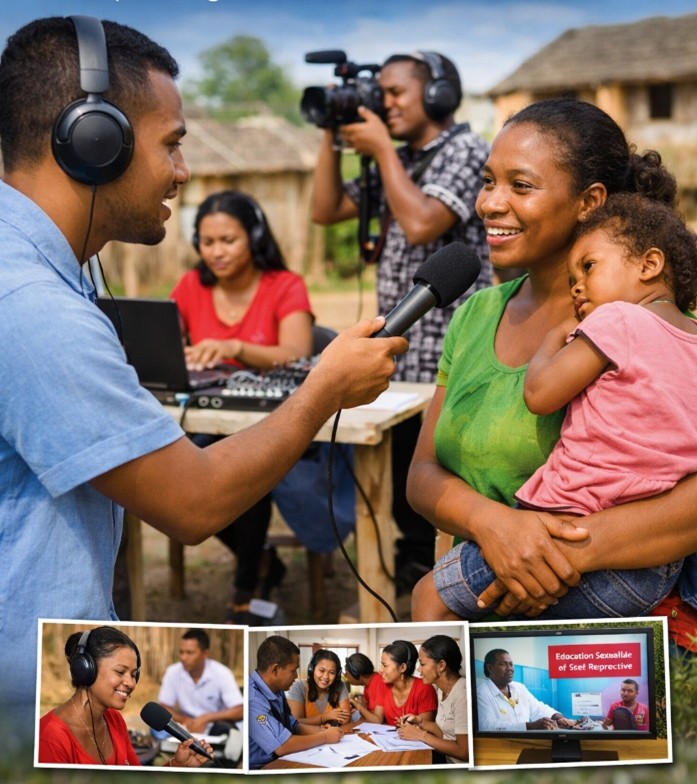
In Madagascar, where an estimated ten women die every day from pregnancy-related causes, access to accurate information can mean the difference between risk and safety. Although the country’s 2018 Family Planning Law provides a strong legal framework to support sexual and reproductive health and rights (SRHR), many communities remain unaware of the services and protections available to them. Recognizing the power of media to influence public understanding, the WISH 2 programme partnered with the Johns Hopkins University Center for Communication Programs (JHU-CCP) and NGO ILONTSERA to equip journalists with the knowledge and tools needed to shape informed conversations. In October 2025, 17 journalists gathered in Antsirabe for a three-day capacity-building workshop. Coming from radio, television, print, and digital outlets, they explored SRHR fundamentals, social and behavioural change approaches, and practical reporting techniques grounded in ethics and rights-based communication. For many participants, it was the first time they had engaged deeply with the Family Planning Law. “Before this training, I reported on health stories without fully understanding the policy behind them,” shared one participating radio journalist. “Now I feel responsible for helping my audience understand their rights.” Learning did not stop when the workshop ended. Over the next two months, participants received individualized mentoring from four specialized coaches who supported them through story development, editorial refinement, and technical guidance. This continued support helped journalists translate theory into impactful storytelling. The results were immediate. Between November 2025 and January 2026, journalists produced 113 media pieces, ranging from radio talk shows and investigative articles to television features and online campaigns. Coverage addressed family planning, sexuality education, HIV prevention, gender-based violence, and broader SRHR themes, reaching audiences in Antananarivo, Toliara, Toamasina, and beyond. For one television reporter, the experience reshaped her perspective on journalism itself. “I used to think advocacy belonged to NGOs,” she explained. “Now I see that responsible journalism can help change harmful norms and save lives.” The initiative was not without challenges. Some participants initially struggled with technical terminology and complex legal language. Facilitators responded by simplifying concepts and encouraging peer learning. Maintaining quality across a high volume of media outputs also required close mentoring and regular feedback sessions. Through these adaptive approaches, journalists strengthened their confidence and began to see themselves as agents of change within their newsrooms. Today, many of the trained journalists continue to champion gender-sensitive and rights-based reporting, helping bridge the gap between national policy and community understanding. Their stories are not only informing audiences but also creating space for dialogue around topics that were previously considered sensitive or misunderstood. “When people hear SRHR discussed respectfully on the radio, they realize these issues are part of everyday life,” said another participant. “It gives them permission to ask questions.” The Madagascar experience demonstrates how investing in local media can amplify advocacy efforts and foster lasting social change. By combining training with personalized mentoring, WISH 2 has created a model that can be replicated in other regions and fragile contexts. Future plans include expanding the approach to new areas, integrating themes such as mental health and positive masculinity, and building a media library to sustain learning. The message is clear: when journalists are empowered with knowledge and support, their voices become lifelines, connecting policy, community, and possibility.
24 February 2026
When Trust Lives Next Door: Strengthening Community-Led SRHR in a Refugee Setting - Burundi
At the edge of Musenyi Congolese refugee camp in Muyinga Province, life is shaped by uncertainty. Families displaced by conflict live with overcrowded shelters, food insecurity, and limited freedom of movement. In such a fragile humanitarian setting, decisions about sexual and reproductive health (SRH) are often pushed aside, not because they are unimportant, but because survival comes first. For adolescents, young women, women of reproductive age, and couples, access to SRHR services has long been constrained. Strong sociocultural and religious resistance, widespread rumours about contraception, fear of stigma, and the absence of trusted service providers within the camp meant that many women quietly carried an unmet need for family planning. “People used to say contraceptives would make women infertile or sick,” recalls Aline, a young mother living in Musenyi. “I wanted to space my children, but I was afraid. There was no one I trusted to ask and the weight of community gossip made the isolation even worse” The numbers told the same story. In August 2025, before WISH 2 interventions began, uptake of Sayana Press, a discreet, self-injectable contraceptive well suited to humanitarian contexts, was almost non-existent, only three adolescent users under 20 and 20 women aged 25 and above accessed the method. Demand existed, but access and trust did not. Recognising that facility-based services alone could not meet needs in a humanitarian setting, IPPF’s Member Association, the Association Burundaise pour le Bien-Etre Familial (ABUBEF), through the WISH 2 project, adopted a different approach, one that placed trust, proximity, and lived experience at the centre. 60 community health workers (CHWs), women and men drawn directly from the refugee community, were trained to provide accurate sexual and reproductive health and rights (SRHR) information, mobilise households, and deliver community-based distribution of contraceptives, with a focus on Sayana Press. The intervention was implemented in close collaboration with Burundi’s Ministry of Public Health, through the National Reproductive Health Programme, with technical support from national trainers and financial backing from WISH 2. For Jean-Claude, one of the newly trained CHWs, the shift was immediate: “Because I live here, people know me. They know my family and they see how I live. When I speak to them about family planning, they listen differently, with curiosity rather than suspicion. They ask questions they were too afraid to ask before about side effects and about their futures, because they know I have a stake in this community’s well-being just like they do.” Through community-level service delivery, WISH 2 complemented overstretched health facilities and overcame barriers linked to mobility, distance, and fear. The impact was visible within months. During supervised practical sessions, 300 Sayana Press injections were safely administered, with each trained CHW completing at least five validated injections. More importantly, trust began to replace fear. By December 2025, uptake had risen to 21 adolescent users and 121 women aged 25 and above, a significant shift from the earlier baseline and a clear sign of latent demand once barriers were addressed. Women reported greater confidence and autonomy in making reproductive choices. Rumours began to fade as accurate information spread through household visits, peer-to-peer conversations, and community dialogues. “Now I can talk openly,” says Aline. “The health worker is my neighbour. She explains everything. I chose Sayana Press because I feel safe and in control. Today, I realize that having the right information is the first step toward taking control of your own life.” This trust-based approach increased service uptake while strengthening community ownership and accountability. Building on these results, ABUBEF, through WISH 2, plans to institutionalise and scale this community-centred model to additional refugee camps, embedding people-led SRHR delivery within broader humanitarian health responses, demonstrating that in Musenyi, lasting change began not with infrastructure, but with neighbours empowered to restore choice and dignity.
09 February 2026
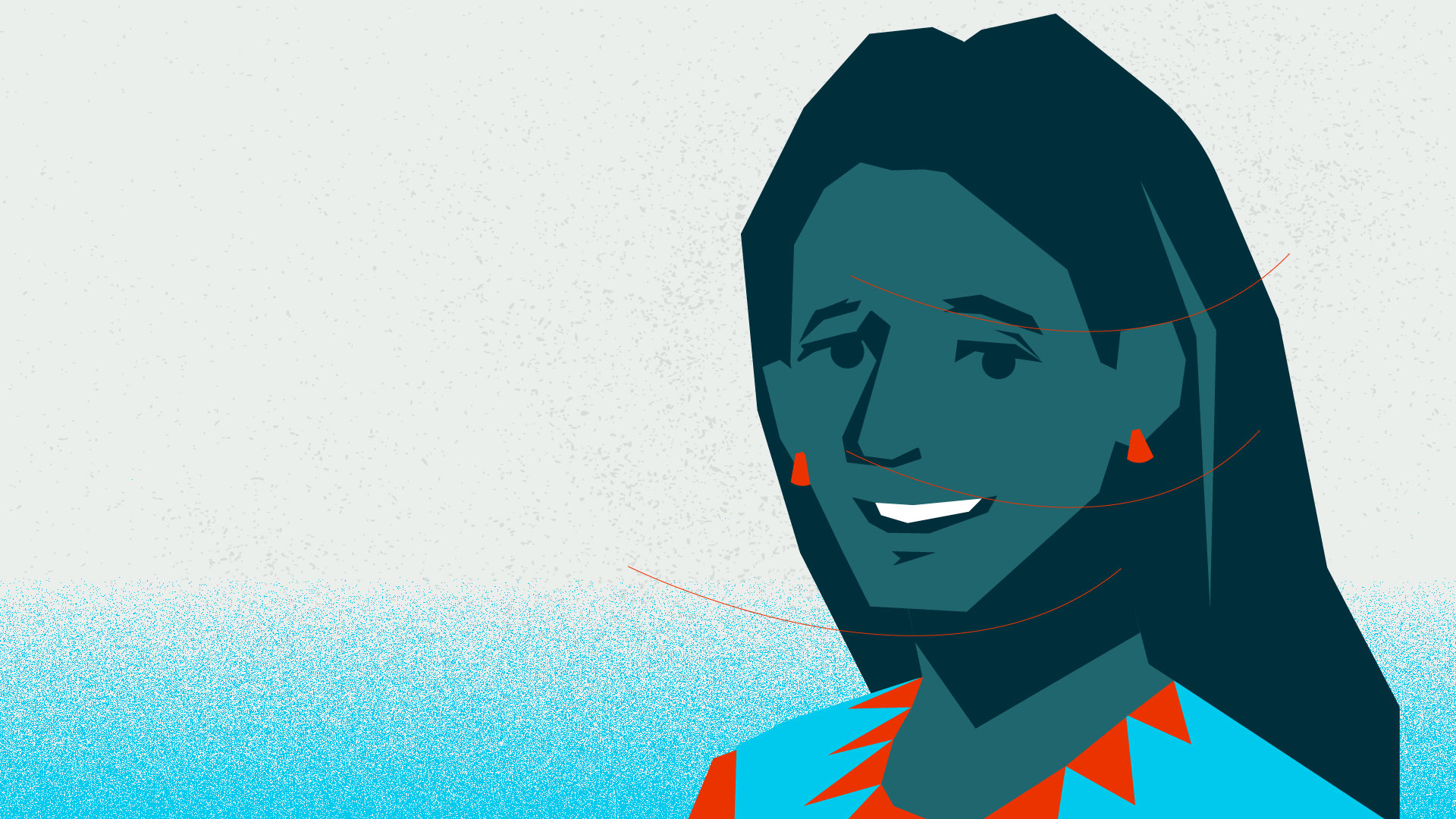
The small insert that changed my life: the empowering reproductive health journey of a young woman in Togo
For Ziarata*, a young single mother in Togo, the contraceptive implant in her arm means more than just preventing an unplanned pregnancy. It means being able to better plan for her future and that of her son. A training she recently received from IPPF’s Member Association in the country, Association Togolaise pour le Bien-Etre Familial (ATBEF), in collaboration with *Halsa International Togo, helped her make an informed decision about her sexual and reproductive health (SRH). Now rebuilding her life, 22 year-old Ziarata is looking forward to a brighter future. By Maryanne W. WAWERU My name is Ziarata. Every time I stretch out my left hand to feel the small insert beneath the skin in my upper arm, I become emotional. As I lightly press on the area, just to confirm that the insert is still there, I feel so relieved, knowing what this means for my son and I. My son is 14 months old and for several months, I had been agonizing about how to avoid another unplanned pregnancy. As a young single mother who is still trying to find direction in life, I did not want to get pregnant again anytime soon. However, I did not know how to prevent that from happening. How I got into sex work I studied up to level three in primary school, after which I dropped out. With nothing to do in the village, I travelled to the capital city of Lome in search of a job. Unfortunately, I was unsuccessful in securing employment because I was underage and with little formal education. That is how, at a young age, I found myself destitute in the bustling city of Lome. As years went by, desperate and with no prospects of a decent job, I joined other girls who eked a living in Lome’s public beaches through sex work. While there, I became acquainted with an organization known as Halsa International -Togo, which supports vulnerable children, girls, and young women like me though different programmes. Among other initiatives, Halsa International trains us on economic empowerment, livelihood skills, and healthy living. Learning about how to prevent another pregnancy About seven months ago, Halsa International organized a training for a group of young single mothers on how to run a vegetable garden as a viable economic opportunity that we could pursue. During this training, Halsa also facilitated learning sessions on sexual reproductive health and rights (SRHR), which were conducted by ATBEF. Once a week, we would go to the location of the vegetable garden where we would tend to our vegetables in the early morning hours. Thereafter, the ATBEF team would educate us on different SRH topics, such as how to prevent pregnancy, how to avoid contracting sexually transmitted infections (STIs) including HIV, how to negotiate for safe sex, safe abortion care, and sexual abuse among other topics. After ATBEF’s informative training sessions, we would then resume our gardening project in the afternoon. The training lasted one month. Taking measures to prevent an unplanned pregnancy It is during ATBEF’s trainings that I learnt about how I could prevent another pregnancy -something that had been worrying me for months. Thankfully, they complemented their teachings with related services and after learning about different contraceptive options, I settled on the five-year implant. I chose this method because it assured me of a pregnancy-free life for five years. As the nurse inserted the insert beneath the skin of my left upper arm, I felt relieved as I knew that I would now be able to better plan my life and that of my son, devoid of any pregnancy scares. I was even more excited to learn that I did not have to pay for the training or for the contraceptive implant, services that I would never have afforded. ATBEF catered for all the costs. Becoming an SRHR ambassador to my peers The reproductive health training provided by ATBEF in collaboration with Halsa International has been life changing. Today, I feel more empowered to make healthy decisions about my sex life. I now feel confident about negotiating for safe sex because I’m more aware of my rights. I believe I can now better protect myself from STIs and HIV. I now educate my peers on SRH because I feel knowledgeable about the topic. I have even convinced a few of them to access SRH services such as HIV testing and contraceptives from ATBEF, especially during the mobile clinics the organization conducts regularly around the public beaches where many sex workers can be found. Saving for a brighter future The training and the contraceptive I received also ignited a desire in me to change my life. Nowadays, I rise up early in the morning and head to the local market to help women traders sell their fruits and vegetables. From this, I’m able to earn about 1,500 CFA ($2.65) daily, which is about twice more than what I was making from sex work. I have even been able to set aside some savings, something that I was taught to do by Halsa International. These savings are giving me hope that someday, I will leave the public beaches and rent a small house for my son and I. That is why as I feel the small insert beneath the skin in my upper arm, I do so with relief, knowing that in five years’ time, my son will be in school, which is what I desire most for him. I intend for my son to pursue the highest level of education. With the contraceptive implant, I will have sufficient time to better plan my life. I believe there is so much I will have accomplished in those five years, thanks to the small insert beneath the skin in my upper arm, and thanks to ATBEF for making it possible. *Ziariata’s name changed to preserve anonymity *ATBEF collaborates with several partner organizations to empower young people across Togo. One such partner is Halsa International, which works to improve the lives of vulnerable populations especially children, adolescent girls, and women. Through this partnership, ATBEF provides SRHR information and services to Halsa International’s beneficiaries, such as young women like Ziarata.
26 November 2025
Men who step up for family planning: One Ethiopian man’s journey to vasectomy
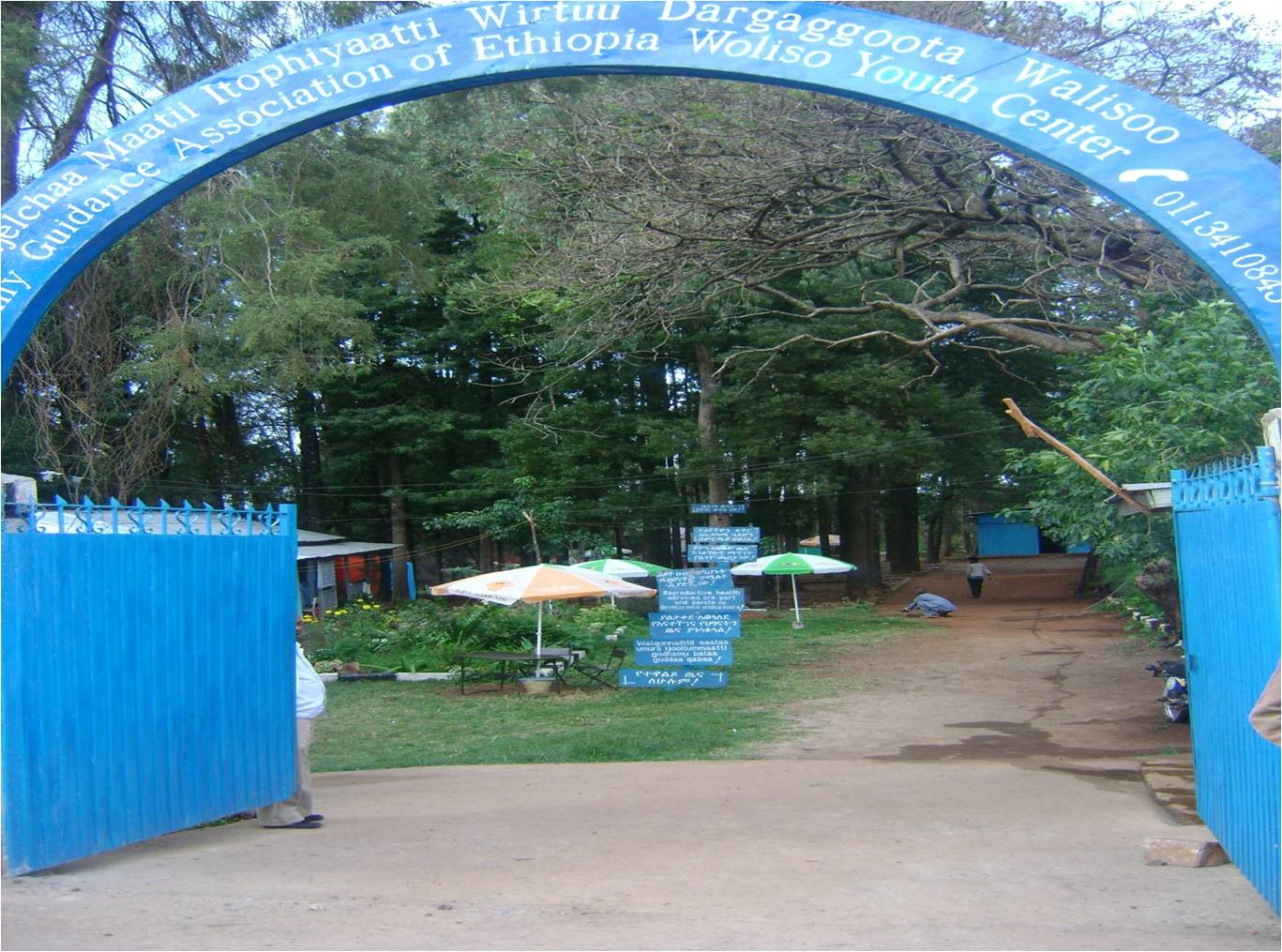
In Ethiopia, just like in many other countries in sub-Saharan Africa, family planning has long been viewed as a woman’s responsibility, where she is expected to shoulder the burden of preventing unplanned pregnancies. However, a gradual shift is emerging where men are now engaging in conversations around family planning and even taking up personal measures to prevent unplanned pregnancies by choosing vasectomy. IPPF’s Member Association in the country – Family Guidance Association of Ethiopia (FGAE) is championing male involvement in family planning, and with notable results as highlighted in this article by Yvonne Tatah. In the small town of Waliso, located in Ethiopia’s Oromia Region, 57-year-old Kareb walked into the FGAE Waliso Medium SRH clinic alongside his wife, Assefash, 45. The clinic is operated by FGAE, which is one of the leading organizations providing rights-based sexual and reproductive health services in the country. The couple had been married for more than two decades and were raising eight children -already more than they had planned for. Assefash had recently made a decision to end a pregnancy and was determined to take measures that would ensure she did not get pregnant again, hence the visit to the clinic. She already knew she wanted the implant as her contraceptive method, but she had heard worrying misinformation from women in her village. Some had told her that the implant could move inside the body and cause harm, a rumour that frightened her. Concerned, she sought expert guidance on contraceptives and chose the FGAE Waliso clinic, whose services she had heard about from residents of neighbouring Wolkite. Her husband accompanied her for support. At the clinic, nurse Tersit listened carefully to the couple and provided detailed guidance on a range of modern family planning methods, from temporary to long-acting and permanent. Among the options was the vasectomy, a simple procedure that blocks the small tubes carrying sperm to prevent pregnancy. It is quick, requires no stitches, does not impact hormones or sexual drive, and allows men to resume their normal activities soon after. Nurse Tersit emphasized that the decision rested entirely with the couple. During joint counselling, they discussed the options together and agreed that vasectomy was the method that best suited their needs. “We already have eight children who are enough for us. Once I understood that vasectomy was a quick and safe procedure that would not affect my strength or sexual function, I decided I would undergo the procedure. It is better to make a firm decision that will ensure my wife does not fall pregnant again,” he said. Kareb’s procedure was performed at the FGAE Waliso Medium SRH Clinic by trained providers and was completed with no complications. “Nowadays, I feel relieved of anxiety from an unintended pregnancy,” he later said. Kareb has since become a voice for change. He speaks with other men during community gatherings, coffee ceremonies, and informal conversations about the importance of shared responsibility in family planning. A Conversation long Overdue Vasectomy is a safe and effective form of permanent contraception for men. Yet in Ethiopia, it remains one of the least-used methods. A 2020 study found that 24% of married men in Addis Ababa intended to use vasectomy in the future. However, according to the 2016 Ethiopia Demographic and Health Survey, fewer than 1% had actually done so. Many of the barriers men face are cultural rather than medical. Many men equate vasectomy with castration, drawing from livestock practices where an ox is rendered infertile and believed to lose strength. Others fear stigma or believe the procedure as religiously unacceptable. According to internal Ministry of Health data reported in its 2023/24 Annual Report, permanent methods, including vasectomy, accounted for only 1.3% of new contraceptive acceptors. Injectables, implants, and pills remain the most commonly chosen methods. FGAE’s internal data reflects the same pattern. Of more than two million clients served in 2023/24, only eight men chose vasectomy. Each of these decisions, although small in number, represents a powerful story of informed choice and shared responsibility. In a bid to increase the uptake of vasectomy, FGAE service providers, including Nurse Tersit, apply couple counselling as a practical approach to strengthening male involvement. When a woman arrives with health concerns or cannot safely use a female centered method, both partners are invited into counselling sessions to explore permanent options together. This gives them an opportunity to consider all available options together and choose what supports the wellbeing of both. In Waliso, the approach of listening first, counseling both partners, and building trust demonstrates how FGAE providers involve men as equals in reproductive decision-making instead of as bystanders. As the FGAE Director of Programs, Gashaw Kebede explains, “The lesson from Waliso is clear. When partners receive counselling together, men are more likely to consider vasectomy and to participate in shared decision making in family planning. This approach helps distribute responsibility more evenly and reduces the burden that often falls on women.” He adds that this approach requires sustained investment. “This work needs more than technical training. It requires safe spaces for men, community dialogues that challenge gender norms, and continuous support for inclusive family planning services. Kareb did not intend to become an advocate, but by choosing what was best for his family and listening to his wife, he became part of a quiet and growing movement for change. His story shows what is possible when men are welcomed as partners in care.”
17 November 2025
“We no longer hear cases of abortion-related deaths in Cape Coast, Ghana” -- PPAG clinic nurse
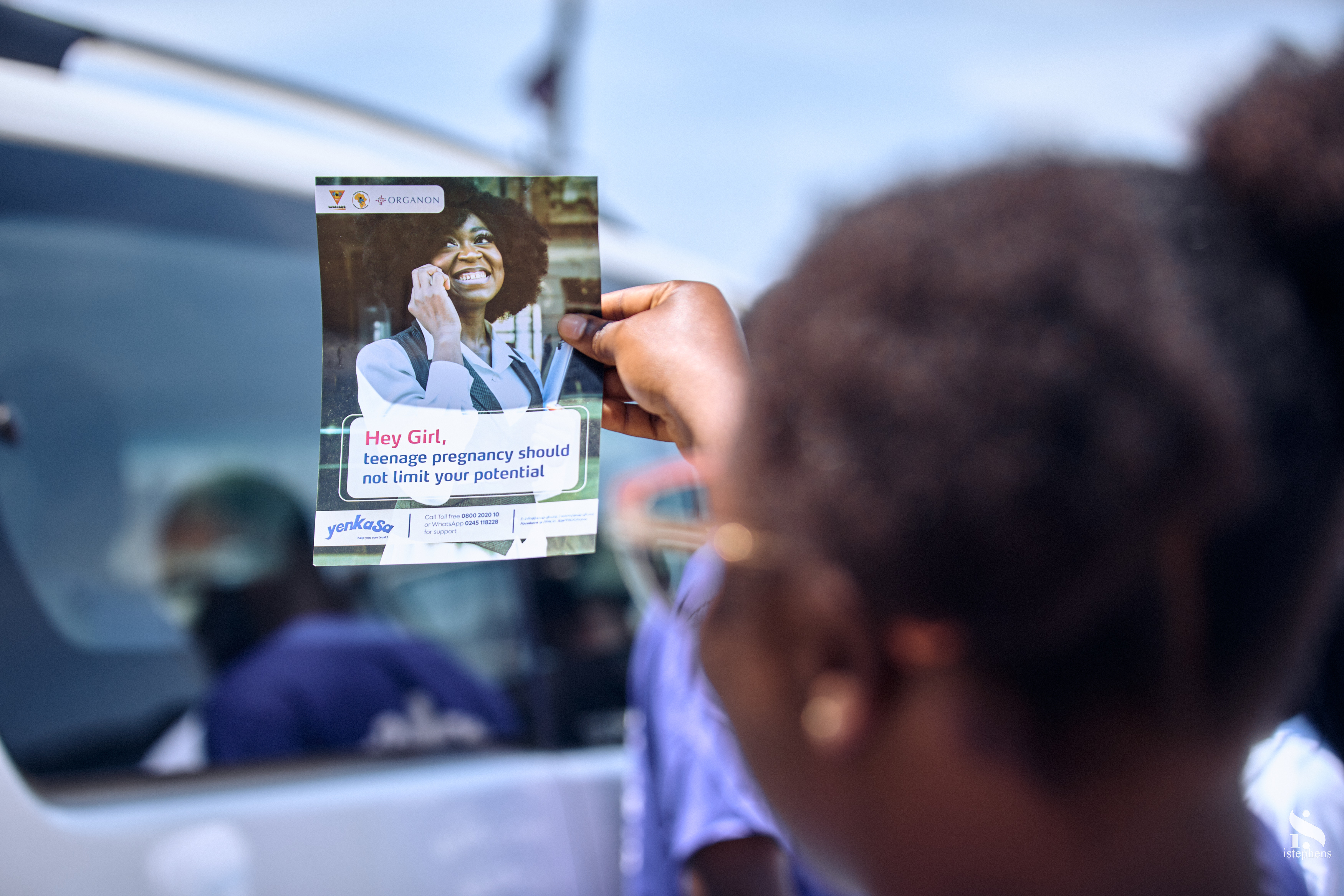
For more than two decades, Adwoa* has worked as a sexual and reproductive health (SRH) provider in Cape Coast, the capital of Ghana’s central region. In the early years of her career, Adwoa would be troubled by the numerous cases of unsafe abortions and related deaths in Cape Coast. In recent years, however, she has noted a remarkable shift with this regard, which she attributes to the efforts of IPPF's Member Association (MA) in the country –Planned Parenthood Association of Ghana (PPAG) where she works. Adwoa speaks more about her experiences in this article. By Maryanne W. WAWERU The Cape Coast region in Ghana is highly significant to the work of IPPF’s MA in the country - PPAG. It is home to several educational institutions including secondary schools, colleges, and universities with a notable student population comprising young people aged 10 – 24 years. Globally recognized as a leading provider of SRH services and a strong advocate for sexual and reproductive health and rights (SRHR), IPPF continually strives to address the challenges that young people face regarding their reproductive health. These challenges include early pregnancies, difficulties in accessing contraceptives, high rates of sexually transmitted infections (STIs) -including HIV, and unsafe abortions. Young people also struggle to find healthcare providers who can offer supportive, friendly, and non-judgemental SRH services. Ghanaian youth are not exempt from these challenges. Combined education, outreach and clinical care activities by PPAG PPAG’s Cape Coast clinic helps in addressing these challenges through its different programmes. By working with trained peer educators and service providers, the organization regularly conducts outreach activities in learning institutions and in community settings where young people gather. The informative sessions empower youth to make healthy and informed decisions about their sexual and reproductive health. PPAG also offers youth-friendly SRH services in its static clinics and through regular mobile clinics. The introduction of telemedicine has further complemented the organization’s service delivery efforts. The telemedicine approach entails provision of remote consultation, medication delivery, and follow-up support for medical, diagnostic and treatment services. This includes abortion services. Telemedicine for abortion Telemedicine for abortion in early pregnancy ensures that clients do not have to make in-person visits to clinics or hospitals, thus addressing several barriers attached to abortion-seeking services in health facilities, such as fear of judgement, stigma, and transport challenges. These barriers significantly contribute to women’s procurement of clandestine, unsafe abortions. Adwoa*, a nurse at PPAG’s Coast Clinic demonstrates the success of the telemedicine for abortion approach. “I have been in this clinic for slightly over 20 years. One of the major challenges that the Cape Coast community has always grappled with is unplanned pregnancies among adolescent girls and young women. This, considering the high youthful population that largely comprises of learners from schools, universities and colleges. In my earlier years working at the clinic, we would receive many cases of life-threatening complications from unsafe abortions procured by young women,” she says. The magnitude of the situation would be exemplified whenever she would participate in outreach activities in the community. “We would always learn about the unfortunate deaths of young women, including students, from botched abortions. They had procured the services from unskilled individuals -quacks. Their deaths greatly saddened me,” she says. For those who survived, Adwoa and her PPAG colleagues would offer post-abortion care services at the clinic. However, the worrying problem of unsafe abortions persisted. “We intensified our awareness campaigns in the community and in learning institutions about the need for contraception to prevent unplanned pregnancies. We needed more people to hear this message as we believed that this would reduce the cases of unsafe abortion morbidity and mortality. To widen access to safe abortion care, we introduced telemedicine for abortion services, which have subsequently benefitted hundreds of young women in Cape Coast,” she says. Expanding safe abortion care access To ensure quality of care in delivery of abortion care information and services, PPAG endeavours to continuously build the capacity of its service providers and peer educators. “Through different initiatives and programmes, the organization carries out regular trainings for its peer educators, thus increasing their capacity to conduct outreach activities in learning institutions and in the community. Additionally, PPAG has facilitated training opportunities for its clinicians and other service providers in and around Cape Coast on comprehensive abortion care (CAC), including telemedicine for abortion. This has not only strengthened the capacity of PPAG clinicians but has also increased the number of skilled abortion care service providers who can offer these services in Cape Coast. With this expanded network, it means that more women are now able to conveniently access life-saving abortion services without having to visit a health facility,” she says. The results have been evident, according to Adwoa. “Nowadays, when we go out for our regular outreaches in the community and in learning institutions, we no longer hear of girls and women who have died from unsafe abortions. On account of the heightened information awareness activities about safe abortion care, more women have been empowered to make safer choices when faced with the predicament of an unplanned pregnancy. We no longer receive cases of girls and young women presenting with complications from unsafe abortions. This is success to me,” a beaming Adwoa says. Adwoa attributes these achievements to increased awareness of telemedicine services especially among the student population, the community’s trust in PPAG’s services, as well as the increased network of trained service providers who can offer quality safe abortion care services in and around Cape Coast. *Name changed for privacy purposes
07 November 2025
Boosting FP Uptake through Door-to-Door Campaigns in Zambia
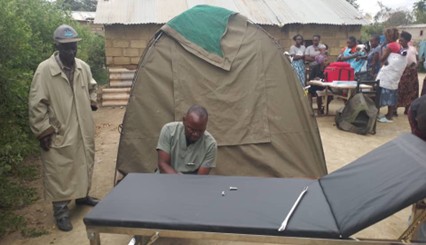
In the heart of Zambia’s rural and underserved urban communities, women and girls often face invisible barriers to accessing family planning. Health facilities are far, stigma is real, and myths about contraceptives persist. For adolescents, persons with disabilities, and women living in poverty, these challenges are even greater leaving many without the information or services they need to make informed reproductive health choices. To address these gaps, the WISH 2 project rolled out an innovative solution: taking FPservices directly to households. Through a door-to-door campaign implemented across eight provinces, the programme brought trusted health workers and peer educators into communities, sparking conversations that had long been silenced. “By bringing services closer to communities through approaches like door-to-door campaigns, WISH 2 aims to break down barriers, demystify family planning, and create a more supportive environment for informed SRH decision-making,” says a community leader. The campaign relied heavily on Community Health Workers (CHWs) and Peer Educators, who went from house to house providing accurate information, dispelling myths, and linking women directly to FPservices offered through outreach. Working hand in hand with the Ministry of Health, community leaders, and partners such as JHU, the approach not only increased knowledge but also built trust. The results were striking. Within just three months, the number of couple years of protection (CYP) rose sharply from 29,329 in April to 46,830 in May, with continued strong uptake in June. More women, especially in remote areas, began choosing long-acting methods, a sign of growing confidence and autonomy in decision-making. “The door-to-door strategy proved to be a powerful and effective approach for increasing access to FPservices at the community level,” reflects one health worker involved in the campaign. “It gave women the privacy and space to ask questions they would never raise in public.” Despite being time- and resource-intensive, the campaign’s success lies in its sustainability. By leveraging CHWs and Peer Educators who already live and work within these communities, the programme reduced operational pressures while ensuring that the approach can be scaled and maintained. One of the most important lessons, according to the team, is the role of local leadership. Engaging community leaders and influencers to actively promote FPservices strengthens trust and ensures buy-in. It’s what makes this approach work. Building on this momentum, the Planned Parenthood Association of Zambia (PPAZ) plans to expand the door-to-door strategy to more communities. The vision is clear: a Zambia where every woman and girl, no matter where she lives, has the power to make informed choices about her reproductive health.
07 November 2025
From Awareness to Action: Women Leaders Transforming Family Planning Access in Conflict-Affected Rubkona
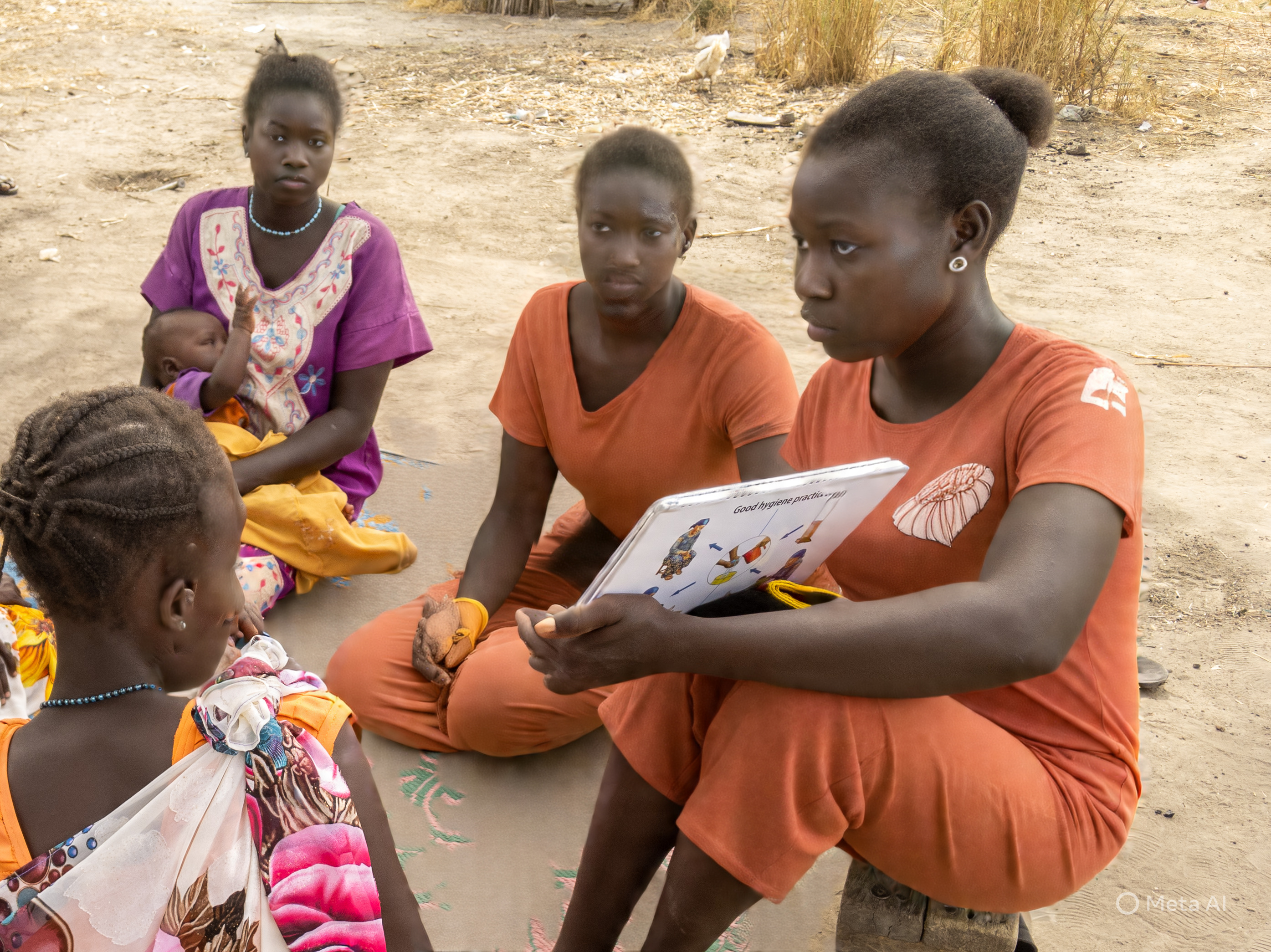
In the heart of Rubkona County, South Sudan, a place often defined by conflict, displacement, and fragility, Nyamuch stands tall. A community leader, women’s representative, and mother, she knows too well what silence costs. In Rubkona County, South Sudan, a region marked by years of armed conflict and displacement, accessing basic health services remains a daily struggle, especially for women and girls. Amid limited infrastructure, sporadic facility closures, and persistent insecurity, reproductive health care often falls through the cracks. In Protection of Civilians (PoC) sites and temporary shelters, family planning was not just unavailable, it was unheard of. “Before, we lived in fear, unwanted pregnancies, no information, no voice,” says Nyamuch, a local women’s representative and community mobilizer. “Now we speak for ourselves, and our daughters will too.” The turning point came when Nyamuch and other women leaders received targeted training from the IRC under the WISH 2 project as part of a locally led initiative in early 2025. The workshop focused on accurate family planning information, counselling techniques, and communication tools tailored to the cultural and humanitarian context. These trained community leaders began organizing outreach through school visits, peer dialogues, and household outreach, they have demystified family planning, challenged myths, restored trust in health services and bridged the gap between health providers and women in displacement. Between January and May 2025, Rubkona reported a 43% increase in family planning uptake, with a 28% rise in long-acting reversible contraceptive use compared to the same period in 2022. These are not just numbers, they reflect safer choices, reduced unintended pregnancies, and rising confidence in local health systems. Yet it hasn't been easy. Deep-rooted norms around spousal consent often posed barriers and led to instances of GBV. In response, IRC integrated male engagement sessions, promoting dialogue and shared decision-making, which helped reduce resistance and build community support. “This is not just about contraception,” says Atem Deng, Health Coordinator at Rubkona PHCC. “It’s about rebuilding trust in health services, in women’s rights, and in our ability to support our own communities, even in crisis.” Rubkona’s story is a testament to grassroots leadership in fragile settings. It proves that when women lead, systems shift, even in the most fragile contexts. Scaling this model across similar settings offers a roadmap for building SRH resilience and advancing reproductive rights in the face of crisis. When women lead change, even under the shadow of conflict, systems begin to heal, and progress takes root.
22 June 2026
Parents have become ambassadors of sexuality education in the community
IPPF’s Member Association in Ghana -the Planned Parenthood Association of Ghana (PPAG) facilitates an initiative dubbed ‘sista’s clubs’, which are participatory forums for adolescent girls and young women undertaken at the community level, where they discuss sexual and reproductive health (SRH) matters. The clubs create enabling environments for sexuality education through community-level advocacy. PPAG recently conducted training that strengthened the capacity of facilitators to effectively run the ‘sista’s clubs’ sessions. One of the facilitators, Zubaida Salifu, shares her experiences, noting the impact that the clubs continue to have in her community. Zubaida spoke to Maryanne W. WAWERU. My name is Zubaida Salifu, 23, a final-year university student undertaking a bachelor’s degree in Education studies. I am passionate about imparting knowledge to young people, hence my aspiration to become a teacher. I am also a trained peer educator with IPPF’s Member Association -PPAG and based in their Tamale branch in Northern Ghana. PPAG gives me the opportunity to engage in my foremost passion, that of educating young people on their sexual and reproductive health and rights (SRHR), and I am particularly passionate about empowering girls and young women. Addressing teen pregnancies in the community In my Katariga community located in Sagnarigu District, Tamale, teenage pregnancies have for decades been a worrying concern. When I was growing up, many of my friends dropped out of school after becoming pregnant. I witnessed, first-hand, the negative consequences of early motherhood, such as stalled education pursuits and ambition regression by young mothers. This sparked my desire to be a young changemaker. Being a part of PPAG’s volunteer youth group has contributed to my realization of this goal. Today, I am one of the trusted female role models in Katariga, thanks to my education achievements and strong affiliation with PPAG. Some of my responsibilities as a PPAG volunteer include convening safe discussion spaces for young girls in Katariga, through a forum dubbed ‘sista’s club’. Every Saturday from 9 – 11 am, I host a group of about 20 girls aged between 13 – 19 years. With my parents’ blessings, we meet within our home compound. The ‘sista’s club’ sessions are held to educate adolescent girls and young women about SRHR. We discuss issues such as boy-girl relationships, menstrual hygiene, teenage pregnancy, HIV/AIDS and healthy relationships with parents. From the regular capacity building sessions and refresher trainings I receive from PPAG, I capably lead the sessions. When parents become part of the movement There have been noteworthy achievements from the ‘sista’s club’ forum I lead. In what initially began as an empowerment platform for teenage girls, it now extends to parents too. The genesis of this was a mother who, one day, out of curiosity, decided to follow her 17-year-old daughter to a ‘sista’s club’ meeting. She silently sat through the discussions and, happy with the proceedings, went round the neighbourhood encouraging her friends – fellow mothers, to send their daughters to ‘Zubaida’s meetings’ on Saturday mornings. Impressed, she told them that the discussions were very helpful to her daughter. This drew support from more parents, who then began encouraging their daughters to attend our meetings. Previously, parents would be apprehensive about their adolescent children receiving sexuality education, fearing that the discussions would induct them into early sexual activity. I’m happy to note that the ‘sista’s club’ sessions have allayed these fears by increasing their understanding of the importance of age-appropriate sexuality education. Open conversations between adolescent girls and parents The feedback I receive from the girls is very encouraging. They tell me that they now share the lessons they learn at the ‘sista’s club’ forum with their parents – something that did not happen before. Considering that many parents find it extremely difficult to discuss SRH matters with their children, the feedback I receive from both parents and their children is that our sessions are helping to open conversations between them. Today, when I walk around the village, parents stop me and invite me to their homes to counsel their daughters about their SRHR needs as well as prioritizing their education at this pivotal stage in their lives. Positive impact on girl’s education I feel happy because, through the educational activities we have been carrying out in the community over the last two years, together with the collective effort of parents, more girls have remained in school. Cases of girls dropping out because of teen pregnancies are not as common anymore, because they are now better empowered with information on how to avoid early pregnancies. I also know of several teen mothers who, with the encouragement of their parents through the discussions we have had, have returned to school. It’s good to see more parents supporting sexuality education activities in the community nowadays – something that was rare before. With reduced teen pregnancies and more young mothers returning to school, I believe significant change is taking place in Katariga. We are building a community of empowered, educated women and this will in turn result in positive outcomes for everyone, for as they say: ‘when you educate a woman, you educate an entire community’. From the positive impact I have so far observed of the ‘sista’s club’ sessions, I believe other IPPF MAs and other grassroots organizations can successfully replicate this model within their own communities. The forums have demonstrated that empowering girls with information about their sexual and reproductive health not only benefits the girls themselves, but also empowers parents and in turn, the wider community.
05 May 2026
Sida reaffirms commitment to strengthening SRHR through partnership with IPPF in Kenya
A high-level delegation from the Swedish International Development Cooperation Agency (Sida) recently visited IPPF’s Member Association in Kenya, reaffirming its commitment to sexual reproductive health and rights (SRHR) through locally-led, community-driven approaches. By Maryanne W. WAWERU The Swedish International Development Cooperation Agency (Sida), one of IPPF’s longest standing core funding donor partners, has reiterated its commitment to supporting IPPF and it’s *Member Associations (MAs) in advancing sexual reproductive health and rights (SRHR). Sweden, through Sida, provides substantial support to global health, SRHR, and humanitarian assistance, and is widely recognised for its high levels of flexible funding to multilateral partners. During a visit to IPPF’s affiliate in Kenya -Reproductive Health Network Kenya (RHNK) on Wednesday 22 April 2026, Ms. Sofia Östmark -the Sida Assistant Director General and Head of Global Operations, commended IPPF’s work in expanding access to essential SRHR services, more so to marginalized, vulnerable and underserved populations. Ms. Östmark, who was accompanied by Ms. Teresa Rovira, Programme Officer (Strategy Development), engaged with RHNK staff, gaining insights into the organization’s critical advocacy and service delivery efforts -which have yielded tangible results, especially for women and girls across Kenya. REHNET Medical Center -serving vulnerable populations The Sida delegation also visited REHNET Medical Center, a youth-friendly facility located in the peri-urban settlement of Kwa Ndege, Embakasi, in Nairobi. The center serves as a safe space for teen mothers, LGBTQIA+ persons and sex workers, offering a wide range of safe, confidential and non-judgemental SRHR services. The visit highlighted how marginalized populations are critical players in the SRHR ecosystem and how RHNK prioritizes inclusivity, thus ensuring that no one is left behind. At the facility, the team learned about Nena na Binti (Swahili for ‘talk to a girl’), an innovative digital health initiative that provides a toll-free hotline and WhatsApp chatbot services. Nena na Binti connects young people, women and girls to trusted counsellors and healthcare workers, ensuring they access SRHR information and services in a timely, confidential and trusted manner. Through an RHNK network of over 600 partners across the country, including in remote areas, Nena na Binti ensures that everyone in need can access services wherever they are. Reflecting on the visit, Ms. Östmark noted that organizations like RHNK demonstrate the essence of ‘locally-led organizations doing remarkable work for the communities they serve’. She noted that “RHNK’s ability to reach communities with tailored, rights-based information and services is critical to achieving sustainable progress in SRHR.” Dr. Edison Omollo, Head of Programmes at RHNK highlighted the value of Sida’s support in fostering sustained impact. “Sida’s multi-year investment through IPPF enables RHNK to deliver integrated, scalable, sustainable and high-impact SRHR outcomes for women and girls in Kenya. The flexible funding allows us to adapt to evolving and emerging system realities, in the face of declining aid flows and increasing fiscal constraints -while supporting service delivery, advancing rights, building movements and generating measurable impact at scale.” Common agenda between Sida and IPPF Sida’s partnership with IPPF is anchored on shared commitments to equity, human rights, SRHR justice, and gender equality. By investing in IPPF, and in turn its MAs, Sida supports the growth of local organizations that address SRHR challenges while at the same time driving lasting change. Ms. Mallah Tabot, the SRHR Lead at IPPF Africa Region, underscored the value of community-led change, but still within a global rights movement. “RHNK is a true representation of the spirit of the IPPF movement; locally grounded and globally connected. We are proud to serve and support the work of our MAs as they continue to broaden access to high quality, rights-based SRHR services to those in need of them. We are especially grateful for Sida’s partnership in making this work possible,” she said. As IPPF and its MAs continue responding to emerging and evolving SRHR needs, including challenges such as the rise of anti-rights actors and shifting donor landscapes, partnerships such as that with Sida remain critical in ensuring that community-driven solutions are prioritized and sustained, and that all people are reached and served. *IPPF delivers impact through partnerships with locally-led organizations, known as MAs and Collaborative Partners (CPs). In the Africa region, IPPF is present in 39 countries.
25 February 2026
Strengthening Health Systems for Integrated and Transformative SRHR (SHIFTS)
𝗔𝗯𝗼𝘂𝘁 𝗦𝗛𝗜𝗙𝗧𝗦 Strengthening Health Systems for Integrated and Transformative SRHR (SHIFTS) is a 7-year initiative that aims to enhance the realization of sexual and reproductive health and rights (SRHR) for women, adolescents and marginalized groups by ensuring they can exercise their rights and access essential sexual and reproductive health (SRH) care, free from stigma, discrimination and systemic barriers. Donor: Global Affairs Canada Implementing MAs: Association Béninoise pour la Promotion de la Famille (ABPF), Associação Moçambicana para o Desenvolvimento da Família (AMODEFA) and Planned Parenthood Federation of Nigeria (PPFN). When: 21 March 2025 -31 March 2032 (7 years) Where: Benin – Bohicon and Parakou Mozambique – Zambezia and Gaza Nigeria – Adamawa, Edo, Enugu, Kaduna, Niger, and Oyo The SHIFTS Approach Women, girls and marginalized communities in Mozambique, Benin and Nigeria face persistent gender and health inequities such as high maternal mortality, unmet need for contraception, and higher-than-global-average adolescent birth rates. These issues are compounded by harmful social and gender norms, restricted decision-making power of women and girls over their bodies, and limited integration of SRH care and services into primary healthcare. Additionally, unsafe abortion remains a major contributor to maternal mortality, with stigma, misinformation, and lack of access to safe abortion care, making it more difficult for women and adolescents to access the health services they need. The SHIFTS project responds to these challenges through a three-pillared approach. 1. Tackling gaps in health systems by scaling up and/or implementing cluster models of care to deliver integrated SRH care. 2. Addressing social and gendered barriers to accessing SRHR care through comprehensive sexuality education and community sensitization. 3. Fostering enabling policy and legal environments that emphasize supporting duty bearers in meeting their obligations and accompanying rights holders in claiming their rights. SHIFTS is being implemented in partnership with Action Canada for Sexual Health and Rights, the International Planned Parenthood Federation Africa Region (IPPFAR) and experienced Member Associations (MAs) in Benin, Mozambique, and Nigeria. Grounded in and guided by human-rights based approaches and feminist principles, the project’s partners are committed to strengthening the resilience of health systems in the three focus countries to ensure continuity and long-term accessibility of SRH care in times of disruption.
24 February 2026
From Headlines to Lifelines: How Journalists in Madagascar Are Advancing SRHR
In Madagascar, where an estimated ten women die every day from pregnancy-related causes, access to accurate information can mean the difference between risk and safety. Although the country’s 2018 Family Planning Law provides a strong legal framework to support sexual and reproductive health and rights (SRHR), many communities remain unaware of the services and protections available to them. Recognizing the power of media to influence public understanding, the WISH 2 programme partnered with the Johns Hopkins University Center for Communication Programs (JHU-CCP) and NGO ILONTSERA to equip journalists with the knowledge and tools needed to shape informed conversations. In October 2025, 17 journalists gathered in Antsirabe for a three-day capacity-building workshop. Coming from radio, television, print, and digital outlets, they explored SRHR fundamentals, social and behavioural change approaches, and practical reporting techniques grounded in ethics and rights-based communication. For many participants, it was the first time they had engaged deeply with the Family Planning Law. “Before this training, I reported on health stories without fully understanding the policy behind them,” shared one participating radio journalist. “Now I feel responsible for helping my audience understand their rights.” Learning did not stop when the workshop ended. Over the next two months, participants received individualized mentoring from four specialized coaches who supported them through story development, editorial refinement, and technical guidance. This continued support helped journalists translate theory into impactful storytelling. The results were immediate. Between November 2025 and January 2026, journalists produced 113 media pieces, ranging from radio talk shows and investigative articles to television features and online campaigns. Coverage addressed family planning, sexuality education, HIV prevention, gender-based violence, and broader SRHR themes, reaching audiences in Antananarivo, Toliara, Toamasina, and beyond. For one television reporter, the experience reshaped her perspective on journalism itself. “I used to think advocacy belonged to NGOs,” she explained. “Now I see that responsible journalism can help change harmful norms and save lives.” The initiative was not without challenges. Some participants initially struggled with technical terminology and complex legal language. Facilitators responded by simplifying concepts and encouraging peer learning. Maintaining quality across a high volume of media outputs also required close mentoring and regular feedback sessions. Through these adaptive approaches, journalists strengthened their confidence and began to see themselves as agents of change within their newsrooms. Today, many of the trained journalists continue to champion gender-sensitive and rights-based reporting, helping bridge the gap between national policy and community understanding. Their stories are not only informing audiences but also creating space for dialogue around topics that were previously considered sensitive or misunderstood. “When people hear SRHR discussed respectfully on the radio, they realize these issues are part of everyday life,” said another participant. “It gives them permission to ask questions.” The Madagascar experience demonstrates how investing in local media can amplify advocacy efforts and foster lasting social change. By combining training with personalized mentoring, WISH 2 has created a model that can be replicated in other regions and fragile contexts. Future plans include expanding the approach to new areas, integrating themes such as mental health and positive masculinity, and building a media library to sustain learning. The message is clear: when journalists are empowered with knowledge and support, their voices become lifelines, connecting policy, community, and possibility.
24 February 2026
When Trust Lives Next Door: Strengthening Community-Led SRHR in a Refugee Setting - Burundi
At the edge of Musenyi Congolese refugee camp in Muyinga Province, life is shaped by uncertainty. Families displaced by conflict live with overcrowded shelters, food insecurity, and limited freedom of movement. In such a fragile humanitarian setting, decisions about sexual and reproductive health (SRH) are often pushed aside, not because they are unimportant, but because survival comes first. For adolescents, young women, women of reproductive age, and couples, access to SRHR services has long been constrained. Strong sociocultural and religious resistance, widespread rumours about contraception, fear of stigma, and the absence of trusted service providers within the camp meant that many women quietly carried an unmet need for family planning. “People used to say contraceptives would make women infertile or sick,” recalls Aline, a young mother living in Musenyi. “I wanted to space my children, but I was afraid. There was no one I trusted to ask and the weight of community gossip made the isolation even worse” The numbers told the same story. In August 2025, before WISH 2 interventions began, uptake of Sayana Press, a discreet, self-injectable contraceptive well suited to humanitarian contexts, was almost non-existent, only three adolescent users under 20 and 20 women aged 25 and above accessed the method. Demand existed, but access and trust did not. Recognising that facility-based services alone could not meet needs in a humanitarian setting, IPPF’s Member Association, the Association Burundaise pour le Bien-Etre Familial (ABUBEF), through the WISH 2 project, adopted a different approach, one that placed trust, proximity, and lived experience at the centre. 60 community health workers (CHWs), women and men drawn directly from the refugee community, were trained to provide accurate sexual and reproductive health and rights (SRHR) information, mobilise households, and deliver community-based distribution of contraceptives, with a focus on Sayana Press. The intervention was implemented in close collaboration with Burundi’s Ministry of Public Health, through the National Reproductive Health Programme, with technical support from national trainers and financial backing from WISH 2. For Jean-Claude, one of the newly trained CHWs, the shift was immediate: “Because I live here, people know me. They know my family and they see how I live. When I speak to them about family planning, they listen differently, with curiosity rather than suspicion. They ask questions they were too afraid to ask before about side effects and about their futures, because they know I have a stake in this community’s well-being just like they do.” Through community-level service delivery, WISH 2 complemented overstretched health facilities and overcame barriers linked to mobility, distance, and fear. The impact was visible within months. During supervised practical sessions, 300 Sayana Press injections were safely administered, with each trained CHW completing at least five validated injections. More importantly, trust began to replace fear. By December 2025, uptake had risen to 21 adolescent users and 121 women aged 25 and above, a significant shift from the earlier baseline and a clear sign of latent demand once barriers were addressed. Women reported greater confidence and autonomy in making reproductive choices. Rumours began to fade as accurate information spread through household visits, peer-to-peer conversations, and community dialogues. “Now I can talk openly,” says Aline. “The health worker is my neighbour. She explains everything. I chose Sayana Press because I feel safe and in control. Today, I realize that having the right information is the first step toward taking control of your own life.” This trust-based approach increased service uptake while strengthening community ownership and accountability. Building on these results, ABUBEF, through WISH 2, plans to institutionalise and scale this community-centred model to additional refugee camps, embedding people-led SRHR delivery within broader humanitarian health responses, demonstrating that in Musenyi, lasting change began not with infrastructure, but with neighbours empowered to restore choice and dignity.
09 February 2026
The small insert that changed my life: the empowering reproductive health journey of a young woman in Togo
For Ziarata*, a young single mother in Togo, the contraceptive implant in her arm means more than just preventing an unplanned pregnancy. It means being able to better plan for her future and that of her son. A training she recently received from IPPF’s Member Association in the country, Association Togolaise pour le Bien-Etre Familial (ATBEF), in collaboration with *Halsa International Togo, helped her make an informed decision about her sexual and reproductive health (SRH). Now rebuilding her life, 22 year-old Ziarata is looking forward to a brighter future. By Maryanne W. WAWERU My name is Ziarata. Every time I stretch out my left hand to feel the small insert beneath the skin in my upper arm, I become emotional. As I lightly press on the area, just to confirm that the insert is still there, I feel so relieved, knowing what this means for my son and I. My son is 14 months old and for several months, I had been agonizing about how to avoid another unplanned pregnancy. As a young single mother who is still trying to find direction in life, I did not want to get pregnant again anytime soon. However, I did not know how to prevent that from happening. How I got into sex work I studied up to level three in primary school, after which I dropped out. With nothing to do in the village, I travelled to the capital city of Lome in search of a job. Unfortunately, I was unsuccessful in securing employment because I was underage and with little formal education. That is how, at a young age, I found myself destitute in the bustling city of Lome. As years went by, desperate and with no prospects of a decent job, I joined other girls who eked a living in Lome’s public beaches through sex work. While there, I became acquainted with an organization known as Halsa International -Togo, which supports vulnerable children, girls, and young women like me though different programmes. Among other initiatives, Halsa International trains us on economic empowerment, livelihood skills, and healthy living. Learning about how to prevent another pregnancy About seven months ago, Halsa International organized a training for a group of young single mothers on how to run a vegetable garden as a viable economic opportunity that we could pursue. During this training, Halsa also facilitated learning sessions on sexual reproductive health and rights (SRHR), which were conducted by ATBEF. Once a week, we would go to the location of the vegetable garden where we would tend to our vegetables in the early morning hours. Thereafter, the ATBEF team would educate us on different SRH topics, such as how to prevent pregnancy, how to avoid contracting sexually transmitted infections (STIs) including HIV, how to negotiate for safe sex, safe abortion care, and sexual abuse among other topics. After ATBEF’s informative training sessions, we would then resume our gardening project in the afternoon. The training lasted one month. Taking measures to prevent an unplanned pregnancy It is during ATBEF’s trainings that I learnt about how I could prevent another pregnancy -something that had been worrying me for months. Thankfully, they complemented their teachings with related services and after learning about different contraceptive options, I settled on the five-year implant. I chose this method because it assured me of a pregnancy-free life for five years. As the nurse inserted the insert beneath the skin of my left upper arm, I felt relieved as I knew that I would now be able to better plan my life and that of my son, devoid of any pregnancy scares. I was even more excited to learn that I did not have to pay for the training or for the contraceptive implant, services that I would never have afforded. ATBEF catered for all the costs. Becoming an SRHR ambassador to my peers The reproductive health training provided by ATBEF in collaboration with Halsa International has been life changing. Today, I feel more empowered to make healthy decisions about my sex life. I now feel confident about negotiating for safe sex because I’m more aware of my rights. I believe I can now better protect myself from STIs and HIV. I now educate my peers on SRH because I feel knowledgeable about the topic. I have even convinced a few of them to access SRH services such as HIV testing and contraceptives from ATBEF, especially during the mobile clinics the organization conducts regularly around the public beaches where many sex workers can be found. Saving for a brighter future The training and the contraceptive I received also ignited a desire in me to change my life. Nowadays, I rise up early in the morning and head to the local market to help women traders sell their fruits and vegetables. From this, I’m able to earn about 1,500 CFA ($2.65) daily, which is about twice more than what I was making from sex work. I have even been able to set aside some savings, something that I was taught to do by Halsa International. These savings are giving me hope that someday, I will leave the public beaches and rent a small house for my son and I. That is why as I feel the small insert beneath the skin in my upper arm, I do so with relief, knowing that in five years’ time, my son will be in school, which is what I desire most for him. I intend for my son to pursue the highest level of education. With the contraceptive implant, I will have sufficient time to better plan my life. I believe there is so much I will have accomplished in those five years, thanks to the small insert beneath the skin in my upper arm, and thanks to ATBEF for making it possible. *Ziariata’s name changed to preserve anonymity *ATBEF collaborates with several partner organizations to empower young people across Togo. One such partner is Halsa International, which works to improve the lives of vulnerable populations especially children, adolescent girls, and women. Through this partnership, ATBEF provides SRHR information and services to Halsa International’s beneficiaries, such as young women like Ziarata.
26 November 2025
Men who step up for family planning: One Ethiopian man’s journey to vasectomy
In Ethiopia, just like in many other countries in sub-Saharan Africa, family planning has long been viewed as a woman’s responsibility, where she is expected to shoulder the burden of preventing unplanned pregnancies. However, a gradual shift is emerging where men are now engaging in conversations around family planning and even taking up personal measures to prevent unplanned pregnancies by choosing vasectomy. IPPF’s Member Association in the country – Family Guidance Association of Ethiopia (FGAE) is championing male involvement in family planning, and with notable results as highlighted in this article by Yvonne Tatah. In the small town of Waliso, located in Ethiopia’s Oromia Region, 57-year-old Kareb walked into the FGAE Waliso Medium SRH clinic alongside his wife, Assefash, 45. The clinic is operated by FGAE, which is one of the leading organizations providing rights-based sexual and reproductive health services in the country. The couple had been married for more than two decades and were raising eight children -already more than they had planned for. Assefash had recently made a decision to end a pregnancy and was determined to take measures that would ensure she did not get pregnant again, hence the visit to the clinic. She already knew she wanted the implant as her contraceptive method, but she had heard worrying misinformation from women in her village. Some had told her that the implant could move inside the body and cause harm, a rumour that frightened her. Concerned, she sought expert guidance on contraceptives and chose the FGAE Waliso clinic, whose services she had heard about from residents of neighbouring Wolkite. Her husband accompanied her for support. At the clinic, nurse Tersit listened carefully to the couple and provided detailed guidance on a range of modern family planning methods, from temporary to long-acting and permanent. Among the options was the vasectomy, a simple procedure that blocks the small tubes carrying sperm to prevent pregnancy. It is quick, requires no stitches, does not impact hormones or sexual drive, and allows men to resume their normal activities soon after. Nurse Tersit emphasized that the decision rested entirely with the couple. During joint counselling, they discussed the options together and agreed that vasectomy was the method that best suited their needs. “We already have eight children who are enough for us. Once I understood that vasectomy was a quick and safe procedure that would not affect my strength or sexual function, I decided I would undergo the procedure. It is better to make a firm decision that will ensure my wife does not fall pregnant again,” he said. Kareb’s procedure was performed at the FGAE Waliso Medium SRH Clinic by trained providers and was completed with no complications. “Nowadays, I feel relieved of anxiety from an unintended pregnancy,” he later said. Kareb has since become a voice for change. He speaks with other men during community gatherings, coffee ceremonies, and informal conversations about the importance of shared responsibility in family planning. A Conversation long Overdue Vasectomy is a safe and effective form of permanent contraception for men. Yet in Ethiopia, it remains one of the least-used methods. A 2020 study found that 24% of married men in Addis Ababa intended to use vasectomy in the future. However, according to the 2016 Ethiopia Demographic and Health Survey, fewer than 1% had actually done so. Many of the barriers men face are cultural rather than medical. Many men equate vasectomy with castration, drawing from livestock practices where an ox is rendered infertile and believed to lose strength. Others fear stigma or believe the procedure as religiously unacceptable. According to internal Ministry of Health data reported in its 2023/24 Annual Report, permanent methods, including vasectomy, accounted for only 1.3% of new contraceptive acceptors. Injectables, implants, and pills remain the most commonly chosen methods. FGAE’s internal data reflects the same pattern. Of more than two million clients served in 2023/24, only eight men chose vasectomy. Each of these decisions, although small in number, represents a powerful story of informed choice and shared responsibility. In a bid to increase the uptake of vasectomy, FGAE service providers, including Nurse Tersit, apply couple counselling as a practical approach to strengthening male involvement. When a woman arrives with health concerns or cannot safely use a female centered method, both partners are invited into counselling sessions to explore permanent options together. This gives them an opportunity to consider all available options together and choose what supports the wellbeing of both. In Waliso, the approach of listening first, counseling both partners, and building trust demonstrates how FGAE providers involve men as equals in reproductive decision-making instead of as bystanders. As the FGAE Director of Programs, Gashaw Kebede explains, “The lesson from Waliso is clear. When partners receive counselling together, men are more likely to consider vasectomy and to participate in shared decision making in family planning. This approach helps distribute responsibility more evenly and reduces the burden that often falls on women.” He adds that this approach requires sustained investment. “This work needs more than technical training. It requires safe spaces for men, community dialogues that challenge gender norms, and continuous support for inclusive family planning services. Kareb did not intend to become an advocate, but by choosing what was best for his family and listening to his wife, he became part of a quiet and growing movement for change. His story shows what is possible when men are welcomed as partners in care.”
17 November 2025
“We no longer hear cases of abortion-related deaths in Cape Coast, Ghana” -- PPAG clinic nurse
For more than two decades, Adwoa* has worked as a sexual and reproductive health (SRH) provider in Cape Coast, the capital of Ghana’s central region. In the early years of her career, Adwoa would be troubled by the numerous cases of unsafe abortions and related deaths in Cape Coast. In recent years, however, she has noted a remarkable shift with this regard, which she attributes to the efforts of IPPF's Member Association (MA) in the country –Planned Parenthood Association of Ghana (PPAG) where she works. Adwoa speaks more about her experiences in this article. By Maryanne W. WAWERU The Cape Coast region in Ghana is highly significant to the work of IPPF’s MA in the country - PPAG. It is home to several educational institutions including secondary schools, colleges, and universities with a notable student population comprising young people aged 10 – 24 years. Globally recognized as a leading provider of SRH services and a strong advocate for sexual and reproductive health and rights (SRHR), IPPF continually strives to address the challenges that young people face regarding their reproductive health. These challenges include early pregnancies, difficulties in accessing contraceptives, high rates of sexually transmitted infections (STIs) -including HIV, and unsafe abortions. Young people also struggle to find healthcare providers who can offer supportive, friendly, and non-judgemental SRH services. Ghanaian youth are not exempt from these challenges. Combined education, outreach and clinical care activities by PPAG PPAG’s Cape Coast clinic helps in addressing these challenges through its different programmes. By working with trained peer educators and service providers, the organization regularly conducts outreach activities in learning institutions and in community settings where young people gather. The informative sessions empower youth to make healthy and informed decisions about their sexual and reproductive health. PPAG also offers youth-friendly SRH services in its static clinics and through regular mobile clinics. The introduction of telemedicine has further complemented the organization’s service delivery efforts. The telemedicine approach entails provision of remote consultation, medication delivery, and follow-up support for medical, diagnostic and treatment services. This includes abortion services. Telemedicine for abortion Telemedicine for abortion in early pregnancy ensures that clients do not have to make in-person visits to clinics or hospitals, thus addressing several barriers attached to abortion-seeking services in health facilities, such as fear of judgement, stigma, and transport challenges. These barriers significantly contribute to women’s procurement of clandestine, unsafe abortions. Adwoa*, a nurse at PPAG’s Coast Clinic demonstrates the success of the telemedicine for abortion approach. “I have been in this clinic for slightly over 20 years. One of the major challenges that the Cape Coast community has always grappled with is unplanned pregnancies among adolescent girls and young women. This, considering the high youthful population that largely comprises of learners from schools, universities and colleges. In my earlier years working at the clinic, we would receive many cases of life-threatening complications from unsafe abortions procured by young women,” she says. The magnitude of the situation would be exemplified whenever she would participate in outreach activities in the community. “We would always learn about the unfortunate deaths of young women, including students, from botched abortions. They had procured the services from unskilled individuals -quacks. Their deaths greatly saddened me,” she says. For those who survived, Adwoa and her PPAG colleagues would offer post-abortion care services at the clinic. However, the worrying problem of unsafe abortions persisted. “We intensified our awareness campaigns in the community and in learning institutions about the need for contraception to prevent unplanned pregnancies. We needed more people to hear this message as we believed that this would reduce the cases of unsafe abortion morbidity and mortality. To widen access to safe abortion care, we introduced telemedicine for abortion services, which have subsequently benefitted hundreds of young women in Cape Coast,” she says. Expanding safe abortion care access To ensure quality of care in delivery of abortion care information and services, PPAG endeavours to continuously build the capacity of its service providers and peer educators. “Through different initiatives and programmes, the organization carries out regular trainings for its peer educators, thus increasing their capacity to conduct outreach activities in learning institutions and in the community. Additionally, PPAG has facilitated training opportunities for its clinicians and other service providers in and around Cape Coast on comprehensive abortion care (CAC), including telemedicine for abortion. This has not only strengthened the capacity of PPAG clinicians but has also increased the number of skilled abortion care service providers who can offer these services in Cape Coast. With this expanded network, it means that more women are now able to conveniently access life-saving abortion services without having to visit a health facility,” she says. The results have been evident, according to Adwoa. “Nowadays, when we go out for our regular outreaches in the community and in learning institutions, we no longer hear of girls and women who have died from unsafe abortions. On account of the heightened information awareness activities about safe abortion care, more women have been empowered to make safer choices when faced with the predicament of an unplanned pregnancy. We no longer receive cases of girls and young women presenting with complications from unsafe abortions. This is success to me,” a beaming Adwoa says. Adwoa attributes these achievements to increased awareness of telemedicine services especially among the student population, the community’s trust in PPAG’s services, as well as the increased network of trained service providers who can offer quality safe abortion care services in and around Cape Coast. *Name changed for privacy purposes
07 November 2025
Boosting FP Uptake through Door-to-Door Campaigns in Zambia
In the heart of Zambia’s rural and underserved urban communities, women and girls often face invisible barriers to accessing family planning. Health facilities are far, stigma is real, and myths about contraceptives persist. For adolescents, persons with disabilities, and women living in poverty, these challenges are even greater leaving many without the information or services they need to make informed reproductive health choices. To address these gaps, the WISH 2 project rolled out an innovative solution: taking FPservices directly to households. Through a door-to-door campaign implemented across eight provinces, the programme brought trusted health workers and peer educators into communities, sparking conversations that had long been silenced. “By bringing services closer to communities through approaches like door-to-door campaigns, WISH 2 aims to break down barriers, demystify family planning, and create a more supportive environment for informed SRH decision-making,” says a community leader. The campaign relied heavily on Community Health Workers (CHWs) and Peer Educators, who went from house to house providing accurate information, dispelling myths, and linking women directly to FPservices offered through outreach. Working hand in hand with the Ministry of Health, community leaders, and partners such as JHU, the approach not only increased knowledge but also built trust. The results were striking. Within just three months, the number of couple years of protection (CYP) rose sharply from 29,329 in April to 46,830 in May, with continued strong uptake in June. More women, especially in remote areas, began choosing long-acting methods, a sign of growing confidence and autonomy in decision-making. “The door-to-door strategy proved to be a powerful and effective approach for increasing access to FPservices at the community level,” reflects one health worker involved in the campaign. “It gave women the privacy and space to ask questions they would never raise in public.” Despite being time- and resource-intensive, the campaign’s success lies in its sustainability. By leveraging CHWs and Peer Educators who already live and work within these communities, the programme reduced operational pressures while ensuring that the approach can be scaled and maintained. One of the most important lessons, according to the team, is the role of local leadership. Engaging community leaders and influencers to actively promote FPservices strengthens trust and ensures buy-in. It’s what makes this approach work. Building on this momentum, the Planned Parenthood Association of Zambia (PPAZ) plans to expand the door-to-door strategy to more communities. The vision is clear: a Zambia where every woman and girl, no matter where she lives, has the power to make informed choices about her reproductive health.
07 November 2025
From Awareness to Action: Women Leaders Transforming Family Planning Access in Conflict-Affected Rubkona
In the heart of Rubkona County, South Sudan, a place often defined by conflict, displacement, and fragility, Nyamuch stands tall. A community leader, women’s representative, and mother, she knows too well what silence costs. In Rubkona County, South Sudan, a region marked by years of armed conflict and displacement, accessing basic health services remains a daily struggle, especially for women and girls. Amid limited infrastructure, sporadic facility closures, and persistent insecurity, reproductive health care often falls through the cracks. In Protection of Civilians (PoC) sites and temporary shelters, family planning was not just unavailable, it was unheard of. “Before, we lived in fear, unwanted pregnancies, no information, no voice,” says Nyamuch, a local women’s representative and community mobilizer. “Now we speak for ourselves, and our daughters will too.” The turning point came when Nyamuch and other women leaders received targeted training from the IRC under the WISH 2 project as part of a locally led initiative in early 2025. The workshop focused on accurate family planning information, counselling techniques, and communication tools tailored to the cultural and humanitarian context. These trained community leaders began organizing outreach through school visits, peer dialogues, and household outreach, they have demystified family planning, challenged myths, restored trust in health services and bridged the gap between health providers and women in displacement. Between January and May 2025, Rubkona reported a 43% increase in family planning uptake, with a 28% rise in long-acting reversible contraceptive use compared to the same period in 2022. These are not just numbers, they reflect safer choices, reduced unintended pregnancies, and rising confidence in local health systems. Yet it hasn't been easy. Deep-rooted norms around spousal consent often posed barriers and led to instances of GBV. In response, IRC integrated male engagement sessions, promoting dialogue and shared decision-making, which helped reduce resistance and build community support. “This is not just about contraception,” says Atem Deng, Health Coordinator at Rubkona PHCC. “It’s about rebuilding trust in health services, in women’s rights, and in our ability to support our own communities, even in crisis.” Rubkona’s story is a testament to grassroots leadership in fragile settings. It proves that when women lead, systems shift, even in the most fragile contexts. Scaling this model across similar settings offers a roadmap for building SRH resilience and advancing reproductive rights in the face of crisis. When women lead change, even under the shadow of conflict, systems begin to heal, and progress takes root.