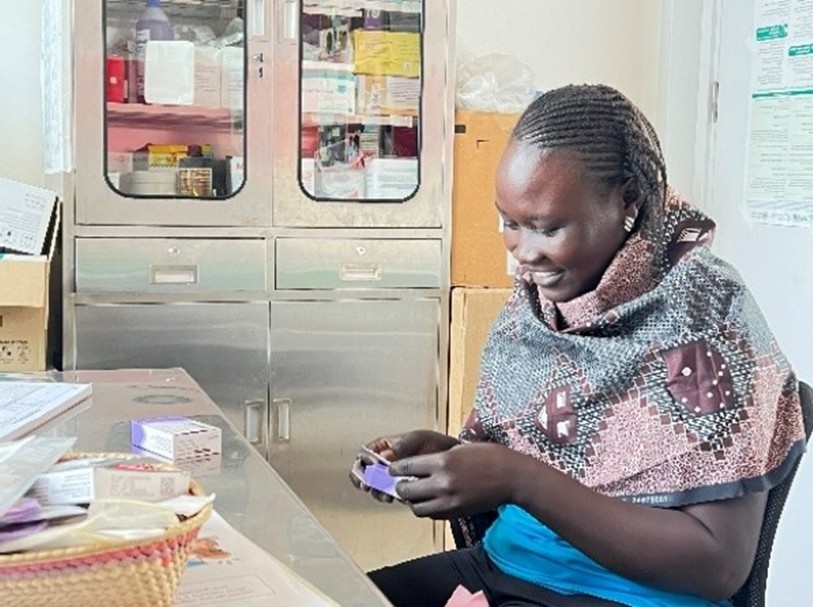




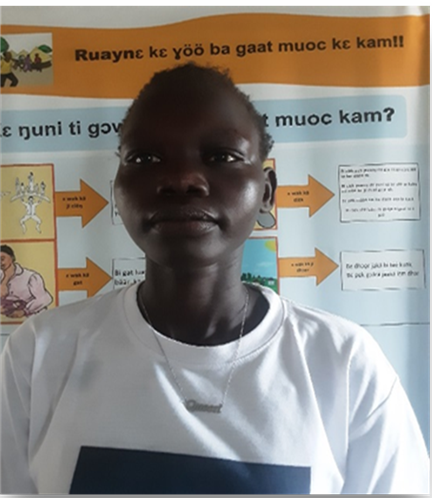
In the heart of Rubkona County, South Sudan, a place often defined by conflict, displacement, and fragility, Nyamuch stands tall. A community leader, women’s representative, and mother, she knows too well what silence costs.
In Rubkona County, South Sudan, a region marked by years of armed conflict and displacement, accessing basic health services remains a daily struggle, especially for women and girls. Amid limited infrastructure, sporadic facility closures, and persistent insecurity, reproductive health care often falls through the cracks. In Protection of Civilians (PoC) sites and temporary shelters, family planning was not just unavailable, it was unheard of.
“Before, we lived in fear, unwanted pregnancies, no information, no voice,” says Nyamuch, a local women’s representative and community mobilizer. “Now we speak for ourselves, and our daughters will too.”
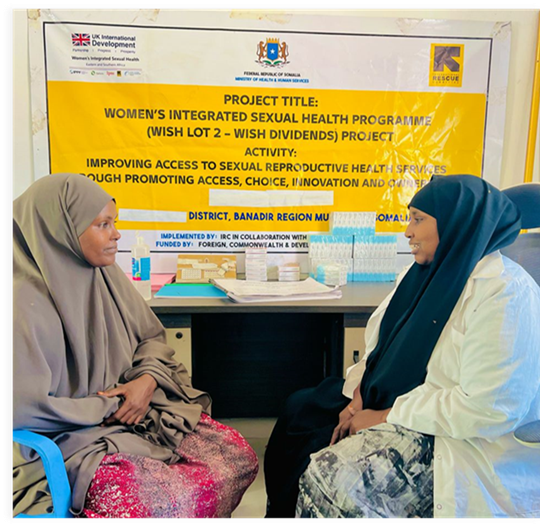
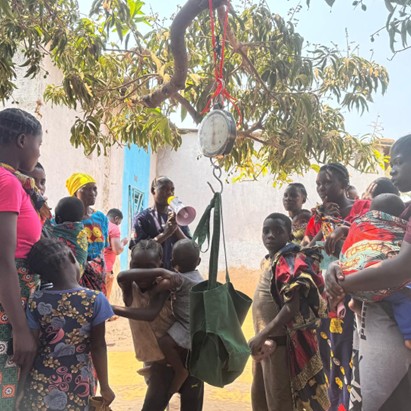
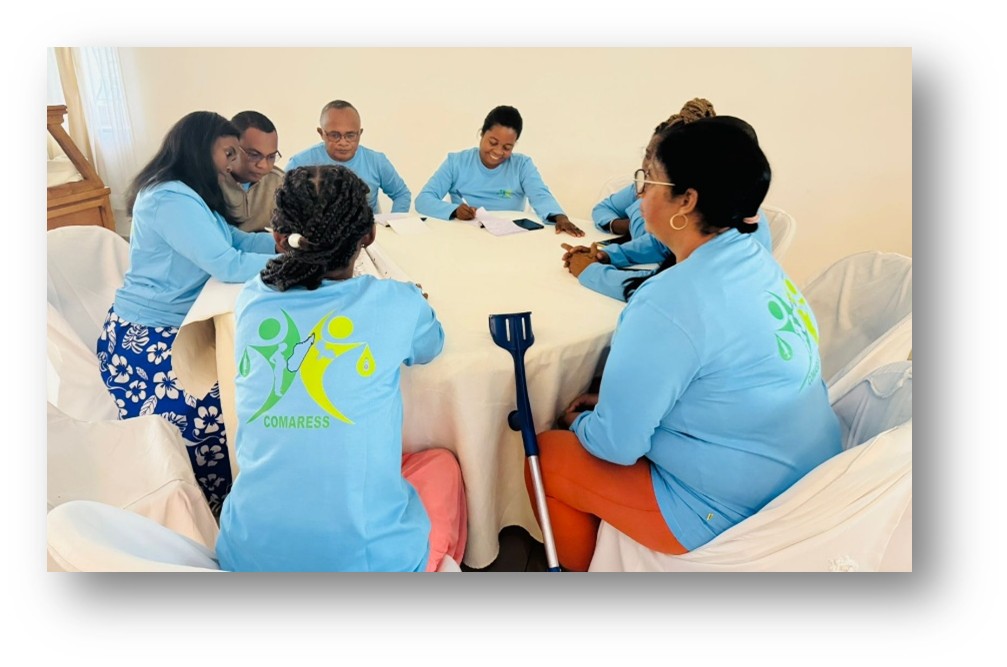
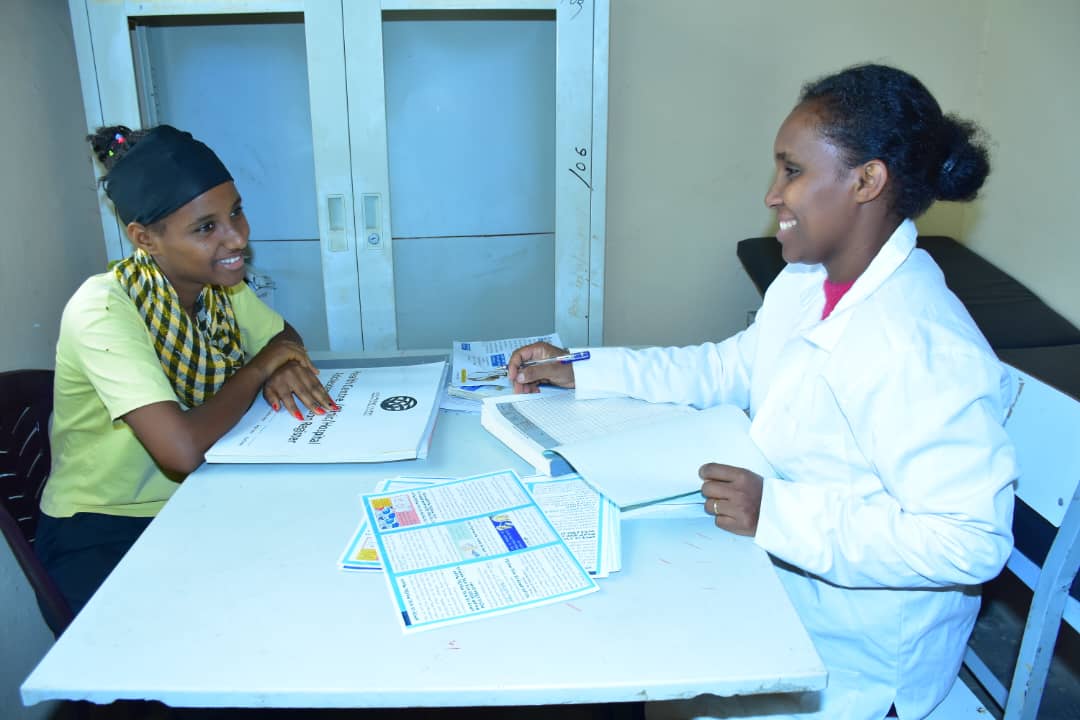
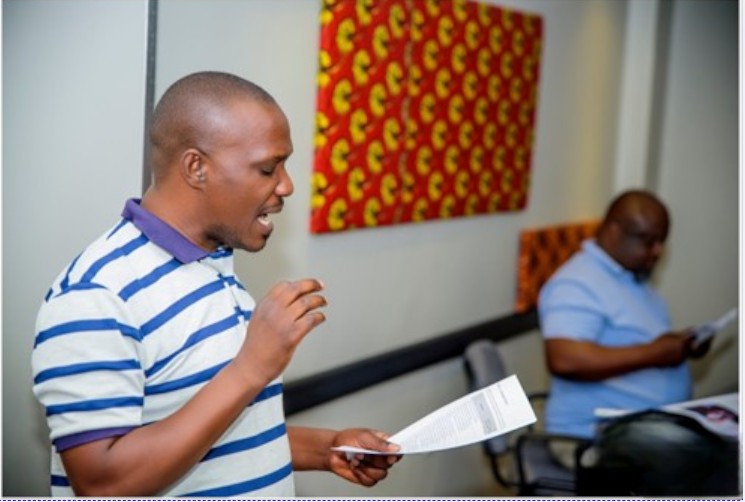
The turning point came when Nyamuch and other women leaders received targeted training from the IRC under the WISH 2 project as part of a locally led initiative in early 2025. The workshop focused on accurate family planning information, counselling techniques, and communication tools tailored to the cultural and humanitarian context. These trained community leaders began organizing outreach through school visits, peer dialogues, and household outreach, they have demystified family planning, challenged myths, restored trust in health services and bridged the gap between health providers and women in displacement.
Between January and May 2025, Rubkona reported a 43% increase in family planning uptake, with a 28% rise in long-acting reversible contraceptive use compared to the same period in 2022. These are not just numbers, they reflect safer choices, reduced unintended pregnancies, and rising confidence in local health systems.
Yet it hasn't been easy. Deep-rooted norms around spousal consent often posed barriers and led to instances of GBV. In response, IRC integrated male engagement sessions, promoting dialogue and shared decision-making, which helped reduce resistance and build community support.
“This is not just about contraception,” says Atem Deng, Health Coordinator at Rubkona PHCC. “It’s about rebuilding trust in health services, in women’s rights, and in our ability to support our own communities, even in crisis.”
Rubkona’s story is a testament to grassroots leadership in fragile settings. It proves that when women lead, systems shift, even in the most fragile contexts. Scaling this model across similar settings offers a roadmap for building SRH resilience and advancing reproductive rights in the face of crisis. When women lead change, even under the shadow of conflict, systems begin to heal, and progress takes root.
when
country
Sudan
region
Africa
Subject
Contraception, Comprehensive Sex Education