



Spotlight
A selection of resources from across the Federation

Africa
Resource
IMAP Frequently Asked Questions: Using pre-exposure prophylaxis (PrEP) and gender affirming hormone therapy (GAHT) for transgender and gender-diverse clients
Whether you're considering PrEP yourself, supporting someone who is, or simply curious, here's what you need to know.
Most Popular This Week

Resource
|
IPPF Africa Affiliates
IPPF Africa Affiliates Across the continent, IPPF Africa’s Member Associations and Collaborative Partners are working every day to transform lives through essential sexual and reproductiv

Resource
|
IMAP Statement on Preventing Female Genital Mutilation
Introduction Female genital mutilation (FGM) involves partial or total removal of the external female genitalia or other injury for cultural or other non-medical reasons.
Africa

Resource
|
IPPF Africa Annual Report 2024
IPPF Africa Region Annual Report 2024 Advancing Rights, Expanding Access, Empowering Communities In 2024, IPPF Africa Region reaffirmed its lea
Mozambique, Uganda

Resource
|
Stand Up Factsheet 2025
Healthcare, Rights & Choice: The Stand Up Initiative in Action Imagine a world where every young woman and girl has the power to make informed choices about their sex


Resource
|
IPPFAR 2021 Achievements Video - English
In 2021, IPPF Africa Region Member Associations provided 109,796,584 sexual reproductive health and rights services, representing close to half of the total number of SRHR services

Resource
|
Live stage at the ICFP 2022 | Treasure Your Pleasure & The Pleasure Principles
Talking about pleasure, desire and good sex is the content that young people repeatedly call for.

Resource
|
2023 Annual Performance Report
Last year saw a relentless assault on human rights, leaving many feeling anxious and pessimistic about the prospects for people from all walks of life to come together.
Filter our resources by:
Resource
| 04 June 2026
IMAP Frequently Asked Questions: Using pre-exposure prophylaxis (PrEP) and gender affirming hormone therapy (GAHT) for transgender and gender-diverse clients
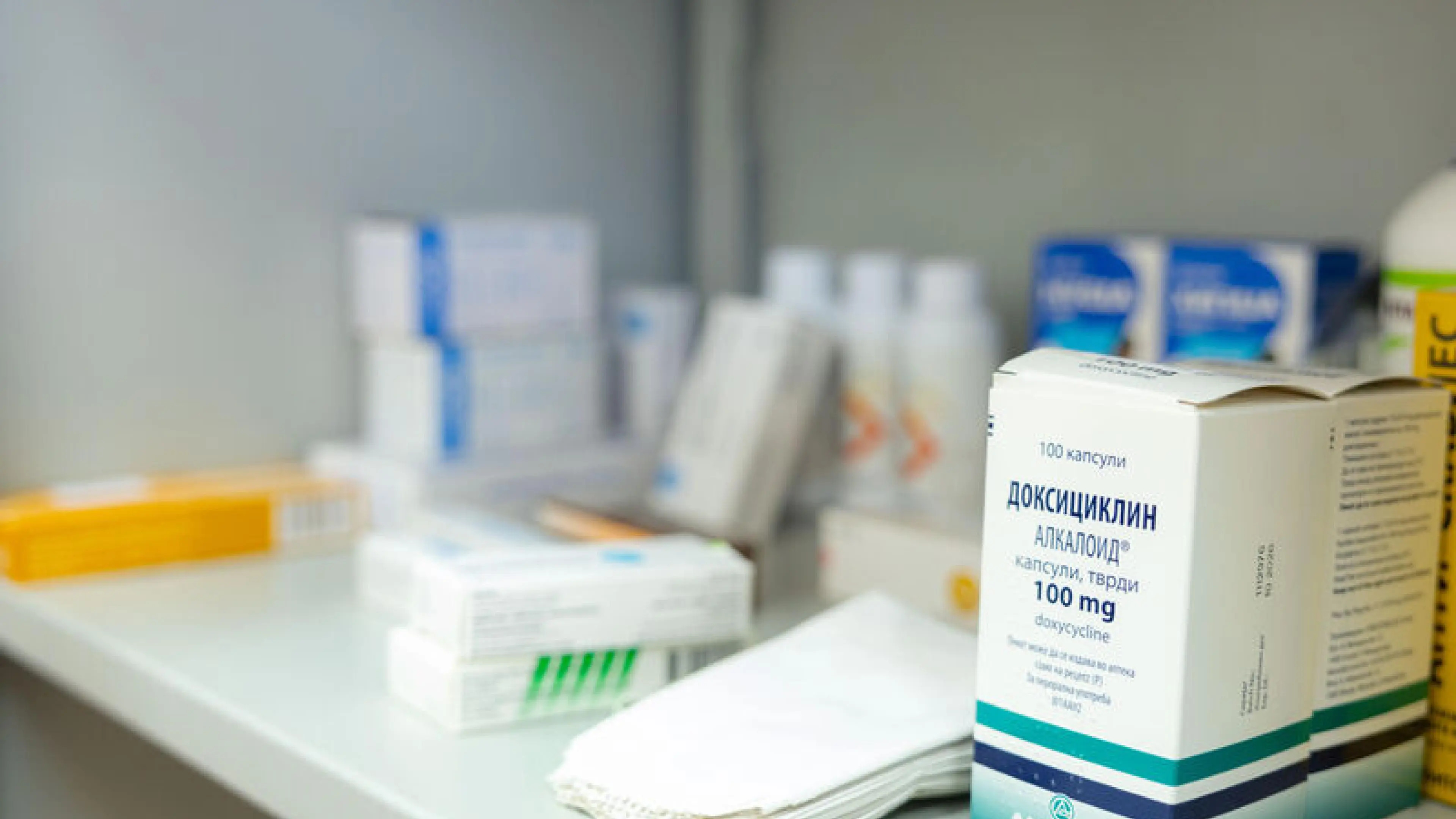
PrEP is one of the most effective tools we have to prevent HIV, yet many people still have questions about what it is, who it is for, and how it fits into their lives. Can you take PrEP if you are on gender-affirming hormone therapy? Does it have side effects? And why do so many transgender and gender-diverse people still face barriers to accessing it? We consulted the IPPF International Medical Advisory Panel to answer some of the most common questions we have received from the community about PrEP, from how it works and who can benefit from it, to the realities of navigating HIV prevention, healthcare systems, and gender-affirming care. Whether you're considering PrEP yourself, supporting someone who is, or simply curious, here's what you need to know. What is PrEP? PrEP refers to the use of antiretroviral medication by people not infected with HIV to reduce their risk of acquiring HIV (1). PrEP is used during periods when individuals believe they are particularly vulnerable to HIV infection. There are different delivery methods and regimens, with new methods also in development. Currently available options include an oral pill, a vaginal ring, and long-acting injectables. Who should use PrEP? PrEP is appropriate for anyone who perceives themselves to be vulnerable to HIV and wishes to reduce their risk of HIV infection through use of medications (1). Are there side effects to PrEP? Like all medications, PrEP may be associated with side effects in some people. The most common side effects are temporary, and can include nausea, bloating, diarrhoea, headache, feeling dizzy or weak, and trouble sleeping. Side effects from injections can include bruising, pain or small nodules at the injection site. Serious side effects are rare. Does PrEP interfere with gender-affirming hormone therapy? No. PrEP does not lower hormone levels in transgender, nonbinary, and gender diverse people (TGD) on gender-affirming hormone therapy (GAHT) (2). PrEP has been shown to be effective and safe in TGD people and should be provided to high-risk individuals regardless of gender affirming hormone use. There are no measurable differences in hormone levels in blood between PrEP users and non-users who are on GAHT (3). However, blood concentrations of PrEP drugs in transgender women were lower than expected, although at levels unlikely to interfere with their antiviral effect to prevent HIV acquisition (4). Are there sexual side effects to PrEP or gender-affirming hormone therapy for transgender women? PrEP is a medication that reduces the ability of the HIV virus to infect human immune cells; it does not impact the sexual functioning of human sex organs. GAHT for transgender women, however, decreases penile erection function, libido and ejaculatory volume. Discussion of these effects should be an integral part of the informed consent process and shared decision-making at the time of initiating GAHT. If these particular effects are unwanted, there are various strategies that can be used for those who wish to fully maintain penile sexual function, including the use of PDE5 (phosphodiesterase type 5) inhibitors (e.g., sildenafil, tadalafil, vardenafil) to facilitate erections, masturbation/sexual activity to maintain tissue perfusion, lowering antiandrogen doses when feminising goals are met and targeting testosterone levels slightly higher than cisfemale range (either through lower GAHT doses or addition of low-dose add-back testosterone therapy) (5). What are the barriers to using PrEP? Access to healthcare is critical for successful PrEP implementation. Although higher-income regions have had more successful implementation and awareness raising campaigns to date, many low-middle income countries are accelerating access. While PrEP is an important part of HIV preventive care services, studies show transgender women use less preventive care due to multiple factors, including limited access to healthcare, lack of insurance coverage for PrEP and gender-affirming care and medications, and fear of discrimination and stigma by healthcare providers (6). References IMAP statement on biomedical HIV prevention. IPPF, 2023 IMAP Statement on Biomedical HIV Prevention | IPPF, accessed March 2026. Senneker T. Drug-Drug Interactions Between Gender-Affirming Hormone Therapy and Antiretrovirals for Treatment/ Prevention of HIV. Br J Clin Pharmacol. 2024;90:2366–2382. Grant RM, Pellegrini M, Defechereux PA, Anderson PL, Yu M, Glidden DV, O’Neal J, Yager J, Bhasin S, Sevelius J, Deutsch MB. Sex Hormone Therapy and Tenofovir Diphosphate Concentration in Dried Blood Spots: Primary Results of the Interactions Between Antiretrovirals And Transgender Hormones Study. Clin Infect Dis. 2021 Oct 5;73(7):e2117-e2123. doi: 10.1093/cid/ciaa1160. PMID: 32766890; PMCID: PMC8492111. Hiransuthikul A, Janamnuaysook R, Himmad K, et al. Drug drug interactions between feminizing hormone therapy and preexposure prophylaxis among transgender women: the iFACT study. J Int AIDS Soc 2019; 22(7): e25338. DOI: 10. 1002/jia2.25338. Sehgal I. Review of adult gender transition medications: mechanisms, efficacy measures, and pharmacogenomic considerations. Front Endocrinol (Lausanne). 2023 Jul 4;14:1184024. doi: 10.3389/fendo.2023.1184024. Teng F, Sha Y, Fletcher LM, Welsch M, Burns P, Tang W. Barriers to uptake of PrEP across the continuum among transgender women: A global scoping review. Int J STD AIDS. 2023 Apr;34(5):299-314. doi: 10.1177/09564624231152781. Epub 2023 Feb 15. PMID: 36793197.
Resource
| 15 June 2026
IMAP Frequently Asked Questions: Using pre-exposure prophylaxis (PrEP) and gender affirming hormone therapy (GAHT) for transgender and gender-diverse clients
PrEP is one of the most effective tools we have to prevent HIV, yet many people still have questions about what it is, who it is for, and how it fits into their lives. Can you take PrEP if you are on gender-affirming hormone therapy? Does it have side effects? And why do so many transgender and gender-diverse people still face barriers to accessing it? We consulted the IPPF International Medical Advisory Panel to answer some of the most common questions we have received from the community about PrEP, from how it works and who can benefit from it, to the realities of navigating HIV prevention, healthcare systems, and gender-affirming care. Whether you're considering PrEP yourself, supporting someone who is, or simply curious, here's what you need to know. What is PrEP? PrEP refers to the use of antiretroviral medication by people not infected with HIV to reduce their risk of acquiring HIV (1). PrEP is used during periods when individuals believe they are particularly vulnerable to HIV infection. There are different delivery methods and regimens, with new methods also in development. Currently available options include an oral pill, a vaginal ring, and long-acting injectables. Who should use PrEP? PrEP is appropriate for anyone who perceives themselves to be vulnerable to HIV and wishes to reduce their risk of HIV infection through use of medications (1). Are there side effects to PrEP? Like all medications, PrEP may be associated with side effects in some people. The most common side effects are temporary, and can include nausea, bloating, diarrhoea, headache, feeling dizzy or weak, and trouble sleeping. Side effects from injections can include bruising, pain or small nodules at the injection site. Serious side effects are rare. Does PrEP interfere with gender-affirming hormone therapy? No. PrEP does not lower hormone levels in transgender, nonbinary, and gender diverse people (TGD) on gender-affirming hormone therapy (GAHT) (2). PrEP has been shown to be effective and safe in TGD people and should be provided to high-risk individuals regardless of gender affirming hormone use. There are no measurable differences in hormone levels in blood between PrEP users and non-users who are on GAHT (3). However, blood concentrations of PrEP drugs in transgender women were lower than expected, although at levels unlikely to interfere with their antiviral effect to prevent HIV acquisition (4). Are there sexual side effects to PrEP or gender-affirming hormone therapy for transgender women? PrEP is a medication that reduces the ability of the HIV virus to infect human immune cells; it does not impact the sexual functioning of human sex organs. GAHT for transgender women, however, decreases penile erection function, libido and ejaculatory volume. Discussion of these effects should be an integral part of the informed consent process and shared decision-making at the time of initiating GAHT. If these particular effects are unwanted, there are various strategies that can be used for those who wish to fully maintain penile sexual function, including the use of PDE5 (phosphodiesterase type 5) inhibitors (e.g., sildenafil, tadalafil, vardenafil) to facilitate erections, masturbation/sexual activity to maintain tissue perfusion, lowering antiandrogen doses when feminising goals are met and targeting testosterone levels slightly higher than cisfemale range (either through lower GAHT doses or addition of low-dose add-back testosterone therapy) (5). What are the barriers to using PrEP? Access to healthcare is critical for successful PrEP implementation. Although higher-income regions have had more successful implementation and awareness raising campaigns to date, many low-middle income countries are accelerating access. While PrEP is an important part of HIV preventive care services, studies show transgender women use less preventive care due to multiple factors, including limited access to healthcare, lack of insurance coverage for PrEP and gender-affirming care and medications, and fear of discrimination and stigma by healthcare providers (6). References IMAP statement on biomedical HIV prevention. IPPF, 2023 IMAP Statement on Biomedical HIV Prevention | IPPF, accessed March 2026. Senneker T. Drug-Drug Interactions Between Gender-Affirming Hormone Therapy and Antiretrovirals for Treatment/ Prevention of HIV. Br J Clin Pharmacol. 2024;90:2366–2382. Grant RM, Pellegrini M, Defechereux PA, Anderson PL, Yu M, Glidden DV, O’Neal J, Yager J, Bhasin S, Sevelius J, Deutsch MB. Sex Hormone Therapy and Tenofovir Diphosphate Concentration in Dried Blood Spots: Primary Results of the Interactions Between Antiretrovirals And Transgender Hormones Study. Clin Infect Dis. 2021 Oct 5;73(7):e2117-e2123. doi: 10.1093/cid/ciaa1160. PMID: 32766890; PMCID: PMC8492111. Hiransuthikul A, Janamnuaysook R, Himmad K, et al. Drug drug interactions between feminizing hormone therapy and preexposure prophylaxis among transgender women: the iFACT study. J Int AIDS Soc 2019; 22(7): e25338. DOI: 10. 1002/jia2.25338. Sehgal I. Review of adult gender transition medications: mechanisms, efficacy measures, and pharmacogenomic considerations. Front Endocrinol (Lausanne). 2023 Jul 4;14:1184024. doi: 10.3389/fendo.2023.1184024. Teng F, Sha Y, Fletcher LM, Welsch M, Burns P, Tang W. Barriers to uptake of PrEP across the continuum among transgender women: A global scoping review. Int J STD AIDS. 2023 Apr;34(5):299-314. doi: 10.1177/09564624231152781. Epub 2023 Feb 15. PMID: 36793197.

Resource
| 07 May 2020
Africa: Guidelines for Protecting the Rights of Women and Girls during the COVID-19 Pandemic
The COVID-19 pandemic — like all crises — will have a distinct impact on women and girls that is both immediate and that poses the risk of exacerbating pre-existing gender and other intersecting inequalities. Women and girls, particularly those who are already experiencing the greatest marginalization, will be disproportionately affected and, unless their rights are protected and their needs are met, will be further deprived of justice. The COVID-19 crisis does not relieve States of their obligations to address the gender-based violence faced by thousands of women and girls in the region; on the contrary, it requires more rigorous measures to minimize the negative impacts this new health crisis may have on them. This guide provides a roadmap for national and local government authorities and agencies, as well as sub-regional and regional organisations, to better understand the obligations they must fulfill as regards women and girls’ rights during the pandemic. The guide is the result of a collaboration between IPPF Africa Region, Women’s Link Worldwide, and Amnesty International, and is available in English and French. Download the guidelines (attached) in English and French.
Resource
| 07 May 2020
Africa: Guidelines for Protecting the Rights of Women and Girls during the COVID-19 Pandemic
The COVID-19 pandemic — like all crises — will have a distinct impact on women and girls that is both immediate and that poses the risk of exacerbating pre-existing gender and other intersecting inequalities. Women and girls, particularly those who are already experiencing the greatest marginalization, will be disproportionately affected and, unless their rights are protected and their needs are met, will be further deprived of justice. The COVID-19 crisis does not relieve States of their obligations to address the gender-based violence faced by thousands of women and girls in the region; on the contrary, it requires more rigorous measures to minimize the negative impacts this new health crisis may have on them. This guide provides a roadmap for national and local government authorities and agencies, as well as sub-regional and regional organisations, to better understand the obligations they must fulfill as regards women and girls’ rights during the pandemic. The guide is the result of a collaboration between IPPF Africa Region, Women’s Link Worldwide, and Amnesty International, and is available in English and French. Download the guidelines (attached) in English and French.

Resource
| 21 April 2020
It's a RED CARD! Using Sport to Tackle Violence against Women and Girls
On 6 March 2020, the IPPF Africa Regional Director, Mrs. Marie-Evelyne Petrus-Barry attended the global launch of the Equal Light Red Card Campaign at the UN headquarters in New York. This is the speech given by Mrs. Petrus-Barry during the launch. The Red Card campaign is aimed at mobilizing the world to ensure that the voices of women and girls are heard across sectors, to elevate and strengthen them against others who seek to undermine their dignity, and to put an end to gender based violence and discrimination in every form. During the launch, IPPF Africa Region signed an MoU with African Renaissance and Diaspora Network (ARDN), as a new platform for the member associations and collaborative partners of the Africa region to operationalize gender normative frameworks and guidance as well as to shape and provide a comprehensive response for gender equality. Read more: Give A Red Card to All Forms of Discrimination and Violence Against Women and Girls! The "Red Card" campaign utilizes the unifying power of sport to provide an opportunity to governments, academia, civil society, the private sector, the general public, and other stakeholders to demonstrate to the world, and to their respective constituencies, their commitment and efforts towards achieving equality and equity for all, and to encourage their constituencies to become part of an international team dedicated to scoring Sustainable Development Goals.
Resource
| 21 April 2020
It's a RED CARD! Using Sport to Tackle Violence against Women and Girls
On 6 March 2020, the IPPF Africa Regional Director, Mrs. Marie-Evelyne Petrus-Barry attended the global launch of the Equal Light Red Card Campaign at the UN headquarters in New York. This is the speech given by Mrs. Petrus-Barry during the launch. The Red Card campaign is aimed at mobilizing the world to ensure that the voices of women and girls are heard across sectors, to elevate and strengthen them against others who seek to undermine their dignity, and to put an end to gender based violence and discrimination in every form. During the launch, IPPF Africa Region signed an MoU with African Renaissance and Diaspora Network (ARDN), as a new platform for the member associations and collaborative partners of the Africa region to operationalize gender normative frameworks and guidance as well as to shape and provide a comprehensive response for gender equality. Read more: Give A Red Card to All Forms of Discrimination and Violence Against Women and Girls! The "Red Card" campaign utilizes the unifying power of sport to provide an opportunity to governments, academia, civil society, the private sector, the general public, and other stakeholders to demonstrate to the world, and to their respective constituencies, their commitment and efforts towards achieving equality and equity for all, and to encourage their constituencies to become part of an international team dedicated to scoring Sustainable Development Goals.

Resource
| 13 July 2018
Newly Launched! State of African Women Report: Key Findings
This year marks the 15th anniversary of the Maputo Protocol and the upcoming 25-year review of the International Conference on Population and Development (ICPD+25 Review), as well as the first five-year review of the Addis Ababa Declaration on Population and Development (AADPD+5). These milestones offer an excellent opportunity to take stock of gaps and contestations around the realisation of women and girls’ rights, and to identify the areas where progress for Sexual Reproductive Health and Rights (SRHR) needs to be accelerated. It is against this background that we are pleased to announce the launch of the key findings of the State of African Women Report, which highlights the implementation progress of the AU’s Maputo Protocol on the rights of women in Africa, and the Maputo Plan of Action (MPoA) -which is the implementation framework for the Continental Policy Framework on SRHR. The State of African Women Report particularly focuses on four areas: Gender-based Violence against women Harmful practices HIV and AIDS Reproductive Rights The main objectives of the report are to: Raise awareness about continental commitments (Maputo Protocol and Maputo Plan of Action) Review status of implementation (with a focus on SRHR) Strengthen focus on how women’s and girls’ rights are realized Inform and strengthen effective advocacy efforts and strategies of Civil Society Organizations (CSOs) and opinion formers The State of African Women Report report seeks to complement existing reports and reviews by: Focusing on sexual and reproductive health and rights Looking at role of and trends in Regional Economic Communities (RECs) Emphasizing the role of civil society organizations and actors Promoting a gender and rights perspective with regards to ratification, domestication (including legal and policy reform), implementation (institutional reform), civil society initiatives and social norm change The key audiences of the report include: Parliamentarians, African First Ladies of States and Governments, journalists, religious leaders, youth leaders, CSOs, AU and RECs representatives, high level political decision-makers, technocrats / thematic experts, national (and subnational) government decision-makers and donors.
Resource
| 13 July 2018
Newly Launched! State of African Women Report: Key Findings
This year marks the 15th anniversary of the Maputo Protocol and the upcoming 25-year review of the International Conference on Population and Development (ICPD+25 Review), as well as the first five-year review of the Addis Ababa Declaration on Population and Development (AADPD+5). These milestones offer an excellent opportunity to take stock of gaps and contestations around the realisation of women and girls’ rights, and to identify the areas where progress for Sexual Reproductive Health and Rights (SRHR) needs to be accelerated. It is against this background that we are pleased to announce the launch of the key findings of the State of African Women Report, which highlights the implementation progress of the AU’s Maputo Protocol on the rights of women in Africa, and the Maputo Plan of Action (MPoA) -which is the implementation framework for the Continental Policy Framework on SRHR. The State of African Women Report particularly focuses on four areas: Gender-based Violence against women Harmful practices HIV and AIDS Reproductive Rights The main objectives of the report are to: Raise awareness about continental commitments (Maputo Protocol and Maputo Plan of Action) Review status of implementation (with a focus on SRHR) Strengthen focus on how women’s and girls’ rights are realized Inform and strengthen effective advocacy efforts and strategies of Civil Society Organizations (CSOs) and opinion formers The State of African Women Report report seeks to complement existing reports and reviews by: Focusing on sexual and reproductive health and rights Looking at role of and trends in Regional Economic Communities (RECs) Emphasizing the role of civil society organizations and actors Promoting a gender and rights perspective with regards to ratification, domestication (including legal and policy reform), implementation (institutional reform), civil society initiatives and social norm change The key audiences of the report include: Parliamentarians, African First Ladies of States and Governments, journalists, religious leaders, youth leaders, CSOs, AU and RECs representatives, high level political decision-makers, technocrats / thematic experts, national (and subnational) government decision-makers and donors.

Resource
| 05 October 2016
A Bright Future: Lanterns for Women's Empowerment
Women’s empowerment is key to ensuring their health and well-being. A partnership between public, private and civil society found a unique way to address health and gender inequalities in one of the most disadvantageous communities in the Northern regions of Ghana. This pilot project introduced solar lanterns, health and economic interventions to 20 villages. The project was effective because it brought together Japan’s ODA, private sector technology and IPPF’s community-based activities to challenge structural barriers and harmful gender norms. In doing so, we have done more than bring ‘light’ where there was once ‘darkness’. This intervention has transformed the lives of women, their families and their community.
Resource
| 05 October 2016
A Bright Future: Lanterns for Women's Empowerment
Women’s empowerment is key to ensuring their health and well-being. A partnership between public, private and civil society found a unique way to address health and gender inequalities in one of the most disadvantageous communities in the Northern regions of Ghana. This pilot project introduced solar lanterns, health and economic interventions to 20 villages. The project was effective because it brought together Japan’s ODA, private sector technology and IPPF’s community-based activities to challenge structural barriers and harmful gender norms. In doing so, we have done more than bring ‘light’ where there was once ‘darkness’. This intervention has transformed the lives of women, their families and their community.
Resource
| 04 June 2026
IMAP Frequently Asked Questions: Using pre-exposure prophylaxis (PrEP) and gender affirming hormone therapy (GAHT) for transgender and gender-diverse clients
PrEP is one of the most effective tools we have to prevent HIV, yet many people still have questions about what it is, who it is for, and how it fits into their lives. Can you take PrEP if you are on gender-affirming hormone therapy? Does it have side effects? And why do so many transgender and gender-diverse people still face barriers to accessing it? We consulted the IPPF International Medical Advisory Panel to answer some of the most common questions we have received from the community about PrEP, from how it works and who can benefit from it, to the realities of navigating HIV prevention, healthcare systems, and gender-affirming care. Whether you're considering PrEP yourself, supporting someone who is, or simply curious, here's what you need to know. What is PrEP? PrEP refers to the use of antiretroviral medication by people not infected with HIV to reduce their risk of acquiring HIV (1). PrEP is used during periods when individuals believe they are particularly vulnerable to HIV infection. There are different delivery methods and regimens, with new methods also in development. Currently available options include an oral pill, a vaginal ring, and long-acting injectables. Who should use PrEP? PrEP is appropriate for anyone who perceives themselves to be vulnerable to HIV and wishes to reduce their risk of HIV infection through use of medications (1). Are there side effects to PrEP? Like all medications, PrEP may be associated with side effects in some people. The most common side effects are temporary, and can include nausea, bloating, diarrhoea, headache, feeling dizzy or weak, and trouble sleeping. Side effects from injections can include bruising, pain or small nodules at the injection site. Serious side effects are rare. Does PrEP interfere with gender-affirming hormone therapy? No. PrEP does not lower hormone levels in transgender, nonbinary, and gender diverse people (TGD) on gender-affirming hormone therapy (GAHT) (2). PrEP has been shown to be effective and safe in TGD people and should be provided to high-risk individuals regardless of gender affirming hormone use. There are no measurable differences in hormone levels in blood between PrEP users and non-users who are on GAHT (3). However, blood concentrations of PrEP drugs in transgender women were lower than expected, although at levels unlikely to interfere with their antiviral effect to prevent HIV acquisition (4). Are there sexual side effects to PrEP or gender-affirming hormone therapy for transgender women? PrEP is a medication that reduces the ability of the HIV virus to infect human immune cells; it does not impact the sexual functioning of human sex organs. GAHT for transgender women, however, decreases penile erection function, libido and ejaculatory volume. Discussion of these effects should be an integral part of the informed consent process and shared decision-making at the time of initiating GAHT. If these particular effects are unwanted, there are various strategies that can be used for those who wish to fully maintain penile sexual function, including the use of PDE5 (phosphodiesterase type 5) inhibitors (e.g., sildenafil, tadalafil, vardenafil) to facilitate erections, masturbation/sexual activity to maintain tissue perfusion, lowering antiandrogen doses when feminising goals are met and targeting testosterone levels slightly higher than cisfemale range (either through lower GAHT doses or addition of low-dose add-back testosterone therapy) (5). What are the barriers to using PrEP? Access to healthcare is critical for successful PrEP implementation. Although higher-income regions have had more successful implementation and awareness raising campaigns to date, many low-middle income countries are accelerating access. While PrEP is an important part of HIV preventive care services, studies show transgender women use less preventive care due to multiple factors, including limited access to healthcare, lack of insurance coverage for PrEP and gender-affirming care and medications, and fear of discrimination and stigma by healthcare providers (6). References IMAP statement on biomedical HIV prevention. IPPF, 2023 IMAP Statement on Biomedical HIV Prevention | IPPF, accessed March 2026. Senneker T. Drug-Drug Interactions Between Gender-Affirming Hormone Therapy and Antiretrovirals for Treatment/ Prevention of HIV. Br J Clin Pharmacol. 2024;90:2366–2382. Grant RM, Pellegrini M, Defechereux PA, Anderson PL, Yu M, Glidden DV, O’Neal J, Yager J, Bhasin S, Sevelius J, Deutsch MB. Sex Hormone Therapy and Tenofovir Diphosphate Concentration in Dried Blood Spots: Primary Results of the Interactions Between Antiretrovirals And Transgender Hormones Study. Clin Infect Dis. 2021 Oct 5;73(7):e2117-e2123. doi: 10.1093/cid/ciaa1160. PMID: 32766890; PMCID: PMC8492111. Hiransuthikul A, Janamnuaysook R, Himmad K, et al. Drug drug interactions between feminizing hormone therapy and preexposure prophylaxis among transgender women: the iFACT study. J Int AIDS Soc 2019; 22(7): e25338. DOI: 10. 1002/jia2.25338. Sehgal I. Review of adult gender transition medications: mechanisms, efficacy measures, and pharmacogenomic considerations. Front Endocrinol (Lausanne). 2023 Jul 4;14:1184024. doi: 10.3389/fendo.2023.1184024. Teng F, Sha Y, Fletcher LM, Welsch M, Burns P, Tang W. Barriers to uptake of PrEP across the continuum among transgender women: A global scoping review. Int J STD AIDS. 2023 Apr;34(5):299-314. doi: 10.1177/09564624231152781. Epub 2023 Feb 15. PMID: 36793197.
Resource
| 15 June 2026
IMAP Frequently Asked Questions: Using pre-exposure prophylaxis (PrEP) and gender affirming hormone therapy (GAHT) for transgender and gender-diverse clients
PrEP is one of the most effective tools we have to prevent HIV, yet many people still have questions about what it is, who it is for, and how it fits into their lives. Can you take PrEP if you are on gender-affirming hormone therapy? Does it have side effects? And why do so many transgender and gender-diverse people still face barriers to accessing it? We consulted the IPPF International Medical Advisory Panel to answer some of the most common questions we have received from the community about PrEP, from how it works and who can benefit from it, to the realities of navigating HIV prevention, healthcare systems, and gender-affirming care. Whether you're considering PrEP yourself, supporting someone who is, or simply curious, here's what you need to know. What is PrEP? PrEP refers to the use of antiretroviral medication by people not infected with HIV to reduce their risk of acquiring HIV (1). PrEP is used during periods when individuals believe they are particularly vulnerable to HIV infection. There are different delivery methods and regimens, with new methods also in development. Currently available options include an oral pill, a vaginal ring, and long-acting injectables. Who should use PrEP? PrEP is appropriate for anyone who perceives themselves to be vulnerable to HIV and wishes to reduce their risk of HIV infection through use of medications (1). Are there side effects to PrEP? Like all medications, PrEP may be associated with side effects in some people. The most common side effects are temporary, and can include nausea, bloating, diarrhoea, headache, feeling dizzy or weak, and trouble sleeping. Side effects from injections can include bruising, pain or small nodules at the injection site. Serious side effects are rare. Does PrEP interfere with gender-affirming hormone therapy? No. PrEP does not lower hormone levels in transgender, nonbinary, and gender diverse people (TGD) on gender-affirming hormone therapy (GAHT) (2). PrEP has been shown to be effective and safe in TGD people and should be provided to high-risk individuals regardless of gender affirming hormone use. There are no measurable differences in hormone levels in blood between PrEP users and non-users who are on GAHT (3). However, blood concentrations of PrEP drugs in transgender women were lower than expected, although at levels unlikely to interfere with their antiviral effect to prevent HIV acquisition (4). Are there sexual side effects to PrEP or gender-affirming hormone therapy for transgender women? PrEP is a medication that reduces the ability of the HIV virus to infect human immune cells; it does not impact the sexual functioning of human sex organs. GAHT for transgender women, however, decreases penile erection function, libido and ejaculatory volume. Discussion of these effects should be an integral part of the informed consent process and shared decision-making at the time of initiating GAHT. If these particular effects are unwanted, there are various strategies that can be used for those who wish to fully maintain penile sexual function, including the use of PDE5 (phosphodiesterase type 5) inhibitors (e.g., sildenafil, tadalafil, vardenafil) to facilitate erections, masturbation/sexual activity to maintain tissue perfusion, lowering antiandrogen doses when feminising goals are met and targeting testosterone levels slightly higher than cisfemale range (either through lower GAHT doses or addition of low-dose add-back testosterone therapy) (5). What are the barriers to using PrEP? Access to healthcare is critical for successful PrEP implementation. Although higher-income regions have had more successful implementation and awareness raising campaigns to date, many low-middle income countries are accelerating access. While PrEP is an important part of HIV preventive care services, studies show transgender women use less preventive care due to multiple factors, including limited access to healthcare, lack of insurance coverage for PrEP and gender-affirming care and medications, and fear of discrimination and stigma by healthcare providers (6). References IMAP statement on biomedical HIV prevention. IPPF, 2023 IMAP Statement on Biomedical HIV Prevention | IPPF, accessed March 2026. Senneker T. Drug-Drug Interactions Between Gender-Affirming Hormone Therapy and Antiretrovirals for Treatment/ Prevention of HIV. Br J Clin Pharmacol. 2024;90:2366–2382. Grant RM, Pellegrini M, Defechereux PA, Anderson PL, Yu M, Glidden DV, O’Neal J, Yager J, Bhasin S, Sevelius J, Deutsch MB. Sex Hormone Therapy and Tenofovir Diphosphate Concentration in Dried Blood Spots: Primary Results of the Interactions Between Antiretrovirals And Transgender Hormones Study. Clin Infect Dis. 2021 Oct 5;73(7):e2117-e2123. doi: 10.1093/cid/ciaa1160. PMID: 32766890; PMCID: PMC8492111. Hiransuthikul A, Janamnuaysook R, Himmad K, et al. Drug drug interactions between feminizing hormone therapy and preexposure prophylaxis among transgender women: the iFACT study. J Int AIDS Soc 2019; 22(7): e25338. DOI: 10. 1002/jia2.25338. Sehgal I. Review of adult gender transition medications: mechanisms, efficacy measures, and pharmacogenomic considerations. Front Endocrinol (Lausanne). 2023 Jul 4;14:1184024. doi: 10.3389/fendo.2023.1184024. Teng F, Sha Y, Fletcher LM, Welsch M, Burns P, Tang W. Barriers to uptake of PrEP across the continuum among transgender women: A global scoping review. Int J STD AIDS. 2023 Apr;34(5):299-314. doi: 10.1177/09564624231152781. Epub 2023 Feb 15. PMID: 36793197.
Resource
| 07 May 2020
Africa: Guidelines for Protecting the Rights of Women and Girls during the COVID-19 Pandemic
The COVID-19 pandemic — like all crises — will have a distinct impact on women and girls that is both immediate and that poses the risk of exacerbating pre-existing gender and other intersecting inequalities. Women and girls, particularly those who are already experiencing the greatest marginalization, will be disproportionately affected and, unless their rights are protected and their needs are met, will be further deprived of justice. The COVID-19 crisis does not relieve States of their obligations to address the gender-based violence faced by thousands of women and girls in the region; on the contrary, it requires more rigorous measures to minimize the negative impacts this new health crisis may have on them. This guide provides a roadmap for national and local government authorities and agencies, as well as sub-regional and regional organisations, to better understand the obligations they must fulfill as regards women and girls’ rights during the pandemic. The guide is the result of a collaboration between IPPF Africa Region, Women’s Link Worldwide, and Amnesty International, and is available in English and French. Download the guidelines (attached) in English and French.
Resource
| 07 May 2020
Africa: Guidelines for Protecting the Rights of Women and Girls during the COVID-19 Pandemic
The COVID-19 pandemic — like all crises — will have a distinct impact on women and girls that is both immediate and that poses the risk of exacerbating pre-existing gender and other intersecting inequalities. Women and girls, particularly those who are already experiencing the greatest marginalization, will be disproportionately affected and, unless their rights are protected and their needs are met, will be further deprived of justice. The COVID-19 crisis does not relieve States of their obligations to address the gender-based violence faced by thousands of women and girls in the region; on the contrary, it requires more rigorous measures to minimize the negative impacts this new health crisis may have on them. This guide provides a roadmap for national and local government authorities and agencies, as well as sub-regional and regional organisations, to better understand the obligations they must fulfill as regards women and girls’ rights during the pandemic. The guide is the result of a collaboration between IPPF Africa Region, Women’s Link Worldwide, and Amnesty International, and is available in English and French. Download the guidelines (attached) in English and French.
Resource
| 21 April 2020
It's a RED CARD! Using Sport to Tackle Violence against Women and Girls
On 6 March 2020, the IPPF Africa Regional Director, Mrs. Marie-Evelyne Petrus-Barry attended the global launch of the Equal Light Red Card Campaign at the UN headquarters in New York. This is the speech given by Mrs. Petrus-Barry during the launch. The Red Card campaign is aimed at mobilizing the world to ensure that the voices of women and girls are heard across sectors, to elevate and strengthen them against others who seek to undermine their dignity, and to put an end to gender based violence and discrimination in every form. During the launch, IPPF Africa Region signed an MoU with African Renaissance and Diaspora Network (ARDN), as a new platform for the member associations and collaborative partners of the Africa region to operationalize gender normative frameworks and guidance as well as to shape and provide a comprehensive response for gender equality. Read more: Give A Red Card to All Forms of Discrimination and Violence Against Women and Girls! The "Red Card" campaign utilizes the unifying power of sport to provide an opportunity to governments, academia, civil society, the private sector, the general public, and other stakeholders to demonstrate to the world, and to their respective constituencies, their commitment and efforts towards achieving equality and equity for all, and to encourage their constituencies to become part of an international team dedicated to scoring Sustainable Development Goals.
Resource
| 21 April 2020
It's a RED CARD! Using Sport to Tackle Violence against Women and Girls
On 6 March 2020, the IPPF Africa Regional Director, Mrs. Marie-Evelyne Petrus-Barry attended the global launch of the Equal Light Red Card Campaign at the UN headquarters in New York. This is the speech given by Mrs. Petrus-Barry during the launch. The Red Card campaign is aimed at mobilizing the world to ensure that the voices of women and girls are heard across sectors, to elevate and strengthen them against others who seek to undermine their dignity, and to put an end to gender based violence and discrimination in every form. During the launch, IPPF Africa Region signed an MoU with African Renaissance and Diaspora Network (ARDN), as a new platform for the member associations and collaborative partners of the Africa region to operationalize gender normative frameworks and guidance as well as to shape and provide a comprehensive response for gender equality. Read more: Give A Red Card to All Forms of Discrimination and Violence Against Women and Girls! The "Red Card" campaign utilizes the unifying power of sport to provide an opportunity to governments, academia, civil society, the private sector, the general public, and other stakeholders to demonstrate to the world, and to their respective constituencies, their commitment and efforts towards achieving equality and equity for all, and to encourage their constituencies to become part of an international team dedicated to scoring Sustainable Development Goals.
Resource
| 13 July 2018
Newly Launched! State of African Women Report: Key Findings
This year marks the 15th anniversary of the Maputo Protocol and the upcoming 25-year review of the International Conference on Population and Development (ICPD+25 Review), as well as the first five-year review of the Addis Ababa Declaration on Population and Development (AADPD+5). These milestones offer an excellent opportunity to take stock of gaps and contestations around the realisation of women and girls’ rights, and to identify the areas where progress for Sexual Reproductive Health and Rights (SRHR) needs to be accelerated. It is against this background that we are pleased to announce the launch of the key findings of the State of African Women Report, which highlights the implementation progress of the AU’s Maputo Protocol on the rights of women in Africa, and the Maputo Plan of Action (MPoA) -which is the implementation framework for the Continental Policy Framework on SRHR. The State of African Women Report particularly focuses on four areas: Gender-based Violence against women Harmful practices HIV and AIDS Reproductive Rights The main objectives of the report are to: Raise awareness about continental commitments (Maputo Protocol and Maputo Plan of Action) Review status of implementation (with a focus on SRHR) Strengthen focus on how women’s and girls’ rights are realized Inform and strengthen effective advocacy efforts and strategies of Civil Society Organizations (CSOs) and opinion formers The State of African Women Report report seeks to complement existing reports and reviews by: Focusing on sexual and reproductive health and rights Looking at role of and trends in Regional Economic Communities (RECs) Emphasizing the role of civil society organizations and actors Promoting a gender and rights perspective with regards to ratification, domestication (including legal and policy reform), implementation (institutional reform), civil society initiatives and social norm change The key audiences of the report include: Parliamentarians, African First Ladies of States and Governments, journalists, religious leaders, youth leaders, CSOs, AU and RECs representatives, high level political decision-makers, technocrats / thematic experts, national (and subnational) government decision-makers and donors.
Resource
| 13 July 2018
Newly Launched! State of African Women Report: Key Findings
This year marks the 15th anniversary of the Maputo Protocol and the upcoming 25-year review of the International Conference on Population and Development (ICPD+25 Review), as well as the first five-year review of the Addis Ababa Declaration on Population and Development (AADPD+5). These milestones offer an excellent opportunity to take stock of gaps and contestations around the realisation of women and girls’ rights, and to identify the areas where progress for Sexual Reproductive Health and Rights (SRHR) needs to be accelerated. It is against this background that we are pleased to announce the launch of the key findings of the State of African Women Report, which highlights the implementation progress of the AU’s Maputo Protocol on the rights of women in Africa, and the Maputo Plan of Action (MPoA) -which is the implementation framework for the Continental Policy Framework on SRHR. The State of African Women Report particularly focuses on four areas: Gender-based Violence against women Harmful practices HIV and AIDS Reproductive Rights The main objectives of the report are to: Raise awareness about continental commitments (Maputo Protocol and Maputo Plan of Action) Review status of implementation (with a focus on SRHR) Strengthen focus on how women’s and girls’ rights are realized Inform and strengthen effective advocacy efforts and strategies of Civil Society Organizations (CSOs) and opinion formers The State of African Women Report report seeks to complement existing reports and reviews by: Focusing on sexual and reproductive health and rights Looking at role of and trends in Regional Economic Communities (RECs) Emphasizing the role of civil society organizations and actors Promoting a gender and rights perspective with regards to ratification, domestication (including legal and policy reform), implementation (institutional reform), civil society initiatives and social norm change The key audiences of the report include: Parliamentarians, African First Ladies of States and Governments, journalists, religious leaders, youth leaders, CSOs, AU and RECs representatives, high level political decision-makers, technocrats / thematic experts, national (and subnational) government decision-makers and donors.
Resource
| 05 October 2016
A Bright Future: Lanterns for Women's Empowerment
Women’s empowerment is key to ensuring their health and well-being. A partnership between public, private and civil society found a unique way to address health and gender inequalities in one of the most disadvantageous communities in the Northern regions of Ghana. This pilot project introduced solar lanterns, health and economic interventions to 20 villages. The project was effective because it brought together Japan’s ODA, private sector technology and IPPF’s community-based activities to challenge structural barriers and harmful gender norms. In doing so, we have done more than bring ‘light’ where there was once ‘darkness’. This intervention has transformed the lives of women, their families and their community.
Resource
| 05 October 2016
A Bright Future: Lanterns for Women's Empowerment
Women’s empowerment is key to ensuring their health and well-being. A partnership between public, private and civil society found a unique way to address health and gender inequalities in one of the most disadvantageous communities in the Northern regions of Ghana. This pilot project introduced solar lanterns, health and economic interventions to 20 villages. The project was effective because it brought together Japan’s ODA, private sector technology and IPPF’s community-based activities to challenge structural barriers and harmful gender norms. In doing so, we have done more than bring ‘light’ where there was once ‘darkness’. This intervention has transformed the lives of women, their families and their community.
