



Articles about Africa
16 June 2026
Lessons from the SCAAO programme on advancing abortion care in challenging contexts
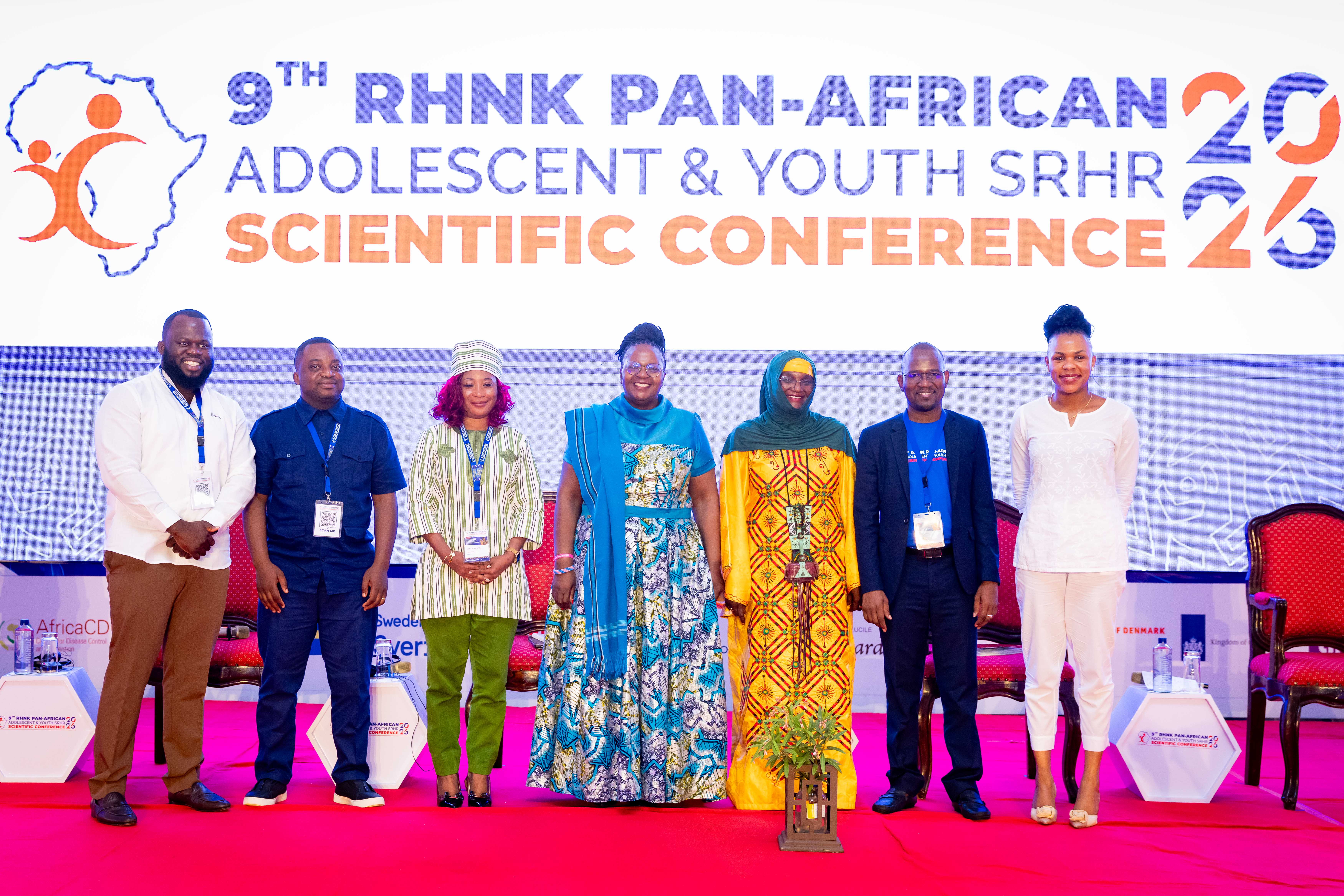
As delegates from 34 African countries gathered for the 9th RHNK Pan-African Adolescent and Youth Sexual Reproductive Health and Rights (AYSRHR) Scientific Conference in Mombasa, Kenya, which took place from 2-5 June 2026, one of the key conversations focused on expanding access to quality abortion care across Africa. The conference was organized by Reproductive Health Network Kenya (RHNK), which is IPPF’s affiliate in the country. Among the initiators of this conversation was Mr. Kader Avonnon, who leads the Comprehensive Abortion Care in West Africa (SCAAO) programme at IPPF Africa Regional Office. Jointly funded by The Hewlett Foundation and the Foundation for a Just Society International, SCAAO aims to expand access to person-centered abortion care for women and girls in Francophone west and central Africa. During the conference, Mr. Avonnon moderated a panel discussion featuring IPPF MAs implementing the programme, highlighting some of its successes so far. In this interview with Maryanne W. WAWERU, he reflects on some of the key messages from the session. The SCAAO programme is being implemented by IPPF MAs in Niger, Togo, Burkina Faso and Cameroon. In the panel discussion that you moderated, what learnings did you hope the participants would take away? While reaffirming the importance of recognizing abortion as essential healthcare, the session focused on the programme’s approaches that have proven effective in advancing laws, policies and access to abortion services in some of Africa’s most challenging contexts. Many participants from the different countries represented at the conference highlighted the challenges and barriers they face in their efforts to expand access to abortion care within complex and heavily restrictive legal and social environments. Therefore, drawing on the experiences of the SCAAO programme, we sought to demonstrate that success is indeed possible. This we did by showcasing the practical tools, innovative approaches and evidence-based strategies that continue to successfully deliver results in the countries we work in. What do you consider the SCAAO programme's most significant achievement so far, and why? The most significant achievement of the SCAAO program has been the creation of a growing space for honest, constructive dialogue on abortion care across Francophone west and central Africa. These dialogues with key stakeholders including governments, civil society actors, legislators, religious leaders, women’s rights defenders, and healthcare providers have translated into stronger political commitment in countries like Cameroon, Niger, and Togo. Even in challenging contexts such as Niger, legal reforms have expanded access to abortion care in cases of rape and incest. The results have been tangible, an example being on the service delivery level, where our MAs in Cameroon and Togo have reported more women accessing person-centered services in their facilities. These changes demonstrate that progress is indeed possible, even in restrictive environments. One of SCAAO’s core approaches has been fostering collaboration between stakeholders from different sectors. How has this multi-sectoral approach contributed to the programme’s success? One of the most meaningful strategies of SCAAO has been its ability to build bridges between governments, civil society, local political and religious leaders, healthcare providers and other key stakeholders. This collaborative approach has helped create an enabling environment for advocacy on quality, person-centered abortion care. We have seen this translate into practical results in Togo and Cameroon, where Ministries of Health, Justice, and Members of Parliament are working together on a roadmap to improve abortion laws. In Niger, the Ministry of Health has taken ownership of several SCAAO initiatives, including funding and implementing activities such as training healthcare providers, which is a powerful sign of commitment, and which also speaks to sustainability. At the national levels, SCAAO has supported the establishment of networks and task forces aimed at sustaining momentum, strengthening engagement with decision makers and promoting accountability. We have also witnessed inspiring collaboration around advocacy efforts, such as the International Safe Abortion Day. The RHNK Conference brought together over one thousand SRHR advocates, healthcare workers, researchers, policymakers, and youth leaders from across Africa. How important are forums like this in advancing access to abortion care and reproductive justice on the continent? Platforms like the RHNK conference remind us that none of us are working alone, and that we are part of a broader movement working towards a common goal. For many healthcare workers, the challenges can sometimes feel overwhelming, especially those working in restrictive environments. Conferences like this not only offer a good learning and exchange forum, but they also offer a sense of community and solidarity. The RHNK conference was not just about sharing strategies, but about listening to each other, learning from real experiences, and finding strength in shared commitment. Conferences like these provide us with the opportunity to refine our approaches, build genuine partnerships, and expand our networks. Looking ahead, what are the priorities for Phase 2 of SCAAO (2025-2028), and how will the programme build on the gains made so far? One of the key priorities in Phase 2 of SCAAO is to keep advocating for legal and policy reforms. We are also keen on solidifying our partnerships with governments, civil society organizations, legislators, religious leaders, healthcare providers and other key stakeholders, to ensure that the results are locally driven and sustainable. While building stronger networks, we also aim to ensure we safeguard the gains already achieved so far. Additionally, we will remain vigilant against efforts to roll back on abortion rights. We remain committed to ensuring that women and girls in Africa have expanded access to quality, person-centered abortion care. What gives me hope is the energy we witnessed at the conference, especially the strength and commitment of young people. Their voices, combined with the networks we are building, will help us face the challenges ahead and turn our goals into reality.

JOINT STATEMENT: At the Conclusion of the 4th African Inter-Parliamentary Conference on Family, Sovereignty and Values
JOINT STATEMENT: At the Conclusion of the 4th African Inter-Parliamentary Conference on Family, Sovereignty and Values As the 4th African Inter-Parliamentary Conference on Family, Sovereignty and Values concludes in Accra, Ghana, we join voices with activists, feminists, human rights defenders, community organisers, and ordinary people across the continent who are increasingly concerned about the growing weaponisation of ‘family values’, African culture’ and ‘sovereignty’ as political tools to justify exclusion, discrimination and the erosion of rights for Africans. Across the continent, we are witnessing increasingly coordinated efforts to roll back sexual and reproductive rights for women and girls in all their diversities, undercut civil and political rights for all, restrict civic spaces, weaken human rights protections, and to portray LGBTQI+ people as threats to society rather than as members of our communities, our families and our nations. These crossborder efforts are even embedded in parliamentary networks, and are being advanced through proposed legal and policy frameworks that seek to reshape African human rights law and institutions, and how rights, family, citizenship and belonging are understood on the continent, and the obligations African States have to respect, protect, and fulfill human rights. Many of the conversations taking place under the banner of protecting African families begin from a series of false premises: that there is only one kind of African family worth protecting, only one way of belonging within African society, and that there is only one kind of African society. This does not reflect the realities of our communities, as African families have always been diverse, dynamic and shaped by care, responsibility and interdependence, and as African countries are culturally and spiritually diverse. Our families have always included extended families, grandparent-led households, single-parent households, non-heterosexual family dynamics, kinship networks, adoptive families and many other systems of care and support that have sustained our communities for generations. This attempt to narrow legal and political definition and recognition to a single vision of family does not strengthen African families, but rather weakens them by creating a targeted tool to exclude many of the people who already form part of them. WHAT WE OBSERVED DURING THE CONFERENCE The most significant outcome of this conference is the adoption of the proposed African Charter on Family, Sovereignty and Values. Far from being a symbolic declaration, the Charter is being advanced as a continent-wide framework intended to influence national legislation, public policy, education, health governance and regional human rights institutions. The conference repeatedly presents the family as the primary unit of society and as the basis upon which rights should be understood. However, both African and international human rights frameworks recognise that while families deserve protection, rights belong to individuals. The purpose of human rights law is not simply to protect institutions, including families, but to ensure that every person within those institutions enjoys dignity, equality and freedom. When the rights of women, children, LGBTQI+ persons or other family members are subordinated to an abstract notion of family unity, the result is not stronger families but greater opportunities for exclusion, coercion and abuse. The discussions that took place during the conference also reinforce concerns already expressed by civil society organisations, feminist movements, media, public health advocates, economic justice advocates, human rights defenders and human rights institutions across Africa. While the conference organisers frame their efforts as a defence of African values and sovereignty, many of the proposals being advanced would have serious implications for human rights, public health, constitutional and democratic governance, academic freedom, civic participation, and the safety of already marginalised communities. We are particularly concerned by attempts to position sexual and reproductive health and rights, gender equality, comprehensive sexuality education and LGBTQI+ inclusion as foreign concepts imposed on Africa. Such claims ignore the long histories of African struggles for dignity, bodily autonomy, freedom, and justice. They also erase the work of countless African activists, human rights defenders, scholars, health professionals, community leaders and social movements that have advanced these conversations from within our own societies. We reject the suggestion that the rights and well-being of women, girls, LGBTQI+ people, and other marginalised communities are incompatible with African values. We equally reject the notion that the fundamental human rights of only majority groups should be protected by the State. Human rights claims that challenge dominant social norms or political interests are important and legitimate. The strength of any society should be measured by how well it protects those who are most vulnerable to marginalisation, scapegoating, exclusion, violence, and discrimination, not by how effectively it silences them. It is particularly important to interrogate claims that the conference’s agenda represents an authentic defence of African sovereignty. The networks that have organised, supported and promoted successive family values conferences across Africa are themselves deeply transnational. For years, well-resourced organisations, advocacy groups and political actors based outside the continent have invested in funding convenings and advancing coordinated campaigns aimed at influencing African laws and policies on gender, sexuality, education and reproductive rights. Any serious conversation about foreign influence must therefore account for all sources of influence, including those operating through the family values movement itself. A Critical Moment for Ghana This conference takes place at a critical juncture for Ghana, when the Human Sexual Rights and Family Values Bill has been passed by Parliament and now awaits presidential assent. This Bill raises serious constitutional, human rights, public health and democratic concerns. Its provisions extend beyond the criminalisation of same-sex relations and into areas of identity, expression, association, advocacy and support. If enacted, it would further legitimise discrimination, deepen fear and stigma, shrink civic space and place already vulnerable communities at increased risk of violence and exclusion. At a time when Ghanaians are confronting pressing economic and social challenges, this legislation offers neither meaningful solutions nor tangible benefits. It will not create jobs, improve healthcare, strengthen education systems, or reduce inequality. Instead, it risks diverting public attention away from urgent national priorities while creating new avenues for surveillance, harassment, and social division. This is why we strongly oppose the foundations of both the African Charter on Family, Sovereignty and Values, and the Human Sexual Rights and Family Values Bill. We call on: President John Dramani Mahama not to assent to the Human Sexual Rights and Family Values Bill, as the decision before him is not merely a political one but a constitutional, moral and historic responsibility whose consequences will extend far beyond the present moment and the communities directly targeted by the legislation. By rejecting the Bill, Ghana can reaffirm its longstanding commitment to democratic governance, constitutionalism and fundamental freedoms, and demonstrate principled leadership at a time when rights and democratic institutions are facing increasing pressure across the world. African States to reject all efforts to instrumentalise culture, religion, family, and sovereignty as justifications for discrimination and exclusion. The African Union and regional human rights institutions to protect the integrity of Africa's human rights framework and institutions and resist attempts to weaken longstanding protections for equality, dignity and freedom. Diplomatic missions, development partners and international organisations to remain engaged and principled in their support for human rights, civic freedoms and democratic governance across the continent. Civil society actors, media practitioners, academics, traditional leaders, and faith leaders, to continue creating space for open and honest conversations about family, belonging and social justice that reflect the realities of African communities rather than narrow political agendas. Finally, we call on all those committed to a more just and inclusive Africa to continue building the alliances, movements and solidarities necessary to resist attempts to divide our communities and diminish our shared humanity. The future of Africa cannot be built through exclusion. It must be built through dignity, justice, freedom, care and a recognition that our societies are strongest when every person is able to belong. Signatories CHEVS IPPF Africa Region Outright International galck+ African LBTIQ Caucus
IMAP Frequently Asked Questions: Using pre-exposure prophylaxis (PrEP) and gender affirming hormone therapy (GAHT) for transgender and gender-diverse clients
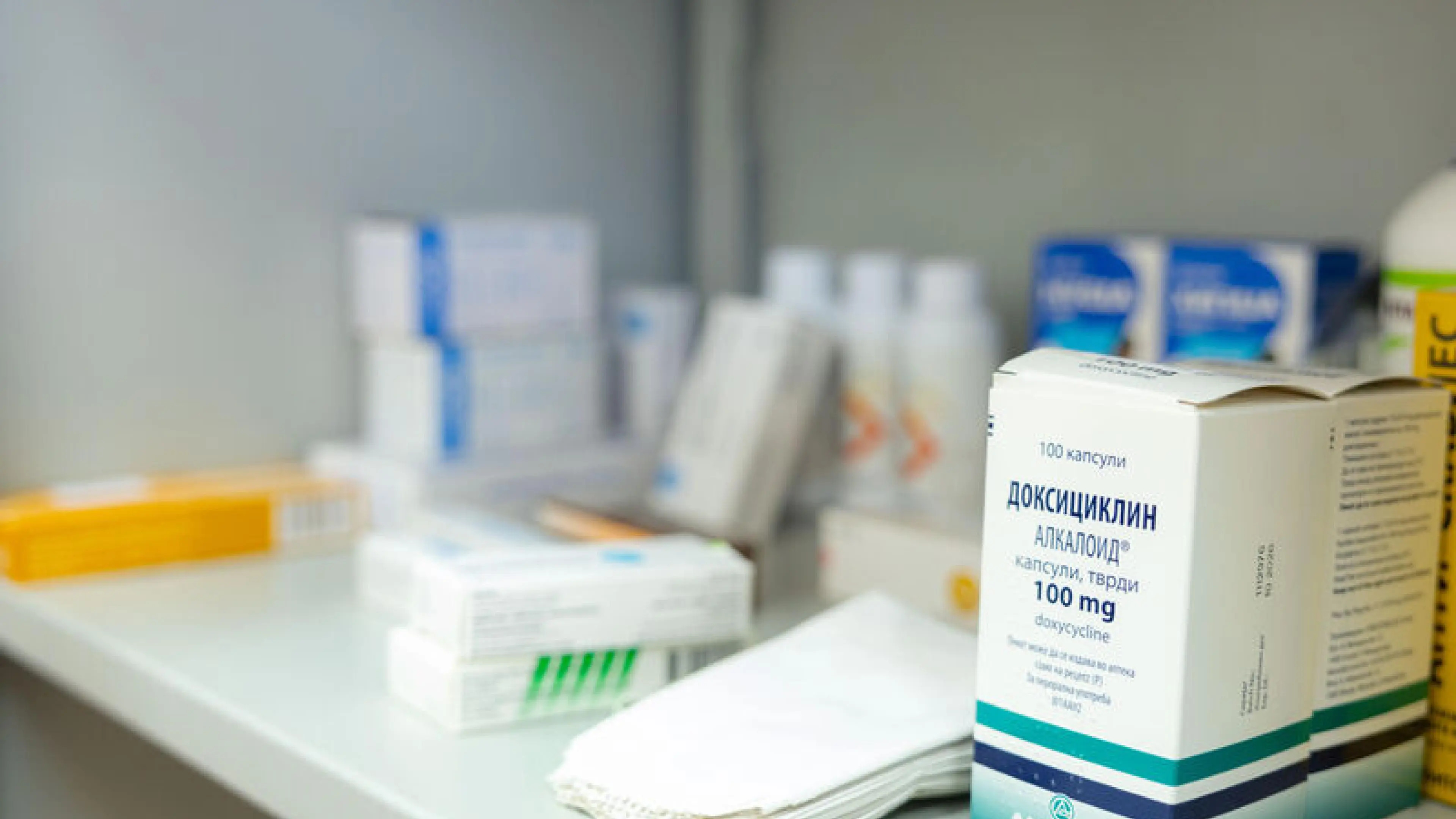
PrEP is one of the most effective tools we have to prevent HIV, yet many people still have questions about what it is, who it is for, and how it fits into their lives. Can you take PrEP if you are on gender-affirming hormone therapy? Does it have side effects? And why do so many transgender and gender-diverse people still face barriers to accessing it? We consulted the IPPF International Medical Advisory Panel to answer some of the most common questions we have received from the community about PrEP, from how it works and who can benefit from it, to the realities of navigating HIV prevention, healthcare systems, and gender-affirming care. Whether you're considering PrEP yourself, supporting someone who is, or simply curious, here's what you need to know. What is PrEP? PrEP refers to the use of antiretroviral medication by people not infected with HIV to reduce their risk of acquiring HIV (1). PrEP is used during periods when individuals believe they are particularly vulnerable to HIV infection. There are different delivery methods and regimens, with new methods also in development. Currently available options include an oral pill, a vaginal ring, and long-acting injectables. Who should use PrEP? PrEP is appropriate for anyone who perceives themselves to be vulnerable to HIV and wishes to reduce their risk of HIV infection through use of medications (1). Are there side effects to PrEP? Like all medications, PrEP may be associated with side effects in some people. The most common side effects are temporary, and can include nausea, bloating, diarrhoea, headache, feeling dizzy or weak, and trouble sleeping. Side effects from injections can include bruising, pain or small nodules at the injection site. Serious side effects are rare. Does PrEP interfere with gender-affirming hormone therapy? No. PrEP does not lower hormone levels in transgender, nonbinary, and gender diverse people (TGD) on gender-affirming hormone therapy (GAHT) (2). PrEP has been shown to be effective and safe in TGD people and should be provided to high-risk individuals regardless of gender affirming hormone use. There are no measurable differences in hormone levels in blood between PrEP users and non-users who are on GAHT (3). However, blood concentrations of PrEP drugs in transgender women were lower than expected, although at levels unlikely to interfere with their antiviral effect to prevent HIV acquisition (4). Are there sexual side effects to PrEP or gender-affirming hormone therapy for transgender women? PrEP is a medication that reduces the ability of the HIV virus to infect human immune cells; it does not impact the sexual functioning of human sex organs. GAHT for transgender women, however, decreases penile erection function, libido and ejaculatory volume. Discussion of these effects should be an integral part of the informed consent process and shared decision-making at the time of initiating GAHT. If these particular effects are unwanted, there are various strategies that can be used for those who wish to fully maintain penile sexual function, including the use of PDE5 (phosphodiesterase type 5) inhibitors (e.g., sildenafil, tadalafil, vardenafil) to facilitate erections, masturbation/sexual activity to maintain tissue perfusion, lowering antiandrogen doses when feminising goals are met and targeting testosterone levels slightly higher than cisfemale range (either through lower GAHT doses or addition of low-dose add-back testosterone therapy) (5). What are the barriers to using PrEP? Access to healthcare is critical for successful PrEP implementation. Although higher-income regions have had more successful implementation and awareness raising campaigns to date, many low-middle income countries are accelerating access. While PrEP is an important part of HIV preventive care services, studies show transgender women use less preventive care due to multiple factors, including limited access to healthcare, lack of insurance coverage for PrEP and gender-affirming care and medications, and fear of discrimination and stigma by healthcare providers (6). References IMAP statement on biomedical HIV prevention. IPPF, 2023 IMAP Statement on Biomedical HIV Prevention | IPPF, accessed March 2026. Senneker T. Drug-Drug Interactions Between Gender-Affirming Hormone Therapy and Antiretrovirals for Treatment/ Prevention of HIV. Br J Clin Pharmacol. 2024;90:2366–2382. Grant RM, Pellegrini M, Defechereux PA, Anderson PL, Yu M, Glidden DV, O’Neal J, Yager J, Bhasin S, Sevelius J, Deutsch MB. Sex Hormone Therapy and Tenofovir Diphosphate Concentration in Dried Blood Spots: Primary Results of the Interactions Between Antiretrovirals And Transgender Hormones Study. Clin Infect Dis. 2021 Oct 5;73(7):e2117-e2123. doi: 10.1093/cid/ciaa1160. PMID: 32766890; PMCID: PMC8492111. Hiransuthikul A, Janamnuaysook R, Himmad K, et al. Drug drug interactions between feminizing hormone therapy and preexposure prophylaxis among transgender women: the iFACT study. J Int AIDS Soc 2019; 22(7): e25338. DOI: 10. 1002/jia2.25338. Sehgal I. Review of adult gender transition medications: mechanisms, efficacy measures, and pharmacogenomic considerations. Front Endocrinol (Lausanne). 2023 Jul 4;14:1184024. doi: 10.3389/fendo.2023.1184024. Teng F, Sha Y, Fletcher LM, Welsch M, Burns P, Tang W. Barriers to uptake of PrEP across the continuum among transgender women: A global scoping review. Int J STD AIDS. 2023 Apr;34(5):299-314. doi: 10.1177/09564624231152781. Epub 2023 Feb 15. PMID: 36793197.

Statement from the International Planned Parenthood Federation Africa Region on the Ghanaian Human Sexual Rights and Family Values Bill, 2025.
2 June 2026: The International Planned Parenthood Federation Africa Region (IPPF ARO) vehemently denounces the passage of the Ghanaian Human Sexual Rights and Family Values Bill 2025 (anti-LGBTQ Bill). The Bill threatens human rights, the provision of health services, and the very cohesion of society. The Bill proposes prison sentences of up to three years for identifying as LGBTQ, five to ten years for so-called “promotion”, bans LGBTQ organisations, and criminalizes the use of media and social media to express support of LGBTQ existence. This is not a moral safeguard; it is the criminalization of identity and solidarity. The Bill, if assented to by President Mahama, will imprison people for being visible, for organizing, or for expressing solidarity. It will fracture families and communities, forcing parents, siblings, health workers, teachers, and others into impossible positions between love and the law. More tangibly, the Bill represents a significant expansion of state control over access to healthcare, it will undermine public health responses, particularly HIV prevention and treatment services. It would also undermine the flagship Free Primary Health Care Programme launched by the President earlier this year. Civil society interventions would be restricted by criminalising lifesaving support, encourage surveillance, denunciation, and fear within communities, and deepen stigma and violence against sexual and gender minorities. Beyond the immediate harm, the Bill sets a precedent that Parliament can criminalize identity itself. Once that principle is established, rights become conditional. Across Africa, we are witnessing a rising pattern of authoritarianism and moral panic, where the bodies and lives of LGBTQ, women, and other vulnerable persons are weaponized as political currently. Following a narrative driven by anti-rights actors, criminalization is being framed as decolonization, and repression as cultural sovereignty. By allowing foreign actors to drive our human rights principles, African states are harming the most marginalized and vulnerable of their citizens. IPPF Africa region strongly urges President John Dramani Mahama to not assent to this Bill. We respectfully call on President Mahama to reject this flagrant abuse of human rights, and to protect the rights of all Ghanaians, while focusing on the structural and institutional issues that can actually improve quality of life for all. IPPF Africa Regional Office continues to stand in solidarity with the entire LGBTQ+ community, human rights defenders, healthcare providers, and civil society organisations who continue to courageously work under increasingly hostile and dangerous conditions in Ghana, the African continent, and beyond. END For further information or to request an interview, please contact: Mahmoud GARGA, Lead Strategic Communication, Voice and Media, IPPF Africa Regional Office – email: [email protected] / Tel: +254 704 626 920 About International Planned Parenthood Federation (IPPF) The International Planned Parenthood Federation is a global healthcare provider and advocacy organization working in over 140 countries to advance sexual and reproductive health and rights. It delivers essential services, including contraception and safe abortion care, and advocates for access to accurate information and bodily autonomy worldwide.

02 June 2026
Statement from the International Planned Parenthood Federation Africa Region on the Ghanaian Human Sexual Rights and Family Values Bill, 2025.
2 June 2026: The International Planned Parenthood Federation Africa Region (IPPF ARO) vehemently denounces the passage of the Ghanaian Human Sexual Rights and Family Values Bill 2025 (anti-LGBTQ Bill). The Bill threatens human rights, the provision of health services, and the very cohesion of society. The Bill proposes prison sentences of up to three years for identifying as LGBTQ, five to ten years for so-called “promotion”, bans LGBTQ organisations, and criminalizes the use of media and social media to express support of LGBTQ existence. This is not a moral safeguard; it is the criminalization of identity and solidarity. The Bill, if assented to by President Mahama, will imprison people for being visible, for organizing, or for expressing solidarity. It will fracture families and communities, forcing parents, siblings, health workers, teachers, and others into impossible positions between love and the law. More tangibly, the Bill represents a significant expansion of state control over access to healthcare, it will undermine public health responses, particularly HIV prevention and treatment services. It would also undermine the flagship Free Primary Health Care Programme launched by the President earlier this year. Civil society interventions would be restricted by criminalising lifesaving support, encourage surveillance, denunciation, and fear within communities, and deepen stigma and violence against sexual and gender minorities. Beyond the immediate harm, the Bill sets a precedent that Parliament can criminalize identity itself. Once that principle is established, rights become conditional. Across Africa, we are witnessing a rising pattern of authoritarianism and moral panic, where the bodies and lives of LGBTQ, women, and other vulnerable persons are weaponized as political currently. Following a narrative driven by anti-rights actors, criminalization is being framed as decolonization, and repression as cultural sovereignty. By allowing foreign actors to drive our human rights principles, African states are harming the most marginalized and vulnerable of their citizens. IPPF Africa region strongly urges President John Dramani Mahama to not assent to this Bill. We respectfully call on President Mahama to reject this flagrant abuse of human rights, and to protect the rights of all Ghanaians, while focusing on the structural and institutional issues that can actually improve quality of life for all. IPPF Africa Regional Office continues to stand in solidarity with the entire LGBTQ+ community, human rights defenders, healthcare providers, and civil society organisations who continue to courageously work under increasingly hostile and dangerous conditions in Ghana, the African continent, and beyond. END For further information or to request an interview, please contact: Mahmoud GARGA, Lead Strategic Communication, Voice and Media, IPPF Africa Regional Office – email: [email protected] / Tel: +254 704 626 920 About International Planned Parenthood Federation (IPPF) The International Planned Parenthood Federation is a global healthcare provider and advocacy organization working in over 140 countries to advance sexual and reproductive health and rights. It delivers essential services, including contraception and safe abortion care, and advocates for access to accurate information and bodily autonomy worldwide.

26 May 2026
From fragmentation to Structured Movements
‘Cross-movement solidarity’ is the most likely answer you would get if you asked a young person in development spaces on what needs to be strengthened. Working across various movements for the greater good. I continue to believe, and will keep repeating, that at every intersection, there is liberation. We have inherited an emboldened mandate to conceptualize and implement cross-movement work on the shoulders of those who came before us. There is now a growing desire to move away from isolative and siloed movements toward one that recognizes that human rights are fundamentally intersecting, and so our thinking around abolition, repeal, protection, and collective care must also be intersecting. But let’s be clear; sometimes organizing pushes people toward impossible compromises. Choosing between food and protest. Between “reasonable accommodations” and access to parliament. Between financial sustainability and impact. No one should ever have to choose between an empty stomach and meaningful impact, yet movements across the region and globally, especially those led by marginalized communities, are consciously or subconsciously forced into these decisions. And slowly, this reality weaves itself into organizational culture itself, the constant pitting against one another, agenda-driven storytelling, scarcity politics, and forgetting who we are beyond survival. Our bedrock begins to rot in belongingness itself, in the loss of communities and third spaces that are not commercialized or monetized. When groups that have historically been marginalized are competing against one another over limited resources, coalitions become difficult to sustain. Economics is always at play. Money is political. These tensions are not imagined. In March 2026, activists and organisations across SRHR, LGBTQIA+, feminist, PHIV, sex workers, and community-led movements gathered in Abidjan, Côte d’Ivoire, for the Cross-Sector Convening on Strengthening Gender and Rights Movements in Africa: From Inception to Action, co-organized by the International Planned Parenthood Federation Africa Region, Pan Africa ILGA, and ILGA World Beyond strategy and political analysis, the convening was also a testament to cross-movement unity and solidarity. Organizers from movements that are often separated by funding streams, mandates, language, geography, and political pressures found themselves in shared conversation, reflecting not only on threats, but on care, survival, belonging, and what collective liberation could still look like in practice. In many ways, the convening was not only about responding to anti-rights actors, but also about reconnecting with one another beyond crisis. Across movements, similar realities emerged: fragmentation, weak coordination, shrinking civic space, burnout, funding competition, and increasing pressure toward self-censorship. Participants spoke not only about visible anti-rights attacks, but also about the quieter normalization of anti-rights thinking within institutions meant to protect rights, through health systems, funding structures, media ecosystems, religious narratives, and everyday bureaucratic decisions. Others reflected on how solidarity itself becomes strained when movements are forced to compete for limited resources, visibility, and survival. Participants reflected on how anti-rights actors have built strong networks across religious institutions, political actors, media ecosystems, and foreign funding streams. While progressive movements are often pushed into reactive modes of organizing, anti-rights actors have invested in infrastructure, long-term narrative building, and sustained political coordination. They understand the importance of structure. This is the uncomfortable truth many of us are now being forced to confront: progressive movements need to catch up. Despite the increasingly hostile climate, movements across Africa are resisting. Coalition-building, rapid response mechanisms, strategic litigation, feminist organizing, queer organizing, mutual aid networks, and community-led approaches continue to hold the line across the region. But too often this work happens in challenging systems rather than through supported ecosystems of care and sustainability. Solidarity without material conditions eventually becomes performance. Participants repeatedly returned to the need for something more durable than symbolic alignment: shared infrastructure, coordinated rapid-response systems, political trust, safer organizing conditions, stronger communication across movements, and collective accountability capable of surviving beyond convenings themselves. Because what does solidarity mean when movements are underfunded, burned out, criminalized, digitally surveilled, and competing against one another for survival? What does collaboration look like when language barriers, regional divides, unequal funding access, and institutional power imbalances remain unresolved? Perhaps the shift we need is not simply toward “cross-movement work” as language, but toward structured movements. Movements capable of resourcing one another, sharing knowledge, building collective safety, coordinating politically, and imagining beyond emergency response. Movements that understand care, sustainability, accessibility, and culture-building as political strategy rather than secondary concerns. And perhaps this was the deeper offering of Abidjan itself: not merely a convening, but an attempt to collectively imagine beyond the horizon for our movements. A reminder that our North Star cannot simply be survival, but the building of movements structured enough to carry us toward collective futures.
14 May 2026
Standing Firm for SRHR and Women’s Rights Amid Growing Backlash at the 87th ACHPR
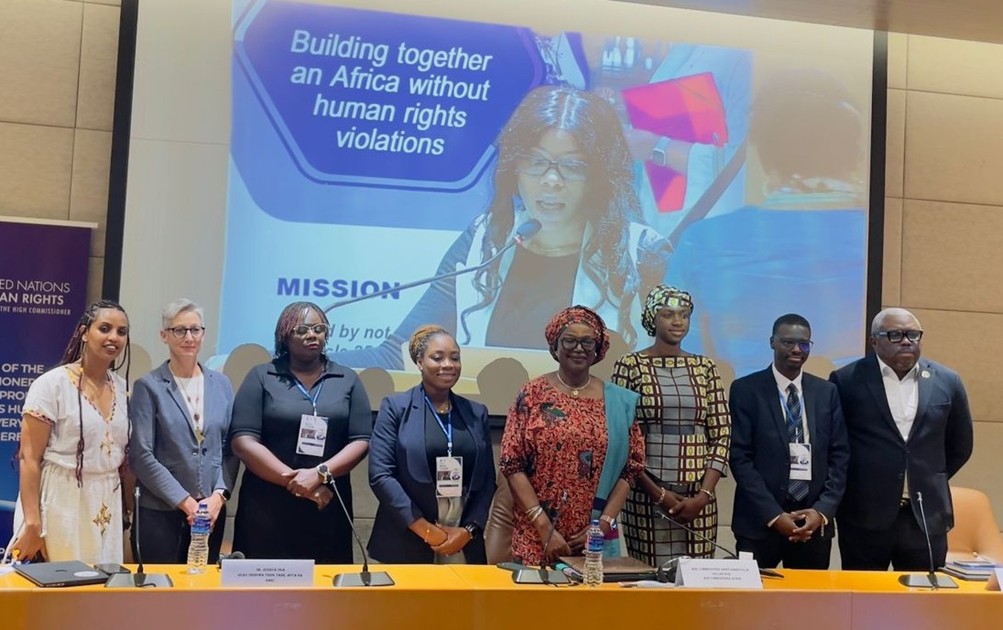
Banjul, The Gambia, May 2026 On the margins of the 87th Ordinary Session of the African Commission on Human and Peoples’ Rights (ACHPR) during the NGO Forum, advocates, policymakers, and human rights leaders came together to confront a shared reality: while Africa has made significant gains in advancing sexual and reproductive health and rights (SRHR) and women’s rights, these gains are increasingly under threat. By Cheikh Tidjane N’DONGO, IPPF Africa Regional Senior Advocacy Advisor A panel organized by the Office of the United Nations High Commissioner for Human Rights (UN OHCHR) and IPPF Africa (IPPF ARO), through the financial support of the Packard Foundation and the Government of Luxembourg, on “Defending Rights in Hostile Contexts: Attacks on Human Rights actors advancing Sexual and Reproductive Health and Rights in the Context of Shrinking Civic Space and Gender Backlash”, panelists examined both the nature of the current backlash and the strategies proving effective in defending hard‑won rights. The panel has been moderated by Hon. Janet Ramatoulie Sallah‑Njie, Commissioner and AU Special Rapporteur on the Rights of Women in Africa, shifting the focus from challenges to solutions. Hon. Sallah‑Njie noted: “Across the continent, we see African actors leading with courage and creativity. These good practices remind us that women’s rights are firmly rooted in African values of dignity, equality, and justice.” A shrinking civic space and coordinated backlash Across the continent, SRHR defenders, health providers, and women’s rights organizations are facing escalating attacks, restrictions, and delegitimization. These challenges were a central focus of the panel 'Defending Rights in Hostile Contexts', which highlighted how opposition to SRHR is increasingly organized, well‑resourced, and often framed through narratives of “culture,” “morality,” or “African values.” Dr. Jessica Oga, Head of Ubingwa Think Tank, Afya Na Haki, highlighted that “The cultural framing is the most sophisticated tool in the anti-rights toolkit. When a woman defends reproductive rights in Africa today, she is not presented as defending human rights. She is presented as betraying her culture, her community, her identity. The counter to it is not to abandon cultural conversation. The counter is to reclaim it, using Africa's own jurisprudence, Africa's own treaty architecture, Africa's own definition of Ubuntu, one that protects the most vulnerable.” Panelists underscored that this backlash does not occur in isolation. It is embedded within a broader shrinking of civic space, marked by restrictive laws, regulatory pressures on civil society, and heightened risks for human rights defenders, particularly women and those working on gender equality and bodily autonomy. Gendered disinformation, intimidation, and legal harassment continue to undermine both advocacy and service delivery, with direct consequences for access to sexual and reproductive health care. Lived realities of defenders and providers The panel brought forward concrete examples of how backlash affects day‑to‑day work. SRHR providers and advocates described professional intimidation, regulatory harassment, and personal attacks that disrupt services and create fear. Drawing on frontline experience, Nelly Munyasia, Executive Director of the Reproductive Health Network Kenya (RHNK), underscored the pressure on service delivery: “Shrinking and reframed funding landscape that shifts away directly from rights-based funding leads to fragmentation of the health system through dismantling of [the] integration of SRHR service delivery.” Institutional resistance and the role of National Human Rights Institutions (NHRIs) Panelists also examined how laws and regulatory frameworks are increasingly used to constrain SRHR advocacy, often indirectly, through licensing rules, funding restrictions, or vague public order provisions. A key moment of the panel focused on the preventive role national human rights institutions (NHRIs) can play when rights come under threat. Commissioner Halima Dibba, National Human Rights Commission of The Gambia, reflected on recent efforts in The Gambia to resist attempts to roll back protections against female genital mutilation (FGM). Commissioner Dibba stressed: “Regression is not inevitable. When institutions act early, ground their positions in the law, and work closely with civil society, it is possible to stop harmful reversals before they take hold.” The discussion highlighted this case as an example of how coordinated institutional action can defend established protections and reinforce public trust in human rights frameworks. Building protection, resilience, and solidarity Throughout the discussions, participants identified protection and solidarity as essential to sustaining SRHR and women’s rights work. Effective strategies include legal support for defenders, digital and psychosocial protection measures, and stronger alliances between civil society, health providers, faith leaders, and institutions. Crucially, there was broad agreement that no single actor can confront the backlash alone. Regional bodies, states, and non‑state actors must work together to strengthen accountability, safeguard civic space, and ensure that defenders can operate without fear. Speakers reaffirmed the Maputo Protocol as a cornerstone of these efforts, emphasizing its relevance as a living instrument for protecting bodily autonomy and gender equality. Looking ahead As the 87th ACHPR session continues, the conversations in Banjul signal both concern and resolve. While the backlash against SRHR and women’s rights is real and intensifying, so too is the determination of African actors to defend progress, protect defenders, and advance rights grounded in equality and justice. For IPPF ARO and its partners, these exchanges reaffirm the importance of sustained advocacy, regional engagement, and solidarity with those on the frontlines, ensuring that sexual and reproductive health and rights, and the rights of women and girls in all their diversity, are not only defended but continue to advance.
12 May 2026
My medical abortion experience as a university student in Uganda
Nyakato* is a 20-year-old university student in Bushenyi district, western Uganda. 13 months ago, she found herself in a predicament: she was unexpectedly pregnant. In this article, Nyakato narrates the events that followed this discovery. Her experience highlights the important role that trained peer educators by Reproductive Health Uganda (RHU)- an IPPF Member Association, play in offering young people life-saving sexual reproductive health (SRH) information and services. Nyakato narrated her experience to Maryanne W. WAWERU. “When I joined university as a bubbly, ambitious 18-year-old, I was excited about what lay ahead. Enrolling in a Nursing degree course was a significant step towards achieving my career goals in the medical field. In the first week, the university organized a detailed orientation programme for all new students which included learning sessions on sexuality education. The university had invited a team of peer educators from Reproductive Health Uganda (RHU) to take us through the educative sessions. The peer educators shared comprehensive information on different sexual reproductive health and rights (SRHR) topics including contraceptives, pregnancy, sexually transmitted infections (STIs), gender-based violence, unsafe abortion and HIV/AIDS. I found the sessions to be engaging and insightful. Notably, at the end of each session, the peer educators would share their mobile phone numbers with us, together with official contact details of the RHU Bushenyi clinic. They encouraged us to save the numbers in case we needed to ask additional questions or seek clarification on the information they had shared. The peer educators also told us to reach out to them if we ever found ourselves in a situation of need. I saved the numbers on my phone. Discovering I’m pregnant A few months later –in the second semester, I unexpectedly discovered I was pregnant. I had been using the ‘safe days’ method where I would avoid sexual intercourse on the days that I suspected I was ovulating and could easily conceive. But this had not worked because there I was, pregnant, shocked, and confused. As I digested the reality of my unplanned pregnancy, I became very anxious. Being pregnant meant deferring my studies as I knew I wouldn’t be able to juggle both successfully. I was also not ready to lose a full academic year. I was still young and with goals to achieve and having a baby at that time would only stall my career ambitions. Besides, I did not feel emotionally and mentally ready for the responsibilities of motherhood. Additionally, I feared being reprimanded by my parents. While preparing to join the university, they had taken time to counsel me about the need to focus on my studies and avoid distractions that would derail my academic goals. The news of an unplanned pregnancy would have been a huge disappointment. Informing my boyfriend The turmoil in my mind about the pregnancy caused me great anguish. Several days later, I decided to inform my boyfriend. When I did, he said he was not ready for fatherhood. At 26, he was working but said he did not feel stable enough to start a family. Since neither of us felt prepared for that responsibility, we agreed to end the pregnancy. He then asked if I knew of a place where I could have the pregnancy terminated safely. That is when I remembered the numbers of the RHU peer educators I had saved on my phone during orientation week. I immediately reached out to one of them. The peer educator listened to me keenly, counselled me and thereafter referred me to the RHU Bushenyi clinic where he said I would receive further assistance. I felt a huge wave of relief after opening up to him, knowing that he genuinely understood my predicament. He assured me that the RHU team were SRH experts and I would be in safe hands. Comforted by his words, I made my way to the RHU Bushenyi clinic. Undergoing a safe abortion procedure There, I met a clinician who attended to me. He did not rush me as I spoke and was very calm and understanding. I did not feel judged. His professionalism made me know that I was in the right place. I was about eight weeks pregnant at the time, and the clinician explained to me the process of a medical abortion, which involved taking medication at specific timings. I chose to start the process right there at the clinic under his guidance, then continue with the rest of the medication at my hostel. He gave me very clear instructions on how and when to take the medication, which I jotted down so that I would not forget. Additionally, he gave me his number and told me to contact him in case I needed to. All went as expected and the following day, when it was time to take the second dose, I called him on phone just for his reassurance that I was following the right steps, which he confirmed that I was. I was grateful that I could reach out to him easily during that delicate time without having to physically present myself at the clinic. He would also periodically call me to follow-up on my progress. Indeed, I was in good hands, just as the peer educator had assured me. Post-abortion contraceptive care After a few days, the clinician requested me to present myself back at the clinic for a scan. I did so, and the scan confirmed that the procedure had been successful and that I was in good health. The clinician then took time to explain to me the importance of taking up a contraception to avoid another unplanned pregnancy. After taking me through several contraceptive options, I settled on the three-month injection. Where I live is about 25 kilometres from the RHU Bushenyi clinic, and when it’s time to renew the injection, I inform the RHU peer educator in my area, who then gets the injection from RHU. This helps solve the transport challenge for me. The peer educator then administers it, as he has been well trained to do so. This arrangement has worked perfectly for me as I have not had any pregnancy scare since then. Because of my access to safe abortion care at RHU, my life got back on track, and I was able to continue with my studies without interruption. I hope to have three or four children in the future, but I will only have them when I am ready mentally and emotionally, and when I have completed my degree and earning an income that will enable me to provide for them. Empowering freshmen with SRHR information I’m grateful to the RHU team and its peer educators who share information with fresh university graduates. I am glad to have participated in RHU’s educative SRHR sessions during the orientation week, as the information I received came in handy just when I needed it. The RHU clinical team is also excellent in their work, helping young women like me access safe and affordable abortion care. I paid 70,000 Ugandan shillings ($19) for the medical abortion and the scan. This was an affordable cost, which I covered using savings from the allowance my parents give me. Based on my experience, I have since been talking to new university female students, encouraging them to attend the sexuality education sessions during the orientation week by RHU. I also encourage them to save the numbers of the peer educators which are shared during the sessions as they never know when they may need them." *Nyakato’s name changed to protect identity.

05 May 2026
Sida reaffirms commitment to strengthening SRHR through partnership with IPPF in Kenya
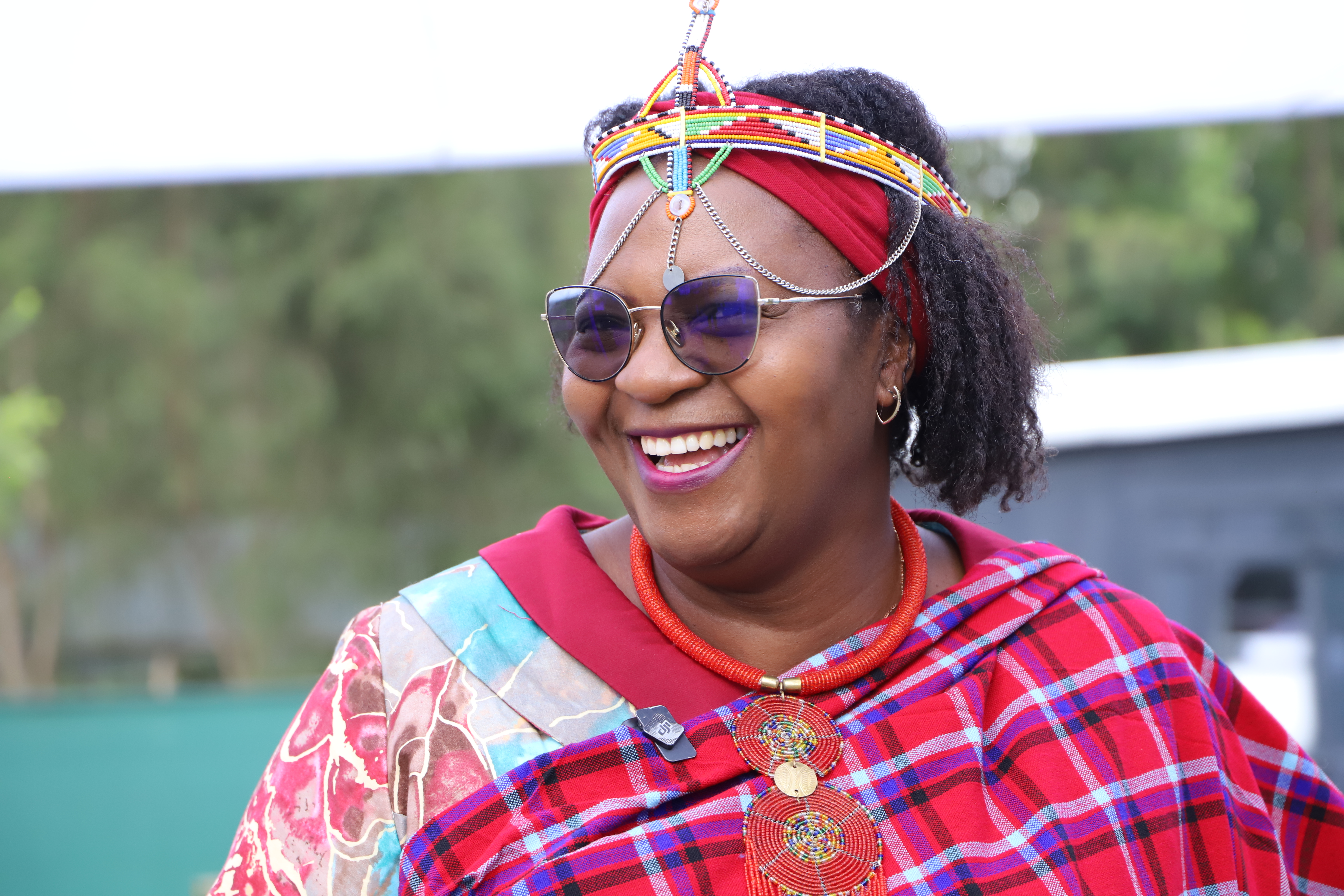
A high-level delegation from the Swedish International Development Cooperation Agency (Sida) recently visited IPPF’s Member Association in Kenya, reaffirming its commitment to sexual reproductive health and rights (SRHR) through locally-led, community-driven approaches. By Maryanne W. WAWERU The Swedish International Development Cooperation Agency (Sida), one of IPPF’s longest standing core funding donor partners, has reiterated its commitment to supporting IPPF and it’s *Member Associations (MAs) in advancing sexual reproductive health and rights (SRHR). Sweden, through Sida, provides substantial support to global health, SRHR, and humanitarian assistance, and is widely recognised for its high levels of flexible funding to multilateral partners. During a visit to IPPF’s affiliate in Kenya -Reproductive Health Network Kenya (RHNK) on Wednesday 22 April 2026, Ms. Sofia Östmark -the Sida Assistant Director General and Head of Global Operations, commended IPPF’s work in expanding access to essential SRHR services, more so to marginalized, vulnerable and underserved populations. Ms. Östmark, who was accompanied by Ms. Teresa Rovira, Programme Officer (Strategy Development), engaged with RHNK staff, gaining insights into the organization’s critical advocacy and service delivery efforts -which have yielded tangible results, especially for women and girls across Kenya. REHNET Medical Center -serving vulnerable populations The Sida delegation also visited REHNET Medical Center, a youth-friendly facility located in the peri-urban settlement of Kwa Ndege, Embakasi, in Nairobi. The center serves as a safe space for teen mothers, LGBTQIA+ persons and sex workers, offering a wide range of safe, confidential and non-judgemental SRHR services. The visit highlighted how marginalized populations are critical players in the SRHR ecosystem and how RHNK prioritizes inclusivity, thus ensuring that no one is left behind. At the facility, the team learned about Nena na Binti (Swahili for ‘talk to a girl’), an innovative digital health initiative that provides a toll-free hotline and WhatsApp chatbot services. Nena na Binti connects young people, women and girls to trusted counsellors and healthcare workers, ensuring they access SRHR information and services in a timely, confidential and trusted manner. Through an RHNK network of over 600 partners across the country, including in remote areas, Nena na Binti ensures that everyone in need can access services wherever they are. Reflecting on the visit, Ms. Östmark noted that organizations like RHNK demonstrate the essence of ‘locally-led organizations doing remarkable work for the communities they serve’. She noted that “RHNK’s ability to reach communities with tailored, rights-based information and services is critical to achieving sustainable progress in SRHR.” Dr. Edison Omollo, Head of Programmes at RHNK highlighted the value of Sida’s support in fostering sustained impact. “Sida’s multi-year investment through IPPF enables RHNK to deliver integrated, scalable, sustainable and high-impact SRHR outcomes for women and girls in Kenya. The flexible funding allows us to adapt to evolving and emerging system realities, in the face of declining aid flows and increasing fiscal constraints -while supporting service delivery, advancing rights, building movements and generating measurable impact at scale.” Common agenda between Sida and IPPF Sida’s partnership with IPPF is anchored on shared commitments to equity, human rights, SRHR justice, and gender equality. By investing in IPPF, and in turn its MAs, Sida supports the growth of local organizations that address SRHR challenges while at the same time driving lasting change. Ms. Mallah Tabot, the SRHR Lead at IPPF Africa Region, underscored the value of community-led change, but still within a global rights movement. “RHNK is a true representation of the spirit of the IPPF movement; locally grounded and globally connected. We are proud to serve and support the work of our MAs as they continue to broaden access to high quality, rights-based SRHR services to those in need of them. We are especially grateful for Sida’s partnership in making this work possible,” she said. As IPPF and its MAs continue responding to emerging and evolving SRHR needs, including challenges such as the rise of anti-rights actors and shifting donor landscapes, partnerships such as that with Sida remain critical in ensuring that community-driven solutions are prioritized and sustained, and that all people are reached and served. *IPPF delivers impact through partnerships with locally-led organizations, known as MAs and Collaborative Partners (CPs). In the Africa region, IPPF is present in 39 countries.
21 April 2026
SIX WEEKS IN — A LEADERSHIP REFLECTION
By Dr. Claudia Shilumani - Regional Director, IPPF Africa Regional Office There is a particular kind of humility that comes with stepping into a role you have prepared for and still discovering, in the very first weeks, how much you do not yet know. I arrived as Regional Director of IPPF Africa Regional Office with two decades of experience in health systems and advocacy behind me. I often carry with me frameworks, instincts and ideas. But this time, I arrived, quite deliberately, with my mouth more often closed than open. Six weeks of listening — in clinics, in community spaces, in crowded meeting rooms and on late-night video calls — have given me something more valuable than a hundred briefing notes ever could. They have given me a picture of a movement that is already in motion. Strong, battle-tested, and refusing to be diminished by the pressures closing in around it. This reflection is my honest account of what I found. What I saw in Embakasi changed the way I understand our work I went to a peri-urban settlement in Embakasi not expecting to be moved. I was moved. At the REHNET medical centre run by our Associate Member, the Reproductive Health Network Kenya (RHNK), I watched frontline clinical teams provide care to the people most routinely left out of health systems: young mothers navigating impossible choices, LGBTQI+ individuals seeking dignity alongside treatment, sex workers who deserve safety and respect and too rarely receive either. Through RHNK's digital platform, Nena na Binti, young people across Kenya are reaching out daily for trusted, confidential information on contraception, abortion care, HIV testing, gender-based violence, and mental health. Not occasionally. Daily. What I witnessed was not a gap-filling service. It was a functioning ecosystem built not on donor enthusiasm or policy windows, but on years of quiet, consistent commitment and the kind of community trust you cannot manufacture from the outside. This is what Dignity, Community, and Resilience look like in practice — not just as values on a charter, but as values in a waiting room. And it is being built against odds that are getting steeper. Funding is tightening. IPPF's own data shows the Federation has faced over $87.2 million in estimated funding losses, with over 1,300 service delivery points closed across the continent. Anti-rights groups are more organised, better financed, and increasingly fluent in the digital spaces where our communities live. The pressure is not abstract. It is showing up in empty stockrooms and overstretched staff and young people being turned away. What grounds me is the evidence that the people doing this work are not waiting to be rescued but are adapting, innovating, and holding the line. My job is to stand with them, not in front of them. Trust is the infrastructure nobody budgets for In Nairobi, I sat with a group of partners representing a cross-section of Kenya's SRHR ecosystem including researchers, advocates, service providers and youth leaders. It was not a polished stakeholder convening. It was honest. Sometimes uncomfortably so. What came through clearly was not frustration with the work itself but with how we work together. The fragmentation. The parallel strategies. The information shared selectively rather than generously. The competition for positioning in spaces where collaboration would serve our constituencies far better. One comment has stayed with me, and it is that trust between organisations, beyond being a soft value is operational infrastructure. Without it, we cannot share intelligence quickly when anti-rights actors move, we cannot coordinate advocacy when a policy window opens, and we cannot hold each other up in the moments of institutional pressure that are coming for all of us. IPPF's 2025 General Assembly in Bali set a clear direction under the theme Lead with Love, Care with Courage. Our newly adopted Charter of Values built from the voices of MAs across the Federation grounds us in seven commitments: Dignity, Equality, Justice, Pleasure, Community, Integrity, and Resilience. These values are a map for how we should be in relationship with each other and with the communities we serve. Building that kind of trust, consistently and unglamorously, is the work I am committing to in this region. African leadership must stop being described as 'emerging' There is a framing that has followed African SRHR advocates for as long as I can remember. It positions African knowledge, African experience, and African leadership as things in development, promising, perhaps, but not yet fully formed. It shows up in who is invited to speak at global forums, whose research shapes policy frameworks, and whose organisations receive the flexible, long-term funding that makes strategic thinking possible. I want to name it plainly because I find it exhausting and inaccurate in equal measure. The organisations I spent time with in these six weeks are not emerging anything. They are fully formed, strategically sophisticated, and sitting on a wealth of lived knowledge that no external consultant can replicate. The gap is not in their capacity but in how global systems value and resource what they have built. IPPF Africa Regional Office has a responsibility — one I take seriously — to ensure that African voices are not just present in regional and global spaces, but that they are shaping the agenda in those spaces. The Bali GA was explicit about this: we are a Federation rebuilding its strategic direction toward 2028, and that direction must be led from the ground up, not handed down. Africa’s SRHR movement does not need to be led from outside Africa. It needs to be resourced, amplified, and protected from within. On courage, coherence, and what comes next Six weeks is not long enough to have answers. It is long enough to have better questions. The question I keep returning to is this: in an environment defined by shrinking resources, coordinated opposition, and shifting political ground, what does it mean to lead with courage? Not the rhetorical kind but the operational kind. The kind that shows up in which partnerships we prioritise, which battles we take on publicly, and how honest we are willing to be with each other about what is working and what is not. At the GA in Bali, IPPF as a Federation committed to reconfiguring its strategic priorities and declaring its political intentions toward 2028. For the Africa Region, that declaration must be grounded in what I have seen and heard over these past weeks: communities that are not waiting, organisations that are not fragile, and a movement that needs coherence and resourcing more than it needs new frameworks. I am under no illusion that the road ahead is straightforward. The post-ODA landscape is reshaping the funding architecture our partners have built their models on. Anti-rights actors are learning from each other at a pace that demands we do the same. The gender justice and bodily autonomy agenda is contested in ways it has not been in recent decades. But I did not take this role to manage a steady state. I took it because I believe the foundation for SRHR in Africa is solid enough to build something more intentional, more interconnected, and more honest about the world we are actually in. Africa's women, girls, young people, and marginalised communities have never needed us to have all the answers. They need us to show up with integrity, to fight with clarity, and to build with them — not for them. Six weeks in, that is the leadership I am committing to. Not because it is comfortable, but because it is what this moment demands. Dr. Claudia Shilumani is the Regional Director of the International Planned Parenthood Federation Africa Regional Office (IPPF ARO), based in Nairobi, Kenya. She writes in her personal capacity as a leader and advocate within Africa's SRHR movement.
16 June 2026
Lessons from the SCAAO programme on advancing abortion care in challenging contexts
As delegates from 34 African countries gathered for the 9th RHNK Pan-African Adolescent and Youth Sexual Reproductive Health and Rights (AYSRHR) Scientific Conference in Mombasa, Kenya, which took place from 2-5 June 2026, one of the key conversations focused on expanding access to quality abortion care across Africa. The conference was organized by Reproductive Health Network Kenya (RHNK), which is IPPF’s affiliate in the country. Among the initiators of this conversation was Mr. Kader Avonnon, who leads the Comprehensive Abortion Care in West Africa (SCAAO) programme at IPPF Africa Regional Office. Jointly funded by The Hewlett Foundation and the Foundation for a Just Society International, SCAAO aims to expand access to person-centered abortion care for women and girls in Francophone west and central Africa. During the conference, Mr. Avonnon moderated a panel discussion featuring IPPF MAs implementing the programme, highlighting some of its successes so far. In this interview with Maryanne W. WAWERU, he reflects on some of the key messages from the session. The SCAAO programme is being implemented by IPPF MAs in Niger, Togo, Burkina Faso and Cameroon. In the panel discussion that you moderated, what learnings did you hope the participants would take away? While reaffirming the importance of recognizing abortion as essential healthcare, the session focused on the programme’s approaches that have proven effective in advancing laws, policies and access to abortion services in some of Africa’s most challenging contexts. Many participants from the different countries represented at the conference highlighted the challenges and barriers they face in their efforts to expand access to abortion care within complex and heavily restrictive legal and social environments. Therefore, drawing on the experiences of the SCAAO programme, we sought to demonstrate that success is indeed possible. This we did by showcasing the practical tools, innovative approaches and evidence-based strategies that continue to successfully deliver results in the countries we work in. What do you consider the SCAAO programme's most significant achievement so far, and why? The most significant achievement of the SCAAO program has been the creation of a growing space for honest, constructive dialogue on abortion care across Francophone west and central Africa. These dialogues with key stakeholders including governments, civil society actors, legislators, religious leaders, women’s rights defenders, and healthcare providers have translated into stronger political commitment in countries like Cameroon, Niger, and Togo. Even in challenging contexts such as Niger, legal reforms have expanded access to abortion care in cases of rape and incest. The results have been tangible, an example being on the service delivery level, where our MAs in Cameroon and Togo have reported more women accessing person-centered services in their facilities. These changes demonstrate that progress is indeed possible, even in restrictive environments. One of SCAAO’s core approaches has been fostering collaboration between stakeholders from different sectors. How has this multi-sectoral approach contributed to the programme’s success? One of the most meaningful strategies of SCAAO has been its ability to build bridges between governments, civil society, local political and religious leaders, healthcare providers and other key stakeholders. This collaborative approach has helped create an enabling environment for advocacy on quality, person-centered abortion care. We have seen this translate into practical results in Togo and Cameroon, where Ministries of Health, Justice, and Members of Parliament are working together on a roadmap to improve abortion laws. In Niger, the Ministry of Health has taken ownership of several SCAAO initiatives, including funding and implementing activities such as training healthcare providers, which is a powerful sign of commitment, and which also speaks to sustainability. At the national levels, SCAAO has supported the establishment of networks and task forces aimed at sustaining momentum, strengthening engagement with decision makers and promoting accountability. We have also witnessed inspiring collaboration around advocacy efforts, such as the International Safe Abortion Day. The RHNK Conference brought together over one thousand SRHR advocates, healthcare workers, researchers, policymakers, and youth leaders from across Africa. How important are forums like this in advancing access to abortion care and reproductive justice on the continent? Platforms like the RHNK conference remind us that none of us are working alone, and that we are part of a broader movement working towards a common goal. For many healthcare workers, the challenges can sometimes feel overwhelming, especially those working in restrictive environments. Conferences like this not only offer a good learning and exchange forum, but they also offer a sense of community and solidarity. The RHNK conference was not just about sharing strategies, but about listening to each other, learning from real experiences, and finding strength in shared commitment. Conferences like these provide us with the opportunity to refine our approaches, build genuine partnerships, and expand our networks. Looking ahead, what are the priorities for Phase 2 of SCAAO (2025-2028), and how will the programme build on the gains made so far? One of the key priorities in Phase 2 of SCAAO is to keep advocating for legal and policy reforms. We are also keen on solidifying our partnerships with governments, civil society organizations, legislators, religious leaders, healthcare providers and other key stakeholders, to ensure that the results are locally driven and sustainable. While building stronger networks, we also aim to ensure we safeguard the gains already achieved so far. Additionally, we will remain vigilant against efforts to roll back on abortion rights. We remain committed to ensuring that women and girls in Africa have expanded access to quality, person-centered abortion care. What gives me hope is the energy we witnessed at the conference, especially the strength and commitment of young people. Their voices, combined with the networks we are building, will help us face the challenges ahead and turn our goals into reality.
JOINT STATEMENT: At the Conclusion of the 4th African Inter-Parliamentary Conference on Family, Sovereignty and Values
JOINT STATEMENT: At the Conclusion of the 4th African Inter-Parliamentary Conference on Family, Sovereignty and Values As the 4th African Inter-Parliamentary Conference on Family, Sovereignty and Values concludes in Accra, Ghana, we join voices with activists, feminists, human rights defenders, community organisers, and ordinary people across the continent who are increasingly concerned about the growing weaponisation of ‘family values’, African culture’ and ‘sovereignty’ as political tools to justify exclusion, discrimination and the erosion of rights for Africans. Across the continent, we are witnessing increasingly coordinated efforts to roll back sexual and reproductive rights for women and girls in all their diversities, undercut civil and political rights for all, restrict civic spaces, weaken human rights protections, and to portray LGBTQI+ people as threats to society rather than as members of our communities, our families and our nations. These crossborder efforts are even embedded in parliamentary networks, and are being advanced through proposed legal and policy frameworks that seek to reshape African human rights law and institutions, and how rights, family, citizenship and belonging are understood on the continent, and the obligations African States have to respect, protect, and fulfill human rights. Many of the conversations taking place under the banner of protecting African families begin from a series of false premises: that there is only one kind of African family worth protecting, only one way of belonging within African society, and that there is only one kind of African society. This does not reflect the realities of our communities, as African families have always been diverse, dynamic and shaped by care, responsibility and interdependence, and as African countries are culturally and spiritually diverse. Our families have always included extended families, grandparent-led households, single-parent households, non-heterosexual family dynamics, kinship networks, adoptive families and many other systems of care and support that have sustained our communities for generations. This attempt to narrow legal and political definition and recognition to a single vision of family does not strengthen African families, but rather weakens them by creating a targeted tool to exclude many of the people who already form part of them. WHAT WE OBSERVED DURING THE CONFERENCE The most significant outcome of this conference is the adoption of the proposed African Charter on Family, Sovereignty and Values. Far from being a symbolic declaration, the Charter is being advanced as a continent-wide framework intended to influence national legislation, public policy, education, health governance and regional human rights institutions. The conference repeatedly presents the family as the primary unit of society and as the basis upon which rights should be understood. However, both African and international human rights frameworks recognise that while families deserve protection, rights belong to individuals. The purpose of human rights law is not simply to protect institutions, including families, but to ensure that every person within those institutions enjoys dignity, equality and freedom. When the rights of women, children, LGBTQI+ persons or other family members are subordinated to an abstract notion of family unity, the result is not stronger families but greater opportunities for exclusion, coercion and abuse. The discussions that took place during the conference also reinforce concerns already expressed by civil society organisations, feminist movements, media, public health advocates, economic justice advocates, human rights defenders and human rights institutions across Africa. While the conference organisers frame their efforts as a defence of African values and sovereignty, many of the proposals being advanced would have serious implications for human rights, public health, constitutional and democratic governance, academic freedom, civic participation, and the safety of already marginalised communities. We are particularly concerned by attempts to position sexual and reproductive health and rights, gender equality, comprehensive sexuality education and LGBTQI+ inclusion as foreign concepts imposed on Africa. Such claims ignore the long histories of African struggles for dignity, bodily autonomy, freedom, and justice. They also erase the work of countless African activists, human rights defenders, scholars, health professionals, community leaders and social movements that have advanced these conversations from within our own societies. We reject the suggestion that the rights and well-being of women, girls, LGBTQI+ people, and other marginalised communities are incompatible with African values. We equally reject the notion that the fundamental human rights of only majority groups should be protected by the State. Human rights claims that challenge dominant social norms or political interests are important and legitimate. The strength of any society should be measured by how well it protects those who are most vulnerable to marginalisation, scapegoating, exclusion, violence, and discrimination, not by how effectively it silences them. It is particularly important to interrogate claims that the conference’s agenda represents an authentic defence of African sovereignty. The networks that have organised, supported and promoted successive family values conferences across Africa are themselves deeply transnational. For years, well-resourced organisations, advocacy groups and political actors based outside the continent have invested in funding convenings and advancing coordinated campaigns aimed at influencing African laws and policies on gender, sexuality, education and reproductive rights. Any serious conversation about foreign influence must therefore account for all sources of influence, including those operating through the family values movement itself. A Critical Moment for Ghana This conference takes place at a critical juncture for Ghana, when the Human Sexual Rights and Family Values Bill has been passed by Parliament and now awaits presidential assent. This Bill raises serious constitutional, human rights, public health and democratic concerns. Its provisions extend beyond the criminalisation of same-sex relations and into areas of identity, expression, association, advocacy and support. If enacted, it would further legitimise discrimination, deepen fear and stigma, shrink civic space and place already vulnerable communities at increased risk of violence and exclusion. At a time when Ghanaians are confronting pressing economic and social challenges, this legislation offers neither meaningful solutions nor tangible benefits. It will not create jobs, improve healthcare, strengthen education systems, or reduce inequality. Instead, it risks diverting public attention away from urgent national priorities while creating new avenues for surveillance, harassment, and social division. This is why we strongly oppose the foundations of both the African Charter on Family, Sovereignty and Values, and the Human Sexual Rights and Family Values Bill. We call on: President John Dramani Mahama not to assent to the Human Sexual Rights and Family Values Bill, as the decision before him is not merely a political one but a constitutional, moral and historic responsibility whose consequences will extend far beyond the present moment and the communities directly targeted by the legislation. By rejecting the Bill, Ghana can reaffirm its longstanding commitment to democratic governance, constitutionalism and fundamental freedoms, and demonstrate principled leadership at a time when rights and democratic institutions are facing increasing pressure across the world. African States to reject all efforts to instrumentalise culture, religion, family, and sovereignty as justifications for discrimination and exclusion. The African Union and regional human rights institutions to protect the integrity of Africa's human rights framework and institutions and resist attempts to weaken longstanding protections for equality, dignity and freedom. Diplomatic missions, development partners and international organisations to remain engaged and principled in their support for human rights, civic freedoms and democratic governance across the continent. Civil society actors, media practitioners, academics, traditional leaders, and faith leaders, to continue creating space for open and honest conversations about family, belonging and social justice that reflect the realities of African communities rather than narrow political agendas. Finally, we call on all those committed to a more just and inclusive Africa to continue building the alliances, movements and solidarities necessary to resist attempts to divide our communities and diminish our shared humanity. The future of Africa cannot be built through exclusion. It must be built through dignity, justice, freedom, care and a recognition that our societies are strongest when every person is able to belong. Signatories CHEVS IPPF Africa Region Outright International galck+ African LBTIQ Caucus
IMAP Frequently Asked Questions: Using pre-exposure prophylaxis (PrEP) and gender affirming hormone therapy (GAHT) for transgender and gender-diverse clients
PrEP is one of the most effective tools we have to prevent HIV, yet many people still have questions about what it is, who it is for, and how it fits into their lives. Can you take PrEP if you are on gender-affirming hormone therapy? Does it have side effects? And why do so many transgender and gender-diverse people still face barriers to accessing it? We consulted the IPPF International Medical Advisory Panel to answer some of the most common questions we have received from the community about PrEP, from how it works and who can benefit from it, to the realities of navigating HIV prevention, healthcare systems, and gender-affirming care. Whether you're considering PrEP yourself, supporting someone who is, or simply curious, here's what you need to know. What is PrEP? PrEP refers to the use of antiretroviral medication by people not infected with HIV to reduce their risk of acquiring HIV (1). PrEP is used during periods when individuals believe they are particularly vulnerable to HIV infection. There are different delivery methods and regimens, with new methods also in development. Currently available options include an oral pill, a vaginal ring, and long-acting injectables. Who should use PrEP? PrEP is appropriate for anyone who perceives themselves to be vulnerable to HIV and wishes to reduce their risk of HIV infection through use of medications (1). Are there side effects to PrEP? Like all medications, PrEP may be associated with side effects in some people. The most common side effects are temporary, and can include nausea, bloating, diarrhoea, headache, feeling dizzy or weak, and trouble sleeping. Side effects from injections can include bruising, pain or small nodules at the injection site. Serious side effects are rare. Does PrEP interfere with gender-affirming hormone therapy? No. PrEP does not lower hormone levels in transgender, nonbinary, and gender diverse people (TGD) on gender-affirming hormone therapy (GAHT) (2). PrEP has been shown to be effective and safe in TGD people and should be provided to high-risk individuals regardless of gender affirming hormone use. There are no measurable differences in hormone levels in blood between PrEP users and non-users who are on GAHT (3). However, blood concentrations of PrEP drugs in transgender women were lower than expected, although at levels unlikely to interfere with their antiviral effect to prevent HIV acquisition (4). Are there sexual side effects to PrEP or gender-affirming hormone therapy for transgender women? PrEP is a medication that reduces the ability of the HIV virus to infect human immune cells; it does not impact the sexual functioning of human sex organs. GAHT for transgender women, however, decreases penile erection function, libido and ejaculatory volume. Discussion of these effects should be an integral part of the informed consent process and shared decision-making at the time of initiating GAHT. If these particular effects are unwanted, there are various strategies that can be used for those who wish to fully maintain penile sexual function, including the use of PDE5 (phosphodiesterase type 5) inhibitors (e.g., sildenafil, tadalafil, vardenafil) to facilitate erections, masturbation/sexual activity to maintain tissue perfusion, lowering antiandrogen doses when feminising goals are met and targeting testosterone levels slightly higher than cisfemale range (either through lower GAHT doses or addition of low-dose add-back testosterone therapy) (5). What are the barriers to using PrEP? Access to healthcare is critical for successful PrEP implementation. Although higher-income regions have had more successful implementation and awareness raising campaigns to date, many low-middle income countries are accelerating access. While PrEP is an important part of HIV preventive care services, studies show transgender women use less preventive care due to multiple factors, including limited access to healthcare, lack of insurance coverage for PrEP and gender-affirming care and medications, and fear of discrimination and stigma by healthcare providers (6). References IMAP statement on biomedical HIV prevention. IPPF, 2023 IMAP Statement on Biomedical HIV Prevention | IPPF, accessed March 2026. Senneker T. Drug-Drug Interactions Between Gender-Affirming Hormone Therapy and Antiretrovirals for Treatment/ Prevention of HIV. Br J Clin Pharmacol. 2024;90:2366–2382. Grant RM, Pellegrini M, Defechereux PA, Anderson PL, Yu M, Glidden DV, O’Neal J, Yager J, Bhasin S, Sevelius J, Deutsch MB. Sex Hormone Therapy and Tenofovir Diphosphate Concentration in Dried Blood Spots: Primary Results of the Interactions Between Antiretrovirals And Transgender Hormones Study. Clin Infect Dis. 2021 Oct 5;73(7):e2117-e2123. doi: 10.1093/cid/ciaa1160. PMID: 32766890; PMCID: PMC8492111. Hiransuthikul A, Janamnuaysook R, Himmad K, et al. Drug drug interactions between feminizing hormone therapy and preexposure prophylaxis among transgender women: the iFACT study. J Int AIDS Soc 2019; 22(7): e25338. DOI: 10. 1002/jia2.25338. Sehgal I. Review of adult gender transition medications: mechanisms, efficacy measures, and pharmacogenomic considerations. Front Endocrinol (Lausanne). 2023 Jul 4;14:1184024. doi: 10.3389/fendo.2023.1184024. Teng F, Sha Y, Fletcher LM, Welsch M, Burns P, Tang W. Barriers to uptake of PrEP across the continuum among transgender women: A global scoping review. Int J STD AIDS. 2023 Apr;34(5):299-314. doi: 10.1177/09564624231152781. Epub 2023 Feb 15. PMID: 36793197.
Statement from the International Planned Parenthood Federation Africa Region on the Ghanaian Human Sexual Rights and Family Values Bill, 2025.
2 June 2026: The International Planned Parenthood Federation Africa Region (IPPF ARO) vehemently denounces the passage of the Ghanaian Human Sexual Rights and Family Values Bill 2025 (anti-LGBTQ Bill). The Bill threatens human rights, the provision of health services, and the very cohesion of society. The Bill proposes prison sentences of up to three years for identifying as LGBTQ, five to ten years for so-called “promotion”, bans LGBTQ organisations, and criminalizes the use of media and social media to express support of LGBTQ existence. This is not a moral safeguard; it is the criminalization of identity and solidarity. The Bill, if assented to by President Mahama, will imprison people for being visible, for organizing, or for expressing solidarity. It will fracture families and communities, forcing parents, siblings, health workers, teachers, and others into impossible positions between love and the law. More tangibly, the Bill represents a significant expansion of state control over access to healthcare, it will undermine public health responses, particularly HIV prevention and treatment services. It would also undermine the flagship Free Primary Health Care Programme launched by the President earlier this year. Civil society interventions would be restricted by criminalising lifesaving support, encourage surveillance, denunciation, and fear within communities, and deepen stigma and violence against sexual and gender minorities. Beyond the immediate harm, the Bill sets a precedent that Parliament can criminalize identity itself. Once that principle is established, rights become conditional. Across Africa, we are witnessing a rising pattern of authoritarianism and moral panic, where the bodies and lives of LGBTQ, women, and other vulnerable persons are weaponized as political currently. Following a narrative driven by anti-rights actors, criminalization is being framed as decolonization, and repression as cultural sovereignty. By allowing foreign actors to drive our human rights principles, African states are harming the most marginalized and vulnerable of their citizens. IPPF Africa region strongly urges President John Dramani Mahama to not assent to this Bill. We respectfully call on President Mahama to reject this flagrant abuse of human rights, and to protect the rights of all Ghanaians, while focusing on the structural and institutional issues that can actually improve quality of life for all. IPPF Africa Regional Office continues to stand in solidarity with the entire LGBTQ+ community, human rights defenders, healthcare providers, and civil society organisations who continue to courageously work under increasingly hostile and dangerous conditions in Ghana, the African continent, and beyond. END For further information or to request an interview, please contact: Mahmoud GARGA, Lead Strategic Communication, Voice and Media, IPPF Africa Regional Office – email: [email protected] / Tel: +254 704 626 920 About International Planned Parenthood Federation (IPPF) The International Planned Parenthood Federation is a global healthcare provider and advocacy organization working in over 140 countries to advance sexual and reproductive health and rights. It delivers essential services, including contraception and safe abortion care, and advocates for access to accurate information and bodily autonomy worldwide.
02 June 2026
Statement from the International Planned Parenthood Federation Africa Region on the Ghanaian Human Sexual Rights and Family Values Bill, 2025.
2 June 2026: The International Planned Parenthood Federation Africa Region (IPPF ARO) vehemently denounces the passage of the Ghanaian Human Sexual Rights and Family Values Bill 2025 (anti-LGBTQ Bill). The Bill threatens human rights, the provision of health services, and the very cohesion of society. The Bill proposes prison sentences of up to three years for identifying as LGBTQ, five to ten years for so-called “promotion”, bans LGBTQ organisations, and criminalizes the use of media and social media to express support of LGBTQ existence. This is not a moral safeguard; it is the criminalization of identity and solidarity. The Bill, if assented to by President Mahama, will imprison people for being visible, for organizing, or for expressing solidarity. It will fracture families and communities, forcing parents, siblings, health workers, teachers, and others into impossible positions between love and the law. More tangibly, the Bill represents a significant expansion of state control over access to healthcare, it will undermine public health responses, particularly HIV prevention and treatment services. It would also undermine the flagship Free Primary Health Care Programme launched by the President earlier this year. Civil society interventions would be restricted by criminalising lifesaving support, encourage surveillance, denunciation, and fear within communities, and deepen stigma and violence against sexual and gender minorities. Beyond the immediate harm, the Bill sets a precedent that Parliament can criminalize identity itself. Once that principle is established, rights become conditional. Across Africa, we are witnessing a rising pattern of authoritarianism and moral panic, where the bodies and lives of LGBTQ, women, and other vulnerable persons are weaponized as political currently. Following a narrative driven by anti-rights actors, criminalization is being framed as decolonization, and repression as cultural sovereignty. By allowing foreign actors to drive our human rights principles, African states are harming the most marginalized and vulnerable of their citizens. IPPF Africa region strongly urges President John Dramani Mahama to not assent to this Bill. We respectfully call on President Mahama to reject this flagrant abuse of human rights, and to protect the rights of all Ghanaians, while focusing on the structural and institutional issues that can actually improve quality of life for all. IPPF Africa Regional Office continues to stand in solidarity with the entire LGBTQ+ community, human rights defenders, healthcare providers, and civil society organisations who continue to courageously work under increasingly hostile and dangerous conditions in Ghana, the African continent, and beyond. END For further information or to request an interview, please contact: Mahmoud GARGA, Lead Strategic Communication, Voice and Media, IPPF Africa Regional Office – email: [email protected] / Tel: +254 704 626 920 About International Planned Parenthood Federation (IPPF) The International Planned Parenthood Federation is a global healthcare provider and advocacy organization working in over 140 countries to advance sexual and reproductive health and rights. It delivers essential services, including contraception and safe abortion care, and advocates for access to accurate information and bodily autonomy worldwide.
26 May 2026
From fragmentation to Structured Movements
‘Cross-movement solidarity’ is the most likely answer you would get if you asked a young person in development spaces on what needs to be strengthened. Working across various movements for the greater good. I continue to believe, and will keep repeating, that at every intersection, there is liberation. We have inherited an emboldened mandate to conceptualize and implement cross-movement work on the shoulders of those who came before us. There is now a growing desire to move away from isolative and siloed movements toward one that recognizes that human rights are fundamentally intersecting, and so our thinking around abolition, repeal, protection, and collective care must also be intersecting. But let’s be clear; sometimes organizing pushes people toward impossible compromises. Choosing between food and protest. Between “reasonable accommodations” and access to parliament. Between financial sustainability and impact. No one should ever have to choose between an empty stomach and meaningful impact, yet movements across the region and globally, especially those led by marginalized communities, are consciously or subconsciously forced into these decisions. And slowly, this reality weaves itself into organizational culture itself, the constant pitting against one another, agenda-driven storytelling, scarcity politics, and forgetting who we are beyond survival. Our bedrock begins to rot in belongingness itself, in the loss of communities and third spaces that are not commercialized or monetized. When groups that have historically been marginalized are competing against one another over limited resources, coalitions become difficult to sustain. Economics is always at play. Money is political. These tensions are not imagined. In March 2026, activists and organisations across SRHR, LGBTQIA+, feminist, PHIV, sex workers, and community-led movements gathered in Abidjan, Côte d’Ivoire, for the Cross-Sector Convening on Strengthening Gender and Rights Movements in Africa: From Inception to Action, co-organized by the International Planned Parenthood Federation Africa Region, Pan Africa ILGA, and ILGA World Beyond strategy and political analysis, the convening was also a testament to cross-movement unity and solidarity. Organizers from movements that are often separated by funding streams, mandates, language, geography, and political pressures found themselves in shared conversation, reflecting not only on threats, but on care, survival, belonging, and what collective liberation could still look like in practice. In many ways, the convening was not only about responding to anti-rights actors, but also about reconnecting with one another beyond crisis. Across movements, similar realities emerged: fragmentation, weak coordination, shrinking civic space, burnout, funding competition, and increasing pressure toward self-censorship. Participants spoke not only about visible anti-rights attacks, but also about the quieter normalization of anti-rights thinking within institutions meant to protect rights, through health systems, funding structures, media ecosystems, religious narratives, and everyday bureaucratic decisions. Others reflected on how solidarity itself becomes strained when movements are forced to compete for limited resources, visibility, and survival. Participants reflected on how anti-rights actors have built strong networks across religious institutions, political actors, media ecosystems, and foreign funding streams. While progressive movements are often pushed into reactive modes of organizing, anti-rights actors have invested in infrastructure, long-term narrative building, and sustained political coordination. They understand the importance of structure. This is the uncomfortable truth many of us are now being forced to confront: progressive movements need to catch up. Despite the increasingly hostile climate, movements across Africa are resisting. Coalition-building, rapid response mechanisms, strategic litigation, feminist organizing, queer organizing, mutual aid networks, and community-led approaches continue to hold the line across the region. But too often this work happens in challenging systems rather than through supported ecosystems of care and sustainability. Solidarity without material conditions eventually becomes performance. Participants repeatedly returned to the need for something more durable than symbolic alignment: shared infrastructure, coordinated rapid-response systems, political trust, safer organizing conditions, stronger communication across movements, and collective accountability capable of surviving beyond convenings themselves. Because what does solidarity mean when movements are underfunded, burned out, criminalized, digitally surveilled, and competing against one another for survival? What does collaboration look like when language barriers, regional divides, unequal funding access, and institutional power imbalances remain unresolved? Perhaps the shift we need is not simply toward “cross-movement work” as language, but toward structured movements. Movements capable of resourcing one another, sharing knowledge, building collective safety, coordinating politically, and imagining beyond emergency response. Movements that understand care, sustainability, accessibility, and culture-building as political strategy rather than secondary concerns. And perhaps this was the deeper offering of Abidjan itself: not merely a convening, but an attempt to collectively imagine beyond the horizon for our movements. A reminder that our North Star cannot simply be survival, but the building of movements structured enough to carry us toward collective futures.
14 May 2026
Standing Firm for SRHR and Women’s Rights Amid Growing Backlash at the 87th ACHPR
Banjul, The Gambia, May 2026 On the margins of the 87th Ordinary Session of the African Commission on Human and Peoples’ Rights (ACHPR) during the NGO Forum, advocates, policymakers, and human rights leaders came together to confront a shared reality: while Africa has made significant gains in advancing sexual and reproductive health and rights (SRHR) and women’s rights, these gains are increasingly under threat. By Cheikh Tidjane N’DONGO, IPPF Africa Regional Senior Advocacy Advisor A panel organized by the Office of the United Nations High Commissioner for Human Rights (UN OHCHR) and IPPF Africa (IPPF ARO), through the financial support of the Packard Foundation and the Government of Luxembourg, on “Defending Rights in Hostile Contexts: Attacks on Human Rights actors advancing Sexual and Reproductive Health and Rights in the Context of Shrinking Civic Space and Gender Backlash”, panelists examined both the nature of the current backlash and the strategies proving effective in defending hard‑won rights. The panel has been moderated by Hon. Janet Ramatoulie Sallah‑Njie, Commissioner and AU Special Rapporteur on the Rights of Women in Africa, shifting the focus from challenges to solutions. Hon. Sallah‑Njie noted: “Across the continent, we see African actors leading with courage and creativity. These good practices remind us that women’s rights are firmly rooted in African values of dignity, equality, and justice.” A shrinking civic space and coordinated backlash Across the continent, SRHR defenders, health providers, and women’s rights organizations are facing escalating attacks, restrictions, and delegitimization. These challenges were a central focus of the panel 'Defending Rights in Hostile Contexts', which highlighted how opposition to SRHR is increasingly organized, well‑resourced, and often framed through narratives of “culture,” “morality,” or “African values.” Dr. Jessica Oga, Head of Ubingwa Think Tank, Afya Na Haki, highlighted that “The cultural framing is the most sophisticated tool in the anti-rights toolkit. When a woman defends reproductive rights in Africa today, she is not presented as defending human rights. She is presented as betraying her culture, her community, her identity. The counter to it is not to abandon cultural conversation. The counter is to reclaim it, using Africa's own jurisprudence, Africa's own treaty architecture, Africa's own definition of Ubuntu, one that protects the most vulnerable.” Panelists underscored that this backlash does not occur in isolation. It is embedded within a broader shrinking of civic space, marked by restrictive laws, regulatory pressures on civil society, and heightened risks for human rights defenders, particularly women and those working on gender equality and bodily autonomy. Gendered disinformation, intimidation, and legal harassment continue to undermine both advocacy and service delivery, with direct consequences for access to sexual and reproductive health care. Lived realities of defenders and providers The panel brought forward concrete examples of how backlash affects day‑to‑day work. SRHR providers and advocates described professional intimidation, regulatory harassment, and personal attacks that disrupt services and create fear. Drawing on frontline experience, Nelly Munyasia, Executive Director of the Reproductive Health Network Kenya (RHNK), underscored the pressure on service delivery: “Shrinking and reframed funding landscape that shifts away directly from rights-based funding leads to fragmentation of the health system through dismantling of [the] integration of SRHR service delivery.” Institutional resistance and the role of National Human Rights Institutions (NHRIs) Panelists also examined how laws and regulatory frameworks are increasingly used to constrain SRHR advocacy, often indirectly, through licensing rules, funding restrictions, or vague public order provisions. A key moment of the panel focused on the preventive role national human rights institutions (NHRIs) can play when rights come under threat. Commissioner Halima Dibba, National Human Rights Commission of The Gambia, reflected on recent efforts in The Gambia to resist attempts to roll back protections against female genital mutilation (FGM). Commissioner Dibba stressed: “Regression is not inevitable. When institutions act early, ground their positions in the law, and work closely with civil society, it is possible to stop harmful reversals before they take hold.” The discussion highlighted this case as an example of how coordinated institutional action can defend established protections and reinforce public trust in human rights frameworks. Building protection, resilience, and solidarity Throughout the discussions, participants identified protection and solidarity as essential to sustaining SRHR and women’s rights work. Effective strategies include legal support for defenders, digital and psychosocial protection measures, and stronger alliances between civil society, health providers, faith leaders, and institutions. Crucially, there was broad agreement that no single actor can confront the backlash alone. Regional bodies, states, and non‑state actors must work together to strengthen accountability, safeguard civic space, and ensure that defenders can operate without fear. Speakers reaffirmed the Maputo Protocol as a cornerstone of these efforts, emphasizing its relevance as a living instrument for protecting bodily autonomy and gender equality. Looking ahead As the 87th ACHPR session continues, the conversations in Banjul signal both concern and resolve. While the backlash against SRHR and women’s rights is real and intensifying, so too is the determination of African actors to defend progress, protect defenders, and advance rights grounded in equality and justice. For IPPF ARO and its partners, these exchanges reaffirm the importance of sustained advocacy, regional engagement, and solidarity with those on the frontlines, ensuring that sexual and reproductive health and rights, and the rights of women and girls in all their diversity, are not only defended but continue to advance.
12 May 2026
My medical abortion experience as a university student in Uganda
Nyakato* is a 20-year-old university student in Bushenyi district, western Uganda. 13 months ago, she found herself in a predicament: she was unexpectedly pregnant. In this article, Nyakato narrates the events that followed this discovery. Her experience highlights the important role that trained peer educators by Reproductive Health Uganda (RHU)- an IPPF Member Association, play in offering young people life-saving sexual reproductive health (SRH) information and services. Nyakato narrated her experience to Maryanne W. WAWERU. “When I joined university as a bubbly, ambitious 18-year-old, I was excited about what lay ahead. Enrolling in a Nursing degree course was a significant step towards achieving my career goals in the medical field. In the first week, the university organized a detailed orientation programme for all new students which included learning sessions on sexuality education. The university had invited a team of peer educators from Reproductive Health Uganda (RHU) to take us through the educative sessions. The peer educators shared comprehensive information on different sexual reproductive health and rights (SRHR) topics including contraceptives, pregnancy, sexually transmitted infections (STIs), gender-based violence, unsafe abortion and HIV/AIDS. I found the sessions to be engaging and insightful. Notably, at the end of each session, the peer educators would share their mobile phone numbers with us, together with official contact details of the RHU Bushenyi clinic. They encouraged us to save the numbers in case we needed to ask additional questions or seek clarification on the information they had shared. The peer educators also told us to reach out to them if we ever found ourselves in a situation of need. I saved the numbers on my phone. Discovering I’m pregnant A few months later –in the second semester, I unexpectedly discovered I was pregnant. I had been using the ‘safe days’ method where I would avoid sexual intercourse on the days that I suspected I was ovulating and could easily conceive. But this had not worked because there I was, pregnant, shocked, and confused. As I digested the reality of my unplanned pregnancy, I became very anxious. Being pregnant meant deferring my studies as I knew I wouldn’t be able to juggle both successfully. I was also not ready to lose a full academic year. I was still young and with goals to achieve and having a baby at that time would only stall my career ambitions. Besides, I did not feel emotionally and mentally ready for the responsibilities of motherhood. Additionally, I feared being reprimanded by my parents. While preparing to join the university, they had taken time to counsel me about the need to focus on my studies and avoid distractions that would derail my academic goals. The news of an unplanned pregnancy would have been a huge disappointment. Informing my boyfriend The turmoil in my mind about the pregnancy caused me great anguish. Several days later, I decided to inform my boyfriend. When I did, he said he was not ready for fatherhood. At 26, he was working but said he did not feel stable enough to start a family. Since neither of us felt prepared for that responsibility, we agreed to end the pregnancy. He then asked if I knew of a place where I could have the pregnancy terminated safely. That is when I remembered the numbers of the RHU peer educators I had saved on my phone during orientation week. I immediately reached out to one of them. The peer educator listened to me keenly, counselled me and thereafter referred me to the RHU Bushenyi clinic where he said I would receive further assistance. I felt a huge wave of relief after opening up to him, knowing that he genuinely understood my predicament. He assured me that the RHU team were SRH experts and I would be in safe hands. Comforted by his words, I made my way to the RHU Bushenyi clinic. Undergoing a safe abortion procedure There, I met a clinician who attended to me. He did not rush me as I spoke and was very calm and understanding. I did not feel judged. His professionalism made me know that I was in the right place. I was about eight weeks pregnant at the time, and the clinician explained to me the process of a medical abortion, which involved taking medication at specific timings. I chose to start the process right there at the clinic under his guidance, then continue with the rest of the medication at my hostel. He gave me very clear instructions on how and when to take the medication, which I jotted down so that I would not forget. Additionally, he gave me his number and told me to contact him in case I needed to. All went as expected and the following day, when it was time to take the second dose, I called him on phone just for his reassurance that I was following the right steps, which he confirmed that I was. I was grateful that I could reach out to him easily during that delicate time without having to physically present myself at the clinic. He would also periodically call me to follow-up on my progress. Indeed, I was in good hands, just as the peer educator had assured me. Post-abortion contraceptive care After a few days, the clinician requested me to present myself back at the clinic for a scan. I did so, and the scan confirmed that the procedure had been successful and that I was in good health. The clinician then took time to explain to me the importance of taking up a contraception to avoid another unplanned pregnancy. After taking me through several contraceptive options, I settled on the three-month injection. Where I live is about 25 kilometres from the RHU Bushenyi clinic, and when it’s time to renew the injection, I inform the RHU peer educator in my area, who then gets the injection from RHU. This helps solve the transport challenge for me. The peer educator then administers it, as he has been well trained to do so. This arrangement has worked perfectly for me as I have not had any pregnancy scare since then. Because of my access to safe abortion care at RHU, my life got back on track, and I was able to continue with my studies without interruption. I hope to have three or four children in the future, but I will only have them when I am ready mentally and emotionally, and when I have completed my degree and earning an income that will enable me to provide for them. Empowering freshmen with SRHR information I’m grateful to the RHU team and its peer educators who share information with fresh university graduates. I am glad to have participated in RHU’s educative SRHR sessions during the orientation week, as the information I received came in handy just when I needed it. The RHU clinical team is also excellent in their work, helping young women like me access safe and affordable abortion care. I paid 70,000 Ugandan shillings ($19) for the medical abortion and the scan. This was an affordable cost, which I covered using savings from the allowance my parents give me. Based on my experience, I have since been talking to new university female students, encouraging them to attend the sexuality education sessions during the orientation week by RHU. I also encourage them to save the numbers of the peer educators which are shared during the sessions as they never know when they may need them." *Nyakato’s name changed to protect identity.
05 May 2026
Sida reaffirms commitment to strengthening SRHR through partnership with IPPF in Kenya
A high-level delegation from the Swedish International Development Cooperation Agency (Sida) recently visited IPPF’s Member Association in Kenya, reaffirming its commitment to sexual reproductive health and rights (SRHR) through locally-led, community-driven approaches. By Maryanne W. WAWERU The Swedish International Development Cooperation Agency (Sida), one of IPPF’s longest standing core funding donor partners, has reiterated its commitment to supporting IPPF and it’s *Member Associations (MAs) in advancing sexual reproductive health and rights (SRHR). Sweden, through Sida, provides substantial support to global health, SRHR, and humanitarian assistance, and is widely recognised for its high levels of flexible funding to multilateral partners. During a visit to IPPF’s affiliate in Kenya -Reproductive Health Network Kenya (RHNK) on Wednesday 22 April 2026, Ms. Sofia Östmark -the Sida Assistant Director General and Head of Global Operations, commended IPPF’s work in expanding access to essential SRHR services, more so to marginalized, vulnerable and underserved populations. Ms. Östmark, who was accompanied by Ms. Teresa Rovira, Programme Officer (Strategy Development), engaged with RHNK staff, gaining insights into the organization’s critical advocacy and service delivery efforts -which have yielded tangible results, especially for women and girls across Kenya. REHNET Medical Center -serving vulnerable populations The Sida delegation also visited REHNET Medical Center, a youth-friendly facility located in the peri-urban settlement of Kwa Ndege, Embakasi, in Nairobi. The center serves as a safe space for teen mothers, LGBTQIA+ persons and sex workers, offering a wide range of safe, confidential and non-judgemental SRHR services. The visit highlighted how marginalized populations are critical players in the SRHR ecosystem and how RHNK prioritizes inclusivity, thus ensuring that no one is left behind. At the facility, the team learned about Nena na Binti (Swahili for ‘talk to a girl’), an innovative digital health initiative that provides a toll-free hotline and WhatsApp chatbot services. Nena na Binti connects young people, women and girls to trusted counsellors and healthcare workers, ensuring they access SRHR information and services in a timely, confidential and trusted manner. Through an RHNK network of over 600 partners across the country, including in remote areas, Nena na Binti ensures that everyone in need can access services wherever they are. Reflecting on the visit, Ms. Östmark noted that organizations like RHNK demonstrate the essence of ‘locally-led organizations doing remarkable work for the communities they serve’. She noted that “RHNK’s ability to reach communities with tailored, rights-based information and services is critical to achieving sustainable progress in SRHR.” Dr. Edison Omollo, Head of Programmes at RHNK highlighted the value of Sida’s support in fostering sustained impact. “Sida’s multi-year investment through IPPF enables RHNK to deliver integrated, scalable, sustainable and high-impact SRHR outcomes for women and girls in Kenya. The flexible funding allows us to adapt to evolving and emerging system realities, in the face of declining aid flows and increasing fiscal constraints -while supporting service delivery, advancing rights, building movements and generating measurable impact at scale.” Common agenda between Sida and IPPF Sida’s partnership with IPPF is anchored on shared commitments to equity, human rights, SRHR justice, and gender equality. By investing in IPPF, and in turn its MAs, Sida supports the growth of local organizations that address SRHR challenges while at the same time driving lasting change. Ms. Mallah Tabot, the SRHR Lead at IPPF Africa Region, underscored the value of community-led change, but still within a global rights movement. “RHNK is a true representation of the spirit of the IPPF movement; locally grounded and globally connected. We are proud to serve and support the work of our MAs as they continue to broaden access to high quality, rights-based SRHR services to those in need of them. We are especially grateful for Sida’s partnership in making this work possible,” she said. As IPPF and its MAs continue responding to emerging and evolving SRHR needs, including challenges such as the rise of anti-rights actors and shifting donor landscapes, partnerships such as that with Sida remain critical in ensuring that community-driven solutions are prioritized and sustained, and that all people are reached and served. *IPPF delivers impact through partnerships with locally-led organizations, known as MAs and Collaborative Partners (CPs). In the Africa region, IPPF is present in 39 countries.
21 April 2026
SIX WEEKS IN — A LEADERSHIP REFLECTION
By Dr. Claudia Shilumani - Regional Director, IPPF Africa Regional Office There is a particular kind of humility that comes with stepping into a role you have prepared for and still discovering, in the very first weeks, how much you do not yet know. I arrived as Regional Director of IPPF Africa Regional Office with two decades of experience in health systems and advocacy behind me. I often carry with me frameworks, instincts and ideas. But this time, I arrived, quite deliberately, with my mouth more often closed than open. Six weeks of listening — in clinics, in community spaces, in crowded meeting rooms and on late-night video calls — have given me something more valuable than a hundred briefing notes ever could. They have given me a picture of a movement that is already in motion. Strong, battle-tested, and refusing to be diminished by the pressures closing in around it. This reflection is my honest account of what I found. What I saw in Embakasi changed the way I understand our work I went to a peri-urban settlement in Embakasi not expecting to be moved. I was moved. At the REHNET medical centre run by our Associate Member, the Reproductive Health Network Kenya (RHNK), I watched frontline clinical teams provide care to the people most routinely left out of health systems: young mothers navigating impossible choices, LGBTQI+ individuals seeking dignity alongside treatment, sex workers who deserve safety and respect and too rarely receive either. Through RHNK's digital platform, Nena na Binti, young people across Kenya are reaching out daily for trusted, confidential information on contraception, abortion care, HIV testing, gender-based violence, and mental health. Not occasionally. Daily. What I witnessed was not a gap-filling service. It was a functioning ecosystem built not on donor enthusiasm or policy windows, but on years of quiet, consistent commitment and the kind of community trust you cannot manufacture from the outside. This is what Dignity, Community, and Resilience look like in practice — not just as values on a charter, but as values in a waiting room. And it is being built against odds that are getting steeper. Funding is tightening. IPPF's own data shows the Federation has faced over $87.2 million in estimated funding losses, with over 1,300 service delivery points closed across the continent. Anti-rights groups are more organised, better financed, and increasingly fluent in the digital spaces where our communities live. The pressure is not abstract. It is showing up in empty stockrooms and overstretched staff and young people being turned away. What grounds me is the evidence that the people doing this work are not waiting to be rescued but are adapting, innovating, and holding the line. My job is to stand with them, not in front of them. Trust is the infrastructure nobody budgets for In Nairobi, I sat with a group of partners representing a cross-section of Kenya's SRHR ecosystem including researchers, advocates, service providers and youth leaders. It was not a polished stakeholder convening. It was honest. Sometimes uncomfortably so. What came through clearly was not frustration with the work itself but with how we work together. The fragmentation. The parallel strategies. The information shared selectively rather than generously. The competition for positioning in spaces where collaboration would serve our constituencies far better. One comment has stayed with me, and it is that trust between organisations, beyond being a soft value is operational infrastructure. Without it, we cannot share intelligence quickly when anti-rights actors move, we cannot coordinate advocacy when a policy window opens, and we cannot hold each other up in the moments of institutional pressure that are coming for all of us. IPPF's 2025 General Assembly in Bali set a clear direction under the theme Lead with Love, Care with Courage. Our newly adopted Charter of Values built from the voices of MAs across the Federation grounds us in seven commitments: Dignity, Equality, Justice, Pleasure, Community, Integrity, and Resilience. These values are a map for how we should be in relationship with each other and with the communities we serve. Building that kind of trust, consistently and unglamorously, is the work I am committing to in this region. African leadership must stop being described as 'emerging' There is a framing that has followed African SRHR advocates for as long as I can remember. It positions African knowledge, African experience, and African leadership as things in development, promising, perhaps, but not yet fully formed. It shows up in who is invited to speak at global forums, whose research shapes policy frameworks, and whose organisations receive the flexible, long-term funding that makes strategic thinking possible. I want to name it plainly because I find it exhausting and inaccurate in equal measure. The organisations I spent time with in these six weeks are not emerging anything. They are fully formed, strategically sophisticated, and sitting on a wealth of lived knowledge that no external consultant can replicate. The gap is not in their capacity but in how global systems value and resource what they have built. IPPF Africa Regional Office has a responsibility — one I take seriously — to ensure that African voices are not just present in regional and global spaces, but that they are shaping the agenda in those spaces. The Bali GA was explicit about this: we are a Federation rebuilding its strategic direction toward 2028, and that direction must be led from the ground up, not handed down. Africa’s SRHR movement does not need to be led from outside Africa. It needs to be resourced, amplified, and protected from within. On courage, coherence, and what comes next Six weeks is not long enough to have answers. It is long enough to have better questions. The question I keep returning to is this: in an environment defined by shrinking resources, coordinated opposition, and shifting political ground, what does it mean to lead with courage? Not the rhetorical kind but the operational kind. The kind that shows up in which partnerships we prioritise, which battles we take on publicly, and how honest we are willing to be with each other about what is working and what is not. At the GA in Bali, IPPF as a Federation committed to reconfiguring its strategic priorities and declaring its political intentions toward 2028. For the Africa Region, that declaration must be grounded in what I have seen and heard over these past weeks: communities that are not waiting, organisations that are not fragile, and a movement that needs coherence and resourcing more than it needs new frameworks. I am under no illusion that the road ahead is straightforward. The post-ODA landscape is reshaping the funding architecture our partners have built their models on. Anti-rights actors are learning from each other at a pace that demands we do the same. The gender justice and bodily autonomy agenda is contested in ways it has not been in recent decades. But I did not take this role to manage a steady state. I took it because I believe the foundation for SRHR in Africa is solid enough to build something more intentional, more interconnected, and more honest about the world we are actually in. Africa's women, girls, young people, and marginalised communities have never needed us to have all the answers. They need us to show up with integrity, to fight with clarity, and to build with them — not for them. Six weeks in, that is the leadership I am committing to. Not because it is comfortable, but because it is what this moment demands. Dr. Claudia Shilumani is the Regional Director of the International Planned Parenthood Federation Africa Regional Office (IPPF ARO), based in Nairobi, Kenya. She writes in her personal capacity as a leader and advocate within Africa's SRHR movement.