- - -

Articles about Cameroon

q
05 December 2025

Strengthening abortion care in West Africa: highlights from the 2025 SCAAO workshop

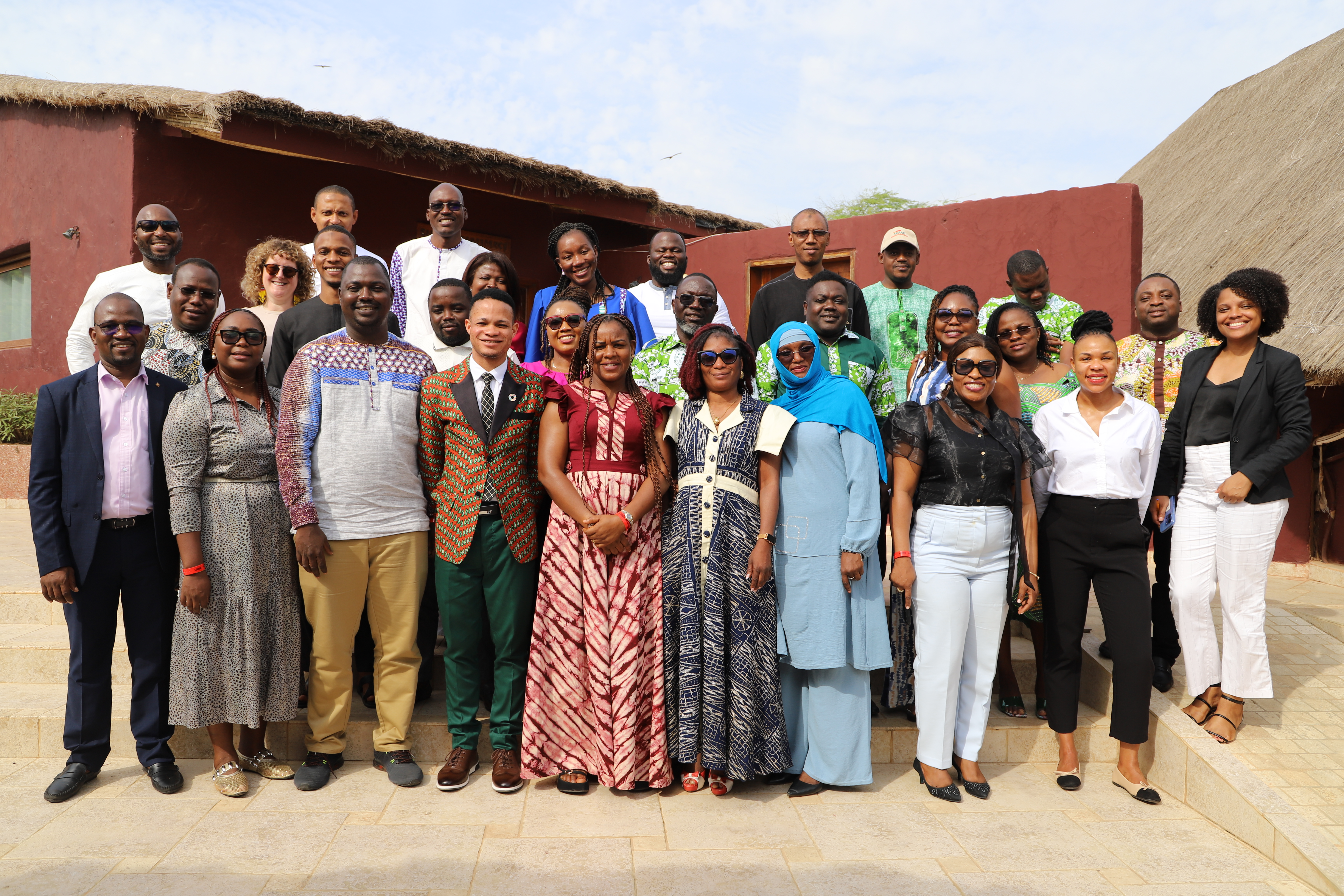
The Comprehensive Abortion Care in West Africa (SCAAO) programme recently held its annual workshop in the west African country of Senegal. The forum was an important moment for IPPF's Member Associations (MAs) implementing the programme to review progress, exchange best practices and shape priorities for the next phase. This year’s workshop, which marked the close of Phase 1 and set the stage for Phase 2, helped in deepening learning and strengthening MA activities for greater impact. By Maryanne W. WAWERU From 19 – 20 November 2025, Senegal played host to the annual ‘Strategic Planning and Best Practices Workshop’ by the Comprehensive Abortion Care in West Africa (SCAAO) programme. Jointly funded by The Hewlett Foundation and the Foundation for a Just Society International, the SCAAO aims to expand access to person-centered abortion care for women and girls in Francophone West and Central Africa. Compared to the rest of sub-Saharan Africa, Francophone West Africa scores very low against some of the most critical sexual reproductive health and rights (SRHR) indicators. According to the World Health Organization (WHO), approximately 22 million unsafe abortions are performed each year, resulting in the deaths of 47,000 women and causing long-term health consequences in another 5 million women worldwide. Unsafe abortion is a major public health issue in West and Central Africa, and constitutes a major cause of maternal death. Western Africa has one of the highest rates of unsafe abortion in the world, with 28 abortions per 1,000 women aged 15–44 years. The sub-region has also struggled in a global context of limited funding resources and insufficient or unsustainable donor investments for SRHR. Where this investment has occurred, it has been plagued by siloed programming, limited sustainability mechanisms, and fallen short of ensuring a truly locally owned and gender transformative impact on women and girls. This challenge underscores the need for well-designed interventions like SCAAO that address these structural challenges through interventions. The SCAAO programme is being implemented by IPPF’s MAs in Niger, Togo, Cameroon and Burkina Faso. Learning and exchange platforms The annual SCAAO best practices workshops serve as important learning platforms where MAs exchange experiences, share innovations and reflect on challenges, successes and lessons learned. The sessions also provide opportunities for MAs to develop strategies aimed at strengthening implementation and improving overall programme outcomes. This year’s annual workshop was timely, coming at the end of phase 1 of the programme. It presented an ideal opportunity to reflect on progress, launch Phase 2 (2025 – 2028), and engage in cross-learning with other regional initiatives. The second phase of the programme will build on the gains made in Phase 1 by strengthening the expertise and activities of MAs around person-centered care, advocacy and capacity sharing. This will contribute to the broader goal of harnessing the unique strengths and opportunities of each actor in the SRHR ecosystem from government agencies to CSOs, healthcare providers, activists, lawmakers, and funders towards expanding access to abortion care for more women and girls in the sub-region. Cross-learning engagements To enhance cross-programme learning and assure sustainability within IPPF MAs, the 2025 SCAAO annual workshop included select projects from other MAs, specifically EmpowHER, Stand-Up, and the Advocacy for SRHR Project in West Africa. The EmpowHER project, being implemented in 13 countries (eight of them in the Africa region), endeavours to guarantee women and young girls’ access to quality reproductive healthcare. The Stand-UP project, being implemented by IPPF MAs in Uganda and Mozambique, contributes to the increased enjoyment of SRHR by adolescent girls and young women. The Advocacy for SRHR Project in West Africa focuses on advocacy and is aimed at strengthening access to SRHR services for adolescents and young people in Senegal and Cape Verde. Participants at the 2025 SCAAO annual workshop were drawn from the SCAAO implementing countries, as well as those from EmpowHER, Stand-UP and the Advocacy for SRHR Project in West Africa. Showcasing best practices   Several notable best practices were highlighted during the sessions. In Togo, Association Togolaise pour le Bien-Etre Familial (ATBEF) has scaled up the use of telemedicine for abortion care while improving the abortion ecosystem by engaging in more open discussions with parliamentarians. This, with the support of the Ministry of Health (MoH). Similarly, the Cameroon National Planning Association for Family Welfare (CAMNAFAW) has made notable progress in increasing access to self-managed abortion and collaborating with a civil society organization (CSO) network to align the country’s abortion law to the Maputo Protocol dispositions. Both country interventions, which have been advanced through SCAAO, have led to more women and girls accessing abortion care services, thus fostering progress within an increasingly supportive environment. In Niger, L'Association Nigérienne pour le Bien-être Familial (ANBEF) has strengthened advocacy for post-abortion care (PAC) through Values Clarification and Attitudes Transformation (VCAT) trainings targeting key stakeholders such as MoH officials, religious leaders, civil society organizations, lawyers and other influential figures. Abortion remains a highly sensitive and taboo topic in Niger, and the country’s complex socio-cultural and political context only makes it harder to address. VCAT sessions encourage honest dialogues and reflections on sensitive reproductive health matters such as abortion, with the aim of deepening understanding and fostering support for the same. Dr. Maimuna Saley, the SCAAO Coordinator at ANBEF, says the VCAT trainings have significantly increased stakeholders’ understanding of women’s reproductive health. “We have noted a positive shift in attitudes among key stakeholders, many of whom are now collaborating with us to expand access to post-abortion care information and services for women and girls in Niger,” she said. IPPF’s MA in Burkina Faso, L'Association Burkinabè pour le Bien-Être Familial (ABBEF), which is an established leader in abortion care, has played a central role in building ANBEF’s capacity to strengthen its advocacy and service delivery. “Our team trained colleagues in Niger on VCAT. Afterward, with our guidance and support, the ANBEF trainers began delivering VCAT sessions to key stakeholders. The ANBEF team can now independently conduct these sessions, in activities that have helped to create a more supportive environment for abortion care and support in Niger,” said Dr. Mady Dera, the SCAAO Coordinator at ABBEF. ABBEF’s role has also covered the coordination of regional advocacy campaigns with regional stakeholders and institutions such as the Organisation for Safe Abortion Dialogue (ODAS). Additionally, ABBEF has established a pool of experts across the region to address key priorities related to abortion. Progress and impact Mr. Kader Avonnon, IPPF Africa Region’s SCAAO Programme Coordinator says the programme has so far achieved significant success. “Over 33,000 clients have received high-quality abortion care, including Post Abortion Care, with over 21,000 receiving support services for abortion self-care. Notably, 80% of the clients who received abortion care have been from poor and vulnerable backgrounds, which aligns with the programme’s commitment to equity.” he said. According to Mr. Avonnon, SCAAO has also increased the pool of service providers, who include staff from partner organisations. “We now have more healthcare workers who can offer abortion care. As a result, more girls and young women, including those in remote and marginalized areas where access was previously limited, are now receiving services from skilled providers. This has helped reduce unsafe abortion complications,” he explained. SCAAO’s role in IPPF’s mission During the workshop, Ms. Mallah Tabot, the IPPF Africa Region SRHR Lead emphasized the importance of the programme to IPPF’s broader mission. “The SCAAO programme is helping us rebuild the foundations of abortion care in a region that has been overlooked for far too long. It allows us to strategically close the gap between our mandate and our delivery in one of the toughest regions for abortion care, and to support our MAs to grow their readiness, transform culture and champion reproductive justice for the continent,” she said during the workshop. Ms. Tabot added that while many MAs were already providing abortion care, the SCAAO initiative has pushed their work to beyond service delivery. “It has helped us confront values, strengthen governance, build systems that make services safer, and positioned MAs as consistent and resilient leaders over time.” Participant perspectives At the close of the forum, participants shared their reflections. “The idea of person-centered abortion services stood out. This means considering the unique needs of each person seeking care and tailoring services to them. When it comes to abortion care, individual needs vary from person to person and therefore each case needs to be treated uniquely. The presentations from the different countries brought out this important aspect of abortion care very clearly,” said Ms. Yasmilatou Aboudoulaye from IPPF’s MA in Benin, Association Béninoise pour la Promotion de la Famille (ABPF). Mr. Mohammed Ka from IPPF’s MA in Senegal, Action and Development (AcDev) similarly shared his reflections. “The best practices showcased by the MAs gave me great insights into how the same programme can be adapted to different contexts and still deliver results. The experience of Niger was very interesting as it showed how ANBEF has made great strides in abortion advocacy, meaning that even in difficult contexts, success is still possible. I learnt so much and I’m keen to share these ideas with my colleagues at AcDev as there is a lot we can replicate to enhance our work,” he said. At the end of the workshop, participants left very inspired and motivated to strengthen abortion care in their countries –a great momentum to the start of Phase 2 of the noteworthy SCAAO programme.
WCD 2025 Message
26 September 2025

World Contraception Day 2025 Message

  From the WISH 2 Team Lead Today, on World Contraception Day, we reaffirm our collective commitment to ensuring that contraception is recognized and realized as a right, a responsibility, and a reality for all. Since its launch in 2007, World Contraception Day has been commemorated every year on 26 September, making 2025 the 19th annual global observance of this important campaign to raise awareness and advance SRHR.  The day reminds us of the power of choice and the transformative impact of SRHR on individuals, families, and communities. Access to safe, voluntary, and high-quality contraception is not only a health imperative, but also a pathway to dignity, equity, and opportunity. Under the WISH 1 (WISH2Action) project, 3.6 million additional family planning users were reached, an estimated 22 million maternal deaths, 4.3 million unsafe abortions, 13.2 million unintended pregnancies, and 19.2 million disability-adjusted life years were averted, a powerful demonstration of the lifesaving impact of sustained investment in SRHR. Building on this momentum, WISH 2 East and Southern Africa, set targets to reach 4.2 million family planning users, with the intention of preventing 3.2 million unintended pregnancies, 1 million unsafe abortions, and 5,600 maternal deaths across seven countries in Eastern and Southern Africa. Since the start of the project, WISH 2 has reached 169,590 annualised clients as at the end of June 2025. Through this project, we remain committed to expanding access to sexual and reproductive health services across Eastern and Southern Africa, with a particular focus on fragile and humanitarian settings where women, adolescents, and marginalised groups face the greatest barriers. By strengthening service delivery, advancing social and behaviour change, advocating for enabling policies, and generating evidence for learning, WISH 2 is ensuring that no one is left behind in the pursuit of sexual and reproductive health and rights. Central to this effort is strong partnership with governments, whose leadership and stewardship are essential for sustaining progress. WISH 2 works hand in hand with national and local authorities to complement their strategies and contribute to country-led priorities for universal access to contraception and broader SRHR. Yet, these gains are under threat. Global funding for SRHR is declining, undermining women’s rights, equity, and agency, and putting millions at risk of preventable harm. As we mark this 19th World Contraception Day, we call on governments, donors, and partners to renew their commitment to SRHR. Together, we can ensure that contraception remains accessible, affordable, and inclusive, empowering every individual to make informed choices about their bodies and futures. On this day, we celebrate the dedication of our partners, country teams including Member Associations, stakeholders who support the cause and frontline providers who work tirelessly to make contraceptive services more inclusive, resilient, and rights based. Together, we are creating a future where every individual, regardless of circumstance, can make informed choices about their reproductive health. Let us continue to learn, innovate, and act so that contraception is recognized not only as a method of family planning, but as a fundamental right for all. Contraception is not just health care, it is a right, a responsibility, and a reality we must protect and advance. Happy World Contraception Day!    

Photo de groupe des participants de l'atelier
27 May 2025

Strengthening the Collective Impact of IPPF Member Associations for Abortion Care Access

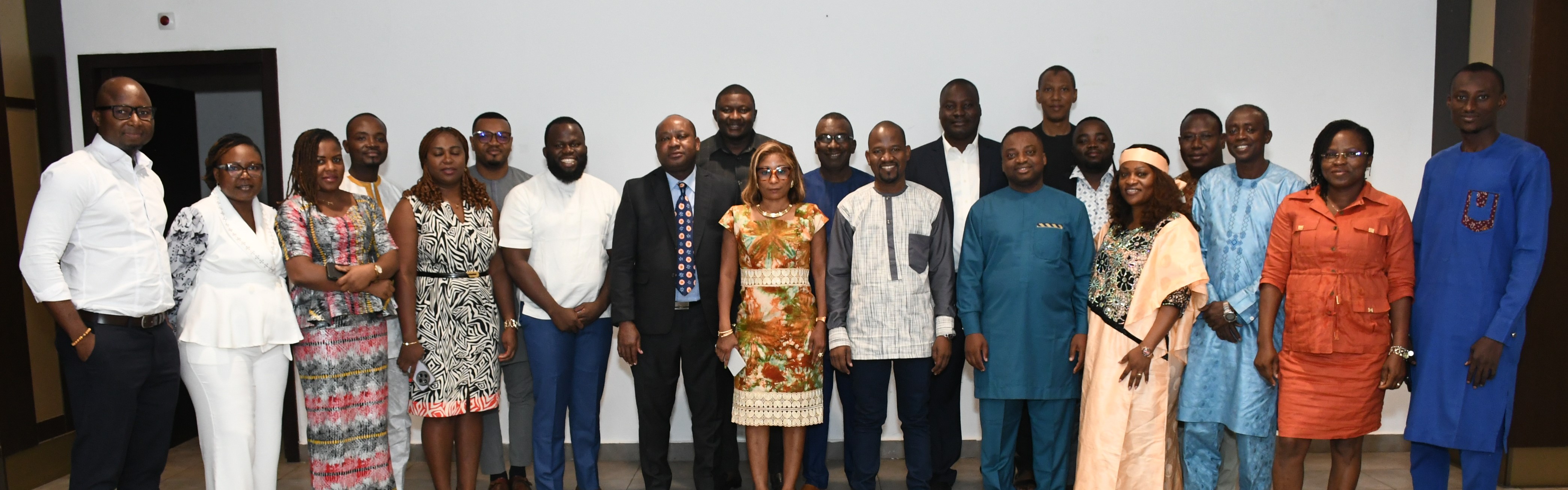
From 24–27 March 2025, the city of Douala, Cameroon, hosted the regional strategic planning workshop marking the launch of Phase 2 of the SCAAO programme (Comprehensive Abortion Care in West Africa).   Organized in a spirit of co-creation, the event brought together 20 representatives from IPPF Africa Region Member Associations (MAs) — including Executive Directors, Programme Managers, Finance Officers, Monitoring & Evaluation Officers, and healthcare providers involved in the provision of abortion care. Participants were drawn from the countries of Benin, Burkina Faso, Cameroon, Niger, and Togo.  The workshop aimed to strengthen the capacities of MAs to enhance their knowledge, skills, and monitoring and evaluation tools for effective project management of the SCAAO project. It also aimed to foster a peer-learning environment conducive to cross-country strategy refinement. The workshop purposed to promote strategic partnerships and increase stronger collaboration among MAs to enhance an enabling environment for successful programme implementation.  A Collaborative and Strategic Space  The workshop was driven by dynamic exchanges, hands-on experience sharing, and action-oriented technical sessions. Key sessions and themes included values clarification and attitude transformation (VCAT), advocacy, youth empowerment, documentation of good practices, and institutional leadership.    Key achievements from SCAAO’s year 1 implementation were also shared and analyzed. The achievements include 16,683 women and girls benefitting from safe abortion care information and services. 91% of the beneficiaries received post-abortion contraception. 6,039 women and girls accessed related services via WhatsApp, SMS, the InfoAdoJeunes app, and other digital platforms. Another notable achievement was the engagement of MAs in national and regional abortion ecosystems strengthening, movement building, as well as local and national level advocacy initiatives.  Ms. Marie-Ange Bouwem, the SCAAO Project Coordinator in IPPF’s MA in Togo -Assocation Togolaise pour le Bien-Etre Familial (ATBEF), played a key role in facilitating the sessions. Dr. Mady Dera, SCAAO Project Coordinator in IPPF’s MA in Burkina Faso -Association Burkinabe pour le Bien-Etre Familial (ABBEF) led the technical session on values clarification, highlighting that “Sustainable performance stems from teams that are valued, heard, and engaged.”  Mr. Gérard Da Silva, the Executive Director from IPPF’s MA in Niger, Association Nigérienne pour le Bien-Etre Familial (ANBEF) praised the project’s collaborative approach, stating, "Working in a consortium helps avoid fragmented progress. Together, we have a strong potential to mobilize more organizations for our cause."  Key Learnings and Cross-Cutting Lessons  Sessions on abortion-related communication deeply resonated with participants, who stressed how language can either facilitate or hinder access to care. There were insightful discussions with practical examples from MAs about how conversations about abortion shape its social acceptance.    Mr. Ahmed Pana, ATBEF’s Finance Director emphasized the need to tailor language to specific audiences, while Mr. Lotti Edjenguele Executive Director, of the Cameroon National Association for Family Welfare (CAMNAFAW) highlighted the importance of sensitive communication to fight abortion stigma.  Fostering ongoing strategic dialogue between project teams and MA leadership was promoted during the sessions. “The group work sessions on leadership helped me better understand the levers of strategic project management,” said Mr. Rachid Awal (SCAAO project manager in ANBEF).  A Pivotal Moment for the Programme  The workshop served as a catalyst for more structured cross-country collaboration, encouraged local innovation, and fostered collective ownership of the project.   “The workshop was a relevant space for giving and receiving, where each MA learns from others to improve their own strategies,” said Mr. Gérard Da-Silva (ANBEF Executive Director).   Mrs. Armande Bossou, Program Director at Association Beninoise pour la Promotion de la Famille (ABPF), said the workshop was an insightful learning forum.   “The workshop allowed me to learn from other Member Associations. It also helped me understand that even when the environment is favorable for the provision of abortion services, it is crucial to remain vigilant to maintain that enabling environment, and to ensure effective dissemination of the existing legal provisions so that everyone is equally informed.  A More Ambitious and Integrated Phase 2   Phase 2 of the SCAAO programme is built on a foundation of continuous improvement, with a strong focus on self-managed abortion, meaningful youth engagement, data-driven advocacy, and more inclusive and efficient governance within the MAs.   The regional strategic planning workshop in Douala marked a pivotal step in launching Phase 2 of the SCAAO program with renewed ambition and cohesion. By bringing together key actors from across West Africa, the event reinforced the importance of collective intelligence, peer learning, co-creation, and strategic alignment to advance access to safe abortion. Through vibrant discussions, shared insights, and a spirit of collaboration, participants not only strengthened their technical capacities but also laid the groundwork for a more integrated, inclusive, and impactful implementation of the program.   By Kader Avonnon The Project Manager, SCAAO. 

CAMNAFAW
26 January 2024

Cervical Cancer: CAMNAFAW Calls on Women for Early Screening!

As part of January, the month devoted to raising awareness of cervical cancer every year, the Cameroonian Association for Family Welfare (CAMNAFAW), a member association of the International Planned Parenthood Federation (IPPF), recently conducted an intense awareness campaign focused on cervical cancer. Their initiatives covered the Littoral region to spread understanding of prevention, screening more women, and providing both medical and psychological support to combat this scourge. "Given cervical cancer's high incidence and mortality in Africa, and January being Cervical Cancer Awareness Month, CAMNAFAW needed to expand its contribution to the fight against this disease - reaffirming our commitment to protecting the health of African girls and women," said Lotti Edjenguele, CAMNAFAW's executive director. IPPF has made tremendous progress in the fight against cervical cancer in Africa. However, it remains the leading cause of cancer death among women on the continent. Early detection is key, but lack of access and education create barriers. CAMNAFAW's on-the-ground action aims to save lives through strategic community engagement. The IPPF member association's messages emphasized the causes, consequences and crucial importance of early screening. Awareness sessions were held with groups of women, including the Women's Awakening Association, the Circle of Solidarity Friends and the Ndongbang Health Air Association. Each dialogue involved about 30 women. Mobilization was also done digitally and door-to-door, specifically targeting the most disadvantaged neighborhoods. Free screenings began on January 15 and continue through January 31 at CAMNAFAW's Bepanda and Essec clinics, targeting 200 economically disadvantaged girls and women. "In all disease initiatives, the Cameroonian government prioritizes 'test and treat.' Working alongside institutions, CAMNAFAW also follows this approach. The free cervical cancer screening we offer holds significance as the disadvantaged women we target in this campaign cannot always afford this vital health service for their wellbeing," Lotti explained. All medical staff were dedicated to providing quality, compassionate care. Any suspicion triggers additional testing, with psychological support protocols in place. The Public Health delegation partnered to facilitate referrals to appropriate facilities if cancer is identified. The success of the campaign is evaluated by the number of women who underwent screening, as well as indicators of the number of women informed online and in person, positively diagnosed, and assisted afterward. By tackling cervical cancer through frank discussions and improving access to screening tests, CAMNAFAW is empowering women and raising awareness in Cameroon. To see the informational video produced by CAMNAFAW, click here. The campaign conducted by CAMNAFAW in Cameroon illustrates the strong commitment of the International Planned Parenthood Federation (IPPF) in the Africa region in terms of awareness and fight against cervical cancer. Present on the continent since the 1950s and currently counting 36 member associations and collaborative partners in Africa, IPPF is waging a relentless battle for reproductive health, with a particular emphasis on the prevention and screening of cervical cancer, which is hitting African women hard. By Moctar MENTA

IPPF_Georgina Goodwin_Burundi
31 January 2022

Frontiers in SRHR Access for Women and Youth

The project objective is to improve access to Abortion Self Care (ASC), youth empowerment, and strengthening the use of digital interventions. Budget:  1,500,000 USD Donor: The David & Lucile Packard Foundation Timeline: 2 Years ( January 2021 -  December 2022 ) Project implementation areas: Cameroon, Ghana, Cambodia, and India Partners: CAMNAFAW, PPAG,RHAC, FPAI, Ipas, Y-Labs, and IBIS Key achievements to date: Youth engagement in SRHR advocacy ASC as an option for all clients Digital/m health to increase access to SRHR and CSE Influence national guidelines and policies Review of IPPF IMAP- integrating ASC Generating leanings & sharing Building capacities of start-ups ( YSVF) Virtual immersion program Innovative approaches: Access to SRHR and CSE through digital/m health YSVF -  working with young entrepreneurs to accelerate & enhance existing SRHR solutions Lessons learned: Aggregating client data in DHI, DHIs works best in hybrid models compared to stand-alone models, multi-language engagement

The She Decides Project
01 December 2016

The She Decides Project

From 2018 to 2020, funding from Global Affairs Canada (GAC), through the She Decides project, supported IPPF and its local partners in five priority countries – Colombia, the Dominican Republic, Guatemala, Malawi, and Mali – to expand their reach and impact in advancing sexual and reproductive health and rights (SRHR), particularly for those who are most marginalized. During the project period, partners provided close to 17 million SRH services at their service delivery points, such as STI screenings, HIV testing, safe abortion, and counselling and access to modern contraceptives such as long-term injectables, surpassing the initial target by 770,000. The vast majority of clients receiving these services (76.5%) are those living below the poverty line, frequently at great distances from existing health services/facilities, who may be internally displaced as a result of humanitarian crises, and are often further marginalized on the basis of their sexual orientation and/or gender identity. Funding through She Decides enabled partners to develop and implement innovative strategies for reaching these populations and the most hard-to-reach regions that had some of the worst SRHR indicators. For example, In Malawi, our Member Association - Family Planning Association of Malawi (FPAM) - expanded its service delivery to rural, under-served communities in four districts (Dedza, Dowa, Mzuzu and Lilongwe) through outreach services, and strengthened provision of a comprehensive package of integrated SRH services through static clinics in 12 districts. Over the course of implementation, FPAM reached approximately 555,186 (over 25 years) women and 659,382 (<25 years) girls with integrated SHR services. A particular focus of the project has been to increase the access of hard-to-reach youth to SRHR information and services, through Youth Life Centers, youth outreach clinics, and intensive involvement of youth in outreach activities and awareness-raising campaigns. In Mali, IPPF Member Association - Association Malienne pour la Promotion et la Protection de la Famille (AMPPF) - used multiple service delivery strategies to expand access to SRH services in some of the most under-served regions of the country, some of them affected by ongoing security risks. It includes the regions of Kayes, Koulikoro, Sikasso, Ségou, Mopti, Gao, and Bamako District. Over the course of the project, AMPPF provided 1,524,825 integrated SRH services to over 556,228 women and girls. AMPPF organized 857 community engagement activities, including outreach at highly attended community festivals, reaching an estimated 41,423 people with positive messages about SRHR. In addition to directly supporting services and community mobilization to reach specific vulnerable populations in each country, She Decides has helped boost partners’ advocacy efforts to champion sexual and reproductive health and rights (SRHR), in particular for a more enabling environment in which governments and other key decision-makers are committed to upholding and fulfilling SRHR. Through this project, partners completed 2,005 specific advocacy engagements. Partners contributed to 31 advocacy wins that engender greater respect and protection of SRHR and have long-term implications for the health and wellbeing of women and girls in project countries. Key high-level advocacy initiatives included: incorporation of SRHR in municipal development plans in project regions (Colombia); approval of the National Plan to Reduce Teen Pregnancy (Dominican Republic); increasing contraceptive security and transparency around SRH financing (Guatemala); advancing abortion law reform (Malawi); and advocating for the integration of SRH into the COVID-19 response (Mali). Underpinning these interventions was a deliberate effort to build partners’ overall sustainability through data and financial systems strengthening and sustainability efforts to improve their resilience to future shocks, whether from a sudden loss of donor funding or a crisis. The COVID-19 pandemic, which erupted in the last quarter of the project, tested this capacity as partners pivoted quickly to provide continuity of services and to advocate for the inclusion of SRHR as part of the emergency response. For more information, visit the project report: GAC/She Decides Report

Fane Zara
14 January 2022

The BMZ Project: Supporting People Affected by Humanitarian Crises in sub-Saharan Africa

The BMZ project supported refugees, internally displaced people, and host communities in Burkina Faso, Cameroon and Togo, in accessing quality sexual reproductive health care and in setting up income generating activities. Watch our video to find out how. Also watch the stories of beneficiaries reached through the BMZ project: BMZ Beneficiary story: Cameroon BMZ Beneficiary story: Burkina Faso BMZ Beneficiary story: Togo

Cmaeroon cover
29 June 2021

Adapter les services de planification familiale en temps de crise: Adoption d’une approche de prestation de services à domicile au Cameroun

La pandémie de la COVID-19 a exercé une pression énorme sur le secteur de la santé, poussant les gouvernements à consacrer leurs ressources à des mesures de prévention et de traitement de cette maladie. La pandémie a gravement affecté la prestation des services de routine dans les établissements de santé, la priorité  n’étant pas accordée à certains services essentiels, tels que les soins de santé sexuelle et reproductive. De nombreux établissements de santé ont réduit leurs services ordinaires, certains les ont suspendus ou ont même dû fermer certaines cliniques. Les mesures de confinement et les restrictions de mouvement imposées par les gouvernements ont entrainé une faible fréquentation des établissements de santé, une situation encore aggravée par la crainte prouvée par la population de contracter le virus dans les centres de santé. En conséquence, de nombreuses adolescentes, des femmes en âge de procréer, des hommes et des jeunes n’ont pas pu accéder aux services de santé sexuelle et reproductive dans leurs centres de santé habituels. Ces services comprenaient, entre autres, l’accès des contraceptifs, des services de soins anténatals, d’accouchement sans risque et de soins postnatals, des services relatifs au VIH et au SIDA, ainsi que la prise en charge et le traitement des infections sexuellement transmissibles (IST). Les associations membres (AM) de la F d ration internationale pour la planification familiale (IPPF) qui proposent des services de santé sexuelle et reproductive (SSR) de qualité et abordables n’ont pas été épargnées, et pour y faire face, elles ont dû faire preuve d’innovation. Au Cameroun, l’association membre de l’IPPF dans le pays — l’Association camerounaise pour le bien- être familial (CAMNAFAW) — a décidé de répondre à la forte baisse du nombre de clients sollicitant des services dans ses installations en adoptant une approche innovante de prestation de services à domicile. Cette stratégie a permis à la CAMNAFAW de continuer à offrir à ses clients les services de santé reproductive dont ils avaient tant besoin pendant la pandémie. Télécharger le document complet ici: Adoption d’une approche de prestation de services à domicile au Cameroun

IPPF Africa Region Director Mr. Lucien Kouakou
16 December 2015

Parliamentarians are Key to Realizing Demographic Dividend in Africa

African parliamentarians must seek ways of mobilizing resources to fund the demographic dividend agenda in their countries. This is according to the IPPF Africa Region Director Mr. Lucien Kouakou, who made these remarks during the closing ceremony of a two-day capacity building workshop for African Parliamentarians held in Nairobi, Kenya, from 14 – 15 December 2015. The meeting, attended by 13 legislators drawn from the Africa Parliamentary Forum on Population and Development (FPA), was aimed at enhancing the legislators' understanding of the concept of the ‘Demographic Dividend’, and their role in moving forward related agenda. The demographic dividend refers to the accelerated economic growth initiated by a rapid decline in fertility and mortality, and which results in a change of the age structure in the population –from one dominated by child dependents to one driven by an economically productive adult workforce. “Harnessing the demographic dividend is fundamental to Africa’s development. A demographic shift in any population is important because of it's direct bearing to among others: economic growth, education levels, poverty levels and the health and well-being of a nation. The current demographic transition in Africa is one that has the ability to steer the next surge of economic growth - with a population characterized by healthier and more educated youth, and who will have greater access to the labour force and economic markets. African leaders therefore need to put in place measures that will ensure that the continent harnesses the dividend from Africa’s youthful population,” he said. A new report from the World Bank reveals that government policies and other related actions undertaken today will increase the likelihood of harnessing various economic and social benefits of demographic change. “Parliamentarians are instrumental in this process, as they are the ones involved in the formulation of policies and legislations. When a country has the right set of policies in place, it is better placed to reap the benefits of a demographic change, hence the need to involve Members of Parliament in all conversations around the demographic dividend. There is no doubt that the demographic dividend can be achieved in Africa, if the right policies are instituted,” said Mr. Kouakou. The capacity building initiative for the African legislators, organized by IPPF and UNFPA and themed: "Moving the Demographic Dividend Agenda: from Ideas to Actions", established a harmonized understanding of the demographic dividend among the MPs, and helped define their level of engagement in advancing this agenda in their countries. A clear roadmap for moving forward the demographic dividend agenda at both regional and national levels was developed during the forum. Members of parliament who attended the forum included: Hon. Chris Baryomunsi (Uganda), Hon. Marie-Rose Nguini Effa (Cameroon), Hon. Jose Manuel Tavares Sanches (Cape Verde), Hon. Mbaidessemel Dionadiji (Chad), Hon. Zalikatou Diallo (Guinea Conakry), Hon. Larry Younquoi (Liberia), Hon. Illa Ousmane (Niger), Hon. Helen Kuyembeh (Sierra Leone), Hon. Dlamini Princess Phumelele (Swaziland), Hon. Highvie Hamdudu (Zambia), Hon. Nurudeen Abatemi-Usman (Nigeria), Hon. Ahmed Babou Babah (Mauritania) and Hon. Sado Nazaire (Benin). In his speech, Mr. Kouakou called on the MPs to take a lead role in mobilizing resources that will ensure that the demographic dividend will be realized in their countries. “Parliamentarians can influence their colleagues and garner their support for the formulation of policies and legislations, specifically those related to population and development. They can call for more budgetary allocation to respective institutions, such as the Ministries of Planning and Development, The Ministries of Health and Education, as well as institutions that focus on the youth. They can also take the lead in seeking innovative ways of mobilizing resources at the local level that would champion population and related issues. Members of Parliament have an unmatched role in steering development in their countries,” he said. Mr. Kouakou further urged the legislators to take advantage of the resource that is partners who have a presence in the region, such as IPPF and UNFPA – entities that are committed to Africa’s growth. Development partners, if convinced that the demographic dividend is key to the growth of the region, will definitely assist in different ways, including offering technical assistance, capacity building and mobilization of resources, he said. “IPPF and UNFPA are committed to this agenda, and are working in collaboration with the Africa Parliamentary Forum on Population and Development (FPA) to implement a programme that will ensure that all African countries are on track to realizing the demographic dividend. The project is initially slated for implementation in the six countries of Mauritania, Ivory Coast, Mali, Burkina Faso, Niger and Chad, with more countries being incorporated in the coming years. We are keen on ensuring that no country is left behind,” he said. The Africa Parliamentary Forum on Population and Development (FPA), which was established in 2012, seeks to exchange and coordinate action in support of the ICPD Beyond 2014. FPA also seeks to ensure that parliamentarians assist in the implementation of the ICPD Beyond 2014 Agenda by adopting initiatives in population policies, as well as harmonisation of African legislation on Sexual and Reproductive Health and Rights (SRHR). At the Abidjan General Assembly meeting in 2014, FPA reaffirmed its purpose as a regional body established to drive the agenda on population and development at both the national and regional levels.

Cameroon National Association for Family Welfare

The Cameroon National Planning Association for Family Welfare (CAMNAFAW) was created in 1987 to respond to the needs of women who wanted to plan their families and to enjoy higher standards of living. The organization has rapidly grown into the country’s leading provider of sexual and reproductive health (SRH) services.

The challenges facing the people of Cameroon and the organization are severe. This is a country with very high levels of maternal death and child mortality and an HIV prevalence rate of over 10%. Health provision is limited: CAMNAFAW is working tirelessly to deliver to populations in the greatest and most urgent need of SRH support. 

Through its service points, including dedicated youth sites, run by full-time staff and supported by over a thousand volunteers, CAMNAFAW provides a complete suite of sexual and reproductive health (SRH) services. It offers family planning, vaccination, paediatric care services, antenatal and post-natal care, post-abortion care, the diagnosis and treatment of sexually transmitted and opportunistic infections, screening of cancers of the reproductive system, general laboratory work, voluntary counselling and testing (VCT), home-based care, and education programmes aimed at reducing stigma and discrimination associated with HIV and AIDS.

An estimated 80% of clients are poor, marginalized, socially excluded and/or under-served. These include people living with HIV and AIDS (PLHIV), sex workers, and unmarried men and women. 

CAMNAFAW works in partnership with government and with non-governmental organisations including Care Cameroon, Femmes-Santé-Developpement en Afrique Sub-Saharienne (FESADE), the Youth Development Foundation, OFSAD, Scouts du Cameroun, the Support Centre for New Local Development Alternatives (CANADEL), Service Catholique de la Santé, Service Protestant de la Santé, the Society for Women and AIDS in Africa (SWAA Cameroon), and the Réseau. Camerounais des associations des Personnes vivants avec le VIH (Récap+). CAMNAFAW receives support from the Government of Cameroon, UNFPA, the Government of Japan, the IPPF Japan Trust Fund, Care Cameroun, and CAREF.

q
05 December 2025

Strengthening abortion care in West Africa: highlights from the 2025 SCAAO workshop

The Comprehensive Abortion Care in West Africa (SCAAO) programme recently held its annual workshop in the west African country of Senegal. The forum was an important moment for IPPF's Member Associations (MAs) implementing the programme to review progress, exchange best practices and shape priorities for the next phase. This year’s workshop, which marked the close of Phase 1 and set the stage for Phase 2, helped in deepening learning and strengthening MA activities for greater impact. By Maryanne W. WAWERU From 19 – 20 November 2025, Senegal played host to the annual ‘Strategic Planning and Best Practices Workshop’ by the Comprehensive Abortion Care in West Africa (SCAAO) programme. Jointly funded by The Hewlett Foundation and the Foundation for a Just Society International, the SCAAO aims to expand access to person-centered abortion care for women and girls in Francophone West and Central Africa. Compared to the rest of sub-Saharan Africa, Francophone West Africa scores very low against some of the most critical sexual reproductive health and rights (SRHR) indicators. According to the World Health Organization (WHO), approximately 22 million unsafe abortions are performed each year, resulting in the deaths of 47,000 women and causing long-term health consequences in another 5 million women worldwide. Unsafe abortion is a major public health issue in West and Central Africa, and constitutes a major cause of maternal death. Western Africa has one of the highest rates of unsafe abortion in the world, with 28 abortions per 1,000 women aged 15–44 years. The sub-region has also struggled in a global context of limited funding resources and insufficient or unsustainable donor investments for SRHR. Where this investment has occurred, it has been plagued by siloed programming, limited sustainability mechanisms, and fallen short of ensuring a truly locally owned and gender transformative impact on women and girls. This challenge underscores the need for well-designed interventions like SCAAO that address these structural challenges through interventions. The SCAAO programme is being implemented by IPPF’s MAs in Niger, Togo, Cameroon and Burkina Faso. Learning and exchange platforms The annual SCAAO best practices workshops serve as important learning platforms where MAs exchange experiences, share innovations and reflect on challenges, successes and lessons learned. The sessions also provide opportunities for MAs to develop strategies aimed at strengthening implementation and improving overall programme outcomes. This year’s annual workshop was timely, coming at the end of phase 1 of the programme. It presented an ideal opportunity to reflect on progress, launch Phase 2 (2025 – 2028), and engage in cross-learning with other regional initiatives. The second phase of the programme will build on the gains made in Phase 1 by strengthening the expertise and activities of MAs around person-centered care, advocacy and capacity sharing. This will contribute to the broader goal of harnessing the unique strengths and opportunities of each actor in the SRHR ecosystem from government agencies to CSOs, healthcare providers, activists, lawmakers, and funders towards expanding access to abortion care for more women and girls in the sub-region. Cross-learning engagements To enhance cross-programme learning and assure sustainability within IPPF MAs, the 2025 SCAAO annual workshop included select projects from other MAs, specifically EmpowHER, Stand-Up, and the Advocacy for SRHR Project in West Africa. The EmpowHER project, being implemented in 13 countries (eight of them in the Africa region), endeavours to guarantee women and young girls’ access to quality reproductive healthcare. The Stand-UP project, being implemented by IPPF MAs in Uganda and Mozambique, contributes to the increased enjoyment of SRHR by adolescent girls and young women. The Advocacy for SRHR Project in West Africa focuses on advocacy and is aimed at strengthening access to SRHR services for adolescents and young people in Senegal and Cape Verde. Participants at the 2025 SCAAO annual workshop were drawn from the SCAAO implementing countries, as well as those from EmpowHER, Stand-UP and the Advocacy for SRHR Project in West Africa. Showcasing best practices   Several notable best practices were highlighted during the sessions. In Togo, Association Togolaise pour le Bien-Etre Familial (ATBEF) has scaled up the use of telemedicine for abortion care while improving the abortion ecosystem by engaging in more open discussions with parliamentarians. This, with the support of the Ministry of Health (MoH). Similarly, the Cameroon National Planning Association for Family Welfare (CAMNAFAW) has made notable progress in increasing access to self-managed abortion and collaborating with a civil society organization (CSO) network to align the country’s abortion law to the Maputo Protocol dispositions. Both country interventions, which have been advanced through SCAAO, have led to more women and girls accessing abortion care services, thus fostering progress within an increasingly supportive environment. In Niger, L'Association Nigérienne pour le Bien-être Familial (ANBEF) has strengthened advocacy for post-abortion care (PAC) through Values Clarification and Attitudes Transformation (VCAT) trainings targeting key stakeholders such as MoH officials, religious leaders, civil society organizations, lawyers and other influential figures. Abortion remains a highly sensitive and taboo topic in Niger, and the country’s complex socio-cultural and political context only makes it harder to address. VCAT sessions encourage honest dialogues and reflections on sensitive reproductive health matters such as abortion, with the aim of deepening understanding and fostering support for the same. Dr. Maimuna Saley, the SCAAO Coordinator at ANBEF, says the VCAT trainings have significantly increased stakeholders’ understanding of women’s reproductive health. “We have noted a positive shift in attitudes among key stakeholders, many of whom are now collaborating with us to expand access to post-abortion care information and services for women and girls in Niger,” she said. IPPF’s MA in Burkina Faso, L'Association Burkinabè pour le Bien-Être Familial (ABBEF), which is an established leader in abortion care, has played a central role in building ANBEF’s capacity to strengthen its advocacy and service delivery. “Our team trained colleagues in Niger on VCAT. Afterward, with our guidance and support, the ANBEF trainers began delivering VCAT sessions to key stakeholders. The ANBEF team can now independently conduct these sessions, in activities that have helped to create a more supportive environment for abortion care and support in Niger,” said Dr. Mady Dera, the SCAAO Coordinator at ABBEF. ABBEF’s role has also covered the coordination of regional advocacy campaigns with regional stakeholders and institutions such as the Organisation for Safe Abortion Dialogue (ODAS). Additionally, ABBEF has established a pool of experts across the region to address key priorities related to abortion. Progress and impact Mr. Kader Avonnon, IPPF Africa Region’s SCAAO Programme Coordinator says the programme has so far achieved significant success. “Over 33,000 clients have received high-quality abortion care, including Post Abortion Care, with over 21,000 receiving support services for abortion self-care. Notably, 80% of the clients who received abortion care have been from poor and vulnerable backgrounds, which aligns with the programme’s commitment to equity.” he said. According to Mr. Avonnon, SCAAO has also increased the pool of service providers, who include staff from partner organisations. “We now have more healthcare workers who can offer abortion care. As a result, more girls and young women, including those in remote and marginalized areas where access was previously limited, are now receiving services from skilled providers. This has helped reduce unsafe abortion complications,” he explained. SCAAO’s role in IPPF’s mission During the workshop, Ms. Mallah Tabot, the IPPF Africa Region SRHR Lead emphasized the importance of the programme to IPPF’s broader mission. “The SCAAO programme is helping us rebuild the foundations of abortion care in a region that has been overlooked for far too long. It allows us to strategically close the gap between our mandate and our delivery in one of the toughest regions for abortion care, and to support our MAs to grow their readiness, transform culture and champion reproductive justice for the continent,” she said during the workshop. Ms. Tabot added that while many MAs were already providing abortion care, the SCAAO initiative has pushed their work to beyond service delivery. “It has helped us confront values, strengthen governance, build systems that make services safer, and positioned MAs as consistent and resilient leaders over time.” Participant perspectives At the close of the forum, participants shared their reflections. “The idea of person-centered abortion services stood out. This means considering the unique needs of each person seeking care and tailoring services to them. When it comes to abortion care, individual needs vary from person to person and therefore each case needs to be treated uniquely. The presentations from the different countries brought out this important aspect of abortion care very clearly,” said Ms. Yasmilatou Aboudoulaye from IPPF’s MA in Benin, Association Béninoise pour la Promotion de la Famille (ABPF). Mr. Mohammed Ka from IPPF’s MA in Senegal, Action and Development (AcDev) similarly shared his reflections. “The best practices showcased by the MAs gave me great insights into how the same programme can be adapted to different contexts and still deliver results. The experience of Niger was very interesting as it showed how ANBEF has made great strides in abortion advocacy, meaning that even in difficult contexts, success is still possible. I learnt so much and I’m keen to share these ideas with my colleagues at AcDev as there is a lot we can replicate to enhance our work,” he said. At the end of the workshop, participants left very inspired and motivated to strengthen abortion care in their countries –a great momentum to the start of Phase 2 of the noteworthy SCAAO programme.

WCD 2025 Message
26 September 2025

World Contraception Day 2025 Message

  From the WISH 2 Team Lead Today, on World Contraception Day, we reaffirm our collective commitment to ensuring that contraception is recognized and realized as a right, a responsibility, and a reality for all. Since its launch in 2007, World Contraception Day has been commemorated every year on 26 September, making 2025 the 19th annual global observance of this important campaign to raise awareness and advance SRHR.  The day reminds us of the power of choice and the transformative impact of SRHR on individuals, families, and communities. Access to safe, voluntary, and high-quality contraception is not only a health imperative, but also a pathway to dignity, equity, and opportunity. Under the WISH 1 (WISH2Action) project, 3.6 million additional family planning users were reached, an estimated 22 million maternal deaths, 4.3 million unsafe abortions, 13.2 million unintended pregnancies, and 19.2 million disability-adjusted life years were averted, a powerful demonstration of the lifesaving impact of sustained investment in SRHR. Building on this momentum, WISH 2 East and Southern Africa, set targets to reach 4.2 million family planning users, with the intention of preventing 3.2 million unintended pregnancies, 1 million unsafe abortions, and 5,600 maternal deaths across seven countries in Eastern and Southern Africa. Since the start of the project, WISH 2 has reached 169,590 annualised clients as at the end of June 2025. Through this project, we remain committed to expanding access to sexual and reproductive health services across Eastern and Southern Africa, with a particular focus on fragile and humanitarian settings where women, adolescents, and marginalised groups face the greatest barriers. By strengthening service delivery, advancing social and behaviour change, advocating for enabling policies, and generating evidence for learning, WISH 2 is ensuring that no one is left behind in the pursuit of sexual and reproductive health and rights. Central to this effort is strong partnership with governments, whose leadership and stewardship are essential for sustaining progress. WISH 2 works hand in hand with national and local authorities to complement their strategies and contribute to country-led priorities for universal access to contraception and broader SRHR. Yet, these gains are under threat. Global funding for SRHR is declining, undermining women’s rights, equity, and agency, and putting millions at risk of preventable harm. As we mark this 19th World Contraception Day, we call on governments, donors, and partners to renew their commitment to SRHR. Together, we can ensure that contraception remains accessible, affordable, and inclusive, empowering every individual to make informed choices about their bodies and futures. On this day, we celebrate the dedication of our partners, country teams including Member Associations, stakeholders who support the cause and frontline providers who work tirelessly to make contraceptive services more inclusive, resilient, and rights based. Together, we are creating a future where every individual, regardless of circumstance, can make informed choices about their reproductive health. Let us continue to learn, innovate, and act so that contraception is recognized not only as a method of family planning, but as a fundamental right for all. Contraception is not just health care, it is a right, a responsibility, and a reality we must protect and advance. Happy World Contraception Day!    

Photo de groupe des participants de l'atelier
27 May 2025

Strengthening the Collective Impact of IPPF Member Associations for Abortion Care Access

From 24–27 March 2025, the city of Douala, Cameroon, hosted the regional strategic planning workshop marking the launch of Phase 2 of the SCAAO programme (Comprehensive Abortion Care in West Africa).   Organized in a spirit of co-creation, the event brought together 20 representatives from IPPF Africa Region Member Associations (MAs) — including Executive Directors, Programme Managers, Finance Officers, Monitoring & Evaluation Officers, and healthcare providers involved in the provision of abortion care. Participants were drawn from the countries of Benin, Burkina Faso, Cameroon, Niger, and Togo.  The workshop aimed to strengthen the capacities of MAs to enhance their knowledge, skills, and monitoring and evaluation tools for effective project management of the SCAAO project. It also aimed to foster a peer-learning environment conducive to cross-country strategy refinement. The workshop purposed to promote strategic partnerships and increase stronger collaboration among MAs to enhance an enabling environment for successful programme implementation.  A Collaborative and Strategic Space  The workshop was driven by dynamic exchanges, hands-on experience sharing, and action-oriented technical sessions. Key sessions and themes included values clarification and attitude transformation (VCAT), advocacy, youth empowerment, documentation of good practices, and institutional leadership.    Key achievements from SCAAO’s year 1 implementation were also shared and analyzed. The achievements include 16,683 women and girls benefitting from safe abortion care information and services. 91% of the beneficiaries received post-abortion contraception. 6,039 women and girls accessed related services via WhatsApp, SMS, the InfoAdoJeunes app, and other digital platforms. Another notable achievement was the engagement of MAs in national and regional abortion ecosystems strengthening, movement building, as well as local and national level advocacy initiatives.  Ms. Marie-Ange Bouwem, the SCAAO Project Coordinator in IPPF’s MA in Togo -Assocation Togolaise pour le Bien-Etre Familial (ATBEF), played a key role in facilitating the sessions. Dr. Mady Dera, SCAAO Project Coordinator in IPPF’s MA in Burkina Faso -Association Burkinabe pour le Bien-Etre Familial (ABBEF) led the technical session on values clarification, highlighting that “Sustainable performance stems from teams that are valued, heard, and engaged.”  Mr. Gérard Da Silva, the Executive Director from IPPF’s MA in Niger, Association Nigérienne pour le Bien-Etre Familial (ANBEF) praised the project’s collaborative approach, stating, "Working in a consortium helps avoid fragmented progress. Together, we have a strong potential to mobilize more organizations for our cause."  Key Learnings and Cross-Cutting Lessons  Sessions on abortion-related communication deeply resonated with participants, who stressed how language can either facilitate or hinder access to care. There were insightful discussions with practical examples from MAs about how conversations about abortion shape its social acceptance.    Mr. Ahmed Pana, ATBEF’s Finance Director emphasized the need to tailor language to specific audiences, while Mr. Lotti Edjenguele Executive Director, of the Cameroon National Association for Family Welfare (CAMNAFAW) highlighted the importance of sensitive communication to fight abortion stigma.  Fostering ongoing strategic dialogue between project teams and MA leadership was promoted during the sessions. “The group work sessions on leadership helped me better understand the levers of strategic project management,” said Mr. Rachid Awal (SCAAO project manager in ANBEF).  A Pivotal Moment for the Programme  The workshop served as a catalyst for more structured cross-country collaboration, encouraged local innovation, and fostered collective ownership of the project.   “The workshop was a relevant space for giving and receiving, where each MA learns from others to improve their own strategies,” said Mr. Gérard Da-Silva (ANBEF Executive Director).   Mrs. Armande Bossou, Program Director at Association Beninoise pour la Promotion de la Famille (ABPF), said the workshop was an insightful learning forum.   “The workshop allowed me to learn from other Member Associations. It also helped me understand that even when the environment is favorable for the provision of abortion services, it is crucial to remain vigilant to maintain that enabling environment, and to ensure effective dissemination of the existing legal provisions so that everyone is equally informed.  A More Ambitious and Integrated Phase 2   Phase 2 of the SCAAO programme is built on a foundation of continuous improvement, with a strong focus on self-managed abortion, meaningful youth engagement, data-driven advocacy, and more inclusive and efficient governance within the MAs.   The regional strategic planning workshop in Douala marked a pivotal step in launching Phase 2 of the SCAAO program with renewed ambition and cohesion. By bringing together key actors from across West Africa, the event reinforced the importance of collective intelligence, peer learning, co-creation, and strategic alignment to advance access to safe abortion. Through vibrant discussions, shared insights, and a spirit of collaboration, participants not only strengthened their technical capacities but also laid the groundwork for a more integrated, inclusive, and impactful implementation of the program.   By Kader Avonnon The Project Manager, SCAAO. 

CAMNAFAW
26 January 2024

Cervical Cancer: CAMNAFAW Calls on Women for Early Screening!

As part of January, the month devoted to raising awareness of cervical cancer every year, the Cameroonian Association for Family Welfare (CAMNAFAW), a member association of the International Planned Parenthood Federation (IPPF), recently conducted an intense awareness campaign focused on cervical cancer. Their initiatives covered the Littoral region to spread understanding of prevention, screening more women, and providing both medical and psychological support to combat this scourge. "Given cervical cancer's high incidence and mortality in Africa, and January being Cervical Cancer Awareness Month, CAMNAFAW needed to expand its contribution to the fight against this disease - reaffirming our commitment to protecting the health of African girls and women," said Lotti Edjenguele, CAMNAFAW's executive director. IPPF has made tremendous progress in the fight against cervical cancer in Africa. However, it remains the leading cause of cancer death among women on the continent. Early detection is key, but lack of access and education create barriers. CAMNAFAW's on-the-ground action aims to save lives through strategic community engagement. The IPPF member association's messages emphasized the causes, consequences and crucial importance of early screening. Awareness sessions were held with groups of women, including the Women's Awakening Association, the Circle of Solidarity Friends and the Ndongbang Health Air Association. Each dialogue involved about 30 women. Mobilization was also done digitally and door-to-door, specifically targeting the most disadvantaged neighborhoods. Free screenings began on January 15 and continue through January 31 at CAMNAFAW's Bepanda and Essec clinics, targeting 200 economically disadvantaged girls and women. "In all disease initiatives, the Cameroonian government prioritizes 'test and treat.' Working alongside institutions, CAMNAFAW also follows this approach. The free cervical cancer screening we offer holds significance as the disadvantaged women we target in this campaign cannot always afford this vital health service for their wellbeing," Lotti explained. All medical staff were dedicated to providing quality, compassionate care. Any suspicion triggers additional testing, with psychological support protocols in place. The Public Health delegation partnered to facilitate referrals to appropriate facilities if cancer is identified. The success of the campaign is evaluated by the number of women who underwent screening, as well as indicators of the number of women informed online and in person, positively diagnosed, and assisted afterward. By tackling cervical cancer through frank discussions and improving access to screening tests, CAMNAFAW is empowering women and raising awareness in Cameroon. To see the informational video produced by CAMNAFAW, click here. The campaign conducted by CAMNAFAW in Cameroon illustrates the strong commitment of the International Planned Parenthood Federation (IPPF) in the Africa region in terms of awareness and fight against cervical cancer. Present on the continent since the 1950s and currently counting 36 member associations and collaborative partners in Africa, IPPF is waging a relentless battle for reproductive health, with a particular emphasis on the prevention and screening of cervical cancer, which is hitting African women hard. By Moctar MENTA

IPPF_Georgina Goodwin_Burundi
31 January 2022

Frontiers in SRHR Access for Women and Youth

The project objective is to improve access to Abortion Self Care (ASC), youth empowerment, and strengthening the use of digital interventions. Budget:  1,500,000 USD Donor: The David & Lucile Packard Foundation Timeline: 2 Years ( January 2021 -  December 2022 ) Project implementation areas: Cameroon, Ghana, Cambodia, and India Partners: CAMNAFAW, PPAG,RHAC, FPAI, Ipas, Y-Labs, and IBIS Key achievements to date: Youth engagement in SRHR advocacy ASC as an option for all clients Digital/m health to increase access to SRHR and CSE Influence national guidelines and policies Review of IPPF IMAP- integrating ASC Generating leanings & sharing Building capacities of start-ups ( YSVF) Virtual immersion program Innovative approaches: Access to SRHR and CSE through digital/m health YSVF -  working with young entrepreneurs to accelerate & enhance existing SRHR solutions Lessons learned: Aggregating client data in DHI, DHIs works best in hybrid models compared to stand-alone models, multi-language engagement

The She Decides Project
01 December 2016

The She Decides Project

From 2018 to 2020, funding from Global Affairs Canada (GAC), through the She Decides project, supported IPPF and its local partners in five priority countries – Colombia, the Dominican Republic, Guatemala, Malawi, and Mali – to expand their reach and impact in advancing sexual and reproductive health and rights (SRHR), particularly for those who are most marginalized. During the project period, partners provided close to 17 million SRH services at their service delivery points, such as STI screenings, HIV testing, safe abortion, and counselling and access to modern contraceptives such as long-term injectables, surpassing the initial target by 770,000. The vast majority of clients receiving these services (76.5%) are those living below the poverty line, frequently at great distances from existing health services/facilities, who may be internally displaced as a result of humanitarian crises, and are often further marginalized on the basis of their sexual orientation and/or gender identity. Funding through She Decides enabled partners to develop and implement innovative strategies for reaching these populations and the most hard-to-reach regions that had some of the worst SRHR indicators. For example, In Malawi, our Member Association - Family Planning Association of Malawi (FPAM) - expanded its service delivery to rural, under-served communities in four districts (Dedza, Dowa, Mzuzu and Lilongwe) through outreach services, and strengthened provision of a comprehensive package of integrated SRH services through static clinics in 12 districts. Over the course of implementation, FPAM reached approximately 555,186 (over 25 years) women and 659,382 (<25 years) girls with integrated SHR services. A particular focus of the project has been to increase the access of hard-to-reach youth to SRHR information and services, through Youth Life Centers, youth outreach clinics, and intensive involvement of youth in outreach activities and awareness-raising campaigns. In Mali, IPPF Member Association - Association Malienne pour la Promotion et la Protection de la Famille (AMPPF) - used multiple service delivery strategies to expand access to SRH services in some of the most under-served regions of the country, some of them affected by ongoing security risks. It includes the regions of Kayes, Koulikoro, Sikasso, Ségou, Mopti, Gao, and Bamako District. Over the course of the project, AMPPF provided 1,524,825 integrated SRH services to over 556,228 women and girls. AMPPF organized 857 community engagement activities, including outreach at highly attended community festivals, reaching an estimated 41,423 people with positive messages about SRHR. In addition to directly supporting services and community mobilization to reach specific vulnerable populations in each country, She Decides has helped boost partners’ advocacy efforts to champion sexual and reproductive health and rights (SRHR), in particular for a more enabling environment in which governments and other key decision-makers are committed to upholding and fulfilling SRHR. Through this project, partners completed 2,005 specific advocacy engagements. Partners contributed to 31 advocacy wins that engender greater respect and protection of SRHR and have long-term implications for the health and wellbeing of women and girls in project countries. Key high-level advocacy initiatives included: incorporation of SRHR in municipal development plans in project regions (Colombia); approval of the National Plan to Reduce Teen Pregnancy (Dominican Republic); increasing contraceptive security and transparency around SRH financing (Guatemala); advancing abortion law reform (Malawi); and advocating for the integration of SRH into the COVID-19 response (Mali). Underpinning these interventions was a deliberate effort to build partners’ overall sustainability through data and financial systems strengthening and sustainability efforts to improve their resilience to future shocks, whether from a sudden loss of donor funding or a crisis. The COVID-19 pandemic, which erupted in the last quarter of the project, tested this capacity as partners pivoted quickly to provide continuity of services and to advocate for the inclusion of SRHR as part of the emergency response. For more information, visit the project report: GAC/She Decides Report

Fane Zara
14 January 2022

The BMZ Project: Supporting People Affected by Humanitarian Crises in sub-Saharan Africa

The BMZ project supported refugees, internally displaced people, and host communities in Burkina Faso, Cameroon and Togo, in accessing quality sexual reproductive health care and in setting up income generating activities. Watch our video to find out how. Also watch the stories of beneficiaries reached through the BMZ project: BMZ Beneficiary story: Cameroon BMZ Beneficiary story: Burkina Faso BMZ Beneficiary story: Togo

Cmaeroon cover
29 June 2021

Adapter les services de planification familiale en temps de crise: Adoption d’une approche de prestation de services à domicile au Cameroun

La pandémie de la COVID-19 a exercé une pression énorme sur le secteur de la santé, poussant les gouvernements à consacrer leurs ressources à des mesures de prévention et de traitement de cette maladie. La pandémie a gravement affecté la prestation des services de routine dans les établissements de santé, la priorité  n’étant pas accordée à certains services essentiels, tels que les soins de santé sexuelle et reproductive. De nombreux établissements de santé ont réduit leurs services ordinaires, certains les ont suspendus ou ont même dû fermer certaines cliniques. Les mesures de confinement et les restrictions de mouvement imposées par les gouvernements ont entrainé une faible fréquentation des établissements de santé, une situation encore aggravée par la crainte prouvée par la population de contracter le virus dans les centres de santé. En conséquence, de nombreuses adolescentes, des femmes en âge de procréer, des hommes et des jeunes n’ont pas pu accéder aux services de santé sexuelle et reproductive dans leurs centres de santé habituels. Ces services comprenaient, entre autres, l’accès des contraceptifs, des services de soins anténatals, d’accouchement sans risque et de soins postnatals, des services relatifs au VIH et au SIDA, ainsi que la prise en charge et le traitement des infections sexuellement transmissibles (IST). Les associations membres (AM) de la F d ration internationale pour la planification familiale (IPPF) qui proposent des services de santé sexuelle et reproductive (SSR) de qualité et abordables n’ont pas été épargnées, et pour y faire face, elles ont dû faire preuve d’innovation. Au Cameroun, l’association membre de l’IPPF dans le pays — l’Association camerounaise pour le bien- être familial (CAMNAFAW) — a décidé de répondre à la forte baisse du nombre de clients sollicitant des services dans ses installations en adoptant une approche innovante de prestation de services à domicile. Cette stratégie a permis à la CAMNAFAW de continuer à offrir à ses clients les services de santé reproductive dont ils avaient tant besoin pendant la pandémie. Télécharger le document complet ici: Adoption d’une approche de prestation de services à domicile au Cameroun

IPPF Africa Region Director Mr. Lucien Kouakou
16 December 2015

Parliamentarians are Key to Realizing Demographic Dividend in Africa

African parliamentarians must seek ways of mobilizing resources to fund the demographic dividend agenda in their countries. This is according to the IPPF Africa Region Director Mr. Lucien Kouakou, who made these remarks during the closing ceremony of a two-day capacity building workshop for African Parliamentarians held in Nairobi, Kenya, from 14 – 15 December 2015. The meeting, attended by 13 legislators drawn from the Africa Parliamentary Forum on Population and Development (FPA), was aimed at enhancing the legislators' understanding of the concept of the ‘Demographic Dividend’, and their role in moving forward related agenda. The demographic dividend refers to the accelerated economic growth initiated by a rapid decline in fertility and mortality, and which results in a change of the age structure in the population –from one dominated by child dependents to one driven by an economically productive adult workforce. “Harnessing the demographic dividend is fundamental to Africa’s development. A demographic shift in any population is important because of it's direct bearing to among others: economic growth, education levels, poverty levels and the health and well-being of a nation. The current demographic transition in Africa is one that has the ability to steer the next surge of economic growth - with a population characterized by healthier and more educated youth, and who will have greater access to the labour force and economic markets. African leaders therefore need to put in place measures that will ensure that the continent harnesses the dividend from Africa’s youthful population,” he said. A new report from the World Bank reveals that government policies and other related actions undertaken today will increase the likelihood of harnessing various economic and social benefits of demographic change. “Parliamentarians are instrumental in this process, as they are the ones involved in the formulation of policies and legislations. When a country has the right set of policies in place, it is better placed to reap the benefits of a demographic change, hence the need to involve Members of Parliament in all conversations around the demographic dividend. There is no doubt that the demographic dividend can be achieved in Africa, if the right policies are instituted,” said Mr. Kouakou. The capacity building initiative for the African legislators, organized by IPPF and UNFPA and themed: "Moving the Demographic Dividend Agenda: from Ideas to Actions", established a harmonized understanding of the demographic dividend among the MPs, and helped define their level of engagement in advancing this agenda in their countries. A clear roadmap for moving forward the demographic dividend agenda at both regional and national levels was developed during the forum. Members of parliament who attended the forum included: Hon. Chris Baryomunsi (Uganda), Hon. Marie-Rose Nguini Effa (Cameroon), Hon. Jose Manuel Tavares Sanches (Cape Verde), Hon. Mbaidessemel Dionadiji (Chad), Hon. Zalikatou Diallo (Guinea Conakry), Hon. Larry Younquoi (Liberia), Hon. Illa Ousmane (Niger), Hon. Helen Kuyembeh (Sierra Leone), Hon. Dlamini Princess Phumelele (Swaziland), Hon. Highvie Hamdudu (Zambia), Hon. Nurudeen Abatemi-Usman (Nigeria), Hon. Ahmed Babou Babah (Mauritania) and Hon. Sado Nazaire (Benin). In his speech, Mr. Kouakou called on the MPs to take a lead role in mobilizing resources that will ensure that the demographic dividend will be realized in their countries. “Parliamentarians can influence their colleagues and garner their support for the formulation of policies and legislations, specifically those related to population and development. They can call for more budgetary allocation to respective institutions, such as the Ministries of Planning and Development, The Ministries of Health and Education, as well as institutions that focus on the youth. They can also take the lead in seeking innovative ways of mobilizing resources at the local level that would champion population and related issues. Members of Parliament have an unmatched role in steering development in their countries,” he said. Mr. Kouakou further urged the legislators to take advantage of the resource that is partners who have a presence in the region, such as IPPF and UNFPA – entities that are committed to Africa’s growth. Development partners, if convinced that the demographic dividend is key to the growth of the region, will definitely assist in different ways, including offering technical assistance, capacity building and mobilization of resources, he said. “IPPF and UNFPA are committed to this agenda, and are working in collaboration with the Africa Parliamentary Forum on Population and Development (FPA) to implement a programme that will ensure that all African countries are on track to realizing the demographic dividend. The project is initially slated for implementation in the six countries of Mauritania, Ivory Coast, Mali, Burkina Faso, Niger and Chad, with more countries being incorporated in the coming years. We are keen on ensuring that no country is left behind,” he said. The Africa Parliamentary Forum on Population and Development (FPA), which was established in 2012, seeks to exchange and coordinate action in support of the ICPD Beyond 2014. FPA also seeks to ensure that parliamentarians assist in the implementation of the ICPD Beyond 2014 Agenda by adopting initiatives in population policies, as well as harmonisation of African legislation on Sexual and Reproductive Health and Rights (SRHR). At the Abidjan General Assembly meeting in 2014, FPA reaffirmed its purpose as a regional body established to drive the agenda on population and development at both the national and regional levels.

Cameroon National Association for Family Welfare

The Cameroon National Planning Association for Family Welfare (CAMNAFAW) was created in 1987 to respond to the needs of women who wanted to plan their families and to enjoy higher standards of living. The organization has rapidly grown into the country’s leading provider of sexual and reproductive health (SRH) services.

The challenges facing the people of Cameroon and the organization are severe. This is a country with very high levels of maternal death and child mortality and an HIV prevalence rate of over 10%. Health provision is limited: CAMNAFAW is working tirelessly to deliver to populations in the greatest and most urgent need of SRH support. 

Through its service points, including dedicated youth sites, run by full-time staff and supported by over a thousand volunteers, CAMNAFAW provides a complete suite of sexual and reproductive health (SRH) services. It offers family planning, vaccination, paediatric care services, antenatal and post-natal care, post-abortion care, the diagnosis and treatment of sexually transmitted and opportunistic infections, screening of cancers of the reproductive system, general laboratory work, voluntary counselling and testing (VCT), home-based care, and education programmes aimed at reducing stigma and discrimination associated with HIV and AIDS.

An estimated 80% of clients are poor, marginalized, socially excluded and/or under-served. These include people living with HIV and AIDS (PLHIV), sex workers, and unmarried men and women. 

CAMNAFAW works in partnership with government and with non-governmental organisations including Care Cameroon, Femmes-Santé-Developpement en Afrique Sub-Saharienne (FESADE), the Youth Development Foundation, OFSAD, Scouts du Cameroun, the Support Centre for New Local Development Alternatives (CANADEL), Service Catholique de la Santé, Service Protestant de la Santé, the Society for Women and AIDS in Africa (SWAA Cameroon), and the Réseau. Camerounais des associations des Personnes vivants avec le VIH (Récap+). CAMNAFAW receives support from the Government of Cameroon, UNFPA, the Government of Japan, the IPPF Japan Trust Fund, Care Cameroun, and CAREF.