



Articles about Côte d'Ivoire

26 May 2026
From fragmentation to Structured Movements
‘Cross-movement solidarity’ is the most likely answer you would get if you asked a young person in development spaces on what needs to be strengthened. Working across various movements for the greater good. I continue to believe, and will keep repeating, that at every intersection, there is liberation. We have inherited an emboldened mandate to conceptualize and implement cross-movement work on the shoulders of those who came before us. There is now a growing desire to move away from isolative and siloed movements toward one that recognizes that human rights are fundamentally intersecting, and so our thinking around abolition, repeal, protection, and collective care must also be intersecting. But let’s be clear; sometimes organizing pushes people toward impossible compromises. Choosing between food and protest. Between “reasonable accommodations” and access to parliament. Between financial sustainability and impact. No one should ever have to choose between an empty stomach and meaningful impact, yet movements across the region and globally, especially those led by marginalized communities, are consciously or subconsciously forced into these decisions. And slowly, this reality weaves itself into organizational culture itself, the constant pitting against one another, agenda-driven storytelling, scarcity politics, and forgetting who we are beyond survival. Our bedrock begins to rot in belongingness itself, in the loss of communities and third spaces that are not commercialized or monetized. When groups that have historically been marginalized are competing against one another over limited resources, coalitions become difficult to sustain. Economics is always at play. Money is political. These tensions are not imagined. In March 2026, activists and organisations across SRHR, LGBTQIA+, feminist, PHIV, sex workers, and community-led movements gathered in Abidjan, Côte d’Ivoire, for the Cross-Sector Convening on Strengthening Gender and Rights Movements in Africa: From Inception to Action, co-organized by the International Planned Parenthood Federation Africa Region, Pan Africa ILGA, and ILGA World Beyond strategy and political analysis, the convening was also a testament to cross-movement unity and solidarity. Organizers from movements that are often separated by funding streams, mandates, language, geography, and political pressures found themselves in shared conversation, reflecting not only on threats, but on care, survival, belonging, and what collective liberation could still look like in practice. In many ways, the convening was not only about responding to anti-rights actors, but also about reconnecting with one another beyond crisis. Across movements, similar realities emerged: fragmentation, weak coordination, shrinking civic space, burnout, funding competition, and increasing pressure toward self-censorship. Participants spoke not only about visible anti-rights attacks, but also about the quieter normalization of anti-rights thinking within institutions meant to protect rights, through health systems, funding structures, media ecosystems, religious narratives, and everyday bureaucratic decisions. Others reflected on how solidarity itself becomes strained when movements are forced to compete for limited resources, visibility, and survival. Participants reflected on how anti-rights actors have built strong networks across religious institutions, political actors, media ecosystems, and foreign funding streams. While progressive movements are often pushed into reactive modes of organizing, anti-rights actors have invested in infrastructure, long-term narrative building, and sustained political coordination. They understand the importance of structure. This is the uncomfortable truth many of us are now being forced to confront: progressive movements need to catch up. Despite the increasingly hostile climate, movements across Africa are resisting. Coalition-building, rapid response mechanisms, strategic litigation, feminist organizing, queer organizing, mutual aid networks, and community-led approaches continue to hold the line across the region. But too often this work happens in challenging systems rather than through supported ecosystems of care and sustainability. Solidarity without material conditions eventually becomes performance. Participants repeatedly returned to the need for something more durable than symbolic alignment: shared infrastructure, coordinated rapid-response systems, political trust, safer organizing conditions, stronger communication across movements, and collective accountability capable of surviving beyond convenings themselves. Because what does solidarity mean when movements are underfunded, burned out, criminalized, digitally surveilled, and competing against one another for survival? What does collaboration look like when language barriers, regional divides, unequal funding access, and institutional power imbalances remain unresolved? Perhaps the shift we need is not simply toward “cross-movement work” as language, but toward structured movements. Movements capable of resourcing one another, sharing knowledge, building collective safety, coordinating politically, and imagining beyond emergency response. Movements that understand care, sustainability, accessibility, and culture-building as political strategy rather than secondary concerns. And perhaps this was the deeper offering of Abidjan itself: not merely a convening, but an attempt to collectively imagine beyond the horizon for our movements. A reminder that our North Star cannot simply be survival, but the building of movements structured enough to carry us toward collective futures.
26 September 2025
World Contraception Day 2025 Message
From the WISH 2 Team Lead Today, on World Contraception Day, we reaffirm our collective commitment to ensuring that contraception is recognized and realized as a right, a responsibility, and a reality for all. Since its launch in 2007, World Contraception Day has been commemorated every year on 26 September, making 2025 the 19th annual global observance of this important campaign to raise awareness and advance SRHR. The day reminds us of the power of choice and the transformative impact of SRHR on individuals, families, and communities. Access to safe, voluntary, and high-quality contraception is not only a health imperative, but also a pathway to dignity, equity, and opportunity. Under the WISH 1 (WISH2Action) project, 3.6 million additional family planning users were reached, an estimated 22 million maternal deaths, 4.3 million unsafe abortions, 13.2 million unintended pregnancies, and 19.2 million disability-adjusted life years were averted, a powerful demonstration of the lifesaving impact of sustained investment in SRHR. Building on this momentum, WISH 2 East and Southern Africa, set targets to reach 4.2 million family planning users, with the intention of preventing 3.2 million unintended pregnancies, 1 million unsafe abortions, and 5,600 maternal deaths across seven countries in Eastern and Southern Africa. Since the start of the project, WISH 2 has reached 169,590 annualised clients as at the end of June 2025. Through this project, we remain committed to expanding access to sexual and reproductive health services across Eastern and Southern Africa, with a particular focus on fragile and humanitarian settings where women, adolescents, and marginalised groups face the greatest barriers. By strengthening service delivery, advancing social and behaviour change, advocating for enabling policies, and generating evidence for learning, WISH 2 is ensuring that no one is left behind in the pursuit of sexual and reproductive health and rights. Central to this effort is strong partnership with governments, whose leadership and stewardship are essential for sustaining progress. WISH 2 works hand in hand with national and local authorities to complement their strategies and contribute to country-led priorities for universal access to contraception and broader SRHR. Yet, these gains are under threat. Global funding for SRHR is declining, undermining women’s rights, equity, and agency, and putting millions at risk of preventable harm. As we mark this 19th World Contraception Day, we call on governments, donors, and partners to renew their commitment to SRHR. Together, we can ensure that contraception remains accessible, affordable, and inclusive, empowering every individual to make informed choices about their bodies and futures. On this day, we celebrate the dedication of our partners, country teams including Member Associations, stakeholders who support the cause and frontline providers who work tirelessly to make contraceptive services more inclusive, resilient, and rights based. Together, we are creating a future where every individual, regardless of circumstance, can make informed choices about their reproductive health. Let us continue to learn, innovate, and act so that contraception is recognized not only as a method of family planning, but as a fundamental right for all. Contraception is not just health care, it is a right, a responsibility, and a reality we must protect and advance. Happy World Contraception Day!

26 November 2024
Femicide in Africa: Confronting a Crisis of Gender-Based Violence
Femicide in Africa: Confronting a Crisis of Gender-Based Violence Femicide, the gender-based killing of women because they are women is one of the most extreme manifestations of gender inequality and patriarchal violence. Defined as the intentional murder of women rooted in misogyny, it is a chilling reminder of the systemic inequalities that persist across societies. This pervasive crisis is not just a collection of harrowing statistics; it is a global emergency that underscores the fragility of women’s safety in their homes, workplaces, and communities. As the world observes the 16 Days of Activism Against Gender-Based Violence, we are compelled to confront the rising epidemic of femicide, especially in Africa, and to demand collective action. Recent Tragedies: A Spotlight on Africa's Crisis The brutal murder of Olympic athlete Rebecca Cheptegei in September 2024 has highlighted the deadly crisis facing women across Africa. As Eunice Dollar, Executive Director of Smart Ladies Youth Initiative, one of Feminist Opportunities Now's grantee partner in Kenya expressed, "Rebecca Cheptegei's murder is yet another devastating blow. Another athlete was brutally killed on Kenyan soil. It is horrifying. And now, as we review the outcomes of the Agnes Tirop Conference - another marathoner who was brutally murdered by her partner, it is clear: we must do more than just ‘level the playing field’ for women in sports. We must take action to support female athletes and create an environment where they feel safe and empowered.” In Côte d'Ivoire, the murder on 11 September 2024 of a young woman aged 19 in the country’s capital, Abidjan, has rekindled concerns about femicide in the country. These latest tragedies follow a string of femicides that have sent shockwaves through the African continent. Among these are the heartbreaking death of Olympian Rebecca Cheptegei and the brutal murder of student Christana Idowu, who was abducted by a school mate and church member are painful reminders that femicide is a threat to all women. In 2022, UN Women reported, 89,000 women and girls were murdered worldwide the highest in two decades. Africa alone saw 20,000 women killed by their partners, marking one of the highest femicide rates globally. Côte d'Ivoire, like the rest of Africa, has seen an upsurge in femicide in recent years. The Ligue Ivoirienne des Droits des Femmes (Ivorian League for Women's Rights) recently issued a wake-up call, citing a report by the country's feminist association, which indicates that in 2020 alone, some 416 women were victims. Earlier this year, in response, women in Kenya rallied in the #EndFemicide march, demanding urgent action in the face of rising femicide cases. The Challenges: Stigma, Data Gaps, and Impunity It is important to note that these figures only represent reported cases, and do not fully reflect the acute reality of women and girls across Africa who have lost their lives to femicide. Cultural stigmas, underreporting of gender-related violence, and weak legal systems designed to protect women contribute to the crisis, obscuring the true scale. Additionally, one of the major challenges in addressing femicide is the lack of standardized methods for data collection or reporting across regions, making it extremely difficult to evaluate and compare global data. Despite these gaps, the numbers we do have are not just statistics; they represent the lives of women at stake, their safety compromised, and their futures stolen. This crisis goes beyond statistics; it speaks to the systemic impunity that allows violence against women to persist. Women and girls are unsafe even in their own homes, often at risk from the very people closest to them, those who are supposed to provide support and protection. More than half of these killings were carried out by individuals in positions of trust, by current or former husbands, intimate partners, or family members. Systemic Roots: Misogyny and Patriarchal Norms Femicide is deeply rooted in societal norms and inequalities that reinforce the subjugation of women. Despite its devastating impact, violence against women and girls remains one of the least prosecuted and punished crimes globally. It is "so deeply embedded around the world that it is almost invisible." in response, Ligue Ivoirienne des Droits Femmes (LIDF) has called for immediate action stating "Despite the laws and commitments made by the authorities to protect women's rights, too little effort is being made to ensure that these measures are strictly applied. The lack of diligence in investigations and the culture of impunity reinforce the cycle of violence." All forms of femicide, despite contextual variations, are rooted in misogyny and gender discrimination. Harmful gender norms, deeply ingrained patriarchal attitudes including beliefs in male dominance and the subordination of women, and weak or discriminatory legal systems that fail to protect women’s rights or hold perpetrators accountable are manifestations of the same gender inequality that drives violence against women. When societies tolerate or ignore gender-based violence against women, they ultimately normalize it, reinforcing gender inequalities and exacerbating the issue. Empowering Change: The Role of Feminist Organizations Governments must prioritize the fight against perpetrators' impunity to enable societies to challenge the normalization of gender-based violence. As Alejandra Garcia, the Feminist Opportunities Now (FON) Program Manager, emphasizes, "Only through this commitment can we begin dismantling the deeply ingrained acceptance of violence against women." The Feminist Opportunities Now (FON) project is a vital initiative in the fight against gender-based violence and the promotion of gender equality. Operating in 10 countries across Africa, Latin America, and Asia; including Kenya, Côte d'Ivoire, Ethiopia among others. FON provides technical and financial support to feminist civil society organizations, particularly smaller and often unregistered groups. Funded by the French Development Agency (FDA) and the French Ministry of Europe and Foreign Affairs, FON aligns with France’s feminist diplomacy through its Fund to Support Feminist Organizations (FSOF), created in 2019 to strengthen feminist movements globally. Intersectionality: Addressing Marginalization and Risk Factors Femicide does not occur in isolation, it intersects with systems of oppression like capitalism, racism, and white supremacy, to further marginalize women, girls, and other gender-diverse people. Dinah Musindarwezo, Director of Policy and Communications at WomenKind World Wide, explains, marginalized women including LBTQI+ persons, women with disabilities, female sex workers, and domestic workers are at higher risk of femicide. Despite different contexts, all forms of femicide share a common root: misogyny. Yet, there remains a persistent reluctance to confront the deeply ingrained misogynistic intent behind gender-based violence. IPPF's Commitment: Ending Femicide and Advancing Equality The femicide scourge is ravaging Africa, revealing the pervasive danger women face on the continent. At IPPF, we are committed to addressing this urgent crisis. Alongside our partners, we work to prevent femicide and all forms of gender-based violence. We support the essential work of women’s rights organizations, engage with men and boys to challenge patriarchal norms, and work with communities to dismantle discriminatory practices. Through projects like the Feminist Opportunities Now (FON), we are advancing gender equality and fostering safer, more equitable environments across regions. We call on governments to invest in women-led strategies that have been proven to prevent violence against women and girls and to firmly address the widespread impunity that perpetuates gender-based violence. The time for action is now before another life is lost.

11 September 2024
Take a Stand against Hate to Protect the Rights of LGBTQI+ in Côte d'Ivoire
Since 21 August, influencers through online campaigns have amplified dangerous narratives, justifying physical and psychological violence on the LGBTQI+ community in Cote d’Ivoire. This is not just an attack on LGBTIQ people, but on the human rights of all Ivorian citizens. Feminist Opportunities Now, together with its partner organisations and activists in Côte d'Ivoire, expresses its outrage at the rise in violence, hate speech and discrimination against lesbian, gay, bisexual, transgender, intersex and queer (LGBTIQ) communities. We are deeply concerned by the increase in calls for violence and crimes targeting individuals because of their sexual orientation and gender identity. Today, we call for urgent action to stop this wave of hatred that threatens the dignity and rights of so many people. Sign the petition This is a call for action and solidarity, aimed at mobilising the authorities, the media and civil society to combat hatred and violence against LGBTIQ people. The Need for Urgent Action We call on everyone to take immediate action to stop this dangerous trend. Hate speech, threats and violence have no place in a democratic society. Public figures and institutions must act decisively to protect all citizens, regardless of sexual orientation or gender identity. We stress that the Constitution of Côte d'Ivoire guarantees equality and human dignity for all, as stipulated in Article 2. There are no laws criminalising LGBTIQ individuals in the country, and any attack on their rights is a violation of the fundamental principles of freedom and equality, as Marie-Jo, programme and project officer for an organisation that campaigns for the human rights of lesbian, bisexual and queer women in Côte d'Ivoire, points out: "Calling for the eradication of the LGBTI community brings us back to Nazi rhetoric. Today we are in Côte d'Ivoire where, in the name of personal convictions, some citizens are calling for the disappearance of other citizens and believe that they should not exist. There is no justification for killing and using violence because we are against someone's sexual orientation, the way they walk or even the way they dress. The state is guilty of what is happening, of all these excesses, by its silence and inertia. Sign the petition The companies behind platforms such as Facebook, TikTok and YouTube must assume their responsibilities by moderating content and deleting hate messages. We demand strict sanctions against accounts that spread hate. The Role of Government and the Legal System The Ivorian government must take immediate action to enforce its laws against hate speech and violence. Article 226 of the Penal Code clearly prohibits discrimination, and the increase in attacks must be addressed through firm legal action. We cannot allow those who incite violence to go unpunished. The lack of sanctions creates a climate of insecurity for LGBTIQ people, undermining confidence in the institutions charged with protecting them. What to do? Sign the petitions: Join our partners in the fight against hate and violence by signing the petitions demanding stronger legal protection for the LGBTIQ community. Read the statement: Read the full statement from our partners in Côte d'Ivoire and their partners, which sets out the legal and moral obligations to protect the rights of all citizens, including LGBTIQ people. We reaffirm our commitment to building a future where everyone can live without fear, where LGBTIQ people in Côte d'Ivoire and around the world can live with dignity, respect and freedom. Together, let us reject hatred, protect human rights and build a society that values every individual. Read the statement drawn up by three of our civil society organisations and their partners on this homophobic propaganda. FON is a project that funds CSOs around the world to combat all forms of gender-based violence. Read the article on the FON Website: Feminist Opportunities Now (FON) - Call to amplify Civil Society Organisations fight against GBV (feministnow.org)
20 March 2024
Capacity Building for IPPF Member Associations for the Success of the Comprehensive Abortion Care Project in West Africa
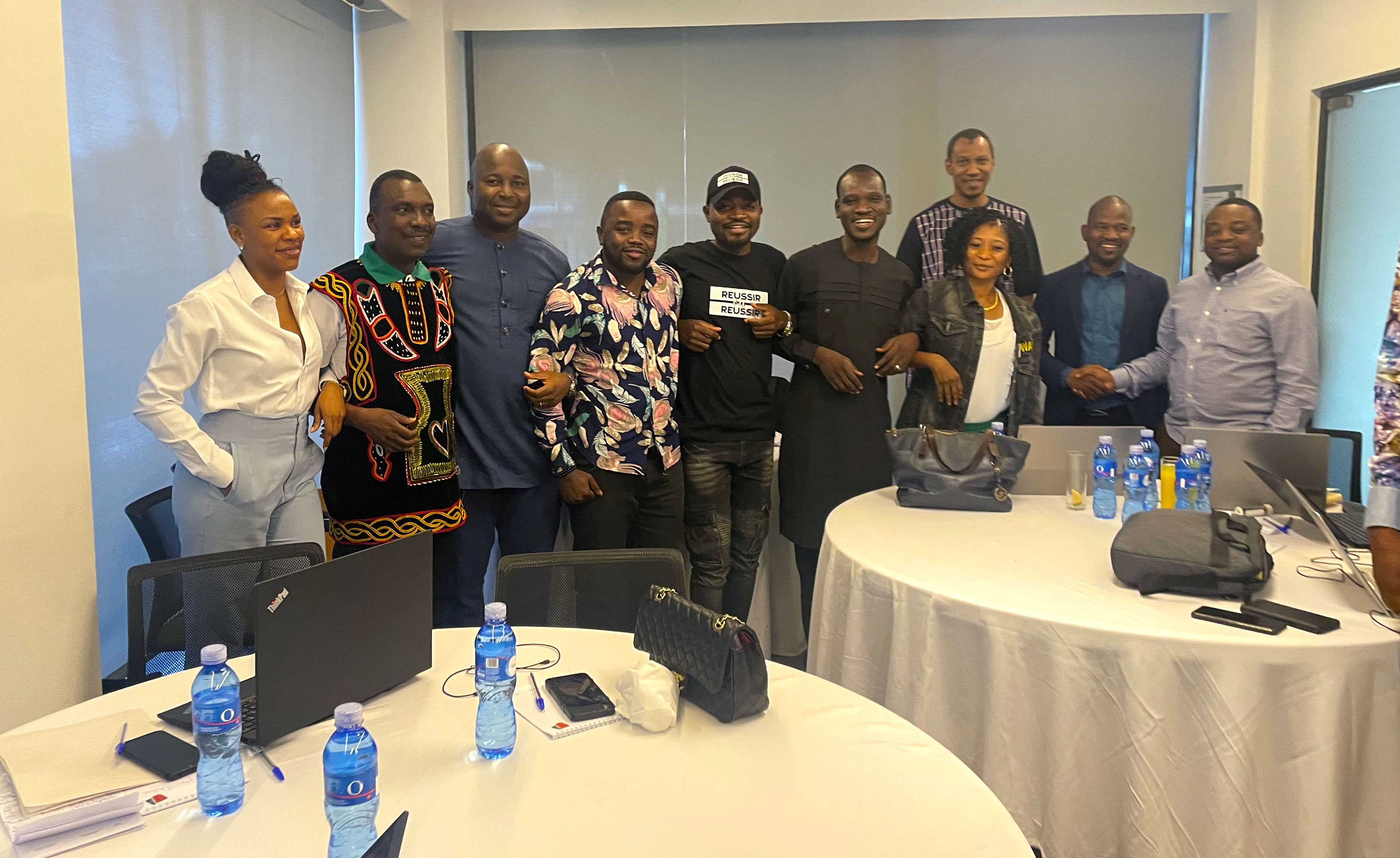
As part of the regional launch of the Comprehensive Abortion Care in West Africa (CAC) project, a regional launch meeting was held from 13th to 15th March 2024 in Abidjan, Côte d'Ivoire. Under the leadership of the IPPF ARO Secretariat, the Member Associations (MAs) from Burkina Faso (ABBEF), Cameroon (CAMNAFAW), Niger (ANBEF) and Togo (ATBEF) were invited to strengthen their institutional capacities to ensure the successful and effective implementation of the said project. Over three days of workshops, punctuated by plenary sessions, engaging PowerPoint presentations, and group work, participants benefited from in-depth learning about the project. They were able to take ownership of the project's requirements and fully understand the essential role that MAs must play in its implementation and monitoring. The sharing of experiences allowed participants to address the project's multiple intervention levers, including service delivery, advocacy, and community mobilization. This meeting was also an opportunity for the MA representatives to re-examine and refine their intervention strategies to align them more closely with the project's objectives and priorities. At the close of the workshop, a sense of satisfaction emanated from the participants, testifying to the positive impact of this meeting on their respective positions. Several participants highlighted the opportunities for collaboration and mutual learning among MAs that the meeting offered. "The sessions were all enriching, but I particularly appreciated the ones on sharing experiences. I was impressed by everyone's open-mindedness and the collaborative atmosphere that resulted. The exchanges were constructive, with a sincere desire to find solutions," said **Marie-Ange Bouwem Kamealo, CAC Project Coordinator, ATBEF**. "I found the meeting very pleasant and enriching, with a mastery of the topics covered. I recommend promoting this type of meeting, which is a true framework for sharing experiences," said **Dr Mady Dera, ABBEF**. "I was able to better differentiate between advocacy and social mobilisation," said **Dr Gael Dongmo Kenfack, CAC Project Coordinator, CAMNAFAW**. Some emphasised the strategic importance of this initiative for improving their engagement, especially in a challenging context. "This workshop was of paramount importance for our team in Niger, because it was a key to opening up the implementation of this project at the level of our MA, given the very sensitive nature of the topic. All the grey areas concerning this project were cleared up during this workshop. This meeting not only allowed us to harmonise the various action plans but also to have an overall view of the coordinated implementation of this project, as well as the role of each MA in the consortium," said **Youmandi Lamoudi, Director of Programmes, ANBEF**. In conclusion, this meeting marked a decisive step in the planning for the successful implementation of the CAC project in West Africa. It strengthened the ties between the MAs and the IPPF ARO Secretariat, while providing participants with the necessary skills to meet the challenges ahead in the field of comprehensive abortion care in West Africa.

15 March 2024
FON Parallel Event at CSW68: Advancing Gender Equality Through Feminist Financing
By Alejandra Garcia In the bustling halls of the CSW68, amidst discussions on global issues and women's rights, the FON Project carved out a space to spotlight an essential aspect of Advancing Equality: Financing with Feminist Approaches. This parallel event gathered a distinguished panel featuring voices from diverse backgrounds, each offering unique perspectives on the crucial role of feminist funding in promoting gender equality worldwide. Carolina Calle, a sex worker and human rights defender from Colombia, shared her experiences alongside Shelani Palihawadana, Program Director at Youth Advocacy Network Sri Lanka, Tori Chakma representing Supporting People and Rebuilding Communities in Bangladesh, Mar Merita Blat, Head of Mission Gender at the French Development Agency (AFD), and Marie Josiane Tra Lou, from Initiative Tile in Cote d’Ivoire. Guiding the conversation was Aminata Ba, FON Project Manager from IPPF. The panel's discussions delved into the heart of the matter, highlighting the indispensable role of civil society organizations (CSOs) in economically empowering survivors of gender-based violence, particularly in the Global South. At the core of the discourse was the transformative power of feminist funding and its impact on advancing gender equality on a global scale. Key insights emerged from the dynamic exchange, emphasizing the urgent need for direct support to feminist movements, especially in regions with fewer resources. The importance of funding dedicated explicitly to women's rights and feminist organizations was underscored, alongside the advocacy for flexible, multi-year grants that offer core support. Such funding mechanisms empower organizations to allocate resources based on their priorities, fostering sustainability and autonomy. Moreover, the panel shed light on the significance of recognizing and supporting small, informal community groups. Bridging the funding gap and enabling mid-sized women's groups to access more substantial resources emerged as critical strategies for amplifying the impact of feminist funding initiatives. Calls for the decolonization of funding practices, feminist accountability, and a transformation of power dynamics within funding structures resonated throughout the discussions. As the event concluded, participants reflected on actionable recommendations for governments to enhance fiscal regulations supporting medium and informal feminist organizations. The collective commitment to advancing gender equality through feminist financing approaches was palpable, igniting a sense of hope and determination among attendees. In closing, the FON Project's event at CSW68 serves as a beacon of inspiration for all stakeholders invested in gender equality. Through collaborative efforts and a steadfast dedication to feminist principles in financing, meaningful change can be realized, empowering the feminist movement worldwide. Together, let us continue to strive for a more equitable and just future for all.

15 February 2024
IPPF DG and FON organizations in Côte d'Ivoire: Promoting intersectionality for women's rights.
By Aminata Ba On Saturday February 10, the Director General of the International Planned Parenthood Federation (IPPF), Dr. Alvaro Bermejo, met with FON's grantee organizations in Côte d'Ivoire, principally those based in Abidjan. Held at the headquarters of IPPF's sub-regional office for West and Central Africa, the meeting was attended by Initiative Tile, SOS Forêts, Action et Humanisme and La Fondation Djigui la Grande Espèrance, as well as AIBEF , an IPPF member association. Each of the organizations was accompanied by an allied flagship organization, including the UNDP (with the Inclusive “Governance Initiative project”), Water Life, Organisation Nationale pour l'Enfant, la Femme et la Famille (ONEF), Coalition contre les MGF, and Association des Paralytiques de Côte d'Ivoire (APCI). The organizations shared their experiences, highlighting their work and challenges in the field of feminism and the promotion of the rights of women and marginalized people. Alongside this, they expressed their aspirations for the establishment of gender equality in Côte d'Ivoire. At personal level, they look forward to seeing marginalized populations develop an awareness of their rights, no longer seeing them as favors, but as indispensable freedoms. With regard to policy-makers, their wish is to see the emergence of more harmonious coordination between players involved in the fight against Gender-Based Violence, breaking down existing silos. Intersectionality as an engine for progress in the fight for women's rights in Côte d'Ivoire The IPPF General Director, after listening to these organizations, welcomed the concrete manifestation of intersectionality at the heart of the work of FON grantee CSOs in Côte d'Ivoire. He shared his reflections on the power inherent in this intersectionality. During his visits to Côte d'Ivoire, he understood from the country authorities he met that the delay in adopting a law on Sexual and Reproductive Health (SRH) stems from the challenges associated with cross-sectoral legislation, making it complex to have this law adopted. From a pragmatic perspective, Dr. Alvaro Bermejo advocated in favor of demonstrating the power of CSOs to achieve this intersectionality, setting them up as a concrete example to stimulate the advancement of laws to combat gender-based violence. He emphasized also that this intersection provides a space for exchange and knowledge-sharing between organizations, strengthening their collective impact. In conclusion, this meeting offered a promising vision of strengthened collaboration and significant progress in the promotion of women's rights in Côte d'Ivoire.

Advancing sexual and reproductive health and rights in Côte d’Ivoire: highlights from the IPPF Director General’s visit
Abidjan, February 13, 2024 – The International Planned Parenthood Federation’s (IPPF) Director General, Dr. Alvaro Bermejo, concluded a four-day visit to Côte d’Ivoire last week. Hosted by IPPF member association « Association Ivoirienne pour le Bien-Être Familial (AIBEF) », Dr. Bermejo met with key stakeholders to discuss priorities and challenges related to advancing sexual and reproductive health and rights (SRHR) in the country. “I want to thank the Ivorian government for its efforts and partnership with AIBEF over the years to expand access to quality sexual and reproductive healthcare information and services. During my meetings, I emphasized IPPF’s commitment to continue investing and supporting the country’s SRHR efforts. An improved legal framework would facilitate our work and allow us to achieve greater impact,” said Dr. Bermejo. Highlights from the visit included meetings with the Minister of Health, Dr. Pierre Dimba, the President of the Economic, Social and Environmental Council, Dr. Eugène Aka Aouélé, and the Chief of Staff of the Minister of Women, Family and Children, Mr. Moussa Diarrassouba. Discussions focused on ongoing collaboration and future opportunities to strengthen SRHR policy, programming and awareness in Côte d’Ivoire. Dr. Bermejo also met with key partners including UNFPA, PSI, MSI, IPAS, PATHFINDER and local NGOs supporting AIBEF’s work on the ground. Partners highlighted impactful partnerships on various SRHR issues and exploring ways to enhance collaboration moving forward. The visit also included a meeting with UNAIDS Country Office to identify opportunities for closer collaboration between HIV and family planning services. At the community level, Dr. Bermejo visited “Espace Confiance”, an AIBEF-supported clinic providing SRHR services to key populations, including members of the LGBTQ+ community, transgender people, and sex workers. He spoke directly with clients to better understand the services they access and persistent barriers faced. Finally, recognizing the importance of leaving no one behind, the Director General visited the National Ivorian Institute for the Promotion of the Blind (INIPA) which recently received support from AIBEF to translate a comprehensive sexuality education manual into braille so visually impaired young people can access this critical information. “This visit allowed for critical high-level discussions about how we can work together to fully meet the sexual and reproductive health needs of all people in Côte d’Ivoire. It also revealed grassroots perspectives to ensure our programmes address barriers and gaps experienced by key populations and marginalized groups on a daily basis as we advance universal health coverage,” concluded Dr. Bermejo.

04 August 2023
FON, a new era of feminism in Africa.
By Martine Ouédraogo, Coordination Assistant (Junior Professional Program). As a member of the Organizing Committee, I took part in the first face to face meeting of the Advisory and Regional Coordination Committee of the FON project in Assinie, Côte d'Ivoire from July 25 to 28, 2023. FON has launched its first call for expressions of interest on May 5, 2023 and the purpose of this meeting was mainly to review all applications received and make final decisions on the feminist organizations of the first cohort of organisations to receive FON funds in Africa and the amounts to be granted. As a reminder, Feminist Opportunities now (FON) is a project funded by the French Development Agency (AFD) and the French Ministry for Europe and Foreign Affairs as part of their feminist foreign policy, whose primary objective is to strengthen the capacities of feminists movements, so that they are in a better position to prevent and respond to gender-based violence. IPPF - AR , as leader of the consortium, which is also composed by CR E A , Empow'Her , the International Federation of Human Rights and Médecins du Monde France (MdM) , manages the implementation of the project which will be carried out in ten countries on three continents including Mexico and Colombia (led by MdM), Bangladesh and Sri Lanka (led by CREA) and Burkina Faso, Ethiopia, Guinea, Côte d'Ivoire, Kenya and Niger (led by IPPF-AR). Five representatives of the consortium organizations and six representatives of feminist civil society organizations worked together on the selection criteria and transparently selected the feminist organizations that FON will support in this first phase of the program in the six African countries of the project. These 6 representatives who, voluntarily collaborate with the FON Project, Theatre for a Change (TfaC), AKILIDADA, ATHENA Network, Safe Abortion Action Fund (SAAF), Initiative Pananetugri pour le Bienêtre de la Femme ( IPBF ) and African Sex Workers Alliance (ASWA) The work was sometimes organized in groups, but the teams always met in plenary to share their different points of view concerning the applications. Some members who could not make the trip, joined online. The discussions were very animated, sometimes stormy, but always respectful and with a common objective: to succeed in selecting the feminist organizations most in need of financial and technical support. It should be emphasized that it was necessary to select about five applications per country – that is to say about thirty applications in all -, which was not an easy task in view of the large number of applications received, most of them being of very good quality. On Friday July 28, 2023, representatives of the French Development Agency joined the premises to participate in the discussions and provide answers to the concerns of the members of the Committee. Emy SICARD DELACE, Project Manager on Gender Issues at AFD in Cote d'Ivoire, and Nelly RELIAT , Health and Social Protection Project Manager at AFD, the French Development Agency (donor of the Project) recognized the fact that there are a significant number of civil society organizations that need funding, but are structurally excluded from funding because they are not structured, and sometimes even not legally registered. It is with this in mind that AFD wants to support these CSOs, in all their diversity, by building their capacities, promoting training between peers, and facilitating networking. They expect these selected organizations to be able to better respond to the multiple challenges of gender-based violence in their contexts with a feminist approach. A final meeting is scheduled by video conference this week to finalize the process and draw lessons for future calls for applications. As a young feminist, I believe that the FON Project will foster cohesion among feminist organizations in Africa so that the fight for gender equality will be a reality one day not far away .

02 August 2023
FON, une nouvelle ère du féminisme en Afrique.
Par Martine Ouédraogo, Assistant à la coordination (Programme professionnel junior). En tant que membre du Comité d'organisation, j'ai pris part à la première rencontre du Comité Consultatif et de Coordination Régionale du projet FON à Assinie, Côte d’Ivoire du 25 au 28 juillet 2023. FON ayant lancé son premier appel à manifestations d’intérêt le 5 mai 2023, le but de cette rencontre était principalement d'examiner toutes les candidatures reçues et prendre des décisions finales sur les organisations féministes récipiendaires des fonds qui composeront la première cohorte de FON en Afrique et les montants à accorder. Pour rappel, Feminist Opportunities Now (FON) est un projet financé par l'Agence Française de Développement (AFD) et le Ministère Français de l’Europe et des Affaires étrangères dans le cadre de leur politique extérieure féministe, dont l’objectif primordial est de renforcer les capacités des mouvements féministes, afin d’être en meilleure capacité de prévenir et de répondre aux violences basées sur le genre. IPPF-AR, en tant que chef de file du consortium, composé également par CREA, Empow'Her, la Fédération Internationale des Droits de l'Homme et Médecins du Monde France, gère la mise en œuvre du projet qui sera réalisé dans dix pays sur trois continents dont le Mexique et la Colombie, pilotés par MdM, le Bangladesh et le Sri Lanka (pilotés par CREA) et le Burkina Faso, l'Éthiopie, la Guinée, la Côte d'Ivoire, le Kenya et le Niger (pilotés par IPPF-AR). Cinq représentants des organisations du consortium et six représentants d’organisations féministes de la société civile ont travaillé ensemble sur les critères de sélection et ont retenu, de façon transparente, les organisations féministes que FON va appuyer dans cette première phase du programme dans les six pays africains du projet. Ces 6 représentants qui collaborent bénévolement au Projet FON sont Théâtre For A Change (TfaC), AKILIDADA, ATHENA Network, Safe Abortion Action Fund (SAAF), Initiative Pananetugri pour le Bienêtre de la Femme (IPBF) et African Sex Workers Alliance (ASWA). Les travaux étaient parfois organisés en groupe, mais les équipes se retrouvaient toujours en plénière pour partager leurs différents points de vue concernant les candidatures. Certains membres qui ne pouvaient faire le déplacement se sont joints en ligne. Les discussions étaient très animées, parfois houleuses, mais toujours respectueuses et avec un objectif commun : réussir à sélectionner les organisations féministes le plus en besoin d’appui financier et technique. Il faut souligner qu'il fallait retenir environ cinq candidatures par pays – soit une trentaine de candidatures en tout -, ce qui n'a pas été une tâche facile au regard du grand nombre de candidatures reçues, la plupart étant plus que pertinentes. Le vendredi 28 juillet 2023, des représentantes de l'Agence Française de Développement, ont rejoint les lieux pour participer aux discussions et apporter des réponses aux préoccupations des membres du Comité. Emy SICARD DELACE, Chargée de projets sur les questions du genre de l'AFD en Cote d’Ivoire, et Nelly RELIAT, Responsable de projets santé et protection sociale de l'AFD, l'Agence française de développement (bailleur de fond du Projet) reconnaissaient le fait qu'il y a un nombre important d'organisations de la société civile qui ont besoin de financement, mais sont structurellement exclues des financements parce qu'elles ne sont pas structurées, voire parfois, pas enregistrées légalement. C'est dans cette optique que l'AFD veut accompagner ces OSC, dans toute leur diversité, en renforçant leurs capacités, en favorisant la formation entre pairs, et en facilitant la mise en réseau. Elles attendent que ces organisations sélectionnées soient en mesure de mieux répondre aux multiples défis des violences basées sur le genre dans leur contexte avec une approche féministe. Une dernière rencontre est prévue en vidéo conférence cette semaine afin de finaliser le processus et tirer les leçons pour les prochains appels à candidature. En tant que jeune féministe, je pense que le Projet FON va favoriser la proximité et la cohésion entre les organisations féministes en Afrique afin que la lutte pour l’égalité des genres soit une réalité un jour pas lointain.
26 May 2026
From fragmentation to Structured Movements
‘Cross-movement solidarity’ is the most likely answer you would get if you asked a young person in development spaces on what needs to be strengthened. Working across various movements for the greater good. I continue to believe, and will keep repeating, that at every intersection, there is liberation. We have inherited an emboldened mandate to conceptualize and implement cross-movement work on the shoulders of those who came before us. There is now a growing desire to move away from isolative and siloed movements toward one that recognizes that human rights are fundamentally intersecting, and so our thinking around abolition, repeal, protection, and collective care must also be intersecting. But let’s be clear; sometimes organizing pushes people toward impossible compromises. Choosing between food and protest. Between “reasonable accommodations” and access to parliament. Between financial sustainability and impact. No one should ever have to choose between an empty stomach and meaningful impact, yet movements across the region and globally, especially those led by marginalized communities, are consciously or subconsciously forced into these decisions. And slowly, this reality weaves itself into organizational culture itself, the constant pitting against one another, agenda-driven storytelling, scarcity politics, and forgetting who we are beyond survival. Our bedrock begins to rot in belongingness itself, in the loss of communities and third spaces that are not commercialized or monetized. When groups that have historically been marginalized are competing against one another over limited resources, coalitions become difficult to sustain. Economics is always at play. Money is political. These tensions are not imagined. In March 2026, activists and organisations across SRHR, LGBTQIA+, feminist, PHIV, sex workers, and community-led movements gathered in Abidjan, Côte d’Ivoire, for the Cross-Sector Convening on Strengthening Gender and Rights Movements in Africa: From Inception to Action, co-organized by the International Planned Parenthood Federation Africa Region, Pan Africa ILGA, and ILGA World Beyond strategy and political analysis, the convening was also a testament to cross-movement unity and solidarity. Organizers from movements that are often separated by funding streams, mandates, language, geography, and political pressures found themselves in shared conversation, reflecting not only on threats, but on care, survival, belonging, and what collective liberation could still look like in practice. In many ways, the convening was not only about responding to anti-rights actors, but also about reconnecting with one another beyond crisis. Across movements, similar realities emerged: fragmentation, weak coordination, shrinking civic space, burnout, funding competition, and increasing pressure toward self-censorship. Participants spoke not only about visible anti-rights attacks, but also about the quieter normalization of anti-rights thinking within institutions meant to protect rights, through health systems, funding structures, media ecosystems, religious narratives, and everyday bureaucratic decisions. Others reflected on how solidarity itself becomes strained when movements are forced to compete for limited resources, visibility, and survival. Participants reflected on how anti-rights actors have built strong networks across religious institutions, political actors, media ecosystems, and foreign funding streams. While progressive movements are often pushed into reactive modes of organizing, anti-rights actors have invested in infrastructure, long-term narrative building, and sustained political coordination. They understand the importance of structure. This is the uncomfortable truth many of us are now being forced to confront: progressive movements need to catch up. Despite the increasingly hostile climate, movements across Africa are resisting. Coalition-building, rapid response mechanisms, strategic litigation, feminist organizing, queer organizing, mutual aid networks, and community-led approaches continue to hold the line across the region. But too often this work happens in challenging systems rather than through supported ecosystems of care and sustainability. Solidarity without material conditions eventually becomes performance. Participants repeatedly returned to the need for something more durable than symbolic alignment: shared infrastructure, coordinated rapid-response systems, political trust, safer organizing conditions, stronger communication across movements, and collective accountability capable of surviving beyond convenings themselves. Because what does solidarity mean when movements are underfunded, burned out, criminalized, digitally surveilled, and competing against one another for survival? What does collaboration look like when language barriers, regional divides, unequal funding access, and institutional power imbalances remain unresolved? Perhaps the shift we need is not simply toward “cross-movement work” as language, but toward structured movements. Movements capable of resourcing one another, sharing knowledge, building collective safety, coordinating politically, and imagining beyond emergency response. Movements that understand care, sustainability, accessibility, and culture-building as political strategy rather than secondary concerns. And perhaps this was the deeper offering of Abidjan itself: not merely a convening, but an attempt to collectively imagine beyond the horizon for our movements. A reminder that our North Star cannot simply be survival, but the building of movements structured enough to carry us toward collective futures.
26 September 2025
World Contraception Day 2025 Message
From the WISH 2 Team Lead Today, on World Contraception Day, we reaffirm our collective commitment to ensuring that contraception is recognized and realized as a right, a responsibility, and a reality for all. Since its launch in 2007, World Contraception Day has been commemorated every year on 26 September, making 2025 the 19th annual global observance of this important campaign to raise awareness and advance SRHR. The day reminds us of the power of choice and the transformative impact of SRHR on individuals, families, and communities. Access to safe, voluntary, and high-quality contraception is not only a health imperative, but also a pathway to dignity, equity, and opportunity. Under the WISH 1 (WISH2Action) project, 3.6 million additional family planning users were reached, an estimated 22 million maternal deaths, 4.3 million unsafe abortions, 13.2 million unintended pregnancies, and 19.2 million disability-adjusted life years were averted, a powerful demonstration of the lifesaving impact of sustained investment in SRHR. Building on this momentum, WISH 2 East and Southern Africa, set targets to reach 4.2 million family planning users, with the intention of preventing 3.2 million unintended pregnancies, 1 million unsafe abortions, and 5,600 maternal deaths across seven countries in Eastern and Southern Africa. Since the start of the project, WISH 2 has reached 169,590 annualised clients as at the end of June 2025. Through this project, we remain committed to expanding access to sexual and reproductive health services across Eastern and Southern Africa, with a particular focus on fragile and humanitarian settings where women, adolescents, and marginalised groups face the greatest barriers. By strengthening service delivery, advancing social and behaviour change, advocating for enabling policies, and generating evidence for learning, WISH 2 is ensuring that no one is left behind in the pursuit of sexual and reproductive health and rights. Central to this effort is strong partnership with governments, whose leadership and stewardship are essential for sustaining progress. WISH 2 works hand in hand with national and local authorities to complement their strategies and contribute to country-led priorities for universal access to contraception and broader SRHR. Yet, these gains are under threat. Global funding for SRHR is declining, undermining women’s rights, equity, and agency, and putting millions at risk of preventable harm. As we mark this 19th World Contraception Day, we call on governments, donors, and partners to renew their commitment to SRHR. Together, we can ensure that contraception remains accessible, affordable, and inclusive, empowering every individual to make informed choices about their bodies and futures. On this day, we celebrate the dedication of our partners, country teams including Member Associations, stakeholders who support the cause and frontline providers who work tirelessly to make contraceptive services more inclusive, resilient, and rights based. Together, we are creating a future where every individual, regardless of circumstance, can make informed choices about their reproductive health. Let us continue to learn, innovate, and act so that contraception is recognized not only as a method of family planning, but as a fundamental right for all. Contraception is not just health care, it is a right, a responsibility, and a reality we must protect and advance. Happy World Contraception Day!
26 November 2024
Femicide in Africa: Confronting a Crisis of Gender-Based Violence
Femicide in Africa: Confronting a Crisis of Gender-Based Violence Femicide, the gender-based killing of women because they are women is one of the most extreme manifestations of gender inequality and patriarchal violence. Defined as the intentional murder of women rooted in misogyny, it is a chilling reminder of the systemic inequalities that persist across societies. This pervasive crisis is not just a collection of harrowing statistics; it is a global emergency that underscores the fragility of women’s safety in their homes, workplaces, and communities. As the world observes the 16 Days of Activism Against Gender-Based Violence, we are compelled to confront the rising epidemic of femicide, especially in Africa, and to demand collective action. Recent Tragedies: A Spotlight on Africa's Crisis The brutal murder of Olympic athlete Rebecca Cheptegei in September 2024 has highlighted the deadly crisis facing women across Africa. As Eunice Dollar, Executive Director of Smart Ladies Youth Initiative, one of Feminist Opportunities Now's grantee partner in Kenya expressed, "Rebecca Cheptegei's murder is yet another devastating blow. Another athlete was brutally killed on Kenyan soil. It is horrifying. And now, as we review the outcomes of the Agnes Tirop Conference - another marathoner who was brutally murdered by her partner, it is clear: we must do more than just ‘level the playing field’ for women in sports. We must take action to support female athletes and create an environment where they feel safe and empowered.” In Côte d'Ivoire, the murder on 11 September 2024 of a young woman aged 19 in the country’s capital, Abidjan, has rekindled concerns about femicide in the country. These latest tragedies follow a string of femicides that have sent shockwaves through the African continent. Among these are the heartbreaking death of Olympian Rebecca Cheptegei and the brutal murder of student Christana Idowu, who was abducted by a school mate and church member are painful reminders that femicide is a threat to all women. In 2022, UN Women reported, 89,000 women and girls were murdered worldwide the highest in two decades. Africa alone saw 20,000 women killed by their partners, marking one of the highest femicide rates globally. Côte d'Ivoire, like the rest of Africa, has seen an upsurge in femicide in recent years. The Ligue Ivoirienne des Droits des Femmes (Ivorian League for Women's Rights) recently issued a wake-up call, citing a report by the country's feminist association, which indicates that in 2020 alone, some 416 women were victims. Earlier this year, in response, women in Kenya rallied in the #EndFemicide march, demanding urgent action in the face of rising femicide cases. The Challenges: Stigma, Data Gaps, and Impunity It is important to note that these figures only represent reported cases, and do not fully reflect the acute reality of women and girls across Africa who have lost their lives to femicide. Cultural stigmas, underreporting of gender-related violence, and weak legal systems designed to protect women contribute to the crisis, obscuring the true scale. Additionally, one of the major challenges in addressing femicide is the lack of standardized methods for data collection or reporting across regions, making it extremely difficult to evaluate and compare global data. Despite these gaps, the numbers we do have are not just statistics; they represent the lives of women at stake, their safety compromised, and their futures stolen. This crisis goes beyond statistics; it speaks to the systemic impunity that allows violence against women to persist. Women and girls are unsafe even in their own homes, often at risk from the very people closest to them, those who are supposed to provide support and protection. More than half of these killings were carried out by individuals in positions of trust, by current or former husbands, intimate partners, or family members. Systemic Roots: Misogyny and Patriarchal Norms Femicide is deeply rooted in societal norms and inequalities that reinforce the subjugation of women. Despite its devastating impact, violence against women and girls remains one of the least prosecuted and punished crimes globally. It is "so deeply embedded around the world that it is almost invisible." in response, Ligue Ivoirienne des Droits Femmes (LIDF) has called for immediate action stating "Despite the laws and commitments made by the authorities to protect women's rights, too little effort is being made to ensure that these measures are strictly applied. The lack of diligence in investigations and the culture of impunity reinforce the cycle of violence." All forms of femicide, despite contextual variations, are rooted in misogyny and gender discrimination. Harmful gender norms, deeply ingrained patriarchal attitudes including beliefs in male dominance and the subordination of women, and weak or discriminatory legal systems that fail to protect women’s rights or hold perpetrators accountable are manifestations of the same gender inequality that drives violence against women. When societies tolerate or ignore gender-based violence against women, they ultimately normalize it, reinforcing gender inequalities and exacerbating the issue. Empowering Change: The Role of Feminist Organizations Governments must prioritize the fight against perpetrators' impunity to enable societies to challenge the normalization of gender-based violence. As Alejandra Garcia, the Feminist Opportunities Now (FON) Program Manager, emphasizes, "Only through this commitment can we begin dismantling the deeply ingrained acceptance of violence against women." The Feminist Opportunities Now (FON) project is a vital initiative in the fight against gender-based violence and the promotion of gender equality. Operating in 10 countries across Africa, Latin America, and Asia; including Kenya, Côte d'Ivoire, Ethiopia among others. FON provides technical and financial support to feminist civil society organizations, particularly smaller and often unregistered groups. Funded by the French Development Agency (FDA) and the French Ministry of Europe and Foreign Affairs, FON aligns with France’s feminist diplomacy through its Fund to Support Feminist Organizations (FSOF), created in 2019 to strengthen feminist movements globally. Intersectionality: Addressing Marginalization and Risk Factors Femicide does not occur in isolation, it intersects with systems of oppression like capitalism, racism, and white supremacy, to further marginalize women, girls, and other gender-diverse people. Dinah Musindarwezo, Director of Policy and Communications at WomenKind World Wide, explains, marginalized women including LBTQI+ persons, women with disabilities, female sex workers, and domestic workers are at higher risk of femicide. Despite different contexts, all forms of femicide share a common root: misogyny. Yet, there remains a persistent reluctance to confront the deeply ingrained misogynistic intent behind gender-based violence. IPPF's Commitment: Ending Femicide and Advancing Equality The femicide scourge is ravaging Africa, revealing the pervasive danger women face on the continent. At IPPF, we are committed to addressing this urgent crisis. Alongside our partners, we work to prevent femicide and all forms of gender-based violence. We support the essential work of women’s rights organizations, engage with men and boys to challenge patriarchal norms, and work with communities to dismantle discriminatory practices. Through projects like the Feminist Opportunities Now (FON), we are advancing gender equality and fostering safer, more equitable environments across regions. We call on governments to invest in women-led strategies that have been proven to prevent violence against women and girls and to firmly address the widespread impunity that perpetuates gender-based violence. The time for action is now before another life is lost.
11 September 2024
Take a Stand against Hate to Protect the Rights of LGBTQI+ in Côte d'Ivoire
Since 21 August, influencers through online campaigns have amplified dangerous narratives, justifying physical and psychological violence on the LGBTQI+ community in Cote d’Ivoire. This is not just an attack on LGBTIQ people, but on the human rights of all Ivorian citizens. Feminist Opportunities Now, together with its partner organisations and activists in Côte d'Ivoire, expresses its outrage at the rise in violence, hate speech and discrimination against lesbian, gay, bisexual, transgender, intersex and queer (LGBTIQ) communities. We are deeply concerned by the increase in calls for violence and crimes targeting individuals because of their sexual orientation and gender identity. Today, we call for urgent action to stop this wave of hatred that threatens the dignity and rights of so many people. Sign the petition This is a call for action and solidarity, aimed at mobilising the authorities, the media and civil society to combat hatred and violence against LGBTIQ people. The Need for Urgent Action We call on everyone to take immediate action to stop this dangerous trend. Hate speech, threats and violence have no place in a democratic society. Public figures and institutions must act decisively to protect all citizens, regardless of sexual orientation or gender identity. We stress that the Constitution of Côte d'Ivoire guarantees equality and human dignity for all, as stipulated in Article 2. There are no laws criminalising LGBTIQ individuals in the country, and any attack on their rights is a violation of the fundamental principles of freedom and equality, as Marie-Jo, programme and project officer for an organisation that campaigns for the human rights of lesbian, bisexual and queer women in Côte d'Ivoire, points out: "Calling for the eradication of the LGBTI community brings us back to Nazi rhetoric. Today we are in Côte d'Ivoire where, in the name of personal convictions, some citizens are calling for the disappearance of other citizens and believe that they should not exist. There is no justification for killing and using violence because we are against someone's sexual orientation, the way they walk or even the way they dress. The state is guilty of what is happening, of all these excesses, by its silence and inertia. Sign the petition The companies behind platforms such as Facebook, TikTok and YouTube must assume their responsibilities by moderating content and deleting hate messages. We demand strict sanctions against accounts that spread hate. The Role of Government and the Legal System The Ivorian government must take immediate action to enforce its laws against hate speech and violence. Article 226 of the Penal Code clearly prohibits discrimination, and the increase in attacks must be addressed through firm legal action. We cannot allow those who incite violence to go unpunished. The lack of sanctions creates a climate of insecurity for LGBTIQ people, undermining confidence in the institutions charged with protecting them. What to do? Sign the petitions: Join our partners in the fight against hate and violence by signing the petitions demanding stronger legal protection for the LGBTIQ community. Read the statement: Read the full statement from our partners in Côte d'Ivoire and their partners, which sets out the legal and moral obligations to protect the rights of all citizens, including LGBTIQ people. We reaffirm our commitment to building a future where everyone can live without fear, where LGBTIQ people in Côte d'Ivoire and around the world can live with dignity, respect and freedom. Together, let us reject hatred, protect human rights and build a society that values every individual. Read the statement drawn up by three of our civil society organisations and their partners on this homophobic propaganda. FON is a project that funds CSOs around the world to combat all forms of gender-based violence. Read the article on the FON Website: Feminist Opportunities Now (FON) - Call to amplify Civil Society Organisations fight against GBV (feministnow.org)
20 March 2024
Capacity Building for IPPF Member Associations for the Success of the Comprehensive Abortion Care Project in West Africa
As part of the regional launch of the Comprehensive Abortion Care in West Africa (CAC) project, a regional launch meeting was held from 13th to 15th March 2024 in Abidjan, Côte d'Ivoire. Under the leadership of the IPPF ARO Secretariat, the Member Associations (MAs) from Burkina Faso (ABBEF), Cameroon (CAMNAFAW), Niger (ANBEF) and Togo (ATBEF) were invited to strengthen their institutional capacities to ensure the successful and effective implementation of the said project. Over three days of workshops, punctuated by plenary sessions, engaging PowerPoint presentations, and group work, participants benefited from in-depth learning about the project. They were able to take ownership of the project's requirements and fully understand the essential role that MAs must play in its implementation and monitoring. The sharing of experiences allowed participants to address the project's multiple intervention levers, including service delivery, advocacy, and community mobilization. This meeting was also an opportunity for the MA representatives to re-examine and refine their intervention strategies to align them more closely with the project's objectives and priorities. At the close of the workshop, a sense of satisfaction emanated from the participants, testifying to the positive impact of this meeting on their respective positions. Several participants highlighted the opportunities for collaboration and mutual learning among MAs that the meeting offered. "The sessions were all enriching, but I particularly appreciated the ones on sharing experiences. I was impressed by everyone's open-mindedness and the collaborative atmosphere that resulted. The exchanges were constructive, with a sincere desire to find solutions," said **Marie-Ange Bouwem Kamealo, CAC Project Coordinator, ATBEF**. "I found the meeting very pleasant and enriching, with a mastery of the topics covered. I recommend promoting this type of meeting, which is a true framework for sharing experiences," said **Dr Mady Dera, ABBEF**. "I was able to better differentiate between advocacy and social mobilisation," said **Dr Gael Dongmo Kenfack, CAC Project Coordinator, CAMNAFAW**. Some emphasised the strategic importance of this initiative for improving their engagement, especially in a challenging context. "This workshop was of paramount importance for our team in Niger, because it was a key to opening up the implementation of this project at the level of our MA, given the very sensitive nature of the topic. All the grey areas concerning this project were cleared up during this workshop. This meeting not only allowed us to harmonise the various action plans but also to have an overall view of the coordinated implementation of this project, as well as the role of each MA in the consortium," said **Youmandi Lamoudi, Director of Programmes, ANBEF**. In conclusion, this meeting marked a decisive step in the planning for the successful implementation of the CAC project in West Africa. It strengthened the ties between the MAs and the IPPF ARO Secretariat, while providing participants with the necessary skills to meet the challenges ahead in the field of comprehensive abortion care in West Africa.
15 March 2024
FON Parallel Event at CSW68: Advancing Gender Equality Through Feminist Financing
By Alejandra Garcia In the bustling halls of the CSW68, amidst discussions on global issues and women's rights, the FON Project carved out a space to spotlight an essential aspect of Advancing Equality: Financing with Feminist Approaches. This parallel event gathered a distinguished panel featuring voices from diverse backgrounds, each offering unique perspectives on the crucial role of feminist funding in promoting gender equality worldwide. Carolina Calle, a sex worker and human rights defender from Colombia, shared her experiences alongside Shelani Palihawadana, Program Director at Youth Advocacy Network Sri Lanka, Tori Chakma representing Supporting People and Rebuilding Communities in Bangladesh, Mar Merita Blat, Head of Mission Gender at the French Development Agency (AFD), and Marie Josiane Tra Lou, from Initiative Tile in Cote d’Ivoire. Guiding the conversation was Aminata Ba, FON Project Manager from IPPF. The panel's discussions delved into the heart of the matter, highlighting the indispensable role of civil society organizations (CSOs) in economically empowering survivors of gender-based violence, particularly in the Global South. At the core of the discourse was the transformative power of feminist funding and its impact on advancing gender equality on a global scale. Key insights emerged from the dynamic exchange, emphasizing the urgent need for direct support to feminist movements, especially in regions with fewer resources. The importance of funding dedicated explicitly to women's rights and feminist organizations was underscored, alongside the advocacy for flexible, multi-year grants that offer core support. Such funding mechanisms empower organizations to allocate resources based on their priorities, fostering sustainability and autonomy. Moreover, the panel shed light on the significance of recognizing and supporting small, informal community groups. Bridging the funding gap and enabling mid-sized women's groups to access more substantial resources emerged as critical strategies for amplifying the impact of feminist funding initiatives. Calls for the decolonization of funding practices, feminist accountability, and a transformation of power dynamics within funding structures resonated throughout the discussions. As the event concluded, participants reflected on actionable recommendations for governments to enhance fiscal regulations supporting medium and informal feminist organizations. The collective commitment to advancing gender equality through feminist financing approaches was palpable, igniting a sense of hope and determination among attendees. In closing, the FON Project's event at CSW68 serves as a beacon of inspiration for all stakeholders invested in gender equality. Through collaborative efforts and a steadfast dedication to feminist principles in financing, meaningful change can be realized, empowering the feminist movement worldwide. Together, let us continue to strive for a more equitable and just future for all.
15 February 2024
IPPF DG and FON organizations in Côte d'Ivoire: Promoting intersectionality for women's rights.
By Aminata Ba On Saturday February 10, the Director General of the International Planned Parenthood Federation (IPPF), Dr. Alvaro Bermejo, met with FON's grantee organizations in Côte d'Ivoire, principally those based in Abidjan. Held at the headquarters of IPPF's sub-regional office for West and Central Africa, the meeting was attended by Initiative Tile, SOS Forêts, Action et Humanisme and La Fondation Djigui la Grande Espèrance, as well as AIBEF , an IPPF member association. Each of the organizations was accompanied by an allied flagship organization, including the UNDP (with the Inclusive “Governance Initiative project”), Water Life, Organisation Nationale pour l'Enfant, la Femme et la Famille (ONEF), Coalition contre les MGF, and Association des Paralytiques de Côte d'Ivoire (APCI). The organizations shared their experiences, highlighting their work and challenges in the field of feminism and the promotion of the rights of women and marginalized people. Alongside this, they expressed their aspirations for the establishment of gender equality in Côte d'Ivoire. At personal level, they look forward to seeing marginalized populations develop an awareness of their rights, no longer seeing them as favors, but as indispensable freedoms. With regard to policy-makers, their wish is to see the emergence of more harmonious coordination between players involved in the fight against Gender-Based Violence, breaking down existing silos. Intersectionality as an engine for progress in the fight for women's rights in Côte d'Ivoire The IPPF General Director, after listening to these organizations, welcomed the concrete manifestation of intersectionality at the heart of the work of FON grantee CSOs in Côte d'Ivoire. He shared his reflections on the power inherent in this intersectionality. During his visits to Côte d'Ivoire, he understood from the country authorities he met that the delay in adopting a law on Sexual and Reproductive Health (SRH) stems from the challenges associated with cross-sectoral legislation, making it complex to have this law adopted. From a pragmatic perspective, Dr. Alvaro Bermejo advocated in favor of demonstrating the power of CSOs to achieve this intersectionality, setting them up as a concrete example to stimulate the advancement of laws to combat gender-based violence. He emphasized also that this intersection provides a space for exchange and knowledge-sharing between organizations, strengthening their collective impact. In conclusion, this meeting offered a promising vision of strengthened collaboration and significant progress in the promotion of women's rights in Côte d'Ivoire.
Advancing sexual and reproductive health and rights in Côte d’Ivoire: highlights from the IPPF Director General’s visit
Abidjan, February 13, 2024 – The International Planned Parenthood Federation’s (IPPF) Director General, Dr. Alvaro Bermejo, concluded a four-day visit to Côte d’Ivoire last week. Hosted by IPPF member association « Association Ivoirienne pour le Bien-Être Familial (AIBEF) », Dr. Bermejo met with key stakeholders to discuss priorities and challenges related to advancing sexual and reproductive health and rights (SRHR) in the country. “I want to thank the Ivorian government for its efforts and partnership with AIBEF over the years to expand access to quality sexual and reproductive healthcare information and services. During my meetings, I emphasized IPPF’s commitment to continue investing and supporting the country’s SRHR efforts. An improved legal framework would facilitate our work and allow us to achieve greater impact,” said Dr. Bermejo. Highlights from the visit included meetings with the Minister of Health, Dr. Pierre Dimba, the President of the Economic, Social and Environmental Council, Dr. Eugène Aka Aouélé, and the Chief of Staff of the Minister of Women, Family and Children, Mr. Moussa Diarrassouba. Discussions focused on ongoing collaboration and future opportunities to strengthen SRHR policy, programming and awareness in Côte d’Ivoire. Dr. Bermejo also met with key partners including UNFPA, PSI, MSI, IPAS, PATHFINDER and local NGOs supporting AIBEF’s work on the ground. Partners highlighted impactful partnerships on various SRHR issues and exploring ways to enhance collaboration moving forward. The visit also included a meeting with UNAIDS Country Office to identify opportunities for closer collaboration between HIV and family planning services. At the community level, Dr. Bermejo visited “Espace Confiance”, an AIBEF-supported clinic providing SRHR services to key populations, including members of the LGBTQ+ community, transgender people, and sex workers. He spoke directly with clients to better understand the services they access and persistent barriers faced. Finally, recognizing the importance of leaving no one behind, the Director General visited the National Ivorian Institute for the Promotion of the Blind (INIPA) which recently received support from AIBEF to translate a comprehensive sexuality education manual into braille so visually impaired young people can access this critical information. “This visit allowed for critical high-level discussions about how we can work together to fully meet the sexual and reproductive health needs of all people in Côte d’Ivoire. It also revealed grassroots perspectives to ensure our programmes address barriers and gaps experienced by key populations and marginalized groups on a daily basis as we advance universal health coverage,” concluded Dr. Bermejo.
04 August 2023
FON, a new era of feminism in Africa.
By Martine Ouédraogo, Coordination Assistant (Junior Professional Program). As a member of the Organizing Committee, I took part in the first face to face meeting of the Advisory and Regional Coordination Committee of the FON project in Assinie, Côte d'Ivoire from July 25 to 28, 2023. FON has launched its first call for expressions of interest on May 5, 2023 and the purpose of this meeting was mainly to review all applications received and make final decisions on the feminist organizations of the first cohort of organisations to receive FON funds in Africa and the amounts to be granted. As a reminder, Feminist Opportunities now (FON) is a project funded by the French Development Agency (AFD) and the French Ministry for Europe and Foreign Affairs as part of their feminist foreign policy, whose primary objective is to strengthen the capacities of feminists movements, so that they are in a better position to prevent and respond to gender-based violence. IPPF - AR , as leader of the consortium, which is also composed by CR E A , Empow'Her , the International Federation of Human Rights and Médecins du Monde France (MdM) , manages the implementation of the project which will be carried out in ten countries on three continents including Mexico and Colombia (led by MdM), Bangladesh and Sri Lanka (led by CREA) and Burkina Faso, Ethiopia, Guinea, Côte d'Ivoire, Kenya and Niger (led by IPPF-AR). Five representatives of the consortium organizations and six representatives of feminist civil society organizations worked together on the selection criteria and transparently selected the feminist organizations that FON will support in this first phase of the program in the six African countries of the project. These 6 representatives who, voluntarily collaborate with the FON Project, Theatre for a Change (TfaC), AKILIDADA, ATHENA Network, Safe Abortion Action Fund (SAAF), Initiative Pananetugri pour le Bienêtre de la Femme ( IPBF ) and African Sex Workers Alliance (ASWA) The work was sometimes organized in groups, but the teams always met in plenary to share their different points of view concerning the applications. Some members who could not make the trip, joined online. The discussions were very animated, sometimes stormy, but always respectful and with a common objective: to succeed in selecting the feminist organizations most in need of financial and technical support. It should be emphasized that it was necessary to select about five applications per country – that is to say about thirty applications in all -, which was not an easy task in view of the large number of applications received, most of them being of very good quality. On Friday July 28, 2023, representatives of the French Development Agency joined the premises to participate in the discussions and provide answers to the concerns of the members of the Committee. Emy SICARD DELACE, Project Manager on Gender Issues at AFD in Cote d'Ivoire, and Nelly RELIAT , Health and Social Protection Project Manager at AFD, the French Development Agency (donor of the Project) recognized the fact that there are a significant number of civil society organizations that need funding, but are structurally excluded from funding because they are not structured, and sometimes even not legally registered. It is with this in mind that AFD wants to support these CSOs, in all their diversity, by building their capacities, promoting training between peers, and facilitating networking. They expect these selected organizations to be able to better respond to the multiple challenges of gender-based violence in their contexts with a feminist approach. A final meeting is scheduled by video conference this week to finalize the process and draw lessons for future calls for applications. As a young feminist, I believe that the FON Project will foster cohesion among feminist organizations in Africa so that the fight for gender equality will be a reality one day not far away .
02 August 2023
FON, une nouvelle ère du féminisme en Afrique.
Par Martine Ouédraogo, Assistant à la coordination (Programme professionnel junior). En tant que membre du Comité d'organisation, j'ai pris part à la première rencontre du Comité Consultatif et de Coordination Régionale du projet FON à Assinie, Côte d’Ivoire du 25 au 28 juillet 2023. FON ayant lancé son premier appel à manifestations d’intérêt le 5 mai 2023, le but de cette rencontre était principalement d'examiner toutes les candidatures reçues et prendre des décisions finales sur les organisations féministes récipiendaires des fonds qui composeront la première cohorte de FON en Afrique et les montants à accorder. Pour rappel, Feminist Opportunities Now (FON) est un projet financé par l'Agence Française de Développement (AFD) et le Ministère Français de l’Europe et des Affaires étrangères dans le cadre de leur politique extérieure féministe, dont l’objectif primordial est de renforcer les capacités des mouvements féministes, afin d’être en meilleure capacité de prévenir et de répondre aux violences basées sur le genre. IPPF-AR, en tant que chef de file du consortium, composé également par CREA, Empow'Her, la Fédération Internationale des Droits de l'Homme et Médecins du Monde France, gère la mise en œuvre du projet qui sera réalisé dans dix pays sur trois continents dont le Mexique et la Colombie, pilotés par MdM, le Bangladesh et le Sri Lanka (pilotés par CREA) et le Burkina Faso, l'Éthiopie, la Guinée, la Côte d'Ivoire, le Kenya et le Niger (pilotés par IPPF-AR). Cinq représentants des organisations du consortium et six représentants d’organisations féministes de la société civile ont travaillé ensemble sur les critères de sélection et ont retenu, de façon transparente, les organisations féministes que FON va appuyer dans cette première phase du programme dans les six pays africains du projet. Ces 6 représentants qui collaborent bénévolement au Projet FON sont Théâtre For A Change (TfaC), AKILIDADA, ATHENA Network, Safe Abortion Action Fund (SAAF), Initiative Pananetugri pour le Bienêtre de la Femme (IPBF) et African Sex Workers Alliance (ASWA). Les travaux étaient parfois organisés en groupe, mais les équipes se retrouvaient toujours en plénière pour partager leurs différents points de vue concernant les candidatures. Certains membres qui ne pouvaient faire le déplacement se sont joints en ligne. Les discussions étaient très animées, parfois houleuses, mais toujours respectueuses et avec un objectif commun : réussir à sélectionner les organisations féministes le plus en besoin d’appui financier et technique. Il faut souligner qu'il fallait retenir environ cinq candidatures par pays – soit une trentaine de candidatures en tout -, ce qui n'a pas été une tâche facile au regard du grand nombre de candidatures reçues, la plupart étant plus que pertinentes. Le vendredi 28 juillet 2023, des représentantes de l'Agence Française de Développement, ont rejoint les lieux pour participer aux discussions et apporter des réponses aux préoccupations des membres du Comité. Emy SICARD DELACE, Chargée de projets sur les questions du genre de l'AFD en Cote d’Ivoire, et Nelly RELIAT, Responsable de projets santé et protection sociale de l'AFD, l'Agence française de développement (bailleur de fond du Projet) reconnaissaient le fait qu'il y a un nombre important d'organisations de la société civile qui ont besoin de financement, mais sont structurellement exclues des financements parce qu'elles ne sont pas structurées, voire parfois, pas enregistrées légalement. C'est dans cette optique que l'AFD veut accompagner ces OSC, dans toute leur diversité, en renforçant leurs capacités, en favorisant la formation entre pairs, et en facilitant la mise en réseau. Elles attendent que ces organisations sélectionnées soient en mesure de mieux répondre aux multiples défis des violences basées sur le genre dans leur contexte avec une approche féministe. Une dernière rencontre est prévue en vidéo conférence cette semaine afin de finaliser le processus et tirer les leçons pour les prochains appels à candidature. En tant que jeune féministe, je pense que le Projet FON va favoriser la proximité et la cohésion entre les organisations féministes en Afrique afin que la lutte pour l’égalité des genres soit une réalité un jour pas lointain.