



Articles about Malawi
07 November 2025
Family Planning Association of Malawi Commends the High Court Ruling on amendment of Post-Abortion Care Guidelines
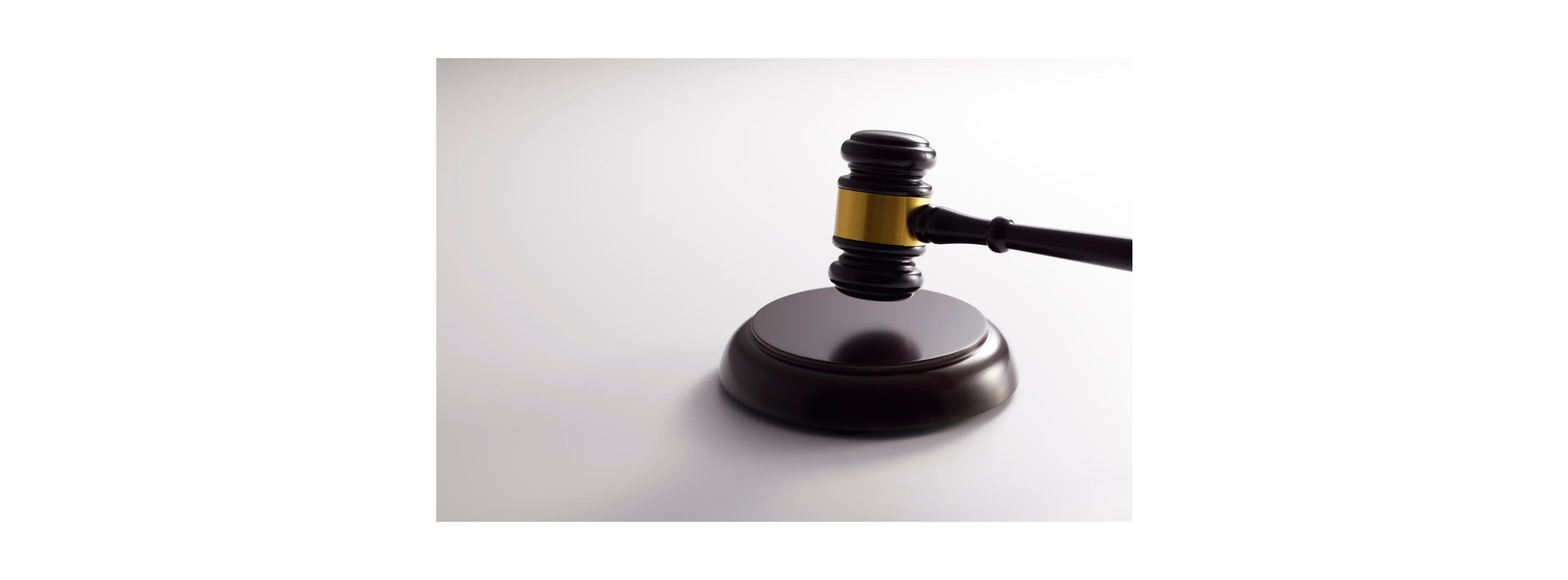
The Family Planning Association of Malawi (FPAM) commends the High Court of Malawi for its landmark ruling ordering the Ministry of Health to consider amending the Post-Abortion Care (PAC) Guidelines effective Tuesday, October 28, 2025. The ruling, delivered by Justice Mike Tembo, follows a case involving a 14-year-old girl from Chileka, Blantyre, who was defiled in 2022 and subsequently denied access to a safe abortion by health authorities. The survivor was later permitted to undergo the procedure and successfully terminated the pregnancy. The perpetrator, Lazalo Charles, was convicted and sentenced to 14 years imprisonment with hard labour - a sentence he is currently serving. In his judgment, Justice Tembo emphasized that the Constitution of the Republic of Malawi allows for the termination of pregnancy when the mother’s life is at risk, as was the case with the minor. The Court found that the 1st defendant, the Ministry of Health, breached several statutory duties, including: Section 19(1) of the Gender Equality Act [Cap. 25:06], which guarantees the right to adequate sexual and reproductive health, including access to safe and legal termination of pregnancy. Section 19(2) of the Gender Equality Act, which guarantees every person the right to choose whether or not to have a child, subject to Sections 149 and 151 of the Penal Code as read with Section 243. Section 20(1)(d) of the Gender Equality Act, which mandates that a health officer imparts all necessary information for a person to make an informed decision regarding procedures or services affecting their sexual and reproductive health. The Court further stated: “This Court has absolutely no doubt that the claimant suffered injury and loss due to the mental anguish attendant to her being compelled to carry the unwanted pregnancy longer than necessary herein, that is, for the duration between her being unlawfully denied access to a safe abortion by the 1st defendant to the time she eventually was afforded the right to access by the specialist at Queen Elizabeth Central Hospital.” In conclusion, the Court found that the claimant had made out her case and was entitled to all declarations and reliefs sought, including costs and damages to be assessed by the Registrar if not agreed upon within 14 days. Commenting on the ruling, FPAM Executive Director Mr. Donald Makwakwa stated: “This ruling is a victory for justice, health, and human rights. For too long, many women and girls in Malawi have suffered or lost their lives due to unsafe abortions resulting from restrictive interpretations of policy. We commend the High Court for reaffirming the constitutional and human rights of women and girls to access safe post-abortion care. FPAM remains committed to supporting government efforts to ensure that all Malawians, especially women and girls, can access the sexual and reproductive health services they need without fear or discrimination.” As an organization committed to advancing sexual and reproductive health and rights in Malawi, FPAM reiterates the importance of aligning national policies and guidelines with constitutional and human rights principles to protect the health, dignity, and lives of women and girls. END For more information, please contact: [email protected], Phone: +265999855977 FPAM website: https://www.fpamalawi.org
26 September 2025
World Contraception Day 2025 Message
From the WISH 2 Team Lead Today, on World Contraception Day, we reaffirm our collective commitment to ensuring that contraception is recognized and realized as a right, a responsibility, and a reality for all. Since its launch in 2007, World Contraception Day has been commemorated every year on 26 September, making 2025 the 19th annual global observance of this important campaign to raise awareness and advance SRHR. The day reminds us of the power of choice and the transformative impact of SRHR on individuals, families, and communities. Access to safe, voluntary, and high-quality contraception is not only a health imperative, but also a pathway to dignity, equity, and opportunity. Under the WISH 1 (WISH2Action) project, 3.6 million additional family planning users were reached, an estimated 22 million maternal deaths, 4.3 million unsafe abortions, 13.2 million unintended pregnancies, and 19.2 million disability-adjusted life years were averted, a powerful demonstration of the lifesaving impact of sustained investment in SRHR. Building on this momentum, WISH 2 East and Southern Africa, set targets to reach 4.2 million family planning users, with the intention of preventing 3.2 million unintended pregnancies, 1 million unsafe abortions, and 5,600 maternal deaths across seven countries in Eastern and Southern Africa. Since the start of the project, WISH 2 has reached 169,590 annualised clients as at the end of June 2025. Through this project, we remain committed to expanding access to sexual and reproductive health services across Eastern and Southern Africa, with a particular focus on fragile and humanitarian settings where women, adolescents, and marginalised groups face the greatest barriers. By strengthening service delivery, advancing social and behaviour change, advocating for enabling policies, and generating evidence for learning, WISH 2 is ensuring that no one is left behind in the pursuit of sexual and reproductive health and rights. Central to this effort is strong partnership with governments, whose leadership and stewardship are essential for sustaining progress. WISH 2 works hand in hand with national and local authorities to complement their strategies and contribute to country-led priorities for universal access to contraception and broader SRHR. Yet, these gains are under threat. Global funding for SRHR is declining, undermining women’s rights, equity, and agency, and putting millions at risk of preventable harm. As we mark this 19th World Contraception Day, we call on governments, donors, and partners to renew their commitment to SRHR. Together, we can ensure that contraception remains accessible, affordable, and inclusive, empowering every individual to make informed choices about their bodies and futures. On this day, we celebrate the dedication of our partners, country teams including Member Associations, stakeholders who support the cause and frontline providers who work tirelessly to make contraceptive services more inclusive, resilient, and rights based. Together, we are creating a future where every individual, regardless of circumstance, can make informed choices about their reproductive health. Let us continue to learn, innovate, and act so that contraception is recognized not only as a method of family planning, but as a fundamental right for all. Contraception is not just health care, it is a right, a responsibility, and a reality we must protect and advance. Happy World Contraception Day!

30 June 2025
Amid Devastating Budget Cuts, Groundbreaking HIV Prevention Injectable Launches in Eswatini, Lesotho & Malawi
30 June 2025 - The International Planned Parenthood Federation (IPPF) is proud to announce the roll out of CAB-LA (cabotegravir-long acting), a form of pre-exposure prophylaxis (PrEP) for HIV, in Eswatini, and Malawi, and a pilot project in Lesotho - a major milestone in the fight against HIV. IPPF Member Associations (MAs) in the three countries - Family Life Association of Eswatini (FLAS), Lesotho Planned Parenthood Association (LPPA), and Family Planning Association of Malawi ( FPAM) will soon begin to distribute CAB-LA for HIV prevention to individuals who would like to use this form of HIV prevention. CAB-LA, a long-acting injectable PrEP, is a game changer for HIV prevention. PrEP is an HIV prevention method where HIV-negative individuals take medication to significantly reduce their risk of acquiring HIV. Administered every 8 weeks, CAB-LA greatly reduces infection risk and does not rely on remembering to take a daily pill, addressing adherence challenges faced by some people using oral PrEP. This roll-out comes when US budget cuts have severely impacted governments and organizations providing sexual and reproductive health services, HIV prevention, and humanitarian aid. These financial restrictions have significantly impacted access to essential sexual and reproductive health medications globally, compromising HIV prevention and treatment for many, especially those most in need. The arrival of CAB-LA is a major step forward in the fight against HIV/AIDS, providing longer-term protection, a more convenient option, and a discreet alternative to daily pills. Family Life Association of Eswatini, Lesotho Planned Parenthood Association, and the Family Planning Association of Malawi will be providing CAB-LA for PrEP through their static clinics and other public service delivery points. This effort underscores the vital role our MAs play in securing and delivering universal access to sexual and reproductive healthcare. For more information, please contact [email protected] About the International Planned Parenthood Federation IPPF is a global healthcare provider and a leading advocate of sexual and reproductive health and rights (SRHR) for all. Led by a courageous and determined group of women, IPPF was founded in 1952 at the Third International Planned Parenthood Conference. Today, we are a movement of 158 Member Associations and Collaborative Partners with a presence in over 153 countries. Our work is wide-ranging, and includes services for sexual health and well-being, contraception, abortion care, sexually transmitted infections and reproductive tract infections, HIV, obstetrics and gynecology, fertility support, sexual and gender-based violence, comprehensive sex education, and responding to humanitarian crises. We pride ourselves on being local through our members and global through our network. At the heart of our mission is the provision of – and advocacy in support of – integrated healthcare to anyone who needs it regardless of race, gender, sex, income, and, crucially no matter how remote.

11 July 2021
World Population Day 2021: Increasing Effective Strategies for SRHR Information and Services (Focus on Malawi)
Sunday, 11 July 2021. As we commemorate the World Population Day with a projected 7.9 billion people on the planet today, our thoughts also turn to what were the reproductive needs and wants of women and girls in Africa during this extraordinary year and whether were they fulfilled. The COVID-19 pandemic has had devastating effects on the provision of health care services, including sexual and reproductive health (SRH) services, often more so in countries in Africa that are already struggling to keep up with normal preventative and curative services, let alone COVID-19 related morbidity and mortality. While fertility rates across the globe are shifting in both directions, and with Africa accounting for the top 23 highest total fertility rates (TFR)[1] in the world, the IPPF Women’s Integrated Sexual Health project (WISH2) provides SRH care to women, men and young people in 15 countries across the world - 12 of them being in Africa, including in fragile and conflict affected countries. The WISH2 program offers quality integrated and inclusive family planning and SRH services to marginalized and hard to reach populations: the poor, youth under 20 years and people living with disability. Within this framework, the WISH2 project recognized that many of these countries’ health services have been devastatingly affected by waves of the pandemic and adapted SRH services to ensure, wherever possible, continued access to SRH care to support women to achieve their reproductive intentions during the pandemic. In Malawi, we can focus in on young people against the backdrop of COVID-19 and a health system struggling to cope. Youth in Malawi face a myriad of challenges such as early marriages, unintended pregnancies, unsafe abortions, high new HIV infections, early childbearing, drug and alcohol abuse, high illiteracy rate, poverty, and HIV and AIDS pandemic. (NSRHR Policy 2017–2022). While young people make up the largest and fastest growing proportion of population in Malawi with 51% of the population below 18 years, access to SRH care remains low among Malawian youth with 41% of adolescent women aged 15–19 having an unmet need for modern contraception. A Family Planning training in Lilongwe, Malawi, by Family Planning Association of Malawi (FPAM). As the world celebrates population day, the Family Planning Association of Malawi (FPAM), which is IPPF's Member Association in the country, has increased effective strategies for providing access to information and SRH care to youth, including persons living with disabilities throughout the pandemic in the country. Some of these strategies include; Training of youth leaders to conduct peer learning programs and training of health care providers in Youth friendly services. Establishing youth friendly spaces at service delivery points. Conducting awareness creation and demand for SRH services to youth including conducting dialogue sessions, and engaging on WhatsApp and other social media platforms like Facebook. Sensitizing parents and guardians to create an enabling environment for youth to access SRH services. Coordinating with the Malawi Council for people with disabilities (MACOHA) - a government agency - to increase access to SRHR for persons with disabilities. Community Reproductive Health Promoters sensitization on engaging with young people with disabilities in the community. Use of the growing mobile phone market in Malawi as a new avenue for reaching young clients by working with a local mobile service operator to promote SRHR messaging on the 3-2-1 platform (a free to use mobile subscription app). These strategies can be found in full here. “Our work complements Government efforts. Through the WISH project and other projects, FPAM has been able to reach out to young women particularly in the hard-to-reach areas with SRH information and services which otherwise could not be available if FPAM was not present in those areas”, said Donald Makwakwa, Executive Director at the Family Planning Association of Malawi. A community training activity by FPAM. In this coming year, despite reduced funding, the project will aim to continue maintaining its innovative adaptations to support access to quality SRH services and rights for women and men living in the most difficult of circumstances. Joyce Ayong, IPPF Board of Trustee member and President of the Youth Action Movement (YAM) at the Cameroon National Planning Association for Family Welfare (CAMNAFAW) highlighted the importance of youth outreach and inclusion especially in the most difficult of circumstances. “We campaign for the cause of young people so that they are taken into account. Young persons with disabilities and youth living in hard to reach areas also need to access SRH care and information and it is our duty to continue to find ways to provide these lifesaving services to them”, said Ayong. The WISH2 program will continue to find adaptive strategies ensuring that the much-needed SRH care in some of the hardest hit countries by the pandemic is delivered to the most marginalized, leaving no one behind when it comes to family planning needs. About the Women’s Integrated Sexual Health Project 2 The Women’s Integrated Sexual Health (WISH) programme offers quality integrated and inclusive family planning and sexual and reproductive health services to marginalized and hard to reach populations: the poor, youth under 20 years and people living with disability. WISH is the UK Government’s flagship programme to support integrated sexual and reproductive health and rights (SRHR) services in a range of countries across Africa and Asia by 2021. The International Planned Parenthood Federation (IPPF) manages the WISH programme through a consortium arrangement (Lot 2) with 10 IPPF Member Associations and hand - picked partners chosen for their expertise to maximise access and reach for people in 15 countries: Development Media International (DMI), Humanity and Inclusion UK (HI), International Rescue Committee (IRC), Marie Stopes International (MSI), and Options Consultancy Services (Options). The countries are: Afghanistan, Bangladesh, Burundi, Ethiopia, Madagascar, Malawi, Mozambique, Pakistan, Somalia, South Sudan, Sudan, Tanzania, Uganda, Zambia, Zimbabwe. For more updates on our work, follow IPPF Africa Region on Facebook, Twitter, Instagram and You Tube. [1] Total Fertility Rate 2021 (worldpopulationreview.com)

28 May 2022
“Pads are seen as luxuries” – How Malawians are tackling period poverty
By Faith Kadzanja People with paid jobs are joyful when a month comes to its end because it signifies an influx of cash into their bank accounts and pockets. But for some women and girls, the end of the month stirs anxiety because they’re thinking about their next period, and if they can afford their menstrual hygiene products if it arrives before they get paid. In Malawi – where almost half of the population lives below the poverty line and 25 in every 100 people live in extreme poverty – only a few girls and women can afford sanitary pads. Too embarrassed to go to school Menstruation, lasting about five days, requires an average of K600 ($0.74 USD) worth of pads a month for most. That money is too much for some girls, such as Lilongwe-based Prudence Chavula, who recalls with apprehension the first days of her periods when she would use rags to keep the flow in check. “I was nine years old when I started menstruating. Back then, my parents could not afford to buy the pads every month, so I had to use shreds of old pieces of fabric,” Prudence explains. She says it was embarrassing going to school while having her periods since the rags could easily leak and produce a bad smell. Prudence concedes it is not easy for many girls and women from low-income families to afford sanitary products. Thus, she says, they opt for alternatives which are usually unhygienic and hazardous to their health, sometimes leading to urinary tract infections. Mary Sinoya, a Form 4 [the final year of secondary school] student in Lilongwe, says when she asks for money to buy sanitary pads from her parents, it is usually not available and so she just uses fabrics. She says during holidays she sells fritters to make money to buy sanitary pads, but it’s not possible to do this when she has school on. Conversely, Queen Mwandira, who is also based in Lilongwe, says that even though her parents can afford her sanitary pads, using them is not an option because she does not have access to pit latrines to dispose of them after use. “As such I just use reusable pads, which we wash afterwards,’’ she says. Infections are commonplace Blantyre-based Aida Kaozala believes such infections, that she has had on several occasions, are due to the unsanitary fabrics she uses when menstruating. “When I started having my menses [period] at the age of 11, my mother instructed some women to advise me to use rags from old cloth. It would often make me feel so uncomfortable at school that I would sometimes remove them,” Aida says. She is still using the shreds because she cannot afford the sanitary pads every month as she does not have a job. Every time Aida suffers from urinary tract infections, doctors advise her to check her personal hygiene. She knows the source of her health troubles but cannot easily deal with it. This is a common story for many girls and women in Malawi. What are the solutions? Reusable sanitary pads could solve this crisis, says Peter Mndalasini, the founder of the 10+ Her Period Her Pride Project, who further touts the materials he uses as environmentally-friendly. Mndalasini says 30% of young girls in Malawi, especially those in rural areas, stay out of school during their periods, and he wants to change that. So his organization is training primary and secondary school girls to fashion reusable pads to counter the financial restrictions of not being able to afford disposable pads. Water and Environmental Sanitation Network Communications Officer, Gloria Nyirenda, whose organisation is a member of the Menstrual Hygiene Management Hub, believes removing tax on sanitary materials can also make them easily accessible to poorer Malawians. “In some countries such as Kenya, Uganda and the United States, this has been done. Most households in Malawi cannot afford sanitary pads, which are often seen as luxuries. It is all because of poverty,” Nyirenda says. She even proposes that the materials should be provided free of charge and placed in public restrooms and institutions. Apart from reusable sanitary pads, the menstrual cup is another option that girls and women can opt for. The small, flexible cup, made of silicone or latex rubber, catches and collects the flow instead of absorbing it like the pad does. Martha Mataka of Dedza finds the cup more convenient than the pads. “I ensure I thoroughly clean the cup and use it every month. I don’t have to regularly buy the pads because I can’t afford them,” Martha says. United Nations Population Fund introduced the cups, which were discovered in 1930, as an alternative measure for managing menstrual hygiene among girls and women. The product remains new in Malawi, despite the fact that it can significantly reduce absenteeism if widely adopted by schoolgirls from poor households. The challenges faced by menstruators in Malawi are plenty – but we see that the solutions exist too. Women and girls must no longer be held back by the natural functions of their bodies. It is far too long overdue. This piece was originally posted by the Family Planning Association of Malawi (FPAM) Faith Kadzanja is the Communications and Advocacy Officer, FPAM. For more updates on our work, follow IPPF Africa Region on Facebook, Twitter, Instagram and You Tube.

30 March 2017
Japan Trust Fund
The Japan Trust Fund (JTF) represents a visionary partnership that began in 2000 between the Government of Japan and IPPF. Together, we invest in programmes that prioritize health equity, gender equality, and human security for all. Traditionally a driving force behind IPPF's efforts to support the integrated HIV prevention programmes of our Member Associations in Africa and Asia, JTF has adjusted to reflect changing global health priorities. We attach importance to universal access to sexual and reproductive health and rights - an essential contributor to universal health coverage and the global development goals. These projects have transformed the lives of people most vulnerable to HIV and high risk of maternal and child mortality. Equally, it ensures that as a donor, the GOJ’s response to HIV remains people-centred and contributes to human security.
30 May 2016
Integra Initiative
Integra is a 5-year research initiative in Kenya, Malawi and Swaziland. It aims to reduce HIV infection, HIV-related stigma and unintended pregnancy. IPPF implements the Integra Initiative with support from the Bill and Melinda Gates Foundation and in collaboration with the London School of Hygiene and Tropical Medicine and the Population Council.

23 November 2020
My Experience with IPPFAR’s Youth Internship Programme – Erasmo Mbemba (Malawi)
By Maryanne W. Waweru Every year, the IPPF Africa Regional Office (IPPF ARO) welcomes interns through its Youth Internship Programme. The youth internship programme is aimed at promoting adolescents and young people as key agents for social change through leadership and innovative approaches for increased access to sexual reproductive health and rights (SRHR) information and services. From August to December 2019, Erasmo Mbemba, 26, joined the internship programme. Today we hear about his experience: Where did your interest in joining the programme stem from? From an early age, my passion and energy towards youth programming inspired me to join the *Youth Action Movement (YAM) with the Family Planning Association of Malawi (FPAM), which is IPPF’s Member Association in the country. Having been with YAM for three years, I developed an inclination towards youth programming in SRHR and when I came across the call for application for the youth internship program, I applied, as I was keen on contributing more to the IPPF youth agenda. Was the selection competitive? Yes, because it was a *competition among young people from all IPPF Member Associations in Africa (over 35 of them). Many young people responded to the call for application, and I was elated about my success. I believe my passion, experience and activeness in youth activities contributed to my success. What proposal did you submit? ‘Young - Adult Partnership a Possibility’. The project aimed at addressing the fact that too often young people are only seen as ‘clients or beneficiaries’ and not ‘collaborators or partners’. My proposal focused on closing that gap within FPAM and for young people to be involved at all stages of governance, programming, monitoring and evaluation and finance processes within the organization. How was your experience during the internship at the IPPF Africa Regional Office in Nairobi? I had a wonderful experience. I got the opportunity to learn from different experts at the regional and national levels, and this has been important in my professional life. I learned how to manage a regional project under the supervision of the Youth Programmes Advisor, which sharpened my skills in monitoring and evaluation, proposal writing, budgeting and grants management. Tell us about your project implementation back home. We started the implementation of my project in early September 2019 in three districts of Malawi: Kasungu, Lilongwe and Mzuzu. The project had five main activities: Capacity building of staff, volunteers, services providers, young people and board members on youth-centered programming concepts Developing and rolling out a monitoring and evaluation tool for youth-centered programs Formulating a youth-centered business plan Organizing mentorship sessions for the youth-centered advisory body and Spearheading a youth congress with YAM partners The project’s success was measured using the monitoring and evaluation framework that was specifically designed for the project during my internship at IPPF ARO. The FPAM management offered technical support during project implementation, while IPPF ARO offered both financial and technical support. IPPF ARO supported the project with $5,000. Through managing the grant, I learnt how to develop budgets for every activity, how to account for the money and how to produce financial reports. Since the conclusion of the project, some changes have been observed, such as young people being involved in decision-making bodies at district and national level. What advice would you give to adolescents and young people about participating in volunteer activities with organizations that align with their goals? They should not hesitate to be part of volunteer programs because they do not know what opportunities may arise due to such programs as it was with me. They should invest their time, skills and energy in whatever they do! Currently, Erasmo is an Environmental Health Officer and part-time lecturer in Public Health. In parallel, Erasmo is a volunteer with our Member Association in Malawi – the Family Planning Association of Malawi (FPAM). He is the YAM President, and the Mchinji District YAM Secretary. Erasmo holds an MSc in Sanitation, and a Bachelor of Science degree in Public Health. *The Youth Action Movement (YAM) is the youth arm of IPPFAR’s volunteer body based within the Member Associations, and which catalyzes youth participation. *Every year, IPPF Africa Regional Office sends out a Call for Application inviting YAM members across the region to submit project proposals that are focused on providing solutions to gaps young people face with regard to SRHR. The competitive process sees three youth selected to participate in the Youth Internship Programme. The internship involves a one-month learning experience at the Secretariat in Nairobi, with the successful applicant implementing the project (funded by IPPF ARO) back in their home country. Maryanne W. Waweru is the Communications Officer, IPPF Africa Regional Office For more information about the work of IPPF Africa Region, connect with us on Facebook and Twitter.

04 March 2019
Leading Efforts To End Child Marriage: The Case Of Senior Chief Theresa Kachindamoto of Malawi
The practice of marrying off girls at a young age is a practice that is common in many traditional African communities. Yet, child marriage has immense negative effects on the health of girls. Child marriage promotes gender inequality as once they are married off, it often signals the end of schooling for most of these girls. Most child brides come from poor families and with their education halted, the cycle of poverty continues. Unable to work or engage in meaningful economic activities, the girls become financially dependent on their husbands. This often means that they have no decision-making or negotiating powers in the home. Early child marriage also denies the girls the opportunity to enter a loving union with a spouse of their choice. Married to much older men, many child brides are forced to endure years of physical, emotional, psychological and sexual violence from their husbands and their in-laws. Further, the practice of child marriage has strong adverse effects on the life and health of the girls. It increases their risk for cervical cancer and other Sexually Transmitted Infections (STIs), including HIV. In most cases, the girls are forced to start families when they are not physically and emotionally ready to do so. Early pregnancy predisposes young girls to a myriad of challenges such as increased susceptibility to malaria-related complications, death during childbirth due to among others: eclampsia, post-partum haemorrhage and obstructed labor -which often leads to obstetric fistula. Their babies also face severe health risks -some of which are fatal. United Against Child Marriage -an FPAM Initiative Malawi is one of the countries with the highest rates of child marriage in Africa. To address this, the Malawi government, in collaboration with different organizations, has over the years engaged in stringent efforts to address the harmful culture. IPPF’s Member Association in Malawi -Family Planning Association of Malawi (FPAM) is recognized as one of the leading organizations that works together with the government in this regard. One of the successful strategies that FPAM has always used in the implementation of its programs and projects is closely working with different partners and stakeholders to achieve its objectives. These include government, ministries, health institutions, parents, youth groups, champions, opinion formers, religious and community leaders such as chiefs, elders and other traditional leaders. The ‘United Against Child Marriage’ project; Partnership with Local Custodians of Culture The United Against Child Marriage project is one of the initiatives that FPAM has engaged in to address the harmful practice. At the beginning of the project, FPAM identified Senior Chief Theresa Kachindamoto -a prominent Ngoni Chief in the Central region of Malawi as a strategic and invaluable partner. Chiefs enact community by-laws for the development of the community and ensure that these by-laws are enforced. Watch: Ending Child Marriage in Malawi An outstanding advocate in different health, development and cultural issues, Senior Chief Kachindamoto is one of Malawi’s foremost female empowerment champions. She believes that Chiefs, as custodians of culture, are expected to be at the forefront in ending cultural practices that negatively affect the community’s health and development. Senior Chief Kachindamoto believes that these custodians of culture should be role models in society, owing to the respect that the community members accord them. In her community, Senior Chief Kachindamoto has played a leading role in addressing some of the harmful gender norms which affect young women and girls, such as sexual cleansing (fisi). Saddened by the increase in child marriages in her area, FPAM identified her as a strong collaborative partner. Her engagement in the project has seen her consistently engage different traditional and community leaders in seeking solutions to address the harmful practice. Senior Chief Kachindamoto was part of the team of Chiefs who formulated by-laws to end child marriages in her area, and the annulment of such already existing marriages. These laws stipulate that no girl/boy should be married before the age of 18 years. Through her participation in FPAM’s ‘United Against Child Marriage’ project, she annulled over 300 child marriages. Senior Chief Kachindamoto has always championed access to education for young girls, and, together with local school administrators and organizations such as FPAM, she has strengthened the re-admission policy of girls back to school. Aside from the ‘United Against Child Marriage’ project, FPAM continues to, on a regular basis, engage Senior Chief Kachindamoto in different projects aimed at establishing a strong sexual reproductive health advocacy structure in the society. She says that different community programmes have been strengthened following the introduction of sexual reproductive health programmes targeting young people by Family Planning Association of Malawi (FPAM) in her area of jurisdiction. Her enviable work with FPAM has helped raise its profile in Malawi and beyond. The collaboration of FPAM with local leaders such as Senior Chief Kachindamoto was identified as one of FPAM’s Good Practices during the 3rd Cycle of Accreditation. A Good Practice is an activity or practice that has been proven to work and yields positive results. The sharing of Good Practices by IPPF Member Associations offers learning experiences for their counterparts. See other Good Practices from our Member Associations: Mobile Clinics in Cape Verde: Taking Services Closer to the People Awarding the Best Performing Clinics: Lesotho Planned Parenthood Association (LPPA) What’s in a Game? ABUBEF’s use of Playing Cards for Youth SRHR Education Connect with Family Planning Association of Malawi here. For more information about the work of IPPF Africa Region, follow us on Facebook and Twitter.

23 January 2018
The Global Gag Rule threatens HIV prevention healthcare in Malawi
Bordered by Lake Malawi, one of Africa’s largest and longest lakes, Malawi in southern Africa is home to around 18 million people, Tanzania lies to the north, Mozambique to the south and west, Zambia to the east. Life expectancy averages 60 for men and 65 for women and the country has a high prevalence of HIV. More than one million people were living with HIV in Malawi in 2016, according to UNAIDS. The Family Planning Association of Malawi (FPAM) provides both static and community-based sexual and reproductive health (SHR) services, reaching even the most remote communities to ensure no-one is left behind. Females at high risk Adolescent girls and young women are particularly at risk. As UNAIDS says: “Malawi’s HIV epidemic remains generalised and feminised.” Supported by US development funds, FPAM’s HIV projects target these vulnerable communities. Female sex workers (FSW) are offered safe spaces to get treatment and support, other initiatives work to prevent gender-based violence. In the underserved communities of Machinga, in the southeast of the country, FPAM conducts free sexual and reproductive health (SRH) clinics. Service users can find a one-stop centre to access free family-planning services, advice for peer educators, and help for people who’ve experienced sexual gender-based violence (SGBV). In traditional communities like these, there’ve been few such projects. And no workable system for handling cases of sexual gender-based violence. Well over 3,500 people have been reached, with cases referred to the project by watch groups. Education is key – and FPAM has trained young people to pass on information about where to get help. Forced closures In the city of Lilongwe, FPAM’s projects are accessed regularly by 4,000 female sex workers. It’s estimated that the prevalence of HIV is around 60% in this group. FPAM conducts comprehensive prevention, care and treatment services through both static and moonlight clinics. The Global Gag Rule (GGR) means funds for projects like these are being forced to close. FPAM’s Executive Director, Thokozani Mbendera, fears a range of core services could be hit. “We fear GGR will greatly negatively affect the members of the community,” he says. “Teenage pregnancies, unwanted pregnancies and other health issues will manifest… The one-stop centre will cease to function.” IPPF is trying to find alternative funds to fill gaps, this is a combination of long and short term to avoid closures and reductions in services
07 November 2025
Family Planning Association of Malawi Commends the High Court Ruling on amendment of Post-Abortion Care Guidelines
The Family Planning Association of Malawi (FPAM) commends the High Court of Malawi for its landmark ruling ordering the Ministry of Health to consider amending the Post-Abortion Care (PAC) Guidelines effective Tuesday, October 28, 2025. The ruling, delivered by Justice Mike Tembo, follows a case involving a 14-year-old girl from Chileka, Blantyre, who was defiled in 2022 and subsequently denied access to a safe abortion by health authorities. The survivor was later permitted to undergo the procedure and successfully terminated the pregnancy. The perpetrator, Lazalo Charles, was convicted and sentenced to 14 years imprisonment with hard labour - a sentence he is currently serving. In his judgment, Justice Tembo emphasized that the Constitution of the Republic of Malawi allows for the termination of pregnancy when the mother’s life is at risk, as was the case with the minor. The Court found that the 1st defendant, the Ministry of Health, breached several statutory duties, including: Section 19(1) of the Gender Equality Act [Cap. 25:06], which guarantees the right to adequate sexual and reproductive health, including access to safe and legal termination of pregnancy. Section 19(2) of the Gender Equality Act, which guarantees every person the right to choose whether or not to have a child, subject to Sections 149 and 151 of the Penal Code as read with Section 243. Section 20(1)(d) of the Gender Equality Act, which mandates that a health officer imparts all necessary information for a person to make an informed decision regarding procedures or services affecting their sexual and reproductive health. The Court further stated: “This Court has absolutely no doubt that the claimant suffered injury and loss due to the mental anguish attendant to her being compelled to carry the unwanted pregnancy longer than necessary herein, that is, for the duration between her being unlawfully denied access to a safe abortion by the 1st defendant to the time she eventually was afforded the right to access by the specialist at Queen Elizabeth Central Hospital.” In conclusion, the Court found that the claimant had made out her case and was entitled to all declarations and reliefs sought, including costs and damages to be assessed by the Registrar if not agreed upon within 14 days. Commenting on the ruling, FPAM Executive Director Mr. Donald Makwakwa stated: “This ruling is a victory for justice, health, and human rights. For too long, many women and girls in Malawi have suffered or lost their lives due to unsafe abortions resulting from restrictive interpretations of policy. We commend the High Court for reaffirming the constitutional and human rights of women and girls to access safe post-abortion care. FPAM remains committed to supporting government efforts to ensure that all Malawians, especially women and girls, can access the sexual and reproductive health services they need without fear or discrimination.” As an organization committed to advancing sexual and reproductive health and rights in Malawi, FPAM reiterates the importance of aligning national policies and guidelines with constitutional and human rights principles to protect the health, dignity, and lives of women and girls. END For more information, please contact: [email protected], Phone: +265999855977 FPAM website: https://www.fpamalawi.org
26 September 2025
World Contraception Day 2025 Message
From the WISH 2 Team Lead Today, on World Contraception Day, we reaffirm our collective commitment to ensuring that contraception is recognized and realized as a right, a responsibility, and a reality for all. Since its launch in 2007, World Contraception Day has been commemorated every year on 26 September, making 2025 the 19th annual global observance of this important campaign to raise awareness and advance SRHR. The day reminds us of the power of choice and the transformative impact of SRHR on individuals, families, and communities. Access to safe, voluntary, and high-quality contraception is not only a health imperative, but also a pathway to dignity, equity, and opportunity. Under the WISH 1 (WISH2Action) project, 3.6 million additional family planning users were reached, an estimated 22 million maternal deaths, 4.3 million unsafe abortions, 13.2 million unintended pregnancies, and 19.2 million disability-adjusted life years were averted, a powerful demonstration of the lifesaving impact of sustained investment in SRHR. Building on this momentum, WISH 2 East and Southern Africa, set targets to reach 4.2 million family planning users, with the intention of preventing 3.2 million unintended pregnancies, 1 million unsafe abortions, and 5,600 maternal deaths across seven countries in Eastern and Southern Africa. Since the start of the project, WISH 2 has reached 169,590 annualised clients as at the end of June 2025. Through this project, we remain committed to expanding access to sexual and reproductive health services across Eastern and Southern Africa, with a particular focus on fragile and humanitarian settings where women, adolescents, and marginalised groups face the greatest barriers. By strengthening service delivery, advancing social and behaviour change, advocating for enabling policies, and generating evidence for learning, WISH 2 is ensuring that no one is left behind in the pursuit of sexual and reproductive health and rights. Central to this effort is strong partnership with governments, whose leadership and stewardship are essential for sustaining progress. WISH 2 works hand in hand with national and local authorities to complement their strategies and contribute to country-led priorities for universal access to contraception and broader SRHR. Yet, these gains are under threat. Global funding for SRHR is declining, undermining women’s rights, equity, and agency, and putting millions at risk of preventable harm. As we mark this 19th World Contraception Day, we call on governments, donors, and partners to renew their commitment to SRHR. Together, we can ensure that contraception remains accessible, affordable, and inclusive, empowering every individual to make informed choices about their bodies and futures. On this day, we celebrate the dedication of our partners, country teams including Member Associations, stakeholders who support the cause and frontline providers who work tirelessly to make contraceptive services more inclusive, resilient, and rights based. Together, we are creating a future where every individual, regardless of circumstance, can make informed choices about their reproductive health. Let us continue to learn, innovate, and act so that contraception is recognized not only as a method of family planning, but as a fundamental right for all. Contraception is not just health care, it is a right, a responsibility, and a reality we must protect and advance. Happy World Contraception Day!
30 June 2025
Amid Devastating Budget Cuts, Groundbreaking HIV Prevention Injectable Launches in Eswatini, Lesotho & Malawi
30 June 2025 - The International Planned Parenthood Federation (IPPF) is proud to announce the roll out of CAB-LA (cabotegravir-long acting), a form of pre-exposure prophylaxis (PrEP) for HIV, in Eswatini, and Malawi, and a pilot project in Lesotho - a major milestone in the fight against HIV. IPPF Member Associations (MAs) in the three countries - Family Life Association of Eswatini (FLAS), Lesotho Planned Parenthood Association (LPPA), and Family Planning Association of Malawi ( FPAM) will soon begin to distribute CAB-LA for HIV prevention to individuals who would like to use this form of HIV prevention. CAB-LA, a long-acting injectable PrEP, is a game changer for HIV prevention. PrEP is an HIV prevention method where HIV-negative individuals take medication to significantly reduce their risk of acquiring HIV. Administered every 8 weeks, CAB-LA greatly reduces infection risk and does not rely on remembering to take a daily pill, addressing adherence challenges faced by some people using oral PrEP. This roll-out comes when US budget cuts have severely impacted governments and organizations providing sexual and reproductive health services, HIV prevention, and humanitarian aid. These financial restrictions have significantly impacted access to essential sexual and reproductive health medications globally, compromising HIV prevention and treatment for many, especially those most in need. The arrival of CAB-LA is a major step forward in the fight against HIV/AIDS, providing longer-term protection, a more convenient option, and a discreet alternative to daily pills. Family Life Association of Eswatini, Lesotho Planned Parenthood Association, and the Family Planning Association of Malawi will be providing CAB-LA for PrEP through their static clinics and other public service delivery points. This effort underscores the vital role our MAs play in securing and delivering universal access to sexual and reproductive healthcare. For more information, please contact [email protected] About the International Planned Parenthood Federation IPPF is a global healthcare provider and a leading advocate of sexual and reproductive health and rights (SRHR) for all. Led by a courageous and determined group of women, IPPF was founded in 1952 at the Third International Planned Parenthood Conference. Today, we are a movement of 158 Member Associations and Collaborative Partners with a presence in over 153 countries. Our work is wide-ranging, and includes services for sexual health and well-being, contraception, abortion care, sexually transmitted infections and reproductive tract infections, HIV, obstetrics and gynecology, fertility support, sexual and gender-based violence, comprehensive sex education, and responding to humanitarian crises. We pride ourselves on being local through our members and global through our network. At the heart of our mission is the provision of – and advocacy in support of – integrated healthcare to anyone who needs it regardless of race, gender, sex, income, and, crucially no matter how remote.
11 July 2021
World Population Day 2021: Increasing Effective Strategies for SRHR Information and Services (Focus on Malawi)
Sunday, 11 July 2021. As we commemorate the World Population Day with a projected 7.9 billion people on the planet today, our thoughts also turn to what were the reproductive needs and wants of women and girls in Africa during this extraordinary year and whether were they fulfilled. The COVID-19 pandemic has had devastating effects on the provision of health care services, including sexual and reproductive health (SRH) services, often more so in countries in Africa that are already struggling to keep up with normal preventative and curative services, let alone COVID-19 related morbidity and mortality. While fertility rates across the globe are shifting in both directions, and with Africa accounting for the top 23 highest total fertility rates (TFR)[1] in the world, the IPPF Women’s Integrated Sexual Health project (WISH2) provides SRH care to women, men and young people in 15 countries across the world - 12 of them being in Africa, including in fragile and conflict affected countries. The WISH2 program offers quality integrated and inclusive family planning and SRH services to marginalized and hard to reach populations: the poor, youth under 20 years and people living with disability. Within this framework, the WISH2 project recognized that many of these countries’ health services have been devastatingly affected by waves of the pandemic and adapted SRH services to ensure, wherever possible, continued access to SRH care to support women to achieve their reproductive intentions during the pandemic. In Malawi, we can focus in on young people against the backdrop of COVID-19 and a health system struggling to cope. Youth in Malawi face a myriad of challenges such as early marriages, unintended pregnancies, unsafe abortions, high new HIV infections, early childbearing, drug and alcohol abuse, high illiteracy rate, poverty, and HIV and AIDS pandemic. (NSRHR Policy 2017–2022). While young people make up the largest and fastest growing proportion of population in Malawi with 51% of the population below 18 years, access to SRH care remains low among Malawian youth with 41% of adolescent women aged 15–19 having an unmet need for modern contraception. A Family Planning training in Lilongwe, Malawi, by Family Planning Association of Malawi (FPAM). As the world celebrates population day, the Family Planning Association of Malawi (FPAM), which is IPPF's Member Association in the country, has increased effective strategies for providing access to information and SRH care to youth, including persons living with disabilities throughout the pandemic in the country. Some of these strategies include; Training of youth leaders to conduct peer learning programs and training of health care providers in Youth friendly services. Establishing youth friendly spaces at service delivery points. Conducting awareness creation and demand for SRH services to youth including conducting dialogue sessions, and engaging on WhatsApp and other social media platforms like Facebook. Sensitizing parents and guardians to create an enabling environment for youth to access SRH services. Coordinating with the Malawi Council for people with disabilities (MACOHA) - a government agency - to increase access to SRHR for persons with disabilities. Community Reproductive Health Promoters sensitization on engaging with young people with disabilities in the community. Use of the growing mobile phone market in Malawi as a new avenue for reaching young clients by working with a local mobile service operator to promote SRHR messaging on the 3-2-1 platform (a free to use mobile subscription app). These strategies can be found in full here. “Our work complements Government efforts. Through the WISH project and other projects, FPAM has been able to reach out to young women particularly in the hard-to-reach areas with SRH information and services which otherwise could not be available if FPAM was not present in those areas”, said Donald Makwakwa, Executive Director at the Family Planning Association of Malawi. A community training activity by FPAM. In this coming year, despite reduced funding, the project will aim to continue maintaining its innovative adaptations to support access to quality SRH services and rights for women and men living in the most difficult of circumstances. Joyce Ayong, IPPF Board of Trustee member and President of the Youth Action Movement (YAM) at the Cameroon National Planning Association for Family Welfare (CAMNAFAW) highlighted the importance of youth outreach and inclusion especially in the most difficult of circumstances. “We campaign for the cause of young people so that they are taken into account. Young persons with disabilities and youth living in hard to reach areas also need to access SRH care and information and it is our duty to continue to find ways to provide these lifesaving services to them”, said Ayong. The WISH2 program will continue to find adaptive strategies ensuring that the much-needed SRH care in some of the hardest hit countries by the pandemic is delivered to the most marginalized, leaving no one behind when it comes to family planning needs. About the Women’s Integrated Sexual Health Project 2 The Women’s Integrated Sexual Health (WISH) programme offers quality integrated and inclusive family planning and sexual and reproductive health services to marginalized and hard to reach populations: the poor, youth under 20 years and people living with disability. WISH is the UK Government’s flagship programme to support integrated sexual and reproductive health and rights (SRHR) services in a range of countries across Africa and Asia by 2021. The International Planned Parenthood Federation (IPPF) manages the WISH programme through a consortium arrangement (Lot 2) with 10 IPPF Member Associations and hand - picked partners chosen for their expertise to maximise access and reach for people in 15 countries: Development Media International (DMI), Humanity and Inclusion UK (HI), International Rescue Committee (IRC), Marie Stopes International (MSI), and Options Consultancy Services (Options). The countries are: Afghanistan, Bangladesh, Burundi, Ethiopia, Madagascar, Malawi, Mozambique, Pakistan, Somalia, South Sudan, Sudan, Tanzania, Uganda, Zambia, Zimbabwe. For more updates on our work, follow IPPF Africa Region on Facebook, Twitter, Instagram and You Tube. [1] Total Fertility Rate 2021 (worldpopulationreview.com)
28 May 2022
“Pads are seen as luxuries” – How Malawians are tackling period poverty
By Faith Kadzanja People with paid jobs are joyful when a month comes to its end because it signifies an influx of cash into their bank accounts and pockets. But for some women and girls, the end of the month stirs anxiety because they’re thinking about their next period, and if they can afford their menstrual hygiene products if it arrives before they get paid. In Malawi – where almost half of the population lives below the poverty line and 25 in every 100 people live in extreme poverty – only a few girls and women can afford sanitary pads. Too embarrassed to go to school Menstruation, lasting about five days, requires an average of K600 ($0.74 USD) worth of pads a month for most. That money is too much for some girls, such as Lilongwe-based Prudence Chavula, who recalls with apprehension the first days of her periods when she would use rags to keep the flow in check. “I was nine years old when I started menstruating. Back then, my parents could not afford to buy the pads every month, so I had to use shreds of old pieces of fabric,” Prudence explains. She says it was embarrassing going to school while having her periods since the rags could easily leak and produce a bad smell. Prudence concedes it is not easy for many girls and women from low-income families to afford sanitary products. Thus, she says, they opt for alternatives which are usually unhygienic and hazardous to their health, sometimes leading to urinary tract infections. Mary Sinoya, a Form 4 [the final year of secondary school] student in Lilongwe, says when she asks for money to buy sanitary pads from her parents, it is usually not available and so she just uses fabrics. She says during holidays she sells fritters to make money to buy sanitary pads, but it’s not possible to do this when she has school on. Conversely, Queen Mwandira, who is also based in Lilongwe, says that even though her parents can afford her sanitary pads, using them is not an option because she does not have access to pit latrines to dispose of them after use. “As such I just use reusable pads, which we wash afterwards,’’ she says. Infections are commonplace Blantyre-based Aida Kaozala believes such infections, that she has had on several occasions, are due to the unsanitary fabrics she uses when menstruating. “When I started having my menses [period] at the age of 11, my mother instructed some women to advise me to use rags from old cloth. It would often make me feel so uncomfortable at school that I would sometimes remove them,” Aida says. She is still using the shreds because she cannot afford the sanitary pads every month as she does not have a job. Every time Aida suffers from urinary tract infections, doctors advise her to check her personal hygiene. She knows the source of her health troubles but cannot easily deal with it. This is a common story for many girls and women in Malawi. What are the solutions? Reusable sanitary pads could solve this crisis, says Peter Mndalasini, the founder of the 10+ Her Period Her Pride Project, who further touts the materials he uses as environmentally-friendly. Mndalasini says 30% of young girls in Malawi, especially those in rural areas, stay out of school during their periods, and he wants to change that. So his organization is training primary and secondary school girls to fashion reusable pads to counter the financial restrictions of not being able to afford disposable pads. Water and Environmental Sanitation Network Communications Officer, Gloria Nyirenda, whose organisation is a member of the Menstrual Hygiene Management Hub, believes removing tax on sanitary materials can also make them easily accessible to poorer Malawians. “In some countries such as Kenya, Uganda and the United States, this has been done. Most households in Malawi cannot afford sanitary pads, which are often seen as luxuries. It is all because of poverty,” Nyirenda says. She even proposes that the materials should be provided free of charge and placed in public restrooms and institutions. Apart from reusable sanitary pads, the menstrual cup is another option that girls and women can opt for. The small, flexible cup, made of silicone or latex rubber, catches and collects the flow instead of absorbing it like the pad does. Martha Mataka of Dedza finds the cup more convenient than the pads. “I ensure I thoroughly clean the cup and use it every month. I don’t have to regularly buy the pads because I can’t afford them,” Martha says. United Nations Population Fund introduced the cups, which were discovered in 1930, as an alternative measure for managing menstrual hygiene among girls and women. The product remains new in Malawi, despite the fact that it can significantly reduce absenteeism if widely adopted by schoolgirls from poor households. The challenges faced by menstruators in Malawi are plenty – but we see that the solutions exist too. Women and girls must no longer be held back by the natural functions of their bodies. It is far too long overdue. This piece was originally posted by the Family Planning Association of Malawi (FPAM) Faith Kadzanja is the Communications and Advocacy Officer, FPAM. For more updates on our work, follow IPPF Africa Region on Facebook, Twitter, Instagram and You Tube.
30 March 2017
Japan Trust Fund
The Japan Trust Fund (JTF) represents a visionary partnership that began in 2000 between the Government of Japan and IPPF. Together, we invest in programmes that prioritize health equity, gender equality, and human security for all. Traditionally a driving force behind IPPF's efforts to support the integrated HIV prevention programmes of our Member Associations in Africa and Asia, JTF has adjusted to reflect changing global health priorities. We attach importance to universal access to sexual and reproductive health and rights - an essential contributor to universal health coverage and the global development goals. These projects have transformed the lives of people most vulnerable to HIV and high risk of maternal and child mortality. Equally, it ensures that as a donor, the GOJ’s response to HIV remains people-centred and contributes to human security.
30 May 2016
Integra Initiative
Integra is a 5-year research initiative in Kenya, Malawi and Swaziland. It aims to reduce HIV infection, HIV-related stigma and unintended pregnancy. IPPF implements the Integra Initiative with support from the Bill and Melinda Gates Foundation and in collaboration with the London School of Hygiene and Tropical Medicine and the Population Council.
23 November 2020
My Experience with IPPFAR’s Youth Internship Programme – Erasmo Mbemba (Malawi)
By Maryanne W. Waweru Every year, the IPPF Africa Regional Office (IPPF ARO) welcomes interns through its Youth Internship Programme. The youth internship programme is aimed at promoting adolescents and young people as key agents for social change through leadership and innovative approaches for increased access to sexual reproductive health and rights (SRHR) information and services. From August to December 2019, Erasmo Mbemba, 26, joined the internship programme. Today we hear about his experience: Where did your interest in joining the programme stem from? From an early age, my passion and energy towards youth programming inspired me to join the *Youth Action Movement (YAM) with the Family Planning Association of Malawi (FPAM), which is IPPF’s Member Association in the country. Having been with YAM for three years, I developed an inclination towards youth programming in SRHR and when I came across the call for application for the youth internship program, I applied, as I was keen on contributing more to the IPPF youth agenda. Was the selection competitive? Yes, because it was a *competition among young people from all IPPF Member Associations in Africa (over 35 of them). Many young people responded to the call for application, and I was elated about my success. I believe my passion, experience and activeness in youth activities contributed to my success. What proposal did you submit? ‘Young - Adult Partnership a Possibility’. The project aimed at addressing the fact that too often young people are only seen as ‘clients or beneficiaries’ and not ‘collaborators or partners’. My proposal focused on closing that gap within FPAM and for young people to be involved at all stages of governance, programming, monitoring and evaluation and finance processes within the organization. How was your experience during the internship at the IPPF Africa Regional Office in Nairobi? I had a wonderful experience. I got the opportunity to learn from different experts at the regional and national levels, and this has been important in my professional life. I learned how to manage a regional project under the supervision of the Youth Programmes Advisor, which sharpened my skills in monitoring and evaluation, proposal writing, budgeting and grants management. Tell us about your project implementation back home. We started the implementation of my project in early September 2019 in three districts of Malawi: Kasungu, Lilongwe and Mzuzu. The project had five main activities: Capacity building of staff, volunteers, services providers, young people and board members on youth-centered programming concepts Developing and rolling out a monitoring and evaluation tool for youth-centered programs Formulating a youth-centered business plan Organizing mentorship sessions for the youth-centered advisory body and Spearheading a youth congress with YAM partners The project’s success was measured using the monitoring and evaluation framework that was specifically designed for the project during my internship at IPPF ARO. The FPAM management offered technical support during project implementation, while IPPF ARO offered both financial and technical support. IPPF ARO supported the project with $5,000. Through managing the grant, I learnt how to develop budgets for every activity, how to account for the money and how to produce financial reports. Since the conclusion of the project, some changes have been observed, such as young people being involved in decision-making bodies at district and national level. What advice would you give to adolescents and young people about participating in volunteer activities with organizations that align with their goals? They should not hesitate to be part of volunteer programs because they do not know what opportunities may arise due to such programs as it was with me. They should invest their time, skills and energy in whatever they do! Currently, Erasmo is an Environmental Health Officer and part-time lecturer in Public Health. In parallel, Erasmo is a volunteer with our Member Association in Malawi – the Family Planning Association of Malawi (FPAM). He is the YAM President, and the Mchinji District YAM Secretary. Erasmo holds an MSc in Sanitation, and a Bachelor of Science degree in Public Health. *The Youth Action Movement (YAM) is the youth arm of IPPFAR’s volunteer body based within the Member Associations, and which catalyzes youth participation. *Every year, IPPF Africa Regional Office sends out a Call for Application inviting YAM members across the region to submit project proposals that are focused on providing solutions to gaps young people face with regard to SRHR. The competitive process sees three youth selected to participate in the Youth Internship Programme. The internship involves a one-month learning experience at the Secretariat in Nairobi, with the successful applicant implementing the project (funded by IPPF ARO) back in their home country. Maryanne W. Waweru is the Communications Officer, IPPF Africa Regional Office For more information about the work of IPPF Africa Region, connect with us on Facebook and Twitter.
04 March 2019
Leading Efforts To End Child Marriage: The Case Of Senior Chief Theresa Kachindamoto of Malawi
The practice of marrying off girls at a young age is a practice that is common in many traditional African communities. Yet, child marriage has immense negative effects on the health of girls. Child marriage promotes gender inequality as once they are married off, it often signals the end of schooling for most of these girls. Most child brides come from poor families and with their education halted, the cycle of poverty continues. Unable to work or engage in meaningful economic activities, the girls become financially dependent on their husbands. This often means that they have no decision-making or negotiating powers in the home. Early child marriage also denies the girls the opportunity to enter a loving union with a spouse of their choice. Married to much older men, many child brides are forced to endure years of physical, emotional, psychological and sexual violence from their husbands and their in-laws. Further, the practice of child marriage has strong adverse effects on the life and health of the girls. It increases their risk for cervical cancer and other Sexually Transmitted Infections (STIs), including HIV. In most cases, the girls are forced to start families when they are not physically and emotionally ready to do so. Early pregnancy predisposes young girls to a myriad of challenges such as increased susceptibility to malaria-related complications, death during childbirth due to among others: eclampsia, post-partum haemorrhage and obstructed labor -which often leads to obstetric fistula. Their babies also face severe health risks -some of which are fatal. United Against Child Marriage -an FPAM Initiative Malawi is one of the countries with the highest rates of child marriage in Africa. To address this, the Malawi government, in collaboration with different organizations, has over the years engaged in stringent efforts to address the harmful culture. IPPF’s Member Association in Malawi -Family Planning Association of Malawi (FPAM) is recognized as one of the leading organizations that works together with the government in this regard. One of the successful strategies that FPAM has always used in the implementation of its programs and projects is closely working with different partners and stakeholders to achieve its objectives. These include government, ministries, health institutions, parents, youth groups, champions, opinion formers, religious and community leaders such as chiefs, elders and other traditional leaders. The ‘United Against Child Marriage’ project; Partnership with Local Custodians of Culture The United Against Child Marriage project is one of the initiatives that FPAM has engaged in to address the harmful practice. At the beginning of the project, FPAM identified Senior Chief Theresa Kachindamoto -a prominent Ngoni Chief in the Central region of Malawi as a strategic and invaluable partner. Chiefs enact community by-laws for the development of the community and ensure that these by-laws are enforced. Watch: Ending Child Marriage in Malawi An outstanding advocate in different health, development and cultural issues, Senior Chief Kachindamoto is one of Malawi’s foremost female empowerment champions. She believes that Chiefs, as custodians of culture, are expected to be at the forefront in ending cultural practices that negatively affect the community’s health and development. Senior Chief Kachindamoto believes that these custodians of culture should be role models in society, owing to the respect that the community members accord them. In her community, Senior Chief Kachindamoto has played a leading role in addressing some of the harmful gender norms which affect young women and girls, such as sexual cleansing (fisi). Saddened by the increase in child marriages in her area, FPAM identified her as a strong collaborative partner. Her engagement in the project has seen her consistently engage different traditional and community leaders in seeking solutions to address the harmful practice. Senior Chief Kachindamoto was part of the team of Chiefs who formulated by-laws to end child marriages in her area, and the annulment of such already existing marriages. These laws stipulate that no girl/boy should be married before the age of 18 years. Through her participation in FPAM’s ‘United Against Child Marriage’ project, she annulled over 300 child marriages. Senior Chief Kachindamoto has always championed access to education for young girls, and, together with local school administrators and organizations such as FPAM, she has strengthened the re-admission policy of girls back to school. Aside from the ‘United Against Child Marriage’ project, FPAM continues to, on a regular basis, engage Senior Chief Kachindamoto in different projects aimed at establishing a strong sexual reproductive health advocacy structure in the society. She says that different community programmes have been strengthened following the introduction of sexual reproductive health programmes targeting young people by Family Planning Association of Malawi (FPAM) in her area of jurisdiction. Her enviable work with FPAM has helped raise its profile in Malawi and beyond. The collaboration of FPAM with local leaders such as Senior Chief Kachindamoto was identified as one of FPAM’s Good Practices during the 3rd Cycle of Accreditation. A Good Practice is an activity or practice that has been proven to work and yields positive results. The sharing of Good Practices by IPPF Member Associations offers learning experiences for their counterparts. See other Good Practices from our Member Associations: Mobile Clinics in Cape Verde: Taking Services Closer to the People Awarding the Best Performing Clinics: Lesotho Planned Parenthood Association (LPPA) What’s in a Game? ABUBEF’s use of Playing Cards for Youth SRHR Education Connect with Family Planning Association of Malawi here. For more information about the work of IPPF Africa Region, follow us on Facebook and Twitter.
23 January 2018
The Global Gag Rule threatens HIV prevention healthcare in Malawi
Bordered by Lake Malawi, one of Africa’s largest and longest lakes, Malawi in southern Africa is home to around 18 million people, Tanzania lies to the north, Mozambique to the south and west, Zambia to the east. Life expectancy averages 60 for men and 65 for women and the country has a high prevalence of HIV. More than one million people were living with HIV in Malawi in 2016, according to UNAIDS. The Family Planning Association of Malawi (FPAM) provides both static and community-based sexual and reproductive health (SHR) services, reaching even the most remote communities to ensure no-one is left behind. Females at high risk Adolescent girls and young women are particularly at risk. As UNAIDS says: “Malawi’s HIV epidemic remains generalised and feminised.” Supported by US development funds, FPAM’s HIV projects target these vulnerable communities. Female sex workers (FSW) are offered safe spaces to get treatment and support, other initiatives work to prevent gender-based violence. In the underserved communities of Machinga, in the southeast of the country, FPAM conducts free sexual and reproductive health (SRH) clinics. Service users can find a one-stop centre to access free family-planning services, advice for peer educators, and help for people who’ve experienced sexual gender-based violence (SGBV). In traditional communities like these, there’ve been few such projects. And no workable system for handling cases of sexual gender-based violence. Well over 3,500 people have been reached, with cases referred to the project by watch groups. Education is key – and FPAM has trained young people to pass on information about where to get help. Forced closures In the city of Lilongwe, FPAM’s projects are accessed regularly by 4,000 female sex workers. It’s estimated that the prevalence of HIV is around 60% in this group. FPAM conducts comprehensive prevention, care and treatment services through both static and moonlight clinics. The Global Gag Rule (GGR) means funds for projects like these are being forced to close. FPAM’s Executive Director, Thokozani Mbendera, fears a range of core services could be hit. “We fear GGR will greatly negatively affect the members of the community,” he says. “Teenage pregnancies, unwanted pregnancies and other health issues will manifest… The one-stop centre will cease to function.” IPPF is trying to find alternative funds to fill gaps, this is a combination of long and short term to avoid closures and reductions in services