



IPPF works to ensure that every woman and girl has the human right to choose to be pregnant or not and we will continue to supply and support safe and legal abortion services and care. We are committed to reducing the number of deaths of women and girls who are forced to turn to unsafe abortion methods. Make Abortion Safe. Make Abortion Legal. For all Women and Girls. Everywhere.
Articles about Abortion Care
16 June 2026
Lessons from the SCAAO programme on advancing abortion care in challenging contexts
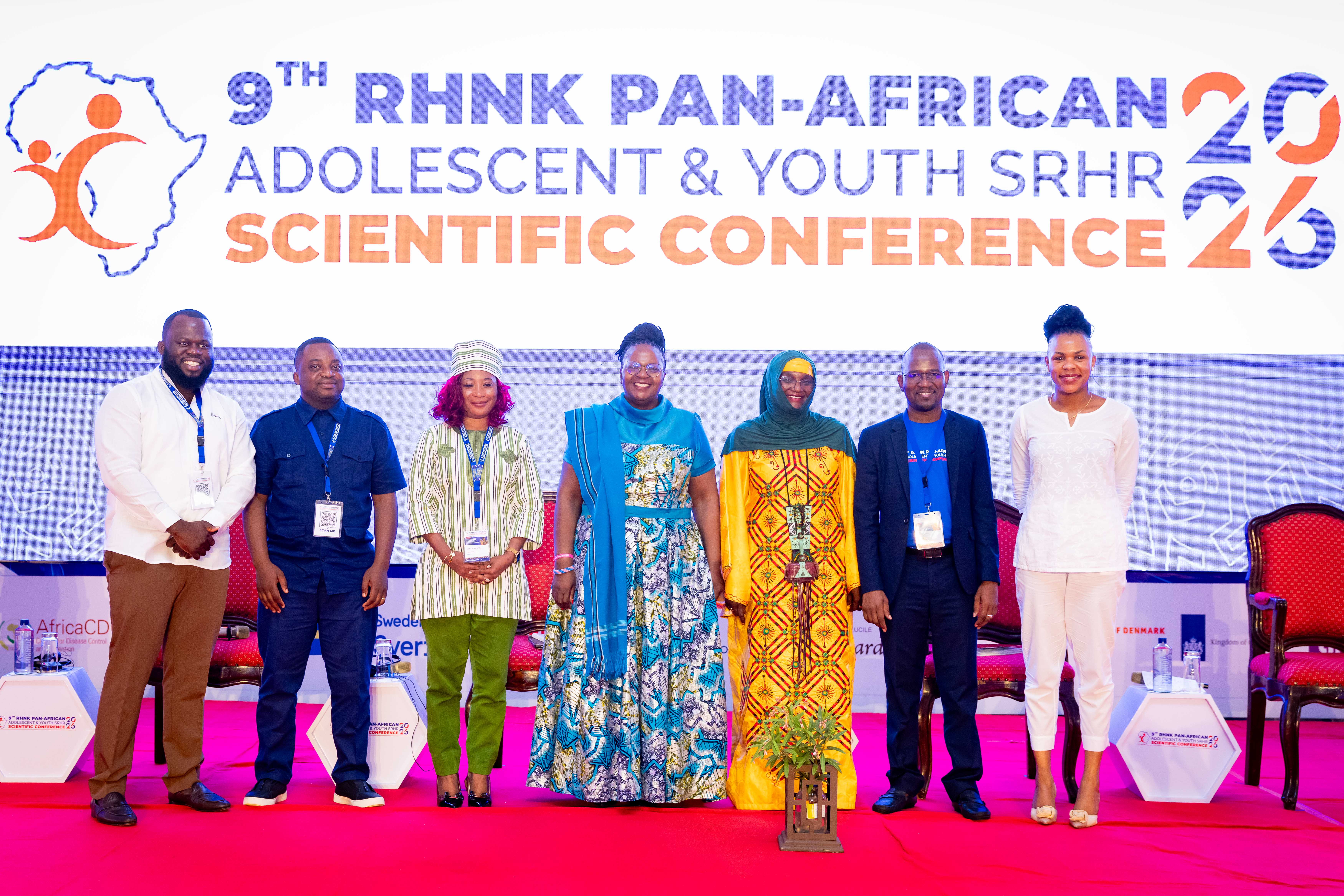
As delegates from 34 African countries gathered for the 9th RHNK Pan-African Adolescent and Youth Sexual Reproductive Health and Rights (AYSRHR) Scientific Conference in Mombasa, Kenya, which took place from 2-5 June 2026, one of the key conversations focused on expanding access to quality abortion care across Africa. The conference was organized by Reproductive Health Network Kenya (RHNK), which is IPPF’s affiliate in the country. Among the initiators of this conversation was Mr. Kader Avonnon, who leads the Comprehensive Abortion Care in West Africa (SCAAO) programme at IPPF Africa Regional Office. Jointly funded by The Hewlett Foundation and the Foundation for a Just Society International, SCAAO aims to expand access to person-centered abortion care for women and girls in Francophone west and central Africa. During the conference, Mr. Avonnon moderated a panel discussion featuring IPPF MAs implementing the programme, highlighting some of its successes so far. In this interview with Maryanne W. WAWERU, he reflects on some of the key messages from the session. The SCAAO programme is being implemented by IPPF MAs in Niger, Togo, Burkina Faso and Cameroon. In the panel discussion that you moderated, what learnings did you hope the participants would take away? While reaffirming the importance of recognizing abortion as essential healthcare, the session focused on the programme’s approaches that have proven effective in advancing laws, policies and access to abortion services in some of Africa’s most challenging contexts. Many participants from the different countries represented at the conference highlighted the challenges and barriers they face in their efforts to expand access to abortion care within complex and heavily restrictive legal and social environments. Therefore, drawing on the experiences of the SCAAO programme, we sought to demonstrate that success is indeed possible. This we did by showcasing the practical tools, innovative approaches and evidence-based strategies that continue to successfully deliver results in the countries we work in. What do you consider the SCAAO programme's most significant achievement so far, and why? The most significant achievement of the SCAAO program has been the creation of a growing space for honest, constructive dialogue on abortion care across Francophone west and central Africa. These dialogues with key stakeholders including governments, civil society actors, legislators, religious leaders, women’s rights defenders, and healthcare providers have translated into stronger political commitment in countries like Cameroon, Niger, and Togo. Even in challenging contexts such as Niger, legal reforms have expanded access to abortion care in cases of rape and incest. The results have been tangible, an example being on the service delivery level, where our MAs in Cameroon and Togo have reported more women accessing person-centered services in their facilities. These changes demonstrate that progress is indeed possible, even in restrictive environments. One of SCAAO’s core approaches has been fostering collaboration between stakeholders from different sectors. How has this multi-sectoral approach contributed to the programme’s success? One of the most meaningful strategies of SCAAO has been its ability to build bridges between governments, civil society, local political and religious leaders, healthcare providers and other key stakeholders. This collaborative approach has helped create an enabling environment for advocacy on quality, person-centered abortion care. We have seen this translate into practical results in Togo and Cameroon, where Ministries of Health, Justice, and Members of Parliament are working together on a roadmap to improve abortion laws. In Niger, the Ministry of Health has taken ownership of several SCAAO initiatives, including funding and implementing activities such as training healthcare providers, which is a powerful sign of commitment, and which also speaks to sustainability. At the national levels, SCAAO has supported the establishment of networks and task forces aimed at sustaining momentum, strengthening engagement with decision makers and promoting accountability. We have also witnessed inspiring collaboration around advocacy efforts, such as the International Safe Abortion Day. The RHNK Conference brought together over one thousand SRHR advocates, healthcare workers, researchers, policymakers, and youth leaders from across Africa. How important are forums like this in advancing access to abortion care and reproductive justice on the continent? Platforms like the RHNK conference remind us that none of us are working alone, and that we are part of a broader movement working towards a common goal. For many healthcare workers, the challenges can sometimes feel overwhelming, especially those working in restrictive environments. Conferences like this not only offer a good learning and exchange forum, but they also offer a sense of community and solidarity. The RHNK conference was not just about sharing strategies, but about listening to each other, learning from real experiences, and finding strength in shared commitment. Conferences like these provide us with the opportunity to refine our approaches, build genuine partnerships, and expand our networks. Looking ahead, what are the priorities for Phase 2 of SCAAO (2025-2028), and how will the programme build on the gains made so far? One of the key priorities in Phase 2 of SCAAO is to keep advocating for legal and policy reforms. We are also keen on solidifying our partnerships with governments, civil society organizations, legislators, religious leaders, healthcare providers and other key stakeholders, to ensure that the results are locally driven and sustainable. While building stronger networks, we also aim to ensure we safeguard the gains already achieved so far. Additionally, we will remain vigilant against efforts to roll back on abortion rights. We remain committed to ensuring that women and girls in Africa have expanded access to quality, person-centered abortion care. What gives me hope is the energy we witnessed at the conference, especially the strength and commitment of young people. Their voices, combined with the networks we are building, will help us face the challenges ahead and turn our goals into reality.
12 May 2026
My medical abortion experience as a university student in Uganda
Nyakato* is a 20-year-old university student in Bushenyi district, western Uganda. 13 months ago, she found herself in a predicament: she was unexpectedly pregnant. In this article, Nyakato narrates the events that followed this discovery. Her experience highlights the important role that trained peer educators by Reproductive Health Uganda (RHU)- an IPPF Member Association, play in offering young people life-saving sexual reproductive health (SRH) information and services. Nyakato narrated her experience to Maryanne W. WAWERU. “When I joined university as a bubbly, ambitious 18-year-old, I was excited about what lay ahead. Enrolling in a Nursing degree course was a significant step towards achieving my career goals in the medical field. In the first week, the university organized a detailed orientation programme for all new students which included learning sessions on sexuality education. The university had invited a team of peer educators from Reproductive Health Uganda (RHU) to take us through the educative sessions. The peer educators shared comprehensive information on different sexual reproductive health and rights (SRHR) topics including contraceptives, pregnancy, sexually transmitted infections (STIs), gender-based violence, unsafe abortion and HIV/AIDS. I found the sessions to be engaging and insightful. Notably, at the end of each session, the peer educators would share their mobile phone numbers with us, together with official contact details of the RHU Bushenyi clinic. They encouraged us to save the numbers in case we needed to ask additional questions or seek clarification on the information they had shared. The peer educators also told us to reach out to them if we ever found ourselves in a situation of need. I saved the numbers on my phone. Discovering I’m pregnant A few months later –in the second semester, I unexpectedly discovered I was pregnant. I had been using the ‘safe days’ method where I would avoid sexual intercourse on the days that I suspected I was ovulating and could easily conceive. But this had not worked because there I was, pregnant, shocked, and confused. As I digested the reality of my unplanned pregnancy, I became very anxious. Being pregnant meant deferring my studies as I knew I wouldn’t be able to juggle both successfully. I was also not ready to lose a full academic year. I was still young and with goals to achieve and having a baby at that time would only stall my career ambitions. Besides, I did not feel emotionally and mentally ready for the responsibilities of motherhood. Additionally, I feared being reprimanded by my parents. While preparing to join the university, they had taken time to counsel me about the need to focus on my studies and avoid distractions that would derail my academic goals. The news of an unplanned pregnancy would have been a huge disappointment. Informing my boyfriend The turmoil in my mind about the pregnancy caused me great anguish. Several days later, I decided to inform my boyfriend. When I did, he said he was not ready for fatherhood. At 26, he was working but said he did not feel stable enough to start a family. Since neither of us felt prepared for that responsibility, we agreed to end the pregnancy. He then asked if I knew of a place where I could have the pregnancy terminated safely. That is when I remembered the numbers of the RHU peer educators I had saved on my phone during orientation week. I immediately reached out to one of them. The peer educator listened to me keenly, counselled me and thereafter referred me to the RHU Bushenyi clinic where he said I would receive further assistance. I felt a huge wave of relief after opening up to him, knowing that he genuinely understood my predicament. He assured me that the RHU team were SRH experts and I would be in safe hands. Comforted by his words, I made my way to the RHU Bushenyi clinic. Undergoing a safe abortion procedure There, I met a clinician who attended to me. He did not rush me as I spoke and was very calm and understanding. I did not feel judged. His professionalism made me know that I was in the right place. I was about eight weeks pregnant at the time, and the clinician explained to me the process of a medical abortion, which involved taking medication at specific timings. I chose to start the process right there at the clinic under his guidance, then continue with the rest of the medication at my hostel. He gave me very clear instructions on how and when to take the medication, which I jotted down so that I would not forget. Additionally, he gave me his number and told me to contact him in case I needed to. All went as expected and the following day, when it was time to take the second dose, I called him on phone just for his reassurance that I was following the right steps, which he confirmed that I was. I was grateful that I could reach out to him easily during that delicate time without having to physically present myself at the clinic. He would also periodically call me to follow-up on my progress. Indeed, I was in good hands, just as the peer educator had assured me. Post-abortion contraceptive care After a few days, the clinician requested me to present myself back at the clinic for a scan. I did so, and the scan confirmed that the procedure had been successful and that I was in good health. The clinician then took time to explain to me the importance of taking up a contraception to avoid another unplanned pregnancy. After taking me through several contraceptive options, I settled on the three-month injection. Where I live is about 25 kilometres from the RHU Bushenyi clinic, and when it’s time to renew the injection, I inform the RHU peer educator in my area, who then gets the injection from RHU. This helps solve the transport challenge for me. The peer educator then administers it, as he has been well trained to do so. This arrangement has worked perfectly for me as I have not had any pregnancy scare since then. Because of my access to safe abortion care at RHU, my life got back on track, and I was able to continue with my studies without interruption. I hope to have three or four children in the future, but I will only have them when I am ready mentally and emotionally, and when I have completed my degree and earning an income that will enable me to provide for them. Empowering freshmen with SRHR information I’m grateful to the RHU team and its peer educators who share information with fresh university graduates. I am glad to have participated in RHU’s educative SRHR sessions during the orientation week, as the information I received came in handy just when I needed it. The RHU clinical team is also excellent in their work, helping young women like me access safe and affordable abortion care. I paid 70,000 Ugandan shillings ($19) for the medical abortion and the scan. This was an affordable cost, which I covered using savings from the allowance my parents give me. Based on my experience, I have since been talking to new university female students, encouraging them to attend the sexuality education sessions during the orientation week by RHU. I also encourage them to save the numbers of the peer educators which are shared during the sessions as they never know when they may need them." *Nyakato’s name changed to protect identity.
11 March 2026
Eliminating barriers to safe abortion: the experience of one abortion care provider in Kenya
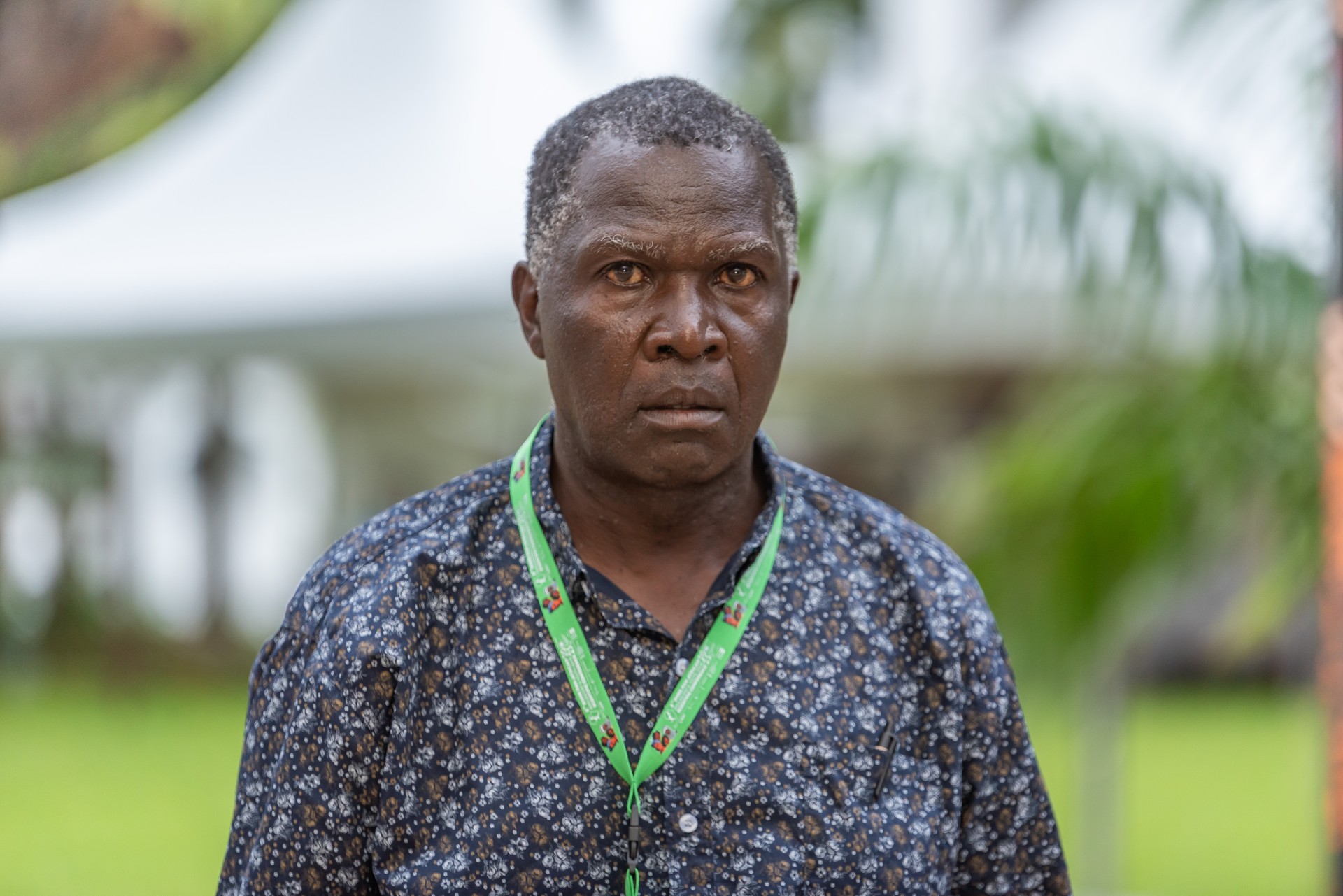
Ben Masinde, a registered nurse worked as a civil servant in government hospitals in Kenya’s western region for 34 years before retiring at the age of 60. Following his retirement in 2020, Masinde established the Benglad Health Center in Chwele, a busy commercial hub in Bungoma county, western Kenya. The center provides a wide array of services including reproductive, maternal, newborn and child health services to those in and around Chwele. The facility has a maternity wing that operates on a 24-hour basis. In this article, Masinde speaks about one of the services offered at his clinic –abortion care, his affiliation with IPPF’s Associate Member in the country -Reproductive Health Network Kenya (RHNK), and how his outlook on abortion care has changed since he established the facility five years ago. He narrated his abortion provider care journey to Maryanne W. WAWERU. “When I started the Benglad Health Center, I was only competent in providing post-abortion care (PAC) services, having been trained by the government back in 2004. At the government hospitals, we would receive a handful of PAC cases in a month, which my colleagues and I would handle capably. Things were no different at the Benglad Health Center, for I would receive several PAC clients in a month. Many times, the clients would present with extreme abdominal pain, while others would be brought in dizzy and weak, having lost a significant amount of blood from a botched abortion. Some would arrive with chills and high fevers, an indication of infection. Others would be brought in unconscious and in a half-dead state. The worrisome number of women and girls presenting with complications from unsafe abortions at my facility greatly worried me. The extent of the matter further dawned on me after realizing that I was the one to handle them – compared to when I worked in government hospitals with a team of well-trained colleagues. Now, I was their sole hope for survival. Religious convictions against abortion As I attended to the PAC cases at the facility, I noticed something else; an increase in the number of girls and women seeking comprehensive abortion care (CAC) services. They would tell me that they were pregnant and that they wanted to terminate their pregnancies safely, hence why they had come to a decent-looking health facility in the town center. They said they did not want to risk a botched abortion from quacks in the village as they had heard of cases of girls in their neighbourhood who had died from unsafe procedures. However, the requests for CAC agonized me because I neither had the competence nor the experience required to provide this service. I had a lot of uncertainty about it. In any case, my religious convictions prevented me from offering CAC services. Needless to say, it did not take long for me to begin analysing the matter from a practical point of view. The number of PAC clients were concerningly worrisome, with their dire situations being preventable in the first place. Seeing women at the near point of death led me to start reconsidering my rigid stance on CAC services. Clarifying my views on abortion Meanwhile, I continued to expand my networks as a private health care provider in Bungoma and the larger western Kenya region. During this time, a fellow clinician who understood my dilemma about abortion services introduced me to Reproductive Health Network Kenya (RHNK). The clinician told me that RHNK would help me tackle some of the challenges I was facing as a clinician who offers sexual reproductive health (SRH) services, including those around abortion care. I welcomed the idea and joined RHNK in 2022 – two years after establishing the center. Upon becoming a member, I was first taken through a Values Clarification and Attitude Transformation (VCAT) training, which helped to demystify some of my views on abortion. The training broadened my understanding on why girls and women procure abortions, and the need for them to have access to affordable, high-quality safe procedures. As I absorbed the VCAT teachings, I knew that I had to reconcile my strong religious convictions about abortion with the need to help save the lives of women and young girls in Bungoma county and beyond. RHNK followed up the VCAT training with others on CAC and PAC. The PAC training refreshed and updated my already-existing knowledge on the practice, while the CAC training gave me the confidence to start the journey of saving the lives of young women and girls through the provision of quality abortion care strictly within the confines of Kenya’s laws and policies. Reduced PAC cases After the trainings, RHNK provided me with a CAC starter kit which enabled me to begin providing surgical and medical abortion services. Other clinicians who found themselves unable to provide abortion services at their facilities due to various reasons started referring clients to Benglad Health Center, as they knew I would capably attend to them. This, courtesy of the trainings I had received from RHNK. Gradually, girls and women started coming to my facility directly without going to quacks in the village or other unlicenced practitioners first. This is a practice that had previously contributed to the high PAC cases. I was now able to attend to all those seeking safe abortion services without turning them away because of my religious convictions or my lack of competence in the area. With time, I noticed a decrease in cases of those presenting with unsafe abortion complications and today, I hardly receive any PAC cases, something I can attribute to the increased awareness in the community about safe abortion services at the facility. Our charges are affordable and reflect the economic situation of my clientele. We charge between 2,000 – 4,000 Kenyan shillings ($15 - $31) for abortion services, though this can be reduced or waived depending on the clients’ circumstances. We do not turn away any client just because they cannot afford the charges. Connecting with other abortion care providers In February 2025, RHNK invited me to a provider share workshop (PSW). The workshop brought together several abortion care providers under the organization’s network. There, I met other service providers within the RHNK network. Drawn from different geographical locations across the country, I established that some of the practitioners had been providing CAC services for a short period of time such as myself, while others carried decades of experience. Collectively, we shared our experiences in abortion provision, and it was great to learn of our unique, yet similar experiences. There were lots of lessons to learn from each other. Additionally, at the provider share workshop, we formed a WhatsApp group which has been instrumental in continued peer-peer support amongst ourselves. Whenever we are faced with a dilemma or a challenging situation, we quickly reach out to colleagues in the forum and receive prompt assistance. Recently, I encountered a difficult abortion case, and I reached out to a service provider who I met during the provider share workshop who has been providing CAC services for decades, and he successfully guided me through the situation. No longer ‘alone’ The support from RHNK has been very helpful as I no longer feel ‘alone’ as an abortion care provider. Being a member of the network and the experiences we continue to share as abortion care providers have been very encouraging. I am proud to be associated with an entity that is committed to saving the lives of girls and women across the country through the provision of high-quality client-centered abortion services. Today, I can with confidence say that through the safe abortion services provided at Benglad Health Center, the lives of several girls and young women in Bungoma county have been saved. I remain committed to this cause, thanks to partners such as RHNK and IPPF.

09 March 2026
Regional SRHR forum charts path for stronger advocacy amid funding shifts
Obstetricians and Gynaecologists working across East, Central and Southern Africa (ECSA) have reaffirmed their commitment to address the scale of unsafe abortions in the region. They made the commitment in Kenya during a learning and exchange forum jointly hosted by East, Central and Southern African College of Obstetricians and Gynaecologists (ECSACOG) in partnership with the International Federation of Gynaecology and Obstetrics (FIGO), the International Planned Parenthood Federation Africa Region (IPPFAR) and Ipas Africa Alliance. Held from 5 - 7 February 2026, the meeting brought together a Community of Practice (CoP) including 10 obstetrician and gynaecologists’ member societies from Rwanda, Tanzania, Zambia, Uganda, Ethiopia, Kenya, Mozambique, Zimbabwe, Malawi and South Sudan. ECSACOG established the CoP in 2022 in response to the gap in abortion access in the sub region in order to leverage members’ clinical expertise and resources to address the scale of unsafe abortions in the ECSA region. The CoP convenes regularly, both in-person and virtually to share successes, challenges and best practices, while exploring opportunities to advance sexual reproductive health and rights (SRHR) advocacy in the region, including on comprehensive abortion care (CAC). They also analyse current global, regional and in-country influences affecting access to quality SRHR information and services. Speaking at the meeting, Ms. Lillian Nkonge, Deputy Director of the IPPF WISH2 Project, emphasized on the importance of the forum. “The meeting was a good opportunity for members to evaluate the CoP’s achievements since its establishment. Participants shared updates on SRHR advocacy work in their respective countries, highlighting innovations, challenges, and progress made. The meeting also served as a great platform for CoP members to identify current priorities and future opportunities for strengthened advocacy and regional collaboration.” Ms. Nkonge further hailed IPPF’s partnership with FIGO/ECSACOG, citing the relevance of such collaborations, supported by FCDO through the WISH 2 project, in addressing the scale of unsafe abortion in the ECSA region. “Through meaningful collaborations with key stakeholders such as professional associations, the private sector, the civil society and governments, IPPF, as the lead of the WISH 2 project, aims to increase collective impact for SRHR success,” she said. Zimbabwe’s push for abortion legislation review Member country updates included Zimbabwe’s proposed Amendments to the Termination of Pregnancy Act (ToPA), as shared by Prof. Chipato Tsungai of the Zimbabwe Society of Obstetricians and Gynaecologists (ZSOG). Zimbabwe’s ToPA is highly restrictive, allowing abortion only in limited circumstances, such as when the pregnancy endangers a woman’s physical or mental health, or if the pregnancy is as a result of incest or rape, and which requires a magistrate’s approval through a judicial process. Additionally, abortion can only be carried out by a limited pool of medical practitioners. In this regard, Prof. Tsungai highlighted ZSOG’s advocacy for reform through the Medical Services Amendment Bill (2024). “Our call includes the removal of the tough approval requirements for an abortion, and requiring only consent from the pregnant woman,” he said, adding that the proposed amendments would expand the legal grounds for abortion by allowing abortion on request within the first 12 weeks of pregnancy, and up to 20 weeks where the pregnancy poses a risk to the woman’s physical or mental health, and if it results from sexual crimes (rape/incest), or if it involves severe foetal abnormality. Prof. Tsungai also said that the reforms aim to reduce incidents of unsafe abortions, align the law with Zimbabwe’s 2013 Constitution and the Maputo Protocol, as well as eliminate bureaucratic barriers that hinder women’s reproductive freedom. Telemedicine for expanded abortion access in Rwanda Dr. Dan Butare from the Rwanda Society of Obstetrics and Gynaecologists (RSOG) highlighted the organization’s partnership with the Ministry of Health (MoH) for expanded access to abortion care through telemedicine. “Our main challenge with abortion has been the fear and stigma around it, especially within health facilities. To address this, we focused on training midwives and nurses at local health facilities where we strengthened their capacity to provide safe medical abortion services through teleconsultations. The midwives and nurses are connected to doctors at the district hospitals, which helps in creating a supportive network that enables guidance and referrals where necessary,” he said. Making abortion services available in Kenya Dr. Nyawira Wahome from the Kenya Obstetrical Gynaecological Society (KOGS) noted one major reproductive rights victory in the country, where the High Court of Kenya in December 2025 lifted the 2018 ban on Marie Stopes Kenya (MSK) regarding the advertising of safe abortion and post-abortion care services. In August 2018, Marie Stopes Kenya (MSK), in collaboration with the MoH started a public awareness campaign on key issues around abortion. Soon after, various government agencies including the Kenya Film Classification Board (KFCB) and the Kenya Medical Practitioners and Dentists Board (KMPDB) directed MSK to end the campaign and stop offering any form of abortion services in all its facilities. MSK was also banned by the Director of Medical Services (DMS) from providing any form of post-abortion care (PAC) in its facilities. According to Dr. Wahome, the historic High Court of Kenya ruling affirmed that access to SRH information and services is protected by Kenya’s Constitution. ‘Coercive’ US agreements with African governments Mr. Erick Mundia, Policy Manager at Ipas shared insights on the US government’s new funding restrictions which will apply to new grants and cooperative agreements. He explained that these compact agreements could lead to the rollback of significant SRHR gains made in recent years across the world, and especially in Africa. “To qualify for US funding, the provisions in these Memorandums of Understanding (MoUs) are likely to restrict countries from spending their own tax revenues on things that the US administration disagrees with. If signed, these imbalanced agreements may compromise the autonomy of African governments and thus negatively impact on their health systems,” he said. Mr. Mundia urged ECSACOG member societies to strengthen their partnerships with in-country stakeholders and intensify their advocacy efforts in putting to task their governments and raising questions over these harmful agreements. Resetting priorities amid funding shifts At the close of the forum, participants shared their reflections. “The CoP meeting was a great opportunity for the community to reset its priorities in SRHR and revitalise momentum in light of reduced USAID funding and the new expanded US compact agreements. We also got to learn a lot from our peers through the exchange of experiences and best practices, such as the adoption of telemedicine and self-care practices in abortion care,” said Dr. Swebby Macha from the Zambia Association of Gynaecologists and Obstetricians (ZAGO). Dr. Macha also lauded the support of all the partners - FIGO, IPPF and Ipas, noting their crucial role in improving visibility and strengthening the impact of SRHR programs, which result in improved contraception and safe abortion services. Call for more collaboration Ms. Tazirwa Chipeta, Program Director at IPPF’s Member Association in Malawi -the Family Planning Association of Malawi (FPAM) highlighted the value of regional collaboration. “This was my first time participating in the CoP, and I’m impressed by the wealth of information I have gained. While FPAM participates in several in-country SRHR technical working groups (TWGs) where we share experiences from across Malawi, this forum has exposed me to the experiences of other countries in the region. Many of these experiences are similar to those of Malawi, while others differ, and it has been interesting to take lessons on how each country responds to challenges in each situation, and how they adapt for successful results. I have also taken note of innovations, strategies and best practices that can be adapted in the Malawi context,” she said. Ms. Chipeta also underscored the importance of leveraging on existing national and regional resources. “The discussions in this forum have revealed the extent of untapped resources at both country and regional levels, yet they are within our reach. Our colleagues from the Association of Obstetricians and Gynaecologists of Malawi (AOGM) and other ECSACOG members are invaluable assets. Collaboration is key and by working together with different organizations, professional societies and midwives’ associations, we can collectively capitalize on our strengths and pool our resources to strengthen our advocacy on abortion and SRHR priorities,” she said. Reaffirmed commitment to SRHR in Africa Dr. Dereje Negussie, from the Ethiopian Society of Obstetricians and Gynaecologists (ESOG), and who also chairs the CoP, reaffirmed the group’s commitment. “The CoP will continue to unite its members to protect the SRHR of all Africans, with a strong focus on women and girls. By amplifying our collective voice, we will continue to push for progressive laws and policies, while advocating for the removal of barriers that hinder access to essential SRHR information and services,” he said. Ms. Mallah Tabot, the SRHR Lead at IPPF Africa Region, noted that the forum aligned with IPPF’s Come Together Strategy 2028 which, among other priorities, seeks to ensure that women and adolescents -especially those who are poor and marginalized, have a stronger voice, greater choice and more control over their reproductive health. “IPPF remains committed to strengthening regional solidarity to ensure that the SRHR rights for all are upheld, and the discussions at this forum have reaffirmed that commitment,” she said.
25 February 2026
Strengthening Health Systems for Integrated and Transformative SRHR (SHIFTS)
𝗔𝗯𝗼𝘂𝘁 𝗦𝗛𝗜𝗙𝗧𝗦 Strengthening Health Systems for Integrated and Transformative SRHR (SHIFTS) is a 7-year initiative that aims to enhance the realization of sexual and reproductive health and rights (SRHR) for women, adolescents and marginalized groups by ensuring they can exercise their rights and access essential sexual and reproductive health (SRH) care, free from stigma, discrimination and systemic barriers. Donor: Global Affairs Canada Implementing MAs: Association Béninoise pour la Promotion de la Famille (ABPF), Associação Moçambicana para o Desenvolvimento da Família (AMODEFA) and Planned Parenthood Federation of Nigeria (PPFN). When: 21 March 2025 -31 March 2032 (7 years) Where: Benin – Bohicon and Parakou Mozambique – Zambezia and Gaza Nigeria – Adamawa, Edo, Enugu, Kaduna, Niger, and Oyo The SHIFTS Approach Women, girls and marginalized communities in Mozambique, Benin and Nigeria face persistent gender and health inequities such as high maternal mortality, unmet need for contraception, and higher-than-global-average adolescent birth rates. These issues are compounded by harmful social and gender norms, restricted decision-making power of women and girls over their bodies, and limited integration of SRH care and services into primary healthcare. Additionally, unsafe abortion remains a major contributor to maternal mortality, with stigma, misinformation, and lack of access to safe abortion care, making it more difficult for women and adolescents to access the health services they need. The SHIFTS project responds to these challenges through a three-pillared approach. 1. Tackling gaps in health systems by scaling up and/or implementing cluster models of care to deliver integrated SRH care. 2. Addressing social and gendered barriers to accessing SRHR care through comprehensive sexuality education and community sensitization. 3. Fostering enabling policy and legal environments that emphasize supporting duty bearers in meeting their obligations and accompanying rights holders in claiming their rights. SHIFTS is being implemented in partnership with Action Canada for Sexual Health and Rights, the International Planned Parenthood Federation Africa Region (IPPFAR) and experienced Member Associations (MAs) in Benin, Mozambique, and Nigeria. Grounded in and guided by human-rights based approaches and feminist principles, the project’s partners are committed to strengthening the resilience of health systems in the three focus countries to ensure continuity and long-term accessibility of SRH care in times of disruption.
05 December 2025
Strengthening abortion care in West Africa: highlights from the 2025 SCAAO workshop
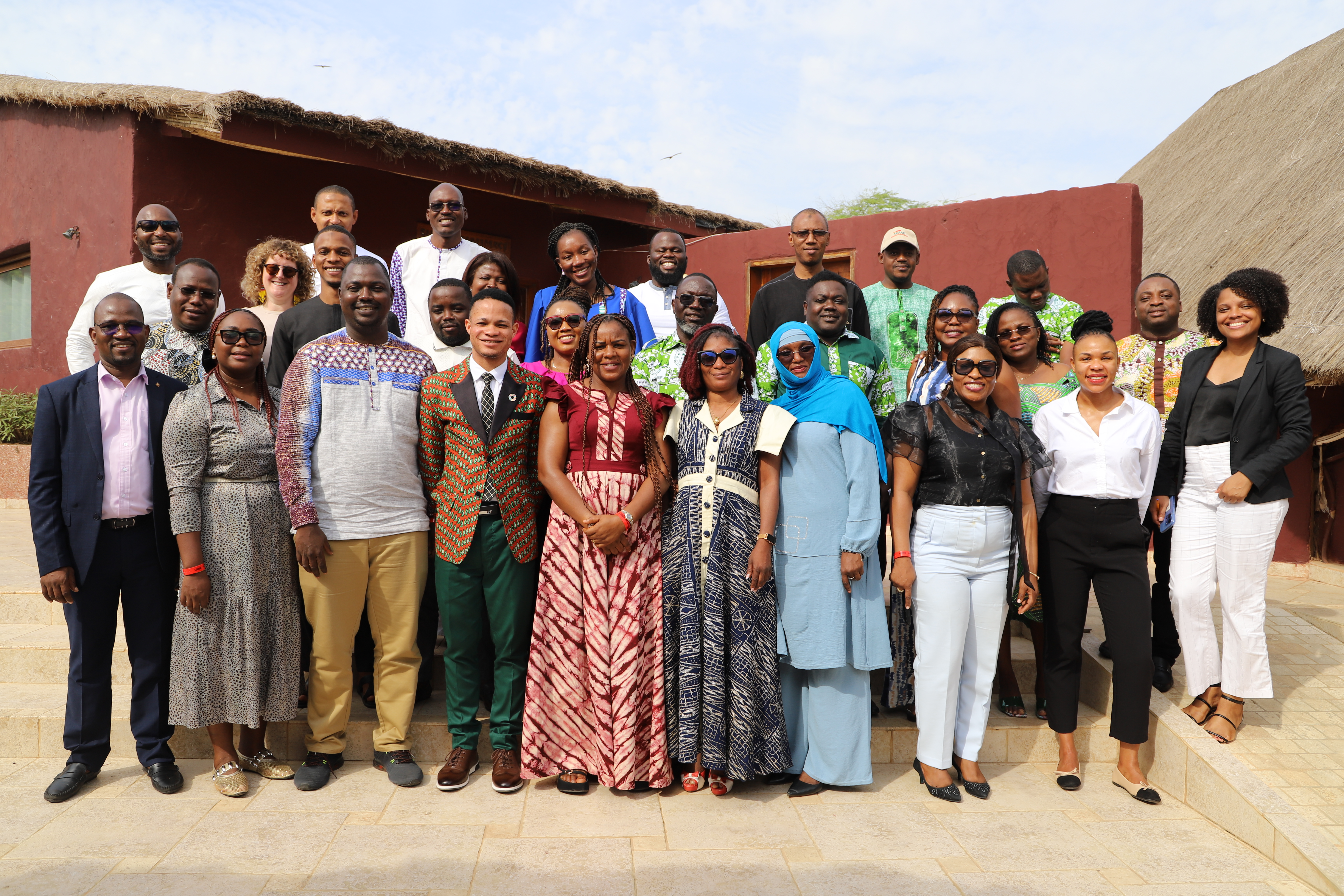
The Comprehensive Abortion Care in West Africa (SCAAO) programme recently held its annual workshop in the west African country of Senegal. The forum was an important moment for IPPF's Member Associations (MAs) implementing the programme to review progress, exchange best practices and shape priorities for the next phase. This year’s workshop, which marked the close of Phase 1 and set the stage for Phase 2, helped in deepening learning and strengthening MA activities for greater impact. By Maryanne W. WAWERU From 19 – 20 November 2025, Senegal played host to the annual ‘Strategic Planning and Best Practices Workshop’ by the Comprehensive Abortion Care in West Africa (SCAAO) programme. Jointly funded by The Hewlett Foundation and the Foundation for a Just Society International, the SCAAO aims to expand access to person-centered abortion care for women and girls in Francophone West and Central Africa. Compared to the rest of sub-Saharan Africa, Francophone West Africa scores very low against some of the most critical sexual reproductive health and rights (SRHR) indicators. According to the World Health Organization (WHO), approximately 22 million unsafe abortions are performed each year, resulting in the deaths of 47,000 women and causing long-term health consequences in another 5 million women worldwide. Unsafe abortion is a major public health issue in West and Central Africa, and constitutes a major cause of maternal death. Western Africa has one of the highest rates of unsafe abortion in the world, with 28 abortions per 1,000 women aged 15–44 years. The sub-region has also struggled in a global context of limited funding resources and insufficient or unsustainable donor investments for SRHR. Where this investment has occurred, it has been plagued by siloed programming, limited sustainability mechanisms, and fallen short of ensuring a truly locally owned and gender transformative impact on women and girls. This challenge underscores the need for well-designed interventions like SCAAO that address these structural challenges through interventions. The SCAAO programme is being implemented by IPPF’s MAs in Niger, Togo, Cameroon and Burkina Faso. Learning and exchange platforms The annual SCAAO best practices workshops serve as important learning platforms where MAs exchange experiences, share innovations and reflect on challenges, successes and lessons learned. The sessions also provide opportunities for MAs to develop strategies aimed at strengthening implementation and improving overall programme outcomes. This year’s annual workshop was timely, coming at the end of phase 1 of the programme. It presented an ideal opportunity to reflect on progress, launch Phase 2 (2025 – 2028), and engage in cross-learning with other regional initiatives. The second phase of the programme will build on the gains made in Phase 1 by strengthening the expertise and activities of MAs around person-centered care, advocacy and capacity sharing. This will contribute to the broader goal of harnessing the unique strengths and opportunities of each actor in the SRHR ecosystem from government agencies to CSOs, healthcare providers, activists, lawmakers, and funders towards expanding access to abortion care for more women and girls in the sub-region. Cross-learning engagements To enhance cross-programme learning and assure sustainability within IPPF MAs, the 2025 SCAAO annual workshop included select projects from other MAs, specifically EmpowHER, Stand-Up, and the Advocacy for SRHR Project in West Africa. The EmpowHER project, being implemented in 13 countries (eight of them in the Africa region), endeavours to guarantee women and young girls’ access to quality reproductive healthcare. The Stand-UP project, being implemented by IPPF MAs in Uganda and Mozambique, contributes to the increased enjoyment of SRHR by adolescent girls and young women. The Advocacy for SRHR Project in West Africa focuses on advocacy and is aimed at strengthening access to SRHR services for adolescents and young people in Senegal and Cape Verde. Participants at the 2025 SCAAO annual workshop were drawn from the SCAAO implementing countries, as well as those from EmpowHER, Stand-UP and the Advocacy for SRHR Project in West Africa. Showcasing best practices Several notable best practices were highlighted during the sessions. In Togo, Association Togolaise pour le Bien-Etre Familial (ATBEF) has scaled up the use of telemedicine for abortion care while improving the abortion ecosystem by engaging in more open discussions with parliamentarians. This, with the support of the Ministry of Health (MoH). Similarly, the Cameroon National Planning Association for Family Welfare (CAMNAFAW) has made notable progress in increasing access to self-managed abortion and collaborating with a civil society organization (CSO) network to align the country’s abortion law to the Maputo Protocol dispositions. Both country interventions, which have been advanced through SCAAO, have led to more women and girls accessing abortion care services, thus fostering progress within an increasingly supportive environment. In Niger, L'Association Nigérienne pour le Bien-être Familial (ANBEF) has strengthened advocacy for post-abortion care (PAC) through Values Clarification and Attitudes Transformation (VCAT) trainings targeting key stakeholders such as MoH officials, religious leaders, civil society organizations, lawyers and other influential figures. Abortion remains a highly sensitive and taboo topic in Niger, and the country’s complex socio-cultural and political context only makes it harder to address. VCAT sessions encourage honest dialogues and reflections on sensitive reproductive health matters such as abortion, with the aim of deepening understanding and fostering support for the same. Dr. Maimuna Saley, the SCAAO Coordinator at ANBEF, says the VCAT trainings have significantly increased stakeholders’ understanding of women’s reproductive health. “We have noted a positive shift in attitudes among key stakeholders, many of whom are now collaborating with us to expand access to post-abortion care information and services for women and girls in Niger,” she said. IPPF’s MA in Burkina Faso, L'Association Burkinabè pour le Bien-Être Familial (ABBEF), which is an established leader in abortion care, has played a central role in building ANBEF’s capacity to strengthen its advocacy and service delivery. “Our team trained colleagues in Niger on VCAT. Afterward, with our guidance and support, the ANBEF trainers began delivering VCAT sessions to key stakeholders. The ANBEF team can now independently conduct these sessions, in activities that have helped to create a more supportive environment for abortion care and support in Niger,” said Dr. Mady Dera, the SCAAO Coordinator at ABBEF. ABBEF’s role has also covered the coordination of regional advocacy campaigns with regional stakeholders and institutions such as the Organisation for Safe Abortion Dialogue (ODAS). Additionally, ABBEF has established a pool of experts across the region to address key priorities related to abortion. Progress and impact Mr. Kader Avonnon, IPPF Africa Region’s SCAAO Programme Coordinator says the programme has so far achieved significant success. “Over 33,000 clients have received high-quality abortion care, including Post Abortion Care, with over 21,000 receiving support services for abortion self-care. Notably, 80% of the clients who received abortion care have been from poor and vulnerable backgrounds, which aligns with the programme’s commitment to equity.” he said. According to Mr. Avonnon, SCAAO has also increased the pool of service providers, who include staff from partner organisations. “We now have more healthcare workers who can offer abortion care. As a result, more girls and young women, including those in remote and marginalized areas where access was previously limited, are now receiving services from skilled providers. This has helped reduce unsafe abortion complications,” he explained. SCAAO’s role in IPPF’s mission During the workshop, Ms. Mallah Tabot, the IPPF Africa Region SRHR Lead emphasized the importance of the programme to IPPF’s broader mission. “The SCAAO programme is helping us rebuild the foundations of abortion care in a region that has been overlooked for far too long. It allows us to strategically close the gap between our mandate and our delivery in one of the toughest regions for abortion care, and to support our MAs to grow their readiness, transform culture and champion reproductive justice for the continent,” she said during the workshop. Ms. Tabot added that while many MAs were already providing abortion care, the SCAAO initiative has pushed their work to beyond service delivery. “It has helped us confront values, strengthen governance, build systems that make services safer, and positioned MAs as consistent and resilient leaders over time.” Participant perspectives At the close of the forum, participants shared their reflections. “The idea of person-centered abortion services stood out. This means considering the unique needs of each person seeking care and tailoring services to them. When it comes to abortion care, individual needs vary from person to person and therefore each case needs to be treated uniquely. The presentations from the different countries brought out this important aspect of abortion care very clearly,” said Ms. Yasmilatou Aboudoulaye from IPPF’s MA in Benin, Association Béninoise pour la Promotion de la Famille (ABPF). Mr. Mohammed Ka from IPPF’s MA in Senegal, Action and Development (AcDev) similarly shared his reflections. “The best practices showcased by the MAs gave me great insights into how the same programme can be adapted to different contexts and still deliver results. The experience of Niger was very interesting as it showed how ANBEF has made great strides in abortion advocacy, meaning that even in difficult contexts, success is still possible. I learnt so much and I’m keen to share these ideas with my colleagues at AcDev as there is a lot we can replicate to enhance our work,” he said. At the end of the workshop, participants left very inspired and motivated to strengthen abortion care in their countries –a great momentum to the start of Phase 2 of the noteworthy SCAAO programme.
17 November 2025
“We no longer hear cases of abortion-related deaths in Cape Coast, Ghana” -- PPAG clinic nurse
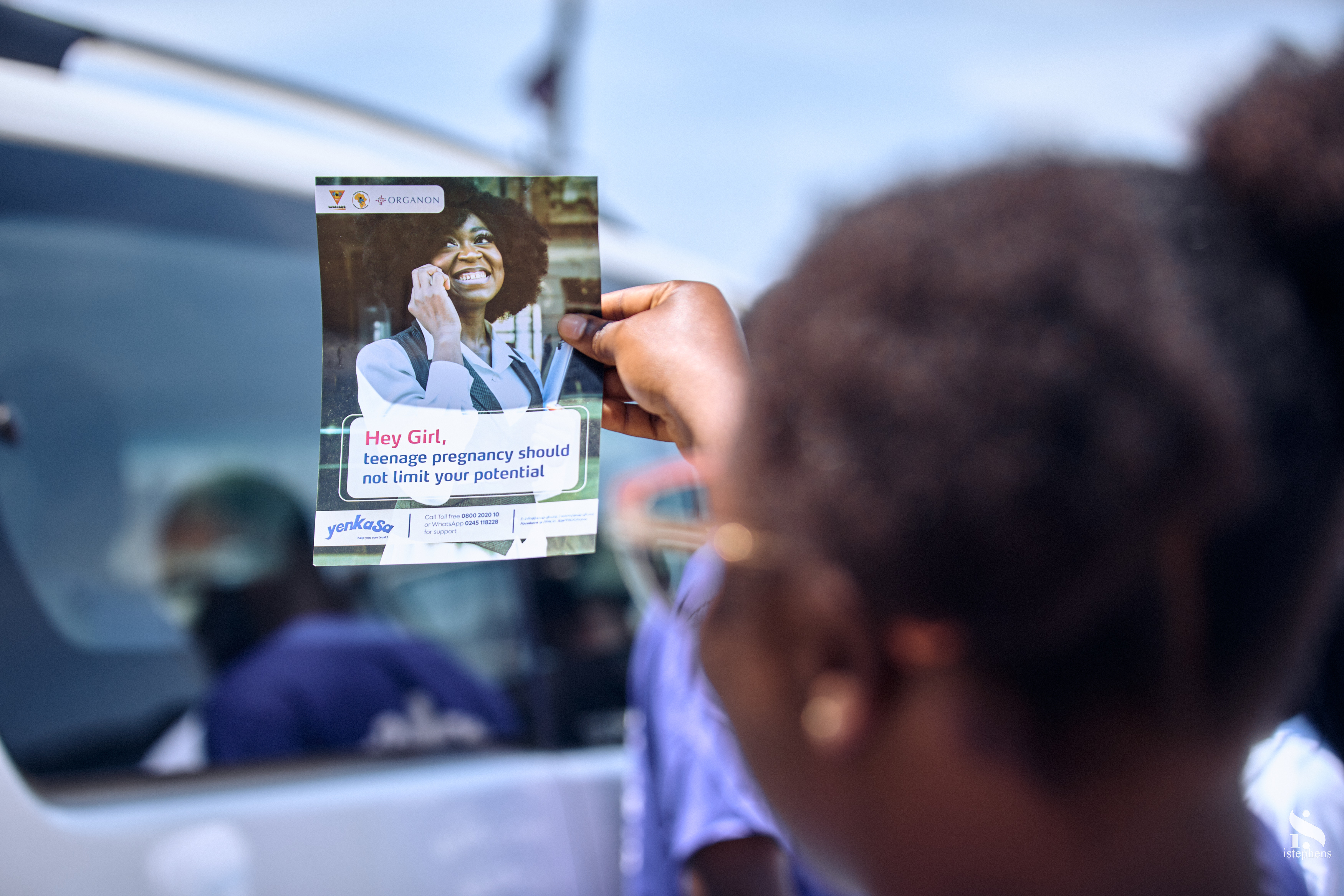
For more than two decades, Adwoa* has worked as a sexual and reproductive health (SRH) provider in Cape Coast, the capital of Ghana’s central region. In the early years of her career, Adwoa would be troubled by the numerous cases of unsafe abortions and related deaths in Cape Coast. In recent years, however, she has noted a remarkable shift with this regard, which she attributes to the efforts of IPPF's Member Association (MA) in the country –Planned Parenthood Association of Ghana (PPAG) where she works. Adwoa speaks more about her experiences in this article. By Maryanne W. WAWERU The Cape Coast region in Ghana is highly significant to the work of IPPF’s MA in the country - PPAG. It is home to several educational institutions including secondary schools, colleges, and universities with a notable student population comprising young people aged 10 – 24 years. Globally recognized as a leading provider of SRH services and a strong advocate for sexual and reproductive health and rights (SRHR), IPPF continually strives to address the challenges that young people face regarding their reproductive health. These challenges include early pregnancies, difficulties in accessing contraceptives, high rates of sexually transmitted infections (STIs) -including HIV, and unsafe abortions. Young people also struggle to find healthcare providers who can offer supportive, friendly, and non-judgemental SRH services. Ghanaian youth are not exempt from these challenges. Combined education, outreach and clinical care activities by PPAG PPAG’s Cape Coast clinic helps in addressing these challenges through its different programmes. By working with trained peer educators and service providers, the organization regularly conducts outreach activities in learning institutions and in community settings where young people gather. The informative sessions empower youth to make healthy and informed decisions about their sexual and reproductive health. PPAG also offers youth-friendly SRH services in its static clinics and through regular mobile clinics. The introduction of telemedicine has further complemented the organization’s service delivery efforts. The telemedicine approach entails provision of remote consultation, medication delivery, and follow-up support for medical, diagnostic and treatment services. This includes abortion services. Telemedicine for abortion Telemedicine for abortion in early pregnancy ensures that clients do not have to make in-person visits to clinics or hospitals, thus addressing several barriers attached to abortion-seeking services in health facilities, such as fear of judgement, stigma, and transport challenges. These barriers significantly contribute to women’s procurement of clandestine, unsafe abortions. Adwoa*, a nurse at PPAG’s Coast Clinic demonstrates the success of the telemedicine for abortion approach. “I have been in this clinic for slightly over 20 years. One of the major challenges that the Cape Coast community has always grappled with is unplanned pregnancies among adolescent girls and young women. This, considering the high youthful population that largely comprises of learners from schools, universities and colleges. In my earlier years working at the clinic, we would receive many cases of life-threatening complications from unsafe abortions procured by young women,” she says. The magnitude of the situation would be exemplified whenever she would participate in outreach activities in the community. “We would always learn about the unfortunate deaths of young women, including students, from botched abortions. They had procured the services from unskilled individuals -quacks. Their deaths greatly saddened me,” she says. For those who survived, Adwoa and her PPAG colleagues would offer post-abortion care services at the clinic. However, the worrying problem of unsafe abortions persisted. “We intensified our awareness campaigns in the community and in learning institutions about the need for contraception to prevent unplanned pregnancies. We needed more people to hear this message as we believed that this would reduce the cases of unsafe abortion morbidity and mortality. To widen access to safe abortion care, we introduced telemedicine for abortion services, which have subsequently benefitted hundreds of young women in Cape Coast,” she says. Expanding safe abortion care access To ensure quality of care in delivery of abortion care information and services, PPAG endeavours to continuously build the capacity of its service providers and peer educators. “Through different initiatives and programmes, the organization carries out regular trainings for its peer educators, thus increasing their capacity to conduct outreach activities in learning institutions and in the community. Additionally, PPAG has facilitated training opportunities for its clinicians and other service providers in and around Cape Coast on comprehensive abortion care (CAC), including telemedicine for abortion. This has not only strengthened the capacity of PPAG clinicians but has also increased the number of skilled abortion care service providers who can offer these services in Cape Coast. With this expanded network, it means that more women are now able to conveniently access life-saving abortion services without having to visit a health facility,” she says. The results have been evident, according to Adwoa. “Nowadays, when we go out for our regular outreaches in the community and in learning institutions, we no longer hear of girls and women who have died from unsafe abortions. On account of the heightened information awareness activities about safe abortion care, more women have been empowered to make safer choices when faced with the predicament of an unplanned pregnancy. We no longer receive cases of girls and young women presenting with complications from unsafe abortions. This is success to me,” a beaming Adwoa says. Adwoa attributes these achievements to increased awareness of telemedicine services especially among the student population, the community’s trust in PPAG’s services, as well as the increased network of trained service providers who can offer quality safe abortion care services in and around Cape Coast. *Name changed for privacy purposes
07 November 2025
Breaking Barriers, Saving Lives: Safe Abortion Services Now a Reality
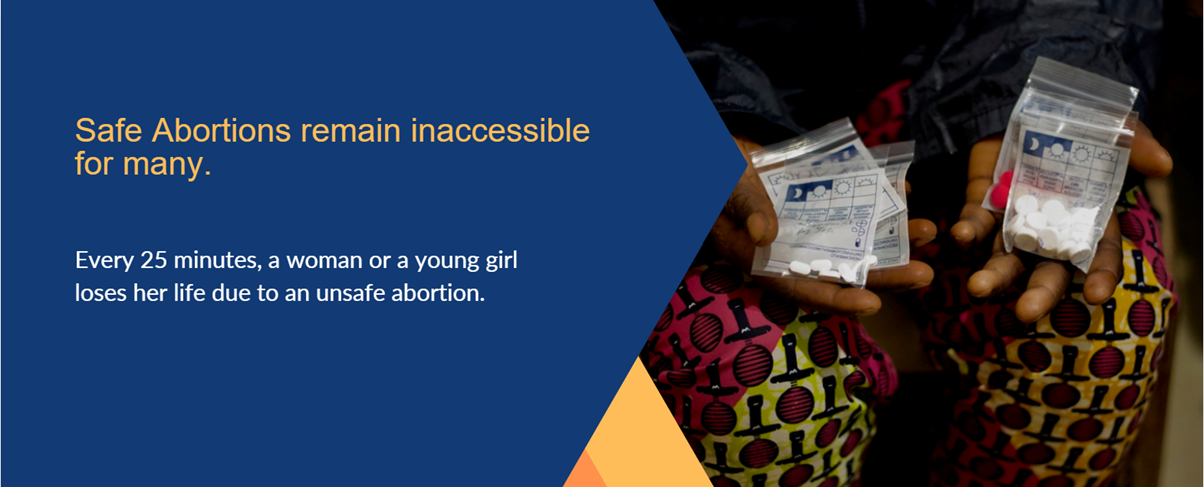
Tikil Dingay Health Center, one of the main facilities serving the district, had discontinued comprehensive abortion care services for over two years following the turnover of trained providers due to the Northern Ethiopia Conflict. The absence of skilled personnel meant that women and girls were left with few options often resorting to unsafe and unregulated procedures that endangered their lives. Unsafe abortion continues to be one of the leading causes of maternal deaths in Ethiopia, with 42% of unintended pregnancies ending in abortion nearly 73% in unsafe conditions. The two-and-a-half-year conflict in northern Ethiopia, particularly in Amhara, has worsened the situation by disrupting health services and increasing adolescent vulnerability to unplanned pregnancies and unsafe abortions. The ongoing efforts under the WISH 2 project to restore and strengthen safe abortion services in Lay Armachiho in Amhara region therefore represent a critical intervention to safeguard women’s and adolescents’ reproductive health and rights, rebuild community trust in health facilities, and reduce preventable maternal deaths. To address this urgent gap, the Family Guidance Association of Ethiopia partnered with the Woreda Health Office to assess the facility’s capacity and design an intervention to restore services. The assessment confirmed that while the health center served a large catchment population, it lacked trained staff and essential supplies to deliver safe abortion care. In response, FGAE organized a 17-day Comprehensive Abortion Care training in Addis Ababa for selected healthcare providers, in line with Ministry of Health standards. Among the trainees was Dr. Solomon Adugna from Tikil Dingay Health Center, who upon completing the training, returned to the facility and immediately began mobilizing his colleagues to reinstate the service. The center allocated a dedicated room for CAC, procured necessary supplies including abortion kits, medications, and registration materials and established a routine supervision and mentorship system to ensure quality and accountability. “After completing the training, I was determined to ensure no woman in our community would suffer or die because she lacked access to safe care. We quickly organized our team, prepared the room, secured supplies, and restarted the service with full accountability,” — Dr. Solomon Adugna, Tikil Dingay Health Center Within just four months of resuming services, 19 women and adolescent girls accessed safe abortion and post-abortion care, including counselling, HIV testing, and family planning. Though modest in number, these cases represent lives saved and health restored tangible evidence of the transformative power of capacity building and local leadership. One of the clients, a 19-year-old girl, recounted her experience: “I was very worried. The private clinic requested me 6,000 Birr (which is equivalent to 40$) for the service. While searching for other traditional alternatives, one of my colleagues told me the health center provides the service. Anyway, they saved my life.” The success of this intervention was not without challenges. Frequent staff turnover and technical gaps had disrupted service continuity for years. However, through close collaboration between FGAE, the Woreda Health Office, and Tikil Dingay Health Center, these challenges were effectively mitigated. Plans are now in place to assign dedicated staff and expand training opportunities for additional providers, ensuring sustainability and continued access to safe services.

03 November 2025
Shifting Perspectives: Building Bold Leadership for Reproductive Rights in Burundi
In Burundi, sexual and reproductive health remains a sensitive issue, shaped by deep-rooted social and institutional resistance, particularly around the concept of abortion. Civil society organizations (CSOs), though key players in advocacy, have long faced bias, stigma, and legal constraints that limit their ability to act effectively. Through its collaboration in the WISH 2 project, funded by the UK Foreign, Commonwealth & Development Office (FCDO), Ipas Burundi has built a powerful foundation for bold leadership and transformative change in the country’s reproductive health landscape. This strategic partnership has enabled Ipas to champion rights-based approaches, strengthen civil society engagement, and challenge harmful norms that hinder access to care. Since the beginning of this year, Ipas has strengthened the capacities of 27 key actors, primarily civil society leaders, through VCAT workshops, multi-stakeholder dialogues, and a legal review on sexual and reproductive health. These interventions have helped dismantle misconceptions and prejudices, foster a clearer understanding of Burundi’s legal framework on abortion, and promote more open and progressive attitudes. The outcomes of Ipas Burundi’s recent interventions have been both transformative and deeply encouraging in advancing reproductive rights and expanding access to high-quality, non-discriminatory post-abortion care (PAC). As a result of targeted training: 15 participants now possess a clear and accurate understanding of Burundi’s legal framework for abortion, particularly the provision for therapeutic abortion.12 participants have publicly adopted less stigmatizing attitudes and 8 participants have pledged active support for political or community-led initiatives aimed at improving reproductive health access. These shifts, captured through pre- and post-training assessments, individual evaluations, and qualitative observations, underscore the tangible impact of Ipas’s work. They illustrate how informed dialogue, and critical reflection can reshape perspectives and spark bold, values-driven leadership. At a pivotal moment for reproductive rights advocacy in Burundi, these results represent a meaningful stride toward building a more supportive and rights-affirming ecosystem. “Before participating in the workshops, I carried my own doubts and prejudices about abortion; it was a subject shrouded in silence and stigma. But the VCAT sessions facilitated by Ipas opened my eyes to a new perspective. I was able to unpack my biases, connect with the real-life experiences of women, and re-center my thinking around their rights and dignity. Today, my peers and I feel empowered to advocate with confidence, grounded in human rights, even when facing resistance. We now have the tools and convictions to challenge stigma and push for a more just society, where access to post-abortion care is recognized not as a privilege, but as a fundamental right.” These transformations highlight a key lesson: training and dialogue are powerful tools for inspiring engaged leadership capable of shifting mindsets and building a more just environment for reproductive rights. Despite enduring challenges, including social stigma, ideological resistance, and pressure from anti-rights movements, Ipas Burundi and its partners remain steadfast in their mission to advance reproductive justice. Through a strategic blend of capacity strengthening, targeted advocacy, and grassroots mobilization, they are actively shaping a more enabling environment for equitable, stigma-free access to high-quality post-abortion care. These efforts are not only helping to confront entrenched resistance but also laying the groundwork for sustained progress toward a more supportive legal, political, and social framework for sexual and reproductive health and rights in Burundi.
27 May 2025
Strengthening the Collective Impact of IPPF Member Associations for Abortion Care Access
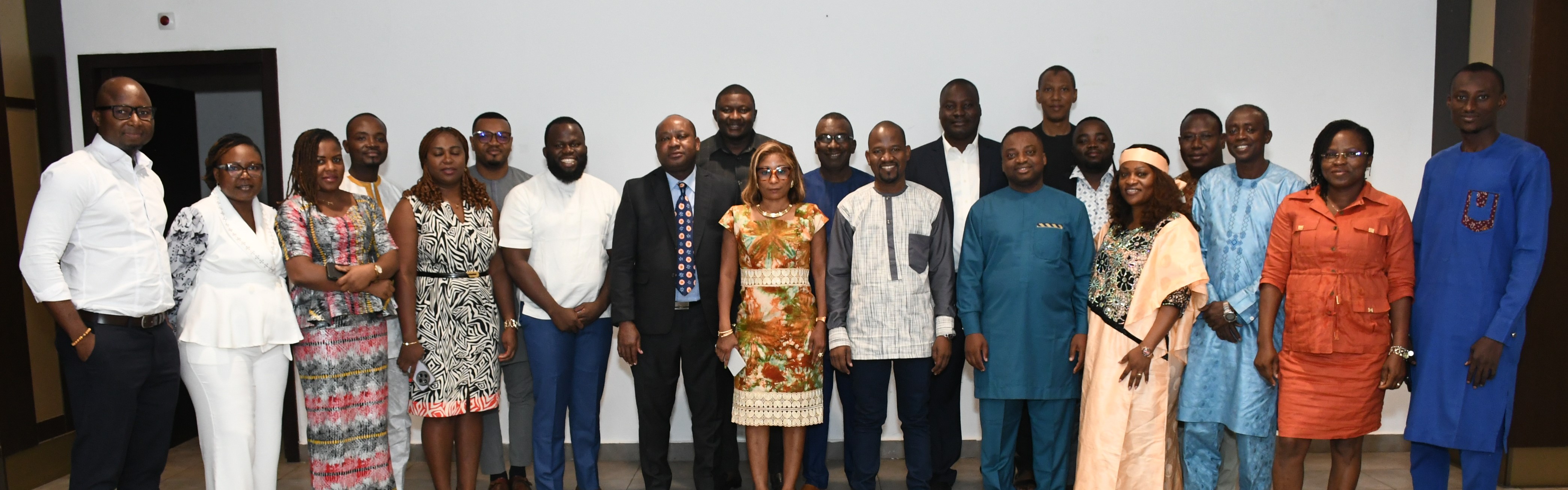
From 24–27 March 2025, the city of Douala, Cameroon, hosted the regional strategic planning workshop marking the launch of Phase 2 of the SCAAO programme (Comprehensive Abortion Care in West Africa). Organized in a spirit of co-creation, the event brought together 20 representatives from IPPF Africa Region Member Associations (MAs) — including Executive Directors, Programme Managers, Finance Officers, Monitoring & Evaluation Officers, and healthcare providers involved in the provision of abortion care. Participants were drawn from the countries of Benin, Burkina Faso, Cameroon, Niger, and Togo. The workshop aimed to strengthen the capacities of MAs to enhance their knowledge, skills, and monitoring and evaluation tools for effective project management of the SCAAO project. It also aimed to foster a peer-learning environment conducive to cross-country strategy refinement. The workshop purposed to promote strategic partnerships and increase stronger collaboration among MAs to enhance an enabling environment for successful programme implementation. A Collaborative and Strategic Space The workshop was driven by dynamic exchanges, hands-on experience sharing, and action-oriented technical sessions. Key sessions and themes included values clarification and attitude transformation (VCAT), advocacy, youth empowerment, documentation of good practices, and institutional leadership. Key achievements from SCAAO’s year 1 implementation were also shared and analyzed. The achievements include 16,683 women and girls benefitting from safe abortion care information and services. 91% of the beneficiaries received post-abortion contraception. 6,039 women and girls accessed related services via WhatsApp, SMS, the InfoAdoJeunes app, and other digital platforms. Another notable achievement was the engagement of MAs in national and regional abortion ecosystems strengthening, movement building, as well as local and national level advocacy initiatives. Ms. Marie-Ange Bouwem, the SCAAO Project Coordinator in IPPF’s MA in Togo -Assocation Togolaise pour le Bien-Etre Familial (ATBEF), played a key role in facilitating the sessions. Dr. Mady Dera, SCAAO Project Coordinator in IPPF’s MA in Burkina Faso -Association Burkinabe pour le Bien-Etre Familial (ABBEF) led the technical session on values clarification, highlighting that “Sustainable performance stems from teams that are valued, heard, and engaged.” Mr. Gérard Da Silva, the Executive Director from IPPF’s MA in Niger, Association Nigérienne pour le Bien-Etre Familial (ANBEF) praised the project’s collaborative approach, stating, "Working in a consortium helps avoid fragmented progress. Together, we have a strong potential to mobilize more organizations for our cause." Key Learnings and Cross-Cutting Lessons Sessions on abortion-related communication deeply resonated with participants, who stressed how language can either facilitate or hinder access to care. There were insightful discussions with practical examples from MAs about how conversations about abortion shape its social acceptance. Mr. Ahmed Pana, ATBEF’s Finance Director emphasized the need to tailor language to specific audiences, while Mr. Lotti Edjenguele Executive Director, of the Cameroon National Association for Family Welfare (CAMNAFAW) highlighted the importance of sensitive communication to fight abortion stigma. Fostering ongoing strategic dialogue between project teams and MA leadership was promoted during the sessions. “The group work sessions on leadership helped me better understand the levers of strategic project management,” said Mr. Rachid Awal (SCAAO project manager in ANBEF). A Pivotal Moment for the Programme The workshop served as a catalyst for more structured cross-country collaboration, encouraged local innovation, and fostered collective ownership of the project. “The workshop was a relevant space for giving and receiving, where each MA learns from others to improve their own strategies,” said Mr. Gérard Da-Silva (ANBEF Executive Director). Mrs. Armande Bossou, Program Director at Association Beninoise pour la Promotion de la Famille (ABPF), said the workshop was an insightful learning forum. “The workshop allowed me to learn from other Member Associations. It also helped me understand that even when the environment is favorable for the provision of abortion services, it is crucial to remain vigilant to maintain that enabling environment, and to ensure effective dissemination of the existing legal provisions so that everyone is equally informed. A More Ambitious and Integrated Phase 2 Phase 2 of the SCAAO programme is built on a foundation of continuous improvement, with a strong focus on self-managed abortion, meaningful youth engagement, data-driven advocacy, and more inclusive and efficient governance within the MAs. The regional strategic planning workshop in Douala marked a pivotal step in launching Phase 2 of the SCAAO program with renewed ambition and cohesion. By bringing together key actors from across West Africa, the event reinforced the importance of collective intelligence, peer learning, co-creation, and strategic alignment to advance access to safe abortion. Through vibrant discussions, shared insights, and a spirit of collaboration, participants not only strengthened their technical capacities but also laid the groundwork for a more integrated, inclusive, and impactful implementation of the program. By Kader Avonnon The Project Manager, SCAAO.
16 June 2026
Lessons from the SCAAO programme on advancing abortion care in challenging contexts
As delegates from 34 African countries gathered for the 9th RHNK Pan-African Adolescent and Youth Sexual Reproductive Health and Rights (AYSRHR) Scientific Conference in Mombasa, Kenya, which took place from 2-5 June 2026, one of the key conversations focused on expanding access to quality abortion care across Africa. The conference was organized by Reproductive Health Network Kenya (RHNK), which is IPPF’s affiliate in the country. Among the initiators of this conversation was Mr. Kader Avonnon, who leads the Comprehensive Abortion Care in West Africa (SCAAO) programme at IPPF Africa Regional Office. Jointly funded by The Hewlett Foundation and the Foundation for a Just Society International, SCAAO aims to expand access to person-centered abortion care for women and girls in Francophone west and central Africa. During the conference, Mr. Avonnon moderated a panel discussion featuring IPPF MAs implementing the programme, highlighting some of its successes so far. In this interview with Maryanne W. WAWERU, he reflects on some of the key messages from the session. The SCAAO programme is being implemented by IPPF MAs in Niger, Togo, Burkina Faso and Cameroon. In the panel discussion that you moderated, what learnings did you hope the participants would take away? While reaffirming the importance of recognizing abortion as essential healthcare, the session focused on the programme’s approaches that have proven effective in advancing laws, policies and access to abortion services in some of Africa’s most challenging contexts. Many participants from the different countries represented at the conference highlighted the challenges and barriers they face in their efforts to expand access to abortion care within complex and heavily restrictive legal and social environments. Therefore, drawing on the experiences of the SCAAO programme, we sought to demonstrate that success is indeed possible. This we did by showcasing the practical tools, innovative approaches and evidence-based strategies that continue to successfully deliver results in the countries we work in. What do you consider the SCAAO programme's most significant achievement so far, and why? The most significant achievement of the SCAAO program has been the creation of a growing space for honest, constructive dialogue on abortion care across Francophone west and central Africa. These dialogues with key stakeholders including governments, civil society actors, legislators, religious leaders, women’s rights defenders, and healthcare providers have translated into stronger political commitment in countries like Cameroon, Niger, and Togo. Even in challenging contexts such as Niger, legal reforms have expanded access to abortion care in cases of rape and incest. The results have been tangible, an example being on the service delivery level, where our MAs in Cameroon and Togo have reported more women accessing person-centered services in their facilities. These changes demonstrate that progress is indeed possible, even in restrictive environments. One of SCAAO’s core approaches has been fostering collaboration between stakeholders from different sectors. How has this multi-sectoral approach contributed to the programme’s success? One of the most meaningful strategies of SCAAO has been its ability to build bridges between governments, civil society, local political and religious leaders, healthcare providers and other key stakeholders. This collaborative approach has helped create an enabling environment for advocacy on quality, person-centered abortion care. We have seen this translate into practical results in Togo and Cameroon, where Ministries of Health, Justice, and Members of Parliament are working together on a roadmap to improve abortion laws. In Niger, the Ministry of Health has taken ownership of several SCAAO initiatives, including funding and implementing activities such as training healthcare providers, which is a powerful sign of commitment, and which also speaks to sustainability. At the national levels, SCAAO has supported the establishment of networks and task forces aimed at sustaining momentum, strengthening engagement with decision makers and promoting accountability. We have also witnessed inspiring collaboration around advocacy efforts, such as the International Safe Abortion Day. The RHNK Conference brought together over one thousand SRHR advocates, healthcare workers, researchers, policymakers, and youth leaders from across Africa. How important are forums like this in advancing access to abortion care and reproductive justice on the continent? Platforms like the RHNK conference remind us that none of us are working alone, and that we are part of a broader movement working towards a common goal. For many healthcare workers, the challenges can sometimes feel overwhelming, especially those working in restrictive environments. Conferences like this not only offer a good learning and exchange forum, but they also offer a sense of community and solidarity. The RHNK conference was not just about sharing strategies, but about listening to each other, learning from real experiences, and finding strength in shared commitment. Conferences like these provide us with the opportunity to refine our approaches, build genuine partnerships, and expand our networks. Looking ahead, what are the priorities for Phase 2 of SCAAO (2025-2028), and how will the programme build on the gains made so far? One of the key priorities in Phase 2 of SCAAO is to keep advocating for legal and policy reforms. We are also keen on solidifying our partnerships with governments, civil society organizations, legislators, religious leaders, healthcare providers and other key stakeholders, to ensure that the results are locally driven and sustainable. While building stronger networks, we also aim to ensure we safeguard the gains already achieved so far. Additionally, we will remain vigilant against efforts to roll back on abortion rights. We remain committed to ensuring that women and girls in Africa have expanded access to quality, person-centered abortion care. What gives me hope is the energy we witnessed at the conference, especially the strength and commitment of young people. Their voices, combined with the networks we are building, will help us face the challenges ahead and turn our goals into reality.
12 May 2026
My medical abortion experience as a university student in Uganda
Nyakato* is a 20-year-old university student in Bushenyi district, western Uganda. 13 months ago, she found herself in a predicament: she was unexpectedly pregnant. In this article, Nyakato narrates the events that followed this discovery. Her experience highlights the important role that trained peer educators by Reproductive Health Uganda (RHU)- an IPPF Member Association, play in offering young people life-saving sexual reproductive health (SRH) information and services. Nyakato narrated her experience to Maryanne W. WAWERU. “When I joined university as a bubbly, ambitious 18-year-old, I was excited about what lay ahead. Enrolling in a Nursing degree course was a significant step towards achieving my career goals in the medical field. In the first week, the university organized a detailed orientation programme for all new students which included learning sessions on sexuality education. The university had invited a team of peer educators from Reproductive Health Uganda (RHU) to take us through the educative sessions. The peer educators shared comprehensive information on different sexual reproductive health and rights (SRHR) topics including contraceptives, pregnancy, sexually transmitted infections (STIs), gender-based violence, unsafe abortion and HIV/AIDS. I found the sessions to be engaging and insightful. Notably, at the end of each session, the peer educators would share their mobile phone numbers with us, together with official contact details of the RHU Bushenyi clinic. They encouraged us to save the numbers in case we needed to ask additional questions or seek clarification on the information they had shared. The peer educators also told us to reach out to them if we ever found ourselves in a situation of need. I saved the numbers on my phone. Discovering I’m pregnant A few months later –in the second semester, I unexpectedly discovered I was pregnant. I had been using the ‘safe days’ method where I would avoid sexual intercourse on the days that I suspected I was ovulating and could easily conceive. But this had not worked because there I was, pregnant, shocked, and confused. As I digested the reality of my unplanned pregnancy, I became very anxious. Being pregnant meant deferring my studies as I knew I wouldn’t be able to juggle both successfully. I was also not ready to lose a full academic year. I was still young and with goals to achieve and having a baby at that time would only stall my career ambitions. Besides, I did not feel emotionally and mentally ready for the responsibilities of motherhood. Additionally, I feared being reprimanded by my parents. While preparing to join the university, they had taken time to counsel me about the need to focus on my studies and avoid distractions that would derail my academic goals. The news of an unplanned pregnancy would have been a huge disappointment. Informing my boyfriend The turmoil in my mind about the pregnancy caused me great anguish. Several days later, I decided to inform my boyfriend. When I did, he said he was not ready for fatherhood. At 26, he was working but said he did not feel stable enough to start a family. Since neither of us felt prepared for that responsibility, we agreed to end the pregnancy. He then asked if I knew of a place where I could have the pregnancy terminated safely. That is when I remembered the numbers of the RHU peer educators I had saved on my phone during orientation week. I immediately reached out to one of them. The peer educator listened to me keenly, counselled me and thereafter referred me to the RHU Bushenyi clinic where he said I would receive further assistance. I felt a huge wave of relief after opening up to him, knowing that he genuinely understood my predicament. He assured me that the RHU team were SRH experts and I would be in safe hands. Comforted by his words, I made my way to the RHU Bushenyi clinic. Undergoing a safe abortion procedure There, I met a clinician who attended to me. He did not rush me as I spoke and was very calm and understanding. I did not feel judged. His professionalism made me know that I was in the right place. I was about eight weeks pregnant at the time, and the clinician explained to me the process of a medical abortion, which involved taking medication at specific timings. I chose to start the process right there at the clinic under his guidance, then continue with the rest of the medication at my hostel. He gave me very clear instructions on how and when to take the medication, which I jotted down so that I would not forget. Additionally, he gave me his number and told me to contact him in case I needed to. All went as expected and the following day, when it was time to take the second dose, I called him on phone just for his reassurance that I was following the right steps, which he confirmed that I was. I was grateful that I could reach out to him easily during that delicate time without having to physically present myself at the clinic. He would also periodically call me to follow-up on my progress. Indeed, I was in good hands, just as the peer educator had assured me. Post-abortion contraceptive care After a few days, the clinician requested me to present myself back at the clinic for a scan. I did so, and the scan confirmed that the procedure had been successful and that I was in good health. The clinician then took time to explain to me the importance of taking up a contraception to avoid another unplanned pregnancy. After taking me through several contraceptive options, I settled on the three-month injection. Where I live is about 25 kilometres from the RHU Bushenyi clinic, and when it’s time to renew the injection, I inform the RHU peer educator in my area, who then gets the injection from RHU. This helps solve the transport challenge for me. The peer educator then administers it, as he has been well trained to do so. This arrangement has worked perfectly for me as I have not had any pregnancy scare since then. Because of my access to safe abortion care at RHU, my life got back on track, and I was able to continue with my studies without interruption. I hope to have three or four children in the future, but I will only have them when I am ready mentally and emotionally, and when I have completed my degree and earning an income that will enable me to provide for them. Empowering freshmen with SRHR information I’m grateful to the RHU team and its peer educators who share information with fresh university graduates. I am glad to have participated in RHU’s educative SRHR sessions during the orientation week, as the information I received came in handy just when I needed it. The RHU clinical team is also excellent in their work, helping young women like me access safe and affordable abortion care. I paid 70,000 Ugandan shillings ($19) for the medical abortion and the scan. This was an affordable cost, which I covered using savings from the allowance my parents give me. Based on my experience, I have since been talking to new university female students, encouraging them to attend the sexuality education sessions during the orientation week by RHU. I also encourage them to save the numbers of the peer educators which are shared during the sessions as they never know when they may need them." *Nyakato’s name changed to protect identity.
11 March 2026
Eliminating barriers to safe abortion: the experience of one abortion care provider in Kenya
Ben Masinde, a registered nurse worked as a civil servant in government hospitals in Kenya’s western region for 34 years before retiring at the age of 60. Following his retirement in 2020, Masinde established the Benglad Health Center in Chwele, a busy commercial hub in Bungoma county, western Kenya. The center provides a wide array of services including reproductive, maternal, newborn and child health services to those in and around Chwele. The facility has a maternity wing that operates on a 24-hour basis. In this article, Masinde speaks about one of the services offered at his clinic –abortion care, his affiliation with IPPF’s Associate Member in the country -Reproductive Health Network Kenya (RHNK), and how his outlook on abortion care has changed since he established the facility five years ago. He narrated his abortion provider care journey to Maryanne W. WAWERU. “When I started the Benglad Health Center, I was only competent in providing post-abortion care (PAC) services, having been trained by the government back in 2004. At the government hospitals, we would receive a handful of PAC cases in a month, which my colleagues and I would handle capably. Things were no different at the Benglad Health Center, for I would receive several PAC clients in a month. Many times, the clients would present with extreme abdominal pain, while others would be brought in dizzy and weak, having lost a significant amount of blood from a botched abortion. Some would arrive with chills and high fevers, an indication of infection. Others would be brought in unconscious and in a half-dead state. The worrisome number of women and girls presenting with complications from unsafe abortions at my facility greatly worried me. The extent of the matter further dawned on me after realizing that I was the one to handle them – compared to when I worked in government hospitals with a team of well-trained colleagues. Now, I was their sole hope for survival. Religious convictions against abortion As I attended to the PAC cases at the facility, I noticed something else; an increase in the number of girls and women seeking comprehensive abortion care (CAC) services. They would tell me that they were pregnant and that they wanted to terminate their pregnancies safely, hence why they had come to a decent-looking health facility in the town center. They said they did not want to risk a botched abortion from quacks in the village as they had heard of cases of girls in their neighbourhood who had died from unsafe procedures. However, the requests for CAC agonized me because I neither had the competence nor the experience required to provide this service. I had a lot of uncertainty about it. In any case, my religious convictions prevented me from offering CAC services. Needless to say, it did not take long for me to begin analysing the matter from a practical point of view. The number of PAC clients were concerningly worrisome, with their dire situations being preventable in the first place. Seeing women at the near point of death led me to start reconsidering my rigid stance on CAC services. Clarifying my views on abortion Meanwhile, I continued to expand my networks as a private health care provider in Bungoma and the larger western Kenya region. During this time, a fellow clinician who understood my dilemma about abortion services introduced me to Reproductive Health Network Kenya (RHNK). The clinician told me that RHNK would help me tackle some of the challenges I was facing as a clinician who offers sexual reproductive health (SRH) services, including those around abortion care. I welcomed the idea and joined RHNK in 2022 – two years after establishing the center. Upon becoming a member, I was first taken through a Values Clarification and Attitude Transformation (VCAT) training, which helped to demystify some of my views on abortion. The training broadened my understanding on why girls and women procure abortions, and the need for them to have access to affordable, high-quality safe procedures. As I absorbed the VCAT teachings, I knew that I had to reconcile my strong religious convictions about abortion with the need to help save the lives of women and young girls in Bungoma county and beyond. RHNK followed up the VCAT training with others on CAC and PAC. The PAC training refreshed and updated my already-existing knowledge on the practice, while the CAC training gave me the confidence to start the journey of saving the lives of young women and girls through the provision of quality abortion care strictly within the confines of Kenya’s laws and policies. Reduced PAC cases After the trainings, RHNK provided me with a CAC starter kit which enabled me to begin providing surgical and medical abortion services. Other clinicians who found themselves unable to provide abortion services at their facilities due to various reasons started referring clients to Benglad Health Center, as they knew I would capably attend to them. This, courtesy of the trainings I had received from RHNK. Gradually, girls and women started coming to my facility directly without going to quacks in the village or other unlicenced practitioners first. This is a practice that had previously contributed to the high PAC cases. I was now able to attend to all those seeking safe abortion services without turning them away because of my religious convictions or my lack of competence in the area. With time, I noticed a decrease in cases of those presenting with unsafe abortion complications and today, I hardly receive any PAC cases, something I can attribute to the increased awareness in the community about safe abortion services at the facility. Our charges are affordable and reflect the economic situation of my clientele. We charge between 2,000 – 4,000 Kenyan shillings ($15 - $31) for abortion services, though this can be reduced or waived depending on the clients’ circumstances. We do not turn away any client just because they cannot afford the charges. Connecting with other abortion care providers In February 2025, RHNK invited me to a provider share workshop (PSW). The workshop brought together several abortion care providers under the organization’s network. There, I met other service providers within the RHNK network. Drawn from different geographical locations across the country, I established that some of the practitioners had been providing CAC services for a short period of time such as myself, while others carried decades of experience. Collectively, we shared our experiences in abortion provision, and it was great to learn of our unique, yet similar experiences. There were lots of lessons to learn from each other. Additionally, at the provider share workshop, we formed a WhatsApp group which has been instrumental in continued peer-peer support amongst ourselves. Whenever we are faced with a dilemma or a challenging situation, we quickly reach out to colleagues in the forum and receive prompt assistance. Recently, I encountered a difficult abortion case, and I reached out to a service provider who I met during the provider share workshop who has been providing CAC services for decades, and he successfully guided me through the situation. No longer ‘alone’ The support from RHNK has been very helpful as I no longer feel ‘alone’ as an abortion care provider. Being a member of the network and the experiences we continue to share as abortion care providers have been very encouraging. I am proud to be associated with an entity that is committed to saving the lives of girls and women across the country through the provision of high-quality client-centered abortion services. Today, I can with confidence say that through the safe abortion services provided at Benglad Health Center, the lives of several girls and young women in Bungoma county have been saved. I remain committed to this cause, thanks to partners such as RHNK and IPPF.
09 March 2026
Regional SRHR forum charts path for stronger advocacy amid funding shifts
Obstetricians and Gynaecologists working across East, Central and Southern Africa (ECSA) have reaffirmed their commitment to address the scale of unsafe abortions in the region. They made the commitment in Kenya during a learning and exchange forum jointly hosted by East, Central and Southern African College of Obstetricians and Gynaecologists (ECSACOG) in partnership with the International Federation of Gynaecology and Obstetrics (FIGO), the International Planned Parenthood Federation Africa Region (IPPFAR) and Ipas Africa Alliance. Held from 5 - 7 February 2026, the meeting brought together a Community of Practice (CoP) including 10 obstetrician and gynaecologists’ member societies from Rwanda, Tanzania, Zambia, Uganda, Ethiopia, Kenya, Mozambique, Zimbabwe, Malawi and South Sudan. ECSACOG established the CoP in 2022 in response to the gap in abortion access in the sub region in order to leverage members’ clinical expertise and resources to address the scale of unsafe abortions in the ECSA region. The CoP convenes regularly, both in-person and virtually to share successes, challenges and best practices, while exploring opportunities to advance sexual reproductive health and rights (SRHR) advocacy in the region, including on comprehensive abortion care (CAC). They also analyse current global, regional and in-country influences affecting access to quality SRHR information and services. Speaking at the meeting, Ms. Lillian Nkonge, Deputy Director of the IPPF WISH2 Project, emphasized on the importance of the forum. “The meeting was a good opportunity for members to evaluate the CoP’s achievements since its establishment. Participants shared updates on SRHR advocacy work in their respective countries, highlighting innovations, challenges, and progress made. The meeting also served as a great platform for CoP members to identify current priorities and future opportunities for strengthened advocacy and regional collaboration.” Ms. Nkonge further hailed IPPF’s partnership with FIGO/ECSACOG, citing the relevance of such collaborations, supported by FCDO through the WISH 2 project, in addressing the scale of unsafe abortion in the ECSA region. “Through meaningful collaborations with key stakeholders such as professional associations, the private sector, the civil society and governments, IPPF, as the lead of the WISH 2 project, aims to increase collective impact for SRHR success,” she said. Zimbabwe’s push for abortion legislation review Member country updates included Zimbabwe’s proposed Amendments to the Termination of Pregnancy Act (ToPA), as shared by Prof. Chipato Tsungai of the Zimbabwe Society of Obstetricians and Gynaecologists (ZSOG). Zimbabwe’s ToPA is highly restrictive, allowing abortion only in limited circumstances, such as when the pregnancy endangers a woman’s physical or mental health, or if the pregnancy is as a result of incest or rape, and which requires a magistrate’s approval through a judicial process. Additionally, abortion can only be carried out by a limited pool of medical practitioners. In this regard, Prof. Tsungai highlighted ZSOG’s advocacy for reform through the Medical Services Amendment Bill (2024). “Our call includes the removal of the tough approval requirements for an abortion, and requiring only consent from the pregnant woman,” he said, adding that the proposed amendments would expand the legal grounds for abortion by allowing abortion on request within the first 12 weeks of pregnancy, and up to 20 weeks where the pregnancy poses a risk to the woman’s physical or mental health, and if it results from sexual crimes (rape/incest), or if it involves severe foetal abnormality. Prof. Tsungai also said that the reforms aim to reduce incidents of unsafe abortions, align the law with Zimbabwe’s 2013 Constitution and the Maputo Protocol, as well as eliminate bureaucratic barriers that hinder women’s reproductive freedom. Telemedicine for expanded abortion access in Rwanda Dr. Dan Butare from the Rwanda Society of Obstetrics and Gynaecologists (RSOG) highlighted the organization’s partnership with the Ministry of Health (MoH) for expanded access to abortion care through telemedicine. “Our main challenge with abortion has been the fear and stigma around it, especially within health facilities. To address this, we focused on training midwives and nurses at local health facilities where we strengthened their capacity to provide safe medical abortion services through teleconsultations. The midwives and nurses are connected to doctors at the district hospitals, which helps in creating a supportive network that enables guidance and referrals where necessary,” he said. Making abortion services available in Kenya Dr. Nyawira Wahome from the Kenya Obstetrical Gynaecological Society (KOGS) noted one major reproductive rights victory in the country, where the High Court of Kenya in December 2025 lifted the 2018 ban on Marie Stopes Kenya (MSK) regarding the advertising of safe abortion and post-abortion care services. In August 2018, Marie Stopes Kenya (MSK), in collaboration with the MoH started a public awareness campaign on key issues around abortion. Soon after, various government agencies including the Kenya Film Classification Board (KFCB) and the Kenya Medical Practitioners and Dentists Board (KMPDB) directed MSK to end the campaign and stop offering any form of abortion services in all its facilities. MSK was also banned by the Director of Medical Services (DMS) from providing any form of post-abortion care (PAC) in its facilities. According to Dr. Wahome, the historic High Court of Kenya ruling affirmed that access to SRH information and services is protected by Kenya’s Constitution. ‘Coercive’ US agreements with African governments Mr. Erick Mundia, Policy Manager at Ipas shared insights on the US government’s new funding restrictions which will apply to new grants and cooperative agreements. He explained that these compact agreements could lead to the rollback of significant SRHR gains made in recent years across the world, and especially in Africa. “To qualify for US funding, the provisions in these Memorandums of Understanding (MoUs) are likely to restrict countries from spending their own tax revenues on things that the US administration disagrees with. If signed, these imbalanced agreements may compromise the autonomy of African governments and thus negatively impact on their health systems,” he said. Mr. Mundia urged ECSACOG member societies to strengthen their partnerships with in-country stakeholders and intensify their advocacy efforts in putting to task their governments and raising questions over these harmful agreements. Resetting priorities amid funding shifts At the close of the forum, participants shared their reflections. “The CoP meeting was a great opportunity for the community to reset its priorities in SRHR and revitalise momentum in light of reduced USAID funding and the new expanded US compact agreements. We also got to learn a lot from our peers through the exchange of experiences and best practices, such as the adoption of telemedicine and self-care practices in abortion care,” said Dr. Swebby Macha from the Zambia Association of Gynaecologists and Obstetricians (ZAGO). Dr. Macha also lauded the support of all the partners - FIGO, IPPF and Ipas, noting their crucial role in improving visibility and strengthening the impact of SRHR programs, which result in improved contraception and safe abortion services. Call for more collaboration Ms. Tazirwa Chipeta, Program Director at IPPF’s Member Association in Malawi -the Family Planning Association of Malawi (FPAM) highlighted the value of regional collaboration. “This was my first time participating in the CoP, and I’m impressed by the wealth of information I have gained. While FPAM participates in several in-country SRHR technical working groups (TWGs) where we share experiences from across Malawi, this forum has exposed me to the experiences of other countries in the region. Many of these experiences are similar to those of Malawi, while others differ, and it has been interesting to take lessons on how each country responds to challenges in each situation, and how they adapt for successful results. I have also taken note of innovations, strategies and best practices that can be adapted in the Malawi context,” she said. Ms. Chipeta also underscored the importance of leveraging on existing national and regional resources. “The discussions in this forum have revealed the extent of untapped resources at both country and regional levels, yet they are within our reach. Our colleagues from the Association of Obstetricians and Gynaecologists of Malawi (AOGM) and other ECSACOG members are invaluable assets. Collaboration is key and by working together with different organizations, professional societies and midwives’ associations, we can collectively capitalize on our strengths and pool our resources to strengthen our advocacy on abortion and SRHR priorities,” she said. Reaffirmed commitment to SRHR in Africa Dr. Dereje Negussie, from the Ethiopian Society of Obstetricians and Gynaecologists (ESOG), and who also chairs the CoP, reaffirmed the group’s commitment. “The CoP will continue to unite its members to protect the SRHR of all Africans, with a strong focus on women and girls. By amplifying our collective voice, we will continue to push for progressive laws and policies, while advocating for the removal of barriers that hinder access to essential SRHR information and services,” he said. Ms. Mallah Tabot, the SRHR Lead at IPPF Africa Region, noted that the forum aligned with IPPF’s Come Together Strategy 2028 which, among other priorities, seeks to ensure that women and adolescents -especially those who are poor and marginalized, have a stronger voice, greater choice and more control over their reproductive health. “IPPF remains committed to strengthening regional solidarity to ensure that the SRHR rights for all are upheld, and the discussions at this forum have reaffirmed that commitment,” she said.
25 February 2026
Strengthening Health Systems for Integrated and Transformative SRHR (SHIFTS)
𝗔𝗯𝗼𝘂𝘁 𝗦𝗛𝗜𝗙𝗧𝗦 Strengthening Health Systems for Integrated and Transformative SRHR (SHIFTS) is a 7-year initiative that aims to enhance the realization of sexual and reproductive health and rights (SRHR) for women, adolescents and marginalized groups by ensuring they can exercise their rights and access essential sexual and reproductive health (SRH) care, free from stigma, discrimination and systemic barriers. Donor: Global Affairs Canada Implementing MAs: Association Béninoise pour la Promotion de la Famille (ABPF), Associação Moçambicana para o Desenvolvimento da Família (AMODEFA) and Planned Parenthood Federation of Nigeria (PPFN). When: 21 March 2025 -31 March 2032 (7 years) Where: Benin – Bohicon and Parakou Mozambique – Zambezia and Gaza Nigeria – Adamawa, Edo, Enugu, Kaduna, Niger, and Oyo The SHIFTS Approach Women, girls and marginalized communities in Mozambique, Benin and Nigeria face persistent gender and health inequities such as high maternal mortality, unmet need for contraception, and higher-than-global-average adolescent birth rates. These issues are compounded by harmful social and gender norms, restricted decision-making power of women and girls over their bodies, and limited integration of SRH care and services into primary healthcare. Additionally, unsafe abortion remains a major contributor to maternal mortality, with stigma, misinformation, and lack of access to safe abortion care, making it more difficult for women and adolescents to access the health services they need. The SHIFTS project responds to these challenges through a three-pillared approach. 1. Tackling gaps in health systems by scaling up and/or implementing cluster models of care to deliver integrated SRH care. 2. Addressing social and gendered barriers to accessing SRHR care through comprehensive sexuality education and community sensitization. 3. Fostering enabling policy and legal environments that emphasize supporting duty bearers in meeting their obligations and accompanying rights holders in claiming their rights. SHIFTS is being implemented in partnership with Action Canada for Sexual Health and Rights, the International Planned Parenthood Federation Africa Region (IPPFAR) and experienced Member Associations (MAs) in Benin, Mozambique, and Nigeria. Grounded in and guided by human-rights based approaches and feminist principles, the project’s partners are committed to strengthening the resilience of health systems in the three focus countries to ensure continuity and long-term accessibility of SRH care in times of disruption.
05 December 2025
Strengthening abortion care in West Africa: highlights from the 2025 SCAAO workshop
The Comprehensive Abortion Care in West Africa (SCAAO) programme recently held its annual workshop in the west African country of Senegal. The forum was an important moment for IPPF's Member Associations (MAs) implementing the programme to review progress, exchange best practices and shape priorities for the next phase. This year’s workshop, which marked the close of Phase 1 and set the stage for Phase 2, helped in deepening learning and strengthening MA activities for greater impact. By Maryanne W. WAWERU From 19 – 20 November 2025, Senegal played host to the annual ‘Strategic Planning and Best Practices Workshop’ by the Comprehensive Abortion Care in West Africa (SCAAO) programme. Jointly funded by The Hewlett Foundation and the Foundation for a Just Society International, the SCAAO aims to expand access to person-centered abortion care for women and girls in Francophone West and Central Africa. Compared to the rest of sub-Saharan Africa, Francophone West Africa scores very low against some of the most critical sexual reproductive health and rights (SRHR) indicators. According to the World Health Organization (WHO), approximately 22 million unsafe abortions are performed each year, resulting in the deaths of 47,000 women and causing long-term health consequences in another 5 million women worldwide. Unsafe abortion is a major public health issue in West and Central Africa, and constitutes a major cause of maternal death. Western Africa has one of the highest rates of unsafe abortion in the world, with 28 abortions per 1,000 women aged 15–44 years. The sub-region has also struggled in a global context of limited funding resources and insufficient or unsustainable donor investments for SRHR. Where this investment has occurred, it has been plagued by siloed programming, limited sustainability mechanisms, and fallen short of ensuring a truly locally owned and gender transformative impact on women and girls. This challenge underscores the need for well-designed interventions like SCAAO that address these structural challenges through interventions. The SCAAO programme is being implemented by IPPF’s MAs in Niger, Togo, Cameroon and Burkina Faso. Learning and exchange platforms The annual SCAAO best practices workshops serve as important learning platforms where MAs exchange experiences, share innovations and reflect on challenges, successes and lessons learned. The sessions also provide opportunities for MAs to develop strategies aimed at strengthening implementation and improving overall programme outcomes. This year’s annual workshop was timely, coming at the end of phase 1 of the programme. It presented an ideal opportunity to reflect on progress, launch Phase 2 (2025 – 2028), and engage in cross-learning with other regional initiatives. The second phase of the programme will build on the gains made in Phase 1 by strengthening the expertise and activities of MAs around person-centered care, advocacy and capacity sharing. This will contribute to the broader goal of harnessing the unique strengths and opportunities of each actor in the SRHR ecosystem from government agencies to CSOs, healthcare providers, activists, lawmakers, and funders towards expanding access to abortion care for more women and girls in the sub-region. Cross-learning engagements To enhance cross-programme learning and assure sustainability within IPPF MAs, the 2025 SCAAO annual workshop included select projects from other MAs, specifically EmpowHER, Stand-Up, and the Advocacy for SRHR Project in West Africa. The EmpowHER project, being implemented in 13 countries (eight of them in the Africa region), endeavours to guarantee women and young girls’ access to quality reproductive healthcare. The Stand-UP project, being implemented by IPPF MAs in Uganda and Mozambique, contributes to the increased enjoyment of SRHR by adolescent girls and young women. The Advocacy for SRHR Project in West Africa focuses on advocacy and is aimed at strengthening access to SRHR services for adolescents and young people in Senegal and Cape Verde. Participants at the 2025 SCAAO annual workshop were drawn from the SCAAO implementing countries, as well as those from EmpowHER, Stand-UP and the Advocacy for SRHR Project in West Africa. Showcasing best practices Several notable best practices were highlighted during the sessions. In Togo, Association Togolaise pour le Bien-Etre Familial (ATBEF) has scaled up the use of telemedicine for abortion care while improving the abortion ecosystem by engaging in more open discussions with parliamentarians. This, with the support of the Ministry of Health (MoH). Similarly, the Cameroon National Planning Association for Family Welfare (CAMNAFAW) has made notable progress in increasing access to self-managed abortion and collaborating with a civil society organization (CSO) network to align the country’s abortion law to the Maputo Protocol dispositions. Both country interventions, which have been advanced through SCAAO, have led to more women and girls accessing abortion care services, thus fostering progress within an increasingly supportive environment. In Niger, L'Association Nigérienne pour le Bien-être Familial (ANBEF) has strengthened advocacy for post-abortion care (PAC) through Values Clarification and Attitudes Transformation (VCAT) trainings targeting key stakeholders such as MoH officials, religious leaders, civil society organizations, lawyers and other influential figures. Abortion remains a highly sensitive and taboo topic in Niger, and the country’s complex socio-cultural and political context only makes it harder to address. VCAT sessions encourage honest dialogues and reflections on sensitive reproductive health matters such as abortion, with the aim of deepening understanding and fostering support for the same. Dr. Maimuna Saley, the SCAAO Coordinator at ANBEF, says the VCAT trainings have significantly increased stakeholders’ understanding of women’s reproductive health. “We have noted a positive shift in attitudes among key stakeholders, many of whom are now collaborating with us to expand access to post-abortion care information and services for women and girls in Niger,” she said. IPPF’s MA in Burkina Faso, L'Association Burkinabè pour le Bien-Être Familial (ABBEF), which is an established leader in abortion care, has played a central role in building ANBEF’s capacity to strengthen its advocacy and service delivery. “Our team trained colleagues in Niger on VCAT. Afterward, with our guidance and support, the ANBEF trainers began delivering VCAT sessions to key stakeholders. The ANBEF team can now independently conduct these sessions, in activities that have helped to create a more supportive environment for abortion care and support in Niger,” said Dr. Mady Dera, the SCAAO Coordinator at ABBEF. ABBEF’s role has also covered the coordination of regional advocacy campaigns with regional stakeholders and institutions such as the Organisation for Safe Abortion Dialogue (ODAS). Additionally, ABBEF has established a pool of experts across the region to address key priorities related to abortion. Progress and impact Mr. Kader Avonnon, IPPF Africa Region’s SCAAO Programme Coordinator says the programme has so far achieved significant success. “Over 33,000 clients have received high-quality abortion care, including Post Abortion Care, with over 21,000 receiving support services for abortion self-care. Notably, 80% of the clients who received abortion care have been from poor and vulnerable backgrounds, which aligns with the programme’s commitment to equity.” he said. According to Mr. Avonnon, SCAAO has also increased the pool of service providers, who include staff from partner organisations. “We now have more healthcare workers who can offer abortion care. As a result, more girls and young women, including those in remote and marginalized areas where access was previously limited, are now receiving services from skilled providers. This has helped reduce unsafe abortion complications,” he explained. SCAAO’s role in IPPF’s mission During the workshop, Ms. Mallah Tabot, the IPPF Africa Region SRHR Lead emphasized the importance of the programme to IPPF’s broader mission. “The SCAAO programme is helping us rebuild the foundations of abortion care in a region that has been overlooked for far too long. It allows us to strategically close the gap between our mandate and our delivery in one of the toughest regions for abortion care, and to support our MAs to grow their readiness, transform culture and champion reproductive justice for the continent,” she said during the workshop. Ms. Tabot added that while many MAs were already providing abortion care, the SCAAO initiative has pushed their work to beyond service delivery. “It has helped us confront values, strengthen governance, build systems that make services safer, and positioned MAs as consistent and resilient leaders over time.” Participant perspectives At the close of the forum, participants shared their reflections. “The idea of person-centered abortion services stood out. This means considering the unique needs of each person seeking care and tailoring services to them. When it comes to abortion care, individual needs vary from person to person and therefore each case needs to be treated uniquely. The presentations from the different countries brought out this important aspect of abortion care very clearly,” said Ms. Yasmilatou Aboudoulaye from IPPF’s MA in Benin, Association Béninoise pour la Promotion de la Famille (ABPF). Mr. Mohammed Ka from IPPF’s MA in Senegal, Action and Development (AcDev) similarly shared his reflections. “The best practices showcased by the MAs gave me great insights into how the same programme can be adapted to different contexts and still deliver results. The experience of Niger was very interesting as it showed how ANBEF has made great strides in abortion advocacy, meaning that even in difficult contexts, success is still possible. I learnt so much and I’m keen to share these ideas with my colleagues at AcDev as there is a lot we can replicate to enhance our work,” he said. At the end of the workshop, participants left very inspired and motivated to strengthen abortion care in their countries –a great momentum to the start of Phase 2 of the noteworthy SCAAO programme.
17 November 2025
“We no longer hear cases of abortion-related deaths in Cape Coast, Ghana” -- PPAG clinic nurse
For more than two decades, Adwoa* has worked as a sexual and reproductive health (SRH) provider in Cape Coast, the capital of Ghana’s central region. In the early years of her career, Adwoa would be troubled by the numerous cases of unsafe abortions and related deaths in Cape Coast. In recent years, however, she has noted a remarkable shift with this regard, which she attributes to the efforts of IPPF's Member Association (MA) in the country –Planned Parenthood Association of Ghana (PPAG) where she works. Adwoa speaks more about her experiences in this article. By Maryanne W. WAWERU The Cape Coast region in Ghana is highly significant to the work of IPPF’s MA in the country - PPAG. It is home to several educational institutions including secondary schools, colleges, and universities with a notable student population comprising young people aged 10 – 24 years. Globally recognized as a leading provider of SRH services and a strong advocate for sexual and reproductive health and rights (SRHR), IPPF continually strives to address the challenges that young people face regarding their reproductive health. These challenges include early pregnancies, difficulties in accessing contraceptives, high rates of sexually transmitted infections (STIs) -including HIV, and unsafe abortions. Young people also struggle to find healthcare providers who can offer supportive, friendly, and non-judgemental SRH services. Ghanaian youth are not exempt from these challenges. Combined education, outreach and clinical care activities by PPAG PPAG’s Cape Coast clinic helps in addressing these challenges through its different programmes. By working with trained peer educators and service providers, the organization regularly conducts outreach activities in learning institutions and in community settings where young people gather. The informative sessions empower youth to make healthy and informed decisions about their sexual and reproductive health. PPAG also offers youth-friendly SRH services in its static clinics and through regular mobile clinics. The introduction of telemedicine has further complemented the organization’s service delivery efforts. The telemedicine approach entails provision of remote consultation, medication delivery, and follow-up support for medical, diagnostic and treatment services. This includes abortion services. Telemedicine for abortion Telemedicine for abortion in early pregnancy ensures that clients do not have to make in-person visits to clinics or hospitals, thus addressing several barriers attached to abortion-seeking services in health facilities, such as fear of judgement, stigma, and transport challenges. These barriers significantly contribute to women’s procurement of clandestine, unsafe abortions. Adwoa*, a nurse at PPAG’s Coast Clinic demonstrates the success of the telemedicine for abortion approach. “I have been in this clinic for slightly over 20 years. One of the major challenges that the Cape Coast community has always grappled with is unplanned pregnancies among adolescent girls and young women. This, considering the high youthful population that largely comprises of learners from schools, universities and colleges. In my earlier years working at the clinic, we would receive many cases of life-threatening complications from unsafe abortions procured by young women,” she says. The magnitude of the situation would be exemplified whenever she would participate in outreach activities in the community. “We would always learn about the unfortunate deaths of young women, including students, from botched abortions. They had procured the services from unskilled individuals -quacks. Their deaths greatly saddened me,” she says. For those who survived, Adwoa and her PPAG colleagues would offer post-abortion care services at the clinic. However, the worrying problem of unsafe abortions persisted. “We intensified our awareness campaigns in the community and in learning institutions about the need for contraception to prevent unplanned pregnancies. We needed more people to hear this message as we believed that this would reduce the cases of unsafe abortion morbidity and mortality. To widen access to safe abortion care, we introduced telemedicine for abortion services, which have subsequently benefitted hundreds of young women in Cape Coast,” she says. Expanding safe abortion care access To ensure quality of care in delivery of abortion care information and services, PPAG endeavours to continuously build the capacity of its service providers and peer educators. “Through different initiatives and programmes, the organization carries out regular trainings for its peer educators, thus increasing their capacity to conduct outreach activities in learning institutions and in the community. Additionally, PPAG has facilitated training opportunities for its clinicians and other service providers in and around Cape Coast on comprehensive abortion care (CAC), including telemedicine for abortion. This has not only strengthened the capacity of PPAG clinicians but has also increased the number of skilled abortion care service providers who can offer these services in Cape Coast. With this expanded network, it means that more women are now able to conveniently access life-saving abortion services without having to visit a health facility,” she says. The results have been evident, according to Adwoa. “Nowadays, when we go out for our regular outreaches in the community and in learning institutions, we no longer hear of girls and women who have died from unsafe abortions. On account of the heightened information awareness activities about safe abortion care, more women have been empowered to make safer choices when faced with the predicament of an unplanned pregnancy. We no longer receive cases of girls and young women presenting with complications from unsafe abortions. This is success to me,” a beaming Adwoa says. Adwoa attributes these achievements to increased awareness of telemedicine services especially among the student population, the community’s trust in PPAG’s services, as well as the increased network of trained service providers who can offer quality safe abortion care services in and around Cape Coast. *Name changed for privacy purposes
07 November 2025
Breaking Barriers, Saving Lives: Safe Abortion Services Now a Reality
Tikil Dingay Health Center, one of the main facilities serving the district, had discontinued comprehensive abortion care services for over two years following the turnover of trained providers due to the Northern Ethiopia Conflict. The absence of skilled personnel meant that women and girls were left with few options often resorting to unsafe and unregulated procedures that endangered their lives. Unsafe abortion continues to be one of the leading causes of maternal deaths in Ethiopia, with 42% of unintended pregnancies ending in abortion nearly 73% in unsafe conditions. The two-and-a-half-year conflict in northern Ethiopia, particularly in Amhara, has worsened the situation by disrupting health services and increasing adolescent vulnerability to unplanned pregnancies and unsafe abortions. The ongoing efforts under the WISH 2 project to restore and strengthen safe abortion services in Lay Armachiho in Amhara region therefore represent a critical intervention to safeguard women’s and adolescents’ reproductive health and rights, rebuild community trust in health facilities, and reduce preventable maternal deaths. To address this urgent gap, the Family Guidance Association of Ethiopia partnered with the Woreda Health Office to assess the facility’s capacity and design an intervention to restore services. The assessment confirmed that while the health center served a large catchment population, it lacked trained staff and essential supplies to deliver safe abortion care. In response, FGAE organized a 17-day Comprehensive Abortion Care training in Addis Ababa for selected healthcare providers, in line with Ministry of Health standards. Among the trainees was Dr. Solomon Adugna from Tikil Dingay Health Center, who upon completing the training, returned to the facility and immediately began mobilizing his colleagues to reinstate the service. The center allocated a dedicated room for CAC, procured necessary supplies including abortion kits, medications, and registration materials and established a routine supervision and mentorship system to ensure quality and accountability. “After completing the training, I was determined to ensure no woman in our community would suffer or die because she lacked access to safe care. We quickly organized our team, prepared the room, secured supplies, and restarted the service with full accountability,” — Dr. Solomon Adugna, Tikil Dingay Health Center Within just four months of resuming services, 19 women and adolescent girls accessed safe abortion and post-abortion care, including counselling, HIV testing, and family planning. Though modest in number, these cases represent lives saved and health restored tangible evidence of the transformative power of capacity building and local leadership. One of the clients, a 19-year-old girl, recounted her experience: “I was very worried. The private clinic requested me 6,000 Birr (which is equivalent to 40$) for the service. While searching for other traditional alternatives, one of my colleagues told me the health center provides the service. Anyway, they saved my life.” The success of this intervention was not without challenges. Frequent staff turnover and technical gaps had disrupted service continuity for years. However, through close collaboration between FGAE, the Woreda Health Office, and Tikil Dingay Health Center, these challenges were effectively mitigated. Plans are now in place to assign dedicated staff and expand training opportunities for additional providers, ensuring sustainability and continued access to safe services.
03 November 2025
Shifting Perspectives: Building Bold Leadership for Reproductive Rights in Burundi
In Burundi, sexual and reproductive health remains a sensitive issue, shaped by deep-rooted social and institutional resistance, particularly around the concept of abortion. Civil society organizations (CSOs), though key players in advocacy, have long faced bias, stigma, and legal constraints that limit their ability to act effectively. Through its collaboration in the WISH 2 project, funded by the UK Foreign, Commonwealth & Development Office (FCDO), Ipas Burundi has built a powerful foundation for bold leadership and transformative change in the country’s reproductive health landscape. This strategic partnership has enabled Ipas to champion rights-based approaches, strengthen civil society engagement, and challenge harmful norms that hinder access to care. Since the beginning of this year, Ipas has strengthened the capacities of 27 key actors, primarily civil society leaders, through VCAT workshops, multi-stakeholder dialogues, and a legal review on sexual and reproductive health. These interventions have helped dismantle misconceptions and prejudices, foster a clearer understanding of Burundi’s legal framework on abortion, and promote more open and progressive attitudes. The outcomes of Ipas Burundi’s recent interventions have been both transformative and deeply encouraging in advancing reproductive rights and expanding access to high-quality, non-discriminatory post-abortion care (PAC). As a result of targeted training: 15 participants now possess a clear and accurate understanding of Burundi’s legal framework for abortion, particularly the provision for therapeutic abortion.12 participants have publicly adopted less stigmatizing attitudes and 8 participants have pledged active support for political or community-led initiatives aimed at improving reproductive health access. These shifts, captured through pre- and post-training assessments, individual evaluations, and qualitative observations, underscore the tangible impact of Ipas’s work. They illustrate how informed dialogue, and critical reflection can reshape perspectives and spark bold, values-driven leadership. At a pivotal moment for reproductive rights advocacy in Burundi, these results represent a meaningful stride toward building a more supportive and rights-affirming ecosystem. “Before participating in the workshops, I carried my own doubts and prejudices about abortion; it was a subject shrouded in silence and stigma. But the VCAT sessions facilitated by Ipas opened my eyes to a new perspective. I was able to unpack my biases, connect with the real-life experiences of women, and re-center my thinking around their rights and dignity. Today, my peers and I feel empowered to advocate with confidence, grounded in human rights, even when facing resistance. We now have the tools and convictions to challenge stigma and push for a more just society, where access to post-abortion care is recognized not as a privilege, but as a fundamental right.” These transformations highlight a key lesson: training and dialogue are powerful tools for inspiring engaged leadership capable of shifting mindsets and building a more just environment for reproductive rights. Despite enduring challenges, including social stigma, ideological resistance, and pressure from anti-rights movements, Ipas Burundi and its partners remain steadfast in their mission to advance reproductive justice. Through a strategic blend of capacity strengthening, targeted advocacy, and grassroots mobilization, they are actively shaping a more enabling environment for equitable, stigma-free access to high-quality post-abortion care. These efforts are not only helping to confront entrenched resistance but also laying the groundwork for sustained progress toward a more supportive legal, political, and social framework for sexual and reproductive health and rights in Burundi.
27 May 2025
Strengthening the Collective Impact of IPPF Member Associations for Abortion Care Access
From 24–27 March 2025, the city of Douala, Cameroon, hosted the regional strategic planning workshop marking the launch of Phase 2 of the SCAAO programme (Comprehensive Abortion Care in West Africa). Organized in a spirit of co-creation, the event brought together 20 representatives from IPPF Africa Region Member Associations (MAs) — including Executive Directors, Programme Managers, Finance Officers, Monitoring & Evaluation Officers, and healthcare providers involved in the provision of abortion care. Participants were drawn from the countries of Benin, Burkina Faso, Cameroon, Niger, and Togo. The workshop aimed to strengthen the capacities of MAs to enhance their knowledge, skills, and monitoring and evaluation tools for effective project management of the SCAAO project. It also aimed to foster a peer-learning environment conducive to cross-country strategy refinement. The workshop purposed to promote strategic partnerships and increase stronger collaboration among MAs to enhance an enabling environment for successful programme implementation. A Collaborative and Strategic Space The workshop was driven by dynamic exchanges, hands-on experience sharing, and action-oriented technical sessions. Key sessions and themes included values clarification and attitude transformation (VCAT), advocacy, youth empowerment, documentation of good practices, and institutional leadership. Key achievements from SCAAO’s year 1 implementation were also shared and analyzed. The achievements include 16,683 women and girls benefitting from safe abortion care information and services. 91% of the beneficiaries received post-abortion contraception. 6,039 women and girls accessed related services via WhatsApp, SMS, the InfoAdoJeunes app, and other digital platforms. Another notable achievement was the engagement of MAs in national and regional abortion ecosystems strengthening, movement building, as well as local and national level advocacy initiatives. Ms. Marie-Ange Bouwem, the SCAAO Project Coordinator in IPPF’s MA in Togo -Assocation Togolaise pour le Bien-Etre Familial (ATBEF), played a key role in facilitating the sessions. Dr. Mady Dera, SCAAO Project Coordinator in IPPF’s MA in Burkina Faso -Association Burkinabe pour le Bien-Etre Familial (ABBEF) led the technical session on values clarification, highlighting that “Sustainable performance stems from teams that are valued, heard, and engaged.” Mr. Gérard Da Silva, the Executive Director from IPPF’s MA in Niger, Association Nigérienne pour le Bien-Etre Familial (ANBEF) praised the project’s collaborative approach, stating, "Working in a consortium helps avoid fragmented progress. Together, we have a strong potential to mobilize more organizations for our cause." Key Learnings and Cross-Cutting Lessons Sessions on abortion-related communication deeply resonated with participants, who stressed how language can either facilitate or hinder access to care. There were insightful discussions with practical examples from MAs about how conversations about abortion shape its social acceptance. Mr. Ahmed Pana, ATBEF’s Finance Director emphasized the need to tailor language to specific audiences, while Mr. Lotti Edjenguele Executive Director, of the Cameroon National Association for Family Welfare (CAMNAFAW) highlighted the importance of sensitive communication to fight abortion stigma. Fostering ongoing strategic dialogue between project teams and MA leadership was promoted during the sessions. “The group work sessions on leadership helped me better understand the levers of strategic project management,” said Mr. Rachid Awal (SCAAO project manager in ANBEF). A Pivotal Moment for the Programme The workshop served as a catalyst for more structured cross-country collaboration, encouraged local innovation, and fostered collective ownership of the project. “The workshop was a relevant space for giving and receiving, where each MA learns from others to improve their own strategies,” said Mr. Gérard Da-Silva (ANBEF Executive Director). Mrs. Armande Bossou, Program Director at Association Beninoise pour la Promotion de la Famille (ABPF), said the workshop was an insightful learning forum. “The workshop allowed me to learn from other Member Associations. It also helped me understand that even when the environment is favorable for the provision of abortion services, it is crucial to remain vigilant to maintain that enabling environment, and to ensure effective dissemination of the existing legal provisions so that everyone is equally informed. A More Ambitious and Integrated Phase 2 Phase 2 of the SCAAO programme is built on a foundation of continuous improvement, with a strong focus on self-managed abortion, meaningful youth engagement, data-driven advocacy, and more inclusive and efficient governance within the MAs. The regional strategic planning workshop in Douala marked a pivotal step in launching Phase 2 of the SCAAO program with renewed ambition and cohesion. By bringing together key actors from across West Africa, the event reinforced the importance of collective intelligence, peer learning, co-creation, and strategic alignment to advance access to safe abortion. Through vibrant discussions, shared insights, and a spirit of collaboration, participants not only strengthened their technical capacities but also laid the groundwork for a more integrated, inclusive, and impactful implementation of the program. By Kader Avonnon The Project Manager, SCAAO.