



Articles about Yemen

13 March 2018
Social Accountability: Community-driven action for improved SRH service delivery and outcomes
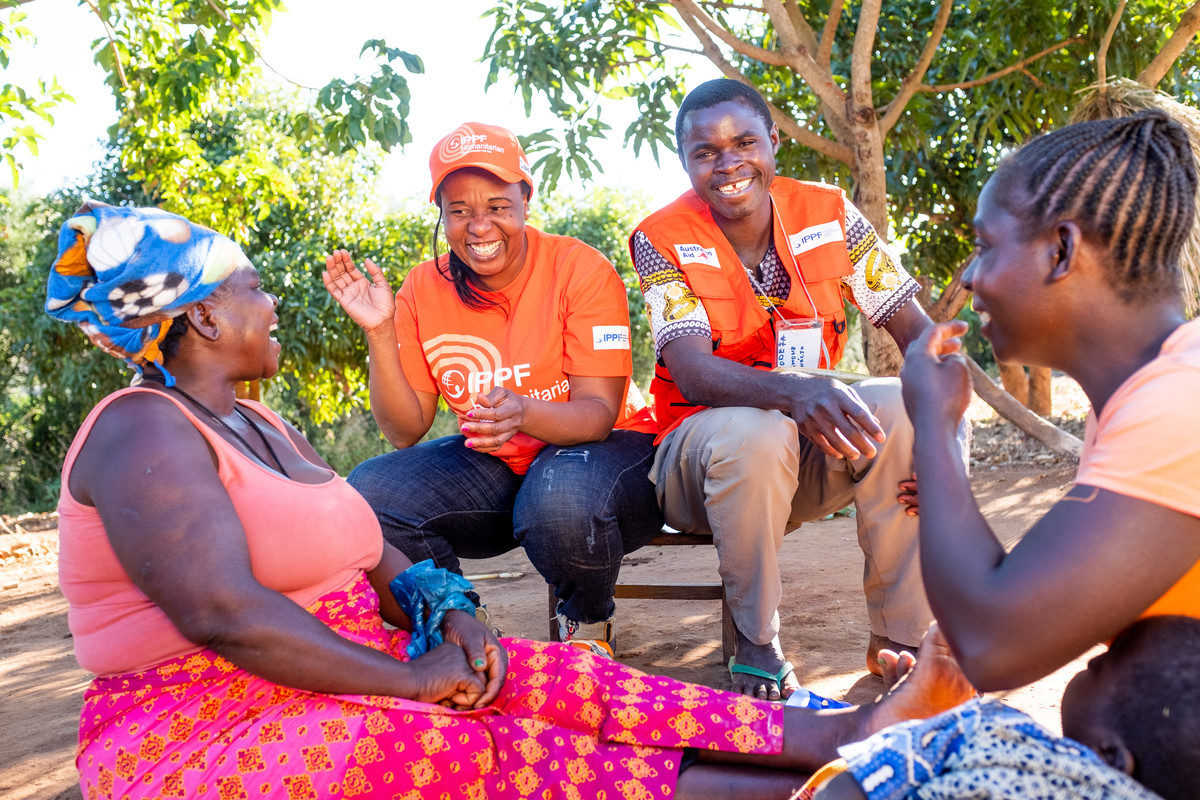
There are huge disparities in provision of sexual and reproductive health services between the poor and better off populations. There is growing recognition that to redress the glaring inequalities and ensure accessible and equitable access to quality SRH services and information for all, those who are directly affected by these problems, need a strong voice. This will help express their preferences and opinions and influence decisions about public policies, programmes and distribution of national resources. This means that poor communities should be able to articulate their priorities and concerns; air their dissatisfaction with inadequate services or non-performance of service providers, and demand for responsiveness, transparency and accountability. Likewise, the responsible government officials and service providers have an obligation to listen to their feedback, explain why gaps exist, and take necessary steps to address them. Josephine Mutungi expounds further on this topic through in this publication.
31 January 2022
Humanitarian Capacity Development Center
The project aims to strengthen the capacity of 6 MAs in and SARO to deliver high-quality SRH services in crises. Budget: 770,000 USD Donor: IPPF Solutions 2 Timeline: 2 Years ( March 2020–Dec 2022 ) Project implementation areas: Burkina Faso, Burundi, CAR, Maldives, Sudan, and Yemen Partners: UNFPA and national humanitarian actors Other interesting information: The project is designed to be led by MAs, as part of the Member Association-centric approach, with support from the regional offices and the Global Humanitarian Team. Innovative approaches: Operational research will be useful for measuring interventions’ impact and will highlight key challenges, suggest areas of improvement and good practices. Inclusion of LGBTQUIA and organisation's of persons with Disabilities in preparedness and planning. Lessons learned: Language barrier is a serious risk to project implementation if not properly addressed at design stage. Translation and interpretation costs should be significantly budgeted for when engaging English and French-speaking MAs as key project implementers.

01 December 2016
The She Decides Project
From 2018 to 2020, funding from Global Affairs Canada (GAC), through the She Decides project, supported IPPF and its local partners in five priority countries – Colombia, the Dominican Republic, Guatemala, Malawi, and Mali – to expand their reach and impact in advancing sexual and reproductive health and rights (SRHR), particularly for those who are most marginalized. During the project period, partners provided close to 17 million SRH services at their service delivery points, such as STI screenings, HIV testing, safe abortion, and counselling and access to modern contraceptives such as long-term injectables, surpassing the initial target by 770,000. The vast majority of clients receiving these services (76.5%) are those living below the poverty line, frequently at great distances from existing health services/facilities, who may be internally displaced as a result of humanitarian crises, and are often further marginalized on the basis of their sexual orientation and/or gender identity. Funding through She Decides enabled partners to develop and implement innovative strategies for reaching these populations and the most hard-to-reach regions that had some of the worst SRHR indicators. For example, In Malawi, our Member Association - Family Planning Association of Malawi (FPAM) - expanded its service delivery to rural, under-served communities in four districts (Dedza, Dowa, Mzuzu and Lilongwe) through outreach services, and strengthened provision of a comprehensive package of integrated SRH services through static clinics in 12 districts. Over the course of implementation, FPAM reached approximately 555,186 (over 25 years) women and 659,382 (<25 years) girls with integrated SHR services. A particular focus of the project has been to increase the access of hard-to-reach youth to SRHR information and services, through Youth Life Centers, youth outreach clinics, and intensive involvement of youth in outreach activities and awareness-raising campaigns. In Mali, IPPF Member Association - Association Malienne pour la Promotion et la Protection de la Famille (AMPPF) - used multiple service delivery strategies to expand access to SRH services in some of the most under-served regions of the country, some of them affected by ongoing security risks. It includes the regions of Kayes, Koulikoro, Sikasso, Ségou, Mopti, Gao, and Bamako District. Over the course of the project, AMPPF provided 1,524,825 integrated SRH services to over 556,228 women and girls. AMPPF organized 857 community engagement activities, including outreach at highly attended community festivals, reaching an estimated 41,423 people with positive messages about SRHR. In addition to directly supporting services and community mobilization to reach specific vulnerable populations in each country, She Decides has helped boost partners’ advocacy efforts to champion sexual and reproductive health and rights (SRHR), in particular for a more enabling environment in which governments and other key decision-makers are committed to upholding and fulfilling SRHR. Through this project, partners completed 2,005 specific advocacy engagements. Partners contributed to 31 advocacy wins that engender greater respect and protection of SRHR and have long-term implications for the health and wellbeing of women and girls in project countries. Key high-level advocacy initiatives included: incorporation of SRHR in municipal development plans in project regions (Colombia); approval of the National Plan to Reduce Teen Pregnancy (Dominican Republic); increasing contraceptive security and transparency around SRH financing (Guatemala); advancing abortion law reform (Malawi); and advocating for the integration of SRH into the COVID-19 response (Mali). Underpinning these interventions was a deliberate effort to build partners’ overall sustainability through data and financial systems strengthening and sustainability efforts to improve their resilience to future shocks, whether from a sudden loss of donor funding or a crisis. The COVID-19 pandemic, which erupted in the last quarter of the project, tested this capacity as partners pivoted quickly to provide continuity of services and to advocate for the inclusion of SRHR as part of the emergency response. For more information, visit the project report: GAC/She Decides Report

27 August 2021
The BMZ Project: Supporting People Affected by Humanitarian Crises in sub-Saharan Africa
The BMZ project supported refugees, internally displaced people, and host communities in Burkina Faso, Cameroon and Togo, in accessing quality sexual reproductive health care and in setting up income generating activities. Watch our video to find out how.

19 August 2021
Male Involvement In Family Planning
Why is male involvement in family planning important? We interviewed passers-by in the streets of Lagos, Nigeria, to find out. This video was co-produced in partnership with Aproko Doctor, a social media influencer from Nigeria, the Planned Parenthood Federation of Nigeria, and the Youth Action Movement in Nigeria.

28 June 2021
Adapting family planning services in time of crisis: Innovations by the IPPF Africa Region Member Associations
On 11 March 2020, the World Health Organization (WHO) declared COVID-19 a global pandemic. The impact of the pandemic would be felt across the world in all sectors, including health, where major disruptions were witnessed. Access to basic health information and services, including sexual reproductive health (SRH) information and services became constrained owing to various government-led protective directives such as restrictions on movement, lockdowns and curfews. The pandemic also put a strain on IPPF Member Associations (MAs) across the world. MAs are IPPF affiliated locally owned health organizations which provide a wide range of sexual reproductive health information and services. The pandemic saw many MAs cut down on their services, with some having to shut down completely or suspend some of their operations in their static clinics, community-based outlets and mobile outreach services. Surveys conducted by the IPPF Africa Region in April and June 2020 to establish the impact of Covid 19 on its MAs established that a total of 1,405 service delivery points (SDPs) were reported to have been closed during round 1 of the survey while 2,161 SDPs were closed during round 2 out of the 13,049 service delivery points reported in 2019. 447 mobile clinics were also shut down. These disruptions affected people’s access to the essential sexual reproductive healthcare services provided in our MA facilities, such as family planning services, sexually transmitted infections services, maternal and child health services, among others. Young people were no longer able to congregate at the youth-friendly centers where they would access SRH information and services. This called for innovation on the part of IPPF in ensuring that the populations, especially the vulnerable and marginalized, continued accessing SRH services. Various partners came on board to mitigate the gap occasioned by COVID-19 by providing various resources for this, including financial resources. These donors included Global Affairs Canada (GAC), Levi Strauss Foundation and Danida. The Danida grant for COVID-19 was disbursed to 45 IPPF MAs in the Africa region and was geared towards filling the gap created by the pandemic by ensuring there was continued SRH service delivery despite the challenges. The interventions facilitated by these grants have yielded commendable results, as more than 100 million SRH services were reported in the Africa Region - mostly women, girls, the vulnerable and hard-to-reach populations have been able to access SRH information and services. The range of services, offered by the MAs in partnership with government agencies and development partners in the private sector, included ante-natal and post-natal care, childbirth services, family planning services, STI treatment and management services, Comprehensive Sexuality Education (CSE) for the young people, Sexual and Gender-Based Violence (SGBV) services. In a series of five case studies, we highlight some innovations and adaptations developed by IPPF Africa Region MAs, that enabled thousands of their target populations to continue accessing quality and affordable sexual reproductive health and rights (SRHR) information and services amidst the pandemic. Cameroun: Adopting a Home-based Service Delivery Approach Nigeria: Establishing Digital Health Interventions Zambia: Training Women on Self-Managed Care for Contraception Benin: Bringing Comprehensive Sexuality Education Online Sao Tome: A Clinic on Wheels

14 June 2021
Adapting Family Planning Services in Times of Crisis: Adopting a Home-based Service Delivery Approach in Cameroon
The COVID-19 pandemic put tremendous pressure on the healthcare sector, with governments diverting their resources to COVID-19 prevention and treatment measures. It severely affected routine service delivery in health facilities, with some essential services, such as sexual reproductive healthcare not being accorded the priority they deserve. Many health facilities scaled down on their regular services, with some suspending services or shutting down some clinics altogether. Government lockdowns and movement restrictions led to low uptake of clients in health facilities, a situation further compounded by people’s anxieties about contracting the virus in health centers. As a result, many adolescent girls, women in the reproductive age group, men and young people were unable to access sexual and reproductive healthcare services at their regular health facilities. These services included contraceptives, ante-natal, safe delivery and post-natal care services, HIV & AIDS services, Sexually Transmitted Infection (STI) treatment and management, among other services. International Planned Parenthood Federation’s (IPPF) Member Associations (MAs) which offer quality and affordable Sexual Reproductive Health (SRH) services were not spared either, and to address this, had to be innovative in their response. In Cameroon, IPPF’s Member Association in the country - Cameroon National Association for Family Welfare (CAMNAFAW) – decided to respond to the sharp decline in clients seeking services at its facilities by adopting an innovative home-based service delivery approach. This strategy enabled CAMNAFAW to continue offering much-needed reproductive healthcare services to its clients during the pandemic. Download the complete case study here: Adopting a Home-based Service Delivery Approach in Cameroon

07 June 2021
She Decides: A Victory in Mali
This film highlights the intervention of The She Decides project in Mali, a two-year initiative (2018-2020) that operated in isolated areas affected by insecurity and entrenched humanitarian crisis to provide essential Sexual and Reproductive Health (SHR) services to the most vulnerable groups through outreach, clinics, and referrals. Through the voices of project beneficiaries, health services providers, local authorities, project officials, the film depicts the project's detailed intervention and success through innovative outreach activities and mobile service offers. The project has been funded by Global Affairs Canada (GAC) and implemented with the support of the Association Malienne pour la Promotion du Planning Familial (AMPPF). Watch the French version of this video here. For more information, visit the project report: GAC/She Decides Report

26 September 2020
IPPFAR Celebrates World Contraception Day 2020
Nairobi, 26 September 2020. Today, IPPF Africa Region joins the rest of the world in marking the World Contraception Day 2020. For over five decades, we have, through our network of over 39 Member Associations (MAs) in sub-Saharan Africa, responded to the contraceptive needs of millions of Africans. Contraceptive products offered through our MA’s static clinics, mobile clinics and community outreach programs have ensured that millions of women and girls have continued access to modern contraceptive options. Through the guidance of our highly skilled and well-trained healthcare workers, women and girls have made informed decisions about the most suitable family planning options for them. As a result, they have been able to avoid unplanned pregnancies (which may lead to unsafe abortions), and sexually transmitted infections (including HIV). Contraceptives have enabled women to space their children adequately, thus enhancing their quality of life and reducing maternal and infant mortality rates. It has also empowered millions of women and girls, enabling them to pursue their interests such as education and career, as well as business goals. In 2019, we empowered more than 32 million women and girls with Sexual Reproductive Health and Rights information and services in the sub-Saharan Africa Region. This year however, we mark the World Contraception Day under special circumstances. It comes when the world is reeling from the events of the COVID-19 pandemic. This unprecedented pandemic has caused major disruptions across all sectors including health systems, impacting greatly the access to contraception. Interruptions in supply chains have affected the effective distribution of contraceptive products, with stock-outs being experienced in many countries of sub-Saharan Africa. The unmet need for contraception is high, and undoubtedly worse during crisis situations. COVID-19 restrictions on movement have hampered women and girls’ access to health facilities for their regular contraceptive appointments. This has called for a change of strategy on the part of our MAs to ensure that women and girls still have access to family planning services. Despite the difficult times, they have ensured that healthcare workers are still available to offer services. Our MAs have also innovated their service and information delivery approaches, which have ensured that contraceptive products reach those who need them. On this day, IPPF Africa Regional Office and its MAs reiterates the commitment to ensuring that the pandemic does not signify the end of people’s access to contraception, we will ensure to advocate and reaffirm our partnerships with other key players to re-emphasize the need why contraceptives are an essential component of women and girls’ healthcare. Media Contacts: -Maryanne Wanyama, Communications Officer, IPPFARO, Nairobi (Kenya) – Email: [email protected] -Sam Ntelamo, Resident Representative, International Planned Parenthood Federation, Liaison Office to the African Union & UNECA, Addis Ababa (Ethiopia) – Phone: +251 (11) 667 0699/0761 - Mobile +251 (0) 944 73 2051- Email: [email protected]

17 August 2020
SRHR Advocacy and COVID-19: Lessons from Member Associations
The COVID-19 pandemic has caused great disruptions in health systems and services. This has affected people’s access to basic services, including those around sexual and reproductive health (SRH). The most affected are those who already experience marked health inequities under normal circumstances such as women, girls, young people and other vulnerable populations. IPPF Africa Region (IPPFAR) and its network of Member Associations (MAs), like the rest of the world, have been forced to develop and implement new approaches and innovations in service delivery and advocacy, with the aim of contributing to SDG target 3.7, AU Agenda 2063 and the IPPF Strategic Framework 2016-2022. It is with this regard that advocacy teams at both the IPPFAR and MAs held a webinar on Friday 14 August to deepen their understanding of the challenges and opportunities that have resulted from the COVID-19 pandemic, discuss innovations, share advocacy lessons learned and best practices. Innovations Participants talked about how, with restrictions on movement and public gatherings, digital platforms such as Zoom, Facebook, Twitter and You Tube have been used to convey SRHR messages, undertake trainings and call for action. In different statutory meetings at the AU and UN levels, civil society organisations (CSOs) have raised key SRHR concerns and argued for the inclusion of SRH services as part of the list of essential services. From the experience of Reproductive Health Uganda (RHU), these meetings are an alternative cost-effective means of conducting advocacy initiatives with good results. Owing to restrictions on international and local travels, RHU has noted that there is now increased access to Policy makers and other influential figures. The MA is also a member of the government’s national task force for the COVID-19 response. RHU’s membership in this committee provided an advocacy opportunity for the inclusion of SRHR in COVID-19 response interventions, including more attention to the rising cases of violence against women and children, as well as early child marriage. In addition, RHU has built new networks owing to its involvement in task forces at national and district levels. RHU has also participated in interviews with mainstream media outlets for wider reach of its messages. Similarly in Mozambique, the MA, Associação Moçambicana para Desenvolvimento da Família (AMODEFA) has successfully used media campaigns for advocacy messaging. AMODEFA continues to work closely with the Ministry of Health to disseminate SRHR information virtually. A toll-free line to report cases of sexual and gender-based violence (SGBV) has also been secured to aid with the rising number of SGBV cases. The MA continues to build partnerships with parliamentarians and influential decision-makers. In Mauritius, SRHR issues appear to have been sidelined in the wake of the pandemic. For example, the long-awaited Children’s bill that had been presented in the National Assembly for endorsement was put on hold. SGBV cases have also been reported to be rising. The MA, Mauritius Family Planning and Welfare Association (MFPWA) has been lobbying for the amendment of the current Violence Act, efforts that have contributed to the Ministry of Gender issuing a statement regarding a review of the Act. Maintaining visibility and building partnerships with relevant stakeholders and gradual move to digitalisation of services are some of the new approaches MFPWA is using to address the challenges brought about by COVID-19. In Madagascar, Fianakaviana Sambatra (FISA) has been supporting the Ministry of Health in the development of a national plan to address SRHR in the context of COVID-19. Virtual meetings continue to be organised, with messages being developed and disseminated via several media outlets and SRHR networks. Budget revisions are also being done to prepare for the post covid-19 period. Similarly, online platforms are becoming the new normal in South Africa. The SRHR coalition, which includes Partners in Sexual Health (PSH) in the country is pushing for more attention and resources for gender-based violence and rights of women and children issues amidst the pandemic. An emergency response plan for the same is being drafted as well. In addition, youth parliamentarians are being engaged via webinars to discuss SRHR issues and strengthen the policy frameworks. In Cote d’Ivoire, The Association Ivoirienne pour le Bien-Etre Familial (AIBEF) has created stronger partnerships with the government and has been giving psychological and nutritional support to vulnerable groups in the country during the pandemic. AIBEF has also extensively used technology to disseminate SRHR information. While acknowledging the difficult circumstances that MAs are operating in as a result of COVID-19, participants stressed on the need to realign COVID 19 responses to the ideals of the IPPF Strategic Framework, the Universal Health Coverage, the SDG goals and the African Union Agenda 2063. This will ensure that women, girls, men and vulnerable populations have equal access to the necessary opportunities to achieve their full health potential and health equity. Despite COVID-19, organizations and governments must not relent in the achievement of their SRHR commitments. Also read: Access to SRHR for Youth During COVID-19 Greatly Challenged, say Youth within the IPPFAR Network [Webinar] For more information about the work of IPPF Africa Region, connect with us on Facebook and Twitter.
13 March 2018
Social Accountability: Community-driven action for improved SRH service delivery and outcomes
There are huge disparities in provision of sexual and reproductive health services between the poor and better off populations. There is growing recognition that to redress the glaring inequalities and ensure accessible and equitable access to quality SRH services and information for all, those who are directly affected by these problems, need a strong voice. This will help express their preferences and opinions and influence decisions about public policies, programmes and distribution of national resources. This means that poor communities should be able to articulate their priorities and concerns; air their dissatisfaction with inadequate services or non-performance of service providers, and demand for responsiveness, transparency and accountability. Likewise, the responsible government officials and service providers have an obligation to listen to their feedback, explain why gaps exist, and take necessary steps to address them. Josephine Mutungi expounds further on this topic through in this publication.
31 January 2022
Humanitarian Capacity Development Center
The project aims to strengthen the capacity of 6 MAs in and SARO to deliver high-quality SRH services in crises. Budget: 770,000 USD Donor: IPPF Solutions 2 Timeline: 2 Years ( March 2020–Dec 2022 ) Project implementation areas: Burkina Faso, Burundi, CAR, Maldives, Sudan, and Yemen Partners: UNFPA and national humanitarian actors Other interesting information: The project is designed to be led by MAs, as part of the Member Association-centric approach, with support from the regional offices and the Global Humanitarian Team. Innovative approaches: Operational research will be useful for measuring interventions’ impact and will highlight key challenges, suggest areas of improvement and good practices. Inclusion of LGBTQUIA and organisation's of persons with Disabilities in preparedness and planning. Lessons learned: Language barrier is a serious risk to project implementation if not properly addressed at design stage. Translation and interpretation costs should be significantly budgeted for when engaging English and French-speaking MAs as key project implementers.
01 December 2016
The She Decides Project
From 2018 to 2020, funding from Global Affairs Canada (GAC), through the She Decides project, supported IPPF and its local partners in five priority countries – Colombia, the Dominican Republic, Guatemala, Malawi, and Mali – to expand their reach and impact in advancing sexual and reproductive health and rights (SRHR), particularly for those who are most marginalized. During the project period, partners provided close to 17 million SRH services at their service delivery points, such as STI screenings, HIV testing, safe abortion, and counselling and access to modern contraceptives such as long-term injectables, surpassing the initial target by 770,000. The vast majority of clients receiving these services (76.5%) are those living below the poverty line, frequently at great distances from existing health services/facilities, who may be internally displaced as a result of humanitarian crises, and are often further marginalized on the basis of their sexual orientation and/or gender identity. Funding through She Decides enabled partners to develop and implement innovative strategies for reaching these populations and the most hard-to-reach regions that had some of the worst SRHR indicators. For example, In Malawi, our Member Association - Family Planning Association of Malawi (FPAM) - expanded its service delivery to rural, under-served communities in four districts (Dedza, Dowa, Mzuzu and Lilongwe) through outreach services, and strengthened provision of a comprehensive package of integrated SRH services through static clinics in 12 districts. Over the course of implementation, FPAM reached approximately 555,186 (over 25 years) women and 659,382 (<25 years) girls with integrated SHR services. A particular focus of the project has been to increase the access of hard-to-reach youth to SRHR information and services, through Youth Life Centers, youth outreach clinics, and intensive involvement of youth in outreach activities and awareness-raising campaigns. In Mali, IPPF Member Association - Association Malienne pour la Promotion et la Protection de la Famille (AMPPF) - used multiple service delivery strategies to expand access to SRH services in some of the most under-served regions of the country, some of them affected by ongoing security risks. It includes the regions of Kayes, Koulikoro, Sikasso, Ségou, Mopti, Gao, and Bamako District. Over the course of the project, AMPPF provided 1,524,825 integrated SRH services to over 556,228 women and girls. AMPPF organized 857 community engagement activities, including outreach at highly attended community festivals, reaching an estimated 41,423 people with positive messages about SRHR. In addition to directly supporting services and community mobilization to reach specific vulnerable populations in each country, She Decides has helped boost partners’ advocacy efforts to champion sexual and reproductive health and rights (SRHR), in particular for a more enabling environment in which governments and other key decision-makers are committed to upholding and fulfilling SRHR. Through this project, partners completed 2,005 specific advocacy engagements. Partners contributed to 31 advocacy wins that engender greater respect and protection of SRHR and have long-term implications for the health and wellbeing of women and girls in project countries. Key high-level advocacy initiatives included: incorporation of SRHR in municipal development plans in project regions (Colombia); approval of the National Plan to Reduce Teen Pregnancy (Dominican Republic); increasing contraceptive security and transparency around SRH financing (Guatemala); advancing abortion law reform (Malawi); and advocating for the integration of SRH into the COVID-19 response (Mali). Underpinning these interventions was a deliberate effort to build partners’ overall sustainability through data and financial systems strengthening and sustainability efforts to improve their resilience to future shocks, whether from a sudden loss of donor funding or a crisis. The COVID-19 pandemic, which erupted in the last quarter of the project, tested this capacity as partners pivoted quickly to provide continuity of services and to advocate for the inclusion of SRHR as part of the emergency response. For more information, visit the project report: GAC/She Decides Report
27 August 2021
The BMZ Project: Supporting People Affected by Humanitarian Crises in sub-Saharan Africa
The BMZ project supported refugees, internally displaced people, and host communities in Burkina Faso, Cameroon and Togo, in accessing quality sexual reproductive health care and in setting up income generating activities. Watch our video to find out how.
19 August 2021
Male Involvement In Family Planning
Why is male involvement in family planning important? We interviewed passers-by in the streets of Lagos, Nigeria, to find out. This video was co-produced in partnership with Aproko Doctor, a social media influencer from Nigeria, the Planned Parenthood Federation of Nigeria, and the Youth Action Movement in Nigeria.
28 June 2021
Adapting family planning services in time of crisis: Innovations by the IPPF Africa Region Member Associations
On 11 March 2020, the World Health Organization (WHO) declared COVID-19 a global pandemic. The impact of the pandemic would be felt across the world in all sectors, including health, where major disruptions were witnessed. Access to basic health information and services, including sexual reproductive health (SRH) information and services became constrained owing to various government-led protective directives such as restrictions on movement, lockdowns and curfews. The pandemic also put a strain on IPPF Member Associations (MAs) across the world. MAs are IPPF affiliated locally owned health organizations which provide a wide range of sexual reproductive health information and services. The pandemic saw many MAs cut down on their services, with some having to shut down completely or suspend some of their operations in their static clinics, community-based outlets and mobile outreach services. Surveys conducted by the IPPF Africa Region in April and June 2020 to establish the impact of Covid 19 on its MAs established that a total of 1,405 service delivery points (SDPs) were reported to have been closed during round 1 of the survey while 2,161 SDPs were closed during round 2 out of the 13,049 service delivery points reported in 2019. 447 mobile clinics were also shut down. These disruptions affected people’s access to the essential sexual reproductive healthcare services provided in our MA facilities, such as family planning services, sexually transmitted infections services, maternal and child health services, among others. Young people were no longer able to congregate at the youth-friendly centers where they would access SRH information and services. This called for innovation on the part of IPPF in ensuring that the populations, especially the vulnerable and marginalized, continued accessing SRH services. Various partners came on board to mitigate the gap occasioned by COVID-19 by providing various resources for this, including financial resources. These donors included Global Affairs Canada (GAC), Levi Strauss Foundation and Danida. The Danida grant for COVID-19 was disbursed to 45 IPPF MAs in the Africa region and was geared towards filling the gap created by the pandemic by ensuring there was continued SRH service delivery despite the challenges. The interventions facilitated by these grants have yielded commendable results, as more than 100 million SRH services were reported in the Africa Region - mostly women, girls, the vulnerable and hard-to-reach populations have been able to access SRH information and services. The range of services, offered by the MAs in partnership with government agencies and development partners in the private sector, included ante-natal and post-natal care, childbirth services, family planning services, STI treatment and management services, Comprehensive Sexuality Education (CSE) for the young people, Sexual and Gender-Based Violence (SGBV) services. In a series of five case studies, we highlight some innovations and adaptations developed by IPPF Africa Region MAs, that enabled thousands of their target populations to continue accessing quality and affordable sexual reproductive health and rights (SRHR) information and services amidst the pandemic. Cameroun: Adopting a Home-based Service Delivery Approach Nigeria: Establishing Digital Health Interventions Zambia: Training Women on Self-Managed Care for Contraception Benin: Bringing Comprehensive Sexuality Education Online Sao Tome: A Clinic on Wheels
14 June 2021
Adapting Family Planning Services in Times of Crisis: Adopting a Home-based Service Delivery Approach in Cameroon
The COVID-19 pandemic put tremendous pressure on the healthcare sector, with governments diverting their resources to COVID-19 prevention and treatment measures. It severely affected routine service delivery in health facilities, with some essential services, such as sexual reproductive healthcare not being accorded the priority they deserve. Many health facilities scaled down on their regular services, with some suspending services or shutting down some clinics altogether. Government lockdowns and movement restrictions led to low uptake of clients in health facilities, a situation further compounded by people’s anxieties about contracting the virus in health centers. As a result, many adolescent girls, women in the reproductive age group, men and young people were unable to access sexual and reproductive healthcare services at their regular health facilities. These services included contraceptives, ante-natal, safe delivery and post-natal care services, HIV & AIDS services, Sexually Transmitted Infection (STI) treatment and management, among other services. International Planned Parenthood Federation’s (IPPF) Member Associations (MAs) which offer quality and affordable Sexual Reproductive Health (SRH) services were not spared either, and to address this, had to be innovative in their response. In Cameroon, IPPF’s Member Association in the country - Cameroon National Association for Family Welfare (CAMNAFAW) – decided to respond to the sharp decline in clients seeking services at its facilities by adopting an innovative home-based service delivery approach. This strategy enabled CAMNAFAW to continue offering much-needed reproductive healthcare services to its clients during the pandemic. Download the complete case study here: Adopting a Home-based Service Delivery Approach in Cameroon
07 June 2021
She Decides: A Victory in Mali
This film highlights the intervention of The She Decides project in Mali, a two-year initiative (2018-2020) that operated in isolated areas affected by insecurity and entrenched humanitarian crisis to provide essential Sexual and Reproductive Health (SHR) services to the most vulnerable groups through outreach, clinics, and referrals. Through the voices of project beneficiaries, health services providers, local authorities, project officials, the film depicts the project's detailed intervention and success through innovative outreach activities and mobile service offers. The project has been funded by Global Affairs Canada (GAC) and implemented with the support of the Association Malienne pour la Promotion du Planning Familial (AMPPF). Watch the French version of this video here. For more information, visit the project report: GAC/She Decides Report
26 September 2020
IPPFAR Celebrates World Contraception Day 2020
Nairobi, 26 September 2020. Today, IPPF Africa Region joins the rest of the world in marking the World Contraception Day 2020. For over five decades, we have, through our network of over 39 Member Associations (MAs) in sub-Saharan Africa, responded to the contraceptive needs of millions of Africans. Contraceptive products offered through our MA’s static clinics, mobile clinics and community outreach programs have ensured that millions of women and girls have continued access to modern contraceptive options. Through the guidance of our highly skilled and well-trained healthcare workers, women and girls have made informed decisions about the most suitable family planning options for them. As a result, they have been able to avoid unplanned pregnancies (which may lead to unsafe abortions), and sexually transmitted infections (including HIV). Contraceptives have enabled women to space their children adequately, thus enhancing their quality of life and reducing maternal and infant mortality rates. It has also empowered millions of women and girls, enabling them to pursue their interests such as education and career, as well as business goals. In 2019, we empowered more than 32 million women and girls with Sexual Reproductive Health and Rights information and services in the sub-Saharan Africa Region. This year however, we mark the World Contraception Day under special circumstances. It comes when the world is reeling from the events of the COVID-19 pandemic. This unprecedented pandemic has caused major disruptions across all sectors including health systems, impacting greatly the access to contraception. Interruptions in supply chains have affected the effective distribution of contraceptive products, with stock-outs being experienced in many countries of sub-Saharan Africa. The unmet need for contraception is high, and undoubtedly worse during crisis situations. COVID-19 restrictions on movement have hampered women and girls’ access to health facilities for their regular contraceptive appointments. This has called for a change of strategy on the part of our MAs to ensure that women and girls still have access to family planning services. Despite the difficult times, they have ensured that healthcare workers are still available to offer services. Our MAs have also innovated their service and information delivery approaches, which have ensured that contraceptive products reach those who need them. On this day, IPPF Africa Regional Office and its MAs reiterates the commitment to ensuring that the pandemic does not signify the end of people’s access to contraception, we will ensure to advocate and reaffirm our partnerships with other key players to re-emphasize the need why contraceptives are an essential component of women and girls’ healthcare. Media Contacts: -Maryanne Wanyama, Communications Officer, IPPFARO, Nairobi (Kenya) – Email: [email protected] -Sam Ntelamo, Resident Representative, International Planned Parenthood Federation, Liaison Office to the African Union & UNECA, Addis Ababa (Ethiopia) – Phone: +251 (11) 667 0699/0761 - Mobile +251 (0) 944 73 2051- Email: [email protected]
17 August 2020
SRHR Advocacy and COVID-19: Lessons from Member Associations
The COVID-19 pandemic has caused great disruptions in health systems and services. This has affected people’s access to basic services, including those around sexual and reproductive health (SRH). The most affected are those who already experience marked health inequities under normal circumstances such as women, girls, young people and other vulnerable populations. IPPF Africa Region (IPPFAR) and its network of Member Associations (MAs), like the rest of the world, have been forced to develop and implement new approaches and innovations in service delivery and advocacy, with the aim of contributing to SDG target 3.7, AU Agenda 2063 and the IPPF Strategic Framework 2016-2022. It is with this regard that advocacy teams at both the IPPFAR and MAs held a webinar on Friday 14 August to deepen their understanding of the challenges and opportunities that have resulted from the COVID-19 pandemic, discuss innovations, share advocacy lessons learned and best practices. Innovations Participants talked about how, with restrictions on movement and public gatherings, digital platforms such as Zoom, Facebook, Twitter and You Tube have been used to convey SRHR messages, undertake trainings and call for action. In different statutory meetings at the AU and UN levels, civil society organisations (CSOs) have raised key SRHR concerns and argued for the inclusion of SRH services as part of the list of essential services. From the experience of Reproductive Health Uganda (RHU), these meetings are an alternative cost-effective means of conducting advocacy initiatives with good results. Owing to restrictions on international and local travels, RHU has noted that there is now increased access to Policy makers and other influential figures. The MA is also a member of the government’s national task force for the COVID-19 response. RHU’s membership in this committee provided an advocacy opportunity for the inclusion of SRHR in COVID-19 response interventions, including more attention to the rising cases of violence against women and children, as well as early child marriage. In addition, RHU has built new networks owing to its involvement in task forces at national and district levels. RHU has also participated in interviews with mainstream media outlets for wider reach of its messages. Similarly in Mozambique, the MA, Associação Moçambicana para Desenvolvimento da Família (AMODEFA) has successfully used media campaigns for advocacy messaging. AMODEFA continues to work closely with the Ministry of Health to disseminate SRHR information virtually. A toll-free line to report cases of sexual and gender-based violence (SGBV) has also been secured to aid with the rising number of SGBV cases. The MA continues to build partnerships with parliamentarians and influential decision-makers. In Mauritius, SRHR issues appear to have been sidelined in the wake of the pandemic. For example, the long-awaited Children’s bill that had been presented in the National Assembly for endorsement was put on hold. SGBV cases have also been reported to be rising. The MA, Mauritius Family Planning and Welfare Association (MFPWA) has been lobbying for the amendment of the current Violence Act, efforts that have contributed to the Ministry of Gender issuing a statement regarding a review of the Act. Maintaining visibility and building partnerships with relevant stakeholders and gradual move to digitalisation of services are some of the new approaches MFPWA is using to address the challenges brought about by COVID-19. In Madagascar, Fianakaviana Sambatra (FISA) has been supporting the Ministry of Health in the development of a national plan to address SRHR in the context of COVID-19. Virtual meetings continue to be organised, with messages being developed and disseminated via several media outlets and SRHR networks. Budget revisions are also being done to prepare for the post covid-19 period. Similarly, online platforms are becoming the new normal in South Africa. The SRHR coalition, which includes Partners in Sexual Health (PSH) in the country is pushing for more attention and resources for gender-based violence and rights of women and children issues amidst the pandemic. An emergency response plan for the same is being drafted as well. In addition, youth parliamentarians are being engaged via webinars to discuss SRHR issues and strengthen the policy frameworks. In Cote d’Ivoire, The Association Ivoirienne pour le Bien-Etre Familial (AIBEF) has created stronger partnerships with the government and has been giving psychological and nutritional support to vulnerable groups in the country during the pandemic. AIBEF has also extensively used technology to disseminate SRHR information. While acknowledging the difficult circumstances that MAs are operating in as a result of COVID-19, participants stressed on the need to realign COVID 19 responses to the ideals of the IPPF Strategic Framework, the Universal Health Coverage, the SDG goals and the African Union Agenda 2063. This will ensure that women, girls, men and vulnerable populations have equal access to the necessary opportunities to achieve their full health potential and health equity. Despite COVID-19, organizations and governments must not relent in the achievement of their SRHR commitments. Also read: Access to SRHR for Youth During COVID-19 Greatly Challenged, say Youth within the IPPFAR Network [Webinar] For more information about the work of IPPF Africa Region, connect with us on Facebook and Twitter.