



Every day some 830 women die from causes related to pregnancy or childbirth. Many more have serious injuries or long-lasting consequences.
IPPF works around the world to improve maternal health through our clinics and outreach services and by training health workers, improving the availability of essential medicines and strengthening health systems.
Articles about Maternal Healthcare
06 July 2026
How a daycare center is advancing women’s economic empowerment in Mauritius
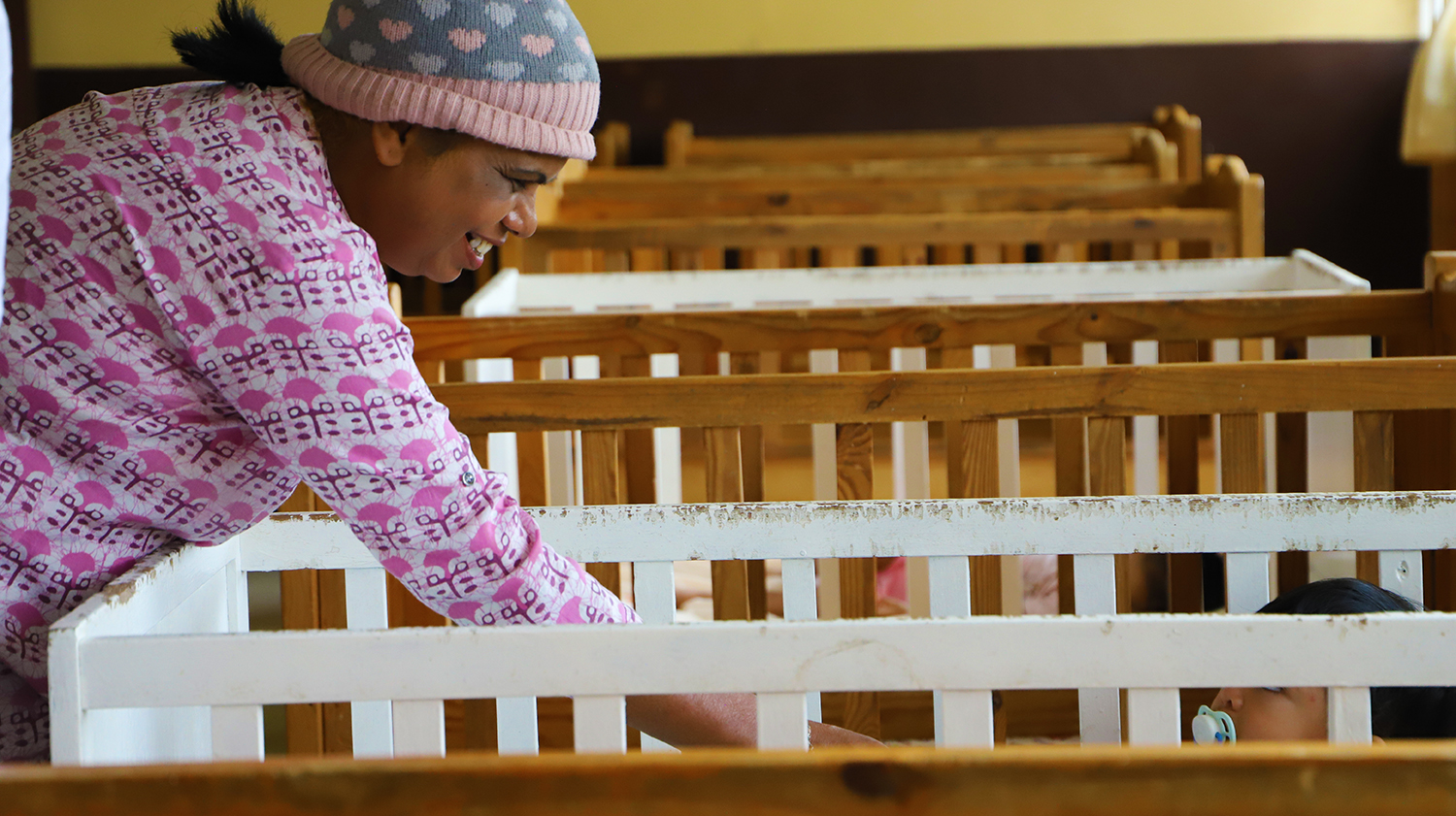
For more than three decades, a community daycare centre in La Tour Koenig, Mauritius, continues to be more than just a childcare facility. While providing affordable childcare services, it has, at the same time, enabled generations of women to join the workforce, earn an income and in turn improve the well-being of their families. The daycare center also continues to empower parents on issues around sexual reproductive health and rights (SRHR). The MFPWA La Tour Koenig daycare center is a social enterprise initiative of the Mauritius Family Planning Welfare Association (MFPWA), an associate member of IPPF. By Maryanne W. WAWERU On a bright mid-morning in April, Ms. Kiran Seetohul, 50, walks into the MFPWA daycare center in La Tour Koenig, a locality south of Port Louis, the capital city of Mauritius. Cradling her seven-month-old grandson, she is warmly welcomed by the center manager, Ms. Marilyn Dhookit. The daycare center provides fulltime care for children aged three months to three years, and also offers babysitting services for about 40 primary school children during school holidays. Kiran works nearby as a casual labourer and usually returns to pick her grandson up at 3pm at the end of her working day. The child’s parents, both aged 21 years, work long hours far from home and don’t have the flexibility to provide daily childcare themselves. Hiring a child minder is also beyond their financial means. This is where Kiran, the child’s grandmother, comes in. Her flexible work schedule enables her to step in and support the young family. Every morning, she drops her grandson at the daycare center before heading to work and returns for him later in the afternoon on her way home. The arrangement is a win for all of them. Kiran continues to earn an income, while her daughter and son-in-law also get to do the same without having to worry about their child’s care during the day. The baby also receives safe, reliable care throughout the day. At a monthly fee of 3,500 Mauritian Rupees ($76), the daycare center provides the family with a pocket-friendly, dependable childcare solution. Kiran has no hesitation about it. “I love this facility because it is clean and spacious. It is visually attractive for the babies and has lots of activities for them. The caregivers are friendly and the price is just right. It is a great place for my grandson,” she says. All-rounded childcare center The MFPWA La Tour Koenig daycare center is a safe space for children where they learn, feed, play, and thrive as they grow. With the different stimulating activities provided for them such as colourful toys, music and outdoor play, it creates an all-rounded nurturing environment. Additionally, it supports their physical, cognitive, emotional, and social development. “The caregivers feed the children nutritious meals, keep them hydrated, and ensure they are clean and comfortable. They change their diapers and give them a bath. They also keep a daily activity log for each child so that when you return to pick your child, you receive a proper briefing about how their day has been. I find this very professional and reassuring. Whenever I pick my grandson in the afternoon, I always find him happy, clean, and well-fed. That is why I love this place, and I can tell that my grandson loves it too,” says Kiran, a beaming smile on her face. The daycare center’s longstanding good reputation in the Le Tour Koenig locale played a key role in the family’s decision. Although Kiran had been aware of its services, recommendations from her son-in-law’s relatives strengthened her confidence in it. “Five of his cousins had previously brought their babies here, and they gave glowing reviews about the services offered. That made it easier to convince my daughter to return to work after maternity leave as I assured her that I would handle the daily dropping and picking of her son. They are a young family, and this daycare center is directly improving their financial status by enabling them to work without worry. Had it not been for this facility, my daughter would have had to quit her job to care for her baby,” says Kiran. For families like Kiran’s, the center provides a reliable support system that helps parents to stay in the workforce and earn an income as their babies receive quality care during the day. MFPWA’s response to an emerging need Established 38 years ago, the MFPWA La Tour Koenig daycare center was founded at a time when women faced significant challenges in entering the workface, largely due to lack of safe and affordable childcare options. According to Ms. Vidya Charan, the MFPWA Executive Director, the facility was established to meet a pressing need in the community. “At that time, the country was engaged in intensive family planning campaigns that also stressed on women’s empowerment. As women began to space their children and plan their families, many aspired to join the workforce as a means to gaining financial independence. However, they had no one to leave their children at home with, and this presented a significant barrier to their ambitions. An intervention to address this gap was desperately needed,” she says. Recognizing this challenge, MFPWA began exploring ways to support working mothers. The idea of a daycare center was born. “We thought of creating a facility where mothers could leave their children while they worked. However, this required investments and resources which we unfortunately did not have. So we approached the government with a proposal,” she says. In response, the government, through the Ministry of Gender Equality and Family Welfare, provided a building (rent-free) for this purpose. This success was largely attributed to MFPWA’s well established relationship with the government, which recognized the organization for its commitment to family issues, and to women’s and girl’s empowerment. “Soon, more women began taking up jobs in textile factories, the agricultural industry, in offices, and as healthcare workers. Finally, they had a safe and reliable place to leave their children. They no longer had to worry about their children’s care as they earned an income,” says the Executive Director, who adds that the facility operates from 8am – 5pm on weekdays, and half-day on Saturdays. Ms. Marilyn Dookhit, who has worked at the center for 31 years says she has witnessed, firsthand, how access to reliable childcare has transformed many families in the area. “With the peace of mind that comes with knowing that their children are in a safe place as they work, many women’s productivity at work has improved as they are better able to focus on their tasks. They tell us this as they drop and pick their children up. Also, judging by the number of referrals and repeat clients we get, it is a sure testament of the quality services we offer. These women have been able to educate their children and provide for their families. Their financial status has improved. We see these families in the community, and we can tell that one of the main reasons for their improved family well-being is because the women worked comfortably as their children were cared for at our facility,” she says. A resource for SRHR information and services In addition to enabling women to participate in the workforce, the MFPWA La Tour Koenig daycare center serves as an important entry point for SRHR empowerment. “We organize regular parent’s day sessions where we bring parents together to discuss a variety of issues around child development. During these forums, we provide SRHR information and services including family planning, teen pregnancies, HIV counselling and testing, as well as specialized services such as pap smears and laboratory services. We also offer referrals to our medical facilities and partners institutions, including government hospitals,” says Ms. Charan, the MFPWA Executive Director. Community support for sustainability As a social enterprise, the MFPWA daycare center balances community service with financial sustainability, a model that ensures it continues to meet local needs while still generating income to sustain its operations. “While the government provided the building, the community members helped equip it with essential items such as cots, tables, chairs, curtains and appliances like the refrigerator. We also regularly receive donations of toys, diapers and food for the children,” she says. For quality control, the daycare center operates under strict government regulations which ensures it maintains high-quality standard of care. “The Ministry conducts regular monitoring and inspection checks at the facility to ensure compliance. We adhere to all government requirements, which ensures that this is a safe environment for the children,” Ms. Charan explains. Further, daycare staff regularly undergo trainings in key areas such as emergency preparedness, first aid and child development, which help in ensuring that the children are cared for by a well-trained team. Indeed, for families in Le Tour Koenig, the MFPWA daycare center is more than just a building. It is a catalyst for women’s economic empowerment, a safe and nurturing space for their children, and a trusted resource center where parents can access information and services related to their sexual reproductive health and by one of the leading healthcare organizations in the country.
07 November 2025
Breaking Barriers, Saving Lives: Safe Abortion Services Now a Reality
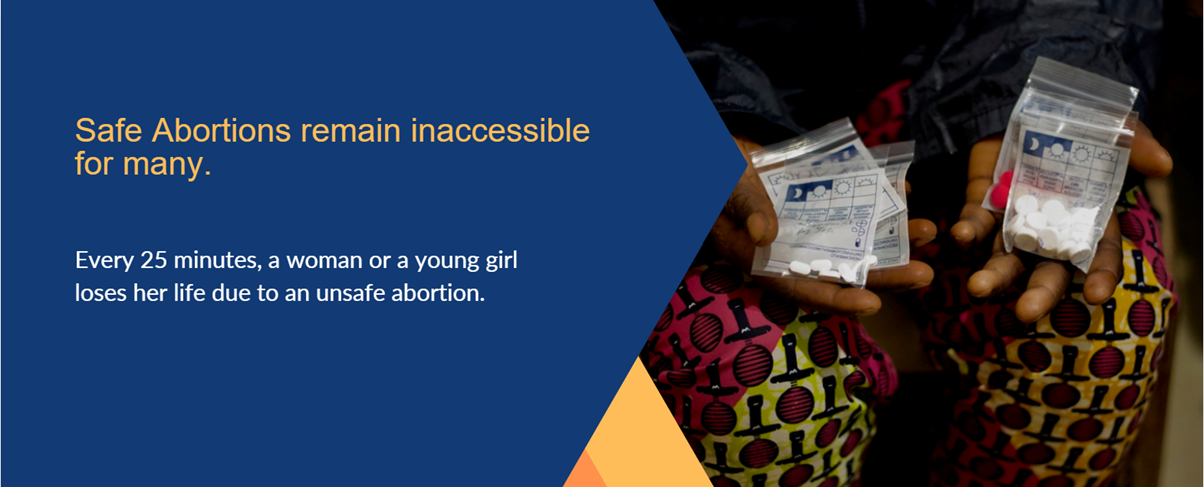
Tikil Dingay Health Center, one of the main facilities serving the district, had discontinued comprehensive abortion care services for over two years following the turnover of trained providers due to the Northern Ethiopia Conflict. The absence of skilled personnel meant that women and girls were left with few options often resorting to unsafe and unregulated procedures that endangered their lives. Unsafe abortion continues to be one of the leading causes of maternal deaths in Ethiopia, with 42% of unintended pregnancies ending in abortion nearly 73% in unsafe conditions. The two-and-a-half-year conflict in northern Ethiopia, particularly in Amhara, has worsened the situation by disrupting health services and increasing adolescent vulnerability to unplanned pregnancies and unsafe abortions. The ongoing efforts under the WISH 2 project to restore and strengthen safe abortion services in Lay Armachiho in Amhara region therefore represent a critical intervention to safeguard women’s and adolescents’ reproductive health and rights, rebuild community trust in health facilities, and reduce preventable maternal deaths. To address this urgent gap, the Family Guidance Association of Ethiopia partnered with the Woreda Health Office to assess the facility’s capacity and design an intervention to restore services. The assessment confirmed that while the health center served a large catchment population, it lacked trained staff and essential supplies to deliver safe abortion care. In response, FGAE organized a 17-day Comprehensive Abortion Care training in Addis Ababa for selected healthcare providers, in line with Ministry of Health standards. Among the trainees was Dr. Solomon Adugna from Tikil Dingay Health Center, who upon completing the training, returned to the facility and immediately began mobilizing his colleagues to reinstate the service. The center allocated a dedicated room for CAC, procured necessary supplies including abortion kits, medications, and registration materials and established a routine supervision and mentorship system to ensure quality and accountability. “After completing the training, I was determined to ensure no woman in our community would suffer or die because she lacked access to safe care. We quickly organized our team, prepared the room, secured supplies, and restarted the service with full accountability,” — Dr. Solomon Adugna, Tikil Dingay Health Center Within just four months of resuming services, 19 women and adolescent girls accessed safe abortion and post-abortion care, including counselling, HIV testing, and family planning. Though modest in number, these cases represent lives saved and health restored tangible evidence of the transformative power of capacity building and local leadership. One of the clients, a 19-year-old girl, recounted her experience: “I was very worried. The private clinic requested me 6,000 Birr (which is equivalent to 40$) for the service. While searching for other traditional alternatives, one of my colleagues told me the health center provides the service. Anyway, they saved my life.” The success of this intervention was not without challenges. Frequent staff turnover and technical gaps had disrupted service continuity for years. However, through close collaboration between FGAE, the Woreda Health Office, and Tikil Dingay Health Center, these challenges were effectively mitigated. Plans are now in place to assign dedicated staff and expand training opportunities for additional providers, ensuring sustainability and continued access to safe services.
04 November 2025
Bringing choice closer through Sayana Press
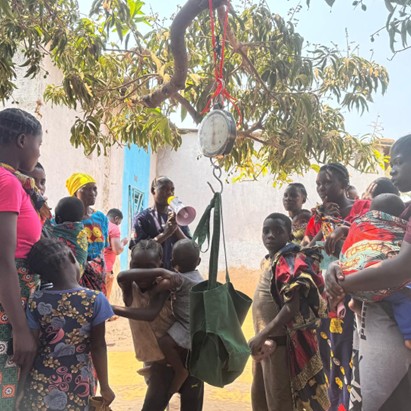
Nestled along the southern shores of Lake Kariba, Sinazongwe District is one of Zambia’s most remote areas. Many of its communities are scattered across hilly terrain and along the lakeside, where accessing health services can mean walking several kilometres under the scorching sun. For young women and adolescents, especially those who are unmarried, the journey to seek family planning services can be even more daunting due to stigma and lack of privacy. In Zambia, only 48% of married women aged 15–49 use modern contraceptive methods, and 20% of married women still have an unmet need for family planning. The situation is often worse in rural and hard-to-reach districts like Sinazongwe, where health facilities are far apart and social norms limit young women’s access to contraception. It is within this challenging context that the WISH 2 project, in partnership with local health authorities and WISH 2 implementing partners, has been working to expand access to modern contraception through community outreach. One of the most transformative interventions has been the introduction of Sayana Press, a self-injectable contraceptive that women can administer privately and conveniently. While Zambia may not yet have a fully formalised, standalone National Self-Care Framework for SRHR, there are emerging toolkits and policies supporting self-care in SRHR. “Young people can easily access Sayana Press during outreach and unmarried girls prefer it because it’s discreet, no one needs to know they are using contraception,” explained Elector Siyapwaya, a Community Health Worker in Sinazongwe health facility. “When I teach a young woman to use Sayana on her own, I feel proud. It means she can plan her life without fear,” added Siyapwaya. In Sinazongwe District, family planning services were integrated within the Well-Baby Clinic, where mothers bring their infants for routine weighing and growth monitoring. Through this platform, healthcare workers also provide SRHR awareness and FP counseling on modern family planning methods. Women can receive methods covering three to one year, reducing the need for frequent clinic visits. This approach reduces the burden of long travel to health centers and makes reproductive health services more accessible to all. “As a young married woman, I used to forget to take my pills. Now, with Sayana Press, I just take one injection every three months. It’s easy, and I can do it myself or if I need assistance, CHVs are there,” shared Mwila, a 24-year-old mother of two. Despite these successes, challenges remain. Privacy during outreach is still an issue, as most sessions take place in open spaces without tents or designated service corners. “It’s difficult to ensure privacy when providing services in public spaces. Sometimes young women hesitate to approach us because others might see them,” said Siyapwaya. To address this, WISH 2 partners have invested in training Community Health Workers and Volunteers on both the administration of Sayana Press and client confidentiality to teach women how to safely self-inject, empowering them to manage their own reproductive health and promoting self-care. This community-based model is showing promising results, and the impact is visible. More young women are now choosing self-injectables, appreciating their convenience and discretion. For those living in remote or conservative areas, Sayana Press represents more than a contraceptive, it embodies control, choice, and dignity. Convenient, private, and requiring no frequent clinic visits, it offers women greater autonomy over their reproductive health. As outreach services continue to extend to the most isolated parts of Sinazongwe, Sayana Press is proving to be more than a method, it is a symbol of empowerment, helping young women take charge of their health and futures, even in Zambia’s most hard-to-reach communities.

16 February 2016
Evidence Project
Under the Evidence project, IPPF is undertaking innovative research on respecting, protecting and promoting human rights in family planning/reproductive health services and ensuring community voices are part of efforts to improve and strengthen family planning programming. The Evidence Project uses implementation science to improve family planning policies, programs, and practices. Led by the Population Council in partnership with INDEPTH Network, International Planned Parenthood Federation, PATH, Population Reference Bureau, and the project’s University Resource Network, the five-year project (2013–2018) is investigating which strategies work best in improving, expanding, and sustaining family planning services. IPPF is leading on two cross-cutting areas of research. Firstly under the Evidence project, we are undertaking research on how the respect and protection of human rights of women and girls can be instituted and operationalised, and how programs can be held accountable for providing high-quality services. http://evidenceproject.popcouncil.org/technical-areas-and-activities/equity-rights-and-accountability. In order to address the need for indicators and tools for rights based family planning, the Evidence Project has partnered with global experts on human rights and family planning, the International Planned Parenthood Federation’s Sustainable Network Project (SIFPO/IPPF) and with colleagues at Reproductive Health Uganda (RHU) to develop and validate the Rights-Based Family Planning (RBFP) Service Delivery Index in Uganda. This is work is being undertaken in close collaboration with the Economic Policy Research Centre Uganda and University College London. In addition, we are undertaking a variety of activities that aim to contribute to a deeper knowledge of whether and how the implementation of accountability mechanisms in family planning and reproductive health programs improves clients’ access to and quality of services. For example, a multi-site case study in Uganda uses process evaluation methodology to explore the implementation of two social accountability programs, aiming to determine what hinders and facilitates engagement at the community level and its translation into improved social accountability processes and reproductive health outcomes. http://evidenceproject.popcouncil.org/accountability-mechanisms-to-improve-family-planning-and-reproductive-health-programs/

30 June 2016
Girls Decide
This programme addresses critical challenges faced by young women around sexual health and sexuality. It has produced a range of advocacy, education and informational materials to support research, awareness-raising, advocacy and service delivery. Girls Decide is about the sexual and reproductive health and rights of girls and young women. Around the world, girls aged 10 to 19 account for 23% of all disease associated with pregnancy and childbirth. An estimated 2.5 million have unsafe abortions every year. Worldwide, young women account for 60% of the 5.5 million young people living with HIV and/or AIDS. Girls Decide has produced a range of advocacy, education and informational materials to support work to improve sexual health and rights for girls and young women. These include a series of films on sexual and reproductive health decisions faced by 6 young women in 6 different countries. The films won the prestigious International Video and Communications Award (IVCA). When girls and young women have access to critical lifesaving services and information, and when they are able to make meaningful choices about their life path, they are empowered. Their quality of life improves, as does the well-being of their families and the communities in which they live. Their collective ability to achieve internationally agreed development goals is strengthened. Almost all IPPF Member Associations provide services to young people and 1 in every 3 clients is a young person below the age of 25. All young women and girls are rights-holders and are entitled to sexual and reproductive rights. As a matter of principle, the IPPF Secretariat and Member Associations stand by girls by respecting and fulfilling their right to high quality services; they stand up for girls by supporting them in making their own decisions related to sexuality and pregnancy; they stand for sexual and reproductive rights by addressing the challenges faced by young women and girls at local, national and international levels.
01 December 2016
Japan Trust Fund for HIV and reproductive health
The Japan Trust Fund for HIV and Reproductive Health is built on the three pillars Maternal, Newborn and Child Health. i.e. Reduce child mortality and improve maternal health by strengthening health systems through use of EMBRACE approach Infectious Diseases: HIV/AIDS, tuberculosis and malaria: Scale up effective interventions through the Global Fund to fight against HIV/ADIS, tuberculosis and malaria. Public Health Emergencies: Provide support to respond to global public health emergencies and health crises due to natural disasters and conflicts, thereby contributing to peace-building and community stabilization In Africa the fund is granted to programmes in Kenya, Lesotho, Rwanda, Ghana, Swaziland, Zambia and Senegal where we deliver mother to child health services through the EMBRACE model increase access to sexual and reproductive health services to most vulnerable women and girls including post conflict/emergency settings promote innovative service delivery models for SRHR and HIV services (sometimes in partnership with the Japanese multinational companies) JTF allocated funds for M&E and capacity building as one of the priorities of the initiative is to increase capacity of Member Associations on new thematic areas as well as develop innovative service delivery models. The projects are operational for a maximum of two years.
30 July 2021
Receiving HIV Care at the Family Life Association of Eswatini Changed my Life
Ntsetselelo Manzini's story. "Three years ago when I was down with HIV, I had lost all hope. My body was weakening and it seemed that it was not going to be easy for me to go on with life. A friend told me about the Family Life Association of Eswatini (FLAS) and their services. Now at 27 years old, the future looks very bright, and I see myself achieving my goals, thanks to the care, treatment, and support I have been receiving from the FLAS clinic. It all started a few years ago when a Medical Officer at the Association’s clinic noticed that my CD4 cells (immune cells that fight off infections) were low. He said I should start the antiretroviral therapy immediately to prevent me from slipping into the AIDS stage. The reception I received from the staff was very warm. I felt wanted, special and cared for. The counsellors and nurses were very friendly and very welcoming. They listened to my story, gave me rich and useful advice and encouragement, which made me feel better. One of the things I’ve noticed was that the care providers were very nice to everyone. Here I felt respected and valued. This led me to bring one of my children to FLAS for an HIV test. She was found to be HIV negative. The hope I had lost in living got a renewed strength. There is one thing that I like about FLAS clinics: you can discuss anything with the service providers with openness and trust. Unlike other clinics, confidentiality is always maintained. I just feel comfortable whenever I walk into a FLAS clinic. This is the best thing that happened to me in the past three years. Thanks to the high quality and comprehensive services I received there, I have referred a lot of people to the association’s antiretroviral therapy clinic. These people include my brothers and friends who are either infected or affected by HIV. The information I get from FLAS also enables me to help others. For example, I have an uncle who is taking his antiretroviral drugs and relies on me for up-to-date information on antiretroviral treatment, which helps him a lot in terms of proper management of the disease. My wife, who is also HIV positive, is soon going to start receiving her treatment from FLAS after she witnessed how the clinics treat its patients. I believe that the care received at the FLAS clinic was the intervention that helped me stay alive . I am who I am now thanks to the clinic. The renewed hope in me and the energy to be productive again is attributed to the services I receive from FLAS. This is the reason why I always pray that their services continue to be available to poor people like me to keep enjoying life." -Ntsetselelo Manzini. For more updates on our work, follow IPPF Africa Region on Facebook, Twitter, Instagram and You Tube.
16 July 2021
Disability and Access to Sexual and Reproductive Health Services in Mozambique
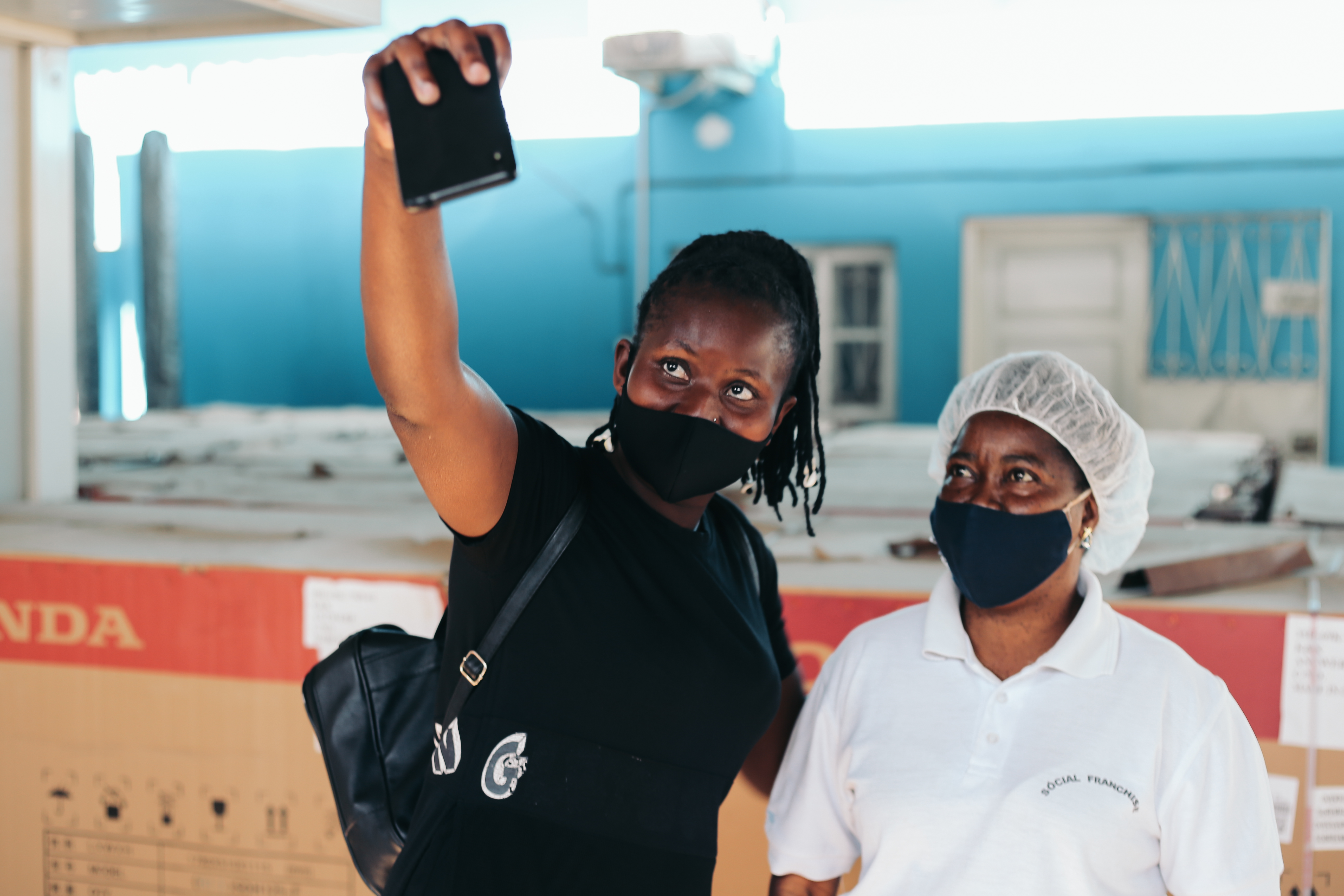
Rostina Pedro Cumbane is a 35 year-old person living with disability (PLWD) and single mother of three children aged 8, 10 and 13 years. She lives in Maputo, Mozambique’s capital city, and plaits women’s hair in a room in her house - her family’s sole income. Widowed five years ago, Rostina says that while she has been dating, she is yet to find someone she wants to settle down with. Since she doesn't want to have an unplanned pregnancy, she has been going to Associação Moçambicana para Desenvolvimento da Família (AMODEFA), the local IPPF Member Association health center for family planning services, run as part of the Women's Integrated Sexual Health (WISH2ACTION) program, which is funded by the UK Government under the ethos of ‘Leaving No One Behind’. The WISH2ACTION programme offers integrated and inclusive family planning and sexual and reproductive health (SRH) services to marginalised and hard to reach populations: the poor, youth under 20, and persons living with disability. Hearing impaired since birth, Rostina accesses a wide range of services at the AMODEFA clinic in Maputo. Recently, she undertook a HIV test and received a top-up of family planning pills during her regular scheduled appointment. "I’m leaving here happy because the result (from the HIV test) is negative. This means that the protective measures I have been taking are working," said Rostina, through nurse Rufina Joaquim who interpreted her sign language. Rostina additionally requested for male condoms to give her partner should he forget to bring some at their next encounter. "I am very strict about this because I don’t want to have any more children unless it's with a person I trust entirely and with whom I and can make future plans with," said Rostina. "For now, my priority is to educate my children.” Rostina expresses gratitude towards AMODEFA and recommends that the organization’s services be expanded to other parts of the country where they can reach more women with disabilities, who oftentimes are victims of violence but are not always able to express themselves. SRH Challenges for Persons Living with Disability Some of the SRH challenges that AMODEFA has observed regarding PLWDs’ access to services include: the lack of public health policies that support their access to SRH services, stigma and discrimination (including at facility level) of those who seek services, as well as poor infrastructure at service delivery points, which makes it especially difficult for PLWDs to access these services. From AMODEFA’s experience and subsequent recommendations, it is important to involve Organizations of Persons with Disabilities (OPDs) in inclusive sexual reproductive health and rights (SRHR) capacity building initiatives. This would increase healthcare workers’ outreach to PLWDs and would also help PLWDs learn more about SRH services and their availability. AMODEFA continues to scale up SRH services by facilitating awareness-raising sessions and dialogues on family planning myths and misconceptions, more so among persons living with physical disability and those who are hearing-impaired. Also read: "My Attitude Towards Persons with Disabilities is Different Now"-Mazza, Ethiopia. For more updates on our work, follow IPPF Africa Region on Facebook, Twitter, Instagram and You Tube.

24 September 2020
"My Experiences as a Health Journalist"- Tewodros Kassa (Ethiopia)
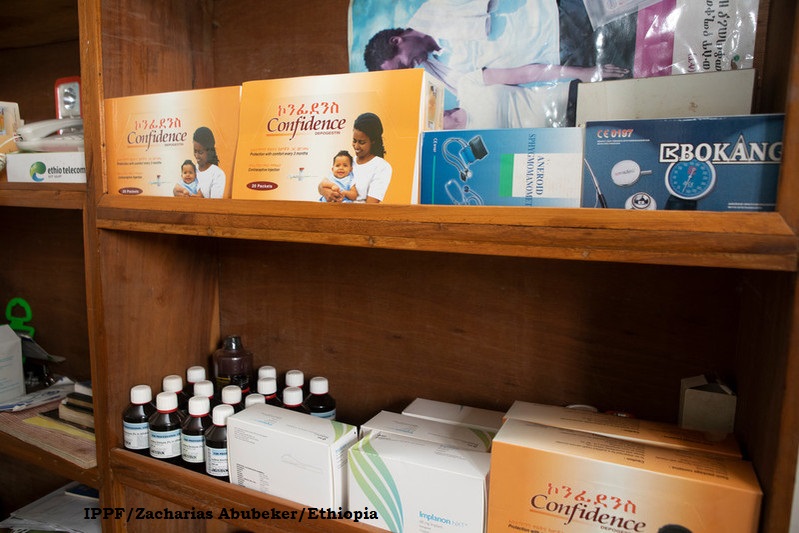
By Maryanne W. Waweru Tewodros Kassa is a 27-year-old journalist from Ethiopia, currently a reporter with the Ethiopian Herald. A holder of a BA degree in journalism and communications, Tewodros chose health journalism as his specialty. In this article, he shares his experiences as a health reporter, more so during this time of the COVID-19 pandemic. Tewodros is also a member of the IPPF Africa Region SRHR Journalists' Network. Why did you choose to be a journalist? I chose journalism because I wanted to positively contribute to society by sharing information through telling powerful stories. I observed that many people faced difficulties in life due to lack of proper information, especially that related to their health. I wanted to fill this gap by empowering them with information that would enable them to make healthy decisions about their lives. Why did you choose to specialize in health journalism? I particularly chose health journalism because good health is critical to our survival and well-being. However, there remains a wide information gap when it comes to health. While there are so many important health issues to be covered, in Ethiopia, many media houses prioritize politics, business, and other agendas, with minimal space being given to health. My desire has always been to change this by advocating for more coverage of health issues and mobilizing policy makers and other stakeholders’ commitment towards a healthier society through well-told stories. Where do you get your stories from? I like reporting from a human-interest angle. This involves interviewing ordinary people in the field. Reporting this way helps my readers connect with the story better. Data and lengthy reports filled with jargon from scientists, researchers, medics and policymakers are best interpreted and told through the stories of individuals -the human-interest angle, and that is what I do. What is your daily routine like as a health journalist? Every morning, I make sure I catch up with global and local news as I keep myself updated. I then try to develop story ideas based on the health issues of the day. I also finish any pending stories I was working on. I am constantly in touch with my sources –who include health care professionals, patients, researchers and scientists as they are the ones who give me new information and help verify facts in their areas of expertise. Which is the most memorable story you have ever filed? It has to be the story I did titled “The covert life of Eskedar”. This was the story of a 35-year-old woman living in rural Ethiopia, and whose education was interrupted when she was married off at the tender age of 10. She went on to face abuse in her marriage, which she eventually left. In her struggle for survival, she ended up on the streets as a commercial sex worker, where she faced a myriad of challenges including sexual violence, harassment and exposure to sexually transmitted infections (STIs) including HIV. Eskedar’s story inspired me to continue doing more reports that highlight issues of poverty, child marriage and the need for education of the girl child, as well as women’s empowerment. What have some of your experiences been during COVID-19? My reporting experience during Covid-19 has no doubt been challenging. Staying at home and working from home is difficult as a journalist, especially when your work largely requires you to go out to the field to collect information. Restrictions on movement have affected our regular group discussion forums, attending of conferences and other public forums -all of which are platforms for harvesting good story ideas. However, conducting telephone interviews, use of social media and other digital technologies have allowed me to succeed in my reporting during the pandemic. Social media has been of great benefit to me when reporting during COVID-19. I have attended many press conferences, webinars, conducted interviews and followed live proceedings of reports and briefings via social media. Besides, social media is faster than the mainstream media when it comes to disseminating stories to the public. I can also say that adhering to the stipulated COVID-19 safety mechanisms have helped me stay safe. I wear my face mask as required, washing hands properly, sanitize, stay home when it is necessary, and I observe social distancing while out there. How have you worked with IPPF’s Member Association during this time? Family Guidance Association of Ethiopia (FGAE) has over the years played a supportive role for me as a journalist – something it has continued to do during this time of COVID-19. As I’m collecting information, FGAE always helps me find the right person for the interview, generate new ideas, access experts for my story, access data and other resources, among others. FGAE has helped me over the years in my health reporting. Tewodros spoke to Maryanne W. Waweru, Communications Officer, IPPF Africa Regional Office For more information about the work of IPPF Africa Region, connect with us on Facebook and Twitter.
19 August 2020
"My Attitude Towards Persons with Disabilities is Different Now"-Mazza, Ethiopia
The IPPF-led Women’s Integrated Sexual Health, W2A programme, under the banner ‘Leave No One Behind’ offers quality integrated and inclusive family planning/sexual reproductive health (FP/SRH) services to marginalized and hard to reach populations such as the poor, youth under 20 and people with disability. The programme enhances disability inclusion efforts to deliver high-quality integrated sexual reproductive health and rights (SRHR) services and counselling by working closely with consortium partners to tackle stigma and improve healthcare access for people living with disabilities (PLWDs) both at the national and community levels in the W2A countries. Ethiopia disability prevalence stands at 9.10% and as such, strengthening disability inclusiveness in service delivery has been a focus of IPPF’s Member Association in Ethiopia -Family Guidance Association of Ethiopia (FGAE) and WISH2ACTION partners in the country -Humanity and Inclusion (HI) and International Rescue Committee (IRC). This work is advanced through context analysis to identify barriers to access for people with disabilities, mapping national-level disabled persons organizations, (DPOs ) and actors working on the theme of rights of people with disabilities as well as training service providers in inclusive SRH (iSRH). “I am Mazza, a 25 year-old nurse in Gambela. Having graduated from college as clinical nurse, I have been providing family planning/ sexual and reproductive health services at a local hospital. For years, I would face challenges when persons living with disability (PLWD) came for health services at the hospital. My greatest challenge was how to best communicate with them in order to understand their health needs and offer quality services. I was particularly surprised when they came for family planning services as I didn’t think PLWDs are sexually active, and that they too need family planning services. In March 2020, I participated in a training organized by the WISH2ACTION programme. The five-day training was on ‘disability-inclusive SRH service delivery’. Interestingly, on the first day of training, I took a pre-test and scored 30%. The test was to examine my level of knowledge and understanding of disability and SRH service delivery to this population. However, on the last day of the training I scored 80%! Indeed, I gained a lot of new information and skills during the training. From the training, I understood that persons with disability have the same sexual and reproductive health needs as those without disabilities. Additionally, I learned about how to best communicate with them, and how to provide disability-friendly services that can help them overcome the barriers they face in accessing quality health services. The training further enabled me to change my mindset about PLWDs, and have an improved outlook about them and their needs. They too have needs and rights that must be respected. Since attending the training, I have developed more interest in issues of disability, and my commitment to ensuring PLWDs receive quality SRH services has been strengthened. I want to thank the WISH2ACTION project for their work with PLWDs. We will achieve even greater milestones if such training opportunities are availed to all health workers. This will enable them to provide disability-inclusive quality SRH services.” For more information about the work of IPPF Africa Region, connect with us on Facebook and Twitter.
06 July 2026
How a daycare center is advancing women’s economic empowerment in Mauritius
For more than three decades, a community daycare centre in La Tour Koenig, Mauritius, continues to be more than just a childcare facility. While providing affordable childcare services, it has, at the same time, enabled generations of women to join the workforce, earn an income and in turn improve the well-being of their families. The daycare center also continues to empower parents on issues around sexual reproductive health and rights (SRHR). The MFPWA La Tour Koenig daycare center is a social enterprise initiative of the Mauritius Family Planning Welfare Association (MFPWA), an associate member of IPPF. By Maryanne W. WAWERU On a bright mid-morning in April, Ms. Kiran Seetohul, 50, walks into the MFPWA daycare center in La Tour Koenig, a locality south of Port Louis, the capital city of Mauritius. Cradling her seven-month-old grandson, she is warmly welcomed by the center manager, Ms. Marilyn Dhookit. The daycare center provides fulltime care for children aged three months to three years, and also offers babysitting services for about 40 primary school children during school holidays. Kiran works nearby as a casual labourer and usually returns to pick her grandson up at 3pm at the end of her working day. The child’s parents, both aged 21 years, work long hours far from home and don’t have the flexibility to provide daily childcare themselves. Hiring a child minder is also beyond their financial means. This is where Kiran, the child’s grandmother, comes in. Her flexible work schedule enables her to step in and support the young family. Every morning, she drops her grandson at the daycare center before heading to work and returns for him later in the afternoon on her way home. The arrangement is a win for all of them. Kiran continues to earn an income, while her daughter and son-in-law also get to do the same without having to worry about their child’s care during the day. The baby also receives safe, reliable care throughout the day. At a monthly fee of 3,500 Mauritian Rupees ($76), the daycare center provides the family with a pocket-friendly, dependable childcare solution. Kiran has no hesitation about it. “I love this facility because it is clean and spacious. It is visually attractive for the babies and has lots of activities for them. The caregivers are friendly and the price is just right. It is a great place for my grandson,” she says. All-rounded childcare center The MFPWA La Tour Koenig daycare center is a safe space for children where they learn, feed, play, and thrive as they grow. With the different stimulating activities provided for them such as colourful toys, music and outdoor play, it creates an all-rounded nurturing environment. Additionally, it supports their physical, cognitive, emotional, and social development. “The caregivers feed the children nutritious meals, keep them hydrated, and ensure they are clean and comfortable. They change their diapers and give them a bath. They also keep a daily activity log for each child so that when you return to pick your child, you receive a proper briefing about how their day has been. I find this very professional and reassuring. Whenever I pick my grandson in the afternoon, I always find him happy, clean, and well-fed. That is why I love this place, and I can tell that my grandson loves it too,” says Kiran, a beaming smile on her face. The daycare center’s longstanding good reputation in the Le Tour Koenig locale played a key role in the family’s decision. Although Kiran had been aware of its services, recommendations from her son-in-law’s relatives strengthened her confidence in it. “Five of his cousins had previously brought their babies here, and they gave glowing reviews about the services offered. That made it easier to convince my daughter to return to work after maternity leave as I assured her that I would handle the daily dropping and picking of her son. They are a young family, and this daycare center is directly improving their financial status by enabling them to work without worry. Had it not been for this facility, my daughter would have had to quit her job to care for her baby,” says Kiran. For families like Kiran’s, the center provides a reliable support system that helps parents to stay in the workforce and earn an income as their babies receive quality care during the day. MFPWA’s response to an emerging need Established 38 years ago, the MFPWA La Tour Koenig daycare center was founded at a time when women faced significant challenges in entering the workface, largely due to lack of safe and affordable childcare options. According to Ms. Vidya Charan, the MFPWA Executive Director, the facility was established to meet a pressing need in the community. “At that time, the country was engaged in intensive family planning campaigns that also stressed on women’s empowerment. As women began to space their children and plan their families, many aspired to join the workforce as a means to gaining financial independence. However, they had no one to leave their children at home with, and this presented a significant barrier to their ambitions. An intervention to address this gap was desperately needed,” she says. Recognizing this challenge, MFPWA began exploring ways to support working mothers. The idea of a daycare center was born. “We thought of creating a facility where mothers could leave their children while they worked. However, this required investments and resources which we unfortunately did not have. So we approached the government with a proposal,” she says. In response, the government, through the Ministry of Gender Equality and Family Welfare, provided a building (rent-free) for this purpose. This success was largely attributed to MFPWA’s well established relationship with the government, which recognized the organization for its commitment to family issues, and to women’s and girl’s empowerment. “Soon, more women began taking up jobs in textile factories, the agricultural industry, in offices, and as healthcare workers. Finally, they had a safe and reliable place to leave their children. They no longer had to worry about their children’s care as they earned an income,” says the Executive Director, who adds that the facility operates from 8am – 5pm on weekdays, and half-day on Saturdays. Ms. Marilyn Dookhit, who has worked at the center for 31 years says she has witnessed, firsthand, how access to reliable childcare has transformed many families in the area. “With the peace of mind that comes with knowing that their children are in a safe place as they work, many women’s productivity at work has improved as they are better able to focus on their tasks. They tell us this as they drop and pick their children up. Also, judging by the number of referrals and repeat clients we get, it is a sure testament of the quality services we offer. These women have been able to educate their children and provide for their families. Their financial status has improved. We see these families in the community, and we can tell that one of the main reasons for their improved family well-being is because the women worked comfortably as their children were cared for at our facility,” she says. A resource for SRHR information and services In addition to enabling women to participate in the workforce, the MFPWA La Tour Koenig daycare center serves as an important entry point for SRHR empowerment. “We organize regular parent’s day sessions where we bring parents together to discuss a variety of issues around child development. During these forums, we provide SRHR information and services including family planning, teen pregnancies, HIV counselling and testing, as well as specialized services such as pap smears and laboratory services. We also offer referrals to our medical facilities and partners institutions, including government hospitals,” says Ms. Charan, the MFPWA Executive Director. Community support for sustainability As a social enterprise, the MFPWA daycare center balances community service with financial sustainability, a model that ensures it continues to meet local needs while still generating income to sustain its operations. “While the government provided the building, the community members helped equip it with essential items such as cots, tables, chairs, curtains and appliances like the refrigerator. We also regularly receive donations of toys, diapers and food for the children,” she says. For quality control, the daycare center operates under strict government regulations which ensures it maintains high-quality standard of care. “The Ministry conducts regular monitoring and inspection checks at the facility to ensure compliance. We adhere to all government requirements, which ensures that this is a safe environment for the children,” Ms. Charan explains. Further, daycare staff regularly undergo trainings in key areas such as emergency preparedness, first aid and child development, which help in ensuring that the children are cared for by a well-trained team. Indeed, for families in Le Tour Koenig, the MFPWA daycare center is more than just a building. It is a catalyst for women’s economic empowerment, a safe and nurturing space for their children, and a trusted resource center where parents can access information and services related to their sexual reproductive health and by one of the leading healthcare organizations in the country.
07 November 2025
Breaking Barriers, Saving Lives: Safe Abortion Services Now a Reality
Tikil Dingay Health Center, one of the main facilities serving the district, had discontinued comprehensive abortion care services for over two years following the turnover of trained providers due to the Northern Ethiopia Conflict. The absence of skilled personnel meant that women and girls were left with few options often resorting to unsafe and unregulated procedures that endangered their lives. Unsafe abortion continues to be one of the leading causes of maternal deaths in Ethiopia, with 42% of unintended pregnancies ending in abortion nearly 73% in unsafe conditions. The two-and-a-half-year conflict in northern Ethiopia, particularly in Amhara, has worsened the situation by disrupting health services and increasing adolescent vulnerability to unplanned pregnancies and unsafe abortions. The ongoing efforts under the WISH 2 project to restore and strengthen safe abortion services in Lay Armachiho in Amhara region therefore represent a critical intervention to safeguard women’s and adolescents’ reproductive health and rights, rebuild community trust in health facilities, and reduce preventable maternal deaths. To address this urgent gap, the Family Guidance Association of Ethiopia partnered with the Woreda Health Office to assess the facility’s capacity and design an intervention to restore services. The assessment confirmed that while the health center served a large catchment population, it lacked trained staff and essential supplies to deliver safe abortion care. In response, FGAE organized a 17-day Comprehensive Abortion Care training in Addis Ababa for selected healthcare providers, in line with Ministry of Health standards. Among the trainees was Dr. Solomon Adugna from Tikil Dingay Health Center, who upon completing the training, returned to the facility and immediately began mobilizing his colleagues to reinstate the service. The center allocated a dedicated room for CAC, procured necessary supplies including abortion kits, medications, and registration materials and established a routine supervision and mentorship system to ensure quality and accountability. “After completing the training, I was determined to ensure no woman in our community would suffer or die because she lacked access to safe care. We quickly organized our team, prepared the room, secured supplies, and restarted the service with full accountability,” — Dr. Solomon Adugna, Tikil Dingay Health Center Within just four months of resuming services, 19 women and adolescent girls accessed safe abortion and post-abortion care, including counselling, HIV testing, and family planning. Though modest in number, these cases represent lives saved and health restored tangible evidence of the transformative power of capacity building and local leadership. One of the clients, a 19-year-old girl, recounted her experience: “I was very worried. The private clinic requested me 6,000 Birr (which is equivalent to 40$) for the service. While searching for other traditional alternatives, one of my colleagues told me the health center provides the service. Anyway, they saved my life.” The success of this intervention was not without challenges. Frequent staff turnover and technical gaps had disrupted service continuity for years. However, through close collaboration between FGAE, the Woreda Health Office, and Tikil Dingay Health Center, these challenges were effectively mitigated. Plans are now in place to assign dedicated staff and expand training opportunities for additional providers, ensuring sustainability and continued access to safe services.
04 November 2025
Bringing choice closer through Sayana Press
Nestled along the southern shores of Lake Kariba, Sinazongwe District is one of Zambia’s most remote areas. Many of its communities are scattered across hilly terrain and along the lakeside, where accessing health services can mean walking several kilometres under the scorching sun. For young women and adolescents, especially those who are unmarried, the journey to seek family planning services can be even more daunting due to stigma and lack of privacy. In Zambia, only 48% of married women aged 15–49 use modern contraceptive methods, and 20% of married women still have an unmet need for family planning. The situation is often worse in rural and hard-to-reach districts like Sinazongwe, where health facilities are far apart and social norms limit young women’s access to contraception. It is within this challenging context that the WISH 2 project, in partnership with local health authorities and WISH 2 implementing partners, has been working to expand access to modern contraception through community outreach. One of the most transformative interventions has been the introduction of Sayana Press, a self-injectable contraceptive that women can administer privately and conveniently. While Zambia may not yet have a fully formalised, standalone National Self-Care Framework for SRHR, there are emerging toolkits and policies supporting self-care in SRHR. “Young people can easily access Sayana Press during outreach and unmarried girls prefer it because it’s discreet, no one needs to know they are using contraception,” explained Elector Siyapwaya, a Community Health Worker in Sinazongwe health facility. “When I teach a young woman to use Sayana on her own, I feel proud. It means she can plan her life without fear,” added Siyapwaya. In Sinazongwe District, family planning services were integrated within the Well-Baby Clinic, where mothers bring their infants for routine weighing and growth monitoring. Through this platform, healthcare workers also provide SRHR awareness and FP counseling on modern family planning methods. Women can receive methods covering three to one year, reducing the need for frequent clinic visits. This approach reduces the burden of long travel to health centers and makes reproductive health services more accessible to all. “As a young married woman, I used to forget to take my pills. Now, with Sayana Press, I just take one injection every three months. It’s easy, and I can do it myself or if I need assistance, CHVs are there,” shared Mwila, a 24-year-old mother of two. Despite these successes, challenges remain. Privacy during outreach is still an issue, as most sessions take place in open spaces without tents or designated service corners. “It’s difficult to ensure privacy when providing services in public spaces. Sometimes young women hesitate to approach us because others might see them,” said Siyapwaya. To address this, WISH 2 partners have invested in training Community Health Workers and Volunteers on both the administration of Sayana Press and client confidentiality to teach women how to safely self-inject, empowering them to manage their own reproductive health and promoting self-care. This community-based model is showing promising results, and the impact is visible. More young women are now choosing self-injectables, appreciating their convenience and discretion. For those living in remote or conservative areas, Sayana Press represents more than a contraceptive, it embodies control, choice, and dignity. Convenient, private, and requiring no frequent clinic visits, it offers women greater autonomy over their reproductive health. As outreach services continue to extend to the most isolated parts of Sinazongwe, Sayana Press is proving to be more than a method, it is a symbol of empowerment, helping young women take charge of their health and futures, even in Zambia’s most hard-to-reach communities.
16 February 2016
Evidence Project
Under the Evidence project, IPPF is undertaking innovative research on respecting, protecting and promoting human rights in family planning/reproductive health services and ensuring community voices are part of efforts to improve and strengthen family planning programming. The Evidence Project uses implementation science to improve family planning policies, programs, and practices. Led by the Population Council in partnership with INDEPTH Network, International Planned Parenthood Federation, PATH, Population Reference Bureau, and the project’s University Resource Network, the five-year project (2013–2018) is investigating which strategies work best in improving, expanding, and sustaining family planning services. IPPF is leading on two cross-cutting areas of research. Firstly under the Evidence project, we are undertaking research on how the respect and protection of human rights of women and girls can be instituted and operationalised, and how programs can be held accountable for providing high-quality services. http://evidenceproject.popcouncil.org/technical-areas-and-activities/equity-rights-and-accountability. In order to address the need for indicators and tools for rights based family planning, the Evidence Project has partnered with global experts on human rights and family planning, the International Planned Parenthood Federation’s Sustainable Network Project (SIFPO/IPPF) and with colleagues at Reproductive Health Uganda (RHU) to develop and validate the Rights-Based Family Planning (RBFP) Service Delivery Index in Uganda. This is work is being undertaken in close collaboration with the Economic Policy Research Centre Uganda and University College London. In addition, we are undertaking a variety of activities that aim to contribute to a deeper knowledge of whether and how the implementation of accountability mechanisms in family planning and reproductive health programs improves clients’ access to and quality of services. For example, a multi-site case study in Uganda uses process evaluation methodology to explore the implementation of two social accountability programs, aiming to determine what hinders and facilitates engagement at the community level and its translation into improved social accountability processes and reproductive health outcomes. http://evidenceproject.popcouncil.org/accountability-mechanisms-to-improve-family-planning-and-reproductive-health-programs/
30 June 2016
Girls Decide
This programme addresses critical challenges faced by young women around sexual health and sexuality. It has produced a range of advocacy, education and informational materials to support research, awareness-raising, advocacy and service delivery. Girls Decide is about the sexual and reproductive health and rights of girls and young women. Around the world, girls aged 10 to 19 account for 23% of all disease associated with pregnancy and childbirth. An estimated 2.5 million have unsafe abortions every year. Worldwide, young women account for 60% of the 5.5 million young people living with HIV and/or AIDS. Girls Decide has produced a range of advocacy, education and informational materials to support work to improve sexual health and rights for girls and young women. These include a series of films on sexual and reproductive health decisions faced by 6 young women in 6 different countries. The films won the prestigious International Video and Communications Award (IVCA). When girls and young women have access to critical lifesaving services and information, and when they are able to make meaningful choices about their life path, they are empowered. Their quality of life improves, as does the well-being of their families and the communities in which they live. Their collective ability to achieve internationally agreed development goals is strengthened. Almost all IPPF Member Associations provide services to young people and 1 in every 3 clients is a young person below the age of 25. All young women and girls are rights-holders and are entitled to sexual and reproductive rights. As a matter of principle, the IPPF Secretariat and Member Associations stand by girls by respecting and fulfilling their right to high quality services; they stand up for girls by supporting them in making their own decisions related to sexuality and pregnancy; they stand for sexual and reproductive rights by addressing the challenges faced by young women and girls at local, national and international levels.
01 December 2016
Japan Trust Fund for HIV and reproductive health
The Japan Trust Fund for HIV and Reproductive Health is built on the three pillars Maternal, Newborn and Child Health. i.e. Reduce child mortality and improve maternal health by strengthening health systems through use of EMBRACE approach Infectious Diseases: HIV/AIDS, tuberculosis and malaria: Scale up effective interventions through the Global Fund to fight against HIV/ADIS, tuberculosis and malaria. Public Health Emergencies: Provide support to respond to global public health emergencies and health crises due to natural disasters and conflicts, thereby contributing to peace-building and community stabilization In Africa the fund is granted to programmes in Kenya, Lesotho, Rwanda, Ghana, Swaziland, Zambia and Senegal where we deliver mother to child health services through the EMBRACE model increase access to sexual and reproductive health services to most vulnerable women and girls including post conflict/emergency settings promote innovative service delivery models for SRHR and HIV services (sometimes in partnership with the Japanese multinational companies) JTF allocated funds for M&E and capacity building as one of the priorities of the initiative is to increase capacity of Member Associations on new thematic areas as well as develop innovative service delivery models. The projects are operational for a maximum of two years.
30 July 2021
Receiving HIV Care at the Family Life Association of Eswatini Changed my Life
Ntsetselelo Manzini's story. "Three years ago when I was down with HIV, I had lost all hope. My body was weakening and it seemed that it was not going to be easy for me to go on with life. A friend told me about the Family Life Association of Eswatini (FLAS) and their services. Now at 27 years old, the future looks very bright, and I see myself achieving my goals, thanks to the care, treatment, and support I have been receiving from the FLAS clinic. It all started a few years ago when a Medical Officer at the Association’s clinic noticed that my CD4 cells (immune cells that fight off infections) were low. He said I should start the antiretroviral therapy immediately to prevent me from slipping into the AIDS stage. The reception I received from the staff was very warm. I felt wanted, special and cared for. The counsellors and nurses were very friendly and very welcoming. They listened to my story, gave me rich and useful advice and encouragement, which made me feel better. One of the things I’ve noticed was that the care providers were very nice to everyone. Here I felt respected and valued. This led me to bring one of my children to FLAS for an HIV test. She was found to be HIV negative. The hope I had lost in living got a renewed strength. There is one thing that I like about FLAS clinics: you can discuss anything with the service providers with openness and trust. Unlike other clinics, confidentiality is always maintained. I just feel comfortable whenever I walk into a FLAS clinic. This is the best thing that happened to me in the past three years. Thanks to the high quality and comprehensive services I received there, I have referred a lot of people to the association’s antiretroviral therapy clinic. These people include my brothers and friends who are either infected or affected by HIV. The information I get from FLAS also enables me to help others. For example, I have an uncle who is taking his antiretroviral drugs and relies on me for up-to-date information on antiretroviral treatment, which helps him a lot in terms of proper management of the disease. My wife, who is also HIV positive, is soon going to start receiving her treatment from FLAS after she witnessed how the clinics treat its patients. I believe that the care received at the FLAS clinic was the intervention that helped me stay alive . I am who I am now thanks to the clinic. The renewed hope in me and the energy to be productive again is attributed to the services I receive from FLAS. This is the reason why I always pray that their services continue to be available to poor people like me to keep enjoying life." -Ntsetselelo Manzini. For more updates on our work, follow IPPF Africa Region on Facebook, Twitter, Instagram and You Tube.
16 July 2021
Disability and Access to Sexual and Reproductive Health Services in Mozambique
Rostina Pedro Cumbane is a 35 year-old person living with disability (PLWD) and single mother of three children aged 8, 10 and 13 years. She lives in Maputo, Mozambique’s capital city, and plaits women’s hair in a room in her house - her family’s sole income. Widowed five years ago, Rostina says that while she has been dating, she is yet to find someone she wants to settle down with. Since she doesn't want to have an unplanned pregnancy, she has been going to Associação Moçambicana para Desenvolvimento da Família (AMODEFA), the local IPPF Member Association health center for family planning services, run as part of the Women's Integrated Sexual Health (WISH2ACTION) program, which is funded by the UK Government under the ethos of ‘Leaving No One Behind’. The WISH2ACTION programme offers integrated and inclusive family planning and sexual and reproductive health (SRH) services to marginalised and hard to reach populations: the poor, youth under 20, and persons living with disability. Hearing impaired since birth, Rostina accesses a wide range of services at the AMODEFA clinic in Maputo. Recently, she undertook a HIV test and received a top-up of family planning pills during her regular scheduled appointment. "I’m leaving here happy because the result (from the HIV test) is negative. This means that the protective measures I have been taking are working," said Rostina, through nurse Rufina Joaquim who interpreted her sign language. Rostina additionally requested for male condoms to give her partner should he forget to bring some at their next encounter. "I am very strict about this because I don’t want to have any more children unless it's with a person I trust entirely and with whom I and can make future plans with," said Rostina. "For now, my priority is to educate my children.” Rostina expresses gratitude towards AMODEFA and recommends that the organization’s services be expanded to other parts of the country where they can reach more women with disabilities, who oftentimes are victims of violence but are not always able to express themselves. SRH Challenges for Persons Living with Disability Some of the SRH challenges that AMODEFA has observed regarding PLWDs’ access to services include: the lack of public health policies that support their access to SRH services, stigma and discrimination (including at facility level) of those who seek services, as well as poor infrastructure at service delivery points, which makes it especially difficult for PLWDs to access these services. From AMODEFA’s experience and subsequent recommendations, it is important to involve Organizations of Persons with Disabilities (OPDs) in inclusive sexual reproductive health and rights (SRHR) capacity building initiatives. This would increase healthcare workers’ outreach to PLWDs and would also help PLWDs learn more about SRH services and their availability. AMODEFA continues to scale up SRH services by facilitating awareness-raising sessions and dialogues on family planning myths and misconceptions, more so among persons living with physical disability and those who are hearing-impaired. Also read: "My Attitude Towards Persons with Disabilities is Different Now"-Mazza, Ethiopia. For more updates on our work, follow IPPF Africa Region on Facebook, Twitter, Instagram and You Tube.
24 September 2020
"My Experiences as a Health Journalist"- Tewodros Kassa (Ethiopia)
By Maryanne W. Waweru Tewodros Kassa is a 27-year-old journalist from Ethiopia, currently a reporter with the Ethiopian Herald. A holder of a BA degree in journalism and communications, Tewodros chose health journalism as his specialty. In this article, he shares his experiences as a health reporter, more so during this time of the COVID-19 pandemic. Tewodros is also a member of the IPPF Africa Region SRHR Journalists' Network. Why did you choose to be a journalist? I chose journalism because I wanted to positively contribute to society by sharing information through telling powerful stories. I observed that many people faced difficulties in life due to lack of proper information, especially that related to their health. I wanted to fill this gap by empowering them with information that would enable them to make healthy decisions about their lives. Why did you choose to specialize in health journalism? I particularly chose health journalism because good health is critical to our survival and well-being. However, there remains a wide information gap when it comes to health. While there are so many important health issues to be covered, in Ethiopia, many media houses prioritize politics, business, and other agendas, with minimal space being given to health. My desire has always been to change this by advocating for more coverage of health issues and mobilizing policy makers and other stakeholders’ commitment towards a healthier society through well-told stories. Where do you get your stories from? I like reporting from a human-interest angle. This involves interviewing ordinary people in the field. Reporting this way helps my readers connect with the story better. Data and lengthy reports filled with jargon from scientists, researchers, medics and policymakers are best interpreted and told through the stories of individuals -the human-interest angle, and that is what I do. What is your daily routine like as a health journalist? Every morning, I make sure I catch up with global and local news as I keep myself updated. I then try to develop story ideas based on the health issues of the day. I also finish any pending stories I was working on. I am constantly in touch with my sources –who include health care professionals, patients, researchers and scientists as they are the ones who give me new information and help verify facts in their areas of expertise. Which is the most memorable story you have ever filed? It has to be the story I did titled “The covert life of Eskedar”. This was the story of a 35-year-old woman living in rural Ethiopia, and whose education was interrupted when she was married off at the tender age of 10. She went on to face abuse in her marriage, which she eventually left. In her struggle for survival, she ended up on the streets as a commercial sex worker, where she faced a myriad of challenges including sexual violence, harassment and exposure to sexually transmitted infections (STIs) including HIV. Eskedar’s story inspired me to continue doing more reports that highlight issues of poverty, child marriage and the need for education of the girl child, as well as women’s empowerment. What have some of your experiences been during COVID-19? My reporting experience during Covid-19 has no doubt been challenging. Staying at home and working from home is difficult as a journalist, especially when your work largely requires you to go out to the field to collect information. Restrictions on movement have affected our regular group discussion forums, attending of conferences and other public forums -all of which are platforms for harvesting good story ideas. However, conducting telephone interviews, use of social media and other digital technologies have allowed me to succeed in my reporting during the pandemic. Social media has been of great benefit to me when reporting during COVID-19. I have attended many press conferences, webinars, conducted interviews and followed live proceedings of reports and briefings via social media. Besides, social media is faster than the mainstream media when it comes to disseminating stories to the public. I can also say that adhering to the stipulated COVID-19 safety mechanisms have helped me stay safe. I wear my face mask as required, washing hands properly, sanitize, stay home when it is necessary, and I observe social distancing while out there. How have you worked with IPPF’s Member Association during this time? Family Guidance Association of Ethiopia (FGAE) has over the years played a supportive role for me as a journalist – something it has continued to do during this time of COVID-19. As I’m collecting information, FGAE always helps me find the right person for the interview, generate new ideas, access experts for my story, access data and other resources, among others. FGAE has helped me over the years in my health reporting. Tewodros spoke to Maryanne W. Waweru, Communications Officer, IPPF Africa Regional Office For more information about the work of IPPF Africa Region, connect with us on Facebook and Twitter.
19 August 2020
"My Attitude Towards Persons with Disabilities is Different Now"-Mazza, Ethiopia
The IPPF-led Women’s Integrated Sexual Health, W2A programme, under the banner ‘Leave No One Behind’ offers quality integrated and inclusive family planning/sexual reproductive health (FP/SRH) services to marginalized and hard to reach populations such as the poor, youth under 20 and people with disability. The programme enhances disability inclusion efforts to deliver high-quality integrated sexual reproductive health and rights (SRHR) services and counselling by working closely with consortium partners to tackle stigma and improve healthcare access for people living with disabilities (PLWDs) both at the national and community levels in the W2A countries. Ethiopia disability prevalence stands at 9.10% and as such, strengthening disability inclusiveness in service delivery has been a focus of IPPF’s Member Association in Ethiopia -Family Guidance Association of Ethiopia (FGAE) and WISH2ACTION partners in the country -Humanity and Inclusion (HI) and International Rescue Committee (IRC). This work is advanced through context analysis to identify barriers to access for people with disabilities, mapping national-level disabled persons organizations, (DPOs ) and actors working on the theme of rights of people with disabilities as well as training service providers in inclusive SRH (iSRH). “I am Mazza, a 25 year-old nurse in Gambela. Having graduated from college as clinical nurse, I have been providing family planning/ sexual and reproductive health services at a local hospital. For years, I would face challenges when persons living with disability (PLWD) came for health services at the hospital. My greatest challenge was how to best communicate with them in order to understand their health needs and offer quality services. I was particularly surprised when they came for family planning services as I didn’t think PLWDs are sexually active, and that they too need family planning services. In March 2020, I participated in a training organized by the WISH2ACTION programme. The five-day training was on ‘disability-inclusive SRH service delivery’. Interestingly, on the first day of training, I took a pre-test and scored 30%. The test was to examine my level of knowledge and understanding of disability and SRH service delivery to this population. However, on the last day of the training I scored 80%! Indeed, I gained a lot of new information and skills during the training. From the training, I understood that persons with disability have the same sexual and reproductive health needs as those without disabilities. Additionally, I learned about how to best communicate with them, and how to provide disability-friendly services that can help them overcome the barriers they face in accessing quality health services. The training further enabled me to change my mindset about PLWDs, and have an improved outlook about them and their needs. They too have needs and rights that must be respected. Since attending the training, I have developed more interest in issues of disability, and my commitment to ensuring PLWDs receive quality SRH services has been strengthened. I want to thank the WISH2ACTION project for their work with PLWDs. We will achieve even greater milestones if such training opportunities are availed to all health workers. This will enable them to provide disability-inclusive quality SRH services.” For more information about the work of IPPF Africa Region, connect with us on Facebook and Twitter.