



Nestled along the southern shores of Lake Kariba, Sinazongwe District is one of Zambia’s most remote areas. Many of its communities are scattered across hilly terrain and along the lakeside, where accessing health services can mean walking several kilometres under the scorching sun. For young women and adolescents, especially those who are unmarried, the journey to seek family planning services can be even more daunting due to stigma and lack of privacy.
In Zambia, only 48% of married women aged 15–49 use modern contraceptive methods, and 20% of married women still have an unmet need for family planning. The situation is often worse in rural and hard-to-reach districts like Sinazongwe, where health facilities are far apart and social norms limit young women’s access to contraception.
It is within this challenging context that the WISH 2 project, in partnership with local health authorities and WISH 2 implementing partners, has been working to expand access to modern contraception through community outreach. One of the most transformative interventions has been the introduction of Sayana Press, a self-injectable contraceptive that women can administer privately and conveniently. While Zambia may not yet have a fully formalised, standalone National Self-Care Framework for SRHR, there are emerging toolkits and policies supporting self-care in SRHR.
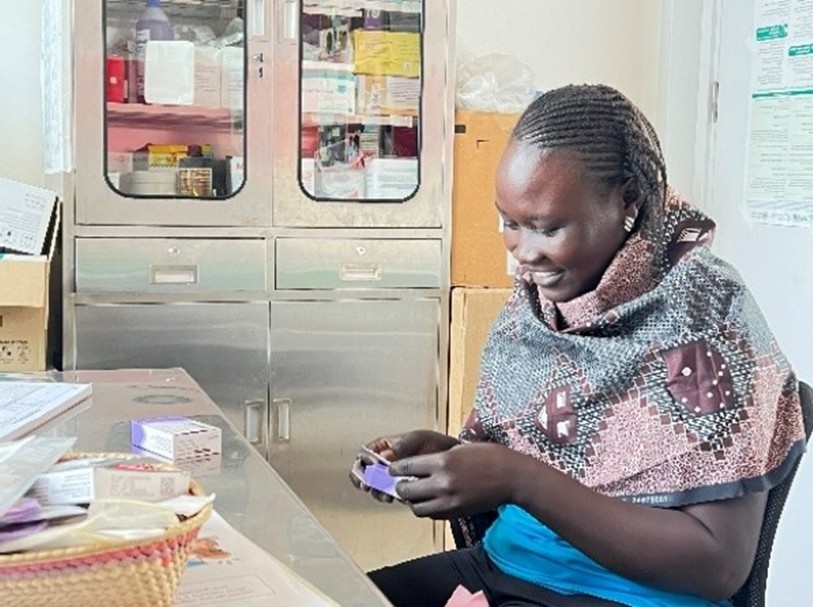
“Young people can easily access Sayana Press during outreach and unmarried girls prefer it because it’s discreet, no one needs to know they are using contraception,” explained Elector Siyapwaya, a Community Health Worker in Sinazongwe health facility.
“When I teach a young woman to use Sayana on her own, I feel proud. It means she can plan her life without fear,” added Siyapwaya.
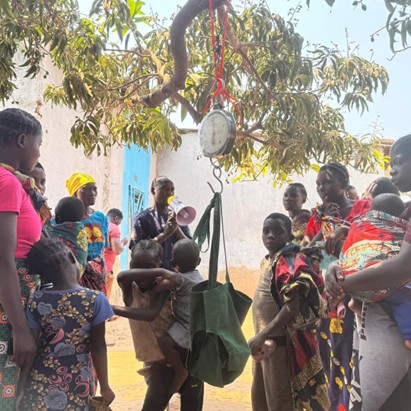
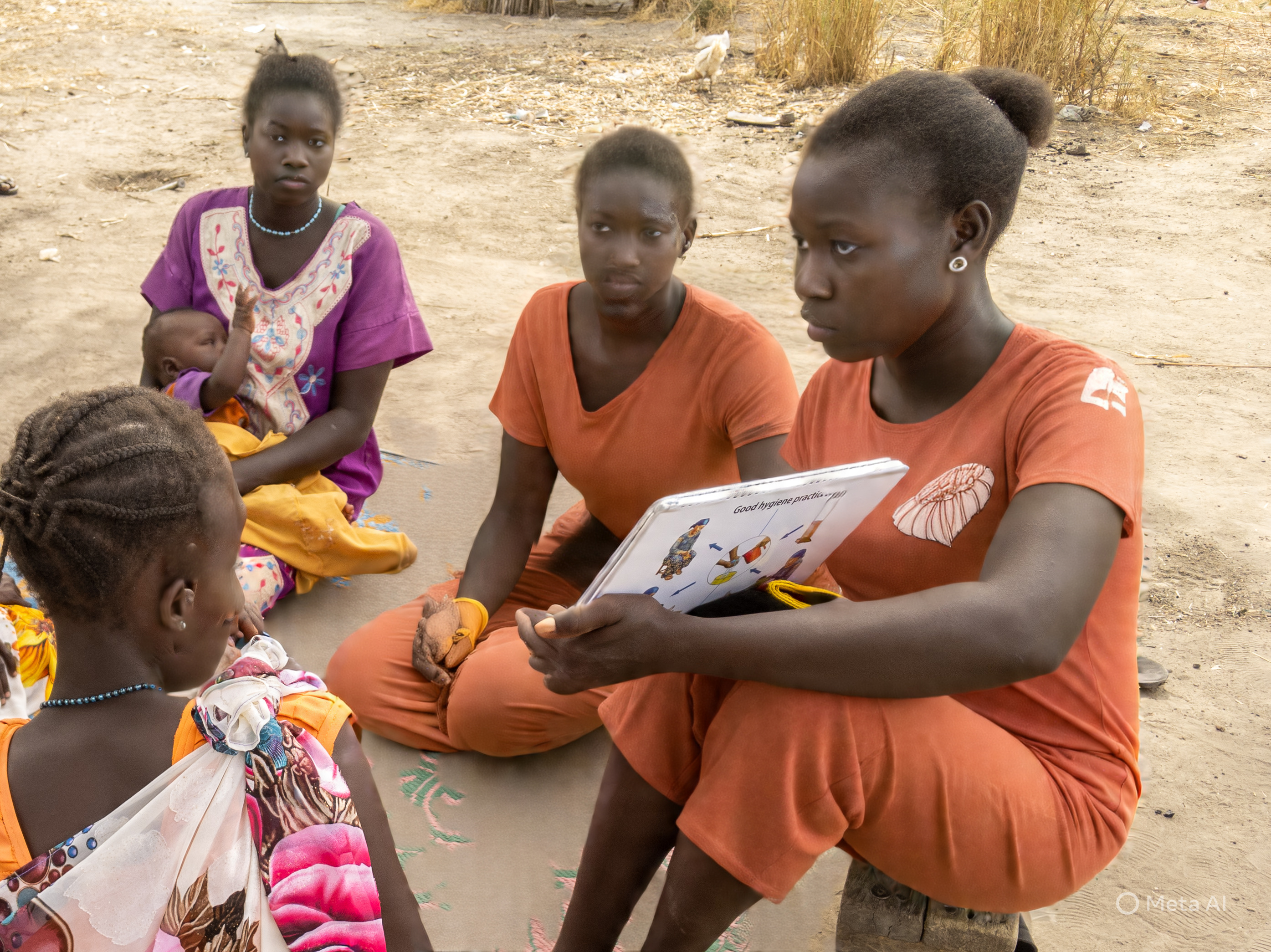
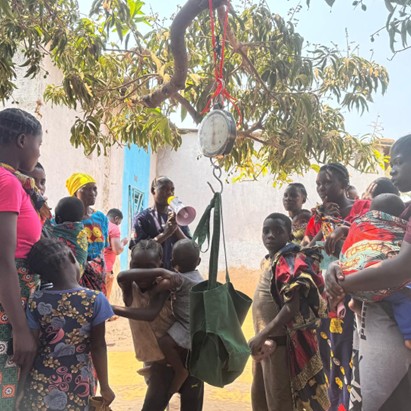
In Sinazongwe District, family planning services were integrated within the Well-Baby Clinic, where mothers bring their infants for routine weighing and growth monitoring.
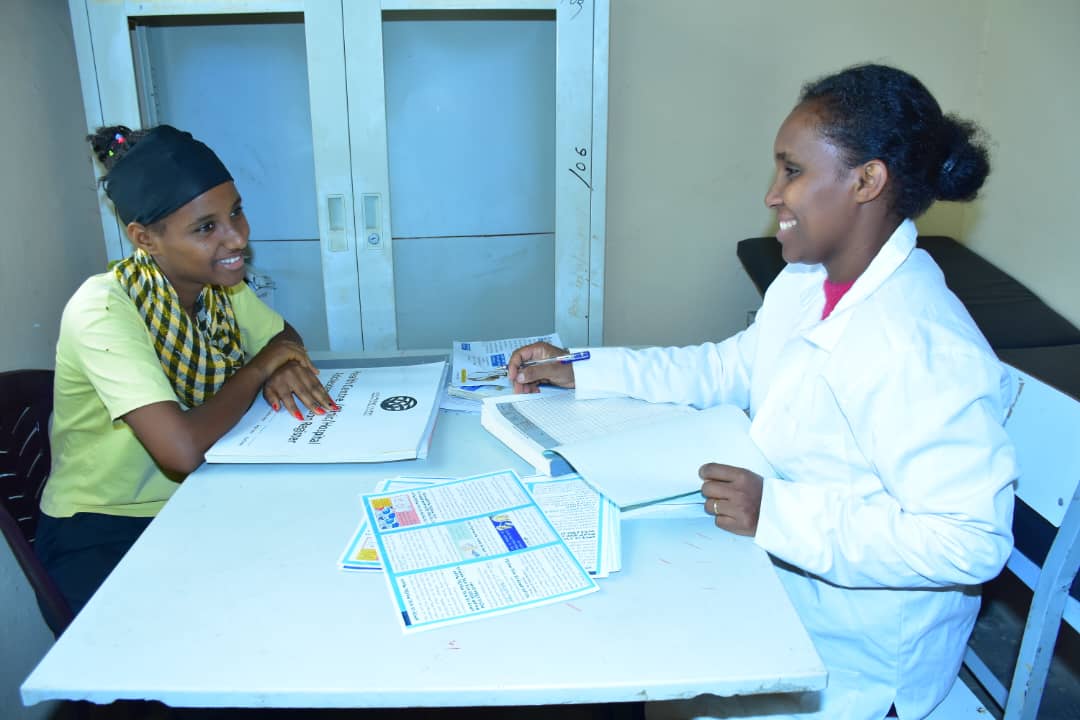
Through this platform, healthcare workers also provide SRHR awareness and FP counseling on modern family planning methods. Women can receive methods covering three to one year, reducing the need for frequent clinic visits.
This approach reduces the burden of long travel to health centers and makes reproductive health services more accessible to all.

“As a young married woman, I used to forget to take my pills. Now, with Sayana Press, I just take one injection every three months. It’s easy, and I can do it myself or if I need assistance, CHVs are there,” shared Mwila, a 24-year-old mother of two.
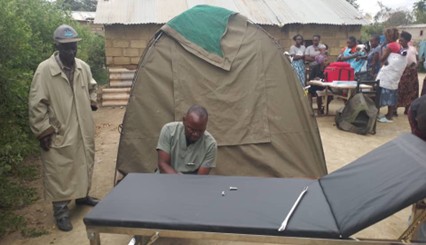
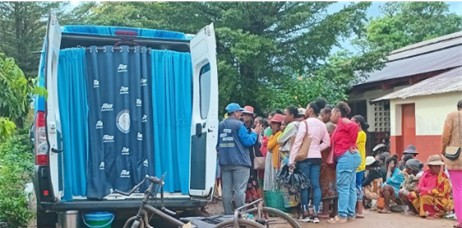
Despite these successes, challenges remain. Privacy during outreach is still an issue, as most sessions take place in open spaces without tents or designated service corners.
“It’s difficult to ensure privacy when providing services in public spaces. Sometimes young women hesitate to approach us because others might see them,” said Siyapwaya.
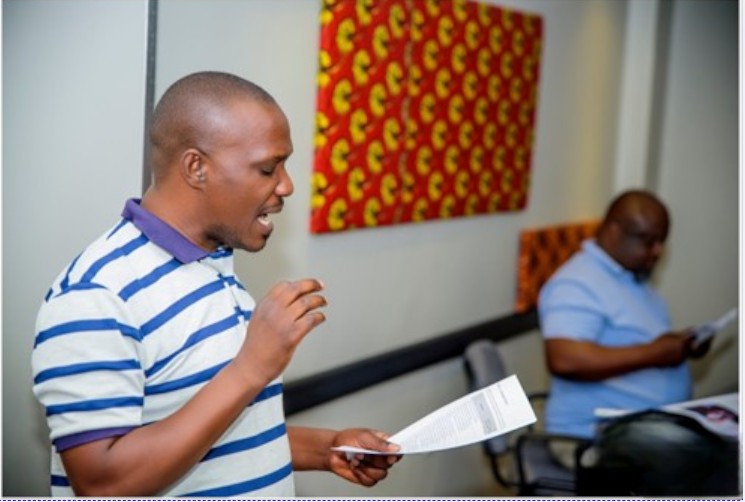
To address this, WISH 2 partners have invested in training Community Health Workers and Volunteers on both the administration of Sayana Press and client confidentiality to teach women how to safely self-inject, empowering them to manage their own reproductive health and promoting self-care.
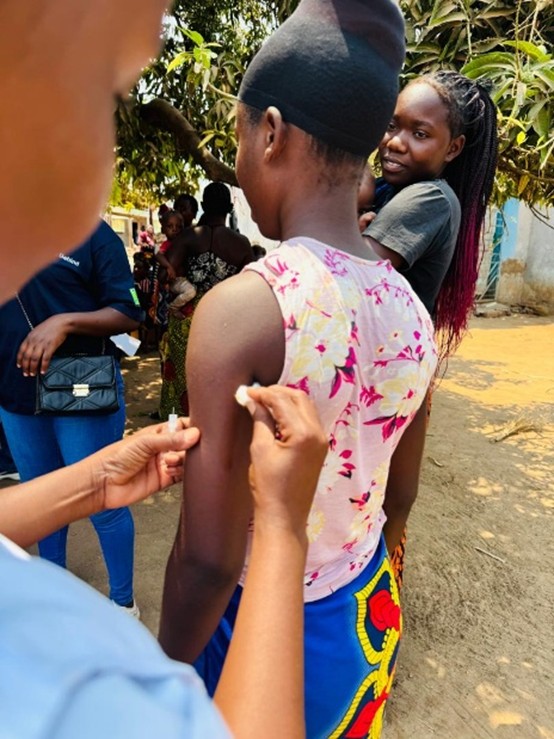
This community-based model is showing promising results, and the impact is visible. More young women are now choosing self-injectables, appreciating their convenience and discretion. For those living in remote or conservative areas, Sayana Press represents more than a contraceptive, it embodies control, choice, and dignity. Convenient, private, and requiring no frequent clinic visits, it offers women greater autonomy over their reproductive health. As outreach services continue to extend to the most isolated parts of Sinazongwe, Sayana Press is proving to be more than a method, it is a symbol of empowerment, helping young women take charge of their health and futures, even in Zambia’s most hard-to-reach communities.
when
country
Zambia
region
Africa
Subject
Contraception, Maternal Healthcare