



A Movement Rooted in Resilience
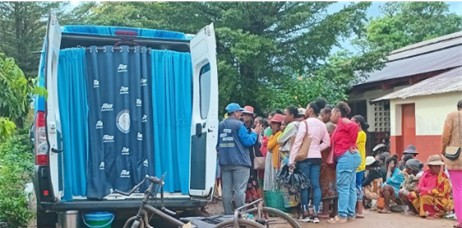
Within the dynamic and layered social context of Madagascar, a quiet revolution was taking root. La Coalition des Mouvements et Associations des Réseaux des Secteurs Sociaux, COMARESS had existed since 2015, formed as a unifying platform for diverse civil society actors. By the time Options met the coalition in 2019, COMARESS already had deep roots at the grassroots level. What it lacked, however, was the structure, technical grounding, and strategic direction to fully channel its power into shaping national SRHR policies.
Recognising its latent potential, Options began supporting COMARESS under the WISH project, not merely as a partner, but as a catalyst for transformation. What began as technical support soon evolved into a deep, strategic investment. The coalition was guided through capacity assessments and inclusion audits, carried out in close partnership with its elected Board of Directors, leaders who represented hundreds of civil society organisations across Madagascar, from national platforms to remote regional groups.
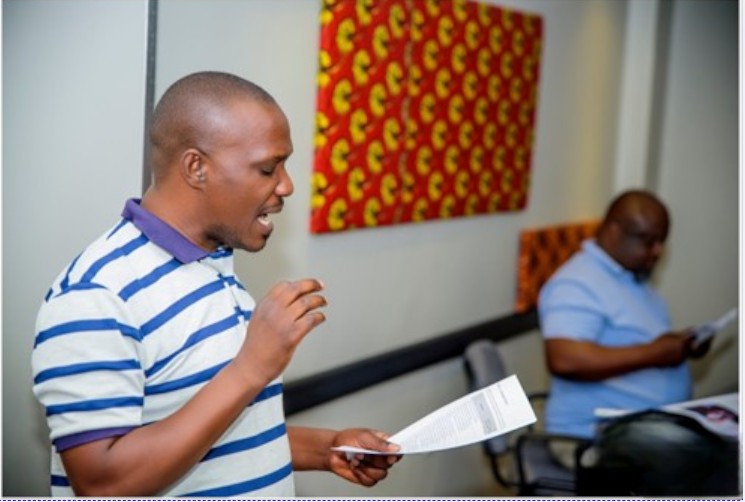
The assessments revealed both promise and challenge. COMARESS had the commitment and the reach but needed sharper tools. Options responded by offering targeted training in evidence-based advocacy, national budget processes, and inclusive planning. In collaboration with organisations like Ipas and the JHU, the training also expanded to include modules on safe abortion advocacy and social behaviour change. For the coalition, it was a turning point.
“We had the commitment, but not the tools,” reflected COMARESS President Liva Razafindrakoto. “Now, we know how to analyse a health budget, build our advocacy case, and push for real change.”

Under WISH 2, COMARESS had matured into a high-performing coalition, well-organised and technically sound. It was now managing funding streams and influencing national policy dialogue, firmly embedded in the country’s SRHR ecosystem. When WISH2Action concluded, COMARESS did not falter. Instead, it continued its advocacy work independently in 2025, a testament to its institutional sustainability. Still, the coalition saw unfinished business. The national-level gains had yet to fully trickle down. Regional disparities persisted, and COMARESS recognised that true accountability required representation from all corners of Madagascar.
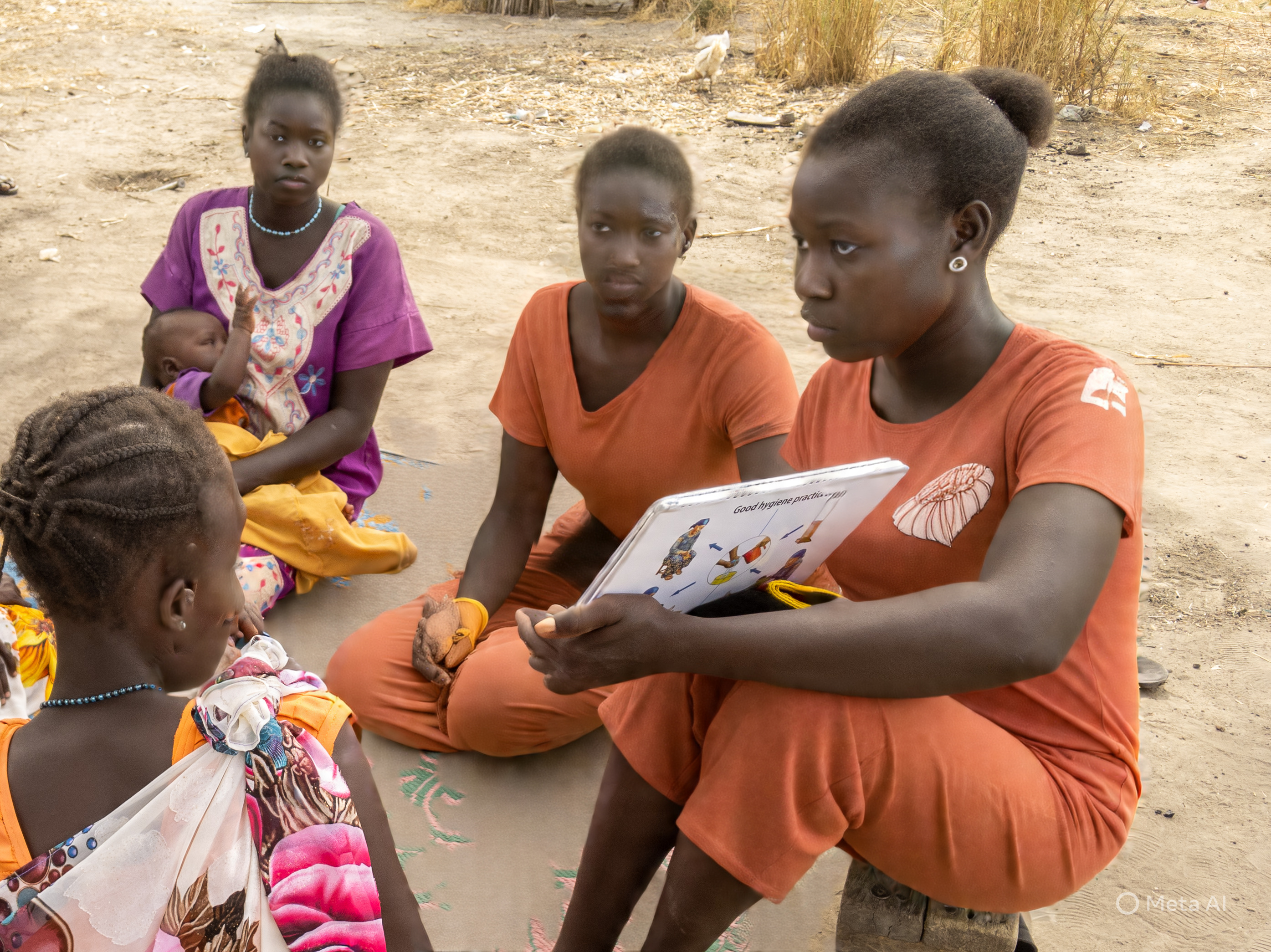
In response, 2025 marked a year of expansion. In Toliara province, 14 local associations, including eight women-led and one led by persons with disabilities were mobilised and trained in SRHR advocacy. In Toamasina, a further 14 groups joined the movement, including seven led by women and three led by women with disabilities. These new partners were not just included, they were empowered. Post-training surveys showed a marked increase in participants’ ability to use data for advocacy, understand public budgets, and engage government structures.
“This training gave us the power to not just raise our voices, but to do so with evidence,” said a participant from Toamasina.
Yet, even as the movement grew stronger, external threats loomed. Madagascar’s SRHR funding landscape was becoming more fragile. Major donors were phasing out, and reductions in official development assistance left coalitions like COMARESS vulnerable. But the coalition refused to stand still. With Options’ continued technical guidance, COMARESS is now pursuing alternative pathways, mapping private foundations, seeking philanthropic partnerships, and exploring blended resource mobilisation to maintain its independence and momentum.
What makes the COMARESS story extraordinary is not just what it achieved, but how. Its model, rooted in data, dialogue, and dignity, is now being recognised at the highest levels, including by the Minister of Health.
The foundation is laid. What lies ahead is not only sustainability, but scale. COMARESS has grown from a coalition to a national force, ready not only to sustain SRHR accountability in Madagascar, but to lead it.

when
country
Madagascar
region
Africa
Subject
Sexual Health, Comprehensive Sex Education