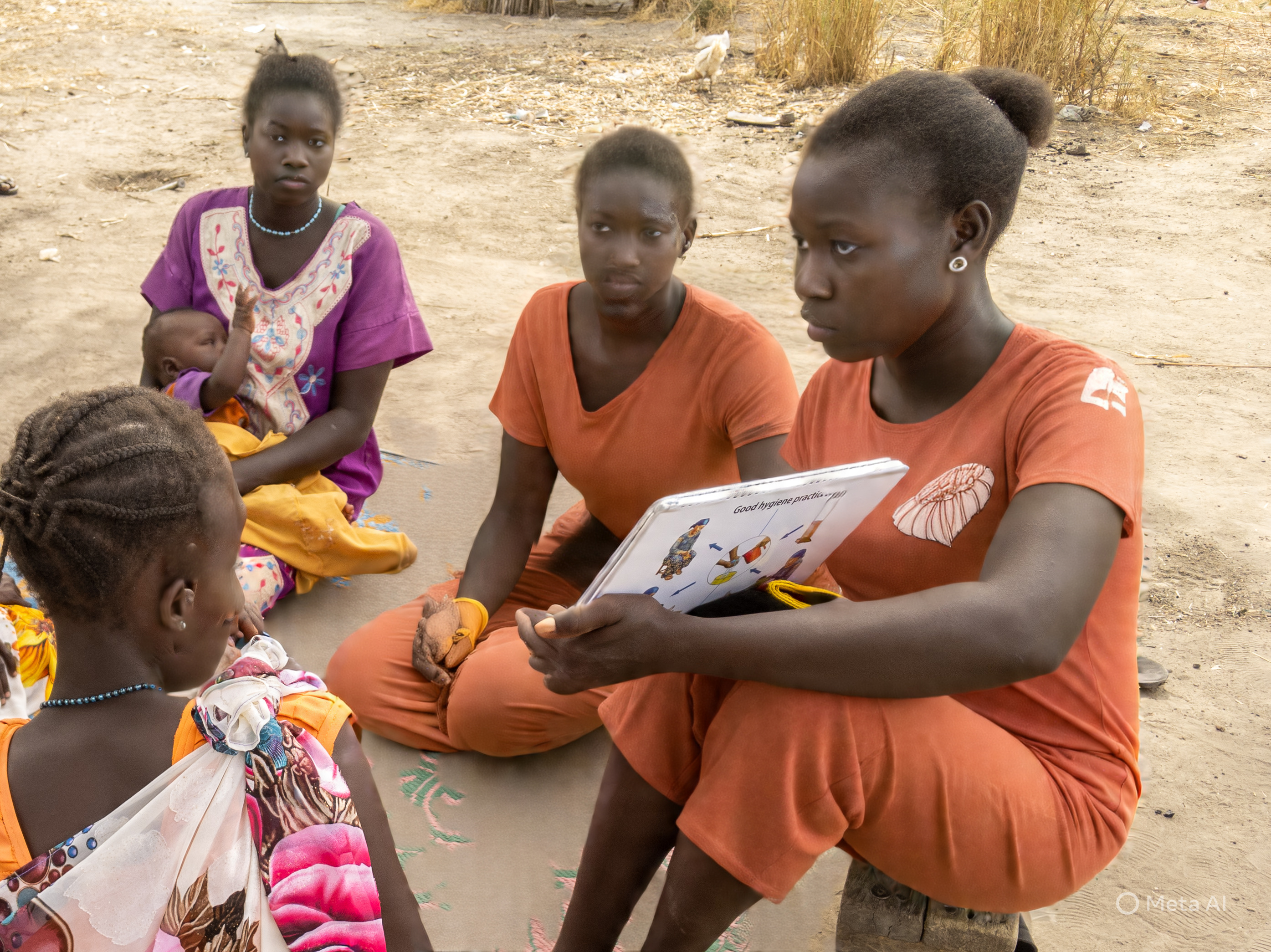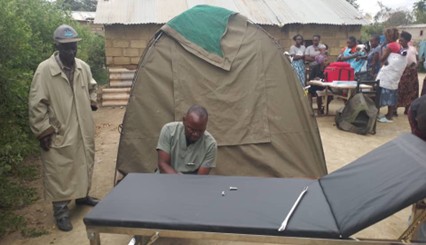




In the remote and underserved regions of Madagascar, access to family planning services remains a persistent challenge often viewed as an unattainable luxury for many rural families. Geographic isolation, fragile infrastructure, and limited health services create deep barriers, especially for women and adolescent girls from economically disadvantaged backgrounds. The average distance between villages and the nearest health facility is approximately 8 km, requiring up to two hours of walking. The contraceptive prevalence rate in rural areas stands at just 34.2%, underscoring the urgent need to improve service coverage.
To address persistent inequalities in access to reproductive health, the Ministry of Public Health, with support from the WISH 2 project implemented by FISA Madagascar, launched mobile family planning services targeting fragile and cyclone-prone regions. Two mobile clinics were deployed in early 2025 to deliver outreach campaigns across remote northern, western, and Farafangana districts.
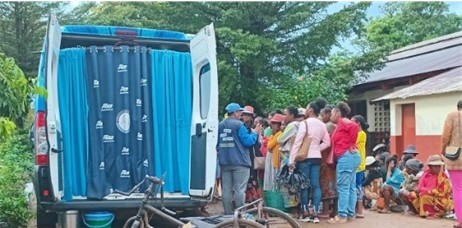

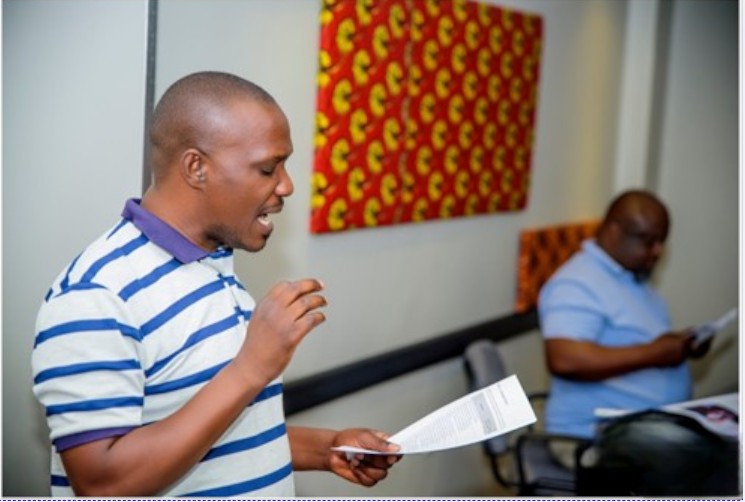
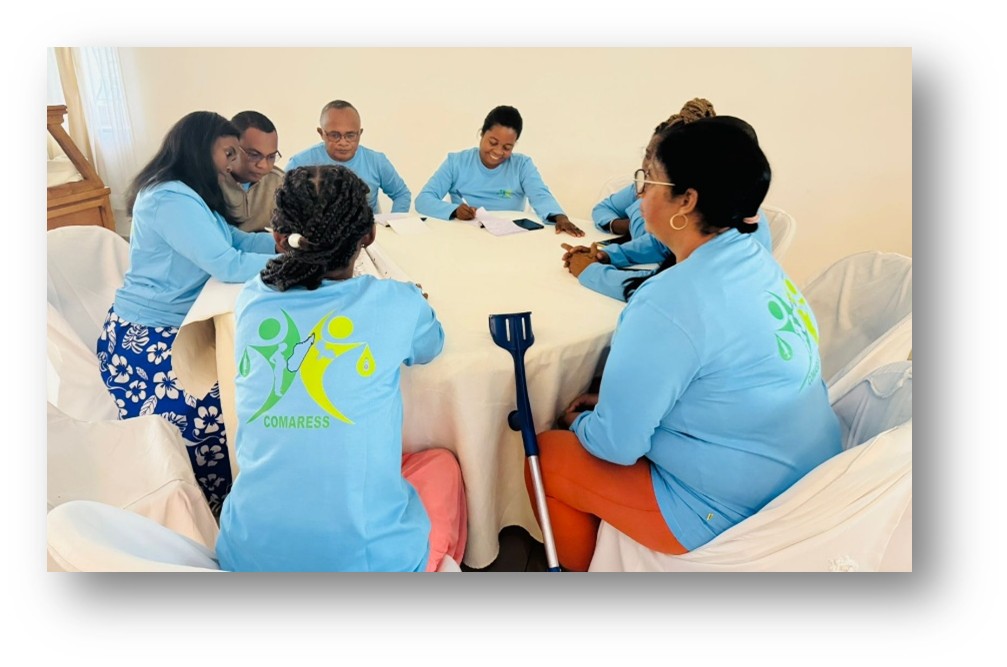
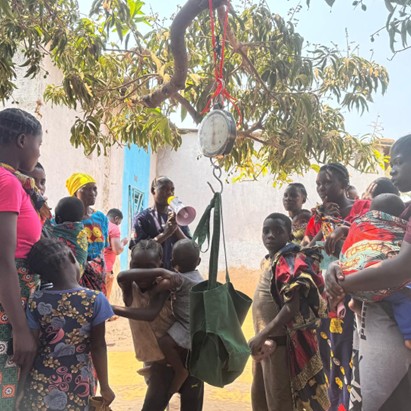
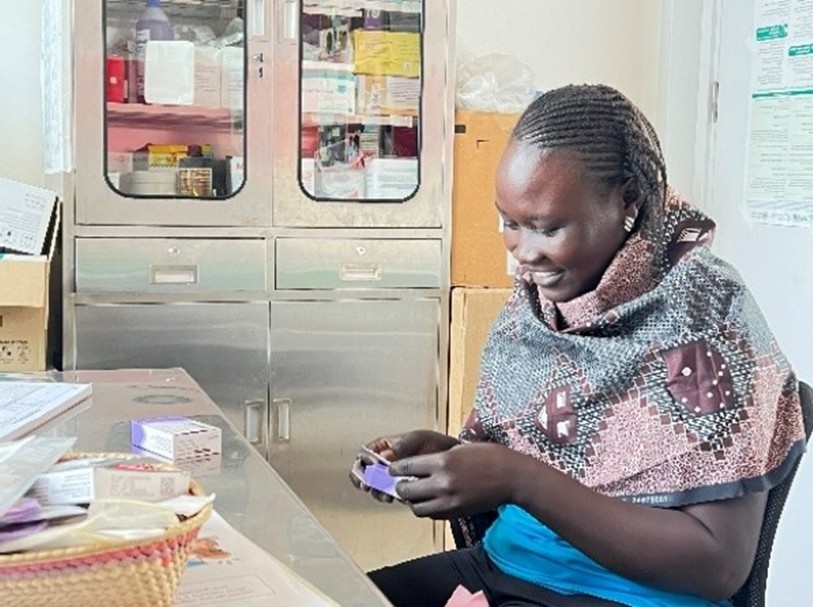
Working closely with local authorities, community health workers, and Fokontany chiefs, the initiative mobilised communities through radio, megaphones, and door-to-door sensitisation. Once mobilised, the mobile clinics provided a comprehensive package of services, including contraceptives, ultrasounds, counselling, and reproductive health education. The campaign in Farafangana stood out for its high uptake of services, particularly obstetric ultrasound, accessed by 40% of clients.
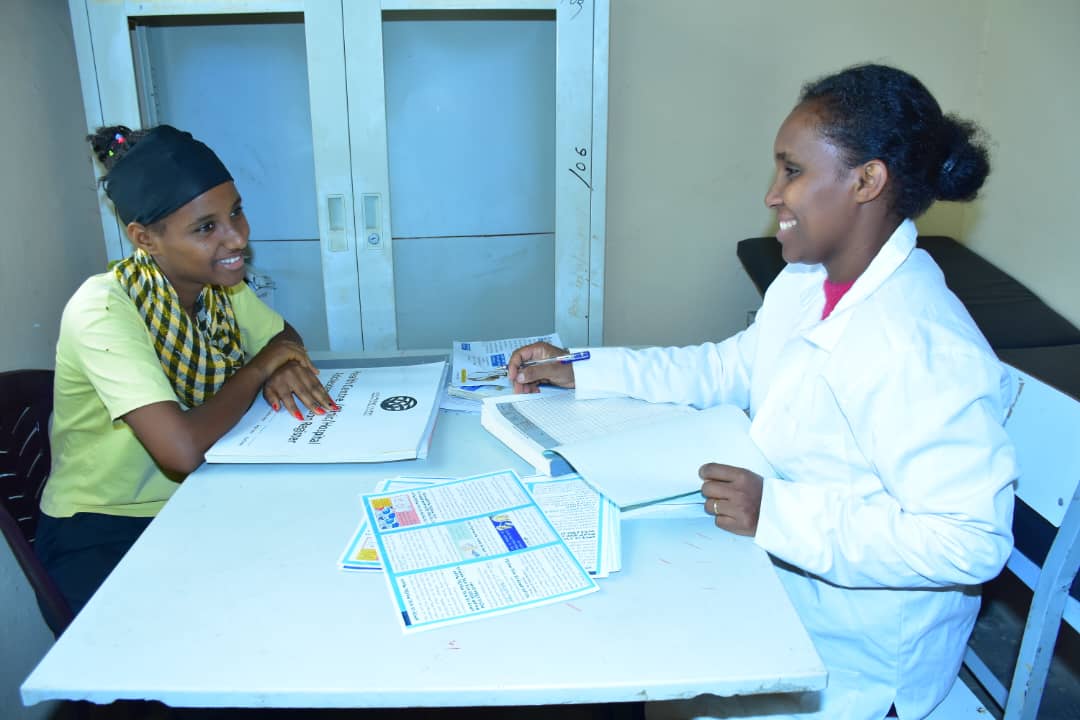
These outreach efforts brought essential reproductive health services directly to the doorsteps of communities previously unreached by formal healthcare systems. In Farafangana alone, 458 women and adolescent girls accessed FP services during the campaign, 18% of them under 20, and 50% under 24. Many were first-time users of contraception and expressed both satisfaction and a desire for continued support.
As 17-year-old Soafara, a mother of one, shared:
“I use family planning because I don't want to have an accident like I did the first time. I had no one to talk to back then, no one to guide me. Now I know what my choices are. I feel safer and more confident about my future.”
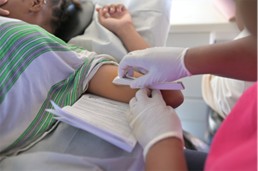
The mobile clinics did more than deliver services they empowered women and girls with the knowledge and tools to make informed choices about their health and futures.
Continuity of care remains a challenge, especially for adolescents and first-time users. To mitigate this, WISH2 reinforced collaboration with local CSBs and coordinated regular mobile clinic schedules with district health teams. The strong partnership with decentralized health structures, including community health workers, has been key to translating national priorities into local impact. With ongoing efforts to enhance coordination and partnerships, this model offers clear potential for scale-up, with expansion plans already underway through the Ministry of Health and the WISH2 national steering committee.
By bridging distances and bringing services closer to those most in need, WISH 2 and its partners are not just delivering healthcare, they are building an inclusive, equitable, and resilient health system, one community at a time.

when
country
Madagascar
region
Africa
Subject
Humanitarian
Related Member Association
Fianakaviana Sambatra - Madagascar Association