



Articles about Ethiopia
24 February 2026
From Notebooks to National Systems: How WISH 2 Is Transforming SRHR Data Quality Across Contexts
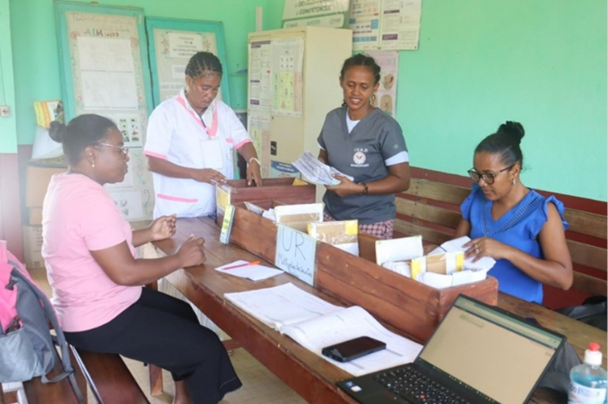
Nurse Mary used to spend four hours every weekend hunched over stacks of paper, manually correcting data errors before her Monday morning reports were due. As a senior SRHR provider at Chainda Urban Clinic in Lusaka, the high volume of clients meant that even small daily documentation errors could accumulate into major discrepancies by month’s end. “I felt like I was working for the data, instead of the data working for me,” Mary recalls. “We were so busy serving women that the paperwork became a crisis we dealt with only when it was time to report.” — Nurse Mary, Chainda MCH Across WISH 2 countries, one lesson has become increasingly clear: quality SRHR services depend on quality data. However, the pathways to improving data accuracy differ significantly depending on context. In Zambia, Ethiopia, and Madagascar, WISH 2 supported three distinct yet complementary approaches, each tailored to local realities, demonstrating how data systems can be strengthened from the clinic level to national structures. Zambia: Provider-Led Micro-Innovation at Facility Level At Chainda Urban Clinic, the challenge was not a lack of commitment, but the pressure of service volume. Documentation was often postponed until month-end, errors accumulated, and data became a source of stress rather than a tool for care. With WISH 2 acting as an enabler rather than an enforcer, Nurse Mary introduced a simple innovation: a Daily Summary Ledger, a hard-cover notebook used to reconcile service data at the end of each shift. This shifted data verification from a 30-day crisis into a 15-minute daily routine. Errors were identified and corrected immediately, creating a real-time feedback loop between service delivery and reporting. The results were immediate and measurable. The clinic achieved a 100% match between facility registers and DHIS2, reducing data error rates from 15% in Q2 to 0% in Q3. Improved data accuracy strengthened supply chain forecasting, preventing contraceptive stock-outs and ensuring women received their preferred method. With no additional cost, the clinic freed 48 hours of health-worker time per month, which was reinvested directly into patient care. Ethiopia: Rebuilding Systems in Fragile and Post-Conflict Settings In contrast, the Afar Region of Ethiopia presented a fragile, post-conflict context where data challenges were systemic rather than procedural. Weak institutional foundations, inconsistent use of tally sheets, limited application of data quality assurance tools, skills gaps, and minimal data use for decision-making undermined service planning, particularly in pastoralist and conflict-affected communities. Under WISH 2, FGAE and government partners implemented a comprehensive system-strengthening approach anchored in national and sub-national structures. This included training 29 data management providers across 14 facilities, institutionalising monthly Lot Quality Assurance Sampling (LQAS), establishing performance monitoring teams, and providing standardised HMIS and DHIS2 tools. Crucially, responsibility for data management was formally transferred to woreda and city Health Information Technicians, reinforcing government ownership and sustainability. Technical oversight and verification were jointly conducted by sub-national health offices, FGAE Area Offices, FGAE Headquarters, IPPF, and third-party evaluators, OPM, supported by quarterly data verification, monthly reviews, and structured feedback loops. As a result, data completeness, accuracy, and timeliness improved significantly, and facilities increasingly used data to inform service planning and resource allocation. As noted by regional stakeholders: “Supported health facilities have shown marked improvements in their data management systems, evidenced by more complete, accurate, and timely reporting, as observed during joint supportive supervision and routine data verification sessions with regional and sub-national health authorities.” — Afar Regional Health Bureau HMIS Focal Person and SRHR Expert Madagascar: Sustaining Change Through Government-Led Supervision Unlike Zambia’s provider-led micro-innovation or Ethiopia’s post-conflict system rebuilding, Madagascar’s challenge lay in routine supervision and consistent government follow-through. Early assessments revealed that over 40% of facilities had discrepancies between registers and Monthly Activity Reports. Rather than relying on one-off training, WISH 2 embedded data quality improvement within routine supportive supervision, led by Ministry of Health District and Regional teams. Supervision visits systematically compared reports against source documents, combined with on-the-job coaching and planned data cleaning. This hands-on, government-led approach reduced discrepancies, improved reporting timeliness, and strengthened provider confidence. As observed by the Ministry of Health: “During the Routine Data Quality Assessment supervision conducted with the WISH 2 team, we observed significant improvement in data use among health workers who received training on data analysis and utilisation. They adopted new ways of working, which contributed to better performance. Extending this capacity building to all health personnel would further strengthen the system.” — Mr. Mamy Randrianasolo, Directorate of Family Health Data Manager, Ministry of Health Service providers reported higher motivation, driven by constructive feedback and a clearer understanding of how accurate data supports programme performance and service improvement. Data quality shifted from a compliance requirement to a shared responsibility, reinforced by visible use of data for decision-making. Together, these experiences demonstrate that there is no single solution to improving SRHR data quality. Zambia highlights the power of simple, provider-driven innovation; Ethiopia underscores the importance of institutional rebuilding in fragile environments; and Madagascar shows how routine, government-led supervision sustains improvement over time. What unites these approaches is WISH 2’s commitment to adaptive, context-responsive system strengthening, ensuring that accurate data ultimately serves its most important purpose: better SRHR care for women and girls. Key Learning: Data quality improves when solutions are context-specific, embedded in routine systems, and owned by those closest to service delivery. Provider-led micro-innovations can rapidly improve accuracy at facility level; system rebuilding is essential in fragile settings; and government-led supervision sustains improvements at scale. Across all contexts, WISH 2’s adaptive approach—meeting systems where they are, strengthening ownership, and integrating data use into daily practice—proved critical to lasting change.
26 November 2025
Men who step up for family planning: One Ethiopian man’s journey to vasectomy
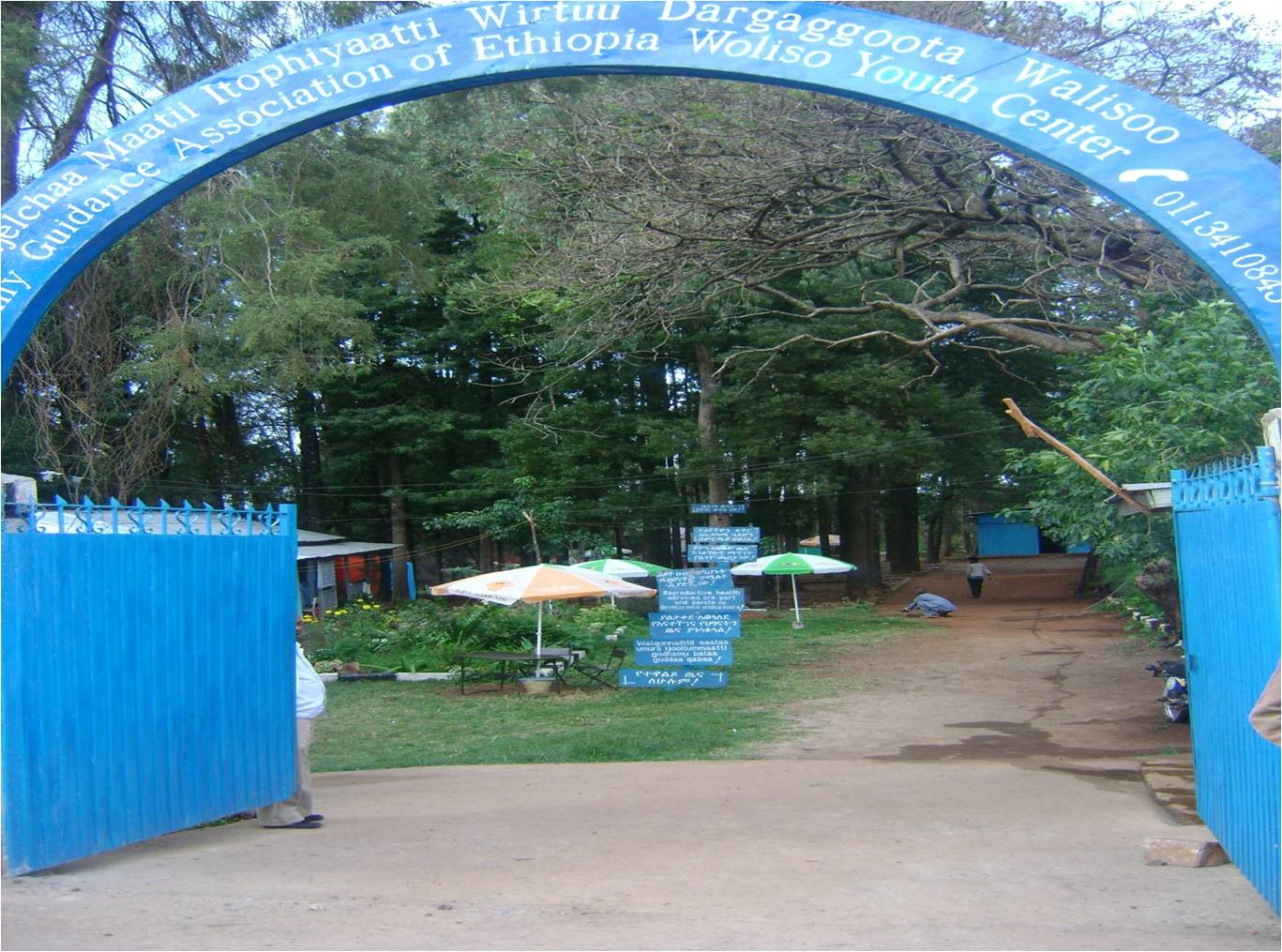
In Ethiopia, just like in many other countries in sub-Saharan Africa, family planning has long been viewed as a woman’s responsibility, where she is expected to shoulder the burden of preventing unplanned pregnancies. However, a gradual shift is emerging where men are now engaging in conversations around family planning and even taking up personal measures to prevent unplanned pregnancies by choosing vasectomy. IPPF’s Member Association in the country – Family Guidance Association of Ethiopia (FGAE) is championing male involvement in family planning, and with notable results as highlighted in this article by Yvonne Tatah. In the small town of Waliso, located in Ethiopia’s Oromia Region, 57-year-old Kareb walked into the FGAE Waliso Medium SRH clinic alongside his wife, Assefash, 45. The clinic is operated by FGAE, which is one of the leading organizations providing rights-based sexual and reproductive health services in the country. The couple had been married for more than two decades and were raising eight children -already more than they had planned for. Assefash had recently made a decision to end a pregnancy and was determined to take measures that would ensure she did not get pregnant again, hence the visit to the clinic. She already knew she wanted the implant as her contraceptive method, but she had heard worrying misinformation from women in her village. Some had told her that the implant could move inside the body and cause harm, a rumour that frightened her. Concerned, she sought expert guidance on contraceptives and chose the FGAE Waliso clinic, whose services she had heard about from residents of neighbouring Wolkite. Her husband accompanied her for support. At the clinic, nurse Tersit listened carefully to the couple and provided detailed guidance on a range of modern family planning methods, from temporary to long-acting and permanent. Among the options was the vasectomy, a simple procedure that blocks the small tubes carrying sperm to prevent pregnancy. It is quick, requires no stitches, does not impact hormones or sexual drive, and allows men to resume their normal activities soon after. Nurse Tersit emphasized that the decision rested entirely with the couple. During joint counselling, they discussed the options together and agreed that vasectomy was the method that best suited their needs. “We already have eight children who are enough for us. Once I understood that vasectomy was a quick and safe procedure that would not affect my strength or sexual function, I decided I would undergo the procedure. It is better to make a firm decision that will ensure my wife does not fall pregnant again,” he said. Kareb’s procedure was performed at the FGAE Waliso Medium SRH Clinic by trained providers and was completed with no complications. “Nowadays, I feel relieved of anxiety from an unintended pregnancy,” he later said. Kareb has since become a voice for change. He speaks with other men during community gatherings, coffee ceremonies, and informal conversations about the importance of shared responsibility in family planning. A Conversation long Overdue Vasectomy is a safe and effective form of permanent contraception for men. Yet in Ethiopia, it remains one of the least-used methods. A 2020 study found that 24% of married men in Addis Ababa intended to use vasectomy in the future. However, according to the 2016 Ethiopia Demographic and Health Survey, fewer than 1% had actually done so. Many of the barriers men face are cultural rather than medical. Many men equate vasectomy with castration, drawing from livestock practices where an ox is rendered infertile and believed to lose strength. Others fear stigma or believe the procedure as religiously unacceptable. According to internal Ministry of Health data reported in its 2023/24 Annual Report, permanent methods, including vasectomy, accounted for only 1.3% of new contraceptive acceptors. Injectables, implants, and pills remain the most commonly chosen methods. FGAE’s internal data reflects the same pattern. Of more than two million clients served in 2023/24, only eight men chose vasectomy. Each of these decisions, although small in number, represents a powerful story of informed choice and shared responsibility. In a bid to increase the uptake of vasectomy, FGAE service providers, including Nurse Tersit, apply couple counselling as a practical approach to strengthening male involvement. When a woman arrives with health concerns or cannot safely use a female centered method, both partners are invited into counselling sessions to explore permanent options together. This gives them an opportunity to consider all available options together and choose what supports the wellbeing of both. In Waliso, the approach of listening first, counseling both partners, and building trust demonstrates how FGAE providers involve men as equals in reproductive decision-making instead of as bystanders. As the FGAE Director of Programs, Gashaw Kebede explains, “The lesson from Waliso is clear. When partners receive counselling together, men are more likely to consider vasectomy and to participate in shared decision making in family planning. This approach helps distribute responsibility more evenly and reduces the burden that often falls on women.” He adds that this approach requires sustained investment. “This work needs more than technical training. It requires safe spaces for men, community dialogues that challenge gender norms, and continuous support for inclusive family planning services. Kareb did not intend to become an advocate, but by choosing what was best for his family and listening to his wife, he became part of a quiet and growing movement for change. His story shows what is possible when men are welcomed as partners in care.”
17 November 2025
The Women’s Integrated Sexual Health (WISH) 2
Strengthening the enabling environment for SRHR and reinforcing health systems to deliver sustainable, inclusive access to integrated SRHR services with a special focus on humanitarian and fragile settings. The Women’s Integrated Sexual Health (WISH) project, championed by a ‘Leave No One Behind’ approach, advances quality, integrated, and inclusive family planning and sexual and reproductive health (SRHR) services tailored to the needs of marginalized and hard-to-reach populations. In Eastern Africa, WISH2 builds on proven strategies and successes to extend access for populations often overlooked, young people, persons with disabilities, those living in poverty, and communities affected by conflict or displacement. Donor: Foreign, Commonwealth and Development Office (FCDO) Budget: Total budget of £ 75 million for East and Southern Africa Duration: 2024 to 2029 Funded by the UK Foreign, Commonwealth & Development Office (FCDO) and representing a significant commitment within the UK Government’s family planning framework, the WISH2 Eastern Africa initiative is led by the International Planned Parenthood Federation (IPPF) and executed by a dedicated consortium with partners including the International Rescue Committee (IRC), IPAS, Options Consultancy Services, and the Johns Hopkins Center for Communication Programs (JHU-CCP). Background on WISH 1 to WISH 2 Evolutions The Women's Integrated Sexual Health project was launched in 2018 as FCDO’s flagship initiative to expand access to voluntary family planning and sexual and reproductive health and rights services across 27 countries in Africa and Asia. The project was delivered in two parts, with Lot 2 (WISH2ACTION) implemented by a consortium led by IPPF, alongside MSI, Options, Humanity & Inclusion (HI), and IRC. WISH2ACTION aimed to deliver 16.921 million couple years of protection (CYPs) and reach 2.2 million additional users through a comprehensive approach to ensure equitable access to family planning and SRHR, prioritising youth under 20, the very poor, and marginalised populations including persons with disabilities and those in humanitarian or hard-to-reach settings. Its design integrated four core outputs: community and individual choice (Output 1), sustainability through national ownership (Output 2), access to quality services (Output 3), and global goods and evidence (Output 4). The success and learning from WISH2ACTION laid the foundation for WISH 2, which deepens focus on national systems strengthening, disability inclusion, safeguarding, and resilience in fragile contexts, ensuring SRHR remains a global priority while reaching those most at risk of being left behind. WISH 2 builds on successes and learning from WISH 1, while shifting toward greater national ownership, systems resilience, and sustainability. With a sharper focus on fragile and conflict-affected contexts, WISH 2 moves beyond service delivery to embedding SRHR within national policy frameworks, strengthening accountability, and enhancing inclusion through the systematic integration of disability rights, safeguarding, and climate-sensitive approaches. It places greater emphasis on evidence generation, adaptive learning, and localised solutions, ensuring that services are not only available but also accessible, equitable, and responsive to community needs. WISH 2 represents a strategic evolution, aligning with global priorities to “leave no one behind” while reinforcing SRHR as a critical component of universal health coverage and sustainable development. 2. Where We Work Geographic Footprint WISH 2 Eastern and Southern Africa works across seven countries including, Burundi Ethiopia Madagascar Somalia South Sudan Sudan Zambia Each country’s approach is adapted to local priorities and contexts, ensuring that interventions are both efficient and community responsive. 3. Leaving No One Behind WISH 2 Eastern and Southern Africa is committed to ensuring that every individual, especially those frequently marginalized, is empowered to access life-changing SRHR services. Our integrated approach prioritizes: Women Women, particularly those from economically disadvantaged backgrounds or living in patriarchal community, continue to face systemic barriers to SRHR services. WISH2 prioritizes their needs through respectful, client-centred care that is non-judgmental, confidential, and accessible. Services are tailored to uphold women's autonomy, support informed decision-making, and respond to gender-based disparities, including the risk of sexual and gender-based violence (SGBV). Meeting the Needs of Youth Under 20 In Eastern and Southern Africa, millions of youths, especially adolescents, encounter significant challenges in accessing accurate information and quality SRHR care. WISH2 provides youth-friendly, confidential, and age-appropriate services and education, ensuring young people are empowered to make informed decisions about their bodies, relationships, and futures. The project works closely with schools, youth-led organizations, and communities to create safe spaces for dialogue and service delivery. Reaching People Living with Disabilities People with disabilities face intersecting layers of exclusion in accessing health care, including physical, attitudinal, and informational barriers. WISH2 collaborates with Organizations of Persons with Disabilities (OPDs) to co-design inclusive interventions. This includes training service providers on disability rights and stigma reduction, adapting communication materials, and ensuring health facilities are physically and socially accessible. Serving to Reach the Last Mile In rural, remote, and impoverished communities, access to SRHR services remains limited. WISH2 uses poverty mapping, mobile outreach, and community-based service models to reach populations often overlooked by mainstream health systems. By partnering with local actors, such as community health workers, faith leaders, and women's groups, the project ensures culturally sensitive and sustainable service delivery in the hardest-to-reach areas. Health System Resilience During Crises Fragile and conflict-affected settings such as Ethiopia, Somalia, Sudan and South Sudan require adaptable and responsive health strategies. WISH2 brings services closer to displaced and crisis-affected populations through mobile clinics, referral linkages, and community-based distribution models. These approaches ensure continuity of care, particularly for women and girls who are most at risk during humanitarian emergencies. This focus on equity ensures that even the most vulnerable groups benefit from and contribute to their communities’ overall health and well-being. 4. Our Approach The WISH 2 project adopts Cluster Model 2.0 as a strategic approach to enhance coordination, collaboration, and efficiency among implementing partners across project countries. This updated model builds lessons from earlier phases by fostering cross-country learning and technical exchange within defined clusters, each comprising countries with similar contextual realities, such as humanitarian settings, fragile contexts, or policy environments. Cluster Model 2.0 places greater emphasis on peer-to-peer support, decentralised learning, and adaptive programming, ensuring that innovations and evidence-based practices are shared and applied in real time. It also strengthens joint planning, monitoring, and reporting mechanisms, promoting a unified and responsive delivery of SRHR services tailored to each context while maintaining alignment with the overall project strategy. Strategic Focus through Four Interlinked Outputs WISH 2 Eastern and Southern Africa is anchored on a multi-pronged approach, organized around four strategic outputs: Output 1: Social Behaviour Change (SBC) and Social Norms Led by JHU-CCP Focuses on increasing awareness, demand, and acceptance of modern contraceptive use through evidence-based communication and community engagement. Promotes positive SRHR attitudes and behaviours. Addresses gender and social barriers, myths, and misconceptions. Engages men, youth, religious, and community leaders to drive social norm change. Address harmful gender norms and stigma while promoting shared decision-making in family planning. Output 2: Access to Inclusive and Integrated SRHR Services Led by IPPF, with contributions from IRC Ensures that women, girls, and marginalized populations can access quality, affordable SRHR services. Strengthens service delivery, especially in fragile and humanitarian contexts. Maintain robust monitoring systems to track service delivery quality and client outcomes. Promotes disability inclusion and youth-friendly services. Integrates FP/SRHR with other health services (SGBV response). Enhance service delivery through capacity building, client-centred practices, and mobile outreach tailored to youth, people with disabilities, and conflict-affected communities. Output 3: Policy and Systems Environment Strengthening Policy, Advocacy, and Systems Led by IPAS & Options Consultancy Services Strengthens national and subnational policies, systems, and partnerships that support SRHR. Advocates for inclusive, rights-based SRHR policies. Builds government and civil society capacity. Fosters sustainability through domestic financing and coordination. Offer technical support for policy development, budget advocacy, and strategic planning. Build capacities of national health systems and local governments to ensure long-term sustainability. Output 4: Evidence and Learning Focuses Evidence-Driven Learning and Knowledge Sharing Led by Oxford Policy Management (OPM) Enhances the evidence generation, use, and dissemination to inform programme adaptation and SRHR advocacy. Utilise data to inform continuous project improvement and monitor key performance indicators. Use operational research to influence policy and programme design. Promote adaptive learning, knowledge management and facilitate cross-learning exchanges. Generate knowledge products and global goods 5. Partners The success of WISH 2 Eastern and Southern Africa rests on a robust partnership model that combines technical expertise in clinical service delivery, health systems strengthening, policy advocacy, and strategic communications. Consortium Members: IPPF (Lead): Oversees project strategy, quality assurance, and inclusive service delivery. International Rescue Committee (IRC): Implements conflict-responsive programming and community-based outreach. IPAS: Provides comprehensive safe abortion care and post-abortion services where legally permissible. Options Consultancy Services: Drives policy reform, systems strengthening, and governance enhancement to support sustainable SRHR outcomes. Johns Hopkins Center for Communication Programs (JHU-CCP): Leads on social and behaviour change initiatives that reshape social norms and empower communities. Together, these partners harness their individual and collective strengths to ensure the project’s impact is broad, sustainable, and transformative. 6. WISH 2 Targets and Results The project’s impact is measured using key performance indicators (KPIs), including: Couple Years of Protection (CYPs): Estimates the duration of protection provided by various contraceptive methods. Youth Reach: Tracks the number of young people accessing SRHR information and services. Sustainability: Assesses the extent to which interventions, systems, and partnerships are maintained beyond project implementation. Regular updates and dynamic dashboards capture these metrics, ensuring transparency and accountability to stakeholders and clients alike.
07 November 2025
Breaking Barriers, Saving Lives: Safe Abortion Services Now a Reality
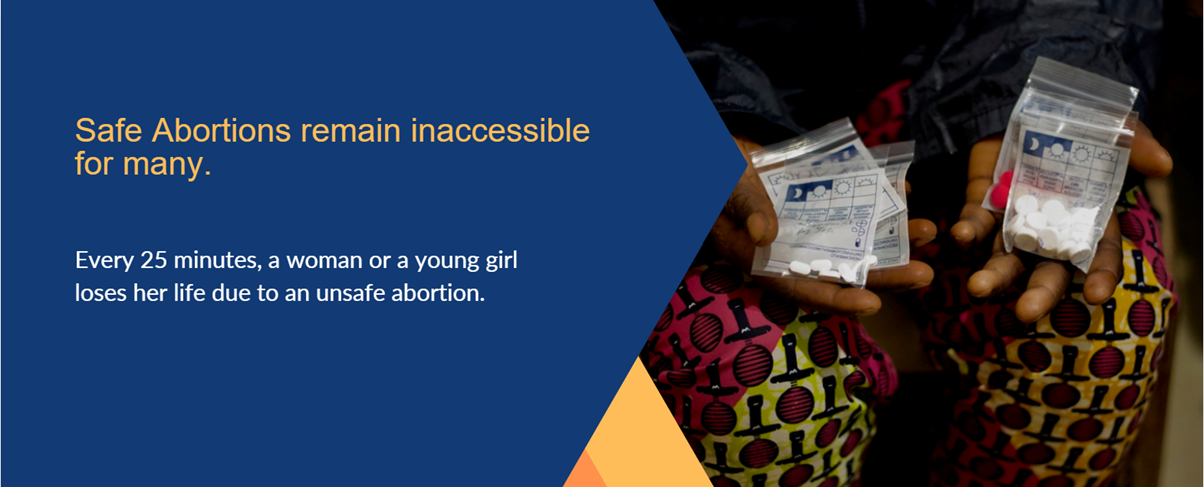
Tikil Dingay Health Center, one of the main facilities serving the district, had discontinued comprehensive abortion care services for over two years following the turnover of trained providers due to the Northern Ethiopia Conflict. The absence of skilled personnel meant that women and girls were left with few options often resorting to unsafe and unregulated procedures that endangered their lives. Unsafe abortion continues to be one of the leading causes of maternal deaths in Ethiopia, with 42% of unintended pregnancies ending in abortion nearly 73% in unsafe conditions. The two-and-a-half-year conflict in northern Ethiopia, particularly in Amhara, has worsened the situation by disrupting health services and increasing adolescent vulnerability to unplanned pregnancies and unsafe abortions. The ongoing efforts under the WISH 2 project to restore and strengthen safe abortion services in Lay Armachiho in Amhara region therefore represent a critical intervention to safeguard women’s and adolescents’ reproductive health and rights, rebuild community trust in health facilities, and reduce preventable maternal deaths. To address this urgent gap, the Family Guidance Association of Ethiopia partnered with the Woreda Health Office to assess the facility’s capacity and design an intervention to restore services. The assessment confirmed that while the health center served a large catchment population, it lacked trained staff and essential supplies to deliver safe abortion care. In response, FGAE organized a 17-day Comprehensive Abortion Care training in Addis Ababa for selected healthcare providers, in line with Ministry of Health standards. Among the trainees was Dr. Solomon Adugna from Tikil Dingay Health Center, who upon completing the training, returned to the facility and immediately began mobilizing his colleagues to reinstate the service. The center allocated a dedicated room for CAC, procured necessary supplies including abortion kits, medications, and registration materials and established a routine supervision and mentorship system to ensure quality and accountability. “After completing the training, I was determined to ensure no woman in our community would suffer or die because she lacked access to safe care. We quickly organized our team, prepared the room, secured supplies, and restarted the service with full accountability,” — Dr. Solomon Adugna, Tikil Dingay Health Center Within just four months of resuming services, 19 women and adolescent girls accessed safe abortion and post-abortion care, including counselling, HIV testing, and family planning. Though modest in number, these cases represent lives saved and health restored tangible evidence of the transformative power of capacity building and local leadership. One of the clients, a 19-year-old girl, recounted her experience: “I was very worried. The private clinic requested me 6,000 Birr (which is equivalent to 40$) for the service. While searching for other traditional alternatives, one of my colleagues told me the health center provides the service. Anyway, they saved my life.” The success of this intervention was not without challenges. Frequent staff turnover and technical gaps had disrupted service continuity for years. However, through close collaboration between FGAE, the Woreda Health Office, and Tikil Dingay Health Center, these challenges were effectively mitigated. Plans are now in place to assign dedicated staff and expand training opportunities for additional providers, ensuring sustainability and continued access to safe services.
04 November 2025
Back in service rebuilding Youth-Friendly Health Services in war-affected Tigray
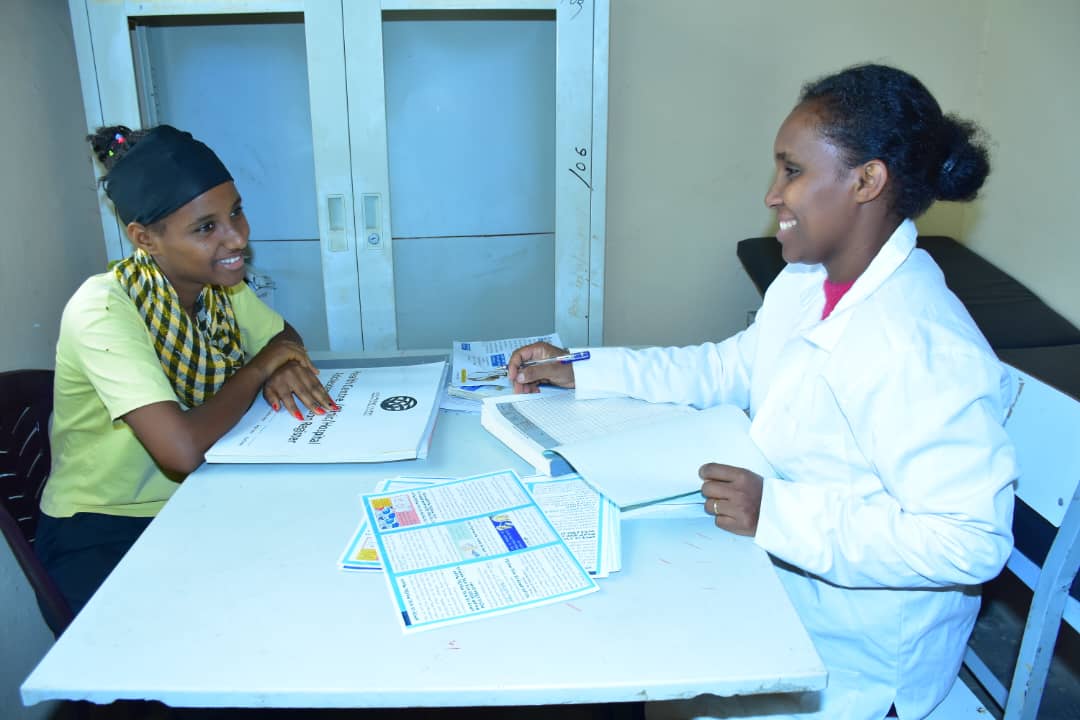
Alasa and Romanat, two small communities in the Southeastern Zone of Tigray, lie about 40 kilometers from Mekelle, the regional capital. The two-year conflict in Tigray, which officially ended in November 2022, left behind a trail of devastation, particularly the destruction of health facilities. For young people, the impact went far beyond the immediate violence. Health facilities collapsed, donor support vanished, and adolescent and youth specific services disappeared almost overnight. At Romanat and Alasa Health Centers, once lively spaces where young people sought information, counselling, and care, the dedicated Adolescent and Youth Health (AYH) rooms stood abandoned, repurposed to meet other urgent needs. “When the services closed, it felt like a door had been shut on us,” recalls Meron, a 17-year-old student from Mekelle. “We had nowhere to go to talk about our health, our questions, or even our fears. We felt forgotten.” Before the crisis, the two health centers had strong ties with nearby schools and communities. They organized dialogue sessions, peer education, and safe spaces where young people could openly discuss issues ranging from puberty and relationships to sexual and reproductive health. The war silenced these conversations, leaving adolescents and youth in the community isolated and unsupported. Health workers, too, felt powerless. “We had the skills and the passion to serve our youth,” explains Saba, a nurse at Romanat Health Center. “But without resources, without support, we couldn’t continue. It broke my heart to turn young people away.” The turning point came when the WISH2 Project, implemented by FGAE with support from the UK’s Foreign, Commonwealth & Development Office (FCDO), stepped in. During a facility visit, the team learned of the closure and immediately initiated a dialogue with health center directors and service providers. Through consultative meetings, technical assistance, and community mobilization, AYH services were not only restored but reimagined. Rooms were rededicated to youth services, staff retrained, and connections with schools re-established. Today, Romanat and Alasa Health Centers are once again buzzing with energy and youthful voices. “We knew restoring services was not just about opening a room—it was about rebuilding trust,” says Dr. Tesfaye, Director of Alasa Health Center. “The WISH2 Project gave us the confidence and support to bring these services back to life.” The revival has sparked a new wave of youth leadership. Students now volunteer as peer educators, helping connect their friends and classmates to the centers. Dialogue sessions in schools and communities are once again breaking the silence around sensitive topics, encouraging open conversations and informed choices. “Now, I feel we have a place where we are heard,” says Abel, an 18-year-old peer educator. “I tell my friends: this service is ours, let’s use it, let’s protect it.” The story of Romanat and Alasa demonstrates that rebuilding after conflict requires more than bricks and medicine. It demands tailored, community-driven solutions that place adolescents and youth at the center. Early stakeholder engagement, the presence of trained staff, and the active involvement of students have been crucial in ensuring that AYH services are not only restored but sustainable. The success in Tigray is now a model for other conflict-affected areas. Every crisis takes something from the youth, but by restoring these services, WISH 2 project is giving them back hope, dignity, and the power to make informed choices about their future.
26 September 2025
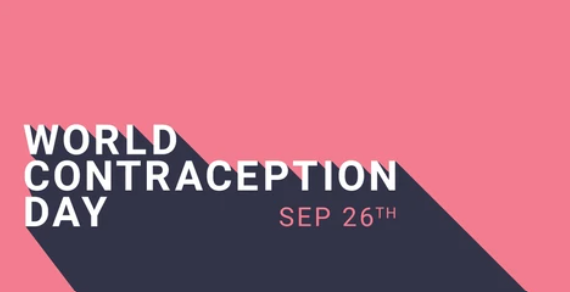
World Contraception Day 2025 Message
From the WISH 2 Team Lead Today, on World Contraception Day, we reaffirm our collective commitment to ensuring that contraception is recognized and realized as a right, a responsibility, and a reality for all. Since its launch in 2007, World Contraception Day has been commemorated every year on 26 September, making 2025 the 19th annual global observance of this important campaign to raise awareness and advance SRHR. The day reminds us of the power of choice and the transformative impact of SRHR on individuals, families, and communities. Access to safe, voluntary, and high-quality contraception is not only a health imperative, but also a pathway to dignity, equity, and opportunity. Under the WISH 1 (WISH2Action) project, 3.6 million additional family planning users were reached, an estimated 22 million maternal deaths, 4.3 million unsafe abortions, 13.2 million unintended pregnancies, and 19.2 million disability-adjusted life years were averted, a powerful demonstration of the lifesaving impact of sustained investment in SRHR. Building on this momentum, WISH 2 East and Southern Africa, set targets to reach 4.2 million family planning users, with the intention of preventing 3.2 million unintended pregnancies, 1 million unsafe abortions, and 5,600 maternal deaths across seven countries in Eastern and Southern Africa. Since the start of the project, WISH 2 has reached 169,590 annualised clients as at the end of June 2025. Through this project, we remain committed to expanding access to sexual and reproductive health services across Eastern and Southern Africa, with a particular focus on fragile and humanitarian settings where women, adolescents, and marginalised groups face the greatest barriers. By strengthening service delivery, advancing social and behaviour change, advocating for enabling policies, and generating evidence for learning, WISH 2 is ensuring that no one is left behind in the pursuit of sexual and reproductive health and rights. Central to this effort is strong partnership with governments, whose leadership and stewardship are essential for sustaining progress. WISH 2 works hand in hand with national and local authorities to complement their strategies and contribute to country-led priorities for universal access to contraception and broader SRHR. Yet, these gains are under threat. Global funding for SRHR is declining, undermining women’s rights, equity, and agency, and putting millions at risk of preventable harm. As we mark this 19th World Contraception Day, we call on governments, donors, and partners to renew their commitment to SRHR. Together, we can ensure that contraception remains accessible, affordable, and inclusive, empowering every individual to make informed choices about their bodies and futures. On this day, we celebrate the dedication of our partners, country teams including Member Associations, stakeholders who support the cause and frontline providers who work tirelessly to make contraceptive services more inclusive, resilient, and rights based. Together, we are creating a future where every individual, regardless of circumstance, can make informed choices about their reproductive health. Let us continue to learn, innovate, and act so that contraception is recognized not only as a method of family planning, but as a fundamental right for all. Contraception is not just health care, it is a right, a responsibility, and a reality we must protect and advance. Happy World Contraception Day!

14 August 2025
IPPF in Action: Delivering life-saving SRH services across Africa’s humanitarian crises
By Moctar Menta When conflict, climate disasters or epidemics strike, essential health services are often the first to collapse. Yet, the need for sexual and reproductive health (SRH) does not disappear or diminish with humanitarian crises. Instead, in most instances, it becomes more urgent and critical. In these moments, the International Planned Parenthood Federation (IPPF) responds rapidly to ensure that women, adolescents, and other vulnerable populations have access to the care they need to stay healthy and safe. Between 2024 - 2025, IPPF, through its humanitarian funding mechanisms –Stream 3 and SPRINT, delivered emergency SRH services in over 11 African countries. Stream 3 -which is IPPF’s internal rapid funding tool, and SPRINT –supported by the Australian Government, enabled local IPPF Member Associations (MAs) to act quickly in the face of crises. From conflict zones to flood-hit communities, these responses brought care directly to people, often where no other services were available. In sub-Saharan Africa, IPPF facilitated more than 215,000 people’s access to SRH and related clinical services during this period. Over 70% of these beneficiaries were women and girls. The range of services included family planning, antenatal and maternal care, HIV and sexually transmitted infection (STI) prevention and management, as well as support for survivors of gender-based violence (GBV). Children under five were also treated for infections and dehydration, especially in areas facing food insecurity or disease outbreaks. Nigeria In Nigeria, where floods displaced thousands, IPPF’s MA in Nigeria -the Planned Parenthood Federation of Nigeria (PPFN) reached over 13,000 people in 20 outreach points in Jigawa State. Among them, 4,600 were tested for HIV and more than 1,300 received family planning services, 700 of them for the first time. An emergency care set-up was managed on-site by outreach staff, where emergency cases were handled, including women in labor. “Reaching flood-affected communities within hours of the alert was key,” said Dr. Paul Odigbo, PPFN Programme Manager. “Women arrived in labor or without access to medication. We had to be there, no matter what.” Ethiopia In Ethiopia, where conflict in the Tigray region has disrupted services, more than 45,000 people were reached with SRHR services courtesy of the Family Guidance Association of Ethiopia (FGAE), which is IPPF’s MA in the country. FGAE’s interventions helped avert over 600 unintended pregnancies and more than 130 unsafe abortions. Unintended pregnancies and unsafe abortions are among the leading causes of maternal illness and death in humanitarian settings, where access to contraception and safe care is often severely limited. Women like Selam, a 31-year-old displaced mother, described how antenatal care and cervical cancer screening brought hope after months without medical access. “When we were forced to move, we lost everything. But the care from FGAE. The organization gave me hope again,” she said. South Sudan South Sudan presented even greater challenges. Resulting from ongoing conflict, economic collapse, and an influx of returnees fleeing violence in Sudan, the country continues to face widespread displacement and strained health systems. Despite the insecurity and displacement, nearly 15,000 individuals (10,400 female and 4,400 male) were reached with services ranging from GBV care to antenatal support, courtesy of Reproductive Health Association of South Sudan (RHASS) -which is IPPF’s representative in the country. Over 1,800 clients received contraceptives, and 235 births were supported in a mix of services offered by RHASS in collaboration with partner government health facilities. Mary, a survivor of sexual violence, described how access to counseling and care provided by RHASS health workers helped her begin to heal. “I wanted to give up,” she said. “But the health workers gave me strength.” Mozambique In Mozambique’s Cabo Delgado Province, the district of Mecúfi faced the aftermath of Cyclone Chido, which destroyed homes and significant health infrastructures, among other destructions. In response, Associação Moçambicana para o Desenvolvimento da Família (AMODEFA) -IPPF’s local partner in the country, deployed mobile clinics, delivered dignity kits, and conducted community talks on family planning and gender-based violence prevention. Over 15,000 people (9,500 female and 5,700 male) received services. Clinical interventions included family planning services, STI treatment, antenatal care, and psychosocial support for GBV survivors, with more than 40 mobile health brigades deployed across isolated communities. In Chad, despite political tensions and the arrival of thousands of refugees fleeing conflict in Sudan, over 10,000 people received SRH services, including 4,300 who accessed different forms of contraception. IPPF’s local partners in Senegal (Action et Développement (ACDEV); in the Central African Republic (Association Centrafricaine pour le Bien-Être Familial (ACABEF), and in Liberia (Community Healthcare Initiative (CHI) each delivered services to thousands of displaced or flood-affected populations. In Kenya, the Reproductive Health Network Kenya (RHNK) reached over 12,000 people, including many first-time family planning users. Adaptability measures to ensure service provision This scale of impact would not have been possible without adaptability measures. In places like Liberia and the Central African Republic (CAR), Member Association staff navigated blocked roads by boats and motorbikes. In South Sudan, outreach teams coordinated with local authorities and security actors to access camps for internally displaced persons (IDPs). Where abortion care was legally restricted, teams focused on post-abortion care, contraception, and counseling. Social media was also used to raise awareness and mobilize communities. Equally important was the effort to tell these stories. AMODEFA’s communication strategy included publishing over 60 social media posts that highlighted stories of courage and resilience. The visibility helped build trust, encourage health-seeking behavior, and show communities that they were not forgotten. The AMODEFA Facebook page saw engagement increase by more than 230% in just two months. The results went beyond clinical numbers. In each country, exit strategies were developed to transition emergency services into comprehensive SRH services. In response to emergencies, service delivery points (SDPs) were established in each country to meet immediate sexual and reproductive health and rights (SRHR) needs. As the crises subsided, six SDPs were transitioned into permanent MA static clinics to ensure continued access to essential SRHR services in Nigeria and Kenya. In CAR, three SDPs were successfully transitioned. Effective partnerships In South Sudan, eight public health facilities, including Gumbo and Rokon primary healthcare facilities were equipped with supplies, staff training, and service delivery support by RHASS, and later transitioned to government partners for continued SRH care. In Ethiopia, FGAE established public-private partnerships with government health offices to maintain care beyond the crisis window, including joint service delivery, referral networks, and capacity-building of public health staff. In CAR, three mobile outreach clinics operated by Association Centrafricaine pour le bien-être familial (ACABEF) were successfully transformed into static service delivery points, ensuring communities continue to access SRH services after the emergency phase. *For detailed results and country-specific case studies, visit IPPF humanitarian page. Rights-based humanitarian response IPPF’s humanitarian work in Africa shows what is possible when response is fast, local, and rights-based. The Stream 3 and SPRINT funding mechanisms proved vital during each crisis, where local IPPF partners delivered timely services in unstable environments. As new emergencies emerge, whether due to climate, conflict, displacement or other unprecedented factors, continued investment is critical. Indeed, SRH is not a secondary concern during emergencies. It is essential. It prevents maternal deaths, supports survivors of violence, and protects the dignity of people in crisis. With sustained support, IPPF will continue to reach the most vulnerable, saving lives and restoring hope where it’s needed most. Moctar Menta is the Humanitarian resource person at the IPPF Africa Regional Office

24 September 2024
Major New Health Programme to Expand Sexual and Reproductive Health Services in East and Southern Africa
Nairobi, 23 September 2024 – A groundbreaking £75.125 million project has been announced by the International Planned Parenthood Federation (IPPF) and its partners, the International Rescue Committee (IRC), Options, Ipas, and Johns Hopkins University Centre for Communication Programmes, to transform sexual and reproductive health services across East and Southern Africa. This large-scale initiative will benefit seven countries, supporting millions of women, girls, and vulnerable communities in Burundi, Ethiopia, Madagascar, Somalia, South Sudan, Sudan, and Zambia. This programme, known as Women’s Integrated Sexual Health 2 (WISH 2) Lot 2, is funded by the UK Foreign, Commonwealth and Development Office (FCDO). As part of FCDO WISH Dividend, it builds on the successes of FCDO’s £272 million Women’s Integrated Sexual Health (2018-2024) programme, which spanned 27 countries across Africa and Asia. Over its lifespan, the first WISH programme supported over an estimated 16.9 million women and girls, helping them gain access to critical SRHR services. FCDO’s continued partnership with IPPF for this next phase of WISH was unveiled by FCDO's Chris Carter, on behalf of the UK Minister for Africa, Lord Collins, during the United Nations General Assembly (UNGA) side event, “SRHR: Securing reproductive choice for the next generation.” Announcing FCDO’s partnerships with IPPF, MSI Reproductive Choices and the Children's Investment Fund Foundation, Chris Carter noted the new programme will play a critical role in increasing women's voice, choice and control across 13 countries in Africa.” With the goal of delivering over seven million ‘couple years protection,’ the programme will address critical healthcare gaps, promote reproductive choice, and tackle harmful social norms. It will also provide urgent support to improve policies, strengthen health systems, and safeguard the reproductive rights of women and girls, especially in areas affected by conflict and displacement. At the heart of this initiative is a focus on reaching the most marginalised groups, including young women and girls under 20, those living in poverty, people with disabilities, and communities in conflict zones. Importantly, WISH2 will also work to improve access to safe abortion care and counteract the growing threats to women’s and girls' sexual and reproductive health rights. IPPF Director General Dr Alvaro Bermejo emphasised the critical need to protect and expand access to SRHR. “WISH2 will continue our mission of empowering women and girls across Africa to unlock their full potential. We will not only tackle the rollback of SRHR rights but also strengthen disability inclusion while delivering sustainable healthcare solutions,” said Dr Bermejo. “We’re grateful to the UK Government for their unwavering support in this important work.” Elshafie Mohamed Ali, Executive Director of Sudan Family Planning Association (SFPA) said “WISH2 is essential given Sudan’s current circumstances, particularly the ongoing conflict since April 15, 2023. The programme addresses the growing need for sexual and reproductive health services, offering crucial support to vulnerable communities amidst increasing instability and humanitarian challenges.” Chris Carter, Deputy Director, Head of Human Development Department, highlighted the impact of this new initiative: “Access to sexual and reproductive health services saves lives, empowers women and girls, and supports education, transforming lives and entire livelihoods. This project will amplify women’s voice, choice, and control across Africa, and we are proud to partner with IPPF and African organizations in this critical mission.” For media enquiries, please contact [email protected]

10 September 2024
Hope and Health: The Impact of FGAE's Clinics on Ethiopia's Female Sex Workers
By Yvonne TATAH Across the globe, female sex workers (FSWs) face formidable barriers to accessible, acceptable, appropriate and quality health services. Due to the nature of their work, which involves having sexual relations with multiple male clients, FSWs are at a heightened risk of HIV infection. Globally, female sex workers are estimated to be 30 times more likely to be living with HIV than other women of reproductive age. In Ethiopia, the case is no different as many FSWs cite various vulnerabilities and challenges that they face. These include stigma, discrimination and marginalization which significantly impact their access to essential healthcare services, in turn increasing their susceptibility to HIV and other sexually transmitted infections (STIs). This, according to IPPF’s Member Association in the country the Family Guidance Association of Ethiopia (FGAE) which has over the years instituted various programmes and interventions aimed at addressing some of the healthcare challenges faced by this vulnerable population. HIV prevalence among female sex workers (FSWs) in Ethiopia is approximately 23%. Mr. Abadi Kalayou, FGAE’s Executive Director says that the risks and vulnerabilities of FSWs in Ethiopia are further compounded by a lack of education on HIV prevention and the social stigma that prevents them from seeking regular health check-ups and testing. “From our work with FSWs, we have established that societal judgement and mistreatment, including in health facilities often leads FSWs to avoid seeking medical services. This results in late diagnoses, higher rates of untreated infections and avoidable health complications. Additionally, many of these women often encounter violence, exploitation, and a lack of legal protection, creating additional barriers to positive healthcare behaviour,” he says. Recognizing these challenges, FGAE has been a pioneer in expanding access to sexual and reproductive health services across Ethiopia since its inception in 1966. As a non-governmental, volunteer-based organization, FGAE has developed a robust network of clinics to serve key and priority populations, including FSWs. Interventions in hotspot locations for female sex workers in Ethiopia To address the specific healthcare needs of FSWs, FGAE has established 10 dedicated Female Sex Worker-Friendly Clinics (FSWFC) since 2010. These clinics are strategically located in nine HIV hotspot towns namely; Adama, Addis Ababa, Bahir Dar, Dessie, Diredawa, Gambella, Hawassa, Jima, and Logia, where the prevalence of HIV is highest. The clinics are designed to be accessible and discreet, ensuring FSWs can receive healthcare without fear of stigma or discrimination. Each FSWFC is staffed by healthcare providers specially trained to offer non-judgmental, compassionate, and comprehensive care. The services provided at these clinics are tailored to meet the specific needs of FSWs and their intimate partners, addressing a wide range of health concerns from HIV prevention and treatment to sexual and reproductive health. By integrating a wide range of services into a one-stop-shop model, FGAE ensures that FSWs receive holistic care, improving their overall health outcomes. The FSWFCs offer a comprehensive range of HIV/AIDS services designed to provide holistic care. These services include awareness programs to educate FSWs about HIV/AIDS and preventive measures, peer education and support groups, and proactive HIV testing and counselling. Voluntary testing and counselling services are also available, promoting a proactive approach to HIV prevention and care. Pre-exposure prophylaxis (PreP) is provided to reduce the risk of HIV infection among high-risk individuals. FGAE offers HIV self-testing kits, allowing FSWs to perform tests privately and at their convenience. Post-exposure prophylaxis (PEP) is available as an emergency treatment to prevent HIV infection after potential exposure. Comprehensive HIV care and treatment plans are provided for HIV-positive FSWs, including regular monitoring, counselling, and medical support. Anti-retroviral therapy (ART) is accessible to manage their condition and improve their quality of life. One FSW shared her experience with FGAE’s Female Sex Worker-Friendly Clinics: "In Ethiopia, female sex workers encounter numerous challenges, such as difficulties in visiting a health center because of the fear of being stigmatized. However, one day, one of my friends told me to visit an FGAE Clinic. I went and received services, including HIV/AIDS counselling, testing, and STI screening and management. I was so happy with the quality of care I received, that I recommended the clinic to a friend. She, too, received excellent services and became a regular client, just like me." Discretion in accessing services FGAE’s approach to providing healthcare services to FSWs is grounded in innovation and best practices. One key innovation is the free-of-charge model for all services offered at the FSWFCs, removing financial barriers. The discreet nature of these clinics ensures FSWs can access services without fear of stigma or discrimination. The strategic location of the clinics in high-risk areas, coupled with operating hours that align with FSWs' schedules, enhances accessibility. Peer education and support groups also play a critical role in fostering community support and sharing vital health information. Healthcare providers at these clinics are specially trained to offer non-judgmental and compassionate care, ensuring that FSWs feel respected and supported when they seek medical help. The commitment of FGAE to supporting FSWs is echoed in the words of the Petros Gechere Sabore, Clinical Service Manager: "I am proud of FGAE's unwavering commitment to providing essential HIV/AIDS services to female sex workers. Our Strategic Plan places this group at the forefront, ensuring they have access to high-quality HIV/AIDS and sexual and reproductive health services. We have strengthened our community-to-clinic referral system, conducted targeted outreach programs, and integrated comprehensive services into our health facilities, all supported by trained peer educators and case managers. Our efforts have significantly increased awareness and health-seeking behaviours among female sex workers, leading to improved access to HIV testing, counselling, and Anti-Retroviral Therapy. Through capacity building, we have enhanced the ability of our service providers to deliver effective HIV/AIDS care, resulting in better health outcomes and an improved quality of life for those we serve." The impact of FGAE’s dedicated services for FSWs in Ethiopia has been profound. Since the establishment of the FSWFCs, 178,137 FSWs have accessed essential healthcare services that were previously out of reach. These clinics have played a pivotal role in reducing HIV prevalence among FSWs and improving overall health outcomes within this vulnerable community. Satisfactory sexual reproductive health services at FGAE FGAE’s FSW clients highlight the transformative effect of these services. They report feeling safer and more supported, knowing they can access non-judgmental and comprehensive care. These are the sentiments of one such client. "One day, I fell ill and decided to visit the FGAE Clinic. The nurse welcomed me warmly and suggested that I undergo HIV counselling and testing. After a thorough and compassionate counselling session, I agreed to the HIV test. When the results came back, the nurse gently informed me that I had tested positive for HIV. The news shocked me, and I struggled to process what it meant for my life. After I recovered from the initial shock, the nurse continued to counsel me with patience and care. She encouraged me to start Anti-Retroviral Therapy (ART) immediately, and I agreed. Thanks to my adherence to the treatment plan, I was able to regain control of my health and my life. I even opened a beauty salon in one of the cities in Ethiopia. Today, I am married and the mother of a beautiful daughter. Thanks to the ART treatment and the comprehensive counselling I received at the FGAE Clinic, my daughter's HIV status is negative. The availability of PreP, PEP, and ARVs at the FGAE Clinic saved my life and enabled me to build a future. Now, I am able to support and manage my family, including my daughter and husband, while running my beauty salon—something I never thought possible before receiving care at the FGAE Clinic." FGAE’s holistic approach to SRH services The holistic approach adopted by FGAE has not only addressed their immediate health needs but has also significantly enhanced their long-term well-being through ongoing support and education. The commitment of FGAE to this cause is reflected in the words of the Executive Director: "I am deeply pleased with the availability of the FGAE Clinic program in Ethiopia. Our organization’s mission is to ensure that every female sex worker in Ethiopia has access to the quality, friendly healthcare services she needs, without fear of stigma or discrimination. We are committed to expanding our services and continuously innovating to meet the evolving needs of this community." FGAE has made significant strides in empowering FSWs through its pioneering HIV/AIDS services. By recognizing the unique challenges faced by FSWs and responding with tailored, compassionate, and comprehensive care, FGAE has not only improved health outcomes but also fostered a sense of dignity and respect among this marginalized group. A new report by UNAIDS indicates that progress has been made in preventing new HIV infections, which have fallen by 59% in eastern and southern Africa since 2010. It indeed, is the efforts of organizations such as FGAE that have significantly contributed to these preventive efforts. As it looks to the future, its commitment to expanding services and advocating for the rights of FSWs remains steadfast. By continuing to innovate and adapt to the needs of this community, FGAE is paving the way for a more inclusive and supportive healthcare system in Ethiopia. The organization’s efforts serve as a powerful example of how targeted, compassionate care can transform lives and empower vulnerable communities. Also read: Accessing quality health services as a female sex worker in Lesotho Follow IPPF Africa Region on Facebook, Twitter, Instagram and You Tube.

15 March 2024
FON Parallel Event at CSW68: Advancing Gender Equality Through Feminist Financing
By Alejandra Garcia In the bustling halls of the CSW68, amidst discussions on global issues and women's rights, the FON Project carved out a space to spotlight an essential aspect of Advancing Equality: Financing with Feminist Approaches. This parallel event gathered a distinguished panel featuring voices from diverse backgrounds, each offering unique perspectives on the crucial role of feminist funding in promoting gender equality worldwide. Carolina Calle, a sex worker and human rights defender from Colombia, shared her experiences alongside Shelani Palihawadana, Program Director at Youth Advocacy Network Sri Lanka, Tori Chakma representing Supporting People and Rebuilding Communities in Bangladesh, Mar Merita Blat, Head of Mission Gender at the French Development Agency (AFD), and Marie Josiane Tra Lou, from Initiative Tile in Cote d’Ivoire. Guiding the conversation was Aminata Ba, FON Project Manager from IPPF. The panel's discussions delved into the heart of the matter, highlighting the indispensable role of civil society organizations (CSOs) in economically empowering survivors of gender-based violence, particularly in the Global South. At the core of the discourse was the transformative power of feminist funding and its impact on advancing gender equality on a global scale. Key insights emerged from the dynamic exchange, emphasizing the urgent need for direct support to feminist movements, especially in regions with fewer resources. The importance of funding dedicated explicitly to women's rights and feminist organizations was underscored, alongside the advocacy for flexible, multi-year grants that offer core support. Such funding mechanisms empower organizations to allocate resources based on their priorities, fostering sustainability and autonomy. Moreover, the panel shed light on the significance of recognizing and supporting small, informal community groups. Bridging the funding gap and enabling mid-sized women's groups to access more substantial resources emerged as critical strategies for amplifying the impact of feminist funding initiatives. Calls for the decolonization of funding practices, feminist accountability, and a transformation of power dynamics within funding structures resonated throughout the discussions. As the event concluded, participants reflected on actionable recommendations for governments to enhance fiscal regulations supporting medium and informal feminist organizations. The collective commitment to advancing gender equality through feminist financing approaches was palpable, igniting a sense of hope and determination among attendees. In closing, the FON Project's event at CSW68 serves as a beacon of inspiration for all stakeholders invested in gender equality. Through collaborative efforts and a steadfast dedication to feminist principles in financing, meaningful change can be realized, empowering the feminist movement worldwide. Together, let us continue to strive for a more equitable and just future for all.
24 February 2026
From Notebooks to National Systems: How WISH 2 Is Transforming SRHR Data Quality Across Contexts
Nurse Mary used to spend four hours every weekend hunched over stacks of paper, manually correcting data errors before her Monday morning reports were due. As a senior SRHR provider at Chainda Urban Clinic in Lusaka, the high volume of clients meant that even small daily documentation errors could accumulate into major discrepancies by month’s end. “I felt like I was working for the data, instead of the data working for me,” Mary recalls. “We were so busy serving women that the paperwork became a crisis we dealt with only when it was time to report.” — Nurse Mary, Chainda MCH Across WISH 2 countries, one lesson has become increasingly clear: quality SRHR services depend on quality data. However, the pathways to improving data accuracy differ significantly depending on context. In Zambia, Ethiopia, and Madagascar, WISH 2 supported three distinct yet complementary approaches, each tailored to local realities, demonstrating how data systems can be strengthened from the clinic level to national structures. Zambia: Provider-Led Micro-Innovation at Facility Level At Chainda Urban Clinic, the challenge was not a lack of commitment, but the pressure of service volume. Documentation was often postponed until month-end, errors accumulated, and data became a source of stress rather than a tool for care. With WISH 2 acting as an enabler rather than an enforcer, Nurse Mary introduced a simple innovation: a Daily Summary Ledger, a hard-cover notebook used to reconcile service data at the end of each shift. This shifted data verification from a 30-day crisis into a 15-minute daily routine. Errors were identified and corrected immediately, creating a real-time feedback loop between service delivery and reporting. The results were immediate and measurable. The clinic achieved a 100% match between facility registers and DHIS2, reducing data error rates from 15% in Q2 to 0% in Q3. Improved data accuracy strengthened supply chain forecasting, preventing contraceptive stock-outs and ensuring women received their preferred method. With no additional cost, the clinic freed 48 hours of health-worker time per month, which was reinvested directly into patient care. Ethiopia: Rebuilding Systems in Fragile and Post-Conflict Settings In contrast, the Afar Region of Ethiopia presented a fragile, post-conflict context where data challenges were systemic rather than procedural. Weak institutional foundations, inconsistent use of tally sheets, limited application of data quality assurance tools, skills gaps, and minimal data use for decision-making undermined service planning, particularly in pastoralist and conflict-affected communities. Under WISH 2, FGAE and government partners implemented a comprehensive system-strengthening approach anchored in national and sub-national structures. This included training 29 data management providers across 14 facilities, institutionalising monthly Lot Quality Assurance Sampling (LQAS), establishing performance monitoring teams, and providing standardised HMIS and DHIS2 tools. Crucially, responsibility for data management was formally transferred to woreda and city Health Information Technicians, reinforcing government ownership and sustainability. Technical oversight and verification were jointly conducted by sub-national health offices, FGAE Area Offices, FGAE Headquarters, IPPF, and third-party evaluators, OPM, supported by quarterly data verification, monthly reviews, and structured feedback loops. As a result, data completeness, accuracy, and timeliness improved significantly, and facilities increasingly used data to inform service planning and resource allocation. As noted by regional stakeholders: “Supported health facilities have shown marked improvements in their data management systems, evidenced by more complete, accurate, and timely reporting, as observed during joint supportive supervision and routine data verification sessions with regional and sub-national health authorities.” — Afar Regional Health Bureau HMIS Focal Person and SRHR Expert Madagascar: Sustaining Change Through Government-Led Supervision Unlike Zambia’s provider-led micro-innovation or Ethiopia’s post-conflict system rebuilding, Madagascar’s challenge lay in routine supervision and consistent government follow-through. Early assessments revealed that over 40% of facilities had discrepancies between registers and Monthly Activity Reports. Rather than relying on one-off training, WISH 2 embedded data quality improvement within routine supportive supervision, led by Ministry of Health District and Regional teams. Supervision visits systematically compared reports against source documents, combined with on-the-job coaching and planned data cleaning. This hands-on, government-led approach reduced discrepancies, improved reporting timeliness, and strengthened provider confidence. As observed by the Ministry of Health: “During the Routine Data Quality Assessment supervision conducted with the WISH 2 team, we observed significant improvement in data use among health workers who received training on data analysis and utilisation. They adopted new ways of working, which contributed to better performance. Extending this capacity building to all health personnel would further strengthen the system.” — Mr. Mamy Randrianasolo, Directorate of Family Health Data Manager, Ministry of Health Service providers reported higher motivation, driven by constructive feedback and a clearer understanding of how accurate data supports programme performance and service improvement. Data quality shifted from a compliance requirement to a shared responsibility, reinforced by visible use of data for decision-making. Together, these experiences demonstrate that there is no single solution to improving SRHR data quality. Zambia highlights the power of simple, provider-driven innovation; Ethiopia underscores the importance of institutional rebuilding in fragile environments; and Madagascar shows how routine, government-led supervision sustains improvement over time. What unites these approaches is WISH 2’s commitment to adaptive, context-responsive system strengthening, ensuring that accurate data ultimately serves its most important purpose: better SRHR care for women and girls. Key Learning: Data quality improves when solutions are context-specific, embedded in routine systems, and owned by those closest to service delivery. Provider-led micro-innovations can rapidly improve accuracy at facility level; system rebuilding is essential in fragile settings; and government-led supervision sustains improvements at scale. Across all contexts, WISH 2’s adaptive approach—meeting systems where they are, strengthening ownership, and integrating data use into daily practice—proved critical to lasting change.
26 November 2025
Men who step up for family planning: One Ethiopian man’s journey to vasectomy
In Ethiopia, just like in many other countries in sub-Saharan Africa, family planning has long been viewed as a woman’s responsibility, where she is expected to shoulder the burden of preventing unplanned pregnancies. However, a gradual shift is emerging where men are now engaging in conversations around family planning and even taking up personal measures to prevent unplanned pregnancies by choosing vasectomy. IPPF’s Member Association in the country – Family Guidance Association of Ethiopia (FGAE) is championing male involvement in family planning, and with notable results as highlighted in this article by Yvonne Tatah. In the small town of Waliso, located in Ethiopia’s Oromia Region, 57-year-old Kareb walked into the FGAE Waliso Medium SRH clinic alongside his wife, Assefash, 45. The clinic is operated by FGAE, which is one of the leading organizations providing rights-based sexual and reproductive health services in the country. The couple had been married for more than two decades and were raising eight children -already more than they had planned for. Assefash had recently made a decision to end a pregnancy and was determined to take measures that would ensure she did not get pregnant again, hence the visit to the clinic. She already knew she wanted the implant as her contraceptive method, but she had heard worrying misinformation from women in her village. Some had told her that the implant could move inside the body and cause harm, a rumour that frightened her. Concerned, she sought expert guidance on contraceptives and chose the FGAE Waliso clinic, whose services she had heard about from residents of neighbouring Wolkite. Her husband accompanied her for support. At the clinic, nurse Tersit listened carefully to the couple and provided detailed guidance on a range of modern family planning methods, from temporary to long-acting and permanent. Among the options was the vasectomy, a simple procedure that blocks the small tubes carrying sperm to prevent pregnancy. It is quick, requires no stitches, does not impact hormones or sexual drive, and allows men to resume their normal activities soon after. Nurse Tersit emphasized that the decision rested entirely with the couple. During joint counselling, they discussed the options together and agreed that vasectomy was the method that best suited their needs. “We already have eight children who are enough for us. Once I understood that vasectomy was a quick and safe procedure that would not affect my strength or sexual function, I decided I would undergo the procedure. It is better to make a firm decision that will ensure my wife does not fall pregnant again,” he said. Kareb’s procedure was performed at the FGAE Waliso Medium SRH Clinic by trained providers and was completed with no complications. “Nowadays, I feel relieved of anxiety from an unintended pregnancy,” he later said. Kareb has since become a voice for change. He speaks with other men during community gatherings, coffee ceremonies, and informal conversations about the importance of shared responsibility in family planning. A Conversation long Overdue Vasectomy is a safe and effective form of permanent contraception for men. Yet in Ethiopia, it remains one of the least-used methods. A 2020 study found that 24% of married men in Addis Ababa intended to use vasectomy in the future. However, according to the 2016 Ethiopia Demographic and Health Survey, fewer than 1% had actually done so. Many of the barriers men face are cultural rather than medical. Many men equate vasectomy with castration, drawing from livestock practices where an ox is rendered infertile and believed to lose strength. Others fear stigma or believe the procedure as religiously unacceptable. According to internal Ministry of Health data reported in its 2023/24 Annual Report, permanent methods, including vasectomy, accounted for only 1.3% of new contraceptive acceptors. Injectables, implants, and pills remain the most commonly chosen methods. FGAE’s internal data reflects the same pattern. Of more than two million clients served in 2023/24, only eight men chose vasectomy. Each of these decisions, although small in number, represents a powerful story of informed choice and shared responsibility. In a bid to increase the uptake of vasectomy, FGAE service providers, including Nurse Tersit, apply couple counselling as a practical approach to strengthening male involvement. When a woman arrives with health concerns or cannot safely use a female centered method, both partners are invited into counselling sessions to explore permanent options together. This gives them an opportunity to consider all available options together and choose what supports the wellbeing of both. In Waliso, the approach of listening first, counseling both partners, and building trust demonstrates how FGAE providers involve men as equals in reproductive decision-making instead of as bystanders. As the FGAE Director of Programs, Gashaw Kebede explains, “The lesson from Waliso is clear. When partners receive counselling together, men are more likely to consider vasectomy and to participate in shared decision making in family planning. This approach helps distribute responsibility more evenly and reduces the burden that often falls on women.” He adds that this approach requires sustained investment. “This work needs more than technical training. It requires safe spaces for men, community dialogues that challenge gender norms, and continuous support for inclusive family planning services. Kareb did not intend to become an advocate, but by choosing what was best for his family and listening to his wife, he became part of a quiet and growing movement for change. His story shows what is possible when men are welcomed as partners in care.”
17 November 2025
The Women’s Integrated Sexual Health (WISH) 2
Strengthening the enabling environment for SRHR and reinforcing health systems to deliver sustainable, inclusive access to integrated SRHR services with a special focus on humanitarian and fragile settings. The Women’s Integrated Sexual Health (WISH) project, championed by a ‘Leave No One Behind’ approach, advances quality, integrated, and inclusive family planning and sexual and reproductive health (SRHR) services tailored to the needs of marginalized and hard-to-reach populations. In Eastern Africa, WISH2 builds on proven strategies and successes to extend access for populations often overlooked, young people, persons with disabilities, those living in poverty, and communities affected by conflict or displacement. Donor: Foreign, Commonwealth and Development Office (FCDO) Budget: Total budget of £ 75 million for East and Southern Africa Duration: 2024 to 2029 Funded by the UK Foreign, Commonwealth & Development Office (FCDO) and representing a significant commitment within the UK Government’s family planning framework, the WISH2 Eastern Africa initiative is led by the International Planned Parenthood Federation (IPPF) and executed by a dedicated consortium with partners including the International Rescue Committee (IRC), IPAS, Options Consultancy Services, and the Johns Hopkins Center for Communication Programs (JHU-CCP). Background on WISH 1 to WISH 2 Evolutions The Women's Integrated Sexual Health project was launched in 2018 as FCDO’s flagship initiative to expand access to voluntary family planning and sexual and reproductive health and rights services across 27 countries in Africa and Asia. The project was delivered in two parts, with Lot 2 (WISH2ACTION) implemented by a consortium led by IPPF, alongside MSI, Options, Humanity & Inclusion (HI), and IRC. WISH2ACTION aimed to deliver 16.921 million couple years of protection (CYPs) and reach 2.2 million additional users through a comprehensive approach to ensure equitable access to family planning and SRHR, prioritising youth under 20, the very poor, and marginalised populations including persons with disabilities and those in humanitarian or hard-to-reach settings. Its design integrated four core outputs: community and individual choice (Output 1), sustainability through national ownership (Output 2), access to quality services (Output 3), and global goods and evidence (Output 4). The success and learning from WISH2ACTION laid the foundation for WISH 2, which deepens focus on national systems strengthening, disability inclusion, safeguarding, and resilience in fragile contexts, ensuring SRHR remains a global priority while reaching those most at risk of being left behind. WISH 2 builds on successes and learning from WISH 1, while shifting toward greater national ownership, systems resilience, and sustainability. With a sharper focus on fragile and conflict-affected contexts, WISH 2 moves beyond service delivery to embedding SRHR within national policy frameworks, strengthening accountability, and enhancing inclusion through the systematic integration of disability rights, safeguarding, and climate-sensitive approaches. It places greater emphasis on evidence generation, adaptive learning, and localised solutions, ensuring that services are not only available but also accessible, equitable, and responsive to community needs. WISH 2 represents a strategic evolution, aligning with global priorities to “leave no one behind” while reinforcing SRHR as a critical component of universal health coverage and sustainable development. 2. Where We Work Geographic Footprint WISH 2 Eastern and Southern Africa works across seven countries including, Burundi Ethiopia Madagascar Somalia South Sudan Sudan Zambia Each country’s approach is adapted to local priorities and contexts, ensuring that interventions are both efficient and community responsive. 3. Leaving No One Behind WISH 2 Eastern and Southern Africa is committed to ensuring that every individual, especially those frequently marginalized, is empowered to access life-changing SRHR services. Our integrated approach prioritizes: Women Women, particularly those from economically disadvantaged backgrounds or living in patriarchal community, continue to face systemic barriers to SRHR services. WISH2 prioritizes their needs through respectful, client-centred care that is non-judgmental, confidential, and accessible. Services are tailored to uphold women's autonomy, support informed decision-making, and respond to gender-based disparities, including the risk of sexual and gender-based violence (SGBV). Meeting the Needs of Youth Under 20 In Eastern and Southern Africa, millions of youths, especially adolescents, encounter significant challenges in accessing accurate information and quality SRHR care. WISH2 provides youth-friendly, confidential, and age-appropriate services and education, ensuring young people are empowered to make informed decisions about their bodies, relationships, and futures. The project works closely with schools, youth-led organizations, and communities to create safe spaces for dialogue and service delivery. Reaching People Living with Disabilities People with disabilities face intersecting layers of exclusion in accessing health care, including physical, attitudinal, and informational barriers. WISH2 collaborates with Organizations of Persons with Disabilities (OPDs) to co-design inclusive interventions. This includes training service providers on disability rights and stigma reduction, adapting communication materials, and ensuring health facilities are physically and socially accessible. Serving to Reach the Last Mile In rural, remote, and impoverished communities, access to SRHR services remains limited. WISH2 uses poverty mapping, mobile outreach, and community-based service models to reach populations often overlooked by mainstream health systems. By partnering with local actors, such as community health workers, faith leaders, and women's groups, the project ensures culturally sensitive and sustainable service delivery in the hardest-to-reach areas. Health System Resilience During Crises Fragile and conflict-affected settings such as Ethiopia, Somalia, Sudan and South Sudan require adaptable and responsive health strategies. WISH2 brings services closer to displaced and crisis-affected populations through mobile clinics, referral linkages, and community-based distribution models. These approaches ensure continuity of care, particularly for women and girls who are most at risk during humanitarian emergencies. This focus on equity ensures that even the most vulnerable groups benefit from and contribute to their communities’ overall health and well-being. 4. Our Approach The WISH 2 project adopts Cluster Model 2.0 as a strategic approach to enhance coordination, collaboration, and efficiency among implementing partners across project countries. This updated model builds lessons from earlier phases by fostering cross-country learning and technical exchange within defined clusters, each comprising countries with similar contextual realities, such as humanitarian settings, fragile contexts, or policy environments. Cluster Model 2.0 places greater emphasis on peer-to-peer support, decentralised learning, and adaptive programming, ensuring that innovations and evidence-based practices are shared and applied in real time. It also strengthens joint planning, monitoring, and reporting mechanisms, promoting a unified and responsive delivery of SRHR services tailored to each context while maintaining alignment with the overall project strategy. Strategic Focus through Four Interlinked Outputs WISH 2 Eastern and Southern Africa is anchored on a multi-pronged approach, organized around four strategic outputs: Output 1: Social Behaviour Change (SBC) and Social Norms Led by JHU-CCP Focuses on increasing awareness, demand, and acceptance of modern contraceptive use through evidence-based communication and community engagement. Promotes positive SRHR attitudes and behaviours. Addresses gender and social barriers, myths, and misconceptions. Engages men, youth, religious, and community leaders to drive social norm change. Address harmful gender norms and stigma while promoting shared decision-making in family planning. Output 2: Access to Inclusive and Integrated SRHR Services Led by IPPF, with contributions from IRC Ensures that women, girls, and marginalized populations can access quality, affordable SRHR services. Strengthens service delivery, especially in fragile and humanitarian contexts. Maintain robust monitoring systems to track service delivery quality and client outcomes. Promotes disability inclusion and youth-friendly services. Integrates FP/SRHR with other health services (SGBV response). Enhance service delivery through capacity building, client-centred practices, and mobile outreach tailored to youth, people with disabilities, and conflict-affected communities. Output 3: Policy and Systems Environment Strengthening Policy, Advocacy, and Systems Led by IPAS & Options Consultancy Services Strengthens national and subnational policies, systems, and partnerships that support SRHR. Advocates for inclusive, rights-based SRHR policies. Builds government and civil society capacity. Fosters sustainability through domestic financing and coordination. Offer technical support for policy development, budget advocacy, and strategic planning. Build capacities of national health systems and local governments to ensure long-term sustainability. Output 4: Evidence and Learning Focuses Evidence-Driven Learning and Knowledge Sharing Led by Oxford Policy Management (OPM) Enhances the evidence generation, use, and dissemination to inform programme adaptation and SRHR advocacy. Utilise data to inform continuous project improvement and monitor key performance indicators. Use operational research to influence policy and programme design. Promote adaptive learning, knowledge management and facilitate cross-learning exchanges. Generate knowledge products and global goods 5. Partners The success of WISH 2 Eastern and Southern Africa rests on a robust partnership model that combines technical expertise in clinical service delivery, health systems strengthening, policy advocacy, and strategic communications. Consortium Members: IPPF (Lead): Oversees project strategy, quality assurance, and inclusive service delivery. International Rescue Committee (IRC): Implements conflict-responsive programming and community-based outreach. IPAS: Provides comprehensive safe abortion care and post-abortion services where legally permissible. Options Consultancy Services: Drives policy reform, systems strengthening, and governance enhancement to support sustainable SRHR outcomes. Johns Hopkins Center for Communication Programs (JHU-CCP): Leads on social and behaviour change initiatives that reshape social norms and empower communities. Together, these partners harness their individual and collective strengths to ensure the project’s impact is broad, sustainable, and transformative. 6. WISH 2 Targets and Results The project’s impact is measured using key performance indicators (KPIs), including: Couple Years of Protection (CYPs): Estimates the duration of protection provided by various contraceptive methods. Youth Reach: Tracks the number of young people accessing SRHR information and services. Sustainability: Assesses the extent to which interventions, systems, and partnerships are maintained beyond project implementation. Regular updates and dynamic dashboards capture these metrics, ensuring transparency and accountability to stakeholders and clients alike.
07 November 2025
Breaking Barriers, Saving Lives: Safe Abortion Services Now a Reality
Tikil Dingay Health Center, one of the main facilities serving the district, had discontinued comprehensive abortion care services for over two years following the turnover of trained providers due to the Northern Ethiopia Conflict. The absence of skilled personnel meant that women and girls were left with few options often resorting to unsafe and unregulated procedures that endangered their lives. Unsafe abortion continues to be one of the leading causes of maternal deaths in Ethiopia, with 42% of unintended pregnancies ending in abortion nearly 73% in unsafe conditions. The two-and-a-half-year conflict in northern Ethiopia, particularly in Amhara, has worsened the situation by disrupting health services and increasing adolescent vulnerability to unplanned pregnancies and unsafe abortions. The ongoing efforts under the WISH 2 project to restore and strengthen safe abortion services in Lay Armachiho in Amhara region therefore represent a critical intervention to safeguard women’s and adolescents’ reproductive health and rights, rebuild community trust in health facilities, and reduce preventable maternal deaths. To address this urgent gap, the Family Guidance Association of Ethiopia partnered with the Woreda Health Office to assess the facility’s capacity and design an intervention to restore services. The assessment confirmed that while the health center served a large catchment population, it lacked trained staff and essential supplies to deliver safe abortion care. In response, FGAE organized a 17-day Comprehensive Abortion Care training in Addis Ababa for selected healthcare providers, in line with Ministry of Health standards. Among the trainees was Dr. Solomon Adugna from Tikil Dingay Health Center, who upon completing the training, returned to the facility and immediately began mobilizing his colleagues to reinstate the service. The center allocated a dedicated room for CAC, procured necessary supplies including abortion kits, medications, and registration materials and established a routine supervision and mentorship system to ensure quality and accountability. “After completing the training, I was determined to ensure no woman in our community would suffer or die because she lacked access to safe care. We quickly organized our team, prepared the room, secured supplies, and restarted the service with full accountability,” — Dr. Solomon Adugna, Tikil Dingay Health Center Within just four months of resuming services, 19 women and adolescent girls accessed safe abortion and post-abortion care, including counselling, HIV testing, and family planning. Though modest in number, these cases represent lives saved and health restored tangible evidence of the transformative power of capacity building and local leadership. One of the clients, a 19-year-old girl, recounted her experience: “I was very worried. The private clinic requested me 6,000 Birr (which is equivalent to 40$) for the service. While searching for other traditional alternatives, one of my colleagues told me the health center provides the service. Anyway, they saved my life.” The success of this intervention was not without challenges. Frequent staff turnover and technical gaps had disrupted service continuity for years. However, through close collaboration between FGAE, the Woreda Health Office, and Tikil Dingay Health Center, these challenges were effectively mitigated. Plans are now in place to assign dedicated staff and expand training opportunities for additional providers, ensuring sustainability and continued access to safe services.
04 November 2025
Back in service rebuilding Youth-Friendly Health Services in war-affected Tigray
Alasa and Romanat, two small communities in the Southeastern Zone of Tigray, lie about 40 kilometers from Mekelle, the regional capital. The two-year conflict in Tigray, which officially ended in November 2022, left behind a trail of devastation, particularly the destruction of health facilities. For young people, the impact went far beyond the immediate violence. Health facilities collapsed, donor support vanished, and adolescent and youth specific services disappeared almost overnight. At Romanat and Alasa Health Centers, once lively spaces where young people sought information, counselling, and care, the dedicated Adolescent and Youth Health (AYH) rooms stood abandoned, repurposed to meet other urgent needs. “When the services closed, it felt like a door had been shut on us,” recalls Meron, a 17-year-old student from Mekelle. “We had nowhere to go to talk about our health, our questions, or even our fears. We felt forgotten.” Before the crisis, the two health centers had strong ties with nearby schools and communities. They organized dialogue sessions, peer education, and safe spaces where young people could openly discuss issues ranging from puberty and relationships to sexual and reproductive health. The war silenced these conversations, leaving adolescents and youth in the community isolated and unsupported. Health workers, too, felt powerless. “We had the skills and the passion to serve our youth,” explains Saba, a nurse at Romanat Health Center. “But without resources, without support, we couldn’t continue. It broke my heart to turn young people away.” The turning point came when the WISH2 Project, implemented by FGAE with support from the UK’s Foreign, Commonwealth & Development Office (FCDO), stepped in. During a facility visit, the team learned of the closure and immediately initiated a dialogue with health center directors and service providers. Through consultative meetings, technical assistance, and community mobilization, AYH services were not only restored but reimagined. Rooms were rededicated to youth services, staff retrained, and connections with schools re-established. Today, Romanat and Alasa Health Centers are once again buzzing with energy and youthful voices. “We knew restoring services was not just about opening a room—it was about rebuilding trust,” says Dr. Tesfaye, Director of Alasa Health Center. “The WISH2 Project gave us the confidence and support to bring these services back to life.” The revival has sparked a new wave of youth leadership. Students now volunteer as peer educators, helping connect their friends and classmates to the centers. Dialogue sessions in schools and communities are once again breaking the silence around sensitive topics, encouraging open conversations and informed choices. “Now, I feel we have a place where we are heard,” says Abel, an 18-year-old peer educator. “I tell my friends: this service is ours, let’s use it, let’s protect it.” The story of Romanat and Alasa demonstrates that rebuilding after conflict requires more than bricks and medicine. It demands tailored, community-driven solutions that place adolescents and youth at the center. Early stakeholder engagement, the presence of trained staff, and the active involvement of students have been crucial in ensuring that AYH services are not only restored but sustainable. The success in Tigray is now a model for other conflict-affected areas. Every crisis takes something from the youth, but by restoring these services, WISH 2 project is giving them back hope, dignity, and the power to make informed choices about their future.
26 September 2025
World Contraception Day 2025 Message
From the WISH 2 Team Lead Today, on World Contraception Day, we reaffirm our collective commitment to ensuring that contraception is recognized and realized as a right, a responsibility, and a reality for all. Since its launch in 2007, World Contraception Day has been commemorated every year on 26 September, making 2025 the 19th annual global observance of this important campaign to raise awareness and advance SRHR. The day reminds us of the power of choice and the transformative impact of SRHR on individuals, families, and communities. Access to safe, voluntary, and high-quality contraception is not only a health imperative, but also a pathway to dignity, equity, and opportunity. Under the WISH 1 (WISH2Action) project, 3.6 million additional family planning users were reached, an estimated 22 million maternal deaths, 4.3 million unsafe abortions, 13.2 million unintended pregnancies, and 19.2 million disability-adjusted life years were averted, a powerful demonstration of the lifesaving impact of sustained investment in SRHR. Building on this momentum, WISH 2 East and Southern Africa, set targets to reach 4.2 million family planning users, with the intention of preventing 3.2 million unintended pregnancies, 1 million unsafe abortions, and 5,600 maternal deaths across seven countries in Eastern and Southern Africa. Since the start of the project, WISH 2 has reached 169,590 annualised clients as at the end of June 2025. Through this project, we remain committed to expanding access to sexual and reproductive health services across Eastern and Southern Africa, with a particular focus on fragile and humanitarian settings where women, adolescents, and marginalised groups face the greatest barriers. By strengthening service delivery, advancing social and behaviour change, advocating for enabling policies, and generating evidence for learning, WISH 2 is ensuring that no one is left behind in the pursuit of sexual and reproductive health and rights. Central to this effort is strong partnership with governments, whose leadership and stewardship are essential for sustaining progress. WISH 2 works hand in hand with national and local authorities to complement their strategies and contribute to country-led priorities for universal access to contraception and broader SRHR. Yet, these gains are under threat. Global funding for SRHR is declining, undermining women’s rights, equity, and agency, and putting millions at risk of preventable harm. As we mark this 19th World Contraception Day, we call on governments, donors, and partners to renew their commitment to SRHR. Together, we can ensure that contraception remains accessible, affordable, and inclusive, empowering every individual to make informed choices about their bodies and futures. On this day, we celebrate the dedication of our partners, country teams including Member Associations, stakeholders who support the cause and frontline providers who work tirelessly to make contraceptive services more inclusive, resilient, and rights based. Together, we are creating a future where every individual, regardless of circumstance, can make informed choices about their reproductive health. Let us continue to learn, innovate, and act so that contraception is recognized not only as a method of family planning, but as a fundamental right for all. Contraception is not just health care, it is a right, a responsibility, and a reality we must protect and advance. Happy World Contraception Day!
14 August 2025
IPPF in Action: Delivering life-saving SRH services across Africa’s humanitarian crises
By Moctar Menta When conflict, climate disasters or epidemics strike, essential health services are often the first to collapse. Yet, the need for sexual and reproductive health (SRH) does not disappear or diminish with humanitarian crises. Instead, in most instances, it becomes more urgent and critical. In these moments, the International Planned Parenthood Federation (IPPF) responds rapidly to ensure that women, adolescents, and other vulnerable populations have access to the care they need to stay healthy and safe. Between 2024 - 2025, IPPF, through its humanitarian funding mechanisms –Stream 3 and SPRINT, delivered emergency SRH services in over 11 African countries. Stream 3 -which is IPPF’s internal rapid funding tool, and SPRINT –supported by the Australian Government, enabled local IPPF Member Associations (MAs) to act quickly in the face of crises. From conflict zones to flood-hit communities, these responses brought care directly to people, often where no other services were available. In sub-Saharan Africa, IPPF facilitated more than 215,000 people’s access to SRH and related clinical services during this period. Over 70% of these beneficiaries were women and girls. The range of services included family planning, antenatal and maternal care, HIV and sexually transmitted infection (STI) prevention and management, as well as support for survivors of gender-based violence (GBV). Children under five were also treated for infections and dehydration, especially in areas facing food insecurity or disease outbreaks. Nigeria In Nigeria, where floods displaced thousands, IPPF’s MA in Nigeria -the Planned Parenthood Federation of Nigeria (PPFN) reached over 13,000 people in 20 outreach points in Jigawa State. Among them, 4,600 were tested for HIV and more than 1,300 received family planning services, 700 of them for the first time. An emergency care set-up was managed on-site by outreach staff, where emergency cases were handled, including women in labor. “Reaching flood-affected communities within hours of the alert was key,” said Dr. Paul Odigbo, PPFN Programme Manager. “Women arrived in labor or without access to medication. We had to be there, no matter what.” Ethiopia In Ethiopia, where conflict in the Tigray region has disrupted services, more than 45,000 people were reached with SRHR services courtesy of the Family Guidance Association of Ethiopia (FGAE), which is IPPF’s MA in the country. FGAE’s interventions helped avert over 600 unintended pregnancies and more than 130 unsafe abortions. Unintended pregnancies and unsafe abortions are among the leading causes of maternal illness and death in humanitarian settings, where access to contraception and safe care is often severely limited. Women like Selam, a 31-year-old displaced mother, described how antenatal care and cervical cancer screening brought hope after months without medical access. “When we were forced to move, we lost everything. But the care from FGAE. The organization gave me hope again,” she said. South Sudan South Sudan presented even greater challenges. Resulting from ongoing conflict, economic collapse, and an influx of returnees fleeing violence in Sudan, the country continues to face widespread displacement and strained health systems. Despite the insecurity and displacement, nearly 15,000 individuals (10,400 female and 4,400 male) were reached with services ranging from GBV care to antenatal support, courtesy of Reproductive Health Association of South Sudan (RHASS) -which is IPPF’s representative in the country. Over 1,800 clients received contraceptives, and 235 births were supported in a mix of services offered by RHASS in collaboration with partner government health facilities. Mary, a survivor of sexual violence, described how access to counseling and care provided by RHASS health workers helped her begin to heal. “I wanted to give up,” she said. “But the health workers gave me strength.” Mozambique In Mozambique’s Cabo Delgado Province, the district of Mecúfi faced the aftermath of Cyclone Chido, which destroyed homes and significant health infrastructures, among other destructions. In response, Associação Moçambicana para o Desenvolvimento da Família (AMODEFA) -IPPF’s local partner in the country, deployed mobile clinics, delivered dignity kits, and conducted community talks on family planning and gender-based violence prevention. Over 15,000 people (9,500 female and 5,700 male) received services. Clinical interventions included family planning services, STI treatment, antenatal care, and psychosocial support for GBV survivors, with more than 40 mobile health brigades deployed across isolated communities. In Chad, despite political tensions and the arrival of thousands of refugees fleeing conflict in Sudan, over 10,000 people received SRH services, including 4,300 who accessed different forms of contraception. IPPF’s local partners in Senegal (Action et Développement (ACDEV); in the Central African Republic (Association Centrafricaine pour le Bien-Être Familial (ACABEF), and in Liberia (Community Healthcare Initiative (CHI) each delivered services to thousands of displaced or flood-affected populations. In Kenya, the Reproductive Health Network Kenya (RHNK) reached over 12,000 people, including many first-time family planning users. Adaptability measures to ensure service provision This scale of impact would not have been possible without adaptability measures. In places like Liberia and the Central African Republic (CAR), Member Association staff navigated blocked roads by boats and motorbikes. In South Sudan, outreach teams coordinated with local authorities and security actors to access camps for internally displaced persons (IDPs). Where abortion care was legally restricted, teams focused on post-abortion care, contraception, and counseling. Social media was also used to raise awareness and mobilize communities. Equally important was the effort to tell these stories. AMODEFA’s communication strategy included publishing over 60 social media posts that highlighted stories of courage and resilience. The visibility helped build trust, encourage health-seeking behavior, and show communities that they were not forgotten. The AMODEFA Facebook page saw engagement increase by more than 230% in just two months. The results went beyond clinical numbers. In each country, exit strategies were developed to transition emergency services into comprehensive SRH services. In response to emergencies, service delivery points (SDPs) were established in each country to meet immediate sexual and reproductive health and rights (SRHR) needs. As the crises subsided, six SDPs were transitioned into permanent MA static clinics to ensure continued access to essential SRHR services in Nigeria and Kenya. In CAR, three SDPs were successfully transitioned. Effective partnerships In South Sudan, eight public health facilities, including Gumbo and Rokon primary healthcare facilities were equipped with supplies, staff training, and service delivery support by RHASS, and later transitioned to government partners for continued SRH care. In Ethiopia, FGAE established public-private partnerships with government health offices to maintain care beyond the crisis window, including joint service delivery, referral networks, and capacity-building of public health staff. In CAR, three mobile outreach clinics operated by Association Centrafricaine pour le bien-être familial (ACABEF) were successfully transformed into static service delivery points, ensuring communities continue to access SRH services after the emergency phase. *For detailed results and country-specific case studies, visit IPPF humanitarian page. Rights-based humanitarian response IPPF’s humanitarian work in Africa shows what is possible when response is fast, local, and rights-based. The Stream 3 and SPRINT funding mechanisms proved vital during each crisis, where local IPPF partners delivered timely services in unstable environments. As new emergencies emerge, whether due to climate, conflict, displacement or other unprecedented factors, continued investment is critical. Indeed, SRH is not a secondary concern during emergencies. It is essential. It prevents maternal deaths, supports survivors of violence, and protects the dignity of people in crisis. With sustained support, IPPF will continue to reach the most vulnerable, saving lives and restoring hope where it’s needed most. Moctar Menta is the Humanitarian resource person at the IPPF Africa Regional Office
24 September 2024
Major New Health Programme to Expand Sexual and Reproductive Health Services in East and Southern Africa
Nairobi, 23 September 2024 – A groundbreaking £75.125 million project has been announced by the International Planned Parenthood Federation (IPPF) and its partners, the International Rescue Committee (IRC), Options, Ipas, and Johns Hopkins University Centre for Communication Programmes, to transform sexual and reproductive health services across East and Southern Africa. This large-scale initiative will benefit seven countries, supporting millions of women, girls, and vulnerable communities in Burundi, Ethiopia, Madagascar, Somalia, South Sudan, Sudan, and Zambia. This programme, known as Women’s Integrated Sexual Health 2 (WISH 2) Lot 2, is funded by the UK Foreign, Commonwealth and Development Office (FCDO). As part of FCDO WISH Dividend, it builds on the successes of FCDO’s £272 million Women’s Integrated Sexual Health (2018-2024) programme, which spanned 27 countries across Africa and Asia. Over its lifespan, the first WISH programme supported over an estimated 16.9 million women and girls, helping them gain access to critical SRHR services. FCDO’s continued partnership with IPPF for this next phase of WISH was unveiled by FCDO's Chris Carter, on behalf of the UK Minister for Africa, Lord Collins, during the United Nations General Assembly (UNGA) side event, “SRHR: Securing reproductive choice for the next generation.” Announcing FCDO’s partnerships with IPPF, MSI Reproductive Choices and the Children's Investment Fund Foundation, Chris Carter noted the new programme will play a critical role in increasing women's voice, choice and control across 13 countries in Africa.” With the goal of delivering over seven million ‘couple years protection,’ the programme will address critical healthcare gaps, promote reproductive choice, and tackle harmful social norms. It will also provide urgent support to improve policies, strengthen health systems, and safeguard the reproductive rights of women and girls, especially in areas affected by conflict and displacement. At the heart of this initiative is a focus on reaching the most marginalised groups, including young women and girls under 20, those living in poverty, people with disabilities, and communities in conflict zones. Importantly, WISH2 will also work to improve access to safe abortion care and counteract the growing threats to women’s and girls' sexual and reproductive health rights. IPPF Director General Dr Alvaro Bermejo emphasised the critical need to protect and expand access to SRHR. “WISH2 will continue our mission of empowering women and girls across Africa to unlock their full potential. We will not only tackle the rollback of SRHR rights but also strengthen disability inclusion while delivering sustainable healthcare solutions,” said Dr Bermejo. “We’re grateful to the UK Government for their unwavering support in this important work.” Elshafie Mohamed Ali, Executive Director of Sudan Family Planning Association (SFPA) said “WISH2 is essential given Sudan’s current circumstances, particularly the ongoing conflict since April 15, 2023. The programme addresses the growing need for sexual and reproductive health services, offering crucial support to vulnerable communities amidst increasing instability and humanitarian challenges.” Chris Carter, Deputy Director, Head of Human Development Department, highlighted the impact of this new initiative: “Access to sexual and reproductive health services saves lives, empowers women and girls, and supports education, transforming lives and entire livelihoods. This project will amplify women’s voice, choice, and control across Africa, and we are proud to partner with IPPF and African organizations in this critical mission.” For media enquiries, please contact [email protected]
10 September 2024
Hope and Health: The Impact of FGAE's Clinics on Ethiopia's Female Sex Workers
By Yvonne TATAH Across the globe, female sex workers (FSWs) face formidable barriers to accessible, acceptable, appropriate and quality health services. Due to the nature of their work, which involves having sexual relations with multiple male clients, FSWs are at a heightened risk of HIV infection. Globally, female sex workers are estimated to be 30 times more likely to be living with HIV than other women of reproductive age. In Ethiopia, the case is no different as many FSWs cite various vulnerabilities and challenges that they face. These include stigma, discrimination and marginalization which significantly impact their access to essential healthcare services, in turn increasing their susceptibility to HIV and other sexually transmitted infections (STIs). This, according to IPPF’s Member Association in the country the Family Guidance Association of Ethiopia (FGAE) which has over the years instituted various programmes and interventions aimed at addressing some of the healthcare challenges faced by this vulnerable population. HIV prevalence among female sex workers (FSWs) in Ethiopia is approximately 23%. Mr. Abadi Kalayou, FGAE’s Executive Director says that the risks and vulnerabilities of FSWs in Ethiopia are further compounded by a lack of education on HIV prevention and the social stigma that prevents them from seeking regular health check-ups and testing. “From our work with FSWs, we have established that societal judgement and mistreatment, including in health facilities often leads FSWs to avoid seeking medical services. This results in late diagnoses, higher rates of untreated infections and avoidable health complications. Additionally, many of these women often encounter violence, exploitation, and a lack of legal protection, creating additional barriers to positive healthcare behaviour,” he says. Recognizing these challenges, FGAE has been a pioneer in expanding access to sexual and reproductive health services across Ethiopia since its inception in 1966. As a non-governmental, volunteer-based organization, FGAE has developed a robust network of clinics to serve key and priority populations, including FSWs. Interventions in hotspot locations for female sex workers in Ethiopia To address the specific healthcare needs of FSWs, FGAE has established 10 dedicated Female Sex Worker-Friendly Clinics (FSWFC) since 2010. These clinics are strategically located in nine HIV hotspot towns namely; Adama, Addis Ababa, Bahir Dar, Dessie, Diredawa, Gambella, Hawassa, Jima, and Logia, where the prevalence of HIV is highest. The clinics are designed to be accessible and discreet, ensuring FSWs can receive healthcare without fear of stigma or discrimination. Each FSWFC is staffed by healthcare providers specially trained to offer non-judgmental, compassionate, and comprehensive care. The services provided at these clinics are tailored to meet the specific needs of FSWs and their intimate partners, addressing a wide range of health concerns from HIV prevention and treatment to sexual and reproductive health. By integrating a wide range of services into a one-stop-shop model, FGAE ensures that FSWs receive holistic care, improving their overall health outcomes. The FSWFCs offer a comprehensive range of HIV/AIDS services designed to provide holistic care. These services include awareness programs to educate FSWs about HIV/AIDS and preventive measures, peer education and support groups, and proactive HIV testing and counselling. Voluntary testing and counselling services are also available, promoting a proactive approach to HIV prevention and care. Pre-exposure prophylaxis (PreP) is provided to reduce the risk of HIV infection among high-risk individuals. FGAE offers HIV self-testing kits, allowing FSWs to perform tests privately and at their convenience. Post-exposure prophylaxis (PEP) is available as an emergency treatment to prevent HIV infection after potential exposure. Comprehensive HIV care and treatment plans are provided for HIV-positive FSWs, including regular monitoring, counselling, and medical support. Anti-retroviral therapy (ART) is accessible to manage their condition and improve their quality of life. One FSW shared her experience with FGAE’s Female Sex Worker-Friendly Clinics: "In Ethiopia, female sex workers encounter numerous challenges, such as difficulties in visiting a health center because of the fear of being stigmatized. However, one day, one of my friends told me to visit an FGAE Clinic. I went and received services, including HIV/AIDS counselling, testing, and STI screening and management. I was so happy with the quality of care I received, that I recommended the clinic to a friend. She, too, received excellent services and became a regular client, just like me." Discretion in accessing services FGAE’s approach to providing healthcare services to FSWs is grounded in innovation and best practices. One key innovation is the free-of-charge model for all services offered at the FSWFCs, removing financial barriers. The discreet nature of these clinics ensures FSWs can access services without fear of stigma or discrimination. The strategic location of the clinics in high-risk areas, coupled with operating hours that align with FSWs' schedules, enhances accessibility. Peer education and support groups also play a critical role in fostering community support and sharing vital health information. Healthcare providers at these clinics are specially trained to offer non-judgmental and compassionate care, ensuring that FSWs feel respected and supported when they seek medical help. The commitment of FGAE to supporting FSWs is echoed in the words of the Petros Gechere Sabore, Clinical Service Manager: "I am proud of FGAE's unwavering commitment to providing essential HIV/AIDS services to female sex workers. Our Strategic Plan places this group at the forefront, ensuring they have access to high-quality HIV/AIDS and sexual and reproductive health services. We have strengthened our community-to-clinic referral system, conducted targeted outreach programs, and integrated comprehensive services into our health facilities, all supported by trained peer educators and case managers. Our efforts have significantly increased awareness and health-seeking behaviours among female sex workers, leading to improved access to HIV testing, counselling, and Anti-Retroviral Therapy. Through capacity building, we have enhanced the ability of our service providers to deliver effective HIV/AIDS care, resulting in better health outcomes and an improved quality of life for those we serve." The impact of FGAE’s dedicated services for FSWs in Ethiopia has been profound. Since the establishment of the FSWFCs, 178,137 FSWs have accessed essential healthcare services that were previously out of reach. These clinics have played a pivotal role in reducing HIV prevalence among FSWs and improving overall health outcomes within this vulnerable community. Satisfactory sexual reproductive health services at FGAE FGAE’s FSW clients highlight the transformative effect of these services. They report feeling safer and more supported, knowing they can access non-judgmental and comprehensive care. These are the sentiments of one such client. "One day, I fell ill and decided to visit the FGAE Clinic. The nurse welcomed me warmly and suggested that I undergo HIV counselling and testing. After a thorough and compassionate counselling session, I agreed to the HIV test. When the results came back, the nurse gently informed me that I had tested positive for HIV. The news shocked me, and I struggled to process what it meant for my life. After I recovered from the initial shock, the nurse continued to counsel me with patience and care. She encouraged me to start Anti-Retroviral Therapy (ART) immediately, and I agreed. Thanks to my adherence to the treatment plan, I was able to regain control of my health and my life. I even opened a beauty salon in one of the cities in Ethiopia. Today, I am married and the mother of a beautiful daughter. Thanks to the ART treatment and the comprehensive counselling I received at the FGAE Clinic, my daughter's HIV status is negative. The availability of PreP, PEP, and ARVs at the FGAE Clinic saved my life and enabled me to build a future. Now, I am able to support and manage my family, including my daughter and husband, while running my beauty salon—something I never thought possible before receiving care at the FGAE Clinic." FGAE’s holistic approach to SRH services The holistic approach adopted by FGAE has not only addressed their immediate health needs but has also significantly enhanced their long-term well-being through ongoing support and education. The commitment of FGAE to this cause is reflected in the words of the Executive Director: "I am deeply pleased with the availability of the FGAE Clinic program in Ethiopia. Our organization’s mission is to ensure that every female sex worker in Ethiopia has access to the quality, friendly healthcare services she needs, without fear of stigma or discrimination. We are committed to expanding our services and continuously innovating to meet the evolving needs of this community." FGAE has made significant strides in empowering FSWs through its pioneering HIV/AIDS services. By recognizing the unique challenges faced by FSWs and responding with tailored, compassionate, and comprehensive care, FGAE has not only improved health outcomes but also fostered a sense of dignity and respect among this marginalized group. A new report by UNAIDS indicates that progress has been made in preventing new HIV infections, which have fallen by 59% in eastern and southern Africa since 2010. It indeed, is the efforts of organizations such as FGAE that have significantly contributed to these preventive efforts. As it looks to the future, its commitment to expanding services and advocating for the rights of FSWs remains steadfast. By continuing to innovate and adapt to the needs of this community, FGAE is paving the way for a more inclusive and supportive healthcare system in Ethiopia. The organization’s efforts serve as a powerful example of how targeted, compassionate care can transform lives and empower vulnerable communities. Also read: Accessing quality health services as a female sex worker in Lesotho Follow IPPF Africa Region on Facebook, Twitter, Instagram and You Tube.
15 March 2024
FON Parallel Event at CSW68: Advancing Gender Equality Through Feminist Financing
By Alejandra Garcia In the bustling halls of the CSW68, amidst discussions on global issues and women's rights, the FON Project carved out a space to spotlight an essential aspect of Advancing Equality: Financing with Feminist Approaches. This parallel event gathered a distinguished panel featuring voices from diverse backgrounds, each offering unique perspectives on the crucial role of feminist funding in promoting gender equality worldwide. Carolina Calle, a sex worker and human rights defender from Colombia, shared her experiences alongside Shelani Palihawadana, Program Director at Youth Advocacy Network Sri Lanka, Tori Chakma representing Supporting People and Rebuilding Communities in Bangladesh, Mar Merita Blat, Head of Mission Gender at the French Development Agency (AFD), and Marie Josiane Tra Lou, from Initiative Tile in Cote d’Ivoire. Guiding the conversation was Aminata Ba, FON Project Manager from IPPF. The panel's discussions delved into the heart of the matter, highlighting the indispensable role of civil society organizations (CSOs) in economically empowering survivors of gender-based violence, particularly in the Global South. At the core of the discourse was the transformative power of feminist funding and its impact on advancing gender equality on a global scale. Key insights emerged from the dynamic exchange, emphasizing the urgent need for direct support to feminist movements, especially in regions with fewer resources. The importance of funding dedicated explicitly to women's rights and feminist organizations was underscored, alongside the advocacy for flexible, multi-year grants that offer core support. Such funding mechanisms empower organizations to allocate resources based on their priorities, fostering sustainability and autonomy. Moreover, the panel shed light on the significance of recognizing and supporting small, informal community groups. Bridging the funding gap and enabling mid-sized women's groups to access more substantial resources emerged as critical strategies for amplifying the impact of feminist funding initiatives. Calls for the decolonization of funding practices, feminist accountability, and a transformation of power dynamics within funding structures resonated throughout the discussions. As the event concluded, participants reflected on actionable recommendations for governments to enhance fiscal regulations supporting medium and informal feminist organizations. The collective commitment to advancing gender equality through feminist financing approaches was palpable, igniting a sense of hope and determination among attendees. In closing, the FON Project's event at CSW68 serves as a beacon of inspiration for all stakeholders invested in gender equality. Through collaborative efforts and a steadfast dedication to feminist principles in financing, meaningful change can be realized, empowering the feminist movement worldwide. Together, let us continue to strive for a more equitable and just future for all.