



Articles about Ethiopia

21 August 2023
One Less Burden for Meaza
World Humanitarian Day is marked every year on the 19th of August honouring the humanitarian workers and organisations while underscoring the importance of providing assistance and support to people in crisis. The IPPF-led WISH2ACTION programme sought to scale up integrated sexual and reproductive health services to key populations including the poor, youth under 20, people with disabilities, and those in humanitarian settings when it started at the end of 2018. In its current phase, the programme is implemented in Burundi, Ethiopia, Malawi, Madagascar, Somalia, South Sudan, Sudan, Tanzania, and Uganda. This includes providing sexual and reproductive health services within conflict areas in Ethiopia, Somalia, South Sudan, and Sudan. The provision of services in humanitarian settings comes with its own set of challenges but heart-wrenching stories such as Meaza’s remind us of the importance of leaving no one behind. Meaza Hailu, is a 33-year-old married woman who resided with her husband and three children in Kafta Humora in Western Tigray until November 2020 when war broke out. Her family was attacked one night in their home by the armed militia who killed her eldest son. They were expelled from their home and fled to the Mekelle settlement and now reside in an IDP camp. “Before we were expelled from our homes, we had a decent home and were self-sufficient in every way. Currently, my life is completely devastated after witnessing the killing of my son and my relatives at the hands of armed local militia. Now, we have lost everything we had and find ourselves seeking shelter in an empty settlement in Mekelle. Our survival depends solely on aid agencies and the local host communities. Unfortunately, we have not received any food assistance for several months, and we are suffering severely from starvation, physical ailments, and stress. Both my children and I find it hard to fall asleep since we witnessed the murder of my son” she said. The WISH2ACTION programme has mobile health teams that visit IDP camps in the Tigray region raising awareness of sexual and reproductive health and rights and providing sexual and reproductive health services including contraception, post-abortion care, antenatal care, and care for survivors of sexual gender-based violence (SGBV). Overburdened by her hardships and traumatised by her experience, Meaza does not want to have another child at this time. “Due to the hardships, we are facing, I cannot afford to have another child in the near term. Additionally, I do not plan to have another child until we can return to our home and resume a normal life. That is why I visited several public facilities, including Mekelle General Hospital, in search of contraception services, but without success.” Meaza had visited several public facilities in Mekelle seeking contraceptive services, but commodities were unavailable. “Recently, I went to Mekelle Hospital, seeking contraceptive services. The providers there told me to wait until the WISH2ACTION mobile SRH team visited my IDP site. I waited for the team for one week, hoping to finally access the family planning service I had been seeking for a long time." On May 16, 2023, the programme mobile health team visited the Hatsey Yohannes IDP site in Mekelle. Meaza attended the outreach. She received counselling and opted for a three-year contraceptive implant. After the service, she expressed her gratitude to the team, “Now, you have relieved a tremendous burden for me, and I am truly grateful to the WISH staff.” Feven Nigussie, an outreach service provider, emphasized the significance of their work, stating “Majority of our clients are displaced and host community women and girls. We regularly attend to different SRH-related cases such as SGBV survivors, women, and girls seeking post-abortion care for unintended pregnancies and contraceptive services to prevent pregnancies, etc. The programme is contributing to a reduction in maternal mortality and morbidity related to complications of unsafe abortions, and SGBV.” Meaza is representative of the millions of people in need of assistance in humanitarian settings across the globe. Today should stand as a reminder that we should all advocate for those in need and work towards a more compassionate and just world.
16 March 2023
Feminist Opportunities Now: Eradicating GBV in the world, one flexible funding at a time
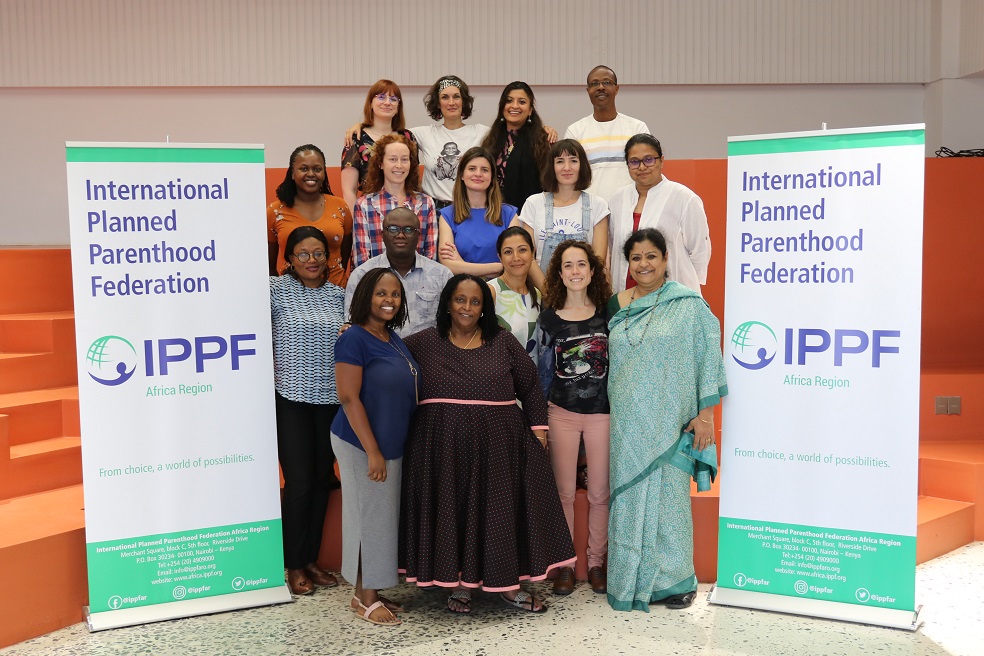
Feminist Opportunities Now (FON) is a programme that aims to build capacity of feminist organisations via subgrants to enhance more diverse and resilient Civil Society Organisations when addressing and responding to gender-based violence, inequalities, discrimination and other human rights violations related to gender. International Planned Parenthood Federation Africa Region (IPPFAR) is the FON consortium lead, with the other consortium partners being Médecins du Monde (MdM-FR), Creating Resources for Empowerment and Action Inc. (CREA), the International Federation on Human Rights (FIDH) and Empow’Her (EH). The programme is funded by the French Government via the French Development Agency (AFD). The actions of the consortium's member organizations are guided by feminist principles and a strong commitment to promoting human rights and combating inequalities and discrimination, particularly against women and girls. With extensive experience in the themes covered by the program's mandates and complementary expertise, they provide a solid foundation for the program's comprehensive and holistic approach. Where: Bangladesh, Burkina Faso, Colombia, Côte d'Ivoire, Ethiopia, Republic of Guinea, Kenya, Mexico, Niger, Sri Lanka. When: 2022-2026 The Challenge Gender inequalities continue to impact half of the world’s population on a global scale and remain one of the primary barriers to human development. The FON Programme aims to tackle these inequalities by addressing several key challenges: Insufficient or ineffective implementation of comprehensive laws, policies, and legal frameworks to combat gender inequalities globally, which has resulted in worsening disparities. Inadequate application of these frameworks has further widened inequalities and increased the vulnerability of women and girls, particularly those with disabilities, living with HIV, sex workers, and individuals of diverse sexual orientations and gender identities (SOGI). The COVID-19 pandemic has significantly exacerbated social and economic issues, leading to a rise in gender-based violence (GBV). Insufficient involvement of people with disabilities (who make up 15% of the global population), LGBTI+ individuals, sex workers, and people living with HIV/AIDS in initiatives to advocate for their rights, resulting in limited participation in preventing and responding to violence. A lack of support for emerging or relatively new Civil Society Organizations (CSOs), many of which are not formally recognized. Despite their enthusiasm and dynamic efforts, these organizations continue to face obstacles that limit their ability to combat GBV and promote women's rights. The absence of an innovative and flexible financing system to enhance the contributions of diverse CSOs in the Global South toward reducing GBV. Objectives of the Programme To Improve the sustainability of feminist CSOs at the organizational and technical levels by proposing an inclusive approach to capacity building. To support the resilience and diversity of feminist CSOs through access to flexible, sustainable financing mechanisms tailored to small and/or informal and/or marginalized CSOs. To strengthen a networked movement of feminist CSOs in the Global South, linking these CSOs and national, regional, and international networks, to make their voices heard on the public stage. To promote innovation at all levels of the programme by the CSOs themselves and the consortium member organisations. Targets of the Programme Feminist CSOs working with and/or for the various structurally excluded groups. Activist organizations working with or led by people who may face particularly high discrimination. Gender inequalities and GBV, such as members of the LGBTI+ community and in general people with diverse sexual orientation and gender identities and Gender Expressions (SOGIE). People living with disabilities. People with HIV/AIDS. Sex workers. Indirectly, targets of advocacy activities (regional bodies, national / local authorities, etc) Approaches of the Programme FON seeks to empower feminist organizations through subgrants to create more diverse and resilient CSOs in their efforts to address and respond to gender-based violence, inequalities, discrimination, and other human rights violations related to gender. To support this mission, FON will establish Regional Coordination and Advisory Committees in each region—Africa, Asia, and Latin America. These committees will play a crucial role in promoting inclusiveness and identifying opportunities for advocacy. The subgranting process will be structured into three funding windows, with the first call for proposals set to launch in April 2023: Window 1 : Boost The goal of this window is to enhance the capacity of feminist CSOs to navigate external challenges (such as political instability or insecurity) and internal obstacles (such as organizational difficulties, need for co-funding or additional program components). This window also provides flexibility, allowing CSOs to apply for grants to seize new opportunities in programming or advocacy. Window 2: Programmatic & Organizational Development This window is designed to support small and mid-sized CSOs aiming to grow their organizational, technical, and programmatic capacities. It aims to fund specific programs while simultaneously strengthening the overall capacity of the recipient organizations. Window 3: Synergies This window will provide funding for networks, movements, and alliances to carry out advocacy activities related to GBV and for organizations looking to join existing networks. It focuses on fostering network and alliance building and increasing visibility on national, regional, and international platforms. Location Justification Equity is a fundamental component of the FON implementation strategy. The programme will be carried out in 10 countries: six in Africa (Burkina Faso, Ethiopia, Côte d’Ivoire, Guinea, Kenya, and Niger), two in Latin America (Colombia and Mexico), and two in Asia (Bangladesh and Sri Lanka). The selection of these locations was carefully considered based on the following criteria: Countries where there is a strong need for CSO support and a high potential for exchanges and collaborations. Locations with existing normative and policy frameworks that are not fully implemented or respected in national laws. Countries with significant and varied needs among their populations, indicating a broad potential for learning and training. Contexts where gender-based violence is prevalent, increasing the necessity for support to feminist CSOs. Opportunities for collaboration with other existing and/or new initiatives. Find out more about FON in English, French or Spanish

Feminist Opportunities Now: Empowering Feminist Organisations Around The World
7 February 2023, Nairobi, Kenya – The International Planned Parenthood (IPPF) Africa Region in collaboration with the French Embassy in Nairobi, Kenya, launches a new program which aims at strengthening feminist civil society organisations (CSOs) in 10 countries and over 3 continents – the Feminist Opportunities Now (FON) project. The Feminist Opportunities Now project will help small feminist local organisations become more diverse and resilient when addressing and responding to gender-based violence, inequalities, discrimination and other human rights violations related to gender. The program is funded by the French Government via the French Development Agency (AFD). This project will be implemented in 10 countries, including six in Africa (Burkina Faso, Cote d’Ivoire, Guinea, Ethiopia, Kenya and potentially Niger). Others are Colombia, Mexico, Bangladesh and Sri Lanka. Speaking during the launch of the FON project held at the French Embassy in Nairobi on 7 February, the IPPF Africa Regional Director, Ms. Marie-Evelyne Petrus-Barry said “gender-based violence in all its forms is recognised as a human rights violation by the international human rights framework and jurisprudence. Gender inequality, power imbalance and lack of respect for human rights are often the root causes of such heinous acts and prevent survivors from accessing and enjoying their full sexual and reproductive health and rights. As human rights defenders, we must all take a stand and put a stop to these inexcusable acts.” The Feminist Opportunities Now is a project which is grounded on feminist principles with a deep commitment to the protection and promotion of human rights and the fight against inequalities and discrimination, especially against women and girls. END For media enquiries, please contact: Mahmoud Garga, Lead Specialist -Strategic Communication, Media Relations and Digital Campaigning, IPPF Africa Regional Office (IPPFARO) on [email protected] / Tel: +254 704 626 920 ABOUT THE FEMINIST OPPORTUNITIES NOW (FON) PROJECT The objective of the project Feminist Opportunities Now (FON), is to build the capacity of women's movements, via sub-grants to feminist organisations, with a particular effort to reaching small, often non-registered, organisations to address and respond to gender-based violence. The programme is developed based on an ecological model, using multi-disciplinary gender-transformative approaches. In addition to direct sub-granting (for € 7 million), FON will also provide a unique opportunity for longer-term mentorship to support feminist organisations in their overall development, with trainings specifically tailored to their needs. FON will also uniquely support the organisations to identify other/diverse sources of funding and also includes a research-action component to understand how these approaches can be scaled-up and made sustainable. ABOUT IPPF AFRICA REGION (IPPFAR) The International Planned Parenthood Federation Africa Region (IPPFAR) is one of the leading sexual and reproductive health (SRH) service delivery organization in Africa, and a leading sexual and reproductive health and rights (SRHR) advocacy voice in the region. Headquartered in Nairobi, Kenya, the overarching goal of IPPFAR is to increase access to SRHR services to the most vulnerable youth, men and women in sub-Saharan Africa. Learn more about us on our website. Follow us on Facebook, Twitter, Instagram and You Tube. ABOUT THE FEMINIST OPPORTUNITIES NOW CONSORTIUM The consortium that will implement this project is composed of the International Federation for Family Planning Africa Regional Office as lead agency, Creating Resources for Empowerment and Action Inc. (CREA), Empow'Her (EH), the International Federation for Human Rights (FIDH) and Médecins du Monde-France (MdM-FR).

Feminist Opportunities Now (FON)
CALL FOR EXPRESSION OF INTEREST The International Planned Parenthood Federation for Africa Region (IPPFAR) is pleased to announce a call for Expressions of Interest for interested organizations to become involved in their Feminist Opportunities Now (FON) programme, and join the Regional Coordination and Advisory Committee (RCAC), the advisory body that will to ensure inclusive and participatory governance of FON’s grant-making mechanism for feminist organizations across Africa: Burkina Faso, Ethiopia, Guinea, the Ivory Coast, Kenya and potentially Niger. Apply by 19 February 2023 More infos : https://bit.ly/3wJeV7o

19 August 2022
World Humanitarian Day 2022: It Takes a Village
19 August 2022: Today is the World Humanitarian Day, and this year's campaign shines a light on the thousands of volunteers, professionals and crisis-affected people who deliver urgent health care, shelter, food, protection, water and much more. IPPF's Humanitarian Programme provides a distinct model for delivering life-saving sexual and reproductive healthcare in crises. We connect key elements of humanitarian action with long-term development. Watch this short, powerful video that highlights IPPF's humanitarian response to the Tigray crisis in northern Ethiopia. For more updates on our work, follow IPPF Africa Region on Facebook, Twitter, Instagram and You Tube.

31 March 2017
SPRINT: Sexual and reproductive health in crisis and post-crisis situations
The SPRINT Initiative provides one of the most important aspects of humanitarian assistance that is often forgotten when disaster and conflicts strike: access to essential life-saving sexual and reproductive health services. We build capacity of humanitarian workers to deliver essential life-saving sexual and reproductive health services in crisis and post-crisis situations through the delivery of the Minimum Initial Service Package (SRH) for reproductive health in emergencies. Through funding from the Australian Government's Department of Foreign Affairs and Trade (DFAT) our SPRINT Initiative has brought sexual and reproductive health to the humanitarian agenda, increased capacity and responded to a number of humanitarian emergencies. Australia has funded the SPRINT initiative since 2007 and has supported reaching 1,138,175 people to date and continues to respond to ongoing emergencies. In each priority country, we work with an IPPF Member Association to coordinate and implement SPRINT activities. Through these partnerships, SPRINT helps strengthen the enabling environment, improve national capacity and provide lifesaving services during times of crisis. You can read more about the SPRINT Initiative and IPPF Humanitarian’s Programme here. Australian Government's Department of Foreign Affairs and Trade (DFAT) Australia's location in the Indo-Pacific provides us with a unique perspective on humanitarian action. Australia is committed to helping partner governments manage crisis response themselves. This is done through building the capacity of the national government and civil society to be able to respond to disaster. DFAT also works with experienced international partners to prepare for and respond to disasters, including other donors, United Nations agencies, the International Red Cross and Red Crescent Movement and non-government organisations.
31 January 2022
Feminist Opportunities Now (FON)
The objective of the project is to build the capacity of women's movements, via sub-grants and organizational development support, especially for small organizations, often non-registered, to address and respond to gender-based violence. Budget: 14,000 000 EUR Donor: Agence Française de Développement (AFD) Timeline: 4 years (Start date – Q2 of 2022) Project implementation areas: Mexico and Columbia in Latin-America (led by MdM), Bangladesh and Sri Lanka in Asia (led by CREA) and Burkina Faso, Ethiopia, Guinea the Ivory Cost, Kenya and Mali (led by IPPFARO) Partners: IPPF ARO, Médecins du Monde (MdM), Creating Resources for Empowerment in Action (CREA), FIDH (International Federation on Human Rights) & Empow’Her. Other interesting information: It is the first time IPPF has received direct funding from AFD, the first time we are partnering with these new consortium partners and delivering on a large global project. The project is supporting CSOs in Bangladesh, Burkina Faso, Colombia, Cote d’Ivoire, Ethiopia, Guinea, Kenya, Mexico, Niger, Sri Lanka.

24 September 2020
"My Experiences as a Health Journalist"- Tewodros Kassa (Ethiopia)
By Maryanne W. Waweru Tewodros Kassa is a 27-year-old journalist from Ethiopia, currently a reporter with the Ethiopian Herald. A holder of a BA degree in journalism and communications, Tewodros chose health journalism as his specialty. In this article, he shares his experiences as a health reporter, more so during this time of the COVID-19 pandemic. Tewodros is also a member of the IPPF Africa Region SRHR Journalists' Network. Why did you choose to be a journalist? I chose journalism because I wanted to positively contribute to society by sharing information through telling powerful stories. I observed that many people faced difficulties in life due to lack of proper information, especially that related to their health. I wanted to fill this gap by empowering them with information that would enable them to make healthy decisions about their lives. Why did you choose to specialize in health journalism? I particularly chose health journalism because good health is critical to our survival and well-being. However, there remains a wide information gap when it comes to health. While there are so many important health issues to be covered, in Ethiopia, many media houses prioritize politics, business, and other agendas, with minimal space being given to health. My desire has always been to change this by advocating for more coverage of health issues and mobilizing policy makers and other stakeholders’ commitment towards a healthier society through well-told stories. Where do you get your stories from? I like reporting from a human-interest angle. This involves interviewing ordinary people in the field. Reporting this way helps my readers connect with the story better. Data and lengthy reports filled with jargon from scientists, researchers, medics and policymakers are best interpreted and told through the stories of individuals -the human-interest angle, and that is what I do. What is your daily routine like as a health journalist? Every morning, I make sure I catch up with global and local news as I keep myself updated. I then try to develop story ideas based on the health issues of the day. I also finish any pending stories I was working on. I am constantly in touch with my sources –who include health care professionals, patients, researchers and scientists as they are the ones who give me new information and help verify facts in their areas of expertise. Which is the most memorable story you have ever filed? It has to be the story I did titled “The covert life of Eskedar”. This was the story of a 35-year-old woman living in rural Ethiopia, and whose education was interrupted when she was married off at the tender age of 10. She went on to face abuse in her marriage, which she eventually left. In her struggle for survival, she ended up on the streets as a commercial sex worker, where she faced a myriad of challenges including sexual violence, harassment and exposure to sexually transmitted infections (STIs) including HIV. Eskedar’s story inspired me to continue doing more reports that highlight issues of poverty, child marriage and the need for education of the girl child, as well as women’s empowerment. What have some of your experiences been during COVID-19? My reporting experience during Covid-19 has no doubt been challenging. Staying at home and working from home is difficult as a journalist, especially when your work largely requires you to go out to the field to collect information. Restrictions on movement have affected our regular group discussion forums, attending of conferences and other public forums -all of which are platforms for harvesting good story ideas. However, conducting telephone interviews, use of social media and other digital technologies have allowed me to succeed in my reporting during the pandemic. Social media has been of great benefit to me when reporting during COVID-19. I have attended many press conferences, webinars, conducted interviews and followed live proceedings of reports and briefings via social media. Besides, social media is faster than the mainstream media when it comes to disseminating stories to the public. I can also say that adhering to the stipulated COVID-19 safety mechanisms have helped me stay safe. I wear my face mask as required, washing hands properly, sanitize, stay home when it is necessary, and I observe social distancing while out there. How have you worked with IPPF’s Member Association during this time? Family Guidance Association of Ethiopia (FGAE) has over the years played a supportive role for me as a journalist – something it has continued to do during this time of COVID-19. As I’m collecting information, FGAE always helps me find the right person for the interview, generate new ideas, access experts for my story, access data and other resources, among others. FGAE has helped me over the years in my health reporting. Tewodros spoke to Maryanne W. Waweru, Communications Officer, IPPF Africa Regional Office For more information about the work of IPPF Africa Region, connect with us on Facebook and Twitter.
19 August 2020
"My Attitude Towards Persons with Disabilities is Different Now"-Mazza, Ethiopia
The IPPF-led Women’s Integrated Sexual Health, W2A programme, under the banner ‘Leave No One Behind’ offers quality integrated and inclusive family planning/sexual reproductive health (FP/SRH) services to marginalized and hard to reach populations such as the poor, youth under 20 and people with disability. The programme enhances disability inclusion efforts to deliver high-quality integrated sexual reproductive health and rights (SRHR) services and counselling by working closely with consortium partners to tackle stigma and improve healthcare access for people living with disabilities (PLWDs) both at the national and community levels in the W2A countries. Ethiopia disability prevalence stands at 9.10% and as such, strengthening disability inclusiveness in service delivery has been a focus of IPPF’s Member Association in Ethiopia -Family Guidance Association of Ethiopia (FGAE) and WISH2ACTION partners in the country -Humanity and Inclusion (HI) and International Rescue Committee (IRC). This work is advanced through context analysis to identify barriers to access for people with disabilities, mapping national-level disabled persons organizations, (DPOs ) and actors working on the theme of rights of people with disabilities as well as training service providers in inclusive SRH (iSRH). “I am Mazza, a 25 year-old nurse in Gambela. Having graduated from college as clinical nurse, I have been providing family planning/ sexual and reproductive health services at a local hospital. For years, I would face challenges when persons living with disability (PLWD) came for health services at the hospital. My greatest challenge was how to best communicate with them in order to understand their health needs and offer quality services. I was particularly surprised when they came for family planning services as I didn’t think PLWDs are sexually active, and that they too need family planning services. In March 2020, I participated in a training organized by the WISH2ACTION programme. The five-day training was on ‘disability-inclusive SRH service delivery’. Interestingly, on the first day of training, I took a pre-test and scored 30%. The test was to examine my level of knowledge and understanding of disability and SRH service delivery to this population. However, on the last day of the training I scored 80%! Indeed, I gained a lot of new information and skills during the training. From the training, I understood that persons with disability have the same sexual and reproductive health needs as those without disabilities. Additionally, I learned about how to best communicate with them, and how to provide disability-friendly services that can help them overcome the barriers they face in accessing quality health services. The training further enabled me to change my mindset about PLWDs, and have an improved outlook about them and their needs. They too have needs and rights that must be respected. Since attending the training, I have developed more interest in issues of disability, and my commitment to ensuring PLWDs receive quality SRH services has been strengthened. I want to thank the WISH2ACTION project for their work with PLWDs. We will achieve even greater milestones if such training opportunities are availed to all health workers. This will enable them to provide disability-inclusive quality SRH services.” For more information about the work of IPPF Africa Region, connect with us on Facebook and Twitter.

06 August 2019
Social Franchising for Reproductive Health Services: The Experience of Family Guidance Association of Ethiopia (FGAE)
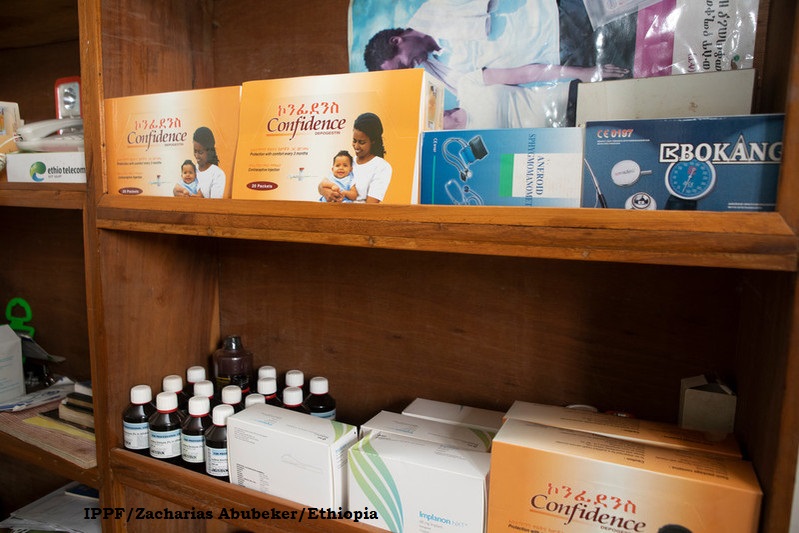
In Ethiopia, an estimated 24% of women had an unmet need for modern contraception in 2017, with rural communities forming a significant portion of those who lack access to family planning services. While there has indeed been a rise in the number of private health facilities in Ethiopia, only a small proportion (8%) provide reproductive health services. Consequently, social franchising, whereby private sector health providers deliver quality-assured health services under a common franchise brand, has been shown to positively engage private providers with public health goals – including increasing access to much-needed family planning services. IPPF's Member Association in the country - The Family Guidance Association of Ethiopia (FGAE) initiated the social franchising program to mainly contribute to national efforts to address the population’s unmet need of family planning. FGAE’s Strategic Plan (2016-2020), Strategic Objective 3.2 aims to deliver 10 million integrated Sexual Reproductive Health (SRH) services through other outlets -mainly private and public facilities. Towards this, FGAE thus established a network of socially franchised clinics in 2013 called Family Health Network (FHN). It started with 10 private clinics for the pilot. Since 2013, the network has grown substantially, with over 300 private clinics in 2018; mainly medium clinics in small towns which have been able to effectively reach underserved populations. To make the best use of limited resources, FGAE, like other service delivery organizations, needs to consider how cost-effective social franchising is as a service delivery model. FGAE Franchised Model: FGAE’s “Fractional social franchising model” involves a contractual relationship between franchisee and franchiser in which the franchisee agrees to produce or market some important SRH products or services in accordance with an overall “Blue Print” devised by the franchiser. Expansion of SRH Services through Family Health Network Clinics (FHNCs) FGAE franchised four services: Family planning Comprehensive Abortion Care (CAC) HIV STI services FGAE Support Provided to FHNCs Family planning commodities, HIV test kits and STI drugs, Other supplies and equipment, especially for Infection prevention mechanism Minor renovation Training of service providers Technical support to ensure Quality of Care (QoC) in the service provision Standardized data capturing and reporting tools Future Strategies and Direction: FGAE has made great progress in establishing and growing a thriving social franchising program that continues to expand access to voluntary family planning services for underserved, low-income populations. The FGAE experience can serve to provide lessons to other service delivery organizations that are either establishing or managing a franchise program. The costings analysis done on the social franchising program of FGAE demonstrated that, for service delivery organizations, social franchising can offer a cost-effective model for expanding reach to underserved populations. This evaluation showed that it is more cost-effective for FGAE to deliver SRH services via the social franchise model compared to the FGAE-owned (static) clinics. FGAE has been sharing its experience to Member Associations in Africa and beyond the Africa region. FGAE's social franchising model was identified as one of the Member Association’s Good Practices during the 3rd Cycle of Accreditation. A Good Practice is an activity or practice that has been proven to work and yields positive results. The sharing of Good Practices by IPPF Member Associations offers learning experiences for their counterparts. See other Good Practices from our Member Associations: Implementation of The Evidence for Contraceptive Options and HIV Outcomes (ECHO) Trial in Eswatini Partnerships for Improved Maternal Health: The Planned Parenthood Association of Ghana (PPAG) Experience Partnership with Armed Rebel Groups in the Provision of SRH Services in Crisis Situations: The Central African Republic (CAR) Experience Leading Efforts to End Child Marriage: The Case of Senior Chief Theresa Kachindamoto of Malawi Mobile Clinics in Cape Verde: Taking Services Closer to the People Awarding the Best Performing Clinics: Lesotho Planned Parenthood Association (LPPA) What’s in a Game? ABUBEF’s use of Playing Cards for Youth SRHR Education For more information about the work of IPPF Africa Region, follow us on Facebook and Twitter.
21 August 2023
One Less Burden for Meaza
World Humanitarian Day is marked every year on the 19th of August honouring the humanitarian workers and organisations while underscoring the importance of providing assistance and support to people in crisis. The IPPF-led WISH2ACTION programme sought to scale up integrated sexual and reproductive health services to key populations including the poor, youth under 20, people with disabilities, and those in humanitarian settings when it started at the end of 2018. In its current phase, the programme is implemented in Burundi, Ethiopia, Malawi, Madagascar, Somalia, South Sudan, Sudan, Tanzania, and Uganda. This includes providing sexual and reproductive health services within conflict areas in Ethiopia, Somalia, South Sudan, and Sudan. The provision of services in humanitarian settings comes with its own set of challenges but heart-wrenching stories such as Meaza’s remind us of the importance of leaving no one behind. Meaza Hailu, is a 33-year-old married woman who resided with her husband and three children in Kafta Humora in Western Tigray until November 2020 when war broke out. Her family was attacked one night in their home by the armed militia who killed her eldest son. They were expelled from their home and fled to the Mekelle settlement and now reside in an IDP camp. “Before we were expelled from our homes, we had a decent home and were self-sufficient in every way. Currently, my life is completely devastated after witnessing the killing of my son and my relatives at the hands of armed local militia. Now, we have lost everything we had and find ourselves seeking shelter in an empty settlement in Mekelle. Our survival depends solely on aid agencies and the local host communities. Unfortunately, we have not received any food assistance for several months, and we are suffering severely from starvation, physical ailments, and stress. Both my children and I find it hard to fall asleep since we witnessed the murder of my son” she said. The WISH2ACTION programme has mobile health teams that visit IDP camps in the Tigray region raising awareness of sexual and reproductive health and rights and providing sexual and reproductive health services including contraception, post-abortion care, antenatal care, and care for survivors of sexual gender-based violence (SGBV). Overburdened by her hardships and traumatised by her experience, Meaza does not want to have another child at this time. “Due to the hardships, we are facing, I cannot afford to have another child in the near term. Additionally, I do not plan to have another child until we can return to our home and resume a normal life. That is why I visited several public facilities, including Mekelle General Hospital, in search of contraception services, but without success.” Meaza had visited several public facilities in Mekelle seeking contraceptive services, but commodities were unavailable. “Recently, I went to Mekelle Hospital, seeking contraceptive services. The providers there told me to wait until the WISH2ACTION mobile SRH team visited my IDP site. I waited for the team for one week, hoping to finally access the family planning service I had been seeking for a long time." On May 16, 2023, the programme mobile health team visited the Hatsey Yohannes IDP site in Mekelle. Meaza attended the outreach. She received counselling and opted for a three-year contraceptive implant. After the service, she expressed her gratitude to the team, “Now, you have relieved a tremendous burden for me, and I am truly grateful to the WISH staff.” Feven Nigussie, an outreach service provider, emphasized the significance of their work, stating “Majority of our clients are displaced and host community women and girls. We regularly attend to different SRH-related cases such as SGBV survivors, women, and girls seeking post-abortion care for unintended pregnancies and contraceptive services to prevent pregnancies, etc. The programme is contributing to a reduction in maternal mortality and morbidity related to complications of unsafe abortions, and SGBV.” Meaza is representative of the millions of people in need of assistance in humanitarian settings across the globe. Today should stand as a reminder that we should all advocate for those in need and work towards a more compassionate and just world.
16 March 2023
Feminist Opportunities Now: Eradicating GBV in the world, one flexible funding at a time
Feminist Opportunities Now (FON) is a programme that aims to build capacity of feminist organisations via subgrants to enhance more diverse and resilient Civil Society Organisations when addressing and responding to gender-based violence, inequalities, discrimination and other human rights violations related to gender. International Planned Parenthood Federation Africa Region (IPPFAR) is the FON consortium lead, with the other consortium partners being Médecins du Monde (MdM-FR), Creating Resources for Empowerment and Action Inc. (CREA), the International Federation on Human Rights (FIDH) and Empow’Her (EH). The programme is funded by the French Government via the French Development Agency (AFD). The actions of the consortium's member organizations are guided by feminist principles and a strong commitment to promoting human rights and combating inequalities and discrimination, particularly against women and girls. With extensive experience in the themes covered by the program's mandates and complementary expertise, they provide a solid foundation for the program's comprehensive and holistic approach. Where: Bangladesh, Burkina Faso, Colombia, Côte d'Ivoire, Ethiopia, Republic of Guinea, Kenya, Mexico, Niger, Sri Lanka. When: 2022-2026 The Challenge Gender inequalities continue to impact half of the world’s population on a global scale and remain one of the primary barriers to human development. The FON Programme aims to tackle these inequalities by addressing several key challenges: Insufficient or ineffective implementation of comprehensive laws, policies, and legal frameworks to combat gender inequalities globally, which has resulted in worsening disparities. Inadequate application of these frameworks has further widened inequalities and increased the vulnerability of women and girls, particularly those with disabilities, living with HIV, sex workers, and individuals of diverse sexual orientations and gender identities (SOGI). The COVID-19 pandemic has significantly exacerbated social and economic issues, leading to a rise in gender-based violence (GBV). Insufficient involvement of people with disabilities (who make up 15% of the global population), LGBTI+ individuals, sex workers, and people living with HIV/AIDS in initiatives to advocate for their rights, resulting in limited participation in preventing and responding to violence. A lack of support for emerging or relatively new Civil Society Organizations (CSOs), many of which are not formally recognized. Despite their enthusiasm and dynamic efforts, these organizations continue to face obstacles that limit their ability to combat GBV and promote women's rights. The absence of an innovative and flexible financing system to enhance the contributions of diverse CSOs in the Global South toward reducing GBV. Objectives of the Programme To Improve the sustainability of feminist CSOs at the organizational and technical levels by proposing an inclusive approach to capacity building. To support the resilience and diversity of feminist CSOs through access to flexible, sustainable financing mechanisms tailored to small and/or informal and/or marginalized CSOs. To strengthen a networked movement of feminist CSOs in the Global South, linking these CSOs and national, regional, and international networks, to make their voices heard on the public stage. To promote innovation at all levels of the programme by the CSOs themselves and the consortium member organisations. Targets of the Programme Feminist CSOs working with and/or for the various structurally excluded groups. Activist organizations working with or led by people who may face particularly high discrimination. Gender inequalities and GBV, such as members of the LGBTI+ community and in general people with diverse sexual orientation and gender identities and Gender Expressions (SOGIE). People living with disabilities. People with HIV/AIDS. Sex workers. Indirectly, targets of advocacy activities (regional bodies, national / local authorities, etc) Approaches of the Programme FON seeks to empower feminist organizations through subgrants to create more diverse and resilient CSOs in their efforts to address and respond to gender-based violence, inequalities, discrimination, and other human rights violations related to gender. To support this mission, FON will establish Regional Coordination and Advisory Committees in each region—Africa, Asia, and Latin America. These committees will play a crucial role in promoting inclusiveness and identifying opportunities for advocacy. The subgranting process will be structured into three funding windows, with the first call for proposals set to launch in April 2023: Window 1 : Boost The goal of this window is to enhance the capacity of feminist CSOs to navigate external challenges (such as political instability or insecurity) and internal obstacles (such as organizational difficulties, need for co-funding or additional program components). This window also provides flexibility, allowing CSOs to apply for grants to seize new opportunities in programming or advocacy. Window 2: Programmatic & Organizational Development This window is designed to support small and mid-sized CSOs aiming to grow their organizational, technical, and programmatic capacities. It aims to fund specific programs while simultaneously strengthening the overall capacity of the recipient organizations. Window 3: Synergies This window will provide funding for networks, movements, and alliances to carry out advocacy activities related to GBV and for organizations looking to join existing networks. It focuses on fostering network and alliance building and increasing visibility on national, regional, and international platforms. Location Justification Equity is a fundamental component of the FON implementation strategy. The programme will be carried out in 10 countries: six in Africa (Burkina Faso, Ethiopia, Côte d’Ivoire, Guinea, Kenya, and Niger), two in Latin America (Colombia and Mexico), and two in Asia (Bangladesh and Sri Lanka). The selection of these locations was carefully considered based on the following criteria: Countries where there is a strong need for CSO support and a high potential for exchanges and collaborations. Locations with existing normative and policy frameworks that are not fully implemented or respected in national laws. Countries with significant and varied needs among their populations, indicating a broad potential for learning and training. Contexts where gender-based violence is prevalent, increasing the necessity for support to feminist CSOs. Opportunities for collaboration with other existing and/or new initiatives. Find out more about FON in English, French or Spanish
Feminist Opportunities Now: Empowering Feminist Organisations Around The World
7 February 2023, Nairobi, Kenya – The International Planned Parenthood (IPPF) Africa Region in collaboration with the French Embassy in Nairobi, Kenya, launches a new program which aims at strengthening feminist civil society organisations (CSOs) in 10 countries and over 3 continents – the Feminist Opportunities Now (FON) project. The Feminist Opportunities Now project will help small feminist local organisations become more diverse and resilient when addressing and responding to gender-based violence, inequalities, discrimination and other human rights violations related to gender. The program is funded by the French Government via the French Development Agency (AFD). This project will be implemented in 10 countries, including six in Africa (Burkina Faso, Cote d’Ivoire, Guinea, Ethiopia, Kenya and potentially Niger). Others are Colombia, Mexico, Bangladesh and Sri Lanka. Speaking during the launch of the FON project held at the French Embassy in Nairobi on 7 February, the IPPF Africa Regional Director, Ms. Marie-Evelyne Petrus-Barry said “gender-based violence in all its forms is recognised as a human rights violation by the international human rights framework and jurisprudence. Gender inequality, power imbalance and lack of respect for human rights are often the root causes of such heinous acts and prevent survivors from accessing and enjoying their full sexual and reproductive health and rights. As human rights defenders, we must all take a stand and put a stop to these inexcusable acts.” The Feminist Opportunities Now is a project which is grounded on feminist principles with a deep commitment to the protection and promotion of human rights and the fight against inequalities and discrimination, especially against women and girls. END For media enquiries, please contact: Mahmoud Garga, Lead Specialist -Strategic Communication, Media Relations and Digital Campaigning, IPPF Africa Regional Office (IPPFARO) on [email protected] / Tel: +254 704 626 920 ABOUT THE FEMINIST OPPORTUNITIES NOW (FON) PROJECT The objective of the project Feminist Opportunities Now (FON), is to build the capacity of women's movements, via sub-grants to feminist organisations, with a particular effort to reaching small, often non-registered, organisations to address and respond to gender-based violence. The programme is developed based on an ecological model, using multi-disciplinary gender-transformative approaches. In addition to direct sub-granting (for € 7 million), FON will also provide a unique opportunity for longer-term mentorship to support feminist organisations in their overall development, with trainings specifically tailored to their needs. FON will also uniquely support the organisations to identify other/diverse sources of funding and also includes a research-action component to understand how these approaches can be scaled-up and made sustainable. ABOUT IPPF AFRICA REGION (IPPFAR) The International Planned Parenthood Federation Africa Region (IPPFAR) is one of the leading sexual and reproductive health (SRH) service delivery organization in Africa, and a leading sexual and reproductive health and rights (SRHR) advocacy voice in the region. Headquartered in Nairobi, Kenya, the overarching goal of IPPFAR is to increase access to SRHR services to the most vulnerable youth, men and women in sub-Saharan Africa. Learn more about us on our website. Follow us on Facebook, Twitter, Instagram and You Tube. ABOUT THE FEMINIST OPPORTUNITIES NOW CONSORTIUM The consortium that will implement this project is composed of the International Federation for Family Planning Africa Regional Office as lead agency, Creating Resources for Empowerment and Action Inc. (CREA), Empow'Her (EH), the International Federation for Human Rights (FIDH) and Médecins du Monde-France (MdM-FR).
Feminist Opportunities Now (FON)
CALL FOR EXPRESSION OF INTEREST The International Planned Parenthood Federation for Africa Region (IPPFAR) is pleased to announce a call for Expressions of Interest for interested organizations to become involved in their Feminist Opportunities Now (FON) programme, and join the Regional Coordination and Advisory Committee (RCAC), the advisory body that will to ensure inclusive and participatory governance of FON’s grant-making mechanism for feminist organizations across Africa: Burkina Faso, Ethiopia, Guinea, the Ivory Coast, Kenya and potentially Niger. Apply by 19 February 2023 More infos : https://bit.ly/3wJeV7o
19 August 2022
World Humanitarian Day 2022: It Takes a Village
19 August 2022: Today is the World Humanitarian Day, and this year's campaign shines a light on the thousands of volunteers, professionals and crisis-affected people who deliver urgent health care, shelter, food, protection, water and much more. IPPF's Humanitarian Programme provides a distinct model for delivering life-saving sexual and reproductive healthcare in crises. We connect key elements of humanitarian action with long-term development. Watch this short, powerful video that highlights IPPF's humanitarian response to the Tigray crisis in northern Ethiopia. For more updates on our work, follow IPPF Africa Region on Facebook, Twitter, Instagram and You Tube.
31 March 2017
SPRINT: Sexual and reproductive health in crisis and post-crisis situations
The SPRINT Initiative provides one of the most important aspects of humanitarian assistance that is often forgotten when disaster and conflicts strike: access to essential life-saving sexual and reproductive health services. We build capacity of humanitarian workers to deliver essential life-saving sexual and reproductive health services in crisis and post-crisis situations through the delivery of the Minimum Initial Service Package (SRH) for reproductive health in emergencies. Through funding from the Australian Government's Department of Foreign Affairs and Trade (DFAT) our SPRINT Initiative has brought sexual and reproductive health to the humanitarian agenda, increased capacity and responded to a number of humanitarian emergencies. Australia has funded the SPRINT initiative since 2007 and has supported reaching 1,138,175 people to date and continues to respond to ongoing emergencies. In each priority country, we work with an IPPF Member Association to coordinate and implement SPRINT activities. Through these partnerships, SPRINT helps strengthen the enabling environment, improve national capacity and provide lifesaving services during times of crisis. You can read more about the SPRINT Initiative and IPPF Humanitarian’s Programme here. Australian Government's Department of Foreign Affairs and Trade (DFAT) Australia's location in the Indo-Pacific provides us with a unique perspective on humanitarian action. Australia is committed to helping partner governments manage crisis response themselves. This is done through building the capacity of the national government and civil society to be able to respond to disaster. DFAT also works with experienced international partners to prepare for and respond to disasters, including other donors, United Nations agencies, the International Red Cross and Red Crescent Movement and non-government organisations.
31 January 2022
Feminist Opportunities Now (FON)
The objective of the project is to build the capacity of women's movements, via sub-grants and organizational development support, especially for small organizations, often non-registered, to address and respond to gender-based violence. Budget: 14,000 000 EUR Donor: Agence Française de Développement (AFD) Timeline: 4 years (Start date – Q2 of 2022) Project implementation areas: Mexico and Columbia in Latin-America (led by MdM), Bangladesh and Sri Lanka in Asia (led by CREA) and Burkina Faso, Ethiopia, Guinea the Ivory Cost, Kenya and Mali (led by IPPFARO) Partners: IPPF ARO, Médecins du Monde (MdM), Creating Resources for Empowerment in Action (CREA), FIDH (International Federation on Human Rights) & Empow’Her. Other interesting information: It is the first time IPPF has received direct funding from AFD, the first time we are partnering with these new consortium partners and delivering on a large global project. The project is supporting CSOs in Bangladesh, Burkina Faso, Colombia, Cote d’Ivoire, Ethiopia, Guinea, Kenya, Mexico, Niger, Sri Lanka.
24 September 2020
"My Experiences as a Health Journalist"- Tewodros Kassa (Ethiopia)
By Maryanne W. Waweru Tewodros Kassa is a 27-year-old journalist from Ethiopia, currently a reporter with the Ethiopian Herald. A holder of a BA degree in journalism and communications, Tewodros chose health journalism as his specialty. In this article, he shares his experiences as a health reporter, more so during this time of the COVID-19 pandemic. Tewodros is also a member of the IPPF Africa Region SRHR Journalists' Network. Why did you choose to be a journalist? I chose journalism because I wanted to positively contribute to society by sharing information through telling powerful stories. I observed that many people faced difficulties in life due to lack of proper information, especially that related to their health. I wanted to fill this gap by empowering them with information that would enable them to make healthy decisions about their lives. Why did you choose to specialize in health journalism? I particularly chose health journalism because good health is critical to our survival and well-being. However, there remains a wide information gap when it comes to health. While there are so many important health issues to be covered, in Ethiopia, many media houses prioritize politics, business, and other agendas, with minimal space being given to health. My desire has always been to change this by advocating for more coverage of health issues and mobilizing policy makers and other stakeholders’ commitment towards a healthier society through well-told stories. Where do you get your stories from? I like reporting from a human-interest angle. This involves interviewing ordinary people in the field. Reporting this way helps my readers connect with the story better. Data and lengthy reports filled with jargon from scientists, researchers, medics and policymakers are best interpreted and told through the stories of individuals -the human-interest angle, and that is what I do. What is your daily routine like as a health journalist? Every morning, I make sure I catch up with global and local news as I keep myself updated. I then try to develop story ideas based on the health issues of the day. I also finish any pending stories I was working on. I am constantly in touch with my sources –who include health care professionals, patients, researchers and scientists as they are the ones who give me new information and help verify facts in their areas of expertise. Which is the most memorable story you have ever filed? It has to be the story I did titled “The covert life of Eskedar”. This was the story of a 35-year-old woman living in rural Ethiopia, and whose education was interrupted when she was married off at the tender age of 10. She went on to face abuse in her marriage, which she eventually left. In her struggle for survival, she ended up on the streets as a commercial sex worker, where she faced a myriad of challenges including sexual violence, harassment and exposure to sexually transmitted infections (STIs) including HIV. Eskedar’s story inspired me to continue doing more reports that highlight issues of poverty, child marriage and the need for education of the girl child, as well as women’s empowerment. What have some of your experiences been during COVID-19? My reporting experience during Covid-19 has no doubt been challenging. Staying at home and working from home is difficult as a journalist, especially when your work largely requires you to go out to the field to collect information. Restrictions on movement have affected our regular group discussion forums, attending of conferences and other public forums -all of which are platforms for harvesting good story ideas. However, conducting telephone interviews, use of social media and other digital technologies have allowed me to succeed in my reporting during the pandemic. Social media has been of great benefit to me when reporting during COVID-19. I have attended many press conferences, webinars, conducted interviews and followed live proceedings of reports and briefings via social media. Besides, social media is faster than the mainstream media when it comes to disseminating stories to the public. I can also say that adhering to the stipulated COVID-19 safety mechanisms have helped me stay safe. I wear my face mask as required, washing hands properly, sanitize, stay home when it is necessary, and I observe social distancing while out there. How have you worked with IPPF’s Member Association during this time? Family Guidance Association of Ethiopia (FGAE) has over the years played a supportive role for me as a journalist – something it has continued to do during this time of COVID-19. As I’m collecting information, FGAE always helps me find the right person for the interview, generate new ideas, access experts for my story, access data and other resources, among others. FGAE has helped me over the years in my health reporting. Tewodros spoke to Maryanne W. Waweru, Communications Officer, IPPF Africa Regional Office For more information about the work of IPPF Africa Region, connect with us on Facebook and Twitter.
19 August 2020
"My Attitude Towards Persons with Disabilities is Different Now"-Mazza, Ethiopia
The IPPF-led Women’s Integrated Sexual Health, W2A programme, under the banner ‘Leave No One Behind’ offers quality integrated and inclusive family planning/sexual reproductive health (FP/SRH) services to marginalized and hard to reach populations such as the poor, youth under 20 and people with disability. The programme enhances disability inclusion efforts to deliver high-quality integrated sexual reproductive health and rights (SRHR) services and counselling by working closely with consortium partners to tackle stigma and improve healthcare access for people living with disabilities (PLWDs) both at the national and community levels in the W2A countries. Ethiopia disability prevalence stands at 9.10% and as such, strengthening disability inclusiveness in service delivery has been a focus of IPPF’s Member Association in Ethiopia -Family Guidance Association of Ethiopia (FGAE) and WISH2ACTION partners in the country -Humanity and Inclusion (HI) and International Rescue Committee (IRC). This work is advanced through context analysis to identify barriers to access for people with disabilities, mapping national-level disabled persons organizations, (DPOs ) and actors working on the theme of rights of people with disabilities as well as training service providers in inclusive SRH (iSRH). “I am Mazza, a 25 year-old nurse in Gambela. Having graduated from college as clinical nurse, I have been providing family planning/ sexual and reproductive health services at a local hospital. For years, I would face challenges when persons living with disability (PLWD) came for health services at the hospital. My greatest challenge was how to best communicate with them in order to understand their health needs and offer quality services. I was particularly surprised when they came for family planning services as I didn’t think PLWDs are sexually active, and that they too need family planning services. In March 2020, I participated in a training organized by the WISH2ACTION programme. The five-day training was on ‘disability-inclusive SRH service delivery’. Interestingly, on the first day of training, I took a pre-test and scored 30%. The test was to examine my level of knowledge and understanding of disability and SRH service delivery to this population. However, on the last day of the training I scored 80%! Indeed, I gained a lot of new information and skills during the training. From the training, I understood that persons with disability have the same sexual and reproductive health needs as those without disabilities. Additionally, I learned about how to best communicate with them, and how to provide disability-friendly services that can help them overcome the barriers they face in accessing quality health services. The training further enabled me to change my mindset about PLWDs, and have an improved outlook about them and their needs. They too have needs and rights that must be respected. Since attending the training, I have developed more interest in issues of disability, and my commitment to ensuring PLWDs receive quality SRH services has been strengthened. I want to thank the WISH2ACTION project for their work with PLWDs. We will achieve even greater milestones if such training opportunities are availed to all health workers. This will enable them to provide disability-inclusive quality SRH services.” For more information about the work of IPPF Africa Region, connect with us on Facebook and Twitter.
06 August 2019
Social Franchising for Reproductive Health Services: The Experience of Family Guidance Association of Ethiopia (FGAE)
In Ethiopia, an estimated 24% of women had an unmet need for modern contraception in 2017, with rural communities forming a significant portion of those who lack access to family planning services. While there has indeed been a rise in the number of private health facilities in Ethiopia, only a small proportion (8%) provide reproductive health services. Consequently, social franchising, whereby private sector health providers deliver quality-assured health services under a common franchise brand, has been shown to positively engage private providers with public health goals – including increasing access to much-needed family planning services. IPPF's Member Association in the country - The Family Guidance Association of Ethiopia (FGAE) initiated the social franchising program to mainly contribute to national efforts to address the population’s unmet need of family planning. FGAE’s Strategic Plan (2016-2020), Strategic Objective 3.2 aims to deliver 10 million integrated Sexual Reproductive Health (SRH) services through other outlets -mainly private and public facilities. Towards this, FGAE thus established a network of socially franchised clinics in 2013 called Family Health Network (FHN). It started with 10 private clinics for the pilot. Since 2013, the network has grown substantially, with over 300 private clinics in 2018; mainly medium clinics in small towns which have been able to effectively reach underserved populations. To make the best use of limited resources, FGAE, like other service delivery organizations, needs to consider how cost-effective social franchising is as a service delivery model. FGAE Franchised Model: FGAE’s “Fractional social franchising model” involves a contractual relationship between franchisee and franchiser in which the franchisee agrees to produce or market some important SRH products or services in accordance with an overall “Blue Print” devised by the franchiser. Expansion of SRH Services through Family Health Network Clinics (FHNCs) FGAE franchised four services: Family planning Comprehensive Abortion Care (CAC) HIV STI services FGAE Support Provided to FHNCs Family planning commodities, HIV test kits and STI drugs, Other supplies and equipment, especially for Infection prevention mechanism Minor renovation Training of service providers Technical support to ensure Quality of Care (QoC) in the service provision Standardized data capturing and reporting tools Future Strategies and Direction: FGAE has made great progress in establishing and growing a thriving social franchising program that continues to expand access to voluntary family planning services for underserved, low-income populations. The FGAE experience can serve to provide lessons to other service delivery organizations that are either establishing or managing a franchise program. The costings analysis done on the social franchising program of FGAE demonstrated that, for service delivery organizations, social franchising can offer a cost-effective model for expanding reach to underserved populations. This evaluation showed that it is more cost-effective for FGAE to deliver SRH services via the social franchise model compared to the FGAE-owned (static) clinics. FGAE has been sharing its experience to Member Associations in Africa and beyond the Africa region. FGAE's social franchising model was identified as one of the Member Association’s Good Practices during the 3rd Cycle of Accreditation. A Good Practice is an activity or practice that has been proven to work and yields positive results. The sharing of Good Practices by IPPF Member Associations offers learning experiences for their counterparts. See other Good Practices from our Member Associations: Implementation of The Evidence for Contraceptive Options and HIV Outcomes (ECHO) Trial in Eswatini Partnerships for Improved Maternal Health: The Planned Parenthood Association of Ghana (PPAG) Experience Partnership with Armed Rebel Groups in the Provision of SRH Services in Crisis Situations: The Central African Republic (CAR) Experience Leading Efforts to End Child Marriage: The Case of Senior Chief Theresa Kachindamoto of Malawi Mobile Clinics in Cape Verde: Taking Services Closer to the People Awarding the Best Performing Clinics: Lesotho Planned Parenthood Association (LPPA) What’s in a Game? ABUBEF’s use of Playing Cards for Youth SRHR Education For more information about the work of IPPF Africa Region, follow us on Facebook and Twitter.