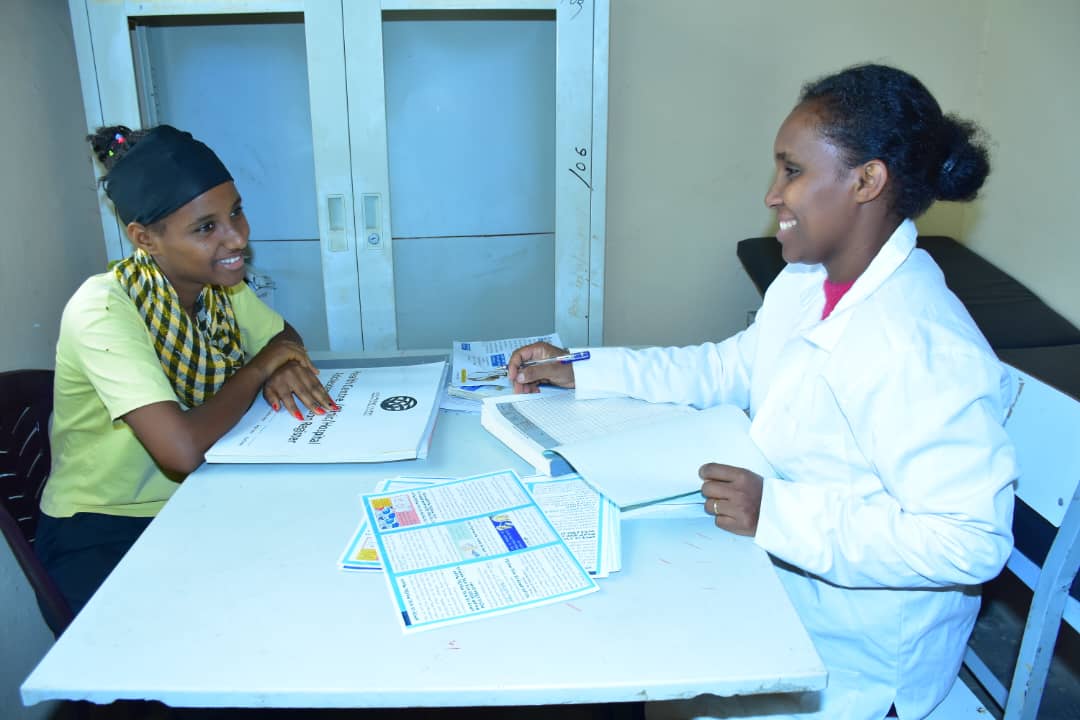




Tikil Dingay Health Center, one of the main facilities serving the district, had discontinued comprehensive abortion care services for over two years following the turnover of trained providers due to the Northern Ethiopia Conflict. The absence of skilled personnel meant that women and girls were left with few options often resorting to unsafe and unregulated procedures that endangered their lives.
Unsafe abortion continues to be one of the leading causes of maternal deaths in Ethiopia, with 42% of unintended pregnancies ending in abortion nearly 73% in unsafe conditions. The two-and-a-half-year conflict in northern Ethiopia, particularly in Amhara, has worsened the situation by disrupting health services and increasing adolescent vulnerability to unplanned pregnancies and unsafe abortions.
The ongoing efforts under the WISH 2 project to restore and strengthen safe abortion services in Lay Armachiho in Amhara region therefore represent a critical intervention to safeguard women’s and adolescents’ reproductive health and rights, rebuild community trust in health facilities, and reduce preventable maternal deaths.
To address this urgent gap, the Family Guidance Association of Ethiopia partnered with the Woreda Health Office to assess the facility’s capacity and design an intervention to restore services. The assessment confirmed that while the health center served a large catchment population, it lacked trained staff and essential supplies to deliver safe abortion care. In response, FGAE organized a 17-day Comprehensive Abortion Care training in Addis Ababa for selected healthcare providers, in line with Ministry of Health standards.
Among the trainees was Dr. Solomon Adugna from Tikil Dingay Health Center, who upon completing the training, returned to the facility and immediately began mobilizing his colleagues to reinstate the service. The center allocated a dedicated room for CAC, procured necessary supplies including abortion kits, medications, and registration materials and established a routine supervision and mentorship system to ensure quality and accountability.
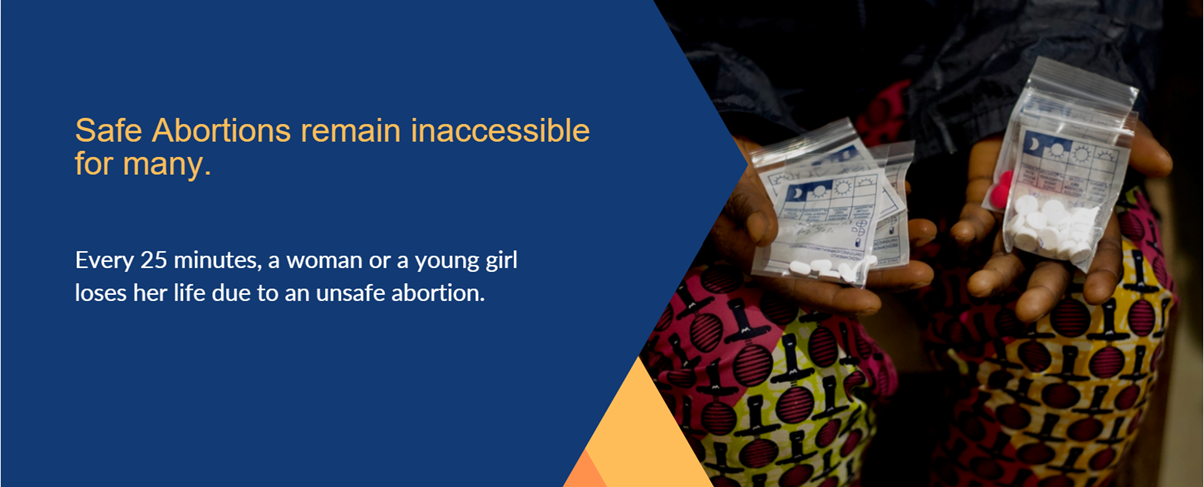
“After completing the training, I was determined to ensure no woman in our community would suffer or die because she lacked access to safe care. We quickly organized our team, prepared the room, secured supplies, and restarted the service with full accountability,”
— Dr. Solomon Adugna, Tikil Dingay Health Center
Within just four months of resuming services, 19 women and adolescent girls accessed safe abortion and post-abortion care, including counselling, HIV testing, and family planning. Though modest in number, these cases represent lives saved and health restored tangible evidence of the transformative power of capacity building and local leadership.
One of the clients, a 19-year-old girl, recounted her experience:
“I was very worried. The private clinic requested me 6,000 Birr (which is equivalent to 40$) for the service. While searching for other traditional alternatives, one of my colleagues told me the health center provides the service. Anyway, they saved my life.”
The success of this intervention was not without challenges. Frequent staff turnover and technical gaps had disrupted service continuity for years. However, through close collaboration between FGAE, the Woreda Health Office, and Tikil Dingay Health Center, these challenges were effectively mitigated. Plans are now in place to assign dedicated staff and expand training opportunities for additional providers, ensuring sustainability and continued access to safe services.
when
country
Ethiopia
region
Africa
Subject
Abortion Care, Maternal Healthcare
Related Member Association
Family Guidance Association of Ethiopia