



In Howl-Wadag District of Benadir Region, Mogadishu, the story of family planning is one of quiet transformation. For decades, Somali women and girls have faced some of the world’s toughest reproductive health challenges. With a maternal mortality rate of 563 per 100,000 live births, a fertility rate as high as 6.9, and a modern contraceptive prevalence of just 1%, the need for accessible, safe, and trusted family planning services has never been greater.
Conflict, displacement, and drought have weakened Somalia’s health system, leaving communities especially internally displaced persons with little access to quality reproductive health services. Deep-rooted social and religious norms, widespread myths about contraception, and male opposition further limit women’s reproductive choices. Yet, amidst these challenges, Arif Health Center stands as a symbol of change.
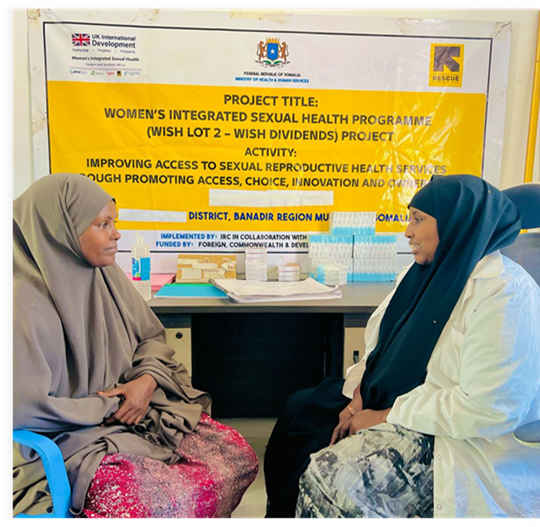
Through the WISH 2 project, the Ministry of Health has received critical support to expand FP services, strengthen provider capacity, and engage communities in open dialogue about reproductive health. At Arif Health Center, over 85,000 people, including many displaced families, now benefit from comprehensive care encompassing maternal and child health, birth spacing, and nutrition services.
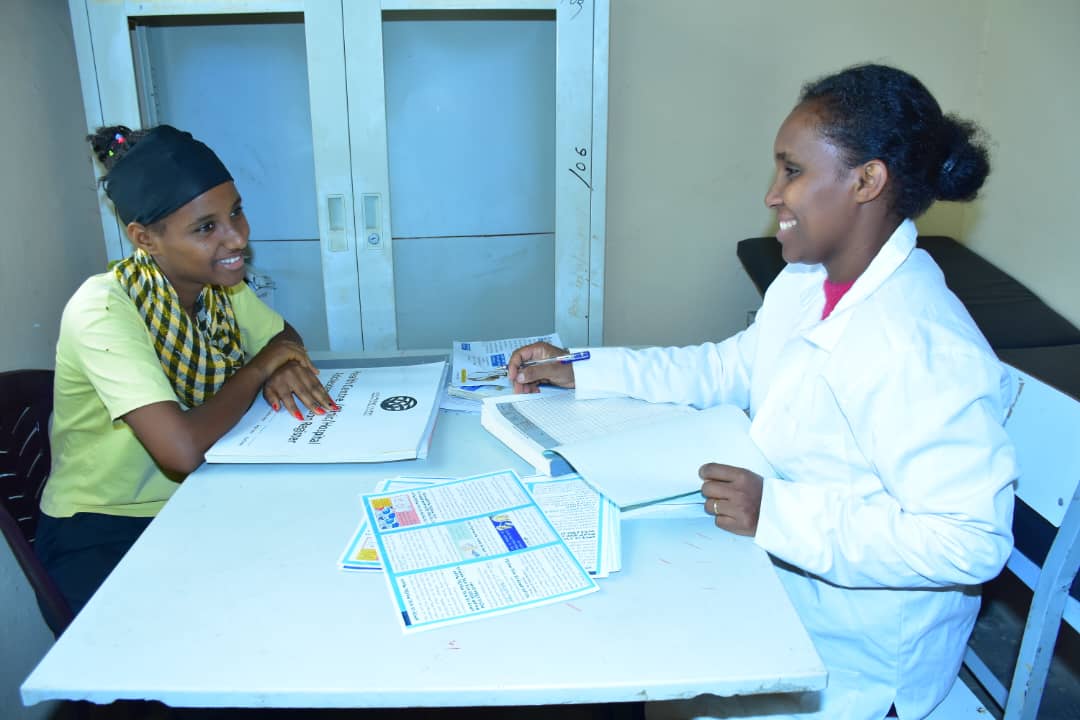
FP counseling, ensuring that every woman who walks through the door is informed of her choices. The availability of a reliable contraceptive supply chain has eliminated frequent stockouts, and method options have diversified from injectables and implants to pills and condoms giving women the freedom to choose what suits them best.
The impact has been profound. Between WISH Phases I and II, Arif Health Center recorded a remarkable 68% increase in the number of women accessing family planning services. Monthly uptake rose from an average of 210 clients in 2022 to 353 in 2025, marking the highest level since the start of WISH support. The method mix also diversified significantly. While short-term methods such as injectables previously accounted for 80% of total use, their proportion dropped to 55% in 2025 as more women opted for long-acting reversible contraceptives (LARCs) such as implants and intrauterine devices (IUDs), which together increased from 15% to 40% of the total method mix.
This shift reflects not only greater awareness and trust in modern contraception but also the success of provider training, continuous community engagement, and religious leader advocacy in normalizing family planning. Women are now choosing methods based on informed preference rather than limited availability or fear of side effects.
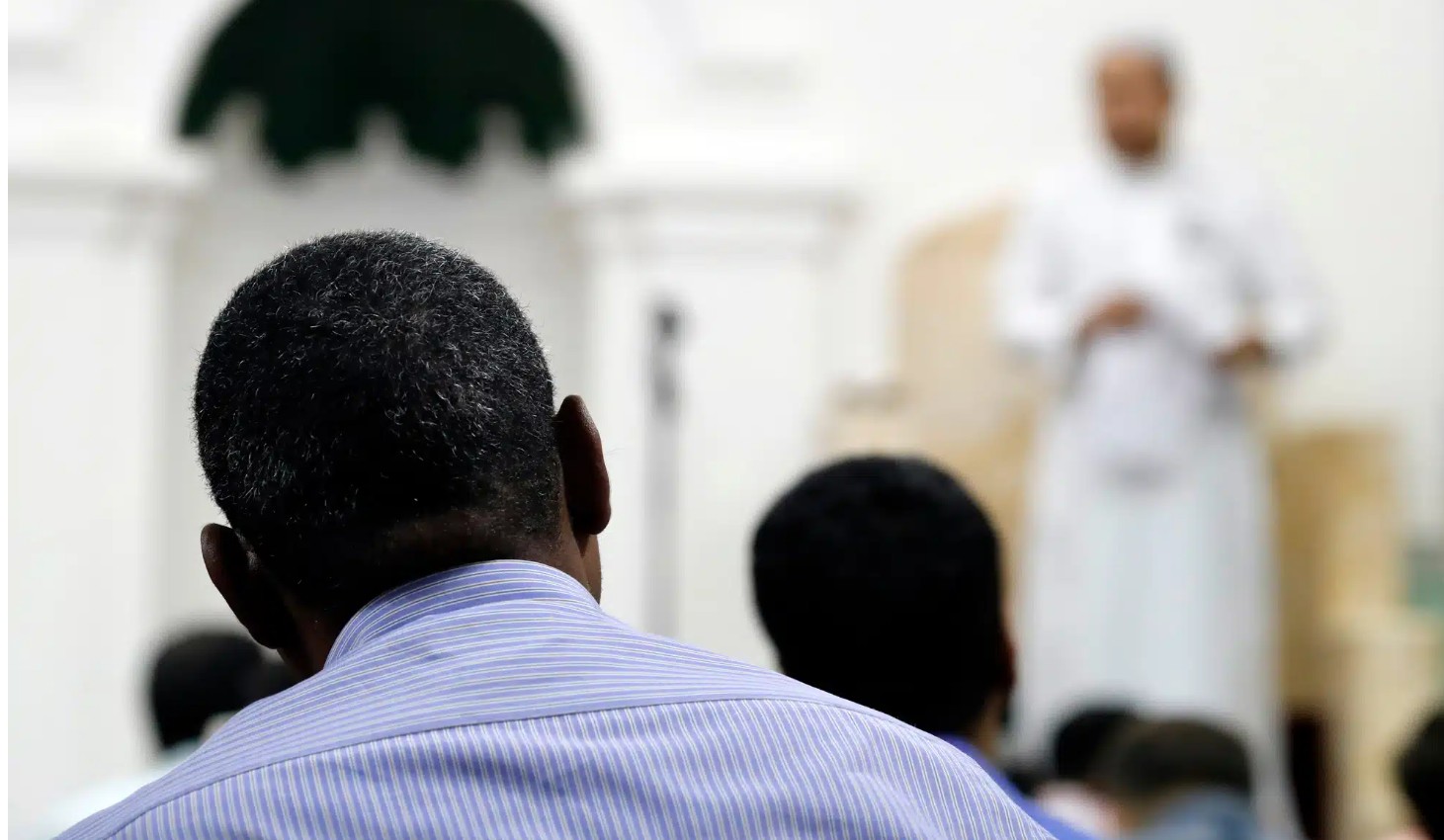
This change did not happen overnight. A critical breakthrough came through religious leaders, who were engaged to link family planning with Islamic teachings on maternal well-being and responsible parenthood. Their support has been transformative turning FP from a taboo into a topic of health and faith. Community health workers, once hesitant themselves, are now champions for birth spacing, sharing accurate information and countering myths in markets, mosques, and homes.
The lessons from Arif Health Center reveal that progress in fragile settings depends on trust, partnership, and persistence. Strengthened provider capacity, consistent supplies, and community engagement together created a ripple effect boosting confidence, expanding choice, and saving lives.
Despite ongoing challenges, such as limited funding, displacement, and the fragility of the health system, Somalia’s experience offers a clear message: with the right support, even the most fragile contexts can witness a positive shift in family planning uptake.
The journey continues. The Ministry of Health and WISH 2 partners are now working to expand this model to other districts, ensuring that every Somali woman, regardless of circumstance, can access voluntary, rights-based family planning services and the dignity, safety, and hope that come with it.
when
country
Somaliland
region
Africa
Subject
Comprehensive Sex Education, Contraception