



programme
| 25 February 2026
Strengthening Health Systems for Integrated and Transformative SRHR (SHIFTS)
𝗔𝗯𝗼𝘂𝘁 𝗦𝗛𝗜𝗙𝗧𝗦 Strengthening Health Systems for Integrated and Transformative SRHR (SHIFTS) is a 7-year initiative that aims to enhance the realization of sexual and reproductive health and rights (SRHR) for women, adolescents and marginalized groups by ensuring they can exercise their rights and access essential sexual and reproductive health (SRH) care, free from stigma, discrimination and systemic barriers. Donor: Global Affairs Canada Implementing MAs: Association Béninoise pour la Promotion de la Famille (ABPF), Associação Moçambicana para o Desenvolvimento da Família (AMODEFA) and Planned Parenthood Federation of Nigeria (PPFN). When: 21 March 2025 -31 March 2032 (7 years) Where: Benin – Bohicon and Parakou Mozambique – Zambezia and Gaza Nigeria – Adamawa, Edo, Enugu, Kaduna, Niger, and Oyo The SHIFTS Approach Women, girls and marginalized communities in Mozambique, Benin and Nigeria face persistent gender and health inequities such as high maternal mortality, unmet need for contraception, and higher-than-global-average adolescent birth rates. These issues are compounded by harmful social and gender norms, restricted decision-making power of women and girls over their bodies, and limited integration of SRH care and services into primary healthcare. Additionally, unsafe abortion remains a major contributor to maternal mortality, with stigma, misinformation, and lack of access to safe abortion care, making it more difficult for women and adolescents to access the health services they need. The SHIFTS project responds to these challenges through a three-pillared approach. 1. Tackling gaps in health systems by scaling up and/or implementing cluster models of care to deliver integrated SRH care. 2. Addressing social and gendered barriers to accessing SRHR care through comprehensive sexuality education and community sensitization. 3. Fostering enabling policy and legal environments that emphasize supporting duty bearers in meeting their obligations and accompanying rights holders in claiming their rights. SHIFTS is being implemented in partnership with Action Canada for Sexual Health and Rights, the International Planned Parenthood Federation Africa Region (IPPFAR) and experienced Member Associations (MAs) in Benin, Mozambique, and Nigeria. Grounded in and guided by human-rights based approaches and feminist principles, the project’s partners are committed to strengthening the resilience of health systems in the three focus countries to ensure continuity and long-term accessibility of SRH care in times of disruption.
programme
| 25 February 2026
Strengthening Health Systems for Integrated and Transformative SRHR (SHIFTS)
𝗔𝗯𝗼𝘂𝘁 𝗦𝗛𝗜𝗙𝗧𝗦 Strengthening Health Systems for Integrated and Transformative SRHR (SHIFTS) is a 7-year initiative that aims to enhance the realization of sexual and reproductive health and rights (SRHR) for women, adolescents and marginalized groups by ensuring they can exercise their rights and access essential sexual and reproductive health (SRH) care, free from stigma, discrimination and systemic barriers. Donor: Global Affairs Canada Implementing MAs: Association Béninoise pour la Promotion de la Famille (ABPF), Associação Moçambicana para o Desenvolvimento da Família (AMODEFA) and Planned Parenthood Federation of Nigeria (PPFN). When: 21 March 2025 -31 March 2032 (7 years) Where: Benin – Bohicon and Parakou Mozambique – Zambezia and Gaza Nigeria – Adamawa, Edo, Enugu, Kaduna, Niger, and Oyo The SHIFTS Approach Women, girls and marginalized communities in Mozambique, Benin and Nigeria face persistent gender and health inequities such as high maternal mortality, unmet need for contraception, and higher-than-global-average adolescent birth rates. These issues are compounded by harmful social and gender norms, restricted decision-making power of women and girls over their bodies, and limited integration of SRH care and services into primary healthcare. Additionally, unsafe abortion remains a major contributor to maternal mortality, with stigma, misinformation, and lack of access to safe abortion care, making it more difficult for women and adolescents to access the health services they need. The SHIFTS project responds to these challenges through a three-pillared approach. 1. Tackling gaps in health systems by scaling up and/or implementing cluster models of care to deliver integrated SRH care. 2. Addressing social and gendered barriers to accessing SRHR care through comprehensive sexuality education and community sensitization. 3. Fostering enabling policy and legal environments that emphasize supporting duty bearers in meeting their obligations and accompanying rights holders in claiming their rights. SHIFTS is being implemented in partnership with Action Canada for Sexual Health and Rights, the International Planned Parenthood Federation Africa Region (IPPFAR) and experienced Member Associations (MAs) in Benin, Mozambique, and Nigeria. Grounded in and guided by human-rights based approaches and feminist principles, the project’s partners are committed to strengthening the resilience of health systems in the three focus countries to ensure continuity and long-term accessibility of SRH care in times of disruption.
programme
| 17 November 2025
The Women’s Integrated Sexual Health (WISH) 2
Strengthening the enabling environment for SRHR and reinforcing health systems to deliver sustainable, inclusive access to integrated SRHR services with a special focus on humanitarian and fragile settings. The Women’s Integrated Sexual Health (WISH) project, championed by a ‘Leave No One Behind’ approach, advances quality, integrated, and inclusive family planning and sexual and reproductive health (SRHR) services tailored to the needs of marginalized and hard-to-reach populations. In Eastern Africa, WISH2 builds on proven strategies and successes to extend access for populations often overlooked, young people, persons with disabilities, those living in poverty, and communities affected by conflict or displacement. Donor: Foreign, Commonwealth and Development Office (FCDO) Budget: Total budget of £ 75 million for East and Southern Africa Duration: 2024 to 2029 Funded by the UK Foreign, Commonwealth & Development Office (FCDO) and representing a significant commitment within the UK Government’s family planning framework, the WISH2 Eastern Africa initiative is led by the International Planned Parenthood Federation (IPPF) and executed by a dedicated consortium with partners including the International Rescue Committee (IRC), IPAS, Options Consultancy Services, and the Johns Hopkins Center for Communication Programs (JHU-CCP). Background on WISH 1 to WISH 2 Evolutions The Women's Integrated Sexual Health project was launched in 2018 as FCDO’s flagship initiative to expand access to voluntary family planning and sexual and reproductive health and rights services across 27 countries in Africa and Asia. The project was delivered in two parts, with Lot 2 (WISH2ACTION) implemented by a consortium led by IPPF, alongside MSI, Options, Humanity & Inclusion (HI), and IRC. WISH2ACTION aimed to deliver 16.921 million couple years of protection (CYPs) and reach 2.2 million additional users through a comprehensive approach to ensure equitable access to family planning and SRHR, prioritising youth under 20, the very poor, and marginalised populations including persons with disabilities and those in humanitarian or hard-to-reach settings. Its design integrated four core outputs: community and individual choice (Output 1), sustainability through national ownership (Output 2), access to quality services (Output 3), and global goods and evidence (Output 4). The success and learning from WISH2ACTION laid the foundation for WISH 2, which deepens focus on national systems strengthening, disability inclusion, safeguarding, and resilience in fragile contexts, ensuring SRHR remains a global priority while reaching those most at risk of being left behind. WISH 2 builds on successes and learning from WISH 1, while shifting toward greater national ownership, systems resilience, and sustainability. With a sharper focus on fragile and conflict-affected contexts, WISH 2 moves beyond service delivery to embedding SRHR within national policy frameworks, strengthening accountability, and enhancing inclusion through the systematic integration of disability rights, safeguarding, and climate-sensitive approaches. It places greater emphasis on evidence generation, adaptive learning, and localised solutions, ensuring that services are not only available but also accessible, equitable, and responsive to community needs. WISH 2 represents a strategic evolution, aligning with global priorities to “leave no one behind” while reinforcing SRHR as a critical component of universal health coverage and sustainable development. 2. Where We Work Geographic Footprint WISH 2 Eastern and Southern Africa works across seven countries including, Burundi Ethiopia Madagascar Somalia South Sudan Sudan Zambia Each country’s approach is adapted to local priorities and contexts, ensuring that interventions are both efficient and community responsive. 3. Leaving No One Behind WISH 2 Eastern and Southern Africa is committed to ensuring that every individual, especially those frequently marginalized, is empowered to access life-changing SRHR services. Our integrated approach prioritizes: Women Women, particularly those from economically disadvantaged backgrounds or living in patriarchal community, continue to face systemic barriers to SRHR services. WISH2 prioritizes their needs through respectful, client-centred care that is non-judgmental, confidential, and accessible. Services are tailored to uphold women's autonomy, support informed decision-making, and respond to gender-based disparities, including the risk of sexual and gender-based violence (SGBV). Meeting the Needs of Youth Under 20 In Eastern and Southern Africa, millions of youths, especially adolescents, encounter significant challenges in accessing accurate information and quality SRHR care. WISH2 provides youth-friendly, confidential, and age-appropriate services and education, ensuring young people are empowered to make informed decisions about their bodies, relationships, and futures. The project works closely with schools, youth-led organizations, and communities to create safe spaces for dialogue and service delivery. Reaching People Living with Disabilities People with disabilities face intersecting layers of exclusion in accessing health care, including physical, attitudinal, and informational barriers. WISH2 collaborates with Organizations of Persons with Disabilities (OPDs) to co-design inclusive interventions. This includes training service providers on disability rights and stigma reduction, adapting communication materials, and ensuring health facilities are physically and socially accessible. Serving to Reach the Last Mile In rural, remote, and impoverished communities, access to SRHR services remains limited. WISH2 uses poverty mapping, mobile outreach, and community-based service models to reach populations often overlooked by mainstream health systems. By partnering with local actors, such as community health workers, faith leaders, and women's groups, the project ensures culturally sensitive and sustainable service delivery in the hardest-to-reach areas. Health System Resilience During Crises Fragile and conflict-affected settings such as Ethiopia, Somalia, Sudan and South Sudan require adaptable and responsive health strategies. WISH2 brings services closer to displaced and crisis-affected populations through mobile clinics, referral linkages, and community-based distribution models. These approaches ensure continuity of care, particularly for women and girls who are most at risk during humanitarian emergencies. This focus on equity ensures that even the most vulnerable groups benefit from and contribute to their communities’ overall health and well-being. 4. Our Approach The WISH 2 project adopts Cluster Model 2.0 as a strategic approach to enhance coordination, collaboration, and efficiency among implementing partners across project countries. This updated model builds lessons from earlier phases by fostering cross-country learning and technical exchange within defined clusters, each comprising countries with similar contextual realities, such as humanitarian settings, fragile contexts, or policy environments. Cluster Model 2.0 places greater emphasis on peer-to-peer support, decentralised learning, and adaptive programming, ensuring that innovations and evidence-based practices are shared and applied in real time. It also strengthens joint planning, monitoring, and reporting mechanisms, promoting a unified and responsive delivery of SRHR services tailored to each context while maintaining alignment with the overall project strategy. Strategic Focus through Four Interlinked Outputs WISH 2 Eastern and Southern Africa is anchored on a multi-pronged approach, organized around four strategic outputs: Output 1: Social Behaviour Change (SBC) and Social Norms Led by JHU-CCP Focuses on increasing awareness, demand, and acceptance of modern contraceptive use through evidence-based communication and community engagement. Promotes positive SRHR attitudes and behaviours. Addresses gender and social barriers, myths, and misconceptions. Engages men, youth, religious, and community leaders to drive social norm change. Address harmful gender norms and stigma while promoting shared decision-making in family planning. Output 2: Access to Inclusive and Integrated SRHR Services Led by IPPF, with contributions from IRC Ensures that women, girls, and marginalized populations can access quality, affordable SRHR services. Strengthens service delivery, especially in fragile and humanitarian contexts. Maintain robust monitoring systems to track service delivery quality and client outcomes. Promotes disability inclusion and youth-friendly services. Integrates FP/SRHR with other health services (SGBV response). Enhance service delivery through capacity building, client-centred practices, and mobile outreach tailored to youth, people with disabilities, and conflict-affected communities. Output 3: Policy and Systems Environment Strengthening Policy, Advocacy, and Systems Led by IPAS & Options Consultancy Services Strengthens national and subnational policies, systems, and partnerships that support SRHR. Advocates for inclusive, rights-based SRHR policies. Builds government and civil society capacity. Fosters sustainability through domestic financing and coordination. Offer technical support for policy development, budget advocacy, and strategic planning. Build capacities of national health systems and local governments to ensure long-term sustainability. Output 4: Evidence and Learning Focuses Evidence-Driven Learning and Knowledge Sharing Led by Oxford Policy Management (OPM) Enhances the evidence generation, use, and dissemination to inform programme adaptation and SRHR advocacy. Utilise data to inform continuous project improvement and monitor key performance indicators. Use operational research to influence policy and programme design. Promote adaptive learning, knowledge management and facilitate cross-learning exchanges. Generate knowledge products and global goods 5. Partners The success of WISH 2 Eastern and Southern Africa rests on a robust partnership model that combines technical expertise in clinical service delivery, health systems strengthening, policy advocacy, and strategic communications. Consortium Members: IPPF (Lead): Oversees project strategy, quality assurance, and inclusive service delivery. International Rescue Committee (IRC): Implements conflict-responsive programming and community-based outreach. IPAS: Provides comprehensive safe abortion care and post-abortion services where legally permissible. Options Consultancy Services: Drives policy reform, systems strengthening, and governance enhancement to support sustainable SRHR outcomes. Johns Hopkins Center for Communication Programs (JHU-CCP): Leads on social and behaviour change initiatives that reshape social norms and empower communities. Together, these partners harness their individual and collective strengths to ensure the project’s impact is broad, sustainable, and transformative. 6. WISH 2 Targets and Results The project’s impact is measured using key performance indicators (KPIs), including: Couple Years of Protection (CYPs): Estimates the duration of protection provided by various contraceptive methods. Youth Reach: Tracks the number of young people accessing SRHR information and services. Sustainability: Assesses the extent to which interventions, systems, and partnerships are maintained beyond project implementation. Regular updates and dynamic dashboards capture these metrics, ensuring transparency and accountability to stakeholders and clients alike.
programme
| 17 November 2025
The Women’s Integrated Sexual Health (WISH) 2
Strengthening the enabling environment for SRHR and reinforcing health systems to deliver sustainable, inclusive access to integrated SRHR services with a special focus on humanitarian and fragile settings. The Women’s Integrated Sexual Health (WISH) project, championed by a ‘Leave No One Behind’ approach, advances quality, integrated, and inclusive family planning and sexual and reproductive health (SRHR) services tailored to the needs of marginalized and hard-to-reach populations. In Eastern Africa, WISH2 builds on proven strategies and successes to extend access for populations often overlooked, young people, persons with disabilities, those living in poverty, and communities affected by conflict or displacement. Donor: Foreign, Commonwealth and Development Office (FCDO) Budget: Total budget of £ 75 million for East and Southern Africa Duration: 2024 to 2029 Funded by the UK Foreign, Commonwealth & Development Office (FCDO) and representing a significant commitment within the UK Government’s family planning framework, the WISH2 Eastern Africa initiative is led by the International Planned Parenthood Federation (IPPF) and executed by a dedicated consortium with partners including the International Rescue Committee (IRC), IPAS, Options Consultancy Services, and the Johns Hopkins Center for Communication Programs (JHU-CCP). Background on WISH 1 to WISH 2 Evolutions The Women's Integrated Sexual Health project was launched in 2018 as FCDO’s flagship initiative to expand access to voluntary family planning and sexual and reproductive health and rights services across 27 countries in Africa and Asia. The project was delivered in two parts, with Lot 2 (WISH2ACTION) implemented by a consortium led by IPPF, alongside MSI, Options, Humanity & Inclusion (HI), and IRC. WISH2ACTION aimed to deliver 16.921 million couple years of protection (CYPs) and reach 2.2 million additional users through a comprehensive approach to ensure equitable access to family planning and SRHR, prioritising youth under 20, the very poor, and marginalised populations including persons with disabilities and those in humanitarian or hard-to-reach settings. Its design integrated four core outputs: community and individual choice (Output 1), sustainability through national ownership (Output 2), access to quality services (Output 3), and global goods and evidence (Output 4). The success and learning from WISH2ACTION laid the foundation for WISH 2, which deepens focus on national systems strengthening, disability inclusion, safeguarding, and resilience in fragile contexts, ensuring SRHR remains a global priority while reaching those most at risk of being left behind. WISH 2 builds on successes and learning from WISH 1, while shifting toward greater national ownership, systems resilience, and sustainability. With a sharper focus on fragile and conflict-affected contexts, WISH 2 moves beyond service delivery to embedding SRHR within national policy frameworks, strengthening accountability, and enhancing inclusion through the systematic integration of disability rights, safeguarding, and climate-sensitive approaches. It places greater emphasis on evidence generation, adaptive learning, and localised solutions, ensuring that services are not only available but also accessible, equitable, and responsive to community needs. WISH 2 represents a strategic evolution, aligning with global priorities to “leave no one behind” while reinforcing SRHR as a critical component of universal health coverage and sustainable development. 2. Where We Work Geographic Footprint WISH 2 Eastern and Southern Africa works across seven countries including, Burundi Ethiopia Madagascar Somalia South Sudan Sudan Zambia Each country’s approach is adapted to local priorities and contexts, ensuring that interventions are both efficient and community responsive. 3. Leaving No One Behind WISH 2 Eastern and Southern Africa is committed to ensuring that every individual, especially those frequently marginalized, is empowered to access life-changing SRHR services. Our integrated approach prioritizes: Women Women, particularly those from economically disadvantaged backgrounds or living in patriarchal community, continue to face systemic barriers to SRHR services. WISH2 prioritizes their needs through respectful, client-centred care that is non-judgmental, confidential, and accessible. Services are tailored to uphold women's autonomy, support informed decision-making, and respond to gender-based disparities, including the risk of sexual and gender-based violence (SGBV). Meeting the Needs of Youth Under 20 In Eastern and Southern Africa, millions of youths, especially adolescents, encounter significant challenges in accessing accurate information and quality SRHR care. WISH2 provides youth-friendly, confidential, and age-appropriate services and education, ensuring young people are empowered to make informed decisions about their bodies, relationships, and futures. The project works closely with schools, youth-led organizations, and communities to create safe spaces for dialogue and service delivery. Reaching People Living with Disabilities People with disabilities face intersecting layers of exclusion in accessing health care, including physical, attitudinal, and informational barriers. WISH2 collaborates with Organizations of Persons with Disabilities (OPDs) to co-design inclusive interventions. This includes training service providers on disability rights and stigma reduction, adapting communication materials, and ensuring health facilities are physically and socially accessible. Serving to Reach the Last Mile In rural, remote, and impoverished communities, access to SRHR services remains limited. WISH2 uses poverty mapping, mobile outreach, and community-based service models to reach populations often overlooked by mainstream health systems. By partnering with local actors, such as community health workers, faith leaders, and women's groups, the project ensures culturally sensitive and sustainable service delivery in the hardest-to-reach areas. Health System Resilience During Crises Fragile and conflict-affected settings such as Ethiopia, Somalia, Sudan and South Sudan require adaptable and responsive health strategies. WISH2 brings services closer to displaced and crisis-affected populations through mobile clinics, referral linkages, and community-based distribution models. These approaches ensure continuity of care, particularly for women and girls who are most at risk during humanitarian emergencies. This focus on equity ensures that even the most vulnerable groups benefit from and contribute to their communities’ overall health and well-being. 4. Our Approach The WISH 2 project adopts Cluster Model 2.0 as a strategic approach to enhance coordination, collaboration, and efficiency among implementing partners across project countries. This updated model builds lessons from earlier phases by fostering cross-country learning and technical exchange within defined clusters, each comprising countries with similar contextual realities, such as humanitarian settings, fragile contexts, or policy environments. Cluster Model 2.0 places greater emphasis on peer-to-peer support, decentralised learning, and adaptive programming, ensuring that innovations and evidence-based practices are shared and applied in real time. It also strengthens joint planning, monitoring, and reporting mechanisms, promoting a unified and responsive delivery of SRHR services tailored to each context while maintaining alignment with the overall project strategy. Strategic Focus through Four Interlinked Outputs WISH 2 Eastern and Southern Africa is anchored on a multi-pronged approach, organized around four strategic outputs: Output 1: Social Behaviour Change (SBC) and Social Norms Led by JHU-CCP Focuses on increasing awareness, demand, and acceptance of modern contraceptive use through evidence-based communication and community engagement. Promotes positive SRHR attitudes and behaviours. Addresses gender and social barriers, myths, and misconceptions. Engages men, youth, religious, and community leaders to drive social norm change. Address harmful gender norms and stigma while promoting shared decision-making in family planning. Output 2: Access to Inclusive and Integrated SRHR Services Led by IPPF, with contributions from IRC Ensures that women, girls, and marginalized populations can access quality, affordable SRHR services. Strengthens service delivery, especially in fragile and humanitarian contexts. Maintain robust monitoring systems to track service delivery quality and client outcomes. Promotes disability inclusion and youth-friendly services. Integrates FP/SRHR with other health services (SGBV response). Enhance service delivery through capacity building, client-centred practices, and mobile outreach tailored to youth, people with disabilities, and conflict-affected communities. Output 3: Policy and Systems Environment Strengthening Policy, Advocacy, and Systems Led by IPAS & Options Consultancy Services Strengthens national and subnational policies, systems, and partnerships that support SRHR. Advocates for inclusive, rights-based SRHR policies. Builds government and civil society capacity. Fosters sustainability through domestic financing and coordination. Offer technical support for policy development, budget advocacy, and strategic planning. Build capacities of national health systems and local governments to ensure long-term sustainability. Output 4: Evidence and Learning Focuses Evidence-Driven Learning and Knowledge Sharing Led by Oxford Policy Management (OPM) Enhances the evidence generation, use, and dissemination to inform programme adaptation and SRHR advocacy. Utilise data to inform continuous project improvement and monitor key performance indicators. Use operational research to influence policy and programme design. Promote adaptive learning, knowledge management and facilitate cross-learning exchanges. Generate knowledge products and global goods 5. Partners The success of WISH 2 Eastern and Southern Africa rests on a robust partnership model that combines technical expertise in clinical service delivery, health systems strengthening, policy advocacy, and strategic communications. Consortium Members: IPPF (Lead): Oversees project strategy, quality assurance, and inclusive service delivery. International Rescue Committee (IRC): Implements conflict-responsive programming and community-based outreach. IPAS: Provides comprehensive safe abortion care and post-abortion services where legally permissible. Options Consultancy Services: Drives policy reform, systems strengthening, and governance enhancement to support sustainable SRHR outcomes. Johns Hopkins Center for Communication Programs (JHU-CCP): Leads on social and behaviour change initiatives that reshape social norms and empower communities. Together, these partners harness their individual and collective strengths to ensure the project’s impact is broad, sustainable, and transformative. 6. WISH 2 Targets and Results The project’s impact is measured using key performance indicators (KPIs), including: Couple Years of Protection (CYPs): Estimates the duration of protection provided by various contraceptive methods. Youth Reach: Tracks the number of young people accessing SRHR information and services. Sustainability: Assesses the extent to which interventions, systems, and partnerships are maintained beyond project implementation. Regular updates and dynamic dashboards capture these metrics, ensuring transparency and accountability to stakeholders and clients alike.

programme
| 21 November 2024
EmpowHER
About EmpowHER: EmpowHER (Ensuring Inclusive SRHR Delivery for Women, Girls and Marginalised Communities) is a six-year initiative with three key priority areas: Increasing access to quality, person-centred abortion care. Empowering young people to act on their sexual and reproductive rights by expanding access to Comprehensive Sexuality Education (CSE). This is delivered through our CSE Centres of Excellence in Ghana, Togo and Colombia. Pushing back against the anti-rights agenda through coalition and movement-building, as well as advocacy work with our Member Associations. This restricted-funded project will support IPPF’s Strategy 2028 and donor commitments to advance the health and rights of women and girls in all their diversity around the world, ensuring that they can decide what to do with their bodies, their lives, and their futures. Donor: Global Affairs Canada Implementing MAs: Bénin (Association Béninoise pour la Promotion de la Famille) Burkina Faso (ABBEF), Colombia (Profamilia), Ecuador (CEMOPLAF), Ghana (PPAG), Guinea-Bissau (AGUIBEF), Kenya (RHN), Mauritania, (AMPF) Pakistan (FPAP), Sudan (SFPA), Togo (ATBEF), Uganda (RHU), and Zambia (PPAZ). Duration: 1st April 2024 – 31st March 2030 (6 years) Total Budget: CAD $48,000,000
programme
| 21 November 2024
EmpowHER
About EmpowHER: EmpowHER (Ensuring Inclusive SRHR Delivery for Women, Girls and Marginalised Communities) is a six-year initiative with three key priority areas: Increasing access to quality, person-centred abortion care. Empowering young people to act on their sexual and reproductive rights by expanding access to Comprehensive Sexuality Education (CSE). This is delivered through our CSE Centres of Excellence in Ghana, Togo and Colombia. Pushing back against the anti-rights agenda through coalition and movement-building, as well as advocacy work with our Member Associations. This restricted-funded project will support IPPF’s Strategy 2028 and donor commitments to advance the health and rights of women and girls in all their diversity around the world, ensuring that they can decide what to do with their bodies, their lives, and their futures. Donor: Global Affairs Canada Implementing MAs: Bénin (Association Béninoise pour la Promotion de la Famille) Burkina Faso (ABBEF), Colombia (Profamilia), Ecuador (CEMOPLAF), Ghana (PPAG), Guinea-Bissau (AGUIBEF), Kenya (RHN), Mauritania, (AMPF) Pakistan (FPAP), Sudan (SFPA), Togo (ATBEF), Uganda (RHU), and Zambia (PPAZ). Duration: 1st April 2024 – 31st March 2030 (6 years) Total Budget: CAD $48,000,000

programme
| 28 June 2024
CATALYSTS - Shaping our role in catalyzing abortion care for all in Africa
BACKGROUND In the wake of the US Supreme Court’s landmark ruling on Roe v. Wade in June 2022, a group of Africa-focused abortion rights organizations (IPPF Africa Region, Ipas Africa Alliance, Centre for Reproductive Rights Africa, Population Council Kenya and FIGO) came together to discuss the ruling’s implications on the continent and consider the case for an ‘abortion consortium’ that might more effectively protect and promote abortion rights in Africa. Agreeing a consortium could fill a critical gap, the group convened a workshop in Nairobi with a wider network of partners to develop a Theory of Change and map a way forward. Dubbed CATALYSTS, the Consortium set an ambitious and unambiguously comprehensive vision as captured in the Theory of Change and narrative. In the phrase “abortion care for all in Africa”, partners enshrined the consortium’s vision of universal abortion rights and access to high-quality care on the continent. This type of organic consortium on abortion has not yet been attempted. · We are African thought leaders, field builders and a vehicle for driving accountability. · We are a Consortium of the brave with a track record of never backtracking Our solution is powerful, impactful, and led by those doing the work. · We are building collective legitimacy by building an African critical mass that can effectively open doors, advocate more strongly and underpin bolder action. · We are Africa-led: We are decolonizing and reframing the discourse around abortion rights in Africa by centering African perspectives, experiences and voices. The 5Cs – OUR STRATEGIC POSITION IN THE ABORTION SPACE IN AFRICA We aim to be a catalytic partner, working synergistically and reducing the duplication of efforts in our resource-shrinking arena. CATALYSTS aims to facilitate collaboration and weave connections amongst diverse stakeholders at multiple scales in East and Southern Africa. We will be innovative, fast acting, driving a positive movement and serving as a knowledge base and a networking space across the continent. Specifically, the CATALYST consortium aspires to play 5 pivotal roles: Convening and connecting: A DEDICATED space that will serve as a hub for information, resources and discussions related to abortion rights. By providing various spaces and opportunities for interactions, networking and knowledge exchange, CATALYSTS will facilitate meaningful connections and collaborations amongst African actors in the abortion space. Coordinating for Success: CATALYSTS will enable abortion rights actors in each of the eastern and southern African target countries and subsequently across the region to unite their efforts, amplify their voices, and respond collectively to deliver a positive, unified, Africa-led and justice-focused movement. We believe that by coordinating our efforts, sharing resources, and promoting solidarity, CATALYSTS will strengthen the abortion rights movement and enhance our collective ability to protect and advance abortion rights. Cultivating Technical Excellence: CATALYSTS will leverage collective expertise, resources, and knowledge to provide valuable support and technical assistance to organizations working in the abortion rights space. By consistently producing and disseminating valuable information, CATALYSTS positions itself as a trusted source of expertise that contributes to the overall growth and strengthening of the field. Centralizing Research: We aim to be the go-to resource center for up-to-date research, next generation methods, best practices and knowledge related to abortion rights. To position ourselves as a pooling house for credible and valuable knowledge, CATALYSTS will collate and harbor cutting-edge research, engage in collaborative research projects with research centers, academic institutions and universities where needed, and curate and disseminate research outputs. Cumulating catalytic capital: CATALYSTS recognizes the urgent need to advocate with funders to expand and unlock resources for abortion rights- and not just for the usual suspects. We want to help shape the donor landscape by pushing the boundaries on what is considered best practice in feminist philanthropy. We will also do this by bringing traditional and non-traditional donors together to fund in new ways that deliver impact for abortion care. We will do this by launching a donor taskforce. Find out more about CATALYST and join us here.
programme
| 28 June 2024
CATALYSTS - Shaping our role in catalyzing abortion care for all in Africa
BACKGROUND In the wake of the US Supreme Court’s landmark ruling on Roe v. Wade in June 2022, a group of Africa-focused abortion rights organizations (IPPF Africa Region, Ipas Africa Alliance, Centre for Reproductive Rights Africa, Population Council Kenya and FIGO) came together to discuss the ruling’s implications on the continent and consider the case for an ‘abortion consortium’ that might more effectively protect and promote abortion rights in Africa. Agreeing a consortium could fill a critical gap, the group convened a workshop in Nairobi with a wider network of partners to develop a Theory of Change and map a way forward. Dubbed CATALYSTS, the Consortium set an ambitious and unambiguously comprehensive vision as captured in the Theory of Change and narrative. In the phrase “abortion care for all in Africa”, partners enshrined the consortium’s vision of universal abortion rights and access to high-quality care on the continent. This type of organic consortium on abortion has not yet been attempted. · We are African thought leaders, field builders and a vehicle for driving accountability. · We are a Consortium of the brave with a track record of never backtracking Our solution is powerful, impactful, and led by those doing the work. · We are building collective legitimacy by building an African critical mass that can effectively open doors, advocate more strongly and underpin bolder action. · We are Africa-led: We are decolonizing and reframing the discourse around abortion rights in Africa by centering African perspectives, experiences and voices. The 5Cs – OUR STRATEGIC POSITION IN THE ABORTION SPACE IN AFRICA We aim to be a catalytic partner, working synergistically and reducing the duplication of efforts in our resource-shrinking arena. CATALYSTS aims to facilitate collaboration and weave connections amongst diverse stakeholders at multiple scales in East and Southern Africa. We will be innovative, fast acting, driving a positive movement and serving as a knowledge base and a networking space across the continent. Specifically, the CATALYST consortium aspires to play 5 pivotal roles: Convening and connecting: A DEDICATED space that will serve as a hub for information, resources and discussions related to abortion rights. By providing various spaces and opportunities for interactions, networking and knowledge exchange, CATALYSTS will facilitate meaningful connections and collaborations amongst African actors in the abortion space. Coordinating for Success: CATALYSTS will enable abortion rights actors in each of the eastern and southern African target countries and subsequently across the region to unite their efforts, amplify their voices, and respond collectively to deliver a positive, unified, Africa-led and justice-focused movement. We believe that by coordinating our efforts, sharing resources, and promoting solidarity, CATALYSTS will strengthen the abortion rights movement and enhance our collective ability to protect and advance abortion rights. Cultivating Technical Excellence: CATALYSTS will leverage collective expertise, resources, and knowledge to provide valuable support and technical assistance to organizations working in the abortion rights space. By consistently producing and disseminating valuable information, CATALYSTS positions itself as a trusted source of expertise that contributes to the overall growth and strengthening of the field. Centralizing Research: We aim to be the go-to resource center for up-to-date research, next generation methods, best practices and knowledge related to abortion rights. To position ourselves as a pooling house for credible and valuable knowledge, CATALYSTS will collate and harbor cutting-edge research, engage in collaborative research projects with research centers, academic institutions and universities where needed, and curate and disseminate research outputs. Cumulating catalytic capital: CATALYSTS recognizes the urgent need to advocate with funders to expand and unlock resources for abortion rights- and not just for the usual suspects. We want to help shape the donor landscape by pushing the boundaries on what is considered best practice in feminist philanthropy. We will also do this by bringing traditional and non-traditional donors together to fund in new ways that deliver impact for abortion care. We will do this by launching a donor taskforce. Find out more about CATALYST and join us here.
programme
| 16 March 2023
Feminist Opportunities Now: Eradicating GBV in the world, one flexible funding at a time
Feminist Opportunities Now (FON) is a programme that aims to build capacity of feminist organisations via subgrants to enhance more diverse and resilient Civil Society Organisations when addressing and responding to gender-based violence, inequalities, discrimination and other human rights violations related to gender. International Planned Parenthood Federation Africa Region (IPPFAR) is the FON consortium lead, with the other consortium partners being Médecins du Monde (MdM-FR), Creating Resources for Empowerment and Action Inc. (CREA), the International Federation on Human Rights (FIDH) and Empow’Her (EH). The programme is funded by the French Government via the French Development Agency (AFD). The actions of the consortium's member organizations are guided by feminist principles and a strong commitment to promoting human rights and combating inequalities and discrimination, particularly against women and girls. With extensive experience in the themes covered by the program's mandates and complementary expertise, they provide a solid foundation for the program's comprehensive and holistic approach. Where: Bangladesh, Burkina Faso, Colombia, Côte d'Ivoire, Ethiopia, Republic of Guinea, Kenya, Mexico, Niger, Sri Lanka. When: 2022-2026 The Challenge Gender inequalities continue to impact half of the world’s population on a global scale and remain one of the primary barriers to human development. The FON Programme aims to tackle these inequalities by addressing several key challenges: Insufficient or ineffective implementation of comprehensive laws, policies, and legal frameworks to combat gender inequalities globally, which has resulted in worsening disparities. Inadequate application of these frameworks has further widened inequalities and increased the vulnerability of women and girls, particularly those with disabilities, living with HIV, sex workers, and individuals of diverse sexual orientations and gender identities (SOGI). The COVID-19 pandemic has significantly exacerbated social and economic issues, leading to a rise in gender-based violence (GBV). Insufficient involvement of people with disabilities (who make up 15% of the global population), LGBTI+ individuals, sex workers, and people living with HIV/AIDS in initiatives to advocate for their rights, resulting in limited participation in preventing and responding to violence. A lack of support for emerging or relatively new Civil Society Organizations (CSOs), many of which are not formally recognized. Despite their enthusiasm and dynamic efforts, these organizations continue to face obstacles that limit their ability to combat GBV and promote women's rights. The absence of an innovative and flexible financing system to enhance the contributions of diverse CSOs in the Global South toward reducing GBV. Objectives of the Programme To Improve the sustainability of feminist CSOs at the organizational and technical levels by proposing an inclusive approach to capacity building. To support the resilience and diversity of feminist CSOs through access to flexible, sustainable financing mechanisms tailored to small and/or informal and/or marginalized CSOs. To strengthen a networked movement of feminist CSOs in the Global South, linking these CSOs and national, regional, and international networks, to make their voices heard on the public stage. To promote innovation at all levels of the programme by the CSOs themselves and the consortium member organisations. Targets of the Programme Feminist CSOs working with and/or for the various structurally excluded groups. Activist organizations working with or led by people who may face particularly high discrimination. Gender inequalities and GBV, such as members of the LGBTI+ community and in general people with diverse sexual orientation and gender identities and Gender Expressions (SOGIE). People living with disabilities. People with HIV/AIDS. Sex workers. Indirectly, targets of advocacy activities (regional bodies, national / local authorities, etc) Approaches of the Programme FON seeks to empower feminist organizations through subgrants to create more diverse and resilient CSOs in their efforts to address and respond to gender-based violence, inequalities, discrimination, and other human rights violations related to gender. To support this mission, FON will establish Regional Coordination and Advisory Committees in each region—Africa, Asia, and Latin America. These committees will play a crucial role in promoting inclusiveness and identifying opportunities for advocacy. The subgranting process will be structured into three funding windows, with the first call for proposals set to launch in April 2023: Window 1 : Boost The goal of this window is to enhance the capacity of feminist CSOs to navigate external challenges (such as political instability or insecurity) and internal obstacles (such as organizational difficulties, need for co-funding or additional program components). This window also provides flexibility, allowing CSOs to apply for grants to seize new opportunities in programming or advocacy. Window 2: Programmatic & Organizational Development This window is designed to support small and mid-sized CSOs aiming to grow their organizational, technical, and programmatic capacities. It aims to fund specific programs while simultaneously strengthening the overall capacity of the recipient organizations. Window 3: Synergies This window will provide funding for networks, movements, and alliances to carry out advocacy activities related to GBV and for organizations looking to join existing networks. It focuses on fostering network and alliance building and increasing visibility on national, regional, and international platforms. Location Justification Equity is a fundamental component of the FON implementation strategy. The programme will be carried out in 10 countries: six in Africa (Burkina Faso, Ethiopia, Côte d’Ivoire, Guinea, Kenya, and Niger), two in Latin America (Colombia and Mexico), and two in Asia (Bangladesh and Sri Lanka). The selection of these locations was carefully considered based on the following criteria: Countries where there is a strong need for CSO support and a high potential for exchanges and collaborations. Locations with existing normative and policy frameworks that are not fully implemented or respected in national laws. Countries with significant and varied needs among their populations, indicating a broad potential for learning and training. Contexts where gender-based violence is prevalent, increasing the necessity for support to feminist CSOs. Opportunities for collaboration with other existing and/or new initiatives. Find out more about FON in English, French or Spanish
programme
| 16 March 2023
Feminist Opportunities Now: Eradicating GBV in the world, one flexible funding at a time
Feminist Opportunities Now (FON) is a programme that aims to build capacity of feminist organisations via subgrants to enhance more diverse and resilient Civil Society Organisations when addressing and responding to gender-based violence, inequalities, discrimination and other human rights violations related to gender. International Planned Parenthood Federation Africa Region (IPPFAR) is the FON consortium lead, with the other consortium partners being Médecins du Monde (MdM-FR), Creating Resources for Empowerment and Action Inc. (CREA), the International Federation on Human Rights (FIDH) and Empow’Her (EH). The programme is funded by the French Government via the French Development Agency (AFD). The actions of the consortium's member organizations are guided by feminist principles and a strong commitment to promoting human rights and combating inequalities and discrimination, particularly against women and girls. With extensive experience in the themes covered by the program's mandates and complementary expertise, they provide a solid foundation for the program's comprehensive and holistic approach. Where: Bangladesh, Burkina Faso, Colombia, Côte d'Ivoire, Ethiopia, Republic of Guinea, Kenya, Mexico, Niger, Sri Lanka. When: 2022-2026 The Challenge Gender inequalities continue to impact half of the world’s population on a global scale and remain one of the primary barriers to human development. The FON Programme aims to tackle these inequalities by addressing several key challenges: Insufficient or ineffective implementation of comprehensive laws, policies, and legal frameworks to combat gender inequalities globally, which has resulted in worsening disparities. Inadequate application of these frameworks has further widened inequalities and increased the vulnerability of women and girls, particularly those with disabilities, living with HIV, sex workers, and individuals of diverse sexual orientations and gender identities (SOGI). The COVID-19 pandemic has significantly exacerbated social and economic issues, leading to a rise in gender-based violence (GBV). Insufficient involvement of people with disabilities (who make up 15% of the global population), LGBTI+ individuals, sex workers, and people living with HIV/AIDS in initiatives to advocate for their rights, resulting in limited participation in preventing and responding to violence. A lack of support for emerging or relatively new Civil Society Organizations (CSOs), many of which are not formally recognized. Despite their enthusiasm and dynamic efforts, these organizations continue to face obstacles that limit their ability to combat GBV and promote women's rights. The absence of an innovative and flexible financing system to enhance the contributions of diverse CSOs in the Global South toward reducing GBV. Objectives of the Programme To Improve the sustainability of feminist CSOs at the organizational and technical levels by proposing an inclusive approach to capacity building. To support the resilience and diversity of feminist CSOs through access to flexible, sustainable financing mechanisms tailored to small and/or informal and/or marginalized CSOs. To strengthen a networked movement of feminist CSOs in the Global South, linking these CSOs and national, regional, and international networks, to make their voices heard on the public stage. To promote innovation at all levels of the programme by the CSOs themselves and the consortium member organisations. Targets of the Programme Feminist CSOs working with and/or for the various structurally excluded groups. Activist organizations working with or led by people who may face particularly high discrimination. Gender inequalities and GBV, such as members of the LGBTI+ community and in general people with diverse sexual orientation and gender identities and Gender Expressions (SOGIE). People living with disabilities. People with HIV/AIDS. Sex workers. Indirectly, targets of advocacy activities (regional bodies, national / local authorities, etc) Approaches of the Programme FON seeks to empower feminist organizations through subgrants to create more diverse and resilient CSOs in their efforts to address and respond to gender-based violence, inequalities, discrimination, and other human rights violations related to gender. To support this mission, FON will establish Regional Coordination and Advisory Committees in each region—Africa, Asia, and Latin America. These committees will play a crucial role in promoting inclusiveness and identifying opportunities for advocacy. The subgranting process will be structured into three funding windows, with the first call for proposals set to launch in April 2023: Window 1 : Boost The goal of this window is to enhance the capacity of feminist CSOs to navigate external challenges (such as political instability or insecurity) and internal obstacles (such as organizational difficulties, need for co-funding or additional program components). This window also provides flexibility, allowing CSOs to apply for grants to seize new opportunities in programming or advocacy. Window 2: Programmatic & Organizational Development This window is designed to support small and mid-sized CSOs aiming to grow their organizational, technical, and programmatic capacities. It aims to fund specific programs while simultaneously strengthening the overall capacity of the recipient organizations. Window 3: Synergies This window will provide funding for networks, movements, and alliances to carry out advocacy activities related to GBV and for organizations looking to join existing networks. It focuses on fostering network and alliance building and increasing visibility on national, regional, and international platforms. Location Justification Equity is a fundamental component of the FON implementation strategy. The programme will be carried out in 10 countries: six in Africa (Burkina Faso, Ethiopia, Côte d’Ivoire, Guinea, Kenya, and Niger), two in Latin America (Colombia and Mexico), and two in Asia (Bangladesh and Sri Lanka). The selection of these locations was carefully considered based on the following criteria: Countries where there is a strong need for CSO support and a high potential for exchanges and collaborations. Locations with existing normative and policy frameworks that are not fully implemented or respected in national laws. Countries with significant and varied needs among their populations, indicating a broad potential for learning and training. Contexts where gender-based violence is prevalent, increasing the necessity for support to feminist CSOs. Opportunities for collaboration with other existing and/or new initiatives. Find out more about FON in English, French or Spanish
programme
| 31 January 2022
Strengthening coordination to increase Access for Adolescents and Youth to SRHR
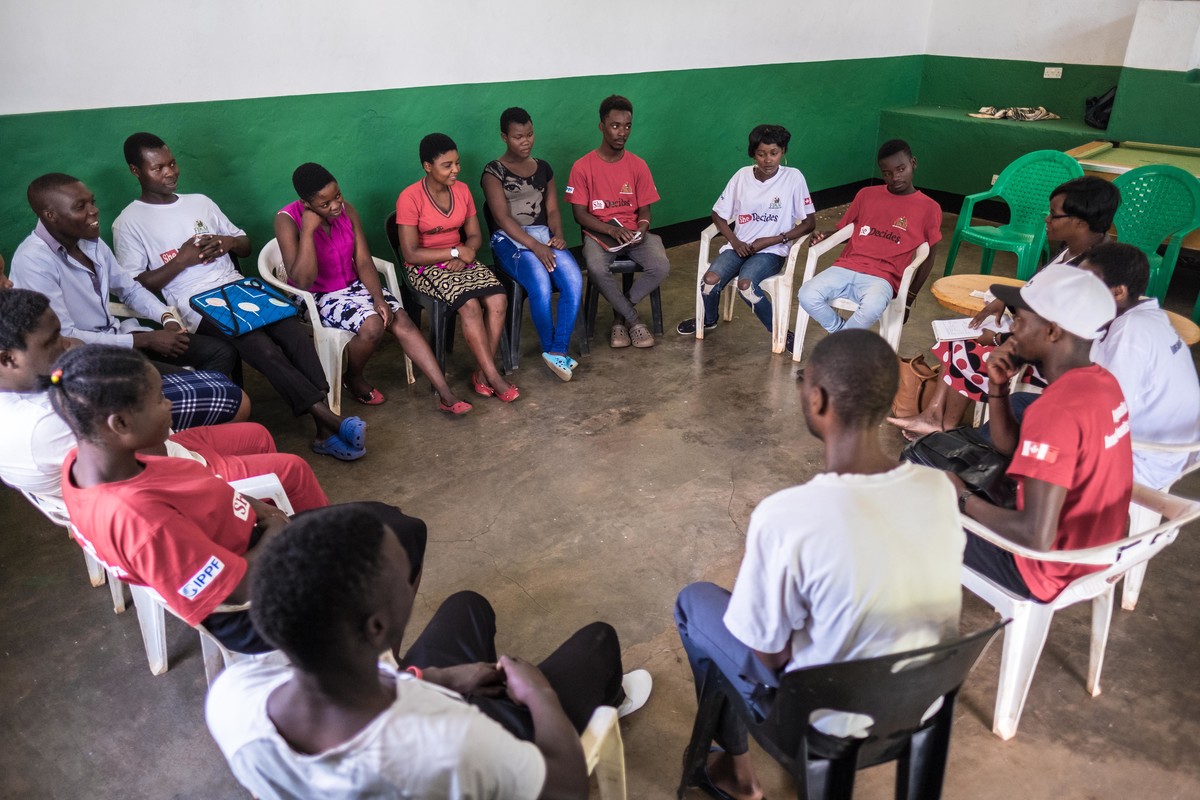
The project aims to strengthen the coordination of interventions on adolescents and young people’s access to Sexual and Reproductive Health and Rights (AY SRHR) information and services. Budget: 250,000 USD Donor: nThe David and Lucile Packard Foundation Timeline: 2 Years (January 2020 – April 2022) Project implementation areas: Africa Partners: AUC/ UNFPA/UNESCO/GIMAC Other interesting information: Through the project, youth and adolescents SHRH are mainstreamed in the key policy instrument of and processes of the African Union./ The Project coordinated the establishment of the cluster on life skills education and career guidance to respond to the changes in the provision of sexuality education on the continent. (Linking Education and SRHR). Key achievements to date: Sexual Health Campaign / Mental Health Campaign - Co-lead the conversation on the reporting of the State of the World’s children 2021. Advocacy2Action Capacity Building Training/ GIMAC Youth Advocacy Training Africa Girls Summit / Conducting conversations in key international moments - Egumeni sessions series with the AUC on different topics. Life Skills and Career Guidance Cluster: New members joined the Cluster / Development of the Continental Strategy for Education for Health and Well-being in Africa Innovative approaches: Profiling young people, advocates to lead on the key events within the AUC (Dubai Expo/ AU Summit) /Inclusive approaches of youth-led initiatives in advancing the Advocacy work on SRHR and Mental Health across the continent. Lessons learned: Enhancement of reciprocal communication among partners and cluster members/ Strategize the way forward, follow-up and evaluation of the project activities.
programme
| 31 January 2022
Strengthening coordination to increase Access for Adolescents and Youth to SRHR
The project aims to strengthen the coordination of interventions on adolescents and young people’s access to Sexual and Reproductive Health and Rights (AY SRHR) information and services. Budget: 250,000 USD Donor: nThe David and Lucile Packard Foundation Timeline: 2 Years (January 2020 – April 2022) Project implementation areas: Africa Partners: AUC/ UNFPA/UNESCO/GIMAC Other interesting information: Through the project, youth and adolescents SHRH are mainstreamed in the key policy instrument of and processes of the African Union./ The Project coordinated the establishment of the cluster on life skills education and career guidance to respond to the changes in the provision of sexuality education on the continent. (Linking Education and SRHR). Key achievements to date: Sexual Health Campaign / Mental Health Campaign - Co-lead the conversation on the reporting of the State of the World’s children 2021. Advocacy2Action Capacity Building Training/ GIMAC Youth Advocacy Training Africa Girls Summit / Conducting conversations in key international moments - Egumeni sessions series with the AUC on different topics. Life Skills and Career Guidance Cluster: New members joined the Cluster / Development of the Continental Strategy for Education for Health and Well-being in Africa Innovative approaches: Profiling young people, advocates to lead on the key events within the AUC (Dubai Expo/ AU Summit) /Inclusive approaches of youth-led initiatives in advancing the Advocacy work on SRHR and Mental Health across the continent. Lessons learned: Enhancement of reciprocal communication among partners and cluster members/ Strategize the way forward, follow-up and evaluation of the project activities.